Preparation is the key to success in any interview. In this post, we’ll explore crucial Trickling Filter Processes interview questions and equip you with strategies to craft impactful answers. Whether you’re a beginner or a pro, these tips will elevate your preparation.
Questions Asked in Trickling Filter Processes Interview
Q 1. Describe the principle of operation of a trickling filter.
A trickling filter is a wastewater treatment process that uses a bed of media, typically rocks or plastic, over which wastewater is distributed. The principle of operation relies on the natural action of microorganisms attached to the media’s surface. As wastewater trickles over the media, these microorganisms consume the organic matter present in the wastewater, breaking it down into less harmful substances. Think of it like a natural, biological filter. The wastewater flows downward through the filter bed, allowing for extended contact time with the biofilm. The treated effluent is then collected at the bottom.
Essentially, it’s a controlled environment fostering a robust ecosystem of bacteria and other microorganisms that feast on pollutants, cleaning the water as it passes through.
Q 2. Explain the role of biomass in a trickling filter.
Biomass, in the context of a trickling filter, refers to the layer of microorganisms – bacteria, fungi, protozoa, and other organisms – that adhere to the surface of the filter media. This is often called a biofilm. This biofilm is absolutely crucial for the filter’s effectiveness. These microorganisms are the workhorses, performing the biological oxidation of organic matter present in the wastewater. They consume the dissolved and suspended organic pollutants, converting them into carbon dioxide, water, and stable biomass. The effectiveness of a trickling filter is directly proportional to the amount and activity of the biomass present. A healthy, thriving biofilm is essential for optimal treatment performance.
Imagine it as a bustling city: the media is the land, and the microorganisms are the inhabitants. The more inhabitants (biomass), the more efficiently they can process the incoming waste (wastewater).
Q 3. What are the different types of trickling filters?
Trickling filters come in several types, primarily categorized by their design and media characteristics:
- Standard Rate Filters: These are the traditional design, characterized by a relatively low hydraulic loading rate and high organic loading rate. They are typically larger in size and use rock media.
- High-Rate Filters: These filters operate with a higher hydraulic loading rate than standard filters, often incorporating recirculation to increase the efficiency of the process and handle a higher volume of wastewater. They may utilize different media types, including plastic media for improved performance.
- Rotating Biological Contactors (RBCs): While technically a variation of a trickling filter, RBCs feature rotating discs or media submerged in the wastewater, maximizing surface area for biomass growth and increasing the rate of treatment. They are a very efficient option.
The choice of filter type depends on factors such as the wastewater characteristics, available land area, and budget constraints.
Q 4. What are the advantages and disadvantages of trickling filters compared to other wastewater treatment methods?
Trickling filters offer several advantages over other wastewater treatment methods:
- Relatively simple design and operation: They are less complex and require less skilled labor compared to activated sludge systems.
- Lower energy requirements: They don’t require significant energy input for aeration, unlike activated sludge systems.
- Effective removal of BOD and suspended solids: They effectively treat both organic matter (BOD) and suspended solids.
- Robustness to shock loads: They can tolerate fluctuations in the wastewater flow and composition better than some other systems.
However, trickling filters also have some disadvantages:
- Large land area requirements: They require a considerable footprint compared to other treatment options.
- Potential for odor problems: If not properly managed, they can produce unpleasant odors.
- Temperature-sensitive performance: Their efficiency is affected by temperature variations.
- Limited removal of nutrients: They may not be as efficient as other processes for removing nitrogen and phosphorus.
The ideal choice depends on site-specific factors and the desired level of treatment.
Q 5. How does hydraulic loading rate affect trickling filter performance?
The hydraulic loading rate (HLR) is the volume of wastewater applied per unit area of filter media per unit time (e.g., gallons per day per square foot). Increasing the HLR means more wastewater is flowing over the media in a given time. A high HLR can reduce the contact time between the wastewater and the biofilm, resulting in decreased treatment efficiency. This is because the microorganisms may not have sufficient time to consume the organic pollutants effectively. Conversely, a very low HLR may lead to underutilization of the filter media and a less efficient process.
Finding the optimal HLR is crucial for balancing treatment efficiency and media utilization. Too high, and treatment suffers. Too low, and you are not maximizing your investment. Operational data and experience guide optimal design and operation.
Q 6. How does organic loading rate affect trickling filter performance?
The organic loading rate (OLR) represents the amount of organic matter (typically measured as BOD) applied per unit volume or area of the filter media per unit time (e.g., pounds of BOD per day per 1000 cubic feet). A high OLR means that the microorganisms are presented with a larger amount of organic matter to consume. While a certain level of organic loading is necessary to sustain the biofilm, an excessively high OLR can lead to clogging of the filter media, reduced oxygen transfer to the biofilm, and a decrease in treatment efficiency. This may manifest as ‘ponding’ where the water does not properly drain through the filter.
Conversely, a very low OLR may result in a less active biofilm and underutilization of the filter’s treatment capacity. Similar to HLR, finding the optimal OLR involves careful consideration of the wastewater characteristics and the design parameters of the trickling filter.
Q 7. Explain the concept of recirculation in trickling filters.
Recirculation in trickling filters involves returning a portion of the treated effluent back to the top of the filter along with the influent wastewater. This practice significantly enhances the performance of the filter in several ways:
- Increased biomass: Recirculation provides more nutrients and organic matter for the biofilm, promoting greater biomass development and improving treatment efficiency.
- Improved hydraulic distribution: It helps to distribute the wastewater more evenly across the filter media, preventing uneven loading and maximizing treatment throughout the bed.
- Higher OLR without clogging: Recirculation allows for a higher effective OLR while minimizing clogging by ensuring sufficient oxygen transfer to the biofilm, even at higher organic loadings.
- Improved nitrification: Recirculation contributes to a more stable environment, supporting the growth of nitrifying bacteria, and consequently improving nitrogen removal.
Think of it as adding extra ‘fuel’ (nutrients) and ‘workers’ (microorganisms) to the system, helping the process run more efficiently and handle larger loads.
Q 8. What are the common media used in trickling filters?
Trickling filters utilize various media to provide a large surface area for the growth of microorganisms that break down organic matter in wastewater. The choice of media depends on factors like cost, availability, and desired performance.
- Rock media: This is a traditional and cost-effective option, typically using crushed stone or gravel of varying sizes. It’s durable but can be prone to clogging.
- Plastic media: Modern designs often incorporate lightweight, high-surface-area plastics. These offer better hydraulic characteristics and resist degradation compared to rock, but can be more expensive. Examples include corrugated plastic sheets or specially designed plastic shapes.
- Other materials: Less common media include recycled materials, wood chips (with limitations due to decay), and even specially designed ceramic media offering optimized surface area and flow properties.
The ideal media maximizes surface area for biofilm growth while ensuring good wastewater distribution and preventing clogging.
Q 9. How do you measure the efficiency of a trickling filter?
Trickling filter efficiency is typically measured by assessing the reduction in Biochemical Oxygen Demand (BOD) and Suspended Solids (SS). BOD represents the amount of oxygen consumed by microorganisms during the decomposition of organic matter; a higher reduction indicates better efficiency. Similarly, SS reduction shows how effectively the filter removes solids from the wastewater.
Efficiency is expressed as a percentage removal:
Efficiency (%) = [(Influent value - Effluent value) / Influent value] x 100Where ‘Influent value’ is the BOD or SS concentration entering the filter, and ‘Effluent value’ is the concentration leaving the filter. Other parameters, like removal of nitrogen and phosphorus, might also be considered for a more comprehensive assessment. Regular monitoring of these parameters is crucial for effective operation and maintenance.
Q 10. What are the common operational problems encountered in trickling filters?
Several operational problems can plague trickling filters. These often stem from issues related to the wastewater itself, the filter media, or the overall system design. Common problems include:
- Clogging: Excessive buildup of solids on the media reduces surface area for microbial growth and airflow, hindering the treatment process. This is particularly problematic with rock media and high SS influent.
- Ponding: Uneven wastewater distribution can lead to areas of the filter becoming flooded, reducing oxygen transfer and inhibiting microbial activity.
- Fly breeding: The moist environment can attract flies, particularly if the wastewater contains organic matter that attracts them.
- Odor problems: Anaerobic conditions within the filter can lead to unpleasant odors due to the production of hydrogen sulfide and other volatile organic compounds.
- Filter media degradation: Rock media can break down over time, while some plastic media types may degrade under certain conditions.
Regular inspections, careful monitoring of influent parameters, and appropriate design considerations can help mitigate these problems.
Q 11. How do you control the growth of filamentous organisms in a trickling filter?
Filamentous organisms can cause operational problems in trickling filters by leading to ponding and clogging. Control strategies focus on manipulating the wastewater characteristics to favor the growth of other, less problematic microorganisms:
- Increasing the food-to-microorganism ratio (F/M): This can be achieved by increasing the organic loading rate (wastewater flow) or reducing the biomass (by temporarily reducing flow). A higher F/M ratio will promote the growth of attached bacteria over filamentous organisms.
- Improving dissolved oxygen (DO) levels: Sufficient DO is crucial for maintaining healthy microbial communities and suppressing filamentous growth which thrives in low-oxygen conditions.
- Adjusting the pH: Maintaining an optimal pH range can hinder the growth of some filamentous organisms.
- Chlorination: In severe cases, controlled chlorination can be used to kill excessive filamentous growth, but this should be done carefully to avoid harming beneficial bacteria.
Effective control often requires a combination of these methods, tailored to the specific characteristics of the wastewater and the filter.
Q 12. What are the methods for cleaning and maintaining a trickling filter?
Cleaning and maintenance are essential for ensuring optimal trickling filter performance. Methods include:
- Regular inspection: Visual inspections are crucial to identify potential problems like ponding, clogging, or media degradation.
- Media washing/cleaning: Depending on the media type, it might be possible to clean the media in place using high-pressure water jets or remove and clean it off-site. This is a more involved process often reserved for severe clogging issues.
- Wastewater recirculation: Recirculating a portion of the effluent back to the inlet can increase the oxygen levels and improve the distribution of the wastewater.
- Removal and replacement of damaged media: Damaged or degraded media should be replaced to maintain filter efficiency.
- Control of flies: Measures to reduce fly breeding include proper wastewater management, improved ventilation, and the use of fly control products if necessary.
A preventative maintenance schedule, tailored to the specific filter design and operating conditions, is essential for long-term efficiency and reduced downtime.
Q 13. Describe the role of dissolved oxygen in a trickling filter.
Dissolved oxygen (DO) plays a critical role in trickling filter operation. The microorganisms responsible for breaking down organic matter are aerobic, meaning they require oxygen for respiration. Adequate DO levels are essential for maintaining a healthy and active biofilm on the media.
Insufficient DO leads to anaerobic conditions, promoting the growth of undesirable bacteria which produce foul-smelling gases and reduce the efficiency of treatment. Maintaining sufficient DO is therefore crucial for effective BOD and SS removal.
The DO level is affected by factors like the wastewater flow rate, temperature, and the amount of organic matter present. Adequate aeration, either through natural air diffusion or mechanical aeration, is often essential in maintaining optimal DO levels.
Q 14. How do you troubleshoot a malfunctioning trickling filter?
Troubleshooting a malfunctioning trickling filter involves a systematic approach:
- Assess the performance: Begin by carefully reviewing the performance data, including BOD and SS removal efficiencies, DO levels, and any unusual observations.
- Identify potential problems: Based on the performance data and visual inspection, identify the most likely causes of the malfunction (e.g., clogging, ponding, low DO).
- Investigate the causes: Further investigation might include analyzing the influent wastewater characteristics, checking the distribution of wastewater within the filter, and assessing the condition of the media.
- Implement corrective actions: Depending on the identified problem, take appropriate corrective actions such as media cleaning, adjustments to the wastewater flow rate, aeration improvements, or repairs to the system.
- Monitor the effects: After implementing corrective actions, carefully monitor the filter performance to ensure the problem has been resolved. If necessary, repeat the troubleshooting process to address any remaining issues.
Maintaining thorough operational records, along with regular monitoring and preventive maintenance, is crucial in facilitating rapid and effective troubleshooting.
Q 15. What are the environmental considerations related to trickling filter operation?
Trickling filter operation, while effective in wastewater treatment, presents several environmental considerations. These primarily revolve around potential impacts on receiving water bodies and the surrounding environment.
- Effluent Quality: Even after treatment, the effluent might still contain pollutants, albeit at reduced levels. Improperly managed filters can lead to excessive nutrient discharge (nitrogen and phosphorus), fueling algal blooms and depleting oxygen in receiving waters. Similarly, pathogens might persist if the filter isn’t effectively removing them.
- Odor Emissions: Biological processes within the filter generate odors, particularly hydrogen sulfide (rotten egg smell). Poorly maintained filters or inadequate ventilation can release these odors into the atmosphere, creating nuisance conditions for nearby residents.
- Sludge Management: The filter accumulates biological solids (sludge) which requires regular removal and disposal. Improper handling of this sludge can lead to pollution and health risks. Effective sludge management plans, such as anaerobic digestion or land application, are crucial.
- Insect Breeding Grounds: The moist environment of a trickling filter can provide a breeding habitat for insects, particularly flies. This impacts aesthetics and potentially public health. Regular maintenance and appropriate design features can mitigate this risk.
- Energy Consumption: Trickling filters, while relatively low-energy, still require energy for pumping, aeration (in some configurations), and sludge handling. Sustainable design principles should incorporate energy efficiency measures.
Addressing these environmental considerations requires careful filter design, proper operation, and regular maintenance, alongside effective sludge management strategies. Compliance with environmental regulations is paramount.
Career Expert Tips:
- Ace those interviews! Prepare effectively by reviewing the Top 50 Most Common Interview Questions on ResumeGemini.
- Navigate your job search with confidence! Explore a wide range of Career Tips on ResumeGemini. Learn about common challenges and recommendations to overcome them.
- Craft the perfect resume! Master the Art of Resume Writing with ResumeGemini’s guide. Showcase your unique qualifications and achievements effectively.
- Don’t miss out on holiday savings! Build your dream resume with ResumeGemini’s ATS optimized templates.
Q 16. Explain the importance of proper media selection in trickling filter design.
Media selection is critical in trickling filter design because it directly impacts the filter’s efficiency and longevity. The media provides the surface area for biofilm development, where microorganisms break down organic matter in the wastewater. A good choice maximizes surface area, promotes even wastewater distribution, and resists clogging and degradation.
- Surface Area: A larger surface area allows for more extensive biofilm growth, resulting in higher treatment efficiency. The media’s shape and size influence this significantly. For example, random packing media often provides a higher surface area compared to structured media.
- Void Space: Sufficient void space is needed for unimpeded wastewater flow and oxygen transfer. Too little void space leads to clogging and reduced efficiency. Too much space can reduce biofilm contact time.
- Durability: The media must withstand physical and biological degradation. Materials like stone, plastic, and synthetic media offer varying degrees of durability. Factors like wastewater characteristics (pH, temperature, presence of abrasive solids) influence material selection.
- Cost: Different media types have varying costs. The choice depends on the balance between cost and performance, considering the overall project budget and long-term operational considerations.
For example, choosing a less durable media in a high-solids wastewater stream might lead to premature failure and increased replacement costs. Conversely, selecting expensive high-performance media for a simple application would be economically inefficient.
Q 17. How do you determine the required size of a trickling filter for a specific application?
Determining the required size of a trickling filter involves several steps. It’s an iterative process, often using specialized software or consulting engineering guidelines. The key parameters are:
- Wastewater Flow Rate (Q): The volume of wastewater to be treated per unit time (e.g., gallons per day or cubic meters per day). This is a fundamental input.
- Organic Loading Rate (OLR): The mass of biodegradable organic matter applied to the filter media per unit volume per unit time (e.g., kg BOD/m³/day). This indicates the intensity of the treatment process. A higher OLR requires a larger filter or more efficient media.
- Hydraulic Loading Rate (HLR): The volume of wastewater applied to the filter media per unit surface area per unit time (e.g., m³/m²/day). This ensures adequate distribution and contact time without flooding or short-circuiting.
- Desired Effluent Quality: The required level of treatment (e.g., BOD, COD, TSS removal) dictates the filter’s size and operational parameters.
Design equations and empirical correlations, often based on previous successful projects, are used to determine the surface area (and consequently, the diameter and depth) of the trickling filter. The process usually involves selecting an appropriate OLR and HLR based on experience and design standards, then calculating the required surface area. It is crucial to ensure that the design accounts for safety factors and potential future increases in wastewater flow.
For instance, a higher OLR might necessitate a larger filter diameter to maintain efficient treatment. Similarly, stringent effluent requirements might necessitate a deeper filter for increased contact time.
Q 18. What are the different types of effluent filters used in trickling filter systems?
Effluent filters in trickling filter systems aren’t always included as a standard component. However, additional filtration can improve effluent quality further, particularly if stringent discharge limits are in place. Types include:
- Sand Filters: These are common polishing filters using layers of sand to remove suspended solids and some residual organic matter. They are relatively simple and effective but require periodic backwashing to remove accumulated solids.
- Anthracite Filters: Similar to sand filters but using anthracite coal, offering superior filtration due to its larger particle size and higher porosity.
- Dual Media Filters: Combine layers of different filter media (e.g., anthracite and sand) to leverage the advantages of each, achieving a higher level of filtration. This is often considered a premium approach.
- Membrane Filters: Advanced filtration techniques employing membranes (microfiltration, ultrafiltration) to remove even smaller particles and pathogens. These are generally more expensive and energy-intensive than traditional filter media.
The selection depends on the desired effluent quality, the cost constraints, and the available space. For example, if stringent limits exist on suspended solids, a sand filter or a more advanced membrane filtration step might be necessary.
Q 19. What are the regulatory requirements for the discharge from a trickling filter?
Regulatory requirements for trickling filter discharge vary significantly depending on location and the receiving water body. Authorities typically set limits on several key parameters:
- Biochemical Oxygen Demand (BOD): Limits on the amount of oxygen required by microorganisms to decompose organic matter in the effluent. This is a primary indicator of organic pollution.
- Chemical Oxygen Demand (COD): A broader measure of the total oxygen-demanding substances in the effluent.
- Suspended Solids (SS): Limits on the concentration of solid particles in the effluent, which can cause turbidity and other problems.
- Nutrients (Nitrogen & Phosphorus): Limits on nitrogen and phosphorus levels, as excess nutrients can lead to eutrophication in receiving waters.
- pH: The effluent’s acidity or alkalinity must fall within a specified range.
- Pathogens: Regulations often mandate the absence or a very low level of specific pathogens.
These limits are often defined in permits issued by environmental agencies. Non-compliance can result in penalties and enforcement actions. Regular monitoring of effluent quality and appropriate adjustments to filter operation are essential to ensure compliance.
Q 20. Explain the concept of nitrification and denitrification in a trickling filter.
Nitrification and denitrification are crucial nitrogen transformation processes that can occur within a trickling filter, impacting effluent quality. They require specific environmental conditions within the filter.
- Nitrification: This is the aerobic (oxygen-requiring) conversion of ammonia (NH₃) to nitrite (NO₂) and then to nitrate (NO₃) by specific groups of autotrophic bacteria. It requires a sufficient supply of dissolved oxygen within the biofilm.
- Denitrification: This is the anaerobic (oxygen-absent) conversion of nitrate (NO₃) to nitrogen gas (N₂), which is then released into the atmosphere. It requires anoxic (low oxygen) conditions, often created within the biofilm itself or in a separate anoxic zone within the system.
Efficient nitrification and denitrification reduce nitrogen pollution in the effluent. Factors influencing these processes include oxygen availability, pH, temperature, and the presence of organic carbon (for denitrification). In some cases, modifications to the trickling filter design, such as adding anoxic zones or optimizing aeration, might be necessary to enhance nitrification and denitrification.
For example, insufficient oxygen in the filter would hinder nitrification, resulting in higher ammonia levels in the effluent. Conversely, insufficient organic carbon could limit denitrification, leaving residual nitrate in the effluent.
Q 21. How does temperature affect the efficiency of a trickling filter?
Temperature significantly affects the efficiency of a trickling filter because it influences the metabolic activity of the microorganisms within the biofilm. Microbial activity is typically highest within a specific temperature range. Temperatures that are too high or too low can impair their function and thus reduce treatment effectiveness.
- Optimal Temperature Range: Most wastewater treatment microorganisms thrive within a mesophilic temperature range (around 20-30°C). Within this range, higher temperatures generally lead to increased biological activity and faster treatment rates.
- Low Temperatures: At lower temperatures, microbial activity slows down significantly, reducing treatment efficiency. The rate of biological reactions decreases exponentially with decreasing temperature. This can lead to increased BOD and other pollutants in the effluent.
- High Temperatures: While higher temperatures initially increase activity, excessively high temperatures can inhibit microbial growth and even cause cell death, leading to reduced treatment efficiency.
In colder climates, trickling filters might require supplementary heating to maintain optimal operating temperatures. In warmer climates, measures to avoid excessive heating, such as shading or cooling systems, might be necessary. The design should consider the expected temperature variations throughout the year to ensure consistent treatment performance.
For instance, a filter operating in a cold climate during winter might require significant adjustments to maintain effluent quality within permitted standards.
Q 22. What are the effects of toxic substances on trickling filter performance?
Toxic substances significantly impact trickling filter performance by inhibiting the biological processes crucial for wastewater treatment. Think of the microorganisms in the filter as a tiny ecosystem; just like pollution harms our environment, toxic substances harm this ecosystem. These substances can be broadly categorized as:
- Biocides: Chemicals like heavy metals (e.g., mercury, copper, chromium), pesticides, and certain industrial solvents directly kill or inhibit the growth of the bacteria and other microorganisms responsible for breaking down organic matter. This leads to a reduction in BOD (Biochemical Oxygen Demand) removal.
- Metabolic Inhibitors: These compounds don’t necessarily kill the organisms but interfere with their metabolic processes, slowing down or stopping the breakdown of pollutants. For instance, certain industrial chemicals can disrupt the enzymes involved in the oxidation of organic matter.
- Nutrient Imbalances: While nutrients are essential, an excess or imbalance (e.g., too much nitrogen or phosphorus relative to carbon) can lead to poor performance and potentially the growth of undesirable organisms that consume oxygen without efficiently treating waste.
The effect depends on the concentration and type of toxic substance, the acclimation of the microbial community (some microorganisms might develop tolerance), and the hydraulic and organic loading rates of the filter. In severe cases, a complete treatment failure can occur, leading to the discharge of untreated or poorly treated wastewater.
Q 23. Describe the role of secondary clarifiers in a trickling filter system.
Secondary clarifiers are essential components in a trickling filter system, acting as the final polishing step. Imagine the trickling filter as a washing machine and the secondary clarifier as the spin cycle. The trickling filter biologically treats the wastewater, but the treated effluent still contains suspended solids (sludge). The secondary clarifier separates these solids from the treated water through gravity sedimentation.
Specifically, the clarifier allows the treated wastewater to flow slowly through a large tank. The heavier solids (settled sludge) settle to the bottom, while the relatively clear, treated water overflows from the top. This clarified effluent then undergoes disinfection (often chlorination) before being discharged into the receiving water body. The settled sludge is typically recycled back to the trickling filter (to maintain the microbial biomass) or sent to a sludge digestion/treatment facility.
Q 24. Explain the importance of regular monitoring of the trickling filter.
Regular monitoring of a trickling filter is crucial for maintaining optimal performance and preventing costly breakdowns. Think of it like regular checkups for your car – they catch small issues before they become major problems. Monitoring parameters include:
- Influent and Effluent Quality: Regularly measuring BOD, COD (Chemical Oxygen Demand), suspended solids, pH, and ammonia levels in the incoming and outgoing wastewater provides valuable insights into the filter’s treatment efficiency.
- Dissolved Oxygen (DO): Monitoring DO levels within the filter media is essential, as insufficient oxygen limits biological activity. Low DO can indicate high organic loading or problems with air distribution.
- Sludge Level in Clarifier: Monitoring sludge levels prevents excessive sludge buildup, which can impair clarification efficiency and potentially lead to sludge carryover into the effluent.
- Media Condition: Regular inspections of the filter media are necessary to assess its condition (e.g., clogging, ponding, deterioration). This might involve visual inspections or sampling for biological activity.
This data allows operators to identify and address potential problems proactively, optimizing the system’s performance, preventing environmental violations and ensuring cost-effectiveness.
Q 25. What are the safety precautions to be followed while operating a trickling filter?
Operating a trickling filter involves inherent safety risks. It’s critical to prioritize safety by following procedures like:
- Personal Protective Equipment (PPE): Always wear appropriate PPE, including safety boots, gloves, and eye protection, especially when handling chemicals or performing maintenance tasks.
- Confined Space Entry Procedures: If entering a clarifier or other enclosed spaces, follow strict confined space entry procedures, including atmospheric monitoring for oxygen levels and potentially hazardous gases.
- Lockout/Tagout Procedures: Before any maintenance or repairs, ensure that all power sources to pumps and other equipment are properly locked out and tagged out to prevent accidental startup.
- Emergency Response Plan: A well-defined emergency response plan should be in place to address spills, leaks, or other unforeseen incidents.
- Proper Training: All personnel involved in operating or maintaining a trickling filter must receive adequate training on safe operating procedures and emergency response.
Regular safety inspections and training programs are crucial for minimizing risks and ensuring a safe work environment.
Q 26. How do you perform a hydraulic analysis of a trickling filter system?
Hydraulic analysis of a trickling filter system involves determining the flow rates and hydraulic loading characteristics to ensure efficient operation and prevent problems such as flooding or insufficient treatment. A thorough analysis involves:
- Determining Design Flow Rate: This involves considering the peak and average flow rates of wastewater entering the system.
- Calculating Hydraulic Loading Rate (HLR): This is expressed as the flow rate per unit surface area of the filter media (e.g., m³/m²/day). This value is crucial, as excessive HLR can lead to flooding and reduced treatment efficiency, while too low an HLR might result in underutilization of the filter media.
- Evaluating Recirculation Rates: Recirculation ratios (the ratio of recirculated flow to influent flow) significantly impact the treatment performance by maintaining appropriate levels of dissolved oxygen and biological activity. This step analyzes the appropriate recirculation to meet the treatment goals.
- Analyzing Distribution System: This involves verifying the uniform distribution of wastewater across the filter media surface to ensure even biological activity.
- Calculating Retention Time: The time wastewater remains in the filter is critical for adequate treatment. A suitable retention time ensures adequate contact between wastewater and the biomass.
Software tools and design equations (such as those found in the Metcalf & Eddy Wastewater Engineering textbook) are commonly used in performing detailed hydraulic analyses.
Q 27. Describe the process of upgrading an existing trickling filter system.
Upgrading an existing trickling filter system often involves a combination of modifications to improve its performance, efficiency, and compliance with stricter environmental regulations. Common upgrades include:
- Media Replacement or Enhancement: Replacing aging or deteriorated media with more efficient media (e.g., high-surface-area plastics) improves the biological activity and treatment efficiency.
- Improving Distribution System: Uneven distribution of wastewater leads to inefficiencies. Upgrading the distributor system can ensure more uniform flow across the media surface.
- Recirculation Enhancement: Increasing recirculation rates can improve oxygen transfer and maintain high biological activity. This often requires modifications to the pump and piping system.
- Clarifier Upgrades: Enhancing the clarifier’s efficiency by improving sludge removal or increasing settling capacity is crucial for better effluent quality.
- Advanced Treatment Processes: Adding advanced treatment processes such as nutrient removal (nitrification/denitrification) or membrane filtration can further improve effluent quality to meet stringent discharge limits.
The specific upgrade strategy depends on factors like the existing system’s condition, regulatory requirements, and available budget. A thorough assessment is necessary to identify the most effective and cost-efficient upgrade options.
Q 28. What are the future trends in trickling filter technology?
Future trends in trickling filter technology are focused on enhancing efficiency, sustainability, and integration with other treatment processes. We’re seeing several key developments:
- Improved Media Design: Research is focusing on developing novel media with enhanced surface area, improved biofilm attachment characteristics, and resistance to clogging. This includes advanced materials and innovative design geometries.
- Integration with Advanced Treatment: Trickling filters are increasingly integrated with other processes such as membrane bioreactors (MBRs) to achieve enhanced nutrient removal and improved effluent quality. This combines the robustness of trickling filters with the precision of membrane filtration.
- Automation and Process Control: Advanced sensors and automation systems are being implemented to monitor and control the filter’s operation more effectively, optimizing performance and minimizing energy consumption.
- Sustainability Focus: The focus on reducing energy consumption and minimizing environmental impacts is driving the development of more energy-efficient designs and the utilization of renewable energy sources.
- Data-Driven Optimization: The use of data analytics and machine learning is improving the ability to predict performance, optimize operating parameters, and anticipate potential problems.
These advancements are pushing the boundaries of trickling filter technology, extending its applicability in various wastewater treatment scenarios.
Key Topics to Learn for Trickling Filter Processes Interview
- Fundamentals of Trickling Filter Operation: Understanding the biological processes involved, including attachment growth, biofilm formation, and substrate utilization. Consider the role of microorganisms and their metabolic pathways.
- Hydraulic Design and Performance: Explore concepts like recirculation ratios, hydraulic loading rates, and the impact on treatment efficiency. Analyze different filter media types and their characteristics.
- Process Optimization and Control: Discuss strategies for maximizing treatment efficiency, minimizing clogging, and managing operational parameters. Understand the role of process monitoring and data analysis in maintaining optimal performance.
- Troubleshooting and Maintenance: Familiarize yourself with common operational problems, such as ponding, fouling, and odor control. Explore preventative maintenance strategies and troubleshooting techniques.
- Environmental Considerations: Understand the environmental impact of trickling filter processes, including energy consumption, sludge production, and potential nutrient emissions. Explore sustainable practices and regulations.
- Advanced Applications and Modifications: Investigate advanced trickling filter designs, such as rotating biological contactors (RBCs) and submerged trickling filters. Consider emerging technologies and their potential applications.
Next Steps
Mastering Trickling Filter Processes opens doors to exciting opportunities in wastewater treatment and environmental engineering. A strong understanding of these processes is highly valued by employers and demonstrates your technical expertise. To significantly improve your job prospects, creating a compelling, ATS-friendly resume is crucial. ResumeGemini offers a trusted and efficient platform for building professional resumes, helping you present your skills and experience effectively to potential employers. We provide examples of resumes tailored to Trickling Filter Processes to help guide your resume creation. Take the next step in your career journey – build a standout resume with ResumeGemini.
Operations Manager Resume Sample
Plant Manager Resume Sample
Maintenance Planner Resume Sample
Quality Control Manager Resume Sample
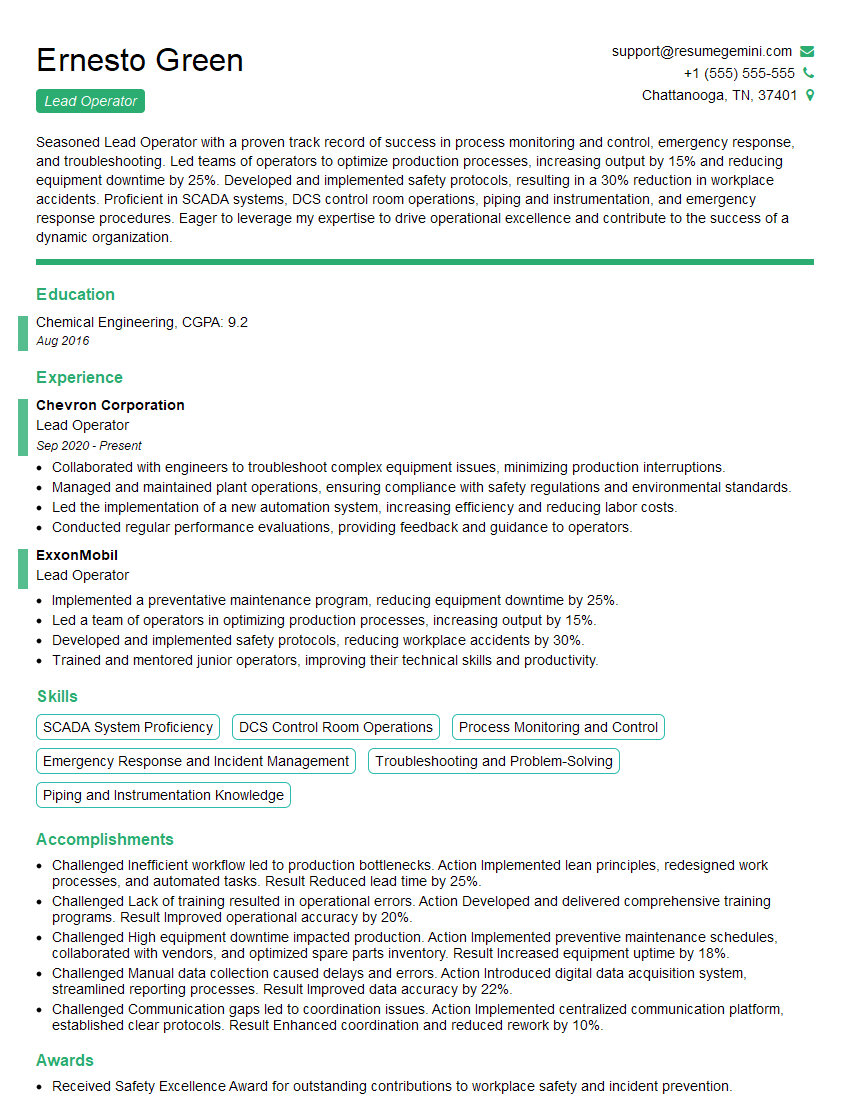
Lead Operator Resume Sample
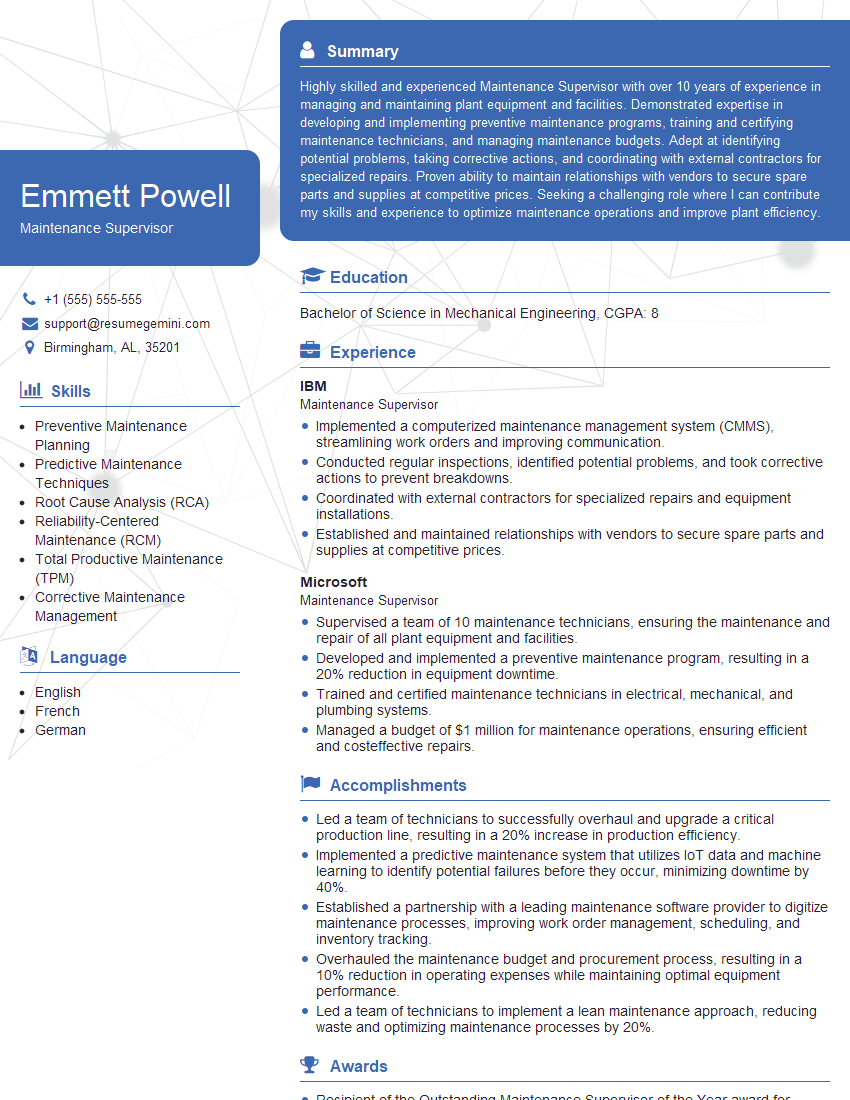
Maintenance Supervisor Resume Sample
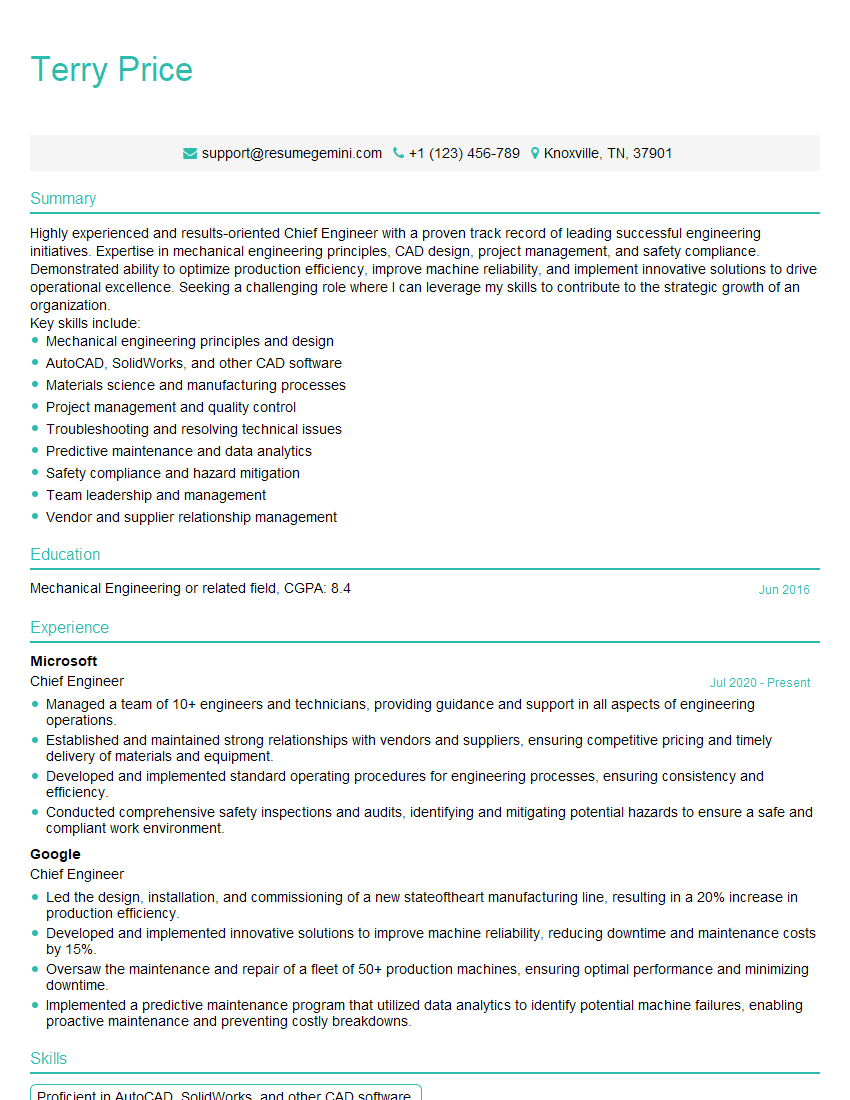
Chief Engineer Resume Sample

Project Engineer Resume Sample
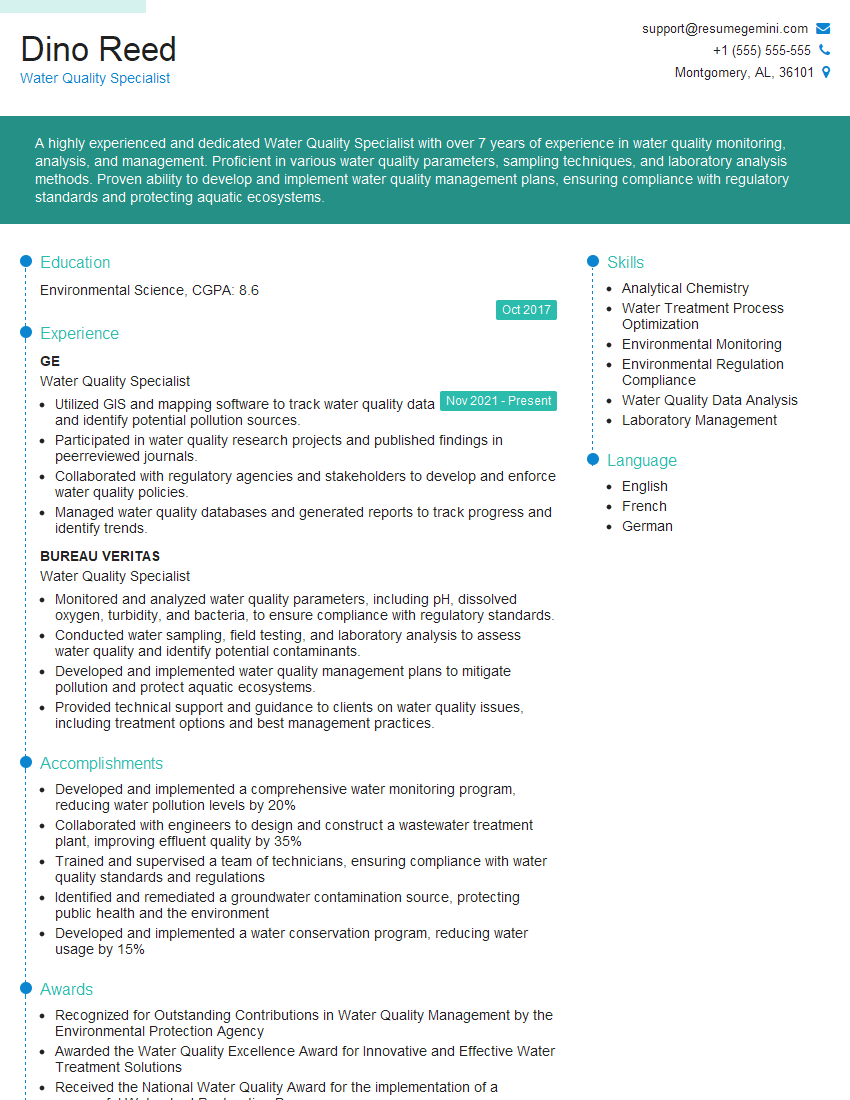
Water Quality Specialist Resume Sample
Regulatory Compliance Officer Resume Sample
Environmental Scientist Resume Sample
Data Analyst Resume Sample
Process Engineer Resume Sample
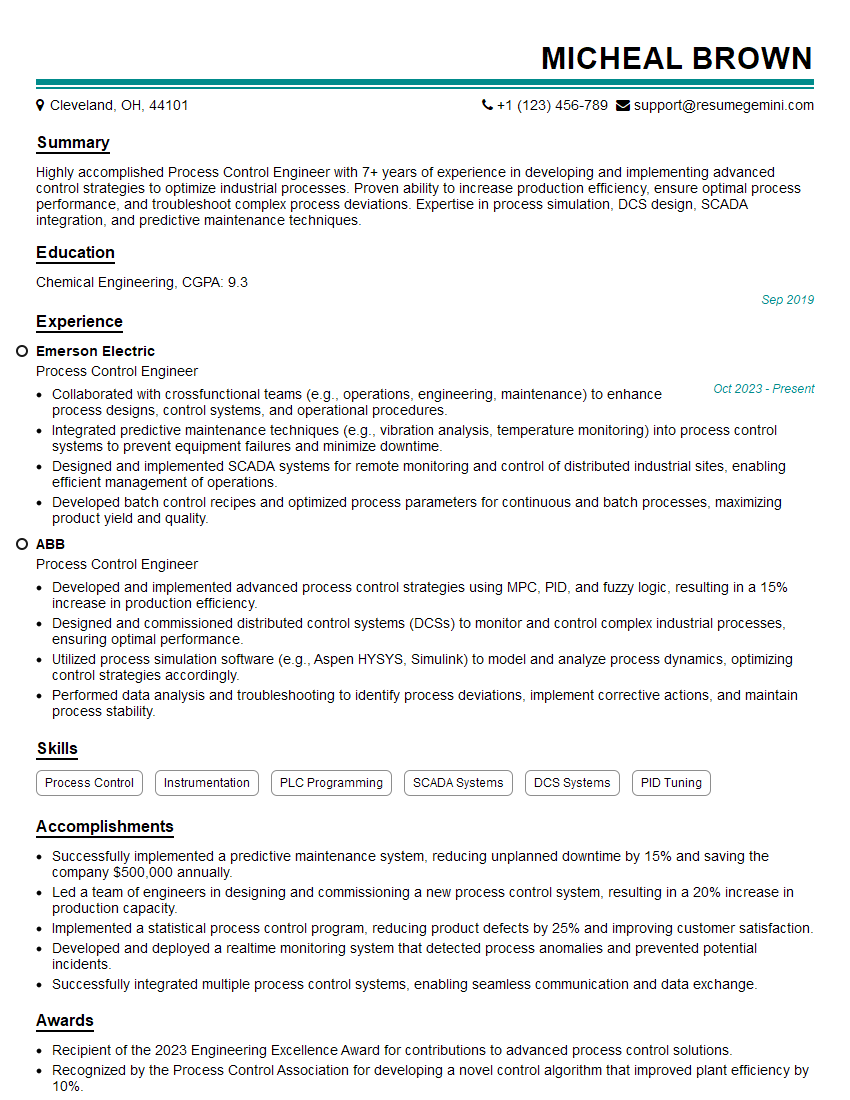
Process Control Engineer Resume Sample
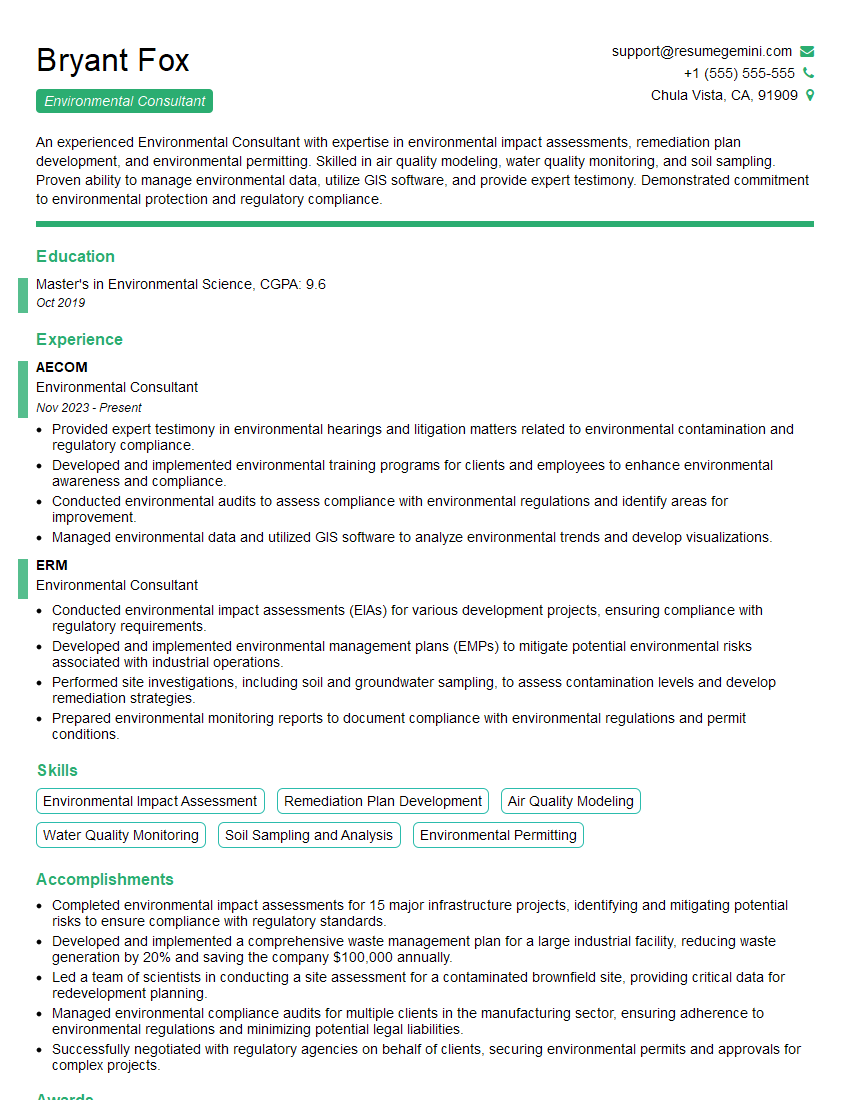
Environmental Consultant Resume Sample
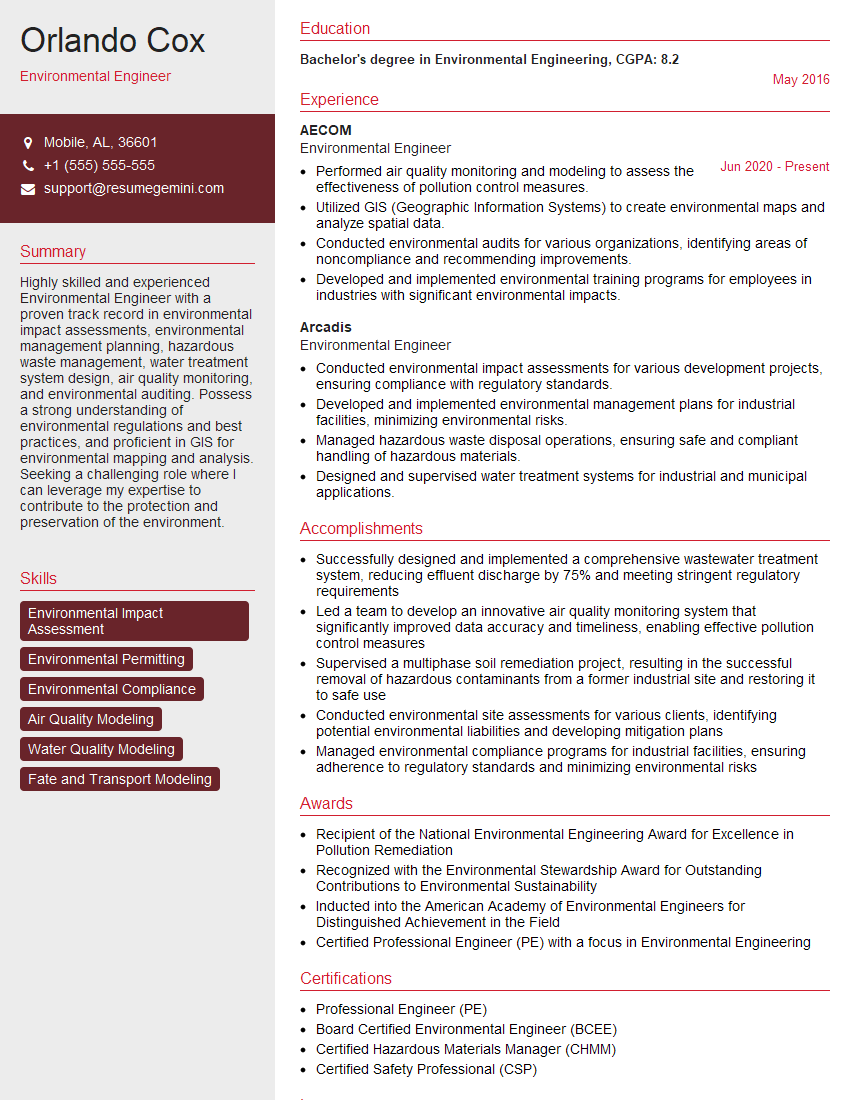
Environmental Engineer Resume Sample
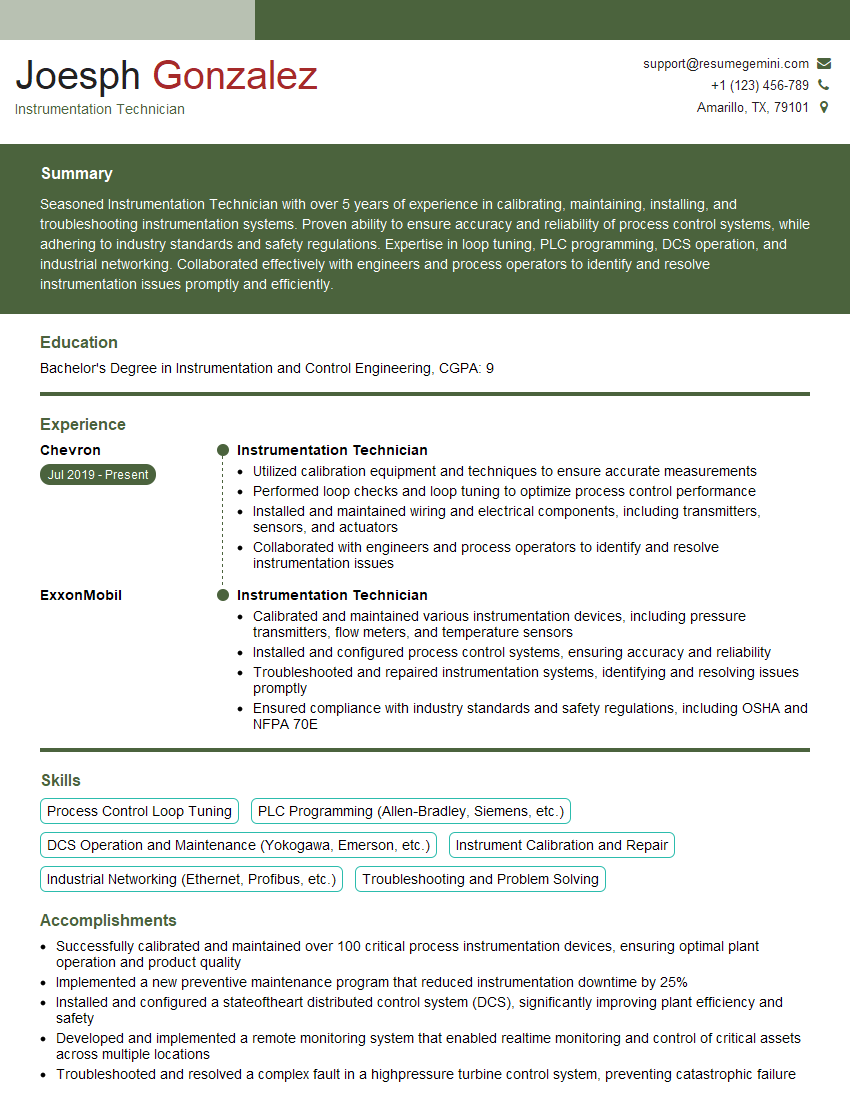
Instrumentation Technician Resume Sample
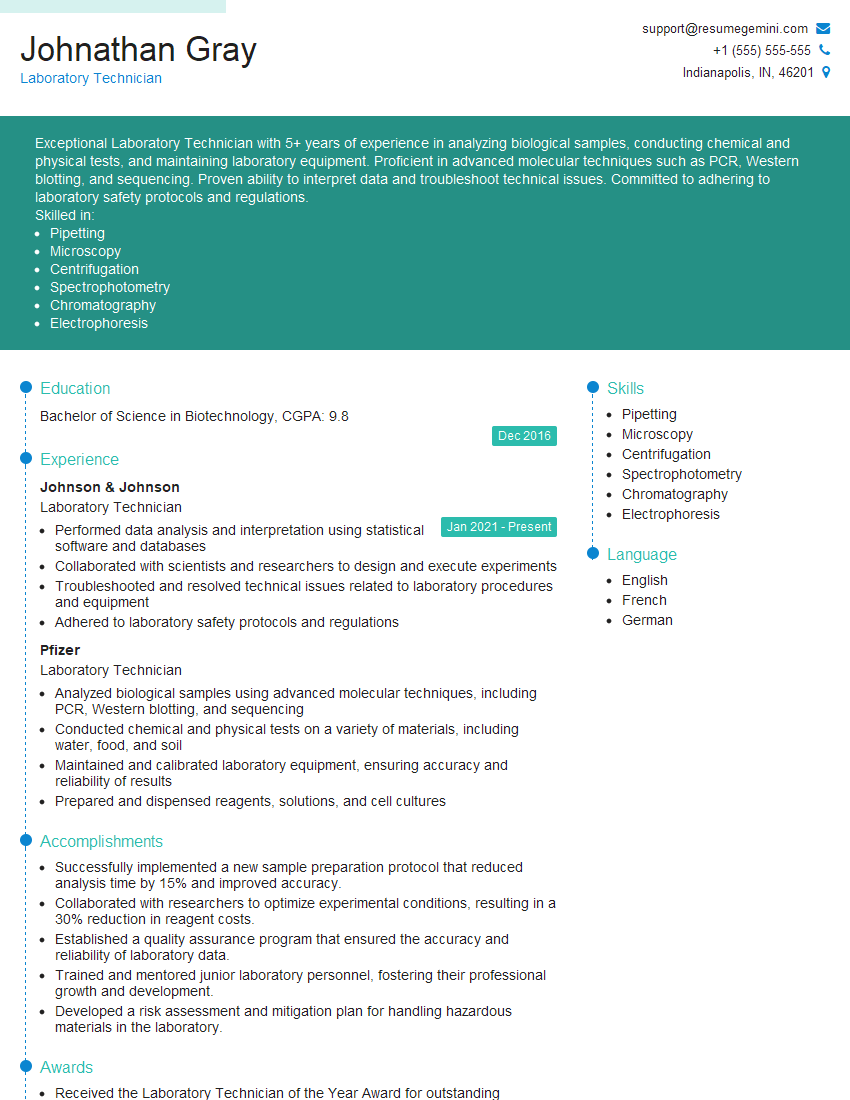
Laboratory Technician Resume Sample
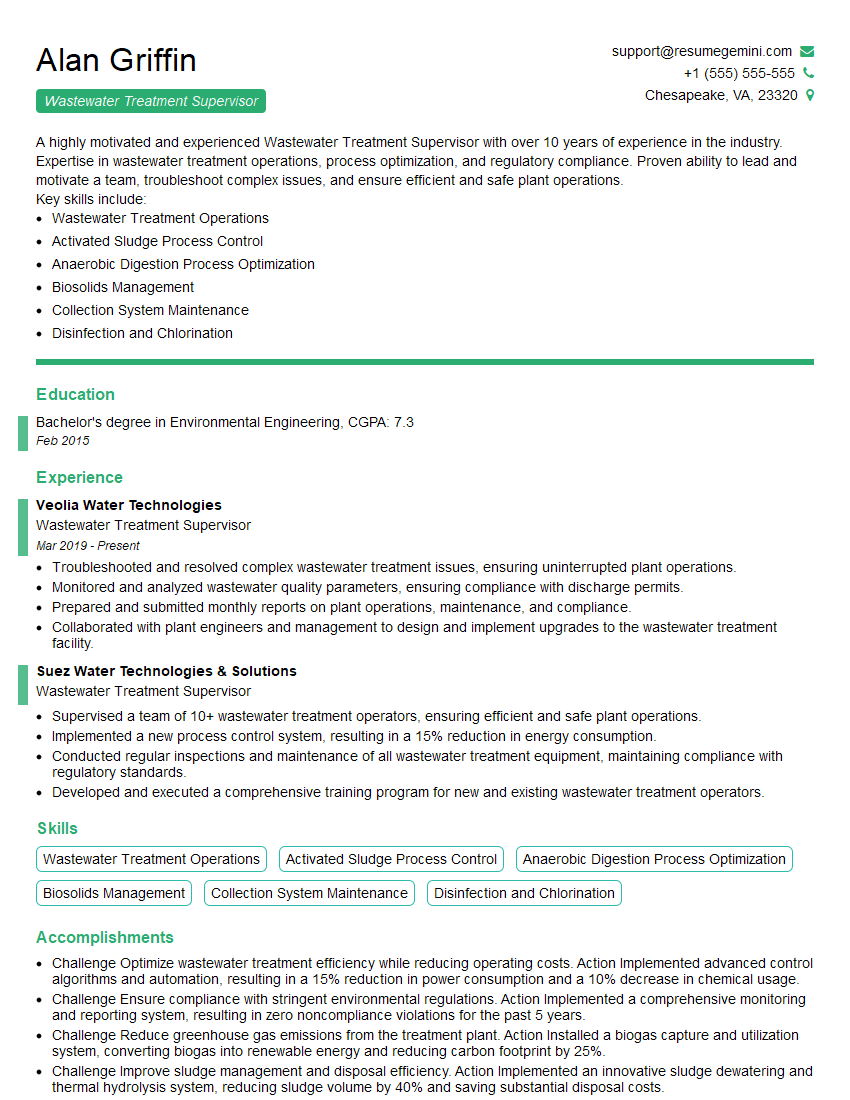
Wastewater Treatment Supervisor Resume Sample
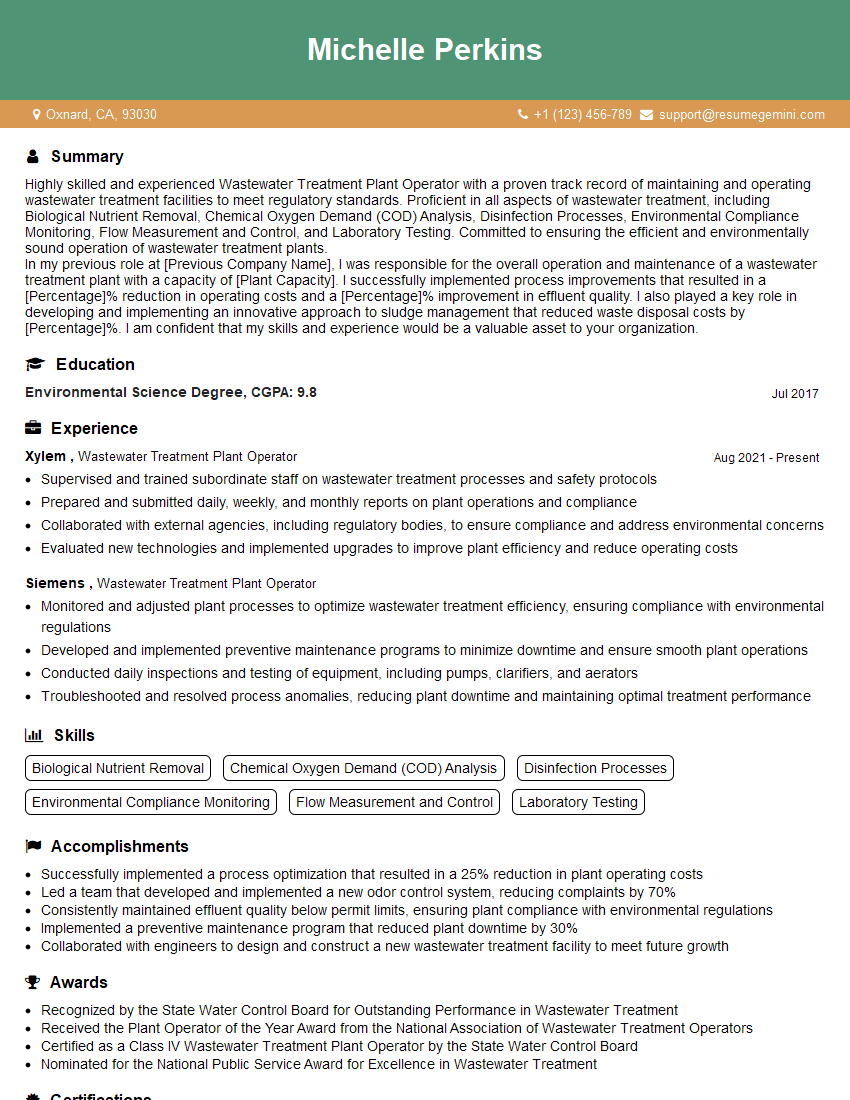
Wastewater Treatment Plant Operator Resume Sample
- Operations Manager
- Plant Manager
- Maintenance Planner
- Quality Control Manager
- Lead Operator
- Maintenance Supervisor
- Chief Engineer
- Project Engineer
- Water Quality Specialist
- Regulatory Compliance Officer
- Environmental Scientist
- Data Analyst
- Process Engineer
- Process Control Engineer
- Environmental Consultant
- Environmental Engineer
- Instrumentation Technician
- Laboratory Technician
- Wastewater Treatment Supervisor
- Wastewater Treatment Plant Operator
Explore more articles
Users Rating of Our Blogs
Share Your Experience
We value your feedback! Please rate our content and share your thoughts (optional).
What Readers Say About Our Blog
To the interviewgemini.com Webmaster.
Very helpful and content specific questions to help prepare me for my interview!
Thank you
To the interviewgemini.com Webmaster.
This was kind of a unique content I found around the specialized skills. Very helpful questions and good detailed answers.
Very Helpful blog, thank you Interviewgemini team.