Interviews are more than just a Q&A session—they’re a chance to prove your worth. This blog dives into essential NPDES and other Regulatory Compliance interview questions and expert tips to help you align your answers with what hiring managers are looking for. Start preparing to shine!
Questions Asked in NPDES and other Regulatory Compliance Interview
Q 1. Explain the key requirements of an NPDES permit.
An NPDES (National Pollutant Discharge Elimination System) permit is a legal document issued by the Environmental Protection Agency (EPA) or a delegated state agency, authorizing the discharge of pollutants into waters of the United States. The key requirements vary depending on the specific permit, but generally include:
- Effluent limitations: These specify the maximum amount of each pollutant that can be discharged from a facility, often expressed in pounds per day or milligrams per liter. For example, a permit might limit the discharge of total suspended solids (TSS) to 100 mg/L.
- Monitoring and reporting requirements: Permittees must regularly sample and analyze their discharge to ensure they meet the effluent limitations. They then submit these results in regular reports to the regulatory agency. This might involve collecting samples weekly or monthly, depending on the nature of the discharge and the permit requirements.
- Pretreatment standards (for indirect dischargers): Industries discharging wastewater to a publicly owned treatment works (POTW) must comply with pretreatment standards to protect the POTW’s treatment process.
- Specific technology-based requirements: The permit may mandate the use of specific pollution control technologies, such as a clarifier or a filter, to reduce pollutant levels.
- Spill prevention, control, and countermeasure (SPCC) plan: For facilities that handle significant amounts of oil, an SPCC plan is often required to prevent and mitigate oil spills.
- Best Management Practices (BMPs): These are methods and practices designed to minimize pollution at the source. Examples include erosion and sediment control measures during construction or implementation of stormwater management techniques.
Think of an NPDES permit as a contract between the permittee and the regulatory agency. The permittee agrees to meet specific conditions, and the agency agrees to allow the discharge under those conditions.
Q 2. Describe the process of obtaining an NPDES permit.
The process of obtaining an NPDES permit generally involves several steps:
- Application submission: The facility owner or operator must complete a detailed application that provides information about the facility, its discharge, and its pollution control measures. This includes a comprehensive description of the facility’s operations, wastewater characteristics, and proposed treatment methods.
- Review and processing: The regulatory agency reviews the application to determine if it is complete and meets the necessary requirements. This can involve site visits and data verification to ensure the accuracy of the information provided.
- Public notice and comment period: The public is given an opportunity to review the application and submit comments. This allows for stakeholder input and transparency in the permitting process. This step ensures concerns from the surrounding community are considered.
- Permit issuance or denial: Based on the application review, public comments, and other factors, the agency will issue or deny the permit. A permit issuance signifies the agency’s approval of the discharge under specified conditions.
- Permit modification: The permit may need modifications throughout the permit term, for example due to changes in operations or improved technologies.
The entire process can take several months or even years, depending on the complexity of the application and the facility’s operations. It’s crucial to work closely with regulatory personnel throughout the process to ensure a smooth and efficient outcome. One needs a strong understanding of permit requirements and accurate data to support the application.
Q 3. What are the different types of NPDES permits?
NPDES permits come in various forms, categorized primarily by the type of discharge and the discharger:
- Individual permits: These are issued to large industrial facilities, municipalities, and other significant dischargers. They are tailored to the specific characteristics of the facility’s discharge and are typically more comprehensive than other permit types.
- General permits: These cover categories of similar discharges, such as small construction sites or industrial stormwater discharges. They streamline the permitting process for multiple similar facilities, often with standardized conditions.
- State permits: Many states have been authorized by the EPA to administer the NPDES program within their boundaries. These permits follow EPA guidelines but may incorporate state-specific requirements.
- Stormwater permits: These permits cover discharges from stormwater, which can include runoff from industrial sites, construction sites, and municipal areas. They often focus on the implementation of best management practices (BMPs) to reduce pollutants in stormwater runoff.
The selection of the appropriate permit type depends on the specific discharge characteristics, the facility’s size and operations, and the regulatory framework in place. A thorough understanding of the differences between these permit types is crucial for ensuring compliance and avoiding potential penalties.
Q 4. How do you ensure compliance with NPDES permit conditions?
Ensuring compliance with NPDES permit conditions requires a proactive and multi-faceted approach:
- Develop and implement a comprehensive environmental management system (EMS): An EMS provides a structured framework for managing environmental risks and ensuring compliance. It includes elements such as regular monitoring, record-keeping, and employee training.
- Regular monitoring and reporting: Conduct regular sampling and analysis of wastewater discharges, ensuring that the results are accurately recorded and reported to the regulatory agency on time. Any deviation from permit limits needs prompt attention and investigation.
- Maintain accurate records: Keep detailed records of all monitoring data, maintenance logs for pollution control equipment, and any other information relevant to permit compliance. A well-maintained record system helps in audits and demonstrating compliance.
- Employee training: Ensure that all employees involved in wastewater management are properly trained on the permit requirements, procedures, and their responsibilities in maintaining compliance. Regular training updates reinforce understanding and promote consistent adherence.
- Regular equipment maintenance: Perform regular maintenance and repairs on pollution control equipment to ensure it is functioning properly and effectively reducing pollutant levels. Timely maintenance prevents equipment failures and associated discharge violations.
- Internal audits: Conduct periodic internal audits to identify areas of non-compliance and take corrective actions to prevent future violations. Audits provide a valuable check on performance and highlight any potential weaknesses.
Proactive compliance is essential, not just reactive. A proactive approach minimizes the risk of non-compliance and protects the company’s reputation and legal standing.
Q 5. What are the consequences of non-compliance with NPDES regulations?
Non-compliance with NPDES regulations can result in significant consequences:
- Administrative penalties: The EPA or the state agency can impose significant fines for violations. The amount of the fine depends on the severity and duration of the violation.
- Civil penalties: The agency can file a civil lawsuit seeking monetary penalties and injunctive relief (orders to take corrective actions). Civil penalties can be much higher than administrative penalties.
- Criminal penalties: In cases of willful or knowing violations, criminal charges can be filed, resulting in hefty fines and even imprisonment. This is reserved for severe and intentional non-compliance.
- Permit revocation: The agency can revoke the permit, preventing further discharges until compliance is achieved. This is a serious sanction as it halts operations.
- Citizen suits: Environmental groups or citizens can file lawsuits against facilities for violations. This adds another layer of legal and reputational risk.
- Reputational damage: Non-compliance can severely damage the company’s reputation, leading to negative publicity, loss of customer trust, and difficulty obtaining future permits.
The consequences can be substantial, financially and otherwise. It’s far more cost-effective and prudent to prioritize compliance from the outset.
Q 6. Explain the role of the EPA in enforcing NPDES regulations.
The EPA plays a crucial role in enforcing NPDES regulations at both the federal and state levels:
- Setting national standards: The EPA establishes national minimum standards for NPDES permits, ensuring a consistent level of environmental protection across the country.
- Delegation to states: The EPA delegates authority to states to implement the NPDES program within their boundaries. This allows states to tailor their programs to their specific needs, while ensuring consistency with national standards.
- Oversight and enforcement: The EPA retains ultimate oversight responsibility, even in states with delegated authority. They conduct inspections, review permit applications, and can take enforcement actions against facilities that violate NPDES regulations.
- National enforcement initiatives: The EPA periodically launches national enforcement initiatives focusing on specific environmental issues or industries. This helps prioritize enforcement efforts and improve compliance across the country.
- Data collection and analysis: The EPA collects and analyzes data on NPDES permit compliance, allowing it to identify trends, problem areas, and areas needing enhanced enforcement activities.
The EPA works collaboratively with states to ensure effective enforcement, balancing regulatory oversight with the needs of industries and communities.
Q 7. Describe your experience conducting environmental compliance audits.
I have extensive experience conducting environmental compliance audits, focusing primarily on NPDES permits and related regulations. My experience spans various industries, including manufacturing, construction, and municipal wastewater treatment. These audits typically involve the following steps:
- Planning and scoping: This includes defining the audit’s objectives, identifying the regulatory requirements applicable to the facility, and developing a detailed audit plan.
- Document review: I review relevant documents such as NPDES permits, discharge monitoring reports (DMRs), operational records, and maintenance logs to assess the facility’s compliance history and identify potential areas of concern.
- Site inspection: I conduct a thorough on-site inspection of the facility’s wastewater treatment systems, stormwater management practices, and other relevant infrastructure to verify compliance with permit conditions and regulatory requirements.
- Sampling and analysis (if necessary): In some cases, I collect and analyze environmental samples to verify compliance with effluent limitations or other permit conditions.
- Interviewing personnel: I interview key personnel involved in wastewater management to gain a better understanding of their operations, procedures, and challenges in meeting environmental requirements.
- Report preparation: I prepare a comprehensive audit report documenting my findings, highlighting areas of compliance and non-compliance, and recommending corrective actions.
Through these audits, I’ve identified numerous instances of non-compliance, ranging from minor recordkeeping deficiencies to significant effluent violations. My recommendations have helped facilities improve their environmental performance, reduce their risk of penalties, and enhance their overall sustainability. I always strive to offer practical and achievable solutions, ensuring the facility understands the regulatory landscape and is empowered to comply.
Q 8. How do you identify potential environmental violations?
Identifying potential environmental violations requires a multi-pronged approach combining proactive monitoring with reactive investigations. Think of it like being a detective for the environment.
- Routine Inspections and Monitoring: Regularly scheduled inspections of facilities, review of discharge monitoring reports (DMRs), and analysis of environmental data (e.g., water quality samples) are crucial. For example, if a facility’s DMR consistently shows exceedances of a specific pollutant, it warrants further investigation.
- Complaint Investigations: Responding to complaints from the public, other agencies, or concerned parties is essential. A complaint about unusual odors near a factory might lead to an investigation of their air emissions permits.
- Data Analysis and Trend Identification: Analyzing historical data can reveal patterns indicative of potential violations. Seeing a gradual increase in a specific pollutant over time, for example, could signal an issue with the facility’s treatment process.
- Audits and Self-Reporting Reviews: Reviewing a facility’s self-reported data against their permits and other regulatory requirements can uncover inconsistencies. If a company self-reports a lower volume of discharge than what’s indicated by their flow meters, it flags a red flag.
- Satellite Imagery and Remote Sensing: Advanced technologies like satellite imagery can be used to detect environmental anomalies, like illegal dumping or significant changes in land use that may impact water quality.
Combining these methods ensures a comprehensive approach to identifying violations.
Q 9. What are your strategies for addressing environmental violations?
Addressing environmental violations requires a systematic and legally sound approach. It’s not just about finding the problem, but also about achieving compliance and preventing future violations. Think of it as a three-stage process:
- Investigation and Assessment: This step involves thoroughly investigating the alleged violation, gathering evidence, and determining the extent of the environmental impact. This might include reviewing permits, conducting site inspections, collecting samples, and interviewing personnel.
- Enforcement and Remediation: Based on the investigation’s findings, appropriate enforcement actions are taken. This could range from issuing warnings and Notices of Violation (NOVs) to imposing administrative penalties, referring the case for criminal prosecution (in severe cases), or requiring remediation of the environmental damage. For instance, if a company illegally discharges pollutants, they might be required to clean up the contamination and pay fines.
- Compliance Monitoring and Prevention: After corrective actions are implemented, ongoing monitoring is essential to ensure compliance and prevent future violations. This might include increased inspection frequency, requiring regular reporting of specific parameters, or installing additional pollution control equipment. The goal is to create a system that encourages lasting compliance and protects the environment.
This approach ensures accountability and promotes environmental stewardship.
Q 10. What is your experience with wastewater discharge monitoring and reporting?
My experience with wastewater discharge monitoring and reporting is extensive. I’ve been involved in all aspects, from developing and implementing monitoring plans to reviewing and analyzing DMRs. It’s a critical part of ensuring facilities comply with their NPDES permits.
- Monitoring Plan Development: I’ve helped design monitoring plans that are tailored to specific facility operations and the potential pollutants they discharge. This ensures that the most relevant parameters are monitored at appropriate frequencies.
- Sample Collection and Analysis: I’m familiar with proper sampling techniques and laboratory analysis methods, and I understand the importance of chain-of-custody procedures to maintain the integrity of samples.
- DMR Review and Analysis: I’ve extensively reviewed DMRs to identify trends, potential violations, and areas for improvement. This often involves using statistical analysis to detect anomalies and evaluate the effectiveness of pollution control measures.
- Data Management and Reporting: I’m proficient in using various software programs to manage environmental data and generate reports for regulatory agencies. This ensures data accuracy and facilitates compliance reporting.
This comprehensive experience ensures accurate and reliable reporting, contributing significantly to environmental protection.
Q 11. Explain your understanding of the Clean Water Act.
The Clean Water Act (CWA) is the cornerstone of federal water pollution control in the United States. It establishes a national framework to restore and maintain the chemical, physical, and biological integrity of the nation’s waters. Think of it as the ‘constitution’ for clean water.
- NPDES Permitting: The CWA’s core mechanism is the National Pollutant Discharge Elimination System (NPDES) permit program, which requires facilities that discharge pollutants to surface waters to obtain permits that establish discharge limits.
- Water Quality Standards: The CWA sets water quality standards that must be met in all navigable waters. These standards define acceptable levels of various pollutants.
- Non-point Source Pollution Control: The CWA addresses both point-source pollution (discharge from a specific outlet, like a pipe) and non-point source pollution (runoff from agricultural lands or urban areas). It encourages the implementation of best management practices to minimize pollution from these diffuse sources.
- Enforcement and Funding: The CWA provides mechanisms for enforcement, including penalties for violations and provisions for civil and criminal action. It also authorizes federal funding for wastewater treatment facilities and other water quality projects.
Understanding the CWA is paramount for anyone working in environmental compliance.
Q 12. How do you interpret and apply environmental regulations?
Interpreting and applying environmental regulations is a complex process that requires careful attention to detail and a deep understanding of the legal framework. It’s like deciphering a complex code.
- Legal Research and Analysis: This involves carefully reviewing the relevant regulations, including statutes, administrative rules, and court decisions. One must determine the scope and applicability of the regulations to a specific situation.
- Permit Review and Interpretation: Understanding the conditions of permits is crucial. Each permit is tailored to a specific facility and its operations, outlining specific discharge limits and monitoring requirements.
- Regulatory Guidance and Interpretation: Federal, state, and local agencies often issue guidance documents that interpret and clarify regulations. This helps to understand the intent and application of the rules.
- Communication and Collaboration: Effective communication with regulatory agencies is essential. This could involve clarifying specific requirements, responding to questions about compliance, or negotiating modifications to permits.
Accurate interpretation and application are key to preventing violations and maintaining environmental protection.
Q 13. Describe your experience with stormwater management programs.
My experience with stormwater management programs is extensive, encompassing everything from permit compliance to best management practices (BMP) implementation. Stormwater management is crucial for preventing pollution of surface waters from rainfall runoff.
- Municipal Separate Storm Sewer Systems (MS4) Permits: I’m familiar with the regulations and permitting requirements for MS4s under the CWA. These permits require municipalities and other entities to manage stormwater discharges from their infrastructure.
- BMP Implementation and Maintenance: I’ve been involved in developing and implementing BMPs to reduce pollutants in stormwater runoff. This includes strategies like green infrastructure, erosion and sediment control, and illicit discharge detection and elimination (IDDE) programs.
- Compliance Monitoring and Reporting: I’ve assisted facilities in developing monitoring plans for their stormwater discharges and reviewed reports to ensure compliance with permit requirements.
- Permitting and Inspections: I’ve been involved in the review of stormwater permit applications and conducting inspections of construction sites and other facilities to ensure compliance with stormwater regulations.
My experience helps ensure that stormwater runoff doesn’t become a source of water pollution.
Q 14. Explain your knowledge of industrial pretreatment programs.
Industrial pretreatment programs are designed to protect publicly owned treatment works (POTWs) from the harmful effects of industrial discharges. These programs help ensure the POTW can effectively treat wastewater and meet its discharge permits. Think of them as a safety net for the wastewater treatment system.
- Pretreatment Standards: I’m knowledgeable about federal and local pretreatment standards, which set limits on the concentrations of specific pollutants that industrial users can discharge into the sewer system. These limits are designed to protect the POTW’s treatment processes and the receiving waters.
- Compliance Monitoring and Enforcement: Pretreatment programs involve monitoring industrial discharges to ensure compliance with pretreatment standards. Enforcement actions are taken if violations are found.
- Industrial User Permits: Industrial users are often required to obtain permits specifying their discharge limits and monitoring requirements. I’m experienced in reviewing and interpreting these permits.
- Technical Assistance and Training: A key aspect of pretreatment programs is providing technical assistance to industrial users to help them meet pretreatment standards. This often involves providing guidance on pollution control technologies and best practices.
These programs safeguard our water quality by ensuring that industrial pollutants don’t overwhelm wastewater treatment plants.
Q 15. What is your experience with environmental data management and reporting?
Environmental data management and reporting is the cornerstone of effective regulatory compliance. My experience spans over ten years, encompassing everything from data collection and validation to the generation of comprehensive reports for submission to regulatory agencies like the EPA. This includes proficiency in using various software platforms for data analysis, visualization, and reporting, such as ArcGIS, EPA’s Envirofacts, and various LIMS (Laboratory Information Management Systems).
For example, I’ve managed datasets for NPDES permits involving wastewater discharge monitoring for multiple industrial clients. This involved collecting data on parameters like BOD, TSS, and pH, verifying data accuracy, and generating reports demonstrating compliance with permit limits. I’ve also developed automated reporting systems that drastically reduced the time and resources needed for compliance reporting, resulting in significant cost savings for my clients.
Beyond NPDES, my expertise extends to managing data for other environmental permits like air permits and hazardous waste manifests. Data quality assurance and quality control (QA/QC) are always paramount in my approach, ensuring the integrity of data presented to regulatory agencies.
Career Expert Tips:
- Ace those interviews! Prepare effectively by reviewing the Top 50 Most Common Interview Questions on ResumeGemini.
- Navigate your job search with confidence! Explore a wide range of Career Tips on ResumeGemini. Learn about common challenges and recommendations to overcome them.
- Craft the perfect resume! Master the Art of Resume Writing with ResumeGemini’s guide. Showcase your unique qualifications and achievements effectively.
- Don’t miss out on holiday savings! Build your dream resume with ResumeGemini’s ATS optimized templates.
Q 16. How do you stay up-to-date on changes in environmental regulations?
Staying current on environmental regulations is crucial for maintaining compliance. My strategy is multifaceted. I subscribe to newsletters and journals published by organizations like the EPA and relevant state environmental agencies. I actively participate in professional organizations such as the WEF (Water Environment Federation) and attend conferences and webinars to learn about the latest updates and best practices.
Furthermore, I leverage online resources such as the EPA’s website and legal databases to research specific regulations and case law. I also regularly network with other environmental professionals to share knowledge and insights. This collective approach allows me to anticipate changes and proactively adapt compliance programs to avoid non-compliance and potential penalties.
Think of it like a doctor constantly updating their medical knowledge – regulations are constantly evolving, and staying informed ensures you’re providing the best and most compliant solutions.
Q 17. Describe your experience with environmental risk assessment and management.
Environmental risk assessment and management is about proactively identifying, evaluating, and controlling potential environmental hazards. My approach involves a systematic process, starting with the identification of potential sources of pollution or environmental damage. Then, I conduct a thorough assessment to determine the likelihood and potential severity of those risks. This involves considering factors like the quantity and toxicity of pollutants, the sensitivity of the receiving environment, and potential exposure pathways.
For example, during a site assessment for a proposed industrial facility, I would evaluate the potential for soil and groundwater contamination from spills or leaks. Based on this assessment, I would recommend appropriate mitigation measures, such as implementing containment systems, conducting regular monitoring, and developing contingency plans for emergency responses. Risk management isn’t just about avoiding problems; it’s about developing strategies to minimize their impact should they occur.
This often involves using specialized software for modeling potential impacts and developing appropriate risk management strategies, such as conducting quantitative risk assessments (QRAs) using software packages like DRASTIC.
Q 18. How do you communicate complex environmental issues to non-technical audiences?
Communicating complex environmental issues to non-technical audiences requires clear, concise language and effective visualization. I avoid jargon and technical terms whenever possible, opting for simple analogies and real-world examples that everyone can understand. I believe in using visual aids such as charts, graphs, and maps to present data effectively.
For instance, instead of talking about ‘Total Suspended Solids’ (TSS), I’d describe it as the amount of dirt and sediment in the water. Instead of using complex statistical analyses, I’d explain the implications in simple terms, focusing on the potential environmental or human health impacts. Effective communication is about building trust and understanding, ensuring that the audience understands the significance of the issues at hand and the actions needed.
Storytelling is a powerful tool. By weaving in real-world examples or case studies, I make complex information more relatable and memorable.
Q 19. Explain your experience with developing and implementing environmental compliance programs.
Developing and implementing environmental compliance programs involves a structured approach. It begins with a thorough understanding of the applicable regulations and the client’s specific operations. I then conduct a comprehensive gap analysis to identify areas where the current practices may not be fully compliant. Based on this assessment, I develop a customized compliance program that addresses all identified gaps.
This program usually includes elements such as:
- Developing Standard Operating Procedures (SOPs) for environmental management
- Implementing environmental monitoring programs
- Providing training to employees on environmental regulations and procedures
- Establishing record-keeping systems to track compliance activities
- Conducting regular internal audits to ensure program effectiveness
For example, I helped a manufacturing facility develop a stormwater pollution prevention plan (SWPPP) that met all requirements under the NPDES program. This involved mapping their site, identifying potential sources of pollution, implementing best management practices (BMPs), and developing a regular sampling and monitoring plan. The successful implementation of this program helped the facility avoid potential fines and ensure environmental protection.
Q 20. Describe your experience with environmental remediation projects.
My experience with environmental remediation projects includes participation in various projects involving the cleanup of contaminated soil and groundwater. This requires a detailed understanding of the nature and extent of the contamination, the applicable regulations, and available remediation technologies. A key aspect is selecting the most appropriate and cost-effective technology for the specific site conditions.
For instance, I’ve worked on projects involving in-situ bioremediation of soil contaminated with petroleum hydrocarbons, as well as pump-and-treat systems for groundwater remediation. Each project requires careful planning, coordination with regulatory agencies, and ongoing monitoring to verify the effectiveness of the remediation efforts. Documentation and reporting are critical throughout the entire process, from initial site assessment to final closure.
These projects often involve collaboration with engineers, geologists, and other specialists. Effective communication and coordination are crucial to the success of any remediation project.
Q 21. What are your skills in using environmental monitoring equipment?
I’m proficient in using a variety of environmental monitoring equipment, including water quality meters (for measuring parameters like pH, dissolved oxygen, and conductivity), portable gas detectors, and sampling equipment for collecting water, soil, and air samples. My experience also encompasses the use of more sophisticated instruments like GC-MS (Gas Chromatography-Mass Spectrometry) and HPLC (High-Performance Liquid Chromatography) for laboratory analysis of environmental samples.
Proper calibration and maintenance of this equipment is essential to ensure data accuracy and reliability. I understand the importance of following established quality assurance/quality control (QA/QC) procedures during sampling and analysis to ensure the integrity of the data. For example, I’ve used a YSI multi-parameter water quality sonde to collect real-time data during a stream assessment. Understanding the limitations and capabilities of each piece of equipment is crucial for obtaining reliable results.
Beyond the technical skills, understanding the proper sampling methodologies and chain-of-custody procedures is equally important to ensure the data is legally defensible.
Q 22. How do you prioritize environmental compliance activities?
Prioritizing environmental compliance activities requires a risk-based approach. I begin by identifying all applicable regulations, including NPDES permits, Clean Air Act requirements, and other relevant state and local laws. Then, I assess the potential environmental impact of each activity, considering factors like the volume and toxicity of potential pollutants, the sensitivity of the receiving environment, and the likelihood of non-compliance. This risk assessment helps me prioritize activities based on their potential for significant environmental harm or regulatory penalties. For example, a facility discharging pollutants exceeding permitted limits would take immediate priority over a less impactful activity like updating employee training materials, although both are crucial for overall compliance.
I utilize a matrix that weighs the likelihood of a non-compliance event against the severity of its consequences. This allows for a systematic ranking of tasks, focusing resources on the highest-risk areas first. This ensures we address the most critical issues promptly and efficiently, while still maintaining a comprehensive approach to compliance.
Q 23. Describe your experience with environmental incident response.
My experience with environmental incident response involves immediate action to contain and mitigate the impact of releases, followed by a thorough investigation to determine the root cause and implement corrective actions. During my time at [Previous Company Name], we experienced an unexpected spill of [Type of Spill]. My role involved immediately activating our emergency response plan, contacting the appropriate regulatory agencies (like the EPA and state environmental authorities), containing the spill using booms and absorbent materials, and initiating cleanup efforts. Post-incident, I conducted a thorough investigation, including reviewing operating procedures, equipment maintenance logs, and employee interviews, to identify the cause of the spill. We implemented improved procedures to prevent future occurrences. This included enhanced training for employees, improved equipment maintenance protocols, and upgraded spill containment systems. A comprehensive report was then prepared for the regulatory agencies detailing the incident, the actions taken, and the corrective measures implemented.
Q 24. Explain your understanding of environmental sampling methods.
Understanding environmental sampling methods is critical for accurate assessment of environmental conditions. Methods vary depending on the medium (water, soil, air) and the contaminant of concern. Water sampling, for instance, might involve grab sampling for immediate analysis or composite sampling over time for a more representative picture. For NPDES compliance, grab samples might be taken to assess the daily average discharge limits, while composite samples are used for analyzing total monthly loads. Soil sampling might use techniques like auger sampling or soil cores, and the depth and locations of sampling points are crucial for representing the overall conditions. Air sampling often involves specialized equipment such as high-volume samplers or personal air monitors. Accurate and representative sampling is crucial to ensuring data used for compliance monitoring is reliable and defensible. I am proficient in various sampling techniques, chain-of-custody procedures, and laboratory data analysis, ensuring data integrity and regulatory compliance. Proper sampling is akin to taking a reliable medical test: the right method and sample ensure an accurate diagnosis.
Q 25. What is your experience with environmental impact assessments?
My experience with environmental impact assessments (EIAs) involves identifying, predicting, evaluating, and mitigating potential environmental impacts of projects. In a project involving [Project Type], my contribution involved conducting a thorough assessment of potential impacts on water quality, air quality, and biodiversity. I utilized various methods including modeling, field surveys, and literature reviews to predict the potential impacts. The EIA process led to the identification of several mitigation measures, such as implementing best management practices to minimize erosion and sedimentation, utilizing alternative energy sources to reduce air emissions, and implementing habitat restoration plans. This ensured the project proceeded in an environmentally responsible manner, fulfilling regulatory requirements and minimizing adverse effects on the surrounding environment. A well-conducted EIA is not just a regulatory requirement, it’s a proactive step towards responsible development.
Q 26. Describe your experience with environmental management systems (EMS).
My experience with Environmental Management Systems (EMS), specifically ISO 14001, involves implementing and maintaining systems to control environmental aspects of operations and continuously improve environmental performance. In my previous role at [Previous Company Name], I was instrumental in developing and implementing an EMS based on ISO 14001 principles. This included establishing environmental objectives and targets, conducting environmental assessments, developing and implementing environmental management procedures, and monitoring and measuring environmental performance. Key elements were training employees on environmental responsibilities and regularly auditing the EMS to ensure its effectiveness. A successful EMS, similar to a well-run business, requires clear objectives, regular monitoring, and proactive improvement—leading to a culture of environmental responsibility within the organization. This results in improved environmental performance, reduced compliance risks, and enhanced operational efficiency.
Q 27. How do you handle conflicts related to environmental compliance?
Handling conflicts related to environmental compliance requires a diplomatic and collaborative approach. I typically begin by fostering open communication among all parties involved, seeking to understand each perspective. If disagreement persists, I may utilize a structured problem-solving approach, focusing on identifying the underlying issues and exploring mutually acceptable solutions. This may involve leveraging mediation techniques or referring the matter to appropriate regulatory agencies for resolution. It’s important to remain objective, focus on facts, and prioritize environmental protection while maintaining positive working relationships. A collaborative approach, emphasizing shared goals, often yields better outcomes than adversarial strategies. For instance, a conflict over a discharge permit might require negotiation with the regulatory agency and potentially affected stakeholders to find an acceptable discharge limit that balances environmental protection with the needs of the facility.
Q 28. What are your salary expectations for this role?
My salary expectations for this role are in the range of $[Lower Bound] to $[Upper Bound] annually, depending on the full scope of responsibilities, the company’s compensation structure, and the overall benefits package. I am open to discussing this further once I have a complete understanding of the role’s requirements and the company’s compensation practices.
Key Topics to Learn for NPDES and other Regulatory Compliance Interviews
- NPDES Permitting Process: Understanding the application, review, and issuance process, including required documentation and timelines.
- Water Quality Standards: Familiarize yourself with relevant state and federal water quality standards and their application to discharge permits.
- Effluent Limitations and Monitoring: Grasp the concepts of technology-based and water-quality-based effluent limitations, and the various monitoring and reporting requirements.
- Compliance Monitoring and Reporting: Understand the importance of accurate record-keeping, self-monitoring, and reporting procedures, including data analysis and interpretation.
- Enforcement and Penalties: Become familiar with potential violations, enforcement actions, and associated penalties for non-compliance.
- Stormwater Management: Understand the specific regulations and best management practices related to stormwater discharges (MS4 permits).
- Clean Water Act (CWA): Develop a strong understanding of the key provisions of the Clean Water Act and its relation to NPDES permits.
- Permit Modification and Renewal: Know the process for modifying or renewing existing NPDES permits.
- Practical Application: Think about how you would apply your knowledge to real-world scenarios, such as evaluating permit applications, conducting compliance audits, or resolving permit violations.
- Problem-Solving Approaches: Practice analyzing complex environmental issues, identifying potential compliance challenges, and developing effective solutions.
- Other Regulatory Compliance Frameworks: Broaden your knowledge to include other relevant environmental regulations, such as the Resource Conservation and Recovery Act (RCRA) or the Comprehensive Environmental Response, Compensation, and Liability Act (CERCLA), as applicable to your target role.
Next Steps
Mastering NPDES and other regulatory compliance knowledge significantly enhances your career prospects in environmental consulting, industrial operations, and government agencies. A strong understanding of these regulations positions you as a valuable asset, opening doors to higher-paying roles and increased responsibilities. To maximize your job search success, create an ATS-friendly resume that highlights your relevant skills and experience. ResumeGemini is a trusted resource to help you build a professional and impactful resume. ResumeGemini provides examples of resumes tailored to NPDES and other Regulatory Compliance positions to guide your efforts. Take the next step and craft a resume that showcases your expertise and secures your dream job!
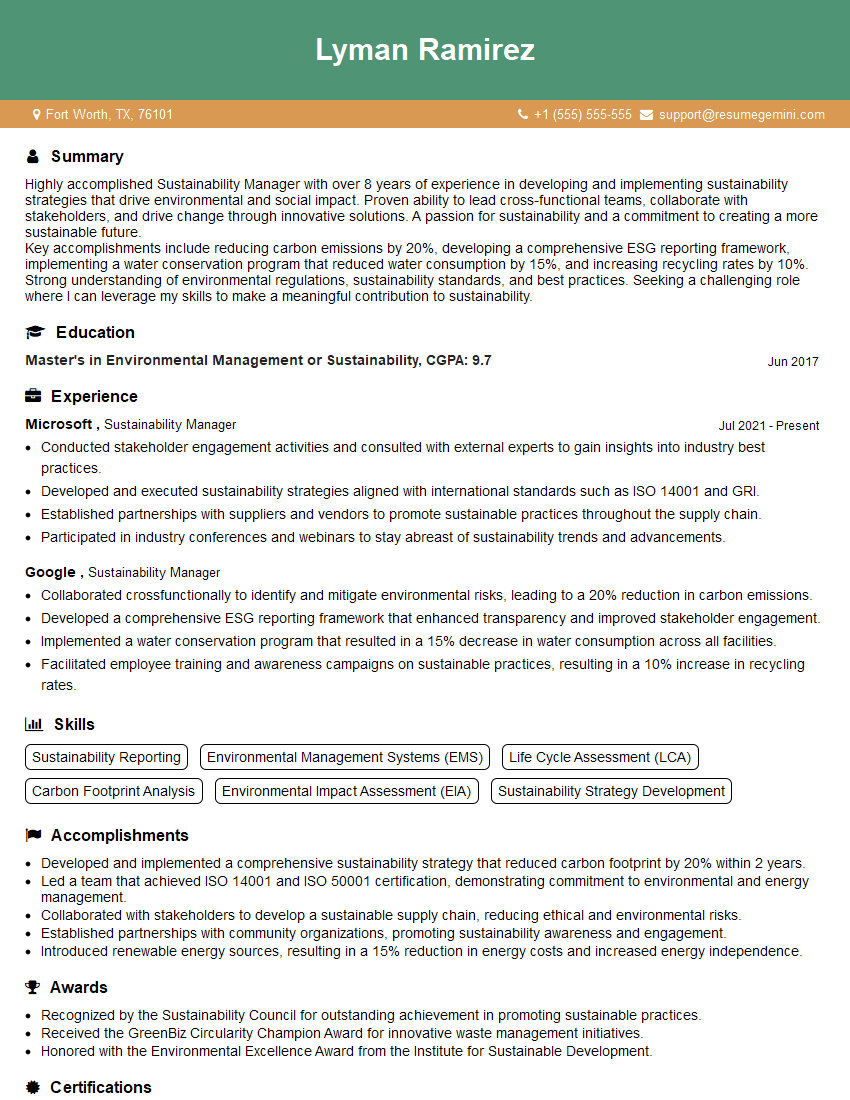
Sustainability Manager Resume Sample
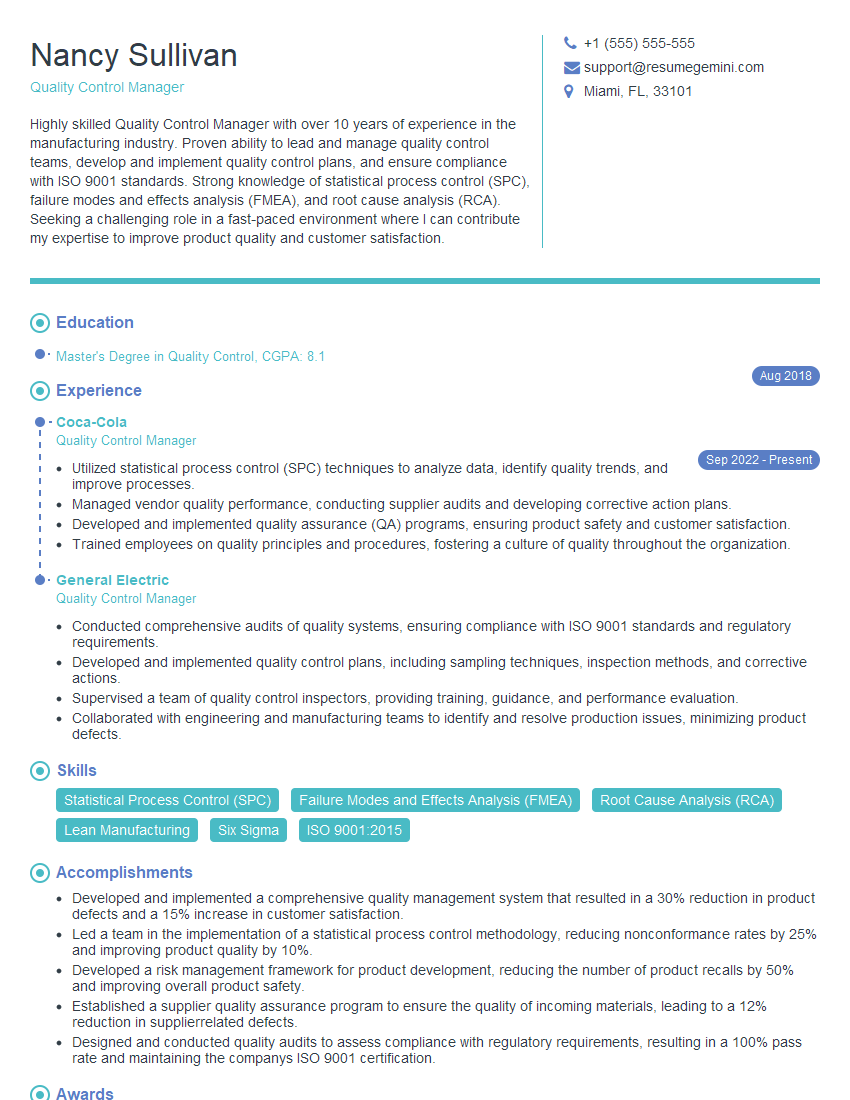
Quality Control Manager Resume Sample
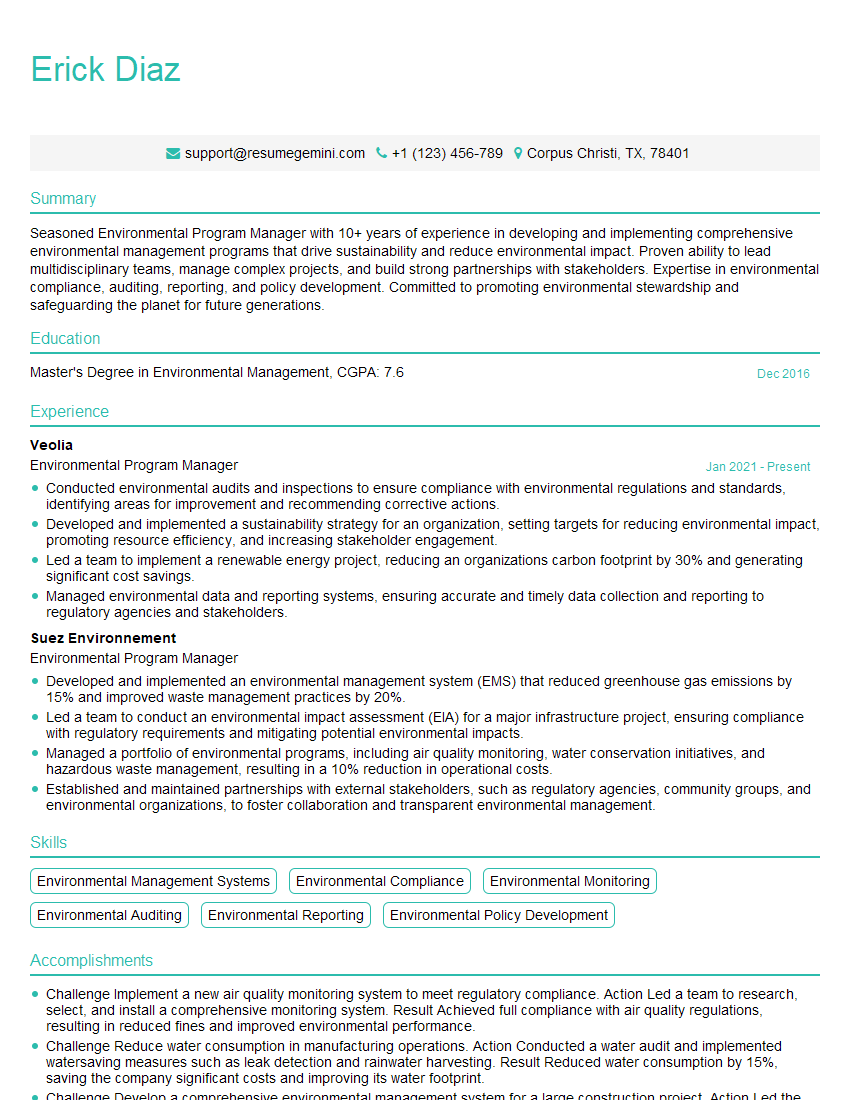
Environmental Program Manager Resume Sample
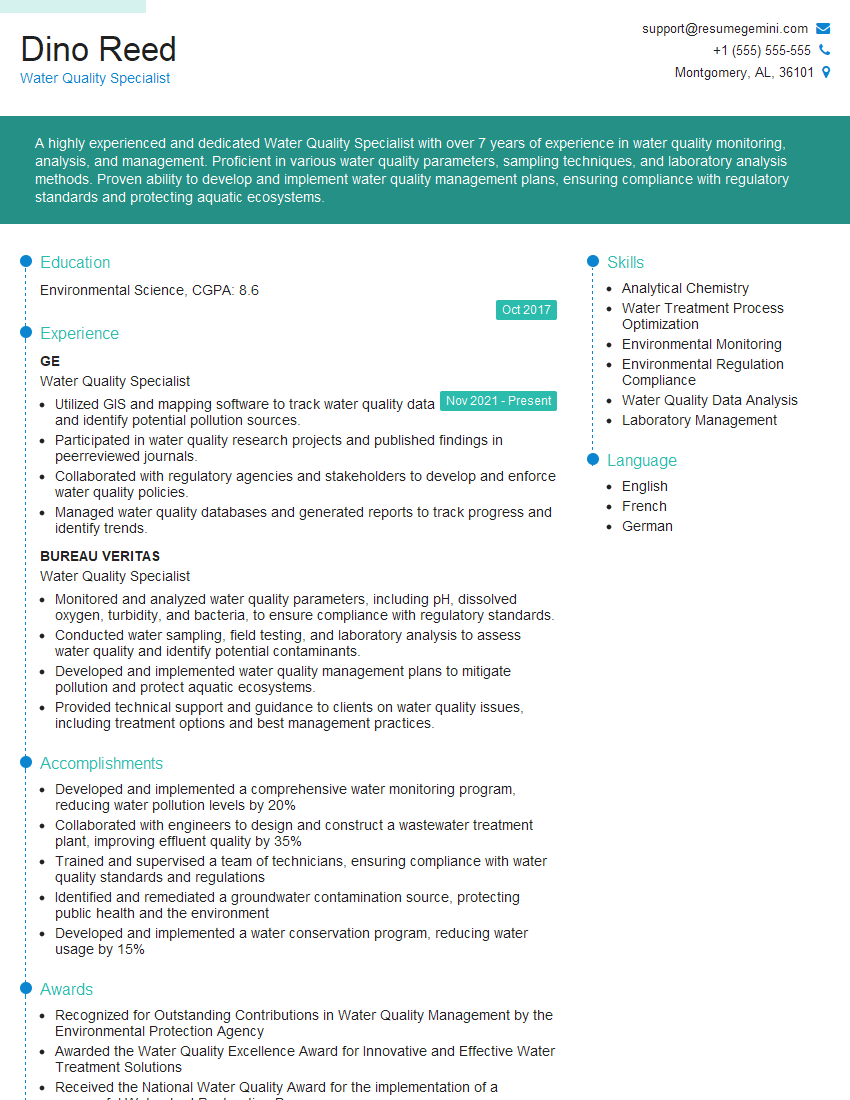
Water Quality Specialist Resume Sample
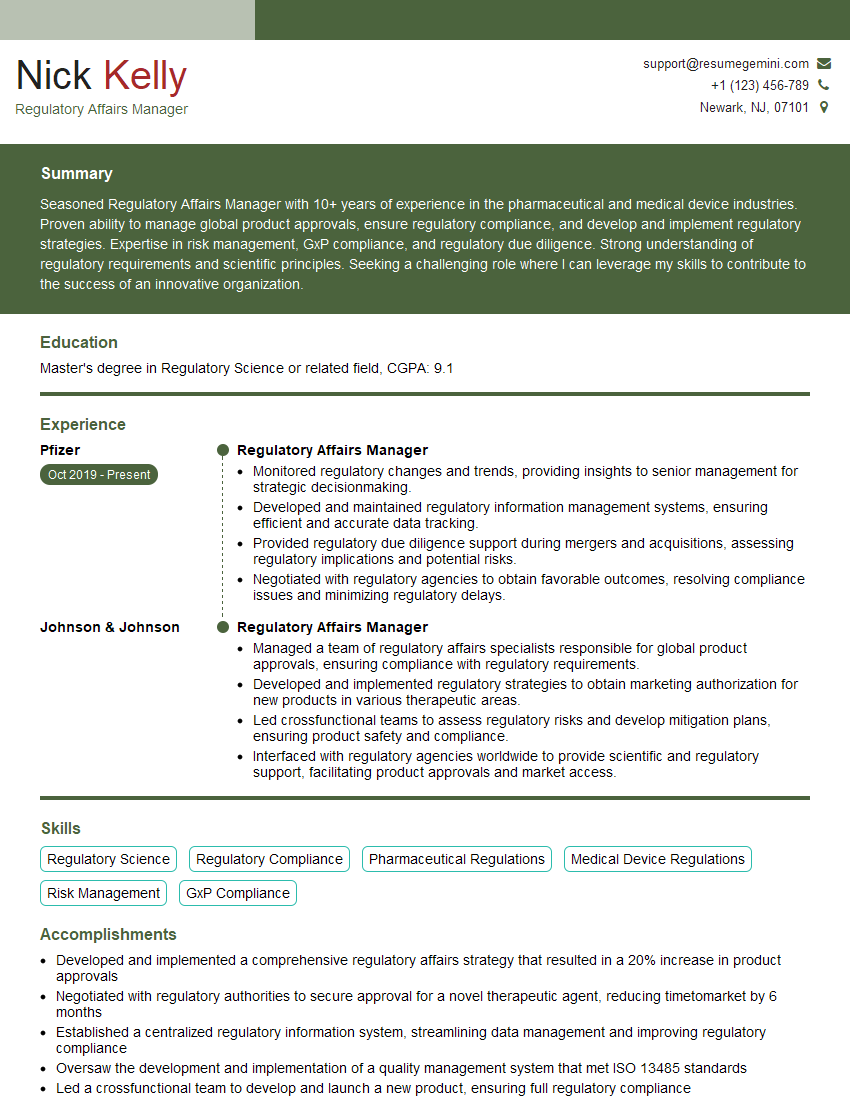
Regulatory Affairs Manager Resume Sample
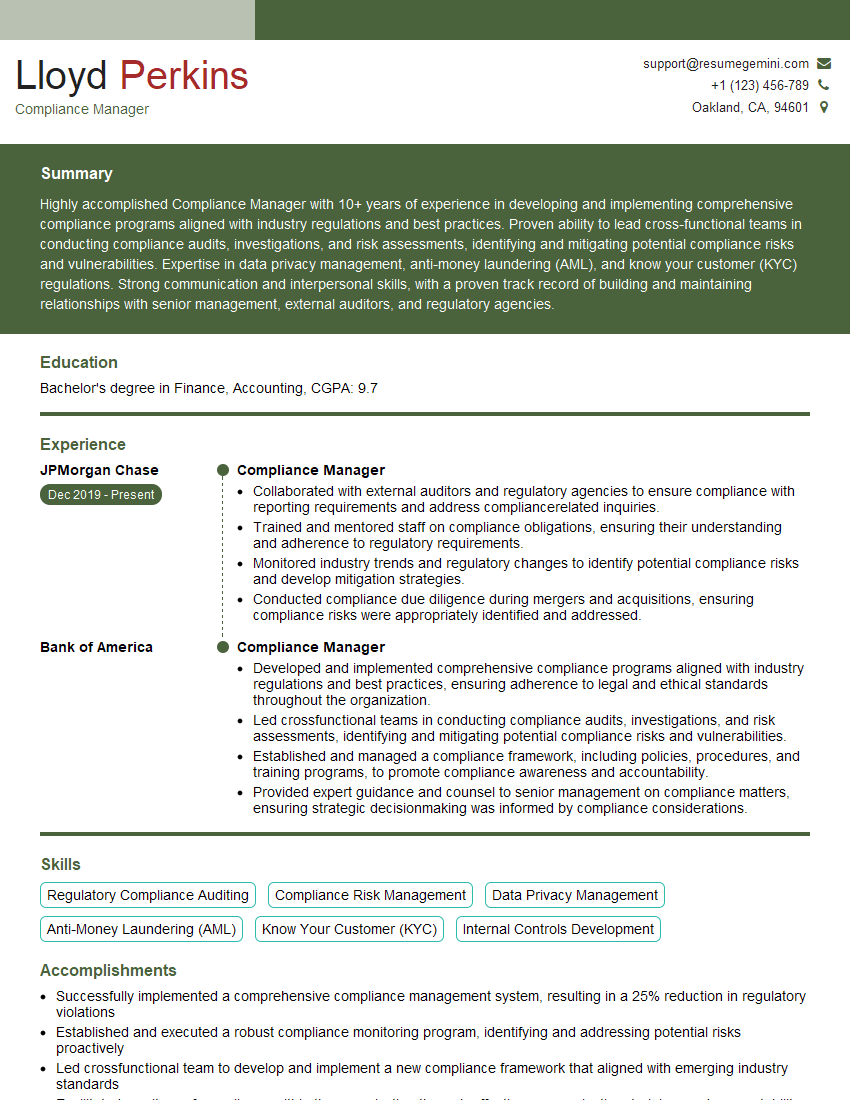
Compliance Manager Resume Sample
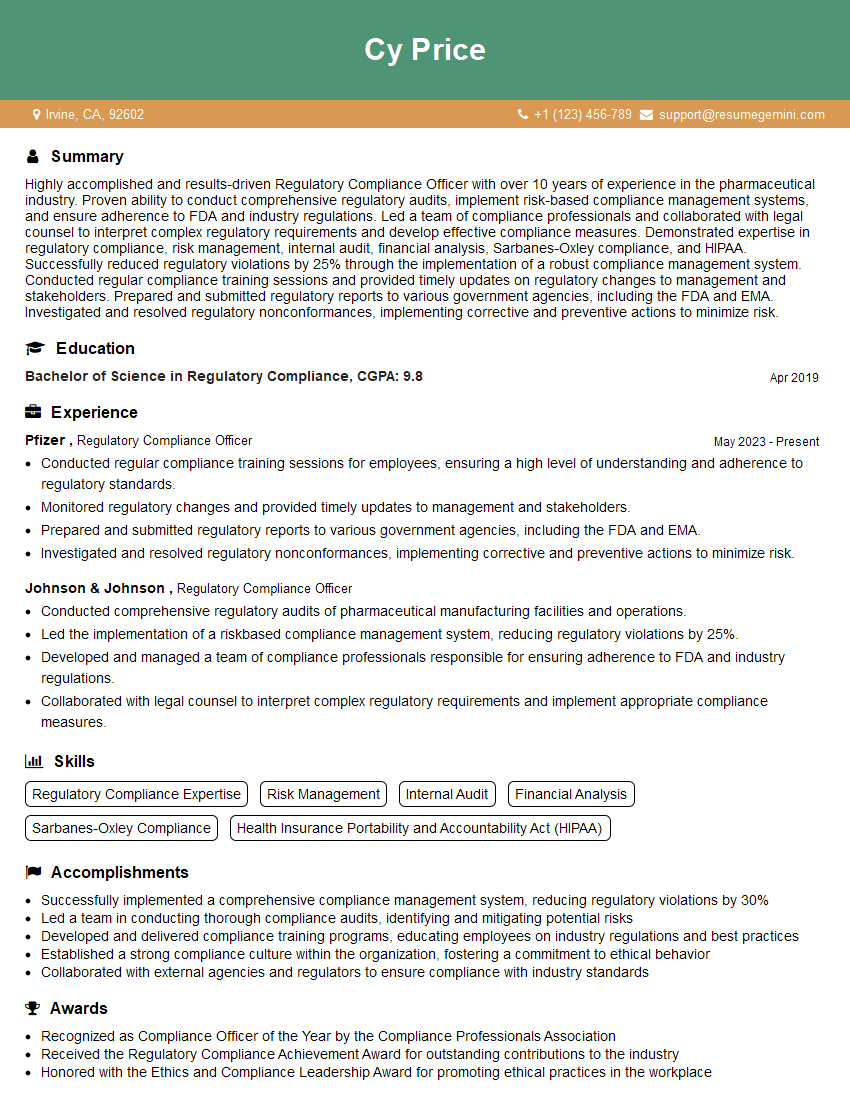
Regulatory Compliance Officer Resume Sample
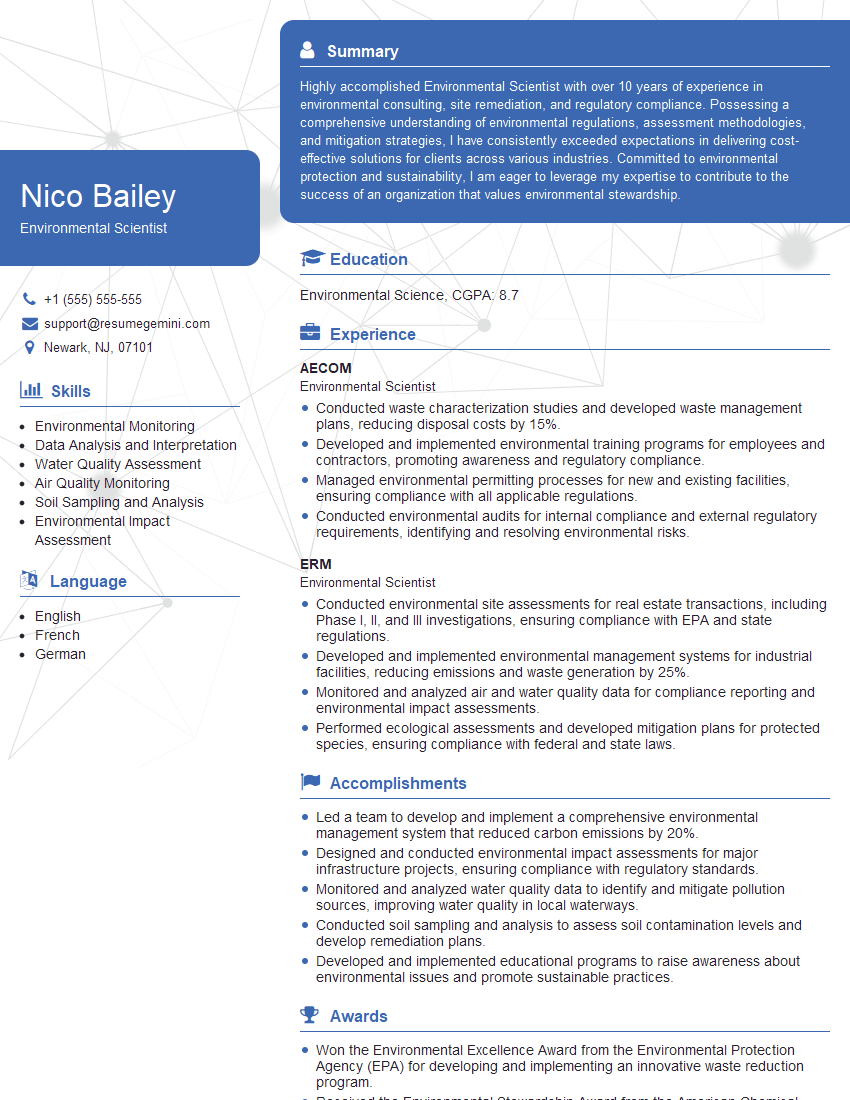
Environmental Scientist Resume Sample
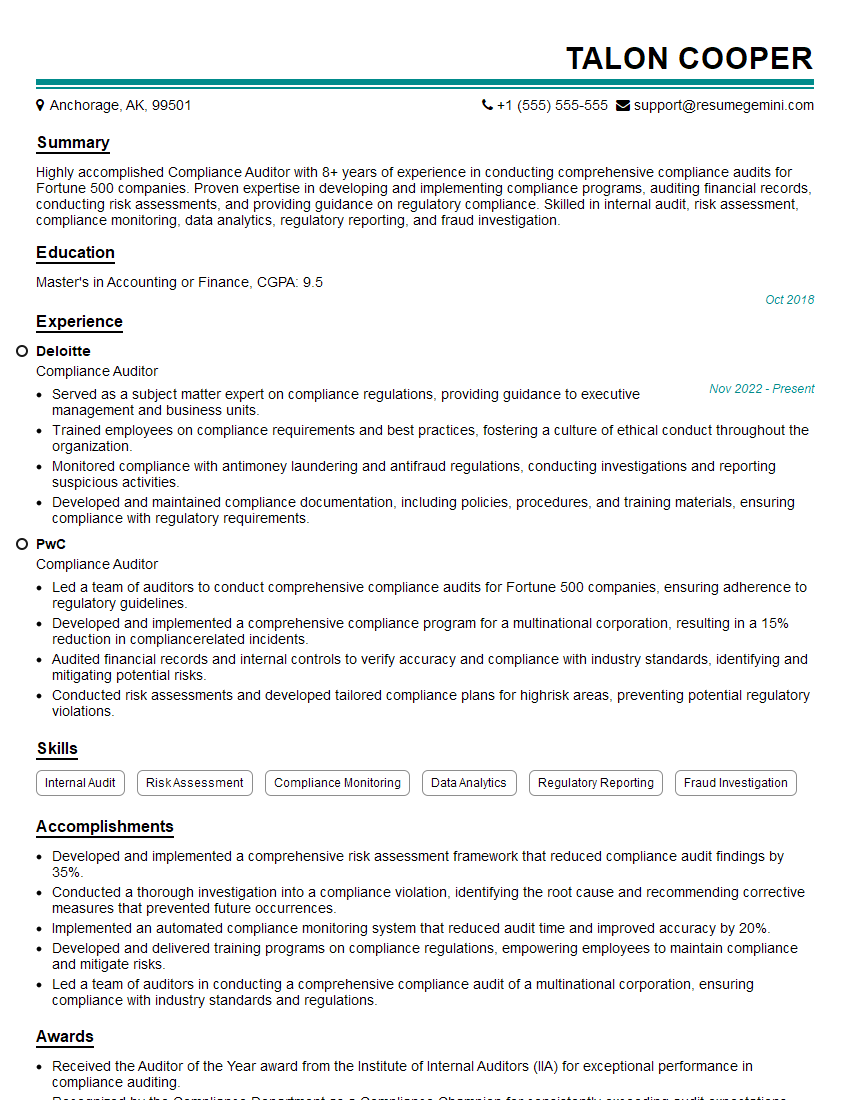
Compliance Auditor Resume Sample
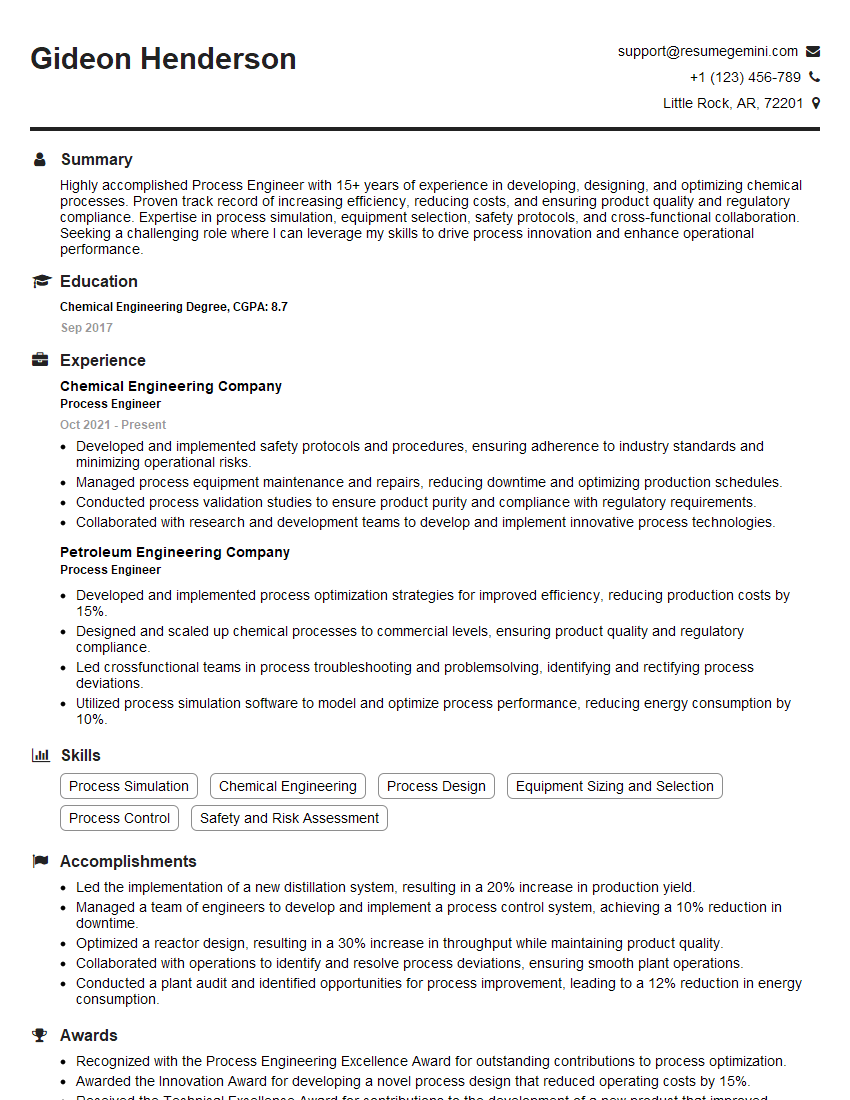
Process Engineer Resume Sample
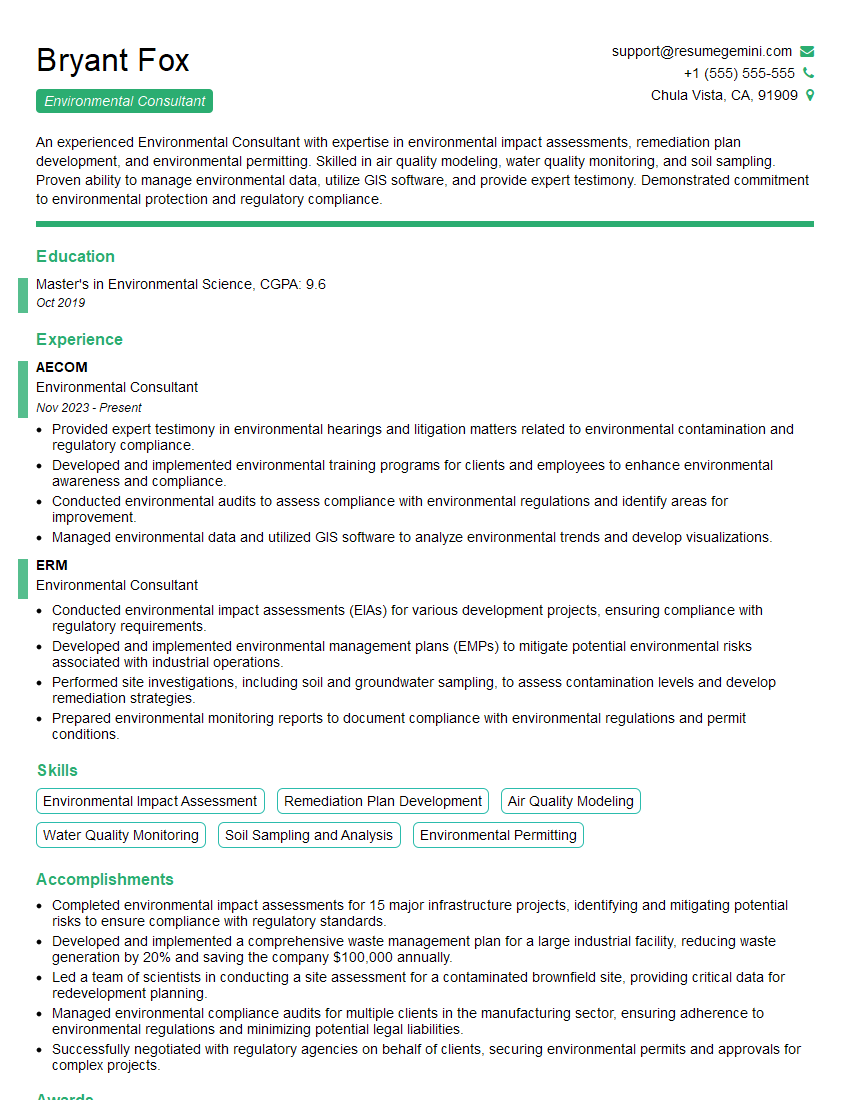
Environmental Consultant Resume Sample
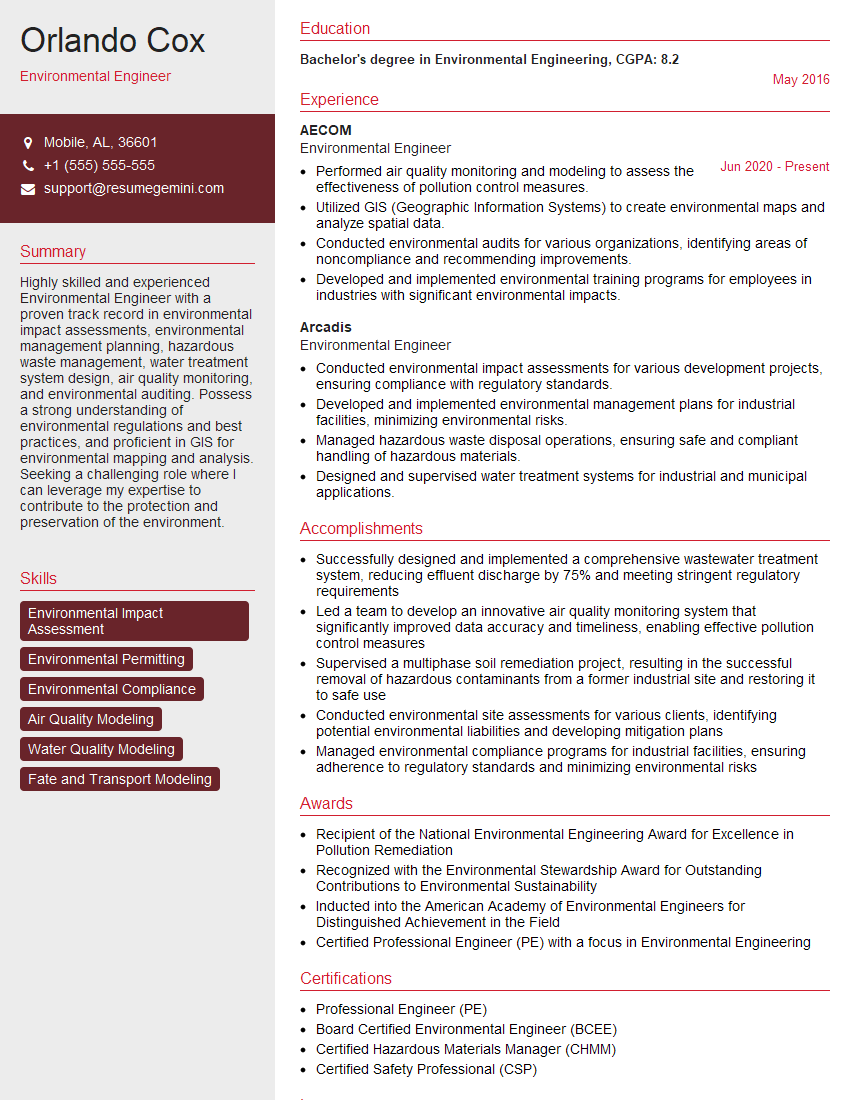
Environmental Engineer Resume Sample
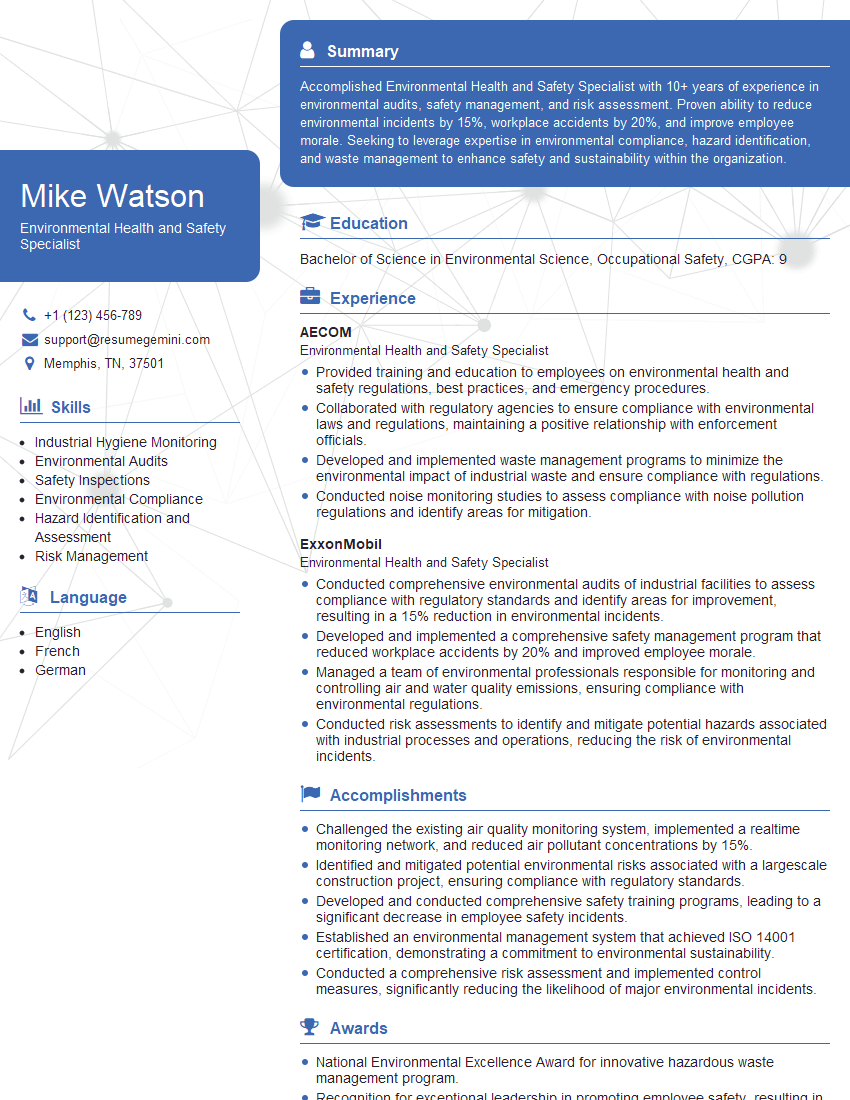
Environmental Health and Safety Specialist Resume Sample
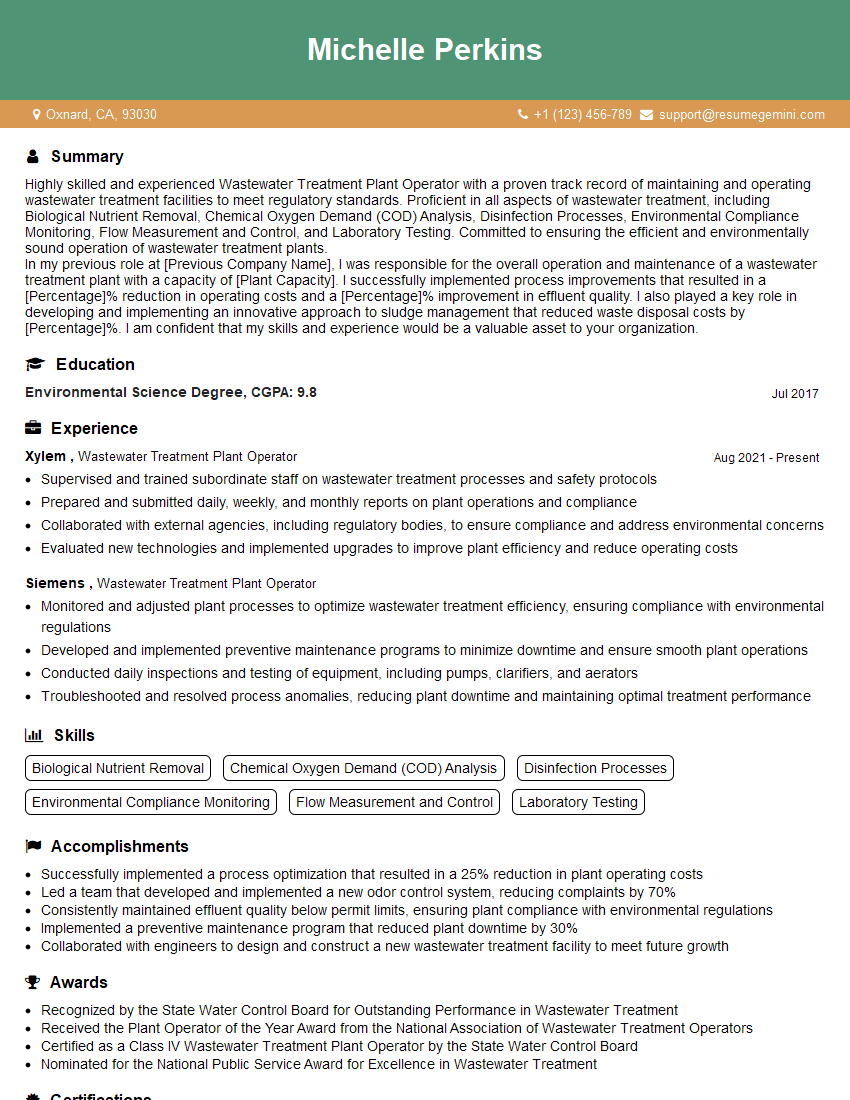
Wastewater Treatment Plant Operator Resume Sample
- Sustainability Manager
- Quality Control Manager
- Environmental Program Manager
- Water Quality Specialist
- Regulatory Affairs Manager
- Compliance Manager
- Regulatory Compliance Officer
- Environmental Scientist
- Compliance Auditor
- Process Engineer
- Environmental Consultant
- Environmental Engineer
- Environmental Health and Safety Specialist
- Wastewater Treatment Plant Operator
Explore more articles
Users Rating of Our Blogs
Share Your Experience
We value your feedback! Please rate our content and share your thoughts (optional).
What Readers Say About Our Blog
To the interviewgemini.com Webmaster.
Very helpful and content specific questions to help prepare me for my interview!
Thank you
To the interviewgemini.com Webmaster.
This was kind of a unique content I found around the specialized skills. Very helpful questions and good detailed answers.
Very Helpful blog, thank you Interviewgemini team.