Are you ready to stand out in your next interview? Understanding and preparing for Newborn and Infant Care interview questions is a game-changer. In this blog, we’ve compiled key questions and expert advice to help you showcase your skills with confidence and precision. Let’s get started on your journey to acing the interview.
Questions Asked in Newborn and Infant Care Interview
Q 1. Describe the Apgar scoring system and its significance.
The Apgar score is a quick assessment of a newborn’s health status immediately after birth. It’s done at one minute and five minutes after delivery, and sometimes even later if needed. The score helps healthcare providers quickly identify babies who might need immediate medical attention. It uses a scale of 0-2 for five key areas, giving a total score between 0 and 10.
- Heart rate: 0 = absent, 1 = slow (<100 bpm), 2 = over 100 bpm
- Respiratory effort: 0 = absent, 1 = weak cry, irregular, 2 = good, strong cry
- Muscle tone: 0 = flaccid, 1 = some flexion, 2 = active motion
- Reflex irritability: 0 = no response, 1 = grimace, 2 = cough or sneeze
- Color: 0 = blue, pale, 1 = body pink, extremities blue, 2 = completely pink
A score of 7-10 is generally considered normal, indicating a healthy baby. A score of 4-6 suggests the baby needs some assistance, while a score below 4 indicates the baby requires immediate resuscitation.
Example: Imagine a baby born with a heart rate of 110 bpm, a strong cry, some flexion of limbs, a grimace in response to stimulation, and a completely pink body. This baby would likely have an Apgar score of 9 or 10 at one minute.
Q 2. Explain the signs and symptoms of neonatal jaundice.
Neonatal jaundice, or hyperbilirubinemia, is a yellowish discoloration of the skin and whites of the eyes in newborns. It’s caused by a buildup of bilirubin, a byproduct of the breakdown of red blood cells. Most cases are benign and resolve on their own, but some can be serious.
- Signs: Yellowish discoloration of the skin, starting on the face and spreading downwards. The sclera (whites of the eyes) often show yellowing first.
- Symptoms: While usually asymptomatic, severe jaundice can lead to lethargy, poor feeding, and in extreme cases, neurological damage.
Important Note: Jaundice is common, affecting up to 60% of newborns, but it’s crucial to have it assessed by a healthcare provider. They will determine the severity and recommend appropriate treatment, which may include phototherapy (light therapy).
Example: A parent noticing a yellowish tinge to their baby’s skin, particularly on the face, should immediately consult their pediatrician. Early detection is key for preventing potential complications.
Q 3. What are the key components of safe sleep practices for infants?
Safe sleep practices are crucial for reducing the risk of Sudden Infant Death Syndrome (SIDS). The key components are often remembered by the acronym ABC: Alone, on their Back, and in a Crib.
- Alone: The baby should always sleep alone in their own crib or bassinet. Avoid co-sleeping on a bed, couch, or other soft surfaces.
- On their Back: Always place the baby to sleep on their back. Avoid placing them on their side or stomach.
- In a Crib: The crib should be firm and free from loose bedding, pillows, blankets, bumper pads, toys, or other items that could pose a suffocation hazard. A fitted sheet is all that’s needed.
- Firm sleep surface: A firm mattress is crucial to prevent the baby from sinking into soft materials that could obstruct breathing.
- Appropriate room temperature: Keep the room at a comfortable temperature, neither too hot nor too cold.
- Pacifier use (optional): Offering a pacifier at bedtime and during naps may reduce the risk of SIDS, particularly for term infants.
Example: A safe sleep environment would involve placing a healthy baby on their back in a crib with a firm mattress and a fitted sheet. Nothing else should be in the crib.
Q 4. How would you recognize and respond to respiratory distress in a newborn?
Respiratory distress in a newborn presents with various signs that require immediate attention. Early recognition is critical for prompt intervention.
- Rapid breathing (tachypnea): More than 60 breaths per minute.
- Grunting: A sound made during exhalation due to the baby’s effort to keep the airways open.
- Nasal flaring: Widening of the nostrils during breathing, indicating increased respiratory effort.
- Retractions: Pulling in of the skin around the ribs or sternum during breathing, showing the baby is struggling to get enough air.
- Cyanosis (bluish discoloration): A bluish tinge to the skin, especially around the lips and fingertips, indicating low oxygen levels.
- Apnea (cessation of breathing): Temporary pauses in breathing.
Response: If you observe any of these signs, immediately call for emergency medical assistance and begin providing support if trained in neonatal resuscitation. This might include stimulating the baby, ensuring a clear airway, and providing supplemental oxygen if available.
Example: A newborn exhibiting rapid breathing, grunting, and nasal flaring requires urgent medical attention. Immediate action could be life-saving.
Q 5. Describe the proper techniques for infant CPR.
Infant CPR should only be performed by trained personnel. This explanation is for informational purposes and does not constitute training. Proper training is crucial for effective and safe CPR administration.
Technique (general outline – requires formal training):
- Check for responsiveness: Gently tap the baby’s feet and check for response.
- Activate emergency services: Call 911 or your local emergency number.
- Open the airway: Use the head-tilt-chin-lift maneuver.
- Check for breathing: Look, listen, and feel for breathing for no more than 10 seconds.
- Compressions: If the baby is not breathing or is gasping, initiate chest compressions. Two fingers are used for infants, placed in the center of the chest. Compressions should be smooth and at a depth of about 1/3 the chest diameter, at a rate of 100-120 compressions per minute.
- Rescue breaths: After 30 chest compressions, give two rescue breaths. Seal the baby’s mouth and nose with your mouth, and give gentle breaths over 1 second each.
- Continue CPR: Continue alternating cycles of 30 compressions and two breaths until the baby begins to breathe or professional help arrives.
Important Note: The proper hand placement, compression depth, and rate are crucial. Improper CPR can cause harm. Formal training is mandatory.
Q 6. What are the common signs of dehydration in infants?
Dehydration in infants can be serious and requires prompt medical attention. The signs can be subtle, so vigilance is important.
- Dry mouth and tongue: Check the baby’s mouth for dryness.
- Sunken eyes: Eyes may appear sunken into the sockets.
- No tears when crying: Observe whether the baby produces tears while crying.
- Few wet diapers: A significant decrease in the number of wet diapers is a strong indicator of dehydration.
- Lethargy and irritability: The baby may be unusually sleepy or irritable.
- Loss of skin turgor (elasticity): When pinching the skin, it might take longer to return to its normal position (tenting).
Example: A baby who is unusually lethargic, has dry mucous membranes, and has had only one wet diaper in the past six hours is likely dehydrated and needs immediate medical attention. This is a serious condition that can rapidly progress.
Q 7. How would you handle a situation where an infant is inconsolable?
An inconsolable infant can be distressing for both the baby and the caregiver. The approach should be systematic and focus on identifying the underlying cause.
- Rule out medical issues: Check for fever, discomfort, or any signs of illness. If concerned, seek immediate medical advice.
- Attend to basic needs: Ensure the baby is fed, has a clean diaper, and is comfortable in terms of temperature.
- Soothing techniques: Try swaddling, rocking, singing, or using a pacifier. Skin-to-skin contact with a calm caregiver can be very effective.
- White noise: A white noise machine or even a vacuum cleaner can help soothe some babies.
- Movement: Gentle rocking or a car ride can sometimes work wonders.
- Eliminate distractions: A quiet, dimly lit environment can help.
- Seek support: Don’t hesitate to reach out to family, friends, or a healthcare provider for support and advice.
- Consider colic: Colic is characterized by prolonged and unexplained crying in healthy infants. It usually resolves on its own.
Example: If a baby is inconsolable despite having a full belly, a clean diaper, and being in a quiet environment, try swaddling and skin-to-skin contact before considering seeking medical advice.
Important Note: Persistent inconsolable crying should always be investigated to rule out underlying medical conditions.
Q 8. What are the different feeding methods for newborns (e.g., breastfeeding, bottle-feeding)?
Newborns have two primary feeding methods: breastfeeding and bottle-feeding. Breastfeeding involves the infant directly nursing from the mother’s breast, providing optimal nutrition and antibodies. Bottle-feeding uses formula, a nutritionally-balanced substitute for breast milk, administered via a bottle. The choice depends on individual circumstances and parental preferences, always guided by healthcare professionals.
- Breastfeeding: Offers numerous benefits, including enhanced immunity, improved bonding, and convenience. It’s also cost-effective and readily available. However, it can be challenging for some mothers, requiring patience and support. Proper latch technique is crucial to prevent nipple soreness.
- Bottle-feeding: Provides a predictable feeding schedule and allows for shared feeding responsibilities between parents. Formula is readily available and can be prepared in advance. However, it’s more expensive than breastfeeding and lacks the immunological benefits of breast milk.
Selecting the best method requires a discussion with a pediatrician or lactation consultant to weigh the pros and cons and assess the mother’s health and baby’s needs. It’s important to remember that both options can support healthy infant growth and development.
Q 9. Explain the importance of newborn screening tests.
Newborn screening tests are crucial for early detection of potentially serious but treatable conditions. These tests are performed shortly after birth, typically within 24-48 hours, using a small blood sample from the baby’s heel. Early detection allows for timely intervention, preventing long-term health complications or even death. Imagine it as a preventative health checkup to ensure your child has the best possible start in life.
- Examples of screened conditions: Phenylketonuria (PKU), hypothyroidism, cystic fibrosis, galactosemia, sickle cell anemia, and hearing loss. The specific conditions tested vary based on location and local prevalence.
- Importance of early intervention: Many of these conditions are manageable with early diagnosis and treatment. For example, early detection of PKU allows for dietary adjustments, preventing intellectual disability. Similarly, early treatment of hypothyroidism is essential for normal brain development.
Parents should actively participate in newborn screening, understanding that even a seemingly healthy baby can have a treatable condition. It’s essential to follow up with your healthcare provider on the results.
Q 10. How would you assess an infant’s developmental milestones?
Assessing an infant’s developmental milestones involves observing their progress in various areas, such as gross motor skills (movement), fine motor skills (hand-eye coordination), language development, and social-emotional development. There are standardized tools, but regular observation by parents and healthcare providers plays a vital role. It’s a continuous process, not a one-time event.
- Gross motor skills: Head control, rolling over, sitting, crawling, standing, and walking. Delays might indicate underlying neurological issues.
- Fine motor skills: Reaching, grasping, bringing objects to the mouth, and using pincer grasp (thumb and forefinger). Delays could suggest potential developmental concerns.
- Language development: Cooing, babbling, responding to sounds, and eventually saying first words. Significant delays might warrant a hearing evaluation.
- Social-emotional development: Smiling, interacting with caregivers, showing affection, and demonstrating self-soothing behaviors. Lack of social engagement could signify autism spectrum disorder or other conditions.
Developmental milestones are age-related, and variation exists, but significant delays warrant professional evaluation. Early identification of developmental concerns allows for timely intervention and support services, optimizing the child’s potential.
Q 11. Describe the signs and symptoms of infant colic.
Infant colic is characterized by prolonged, inconsolable crying in a healthy baby. It’s typically defined as crying for more than three hours a day, for more than three days a week, for more than three weeks. The exact cause remains unknown, but several factors are suspected.
- Signs and Symptoms: Excessive crying, drawing up legs to the abdomen, clenched fists, facial expressions of discomfort, and a distended abdomen. Babies with colic are otherwise healthy and gain weight appropriately. It’s crucial to rule out other medical conditions.
- Possible Contributing Factors: Immature digestive system, food sensitivities (although rarely confirmed definitively), gas, overfeeding, or even stress within the family environment.
Managing colic requires patience and support. Techniques include swaddling, white noise, rhythmic motion, and ensuring the baby is well-fed. If the colic is severe or persistent, parents should seek guidance from their pediatrician to rule out other conditions.
Q 12. What are the common causes of diaper rash and how would you treat them?
Diaper rash is a common skin irritation in infants, often caused by prolonged exposure to urine and feces. The condition presents as redness, inflammation, and sometimes small blisters or sores in the diaper area. Prompt identification and appropriate management are key.
- Common Causes: Prolonged contact with wet or soiled diapers, irritation from friction, allergies to certain diaper products, yeast infections (Candida), or bacterial infections.
- Treatment: Frequent diaper changes are essential to keep the skin dry. Using gentle, fragrance-free cleansing wipes or water for cleaning is recommended. Applying a barrier cream, such as zinc oxide, can protect the skin. If the rash is severe, persistent, or accompanied by other symptoms, a medical evaluation is crucial to rule out infections.
Prevention involves using absorbent diapers, changing diapers frequently, allowing the baby’s bottom to air dry, and avoiding harsh soaps or lotions. It’s important to note that if the rash doesn’t improve after a few days of home management, consulting a pediatrician is necessary to rule out more complex causes.
Q 13. Explain the importance of skin-to-skin contact for newborns.
Skin-to-skin contact, also known as kangaroo care, involves placing the newborn directly against the parent’s bare chest. This practice has numerous benefits for both the baby and the parent.
- Benefits for the Newborn: Regulates body temperature, stabilizes heart rate and breathing, improves sleep patterns, promotes bonding and attachment, and may help with breastfeeding.
- Benefits for the Parent: Releases oxytocin (the bonding hormone), promotes feelings of calmness and relaxation, enhances emotional bonding with the baby, and supports breastfeeding success.
Skin-to-skin contact is particularly beneficial for premature infants, helping to regulate their temperature and improve their overall well-being. For full-term babies, it’s a fantastic way to build a strong parent-child connection. Think of it as an opportunity for a natural hug which helps the infant thrive, both physically and emotionally.
Q 14. How would you educate parents on infant safety (e.g., car seats, crib safety)?
Educating parents on infant safety is a crucial aspect of newborn care. It involves providing clear, concise information and practical demonstrations on various safety measures to minimize risks.
- Car Seat Safety: Always place the infant in a rear-facing car seat in the back seat, ensuring it’s properly installed according to the manufacturer’s instructions. Regularly check the car seat for proper fit and any damage.
- Crib Safety: Use a firm mattress that fits snugly, ensuring no gaps between the mattress and the crib sides. Remove loose bedding, pillows, stuffed animals, and bumpers to prevent suffocation. Always place the baby on their back to sleep.
- Other Safety Measures: Install smoke detectors and carbon monoxide detectors, keep medications and toxic substances out of reach, supervise the baby constantly, ensure water is out of reach, never leave the baby unattended on high surfaces, and baby-proof the home to prevent injuries.
Using visual aids, demonstrations, and age-appropriate materials can significantly improve the effectiveness of education. Consistent reinforcement and opportunities for parents to ask questions are vital. Remember, prevention is key, and proactive education empowers parents to create a safe environment for their child.
Q 15. What are the signs and symptoms of infant reflux?
Infant reflux, also known as gastroesophageal reflux (GER), is a common condition where stomach contents flow back up into the esophagus. It’s usually not serious, but can be distressing for parents.
- Spitting up or vomiting: This is the most common sign, ranging from small amounts of milk to forceful vomiting.
- Frequent crying or fussiness: Babies with reflux may cry excessively, especially after feeding, due to discomfort.
- Arching of the back: They may arch their back during or after feeding as a response to the discomfort.
- Poor weight gain: If the reflux is severe and the baby is losing weight or failing to thrive, it warrants immediate medical attention.
- Irritability and difficulty sleeping: Reflux can disrupt sleep and cause general irritability.
It’s important to distinguish between normal spitting up (which is common) and GERD (Gastroesophageal Reflux Disease), a more serious condition requiring medical intervention. If your baby is exhibiting signs of significant discomfort, poor weight gain, or other concerning symptoms, consult a pediatrician immediately.
Career Expert Tips:
- Ace those interviews! Prepare effectively by reviewing the Top 50 Most Common Interview Questions on ResumeGemini.
- Navigate your job search with confidence! Explore a wide range of Career Tips on ResumeGemini. Learn about common challenges and recommendations to overcome them.
- Craft the perfect resume! Master the Art of Resume Writing with ResumeGemini’s guide. Showcase your unique qualifications and achievements effectively.
- Don’t miss out on holiday savings! Build your dream resume with ResumeGemini’s ATS optimized templates.
Q 16. What are the common vaccinations given to infants and their schedules?
Infant vaccination schedules vary slightly depending on location and specific recommendations from healthcare providers, but most follow a similar pattern. The vaccines protect against a range of serious illnesses. Here are some key vaccines and a general schedule (note: this is not a substitute for consulting your pediatrician):
- Hepatitis B (HepB): Usually given at birth, 1-2 months, and 6 months.
- Rotavirus (RV): Typically given at 2, 4, and 6 months.
- Diphtheria, Tetanus, and Pertussis (DTaP): Administered at 2, 4, 6, and 15-18 months, and a booster later in childhood.
- Haemophilus influenzae type b (Hib): Given at 2, 4, and 6 months.
- Pneumococcal conjugate (PCV13): Usually given at 2, 4, and 6 months.
- Polio (IPV): Administered at 2, 4, and 6-18 months.
- Influenza (Flu): Recommended annually starting at 6 months of age.
- Measles, Mumps, and Rubella (MMR): Typically given at 12-15 months, and a booster later in childhood.
- Varicella (Chickenpox): Administered at 12-15 months, and a booster later in childhood.
Always follow your pediatrician’s specific recommendations for your baby’s vaccination schedule and discuss any concerns you may have. The vaccines are incredibly important for protecting your child from potentially life-threatening diseases.
Q 17. How would you address parental concerns about infant feeding?
Addressing parental concerns about infant feeding requires a compassionate and empathetic approach. I would start by actively listening to their concerns without judgment. Common concerns include:
- Insufficient milk supply: I would assess feeding patterns, baby’s weight gain, and offer guidance on proper latch, feeding frequency, and support strategies like skin-to-skin contact to increase milk production.
- Baby’s fussiness during feeding: I would explore potential underlying issues like reflux, gas, or allergies, and advise on techniques like burping, positioning, and pacing.
- Difficulty breastfeeding or bottle feeding: I would assess the feeding technique, suggest modifications, and refer to lactation consultants or other specialists if necessary.
- Concerns about baby’s weight gain: I would review the baby’s growth chart, assess feeding patterns and caloric intake, and offer tailored dietary advice, if applicable.
I would provide evidence-based information, reassure parents, and empower them to make informed decisions. A collaborative approach is crucial, building trust and allowing parents to feel supported in their feeding journey.
Q 18. Describe the proper techniques for measuring an infant’s temperature.
Accurately measuring an infant’s temperature is essential for assessing their health. The most common methods are:
- Rectal: Considered the most accurate method, especially for infants under 3 months. Lubricate the thermometer and gently insert it about ½ inch into the rectum.
- Axillary (armpit): A less accurate but non-invasive method. Place the thermometer under the armpit and hold the arm against the body for 3-5 minutes.
- Tympanic (ear): A quick and relatively accurate method, but technique is crucial to get an accurate reading. Follow the manufacturer’s instructions carefully.
- Temporal artery (forehead): These thermometers scan across the forehead and are generally easy to use. Again, follow the manufacturer’s instructions precisely.
Important Considerations: Always follow the manufacturer’s instructions for your specific thermometer. Note the type of thermometer used when recording the temperature. If you have any questions or concerns about your baby’s temperature, always consult a healthcare professional.
Q 19. What are the warning signs of potential child abuse or neglect?
Recognizing the warning signs of child abuse or neglect is crucial for protecting vulnerable infants. These signs can be physical, behavioral, or related to neglect. It’s important to remember that a single sign doesn’t necessarily indicate abuse, but a pattern of concerning behaviors should be reported.
- Unexplained injuries: Bruises, burns, fractures, or other injuries that are inconsistent with the explanation given.
- Child’s demeanor: Extreme fear, withdrawal, or unusual aggression.
- Neglect indicators: Poor hygiene, malnutrition, failure to thrive, consistent lack of supervision.
- Inconsistencies: Discrepancies between the reported injury and the child’s physical presentation.
- Parental behavior: Excessive anger, indifference, or blaming the child.
If you suspect child abuse or neglect, it is crucial to report it to the appropriate authorities. Your intervention could save a child’s life. Reporting channels vary by location; consult local child protective services for guidance.
Q 20. How would you respond to an emergency situation involving an infant?
Responding to an infant emergency requires quick thinking and decisive action. My response would depend on the specific emergency, but the general principles are:
- Assess the situation: Quickly determine the nature of the emergency (choking, breathing difficulties, unresponsive, etc.).
- Activate emergency services: Call for immediate medical assistance (911 or your local emergency number). Be prepared to provide clear and concise information.
- Initiate life-saving measures: If the infant is choking, perform infant CPR (cardiopulmonary resuscitation) if necessary. If breathing is compromised, provide appropriate first aid, such as clearing the airway.
- Maintain composure: Remain calm and reassure the infant (as much as possible). Your calm demeanor can help mitigate the child’s stress.
- Follow instructions: If professional medical assistance arrives, follow their instructions carefully.
Regular CPR and first aid training is essential for anyone caring for infants. Knowledge of infant CPR and first aid techniques can be life-saving in emergencies.
Q 21. Describe your experience with handling premature infants.
I have extensive experience handling premature infants, working in neonatal intensive care units (NICUs) for several years. Caring for premature infants requires specialized knowledge and a delicate approach. My experience includes:
- Monitoring vital signs: Closely tracking heart rate, respiratory rate, oxygen saturation, temperature, and blood pressure.
- Respiratory support: Managing ventilators, providing oxygen therapy, and administering respiratory medications.
- Nutritional support: Administering intravenous fluids and specialized feeding regimens, often involving gavage feeding.
- Infection control: Implementing strict infection control protocols to protect vulnerable infants.
- Family support: Providing emotional support and education to parents, helping them cope with the challenges of having a premature baby.
Working with premature infants is both challenging and profoundly rewarding. Witnessing their growth and resilience is incredibly inspiring. Every infant has unique needs, and individualized care plans are crucial for their optimal development.
Q 22. What is your understanding of Sudden Infant Death Syndrome (SIDS)?
Sudden Infant Death Syndrome (SIDS) is the sudden, unexpected death of an infant under one year of age that remains unexplained after a thorough investigation, including autopsy, examination of the death scene, and review of the clinical history. It’s a devastating event, and while we don’t fully understand the cause, we know certain risk factors significantly increase the likelihood. Think of it like this: SIDS is a complex puzzle, and while we’ve identified many pieces, we haven’t found the complete solution yet.
Key risk factors include:
- Sleeping position: Placing a baby to sleep on their stomach or side significantly increases the risk. The safest position is always on their back.
- Soft bedding: Loose blankets, pillows, bumpers, and soft toys in the crib create a suffocation hazard. A firm mattress and a fitted sheet are all that’s needed.
- Overheating: Babies should be dressed appropriately for the room temperature. Overdressing can lead to overheating, increasing SIDS risk.
- Exposure to smoke: Prenatal and postnatal exposure to cigarette smoke is strongly associated with increased SIDS risk.
- Premature birth or low birth weight: Babies born prematurely or with low birth weight are at a higher risk.
Safe Sleep Practices are Crucial: To reduce the risk of SIDS, we emphasize the ABCs of safe sleep: Alone, on their Back, in a Crib. This means placing the baby to sleep alone, on their back, in a crib that meets safety standards, and avoiding soft bedding or toys in the crib.
Q 23. How would you assess for signs of postpartum depression in a mother?
Assessing for postpartum depression (PPD) requires a sensitive and comprehensive approach. It’s crucial to remember that many new mothers experience some degree of sadness or anxiety, but PPD is a more significant and persistent condition. I would use a combination of methods, including observation, conversation, and standardized screening tools.
Observation: I’d look for signs like significant changes in mood, decreased interest in the baby, excessive worry, difficulty sleeping, fatigue, and changes in appetite. For example, a mother consistently expressing overwhelming feelings of inadequacy or hopelessness, or showing little interest in interacting with her baby, would raise concerns.
Conversation: I’d engage in open and non-judgmental conversations, asking specific questions about her mood, sleep, energy levels, and feelings about the baby and herself. Questions like, “How are you feeling?” and “Are you finding it difficult to cope with the demands of motherhood?” are a good start. It is crucial to create a safe space where she feels comfortable sharing her feelings.
Screening Tools: Standardized questionnaires like the Edinburgh Postnatal Depression Scale (EPDS) can provide a more objective assessment. These tools help quantify the severity of symptoms and guide appropriate interventions. A high score warrants further evaluation and possible referral to a mental health professional.
Important Note: Early detection and intervention are critical in managing PPD. Prompt referral to a mental health professional is essential if PPD is suspected.
Q 24. What is your approach to managing a crying infant?
Managing a crying infant is a common challenge, and my approach is multifaceted, focusing on understanding the underlying cause and providing appropriate comfort. It’s less about stopping the crying immediately and more about identifying and addressing the reason for the distress.
My approach involves the following steps:
- Assess the situation: Is the baby hungry? Wet or soiled diaper? Too hot or cold? Overtired? Ill? Systematic assessment is key. Consider checking for fever, rash, or other signs of illness.
- Rule out medical issues: If there are any concerning symptoms (fever, vomiting, diarrhea, inconsolable crying, etc.), seek immediate medical attention.
- Try soothing techniques: Swaddling, skin-to-skin contact, rocking, singing, white noise, or a pacifier can often soothe a fussy baby. These techniques mimic the womb environment, providing a sense of security.
- Respond consistently: Responding promptly and consistently to a baby’s cries helps build trust and security. Remember, crying is the baby’s way of communicating their needs.
- Seek support: Don’t hesitate to seek help from family, friends, or professionals if you’re feeling overwhelmed. Postpartum support groups can be invaluable.
- Consider the possibility of colic: If crying persists and no obvious cause is found, colic might be a factor. Colic is characterized by prolonged and intense crying in a healthy infant, usually occurring in the late afternoon or evening. In such cases, parental support and reassurance are crucial.
Example: A fussy baby might be comforted by being held close to the parent’s body, a warm bath, or even a short walk in a baby carrier.
Q 25. Describe your experience with assisting with breastfeeding.
I have extensive experience assisting mothers with breastfeeding, from initial latching to overcoming common challenges. My approach is based on education, support, and evidence-based practices. I believe that successful breastfeeding is a partnership between the mother and healthcare provider.
My approach includes:
- Lactation education: Providing comprehensive information on breastfeeding techniques, positioning, latch, and milk supply. I emphasize the importance of skin-to-skin contact and frequent feeding cues.
- Hands-on assistance: Guiding mothers on proper latch techniques and positioning, correcting any issues that may hinder successful breastfeeding. This often includes supporting the baby’s body and positioning for proper milk transfer.
- Addressing challenges: Assisting mothers in overcoming challenges such as nipple pain, latch difficulties, insufficient milk supply, and mastitis. This may involve suggesting solutions, providing resources, and referring to lactation consultants when needed.
- Ongoing support: Providing regular follow-up care to monitor progress, answer questions, and offer additional support as needed. A phone call or a short visit can significantly impact the mother’s confidence and breastfeeding success.
- Understanding individual circumstances: Recognizing that each mother and baby are unique, and tailoring my approach to their specific needs and preferences.
Example: I once worked with a mother who was struggling with nipple pain. After assessing her latch, I adjusted her position and gave her advice on nipple care. With consistent support, her pain subsided, and she was able to continue breastfeeding successfully.
Q 26. Explain your knowledge of different types of infant formulas.
Infant formulas are designed to provide nutrition for babies who aren’t breastfed. They are categorized based on their composition and intended use. It’s important to choose a formula in consultation with a pediatrician.
Types of Infant Formulas:
- Cow’s milk-based formula: This is the most common type, designed to mimic the composition of breast milk as closely as possible. They come in different forms: ready-to-feed, concentrate, and powder.
- Soy-based formula: An alternative for babies with cow’s milk allergy or lactose intolerance. It contains soy protein instead of cow’s milk protein.
- Hydrolyzed protein formula: Used for babies with milk allergies or other digestive issues. The proteins in this formula are broken down into smaller peptides to ease digestion.
- Amino acid-based formula: Prescribed for babies with severe allergies or digestive disorders. This formula contains individual amino acids, the building blocks of protein.
- Specialized formulas: These formulas cater to specific dietary needs, such as premature infants (containing extra nutrients), or babies with reflux (thicker formula).
Choosing a Formula: The decision of which formula to use should always be made in consultation with a pediatrician. They can assess the baby’s individual needs and recommend the most appropriate option.
Q 27. How would you handle a situation where a parent disagrees with your recommendations?
Handling disagreements with parents respectfully and professionally is crucial. My approach prioritizes open communication, shared decision-making, and collaboration.
My steps include:
- Active Listening: I start by actively listening to the parent’s concerns and perspectives without interrupting. Understanding their reasoning is vital before responding.
- Empathy and Validation: I acknowledge and validate their feelings, even if I don’t agree with their choices. A statement like, “I understand your concern about…,” demonstrates empathy.
- Clear and Concise Explanation: I clearly and concisely explain my recommendations, using plain language, avoiding medical jargon. I focus on the rationale behind my suggestions, emphasizing evidence-based practices.
- Shared Decision-Making: I collaborate with parents to find a solution that aligns with both their values and the best interests of their child. This may involve compromise and exploring alternative options.
- Respectful Boundaries: While respecting parents’ autonomy, I clearly communicate my professional responsibilities and limitations. If their choices pose significant risks to the baby’s health, I would escalate the issue to supervisors or other relevant authorities.
- Documentation: I meticulously document all interactions, recommendations, and the parents’ decisions.
Example: If parents refuse a recommended vaccination, I would respectfully explain the benefits and risks, offer written materials, and document their decision. I wouldn’t force the issue but would continue to advocate for the best possible outcome for the baby, while respecting parental autonomy.
Key Topics to Learn for Newborn and Infant Care Interview
- Physiological Assessment: Understanding vital signs (heart rate, respiratory rate, temperature), recognizing signs of distress, and performing accurate measurements.
- Feeding and Nutrition: Breastfeeding support and techniques, bottle-feeding methods, recognizing feeding cues, identifying feeding difficulties, and calculating nutritional needs.
- Safe Sleep Practices: Implementing safe sleep environments to reduce the risk of SIDS (Sudden Infant Death Syndrome), positioning infants correctly, and educating parents on safe sleep guidelines.
- Diapering and Hygiene: Proper diapering techniques, recognizing diaper rash and other skin irritations, and maintaining hygienic practices to prevent infections.
- Infant Development: Understanding typical milestones in motor, cognitive, and social-emotional development, recognizing developmental delays, and providing appropriate stimulation.
- Parent Education and Support: Communicating effectively with parents, answering their questions and concerns, providing reassurance and emotional support, and empowering parents in their caregiving role.
- Infection Control: Implementing proper hand hygiene, understanding infection prevention protocols, recognizing signs of infection, and implementing appropriate infection control measures.
- Emergency Response: Responding to emergencies such as choking, respiratory distress, and seizures, and knowing when and how to seek immediate medical attention.
- Documentation and Record Keeping: Maintaining accurate and detailed records of infant care, documenting observations and interventions, and adhering to HIPAA regulations.
- Ethical Considerations: Understanding ethical principles in newborn and infant care, respecting parental autonomy, and advocating for the best interests of the infant.
Next Steps
Mastering Newborn and Infant Care opens doors to rewarding careers offering significant professional growth and the immense satisfaction of contributing to the well-being of vulnerable infants and their families. To maximize your job prospects, crafting an ATS-friendly resume is crucial. ResumeGemini is a trusted resource that can significantly enhance your resume-building experience, helping you present your skills and experience effectively. We provide examples of resumes tailored specifically to Newborn and Infant Care to give you a head start. Invest time in creating a compelling resume that showcases your abilities and passion for this vital field.

Child Psychologist Resume Sample

Child Development Specialist Resume Sample
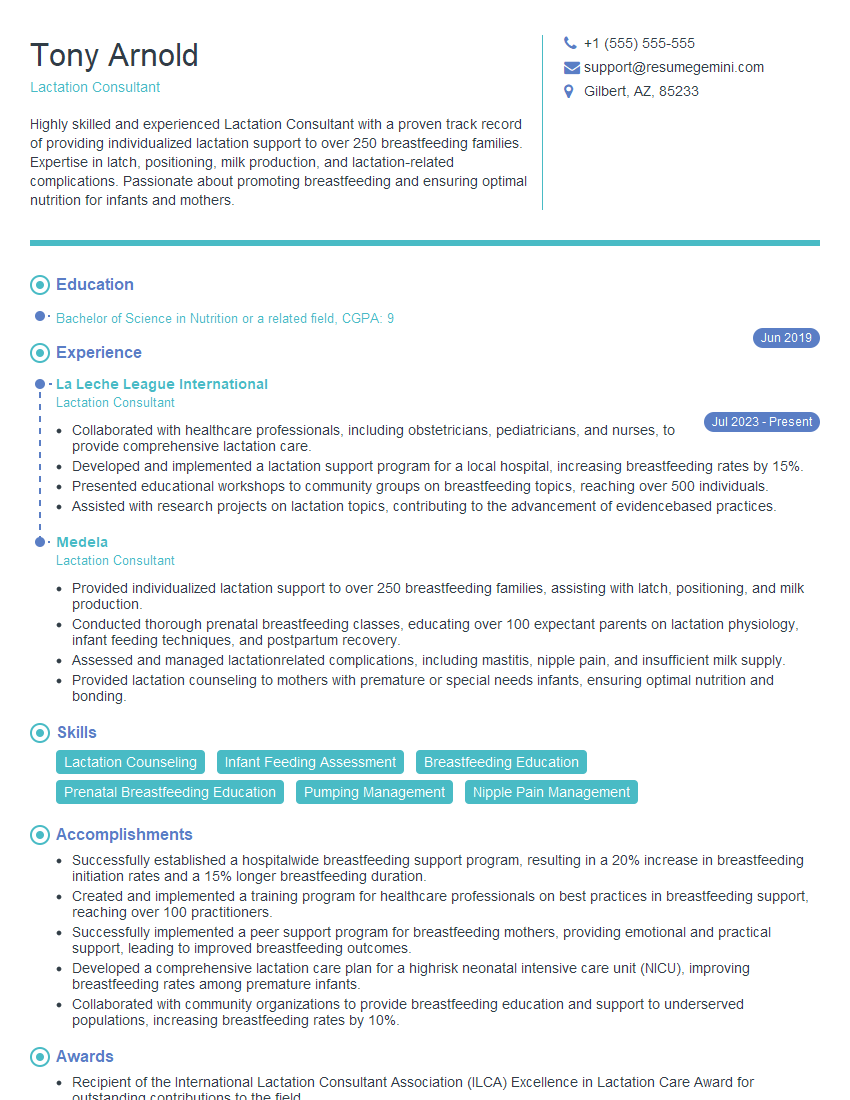
Lactation Consultant Resume Sample

Pediatrician Resume Sample
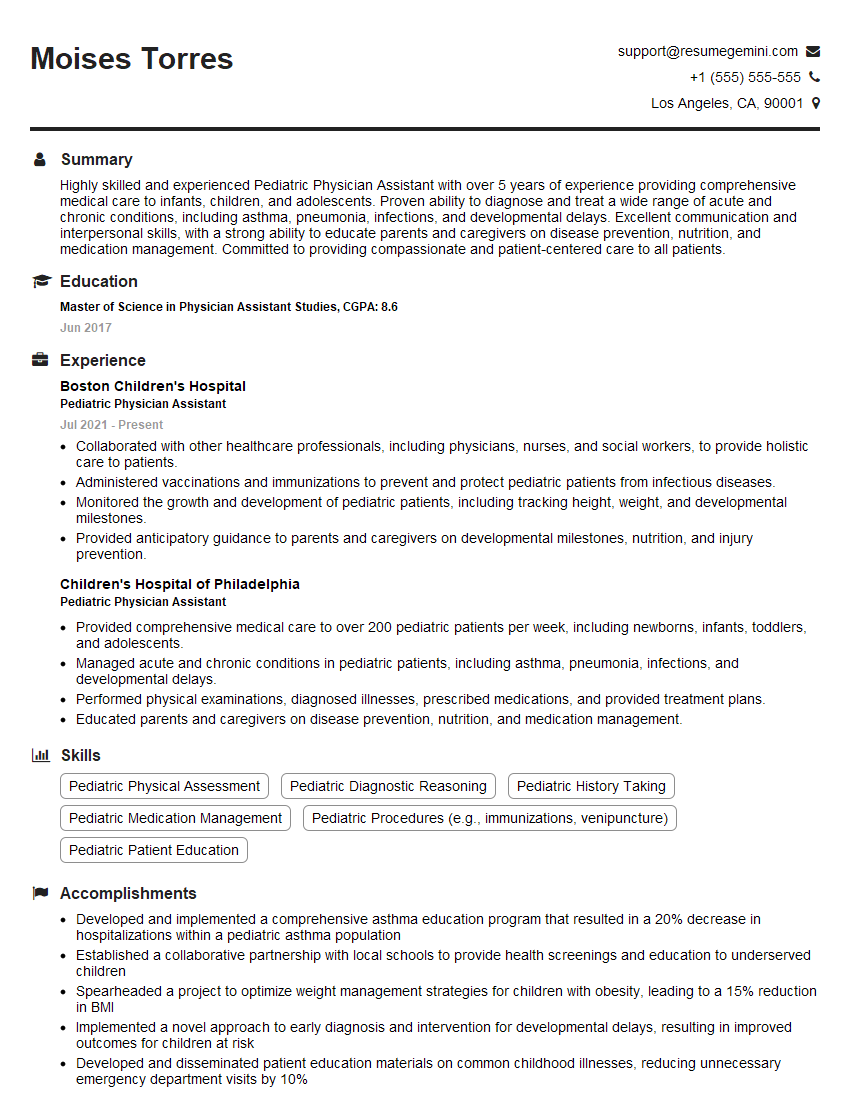
Pediatric Physician Assistant Resume Sample
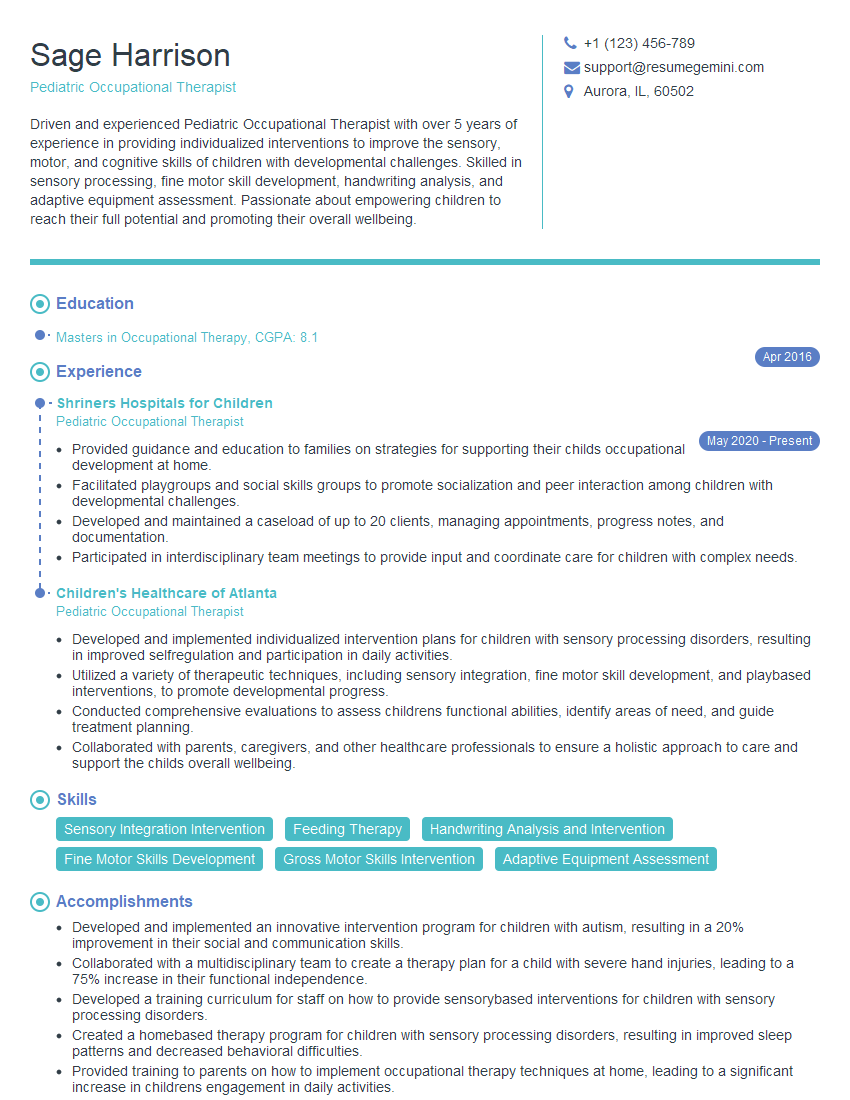
Pediatric Occupational Therapist Resume Sample
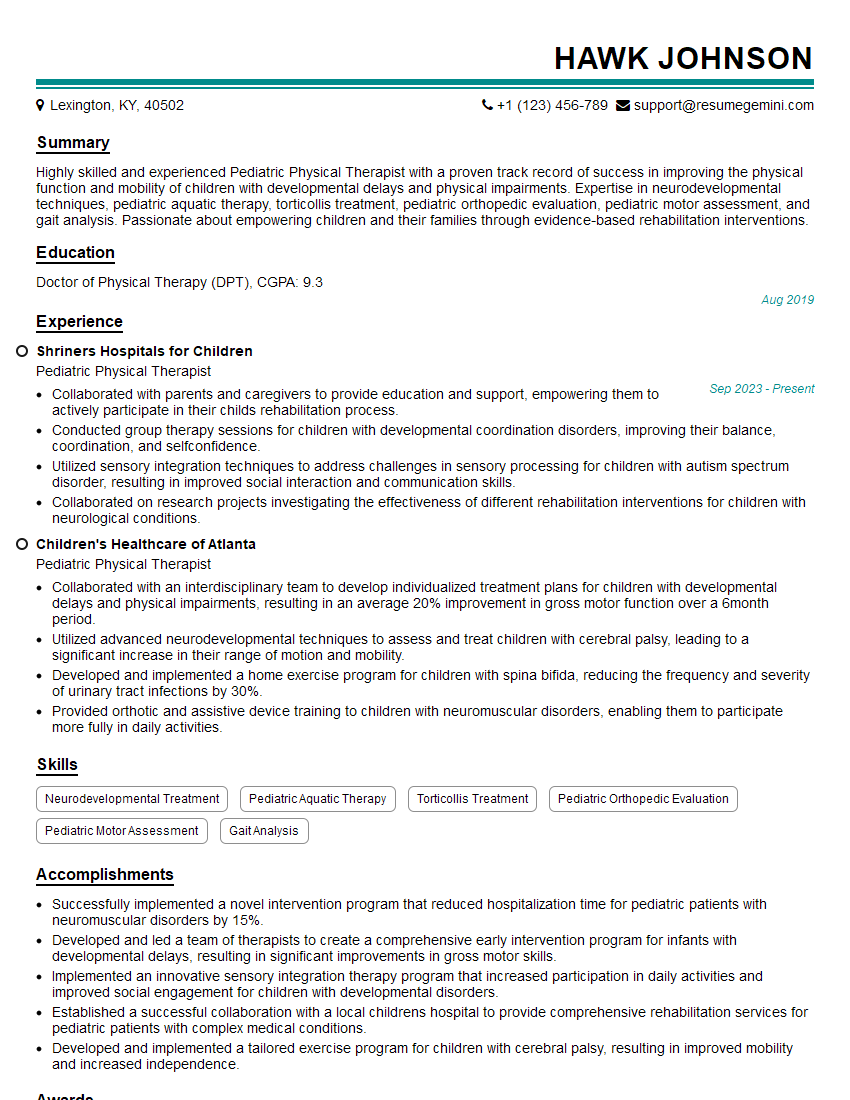
Pediatric Physical Therapist Resume Sample
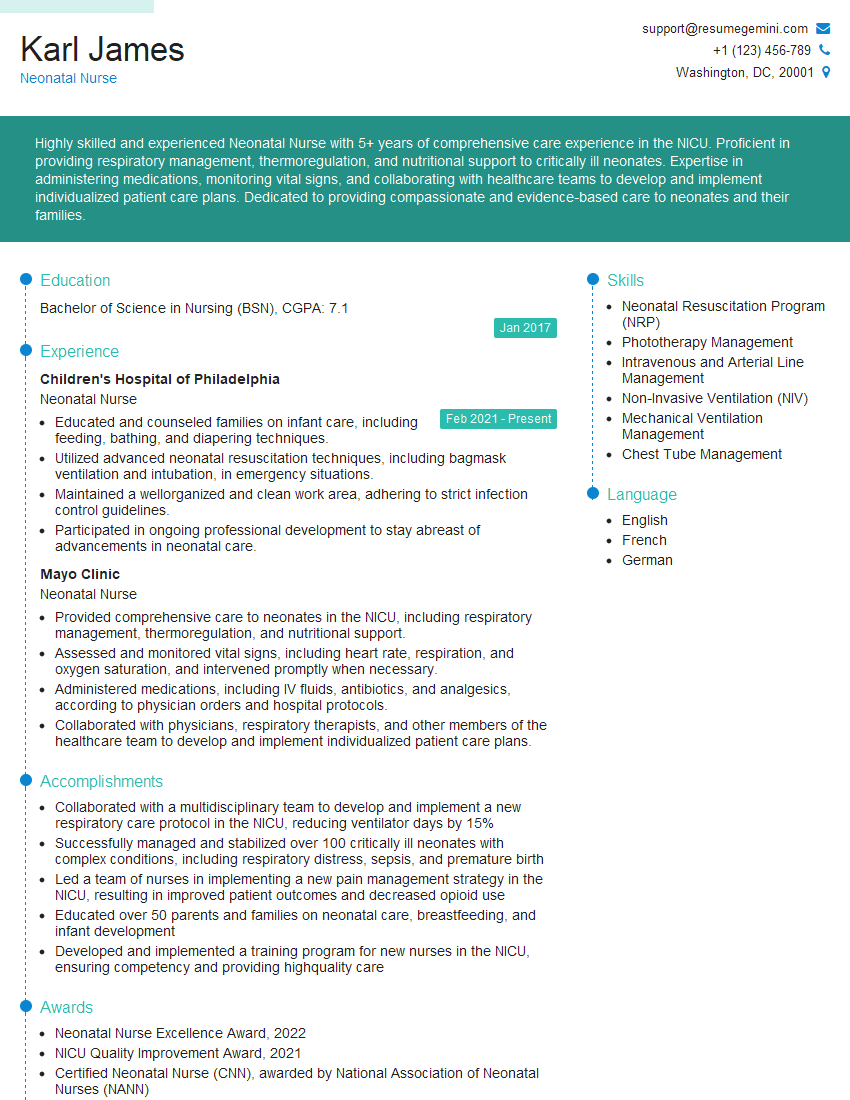
Neonatal Nurse Resume Sample
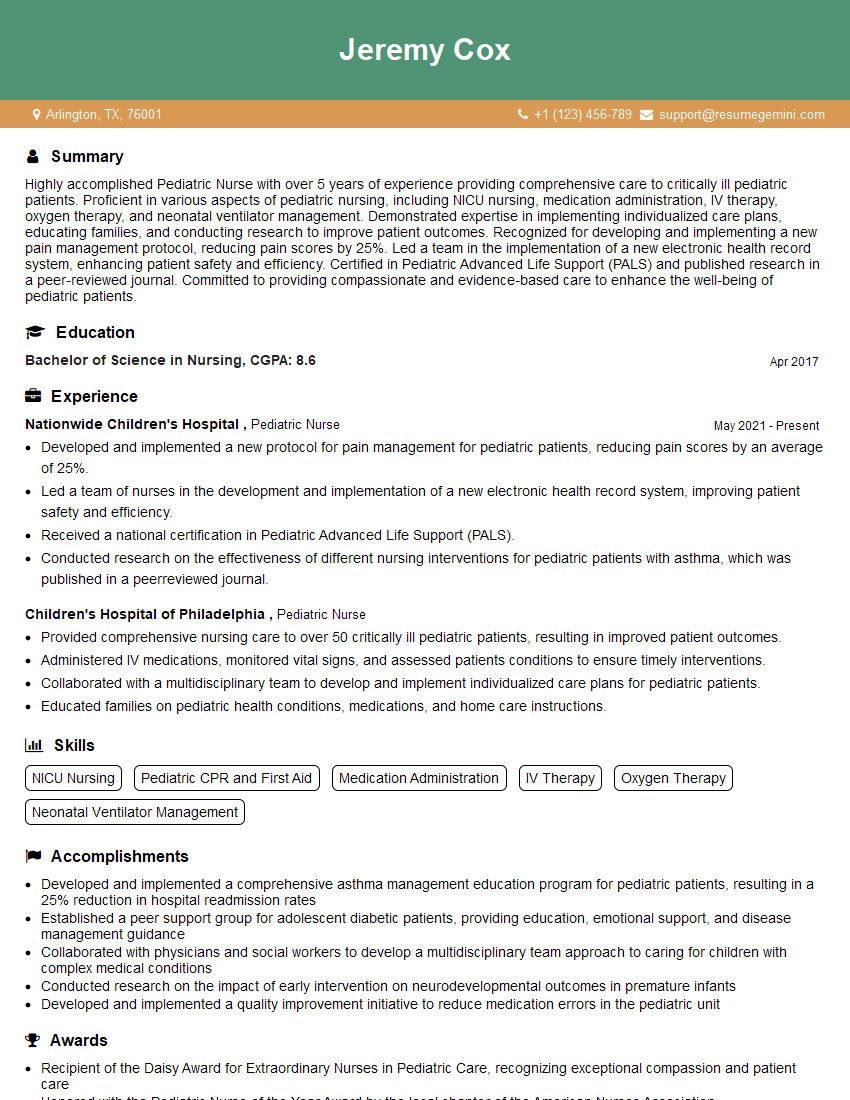
Pediatric Nurse Resume Sample
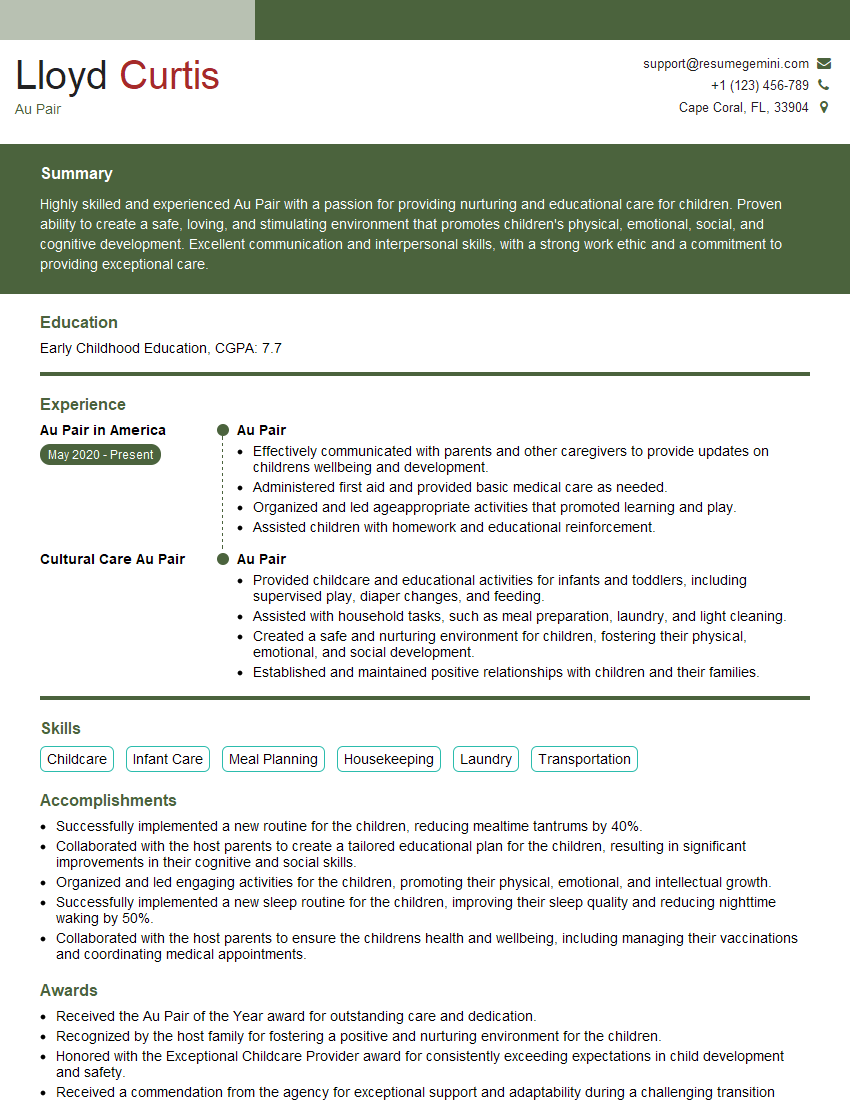
Au Pair Resume Sample
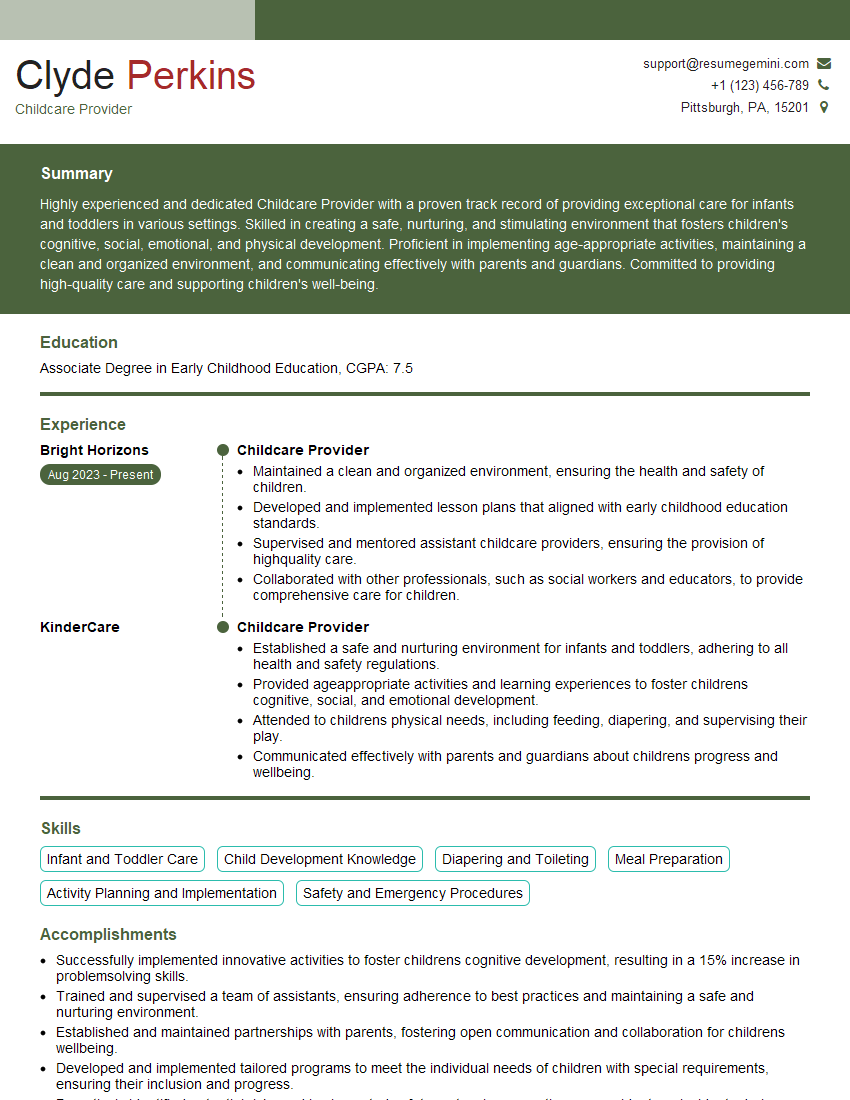
Childcare Provider Resume Sample

Nanny Resume Sample
Explore more articles
Users Rating of Our Blogs
Share Your Experience
We value your feedback! Please rate our content and share your thoughts (optional).
What Readers Say About Our Blog
To the interviewgemini.com Webmaster.
Very helpful and content specific questions to help prepare me for my interview!
Thank you
To the interviewgemini.com Webmaster.
This was kind of a unique content I found around the specialized skills. Very helpful questions and good detailed answers.
Very Helpful blog, thank you Interviewgemini team.