Interviews are more than just a Q&A session—they’re a chance to prove your worth. This blog dives into essential ISO 14040/14044 Standards interview questions and expert tips to help you align your answers with what hiring managers are looking for. Start preparing to shine!
Questions Asked in ISO 14040/14044 Standards Interview
Q 1. Define Life Cycle Assessment (LCA) according to ISO 14040.
According to ISO 14040, Life Cycle Assessment (LCA) is a compilation and evaluation of the inputs, outputs, and the potential environmental impacts of a product, process, or service throughout its life cycle. It’s a systematic tool that helps us understand the environmental burdens associated with different choices, from cradle to grave (or sometimes, cradle to cradle, considering recycling and reuse).
Think of it like this: you’re buying a new pair of shoes. An LCA would examine everything from the extraction of raw materials (like cotton or leather) and the energy used in manufacturing, to transportation, use, and finally, disposal or recycling. The goal is to get a comprehensive picture of the overall environmental impact.
Q 2. Explain the four phases of an LCA: Goal and Scope definition, Inventory Analysis, Impact Assessment, and Interpretation.
An LCA follows four distinct phases:
- Goal and Scope Definition: This crucial first step defines the objectives of the study, the product system boundaries (what’s included and excluded), the functional unit (what the product does and how its performance is measured), and the impact categories of interest (e.g., global warming, eutrophication). Imagine planning a road trip – you need to know where you’re going (goal), the route you’ll take (scope), your destination (functional unit), and what aspects of the journey you’re particularly concerned about (impact categories).
- Inventory Analysis: This phase involves quantifying all inputs and outputs associated with the product system. Think of it as creating a detailed list of everything that goes in and comes out, including materials, energy, emissions, and waste. Data collection is essential here, often relying on databases and literature.
- Impact Assessment: Here, the inventory data is translated into environmental impacts using various characterization models. These models consider the relative significance of different emissions and resource depletions. For example, a kg of CO2 has a greater global warming potential than a kg of methane. This phase assesses the magnitude of impacts in various environmental categories.
- Interpretation: The final phase involves critically reviewing the results, drawing conclusions, and identifying opportunities for improvement. This includes considering the limitations of the study, and making recommendations based on the findings. You wouldn’t interpret a road trip map literally; you’d consider potential delays, alternative routes, and overall efficiency.
Q 3. What are the key differences between ISO 14040 and ISO 14044?
ISO 14040 provides the framework for conducting LCAs, defining the principles and requirements for each phase. It’s the foundation. ISO 14044, on the other hand, provides guidelines for performing each phase of the LCA. It’s more practical and hands-on.
Think of it as a blueprint versus a construction manual. ISO 14040 outlines the overall structure of the LCA study, while ISO 14044 details the methods and procedures for constructing the study according to the established framework.
Q 4. Describe the importance of defining the goal and scope in an LCA.
Defining the goal and scope is paramount. Without a clear goal, the LCA becomes meaningless. The scope determines what’s included and, equally important, what’s excluded. An ill-defined scope can lead to inaccurate and misleading results. A poorly defined goal may lead to an LCA that does not address the pertinent issues or answer the question at hand.
For example, if the goal is to compare the environmental performance of two different packaging materials, the scope must clearly define the functional unit (e.g., packaging 1 kg of product), the system boundaries (from raw material extraction to end-of-life), and the relevant impact categories. Without this clear definition, the results would be incomparable and unreliable.
Q 5. What are the different types of functional units used in LCA?
Functional units are crucial for standardizing comparisons. They quantify the function a product or service performs. Different types exist:
- Mass-based: e.g., ‘1 kg of packaging’, ‘1 tonne of steel’.
- Performance-based: e.g., ‘transporting 1 tonne of goods over 1 km’, ‘providing 1 kWh of electricity’. This approach is generally preferred as it focuses on the actual function performed.
- Service-based: e.g., ‘1 year of use of a washing machine’.
Choosing the right functional unit is critical for meaningful comparisons. For example, comparing the environmental impacts of a small car versus a large truck using mass-based functional units (e.g., 1 kg of vehicle) would be misleading. A performance-based functional unit (e.g., transporting 1 passenger 100 km) would provide a fairer comparison.
Q 6. Explain the concept of allocation in LCA and its challenges.
Allocation in LCA deals with distributing environmental impacts when multiple products are produced from a single process. For example, if a refinery produces both gasoline and diesel fuel, allocation assigns a portion of the refinery’s emissions to each product. This can be challenging because there’s no universally agreed-upon method.
Challenges arise because different allocation methods can significantly alter the results. Common methods include mass allocation, energy allocation, economic allocation, and process-based allocation, but each has limitations and assumptions. The choice of method should be justified and transparent to avoid bias.
Choosing the wrong allocation method can dramatically alter the conclusions drawn and might inadvertently favor one product over another, even if the environmental burden is actually similar. Choosing an allocation method involves careful consideration of the system and the context within which the results are to be used.
Q 7. What are the common data sources used in Life Cycle Inventory (LCI)?
Data for LCI comes from various sources:
- LCI Databases: These are comprehensive databases containing life cycle inventory data for various materials and processes (e.g., ecoinvent, GaBi).
- Company Data: Direct measurements or data provided by companies involved in the product’s life cycle.
- Published Literature: Scientific papers, industry reports, and government publications.
- Government Agencies: Environmental protection agencies or statistical offices often provide valuable data on emissions and resource consumption.
- Field Measurements: Direct measurements taken on-site at various stages of the product’s life cycle. This is often time-consuming and expensive but can be crucial when data from other sources is insufficient or unavailable.
Data quality is critical; the reliability of the LCA depends on the accuracy and completeness of the inventory data. It is crucial to always assess the reliability of all data used. A critical review of data sources is essential to minimize uncertainties.
Q 8. How do you handle data uncertainty in an LCA?
Data uncertainty is inherent in LCA due to the complexity of supply chains and the limitations of available data. We address this through several strategies. First, we meticulously document data sources and their associated uncertainties. This could involve specifying ranges (e.g., a carbon footprint of 2-4 kg CO2e/unit), using probability distributions (e.g., a normal distribution with a mean and standard deviation), or assigning uncertainty classes based on data quality. Second, we utilize uncertainty analysis techniques such as sensitivity analysis (described in a later answer) and Monte Carlo simulation. Monte Carlo simulation randomly samples from the defined probability distributions of input parameters thousands of times to generate a distribution of impact scores, providing insights into the range of possible outcomes and highlighting the most influential parameters. For instance, in analyzing the impact of a plastic bag, uncertainty might exist in the exact composition of the plastic, energy used in production, or waste management practices. Documenting these uncertainties and applying Monte Carlo analysis would allow us to express the overall environmental impact as a range rather than a single value, offering a more complete and honest reflection of the reality.
Q 9. Explain different LCA impact assessment methods (e.g., midpoint, endpoint).
LCA impact assessment methods categorize and quantify the environmental burdens associated with a product’s life cycle. Midpoint methods assess impacts at a relatively simple level (e.g., global warming potential, acidification potential, eutrophication potential). They quantify the release of substances or the direct environmental effects of a product. Imagine you’re looking at a recipe. Midpoint is like listing the ingredients (CO2, SOx, etc.). Endpoint methods, on the other hand, aggregate midpoint impacts into higher-level categories representing wider societal consequences like human health, ecosystem quality, resource depletion. It’s the final dish – how the ingredients create an effect on human health or the environment. For example, a midpoint method might quantify the greenhouse gas emissions (kg CO2e), while an endpoint method might assess the effect of those emissions on climate change, possibly in terms of monetary damages or changes in temperature. The choice between midpoint and endpoint depends on the study’s goals. Midpoint provides detailed insights into specific impacts, making it useful for identifying hotspots, while endpoint methods offer a more holistic overview of the overall effects and their societal implications.
Q 10. What are the limitations of LCA?
LCAs, while powerful, possess limitations. One key limitation is the inherent complexity and potential for bias due to assumptions and choices made throughout the study. For example, defining the system boundary, choosing impact assessment methods, and selecting background data all involve subjective judgments that can influence the results. Another limitation is data availability and quality. Comprehensive data across the entire life cycle of a product may not always be available, leading to reliance on estimations and proxies, introducing uncertainties. Additionally, LCAs often focus on environmental aspects, sometimes neglecting social or economic aspects of sustainability. A final major limitation is the potential for manipulation of results by selectively choosing data or methods to favor a specific outcome. Therefore, it’s crucial to conduct rigorous reviews and transparently report methods and assumptions.
Q 11. How do you interpret the results of an LCA?
Interpreting LCA results requires a nuanced approach. First, it’s crucial to understand the context of the study, focusing on its goals, scope, and limitations. Don’t focus solely on a single impact category. Instead, consider the entire profile of environmental impacts. For instance, a product might score low in greenhouse gas emissions but high in water consumption. Look for patterns and trends in the results. Are there specific stages in the product’s life cycle that dominate the environmental burden? Comparing results across different product options or scenarios is a critical step. This comparative analysis is what helps decision-makers understand which choices lead to better environmental outcomes. Lastly, communicating the results clearly and concisely to stakeholders is essential, remembering to highlight uncertainties and limitations. Effective visual representations, such as charts and graphs, can greatly enhance the communication of complex data.
Q 12. Explain the importance of critical review in LCA.
Critical review is paramount to ensure the quality and reliability of an LCA. This involves an independent assessment of the study’s methodology, data, and interpretations by experts. It is an iterative process and not just a once-off assessment. Ideally, several independent reviewers should check the methodology and conclusions and suggest improvements. A good critical review identifies potential biases, inconsistencies, and areas of uncertainty, highlighting opportunities for improvement. This process reinforces transparency and helps build confidence in the study’s findings. A lack of peer review could lead to inaccurate conclusions or misleading results. For example, an omitted impact pathway or data entry error may significantly alter the outcome. The critical review helps prevent such errors from influencing decision-making.
Q 13. What is a sensitivity analysis, and why is it important in LCA?
A sensitivity analysis investigates how changes in input parameters affect the overall LCA results. We change the inputs (like energy consumption, or material properties) within their uncertainty ranges to see how the outcome varies. For example, if there is uncertainty in the carbon intensity of electricity, we might run the LCA with a lower and higher value for this parameter to assess the impact on overall greenhouse gas emissions. The importance lies in identifying the parameters that strongly influence the results. These sensitive parameters need the most attention; if the data for these is weak, the study’s overall reliability is affected. It helps prioritize data collection efforts and highlights the most crucial areas requiring further investigation. This systematic approach helps reduce uncertainty and makes the conclusions more robust.
Q 14. How do you ensure the quality and reliability of LCI data?
Ensuring the quality and reliability of LCI data requires a multi-pronged approach. First, we prioritize using data from reputable and validated sources, like databases such as ecoinvent or GaBi. These databases undergo rigorous quality checks and data validation. When using data from less established sources, thorough documentation of the data’s origin, methodology, and uncertainties is crucial. We also utilize data quality indicators or uncertainty classes to classify and assess the reliability of each piece of data. This allows for transparent reporting of data uncertainties. In some cases, it might be necessary to perform primary data collection through experiments or field studies to fill data gaps. Finally, data consistency checks and validation steps are implemented throughout the LCI compilation process to detect and correct potential errors.
Q 15. What are some common software tools used for conducting LCAs?
Several software tools are used for conducting Life Cycle Assessments (LCAs), ranging from simple spreadsheet programs to sophisticated dedicated LCA software. The choice depends on the complexity of the study, the available data, and the user’s expertise.
- Spreadsheet Software (e.g., Excel): Suitable for simpler LCAs, allowing manual data entry and calculations. However, this approach can be time-consuming and prone to errors for complex studies.
- Dedicated LCA Software (e.g., SimaPro, Gabi, Brightway2): These offer comprehensive databases of life cycle inventory (LCI) data, automated calculations, and advanced features for impact assessment and reporting. They significantly reduce the time and effort required for complex LCAs and minimize error.
- Open-Source Software (e.g., Brightway2): Brightway2 provides a flexible and customizable platform for LCA, leveraging community-contributed data and functionalities. This often requires more technical expertise than commercial software.
For example, a small company assessing the environmental impact of a single product might use a spreadsheet. In contrast, a large corporation analyzing a complex supply chain would benefit from the capabilities of a dedicated LCA software package like SimaPro, which allows for integration of multiple datasets and more robust impact assessment methods.
Career Expert Tips:
- Ace those interviews! Prepare effectively by reviewing the Top 50 Most Common Interview Questions on ResumeGemini.
- Navigate your job search with confidence! Explore a wide range of Career Tips on ResumeGemini. Learn about common challenges and recommendations to overcome them.
- Craft the perfect resume! Master the Art of Resume Writing with ResumeGemini’s guide. Showcase your unique qualifications and achievements effectively.
- Don’t miss out on holiday savings! Build your dream resume with ResumeGemini’s ATS optimized templates.
Q 16. Explain the concept of consequential LCA.
Consequential LCA is a type of LCA that considers the changes in the supply and demand of goods and services resulting from the system under study. Unlike attributional LCA (explained later), it’s forward-looking and focuses on the potential impacts of altering production or consumption patterns. It models the market response to a change in the system. This may involve shifting production to different facilities, changes in energy sources, or modifications in consumer behavior.
Imagine a company deciding to switch from a conventional plastic packaging to a bio-based alternative. A consequential LCA would assess not only the direct environmental impacts of the bio-based packaging but also the broader consequences, such as increased demand for bio-based materials, potentially leading to expansion of biofuel production (with its own environmental trade-offs) or the displacement of other uses for land used to grow biomass.
The key is to simulate the ripple effect of the decision on the entire system, considering potential market shifts and feedback loops.
Q 17. What is attributional LCA?
Attributional LCA focuses on assigning environmental burdens to a specific product or process based on its existing production and consumption patterns. It answers the question: “What are the environmental impacts associated with the production and use of this specific product as it is currently made and used?” It’s a retrospective analysis, quantifying the impacts of an existing system without considering potential changes resulting from the LCA itself.
For instance, an attributional LCA of a pair of jeans would quantify the environmental impacts stemming from cotton farming, yarn production, dyeing, manufacturing, transportation, and disposal, based on current practices. It wouldn’t predict the impacts if, say, a different type of cotton were used or if consumers changed their buying habits.
Q 18. Describe the difference between attributional and consequential LCA.
The core difference lies in their scope and perspective:
- Attributional LCA is retrospective, focusing on the current environmental impacts of a product or process. It’s a snapshot of the existing situation. It’s often simpler to conduct but may not fully represent the potential impacts of change.
- Consequential LCA is prospective, considering the potential changes in the system resulting from a decision or intervention. It’s a more complex analysis, requiring modeling of market dynamics and feedback loops. It offers a more nuanced understanding of the potential impacts but requires more data and assumptions.
Think of it like this: Attributional LCA is like taking a photograph of a scene; Consequential LCA is like creating a movie showing how the scene might evolve based on different actions.
Q 19. How do you address data gaps in LCI?
Data gaps are a common challenge in LCI. Strategies for addressing these include:
- Literature Review and Databases: Consult scientific literature and publicly accessible databases (e.g., ecoinvent, GaBi) for relevant data. This should be the first step.
- Data Substitution: If precise data for a specific process is unavailable, substitute data from a similar process. This requires careful justification and acknowledgement of potential uncertainties.
- Data Allocation: If a process generates multiple products, allocate the environmental impacts to each product based on a suitable allocation method (e.g., mass, energy, economic value). The choice of allocation method significantly impacts the results and should be clearly stated.
- Modeling and Estimation: Develop process models based on available information and use engineering equations or expert judgment to estimate missing data points. This should be clearly documented.
- Primary Data Collection: Conduct primary data collection through measurements, experiments, or surveys if feasible. This is the most reliable but often most expensive and time-consuming approach.
- Sensitivity Analysis: Assess the influence of uncertain data points on the overall LCA results. This helps quantify the uncertainty associated with the data gaps.
Transparency is crucial. Any assumptions and methods used to address data gaps should be clearly documented in the LCA report.
Q 20. What are the ethical considerations in conducting an LCA?
Ethical considerations are paramount in LCA. These include:
- Transparency and Objectivity: The LCA must be conducted objectively, with all assumptions and data sources clearly disclosed. Avoiding bias and ensuring transparency builds trust and credibility.
- Data Quality and Validity: The data used should be reliable and relevant. Using inaccurate or outdated data can lead to misleading conclusions.
- Interpretation and Communication: Results should be interpreted carefully and communicated accurately, avoiding oversimplification or exaggeration. The limitations of the study should be clearly stated.
- Conflict of Interest: Researchers should declare any potential conflicts of interest that could influence the results. Funding sources and affiliations should be transparent.
- Use and Misuse of Results: The LCA practitioner should be mindful of how the results will be used and avoid contributing to greenwashing or other unethical practices.
- Social and Economic Impacts: While environmental impacts are the primary focus, social and economic considerations should be acknowledged, as they are often intertwined with environmental performance. For example, the impact of a decision on employment or the potential for environmental justice issues needs to be considered, where possible.
Q 21. Explain the role of stakeholder engagement in an LCA.
Stakeholder engagement is critical throughout the LCA process. It ensures the study’s relevance, credibility, and acceptance. Stakeholders include:
- Clients and Decision-Makers: Engaging them helps define the study’s scope, objectives, and intended use.
- Data Providers: Their input is essential for collecting accurate and reliable data.
- Experts and Reviewers: Peer review ensures the quality and rigor of the LCA.
- Affected Communities: Considering their perspectives can identify potential social and environmental impacts often missed in a purely technical analysis. For example, a local community near a manufacturing plant might be impacted differently than a community far away, a difference that could influence the decision-making process.
Effective stakeholder engagement methods include workshops, surveys, interviews, and collaborative modeling. Active communication throughout the process helps build consensus and promotes informed decision-making.
Q 22. How do you communicate the findings of an LCA effectively?
Communicating LCA findings effectively requires clear, concise, and visually appealing reporting. Think of it like telling a story with data – you need to engage your audience and avoid overwhelming them with technical jargon.
- Audience tailoring: Adjust the complexity of your report based on your audience’s background. A report for executives will differ significantly from one for engineers.
- Visualizations: Charts, graphs, and infographics are crucial for conveying complex data in a digestible manner. A simple bar chart showing the environmental impacts of different materials can be far more effective than pages of numbers.
- Summary tables: Present key findings in a concise summary table highlighting the most significant environmental impacts. For instance, a comparison of global warming potential (GWP) across different product life cycle stages.
- Uncertainty analysis: Transparency about uncertainties in the data and methodology is essential for building trust. Clearly state the limitations of the LCA, acknowledging any assumptions made.
- Recommendations and next steps: Don’t just present the findings; provide actionable recommendations based on the results. Suggest potential improvements for reducing environmental impacts. For example, if your LCA highlights significant transportation impacts, you could recommend using local sourcing.
For instance, imagine an LCA showing that packaging contributes significantly to a product’s carbon footprint. An effective report would present this information using a clear chart, suggest alternatives like recycled packaging materials, and explain the potential environmental benefits of the switch.
Q 23. Describe the use of LCA in decision-making processes.
LCA is an invaluable tool in decision-making, particularly for organizations aiming for environmental sustainability. It provides a structured approach to assess and compare environmental impacts across different options.
- Product design: LCA helps identify environmental hotspots in a product’s life cycle, guiding designers towards more sustainable material choices, manufacturing processes, and end-of-life management strategies.
- Supply chain optimization: By analyzing environmental impacts across the entire supply chain, businesses can pinpoint areas for improvement, such as reducing transportation distances or using more environmentally friendly suppliers.
- Policy and regulation: Governments use LCA to inform environmental policies and regulations, setting targets for emission reductions or promoting sustainable practices. For example, an LCA might show the relative effectiveness of different waste management policies.
- Investment decisions: Companies use LCA to evaluate the environmental performance of investment options, prioritizing projects with lower environmental impacts. This can be particularly relevant for investments in renewable energy or sustainable technologies.
- Marketing and communication: LCA results can support sustainability claims made by companies, enhancing consumer trust and brand reputation. However, it’s critical to communicate LCA results responsibly and transparently.
Consider a company choosing between two different packaging materials. An LCA could reveal that one option has a significantly lower carbon footprint, leading to a more informed and environmentally responsible choice.
Q 24. What is the relevance of LCA in circular economy initiatives?
LCA plays a vital role in circular economy initiatives by providing a quantitative assessment of the environmental impacts associated with different circular economy strategies. A circular economy prioritizes reducing waste and maximizing resource utilization.
- Waste reduction: LCA can help identify the environmental benefits of waste reduction strategies, such as designing for disassembly, product reuse, and material recycling.
- Material selection: LCA can inform choices of materials with high recyclability or biodegradability, minimizing environmental burdens associated with end-of-life management.
- Product lifespan extension: LCA can evaluate strategies for extending product lifespan, such as design for durability and repairability, reducing the need for frequent replacements.
- Remanufacturing and refurbishment: LCA can assess the environmental performance of remanufacturing and refurbishment processes compared to new product manufacturing, potentially revealing significant environmental benefits.
- Resource recovery: LCA can evaluate the environmental performance of different resource recovery methods, helping select the most environmentally sound approach for recovering valuable materials from waste.
For example, an LCA could compare the environmental impacts of a product made from virgin materials versus a product made from recycled materials, showing the significant reductions in resource depletion and emissions that are possible through a circular economy approach.
Q 25. How can LCA contribute to sustainable product design?
LCA is an indispensable tool for sustainable product design, providing a systematic way to evaluate the environmental performance of a product throughout its entire life cycle. It’s not just about the final product; it’s about considering the environmental implications of each design choice from raw material extraction to disposal.
- Material selection: LCA can help identify materials with lower environmental impacts, considering factors like embodied energy, toxicity, and recyclability. For example, choosing recycled aluminum over virgin aluminum can significantly reduce energy consumption.
- Manufacturing processes: LCA can assess the environmental impact of different manufacturing processes, leading to the selection of cleaner and more efficient methods. This might involve reducing energy consumption, minimizing waste generation, or adopting less polluting technologies.
- Product design for durability and repairability: LCA can encourage design choices that extend product lifespan, reducing the need for frequent replacements and associated environmental impacts.
- End-of-life management: LCA helps designers consider the environmental implications of end-of-life management, such as recyclability, compostability, or safe disposal. For example, designing a product for easy disassembly makes recycling much more efficient.
- Eco-design strategies: LCA supports the implementation of eco-design strategies, resulting in products that use fewer resources, generate less waste, and have a smaller overall environmental footprint.
Imagine designing a smartphone. An LCA could highlight the environmental costs associated with rare earth minerals in its components, prompting designers to explore alternative materials or design choices to minimize these impacts.
Q 26. Explain the challenges associated with implementing LCA in supply chains.
Implementing LCA in supply chains presents several challenges, largely due to data limitations, complexity, and the need for collaboration across multiple stakeholders.
- Data availability and accuracy: Obtaining accurate and comprehensive data from multiple suppliers across the entire supply chain can be extremely difficult. Data gaps and inconsistencies can significantly affect the reliability of the LCA results.
- Data confidentiality: Suppliers may be hesitant to share sensitive data, such as manufacturing processes or energy consumption, due to competitive concerns.
- Supply chain complexity: Tracking materials and processes across a complex global supply chain can be a significant undertaking, requiring robust data management systems and collaborative efforts.
- Cost and time requirements: Performing comprehensive LCAs can be time-consuming and expensive, particularly for large and complex supply chains. This can be a barrier for smaller businesses.
- Lack of standardization and comparability: Differences in LCA methodologies and data reporting can make it difficult to compare results from different studies, hindering meaningful comparisons across products or supply chains.
For example, a company might struggle to get detailed information on the environmental performance of its raw material suppliers, leading to uncertainties in the LCA results. Building trust and establishing transparent data-sharing protocols are crucial to overcome this challenge.
Q 27. How does LCA contribute to meeting environmental regulations?
LCA plays a critical role in meeting environmental regulations by providing the scientific basis for assessing compliance and setting more effective targets. It provides a quantitative framework for evaluating environmental impacts, enabling informed decision-making related to environmental compliance.
- Compliance demonstration: LCA can be used to demonstrate compliance with environmental regulations, such as emission limits or waste management requirements. This is often required for environmental permits or certifications.
- Environmental impact assessments: LCA is often a key element of environmental impact assessments (EIAs), used to evaluate the potential environmental effects of proposed projects or developments.
- Setting environmental targets: LCA can help set realistic and achievable environmental targets for emissions reduction, resource consumption, or waste generation. For example, regulatory bodies might use LCA to set targets for the carbon footprint of vehicles.
- Policy development: LCA informs policy development by providing a scientific basis for creating effective environmental policies and regulations. This might involve analyzing the environmental impacts of different policy options.
- Product stewardship: LCA can help manufacturers meet their product stewardship responsibilities by identifying environmental hotspots and implementing strategies to minimize their environmental impacts throughout the product lifecycle.
For instance, a manufacturer might use LCA to demonstrate compliance with regulations on greenhouse gas emissions, showing that their products meet the required standards and supporting their application for an environmental permit.
Q 28. What are the future trends and developments in LCA methodology?
The LCA methodology is continuously evolving to address emerging challenges and incorporate new scientific advancements. Several future trends are shaping the field:
- Data integration and digitalization: Increased use of digital tools and databases for data collection, processing, and analysis, enhancing efficiency and accuracy. This includes the use of big data and AI for data analysis.
- Expansion of impact categories: Beyond traditional categories like climate change and resource depletion, the inclusion of additional impact categories such as social equity, human health, and biodiversity loss is becoming increasingly prevalent.
- Improved uncertainty analysis: More sophisticated methods for handling uncertainty and variability in LCA data, enhancing the reliability and transparency of the results.
- Integration with other environmental assessment methods: Combining LCA with other tools, such as life cycle costing (LCC) or material flow analysis (MFA), for a more holistic assessment of environmental and economic performance.
- Application of advanced modeling techniques: Using advanced modeling techniques, such as agent-based modeling or system dynamics, to better simulate complex environmental systems and processes.
- Increased focus on circular economy and resilience: Growing application of LCA to assess and optimize circular economy strategies and enhance the resilience of supply chains.
For example, future LCAs might routinely incorporate data on social and economic impacts, providing a more holistic perspective on sustainability. The integration of AI is expected to streamline the process and improve data quality.
Key Topics to Learn for ISO 14040/14044 Standards Interview
- Life Cycle Assessment (LCA) Principles: Understand the fundamental principles of LCA as defined in ISO 14040, including goal and scope definition, inventory analysis, impact assessment, and interpretation.
- Goal and Scope Definition: Master the critical steps in defining a clear and concise goal and scope for an LCA study, ensuring its relevance and applicability.
- Inventory Analysis: Learn how to conduct a comprehensive inventory analysis, including data collection, allocation, and uncertainty analysis. Be prepared to discuss different data sources and methodologies.
- Impact Assessment: Grasp the various impact assessment methods and understand how to select appropriate methods based on the study’s goal and scope. Discuss the limitations and strengths of different impact categories.
- Interpretation: Know how to interpret the results of an LCA study, considering the uncertainties and limitations of the data and methods used. Be able to draw meaningful conclusions and recommendations.
- Data Quality and Uncertainty: Discuss the importance of data quality and uncertainty management in LCA studies and how to address these challenges. This includes understanding the implications of incomplete or unreliable data.
- LCA Applications: Be ready to discuss practical applications of LCA in various industries, such as product design, environmental management, and sustainability reporting.
- Critical Review and Improvement: Understand the importance of peer review and continuous improvement in the LCA process.
- ISO 14044 Specifics: Familiarize yourself with the detailed requirements and guidance provided in ISO 14044, specifically focusing on the practical application of the ISO 14040 principles.
- Problem-Solving in LCA: Be prepared to discuss potential challenges encountered during LCA studies and how you would approach solving them, such as data gaps, conflicting data, and methodological limitations.
Next Steps
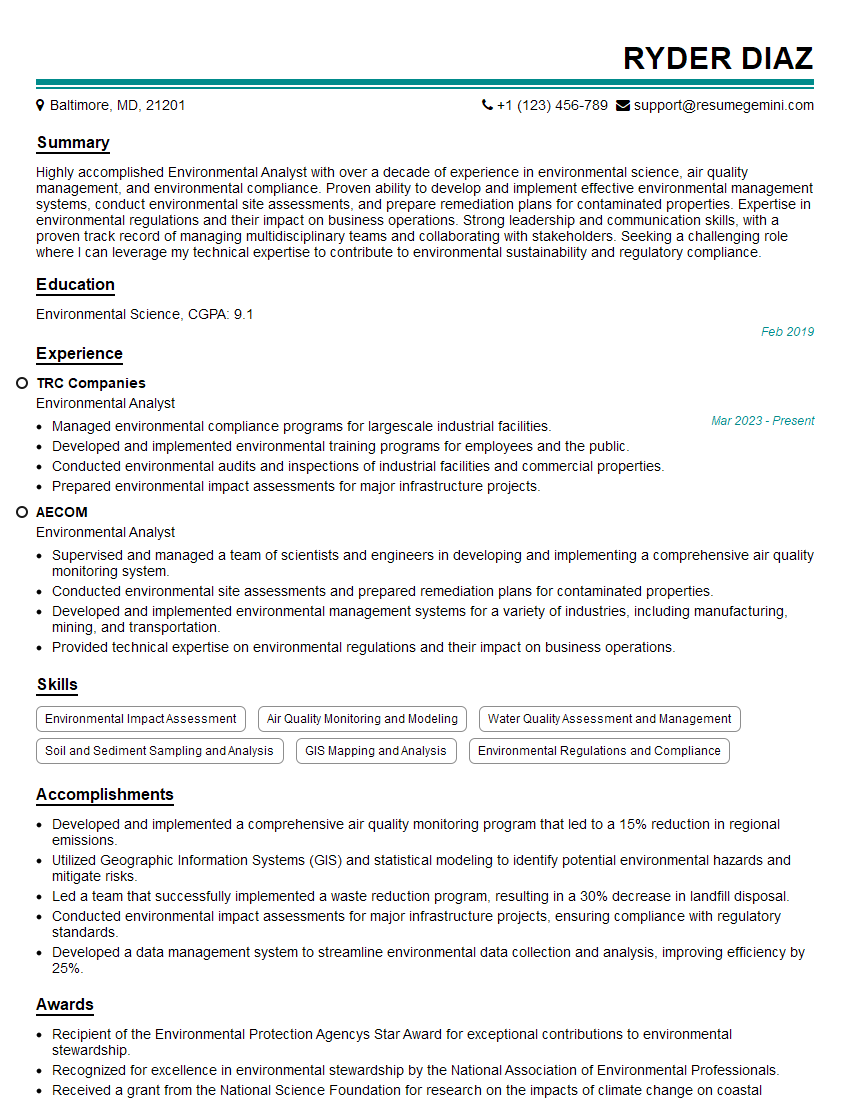
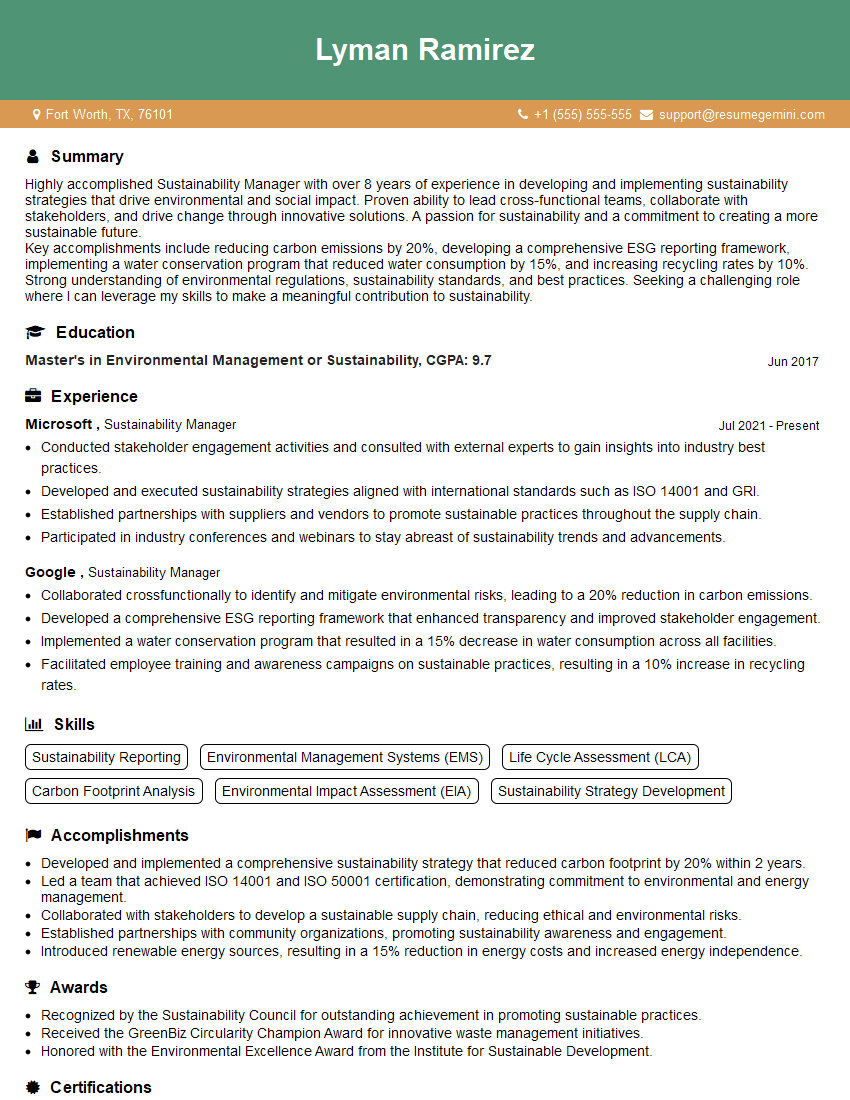
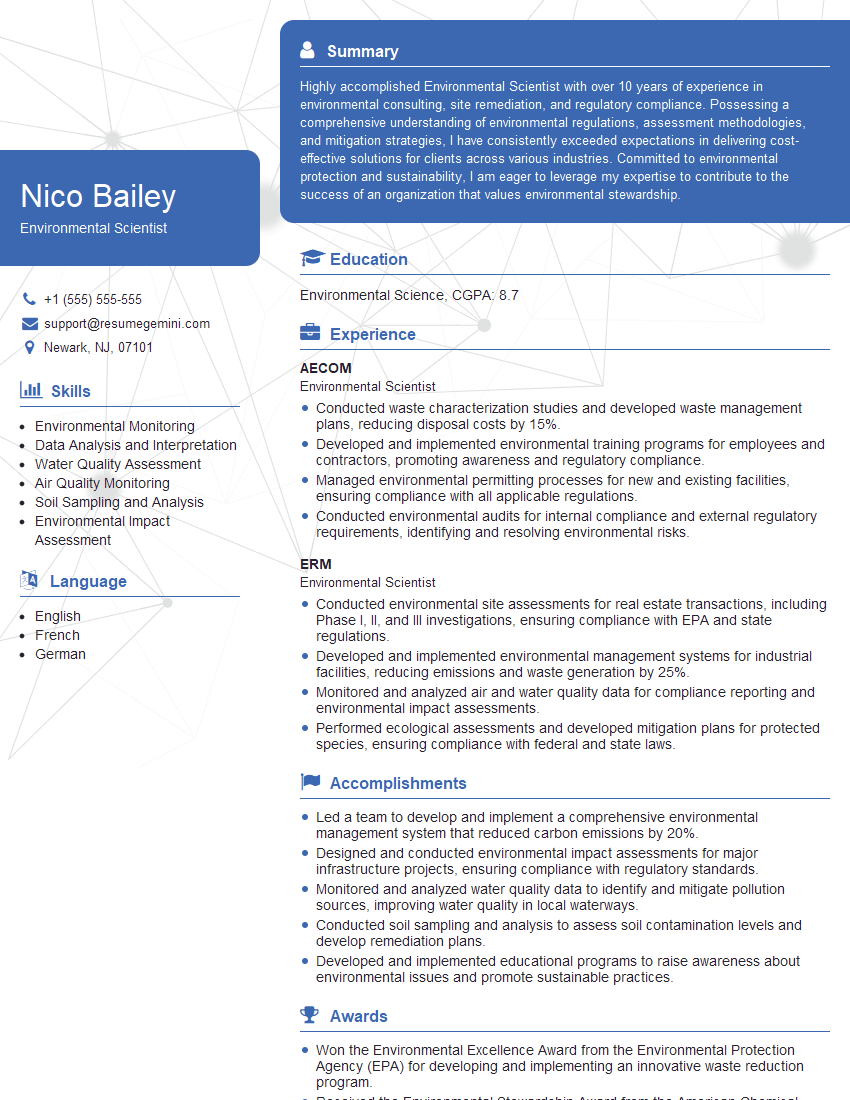
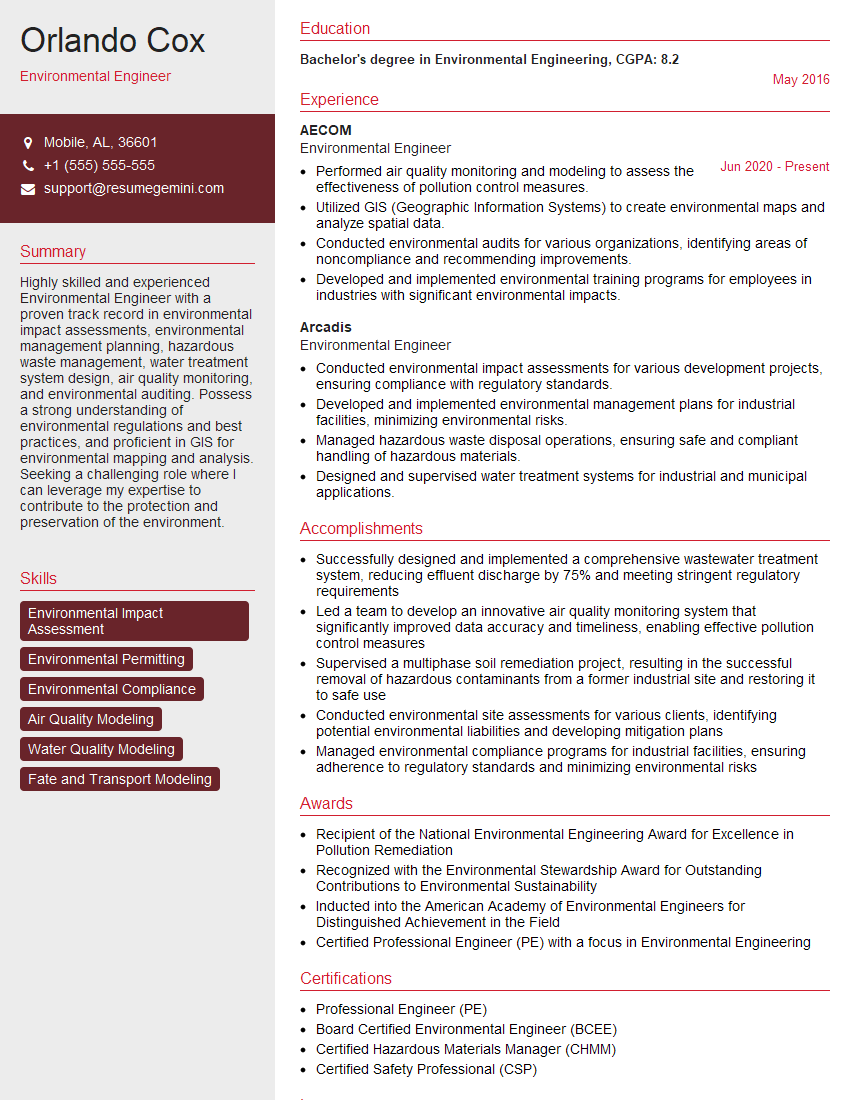
Mastering ISO 14040/14044 significantly enhances your career prospects in sustainability, environmental consulting, and related fields. Demonstrating this expertise through a strong resume is crucial. Creating an ATS-friendly resume will maximize your chances of getting noticed by recruiters. To build a professional and impactful resume, leverage the power of ResumeGemini. ResumeGemini offers a streamlined process for crafting compelling resumes, and we provide examples of resumes tailored to ISO 14040/14044 Standards to guide you.

Explore more articles
Users Rating of Our Blogs
Share Your Experience
We value your feedback! Please rate our content and share your thoughts (optional).
What Readers Say About Our Blog
To the interviewgemini.com Webmaster.
Very helpful and content specific questions to help prepare me for my interview!
Thank you
To the interviewgemini.com Webmaster.
This was kind of a unique content I found around the specialized skills. Very helpful questions and good detailed answers.
Very Helpful blog, thank you Interviewgemini team.