Unlock your full potential by mastering the most common Shovel Leadership interview questions. This blog offers a deep dive into the critical topics, ensuring you’re not only prepared to answer but to excel. With these insights, you’ll approach your interview with clarity and confidence.
Questions Asked in Shovel Leadership Interview
Q 1. Describe your experience leading teams in high-pressure, hands-on environments.
My experience leading teams in high-pressure, hands-on environments is extensive. I’ve consistently thrived in situations demanding immediate action and precise execution. For instance, during a critical system failure at my previous company, we were under immense pressure to restore service within a tight timeframe. I worked alongside the team, not just directing, ensuring everyone understood their role and felt empowered to contribute effectively. This involved clear communication, constant reassessment of the situation, and making rapid, data-driven adjustments to our strategy. We successfully restored service ahead of schedule, demonstrating the effectiveness of a collaborative, hands-on leadership approach even under extreme stress. Another example involved a project launch that was delayed due to unforeseen technical challenges. The pressure to meet the deadline was immense and client expectations were high. I focused on building a collaborative atmosphere, breaking down complex tasks into smaller, more manageable units. We used Agile methodologies to track progress and adapt to challenges swiftly, leading to a successful launch and exceeding client expectations.
Q 2. Explain your approach to delegating tasks and monitoring progress.
My approach to delegation is rooted in understanding individual strengths and aligning tasks accordingly. I don’t simply assign tasks; I empower team members by providing them with the context, resources, and support necessary for success. Before delegating, I ensure the team member understands the task’s importance, the desired outcome, and the potential challenges. This involves open communication and clarifying any ambiguities. Monitoring progress isn’t about micromanagement; it’s about providing guidance and support where needed. Regular check-ins, rather than constant oversight, are key. I use project management tools to track progress visually and facilitate open communication about roadblocks. This helps identify potential issues early and enables proactive solutions. For instance, during a recent project, I noticed one team member consistently falling behind. Instead of criticism, I scheduled a meeting, discovered they were struggling with a specific software tool, provided additional training, and adjusted the workload to ensure their success and overall team efficiency.
Q 3. How do you handle conflict resolution within a team setting?
Conflict resolution is a crucial aspect of effective leadership. My approach prioritizes open communication, active listening, and finding mutually beneficial solutions. I encourage team members to voice their concerns openly and respectfully. I act as a facilitator, ensuring everyone feels heard and understood. Rather than imposing solutions, I guide the team towards collaboratively identifying the root cause of the conflict and exploring options together. I believe focusing on the issue, not personalities, is paramount. For instance, I once mediated a disagreement between two team members over project priorities. Instead of taking sides, I facilitated a discussion that helped them understand each other’s perspectives and collaboratively redefine their priorities, leading to a smoother workflow and stronger teamwork.
Q 4. Describe a time you had to make a quick, critical decision under pressure.
During a critical software release, a major bug was discovered just hours before the deadline. This required a rapid decision—proceed with the release despite the bug, incurring potential reputational damage, or delay the release, risking client dissatisfaction and project overruns. After quickly assessing the severity of the bug and its potential impact, I made the decision to delay the release. We worked through the night to fix the bug, communicating transparently with clients about the delay and its rationale. While this decision was stressful, it ultimately protected our reputation and demonstrated our commitment to delivering high-quality work. This exemplifies my willingness to make tough decisions under pressure, prioritizing long-term success over short-term gains.
Q 5. How do you ensure team morale and productivity?
Maintaining high team morale and productivity is a continuous process, not a one-time event. I believe in fostering a positive and supportive work environment where team members feel valued and respected. This includes regular team-building activities, celebrating successes, and openly acknowledging individual and collective achievements. Clear communication, transparency, and fair treatment are crucial. I also ensure workloads are manageable and that team members have the resources they need to succeed. Furthermore, I actively solicit feedback and am open to suggestions for improvement, demonstrating that their input matters. By creating a positive atmosphere, team members are more likely to be engaged, productive, and committed to the team’s goals. I recognize that a happy and supported team is a productive team.
Q 6. Explain your experience with performance management and feedback.
Performance management is a crucial aspect of leadership, focusing on both constructive feedback and ongoing development. I conduct regular performance reviews that are both goal-oriented and focused on individual growth. These reviews are not merely evaluations; they’re opportunities for open dialogue, identifying strengths, and collaboratively charting a course for improvement. I provide specific, actionable feedback, focusing on both accomplishments and areas for development. I also encourage self-assessment, providing employees with a chance to reflect on their performance and identify their own goals. This approach allows for a more objective and collaborative process, fostering growth and mutual understanding. For example, during a recent review, I helped a team member identify a skill gap in project management techniques, arranging for relevant training and mentorship to aid their development.
Q 7. How do you identify and address skill gaps within your team?
Identifying and addressing skill gaps is essential for maintaining a high-performing team. I start by regularly assessing individual and collective skills through observation, performance reviews, and project feedback. I use a combination of methods: direct observation of work, analysis of project outcomes, and seeking feedback from peers and clients. Once a skill gap is identified, I create a development plan, which may involve providing training resources, mentorship programs, or opportunities for on-the-job learning. I ensure the plan is tailored to the individual’s needs and preferences. This may involve formal training courses, online learning platforms, or assigning tasks designed to foster skill development. For instance, if a team member lacks experience in a particular software, I would provide them with training materials and opportunities to use the software on smaller projects before incorporating it into larger initiatives. Continuous professional development is key to maintaining a competent and adaptable team.
Q 8. How do you prioritize tasks in a fast-paced environment?
In a fast-paced environment, effective task prioritization is crucial. I utilize a combination of techniques, starting with a clear understanding of project goals and deadlines. I then employ methods like the Eisenhower Matrix (urgent/important), prioritizing tasks based on their impact and urgency. For example, if we’re facing a critical deadline for a key client deliverable, that task takes precedence over less time-sensitive projects, even if the latter are equally important in the long term. I also leverage project management software to visualize tasks, dependencies, and deadlines, allowing for dynamic prioritization based on changing circumstances. Regularly reviewing and adjusting the priority list, based on feedback and unforeseen developments, is vital to maintaining efficiency and achieving objectives in a dynamic context.
Q 9. Describe your experience with problem-solving and troubleshooting.
Problem-solving and troubleshooting are integral to my approach. My process generally follows these steps: First, I thoroughly define the problem, gathering all relevant information and perspectives. This includes analyzing data, conducting interviews, and reviewing documentation. Second, I brainstorm potential solutions, considering various approaches and their implications. Third, I evaluate potential solutions against criteria like feasibility, cost, and risk, selecting the most appropriate approach. Finally, I implement the chosen solution, monitor its effectiveness, and make adjustments as necessary. For instance, during a recent project, we faced an unexpected equipment malfunction. I systematically analyzed the problem, identifying the root cause as a faulty sensor. By quickly ordering and installing a replacement, we minimized project delays and cost overruns. Documentation of solutions and lessons learned is crucial to avoid repeating mistakes.
Q 10. How do you ensure adherence to safety regulations and procedures?
Safety is paramount. I ensure adherence to regulations and procedures through a multi-pronged approach. This begins with rigorous training for all team members, covering relevant safety regulations and best practices. I conduct regular safety briefings before commencing work, emphasizing the importance of risk assessment and mitigation. I also implement a system for reporting and investigating all incidents, no matter how minor, to identify areas for improvement. Furthermore, I actively monitor work areas to identify and address potential hazards, ensuring compliance with all applicable safety protocols. For example, before any excavation work begins, I ensure the team has completed necessary safety training, that proper permits are in place, and that the area is appropriately marked and secured. A culture of safety is fostered through open communication and by encouraging everyone to voice concerns without fear of reprisal.
Q 11. How do you maintain efficient workflow and manage resources effectively?
Efficient workflow and resource management go hand in hand. I begin by clearly defining roles and responsibilities within the team. This ensures everyone understands their tasks and how they contribute to the overall project. I then utilize project management tools to track progress, identify bottlenecks, and optimize resource allocation. Regular team meetings are essential for communication and problem-solving, allowing us to address issues proactively. Resource allocation is based on expertise, availability, and project needs. I also emphasize continuous improvement, seeking opportunities to streamline processes and eliminate unnecessary steps. For example, by implementing a new scheduling system, we were able to reduce project completion time by 15%, freeing up resources for other projects. This demonstrates the significance of consistent monitoring and optimization.
Q 12. How do you adapt your leadership style to different team members and situations?
Adaptability in leadership is essential. I tailor my approach to individual team members and situations, recognizing that different people respond to different styles. Some team members may thrive with hands-on guidance, while others prefer greater autonomy. I encourage open communication and actively solicit feedback to understand individual needs and preferences. In challenging situations, I shift towards a more directive approach, providing clear instructions and support. However, in less critical contexts, I facilitate a collaborative environment, empowering team members to take ownership and contribute their unique skills. The key is to create a flexible approach that allows me to adapt to changing dynamics and maximize team performance.
Q 13. Explain your experience with process improvement and optimization.
Process improvement is a continuous endeavor. I employ various techniques, including Lean methodologies and Six Sigma principles, to identify and eliminate inefficiencies. I start by mapping out the current process, documenting each step and identifying potential bottlenecks or areas for improvement. I then involve the team in brainstorming solutions, encouraging creative thinking and collaboration. After implementing changes, I rigorously monitor the effects, tracking metrics to measure the effectiveness of improvements. For example, by implementing a new workflow in our documentation process, we reduced processing time by 20% and improved accuracy significantly. This iterative approach to process improvement ensures ongoing optimization and enhanced efficiency.
Q 14. Describe a time you had to manage a team through a challenging project.
During a recent project, we faced a major setback when a critical supplier delayed delivery of essential components. This threatened to derail the project timeline and budget. I immediately convened a team meeting to assess the situation and brainstorm solutions. We explored alternative suppliers, negotiated expedited shipping with the original supplier, and re-prioritized tasks to minimize the impact of the delay. We also implemented rigorous daily progress monitoring to ensure we stayed on track. Open communication and collaborative problem-solving were key to overcoming this challenge. While the delay caused some stress, we ultimately managed to deliver the project successfully, albeit with some adjustments to the timeline. This experience underscored the importance of proactive risk management and effective team communication in navigating unexpected obstacles.
Q 15. How do you communicate effectively with both team members and upper management?
Effective communication is the cornerstone of successful leadership. With team members, I prioritize open and honest dialogue, fostering a safe space for feedback and concerns. This involves regular one-on-one meetings, team huddles, and utilizing various communication channels to suit the message and audience. For example, a quick project update might be an email, while sensitive feedback requires a personal conversation.
Communicating with upper management demands a different approach – concise, data-driven reporting focused on key results and strategic alignment. I ensure regular updates on progress, highlighting both successes and challenges, framing them within the context of overall organizational goals. For instance, instead of simply reporting a delay, I’d present a revised timeline with mitigation strategies, demonstrating proactive problem-solving.
Career Expert Tips:
- Ace those interviews! Prepare effectively by reviewing the Top 50 Most Common Interview Questions on ResumeGemini.
- Navigate your job search with confidence! Explore a wide range of Career Tips on ResumeGemini. Learn about common challenges and recommendations to overcome them.
- Craft the perfect resume! Master the Art of Resume Writing with ResumeGemini’s guide. Showcase your unique qualifications and achievements effectively.
- Don’t miss out on holiday savings! Build your dream resume with ResumeGemini’s ATS optimized templates.
Q 16. How do you measure the success of your team’s performance?
Measuring team success goes beyond simply meeting deadlines. I employ a multi-faceted approach, using Key Performance Indicators (KPIs) tailored to the specific project goals. These might include things like on-time delivery, budget adherence, client satisfaction scores (measured through surveys), and quality metrics (e.g., defect rate). I also track individual performance, providing regular feedback and recognizing achievements.
Beyond quantitative data, I assess team dynamics and collaboration effectiveness. Are team members working efficiently? Are they supportive of each other? Regular feedback sessions and team retrospectives help identify areas for improvement and celebrate successes, leading to a more accurate holistic view of performance.
Q 17. How do you foster a culture of teamwork and collaboration?
Fostering a culture of teamwork requires deliberate effort. I start by establishing clear roles and responsibilities, ensuring everyone understands their contribution to the larger objective. Then, I create opportunities for collaboration – cross-functional projects, team brainstorming sessions, and social gatherings to build camaraderie.
Open communication is vital; I encourage feedback, conflict resolution, and a culture where team members feel comfortable expressing their ideas and concerns. Recognizing and rewarding team accomplishments, both big and small, is essential in reinforcing positive behavior. For example, a simple ‘Team Kudos’ email recognizing a successful project milestone can boost morale and team spirit significantly.
Q 18. Explain your experience with training and mentoring team members.
Mentoring and training are integral aspects of my leadership approach. I believe in developing my team members’ skills and potential. My approach is tailored to individual needs and learning styles. This includes on-the-job training, formal workshops, assigning challenging projects to foster skill development, and providing constructive feedback during regular performance reviews.
For instance, I once mentored a junior team member who lacked confidence in public speaking. We worked together, creating a presentation plan, practicing her delivery, and offering constructive criticism in a supportive environment. She not only successfully delivered her presentation but gained significant self-confidence. The growth of team members is a testament to my success.
Q 19. How do you handle unexpected setbacks or challenges in a project?
Unexpected setbacks are inevitable. My response involves a systematic approach. First, I acknowledge the challenge and assess its impact on the project timeline and deliverables. Then, I gather the team and brainstorm potential solutions collaboratively. This promotes ownership and empowers team members. We evaluate the risks and benefits of each option and choose the most viable strategy.
Transparency is key; I keep stakeholders informed of the setback and the corrective actions being taken. This builds trust and demonstrates proactive problem-solving skills. For example, facing a crucial software bug, I immediately convened a meeting to assess the problem’s severity, prioritize fixing the bug, and updated the client about the situation with a clear timeline for resolution.
Q 20. Describe your experience with budget management and resource allocation.
Budget management and resource allocation are crucial for project success. I begin by carefully reviewing project requirements and estimating the necessary resources, including personnel, materials, and time. I then create a detailed budget, forecasting expenses and tracking progress against the budget regularly.
Throughout the project, I monitor expenses carefully, identifying potential overruns and adjusting resource allocation as needed. I ensure that resources are used efficiently and effectively. Regular budget reviews with stakeholders keep everyone informed and ensure alignment. For instance, in one project, I successfully identified an opportunity to reduce costs by leveraging existing resources, leading to significant savings without compromising the project’s quality.
Q 21. How do you stay organized and manage multiple tasks simultaneously?
Staying organized and managing multiple tasks effectively is essential. I utilize various tools and techniques, including project management software (like Jira or Asana), prioritization matrices (like Eisenhower Matrix), and time-blocking techniques.
I break down large tasks into smaller, manageable steps, setting realistic deadlines for each. I regularly review my schedule and prioritize tasks based on urgency and importance. Delegation is also a critical skill; I assign tasks to team members based on their expertise and availability, empowering them and improving overall efficiency. Regular team meetings and progress check-ins ensure everyone stays aligned and on track.
Q 22. Explain your experience with implementing new technologies or procedures.
Implementing new technologies or procedures requires a structured approach, especially in a context where ‘shovel leadership’ – characterized by a hands-on, task-oriented style – is prevalent. My experience involves not just introducing the technology itself, but also focusing on the people side of the change.
For instance, in a previous role, we were transitioning from a manual inventory system to a cloud-based solution. Instead of simply rolling out the new software, I organized training sessions tailored to different skill levels, created detailed user manuals with practical examples, and addressed individual concerns. We also established a feedback mechanism, allowing for continuous improvement and adjustments based on user experience. This hands-on approach, typical of shovel leadership, ensured smoother adoption and minimized disruption to the workflow. It was crucial to show, not just tell, how the new system improved efficiency and accuracy.
Another example involved introducing a new safety protocol. I didn’t just issue a memo; I led by example, demonstrating the new procedures myself and encouraging others to do the same. This visual demonstration and participatory approach proved vital in ensuring compliance and team buy-in.
Q 23. How do you ensure quality control and maintain high standards of work?
Maintaining high standards in a shovel leadership context hinges on constant monitoring, clear communication, and proactive problem-solving. Quality control isn’t simply about checking the end product; it’s about embedding quality into every step of the process.
I use a combination of techniques including regular check-ins with team members, thorough review of work in progress, and the use of checklists and standardized procedures. For example, in a construction project, I’d implement daily safety checks, review blueprints meticulously, and ensure that materials meet specifications. This is not just about detecting errors but also preventing them.
Furthermore, creating a culture of accountability is essential. This means fostering open communication where team members feel comfortable pointing out potential issues without fear of reprisal. A culture of continuous improvement also ensures that standards are not static but constantly evolving based on lessons learned and best practices.
Q 24. How do you balance short-term goals with long-term strategic objectives?
Balancing short-term goals with long-term strategic objectives requires a clear vision and a well-defined roadmap. In shovel leadership, this often translates to prioritizing tasks that deliver immediate results while keeping the bigger picture in mind.
I use a system of prioritization based on urgency and importance, allocating resources efficiently to ensure both short-term deliverables and long-term goals are achieved. For example, in a project with tight deadlines, I might prioritize immediate tasks that directly contribute to the project’s completion while concurrently delegating tasks that contribute to the team’s long-term growth and skill enhancement. This balance is crucial to ensure sustained success and maintain team morale.
Regular project reviews and adjustments are essential to make sure we’re on track and address any challenges. This includes measuring progress against both short-term and long-term objectives to make any necessary course corrections. The ability to adapt and remain flexible is crucial in this type of environment.
Q 25. Describe a time you had to make a difficult decision that impacted your team.
One difficult decision involved restructuring a team to improve efficiency and address performance issues. A member of the team, despite possessing valuable skills, was consistently missing deadlines and negatively impacting the team’s overall productivity. This was difficult because I valued their contributions and had a strong working relationship with them.
After careful consideration and numerous informal conversations, I made the tough decision to reassign them to a different role better suited to their skills and strengths, offering training and support to help them succeed in their new position. While this was challenging, it was ultimately necessary for the well-being of the entire team and the project’s success. Transparency and open communication were key in navigating this sensitive situation.
The outcome was positive: team morale improved, productivity increased, and the individual thrived in their new role. This experience underscored the importance of making decisions based on the collective good, even when those decisions are personally difficult.
Q 26. How do you ensure compliance with company policies and regulations?
Ensuring compliance with company policies and regulations is paramount, and in a shovel leadership style, this requires a hands-on, proactive approach. It’s not enough to simply distribute policy manuals; it requires consistent monitoring and training.
My approach includes regular training sessions, incorporating compliance into daily operations, and establishing clear lines of accountability. I use checklists and visual aids to reinforce key regulations and procedures. For example, in a manufacturing setting, I would implement regular safety inspections and ensure all employees are trained on relevant safety protocols. Regular audits and reviews of our processes also ensure that we stay compliant and identify potential areas of improvement.
Open communication is crucial here; creating an environment where employees feel comfortable asking questions and reporting any potential compliance issues without fear of retribution is key to maintaining a compliant and safe work environment.
Q 27. How do you motivate and inspire your team to achieve common goals?
Motivating and inspiring a team in a shovel leadership environment relies on demonstrating commitment, providing clear direction, and fostering a sense of shared purpose. It’s about leading by example and building strong relationships with team members.
I focus on recognizing and rewarding accomplishments, both large and small. Public acknowledgment of contributions boosts morale and fosters a sense of appreciation. I also encourage open communication and actively solicit feedback to address concerns and foster a sense of ownership within the team. Providing opportunities for growth and skill development is vital in keeping people engaged and motivated.
In my experience, celebrating successes, providing constructive criticism, and creating a positive and supportive environment goes a long way towards inspiring the team to achieve common goals. It is also important to remember the importance of fairness and recognition for effort, even when results don’t fully align with expectations.
Q 28. How do you adapt your leadership style to different organizational cultures?
Adapting leadership style to different organizational cultures requires empathy, observation, and a willingness to learn. Shovel leadership, while effective in certain contexts, needs to be adjusted based on the specific cultural nuances of the organization.
For example, in a more hierarchical culture, a more directive approach within the framework of shovel leadership might be appropriate. In a more collaborative culture, however, a more participatory style may be necessary, even while retaining the hands-on, task-oriented focus of shovel leadership. I always start by observing the team dynamics, communication styles, and decision-making processes to understand the existing culture.
It’s about finding the balance – maintaining the core principles of shovel leadership (hands-on, results-oriented) while adapting the methods to effectively engage and motivate individuals within the specific organizational context. Flexibility and a willingness to learn are crucial for successful adaptation.
Key Topics to Learn for Shovel Leadership Interview
- Leading by Example: Understanding the importance of hands-on involvement and demonstrating commitment to the team’s goals through direct action.
- Practical Application: Discuss scenarios where you’ve taken initiative, even in seemingly menial tasks, to drive progress and inspire others. Highlight your ability to identify and solve problems at the ground level.
- Communication & Collaboration: Demonstrate your skills in effectively communicating expectations, coordinating efforts, and building rapport with team members at all levels.
- Problem-Solving & Decision Making: Explain your approach to identifying challenges, analyzing root causes, and developing effective solutions, even under pressure or with limited resources.
- Resilience & Perseverance: Showcase instances where you’ve overcome obstacles, learned from setbacks, and maintained a positive attitude in the face of adversity. This is crucial in demonstrating grit and determination.
- Mentorship & Development: Discuss your ability to guide and support team members, fostering their growth and contributing to their success. Highlight instances of coaching or training others.
- Results Orientation: Explain how you measure success and demonstrate your ability to deliver tangible outcomes. Quantify your achievements whenever possible.
Next Steps
Mastering Shovel Leadership principles is vital for career advancement. It showcases your dedication, practical skills, and ability to connect with teams at all levels – qualities highly valued by employers. To maximize your job prospects, create an ATS-friendly resume that highlights these skills effectively. We strongly encourage you to leverage ResumeGemini, a trusted resource for building professional resumes. ResumeGemini offers a streamlined process and provides examples of resumes specifically tailored to highlight Shovel Leadership capabilities. This will significantly improve your chances of securing interviews and landing your dream job.
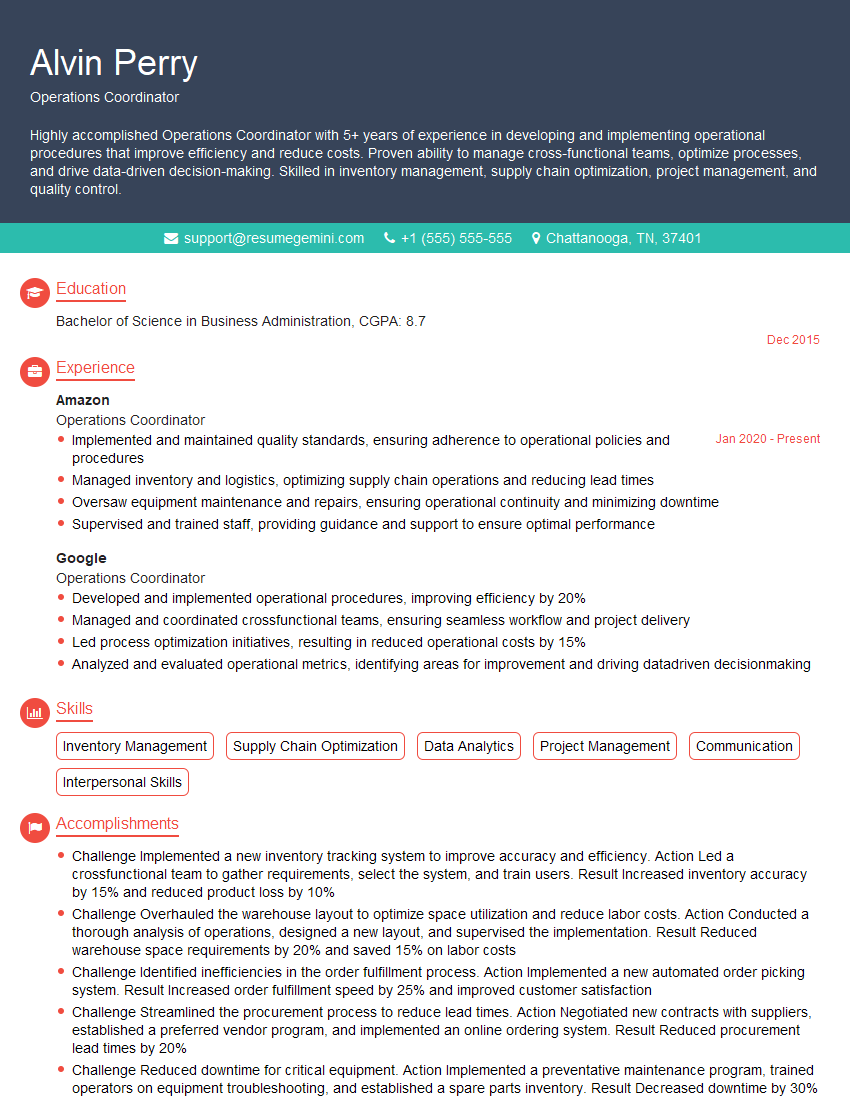
Operations Coordinator Resume Sample
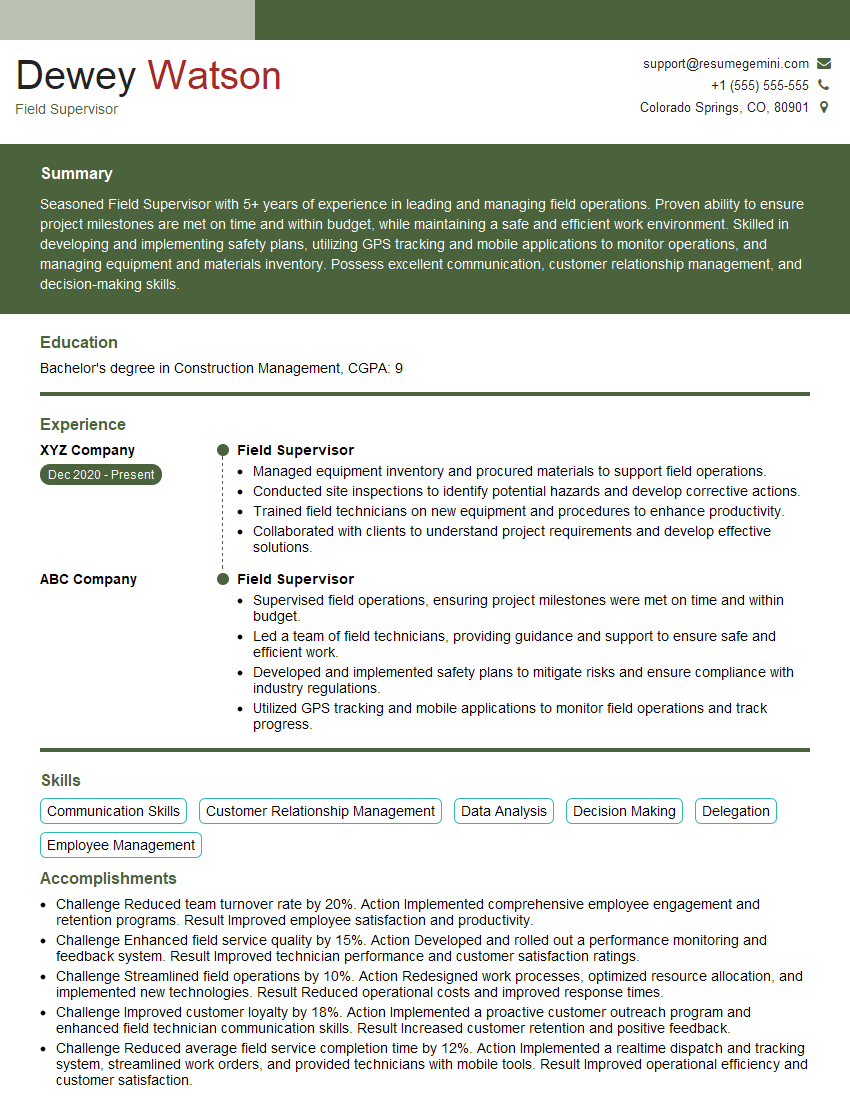
Field Supervisor Resume Sample
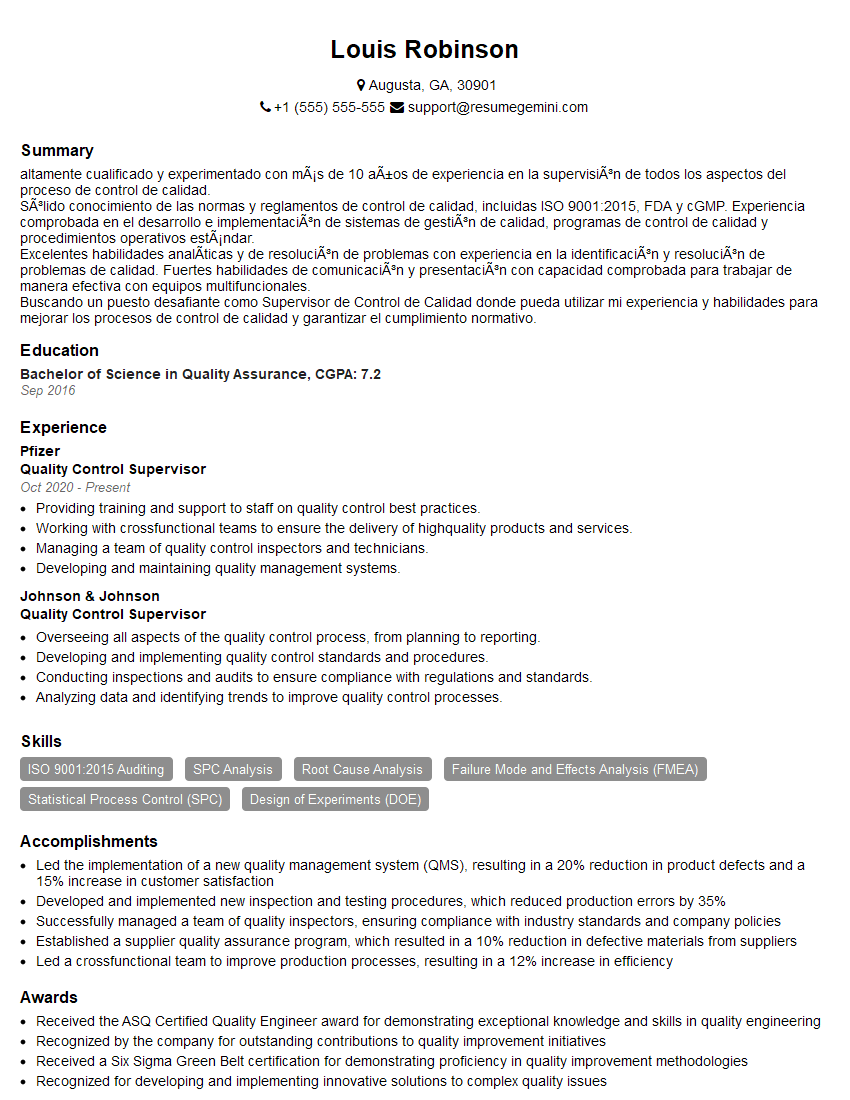
Quality Control Supervisor Resume Sample
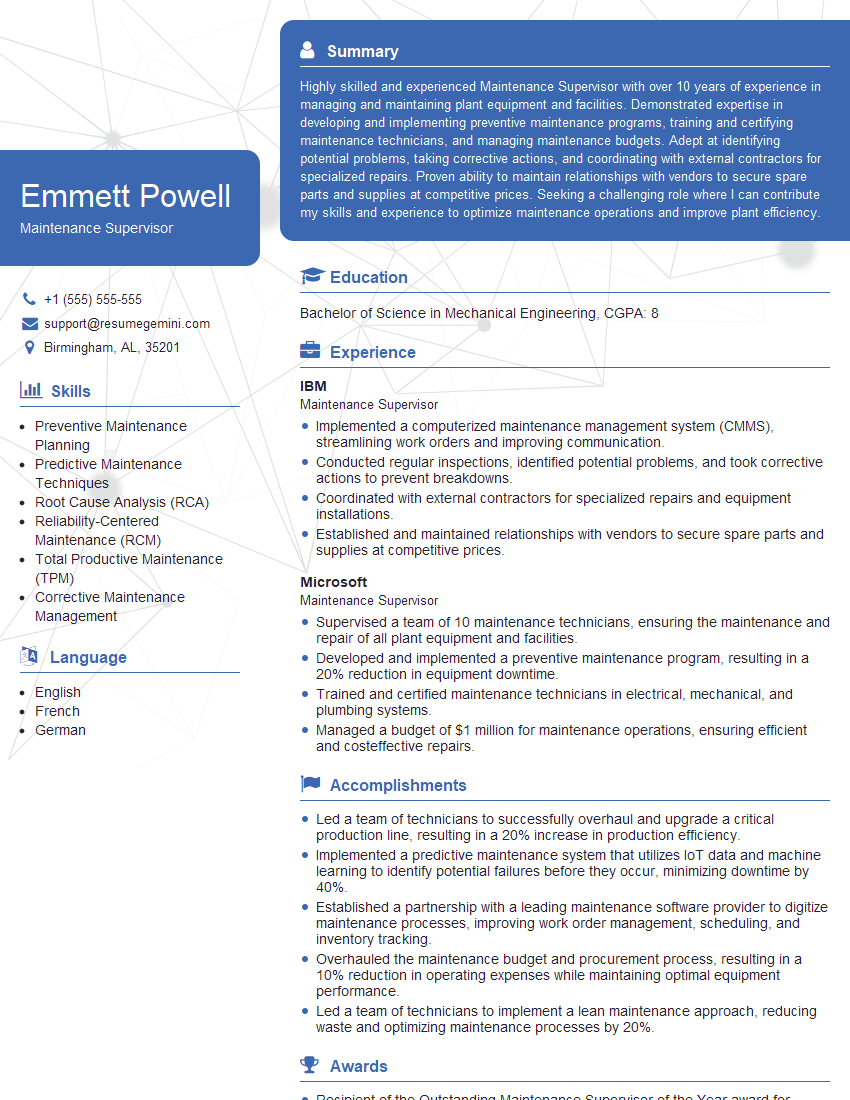
Maintenance Supervisor Resume Sample
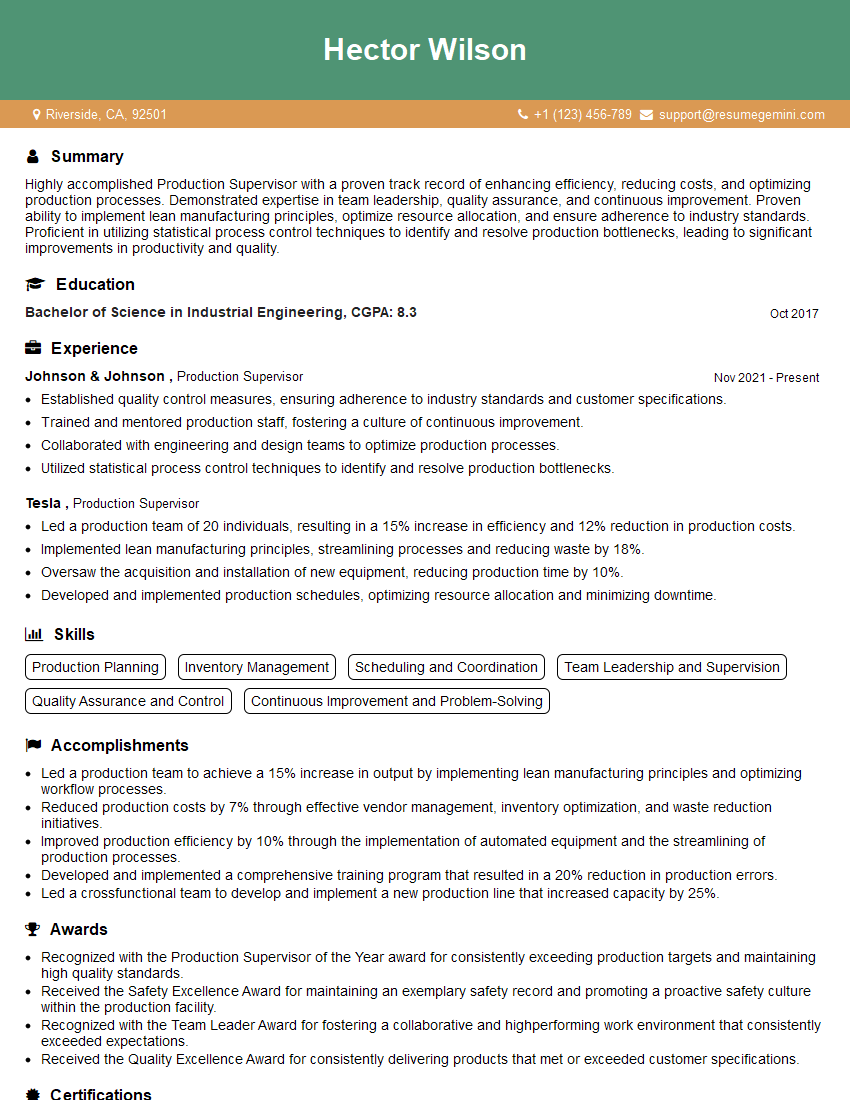
Production Supervisor Resume Sample
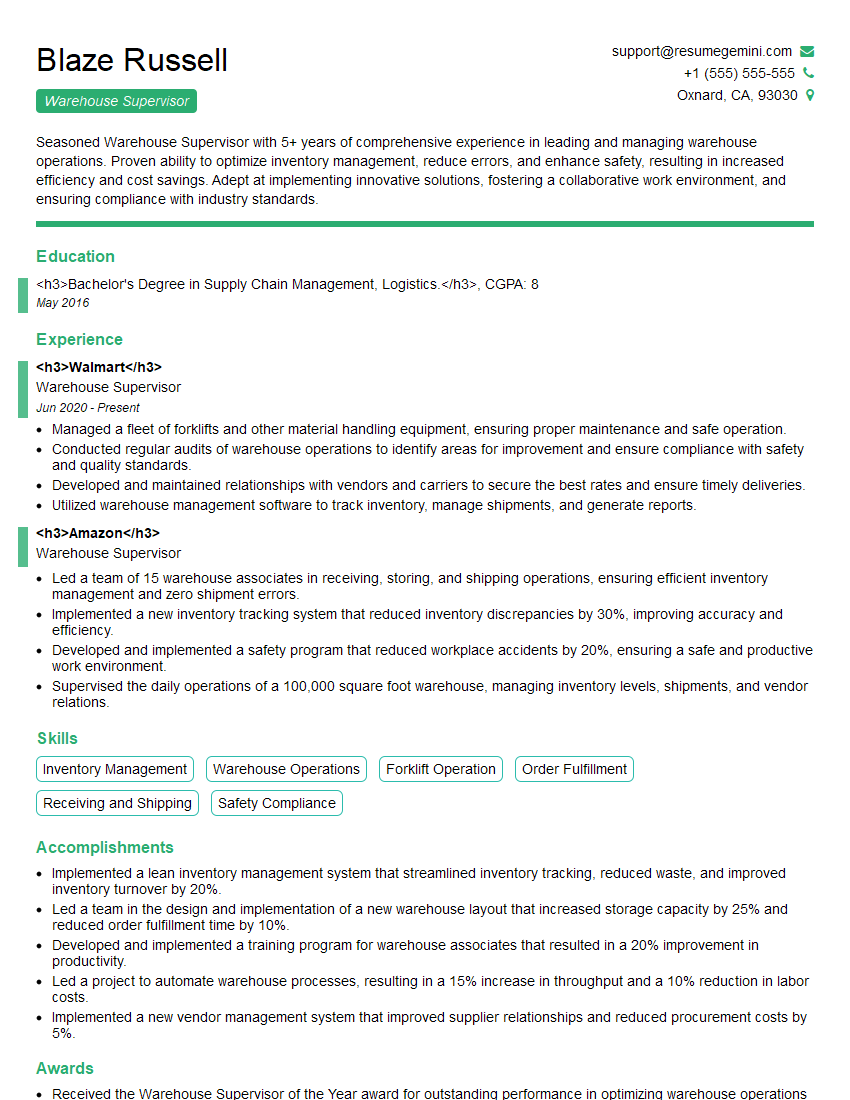
Warehouse Supervisor Resume Sample
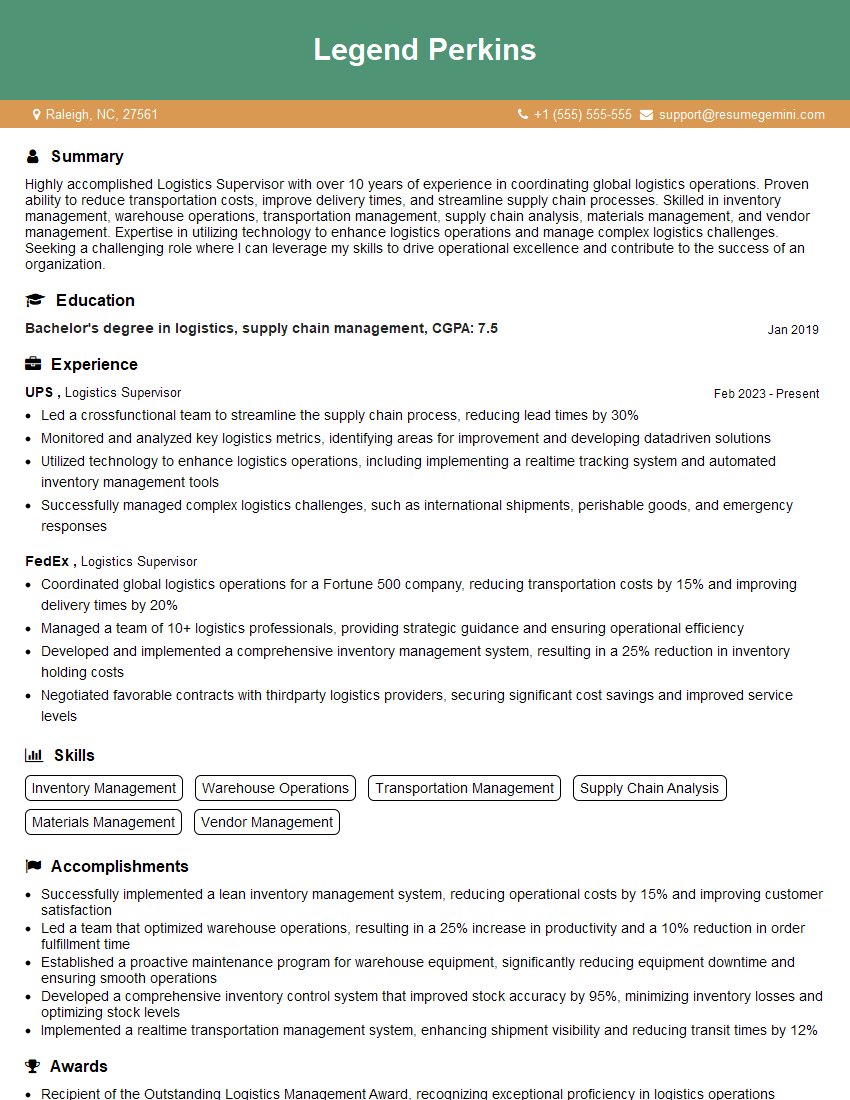
Logistics Supervisor Resume Sample
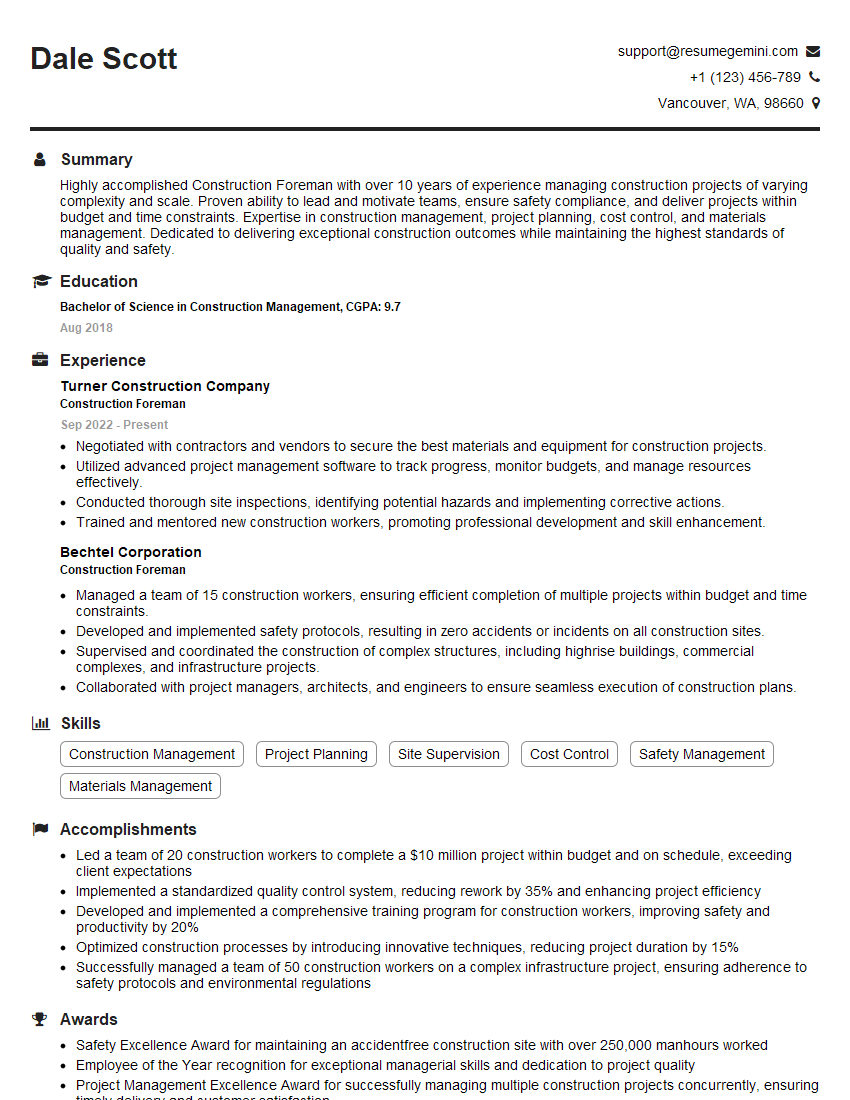
Construction Foreman Resume Sample
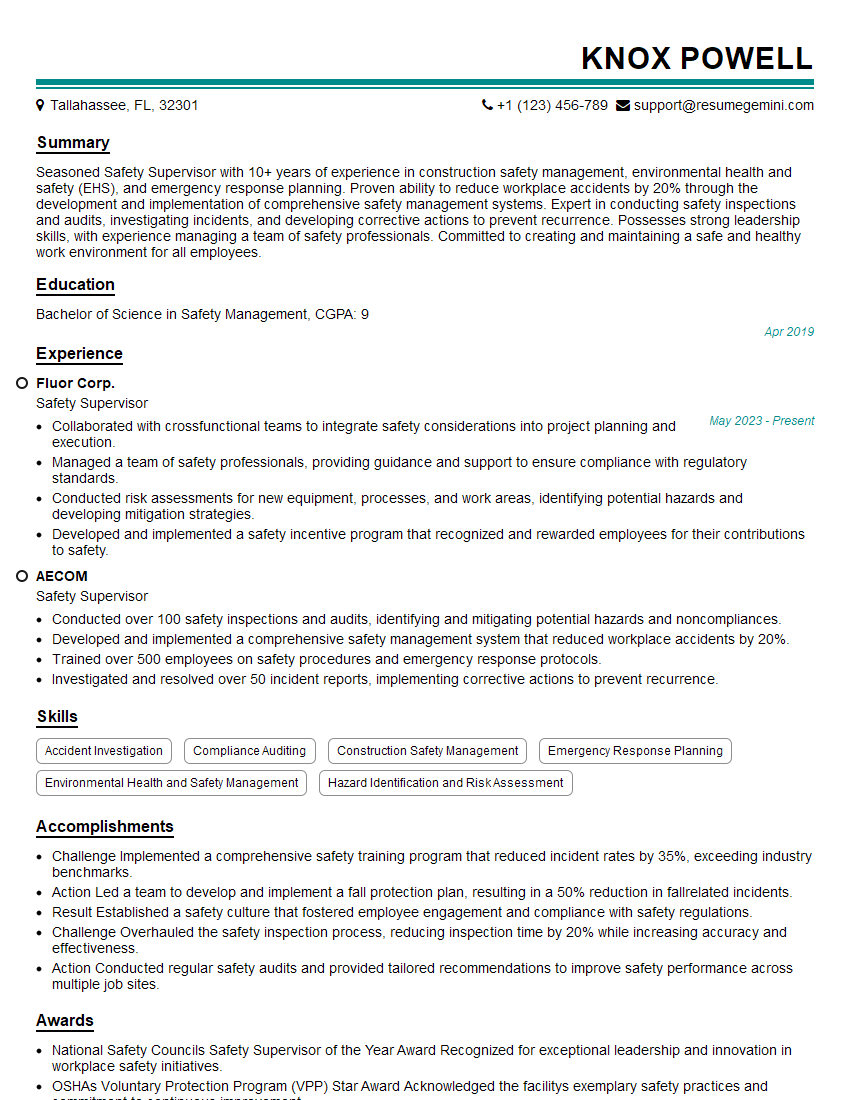
Safety Supervisor Resume Sample
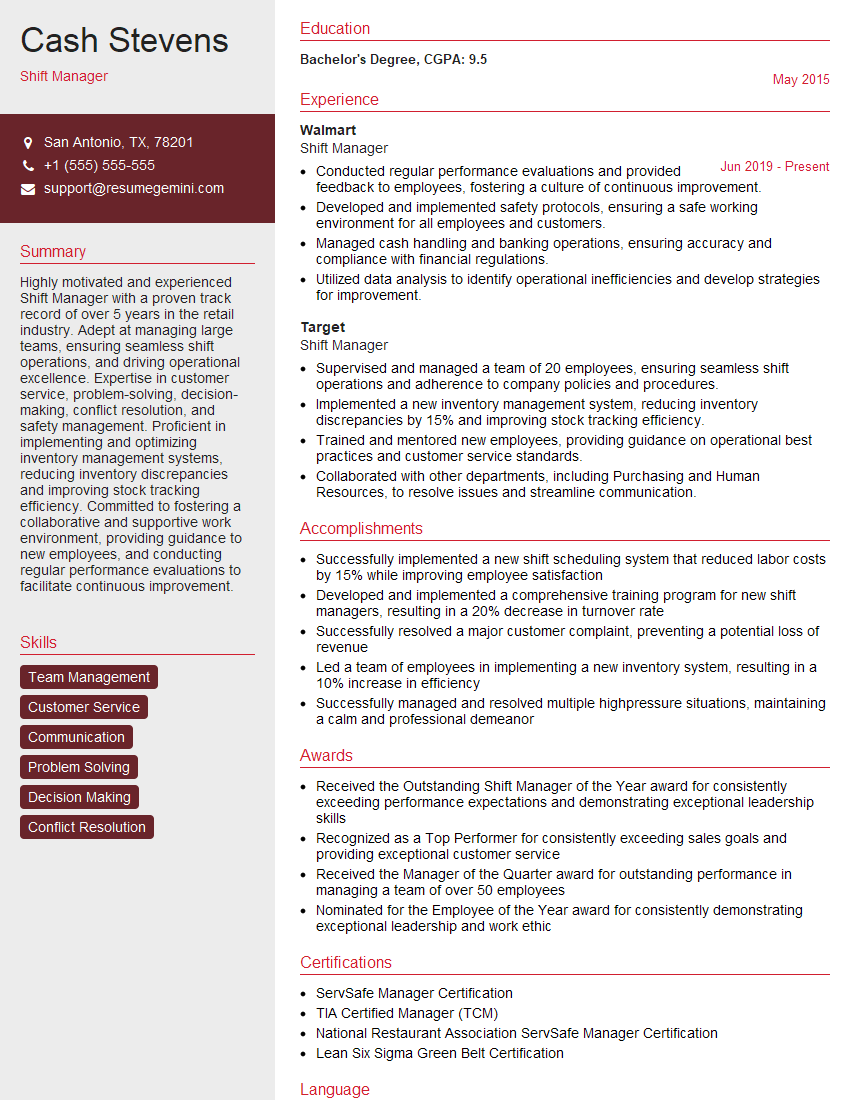
Shift Manager Resume Sample
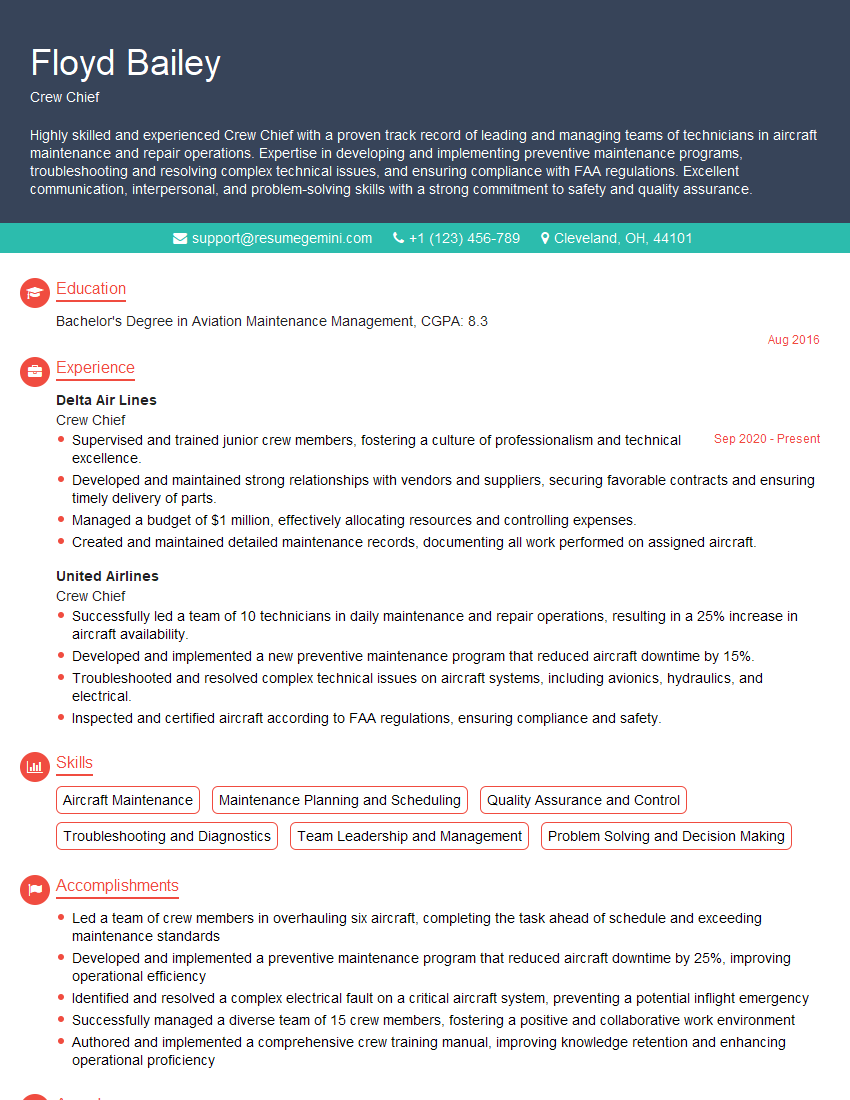
Crew Chief Resume Sample
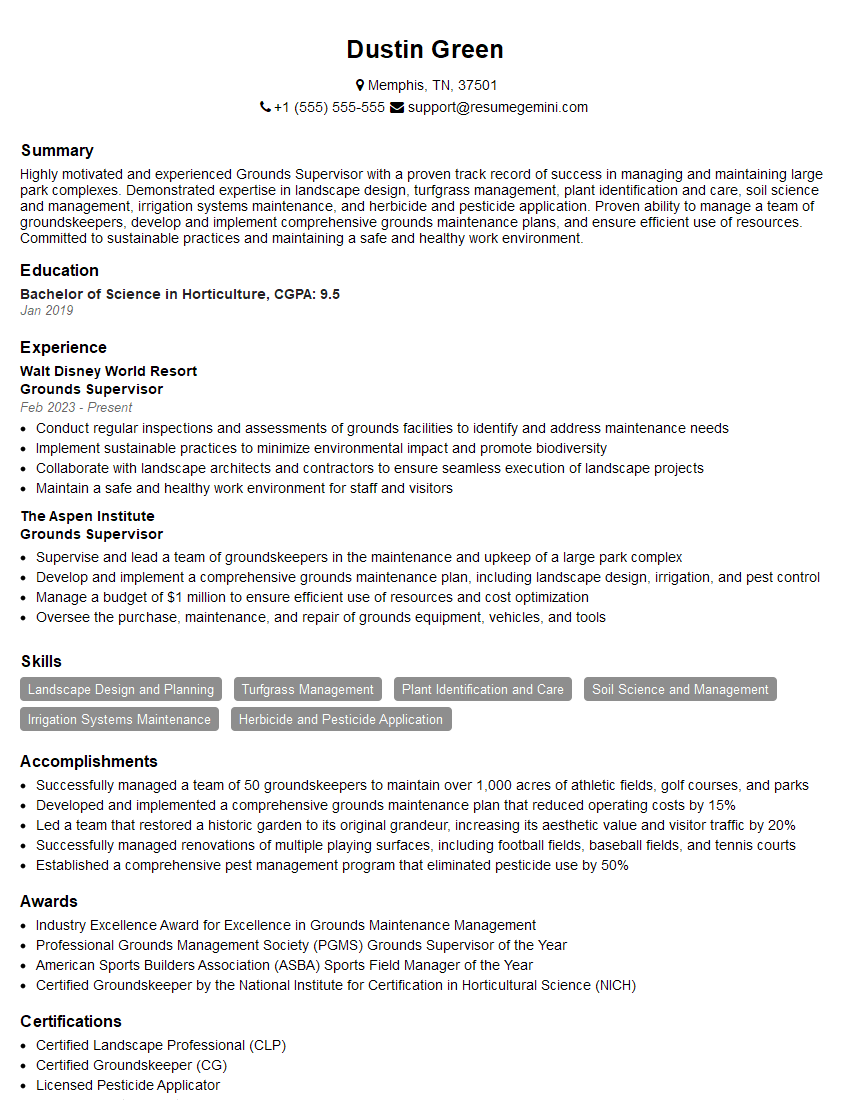
Grounds Supervisor Resume Sample
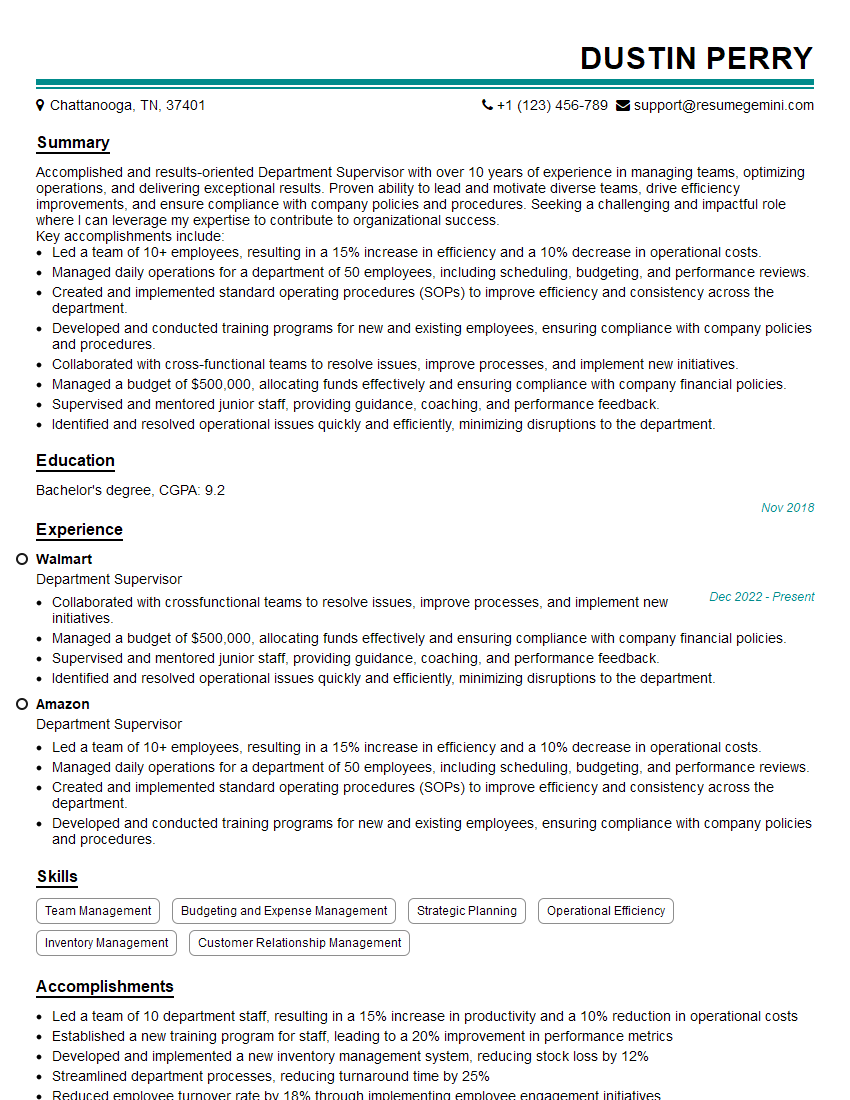
Department Supervisor Resume Sample
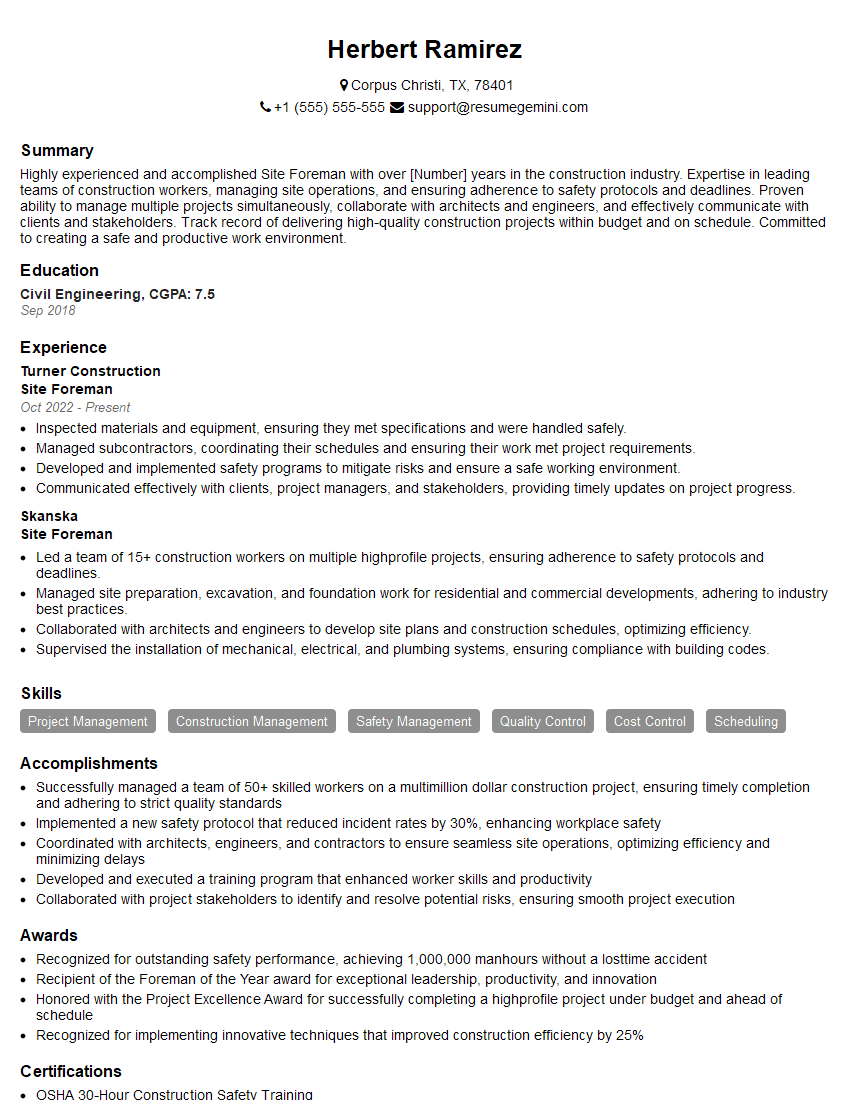
Site Foreman Resume Sample
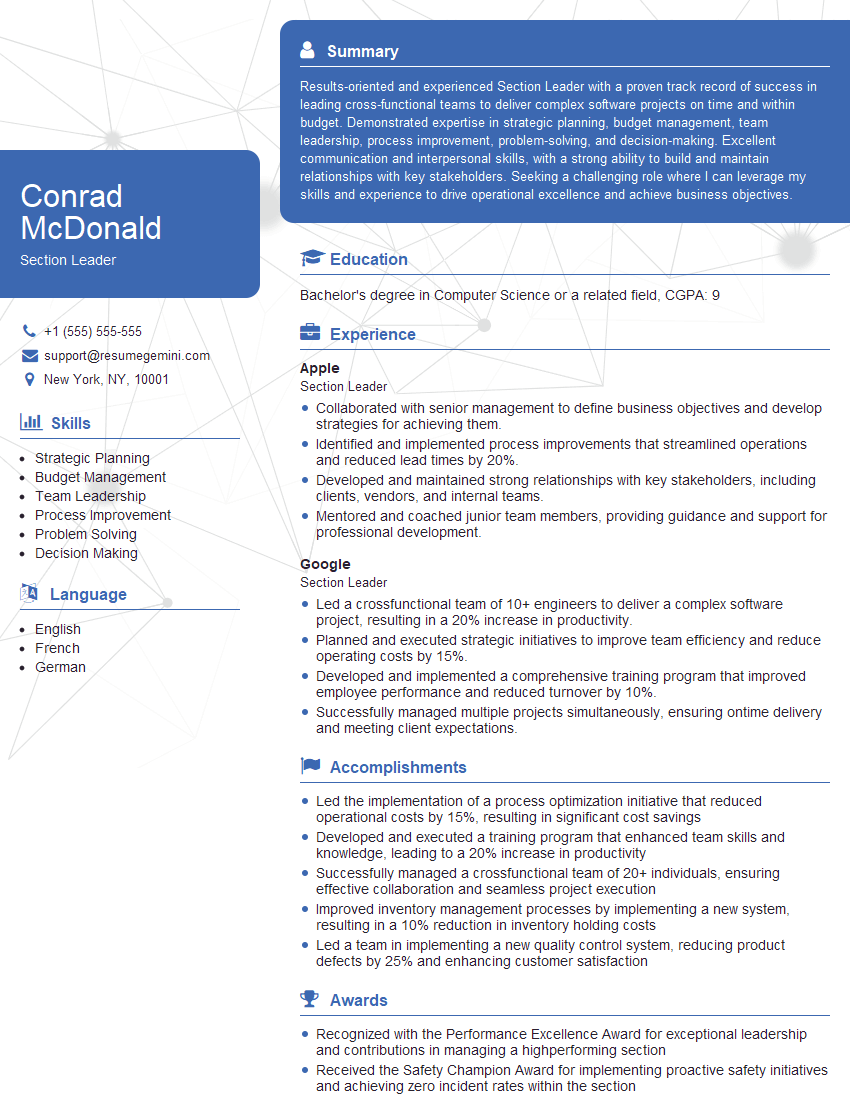
Section Leader Resume Sample
Explore more articles
Users Rating of Our Blogs
Share Your Experience
We value your feedback! Please rate our content and share your thoughts (optional).
What Readers Say About Our Blog
To the interviewgemini.com Webmaster.
Very helpful and content specific questions to help prepare me for my interview!
Thank you
To the interviewgemini.com Webmaster.
This was kind of a unique content I found around the specialized skills. Very helpful questions and good detailed answers.
Very Helpful blog, thank you Interviewgemini team.