Feeling uncertain about what to expect in your upcoming interview? We’ve got you covered! This blog highlights the most important Pediatric Certified Family Nurse Practitioner interview questions and provides actionable advice to help you stand out as the ideal candidate. Let’s pave the way for your success.
Questions Asked in Pediatric Certified Family Nurse Practitioner Interview
Q 1. Describe your experience managing childhood asthma exacerbations.
Managing childhood asthma exacerbations requires a multifaceted approach focusing on prompt assessment, appropriate treatment, and patient education. My experience involves utilizing a stepwise approach, starting with assessing the severity of the exacerbation using tools like the Asthma Severity Score. This helps determine the urgency of intervention.
For mild exacerbations, I typically initiate short-term increases in the patient’s regular controller medications (e.g., inhaled corticosteroids) and perhaps add a short course of oral corticosteroids. I will also reinforce proper inhaler technique and adherence to the prescribed medication regimen. Patient education is crucial to help the family understand triggers, early warning signs, and self-management strategies.
In moderate to severe exacerbations, a more aggressive approach is necessary. This may involve administering nebulized bronchodilators, higher doses of oral corticosteroids, and possibly a short hospital stay for close monitoring and oxygen support. In severe cases, I collaborate with pulmonologists to manage the exacerbation and consider additional therapies. Following an exacerbation, I always review the patient’s asthma action plan and adjust it based on their response to treatment and any identified triggers. I emphasize regular follow-up appointments to ensure optimal asthma control and prevent future episodes.
For instance, I once managed a six-year-old who experienced a severe asthma attack requiring hospitalization. Through close monitoring, high-dose steroids, and nebulized bronchodilators, we stabilized her condition. Post-discharge, we worked with the family to identify environmental triggers (pets, dust mites) and implement preventative measures, such as regular cleaning and using hypoallergenic bedding. This collaborative approach contributed to long-term improvements in her asthma control.
Q 2. Explain your approach to diagnosing and treating childhood infections.
Diagnosing and treating childhood infections involves a thorough history and physical examination, often supplemented by laboratory tests. I begin by carefully listening to the parents’ concerns and obtaining a detailed history of the child’s symptoms, including onset, duration, and severity. The physical examination focuses on vital signs, respiratory sounds, skin examination, and palpation of lymph nodes. Based on these findings, I might order relevant tests, such as a throat culture for strep throat, urine analysis for urinary tract infections, or blood tests to identify viral or bacterial infections.
Treatment depends on the specific diagnosis. For example, bacterial infections often require antibiotics, which I prescribe judiciously, considering the potential for antibiotic resistance. Viral infections, on the other hand, are typically managed with supportive care, focusing on symptom relief – for example, providing adequate hydration, rest, and over-the-counter medications for fever or pain relief. I emphasize the importance of preventing the spread of infection through proper hand hygiene and respiratory etiquette. Patient and family education is crucial, as is close monitoring of symptoms to detect any potential complications.
Consider a scenario where a child presents with fever, cough, and runny nose. While a detailed assessment may suggest a common cold (viral), I would carefully monitor for worsening symptoms such as difficulty breathing, dehydration, or increased lethargy. If the child doesn’t improve within a week, or if symptoms worsen, I would re-evaluate and consider additional investigations.
Q 3. How do you assess developmental milestones in young children?
Assessing developmental milestones is a crucial part of well-child care. I use standardized developmental screening tools, such as the Ages and Stages Questionnaires (ASQ) or the Denver Developmental Screening Test II (DDST-II), to systematically evaluate various developmental domains, including gross motor skills (e.g., walking, jumping), fine motor skills (e.g., grasping, drawing), language development (e.g., talking, understanding language), cognitive skills (e.g., problem-solving, memory), and social-emotional development (e.g., interacting with others, demonstrating self-regulation).
The process starts with a thorough discussion with parents about the child’s developmental progress. Then, I use the chosen tool to track the child’s skills against age-appropriate expectations. I supplement the screening tools with direct observation of the child, noting their interactions, play patterns, and motor skills. Any significant delays or deviations from expected milestones warrant further evaluation, which may involve referrals to specialists like developmental pediatricians or occupational therapists. I consider the child’s overall health, social environment, and family history when interpreting the assessment findings.
For example, if a two-year-old is not speaking in simple sentences, I might conduct a more in-depth language assessment. This may include a hearing evaluation and referral to a speech therapist.
Q 4. What is your experience with administering childhood immunizations?
Administering childhood immunizations is a fundamental aspect of my practice. I adhere to the recommended immunization schedules established by the Centers for Disease Control and Prevention (CDC) and the American Academy of Pediatrics (AAP). Before administering any vaccine, I thoroughly review the child’s medical history, including any known allergies or previous adverse reactions to vaccines. I carefully explain the benefits and potential risks of each vaccine to the parents, answering their questions and addressing their concerns. I obtain informed consent before proceeding.
I ensure the proper vaccine storage and handling to maintain efficacy and safety. During administration, I use appropriate injection techniques to minimize discomfort and potential complications. I monitor the child for any immediate adverse reactions following the injection. Parents receive detailed instructions on what to watch for in the following days and how to manage any potential side effects. Post-immunization, I emphasize the importance of follow-up care and record the administration in the child’s medical record.
I strive to create a positive and reassuring experience for both the child and their parents, which is crucial to ensure future vaccine acceptance.
Q 5. Describe your understanding of childhood obesity and its management.
Childhood obesity is a complex issue with significant long-term health consequences. My approach to management involves a comprehensive strategy encompassing lifestyle modifications and, when necessary, medical interventions. I begin by assessing the child’s Body Mass Index (BMI) and percentile relative to age and sex. Then, I conduct a thorough history focusing on dietary habits, physical activity levels, family history of obesity, and sleep patterns.
My management plan emphasizes lifestyle changes, including improving dietary habits through family-based interventions, and increasing physical activity. I may work with a registered dietitian to create a personalized nutrition plan that incorporates healthy eating habits and portion control. I strongly encourage regular physical activity for at least 60 minutes a day, with the family’s involvement being critical. I counsel parents on creating a supportive home environment conducive to healthy habits. If lifestyle modifications are insufficient, I may consider medication or referral to a specialist.
For example, I worked with a family where the child was significantly overweight. We collaborated to implement a gradual shift to healthier food choices, including more fruits, vegetables, and whole grains. We also focused on reducing screen time and increasing family physical activity, including walks after dinner and participation in sports. Through this collaborative, family-centered approach, we achieved significant progress in managing the child’s weight.
Q 6. How do you counsel parents on preventative health measures for their children?
Counseling parents on preventative health measures is a cornerstone of my practice. I provide guidance on various aspects of child health, including nutrition, physical activity, sleep hygiene, injury prevention, and mental well-being. My approach is tailored to the family’s specific needs and cultural background. I utilize anticipatory guidance, educating parents about upcoming developmental stages and associated health concerns.
I discuss age-appropriate nutrition, emphasizing healthy eating habits and avoiding excessive sugar and processed foods. I encourage regular physical activity, providing age-appropriate recommendations and suggestions for active play. I stress the importance of adequate sleep, explaining its role in growth, development, and overall health. Furthermore, I counsel on injury prevention strategies, such as safe car seat usage, bicycle helmet use, and water safety. I also address mental health, discussing strategies for emotional regulation and healthy coping mechanisms. I encourage open communication between parents and children.
For example, when a child reaches the age of two, I have discussions about the importance of starting dental care and potential hazards in the home. I provide tailored information based on the family’s lifestyle and available resources, aiming to empower parents to make informed decisions to protect their child’s health.
Q 7. Explain your approach to managing ADHD in children.
Managing ADHD in children requires a multidisciplinary approach that typically involves behavioral therapy, medication management, and educational support. My approach begins with a comprehensive assessment, involving a detailed history from parents and teachers and direct observation of the child. This involves using standardized rating scales such as the Conner’s scale to evaluate symptoms and their impact on various aspects of the child’s life. A thorough neurological exam helps rule out any other underlying conditions.
Treatment is individualized based on the child’s age, symptom severity, and response to interventions. Behavioral therapy, such as parent training and school-based interventions, is usually the first-line treatment. Medication, typically stimulants like methylphenidate or amphetamines, may be considered if behavioral therapy alone is insufficient. I carefully monitor the child’s response to medication, adjusting dosages as needed and watching for potential side effects. Close collaboration with the child’s teachers, school psychologist, and family is essential for a successful outcome. Regular follow-up appointments are crucial to monitor progress and adjust treatment strategies as needed.
For instance, I worked with a child diagnosed with ADHD who was struggling in school and exhibiting behavioral challenges at home. We implemented a combination of behavioral therapy, focusing on improving organizational skills and self-regulation techniques, and low-dose stimulant medication. Through close collaboration with his parents and teachers, and regular adjustments to his medication, we saw a significant improvement in his academic performance and behavior within a few months.
Q 8. What is your experience with diagnosing and treating pediatric mental health issues?
My experience with diagnosing and treating pediatric mental health issues is extensive. I’ve worked with children exhibiting a wide range of conditions, from anxiety and depression to ADHD and autism spectrum disorder. My approach is holistic, combining a thorough assessment of the child’s symptoms, developmental history, and family dynamics. This includes using standardized assessment tools like the ADHD Rating Scale or the Children’s Depression Inventory, along with careful observation and conversation with both the child and their caregivers. I consider the impact of social, environmental, and biological factors, and tailor treatment plans accordingly. This might involve collaborative care with a psychiatrist for medication management, referral to a therapist for individual or family therapy, or recommending evidence-based behavioral interventions like cognitive behavioral therapy (CBT) or parent training. For example, I recently worked with a young girl experiencing significant anxiety related to school. Through a combination of CBT techniques taught to both the girl and her parents, alongside school-based interventions coordinated with her teachers, we successfully reduced her anxiety and improved her academic performance.
I prioritize a collaborative approach, involving the family in every step of the process, ensuring that treatment is culturally sensitive and age-appropriate. I also understand the importance of monitoring progress closely and adjusting treatment plans as needed. Early intervention is key, and I emphasize preventive strategies, such as promoting healthy coping mechanisms and fostering strong family support systems.
Q 9. How would you handle a child presenting with an acute allergic reaction?
Handling an acute allergic reaction in a child requires immediate and decisive action. The first step is to assess the severity of the reaction. Signs to watch for include hives, swelling (especially of the face, lips, and tongue – angioedema), difficulty breathing (wheezing or shortness of breath), and dizziness or lightheadedness. A child experiencing any of these symptoms requires immediate medical attention.
My protocol involves administering epinephrine (EpiPen) immediately if the child has a known allergy and carries one. Following epinephrine administration, I would call emergency medical services (EMS) immediately. While waiting for EMS, I would continue to monitor the child’s vital signs (breathing, heart rate, blood pressure) and provide supportive care, such as placing them in a comfortable position and ensuring their airway is open. Afterward, the child would be transported to the nearest emergency room for further observation and treatment. The parents would be given comprehensive education on allergy management, including proper epinephrine administration techniques and the importance of carrying the EpiPen at all times. We would also discuss avoidance strategies and the necessity of carrying an allergy identification bracelet or card. For example, I once treated a child who experienced anaphylaxis due to a peanut allergy. Swift administration of epinephrine, followed by immediate transport to the ER, saved the child’s life. This experience reinforced the critical importance of prompt recognition and intervention in acute allergic reactions.
Q 10. Describe your approach to managing a child with chronic pain.
Managing chronic pain in children is a complex undertaking, requiring a multifaceted approach. It’s crucial to thoroughly evaluate the child’s pain, considering not only its intensity and location but also its impact on their daily life, including their sleep, school performance, and social interactions. A detailed history, including the duration of the pain, the circumstances surrounding its onset, and any previous treatments, is essential.
My approach involves a biopsychosocial model, addressing the physical, psychological, and social aspects of the pain. This may include physical examination, diagnostic testing (e.g., X-rays, MRI), and possibly referral to specialists depending on the suspected cause. Non-pharmacological approaches are prioritized whenever possible. These include physical therapy, occupational therapy, and psychological interventions, such as cognitive behavioral therapy (CBT) to address pain-related anxiety and depression. Pharmacological treatment, if needed, should be carefully considered and individualized, always striving for the least invasive and most effective option, while carefully considering potential side effects. Regular monitoring of pain levels and medication effectiveness is essential. I emphasize the use of a pain scale appropriate for the child’s age and cognitive abilities, promoting open communication and fostering a trusting relationship with the child and their family. Collaboration with other specialists, like pain management specialists or psychologists, is often beneficial. For instance, I collaborated with a physical therapist and psychologist to manage a child with chronic headaches, implementing a combination of relaxation techniques, physical exercises, and cognitive restructuring strategies, resulting in significantly reduced headache frequency and improved quality of life.
Q 11. Explain your experience with ordering and interpreting diagnostic tests for children.
Ordering and interpreting diagnostic tests for children requires careful consideration of the child’s age, developmental stage, and clinical presentation. My experience includes ordering a wide range of tests, from basic blood tests and urinalyses to more complex imaging studies (X-rays, ultrasounds, CT scans, MRIs), and specialized tests depending on the suspected diagnosis. For example, for a child with suspected pneumonia, I would order a chest X-ray to confirm the diagnosis and assess the severity of the infection. For a child with recurrent abdominal pain, I might order blood tests to rule out infections or other systemic conditions, and an ultrasound to assess the abdominal organs. Interpreting the results requires careful integration of the test findings with the child’s history and physical examination. I regularly consult with specialists, such as radiologists or pathologists, for more complex cases.
I am particularly mindful of the radiation exposure associated with some tests and always weigh the benefits against the risks, opting for less invasive techniques whenever possible. For example, an ultrasound would be preferred to a CT scan if both could provide the necessary information. My decision-making process always prioritizes the child’s safety and well-being, alongside the accuracy and reliability of the diagnosis.
Q 12. How do you communicate complex medical information to parents and children?
Communicating complex medical information to parents and children is crucial for effective care. My approach involves tailoring the information to the age and understanding of both the parent and the child. I use simple, clear language, avoiding medical jargon whenever possible. For younger children, I may use visual aids like pictures or diagrams to explain concepts. For older children and adolescents, I involve them directly in the conversation, ensuring they understand their diagnosis, treatment plan, and prognosis. I encourage them to ask questions and address their concerns openly.
With parents, I use a collaborative communication style, working with them as partners in their child’s care. I explain the medical information clearly, answering their questions patiently and thoroughly. I provide written information to supplement our conversation, ensuring parents have access to the key details even after the appointment. I may utilize resources like reputable websites or pamphlets to clarify information. It’s essential to establish a trusting relationship with both the parent and child. I make sure that they feel heard and that their concerns are valued. For instance, I might use analogies or metaphors to help explain difficult concepts, like comparing a heart’s electrical system to a house’s wiring system.
Q 13. How do you address parental concerns regarding vaccinations?
Addressing parental concerns regarding vaccinations involves a combination of education, empathy, and evidence-based information. I begin by acknowledging and validating parents’ concerns, creating a safe space for them to express their worries. I then provide detailed information about the safety and effectiveness of vaccines, dispelling common myths and misconceptions. I explain the science behind how vaccines work, emphasizing their role in preventing serious childhood illnesses. I also discuss the risks of not vaccinating, highlighting the potential for outbreaks and the impact on the community. I present data on vaccine safety from reputable sources like the CDC and AAP, emphasizing the rigorous testing and monitoring processes involved.
I tailor my approach to individual parents’ concerns. For instance, if a parent expresses concern about vaccine side effects, I explain the common and rare side effects, reassuring them that serious side effects are extremely rare, and the benefits of vaccination far outweigh the risks. I encourage open dialogue and answer their questions thoroughly. If they have questions about specific ingredients in vaccines, I provide scientific evidence to address their concerns. I might also offer to connect them with other resources, such as relevant websites or support groups. A collaborative and respectful approach is crucial to building trust and ensuring the child receives the necessary vaccinations.
Q 14. What is your experience with coordinating care for children with complex medical needs?
Coordinating care for children with complex medical needs requires a collaborative and multidisciplinary approach. My experience involves working with a variety of specialists, including physicians, therapists, social workers, and educators, to ensure the child receives comprehensive and integrated care. I act as a central point of contact for the family, coordinating appointments, communicating with other healthcare providers, and ensuring that all aspects of the child’s care are addressed. I advocate for the child’s needs within the healthcare system and work to overcome any barriers to access. This often involves navigating insurance issues, accessing specialized services, and securing appropriate support systems.
For example, I recently worked with a child with cerebral palsy who required ongoing care from a neurologist, physical therapist, occupational therapist, and speech therapist. I coordinated their appointments, ensuring that all the specialists were aware of each other’s recommendations and working together towards common goals. I also worked closely with the child’s school to ensure they had the necessary accommodations and support to thrive academically. Effective communication and teamwork are essential. Regular meetings with the family and other healthcare providers, using shared electronic health records for efficient information exchange, ensure seamless and comprehensive care for these complex cases.
Q 15. Describe your understanding of child abuse and neglect and reporting procedures.
Child abuse and neglect encompass a range of actions or inactions that endanger a child’s physical, emotional, or mental well-being. This includes physical abuse (e.g., hitting, burning), sexual abuse, emotional abuse (e.g., constant criticism, rejection), and neglect (e.g., failure to provide adequate food, shelter, or medical care). Reporting procedures vary by state but generally involve contacting Child Protective Services (CPS) or the appropriate authorities when there is reasonable suspicion of abuse or neglect. This is mandated by law in most jurisdictions.
As a Certified Family Nurse Practitioner, I’m a mandated reporter. If I suspect abuse or neglect during a patient encounter, my first priority is the child’s safety. I would conduct a thorough assessment, documenting all findings meticulously, including physical signs, the child’s statements (if appropriate for their age and developmental level), and parental explanations. I’d then make a report to CPS, following my state’s specific guidelines for reporting, which might involve a phone call followed by a written report with all details. The report will stay confidential but is necessary to initiate an investigation to determine if the child is in danger and requires intervention. I would also work with the family to ensure the child’s safety and connect them with resources if appropriate and if the family is willing to work with the system. It’s crucial to remember that a report doesn’t necessarily mean a family will lose custody; it starts an investigation. False accusations are rare and are addressed properly by the CPS system.
Career Expert Tips:
- Ace those interviews! Prepare effectively by reviewing the Top 50 Most Common Interview Questions on ResumeGemini.
- Navigate your job search with confidence! Explore a wide range of Career Tips on ResumeGemini. Learn about common challenges and recommendations to overcome them.
- Craft the perfect resume! Master the Art of Resume Writing with ResumeGemini’s guide. Showcase your unique qualifications and achievements effectively.
- Don’t miss out on holiday savings! Build your dream resume with ResumeGemini’s ATS optimized templates.
Q 16. How do you ensure cultural competency in your pediatric practice?
Cultural competency in pediatric practice is paramount for providing equitable and effective care. It means understanding and respecting the diverse values, beliefs, practices, and communication styles of families from various cultural backgrounds. This involves actively learning about different cultures, including their health beliefs, family structures, and communication styles. For example, some cultures may prefer a more traditional approach to medicine, while others might be more comfortable with Western medical approaches. Some families may have specific dietary restrictions or religious practices that need to be considered when developing treatment plans.
I ensure cultural competency through ongoing education, attending cultural sensitivity trainings, and building relationships with community leaders and cultural organizations. I actively seek to understand each family’s unique perspectives during consultations, asking open-ended questions, and being mindful of nonverbal cues. Using interpreters when necessary and tailoring communication styles to be culturally sensitive are crucial parts of the process. It is also important to avoid stereotyping and recognize that individuals within a cultural group can have diverse experiences and beliefs. I strive to create a safe and welcoming environment where families feel comfortable expressing their needs and preferences.
Q 17. How do you utilize technology to enhance patient care in pediatrics?
Technology plays a vital role in enhancing pediatric patient care. Electronic Health Records (EHRs) allow for efficient record-keeping, improved communication among healthcare providers, and easier access to patient information. Telehealth platforms facilitate remote consultations, especially beneficial for patients in rural areas or those with mobility limitations. Using patient portals enables families to access test results, schedule appointments, and communicate with their providers directly. For chronic disease management, apps and wearable devices can track vital signs, medication adherence, and other relevant data, providing valuable insights for personalized interventions. For example, a diabetes management app can track blood glucose levels, insulin dosage, and food intake, allowing for better control of the child’s diabetes.
In addition, we utilize educational apps and online resources that support health literacy, and that provide crucial health information to families and patients. Data analytics from EHRs can identify trends and patterns in patient populations, helping to improve preventative care and disease management across the board. It is crucial to ensure digital health equity by considering patients without access to technology.
Q 18. What is your philosophy regarding shared decision-making with families?
My philosophy regarding shared decision-making with families centers on empowering them as active participants in their child’s healthcare. It’s not just about informing them; it’s about collaborating to make informed decisions together. I believe families are the ultimate experts on their children, and their insights are invaluable. I strive to present information clearly and concisely, considering the family’s level of understanding and educational background. I encourage open dialogue, answer their questions thoroughly, address their concerns, and explain the pros and cons of different treatment options. I also respect families’ values and preferences and incorporate them into the plan, while ensuring the child’s well-being and the appropriateness of any treatment option.
For example, when discussing a treatment plan for asthma, I’ll explain the different medication options, their potential side effects, and the lifestyle changes involved. I’ll listen carefully to the parents’ concerns about the potential side effects of medications and work with them to find a plan that aligns with their values and is also effective in managing the child’s asthma. The goal is to develop a treatment plan that both the family and I agree upon, ensuring everyone feels heard and involved in the process.
Q 19. Explain your approach to managing chronic conditions such as diabetes in children.
Managing chronic conditions like diabetes in children requires a multi-faceted approach. It’s a team effort involving the child, family, and a range of healthcare professionals, including endocrinologists, dieticians, and mental health professionals. As a CPNP, I play a crucial role in educating the family about diabetes management, including blood glucose monitoring, insulin administration (if applicable), healthy eating habits, and regular exercise. We create a personalized plan considering the child’s age, developmental stage, and lifestyle. Regular follow-up appointments are essential for monitoring blood glucose levels, assessing the effectiveness of the treatment plan, and making necessary adjustments.
In addition to medical management, we address the psychosocial impact of diabetes on the child and family. We provide emotional support, discuss strategies for coping with the challenges of managing a chronic illness, and connect families with support groups. Technology plays a significant role, as mentioned before, with apps and devices assisting with data tracking and monitoring. Empowering the child to take an active role in their self-management is crucial as they grow older. Early intervention and regular monitoring are key to preventing long-term complications and ensuring the child’s optimal health.
Q 20. Describe your experience with pediatric emergency situations.
My experience with pediatric emergency situations includes managing a wide range of conditions, from respiratory distress and seizures to allergic reactions and trauma. Quick assessment and decisive action are crucial. I am proficient in performing rapid assessments, initiating life support measures when necessary, and stabilizing the child before transfer to a higher level of care if required. This includes establishing IV access, administering medications, and monitoring vital signs. Experience working in various settings, such as urgent care clinics and hospitals, has given me a broader perspective on managing pediatric emergencies and has equipped me with the necessary skills to handle different situations.
I always prioritize the ABCs – airway, breathing, and circulation. Maintaining a calm and reassuring demeanor is essential, not only for the child but also for the family. Effective communication with the emergency medical services team is also critical for a smooth transfer and efficient continuity of care. Continuous education and staying updated with the latest emergency guidelines are vital aspects of remaining competent and providing safe and effective emergency care for children.
Q 21. How do you maintain patient confidentiality within the context of family involvement?
Maintaining patient confidentiality with family involvement requires a delicate balance. While involving families in care is crucial, I must adhere to HIPAA regulations and state laws regarding the disclosure of protected health information (PHI). I clearly explain to families the limits of confidentiality and what information can and cannot be shared with them. For example, I would avoid sharing a teenager’s confidential reproductive health information with parents unless the teenager gives consent. This is particularly important for older adolescents who have the right to confidential care.
Open communication with both the child and the family is key. I would often involve the child in discussions about their care as age-appropriately and legally permissible, making sure they understand the limits of confidentiality. If a child discloses something that might jeopardize their safety or requires mandatory reporting, I would follow the necessary procedures while carefully explaining to the family the reasons for my actions. Documenting all discussions and consents in the patient’s chart is essential for maintaining clear records and accountability.
Q 22. Explain your knowledge of growth and development across different age groups.
Understanding growth and development across different age groups is fundamental to pediatric care. It’s not just about measuring height and weight; it’s about recognizing milestones in physical, cognitive, social, and emotional domains. Each stage presents unique challenges and opportunities.
- Infancy (0-12 months): This period focuses on rapid physical growth, development of gross and fine motor skills (like rolling over, sitting, grasping), and the establishment of crucial social-emotional bonds with caregivers. Key milestones include smiling, babbling, and eventually, walking. We monitor weight gain closely, assessing for adequate nutrition and identifying potential issues like failure to thrive.
- Early Childhood (1-5 years): This stage emphasizes language development, toilet training, increased independence, and the beginning of social interaction. We assess language skills, social skills, and self-help capabilities. This is when we screen for developmental delays, especially in speech and language.
- Middle Childhood (6-12 years): This involves physical growth, the development of complex cognitive skills (reading, writing, arithmetic), and increasing social interactions within peer groups. We focus on academic performance, social adaptation, and screen for behavioral and mental health issues.
- Adolescence (13-18 years): This is a period of significant physical changes (puberty), identity formation, and emotional turmoil. We counsel on puberty, sexual health, substance abuse prevention, and mental health concerns such as depression and anxiety. Early identification and intervention are crucial during this complex phase.
By understanding these developmental trajectories, I can tailor my assessments and interventions to the individual needs of each child, promoting healthy growth and development.
Q 23. How do you incorporate evidence-based practices into your pediatric care?
Evidence-based practice is the cornerstone of my approach. I consistently integrate the latest research findings from reputable sources like the American Academy of Pediatrics (AAP) and the Centers for Disease Control and Prevention (CDC) into my clinical decisions. This involves:
- Staying updated on guidelines: I regularly review AAP guidelines on vaccinations, common childhood illnesses, and preventative care strategies.
- Critically appraising research: I evaluate the quality and relevance of studies before applying their findings to patient care. I am aware of the limitations of individual studies and the importance of systemic reviews and meta-analyses.
- Utilizing clinical decision support tools: I use electronic health records (EHRs) and clinical decision support systems to guide my diagnosis and treatment choices, ensuring that I am following best practices and reducing potential medical errors.
- Participating in continuing medical education: I engage in ongoing professional development activities to stay informed about advancements in pediatric care and evidence-based interventions.
For example, when managing a child with asthma, I would rely on the latest AAP guidelines for diagnosis, treatment, and long-term management, including the use of peak flow meters and inhaled corticosteroids. This ensures that my patients receive the most effective and safe treatment available.
Q 24. Describe your understanding of the legal and ethical considerations in pediatric practice.
Legal and ethical considerations are paramount in pediatric practice. These include:
- Informed consent: Obtaining informed consent from parents or legal guardians before any medical intervention. This involves clearly explaining procedures, risks, and benefits in a way that is easily understood. In cases of emancipated minors, the legal capacity to consent varies by state and situation.
- Confidentiality: Protecting the privacy of children and adolescents, while balancing this with the need to share information with parents or guardians as appropriate. This includes understanding and adhering to HIPAA regulations.
- Mandatory reporting: Reporting suspected child abuse or neglect to the appropriate authorities, as mandated by law. This is a legal and ethical obligation.
- Advocacy for the child’s best interests: Always prioritizing the child’s well-being and acting as an advocate for their health and safety. This might involve navigating complex family dynamics or advocating for access to necessary resources.
- Cultural competency: Understanding and respecting the cultural beliefs and practices of families from diverse backgrounds and tailoring my approach to accommodate these differences.
Ethical dilemmas can arise in situations like disagreements with parents about treatment, or when a child expresses a conflicting opinion. In such cases, I rely on ethical frameworks and consult with colleagues and supervisors to ensure I am making decisions that are in the child’s best interests.
Q 25. What is your experience with advocating for children’s health in the community?
I have actively participated in several community initiatives to advocate for children’s health. These include:
- School health screenings: Volunteering at local schools to provide health screenings and educate children and parents on healthy habits.
- Health education workshops: Conducting workshops for parents on topics such as child nutrition, safety, and immunizations.
- Community health fairs: Participating in health fairs to provide information and resources to families in need.
- Advocacy for policy changes: Collaborating with community organizations to advocate for policies that promote children’s health and well-being, such as improved access to healthcare and healthy food options.
For example, I recently worked with a local non-profit to implement a program providing free immunizations to underinsured children in our community, significantly reducing vaccine-preventable illnesses.
Q 26. How do you stay current with the latest advancements in pediatric care?
Staying current with advancements in pediatric care is critical. I utilize several strategies:
- Continuing Medical Education (CME): I participate regularly in CME courses, conferences, and webinars focused on pediatric medicine.
- Professional journals: I read peer-reviewed journals such as Pediatrics and the Journal of the American Academy of Child and Adolescent Psychiatry to keep abreast of the latest research.
- Professional organizations: I am an active member of professional organizations like the National Association of Pediatric Nurse Practitioners (NAPNAP) to access resources and stay connected to the field.
- Online resources: I use reputable online resources such as the AAP website and UpToDate to access evidence-based information and clinical guidelines.
This commitment to lifelong learning ensures I provide my patients with the most up-to-date and effective care.
Q 27. Describe a challenging pediatric case and how you successfully managed it.
One challenging case involved a 10-year-old girl with recurrent abdominal pain. Initial investigations were inconclusive, leading to multiple consultations with specialists. The patient presented with vague symptoms, and the family was concerned about underlying serious conditions. I utilized a systematic approach:
- Thorough history and physical exam: I carefully documented the nature, frequency, and location of the pain, along with any associated symptoms. I ruled out obvious medical conditions.
- Psychological assessment: Recognizing that psychological factors can contribute to abdominal pain, I collaborated with a child psychologist to assess for anxiety and stress. We discovered that she was experiencing significant school pressure and family conflict.
- Multidisciplinary approach: I collaborated with gastroenterologists and psychologists to develop a comprehensive treatment plan. This involved behavioral therapy, stress management techniques, and regular follow-up appointments.
- Parental involvement: I emphasized the importance of family support and open communication. I worked with the parents to address stressors in the home environment.
Through a holistic and collaborative approach, the girl’s abdominal pain significantly improved. This case highlighted the importance of considering psychological factors, utilizing a multidisciplinary team, and involving parents in the care of children with complex symptoms.
Q 28. What are your salary expectations for this position?
My salary expectations are commensurate with my experience and qualifications, and align with the salary range for experienced Pediatric Certified Family Nurse Practitioners in this region. I am open to discussing specifics further and would welcome the opportunity to learn more about the compensation package offered for this role.
Key Topics to Learn for Pediatric Certified Family Nurse Practitioner Interview
- Child Development & Growth: Understanding normal developmental milestones across different age groups, recognizing developmental delays, and applying age-appropriate assessment techniques.
- Pediatric Assessment & Physical Exam: Mastering the skills to conduct thorough physical examinations in children of all ages, interpreting findings, and documenting observations accurately.
- Common Pediatric Illnesses & Conditions: Deep knowledge of diagnosis, management, and treatment of prevalent childhood illnesses (e.g., asthma, infections, allergies) and chronic conditions (e.g., diabetes, ADHD).
- Pharmacology in Pediatrics: Understanding age-appropriate medication dosages, administration routes, potential side effects, and drug interactions specific to children.
- Preventive Care & Immunizations: Comprehensive knowledge of recommended immunization schedules, anticipatory guidance, and health promotion strategies for children of various ages.
- Mental Health in Pediatrics: Recognizing common mental health challenges in children and adolescents (e.g., anxiety, depression), conducting appropriate screenings, and developing collaborative care plans.
- Family-Centered Care: Understanding the importance of involving families in the decision-making process, providing culturally sensitive care, and building strong therapeutic relationships.
- Ethical & Legal Considerations: Navigating ethical dilemmas in pediatric care, adhering to legal standards, and ensuring patient confidentiality.
- Problem-Solving & Critical Thinking: Applying clinical reasoning skills to assess complex pediatric cases, differentiate between common and uncommon conditions, and develop effective treatment strategies.
- Communication & Collaboration: Effectively communicating with children, parents, and other healthcare professionals, collaborating within interdisciplinary teams, and advocating for patients’ needs.
Next Steps
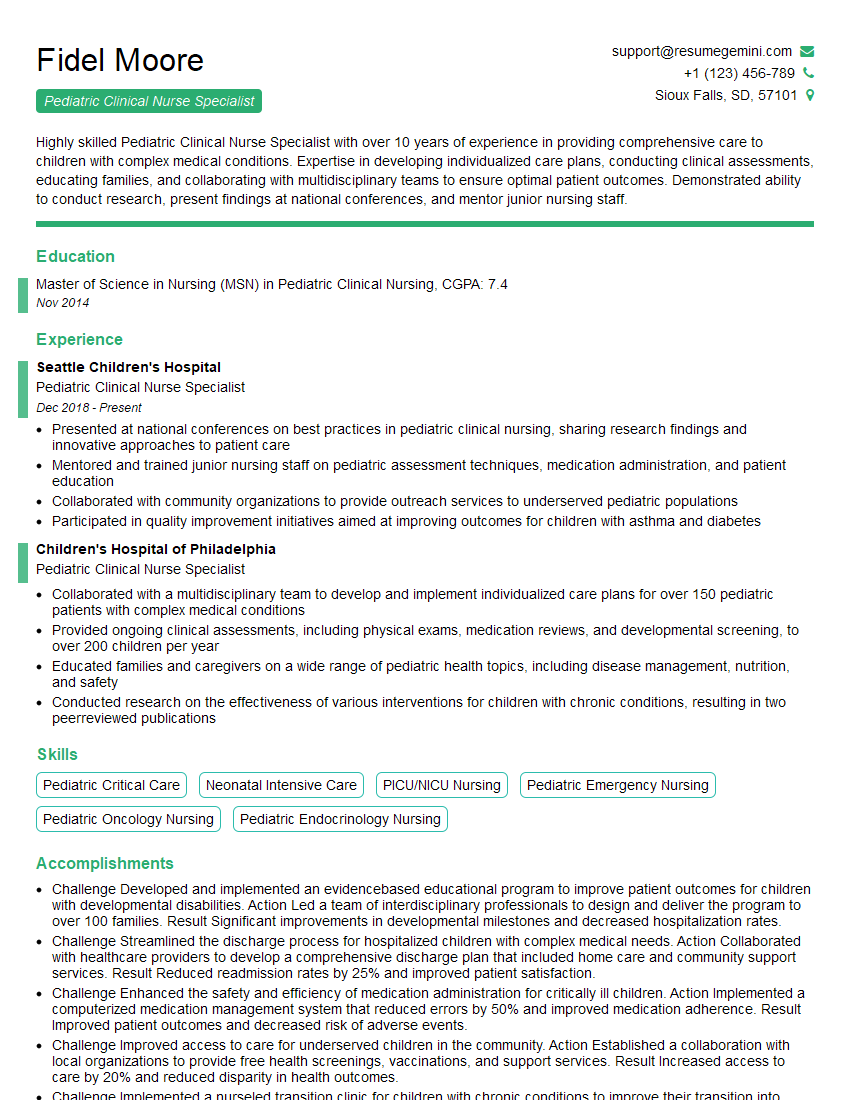
Mastering the Pediatric Certified Family Nurse Practitioner role opens doors to rewarding career opportunities with significant professional growth and impact. You’ll be uniquely positioned to provide comprehensive care for children and their families, making a tangible difference in their lives. To maximize your job prospects, it’s crucial to create a resume that effectively showcases your skills and experience to Applicant Tracking Systems (ATS). ResumeGemini is a trusted resource to help you build a professional and ATS-friendly resume that highlights your qualifications. Examples of resumes tailored to the Pediatric Certified Family Nurse Practitioner role are available to help guide you.
Explore more articles
Users Rating of Our Blogs
Share Your Experience
We value your feedback! Please rate our content and share your thoughts (optional).
What Readers Say About Our Blog
To the interviewgemini.com Webmaster.
Very helpful and content specific questions to help prepare me for my interview!
Thank you
To the interviewgemini.com Webmaster.
This was kind of a unique content I found around the specialized skills. Very helpful questions and good detailed answers.
Very Helpful blog, thank you Interviewgemini team.