Cracking a skill-specific interview, like one for Pediatric Rehabilitation Medicine, requires understanding the nuances of the role. In this blog, we present the questions you’re most likely to encounter, along with insights into how to answer them effectively. Let’s ensure you’re ready to make a strong impression.
Questions Asked in Pediatric Rehabilitation Medicine Interview
Q 1. Describe your experience with assessment and treatment of Cerebral Palsy in children.
Assessing and treating Cerebral Palsy (CP) in children requires a multidisciplinary approach. CP is a group of disorders affecting movement and muscle tone, resulting from brain damage before, during, or after birth. My assessment begins with a thorough evaluation of the child’s motor skills, including gross motor function (e.g., walking, sitting), fine motor skills (e.g., grasping, writing), and postural control. I use standardized assessments like the Gross Motor Function Measure (GMFM) and the Bayley Scales of Infant and Toddler Development to objectively measure progress.
Treatment is highly individualized and focuses on maximizing the child’s functional abilities. This might involve physical therapy to improve strength, range of motion, and motor control; occupational therapy to enhance fine motor skills and daily living activities; and speech therapy if communication is affected. We also address the child’s specific needs, such as orthotic devices (braces), adaptive equipment, and surgical interventions if necessary. For example, a child with spastic diplegia (affecting legs primarily) may benefit from intensive physiotherapy, botulinum toxin injections to reduce muscle spasticity, and gait training with assistive devices like walkers or crutches. Regular reassessments are crucial to track progress and adjust the treatment plan.
Q 2. Explain your approach to managing a child with Autism Spectrum Disorder requiring physical therapy.
Managing a child with Autism Spectrum Disorder (ASD) requiring physical therapy necessitates a highly individualized and sensitive approach. Children with ASD often present with sensory sensitivities, communication challenges, and repetitive behaviors that can influence their response to therapy. My approach begins with building a strong therapeutic relationship based on trust and understanding. I carefully observe the child’s preferences and sensory responses to tailor activities accordingly.
I use visual supports, such as picture schedules and social stories, to communicate expectations and routines. Play-based therapy is central to my approach; incorporating preferred activities and toys to motivate participation and engagement. For example, if a child is fascinated by cars, I might integrate motor skill activities into car-themed games. I focus on building core strength, improving balance, and developing motor skills in a way that’s comfortable and engaging for the child. Regular communication and collaboration with the child’s parents, teachers, and other therapists are vital for a holistic and effective intervention plan.
Q 3. How do you adapt treatment plans based on a child’s developmental stage and cognitive abilities?
Adapting treatment plans according to a child’s developmental stage and cognitive abilities is paramount for effective rehabilitation. Understanding developmental milestones is crucial. For instance, a toddler’s treatment will focus on achieving milestones like crawling and walking, while an older child might require therapy to refine skills such as handwriting or sports participation. I use age-appropriate assessment tools and modify therapy techniques to match the child’s understanding and abilities.
For a child with cognitive impairments, I simplify instructions and use visual aids. I break down complex movements into smaller, manageable steps. Positive reinforcement and motivational strategies are key to success. For example, instead of expecting a child with Down syndrome to perform a complex motor task immediately, I would break it down into smaller steps, providing positive feedback after each step is achieved. Regular monitoring and reassessment ensure the treatment remains appropriate and effective throughout the child’s development.
Q 4. What are your strategies for communicating with parents and caregivers regarding their child’s rehabilitation progress?
Effective communication with parents and caregivers is essential for successful rehabilitation. I establish open communication channels from the beginning, ensuring families feel comfortable asking questions and sharing concerns. I use clear and concise language, avoiding medical jargon as much as possible. I provide regular updates on the child’s progress, both verbally and in writing. I utilize progress reports, home exercise programs, and visual aids to aid comprehension.
I actively involve parents in the treatment plan by educating them about the child’s condition, therapeutic techniques, and home exercises. Regular meetings and phone calls allow for ongoing feedback and adjustments to the plan. For instance, if a parent expresses difficulty with a particular exercise, we collaboratively find alternatives that are easier to implement at home. Building trust and fostering a collaborative partnership with parents is crucial for ensuring the child receives consistent and effective care.
Q 5. Describe your experience with assistive technology and its application in pediatric rehabilitation.
Assistive technology plays a significant role in pediatric rehabilitation, enhancing a child’s independence and participation in daily life. My experience encompasses a wide range of assistive devices, from simple adaptive equipment like adapted utensils and writing aids to more complex technologies such as powered wheelchairs, communication devices, and orthotics. I work closely with occupational therapists and other specialists to assess the child’s needs and select appropriate devices.
For example, a child with limited mobility may benefit from a customized wheelchair to improve their mobility and participation in school and social activities. A child with impaired communication may benefit from augmentative and alternative communication (AAC) devices, enabling them to express their needs and communicate effectively. Careful consideration is given to the child’s developmental stage, functional limitations, and overall needs when selecting and fitting assistive devices. Training parents and caregivers on the proper use and maintenance of these devices is an integral part of the process.
Q 6. How do you incorporate play-based therapy into your treatment sessions?
Play is the primary language of children, making it an invaluable tool in pediatric rehabilitation. I seamlessly incorporate play-based therapy into my treatment sessions, tailoring activities to the child’s interests and developmental level. This approach increases engagement, motivation, and adherence to therapy. For example, I might use a ball to improve a child’s throwing skills, or build a tower with blocks to enhance fine motor coordination.
Play-based therapy isn’t just about fun; it’s a strategic approach to target specific therapeutic goals within a fun and engaging context. It allows me to assess a child’s abilities and limitations subtly and naturally, encouraging them to actively participate in their own rehabilitation. For a child with limited attention, incorporating brief, highly engaging play activities can improve compliance and ensure better overall outcomes. I adapt the games to challenge the child appropriately, gradually increasing the difficulty to foster progress.
Q 7. Explain your understanding of developmental milestones and their relevance to rehabilitation planning.
Developmental milestones are critical benchmarks that describe the typical progression of skills in children, from infancy to adolescence. These milestones encompass physical, cognitive, social-emotional, and language development. A thorough understanding of these milestones is crucial in rehabilitation planning. By assessing a child’s current developmental level relative to age-appropriate milestones, we can identify areas of delay or impairment and tailor the intervention accordingly.
For example, if a 2-year-old is not walking independently, it’s a significant developmental delay requiring immediate attention. The rehabilitation plan would focus on improving strength, balance, and gait patterns to help the child achieve this milestone. Understanding these milestones helps us set realistic goals, track progress effectively, and provide targeted interventions. This ensures that interventions are focused on areas where the child needs the most support, promoting optimal growth and development.
Q 8. How do you address behavioral challenges in children during therapy sessions?
Addressing behavioral challenges in pediatric rehabilitation requires a multifaceted approach that prioritizes understanding the child’s individual needs and communication style. We often utilize positive reinforcement strategies, rewarding desired behaviors with praise, small rewards, or preferred activities. For example, if a child is reluctant to participate in a specific exercise, we might break it down into smaller, more manageable steps, rewarding them after each successful completion.
Conversely, we might employ techniques like ignoring minor disruptive behaviors (unless they pose a safety risk) to reduce their reinforcement. For more significant challenges, we collaborate closely with the child’s family and other professionals, such as psychologists or behavioral therapists, to develop a comprehensive behavior management plan that might involve incorporating visual schedules, social stories, or other evidence-based interventions. The goal is always to create a therapeutic environment where the child feels safe, understood, and motivated to participate actively in their rehabilitation.
For instance, a child with autism might benefit from a predictable routine and clear visual cues during therapy. We’d tailor our approach to their sensory sensitivities and communication preferences, perhaps using a picture exchange system (PECS) to help them express their needs and preferences. The key is flexibility and adapting to the child’s unique situation.
Q 9. Describe your experience with neuromuscular re-education techniques.
Neuromuscular re-education is crucial in pediatric rehabilitation, focusing on improving motor control and function. My experience encompasses a wide range of techniques, including targeted exercises to strengthen weak muscles, improve range of motion, and enhance coordination. This often involves utilizing biofeedback, where children learn to control their muscles by receiving real-time feedback on their muscle activity. For example, we might use electromyography (EMG) biofeedback to help a child with cerebral palsy learn to activate specific muscles involved in walking.
Proprioceptive training, which focuses on improving awareness of body position and movement in space, is another cornerstone of my practice. Techniques like weight-bearing exercises, balance activities, and activities requiring precise movements help children improve their body awareness and control. For a child recovering from a stroke, for example, we might use repetitive exercises focusing on fine motor skills, such as picking up small objects or writing, combined with activities that challenge their balance. We also frequently use therapeutic modalities such as electrical stimulation to facilitate muscle re-education.
Q 10. How do you assess and treat pediatric feeding disorders?
Assessing and treating pediatric feeding disorders requires a thorough evaluation, often involving a multidisciplinary team including speech-language pathologists, occupational therapists, and dieticians. We conduct a detailed assessment evaluating oral motor skills (e.g., lip closure, tongue movement), sensory sensitivities (e.g., texture aversion), and the child’s overall feeding history.
Treatment plans are individualized and might involve strategies to improve oral motor skills through exercises that target specific muscle groups. We might also employ techniques to desensitize the child to different food textures. Sensory integration therapy plays a vital role, helping children regulate their sensory input and respond more appropriately to food. We often utilize strategies that make mealtimes more enjoyable, such as allowing the child to participate in food preparation or choosing their meals. Nutritional counseling ensures the child is receiving adequate nutrition. For instance, a child with a severe texture aversion might start with smooth purees and gradually progress to more textured foods using desensitization techniques.
Q 11. Explain your familiarity with various therapeutic modalities used in pediatric rehabilitation (e.g., aquatic therapy, hippotherapy).
My familiarity with various therapeutic modalities is extensive. Aquatic therapy, or water therapy, utilizes the buoyancy and resistance of water to facilitate movement and improve range of motion. It’s particularly beneficial for children with mobility limitations as it reduces weight-bearing stress on joints. For example, a child with cerebral palsy might find aquatic therapy less strenuous than land-based exercises.
Hippotherapy, or therapy using horses, leverages the horse’s rhythmic movement to improve balance, coordination, and muscle strength. The three-dimensional movement of the horse provides a unique sensory input that can be highly beneficial for children with neurological conditions. For example, a child with autism spectrum disorder might benefit from the calming effects of hippotherapy and improved sensory processing. Other modalities I regularly incorporate include constraint-induced movement therapy (CIMT), virtual reality therapy, and assistive technology training.
Q 12. How do you collaborate with other members of the interdisciplinary healthcare team?
Collaboration is central to effective pediatric rehabilitation. I work closely with a range of professionals, including physicians, nurses, occupational therapists, speech-language pathologists, psychologists, social workers, and educators. We utilize regular team meetings to discuss treatment plans, progress, and any challenges encountered.
I believe in a shared decision-making approach, where we involve parents and caregivers in all aspects of the child’s care. Regular communication with parents is crucial, keeping them informed about the child’s progress, addressing their concerns, and providing home exercise programs. Effective communication and collaboration ensure that we deliver holistic and comprehensive care tailored to each child’s unique needs and circumstances. For example, we might create a shared online portal for documentation and communication to ensure all team members are informed.
Q 13. Describe a challenging case in pediatric rehabilitation and how you overcame the obstacles.
One particularly challenging case involved a young girl with severe spastic quadriplegic cerebral palsy and significant feeding difficulties. She had limited mobility, dysphagia (difficulty swallowing), and significant behavioral challenges. Initially, progress was slow, and traditional therapies were not yielding the desired results.
To overcome this, we implemented a multi-pronged approach. We integrated hippotherapy to address her postural control and improve muscle tone, combined with targeted oral-motor exercises to improve her swallowing skills. We simultaneously addressed her behavioral challenges by creating a structured and predictable therapy environment using visual supports and positive reinforcement. Regular team meetings allowed us to modify the treatment plan based on her response and ongoing assessment. Through persistent effort and collaboration, we saw marked improvements in her feeding skills, mobility, and overall quality of life. Her improved ability to participate in therapy boosted her confidence and lessened her behavioral challenges.
Q 14. What are the ethical considerations in pediatric rehabilitation?
Ethical considerations in pediatric rehabilitation are paramount. Maintaining patient confidentiality is crucial, ensuring all information shared is protected. We must always act in the best interests of the child, prioritizing their well-being and safety. Informed consent from parents or guardians is essential before initiating any treatment. We need to avoid bias in our assessment and treatment, ensuring equitable care for all children regardless of their background or diagnosis.
We must also be mindful of cultural differences and adapt our approach to meet the family’s cultural beliefs and practices. Transparency is key, keeping parents fully informed about treatment options, risks, and potential benefits. Finally, we must always remain aware of our professional boundaries, avoiding any conflicts of interest and upholding the highest standards of professional conduct. It’s vital to consider the long-term effects of our interventions and to weigh the benefits against any potential risks, especially when dealing with complex cases.
Q 15. How do you incorporate evidence-based practices into your clinical decisions?
Incorporating evidence-based practices is fundamental to providing high-quality pediatric rehabilitation. It means consistently reviewing and applying the latest research findings to guide my clinical decisions. This isn’t just about reading studies; it’s about critically evaluating the methodology, considering the patient’s individual context, and integrating the evidence into a personalized treatment plan.
- Systematic Reviews and Meta-analyses: I regularly consult reputable databases like Cochrane Library and PubMed to access systematic reviews and meta-analyses, which synthesize findings from multiple studies on specific interventions. For example, when considering therapeutic approaches for cerebral palsy, I’ll look for meta-analyses comparing different types of therapies to determine the most effective ones.
- Randomized Controlled Trials (RCTs): RCTs are the gold standard for evaluating the efficacy of interventions. I prioritize RCTs that are well-designed and have a large sample size representing the diversity of my patient population. For instance, when deciding on the best assistive device for a child with mobility limitations, I will refer to RCTs comparing different devices’ effectiveness.
- Clinical Practice Guidelines: I adhere to established clinical practice guidelines developed by organizations such as the American Academy of Pediatrics and the American Physical Therapy Association. These guidelines provide evidence-based recommendations for managing various pediatric conditions.
- Ongoing Professional Development: Staying updated is crucial. I attend conferences, workshops, and participate in continuing education programs to remain knowledgeable about the latest research and best practices. This ensures my treatment plans are always informed by the most current evidence.
Ultimately, evidence-based practice is a continuous cycle of inquiry, evaluation, and adaptation, ensuring that I am constantly refining my approach and providing the best possible care.
Career Expert Tips:
- Ace those interviews! Prepare effectively by reviewing the Top 50 Most Common Interview Questions on ResumeGemini.
- Navigate your job search with confidence! Explore a wide range of Career Tips on ResumeGemini. Learn about common challenges and recommendations to overcome them.
- Craft the perfect resume! Master the Art of Resume Writing with ResumeGemini’s guide. Showcase your unique qualifications and achievements effectively.
- Don’t miss out on holiday savings! Build your dream resume with ResumeGemini’s ATS optimized templates.
Q 16. What are your strategies for managing pain in children with chronic conditions?
Managing pain in children with chronic conditions requires a multifaceted approach that takes into account their developmental stage, cognitive abilities, and the nature of their pain. It’s crucial to remember that children may not be able to articulate their pain effectively, so careful observation is essential.
- Pharmacological Interventions: Analgesics, including acetaminophen and ibuprofen, are often used for mild to moderate pain. In cases of severe or chronic pain, stronger medications may be necessary under the guidance of a pediatric pain specialist. The choice of medication always considers the child’s age, weight, and potential side effects.
- Non-Pharmacological Interventions: These are often the first line of defense and can significantly reduce pain. Examples include:
- Physical Therapy: Gentle range-of-motion exercises, stretching, and strengthening can improve mobility and reduce pain caused by muscle stiffness or contractures.
- Occupational Therapy: Adaptive strategies and assistive devices can reduce pain associated with activities of daily living.
- Relaxation Techniques: Deep breathing, guided imagery, and progressive muscle relaxation can help manage pain and reduce anxiety.
- Distraction Techniques: Age-appropriate games, movies, or music can distract the child from their pain.
- Heat or Cold Therapy: Applying heat or ice packs to sore areas can provide relief depending on the nature of the pain.
- Psychological Interventions: Pain management often involves addressing the emotional and psychological impact of chronic pain on the child and their family. Cognitive-behavioral therapy (CBT) can teach coping strategies and help children manage their pain more effectively.
- Interdisciplinary Collaboration: Effective pain management often requires a team approach. I collaborate closely with pediatricians, pain specialists, psychologists, and other therapists to provide comprehensive and holistic care.
The key is to personalize the pain management plan to each child’s specific needs, regularly assessing its effectiveness, and adjusting the plan as needed. Regular communication and collaboration with the family are critical to success.
Q 17. Explain your knowledge of different types of pediatric diagnoses and their impact on rehabilitation.
My knowledge encompasses a wide range of pediatric diagnoses impacting rehabilitation, including:
- Neurological Conditions: Cerebral palsy, spina bifida, traumatic brain injury, stroke, muscular dystrophy – each presents unique challenges requiring specialized interventions to improve motor skills, cognitive function, and communication.
- Orthopedic Conditions: Congenital hip dysplasia, clubfoot, limb deficiencies – rehabilitation focuses on correcting deformities, improving joint mobility, and promoting functional independence.
- Genetic Disorders: Down syndrome, fragile X syndrome, Prader-Willi syndrome – these often involve multiple system impairments requiring a holistic approach to rehabilitation.
- Chronic Medical Conditions: Cystic fibrosis, juvenile arthritis, cancer – rehabilitation plays a crucial role in managing symptoms, improving quality of life, and maximizing functional abilities during treatment.
- Developmental Delays: Autism spectrum disorder, attention deficit hyperactivity disorder (ADHD) – rehabilitation addresses challenges in motor skills, communication, social interaction, and adaptive behavior.
The impact on rehabilitation varies significantly depending on the diagnosis’s severity and the child’s individual characteristics. For example, a child with mild cerebral palsy may require relatively simple interventions to improve motor skills, while a child with severe cerebral palsy may require extensive support and assistive devices. My role involves assessing the child’s specific needs, developing individualized goals, and implementing interventions to maximize their potential for functional independence and quality of life.
Q 18. How do you measure the effectiveness of your interventions?
Measuring the effectiveness of interventions is crucial for ensuring that the treatment is working and making necessary adjustments. This involves a combination of objective and subjective measures.
- Objective Measures: These use standardized assessments to quantify changes in the child’s functional abilities. Examples include:
- Gross Motor Function Measure (GMFM): Assesses gross motor function in children with cerebral palsy.
- Peabody Developmental Motor Scales (PDMS-2): Measures motor development in young children.
- Functional Independence Measure for Children (WeeFIM): Assesses a child’s independence in daily activities.
- Subjective Measures: These involve gathering information from the child, parents, and caregivers to understand their perspectives on the intervention’s impact. This includes:
- Parent/Caregiver Reports: Questionnaires and interviews can assess changes in the child’s abilities and quality of life.
- Child Self-Report (age-appropriate): Older children can provide valuable feedback on their experience and the effectiveness of the interventions.
- Goal Attainment Scaling (GAS): GAS allows for individualized goal setting and measurement, enabling a more personalized approach to outcome evaluation.
By combining objective and subjective measures, I gain a comprehensive understanding of the intervention’s impact, allowing for data-driven decisions about treatment adjustments and ongoing care.
Q 19. Describe your familiarity with different types of assistive devices for children with disabilities.
My familiarity with assistive devices is extensive, and it’s crucial for optimizing a child’s functional abilities and participation. The choice of device depends on the child’s specific needs and limitations.
- Mobility Devices: Wheelchairs (manual and powered), walkers, crutches, orthotics (braces and splints) – these help children with mobility impairments to move independently or with assistance.
- Communication Devices: Augmentative and alternative communication (AAC) systems, including picture exchange systems (PECS), speech-generating devices, and adapted keyboards – these support children with communication difficulties.
- Adaptive Equipment: Adapted utensils, bath seats, specialized clothing fasteners, and ergonomic furniture – these make daily tasks easier and more manageable.
- Sensory Aids: Weighted blankets, sensory swings, and other sensory tools – these can help children regulate their sensory input and improve their focus and behavior.
- Orthotics and Prosthetics: Custom-made orthotics (braces and splints) and prosthetic limbs provide support, improve mobility, and enhance function.
Selecting the right assistive device involves careful assessment of the child’s needs, fitting, training, and ongoing monitoring to ensure proper use and effectiveness. I work closely with occupational therapists, physical therapists, and other specialists to ensure the child receives the appropriate devices and training.
Q 20. What are your approaches for promoting family involvement in the rehabilitation process?
Family involvement is paramount in pediatric rehabilitation. Parents and caregivers are the primary caretakers, and their active participation is essential for successful outcomes. My approach emphasizes collaboration and empowerment.
- Shared Decision-Making: I actively involve families in developing treatment plans, setting goals, and making decisions about interventions. This ensures that the plan aligns with their values and priorities.
- Education and Training: I provide families with comprehensive education about their child’s condition, treatment options, and home exercise programs. Hands-on training ensures they can safely and effectively implement interventions at home.
- Communication and Support: I maintain open and frequent communication with families, providing regular updates, answering questions, and offering emotional support. This helps address concerns and builds a strong therapeutic alliance.
- Collaboration with Other Professionals: I collaborate with other professionals, such as social workers and psychologists, to provide families with the support they need to navigate the challenges of raising a child with special needs.
- Parent Support Groups: I often connect families with parent support groups, where they can connect with other families facing similar challenges and share experiences.
By fostering a collaborative and supportive relationship with families, I empower them to become active partners in their child’s rehabilitation journey, leading to improved outcomes and a stronger sense of family well-being.
Q 21. Describe your experience with documentation and record keeping in pediatric rehabilitation.
Accurate and comprehensive documentation is essential in pediatric rehabilitation for several reasons: it ensures continuity of care, facilitates communication among healthcare professionals, and provides a record of the child’s progress. My approach prioritizes thoroughness and clarity.
- Electronic Health Records (EHR): I utilize EHR systems to document all aspects of the child’s care, including assessment findings, treatment plans, progress notes, and discharge summaries. This ensures easy access to information for all members of the healthcare team.
- Standardized Assessment Tools: I use standardized assessment tools to document objective measures of the child’s functional abilities. This ensures consistency and allows for tracking of progress over time.
- Progress Notes: I write detailed progress notes following each therapy session, documenting the child’s performance, response to interventions, and any modifications made to the treatment plan.
- Communication with Other Providers: I utilize the EHR system to communicate effectively with other healthcare providers, ensuring seamless coordination of care.
- Compliance with Regulations: I adhere to all relevant regulations and guidelines regarding documentation in pediatric rehabilitation, ensuring that all information is accurately recorded and stored securely.
My documentation practices emphasize clarity, accuracy, and completeness, creating a comprehensive record that supports high-quality care and facilitates communication among healthcare professionals.
Q 22. How do you address the emotional and psychological needs of children and their families?
Addressing the emotional and psychological needs of children and their families is paramount in pediatric rehabilitation. It’s not just about physical recovery; it’s about the holistic well-being of the entire family unit. We understand that a child’s diagnosis can be incredibly stressful for everyone involved, leading to anxiety, depression, and even marital strain.
My approach involves several key strategies:
- Open communication: I create a safe space for families to express their concerns, fears, and hopes. Active listening and empathetic responses are crucial. I make sure to explain medical jargon in simple terms and answer questions thoroughly.
- Family-centered care: I actively involve families in the development and implementation of the rehabilitation plan. This collaborative approach fosters a sense of ownership and control, reducing feelings of helplessness. We set realistic goals together.
- Emotional support: I provide emotional support to both children and families, often referring them to appropriate resources such as therapists, support groups, or social workers when necessary. Sometimes, a simple listening ear can make a huge difference.
- Play therapy: For younger children, play therapy can be an incredibly effective tool to address emotional challenges and anxieties related to their treatment. It allows them to express themselves nonverbally and process their feelings.
- Sibling support: I also recognize the impact on siblings. I might offer education about their brother’s or sister’s condition and suggest strategies for family bonding and support that include all siblings.
For example, I recently worked with a family whose child had cerebral palsy. The parents were overwhelmed, and their marriage was suffering. By involving them in treatment planning, connecting them with a support group, and providing regular check-ins, we helped improve not only the child’s physical abilities but also the family’s overall emotional well-being.
Q 23. Explain your understanding of the impact of childhood trauma on development and rehabilitation.
Childhood trauma, encompassing experiences like abuse, neglect, or significant adversity, profoundly impacts development and rehabilitation. The effects can be far-reaching, affecting not only physical health but also cognitive, emotional, and social functioning. Trauma can disrupt the brain’s development, impacting neural pathways responsible for regulation, attachment, and learning.
In rehabilitation, we see this manifested in several ways:
- Delayed motor development: Children who experience trauma may exhibit delayed gross and fine motor skills, possibly due to stress-induced physiological changes.
- Regulatory difficulties: They may struggle with self-regulation, exhibiting heightened anxiety, emotional outbursts, or difficulty focusing. This can impact their ability to participate in therapy effectively.
- Attachment issues: Trauma can negatively affect their ability to form secure attachments, hindering their ability to build trust with therapists and participate in collaborative care.
- Increased pain sensitivity: Some research suggests a link between trauma and heightened pain sensitivity.
Therefore, recognizing and addressing trauma is crucial in a child’s rehabilitation journey. We employ trauma-informed practices, such as creating a safe and predictable environment, building a trusting therapeutic relationship, and employing coping mechanisms like deep breathing exercises or mindfulness techniques to help regulate their emotional responses.
For instance, a child with a history of neglect might exhibit resistance to touch during physical therapy. By creating a safe and nurturing environment and using play-based activities, I gradually build trust and make the experience positive.
Q 24. How do you adapt your communication style to meet the needs of children of different ages and developmental levels?
Adapting communication is fundamental to effective pediatric rehabilitation. Children at different developmental stages require different approaches. My communication strategy is highly individualized.
- Infants and toddlers: Communication with this age group relies heavily on non-verbal cues, play, and caregiver interaction. I use brightly colored toys, engaging sounds, and simple, repetitive actions.
- Preschoolers: I use simple language, playful interactions, and visual aids. Stories, songs, and puppets can be effective tools to explain procedures and maintain engagement.
- School-aged children: Communication becomes more verbal. I involve them in goal-setting, offer choices whenever possible, and explain procedures in age-appropriate terms. Positive reinforcement and praise are key.
- Adolescents: Respecting their autonomy and involving them in decision-making is paramount. I use open-ended questions and encourage them to express their concerns and preferences. I treat them as partners in their care.
For example, when explaining a new exercise to a preschooler, I might use a puppet to demonstrate the movement. With an adolescent, I would discuss the rationale behind the exercise and collaborate on setting achievable goals.
Q 25. Describe your experience with early intervention programs for infants and toddlers.
Early intervention is critical for infants and toddlers with developmental delays or disabilities. The earlier the intervention, the greater the potential for positive outcomes. My experience involves working across various settings such as hospitals, home-based programs, and early intervention clinics, utilizing developmental assessments and play-based therapy.
My work in early intervention often includes:
- Developmental assessments: Conducting comprehensive assessments to identify developmental strengths and weaknesses in areas such as motor skills, communication, and cognition.
- Individualized Family Service Plans (IFSP): Collaborating with families to create individualized plans that address their child’s specific needs and goals.
- Therapeutic interventions: Implementing various therapy modalities, including physical therapy, occupational therapy, and speech therapy, tailored to the infant’s or toddler’s unique developmental profile.
- Family training and education: Educating parents and caregivers on strategies to support their child’s development at home, including positioning, handling techniques, and play activities.
I recall a case involving a toddler with Down syndrome. Through early intervention, focusing on strengthening motor skills and communication, we significantly improved his gross motor skills and ability to interact with others. His parents were actively involved, which had a profound impact on his progress.
Q 26. How do you ensure the safety of your patients during therapy sessions?
Patient safety is my top priority. A multi-faceted approach is used to ensure a safe therapeutic environment:
- Risk assessment: I conduct thorough risk assessments prior to each session, identifying potential hazards and implementing appropriate safety measures. This includes assessing the child’s physical abilities, medical history, and environmental factors.
- Equipment safety: I ensure that all equipment is properly maintained, in good working order, and appropriately sized for the child. We regularly inspect the therapy area for potential hazards.
- Supervision: I provide close supervision, particularly for children with limited mobility or cognitive impairment. The level of supervision is adjusted based on the child’s needs.
- Emergency procedures: I’m trained in emergency procedures and maintain up-to-date knowledge of first aid and CPR. Emergency protocols are readily available.
- Appropriate environment: The therapy area is designed to be safe and child-friendly, with furniture and materials appropriately placed to minimize the risk of injury.
For example, when working with a child with epilepsy, I would have emergency medications readily available and ensure the therapy area is free of potential tripping hazards. Safe practice is a constant consideration.
Q 27. What are your strategies for motivating children to participate in their rehabilitation?
Motivating children to participate actively in their rehabilitation requires a creative and individualized approach. It’s about making therapy fun, engaging, and relevant to their interests.
- Positive reinforcement: I use positive reinforcement, such as praise, stickers, and small rewards, to encourage effort and progress.
- Play-based therapy: Integrating play into therapy sessions makes the experience enjoyable and helps children develop skills naturally.
- Goal setting: Involving children in setting realistic and achievable goals increases their sense of ownership and motivation.
- Choice and autonomy: Giving children choices, whenever possible, empowers them and fosters a sense of control over their treatment.
- Gamification: Using games and technology can make therapy more interactive and engaging, turning exercises into fun challenges.
For instance, I might use a video game to motivate a child to practice their fine motor skills during occupational therapy. For a child who loves superheroes, I may incorporate that theme into their physical therapy exercises.
Q 28. Explain your understanding of different funding sources for pediatric rehabilitation services.
Funding for pediatric rehabilitation services is diverse and can be complex, varying depending on the child’s diagnosis, family income, and geographical location. Understanding these sources is vital for ensuring access to care.
- Private insurance: Many children are covered by private health insurance plans, which may offer varying levels of coverage for rehabilitation services. Navigating insurance policies is often a key part of my job.
- Medicaid and CHIP: Government-sponsored programs like Medicaid and the Children’s Health Insurance Program (CHIP) provide financial assistance for healthcare services, including rehabilitation, to eligible families.
- Early intervention programs: Early intervention programs funded by states often provide services for infants and toddlers with developmental delays or disabilities.
- Charitable organizations: Several charitable organizations offer financial assistance for rehabilitation services to families in need.
- Grants and foundations: Grants and funding from various foundations can sometimes cover expenses or specific therapies.
Each case is unique, requiring me to help families navigate the complexities of the healthcare system to ensure they receive the necessary services. Often, this includes helping families complete applications, understanding eligibility requirements, and appealing insurance decisions.
Key Topics to Learn for Pediatric Rehabilitation Medicine Interview
- Developmental Milestones: Understanding typical and atypical developmental trajectories across various ages and diagnoses. Practical application: Assessing a child’s progress against expected milestones and tailoring interventions accordingly.
- Neurodevelopmental Disorders: In-depth knowledge of conditions like Cerebral Palsy, Autism Spectrum Disorder, Down Syndrome, and Traumatic Brain Injury. Practical application: Developing individualized treatment plans considering the specific needs and challenges of each disorder.
- Therapeutic Interventions: Mastery of various therapeutic modalities including physical therapy, occupational therapy, speech therapy, and assistive technology. Practical application: Selecting and implementing appropriate interventions based on a child’s diagnosis, abilities, and goals.
- Assessment and Evaluation: Proficiency in using standardized assessments and clinical observation to evaluate a child’s functional abilities and limitations. Practical application: Accurately documenting progress and justifying treatment choices.
- Family-Centered Care: Understanding the importance of involving families in the rehabilitation process. Practical application: Effectively communicating with parents and caregivers, fostering collaboration and shared decision-making.
- Ethical Considerations: Navigating ethical dilemmas related to pediatric rehabilitation, including informed consent, confidentiality, and end-of-life care. Practical application: Making responsible and ethical decisions in complex clinical situations.
- Rehabilitation Technologies: Familiarity with assistive devices, adaptive equipment, and emerging technologies in pediatric rehabilitation. Practical application: Identifying and utilizing appropriate technologies to enhance a child’s functional independence.
- Collaboration and Teamwork: Understanding the importance of interdisciplinary collaboration with physicians, nurses, educators, and other healthcare professionals. Practical application: Effectively communicating and coordinating care within a multidisciplinary team.
Next Steps
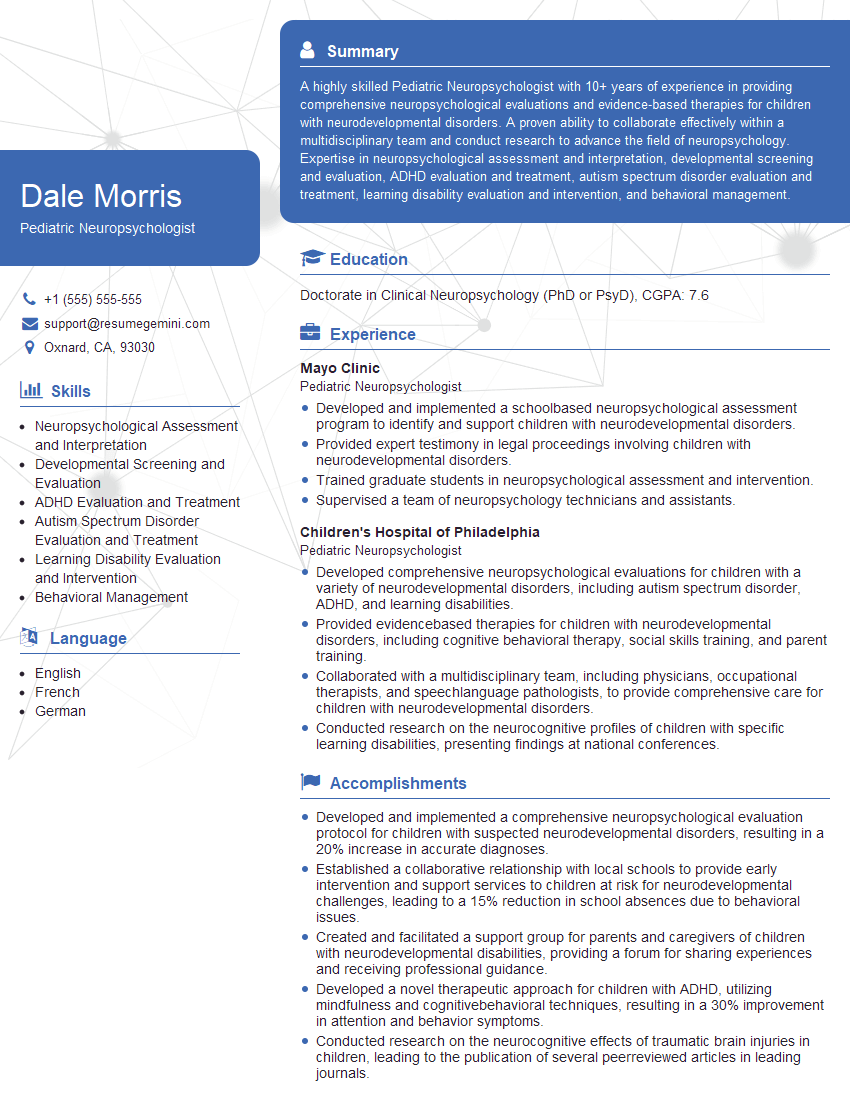
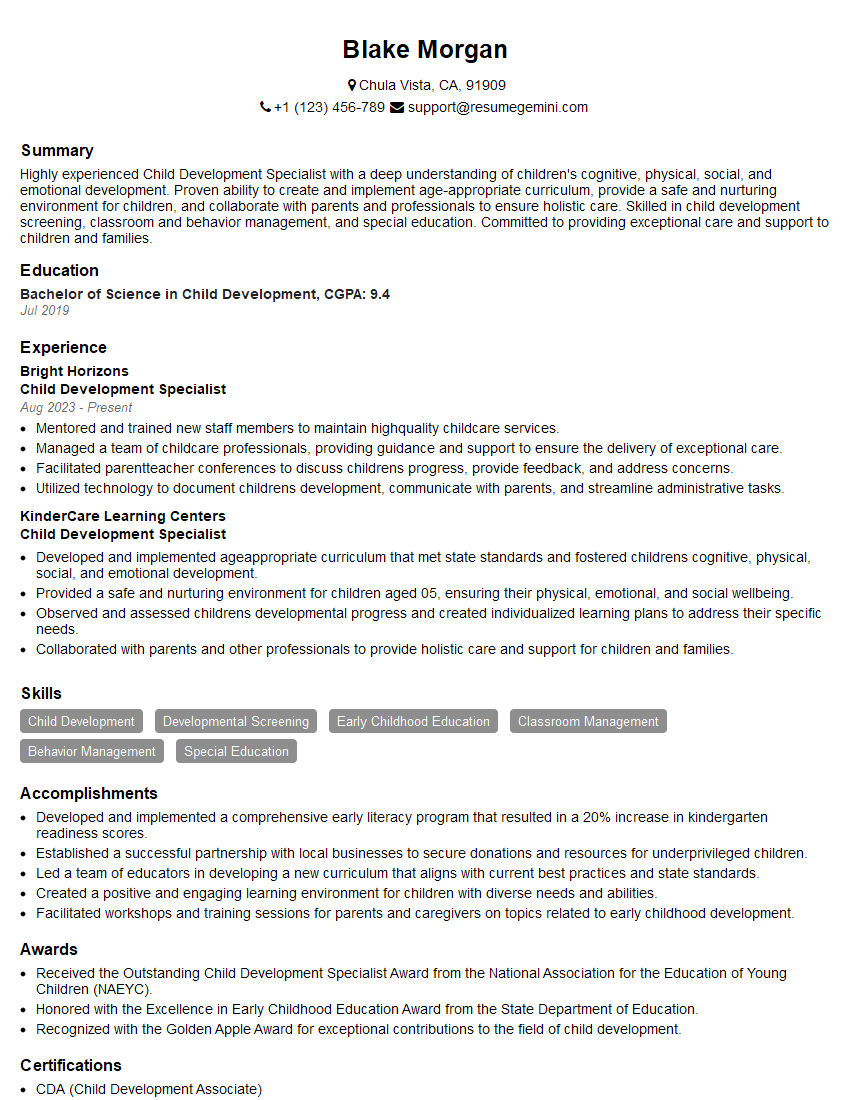
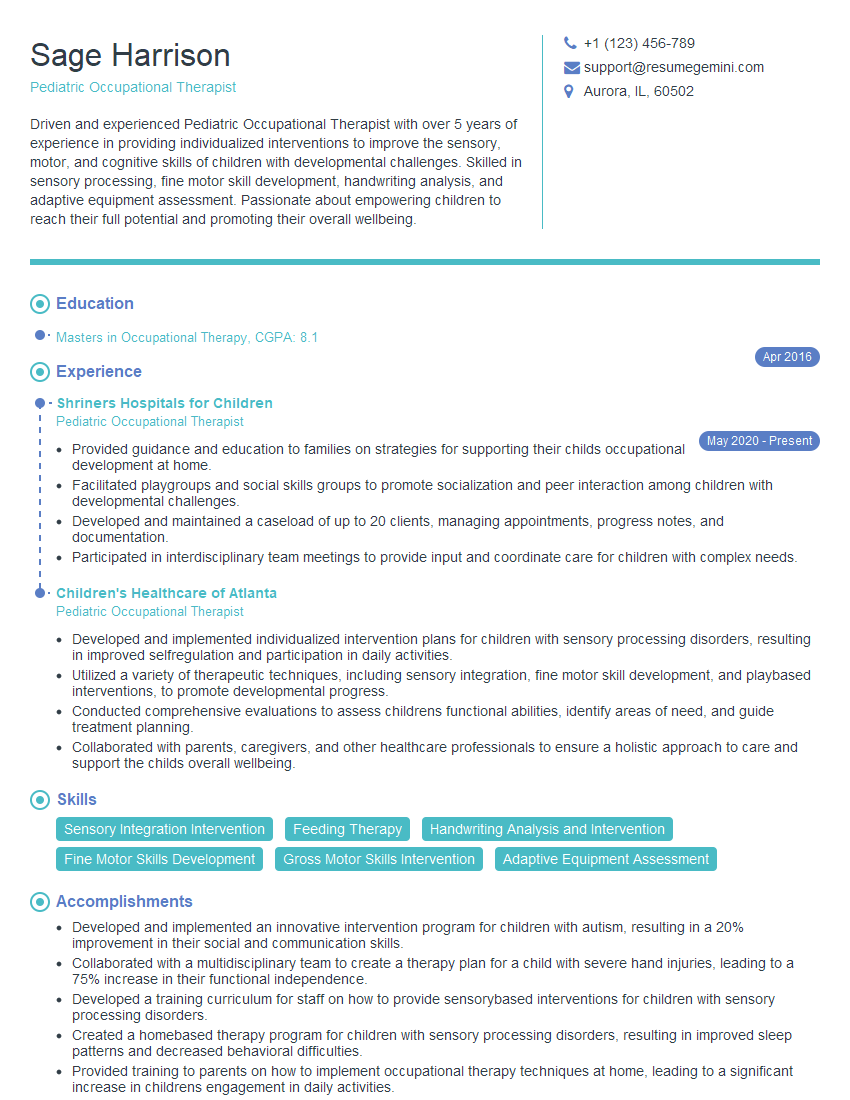
Mastering Pediatric Rehabilitation Medicine opens doors to a fulfilling and impactful career, allowing you to make a tangible difference in the lives of children and their families. To maximize your job prospects, crafting a strong, ATS-friendly resume is crucial. ResumeGemini can help you create a professional and effective resume that showcases your skills and experience. They provide examples of resumes tailored to Pediatric Rehabilitation Medicine, ensuring your application stands out. Invest time in building a compelling resume – it’s your first impression on potential employers.
Explore more articles
Users Rating of Our Blogs
Share Your Experience
We value your feedback! Please rate our content and share your thoughts (optional).
What Readers Say About Our Blog
To the interviewgemini.com Webmaster.
Very helpful and content specific questions to help prepare me for my interview!
Thank you
To the interviewgemini.com Webmaster.
This was kind of a unique content I found around the specialized skills. Very helpful questions and good detailed answers.
Very Helpful blog, thank you Interviewgemini team.