Interviews are more than just a Q&A session—they’re a chance to prove your worth. This blog dives into essential Pediatric History Taking interview questions and expert tips to help you align your answers with what hiring managers are looking for. Start preparing to shine!
Questions Asked in Pediatric History Taking Interview
Q 1. Describe your approach to obtaining a comprehensive pediatric history from a child under 5 years old.
Obtaining a comprehensive history from a child under 5 requires a multifaceted approach that prioritizes building rapport and utilizing various communication techniques. I begin by engaging the child at their level, using age-appropriate language and play. This might involve using puppets, toys, or drawing to facilitate communication. Simultaneously, I engage the parent or caregiver to obtain crucial information. I use open-ended questions like “Tell me about why you brought your child in today?” rather than leading questions, allowing the parent to guide the conversation initially. I then focus on specific areas like feeding, sleeping, bowel and bladder habits, developmental milestones, and any concerns the parents may have. I observe the child’s behavior, noting their interactions, alertness, and overall demeanor, supplementing verbal information with non-verbal cues. The process involves a dynamic interplay between direct interaction with the child and careful questioning of the caregiver.
For example, if a child is displaying symptoms of a possible ear infection, I might ask the parent about the child’s behavior (fussiness, irritability, tugging at their ear), and then try to observe the child’s response to gentle touch near the ear. I’d also use simple questions like, “Show me your ear.” to elicit a response from the child. If I can’t get the information I need from the child, I rely heavily on the parent’s report. It’s a collaborative effort, prioritizing the child’s comfort and utilizing every available clue to build a complete picture.
Q 2. How do you handle a situation where a child is unwilling or unable to communicate their symptoms?
When a child is unwilling or unable to communicate, adapting my approach is crucial. I rely heavily on the parent or caregiver’s account, focusing on detailed observations. This includes questions about the child’s behavior, sleep patterns, appetite, and any changes in their usual routines. I also observe the child’s non-verbal cues, such as facial expressions, body language, and overall demeanor. For example, a child who is withdrawn and avoids eye contact might indicate underlying discomfort or illness. I might employ distraction techniques, such as playing with a toy, to reduce anxiety and encourage interaction. In cases where significant communication barriers exist, I might involve a translator or other specialized professionals like a speech-language pathologist or developmental pediatrician, depending on the child’s needs.
I also utilize tools like standardized developmental screening tools to assess the child’s developmental progress and identify potential areas of concern. For instance, I might use the Ages and Stages Questionnaire (ASQ) to gauge the child’s developmental level across various domains. If the situation is complex, I might document the child’s limited communication ability and utilize nonverbal cues observed to create a comprehensive picture of their condition.
Q 3. What are the key elements of a thorough developmental history in a pediatric assessment?
A thorough developmental history is essential for assessing a child’s overall well-being and identifying potential developmental delays or disorders. It covers various areas including:
- Gross motor skills: Ability to sit, crawl, walk, run, jump, etc. (e.g., age of walking, ability to climb stairs)
- Fine motor skills: Hand-eye coordination, grasping objects, using utensils, drawing, etc. (e.g., age of first scribbling, ability to use crayons)
- Language development: Speech, comprehension, vocabulary, expressing needs, and engaging in conversation (e.g., age of first words, ability to follow simple instructions)
- Social-emotional development: Interaction with others, play behavior, emotional regulation, and social skills (e.g., ability to play with other children, temperament)
- Cognitive development: Problem-solving, memory, attention span, and general intellectual functioning (e.g., ability to complete puzzles, understanding of cause and effect)
I gather this information through careful questioning of parents, observing the child’s interactions during the visit, and, if necessary, using standardized developmental screening tools. Any significant delays or deviations from expected milestones warrant further investigation and potentially referral to specialists.
Q 4. Explain your approach to documenting a pediatric history, ensuring accuracy and completeness.
Documenting a pediatric history requires meticulous attention to detail and accuracy. I use a structured approach, ensuring that all relevant information is captured clearly and concisely. I use a standard format including sections for identifying information (name, age, date of birth), chief complaint, history of the present illness (HPI), past medical history (PMH), family history, social history, and review of systems (ROS). The HPI is detailed and chronological, documenting the onset, duration, and character of the symptoms using specific and measurable terms. For example, instead of “fever,” I would document “temperature of 102°F (38.9°C) for the past 24 hours.”
I use clear and concise language, avoiding medical jargon. Subjective findings (reported by the patient or parent) are clearly distinguished from objective findings (observed by the clinician). I ensure legibility, and use abbreviations sparingly, avoiding any potential for misinterpretation. The documentation adheres to the highest standards of medical record keeping, ensuring accuracy and completeness while prioritizing patient confidentiality. All entries are dated, timed, and signed to maintain compliance with legal requirements.
Q 5. How do you differentiate between subjective and objective findings during a pediatric history-taking interview?
Differentiating between subjective and objective findings is crucial for accurate medical record-keeping and sound clinical judgment. Subjective findings are the patient’s or caregiver’s descriptions of their symptoms and experiences. These are things they tell you. Examples include “headache,” “stomach ache,” “feeling tired,” or a parent reporting that a child is “fussier than usual.” Objective findings are what I observe and measure during the examination. These are based on my observations and physical examination. Examples include “temperature of 101°F,” “heart rate of 120 bpm,” “rash present on the abdomen,” or “child is crying inconsolably.” Carefully distinguishing these helps avoid bias and enables a more accurate clinical assessment. Both are essential components of a complete picture.
Q 6. Describe your strategy for managing a crying or frightened child during a history taking interview.
Managing a crying or frightened child requires patience, empathy, and a flexible approach. I start by creating a safe and comfortable environment, minimizing any perceived threats. This may involve adjusting the lighting, reducing noise, and allowing the child to sit on a parent’s lap. I talk to the child using a calm and reassuring tone, addressing them by name and acknowledging their feelings. I use age-appropriate language and might try distraction techniques like showing them toys or books. I let the parents participate actively, as a familiar presence can significantly alleviate the child’s anxiety. If the child remains distressed, I might postpone parts of the examination until a later time, focusing on building rapport and trust before proceeding. The goal is to create a positive experience that fosters trust, making future interactions easier.
In some cases, I might involve a play-based approach, turning the assessment into a game, thereby making the experience more enjoyable and less stressful for the child. It’s important to remember that patience and understanding are key, and prioritizing the child’s emotional well-being is paramount.
Q 7. How do you incorporate the parent’s or caregiver’s perspective during the history taking process?
The parent’s or caregiver’s perspective is invaluable in pediatric history taking. They provide crucial context and insights into the child’s development, medical history, and current condition. I actively involve them throughout the process. I begin by establishing a comfortable and collaborative relationship, acknowledging their expertise regarding their child. I use open-ended questions to allow them to share their observations and concerns freely, without interruption. I listen attentively, asking clarifying questions to ensure a comprehensive understanding. I validate their concerns, regardless of my initial clinical impressions. For example, if a parent expresses anxiety about their child’s slow development, I would validate their feelings and thoroughly explore this concern.
I actively seek their input on the child’s temperament, usual behaviors, and responses to various situations. The information they provide helps me interpret the child’s current symptoms more accurately. This collaborative approach respects their knowledge and expertise and ultimately leads to a more accurate and effective assessment of the child’s health.
Q 8. What red flags would alert you to potential child abuse or neglect during a pediatric history?
Identifying potential child abuse or neglect requires a high index of suspicion and careful attention to detail during the history. Red flags aren’t always obvious, and a single sign rarely confirms abuse, but clusters of concerning findings should raise serious concerns.
- Injuries inconsistent with the explanation provided: For example, a toddler with a spiral fracture of the femur (a type of break typically caused by twisting force) explained as a simple fall.
- Delayed seeking of medical care for significant injuries: This might indicate an attempt to conceal abuse.
- Injuries in various stages of healing: This suggests ongoing abuse.
- Unexplained burns, bruises, or welts, particularly in patterns: Belt marks, cigarette burns, or immersion burns are classic signs.
- Head injuries, especially in young children: Subdural hematomas (bleeding in the brain) or retinal hemorrhages (bleeding in the eye) are serious red flags.
- Poor hygiene or neglect of basic needs: Malnutrition, lack of clean clothing, untreated medical conditions, or failure to thrive.
- Behavioral clues: Extreme fear of adults, unusual aggression, withdrawal, or overly compliant behavior.
- Discrepancies in the history given by different caregivers: Conflicting accounts regarding the cause of an injury should raise suspicion.
- The child’s own disclosure: While children may not always articulate abuse directly, their statements should be taken seriously and further investigated.
It’s crucial to remember that mandated reporting laws require healthcare professionals to report suspected abuse or neglect to the appropriate child protective services agency.
Q 9. How do you approach obtaining a family history relevant to a child’s presenting complaint?
Gathering a thorough family history is essential for understanding a child’s present condition. I approach this systematically, remembering to tailor my questions based on the child’s presenting complaint.
I start with a broad overview, asking about the health of parents, siblings, and grandparents. I then focus my inquiries on specific conditions that may be relevant. For example, if the child presents with recurrent respiratory infections, I’ll focus on family history of asthma, allergies, or cystic fibrosis. Similarly, a child with a suspected genetic condition will necessitate a detailed genealogical exploration.
I always consider the child’s age. While I might directly question an adolescent about family history, I would rely more on the parent’s accounts for younger children. Using open-ended questions such as, “Tell me about your family’s medical history,” can often elicit valuable information. Following up with specific questions like, “Has anyone in your family ever had heart problems?” allows me to delve deeper. Documenting the family history graphically (such as a pedigree) can be beneficial for both understanding and communication.
Q 10. What are some common pitfalls to avoid during pediatric history taking?
Several pitfalls can hinder effective pediatric history-taking.
- Focusing solely on the parent’s perspective: Always try to include the child’s viewpoint whenever possible, even if it’s through nonverbal cues. A young child might not be able to articulate their symptoms, but observing their behavior and facial expressions offers valuable insights.
- Interrupting the parent or child: Active listening is paramount. Let them fully express their concerns before interjecting with questions or interpretations.
- Using leading questions: For example, asking, “Did the fall cause the bruise?” instead of “How did the bruise happen?” can steer the response and prevent unbiased information gathering.
- Medical jargon: Keep the language simple and age-appropriate. Using complex medical terms can confuse and frustrate both parents and children.
- Relying solely on closed-ended questions: While they have their place, a predominance of yes/no questions limits the information obtained and restricts the narrative flow.
- Failing to establish rapport: Children are more likely to cooperate and provide accurate information if they feel comfortable and safe.
- Ignoring nonverbal cues: Body language, facial expressions, and interactions between the child and parent can reveal significant information beyond verbal communication.
By avoiding these common pitfalls, we can build trust, encourage open communication, and acquire comprehensive and accurate histories.
Q 11. Describe your method for assessing a child’s nutritional status.
Assessing a child’s nutritional status is multi-faceted and involves integrating several elements.
- Anthropometric measurements: This includes height, weight, head circumference (for infants), and body mass index (BMI). Comparing these measurements to standardized growth charts helps determine if the child is growing appropriately for their age and sex.
- Dietary intake assessment: This can be achieved through a 24-hour dietary recall, food frequency questionnaire, or a detailed dietary history from the parent or caregiver. This allows us to assess the adequacy of nutrient intake.
- Clinical evaluation: Looking for signs of malnutrition, such as muscle wasting, edema (swelling), or pallor (pale skin). Physical examination will help evaluate the child’s overall health and development.
- Laboratory tests: In certain cases, blood tests (such as hemoglobin levels to assess iron deficiency anemia or albumin levels to assess protein status) may be necessary.
- Social history: Exploring the family’s socioeconomic status, food security, and access to healthy food options helps place the child’s nutritional status within a broader context.
A holistic approach combining these methods is critical for a comprehensive assessment of nutritional status. It’s important to remember that deviations from normal growth parameters don’t always indicate malnutrition, but they require further investigation.
Q 12. How do you adapt your communication style to different age groups of children?
Adapting my communication style to different age groups is critical for obtaining accurate and reliable information.
- Infants (0-12 months): Communication is primarily through observation of their behavior, feeding patterns, and response to stimuli. Interactions with the caregiver are key to understanding the infant’s well-being.
- Toddlers (1-3 years): Simple, direct language is crucial. Using play and toys can aid in building rapport and distraction techniques can minimize anxiety.
- Preschoolers (3-5 years): Focus on concrete language and explanations. Using storytelling or analogies can enhance understanding.
- School-aged children (6-12 years): They are capable of greater comprehension and can participate more actively in the conversation. Open-ended questions are increasingly relevant.
- Adolescents (13-18 years): Treat them with respect and confidentiality. Open and honest communication is vital, acknowledging their autonomy and concerns about privacy.
In all age groups, nonverbal cues, including body language and facial expressions, are essential elements to consider. Remember to be patient, empathetic, and adapt the interview pace and style to the child’s developmental stage and emotional needs.
Q 13. What screening tools are you familiar with that support pediatric history taking?
Several screening tools assist in pediatric history taking, depending on the specific concern.
- Ages & Stages Questionnaires (ASQ): This is a parent-completed questionnaire that screens for developmental delays in infants and young children.
- Pediatric Symptom Checklist (PSC): This instrument helps to assess a child’s psychological and emotional well-being.
- Denver Developmental Screening Test II (DDST-II): Assesses gross and fine motor skills, language, and personal-social development in children aged 0-6 years.
- Modified Checklist for Autism in Toddlers (M-CHAT): A screening tool for detecting autism spectrum disorder in young children.
- PHQ-9 (Patient Health Questionnaire-9): While not specifically pediatric, it can be adapted to assess depression in adolescents.
The choice of screening tool depends on the child’s age, presenting symptoms, and the clinician’s specific concerns. It’s important to remember that screening tools should be used in conjunction with a comprehensive clinical evaluation. A positive screening result warrants further investigation, and a negative result does not necessarily rule out a problem.
Q 14. How do you use open-ended and closed-ended questions effectively during a pediatric history taking interview?
A balanced approach incorporating both open-ended and closed-ended questions is crucial for effective pediatric history taking.
Open-ended questions (e.g., “Tell me about your tummy ache,” or “How have you been feeling lately?”) encourage detailed narratives and allow the child and parent to describe their concerns in their own words. They help build rapport and provide valuable contextual information.
Closed-ended questions (e.g., “Does your tummy hurt when you eat?”, or “Do you have a fever?”) are useful for obtaining specific information, clarifying details, and verifying information already provided. They are particularly helpful when time is limited or when dealing with a less communicative child.
A good interview employs a blend of both. Start with open-ended questions to encourage a free-flowing narrative. Then, use closed-ended questions to refine the details, clarify ambiguities, and focus on critical areas. For example, you might begin by asking about a child’s cough with an open-ended question. Then, you would follow up with closed-ended questions about the cough’s characteristics (e.g., dry or wet, frequency, presence of fever). The careful and strategic use of both question types ensures a thorough and efficient history.
Q 15. Explain your understanding of the importance of confidentiality in pediatric history taking.
Confidentiality in pediatric history taking is paramount. It’s not just about following regulations; it’s about building trust with the child and family. This trust is crucial for obtaining accurate and complete information, ensuring the child feels safe disclosing sensitive details, and fostering a positive therapeutic relationship. Children are particularly vulnerable, and violating their confidentiality can severely damage their well-being and future interactions with healthcare professionals.
Maintaining confidentiality means protecting the child’s information from unauthorized access and disclosure. This includes adhering to HIPAA regulations (in the US) or equivalent legislation in other countries. It means only sharing information with individuals directly involved in the child’s care on a need-to-know basis. It also means being mindful of conversations within earshot of others and securing electronic medical records appropriately.
For example, I would never discuss a child’s medical history with another patient or a family member unrelated to the case, even if it seems innocuous. I would always ensure that my conversations are private and protected.
Career Expert Tips:
- Ace those interviews! Prepare effectively by reviewing the Top 50 Most Common Interview Questions on ResumeGemini.
- Navigate your job search with confidence! Explore a wide range of Career Tips on ResumeGemini. Learn about common challenges and recommendations to overcome them.
- Craft the perfect resume! Master the Art of Resume Writing with ResumeGemini’s guide. Showcase your unique qualifications and achievements effectively.
- Don’t miss out on holiday savings! Build your dream resume with ResumeGemini’s ATS optimized templates.
Q 16. How do you address sensitive topics like sexual abuse or substance use in pediatric history taking?
Addressing sensitive topics like sexual abuse or substance use requires a delicate and empathetic approach. The key is to create a safe and non-judgmental environment where the child feels comfortable disclosing information. I start by using open-ended questions and letting the child lead the conversation. It’s essential to use age-appropriate language and avoid leading questions that could influence their responses.
For younger children, I might use play therapy techniques or drawing to help them express their experiences. With older children and adolescents, I would ensure privacy and build rapport before broaching the subject. If I suspect abuse, I have a mandated reporting obligation, meaning I must report my suspicions to the appropriate authorities. This is a legal and ethical responsibility, and I would carefully document all my interactions and observations.
An example: If a teenager mentions experimenting with drugs, I wouldn’t immediately jump to judgment. Instead, I’d ask open-ended questions like, “Can you tell me more about that?” or “What’s been going on in your life lately?” to understand the context and provide appropriate support and resources.
Q 17. What is your approach to obtaining a medication history in pediatric patients?
Obtaining a medication history in pediatric patients requires a different approach than with adults. It is crucial to be precise about medication names, dosages, frequency, and duration. Since the child may not directly manage their medications, I need to rely heavily on parent or caregiver input. I verify the medication information with the prescription bottle or other credible sources if possible.
I also investigate potential interactions with over-the-counter medications, herbal supplements, and vitamins. For infants and toddlers, I also gather information about breastfeeding or formula feeding to look for potential drug interactions or effects.
My approach includes asking about previous allergies or adverse reactions to medications. I emphasize the importance of accurate reporting, as even seemingly minor reactions can be significant in children. I would create a clear and concise medication list at the end of the history-taking process, ensuring that all details are precise and easy to understand for all involved.
Q 18. How do you determine the reliability and validity of information obtained from parents or caregivers?
Determining the reliability and validity of information from parents or caregivers is crucial. I assess their reliability based on several factors: consistency of the information provided over time, the plausibility of their reports, and their overall demeanor. Inconsistencies in their narratives or statements that contradict medical findings raise concerns about reliability.
Validity is assessed by comparing the parents’ account with the child’s observations and physical exam findings. For example, if a parent reports a child has been eating well but the child is significantly underweight, that indicates a discrepancy requiring further investigation. I also consider the parent’s emotional state, stress levels, and any potential biases that may influence their reporting.
If there are concerns about reliability or validity, I utilize additional tools like developmental screening tests or collateral information from other sources, such as teachers or social workers, to obtain a more complete and accurate picture. Open communication and collaboration with the family are essential to address any discrepancies and build trust.
Q 19. Describe a situation where you encountered a challenging pediatric history. How did you overcome the challenge?
A challenging situation involved a 7-year-old girl who was incredibly shy and reluctant to speak. Her mother provided a history of recurrent abdominal pain, but the child offered little information. I tried traditional methods, but they yielded limited results. So, I introduced a doll and asked her to use it to show me what was happening inside her tummy. Through this play-based approach, she acted out scenarios of stress and anxiety relating to school and her family.
This revealed that her abdominal pain wasn’t a purely medical issue, but rather a manifestation of her emotional distress. By changing my approach and using play therapy, I overcame the communication barrier and gained valuable insights that were missed using a standard interview method. This allowed me to develop a comprehensive treatment plan addressing both physical and emotional aspects of her health.
Q 20. How do you ensure cultural competency during pediatric history taking?
Cultural competency in pediatric history taking is essential for providing equitable and effective care. It goes beyond simply acknowledging cultural differences; it requires understanding how cultural beliefs and practices influence health behaviors, communication styles, and interpretations of illness. I achieve this by being mindful of potential language barriers, using interpreters when necessary, and being sensitive to cultural norms surrounding communication and physical examination.
I ask open-ended questions allowing families to explain their perspectives on the child’s health and their traditional practices. For instance, understanding the family’s beliefs about certain illnesses and their preferred treatment modalities helps me to collaborate with them for the best possible outcome. I also ensure that the examination is conducted in a culturally sensitive manner, respecting privacy and modesty. Respecting cultural beliefs about touch and physical intimacy ensures the child feels safe and comfortable during the examination.
Q 21. How do you handle a discrepancy between the information provided by the parent and the child?
Discrepancies between parental and child reports necessitate a careful and non-judgmental approach. My first step is to privately interview the child alone, creating a safe space where they feel comfortable expressing themselves without parental influence. Then, I would individually speak with the parent to gain their perspective.
I would analyze the inconsistencies, looking for potential reasons behind the discrepancies. This might include developmental factors, language barriers, fear of retribution, or a misinterpretation of the events. It is crucial to avoid accusations, and instead create a collaborative environment to resolve the inconsistencies.
The goal is to gather a complete and accurate picture of the situation. If the discrepancies remain unresolved, I might seek further clarification from other sources or consult with other professionals to gain more insights. Protecting the child’s wellbeing always remains the priority.
Q 22. What are some strategies to improve patient and parent communication in the history-taking process?
Effective communication with both the patient and their parent(s) is paramount in pediatric history taking. It’s about building rapport and trust, which allows for accurate information gathering. This involves several strategies.
Active Listening & Empathy: Truly listen to what they are saying, both verbally and nonverbally. Show empathy by acknowledging their feelings and concerns. For example, if a parent is visibly anxious about their child’s cough, acknowledge that before diving into questions: “I can see you’re concerned about the cough. That’s completely understandable. Let’s talk about it.”
Clear and Simple Language: Avoid medical jargon. Use age-appropriate language, tailoring the explanation to the child’s developmental level and the parent’s understanding. If explaining a diagnosis to a child, use simple terms and analogies. For example, explain asthma as “your breathing tubes are a bit swollen, like a hose that’s too narrow for water to flow easily.”
Open-Ended Questions: Encourage narrative responses rather than just yes/no answers. Questions like “Tell me about your child’s cough” provide richer information than “Does your child cough?”
Building Rapport: Start with a friendly introduction and engage in a bit of light conversation before jumping into the medical history. This helps establish a comfortable environment.
Shared Decision Making: Involve both the child (as appropriate for their age) and the parent in the decision-making process related to their care whenever possible. This fosters collaboration and shared responsibility.
Confirm Understanding: Regularly summarize your understanding of their concerns and ask if you’ve missed anything. This ensures accurate data collection and prevents misunderstandings.
Q 23. Explain how you utilize active listening during a pediatric history taking interview.
Active listening in pediatric history taking goes beyond just hearing words; it’s about fully understanding the message being conveyed. It requires focused attention, both verbal and nonverbal cues. I utilize several techniques:
Attentive Body Language: Maintaining eye contact (appropriately, considering the child’s age and comfort level), leaning slightly forward, and nodding to show I’m engaged.
Verbal Affirmations: Using phrases like “I understand,” “That’s helpful,” or “Tell me more” to encourage further discussion and show I’m listening.
Reflecting and Summarizing: Periodically reflecting back what I’ve heard to ensure accuracy and show I’m following along. For example, “So, you’re saying your son’s fever started two days ago and he’s been more irritable than usual?”
Silence: Allowing for pauses in the conversation. Silence can give both the child and parent time to gather their thoughts and provide more details.
Empathetic Responses: Acknowledging emotions and validating their concerns. For instance, “It must be very worrying to see your child unwell.”
These techniques help build trust and facilitate a more open and honest exchange of information, leading to a more accurate and complete history.
Q 24. How do you identify and address any biases that may affect your approach to pediatric history taking?
Recognizing and mitigating personal biases is crucial for providing equitable and high-quality care. I actively work to identify and address my biases through self-reflection and continuous learning.
Self-Awareness: I regularly reflect on my own beliefs, values, and experiences to identify potential biases that may influence my interactions with patients and families. This includes recognizing unconscious biases related to race, ethnicity, socioeconomic status, gender, and other factors.
Cultural Competency Training: I regularly update my knowledge through continuing medical education focusing on cultural competency and health equity. This helps me understand diverse cultural perspectives and practices influencing health beliefs and behaviors.
Open-Ended Questions & Active Listening: By using open-ended questions and actively listening to the patient’s and family’s narratives, I aim to gather information without imposing my own assumptions. This allows patients to share their experiences and perspectives in their own words.
Seeking Feedback: I actively solicit feedback from colleagues, supervisors, and patients/families regarding my interactions. This provides valuable insights into any unconscious biases that may be impacting my practice.
Collaboration: I collaborate with other healthcare professionals from diverse backgrounds. This allows me to learn from their perspectives and challenge my own assumptions.
Addressing biases is an ongoing process, requiring constant vigilance and a commitment to providing equitable care for all children and their families.
Q 25. How do you utilize non-verbal cues to assess a child’s well-being and inform your history taking?
Nonverbal cues are incredibly important, especially with children who may not be able to articulate their feelings fully. I observe:
Facial Expressions: A child’s grimace, frown, or smile can indicate pain, discomfort, or happiness.
Body Language: Restlessness, guarded posture, or avoidance of eye contact can suggest anxiety, fear, or discomfort. Conversely, relaxed body posture and willingness to engage may indicate comfort and trust.
Vocalizations: Crying, whimpering, or unusual vocalizations can signal pain or distress.
Play Behavior: Observing how a child plays can reveal developmental milestones and potential underlying issues. A child struggling to interact during play might indicate developmental delays or emotional problems.
Parent-Child Interaction: Observing the interaction between a child and parent can provide insights into family dynamics and attachment styles, which can influence the child’s health and well-being.
By integrating these nonverbal cues with the verbal history, I can create a more holistic picture of the child’s well-being and inform my subsequent history-taking and management plan.
Q 26. Describe your method for prioritizing information obtained during a pediatric history taking interview.
Prioritizing information during a pediatric history-taking interview involves a systematic approach that focuses on identifying the most urgent and relevant details. I use a combination of methods:
Identifying the Chief Complaint: Clearly establish the main reason for the visit. This usually involves open-ended questions like “What brings you in today?” This forms the foundation for further questioning.
Using the SAMPLE mnemonic for emergencies: In acute or emergency situations, using the SAMPLE method (Symptoms, Allergies, Medications, Past Medical History, Last Meal, Events leading to illness) provides a structured approach to quickly gather vital information.
Focusing on the ‘red flags’: Identify any signs or symptoms that suggest a serious underlying condition. This includes high fever, lethargy, difficulty breathing, altered mental status, or significant trauma.
Assessing developmental milestones: Age-appropriate developmental assessment is crucial, particularly for younger children. Significant delays or regression need prioritized attention.
Addressing parental concerns: Although parental concerns might not always represent a serious medical issue, they deserve appropriate attention and investigation. Often, these anxieties reflect underlying fears which need to be addressed.
Documenting all relevant information: Ensure all obtained information is documented accurately and comprehensively, regardless of its priority level. This detailed record forms the basis for future care.
While prioritizing is essential, a complete history is always the ultimate goal.
Q 27. How do you integrate the results of a physical examination into your overall assessment based on the history?
The physical examination is an integral part of pediatric history taking, not a separate entity. It provides objective data that either confirms, refutes, or adds to the information gathered from the history.
Correlating Findings: For example, if the history suggests a respiratory infection, the physical exam might reveal wheezes, crackles, or increased respiratory rate. These findings corroborate the history.
Uncovering Discrepancies: Sometimes, the physical exam findings may contradict the history. For instance, a child presenting with a history of minor cough may show signs of significant respiratory distress upon examination, necessitating a re-evaluation of the history and more in-depth questioning.
Providing Additional Information: The physical exam often reveals findings not initially mentioned in the history. For instance, palpable lymph nodes might suggest an infectious process not initially reported by the parent.
Guiding Further Investigation: Based on the combined information from the history and physical exam, further investigations (e.g., laboratory tests, imaging studies) may be indicated. For example, if a child presents with abdominal pain and a physical exam reveals tenderness, an ultrasound might be ordered.
The integration of history and physical exam is a continuous, iterative process, with each component informing and refining the overall assessment.
Q 28. How do you formulate a differential diagnosis based on the pediatric history taking?
Formulating a differential diagnosis in pediatric history taking involves systematically considering all possible explanations for the child’s presentation. It’s a crucial step in guiding further investigations and management.
Analyzing the Chief Complaint: Begin by carefully analyzing the chief complaint, considering its onset, duration, character, and associated symptoms.
Identifying Key Findings: Highlight key findings from both the history and physical examination, including positive and negative findings.
Considering Common and Uncommon Diagnoses: Based on the information gathered, generate a list of possible diagnoses, ranging from the most common to less likely possibilities. This list needs to consider the child’s age, developmental stage, and medical history.
Applying Clinical Reasoning: Using clinical reasoning, critically evaluate the likelihood of each diagnosis based on its prevalence, clinical presentation, and risk factors. This might involve using diagnostic algorithms or clinical decision rules for specific conditions.
Ordering Investigations: Select appropriate investigations to confirm or rule out diagnoses on the differential. This should be based on risk factors, cost-effectiveness, and the availability of tests.
Refining the Differential: As additional information becomes available (e.g., from investigations or follow-up), the differential diagnosis will be refined or revised accordingly.
The differential diagnosis is not static; it’s a dynamic process that evolves as more data becomes available. The goal is to arrive at the most probable diagnosis and develop a tailored management plan.
Key Topics to Learn for Pediatric History Taking Interview
- Developmental History: Understanding normal milestones and recognizing developmental delays. Practical application: Accurately assessing a child’s developmental stage based on parental report and observation, and identifying potential red flags.
- Presenting Complaint and HPI (History of Present Illness): Eliciting a clear and concise history using open-ended and specific questions tailored to the child’s age and developmental level. Practical application: Differentiating between subjective parental concerns and objective clinical findings; formulating a focused differential diagnosis based on the HPI.
- Past Medical History: Thoroughly documenting previous illnesses, hospitalizations, surgeries, and immunizations. Practical application: Recognizing potential connections between past medical events and the presenting complaint; understanding the impact of past medical experiences on the child’s current health.
- Family History: Identifying genetic predispositions and familial patterns of illness relevant to the child’s health. Practical application: Recognizing potential heritable conditions and adjusting assessment strategies accordingly.
- Social History: Assessing the child’s home environment, family dynamics, and social support systems. Practical application: Understanding how social factors might influence the child’s health and well-being; identifying potential social determinants of health.
- Review of Systems (ROS): Systematically inquiring about symptoms in each body system to uncover hidden or related issues. Practical application: Employing a targeted ROS based on the presenting complaint and age of the child to optimize efficiency and identify potential problems not initially apparent.
- Communication Techniques: Adapting communication styles to effectively interact with children of different ages and developmental stages, as well as their parents/guardians. Practical application: Building rapport with families to foster open communication and gather accurate information.
- Problem-Solving and Clinical Reasoning: Applying knowledge of pediatric development, physiology, and common pediatric conditions to formulate a differential diagnosis and develop a comprehensive management plan. Practical application: Using clinical reasoning skills to integrate information from various sources and reach appropriate conclusions.
Next Steps
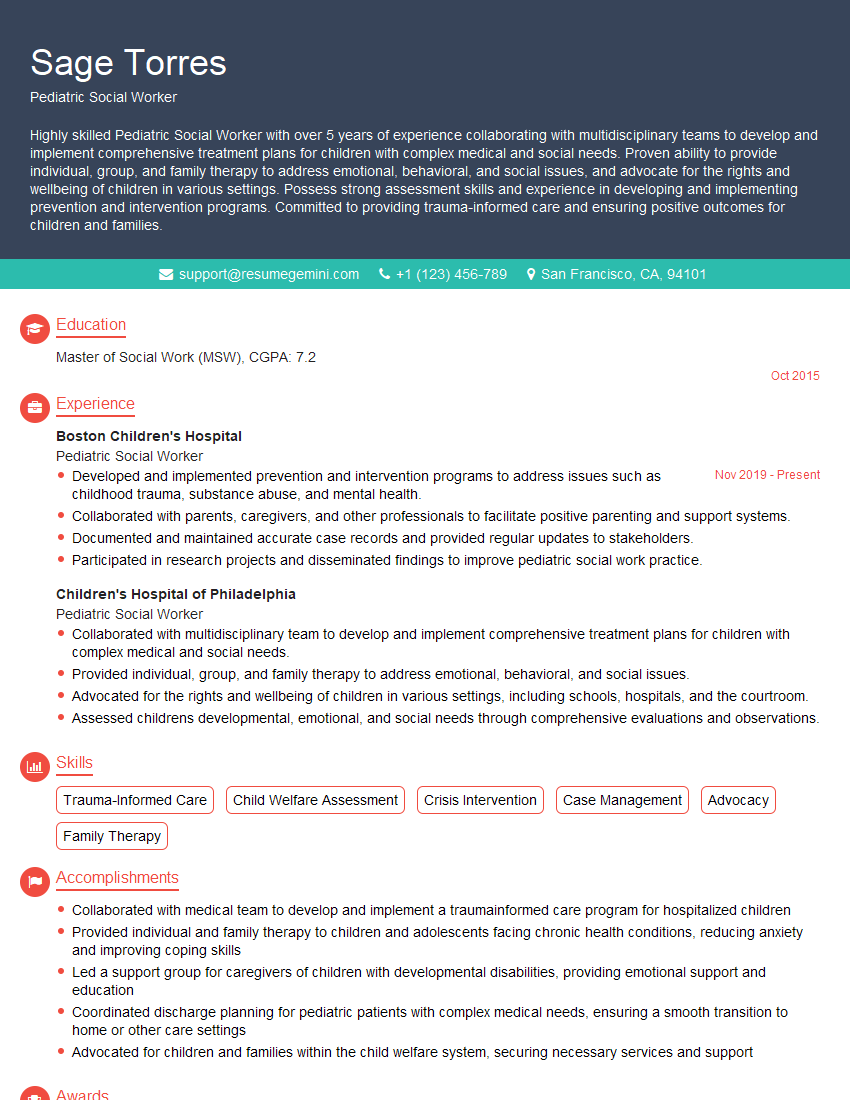
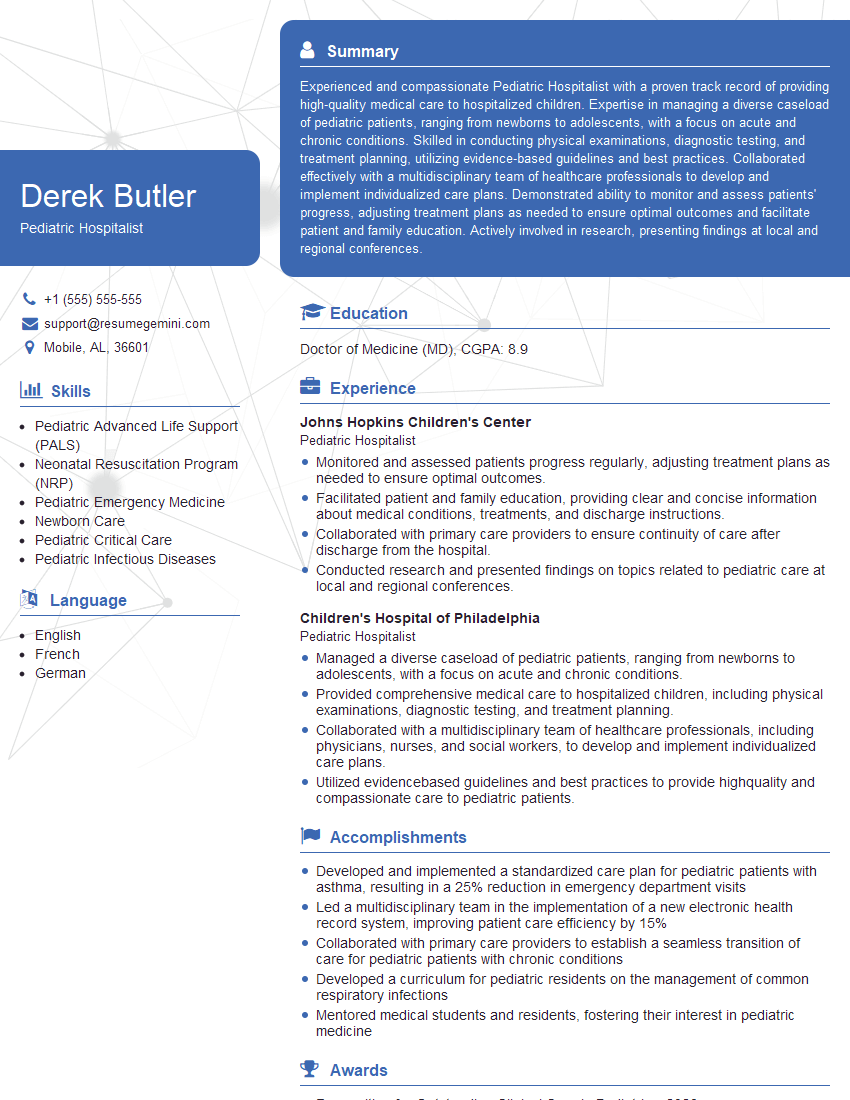
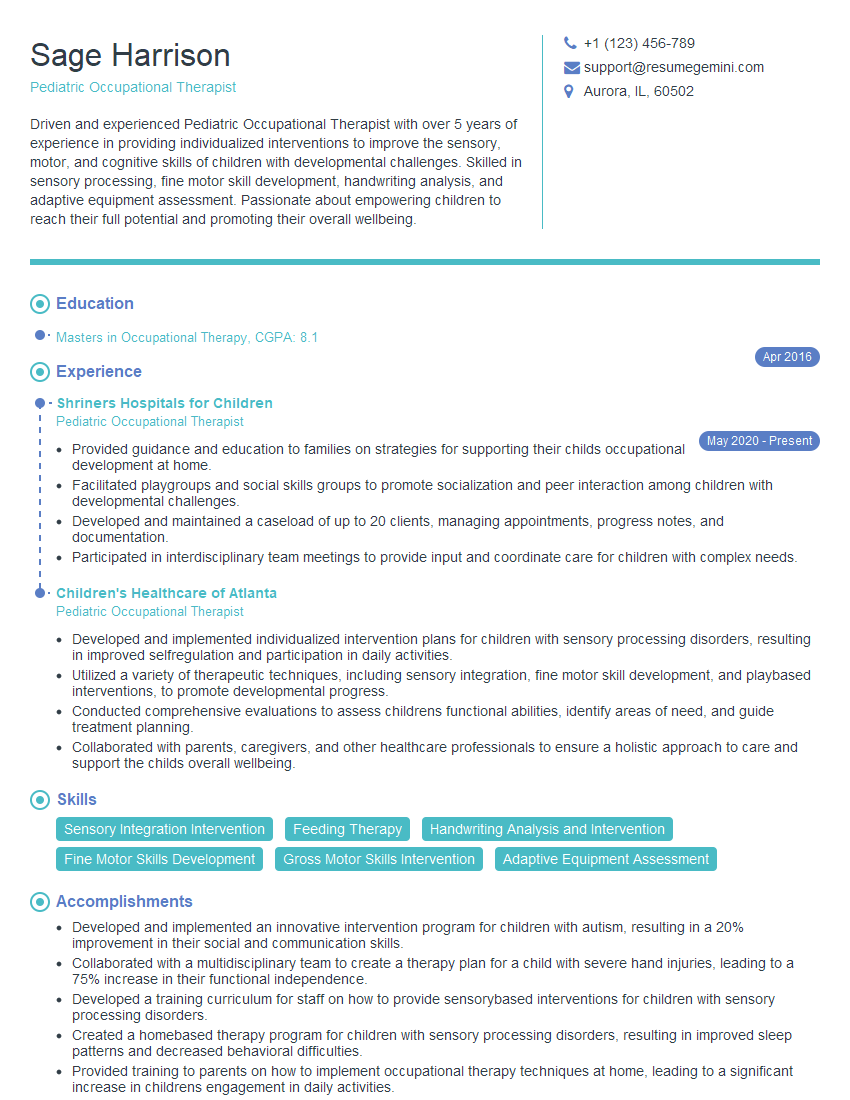
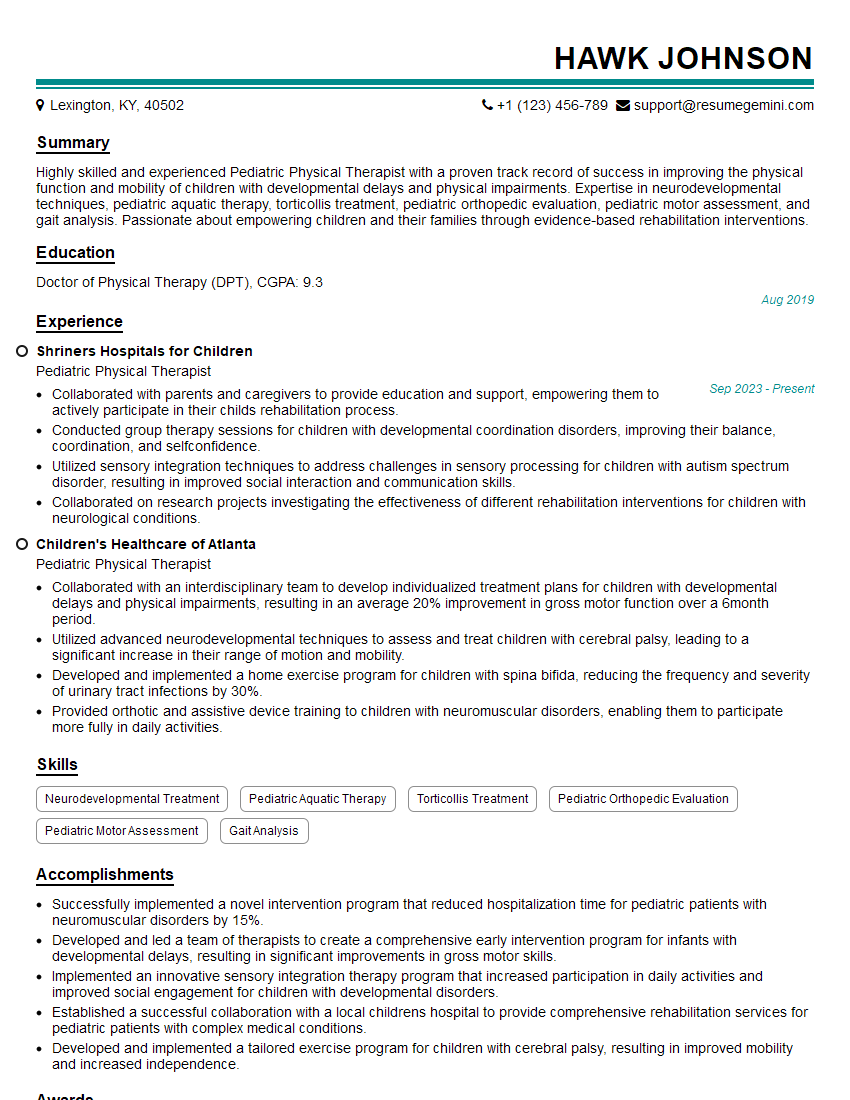
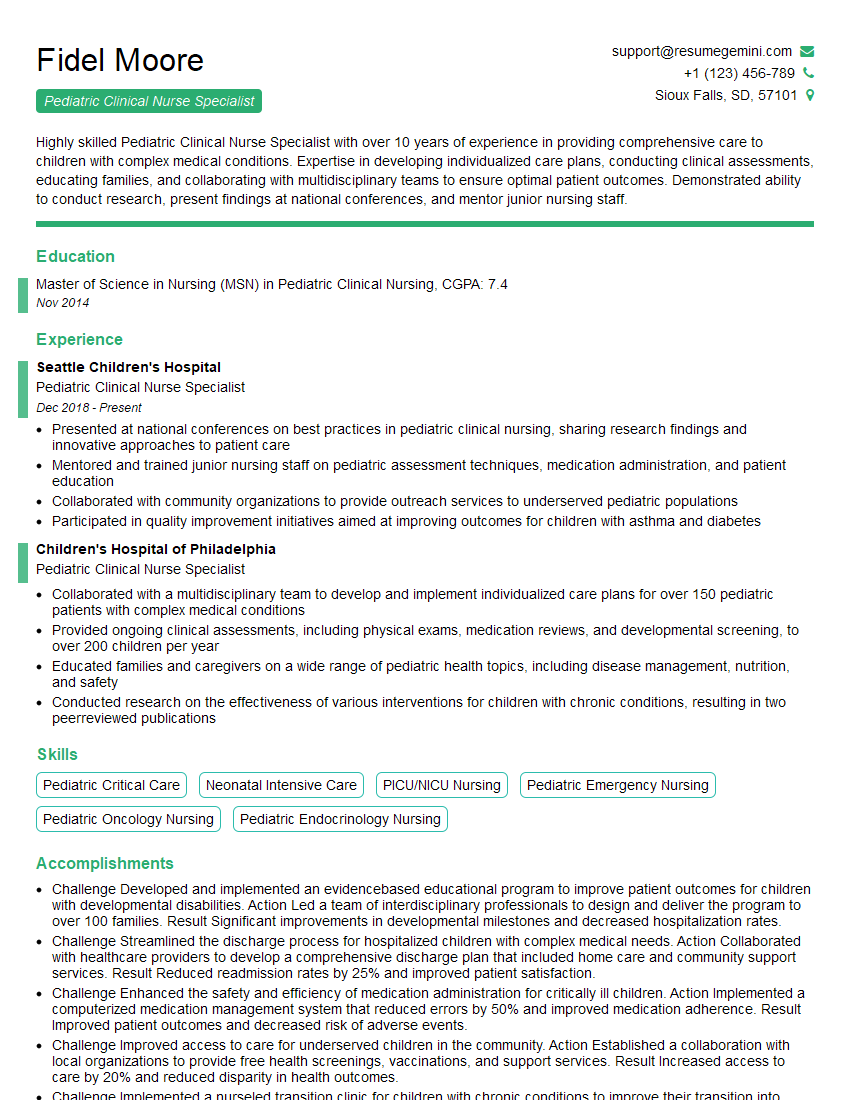
Mastering pediatric history taking is crucial for building a successful career in pediatrics. It demonstrates crucial clinical skills and reflects your ability to connect with families and provide comprehensive care. To enhance your job prospects, creating an ATS-friendly resume is essential. ResumeGemini can help you craft a compelling and effective resume that highlights your skills and experience. ResumeGemini provides examples of resumes tailored to Pediatric History Taking to help you get started. Invest time in this critical step; a well-crafted resume can significantly increase your chances of landing your dream job.

Explore more articles
Users Rating of Our Blogs
Share Your Experience
We value your feedback! Please rate our content and share your thoughts (optional).
What Readers Say About Our Blog
To the interviewgemini.com Webmaster.
Very helpful and content specific questions to help prepare me for my interview!
Thank you
To the interviewgemini.com Webmaster.
This was kind of a unique content I found around the specialized skills. Very helpful questions and good detailed answers.
Very Helpful blog, thank you Interviewgemini team.