Are you ready to stand out in your next interview? Understanding and preparing for DSM-5 Diagnostic Criteria Assessment interview questions is a game-changer. In this blog, we’ve compiled key questions and expert advice to help you showcase your skills with confidence and precision. Let’s get started on your journey to acing the interview.
Questions Asked in DSM-5 Diagnostic Criteria Assessment Interview
Q 1. Describe the key differences between DSM-IV-TR and DSM-5 diagnostic criteria for Major Depressive Disorder.
Major Depressive Disorder (MDD) criteria underwent significant changes from DSM-IV-TR to DSM-5. DSM-IV-TR emphasized the presence of at least five symptoms, including depressed mood or loss of interest/pleasure, for at least two weeks. DSM-5 retains these core features but introduced some key refinements.
- Symptom Specifiers: DSM-5 incorporates specifiers like anxious distress, mixed features, melancholic features, atypical features, psychotic features, and peripartum onset, allowing for a more nuanced understanding of symptom presentation and tailoring treatment accordingly. For example, ‘anxious distress’ indicates significant anxiety symptoms alongside depression, influencing treatment decisions.
- Bereavement Exclusion: The DSM-IV-TR had a controversial exclusion criterion for bereavement. DSM-5 removed this, recognizing that intense grief can meet criteria for MDD. However, clinicians are encouraged to consider the context of bereavement and the intensity and duration of symptoms when making a diagnosis.
- Diagnostic Threshold: While the core symptom requirement remains (five symptoms, including depressed mood or anhedonia, for at least two weeks), the DSM-5 emphasizes the clinical significance of the symptoms and their impact on daily functioning. It’s less about simply counting symptoms and more about evaluating the overall clinical picture.
Imagine two individuals experiencing sadness after a loss. DSM-IV-TR might have excluded one from an MDD diagnosis based solely on the timing of the loss. DSM-5, however, allows for a more holistic assessment, focusing on the intensity, duration, and functional impairment, leading to a more accurate diagnosis and tailored treatment approach in both cases.
Q 2. Explain the diagnostic criteria for Generalized Anxiety Disorder according to DSM-5.
Generalized Anxiety Disorder (GAD) in DSM-5 is characterized by excessive anxiety and worry about various events or activities, occurring more days than not for at least six months. These worries are difficult to control. To meet the diagnostic criteria, at least three of the following six symptoms must also be present (with at least some symptoms present for more days than not during the six-month period):
- Restlessness or feeling keyed up or on edge
- Being easily fatigued
- Difficulty concentrating or mind going blank
- Irritability
- Muscle tension
- Sleep disturbance (difficulty falling or staying asleep, or restless, unsatisfying sleep)
The anxiety, worry, or physical symptoms cause clinically significant distress or impairment in social, occupational, or other important areas of functioning. The disturbance is not attributable to the physiological effects of a substance or another medical condition. It’s crucial to rule out other anxiety disorders or medical conditions that might mimic GAD. For example, hyperthyroidism can cause anxiety symptoms, so a thorough medical evaluation is essential.
Q 3. How would you differentiate between Bipolar I and Bipolar II disorders using DSM-5 criteria?
The key difference between Bipolar I and Bipolar II disorders lies in the presence and severity of manic and depressive episodes:
- Bipolar I Disorder: Requires at least one manic episode. A manic episode is a distinct period of abnormally and persistently elevated, expansive, or irritable mood, lasting at least one week (or any duration if hospitalization is necessary). During this period, there are at least three of the following symptoms (four if the mood is only irritable): inflated self-esteem or grandiosity, decreased need for sleep, more talkative than usual or pressured speech, flight of ideas or subjective experience that thoughts are racing, distractibility, increase in goal-directed activity or psychomotor agitation, excessive involvement in activities that have a high potential for painful consequences (e.g., spending sprees, sexual indiscretions, foolish business investments).
- Bipolar II Disorder: Requires at least one hypomanic episode and at least one major depressive episode. A hypomanic episode shares similar symptoms to a manic episode, but is less severe and does not cause marked impairment in social or occupational functioning or require hospitalization. The mood elevation, however, is still noticeably different from the individual’s usual mood.
In essence, Bipolar I involves full-blown manic episodes, which are significantly more impairing, while Bipolar II involves hypomanic episodes, which are less severe, coupled with major depressive episodes. Both conditions require careful differentiation from other mood disorders.
Q 4. What are the essential features of Posttraumatic Stress Disorder (PTSD) as defined in DSM-5?
Posttraumatic Stress Disorder (PTSD) in DSM-5 is characterized by the intrusion of distressing memories, avoidance of trauma-related stimuli, negative alterations in cognition and mood, and marked alterations in arousal and reactivity. The individual must have experienced or witnessed a traumatic event that involved actual or threatened death, serious injury, or sexual violence. The traumatic event is persistently re-experienced in one or more ways (e.g., through intrusive memories, nightmares, flashbacks). There is persistent avoidance of trauma-related stimuli and persistent negative alterations in cognition and mood associated with the traumatic event (e.g., inability to remember an important aspect of the trauma, persistent negative beliefs about oneself or the world, persistent distorted cognitions about the cause or consequences of the traumatic event, persistent negative emotional state, markedly diminished interest or participation in significant activities, feelings of detachment or estrangement from others, persistent inability to experience positive emotions).
Marked alterations in arousal and reactivity also occur (e.g., irritable behavior and angry outbursts, reckless or self-destructive behavior, hypervigilance, exaggerated startle response, problems with concentration, sleep disturbances). These symptoms must last more than one month and cause significant distress or impairment.
Q 5. Outline the DSM-5 diagnostic criteria for Obsessive-Compulsive Disorder (OCD).
Obsessive-Compulsive Disorder (OCD) in DSM-5 is diagnosed when a person experiences both obsessions and compulsions.
- Obsessions are recurrent and persistent thoughts, urges, or images that are experienced as intrusive and unwanted, and that cause marked anxiety or distress. The person attempts to ignore or suppress such thoughts, urges, or images, or to neutralize them with some other thought or action.
- Compulsions are repetitive behaviors (e.g., hand washing, ordering, checking) or mental acts (e.g., praying, counting, repeating words silently) that the person feels driven to perform in response to an obsession or according to rules that must be applied rigidly. The behaviors or mental acts are aimed at preventing or reducing anxiety or distress, or preventing some dreaded event or situation; however, these behaviors or mental acts are not connected in a realistic way with what they are designed to neutralize or prevent, or are clearly excessive.
The obsessions or compulsions are time-consuming (e.g., take more than 1 hour per day) or cause clinically significant distress or impairment in social, occupational, or other important areas of functioning. The disturbance is not attributable to the physiological effects of a substance (e.g., a drug of abuse, a medication) or another medical condition. The obsessions or compulsions are not better explained by the symptoms of another mental disorder.
Q 6. How do you assess for substance use disorders using DSM-5 criteria?
DSM-5 assesses Substance Use Disorders (SUDs) using a dimensional approach, evaluating severity based on the number of criteria met. A diagnosis requires at least two criteria met from a list of eleven within a 12-month period. These criteria cover:
- Impaired Control: Larger amounts or over a longer period than intended; unsuccessful efforts to cut down or control use; craving or a strong desire or urge to use.
- Social Impairment: Failure to fulfill major role obligations at work, school, or home; continued use despite persistent social or interpersonal problems; important social, occupational, or recreational activities are given up or reduced.
- Risky Use: Recurrent use in situations where it is physically hazardous; continued use despite knowledge of having a persistent or recurrent physical or psychological problem likely caused or exacerbated by the substance.
- Pharmacological Criteria: Tolerance; withdrawal.
Severity is rated as mild (2-3 criteria), moderate (4-5 criteria), or severe (6 or more criteria). This dimensional approach acknowledges that substance use problems exist on a spectrum, allowing for a more nuanced assessment and treatment planning. For example, two individuals might both meet criteria for alcohol use disorder, but one might have mild impairment while another has severe impairment affecting many aspects of their life.
Q 7. Describe the diagnostic criteria for Antisocial Personality Disorder according to DSM-5.
Antisocial Personality Disorder (ASPD) in DSM-5 is characterized by a pervasive pattern of disregard for and violation of the rights of others, occurring since age 15 years. At least three of the following seven criteria must be met:
- Failure to conform to social norms with respect to lawful behaviors as indicated by repeatedly performing acts that are grounds for arrest.
- Deceitfulness, as indicated by repeated lying, use of aliases, or conning others for personal profit or pleasure.
- Impulsivity or failure to plan ahead.
- Irritability and aggressiveness, as indicated by repeated physical fights or assaults.
- Reckless disregard for safety of self or others.
- Consistent irresponsibility, as indicated by repeated failure to sustain consistent work behavior or honor financial obligations.
- Lack of remorse, as indicated by being indifferent to or rationalizing having hurt, mistreated, or stolen from another.
The individual must be at least age 18 years. There is evidence of conduct disorder with onset before age 15 years. The occurrence of antisocial behavior is not exclusively during the course of schizophrenia or bipolar disorder. It’s important to note that ASPD requires a pattern of behavior across many areas of life and cannot be diagnosed based on a single incident.
Q 8. Explain the DSM-5 criteria for Schizophrenia and differentiate it from Schizoaffective Disorder.
Schizophrenia, according to the DSM-5, requires the presence of at least two of the following symptoms for a significant portion of time during a 1-month period (and some level of dysfunction for at least 6 months): delusions, hallucinations, disorganized speech, grossly disorganized or abnormal motor behavior (including catatonia), and negative symptoms (e.g., diminished emotional expression or avolition). At least one symptom must be delusions, hallucinations, or disorganized speech. The difference between Schizophrenia and Schizoaffective Disorder lies primarily in the presence and timing of mood episodes (Major Depressive or Manic episodes). In Schizoaffective Disorder, a Major Mood Episode (either depressive or manic) is present for a significant portion of the illness. Furthermore, there must be a period of at least two weeks where the prominent symptoms are psychotic, *without* prominent mood symptoms. This distinguishes it from a mood disorder with psychotic features where the psychotic symptoms only occur during mood episodes. Imagine it like this: Schizophrenia is primarily defined by the persistent presence of psychotic symptoms, while Schizoaffective Disorder involves a combination of psychotic and mood symptoms, with a crucial period of psychotic symptoms occurring independently of mood disturbances.
Q 9. How would you approach a differential diagnosis between Major Depressive Disorder and Adjustment Disorder?
Differentiating Major Depressive Disorder (MDD) from Adjustment Disorder is crucial. MDD involves a persistent depressed mood or loss of interest/pleasure (anhedonia) alongside other symptoms like sleep disturbances, fatigue, feelings of worthlessness, and suicidal ideation. These symptoms must be present for at least two weeks and significantly impair daily functioning. Adjustment Disorder, on the other hand, is characterized by emotional or behavioral symptoms arising in response to an identifiable stressor (like job loss, relationship issues, or trauma) within three months of the stressor’s onset. Symptoms typically resolve once the stressor is removed or adapted to. The key difference is the *duration* and *relationship to a specific stressor*. In MDD, the depressive symptoms are independent of a specific stressor and tend to persist much longer than in Adjustment Disorder. For example, someone experiencing a depressive episode after a bereavement might initially be diagnosed with an Adjustment Disorder, however, if these depressive symptoms persist beyond six months, a MDD diagnosis would be considered. A thorough assessment exploring the symptom timeline, duration, severity, and relationship to life stressors is essential for accurate diagnosis.
Q 10. Discuss the importance of cultural considerations in applying DSM-5 diagnostic criteria.
Cultural considerations are paramount in applying DSM-5 criteria. What is considered normal behavior can vary significantly across cultures. For instance, certain expressions of grief or distress might be interpreted as symptoms of a mental disorder in one culture but be considered normative in another. Similarly, some cultures may have different presentations of symptoms. A detailed cultural history is essential to avoid misdiagnosis. Clinicians must be aware of cultural variations in symptom presentation, help-seeking behaviors, and attitudes towards mental illness. For example, auditory hallucinations might be interpreted as spiritual experiences in some cultures and thus not readily identified as a symptom of a disorder. Therefore, cultural formulation interviews that delve into the individual’s background, values, beliefs, and support systems are crucial to ensure accurate diagnoses and culturally sensitive treatment planning.
Q 11. Explain the concept of ‘specifiers’ in DSM-5 and provide examples.
Specifiers in DSM-5 provide additional details about the presentation of a disorder, refining the diagnosis and informing treatment planning. They describe the specific characteristics, severity, or course of the disorder. For example, in Major Depressive Disorder, specifiers could include ‘with anxious distress’ (if anxiety symptoms are prominent), ‘with melancholic features’ (characterized by specific symptoms like loss of pleasure and early-morning awakening), or ‘with psychotic features’. In Attention-Deficit/Hyperactivity Disorder (ADHD), specifiers differentiate between predominantly inattentive, predominantly hyperactive/impulsive, or combined presentation. These specifiers don’t change the core diagnosis, but help tailor the treatment approach. They are like adding fine details to a broader painting, making it much more accurate and informative.
Q 12. How do you handle situations where a patient’s symptoms don’t neatly fit into a single DSM-5 diagnosis?
When a patient’s symptoms don’t neatly align with a single DSM-5 diagnosis, several approaches are used. First, a comprehensive assessment is performed, exploring the full symptom profile, history, and functioning across various domains. This may involve using other assessment tools beyond the DSM-5. Second, the clinician might consider other diagnostic possibilities, conducting differential diagnoses to rule out competing conditions. Third, the clinician may use ‘other specified disorder’ or ‘unspecified disorder’ categories when the symptoms meet some, but not all, criteria for a specific disorder or when the clinician does not have enough information to specify the disorder. This is not a catch-all for poorly conducted evaluations; it acknowledges that a patient’s symptom presentation might not fit neatly into a pre-defined category. Clinical judgment, based on evidence-based practice, is key in these complex scenarios. This requires thorough documentation of the reasoning and the basis for choosing the diagnostic option used.
Q 13. What are the limitations of using the DSM-5 for diagnostic purposes?
Despite its widespread use, the DSM-5 has limitations. Firstly, it relies on categorical diagnosis, meaning an individual either has or does not have a disorder, overlooking the dimensional nature of many symptoms. Many symptoms exist on a spectrum, meaning individuals may experience symptoms at varying intensities. Secondly, the DSM-5 does not explicitly account for the interplay of various factors, such as genetic, environmental, and social influences, that contribute to mental health conditions. Thirdly, diagnostic criteria may be subjective, leading to variations in diagnoses across clinicians. This leads to potential issues with inter-rater reliability, meaning multiple clinicians might reach different diagnoses for the same individual. Finally, the DSM-5’s focus on symptoms can overshadow the individual’s unique strengths, context, and experiences, potentially leading to a reductionist understanding of the individual’s overall presentation.
Q 14. Explain the process of conducting a comprehensive diagnostic assessment using the DSM-5.
A comprehensive diagnostic assessment using the DSM-5 is a multi-step process. It begins with a thorough clinical interview, gathering detailed information about the patient’s history, current symptoms, and functioning across different areas of life. This includes gathering information on family history of mental health disorders. This interview utilizes open-ended and structured questions to elicit detailed information. Next, collateral information is often gathered from family members, caregivers, or other professionals who have interacted with the patient. Then, psychological testing, such as cognitive or personality tests, might be employed to further elucidate symptoms and provide a broader understanding of the patient’s functioning. Based on the data, the clinician systematically evaluates the patient’s symptoms against the DSM-5 criteria for various disorders. A differential diagnosis is conducted considering multiple possible diagnoses and using evidence-based criteria to determine the most accurate diagnosis. The entire process emphasizes a collaborative approach, with patients actively participating in the discussion and understanding the diagnostic process and potential treatment options.
Q 15. Describe your approach to documenting a DSM-5 diagnosis in a clinical record.
Documenting a DSM-5 diagnosis requires a meticulous and systematic approach. It’s not just about listing a diagnosis; it’s about building a clear clinical picture that supports the diagnosis and informs treatment. My approach involves several key steps:
Detailed History: A thorough history taking, including present illness, past psychiatric history, family history, social history, and developmental history, is crucial. This helps contextualize the symptoms and rule out other potential diagnoses.
Symptom Assessment: I carefully assess the client’s symptoms, noting their severity, frequency, duration, and impact on their daily life. This assessment is guided by the specific DSM-5 criteria for each potential disorder. For example, if I’m considering Major Depressive Disorder, I’ll meticulously document the presence and duration of depressed mood, loss of interest, sleep disturbances, changes in appetite, etc., ensuring they meet the required criteria.
Diagnostic Formulation: Based on the comprehensive assessment, I formulate a differential diagnosis – a list of potential diagnoses that fit the client’s presentation. I then systematically compare and contrast these possibilities, considering the DSM-5 criteria for each. This process often involves weighing the supporting and contradictory evidence.
Diagnosis Justification: The final diagnosis is clearly documented, along with a detailed rationale explaining why that specific diagnosis was chosen over others in the differential. This rationale should be supported by specific observations and clinical findings from the assessment.
Differential Diagnoses: I explicitly list the considered but ultimately ruled-out diagnoses along with the reasoning for their exclusion. This transparency enhances clinical record accuracy and provides a comprehensive understanding of the diagnostic process.
Specifiers and Severity: Where appropriate, I include specific DSM-5 specifiers (e.g., with anxious distress for depression, or with melancholic features) and severity ratings (e.g., mild, moderate, severe) to paint a complete clinical picture.
Ultimately, the goal is to create a clear, concise, and clinically justifiable record that another clinician could easily understand and review.
Career Expert Tips:
- Ace those interviews! Prepare effectively by reviewing the Top 50 Most Common Interview Questions on ResumeGemini.
- Navigate your job search with confidence! Explore a wide range of Career Tips on ResumeGemini. Learn about common challenges and recommendations to overcome them.
- Craft the perfect resume! Master the Art of Resume Writing with ResumeGemini’s guide. Showcase your unique qualifications and achievements effectively.
- Don’t miss out on holiday savings! Build your dream resume with ResumeGemini’s ATS optimized templates.
Q 16. How do you utilize the DSM-5 in conjunction with other assessment tools?
The DSM-5 is not used in isolation; it serves as a crucial framework within a broader assessment process. I often integrate it with other assessment tools to obtain a more comprehensive and nuanced understanding of the client’s condition. Examples include:
Standardized Symptom Rating Scales: These tools (e.g., PHQ-9 for depression, GAD-7 for anxiety) provide quantifiable measures of symptom severity and can help monitor treatment progress. These scores provide objective data supplementing the clinical interview.
Personality Inventories: Measures like the MMPI-2-RF help understand personality traits and patterns which can impact the presentation and management of psychiatric disorders.
Neuropsychological Testing: In cases where cognitive impairment is suspected, neuropsychological tests can identify specific deficits and inform diagnoses like mild cognitive impairment or dementia.
Projective Tests: In certain situations, projective tests like the Rorschach or TAT can provide insights into underlying unconscious processes and themes which might not be directly accessible through structured interviews.
The data from these various assessment methods are synthesized to create a holistic understanding of the client’s functioning. The DSM-5 serves as the framework for organizing this information and arriving at a diagnosis. The combination ensures a more reliable and valid assessment than relying solely on the DSM-5 criteria.
Q 17. Describe a situation where you had to differentiate between two similar disorders using DSM-5 criteria.
I once worked with a patient presenting with significant anxiety and avoidance behaviors. The differential diagnosis included both Generalized Anxiety Disorder (GAD) and Panic Disorder. Both share symptoms like worry and nervousness, but key differences guided my assessment.
According to the DSM-5, GAD involves excessive worry and anxiety occurring more days than not for at least six months, across a range of events. Panic Disorder, on the other hand, is characterized by recurrent, unexpected panic attacks with intense fear and physiological symptoms. Through careful questioning, I determined that the patient experienced discrete episodes of intense fear and physical symptoms, meeting the criteria for Panic Disorder rather than the more generalized and persistent worry characteristic of GAD. The patient’s description of these episodes, including the somatic symptoms (e.g., rapid heart rate, shortness of breath) clearly distinguished them from the typical worries of GAD. This highlighted the importance of detailed symptom assessment to properly differentiate between seemingly overlapping conditions.
Q 18. How do you ensure reliability and validity in your DSM-5 based diagnoses?
Ensuring reliability and validity in DSM-5 based diagnoses is paramount. This is achieved through several strategies:
Structured Clinical Interviews: Using structured interviews (e.g., SCID) helps standardize the assessment process, minimizing bias and improving reliability. These tools provide a systematic way to gather information relevant to specific DSM-5 criteria.
Multiple Data Sources: Relying on multiple sources of information – collateral information from family members, observation of behavior, self-report measures – reduces reliance on a single data point and strengthens the validity of the diagnosis.
Ongoing Assessment: A diagnosis is not static; it’s a working hypothesis subject to revision based on ongoing assessment and treatment response. Regular reassessment helps ensure the initial diagnosis continues to accurately reflect the client’s condition.
Consultation and Peer Review: Seeking consultation with colleagues or engaging in peer review of complex cases enhances the accuracy and reliability of diagnoses, ensuring that multiple perspectives are considered.
Cultural Considerations: It’s essential to consider cultural factors that may influence the presentation of symptoms and avoid misinterpreting culturally appropriate behaviors as pathological.
By employing these strategies, we aim for diagnoses that are both consistent (reliable) and accurately reflect the client’s condition (valid).
Q 19. Explain the role of the DSM-5 in treatment planning.
The DSM-5 diagnosis is the cornerstone of treatment planning. It provides a common language for clinicians to communicate, facilitates the selection of evidence-based treatments, and guides the overall treatment strategy. For example, a diagnosis of Major Depressive Disorder might lead to a treatment plan including medication (e.g., an SSRI), psychotherapy (e.g., Cognitive Behavioral Therapy), and lifestyle modifications (e.g., increased exercise and improved sleep hygiene). A diagnosis of Post-Traumatic Stress Disorder might suggest a different treatment approach involving trauma-focused therapy (e.g., prolonged exposure therapy) and potentially medication to manage symptoms like anxiety or insomnia.
The DSM-5 diagnosis, coupled with the patient’s personal preferences and clinical context, allows clinicians to develop individualized treatment plans that maximize the chances of successful outcomes. Furthermore, it enables clinicians to track treatment progress based on changes in symptom severity as defined within the diagnostic criteria.
Q 20. What are some common pitfalls to avoid when applying DSM-5 criteria?
Several pitfalls can arise when applying DSM-5 criteria. It’s crucial to avoid:
Over-reliance on checklists: The DSM-5 is a tool, not a substitute for clinical judgment. It’s vital to consider the individual’s unique context and avoid solely focusing on meeting a certain number of criteria without thoroughly assessing the overall clinical picture.
Labeling: Diagnoses should be used to guide treatment and understanding, not to label a person. The focus should always be on the individual’s experience and struggles, not just the diagnostic category.
Ignoring comorbidity: Many individuals experience multiple disorders simultaneously (comorbidity). A thorough assessment is needed to identify and address all relevant conditions, rather than focusing on only one diagnosis.
Ignoring cultural context: Cultural factors can significantly influence symptom presentation, and it is crucial to consider this during diagnosis to avoid misinterpreting culturally appropriate behaviours as pathological.
Bias and preconceived notions: Clinicians must remain aware of their own biases and strive for objectivity in the diagnostic process. Preconceived notions about the client can significantly impact the assessment.
By maintaining a cautious and nuanced approach, clinicians can effectively utilize the DSM-5 to enhance patient care and avoid common diagnostic errors.
Q 21. Discuss the ethical considerations related to using the DSM-5 for diagnosis.
Ethical considerations related to DSM-5 diagnosis are critical. These include:
Confidentiality: Maintaining patient confidentiality is crucial, especially given the sensitive nature of mental health information. Information shared during the diagnostic process must be protected and used only for the intended purpose of providing appropriate care.
Stigma reduction: Clinicians have a responsibility to counteract the stigma associated with mental illness. Using the DSM-5 diagnosis in a sensitive and respectful manner, explaining the diagnostic process to patients, and emphasizing recovery and resilience are crucial.
Informed consent: Patients must provide informed consent for any diagnostic assessment. This includes fully understanding the purpose of the assessment, the potential benefits and risks, and their right to refuse any part of the process.
Avoiding bias and discrimination: Clinicians must be aware of and actively mitigate biases that could lead to misdiagnosis or discriminatory practices. This includes understanding how cultural factors, socioeconomic status, gender identity, and other factors can influence assessment.
Competence and boundaries: Clinicians should only diagnose within their area of competence. Referrals to specialists are appropriate for cases requiring expertise beyond their scope of practice. Maintaining professional boundaries is also crucial in building trust and ensuring ethical practice.
Adherence to ethical principles ensures that the DSM-5 is used responsibly and ethically to promote patient well-being and avoid potential harm.
Q 22. How do you address potential biases that might influence your diagnostic process using DSM-5?
Addressing bias in DSM-5 diagnosis is crucial for accurate assessment. It requires a conscious effort to recognize and mitigate personal biases, cultural biases, and confirmation bias. We must strive for objectivity.
Cultural Competence: I ensure I am aware of and sensitive to the cultural background and beliefs of the patient. For example, what might be considered normal grieving in one culture could be misinterpreted as a depressive disorder in another. I utilize culturally informed assessment tools and seek consultation when necessary.
Self-Reflection: Regular self-reflection helps identify my own potential biases. I consider whether my personal experiences or beliefs might unduly influence my interpretation of a patient’s presentation. This involves ongoing professional development and supervision.
Structured Interviews and Standardized Measures: Utilizing structured diagnostic interviews and standardized rating scales minimizes subjective interpretation. These tools provide a consistent framework, reducing the likelihood of bias influencing my clinical judgment. For instance, the SCID (Structured Clinical Interview for DSM-5 Disorders) is an example of such a tool.
Seeking Consultation: When uncertainty arises, I don’t hesitate to seek consultation with colleagues. A second opinion can provide valuable perspective and help identify potential biases that I might have overlooked.
Q 23. Explain the impact of comorbidity on DSM-5 diagnosis and treatment.
Comorbidity, the presence of two or more disorders in the same individual, significantly impacts DSM-5 diagnosis and treatment. It’s incredibly common, making it a critical consideration.
Diagnostic Complexity: Comorbidity makes accurate diagnosis more challenging. Symptoms of one disorder can overlap or mask symptoms of another. For example, anxiety symptoms can mimic those of depression or even ADHD.
Treatment Planning: Treatment plans must address all comorbid conditions. A tailored approach is vital; treating one disorder in isolation may be ineffective or even detrimental if other conditions are left unaddressed. For instance, someone with both depression and substance use disorder requires treatment for both conditions simultaneously.
Severity and Prognosis: Comorbidity frequently worsens the severity and impacts the prognosis of individual disorders. The presence of multiple disorders often leads to poorer outcomes, requiring more intensive and prolonged treatment.
Differential Diagnosis: It is vital to carefully differentiate between disorders that share symptoms. Careful history taking, clinical observation, and possibly additional diagnostic testing are needed to make accurate diagnoses.
Q 24. What is your understanding of the dimensional approach in DSM-5?
The DSM-5 introduces a dimensional approach alongside its categorical approach to diagnosis. While still primarily categorical (meaning diagnoses are made based on distinct categories of disorders), it acknowledges the dimensional nature of psychopathology.
This means recognizing that the severity and intensity of symptoms vary greatly along a continuum. Instead of simply classifying a person as having or not having a disorder, the dimensional perspective allows us to assess the severity of individual symptoms and the overall level of impairment.
For example, while someone might meet criteria for Generalized Anxiety Disorder, the dimensional approach allows us to assess the severity of their anxiety using a standardized rating scale. This gives a more nuanced understanding of their condition, allowing for a more tailored treatment plan.
This approach offers more flexibility and precision, potentially leading to better treatment outcomes and more effective communication about a patient’s condition.
Q 25. How do you stay current with changes and updates to the DSM-5?
Staying current with DSM-5 changes is paramount. I utilize several strategies to ensure my knowledge remains up-to-date:
Professional Journals and Publications: I regularly read relevant peer-reviewed journals and publications that publish updates, research findings, and commentary on the DSM-5.
Continuing Education Courses and Workshops: Attending workshops and conferences related to psychopathology and diagnostic assessment is essential for staying abreast of the latest developments in the field.
Professional Organizations: Membership in professional organizations like the American Psychiatric Association (APA) provides access to resources, updates, and continuing education opportunities.
Textbooks and Online Resources: I maintain access to updated DSM-5 manuals and reliable online resources providing the most current information on diagnostic criteria and assessment procedures.
Q 26. Describe your experience working with the DSM-5 in a specific clinical setting.
In my previous role at a community mental health clinic, I extensively used the DSM-5 for diagnosing a wide range of disorders. I worked with diverse populations, including adults experiencing depression, anxiety, PTSD, and substance use disorders. I regularly used structured diagnostic interviews, clinical observations, and collateral information from family members or other healthcare providers.
A particularly challenging case involved a patient presenting with seemingly contradictory symptoms – intense social withdrawal alongside periods of impulsive behavior. Using the DSM-5 criteria, along with careful history-taking and clinical judgment, I was able to formulate a diagnosis of borderline personality disorder with comorbid depression. This case highlighted the importance of a thorough assessment and integration of clinical observations with the DSM-5 framework.
Q 27. How would you explain a DSM-5 diagnosis to a patient and their family?
Explaining a DSM-5 diagnosis requires sensitivity and clear communication. I avoid using jargon and ensure the patient and their family understand the implications of the diagnosis.
I typically start by acknowledging the emotional impact of a diagnosis. I use plain language, explaining the disorder in terms of its symptoms and how it affects their daily life. I would use analogies or relatable examples to enhance understanding. For instance, explaining anxiety as a ‘body’s alarm system that sometimes goes off at the wrong time’.
I collaborate with the patient and family to create a personalized treatment plan. This includes explaining the potential treatment options, their benefits, and risks. I emphasize that a diagnosis is not a label but rather a tool for understanding the challenges they face and developing effective strategies for recovery. This shared decision-making process promotes collaboration and empowers the patient in their journey.
Key Topics to Learn for DSM-5 Diagnostic Criteria Assessment Interview
Ace your DSM-5 Diagnostic Criteria Assessment interview by mastering these key areas. Understanding these concepts theoretically and practically will set you apart.
- Differential Diagnosis: Learn to distinguish between similar disorders using the DSM-5 criteria. Practice applying these criteria to hypothetical case studies to solidify your understanding.
- Symptom Severity and Course: Understand how the severity and course of symptoms impact diagnosis and treatment planning. Be prepared to discuss the implications of varying symptom presentations.
- Cultural Considerations: Familiarize yourself with how cultural factors can influence the presentation and interpretation of symptoms. This demonstrates cultural sensitivity and a nuanced understanding of mental health.
- Ethical Considerations in Diagnosis: Understand the ethical implications of diagnosis, including potential biases and the impact of labeling. Be prepared to discuss responsible diagnostic practices.
- Diagnostic Specifiers and Subtypes: Master the use of specifiers and subtypes within each diagnostic category to refine your diagnostic accuracy. This demonstrates attention to detail and a thorough understanding of DSM-5.
- The Impact of Comorbidity: Develop a strong understanding of how multiple disorders can co-occur and how this impacts assessment and treatment planning. This shows a comprehensive understanding of clinical practice.
- Evidence-Based Assessment Methods: Familiarize yourself with various assessment tools and techniques used in conjunction with the DSM-5 criteria. Be ready to discuss their strengths and limitations.
Next Steps
Mastering DSM-5 Diagnostic Criteria Assessment is crucial for career advancement in mental health. A strong understanding of these principles opens doors to exciting opportunities and positions you as a highly skilled and sought-after professional. To maximize your job prospects, create a compelling, ATS-friendly resume that highlights your expertise. ResumeGemini is a trusted resource to help you build a professional resume that truly showcases your skills and experience. We provide examples of resumes tailored to DSM-5 Diagnostic Criteria Assessment to help guide you. Take the next step towards your dream career today!
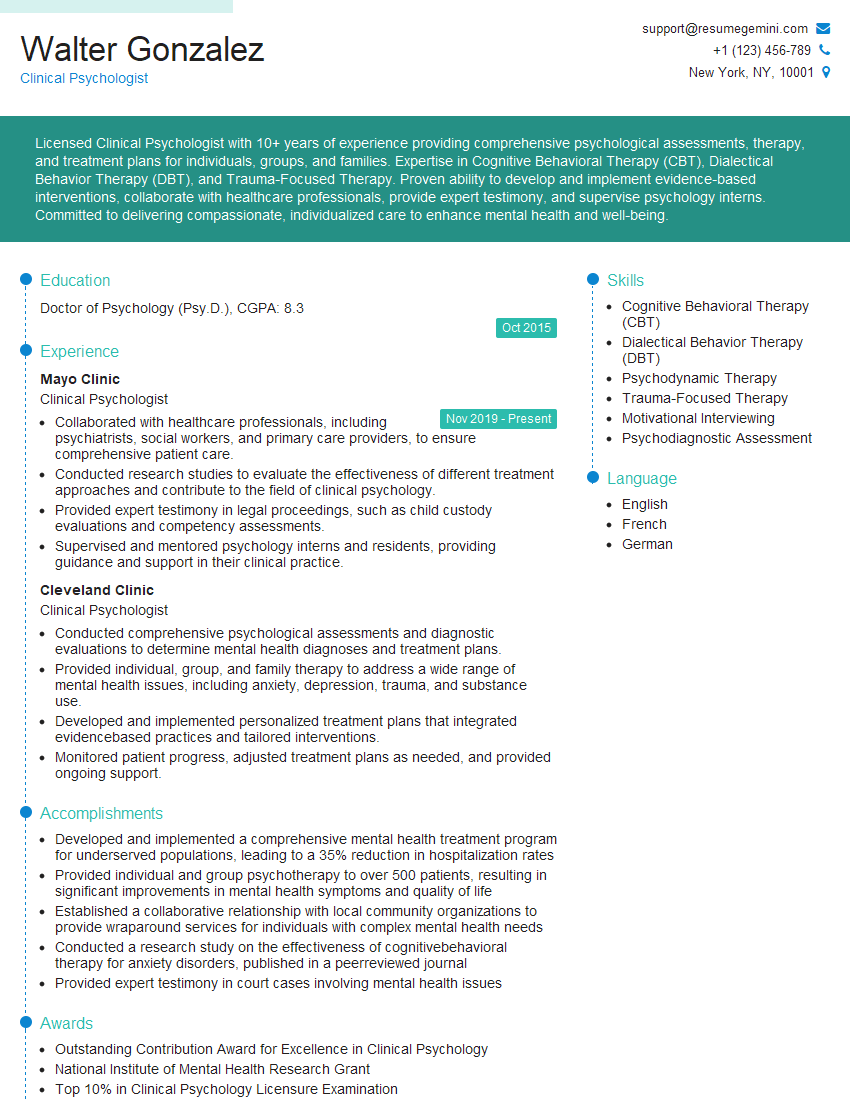
Clinical Psychologist Resume Sample
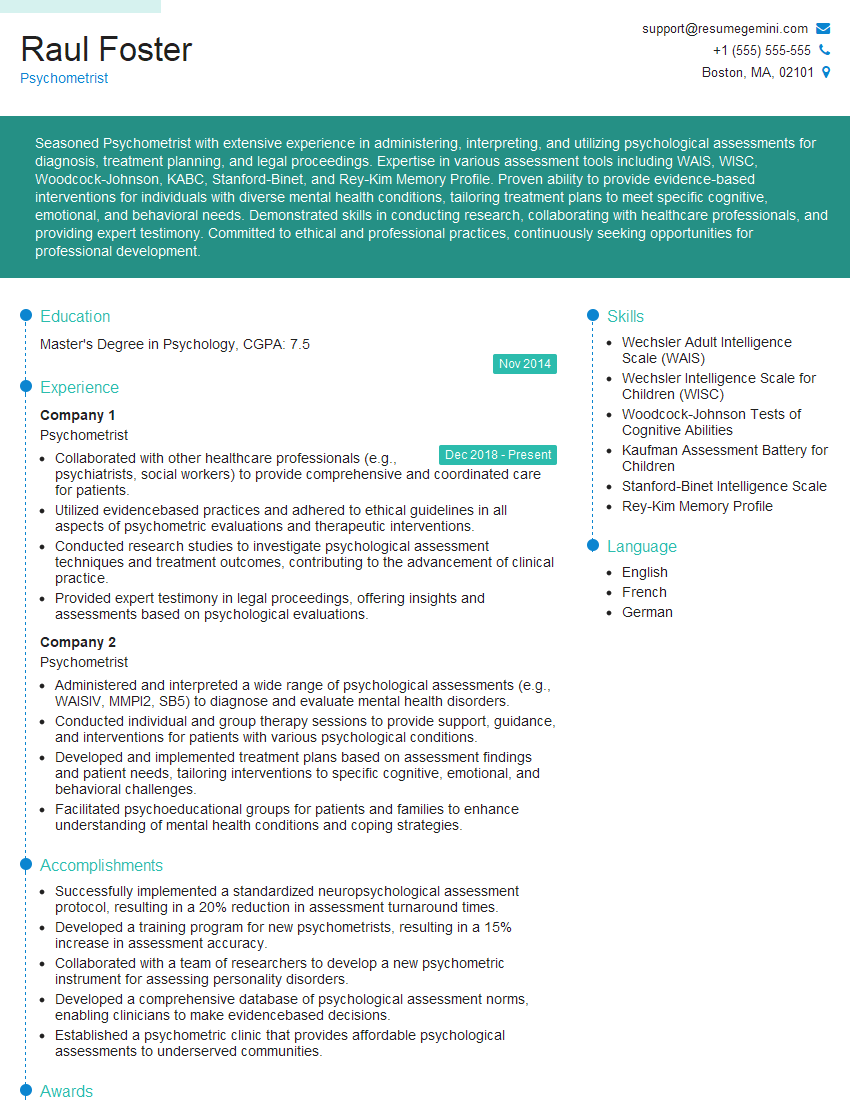
Psychometrist Resume Sample
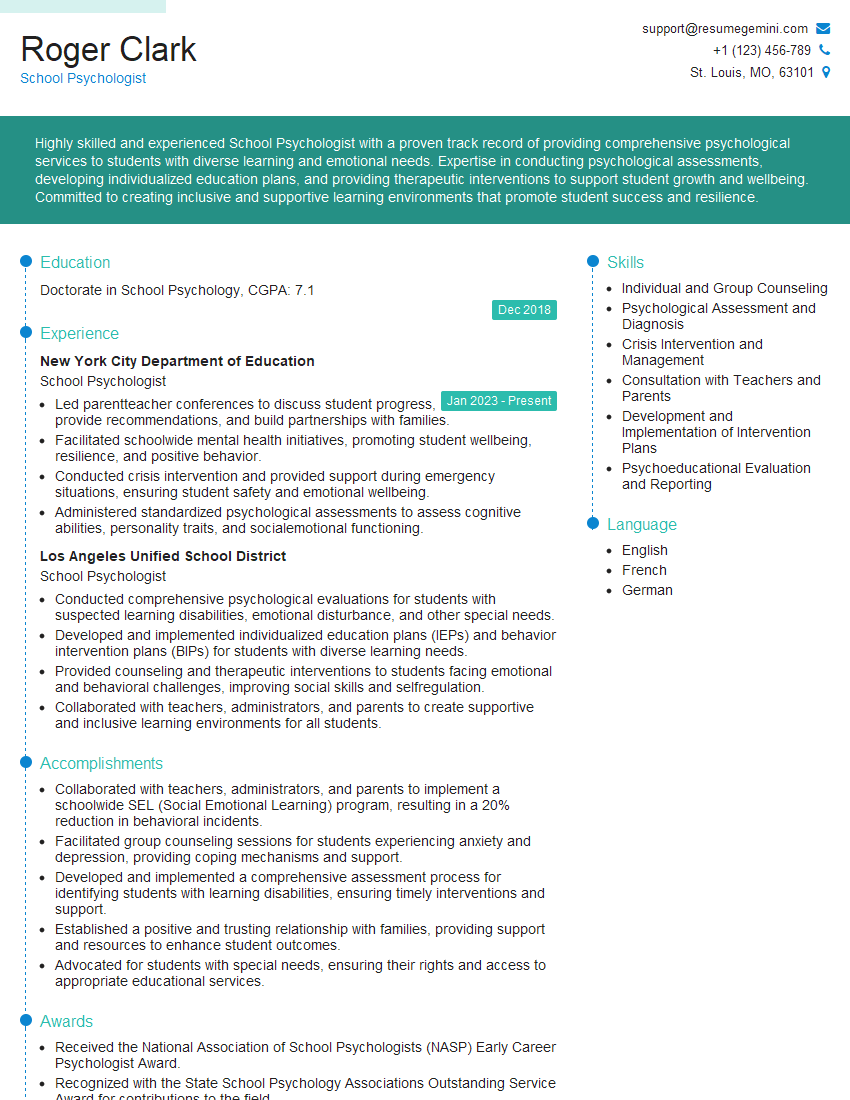
School Psychologist Resume Sample
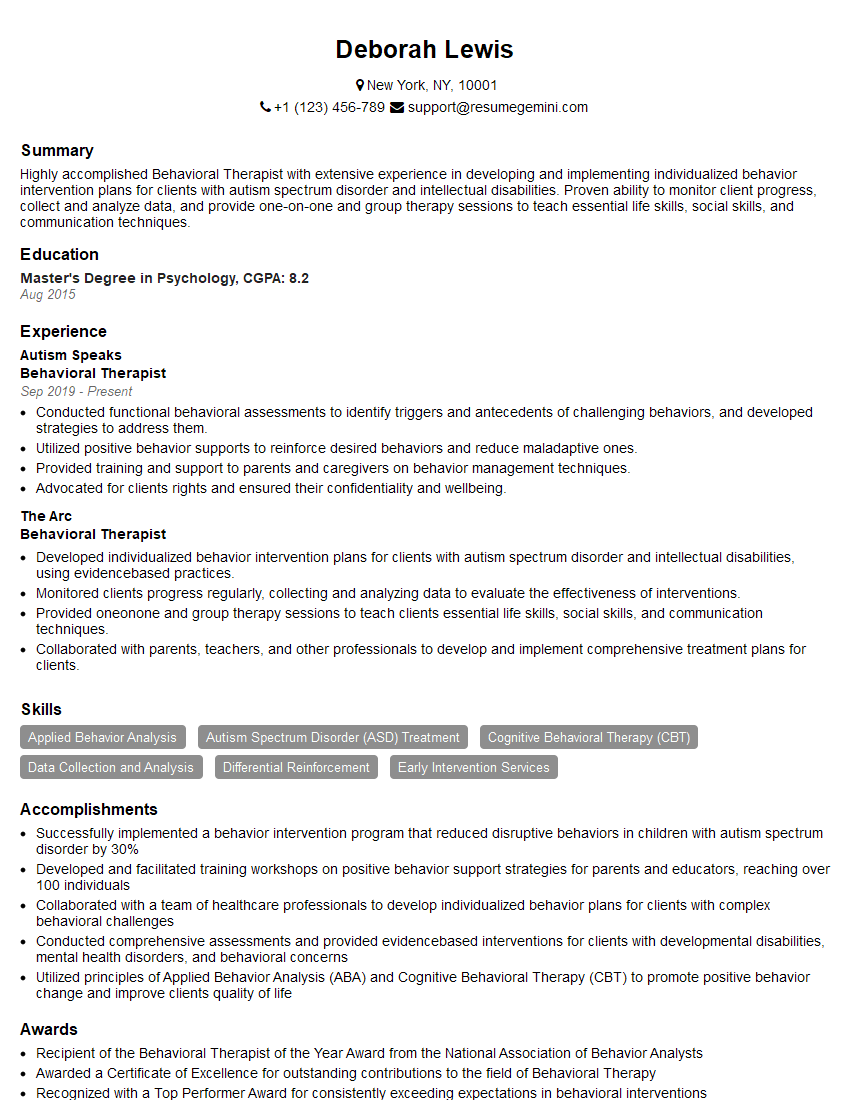
Behavioral Therapist Resume Sample
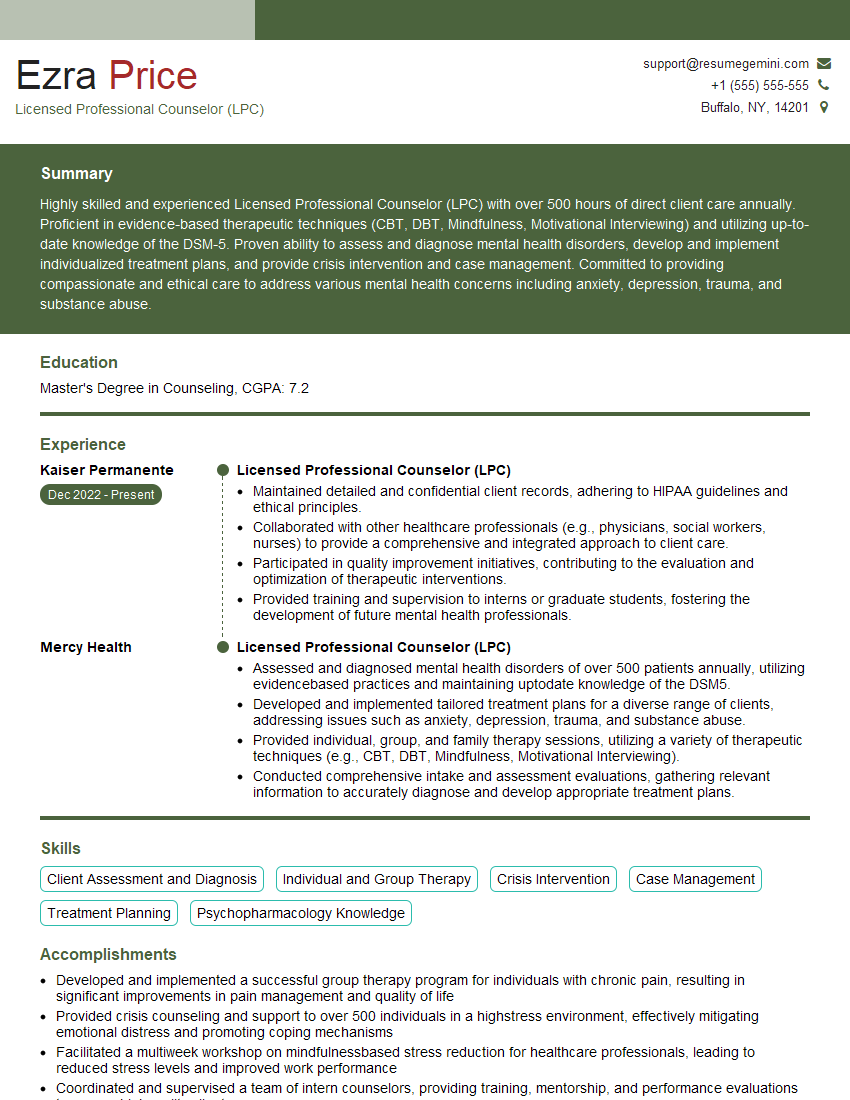
Licensed Professional Counselor (LPC) Resume Sample
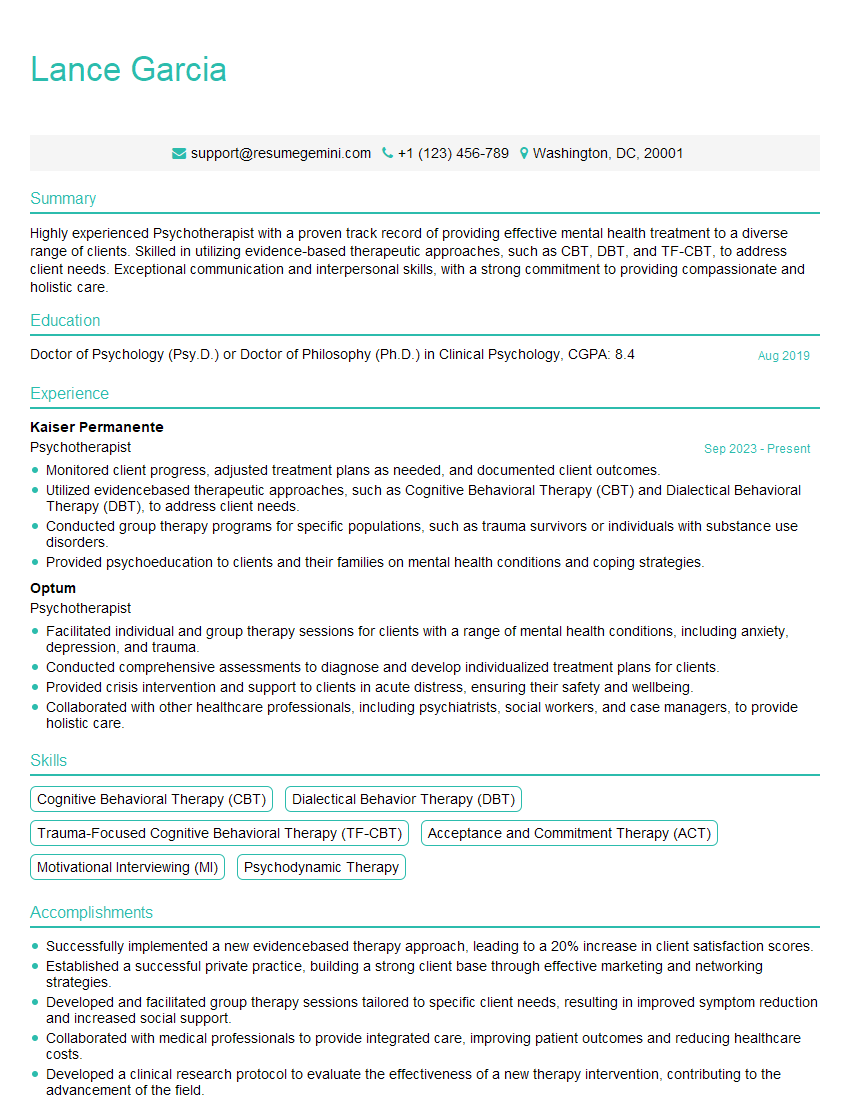
Psychotherapist Resume Sample
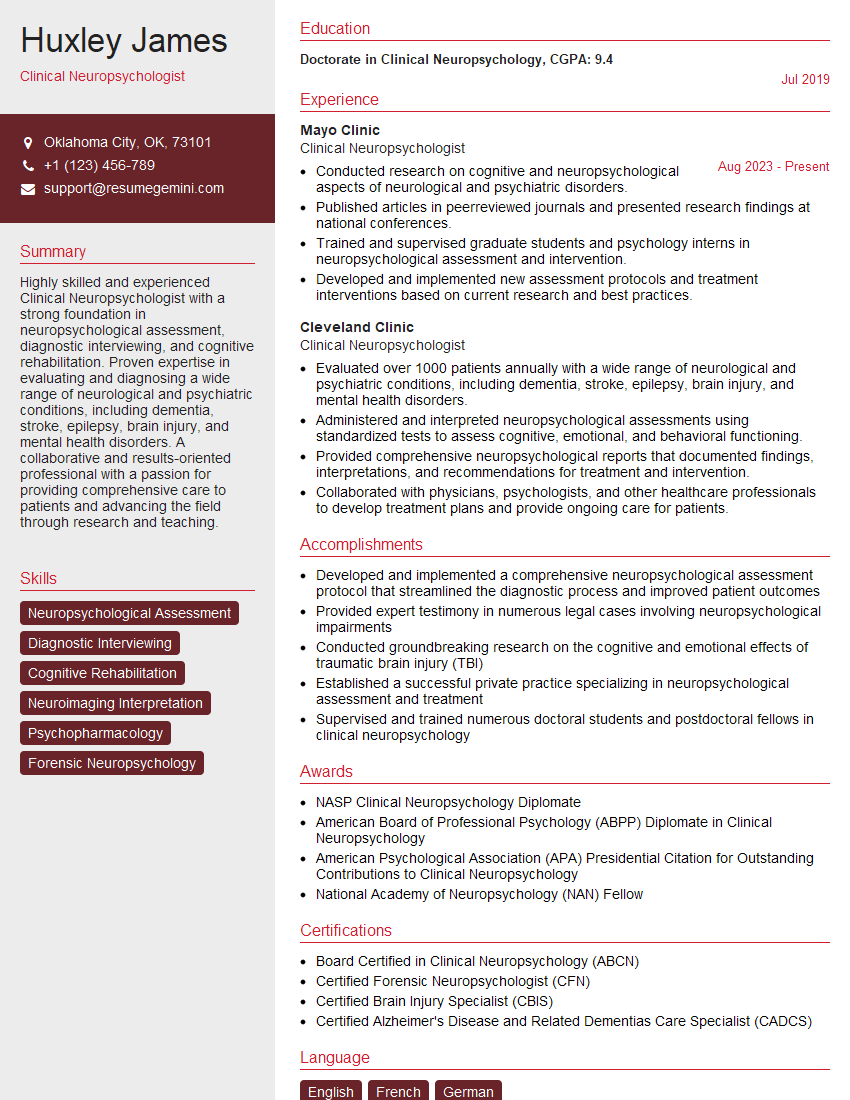
Clinical Neuropsychologist Resume Sample

Mental Health Counselor Resume Sample
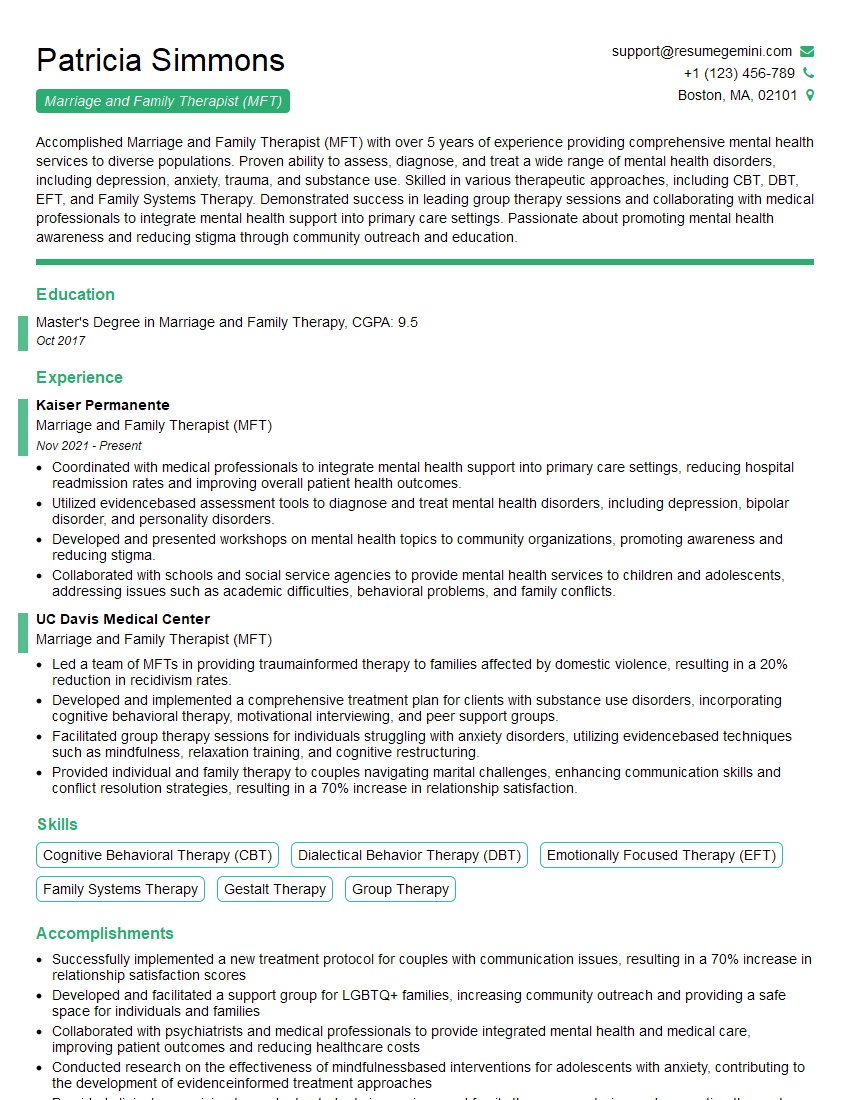
Marriage and Family Therapist (MFT) Resume Sample
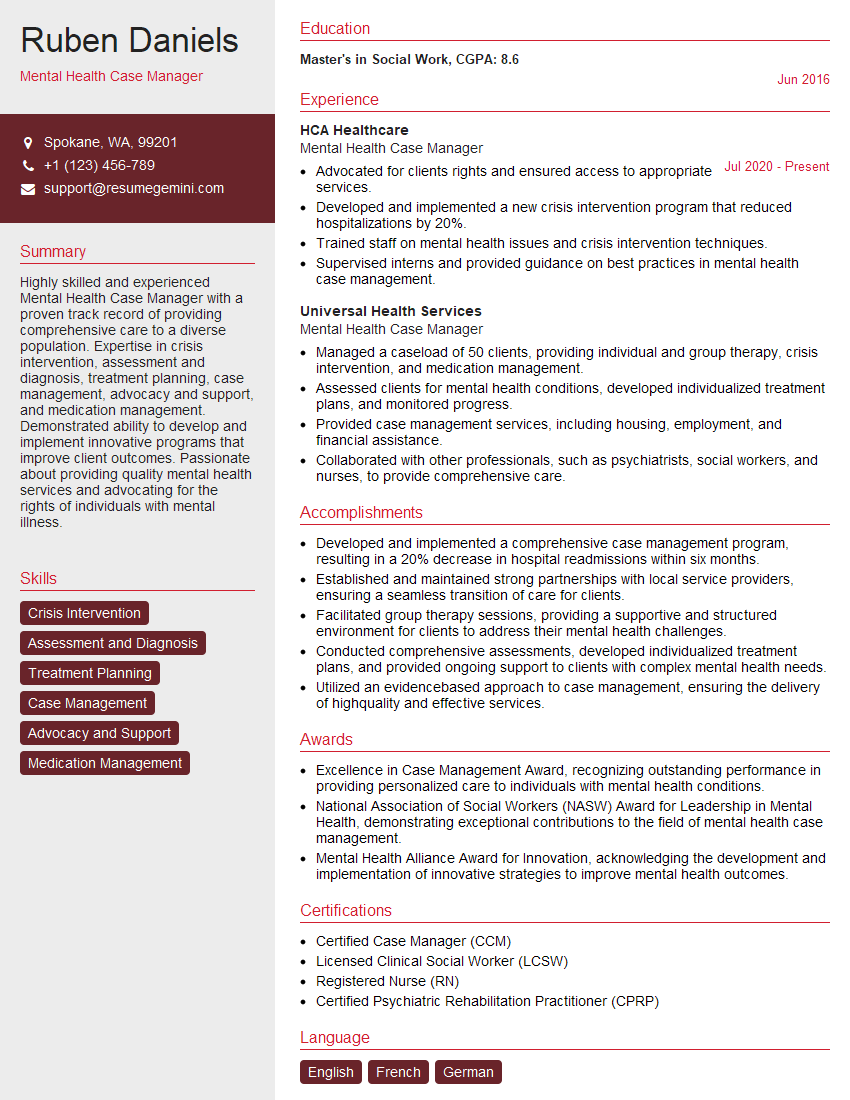
Mental Health Case Manager Resume Sample

Rehabilitation Counselor Resume Sample
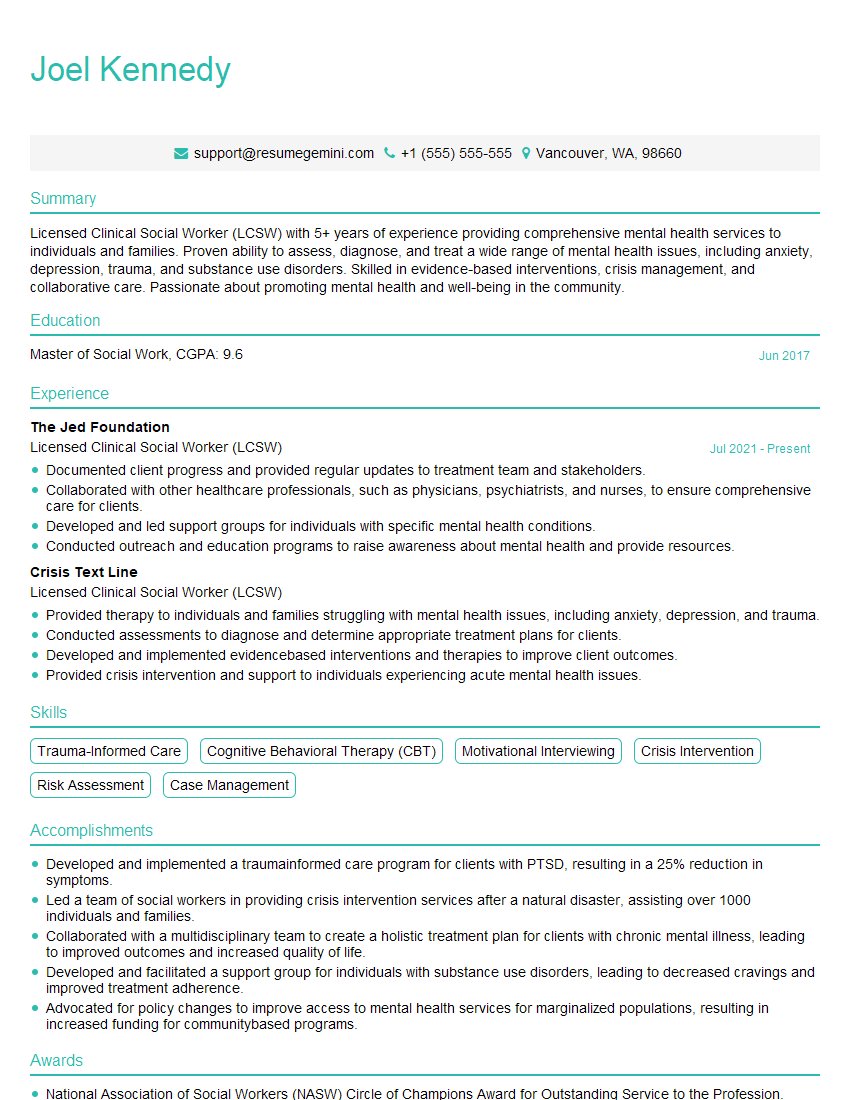
Licensed Clinical Social Worker (LCSW) Resume Sample
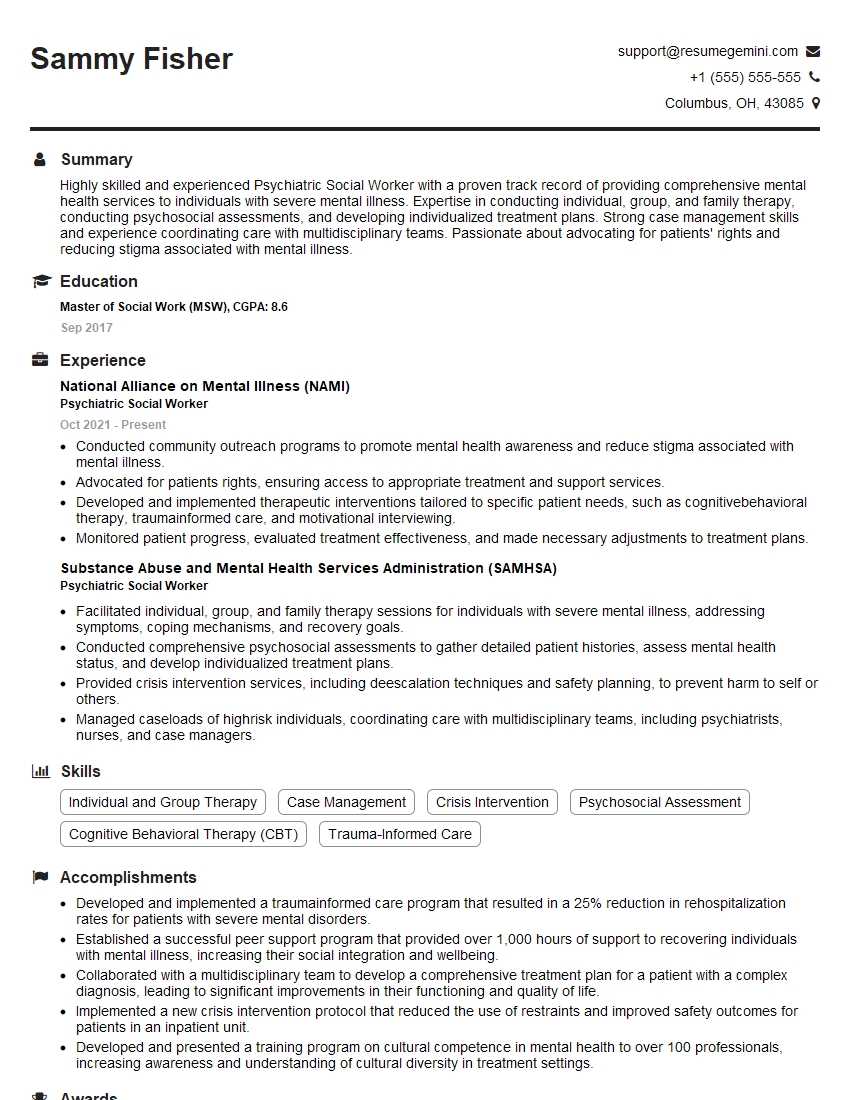
Psychiatric Social Worker Resume Sample
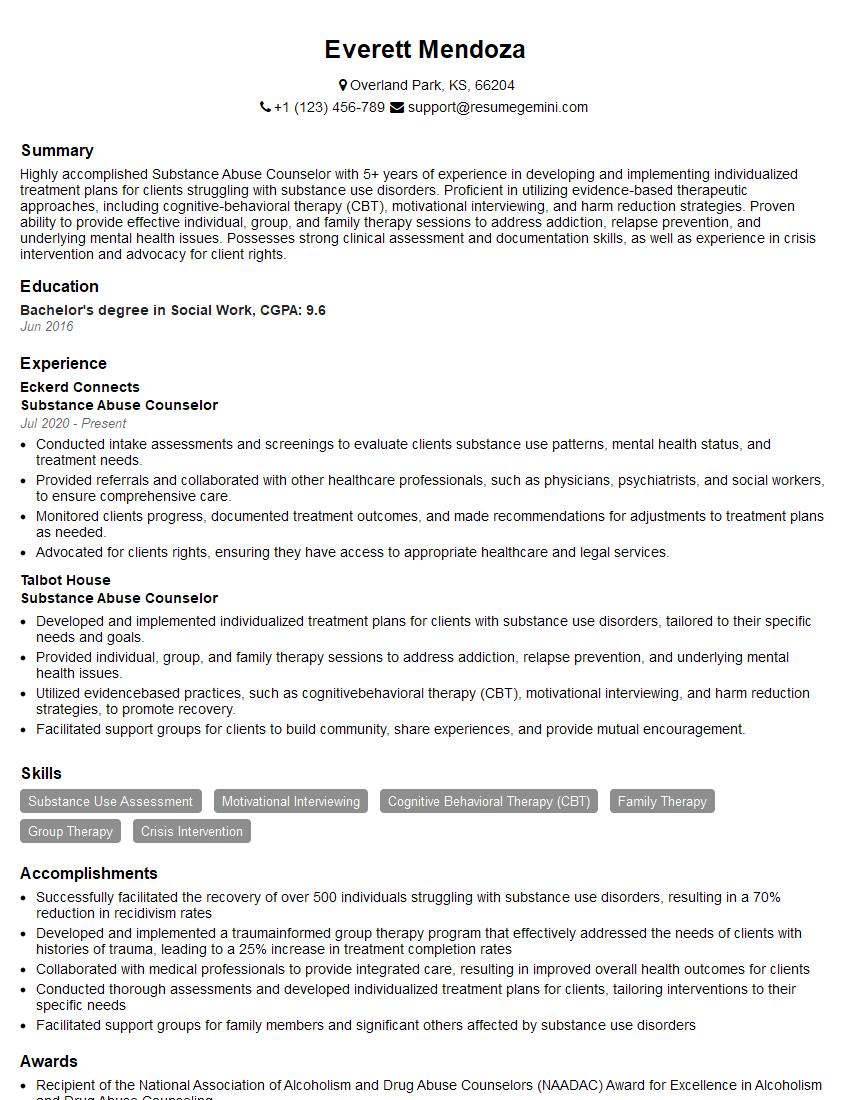
Substance Abuse Counselor Resume Sample
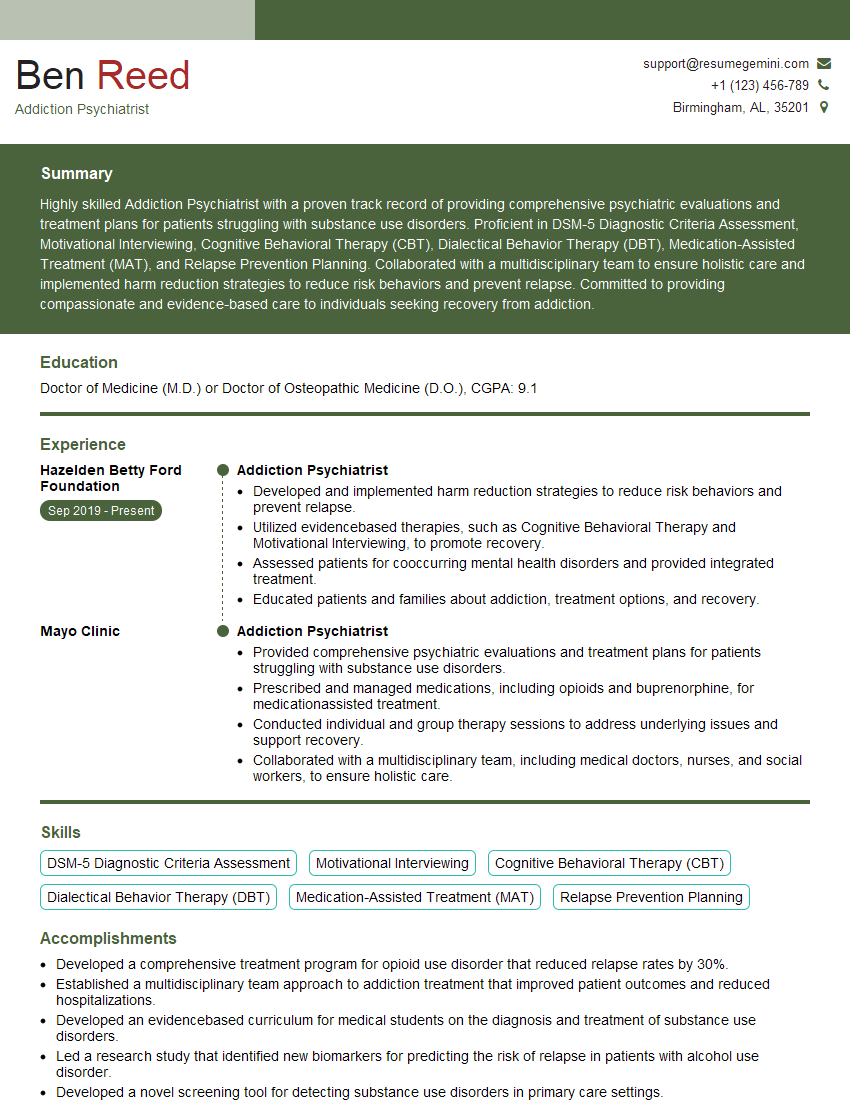
Addiction Psychiatrist Resume Sample
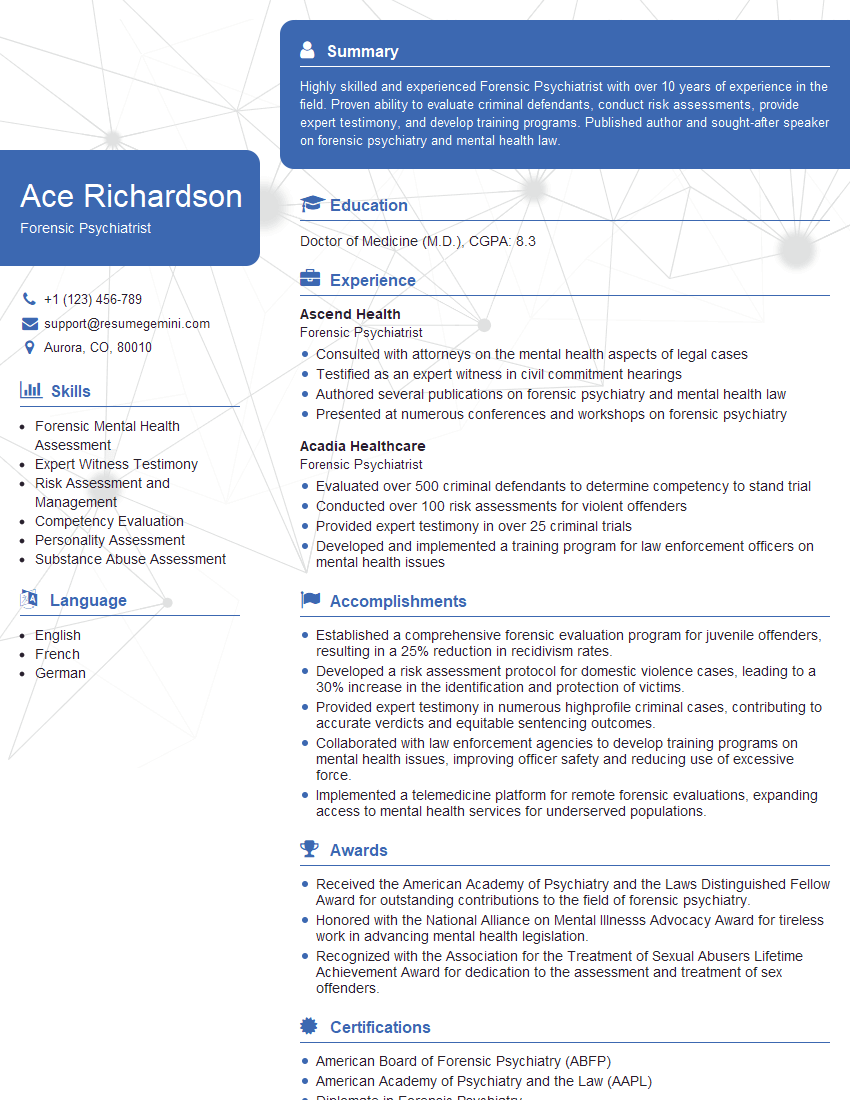
Forensic Psychiatrist Resume Sample
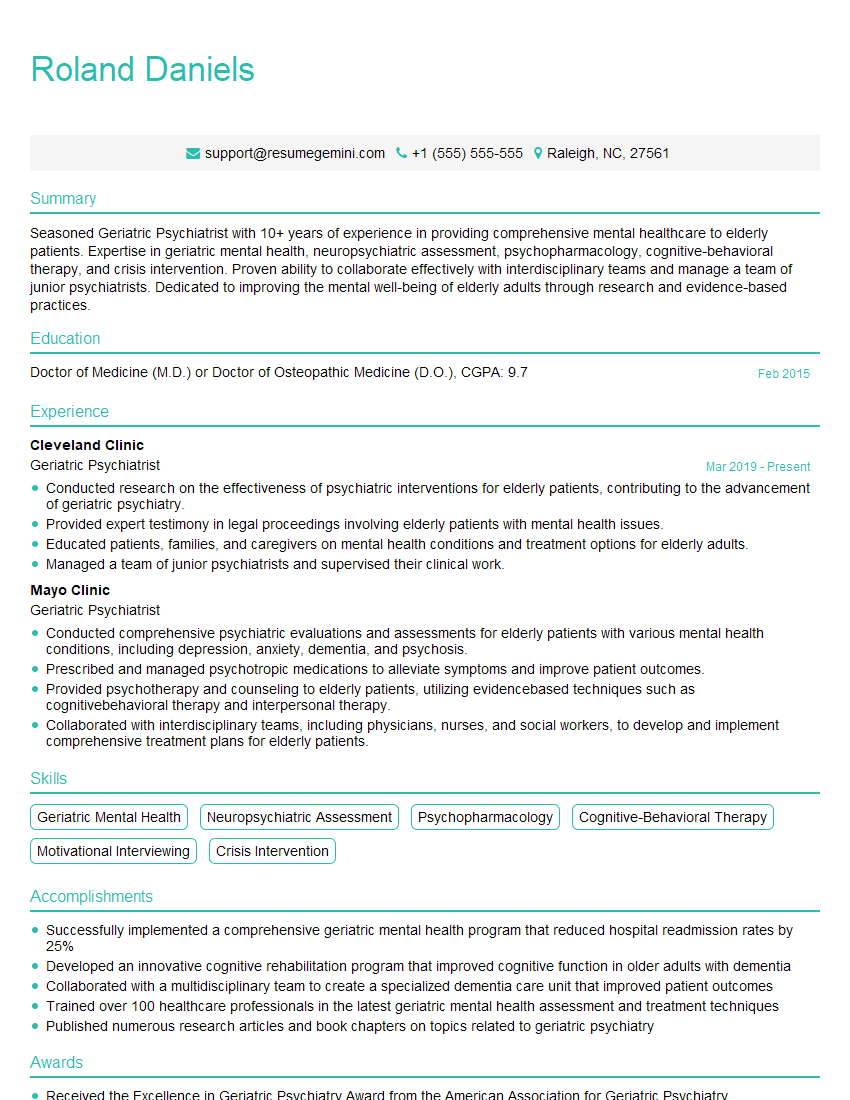
Geriatric Psychiatrist Resume Sample
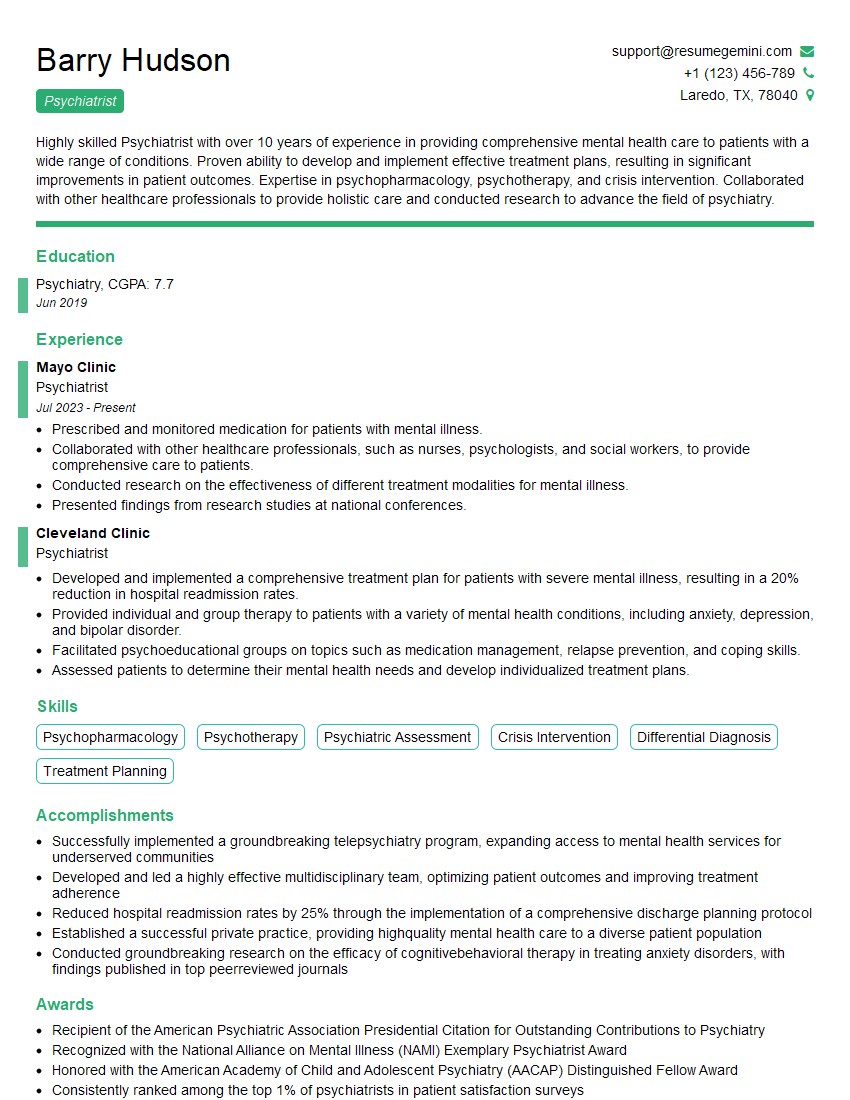
Psychiatrist Resume Sample
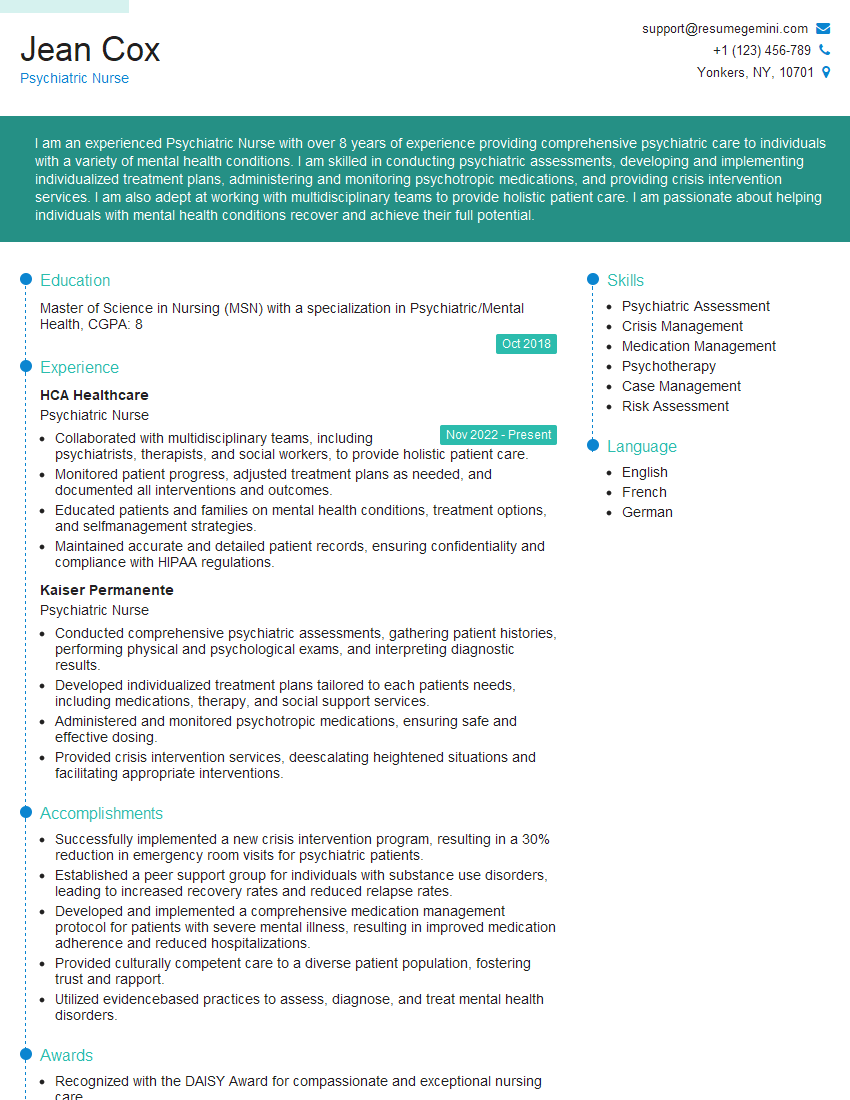
Psychiatric Nurse Resume Sample
- Clinical Psychologist
- Psychometrist
- School Psychologist
- Behavioral Therapist
- Licensed Professional Counselor (LPC)
- Psychotherapist
- Clinical Neuropsychologist
- Mental Health Counselor
- Marriage and Family Therapist (MFT)
- Mental Health Case Manager
- Rehabilitation Counselor
- Licensed Clinical Social Worker (LCSW)
- Psychiatric Social Worker
- Substance Abuse Counselor
- Addiction Psychiatrist
- Forensic Psychiatrist
- Geriatric Psychiatrist
- Psychiatrist
- Psychiatric Nurse
Explore more articles
Users Rating of Our Blogs
Share Your Experience
We value your feedback! Please rate our content and share your thoughts (optional).
What Readers Say About Our Blog
To the interviewgemini.com Webmaster.
Very helpful and content specific questions to help prepare me for my interview!
Thank you
To the interviewgemini.com Webmaster.
This was kind of a unique content I found around the specialized skills. Very helpful questions and good detailed answers.
Very Helpful blog, thank you Interviewgemini team.