Are you ready to stand out in your next interview? Understanding and preparing for Commitment to Excellence and Customer Satisfaction interview questions is a game-changer. In this blog, we’ve compiled key questions and expert advice to help you showcase your skills with confidence and precision. Let’s get started on your journey to acing the interview.
Questions Asked in Commitment to Excellence and Customer Satisfaction Interview
Q 1. Describe a time you went above and beyond for a customer.
Going above and beyond for a customer means exceeding their expectations and providing service that’s memorable and valuable. It’s about anticipating needs and proactively solving problems before they arise. For example, I once had a client whose crucial project files were corrupted due to a hard drive failure. While it wasn’t directly my responsibility, I understood the urgency and the potential impact on their deadline. I volunteered my time after work hours, working late into the night to help them recover as much data as possible using data recovery software. I even found a local data recovery specialist who could help expedite the process. We managed to recover almost all their data, preventing a significant setback. The client was incredibly grateful, and it strengthened our business relationship. This action wasn’t just fulfilling a job description; it demonstrated true dedication to their success.
Q 2. How do you measure customer satisfaction?
Measuring customer satisfaction involves a multi-faceted approach. It’s not enough to just ask ‘Are you satisfied?’ A robust system combines quantitative and qualitative data. Quantitatively, I use tools such as:
- Customer Satisfaction Surveys (CSAT): These often utilize a simple rating scale (e.g., 1-5 stars) to gauge overall satisfaction. We ask targeted questions about specific aspects of their experience.
- Net Promoter Score (NPS): This measures customer loyalty by asking how likely they are to recommend our services. It helps identify promoters and detractors, allowing for more targeted improvements.
- Customer Effort Score (CES): This focuses on how easy it was for the customer to interact with our services. A low CES score indicates areas for process improvement.
Qualitatively, we gather feedback through:
- Open-ended survey questions: These allow customers to share detailed feedback, highlighting both positive and negative experiences.
- Customer interviews: In-depth conversations give us valuable insights into their perspectives and pain points.
- Social media monitoring: Tracking mentions of our brand reveals public opinions and potential issues.
By combining these approaches, we gain a comprehensive understanding of customer satisfaction and pinpoint areas for improvement.
Q 3. What strategies do you employ to ensure quality in your work?
Ensuring quality in my work relies on a structured approach. It’s not enough to just ‘do my best’; quality is a process, not an outcome. I employ several strategies:
- Process mapping: I clearly define each step of a project to identify potential bottlenecks or errors.
- Regular self-checks: I implement rigorous checks throughout the workflow to ensure accuracy and adherence to standards.
- Peer reviews: Collaborating with colleagues allows for fresh perspectives and early identification of issues.
- Version control: Using tools like Git helps manage changes and maintain a clear audit trail. This is especially critical in collaborative projects.
- Continuous learning: I stay updated on industry best practices and seek opportunities for professional development. This ensures my skills and knowledge remain relevant and high-quality.
For example, when writing code, I always perform unit testing and code reviews before deploying any changes. This rigorous approach minimizes defects and ensures the quality of the final product.
Q 4. Explain your approach to handling customer complaints.
Handling customer complaints is a crucial aspect of commitment to excellence. My approach is built on empathy, transparency, and efficiency. I follow these steps:
- Listen actively: I let the customer fully express their concerns without interruption. This shows respect and demonstrates that I care about their experience.
- Empathize and validate: I acknowledge their feelings and understand their perspective, even if I don’t agree with their assessment.
- Gather information: I ask clarifying questions to gain a complete understanding of the situation.
- Take ownership: I take responsibility for resolving the issue, even if it isn’t directly my fault. This builds trust and shows commitment.
- Offer a solution: I propose a reasonable and timely solution that meets the customer’s needs.
- Follow up: I check back with the customer after the issue is resolved to ensure their satisfaction.
My aim is not just to solve the immediate problem but to turn a negative experience into a positive one, reinforcing customer loyalty.
Q 5. How do you prioritize tasks to ensure both quality and timely delivery?
Prioritizing tasks to ensure both quality and timely delivery requires a structured approach. I utilize a combination of methods including:
- Eisenhower Matrix (Urgent/Important): This helps categorize tasks based on urgency and importance. High-priority, urgent tasks are tackled first, while important but less urgent tasks are scheduled appropriately.
- Project Management Software: Tools like Jira or Asana allow for task assignment, deadline setting, and progress tracking. This offers a clear overview and facilitates collaboration.
- Time Blocking: Allocating specific time blocks for certain tasks improves focus and prevents multitasking, thereby increasing efficiency and quality.
- Agile methodologies: Breaking down large projects into smaller, manageable tasks (sprints) allows for flexibility and adaptation to changing priorities while maintaining quality throughout.
Using these strategies, I can efficiently manage my workload, meet deadlines, and ensure a high-quality output.
Q 6. Describe a situation where you had to exceed expectations to meet a customer’s needs.
Exceeding expectations often involves anticipating customer needs and offering solutions beyond the initial request. For instance, a client needed a website redesign. They provided a detailed brief, but during our initial consultations, I noticed they lacked a strong social media presence. This could hinder the website’s effectiveness. I proactively suggested a social media strategy alongside the website design, proposing content calendars and engagement plans. This went beyond their original request, but the additional service significantly improved their overall brand visibility and online reach. They were highly impressed with my proactive approach and the results, leading to a long-term partnership. This exemplifies my dedication to not just meeting but exceeding customer expectations.
Q 7. How do you identify areas for improvement in customer service processes?
Identifying areas for improvement in customer service is an ongoing process. I regularly utilize several methods:
- Analyzing customer feedback: Regularly reviewing customer surveys, comments, and social media mentions helps pinpoint recurring issues or areas of dissatisfaction.
- Monitoring key metrics: Tracking metrics like CSAT, NPS, and CES scores over time identifies trends and highlights areas needing attention.
- Customer journey mapping: Visualizing the customer’s interaction with our services from beginning to end reveals potential pain points or friction areas.
- Employee feedback: Frontline employees have valuable insights into customer interactions and can highlight common problems or suggestions for improvement.
- Competitor analysis: Examining competitor strategies and customer reviews can reveal opportunities for differentiation and improvement in our service offerings.
By continuously monitoring and analyzing this data, I can proactively address customer needs and enhance the overall customer experience.
Q 8. How do you maintain a high level of commitment to excellence in a fast-paced environment?
Maintaining a commitment to excellence in a fast-paced environment requires a structured approach and a proactive mindset. It’s not just about doing things quickly, but doing them quickly and well.
- Prioritization: I utilize time management techniques like Eisenhower Matrix (urgent/important) to focus on high-impact tasks first. This ensures that crucial aspects of quality aren’t sacrificed for speed.
- Process Optimization: I constantly look for ways to streamline workflows. This could involve automating repetitive tasks, improving communication channels, or identifying and eliminating bottlenecks. For example, if I noticed a recurring issue in a certain step of a process, I’d investigate root causes and implement a solution to prevent future delays.
- Teamwork and Collaboration: A fast-paced environment demands strong teamwork. Open communication and collaboration with colleagues ensures everyone understands expectations, supports each other, and maintains high standards collectively. This could include regular check-ins, shared task lists, and collaborative problem-solving sessions.
- Self-Care and Resilience: Burnout is a real risk in fast-paced settings. Prioritizing self-care, such as taking regular breaks, maintaining a work-life balance, and seeking support when needed, allows me to maintain focus and deliver consistent excellence.
In essence, maintaining excellence isn’t a sprint, it’s a marathon. It requires consistent effort, strategic planning, and a proactive approach to problem-solving and self-care.
Q 9. What metrics do you use to track the effectiveness of your customer service efforts?
Tracking the effectiveness of customer service requires a multifaceted approach using both qualitative and quantitative metrics. I utilize a combination of the following:
- Customer Satisfaction (CSAT) Scores: These surveys directly ask customers to rate their satisfaction, providing valuable feedback on their overall experience. Low scores pinpoint areas needing improvement.
- Net Promoter Score (NPS): This measures customer loyalty by asking how likely they are to recommend our services. A high NPS indicates strong customer advocacy.
- First Contact Resolution (FCR): This metric tracks the percentage of customer issues resolved on the first contact. A high FCR demonstrates efficient and effective problem-solving.
- Average Handling Time (AHT): This measures the average time spent resolving customer issues. While speed is important, it shouldn’t come at the cost of resolution quality. We aim for efficient service without sacrificing thoroughness.
- Customer Effort Score (CES): This metric assesses how easy it was for the customer to interact with our service. A low CES score indicates areas where the process could be simplified.
- Qualitative Feedback: Analyzing customer comments, reviews, and feedback from various channels provides valuable insights into areas for improvement and trends in customer issues.
By analyzing these metrics together, I can gain a comprehensive understanding of customer satisfaction and identify areas needing attention. It’s a continuous process of monitoring, analyzing, and adapting our strategies.
Q 10. How do you adapt your communication style to meet the needs of different customers?
Adapting communication style is crucial for effective customer interaction. Understanding diverse communication preferences and adjusting my approach accordingly is a core skill. I consider several factors:
- Communication Channel: Email requires a formal tone; phone calls allow for more direct and personal interaction. Social media requires concise and engaging messages.
- Customer Personality: Some customers are detail-oriented and prefer precise information; others might prefer a more concise and direct approach. Observing their communication style and mirroring their pace helps build rapport.
- Cultural Differences: Awareness of cultural nuances and communication styles is critical for global interactions. Direct communication might be appropriate in some cultures, while indirect communication is preferred in others.
- Technical Proficiency: Adjusting the level of technical detail based on the customer’s understanding is essential. Using simple language and avoiding jargon when necessary enhances clarity.
For example, when dealing with a senior citizen, I might use simpler language and speak more slowly, while for a tech-savvy millennial, I might use more technical terms and a more direct approach. Active listening and adapting to each individual’s needs are key to successful communication.
Q 11. Describe a time you had to deal with a difficult customer. How did you resolve the situation?
I once dealt with a customer who was extremely angry about a delayed shipment. He was verbally abusive and refused to listen to my explanations. My approach was:
- Active Listening: First, I let him vent without interruption. Showing empathy and understanding is crucial even when facing anger.
- Empathy and Validation: I acknowledged his frustration and validated his feelings. Phrases like, “I understand your frustration; a delay is unacceptable” helped de-escalate the situation.
- Problem-Solving Focus: Once he had calmed down, I focused on resolving the issue. I offered a full refund, expedited shipping, and a small compensation for the inconvenience.
- Clear and Concise Communication: I explained the steps I would take to ensure the issue was resolved promptly, confirming his understanding.
- Follow-up: I followed up with him after the new shipment arrived to confirm his satisfaction and to ensure there were no further issues.
This approach transformed a highly confrontational situation into a positive experience, turning a potentially negative customer into a satisfied one. It highlighted the importance of empathy, patience, and a problem-solving focus when handling difficult customers.
Q 12. How do you balance the needs of the customer with the needs of the business?
Balancing customer needs with business needs is a constant challenge, requiring careful consideration and strategic decision-making. It’s about finding solutions that satisfy both parties without compromising the overall health of the business.
- Understanding Business Constraints: A clear understanding of budgetary limitations, operational capabilities, and business goals is vital. This prevents making promises the business cannot keep.
- Prioritization and Resource Allocation: Prioritizing customer requests based on impact, urgency, and feasibility ensures efficient resource allocation. Some requests might require creative solutions or compromise to meet business constraints.
- Transparency and Communication: Open and honest communication with the customer about limitations and possible solutions fosters understanding and builds trust. Explaining the reasoning behind certain decisions can defuse tension.
- Long-Term Perspective: While immediate customer satisfaction is important, it’s crucial to consider the long-term impact on the business. Sometimes, prioritizing one customer’s needs might negatively affect other customers or the overall business strategy.
- Feedback Mechanism: Collecting and analyzing feedback helps identify areas where processes or policies can be improved to better align customer and business needs.
Balancing these needs is not about choosing one over the other; it’s about finding the most optimal solution that minimizes conflict and maximizes positive outcomes for both the business and the customer.
Q 13. What are your strategies for building strong customer relationships?
Building strong customer relationships requires a proactive and ongoing effort that goes beyond simply providing good service.
- Personalized Communication: Addressing customers by name, remembering past interactions, and tailoring communication to their individual preferences creates a more personal and meaningful connection.
- Proactive Engagement: Reaching out to customers regularly, even without specific issues, builds rapport. This can be through newsletters, personalized emails, or follow-up calls.
- Exceptional Service: Consistent delivery of high-quality service, exceeding expectations whenever possible, reinforces positive experiences and loyalty.
- Loyalty Programs and Rewards: Incentivizing repeat business through loyalty programs shows appreciation for customer patronage.
- Feedback Mechanisms: Regularly seeking feedback allows for continuous improvement and demonstrates a commitment to addressing customer concerns.
- Community Building: Creating a sense of community through social media or other channels encourages customer engagement and fosters relationships amongst customers themselves.
Strong customer relationships are built on trust, mutual respect, and a commitment to providing ongoing value. It’s an investment that pays dividends in terms of customer loyalty and advocacy.
Q 14. How do you handle situations where you are unable to meet a customer’s expectations?
When unable to meet customer expectations, handling the situation with transparency and professionalism is vital.
- Honest and Prompt Communication: Explain the situation clearly and concisely, acknowledging the unmet expectation without making excuses. Timely communication minimizes frustration.
- Empathy and Apology: Express sincere apologies for the inconvenience and show genuine empathy for the customer’s disappointment.
- Offer Alternatives or Compensation: Provide a viable alternative solution or offer compensation for the inconvenience. This could include a refund, discount, or upgrade.
- Manage Expectations: Set realistic expectations for resolving the issue. Avoid making promises you cannot keep.
- Follow-up: Follow up with the customer to ensure the issue is resolved to their satisfaction and to gauge their overall experience.
- Internal Review: Use the situation as a learning opportunity. Review internal processes to identify and address the root cause of the unmet expectation and prevent similar occurrences in the future.
Even when unable to fully meet expectations, a sincere effort to rectify the situation and provide a positive resolution can often salvage the relationship and turn a negative experience into a learning opportunity. The focus should be on minimizing harm and maximizing learning.
Q 15. How do you contribute to a culture of excellence within your team?
Cultivating a culture of excellence within a team isn’t about imposing rules; it’s about fostering a shared commitment to continuous improvement. It starts with leading by example. I consistently strive for excellence in my own work, demonstrating a commitment to high standards and meticulous attention to detail. This sets the tone for the entire team.
- Clear Expectations and Goals: I ensure everyone understands the team’s goals and their individual roles in achieving them. This involves clearly defining expectations, providing regular feedback, and celebrating successes.
- Empowerment and Ownership: I empower team members by giving them autonomy and ownership over their tasks. This fosters a sense of responsibility and pride in their work. I encourage them to take initiative and suggest improvements.
- Open Communication and Collaboration: Open communication is vital. I create a safe space where team members feel comfortable sharing ideas, concerns, and feedback. Regular team meetings, brainstorming sessions, and one-on-one check-ins facilitate this.
- Continuous Learning and Development: I encourage continuous learning through training, workshops, and mentorship programs. Staying current with industry best practices and sharing knowledge within the team ensures we’re always improving.
- Recognition and Reward: Recognizing and rewarding both individual and team achievements is crucial. This could be through public acknowledgment, bonuses, or simply expressing sincere appreciation for a job well done. This reinforces positive behavior and strengthens the team’s commitment to excellence.
For example, in my previous role, I implemented a peer-to-peer recognition program, where team members could nominate colleagues for outstanding contributions. This significantly boosted morale and fostered a stronger sense of teamwork and mutual support.
Career Expert Tips:
- Ace those interviews! Prepare effectively by reviewing the Top 50 Most Common Interview Questions on ResumeGemini.
- Navigate your job search with confidence! Explore a wide range of Career Tips on ResumeGemini. Learn about common challenges and recommendations to overcome them.
- Craft the perfect resume! Master the Art of Resume Writing with ResumeGemini’s guide. Showcase your unique qualifications and achievements effectively.
- Don’t miss out on holiday savings! Build your dream resume with ResumeGemini’s ATS optimized templates.
Q 16. What are your strategies for proactively identifying and resolving potential customer issues?
Proactively identifying and resolving potential customer issues requires a combination of foresight, data analysis, and empathetic listening. It’s about anticipating problems before they escalate into major complaints.
- Data Analysis: I analyze customer feedback, including surveys, reviews, and support tickets, to identify recurring issues or trends. This data provides valuable insights into areas needing improvement.
- Customer Relationship Management (CRM) Systems: Utilizing CRM systems effectively allows for tracking customer interactions, identifying at-risk customers, and predicting potential problems. For example, if a customer is repeatedly contacting support for similar issues, it flags a potential system-wide problem.
- Feedback Mechanisms: I actively encourage customer feedback through surveys, online reviews, and in-person interactions. This creates a channel for customers to voice their concerns and allows us to address them proactively.
- Regular Monitoring: I regularly monitor key performance indicators (KPIs) such as customer satisfaction scores, Net Promoter Score (NPS), and resolution times. Any significant dips in these metrics trigger an investigation to identify root causes.
- Preventative Measures: Based on identified trends, I implement preventative measures such as improved training for staff, website updates, or process improvements to eliminate the root cause of recurring issues.
For instance, by analyzing customer feedback, we discovered a recurring problem with our online ordering system. Proactive measures, such as redesigning the checkout process, significantly reduced customer complaints and improved overall satisfaction.
Q 17. Describe a time you received constructive criticism. How did you use it to improve your performance?
Constructive criticism is a gift; it’s an opportunity for growth. I remember a time when my manager provided feedback on a project I’d spearheaded. They pointed out that my communication during the project’s initial phases could have been clearer, leading to some misunderstandings within the team.
Instead of feeling defensive, I appreciated their honesty. I analyzed their feedback and identified areas for improvement. I realized that while I was technically proficient, I hadn’t effectively communicated the project’s scope and timeline to the team. I subsequently improved my communication skills by adopting clearer, more concise reporting techniques, and also incorporated more frequent check-ins to ensure everyone was on the same page. The result was a marked improvement in team collaboration and project execution. The next project I led ran much more smoothly and efficiently.
Q 18. How do you measure the success of your efforts in customer service?
Measuring the success of customer service efforts requires a multifaceted approach. We can’t rely on just one metric; a holistic view is essential.
- Customer Satisfaction (CSAT) Scores: Surveys measuring overall satisfaction provide a direct measure of customer happiness.
- Net Promoter Score (NPS): This metric gauges customer loyalty and willingness to recommend our services.
- Customer Effort Score (CES): This assesses the ease with which customers can interact with our services and resolve their issues.
- Resolution Time: Tracking the time taken to resolve customer issues helps identify areas for process improvement.
- Repeat Business/Customer Retention Rate: A high rate of repeat business indicates customer loyalty and satisfaction with our services.
- Social Media Monitoring: Tracking online reviews and mentions provides valuable insights into customer sentiment.
By tracking these metrics over time, I can identify trends, evaluate the effectiveness of different strategies, and make data-driven decisions to improve customer service. For example, a consistently low CES score would indicate a need to simplify our processes or improve our support materials.
Q 19. How do you stay up-to-date on industry best practices for customer satisfaction?
Staying up-to-date on industry best practices for customer satisfaction is a continuous process. I actively engage in several strategies:
- Industry Publications and Journals: I regularly read publications such as Customer Relationship Management and Journal of Service Research to stay informed about new trends and research.
- Conferences and Webinars: Attending industry conferences and webinars provides opportunities to learn from experts and network with other professionals. I actively participate in discussions and presentations.
- Professional Organizations: Membership in professional organizations like the American Marketing Association provides access to resources, training, and networking opportunities.
- Online Courses and Certifications: I regularly take online courses and pursue certifications to enhance my knowledge and skills in customer service and related areas. This shows my commitment to continuous professional development.
- Benchmarking: I regularly benchmark our performance against industry leaders to identify areas for improvement and best practices to emulate.
This constant learning ensures that our customer service strategies remain current, effective, and competitive.
Q 20. What is your approach to resolving conflict between customers and internal teams?
Resolving conflict between customers and internal teams requires a diplomatic and empathetic approach. My strategy focuses on active listening, clear communication, and finding mutually agreeable solutions.
- Active Listening: I start by actively listening to both the customer and the internal team to understand their perspectives and concerns. Empathy is key to de-escalating the situation.
- Neutral Facilitation: I act as a neutral facilitator, guiding the discussion towards a resolution without taking sides. I focus on identifying the root cause of the conflict.
- Clear Communication: I ensure clear and concise communication between all parties, making sure everyone understands the issues and proposed solutions.
- Finding Common Ground: I work to find common ground and areas of agreement between the customer and the internal team. Compromise is often necessary to achieve a mutually acceptable outcome.
- Documentation: I meticulously document the entire conflict resolution process, including the steps taken, agreements made, and outcomes achieved. This helps in preventing future conflicts and improving internal processes.
For example, I once mediated a dispute between a customer and a sales representative regarding a product delivery. By actively listening to both sides, I identified a misunderstanding in the delivery schedule. A simple clarification resolved the conflict and prevented further escalation. The result was a satisfied customer and a strengthened relationship between the customer and the sales team.
Q 21. Describe a time you had to make a difficult decision that impacted customer satisfaction. How did you justify your choice?
I once faced a difficult decision involving a customer who had experienced a significant technical issue that resulted in data loss. While our service level agreement (SLA) didn’t cover this specific scenario, I believed, ethically, we needed to do more to compensate them for their inconvenience and loss. The decision was to offer them a substantial discount on future services and prioritize their technical support needs going forward.
This decision wasn’t financially ideal in the short term. However, I justified it based on several factors: first, it was the right thing to do ethically and demonstrated our commitment to customer well-being. Second, it strengthened our long-term relationship with the customer, ensuring their continued loyalty. Third, proactively resolving this incident prevented potential negative publicity and reputational damage. While it meant a short-term loss, I believed the long-term benefits of strengthening customer trust outweighed the immediate financial impact. The customer was incredibly appreciative, and this gesture went a long way in building stronger relationships and reinforcing our reputation for exceptional customer service.
Q 22. How do you utilize feedback to continuously improve customer satisfaction?
Continuously improving customer satisfaction hinges on effectively utilizing feedback. Think of feedback as a roadmap guiding us towards a better customer experience. I approach this in a structured way:
- Active Solicitation: I proactively seek feedback through various channels – surveys, post-interaction emails, in-person conversations, and social media monitoring. The more diverse the channels, the more comprehensive the picture.
- Systematic Analysis: Once collected, feedback isn’t simply read; it’s analyzed. I categorize it (e.g., product issues, service issues, suggestions) and identify recurring themes or trends. This helps prioritize areas for improvement.
- Actionable Implementation: Identifying trends isn’t enough. We need to act on them. I work with relevant teams to implement changes – whether it’s refining a process, updating training materials, or developing new features.
- Measurement and Iteration: Finally, we measure the impact of the implemented changes. Did customer satisfaction scores improve? Did the number of complaints decrease? This data informs further iterations and ensures continuous improvement. For example, if post-purchase survey results consistently highlight slow shipping times, we can investigate logistics solutions or adjust our communication strategy.
Q 23. Explain your understanding of the importance of customer retention.
Customer retention is paramount because acquiring new customers is significantly more expensive than retaining existing ones. Loyal customers also contribute to profitability in several ways:
- Increased Revenue: Existing customers are more likely to purchase again and potentially upgrade to premium products or services.
- Positive Word-of-Mouth: Satisfied customers become brand ambassadors, recommending your products or services to others, generating organic leads.
- Reduced Marketing Costs: Focusing on retention requires less marketing spend compared to constantly attracting new customers.
- Valuable Feedback: Long-term customers provide invaluable feedback, helping to improve products, services, and overall customer experience.
Imagine a restaurant – it’s much more cost-effective to keep a regular customer happy than to constantly attract new diners. Retention strategies, such as loyalty programs and personalized communication, are crucial for building long-term customer relationships and ultimately driving business success.
Q 24. How do you handle stressful situations involving customer issues?
Stressful customer situations require a calm and empathetic approach. My strategy involves:
- Active Listening: I start by actively listening to understand the customer’s perspective and concerns without interrupting. Empathy is key – put yourself in their shoes.
- Clear Communication: I communicate clearly and concisely, acknowledging their frustrations and assuring them that I’m committed to resolving the issue. I avoid jargon and use plain language.
- Problem-Solving: I collaboratively work with the customer to find a solution that meets their needs, while remaining mindful of company policies and procedures. This might involve offering a refund, replacement, or alternative solution.
- Documentation and Follow-up: I meticulously document the interaction and any agreed-upon solutions. I follow up with the customer to ensure they are satisfied with the resolution and address any lingering concerns.
Even in heated situations, maintaining professionalism and composure is essential. Remaining calm diffuses the situation and allows for a more productive resolution.
Q 25. Describe your experience implementing customer feedback to improve processes.
In a previous role, customer feedback consistently highlighted difficulty navigating our website’s checkout process. We received multiple comments complaining about confusing steps and long loading times. To address this:
- Data Analysis: We analyzed the website analytics and feedback data to pinpoint specific areas of friction in the checkout process.
- Usability Testing: We conducted usability testing with real customers, observing their interactions and identifying pain points. This provided qualitative data to complement the quantitative analysis.
- Process Improvement: Based on this data, we streamlined the checkout process, simplifying steps and optimizing page loading speed. This involved collaboration with the web development and design teams.
- Post-Implementation Review: After implementing the changes, we monitored conversion rates, bounce rates, and customer feedback to evaluate the effectiveness of our improvements. We saw a significant increase in conversion rates following these changes, directly attributable to the feedback-driven process improvements.
Q 26. How would you create a customer satisfaction survey that provides actionable insights?
A successful customer satisfaction survey needs to be concise, focused, and provide actionable insights. Here’s my approach:
- Clear Objectives: Define the specific areas you want to measure (e.g., product quality, customer service, website usability). This keeps the survey focused and prevents irrelevant questions.
- Targeted Audience: Ensure the survey is tailored to the specific customer segment you are targeting.
- Mix of Question Types: Use a combination of question types, including multiple-choice, rating scales (e.g., Likert scale), and open-ended questions. Open-ended questions allow for richer qualitative data. For example, you could use a Likert scale to rate satisfaction with a product feature, then an open-ended question for suggestions on improvement.
- Actionable Metrics: Focus on metrics that directly translate into actions. For example, instead of asking a broad question about satisfaction, ask about specific aspects of the customer experience.
- Incentives and Feedback Mechanism: Offer an incentive for participation (e.g., discount, entry into a raffle) and provide a clear mechanism for respondents to provide additional feedback if needed.
Analyzing the results requires attention to both quantitative and qualitative data. Trends and recurring themes revealed in open-ended responses provide rich context for the numerical data.
Q 27. How do you use technology to enhance customer service and experience?
Technology plays a crucial role in enhancing customer service and experience. Here are some examples:
- CRM Systems: Customer Relationship Management (CRM) systems centralize customer information, providing a 360-degree view of each customer’s interaction history. This allows for personalized service and efficient issue resolution.
Example: Salesforce, HubSpot - Live Chat: Provides immediate support, addressing customer queries instantly and improving response times. This reduces wait times and frustration.
- Self-Service Portals: Empower customers to find answers to their questions independently, freeing up agents to handle more complex issues. This includes FAQs, knowledge bases, and troubleshooting guides.
- Social Media Monitoring: Allows for proactive identification and resolution of customer issues raised on social media platforms. This improves response times and brand reputation.
- AI-powered Chatbots: These can handle routine queries, providing immediate assistance and freeing up human agents for more complex issues.
Example: Dialogflow, Amazon Lex
By strategically integrating various technologies, we can create a seamless and efficient customer service experience, leading to higher satisfaction and loyalty.
Q 28. Describe a time you failed to meet a customer’s expectation. What did you learn from this experience?
In a previous project, we launched a new product feature without adequately testing it with our target audience. This resulted in several usability issues that frustrated early adopters. While we addressed the issues promptly through updates, the initial negative experience impacted customer perception.
The key takeaway was the importance of thorough testing and user feedback before releasing new features. We implemented a more robust testing process, involving beta testing and gathering feedback throughout the development cycle. This iterative approach ensures we identify and address potential problems before launch, minimizing negative impact on customer experience and satisfaction.
Key Topics to Learn for Commitment to Excellence and Customer Satisfaction Interview
- Defining Excellence: Understanding your own definition of excellence and how it translates into your work. Consider examples of exceeding expectations.
- Proactive Customer Service: Discuss strategies for anticipating customer needs and resolving issues before they escalate. Think about how you’ve taken initiative to improve customer experiences.
- Feedback Mechanisms & Improvement: Explain your approach to gathering and utilizing customer feedback to drive continuous improvement. Share examples of how you’ve used feedback to refine processes or products.
- Problem-Solving & Conflict Resolution: Detail your approach to tackling customer complaints and resolving conflicts effectively and professionally. Provide specific examples demonstrating your problem-solving skills in customer-facing situations.
- Teamwork & Collaboration: Explain how you collaborate with colleagues to deliver exceptional customer service and maintain high standards of excellence. Highlight instances where teamwork directly impacted customer satisfaction.
- Measuring Success: Discuss different metrics used to measure customer satisfaction (e.g., Net Promoter Score, customer retention rates) and how you’ve contributed to improving these metrics.
- Adaptability & Change Management: Describe your ability to adapt to changing customer needs and expectations, and how you’ve managed changes impacting customer service processes.
Next Steps
Mastering Commitment to Excellence and Customer Satisfaction is crucial for career advancement. Demonstrating a genuine dedication to these principles showcases your value to any organization. To significantly boost your job prospects, crafting an ATS-friendly resume is essential. ResumeGemini is a trusted resource to help you build a professional and impactful resume that highlights your skills and experience. We provide examples of resumes tailored to emphasize Commitment to Excellence and Customer Satisfaction to guide your efforts. Take the next step and create a resume that truly showcases your dedication to exceeding expectations.
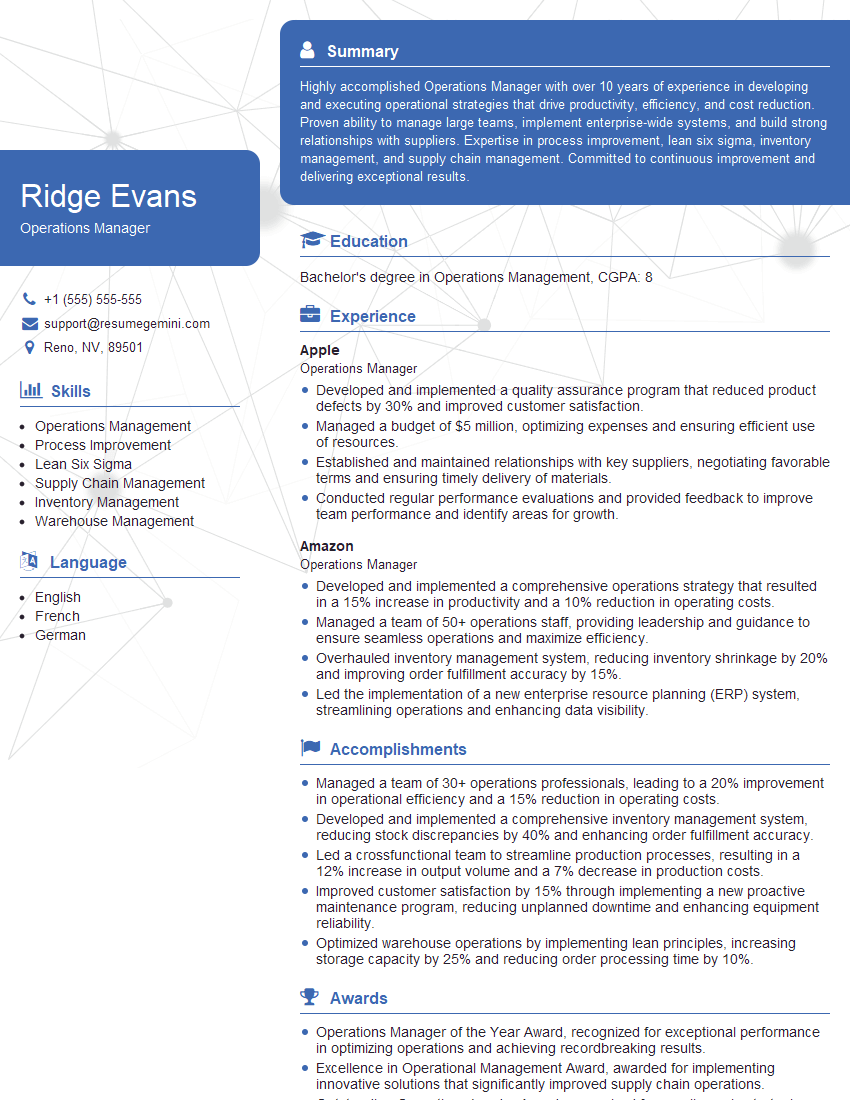
Operations Manager Resume Sample
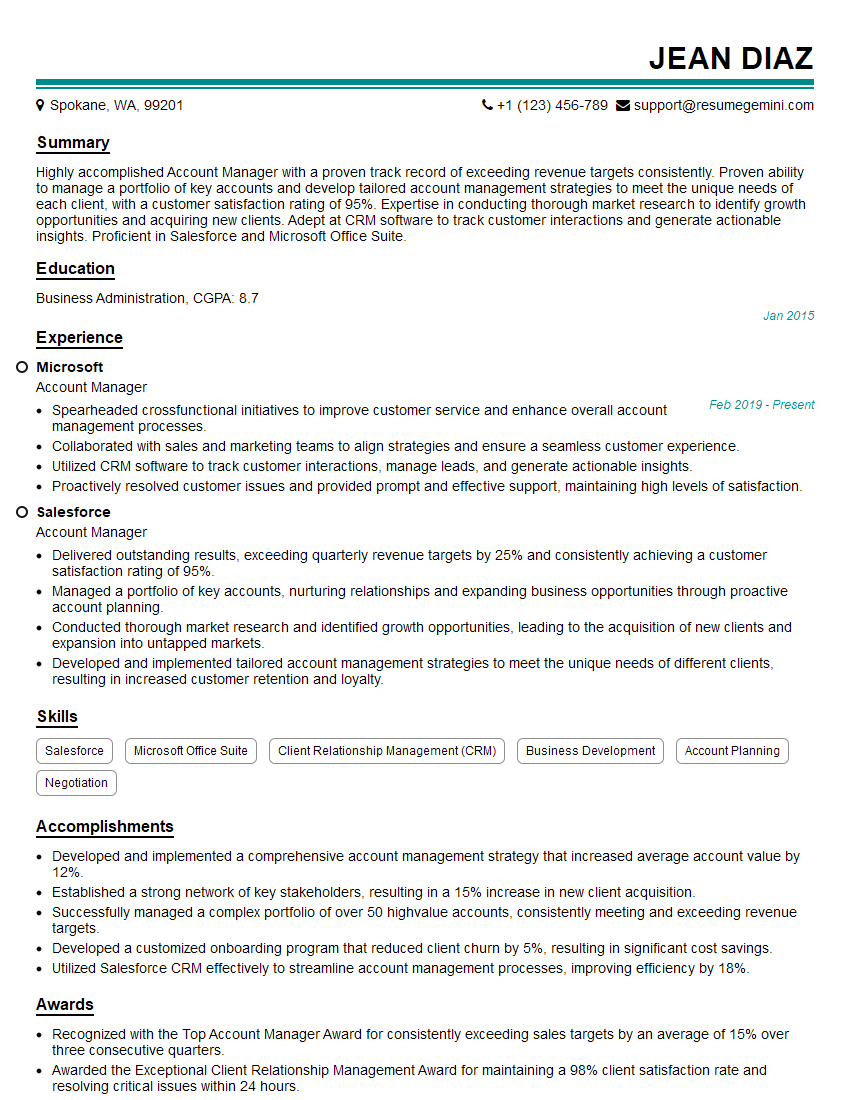
Account Manager Resume Sample
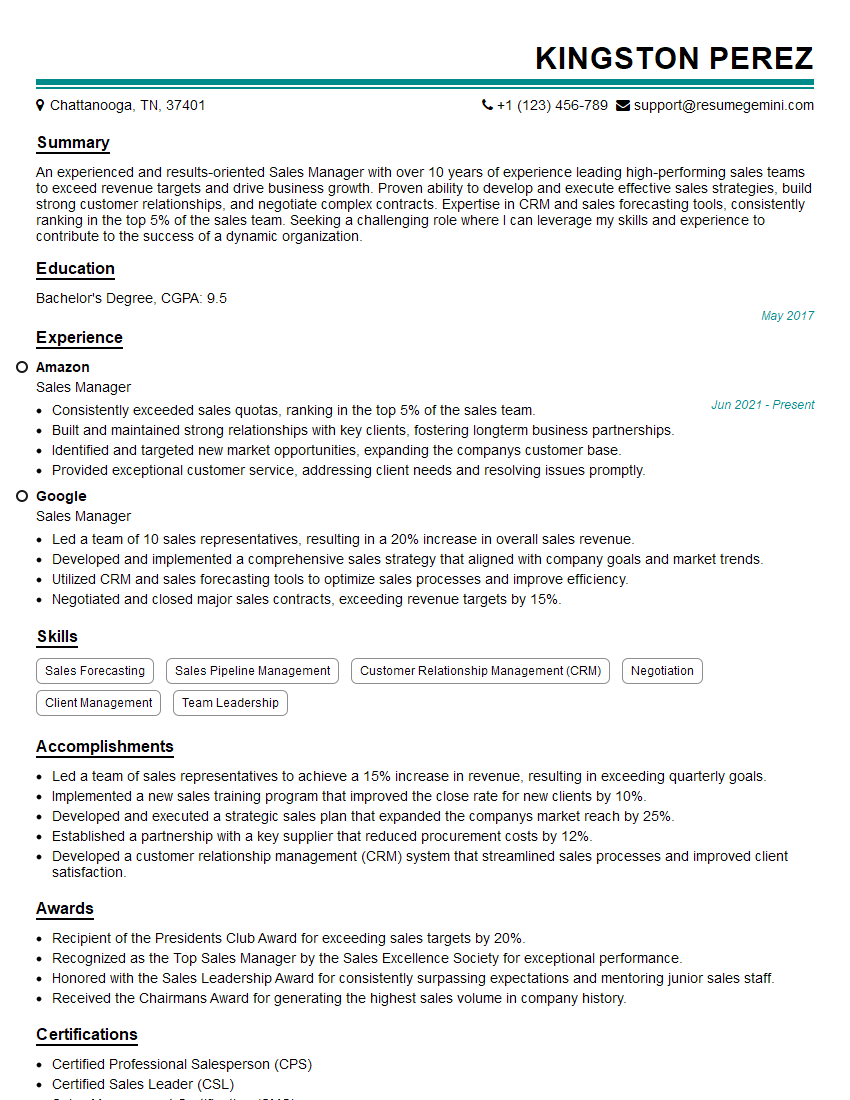
Sales Manager Resume Sample
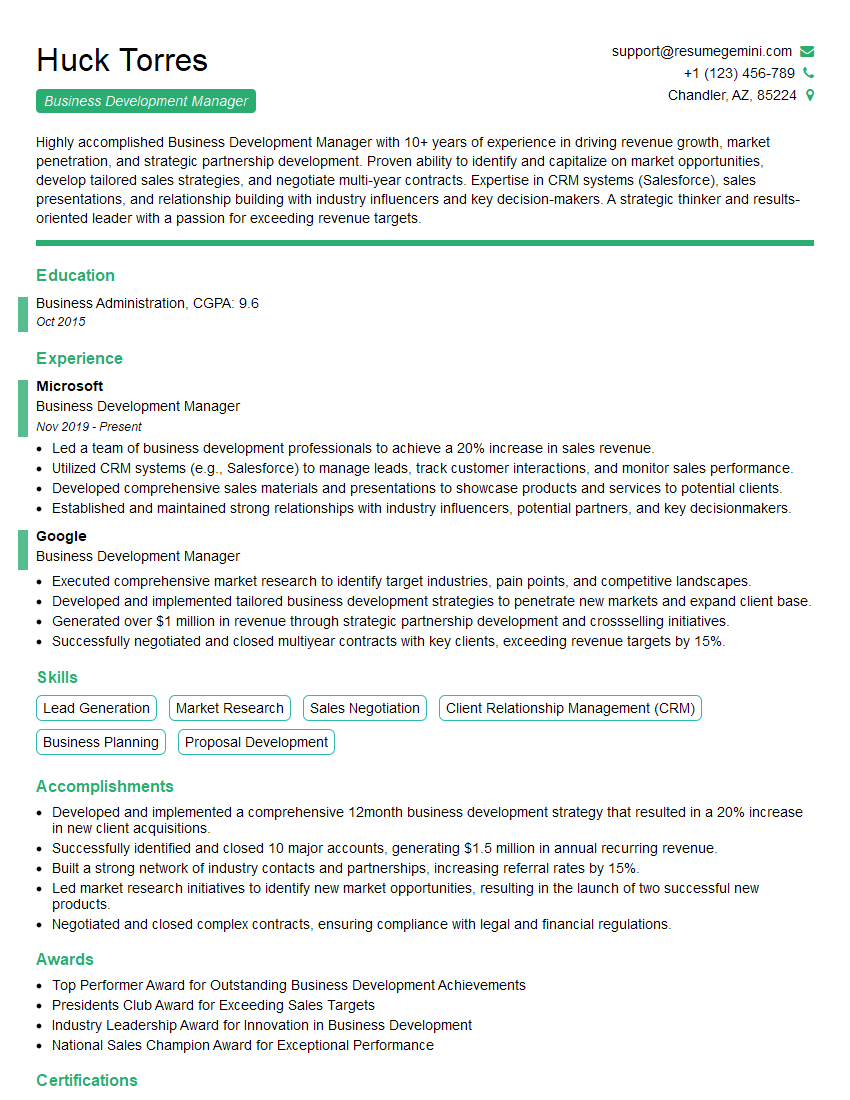
Business Development Manager Resume Sample

Customer Service Manager Resume Sample
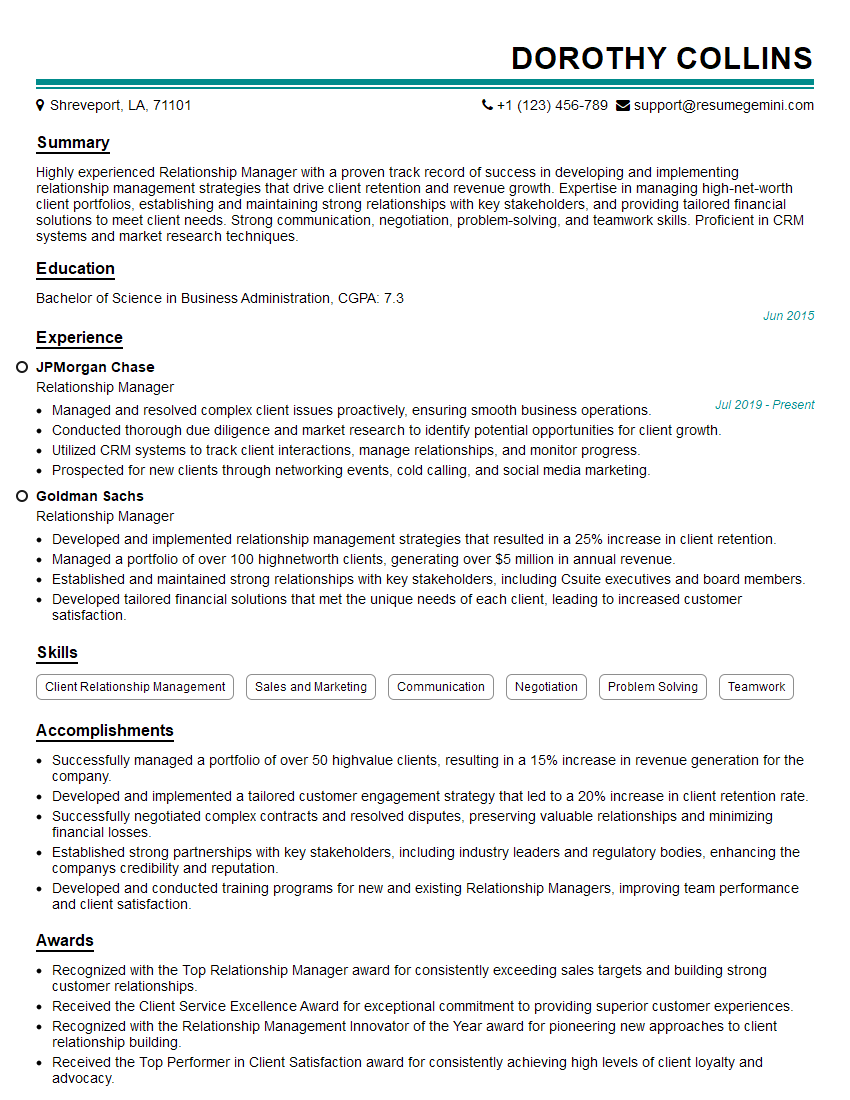
Relationship Manager Resume Sample
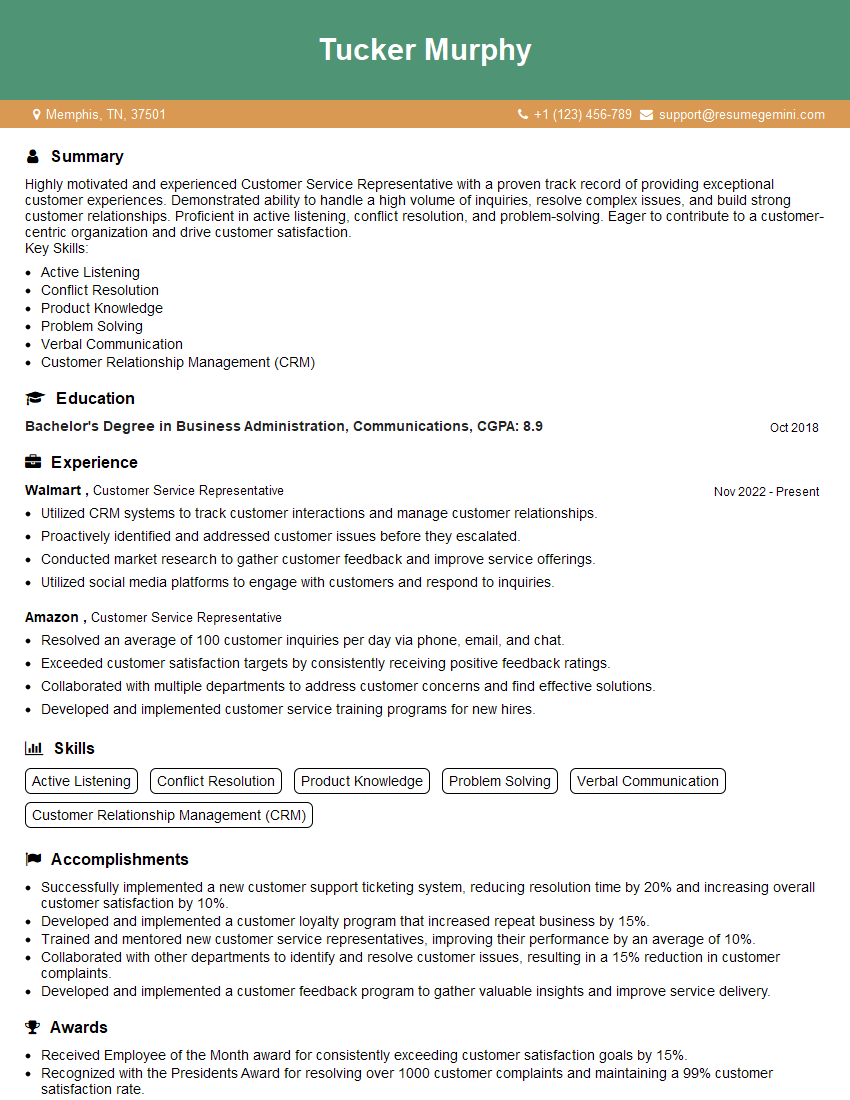
Customer Service Representative Resume Sample
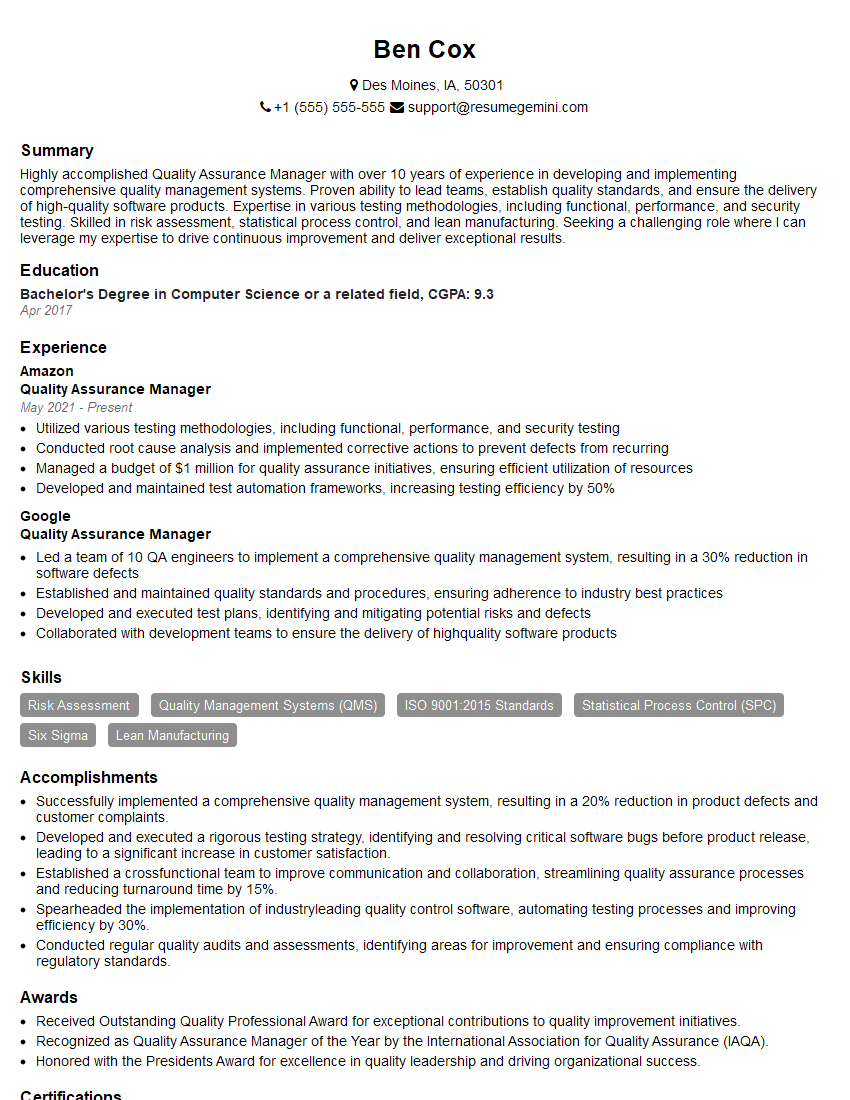
Quality Assurance Manager Resume Sample
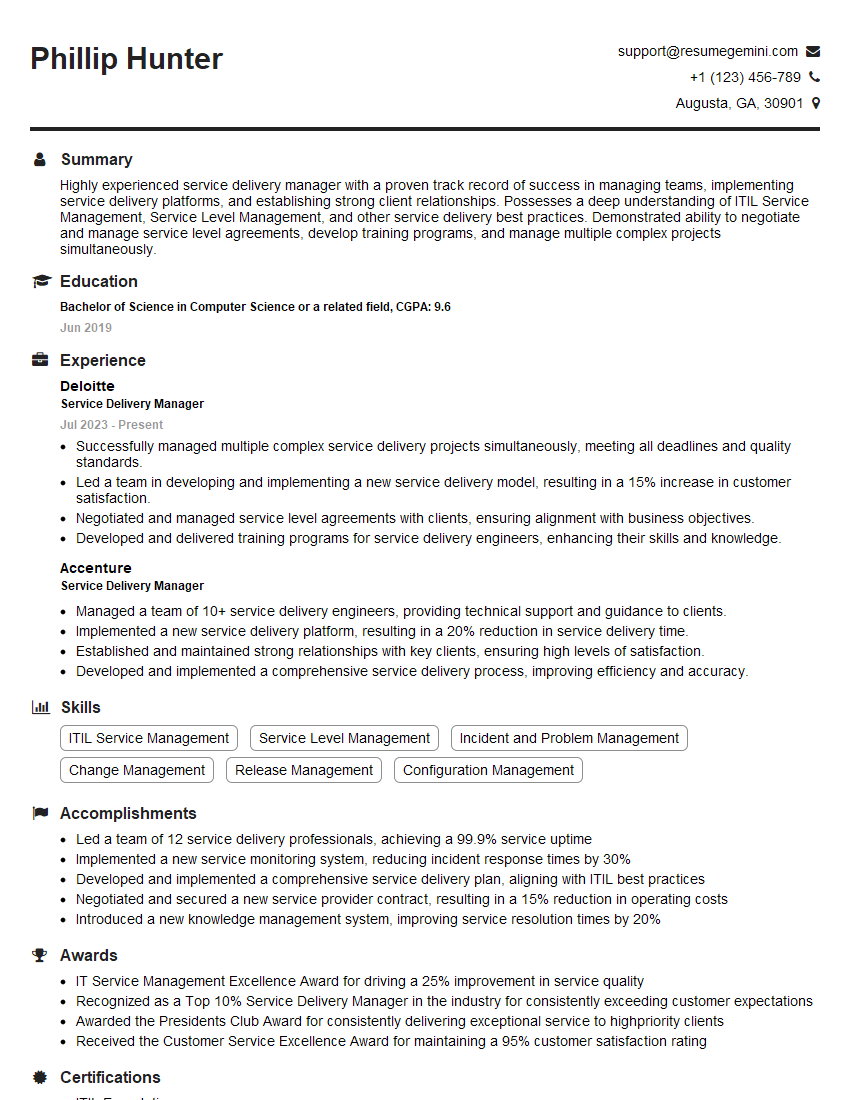
Service Delivery Manager Resume Sample
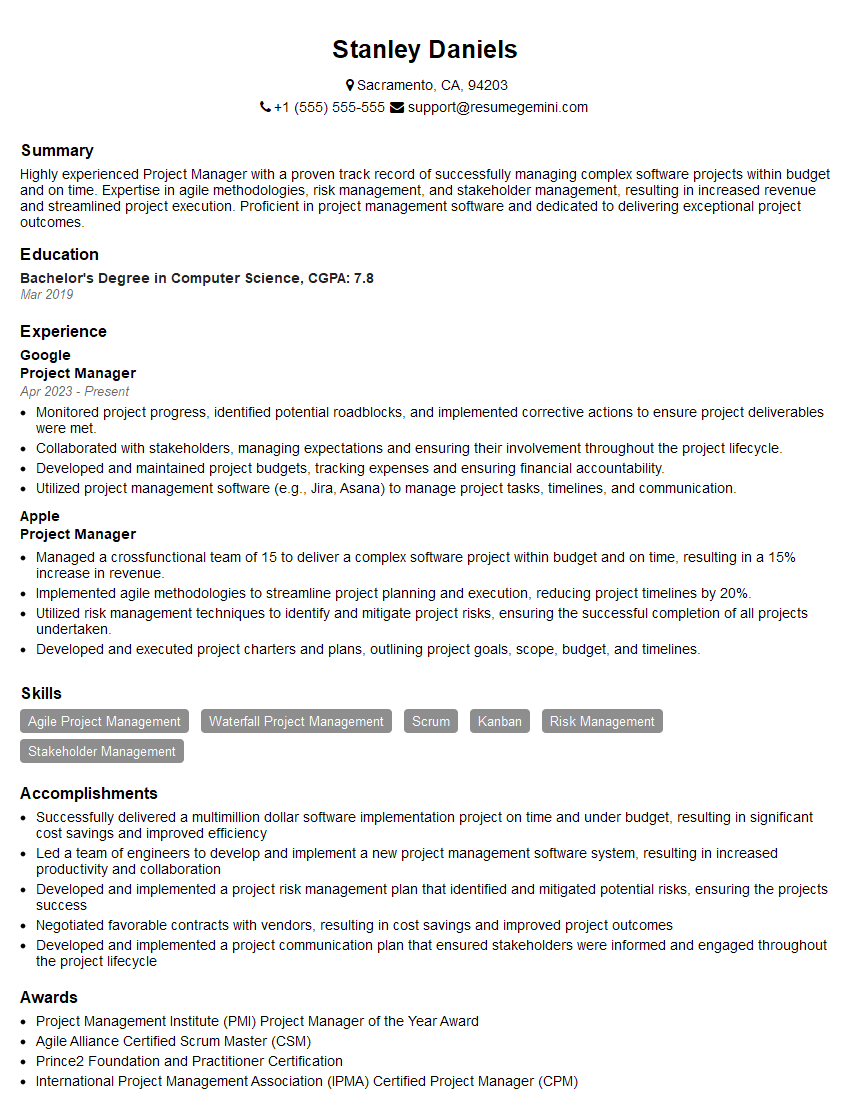
Project Manager Resume Sample

Training Specialist Resume Sample
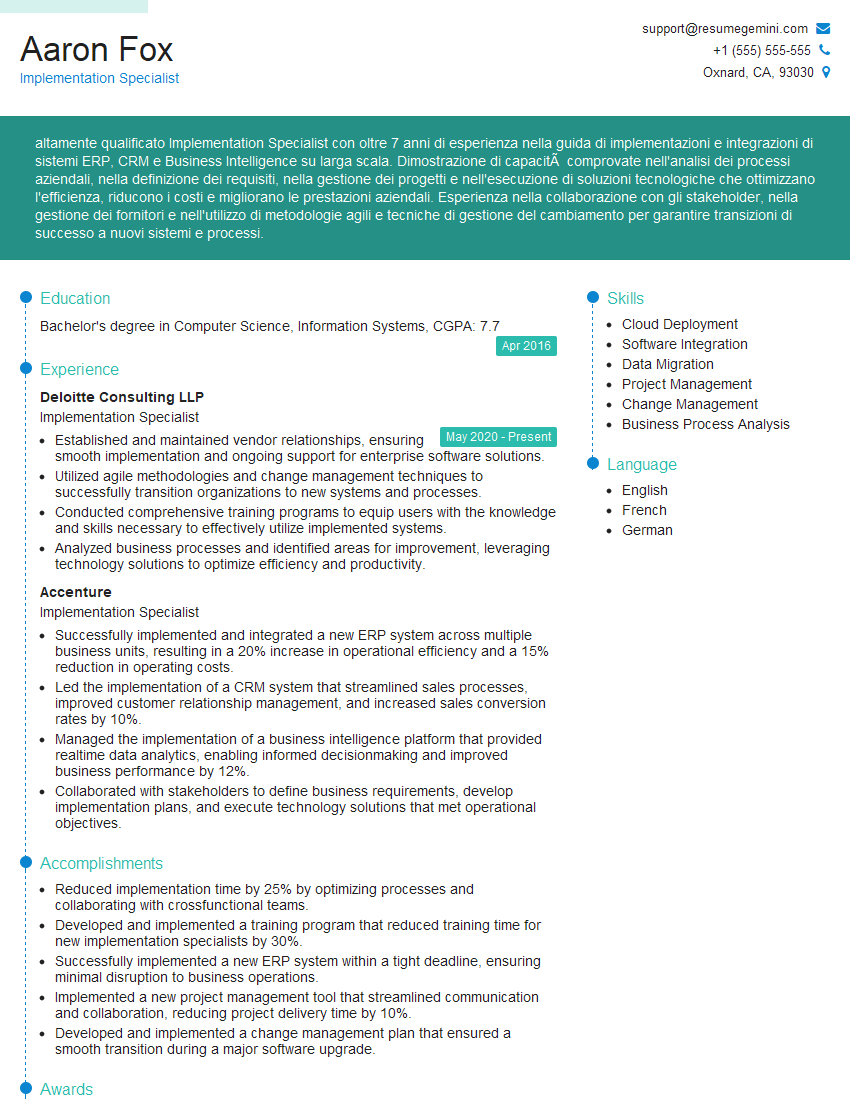
Implementation Specialist Resume Sample
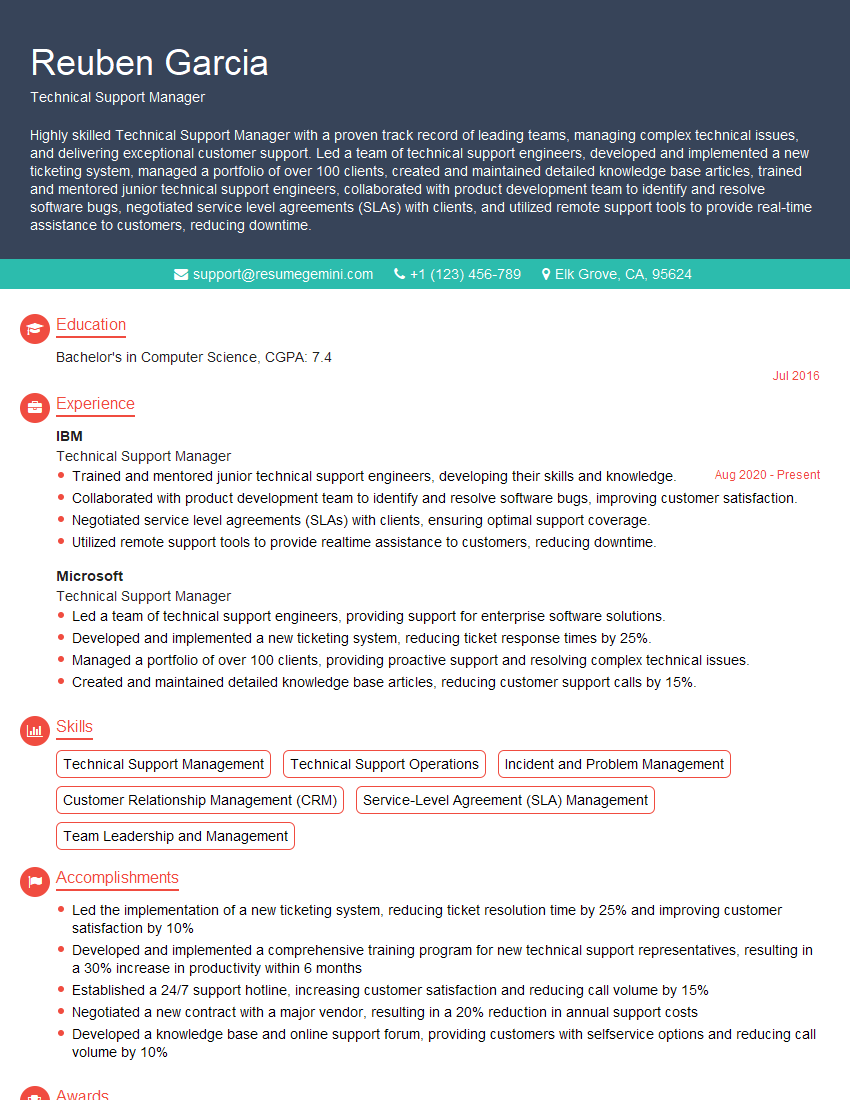
Technical Support Manager Resume Sample
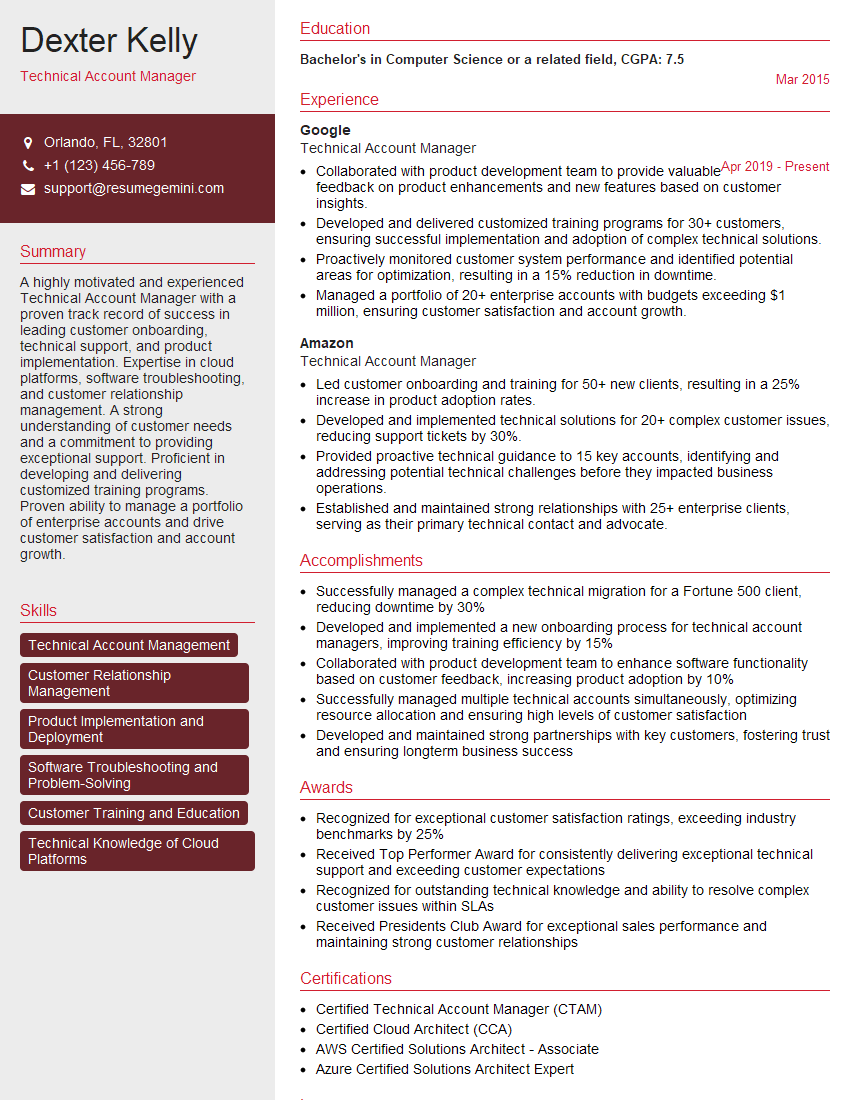
Technical Account Manager Resume Sample
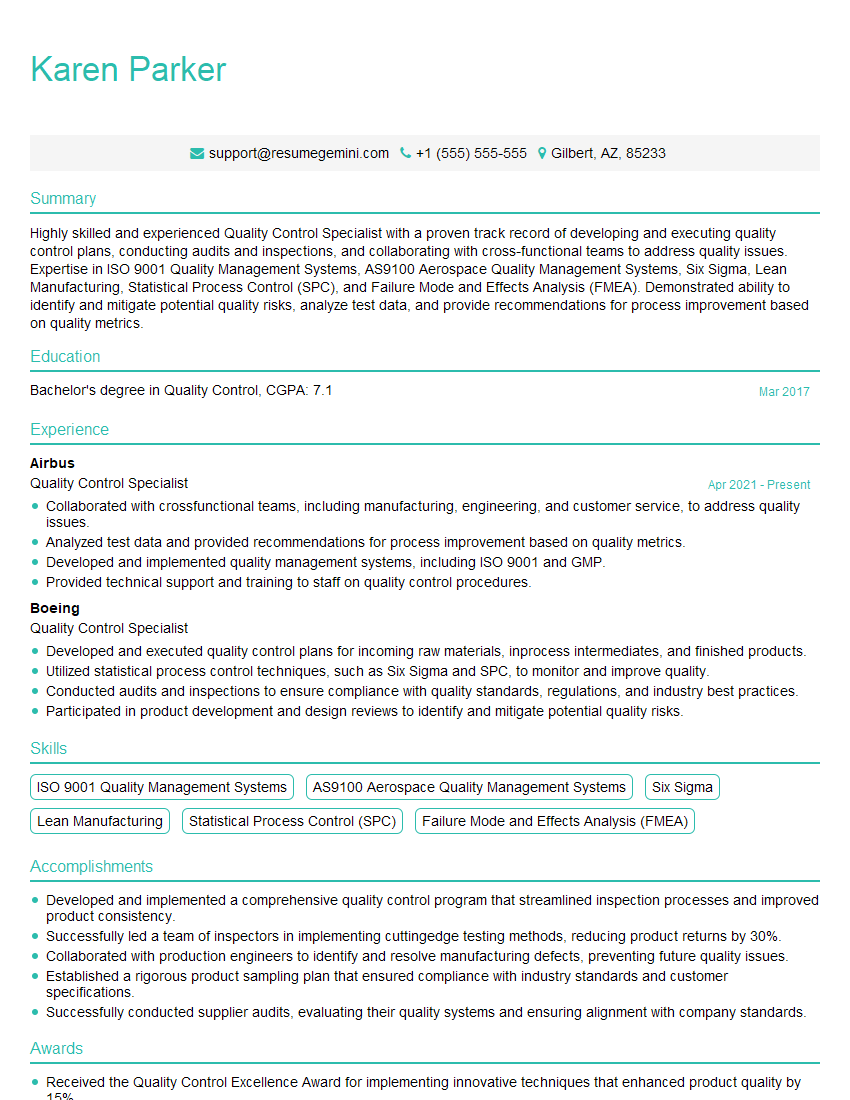
Quality Control Specialist Resume Sample
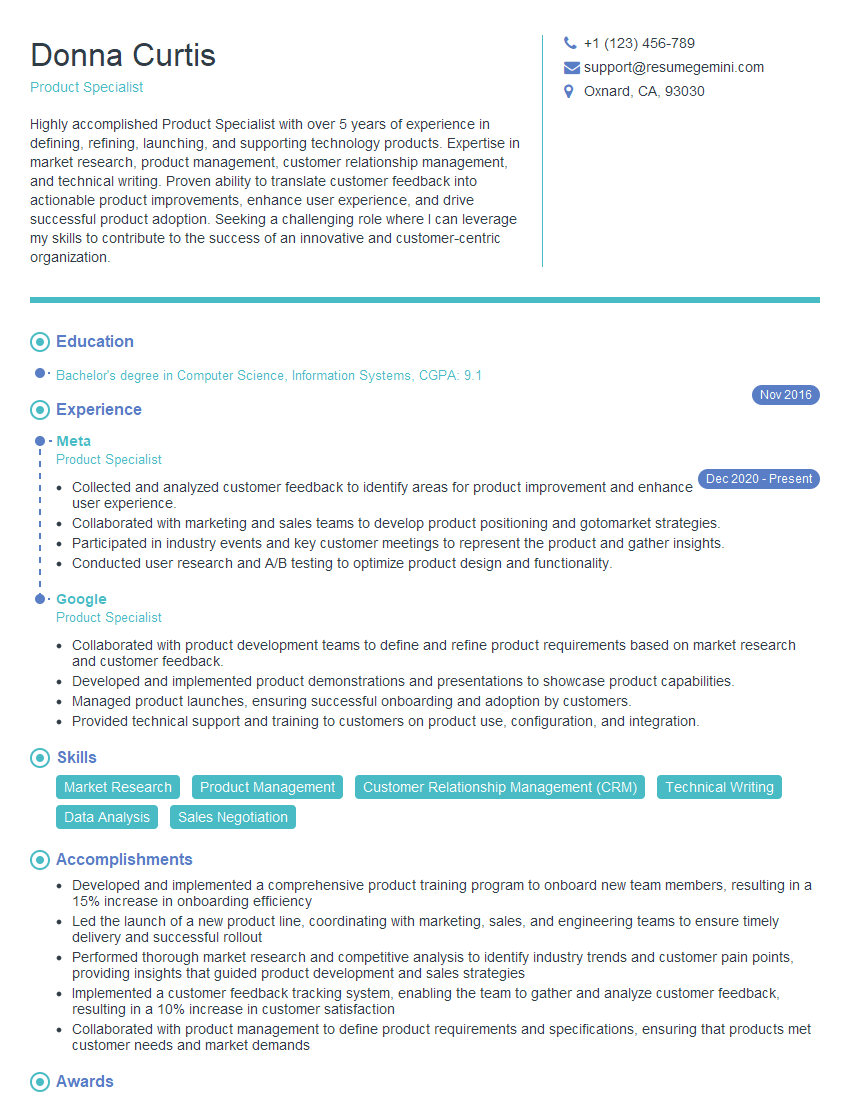
Product Specialist Resume Sample
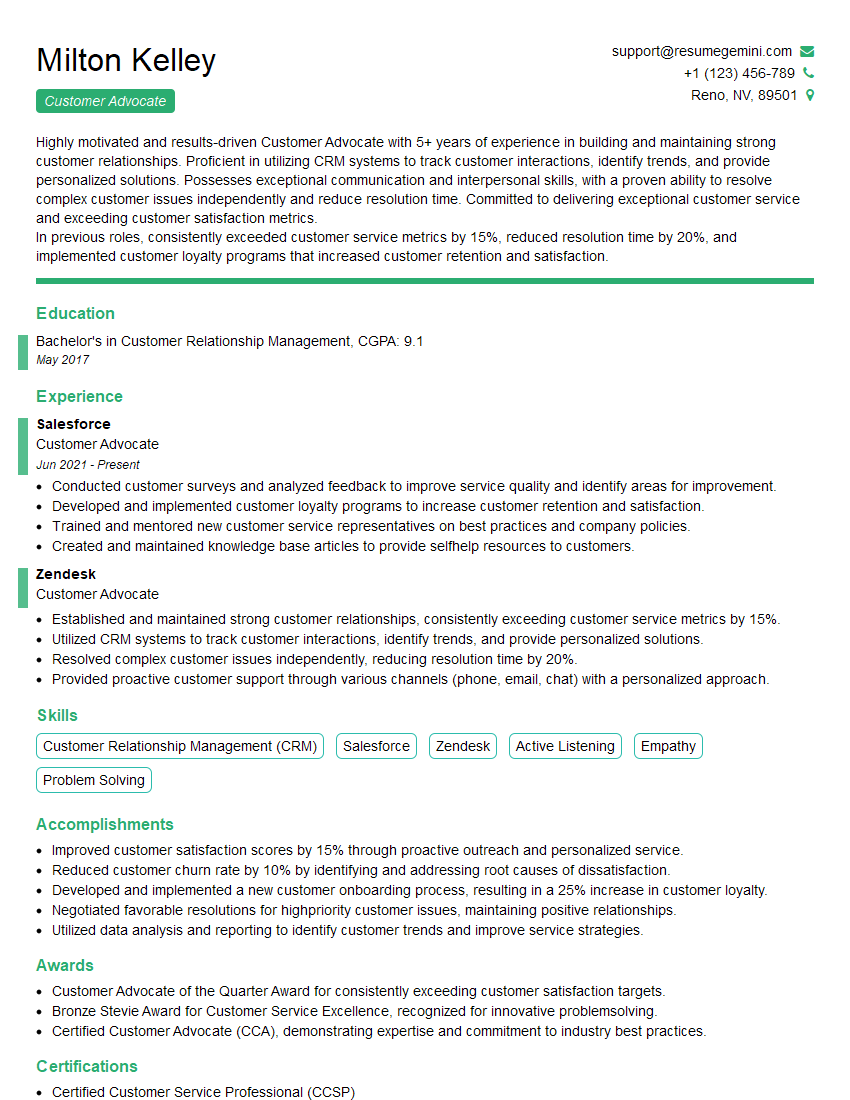
Customer Advocate Resume Sample
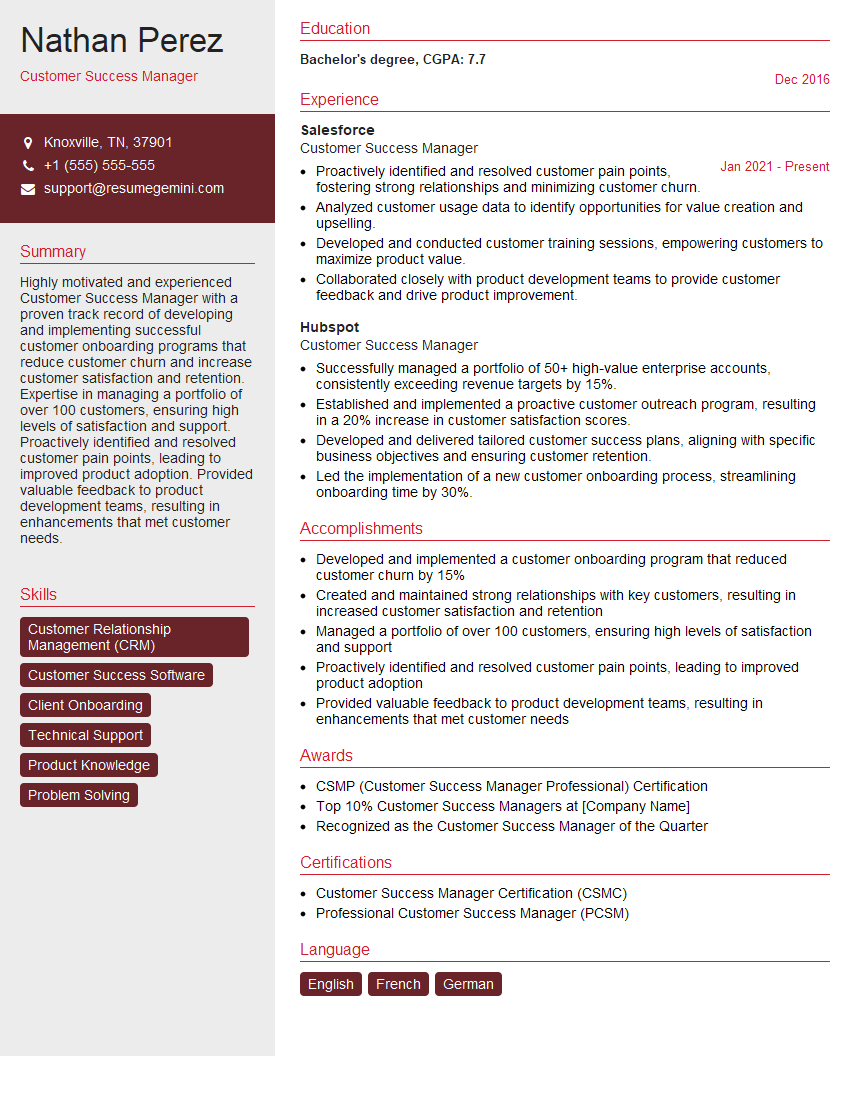
Customer Success Manager Resume Sample
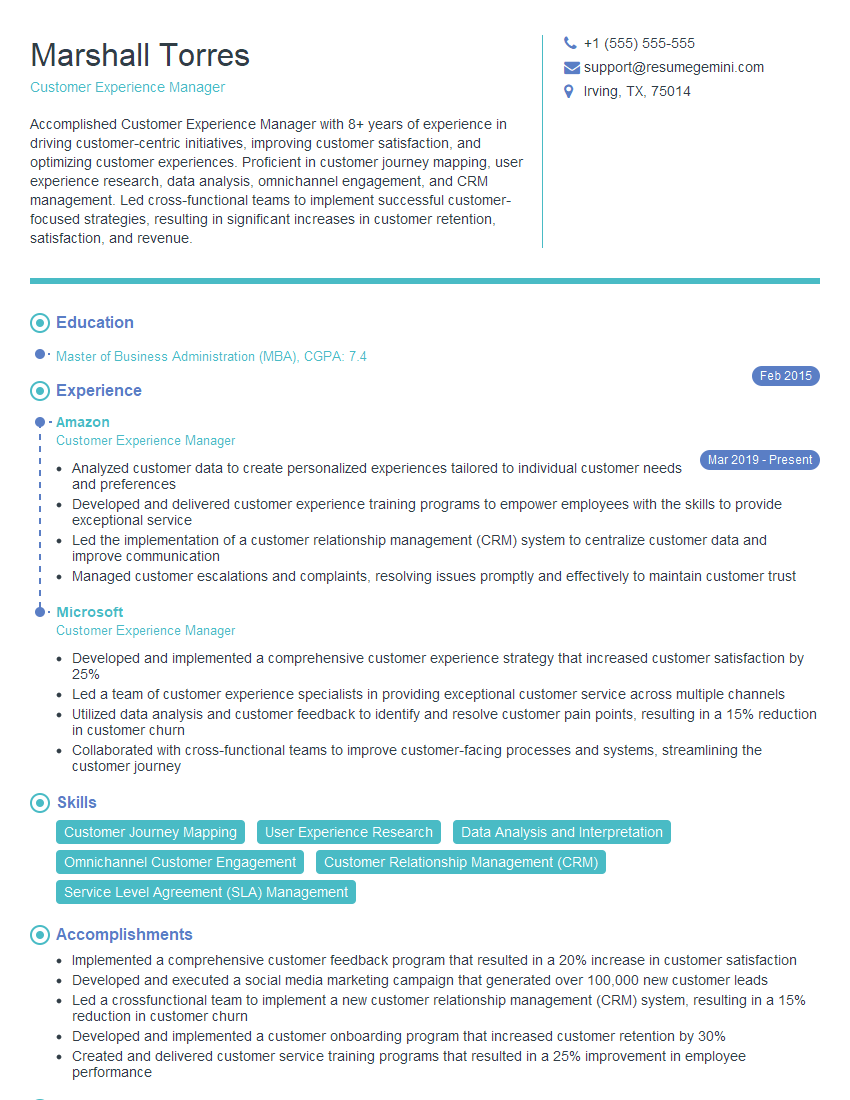
Customer Experience Manager Resume Sample
- Operations Manager
- Account Manager
- Sales Manager
- Business Development Manager
- Customer Service Manager
- Relationship Manager
- Customer Service Representative
- Quality Assurance Manager
- Service Delivery Manager
- Project Manager
- Training Specialist
- Implementation Specialist
- Technical Support Manager
- Technical Account Manager
- Quality Control Specialist
- Product Specialist
- Customer Advocate
- Customer Success Manager
- Customer Experience Manager
Explore more articles
Users Rating of Our Blogs
Share Your Experience
We value your feedback! Please rate our content and share your thoughts (optional).
What Readers Say About Our Blog
To the interviewgemini.com Webmaster.
Very helpful and content specific questions to help prepare me for my interview!
Thank you
To the interviewgemini.com Webmaster.
This was kind of a unique content I found around the specialized skills. Very helpful questions and good detailed answers.
Very Helpful blog, thank you Interviewgemini team.