The right preparation can turn an interview into an opportunity to showcase your expertise. This guide to Experience with Moisture-Resistant and Fire-Rated Drywall interview questions is your ultimate resource, providing key insights and tips to help you ace your responses and stand out as a top candidate.
Questions Asked in Experience with Moisture-Resistant and Fire-Rated Drywall Interview
Q 1. What are the key differences between standard drywall, moisture-resistant drywall, and fire-rated drywall?
The core difference between these drywall types lies in their composition and intended use. Standard drywall, also known as Type A, offers basic protection against impact and provides a surface for finishing. Moisture-resistant drywall (often labeled as MR or greenboard) contains additives that resist water absorption, making it suitable for humid areas. Finally, fire-rated drywall, such as Type X, contains gypsum crystals and other fire-retardant materials that significantly increase its fire resistance.
- Standard Drywall (Type A): Economical, suitable for most interior applications, but vulnerable to moisture damage and offers minimal fire resistance.
- Moisture-Resistant Drywall (MR): Resists moisture absorption better than standard drywall, ideal for bathrooms, kitchens, and basements. It’s not a complete waterproofing solution, though.
- Fire-Rated Drywall (Type X, Type C): Designed to withstand fire for extended periods. Type X is commonly used in fire-rated walls and ceilings, while Type C is a specialized type offering increased fire resistance in specific situations.
Think of it like this: standard drywall is like regular bread—it’s fine for everyday use but will get soggy in the rain. Moisture-resistant drywall is like a slightly tougher, waterproofed bread—better suited for damp conditions. Fire-rated drywall is like a fire-resistant brick—built to withstand extreme heat.
Q 2. Describe the proper installation methods for moisture-resistant drywall in a bathroom environment.
Installing moisture-resistant drywall in a bathroom requires meticulous attention to detail to prevent moisture intrusion. Here’s a step-by-step approach:
- Preparation: Ensure the framing is properly braced and sealed. Use a moisture barrier behind the drywall, such as a polyethylene vapor retarder.
- Installation: Use corrosion-resistant screws designed for drywall. Ensure proper spacing and screw depth to avoid damage.
- Seams and Joints: Apply a moisture-resistant drywall tape and compound to all joints and seams. Multiple coats are essential for creating a watertight seal.
- Caulking: Caulk all penetrations, such as around plumbing fixtures and vents. This creates an additional barrier against moisture penetration.
- Finishing: Prime and paint the drywall with moisture-resistant paint to further protect against moisture damage.
Remember: While MR drywall is designed to resist moisture, it isn’t completely waterproof. Proper ventilation and caulking are crucial for preventing moisture problems.
Q 3. Explain the purpose and application of different types of fire-rated drywall (e.g., Type X, Type C).
Different types of fire-rated drywall offer varying degrees of fire protection. Type X is the most common, providing a one-hour fire rating in most applications. Type C drywall is designed for even greater fire resistance, often used in specialized scenarios where higher fire ratings are required. The purpose is to contain a fire and prevent its spread, protecting lives and property.
- Type X: The standard fire-rated drywall, offering a significant improvement over standard drywall’s fire resistance. Commonly used in walls, ceilings, and shaft enclosures to meet building codes.
- Type C: Offers superior fire resistance to Type X, commonly used in high-risk areas or where longer fire protection is needed.
Imagine Type X as a fire-resistant shield, slowing the fire’s progression. Type C offers an even stronger shield, providing more time for evacuation and firefighting efforts.
Q 4. How do you ensure proper joint taping and finishing for moisture-resistant and fire-rated drywall?
Proper joint taping and finishing are critical for both moisture-resistant and fire-rated drywall to ensure a seamless, durable, and watertight surface (where applicable). For moisture-resistant drywall, using a moisture-resistant tape and compound is essential. The process involves:
- Tape Application: Embed the tape into the joint compound, ensuring it’s fully adhered.
- First Coat: Apply a thin coat of joint compound over the tape, feathering the edges.
- Second Coat: Once the first coat is dry, apply a second coat, further feathering the edges to create a smooth transition.
- Sanding: After drying, carefully sand the surface to achieve a smooth finish.
- Priming and Painting: Prime the surface before painting to ensure proper adhesion and protection.
For fire-rated drywall, the focus is on creating a solid, continuous barrier. Pay close attention to the manufacturer’s recommendations for the type and application of joint compound used. Using specialized fire-rated joint compound is highly recommended.
Q 5. What are the common causes of drywall failure in moisture-prone areas?
Drywall failure in moisture-prone areas often stems from a combination of factors, including improper installation, inadequate ventilation, and water intrusion. Here are some common causes:
- Water Leaks: Leaks from pipes, roofs, or windows can saturate the drywall, leading to mold growth and structural damage.
- Poor Ventilation: Inadequate ventilation traps moisture, creating a humid environment that encourages mold and deterioration of the drywall.
- Lack of Moisture Barriers: Failure to install appropriate moisture barriers behind the drywall allows moisture to penetrate easily.
- Improper Installation: Gaps and cracks in the drywall or improper sealing of joints create pathways for water intrusion.
- Condensation: Condensation on cold surfaces, like exterior walls in uninsulated spaces, can lead to prolonged exposure to moisture.
Consider this: a poorly sealed window is like a tiny hole in a dam; eventually, the pressure of water can cause significant damage.
Q 6. How do you identify and address problems with moisture-damaged drywall?
Identifying moisture damage in drywall often involves visual inspection and testing. Look for signs such as:
- Discoloration: Dark stains, especially brown or black, often indicate mold growth.
- Bulging or Swelling: Drywall that’s swollen or bulging suggests moisture absorption.
- Soft or Mushy Drywall: If the drywall feels soft or spongy, it’s likely water-damaged.
- Musty Odor: A musty smell can indicate the presence of mold.
To address the problem, the damaged drywall must be removed and replaced. The underlying cause of the moisture must be addressed to prevent recurrence. Thoroughly dry the area before installing new drywall, and ensure proper ventilation and moisture barriers are in place.
Remember, mold removal requires specific safety precautions and may require the assistance of a professional.
Q 7. What safety precautions are necessary when working with fire-rated drywall?
Working with fire-rated drywall involves specific safety precautions due to the materials used and the potential for dust inhalation. Always:
- Wear appropriate PPE: This includes safety glasses, a dust mask (preferably an N95 or better), and gloves to protect against dust and potential irritants.
- Dust Control: Use dust collection systems during cutting and sanding to minimize dust inhalation. Work in a well-ventilated area.
- Proper Handling: Handle fire-rated drywall carefully to prevent damage. Avoid dropping or rough handling.
- Fire Safety: Be mindful of fire hazards when cutting or sanding, keeping the area clear of flammable materials and having fire extinguishers readily available.
- Disposal: Dispose of scraps and waste properly, in accordance with local regulations.
Think of it as working with any other construction material, but with an extra emphasis on preventing dust and protecting your lungs. Proper ventilation and respiratory protection are paramount.
Q 8. What are the fire rating requirements for different building codes?
Fire rating requirements for drywall vary significantly depending on the building code—International Building Code (IBC), local ordinances, and the specific application within a building. For instance, a standard wall in a residential setting might only require a 1-hour fire rating, easily achieved with standard drywall. However, a fire wall separating two structures or a wall in a commercial building with heavy occupancy would necessitate a much higher rating, perhaps 2, 3, or even 4 hours. This higher rating would require specialized fire-rated drywall, often thicker and containing fire-retardant additives. The type of construction—wood frame versus steel frame—also plays a role in determining the required fire rating. Furthermore, specific locations like stairwells or corridors often have stricter regulations. It’s crucial to consult the relevant building codes for the precise specifications before selecting drywall.
Think of it like this: a basic raincoat protects you from a light shower, but you’d need a specialized fire-resistant suit for a raging inferno. Similarly, standard drywall is fine for normal walls, but specialized fire-rated drywall is a must for situations demanding higher fire protection.
Q 9. How do you determine the appropriate type of drywall for a specific application?
Choosing the right drywall hinges on several factors: the intended location, its purpose, and the environmental conditions. For areas prone to moisture, like bathrooms or kitchens, moisture-resistant (MR) drywall is essential. This drywall has a green-colored core, which helps it resist water damage and mold growth. For high-traffic areas prone to impacts, a stronger type of drywall, possibly impact-resistant, might be preferable. In locations requiring fire resistance, fire-rated drywall, often labeled with its fire rating (e.g., Type X), is mandatory. Finally, for areas requiring soundproofing, sound-dampening drywall is necessary.
For example, in a newly constructed home, I would use standard drywall in bedrooms and living rooms, MR drywall in bathrooms and kitchens, and Type X fire-rated drywall for separating walls between attached garages and living areas. The specific requirements depend on the building code and the architect’s specifications. Always check the manufacturer’s specifications to confirm the suitability of the drywall for its intended application.
Q 10. Describe your experience with different types of drywall fasteners.
My experience encompasses a wide range of drywall fasteners, each suited for different situations. The most common are drywall screws, which offer excellent holding power and are easy to install with a power screwdriver. However, the screw type must match the drywall thickness and material. For example, longer screws are needed for thicker drywall. I also have experience using nails in certain applications; however, this is less common now, due to the greater holding power and reduced cracking risk that drywall screws offer. In some cases, special self-tapping screws are used for metal studs. The selection of the fastener depends on the material of the framing members, the thickness of the drywall, and the load-bearing requirements of the wall.
I’ve encountered situations where improper fastener selection led to drywall cracking or loosening. I always ensure to use the correct screw length and type for each application, to ensure that the drywall is properly and securely affixed to the framing.
Q 11. Explain the importance of proper ventilation in areas with moisture-resistant drywall.
Proper ventilation is critical in areas with moisture-resistant drywall, primarily to prevent moisture buildup, which can lead to mold and mildew growth, even with MR drywall. Moisture-resistant drywall is not waterproof; it simply offers increased resistance. Adequate ventilation ensures that any moisture present can escape, preventing damage to both the drywall and the underlying structure. This is typically achieved through bathroom exhaust fans, kitchen range hoods, and proper attic and crawlspace ventilation.
Consider a greenhouse—it’s designed to hold moisture, but adequate ventilation prevents excessive humidity and mold growth. Similarly, even with MR drywall, proper ventilation is vital to maintain a dry environment, preventing potential structural damage and health hazards caused by mold.
Q 12. How do you manage waste materials during drywall installation?
Waste management during drywall installation involves a systematic approach to minimize environmental impact and maintain a clean worksite. This begins with careful planning and precise cutting to reduce scrap. Drywall scraps are typically separated into different categories: clean gypsum board for recycling, and contaminated or damaged pieces for disposal at a designated landfill. Recycling programs for drywall are increasingly common, making sustainable waste management a realistic goal. Always follow local regulations regarding disposal, and ensure proper labeling of waste materials for efficient handling. Protecting the environment and adhering to regulations are paramount.
I always ensure that waste materials are handled responsibly and in line with local environmental regulations. Careful planning and precise cutting are key to minimizing waste.
Q 13. What tools and equipment are essential for efficient drywall installation?
Efficient drywall installation demands the right tools and equipment. A power screwdriver is essential for rapid and consistent screw installation, while a utility knife is needed for precise cutting. A drywall saw, capable of cutting straight lines and curves, is vital. A measuring tape, level, and square are fundamental for ensuring accurate measurements and plumb installations. A T-square is helpful for marking long straight cuts. Safety equipment includes safety glasses, gloves, and a dust mask to protect against dust inhalation. A drywall lift is useful for larger sheets, enhancing efficiency and safety.
Imagine trying to build a house with just a hammer and nails – it would be tedious and inefficient! The right tools save time and improve the quality of the work.
Q 14. Describe your experience with drywall mud and taping techniques.
My experience with drywall mud and taping involves various techniques to achieve a smooth, seamless finish. The process begins with applying tape to the joints, embedding it firmly into the drywall mud (joint compound). This step ensures a strong bond and prevents cracking. Multiple coats of mud are applied, with each coat allowed to dry before the next. The final coat is carefully smoothed to achieve a flawless finish. Different mud types exist, including lightweight all-purpose mud for easy application and quick drying and setting-type mud which provides a harder finish. The techniques include various tools such as taping knives, putty knives, and sanding tools, each designed for different stages of the process. Knowing when to add water, allowing for drying time, and using the correct tools are vital. Achieving a seamless finish requires patience and practice.
Think of it as painting: one sloppy coat won’t suffice; multiple layers and careful smoothing are necessary for a professional finish. The same principle applies to drywall mudding and taping—meticulous attention to detail is key to achieving the desired result.
Q 15. How do you ensure the proper alignment and levelness of drywall sheets?
Ensuring proper alignment and levelness of drywall sheets is crucial for a smooth, professional finish. It starts with meticulous preparation. We begin by establishing perfectly plumb and level reference lines on the framing using a laser level or a reliable level and chalk line. This acts as our guide throughout the installation.
Next, we carefully position the first sheet, ensuring it’s flush against the reference lines. We use shims, strategically placed between the sheet and the framing, to correct minor inconsistencies. Each subsequent sheet is meticulously aligned with the previous one, paying close attention to the vertical and horizontal seams. We frequently check alignment using a long level and a measuring tape, making adjustments as needed. Think of it like building with Lego bricks – each piece needs to be perfectly aligned to create a solid and aesthetically pleasing structure.
For larger sheets or difficult-to-reach areas, a second person assists in carefully positioning and securing the drywall to the framing. We never force the sheets, as this can cause cracking or damage. Instead, we work methodically, checking and double-checking alignment at every step.
Career Expert Tips:
- Ace those interviews! Prepare effectively by reviewing the Top 50 Most Common Interview Questions on ResumeGemini.
- Navigate your job search with confidence! Explore a wide range of Career Tips on ResumeGemini. Learn about common challenges and recommendations to overcome them.
- Craft the perfect resume! Master the Art of Resume Writing with ResumeGemini’s guide. Showcase your unique qualifications and achievements effectively.
- Don’t miss out on holiday savings! Build your dream resume with ResumeGemini’s ATS optimized templates.
Q 16. What are the common problems encountered during drywall installation and how do you address them?
Common drywall installation problems often stem from inadequate preparation or improper technique. Uneven framing is a major culprit, leading to uneven drywall surfaces. This is addressed by carefully shimming the framing before installation. Another frequent issue is improper fastening, which can result in loose sheets, nail pops, or even damage to the drywall itself. To prevent this, we use the correct type and size of screws, ensuring they’re driven flush but not too deep.
We also encounter issues with incorrect tape and joint compound application, resulting in unsightly seams. Careful taping and multiple coats of compound are essential for achieving a smooth, seamless finish. Finally, moisture problems, particularly in bathrooms and kitchens, can lead to mold and mildew growth if moisture-resistant drywall isn’t used or if proper ventilation isn’t maintained. Addressing these issues requires careful planning, selection of appropriate materials, and adherence to best practices. For instance, we always prime moisture-resistant drywall in wet areas to enhance its water-repelling properties.
Q 17. How do you handle challenging installations, such as curved walls or complex angles?
Curved walls and complex angles present unique challenges, requiring specialized techniques. For curved walls, we use flexible drywall or carefully score the back of standard drywall to create a bendable surface. This needs to be done carefully to avoid cracking. We use a special scoring tool and bend the drywall gradually to achieve the desired curve. The process demands patience and precision.
For complex angles, accurate measurements are paramount. We often create templates from cardboard or other readily available materials to ensure precise cuts. In some cases, custom-cut pieces might be needed. For instance, for interior corners, we use specialized corner bead to create a strong, clean, and straight edge. This requires careful measuring and precise cutting of the drywall to fit snugly against the bead. It’s like working with a complex jigsaw puzzle – each piece must fit perfectly to create the complete picture.
Q 18. Explain your understanding of building codes and regulations related to drywall installation.
My understanding of building codes and regulations regarding drywall installation is comprehensive. I’m familiar with the International Building Code (IBC) and local variations, including those pertaining to fire-resistant drywall, moisture-resistant drywall, and accessibility requirements. These codes specify the type of drywall required based on the location and use of the space. For example, fire-rated drywall is mandatory in certain areas to meet fire safety standards.
I’m also knowledgeable about requirements for fastening, joint compound application, and the appropriate firestopping methods around penetrations. We strictly adhere to all relevant codes and regulations, ensuring that our work meets the highest safety and performance standards. This often involves obtaining necessary permits and inspections, which I’m experienced with handling. Compliance is not just a matter of following rules; it’s about ensuring the safety and longevity of the structure.
Q 19. Describe your experience working with different types of drywall finishing compounds.
My experience with various drywall finishing compounds is extensive. I’m proficient in using different types, including all-purpose joint compound, lightweight joint compound, and setting-type compounds. Each compound has its unique properties and application methods. All-purpose compound is a versatile choice, suitable for most applications, while lightweight compound is ideal for areas where reducing weight is a concern.
Setting-type compounds, which set quickly, are useful for specific situations needing fast turnaround. I also understand the importance of using primers before applying the joint compound, especially on moisture-resistant drywall, to ensure proper adhesion and prevent problems. The selection of compound depends on factors like the type of drywall, the desired finish, and environmental conditions. Just like a painter chooses the right paint for a surface, I carefully select the appropriate compound for each project and situation to achieve the best possible result.
Q 20. How do you maintain quality control throughout the drywall installation process?
Maintaining quality control throughout the drywall installation process is paramount. It involves a combination of careful planning, meticulous execution, and regular inspections. Before the installation begins, we verify that all materials are of the specified quality and that the framing is properly prepared. During the installation, we regularly check for alignment, proper fastening, and correct tape and compound application. We utilize tools like levels, measuring tapes, and squares to ensure accuracy at every stage.
After each stage of the process (installing the drywall, taping, and applying the compound), thorough inspections are carried out to identify and rectify any defects before moving to the next step. This prevents small problems from escalating into major issues. It’s a continuous process of checking and rechecking, ensuring that every detail is addressed to meet the highest quality standards. Think of it as quality assurance in any manufacturing process—proactive checks are crucial for a flawless final product.
Q 21. What are the best practices for cutting and fitting drywall sheets around doors and windows?
Cutting and fitting drywall sheets around doors and windows requires precision and careful planning. Accurate measurements are essential. We typically measure the opening, making sure to account for any existing trim. Then, we transfer these measurements onto the drywall sheet, using a pencil and straight edge. We use a utility knife, scoring the drywall first and then snapping it along the score line for clean, straight cuts. For curved openings, we use a jigsaw or a drywall saw for more accurate cutting.
Once cut, the sheet is carefully fitted around the opening. We may need to create several smaller pieces to fill any gaps. It is often helpful to create a template from cardboard before cutting the actual drywall. This helps ensure accurate cuts and saves material. In all cases, it’s critical to ensure a tight fit to prevent air gaps and ensure a smooth, professional finish. The process is similar to cutting and installing a picture frame; we need accuracy and careful positioning for a perfect fit and final appearance.
Q 22. Describe your experience with using specialized tools for drywall finishing, such as taping knives and sanders.
Mastering drywall finishing hinges on the right tools. My experience spans years of using a variety of taping knives – from 4-inch blades for tight corners to 12-inch blades for wide seams – and various sanders, both manual and powered. Knowing when to use each is crucial. For example, a 6-inch knife is perfect for feathering the compound, while a wider knife is best for covering larger areas smoothly. I prefer using a powered sander for large areas, which significantly speeds up the process and provides a more consistent finish. However, for detailed work around intricate molding or corners, a hand sander offers better control and precision. I’ve also experimented with various sanding screens and grits to achieve different levels of smoothness, always opting for a finer grit for the final pass to achieve that perfect, flawless surface.
Furthermore, the condition of the tools is paramount. Keeping my knives sharp and clean ensures a smooth application of the joint compound, avoiding those frustrating ridges that require extra sanding. Regular maintenance of my power sander, including changing the sanding screen frequently, is essential for efficient and even sanding.
Q 23. How do you manage time effectively during drywall installation projects?
Effective time management in drywall installation is about meticulous planning and efficient execution. Before starting any project, I always thoroughly review the blueprints, calculating the material needs precisely to avoid costly delays due to shortages. This includes accounting for waste and potential unforeseen complications.
On-site, I prioritize tasks. For instance, I’ll often have a team member start prepping the next section while I’m finishing the previous one, streamlining the workflow. I also utilize checklists to ensure all steps are followed meticulously and nothing is overlooked. This avoids rework which wastes significant time. Using specialized tools, like a power taping knife, significantly increases the pace of the finishing process while maintaining quality. I use time-tracking apps to monitor my own and my team’s progress to identify potential bottlenecks and adjust accordingly.
Q 24. How do you work effectively as part of a team during drywall installation?
Teamwork is essential in drywall installation. Effective collaboration requires clear communication, mutual respect, and a shared understanding of the project goals. Before starting a project, I ensure that every team member understands their roles and responsibilities. This involves clear instructions and regular check-ins. I foster a collaborative environment where team members feel comfortable sharing ideas and raising concerns without hesitation.
I encourage open communication; this includes daily briefings to discuss progress, potential challenges, and any necessary adjustments to the plan. On a practical level, efficient teamwork means having one person handle cutting and hanging while others focus on taping and finishing. This division of labor ensures a smooth and accelerated process. I strive to create a positive and supportive team environment. I often lead by example, taking on challenging tasks and actively assisting team members when needed. This fosters trust and strengthens the bond within the team.
Q 25. Describe a situation where you had to problem-solve a drywall installation issue. What was the problem, and how did you resolve it?
During a recent project involving moisture-resistant drywall in a bathroom, we encountered a significant problem with uneven wall surfaces. The existing wall was severely bowed in one area, making it difficult to achieve a flat, smooth surface. Simply hanging the drywall over this bow would result in a noticeable imperfection after finishing.
To solve this, we didn’t just add extra drywall, instead we opted for a multi-step solution. First, we carefully measured the extent of the bow. Then, we used furring strips to create a structurally sound and level surface. This involved attaching vertical strips of wood to the wall to even out the bow. After ensuring a perfectly flat surface we hung the moisture-resistant drywall ensuring it was securely fastened. This meticulous approach resulted in a flawless finished wall that met the project’s quality standards and demonstrates my ability to identify problems, find efficient solutions, and maintain high standards even in challenging situations.
Q 26. How do you stay updated on the latest trends and advancements in drywall technology and installation techniques?
Staying abreast of the latest advancements is vital in this ever-evolving field. I regularly attend industry workshops and conferences, where I learn about new materials, tools, and techniques. I subscribe to several industry publications and online forums where professionals share their expertise and experiences.
Manufacturers’ websites are also a valuable source of information; many offer detailed product specifications, installation guides, and training videos. Furthermore, I actively participate in online professional communities and attend webinars to network with fellow professionals and share knowledge, gaining valuable insights into best practices and innovative solutions. This proactive approach ensures that my skills and knowledge remain current, enabling me to deliver high-quality work efficiently.
Q 27. What are the different types of drywall seams and how do you prepare them for finishing?
Drywall seams are categorized based on their location and the type of joint. The most common types are butt joints (where two sheets meet edge-to-edge), and corner joints (interior or exterior corners). Proper preparation is critical for a seamless finish.
For butt joints, I ensure the edges are properly aligned and butted tightly together. I then use a setting tool to embed drywall tape into the joint and apply a thin coat of joint compound, feathering it out smoothly. For corner joints, the process involves using corner bead to create a sharp, straight edge. The bead is applied carefully, ensuring it is level and the compound adheres properly to the joint.
Regardless of the seam type, I always allow the initial coat of compound to dry thoroughly before applying subsequent coats. Multiple thin coats are better than one thick coat; this prevents cracking and ensures a smooth, even surface. Each layer is feathered gradually to provide a seamless transition to the surrounding wall surface. The final coat needs to be extremely smooth before sanding.
Q 28. Explain the process of priming and painting drywall after installation.
Priming and painting drywall is the final step in achieving a professional finish. After the final sanding, I thoroughly clean the surface to remove any remaining dust or debris. This is crucial to ensure the primer adheres properly. I then apply a high-quality primer designed for drywall. The primer seals the surface, providing a consistent base for the paint, preventing any potential issues with paint absorption.
Once the primer is dry, I apply two coats of paint, allowing each coat to dry completely before applying the next. I use a high-quality paint that is suitable for the application and the environment. For example, in bathrooms or kitchens, I use a paint designed to withstand moisture and prevent mold growth. This process not only protects the drywall but enhances the appearance, providing a durable and aesthetically pleasing finish.
Key Topics to Learn for Experience with Moisture-Resistant and Fire-Rated Drywall Interview
- Types of Drywall: Understanding the differences between standard, moisture-resistant (MR), and fire-rated (FR) drywall, including their composition and applications.
- Installation Techniques: Mastering proper installation methods for each type of drywall, including fastening techniques, joint taping, and finishing. Consider the impact of substrate conditions.
- Code Compliance: Familiarity with relevant building codes and regulations concerning the use of MR and FR drywall in various applications (e.g., bathrooms, kitchens, fire-rated walls).
- Material Selection: Knowing how to select the appropriate type of drywall for specific projects based on environmental conditions and building requirements.
- Problem-Solving: Troubleshooting common issues encountered during installation, such as cracking, sagging, or improper adhesion. Be prepared to discuss solutions.
- Safety Procedures: Highlighting safe handling and installation practices for drywall, including personal protective equipment (PPE) and waste disposal.
- Tools and Equipment: Demonstrating familiarity with the tools and equipment used in drywall installation, including their proper use and maintenance.
- Finishing Techniques: Understanding the specific finishing requirements for MR and FR drywall, ensuring a smooth and durable surface.
- Cost-Effectiveness: Discuss considerations for material choices based on budget and project needs.
Next Steps
Mastering experience with moisture-resistant and fire-rated drywall is crucial for career advancement in the construction and building trades. It demonstrates a high level of technical skill and adherence to safety regulations, making you a valuable asset to any team. To significantly improve your job prospects, focus on creating an ATS-friendly resume that effectively highlights your skills and experience. ResumeGemini is a trusted resource to help you build a professional and impactful resume that showcases your expertise. Examples of resumes tailored to experience with moisture-resistant and fire-rated drywall are available to help guide you.

Construction Superintendent Resume Sample

General Contractor Resume Sample
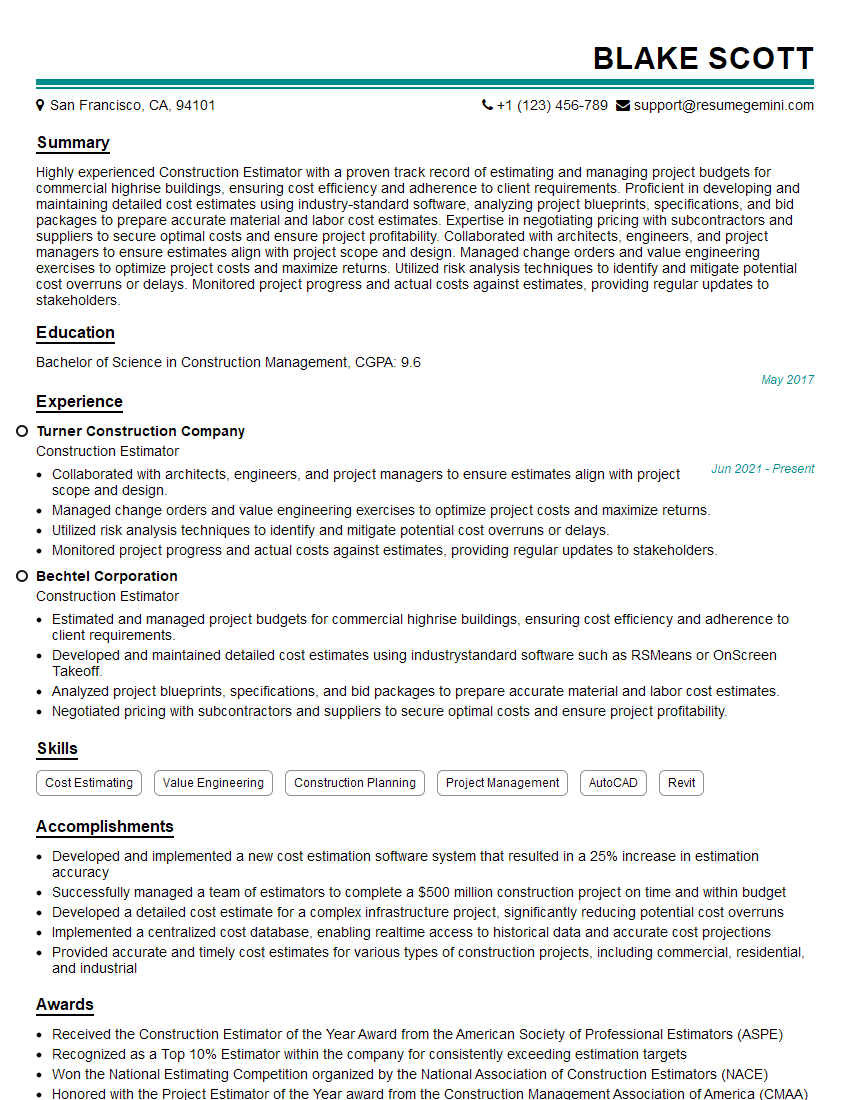
Construction Estimator Resume Sample
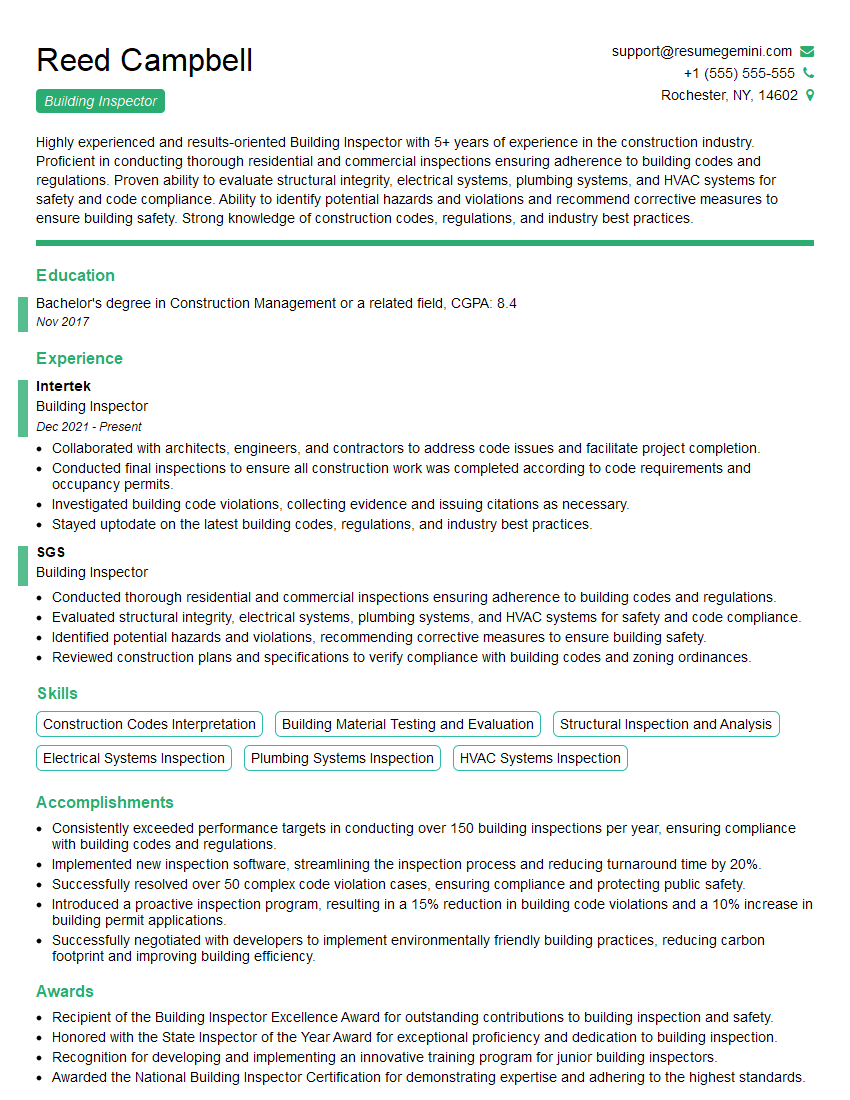
Building Inspector Resume Sample
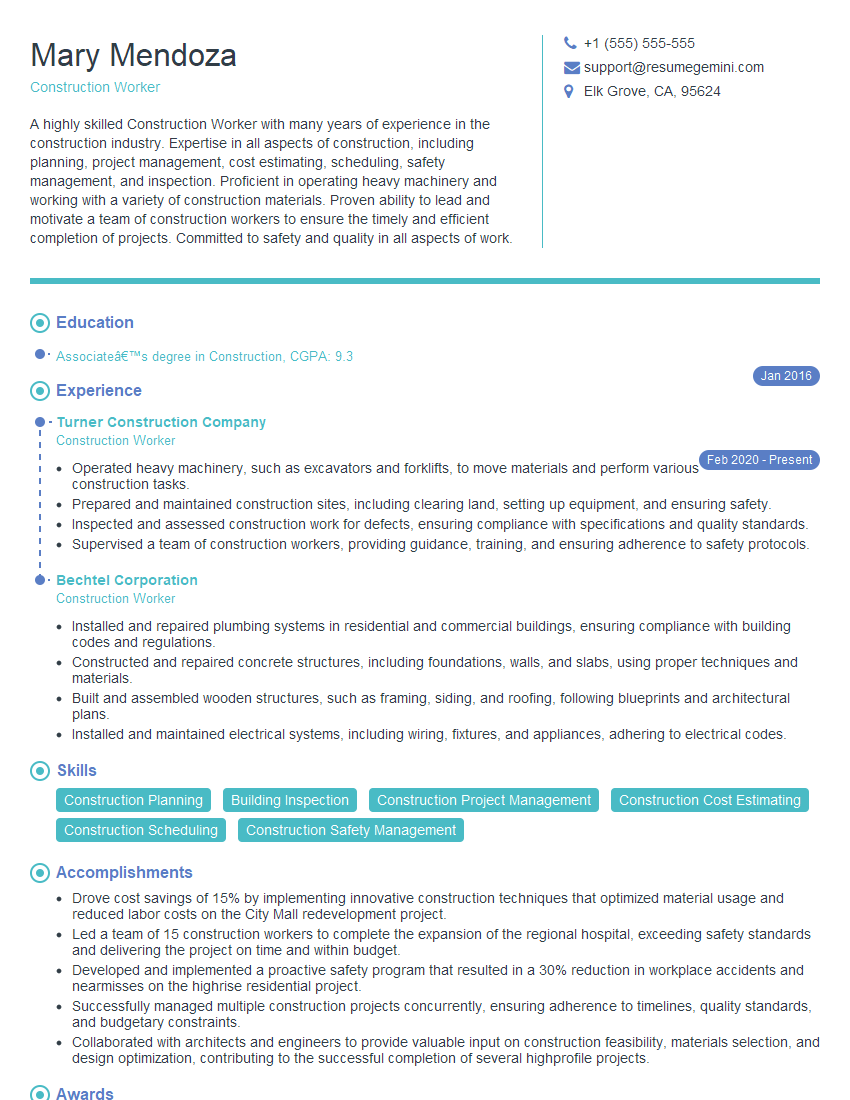
Construction Worker Resume Sample

Carpenter Resume Sample

Construction Laborer Resume Sample
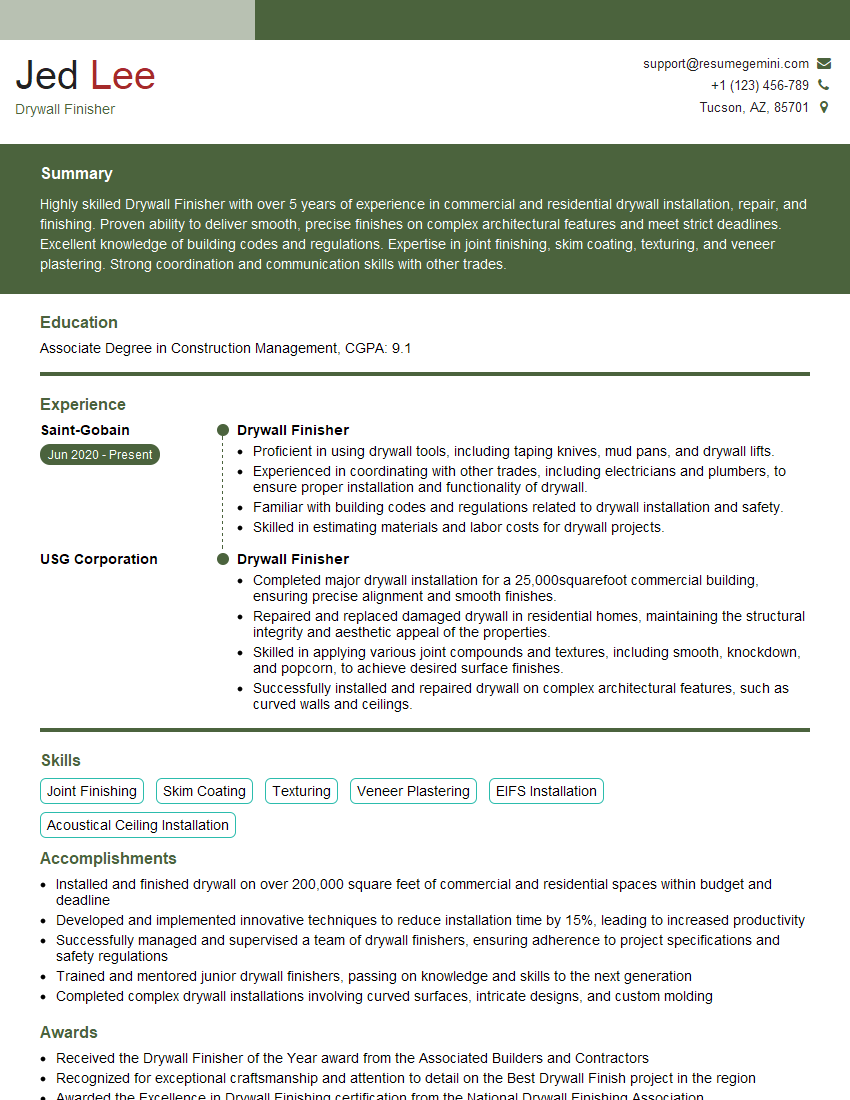
Drywall Finisher Resume Sample
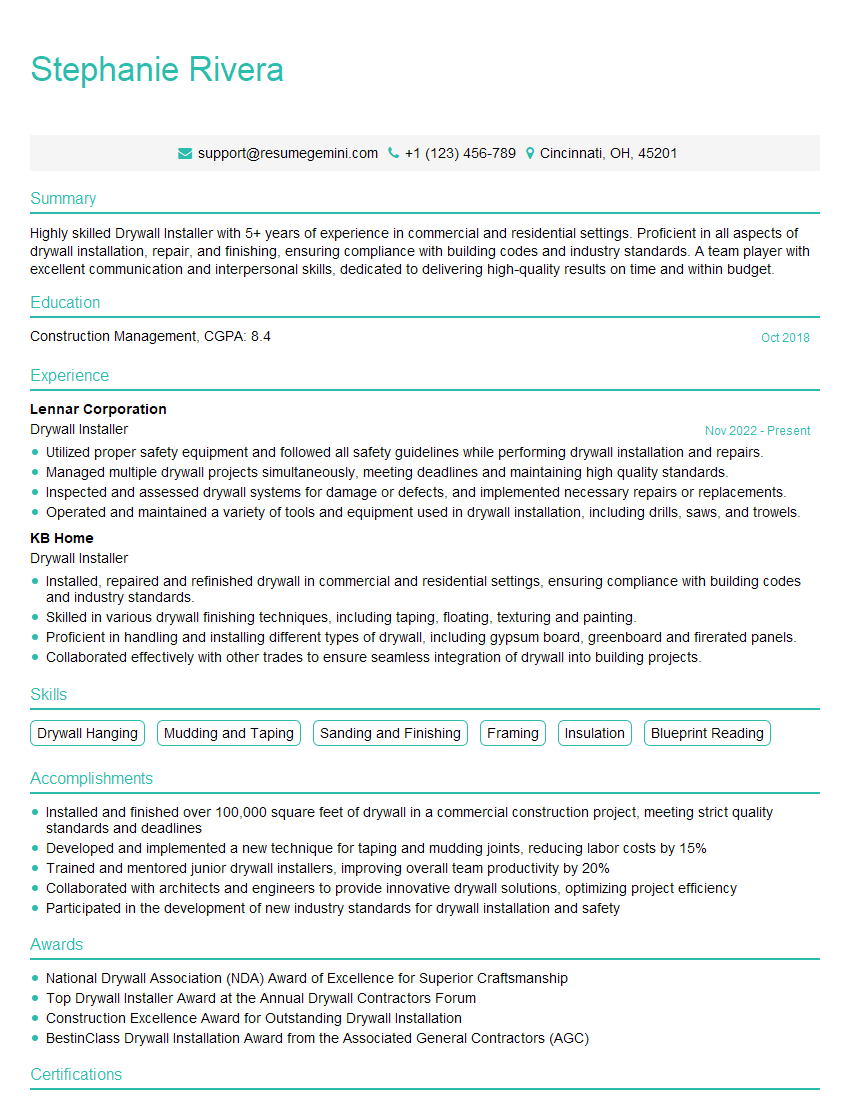
Drywall Installer Resume Sample
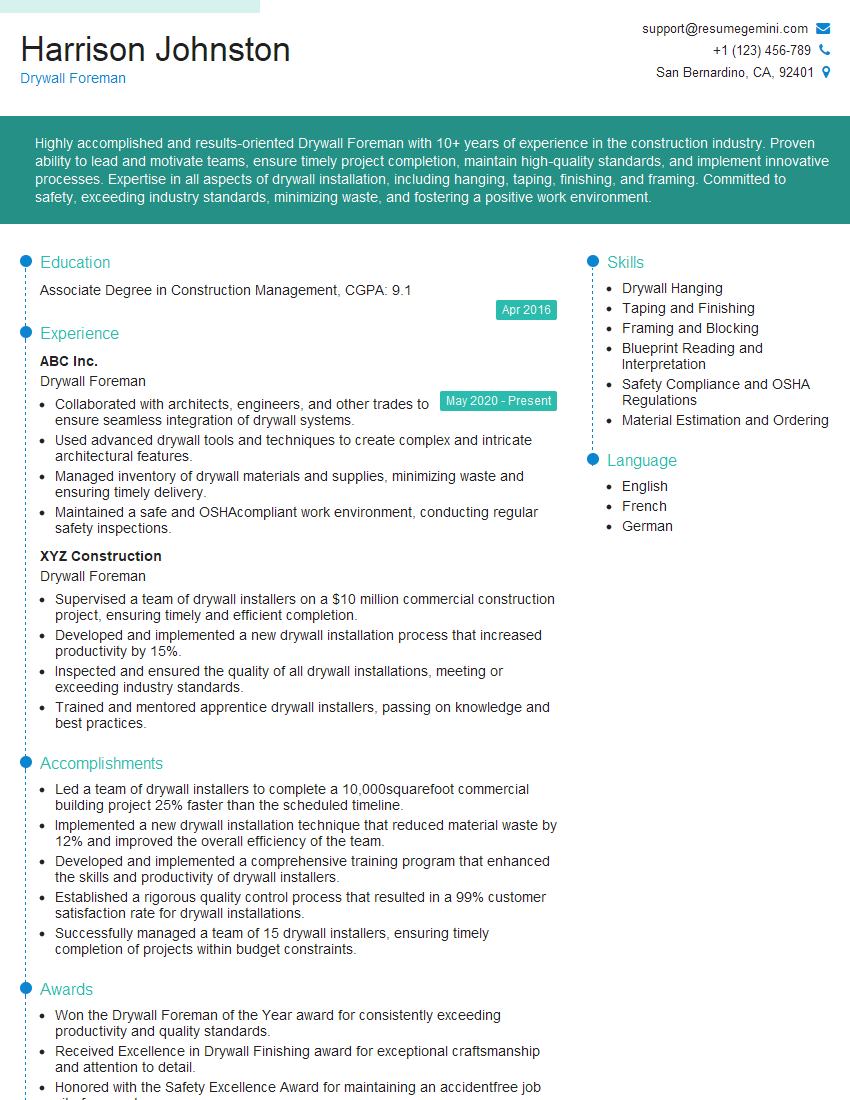
Drywall Foreman Resume Sample
Explore more articles
Users Rating of Our Blogs
Share Your Experience
We value your feedback! Please rate our content and share your thoughts (optional).
What Readers Say About Our Blog
To the interviewgemini.com Webmaster.
Very helpful and content specific questions to help prepare me for my interview!
Thank you
To the interviewgemini.com Webmaster.
This was kind of a unique content I found around the specialized skills. Very helpful questions and good detailed answers.
Very Helpful blog, thank you Interviewgemini team.