Unlock your full potential by mastering the most common Neuropsychiatry interview questions. This blog offers a deep dive into the critical topics, ensuring you’re not only prepared to answer but to excel. With these insights, you’ll approach your interview with clarity and confidence.
Questions Asked in Neuropsychiatry Interview
Q 1. Describe the neurobiological basis of depression.
Depression’s neurobiological basis is complex and multifaceted, but it’s widely understood to involve imbalances in several neurotransmitter systems and alterations in brain structure and function. Key neurotransmitters implicated include serotonin, norepinephrine, and dopamine. Reduced levels or impaired signaling of these neurotransmitters disrupt mood regulation, leading to the characteristic symptoms of depression.
For example, serotonin plays a crucial role in sleep, appetite, and mood. A deficiency can contribute to sleep disturbances, loss of appetite, and feelings of hopelessness. Similarly, norepinephrine’s role in alertness and attention is impacted, resulting in decreased energy and difficulty concentrating. Dopamine’s involvement in reward and motivation explains the anhedonia (loss of pleasure) often seen in depression.
Beyond neurotransmitters, structural and functional changes within the brain are observed. Studies have shown reduced hippocampal volume (involved in memory and learning) and altered activity in the prefrontal cortex (involved in executive functions and mood regulation) in individuals with depression. Neuroinflammation and neurotrophic factor dysregulation are also emerging as important contributors.
Think of it like a finely tuned orchestra. In depression, the instruments (neurotransmitters) are out of tune, the conductor (brain regions) is struggling to maintain order, and the overall performance (mood) is significantly impaired. Understanding these neurobiological mechanisms is crucial for developing effective treatments that target these specific imbalances.
Q 2. Explain the diagnostic criteria for schizophrenia according to DSM-5.
According to the DSM-5, a diagnosis of schizophrenia requires the presence of at least two of the following symptoms for a significant portion of time during a 1-month period (with at least one being from the first three):
- Delusions: Fixed, false beliefs that are not consistent with the individual’s cultural background.
- Hallucinations: Sensory perceptions that occur without an external stimulus, most commonly auditory.
- Disorganized speech: Frequent derailment or incoherence in speech.
- Grossly disorganized or abnormal motor behavior: This can range from childlike silliness to catatonia (immobility).
- Negative symptoms: A decrease or absence of normal functions, such as diminished emotional expression, avolition (lack of motivation), alogia (poverty of speech), and anhedonia (loss of pleasure).
In addition to the active-phase symptoms described above, there must be a significant decline in functioning compared to previous levels. Symptoms must persist for at least 6 months, and the disturbance must not be attributable to another medical condition or substance use.
For instance, a patient might experience persistent auditory hallucinations commanding them to harm themselves or others (delusions and hallucinations), accompanied by disorganized speech and flat affect (negative symptoms), significantly impacting their ability to work or maintain relationships.
Q 3. Differentiate between Alzheimer’s disease and frontotemporal dementia.
Alzheimer’s disease and frontotemporal dementia (FTD) are both neurodegenerative diseases causing cognitive decline, but they differ significantly in their underlying pathology, symptom presentation, and affected brain regions.
- Alzheimer’s Disease: Primarily characterized by the accumulation of amyloid plaques and neurofibrillary tangles in the brain. This leads to progressive memory loss, particularly affecting recent memory initially. Other cognitive symptoms include difficulty with language, visuospatial skills, and executive functions. Behavioral changes may include apathy, anxiety, and depression, but these typically appear later in the disease course.
- Frontotemporal Dementia: This encompasses a group of disorders characterized by the degeneration of the frontal and temporal lobes. Symptoms are more variable than in Alzheimer’s, often presenting with prominent behavioral changes early in the disease. These may include disinhibition, apathy, compulsive behaviors, changes in personality, and impaired social cognition. Language problems can also be prominent, ranging from difficulty finding words to complete loss of speech (aphasia).
A key difference lies in the onset of symptoms. In Alzheimer’s, memory loss usually starts first, while in FTD, behavioral changes and language problems are often the earliest and most prominent symptoms. Brain imaging techniques, such as MRI and PET scans, help differentiate between the two by visualizing the specific brain regions affected.
Imagine a house. In Alzheimer’s, the foundation (memory) crumbles first, affecting the whole structure gradually. In FTD, the front and sides of the house (personality and language centers) deteriorate, leading to dramatic changes in the house’s functionality before the foundation gives way.
Q 4. Outline the treatment options for obsessive-compulsive disorder (OCD).
Treatment for Obsessive-Compulsive Disorder (OCD) typically involves a combination of therapies, often employing a stepped-care approach, starting with less intensive treatments and escalating as needed. The cornerstone treatments are:
- Cognitive Behavioral Therapy (CBT), specifically Exposure and Response Prevention (ERP): ERP is a highly effective CBT technique that involves gradually exposing individuals to their obsessions while preventing their compulsive behaviors. This helps break the cycle of obsession-compulsion and reduces the anxiety associated with obsessions.
- Selective Serotonin Reuptake Inhibitors (SSRIs): These are the first-line medication choice for OCD. SSRIs increase serotonin levels in the brain, helping regulate mood and reduce obsessive thoughts and compulsive behaviors. Examples include sertraline and fluoxetine. Other medications such as clomipramine (a tricyclic antidepressant) and certain atypical antipsychotics may be used if SSRIs prove ineffective.
In many cases, a combination of ERP and medication yields the best results. Other therapies, such as Acceptance and Commitment Therapy (ACT), can also be helpful in managing the emotional distress associated with OCD. The specific approach will be tailored to the individual’s needs and symptom severity.
For example, a patient with a fear of contamination might start ERP by touching a doorknob without immediately washing their hands. The exposure is gradually increased, allowing the patient to manage their anxiety without resorting to the compulsive handwashing. This, combined with medication, aids in the long-term management of OCD symptoms.
Q 5. Discuss the role of genetics in bipolar disorder.
Genetics play a significant role in bipolar disorder, although it’s not a single-gene disorder. It’s a complex interplay of multiple genes, each contributing a small effect, and environmental factors. Research using twin and family studies has consistently demonstrated a strong heritability component.
Identical twins (who share 100% of their genes) have a much higher concordance rate for bipolar disorder than fraternal twins (who share only 50% of their genes), indicating a substantial genetic influence. However, the concordance rate is not 100%, highlighting the importance of environmental factors.
Genome-wide association studies (GWAS) have identified numerous genetic variants associated with an increased risk of bipolar disorder. These variants often affect genes involved in neurotransmission, neuronal development, and immune function. However, these variants only explain a small portion of the overall heritability, suggesting that other genetic and epigenetic mechanisms are involved.
Think of it like a complex recipe. Genetics provide the basic ingredients, but environmental factors (like stress, trauma, or substance use) act as the cooking process, influencing how those ingredients combine to produce the final ‘dish’ (the manifestation of the disorder). Understanding the genetic contribution to bipolar disorder is crucial for identifying individuals at risk and developing more targeted treatments.
Q 6. Explain the pathophysiology of Parkinson’s disease and its neuropsychiatric manifestations.
Parkinson’s disease is a neurodegenerative disorder primarily characterized by the progressive loss of dopaminergic neurons in the substantia nigra, a brain region crucial for movement control. This dopaminergic deficiency leads to the cardinal motor symptoms of Parkinson’s: tremor, rigidity, bradykinesia (slowness of movement), and postural instability.
The pathophysiology involves the accumulation of misfolded alpha-synuclein protein, forming Lewy bodies within neurons. This process disrupts neuronal function and ultimately leads to cell death. While the exact cause is unknown, genetic factors and environmental toxins are believed to play a role.
Neuropsychiatric manifestations are common in Parkinson’s disease and can significantly impact patients’ quality of life. These can include:
- Cognitive impairment: ranging from mild cognitive impairment to dementia, often including executive dysfunction, memory problems, and visuospatial difficulties.
- Mood disorders: Depression is particularly prevalent, often preceding motor symptoms. Anxiety and apathy are also common.
- Sleep disturbances: Including insomnia, REM sleep behavior disorder, and excessive daytime sleepiness.
- Psychotic symptoms: Hallucinations and delusions can occur, often responding to antipsychotic medications.
The interplay between motor and neuropsychiatric symptoms is complex and not fully understood. For instance, depression might exacerbate motor symptoms, and cognitive decline can make it harder for patients to manage their medications or engage in rehabilitation therapies. Addressing both the motor and psychiatric symptoms is essential for holistic patient care.
Q 7. What are the ethical considerations in prescribing psychotropic medications?
Prescribing psychotropic medications carries several crucial ethical considerations:
- Beneficence and Non-maleficence: The core principle is to act in the patient’s best interest, weighing potential benefits against risks. This includes considering the efficacy and safety profile of the medication, potential side effects, and the patient’s overall health status.
- Autonomy: Patients have the right to make informed decisions about their treatment. This necessitates thorough explanation of the medication’s purpose, benefits, risks, and alternatives. The clinician must respect the patient’s preferences, even if they differ from the clinician’s recommendations.
- Justice: Ensuring equitable access to appropriate medications and care, regardless of socioeconomic status, race, ethnicity, or other factors, is vital.
- Confidentiality: Protecting patient information is paramount. The clinician must adhere to strict confidentiality guidelines, except in situations where disclosure is legally required (e.g., risk of harm to self or others).
- Informed Consent: Obtaining informed consent is crucial before initiating any medication. This process involves ensuring the patient understands the treatment plan, potential benefits and risks, and alternative options. The consent must be voluntary and free from coercion.
For example, a clinician must carefully weigh the potential benefits of an antipsychotic medication for a patient experiencing psychosis against the risk of side effects such as tardive dyskinesia (involuntary movements). Open communication with the patient and their family is essential to navigate these complexities and ensure ethical treatment decisions.
Q 8. How would you assess a patient presenting with suspected traumatic brain injury?
Assessing a suspected traumatic brain injury (TBI) requires a multi-faceted approach combining a thorough history, a detailed neurological examination, and often, neuroimaging. The initial assessment focuses on stabilizing the patient’s airway, breathing, and circulation (ABCs), addressing any life-threatening injuries.
History: This involves gathering information from the patient (if possible), witnesses, and emergency medical services personnel about the mechanism of injury (e.g., fall, motor vehicle accident), loss of consciousness, post-traumatic amnesia, and any neurological symptoms experienced.
Neurological Examination: This crucial step evaluates cognitive functions (orientation, memory, attention), cranial nerves, motor strength and coordination, reflexes, and sensory function. Glasgow Coma Scale (GCS) is often used to quantify the level of consciousness. The presence of focal neurological deficits (e.g., weakness on one side of the body) suggests a more serious injury.
Neuroimaging: Computed tomography (CT) scan of the head is usually the first imaging modality employed as it’s quick and readily available. It helps identify acute intracranial hemorrhages, skull fractures, and other structural abnormalities. Magnetic resonance imaging (MRI) may be used later for more detailed assessment of brain tissue damage.
Example: Imagine a patient presenting after a fall with altered mental status and right-sided weakness. The initial assessment would focus on stabilizing the patient, obtaining a detailed history, performing a neurological exam revealing a decreased GCS score and right hemiparesis, and ordering a head CT scan to rule out intracranial hemorrhage. The subsequent management would depend on the findings.
Q 9. Describe your approach to managing a patient with treatment-resistant depression.
Managing treatment-resistant depression (TRD) is a complex challenge requiring a comprehensive and individualized approach. It involves a systematic reassessment of the diagnosis, optimizing medication management, considering augmentation strategies, and exploring other treatment modalities.
Reassessment of Diagnosis: A thorough review of the patient’s history, including past treatments, responses, and any co-occurring conditions is vital. The possibility of misdiagnosis, comorbid conditions (e.g., anxiety disorder, substance abuse), or medication side effects needs careful consideration.
Optimization of Medication Management: This step involves evaluating the adequacy of the current antidepressant dose, duration of treatment, and the choice of the antidepressant itself. Switching to a different class of antidepressant or increasing the dose may be considered, guided by the patient’s response and tolerability.
Augmentation Strategies: Adding another medication to the current antidepressant can enhance its effectiveness. Common augmentation strategies include adding a mood stabilizer (e.g., lithium, valproate), an atypical antipsychotic (e.g., quetiapine, olanzapine), or thyroid hormone.
Other Treatment Modalities: Psychotherapy, particularly cognitive behavioral therapy (CBT), is highly effective in managing depression and can be used in conjunction with medication. Other options include transcranial magnetic stimulation (TMS), electroconvulsive therapy (ECT), and vagus nerve stimulation (VNS), particularly for severe TRD that has not responded to other treatments.
Example: A patient with a history of TRD despite multiple trials of SSRIs and SNRIs might benefit from switching to a different class of antidepressant (e.g., a tricyclic antidepressant), adding an atypical antipsychotic, and incorporating CBT into their treatment plan. Regular monitoring and close collaboration with the patient are crucial.
Q 10. What are the common side effects of antipsychotic medications?
Antipsychotic medications, while effective in managing psychosis, can cause various side effects, ranging from mild to severe. These can be categorized into extrapyramidal symptoms (EPS), metabolic side effects, and other adverse effects.
Extrapyramidal Symptoms (EPS): These involve movement disorders caused by dopamine receptor blockade and include:
- Acute dystonia: Sudden, involuntary muscle contractions, often affecting the neck and face.
- Parkinsonism: Symptoms resembling Parkinson’s disease, such as tremor, rigidity, bradykinesia (slow movement).
- Akathisia: Subjective feeling of inner restlessness and inability to sit still.
- Tardive dyskinesia: A late-onset, involuntary movement disorder affecting the mouth, tongue, and other body parts; often irreversible.
Metabolic Side Effects: These are common with second-generation antipsychotics (SGAs) and include:
- Weight gain: Can lead to obesity and related health problems.
- Hyperglycemia: Increased blood sugar levels, potentially leading to type 2 diabetes.
- Dyslipidemia: Abnormal levels of cholesterol and triglycerides in the blood.
Other Adverse Effects: These can include drowsiness, dizziness, orthostatic hypotension (drop in blood pressure upon standing), prolactin elevation (leading to galactorrhea and amenorrhea), and sexual dysfunction.
Example: A patient on an SGA might experience weight gain, increased blood sugar levels, and akathisia. Monitoring these side effects and adjusting the medication or adding additional medications to address the side effects are crucial for managing these problems and maintaining patient compliance.
Q 11. Explain the concept of neurocognitive disorders.
Neurocognitive disorders (NCDs) are a broad category of conditions characterized by acquired cognitive decline that interferes with daily life. This decline goes beyond what is typically expected due to aging. The core features involve impairments in one or more cognitive domains, such as memory, attention, executive function, language, and visuospatial skills.
Types of NCDs: The most common type is Alzheimer’s disease, a progressive neurodegenerative disorder affecting memory, thinking, and behavior. Vascular dementia, caused by reduced blood flow to the brain, is another prominent type. Other causes include traumatic brain injury, Parkinson’s disease, HIV infection, substance abuse, and various other medical conditions.
Diagnostic Criteria: Diagnosing an NCD involves a thorough assessment, including a detailed medical history, neurological examination, and neuropsychological testing. Brain imaging (CT or MRI) is often used to rule out other conditions and identify potential structural changes in the brain.
Impact on Daily Life: The cognitive decline associated with NCDs significantly impacts a person’s ability to perform daily activities, such as managing finances, driving, remembering appointments, and maintaining personal hygiene. This can lead to decreased independence, social isolation, and increased caregiver burden.
Example: A patient gradually experiencing memory loss, difficulty with word-finding, and problems with planning and organizing would undergo assessment to identify the presence of an NCD. The assessment would include cognitive testing, and brain imaging could be used to rule out other pathologies and indicate the severity and prognosis.
Q 12. Discuss the different types of neuropsychological testing and their applications.
Neuropsychological testing is a crucial component in assessing cognitive abilities and diagnosing neurocognitive disorders. It employs standardized tests to measure various cognitive domains and compare an individual’s performance to normative data.
Types of Neuropsychological Tests: A wide range of tests are available, including:
- Memory tests: Assess different memory systems (e.g., verbal, visual, working memory), using tasks like recalling word lists, stories, or visual designs.
- Attention and concentration tests: Evaluate sustained attention, selective attention, and divided attention through tasks like digit span, continuous performance tests, and trail-making tests.
- Executive function tests: Measure planning, problem-solving, cognitive flexibility, and inhibitory control, using tasks like the Wisconsin Card Sorting Test and Tower of London.
- Language tests: Assess verbal fluency, naming, comprehension, and repetition.
- Visuospatial tests: Evaluate visual perception, spatial reasoning, and constructional abilities, using tasks like copying geometric figures and block design.
Applications of Neuropsychological Testing: Neuropsychological tests are employed in various contexts:
- Diagnosis of neurocognitive disorders: To identify the presence, severity, and type of cognitive impairment.
- Assessment of brain injury: To determine the extent and nature of cognitive deficits after traumatic brain injury or stroke.
- Monitoring disease progression: To track the changes in cognitive functioning over time in patients with neurodegenerative diseases.
- Treatment planning and rehabilitation: To guide the development of individualized treatment plans and rehabilitation programs.
- Forensic neuropsychology: To assess cognitive abilities in legal contexts, such as personal injury claims.
Example: In evaluating a patient with suspected Alzheimer’s disease, a neuropsychological assessment might include tests of memory, attention, language, and executive functions. The results would help determine the severity of cognitive impairment and guide treatment decisions.
Q 13. How would you differentiate between anxiety and panic disorder?
Anxiety and panic disorder are both anxiety disorders but differ significantly in their presentation and course. Anxiety is a general feeling of apprehension, worry, and unease, often in response to stress or perceived threat. Panic disorder involves recurrent, unexpected panic attacks.
Anxiety: Anxiety is a normal human emotion, but when it becomes excessive, persistent, and interferes with daily functioning, it’s classified as an anxiety disorder. Symptoms can include:
- Excessive worry and apprehension
- Restlessness and irritability
- Muscle tension
- Sleep disturbances
- Difficulty concentrating
Panic Disorder: Panic disorder is characterized by recurrent and unexpected panic attacks. A panic attack is a sudden surge of intense fear or discomfort accompanied by physical symptoms such as:
- Palpitations or accelerated heart rate
- Sweating
- Trembling or shaking
- Shortness of breath or feeling of choking
- Chest pain or discomfort
- Nausea or abdominal distress
- Dizziness or lightheadedness
- Fear of losing control or dying
Key Differences: The main difference lies in the experience of panic attacks. Panic disorder is defined by the presence of recurrent, unexpected panic attacks, often followed by persistent worry about future attacks or significant changes in behavior related to the attacks. Anxiety may involve worry and apprehension, but it does not include discrete panic attacks.
Example: A person with generalized anxiety disorder may experience persistent worry about various aspects of their life, such as work, finances, or relationships. A person with panic disorder will experience sudden episodes of intense fear, physical symptoms, and the fear of having another attack.
Q 14. What is the role of psychotherapy in treating neuropsychiatric disorders?
Psychotherapy plays a vital role in treating neuropsychiatric disorders, offering a powerful complementary or primary treatment approach depending on the condition. It works by providing patients with tools and strategies to understand and manage their symptoms and improve their overall well-being.
Different Psychotherapeutic Approaches: Several approaches are used, including:
- Cognitive Behavioral Therapy (CBT): Helps patients identify and modify maladaptive thoughts and behaviors contributing to their distress. It’s widely effective in treating anxiety disorders, depression, and obsessive-compulsive disorder.
- Psychodynamic Therapy: Explores unconscious patterns and unresolved conflicts that influence current behavior and emotions. It is often useful for addressing long-standing issues and personality difficulties.
- Dialectical Behavior Therapy (DBT): Focuses on emotion regulation, mindfulness, and distress tolerance skills. It’s particularly effective for individuals with borderline personality disorder and other conditions involving intense emotions.
- Acceptance and Commitment Therapy (ACT): Emphasizes accepting difficult thoughts and feelings while committing to valued actions. It is beneficial for reducing avoidance behaviors and increasing psychological flexibility.
Role in Neuropsychiatric Disorders: Psychotherapy is not only effective for managing symptoms, but it can also improve medication adherence, coping skills, and overall quality of life. For example, in schizophrenia, it can improve social skills and reduce relapse rates. In Alzheimer’s disease, it can support the patient and caregivers in adapting to the cognitive decline.
Example: A patient with depression might benefit from CBT to identify negative thought patterns, develop coping mechanisms for stress, and improve their overall mood. A patient with schizophrenia might utilize psychosocial rehabilitation to enhance social functioning and vocational skills. The choice of therapy is tailored to the specific needs and preferences of each individual and their condition.
Q 15. Describe your experience with different therapeutic modalities (e.g., CBT, DBT).
My experience encompasses a wide range of therapeutic modalities, with a strong foundation in Cognitive Behavioral Therapy (CBT) and Dialectical Behavior Therapy (DBT). CBT focuses on identifying and modifying maladaptive thought patterns and behaviors. I utilize techniques like cognitive restructuring, behavioral activation, and exposure therapy to help patients challenge negative thoughts and develop coping mechanisms. For example, I’ve successfully used CBT with patients experiencing anxiety disorders, helping them identify and manage anxiety-provoking situations. DBT, on the other hand, is particularly effective for individuals with borderline personality disorder or those struggling with intense emotions. It emphasizes mindfulness, distress tolerance, emotion regulation, and interpersonal effectiveness. I’ve seen firsthand how DBT helps patients develop healthier coping strategies and improve their relationships. Beyond CBT and DBT, I also integrate other evidence-based approaches, such as Acceptance and Commitment Therapy (ACT) and psychodynamic therapy, tailoring my approach to the individual needs of each patient.
Career Expert Tips:
- Ace those interviews! Prepare effectively by reviewing the Top 50 Most Common Interview Questions on ResumeGemini.
- Navigate your job search with confidence! Explore a wide range of Career Tips on ResumeGemini. Learn about common challenges and recommendations to overcome them.
- Craft the perfect resume! Master the Art of Resume Writing with ResumeGemini’s guide. Showcase your unique qualifications and achievements effectively.
- Don’t miss out on holiday savings! Build your dream resume with ResumeGemini’s ATS optimized templates.
Q 16. How do you approach managing suicidal ideation in patients?
Managing suicidal ideation requires a multifaceted and immediate response. First and foremost, establishing a safe and therapeutic environment is crucial. This involves assessing the patient’s risk level using standardized tools, like the Columbia-Suicide Severity Rating Scale (C-SSRS), to gauge the immediacy and lethality of their suicidal thoughts. Open and non-judgmental communication is vital. I create a space where the patient feels comfortable expressing their feelings without fear of judgment. Then, I collaboratively develop a safety plan with the patient, outlining strategies for managing suicidal thoughts, such as identifying support systems, developing coping mechanisms (e.g., deep breathing exercises, grounding techniques), and establishing crisis contacts. Hospitalization might be necessary for patients at high risk of self-harm. In such cases, close collaboration with the hospital team is essential to ensure comprehensive care. Throughout the process, I work to connect patients with supportive resources, including individual therapy, group therapy, and medication management if indicated.
Q 17. Discuss the importance of family involvement in neuropsychiatric care.
Family involvement is paramount in neuropsychiatric care. Families often act as a crucial support system, providing emotional and practical assistance to patients. Their insights into the patient’s history, symptoms, and responses to treatment are invaluable. I actively involve families in the treatment process, providing education about the patient’s condition and treatment strategies. Family therapy sessions can address communication challenges and help family members understand the patient’s experience, improving their ability to provide effective support. For instance, I’ve worked with families of patients with schizophrenia to help them understand the symptoms and learn strategies for managing challenging behaviors. Open communication and collaboration with the family build trust and foster a strong therapeutic alliance, improving the overall efficacy of treatment.
Q 18. What is your approach to working collaboratively with other healthcare professionals?
Collaborative care is fundamental to effective neuropsychiatric practice. I regularly consult with other healthcare professionals, including psychiatrists, psychologists, social workers, nurses, and primary care physicians, to ensure holistic patient care. Effective communication, through regular team meetings, shared electronic health records, and case conferences, is crucial. For example, I might collaborate with a primary care physician to manage medication side effects or work with a social worker to assist patients in accessing social services. Respectful communication and shared decision-making are paramount. Understanding the expertise and responsibilities of each professional ensures that every aspect of the patient’s needs is addressed. A shared understanding of the treatment plan reduces fragmentation and promotes a cohesive approach to care.
Q 19. How do you ensure patient safety in a neuropsychiatric setting?
Ensuring patient safety is a top priority. Risk assessment is conducted regularly, assessing for suicide risk, self-harm potential, and risk to others. This includes regular monitoring of the patient’s behavior and mood. Safety plans, involving both the patient and their family, outline specific strategies for managing crisis situations. The environment itself should be designed to minimize risks. This can involve restricting access to potentially harmful objects and implementing strategies for de-escalation. Regular communication with the patient, their family, and other members of the care team ensures that any concerns are addressed promptly. Open communication about safety concerns helps build trust and fosters a safer environment for both the patient and care providers.
Q 20. How would you manage a patient experiencing an acute psychotic episode?
Managing an acute psychotic episode requires a calm and systematic approach. The immediate priority is to ensure the patient’s safety and the safety of those around them. This may involve hospitalization to provide a secure and supportive environment. A thorough assessment is necessary to determine the severity of the episode and the presence of any comorbid conditions. Medication, typically antipsychotic medications, is often used to manage symptoms. However, the choice of medication and dosage depends on several factors, including the patient’s history, the severity of the episode, and any potential adverse effects. In addition to medication, supportive therapies, such as psychosocial interventions and family therapy, play a significant role in managing the acute episode and preventing relapse. A multidisciplinary approach, involving psychiatrists, nurses, and social workers, is essential for providing comprehensive care during the acute phase and throughout the recovery process.
Q 21. Describe your experience with medication management in neuropsychiatric patients.
Medication management in neuropsychiatric patients is a complex process requiring a thorough understanding of psychopharmacology and individual patient factors. I carefully consider factors like the patient’s diagnosis, medical history, current symptoms, and potential side effects when prescribing medications. Regular monitoring of medication effectiveness and side effects is crucial, including close observation for adverse reactions, and adjustments to the medication regimen are made as needed. I emphasize shared decision-making with the patient, educating them about the medication, its benefits, potential side effects, and their role in managing their condition. Collaboration with other healthcare professionals, such as primary care physicians, is essential for managing potential interactions between psychiatric medications and other prescribed drugs. I prioritize patient education and empowerment, ensuring the patient understands their treatment plan and feels comfortable participating in their own care.
Q 22. What is your understanding of neurotransmitter systems and their role in mental illness?
Neurotransmitter systems are crucial chemical messengers in the brain, facilitating communication between neurons. They’re vital for virtually all brain functions, including mood, cognition, and motor control. Imbalances in these systems are strongly implicated in various mental illnesses.
- Dopamine: Involved in reward, motivation, and motor control. Too little is linked to Parkinson’s disease and depression; too much can contribute to psychosis in conditions like schizophrenia.
- Serotonin: Plays a significant role in mood regulation, sleep, and appetite. Deficiencies are associated with depression, anxiety, and obsessive-compulsive disorder (OCD).
- Norepinephrine: Influences alertness, arousal, and the fight-or-flight response. Dysregulation can manifest as anxiety disorders and ADHD.
- GABA (Gamma-aminobutyric acid): The primary inhibitory neurotransmitter, reducing neuronal excitability. Low GABA levels are implicated in anxiety disorders and epilepsy.
- Glutamate: The primary excitatory neurotransmitter, crucial for learning and memory. Excessive glutamate activity can contribute to neurotoxicity and conditions like Alzheimer’s disease.
For example, many antidepressants work by increasing serotonin and/or norepinephrine levels in the synaptic cleft, thereby alleviating depressive symptoms. Antipsychotics often target dopamine receptors to manage psychotic symptoms.
Q 23. Discuss the impact of stress on the brain and mental health.
Chronic stress significantly impacts brain structure and function, increasing the risk of various mental health issues. The body’s stress response, involving the hypothalamic-pituitary-adrenal (HPA) axis, releases cortisol, a hormone that, while initially beneficial, can become detrimental with prolonged exposure.
- Hippocampal Atrophy: High cortisol levels can damage the hippocampus, a brain region crucial for learning and memory, potentially leading to memory problems and cognitive decline.
- Amygdala Hyperactivity: The amygdala, involved in processing emotions, particularly fear, can become hyperactive under chronic stress, increasing anxiety and vulnerability to anxiety disorders.
- Prefrontal Cortex Dysfunction: The prefrontal cortex, responsible for executive functions like planning and decision-making, can be impaired by chronic stress, affecting cognitive abilities and self-regulation.
- Increased Inflammation: Stress can trigger inflammatory processes in the brain, which may contribute to depression and other mental health conditions.
Think of it like this: Occasional stress is like a workout for the brain; it strengthens resilience. But chronic, unrelenting stress is like overtraining; it leads to exhaustion and damage.
Q 24. Explain the principles of evidence-based practice in Neuropsychiatry.
Evidence-based practice (EBP) in neuropsychiatry involves integrating the best available research evidence with clinical expertise and patient values to make informed decisions about diagnosis, treatment, and management. It’s not just about following the latest trends; it’s a systematic approach.
- Formulating a clinical question: This involves defining the specific problem and identifying the relevant information needed.
- Searching for evidence: Utilizing databases like PubMed and PsycINFO to find high-quality research studies (e.g., randomized controlled trials, meta-analyses).
- Critically appraising the evidence: Evaluating the validity, reliability, and applicability of the research findings to the individual patient.
- Integrating evidence with clinical expertise and patient values: Considering the patient’s preferences, cultural background, and unique circumstances in conjunction with the research evidence and the clinician’s professional judgment.
- Evaluating outcomes and making adjustments: Monitoring treatment effectiveness and adjusting the approach as needed based on the patient’s response and new evidence.
For instance, when choosing an antidepressant, I wouldn’t solely rely on a pharmaceutical representative’s claims. Instead, I’d consult reputable research studies, consider the patient’s history and comorbidities, and discuss their preferences to determine the most suitable option.
Q 25. How do you stay updated with the latest advancements in Neuropsychiatry?
Staying current in neuropsychiatry requires a multifaceted approach. I actively engage in:
- Regularly reviewing peer-reviewed journals: This includes publications like the American Journal of Psychiatry, Biological Psychiatry, and The Lancet Psychiatry.
- Attending conferences and workshops: These events provide opportunities to learn about the latest research findings and network with other professionals.
- Participating in continuing medical education (CME) activities: CME courses and webinars help maintain and update knowledge and skills.
- Following reputable online resources: This includes professional organizations like the American Psychiatric Association (APA) and the National Institute of Mental Health (NIMH).
- Engaging in scholarly discussions: Participating in journal clubs and online forums facilitates critical appraisal of research and sharing insights with colleagues.
Essentially, continuous learning is paramount in this ever-evolving field.
Q 26. Describe a challenging case you’ve managed and how you approached it.
A particularly challenging case involved a young woman with treatment-resistant depression and comorbid borderline personality disorder (BPD). She had a history of self-harm and unstable relationships, making treatment complex.
My approach involved:
- Comprehensive assessment: Thorough evaluation of her symptoms, history, and relationships to understand the underlying issues.
- Collaborative treatment planning: Engaging her in the process to ensure buy-in and shared decision-making.
- Dialectical behavior therapy (DBT): Implementing DBT skills training to help manage emotions, improve interpersonal relationships, and reduce self-harming behaviors.
- Medication optimization: Working with her psychiatrist to carefully adjust her medication regimen, considering potential side effects and interactions.
- Regular monitoring and adjustment: Closely monitoring her progress and making adjustments to the treatment plan as needed.
While complete remission wasn’t immediate, the collaborative approach and consistent application of DBT resulted in significant improvements in her mood regulation, interpersonal functioning, and reduction in self-harm.
Q 27. How do you ensure cultural sensitivity in your clinical practice?
Cultural sensitivity is crucial in neuropsychiatry, as mental health experiences are shaped by cultural contexts. I prioritize this through:
- Cultural humility: Recognizing that I cannot fully understand all cultural perspectives and approaching each patient with respect and openness.
- Active listening and culturally sensitive questioning: Allowing patients to share their experiences in their own words and adapting questioning to avoid cultural biases.
- Understanding cultural variations in symptom presentation: Recognizing that certain symptoms might manifest differently across cultures, avoiding misdiagnosis.
- Incorporating cultural considerations into treatment planning: Choosing interventions that are culturally appropriate and sensitive to the patient’s beliefs and values.
- Seeking consultation or referral when necessary: Referring patients to cultural specialists or therapists experienced in working with specific cultural groups when needed.
For example, a somatic symptom in one culture might be interpreted as a mental health issue in another. It’s vital to avoid imposing my own cultural lens on a patient’s experience.
Q 28. What are your career goals in the field of Neuropsychiatry?
My career goals center around advancing the field of neuropsychiatry and improving the lives of individuals struggling with mental illness. This includes:
- Continuing research and publication: Contributing to the body of knowledge through research and disseminating findings through publications and presentations.
- Mentoring and training future professionals: Guiding and supporting the next generation of neuropsychiatrists.
- Developing innovative treatment approaches: Exploring and implementing novel therapeutic strategies to improve patient outcomes.
- Advocacy for mental health awareness: Working towards reducing stigma and improving access to quality mental healthcare.
Ultimately, I aim to make a significant contribution to both the scientific understanding and the clinical treatment of neuropsychiatric disorders.
Key Topics to Learn for Neuropsychiatry Interview
- Neuroanatomy and Neurophysiology: Understanding the brain’s structure and function, including key pathways and neurotransmitter systems relevant to psychiatric disorders.
- Neurodevelopmental Disorders: Comprehending the etiology, diagnosis, and management of conditions like Autism Spectrum Disorder, ADHD, and intellectual disabilities. Practical application includes differential diagnosis and treatment planning.
- Mood Disorders: Mastering the diagnostic criteria, pathophysiology, and treatment approaches for depression, bipolar disorder, and related conditions. This includes understanding the role of medication, psychotherapy, and other interventions.
- Anxiety Disorders: Gaining expertise in the classification, assessment, and management of various anxiety disorders, including panic disorder, generalized anxiety disorder, and social anxiety disorder. Consider practical application in developing tailored treatment plans.
- Psychotic Disorders: Developing a comprehensive understanding of schizophrenia, schizoaffective disorder, and other psychotic illnesses, encompassing positive and negative symptoms, and treatment strategies.
- Neurocognitive Disorders: Familiarizing yourself with dementia, Alzheimer’s disease, traumatic brain injury, and their impact on cognitive function and behavior. Practical application involves assessing cognitive decline and developing supportive care plans.
- Psychopharmacology: Gaining a strong grasp of the mechanisms of action, indications, side effects, and potential interactions of commonly prescribed psychotropic medications.
- Psychosocial Interventions: Exploring various therapeutic approaches, including cognitive behavioral therapy (CBT), dialectical behavior therapy (DBT), and family therapy, and their efficacy in treating different psychiatric conditions.
- Diagnostic and Statistical Manual of Mental Disorders (DSM-5): Understanding the diagnostic criteria and classification system used in psychiatry is crucial for accurate diagnosis and treatment planning.
- Ethical and Legal Considerations: Familiarizing yourself with ethical principles in psychiatry, informed consent, confidentiality, and legal aspects of patient care.
Next Steps
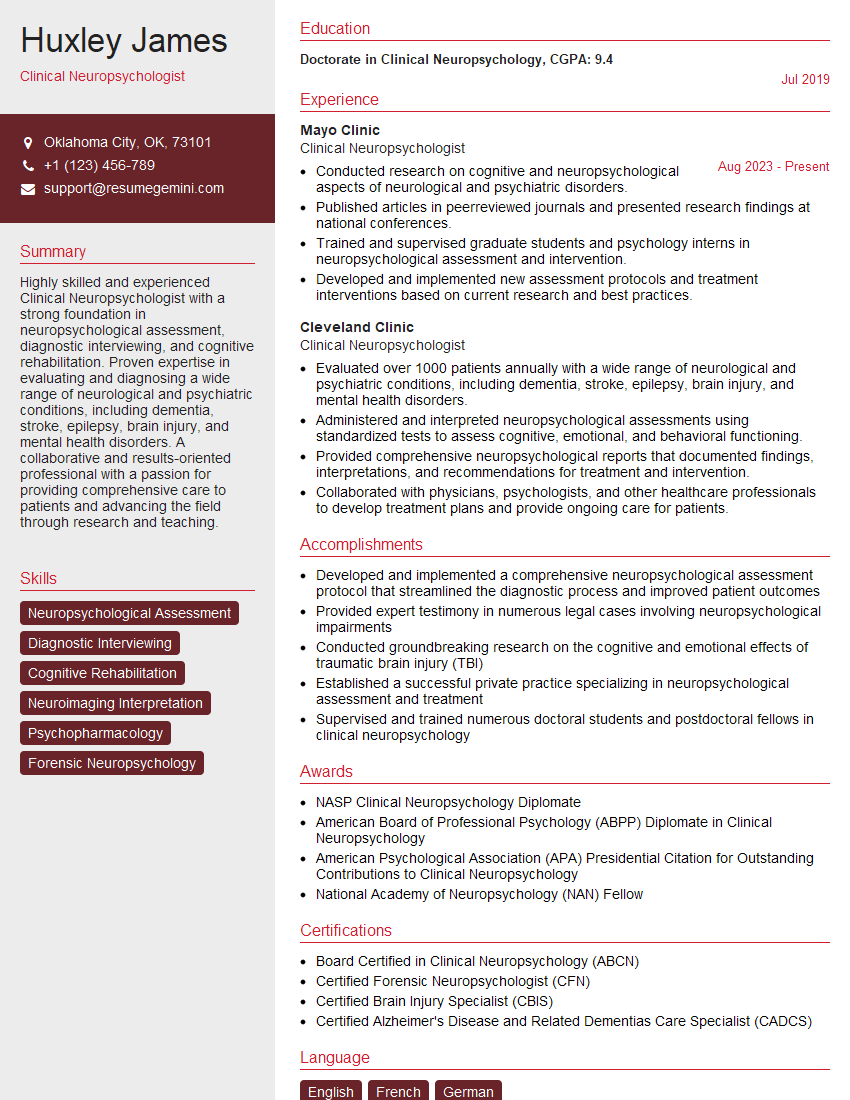
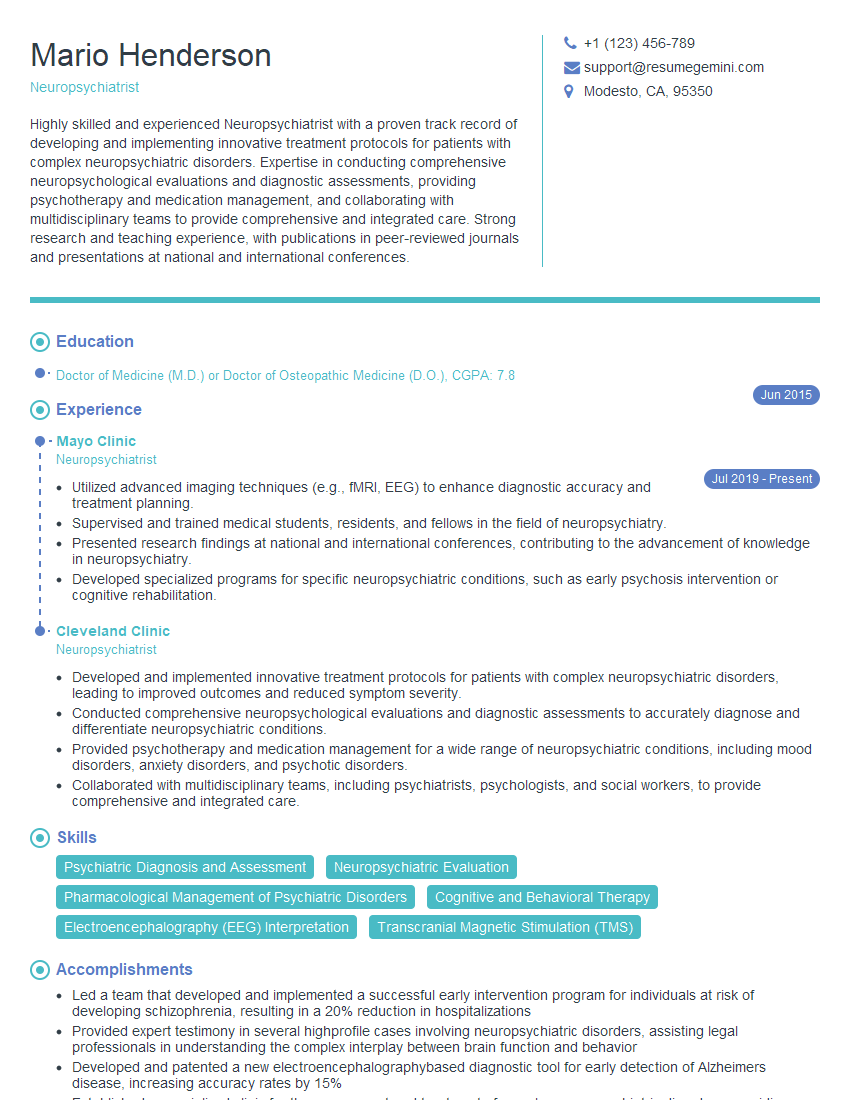
Mastering Neuropsychiatry is vital for a successful and rewarding career, opening doors to specialized roles and advanced research opportunities. To maximize your job prospects, crafting a compelling and ATS-friendly resume is essential. ResumeGemini is a trusted resource to help you build a professional and impactful resume that highlights your skills and experience effectively. Examples of resumes tailored to Neuropsychiatry professionals are available to help guide you through this process. Invest in your future – build a resume that showcases your expertise and helps you land your dream job.
Explore more articles
Users Rating of Our Blogs
Share Your Experience
We value your feedback! Please rate our content and share your thoughts (optional).
What Readers Say About Our Blog
To the interviewgemini.com Webmaster.
Very helpful and content specific questions to help prepare me for my interview!
Thank you
To the interviewgemini.com Webmaster.
This was kind of a unique content I found around the specialized skills. Very helpful questions and good detailed answers.
Very Helpful blog, thank you Interviewgemini team.