Preparation is the key to success in any interview. In this post, we’ll explore crucial Veneer Joint Matching interview questions and equip you with strategies to craft impactful answers. Whether you’re a beginner or a pro, these tips will elevate your preparation.
Questions Asked in Veneer Joint Matching Interview
Q 1. Explain the different types of veneer joints.
Veneer jointing techniques aim for seamless connections, crucial for the aesthetic and structural integrity of finished products. Several types exist, each suited to different applications and veneer characteristics.
- Butt Joint: The simplest, where two veneer edges meet squarely. Suitable for smaller pieces or when the joint is hidden.
- Scarf Joint: A beveled joint where the edges are cut at an angle, creating a longer gluing surface for increased strength. Commonly used for larger pieces needing added stability.
- Finger Joint: Interlocking projections (fingers) and recesses are cut into the veneer edges, providing superior strength and resistance to slippage. Ideal for high-stress applications or visible joints.
- Lap Joint: Overlapping veneer edges are glued together, hiding the joint line entirely. Great for situations needing a completely invisible seam.
- Miter Joint: Edges are cut at a 45-degree angle and joined to create a neat, visually appealing seam. Often used for decorative purposes but needs precise cuts and strong adhesive.
The choice of joint depends on factors like veneer thickness, desired strength, visibility of the joint, and the overall design aesthetic.
Q 2. Describe the process of edge-matching veneer.
Edge-matching veneer is a crucial step for creating visually appealing and structurally sound panels. It involves precisely aligning the edges of two or more veneer sheets to minimize visible seams. This process typically involves these steps:
- Preparation: Ensure both veneer sheets are clean, dry, and free from defects. The edges need to be accurately trimmed and perfectly square or beveled to the required angle (depending on the joint type).
- Alignment: Carefully position the veneer sheets, aligning their edges with precision. Jigs and clamps can be invaluable here, ensuring accurate alignment and even pressure.
- Adhesive Application: Apply a thin, even layer of suitable adhesive to the prepared edges. Excess adhesive should be avoided to prevent squeeze-out.
- Joining: Bring the edges together, firmly pressing to ensure a good bond. Clamping is vital for maintaining alignment during the adhesive’s curing time.
- Curing: Allow the adhesive to cure completely according to the manufacturer’s instructions. This prevents joint failure and ensures a strong bond.
- Finishing (Optional): Once cured, the joint line might require careful sanding and finishing to achieve a smooth, seamless surface.
Proper edge-matching requires skill and patience. In a professional setting, specialized equipment like veneer joiners, precision cutters, and edge-banding machines may be used for efficient and accurate results.
Q 3. What are the common causes of veneer joint misalignment?
Veneer joint misalignment can ruin an otherwise perfect project. Several factors contribute to this:
- Improper Preparation: Uneven or poorly cut veneer edges are a primary cause. Chips, tears, or uneven surfaces prevent proper alignment and adhesion.
- Inaccurate Measurement & Cutting: Errors in measuring or cutting the veneer sheets lead to gaps or overlaps in the joints.
- Insufficient Clamping Pressure: Inadequate clamping pressure during adhesive curing can result in gaps or misalignment.
- Uneven Adhesive Application: Too much or too little adhesive, or uneven application, can disrupt the alignment and create weak spots.
- Warpage or Movement of Veneer: Changes in humidity or temperature can cause the veneer to warp or move, leading to misalignment after the adhesive has cured.
- Inadequate Work Surface: An unstable or uneven work surface can lead to inaccuracies in alignment and pressure during clamping.
Preventing misalignment demands meticulous attention to detail at every stage of the process. Proper tools, techniques, and a clean work environment are essential.
Q 4. How do you prepare veneer for jointing?
Preparing veneer for jointing is as important as the jointing itself. This involves:
- Selection: Carefully choose veneer sheets with consistent thickness and free from defects. Matching grain patterns is crucial for an aesthetically pleasing result.
- Cleaning: Remove any dirt, dust, or debris from the veneer surfaces. A clean surface ensures optimal adhesion.
- Edge Preparation: Trim the veneer edges using sharp tools to create straight, square, or beveled edges, depending on the chosen joint type. A planer or jointer can ensure perfectly flat and smooth edges.
- Surface Planing (Optional): For improved adhesion and a smoother final finish, consider lightly planing the veneer surfaces to ensure flatness.
- Moisture Content: Ensure consistent moisture content across the veneer sheets to prevent warping or movement during or after the jointing process.
Proper preparation significantly impacts the success of the joint. Taking time for this step avoids future issues and ensures a high-quality result. Imagine trying to build a perfect Lego castle with broken or mismatched pieces—the same applies to veneer.
Q 5. What adhesives are suitable for veneer jointing?
The choice of adhesive is critical for a strong, durable veneer joint. Several adhesives are suitable, each with its own advantages and limitations:
- Polyvinyl Acetate (PVAc) Emulsions (White Glue): Commonly used for veneer jointing due to its ease of use, good strength, and water resistance. It’s ideal for many applications, but its open time (time to work before setting) can be shorter.
- Polyurethane Adhesives: Offer superior strength and water resistance compared to PVAc, making them ideal for exterior applications or areas subject to high moisture. They typically have a longer open time, which can be advantageous but require more careful control to prevent excess glue.
- Hot Melt Adhesives: Applied as hot liquid, which rapidly cools and bonds the veneer. They offer fast curing times but require specialized equipment and are generally less forgiving if misapplied.
- Epoxy Adhesives: Known for their exceptional strength and water resistance. They provide a strong bond but are generally more expensive and require careful mixing.
The best adhesive depends on the specific project requirements, including the type of veneer, application environment, and desired strength and durability.
Q 6. Explain the importance of proper clamping pressure in veneer jointing.
Proper clamping pressure is paramount for successful veneer jointing. It ensures intimate contact between the veneer edges and the adhesive, leading to a strong, durable bond. Insufficient pressure results in voids or gaps, weakening the joint and creating a visible seam. Excessive pressure can crush the veneer, particularly thinner sheets.
The amount of pressure required varies depending on factors such as the type of adhesive, the thickness of the veneer, and the size of the joint. Clamps should be strategically placed to distribute pressure evenly across the entire joint surface. Caulking or masking tape can help protect the veneer from clamp damage.
Think of it like squeezing two pieces of bread together with a spread of butter: sufficient pressure ensures the butter is evenly distributed, creating a cohesive sandwich. Without enough pressure, the bread separates.
Q 7. How do you handle veneer with different grain patterns during jointing?
Handling veneer with different grain patterns during jointing requires careful consideration to maintain visual consistency and avoid creating distracting seams. The key is to choose joint types that minimize the visibility of any discrepancies.
For highly visible joints, consider bookmatching or slipmatching the veneers. Bookmatching involves mirroring the grain pattern across the joint, creating a symmetrical effect. Slipmatching aligns the grain in a continuous pattern, making the joint less noticeable.
When using different grain patterns, lap joints or finger joints can effectively conceal the seam. Careful sanding and finishing will further help minimize the appearance of the joint. In some cases, a contrasting grain pattern can be used creatively to add visual interest, especially in designs aiming for a rustic or unique look.
Remember that the goal is to either seamlessly blend the different grains or make the contrast a deliberate design choice. Careful planning and execution are crucial to achieving the desired aesthetic.
Q 8. Describe your experience with book-matching and slip-matching veneers.
Book-matching and slip-matching are two common methods for arranging veneer sheets to create visually appealing patterns. Book-matching involves mirroring consecutive veneer sheets, creating a symmetrical pattern where the grain flows in opposite directions on adjacent sheets. Think of it like opening a book – the pages mirror each other. This produces a consistent, elegant look, especially effective with figured veneers. Slip-matching, on the other hand, simply places veneer sheets side-by-side without mirroring. While less visually striking than book-matching, slip-matching is often preferred for veneers with subtle figure or for minimizing waste.
My experience spans decades working with both methods. I’ve used book-matching to achieve stunning effects in high-end furniture and cabinetry projects, carefully selecting sheets to maximize the visual flow of the grain. Slip-matching has proved more efficient for larger projects or those with less demanding aesthetic requirements where the focus is on uniformity of color and texture rather than dramatic grain patterns.
Q 9. What are the challenges in matching figured veneers?
Matching figured veneers presents unique challenges due to the unpredictable variations in grain patterns and color. The key challenge lies in maintaining visual continuity across multiple sheets. This requires careful selection and meticulous planning. Slight variations in color tone, grain density, and figure size between sheets can create jarring discrepancies when assembled. Further complicating matters are flaws like knots or discoloration, which require careful consideration during the selection and arrangement process. For highly figured veneers like burl or crotchwood, matching becomes even more demanding, requiring a keen eye and intimate knowledge of veneer characteristics.
For instance, in one project involving highly figured mahogany veneer, we had to meticulously sort through dozens of sheets before finding the ideal pairings, carefully accounting for the unique ‘flow’ of each figure. This painstaking process ensured a seamless and visually appealing result in the final piece.
Q 10. How do you ensure a seamless transition between veneer sheets?
Achieving seamless transitions between veneer sheets demands precision and attention to detail. Proper preparation is key. This begins with careful sheet selection, aiming for minimal color and grain variation between adjacent pieces. Accurate cutting and jointing are paramount; using sharp tools and consistent pressure is essential to avoid gaps or overlaps. In many cases, I use a ‘butt joint’, ensuring the edges of the sheets are precisely aligned before application to the substrate. Once in place, any small gaps can be carefully filled with matching veneer dust mixed with adhesive. For more complex patterns, the subtle use of CA glue, carefully applied to the edges of the veneer, can also ensure a flawless join. Finally, a careful sanding and finishing process will disguise any minor imperfections.
Think of it like creating a flawless jigsaw puzzle – each piece needs to fit perfectly to create a cohesive whole.
Q 11. How do you repair a poorly matched veneer joint?
Repairing a poorly matched veneer joint depends largely on the severity of the mismatch. Minor imperfections can often be corrected through careful sanding and refinishing. If there’s a visible gap, applying matching veneer dust mixed with adhesive can fill the void. For larger gaps or significant color mismatches, more invasive methods may be needed. This can involve carefully removing the poorly matched section and replacing it with a new piece of veneer that’s carefully matched to the surrounding area. The success of this repair depends greatly on careful matching of color and grain, and precise application of adhesive to avoid further issues. In some cases, it may be more feasible to replace a larger section of the veneer to create a visually consistent finish.
It’s always best to prevent problems by focusing on proper veneer selection and jointing techniques from the start.
Q 12. What tools and equipment do you use for veneer jointing?
Veneer jointing requires a range of specialized tools and equipment. Precise cutting is crucial, so a sharp veneer saw, ideally with a fine-toothed blade, is essential. Veneer knives and scrapers are used for trimming and shaping veneer edges for different joint types. Clamps are necessary to hold the veneers securely during gluing. A veneer hammer can be useful for gently tapping the pieces into place. Accurate measuring tools, such as rulers and squares, are crucial for precise alignment. In addition to these hand tools, power tools such as a router with specialized bits can be used for creating more complex joint profiles. Finally, a good quality adhesive, ideally suited to the type of veneer and substrate, is vital for a strong, lasting bond.
The tools and techniques are chosen based on the type of joint being created and the complexity of the project.
Q 13. Explain the process of creating a butt joint in veneer.
A butt joint in veneer is the simplest type of joint, where the edges of two veneer sheets are placed directly against each other and glued. The key to a successful butt joint is precise edge preparation. Both edges must be perfectly straight and aligned to ensure a seamless transition. Any irregularities or gaps will be highly visible. Before gluing, the edges are carefully cleaned to remove any dust or debris. A thin, even layer of adhesive is applied to both edges. Then, the sheets are firmly pressed together using clamps. Any excess adhesive is removed immediately. Once the glue has cured, the joint is carefully sanded and prepared for finishing. While simple, a successful butt joint requires precision and careful attention to detail.
Think of it as joining two pieces of wood end-to-end – accurate alignment and clamping are key.
Q 14. What are the advantages and disadvantages of different veneer joint types?
Various veneer joint types offer distinct advantages and disadvantages. Butt joints are easy to create but are prone to gaps if not executed perfectly. Finger joints offer excellent strength and visual appeal but require more specialized tools and expertise. Miter joints offer a clean, angled appearance but are challenging to achieve consistently. Lap joints provide strength but reduce the usable veneer area. The optimal choice depends on the specific project, the desired aesthetic, and the level of skill available. Stronger joints (such as finger joints) may be preferred for high-stress applications, while visually appealing joints (such as miter joints) are often favoured for more decorative elements. Compromises often need to be made, with the design process balancing aesthetic requirements against practicality and structural integrity.
Choosing the right joint is a critical decision, impacting both the final look and the durability of the finished product.
Q 15. How do you determine the correct glue application for various veneer types?
Choosing the right glue is crucial for a successful veneer joint. The type of glue depends heavily on the veneer species, its thickness, the substrate, and the intended application. For example, a thin veneer of highly porous wood like balsa might require a glue with a shorter open time to prevent it from absorbing the glue too quickly, leading to a weak bond. Conversely, a thicker veneer of a denser hardwood like mahogany may benefit from a glue with a longer open time, allowing for more precise alignment and adjustment before clamping.
- Water-based glues (PVAc): Commonly used for their ease of cleanup, low VOCs, and good performance with many veneer types. However, clamping pressure and time are crucial.
- Yellow glues (animal hide glues): Offer excellent strength and are often preferred for high-end applications, but require careful application and temperature control. They have a relatively short open time.
- Contact adhesives: Useful for some veneer types but require careful alignment, as they bond almost instantly. Less forgiving of errors.
I always test a small, inconspicuous area first to ensure compatibility before proceeding with a full-scale application. My experience has taught me to meticulously assess each veneer’s properties and select the glue accordingly, considering factors such as moisture content and surface preparation.
Career Expert Tips:
- Ace those interviews! Prepare effectively by reviewing the Top 50 Most Common Interview Questions on ResumeGemini.
- Navigate your job search with confidence! Explore a wide range of Career Tips on ResumeGemini. Learn about common challenges and recommendations to overcome them.
- Craft the perfect resume! Master the Art of Resume Writing with ResumeGemini’s guide. Showcase your unique qualifications and achievements effectively.
- Don’t miss out on holiday savings! Build your dream resume with ResumeGemini’s ATS optimized templates.
Q 16. How do you prevent veneer from warping or cracking during the jointing process?
Preventing warping and cracking is paramount. Veneer, being thin, is susceptible to movement due to changes in humidity and temperature. Several steps are vital:
- Acclimatization: Before any work, I always acclimatize the veneer to the shop’s environment for several days. This allows the veneer to adjust to the humidity, minimizing the risk of movement during processing.
- Proper Veneer Selection: Choosing veneer from a stable species and ensuring that the veneer is properly cured is a preventative step.
- Careful Gluing: Avoiding excess glue is essential, as trapped glue can create internal stresses. A thin, even application is key.
- Controlled Clamping: Applying even and sufficient clamping pressure is crucial. Too little pressure results in insufficient bonding, and too much pressure can damage the veneer. I usually use cauls (protective boards) between the clamps and the veneer to distribute the pressure evenly.
- Controlled Environment: Maintaining a consistent temperature and humidity in the workspace throughout the entire process helps significantly. Fluctuations increase the risk of warping.
Imagine veneer like a delicate sheet of paper – any sudden changes in its environment will cause it to react, like curling or tearing. Consistent care minimizes this risk.
Q 17. How do you achieve a strong and durable veneer joint?
Achieving a strong and durable veneer joint relies on a combination of factors: proper substrate preparation, careful veneer selection and preparation, precise glue application, and appropriate clamping.
- Substrate Preparation: The substrate (the surface the veneer is applied to) must be clean, smooth, and properly sized. Any imperfections can compromise the bond.
- Veneer Preparation: Ensure the veneer is free of defects, dust, and moisture. A properly prepared surface promotes good adhesion.
- Glue Application: Apply a thin, even layer of the appropriate adhesive to both surfaces, ensuring full coverage. Avoid pooling or gaps in glue distribution.
- Clamping: Use sufficient clamping pressure to ensure good contact between the veneer and the substrate, distributed evenly to avoid compression marks. The clamping time should be sufficient for the glue to cure completely. This varies depending on the glue type and the wood species.
- Joint Type: The type of joint itself (edge joint, butt joint, etc.) impacts strength. Edge joints, properly prepared, are usually stronger than butt joints.
A strong analogy is building with bricks: a solid foundation (substrate prep), quality materials (veneer), strong mortar (glue), and firm pressure (clamping) are essential for a structurally sound wall (veneer joint).
Q 18. Describe your experience working with different veneer species.
My experience spans a wide variety of veneer species, each presenting unique challenges and rewards. I’ve worked extensively with hardwoods like mahogany, walnut, and cherry, which generally offer excellent strength and beauty. These require precise work due to their density. Softer woods, such as maple or birch, are easier to work with but can be more susceptible to damage during the process. I’ve also worked with exotic species, such as zebrawood or rosewood, which present their own unique set of handling considerations, often requiring specialized techniques to avoid damage.
One memorable project involved working with highly figured burl veneer. Its unique grain patterns made precise matching and alignment extremely challenging, demanding a high level of skill and attention to detail. The final result, however, was stunning, highlighting the beauty and rewards of working with these demanding materials.
Q 19. How do you identify and address potential problems during the veneer jointing process?
Identifying and addressing problems proactively is key. Potential issues include glue squeeze-out, veneer gaps, warping, and cracking.
- Glue Squeeze-out: Excess glue should be carefully wiped away before it sets to avoid creating imperfections. A damp sponge or cloth is typically used.
- Veneer Gaps: Gaps often indicate insufficient pressure or improper alignment. Rectifying this might require carefully re-aligning the pieces and re-clamping. Sometimes, a small amount of additional glue may be necessary, but only if the gap isn’t excessive.
- Warping/Cracking: If warping or cracking occurs, it often points to improper acclimatization or clamping. Unfortunately, significant warping often necessitates starting over with new materials. Careful attention to the process is crucial to avoid these issues.
My approach is to meticulously inspect each step of the process. I regularly check for alignment, glue distribution, and clamping pressure. Early identification of problems allows for timely correction, minimizing wasted materials and time.
Q 20. What are your preferred methods for cleaning up excess glue after jointing?
Cleaning up excess glue varies depending on the glue type. For water-based glues, a damp sponge or cloth is usually sufficient while the glue is still wet. It’s crucial to remove excess glue promptly before it dries to prevent staining and maintain a clean, professional finish. For yellow glues, this is especially important. Yellow glue can be particularly difficult to clean up once fully dried, often requiring more aggressive cleaning methods which can damage the veneer.
I always work in stages, cleaning up after each step of the process to ensure a clean workspace and avoid cross-contamination of glue with other materials.
Q 21. How do you ensure the consistency of veneer joint quality in a high-volume production environment?
Maintaining consistent quality in a high-volume environment requires a well-defined process, standardized procedures, and rigorous quality control. This includes:
- Standardized Equipment: Using consistent clamping devices and glue applicators ensures even pressure and glue distribution across all pieces.
- Pre-cut Veneer: Pre-cut veneer minimizes variability in size and reduces the chance for errors.
- Trained Personnel: Properly trained personnel who adhere to established procedures are crucial for consistency.
- Regular Quality Checks: Regular inspection points throughout the production process ensure that any deviations are caught early. This includes checking for proper glue distribution, alignment, and clamping pressure.
- Environmental Control: Maintaining a consistent environment in the production space minimizes variations due to temperature and humidity fluctuations.
Imagine an assembly line – consistency requires precision at each stage. Establishing clear protocols and a robust quality control system is critical for mass production while ensuring top-notch results.
Q 22. Explain your process for selecting and preparing veneers for a specific project.
Selecting and preparing veneers is crucial for a successful project. It begins with carefully assessing the project’s design and choosing veneer species, grain patterns, and color to achieve the desired aesthetic. I consider the overall project scale, the type of joint (e.g., bookmatched, slipmatched, etc.), and the substrate. The preparation phase involves checking the veneer for defects like splits or knots and then carefully acclimating it to the shop environment to prevent warping or cracking. This usually involves storing the veneer in a climate-controlled area for several days. Then, I carefully cut the veneer to the required dimensions, using sharp tools to avoid any damage. For complex projects, I create detailed cutting diagrams to minimize waste and ensure accurate matching. Finally, I lightly sand the veneer to create a smooth surface for better adhesion. Think of it like preparing ingredients for a fine dish – each step is essential for the final product’s quality.
For example, in a recent project involving a large conference table, I selected bookmatched American walnut veneer for its rich color and striking grain figure. This required careful planning of the layout to maximize the mirror-image effect of the bookmatching. The preparation involved acclimating the veneer for three days, precision cutting, and fine sanding to ensure a flawless final finish.
Q 23. How do you troubleshoot common veneer jointing problems, such as gaps or mismatches?
Troubleshooting veneer jointing problems requires a systematic approach. Gaps between veneer pieces often result from inadequate glue application, insufficient clamping pressure, or uneven veneer surfaces. I address these issues by ensuring even glue spread, using the correct clamping technique appropriate for the joint type and wood, and carefully checking for flatness before gluing. Mismatches in grain patterns can arise from poor planning or inaccurate cutting. This is why meticulous planning and accurate measurements are crucial. For example, if I discover a gap, I carefully remove the affected veneer pieces and re-apply glue using a caul to ensure even pressure. Then, I check the veneer for any warping or damage before regluing it. If the problem is a mismatch, I may need to select replacement pieces and recut carefully to maintain consistency.
Q 24. Describe your experience with different finishing techniques after veneer jointing.
My experience encompasses a wide range of finishing techniques. After veneer jointing, the choice of finish depends on the desired look and durability. Common techniques include applying multiple coats of lacquer, polyurethane, or shellac, each offering unique properties. Lacquer provides a fast drying, hard finish, while polyurethane offers excellent durability and water resistance. Shellac provides a warm, traditional look. I also use oil-based finishes like tung oil, for a more natural and less glossy appearance. In high-end projects, I sometimes apply a hand-rubbed finish for an exceptional depth of color and a rich, smooth texture. The finishing process itself requires careful attention to detail, and sometimes multiple coats are necessary. For example, one project involved a library shelving unit where we used multiple coats of a high-quality lacquer for a smooth, glossy finish that would resist scuffs and scratches.
Q 25. How do you maintain the quality and sharpness of your tools used in veneer jointing?
Maintaining the sharpness of my veneer jointing tools is paramount. I regularly hone my knives and planes using a variety of sharpening techniques. This might involve using a honing steel before each use to maintain the edge and then a sharpening stone or water stone for more significant sharpening needs. For specialized tools like veneer clippers, I use specific replacement blades whenever necessary. I also keep my tools clean and free of resin buildup. Proper tool maintenance not only ensures clean cuts and prevents damage to the veneer but also enhances safety. A dull blade is much more prone to slipping and causing injury. This is a bit like maintaining the precision of a chef’s knife—regular maintenance is essential for creating clean cuts and consistent results.
Q 26. What safety precautions do you take when working with veneer and adhesives?
Safety is my top priority when working with veneer and adhesives. I always wear appropriate safety glasses to protect my eyes from flying debris and a respirator to prevent inhalation of adhesive fumes. I work in a well-ventilated area to minimize exposure to fumes. I use gloves to protect my hands from irritants. I also use proper clamping techniques to prevent injury from sudden release of pressure. Additionally, I store chemicals in well-marked, clearly labeled containers, away from reach of children and other unauthorized personnel. Safety is not an option; it’s an integrated part of my workflow.
Q 27. Describe a situation where you had to solve a challenging veneer jointing problem.
One challenging project involved a highly figured veneer with significant color variations. The client wanted a specific bookmatched pattern that would highlight the natural beauty of the wood, but some areas contained significant color irregularities that made it very difficult to create a visually pleasing symmetrical pattern. To solve this, I meticulously mapped out the placement of each veneer piece, making very small adjustments for color balance, using smaller veneer pieces in some areas to bridge color discrepancies. I spent extra time carefully matching the grain lines to create a seamless look. It required significant patience and planning but the final result was a stunning table top, that highlighted the wood’s natural beauty without drawing attention to the color differences.
Q 28. How do you stay current with the latest techniques and technologies in veneer jointing?
Staying current in this field involves continuous learning. I regularly attend woodworking trade shows and workshops to learn about new tools, techniques, and materials. I also subscribe to woodworking magazines and follow online forums and blogs dedicated to veneer work and wood finishing. I actively participate in professional organizations like the Woodwork Career Alliance of North America to stay abreast of industry best practices. Through these methods, I’m able to stay up to date on the latest trends and technologies within the craft, ensuring that I can provide my clients with the highest quality work.
Key Topics to Learn for Veneer Joint Matching Interview
- Understanding Veneer Types: Familiarize yourself with different veneer types (e.g., hardwood, softwood, reconstituted), their properties, and suitability for various applications.
- Joint Types and Applications: Master the knowledge of various veneer jointing techniques (e.g., butt, edge, miter joints) and their appropriate uses in furniture making, cabinetry, and other woodworking projects.
- Matching Techniques: Study different methods for matching veneer grain patterns (e.g., bookmatching, slipmatching, random matching) and their impact on the final aesthetic outcome.
- Practical Application: Understand the steps involved in preparing veneer for joining, including cutting, sizing, and surface preparation. Consider the use of clamps and adhesives.
- Troubleshooting Common Issues: Learn how to identify and address common problems encountered during veneer joint matching, such as gaps, misalignment, and glue squeeze-out.
- Quality Control and Inspection: Develop a keen eye for identifying imperfections and ensuring the quality of the finished veneer joint.
- Advanced Techniques: Explore more complex techniques like veneer patching and repairing damaged veneer.
- Sustainability and Material Selection: Understand the environmental implications of veneer selection and responsible sourcing practices.
Next Steps
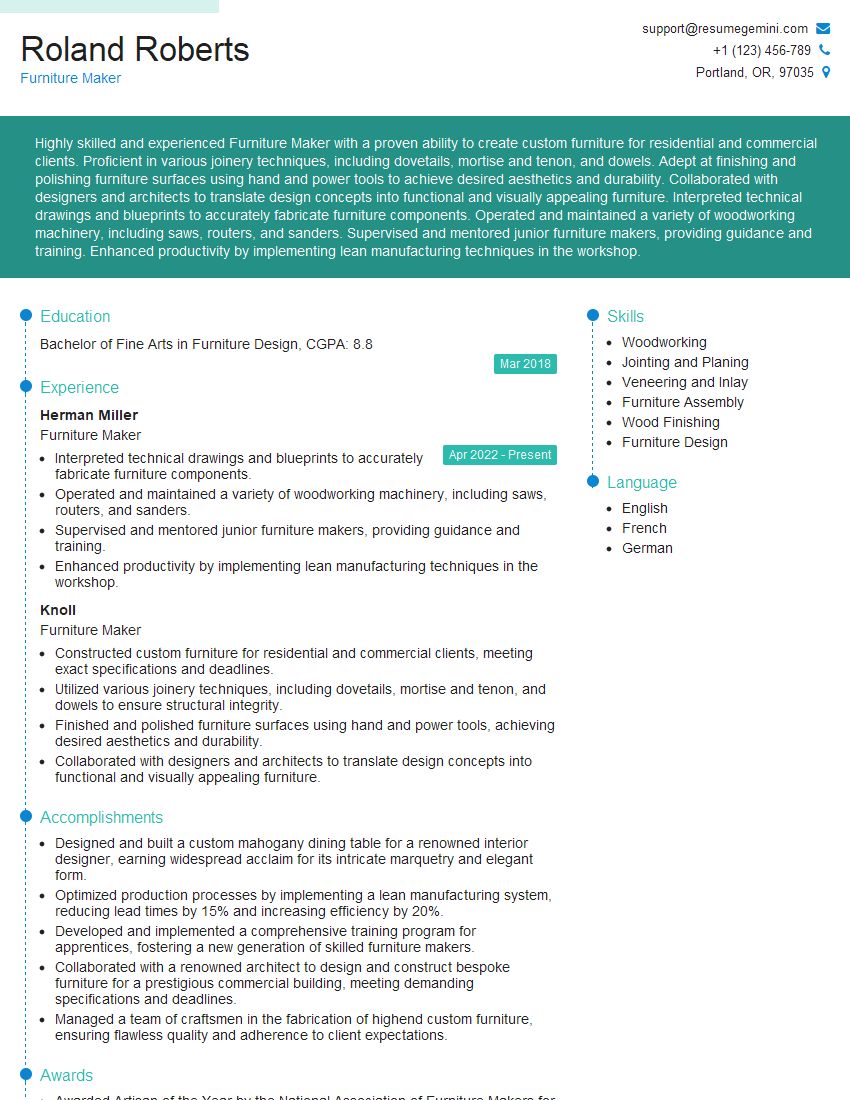
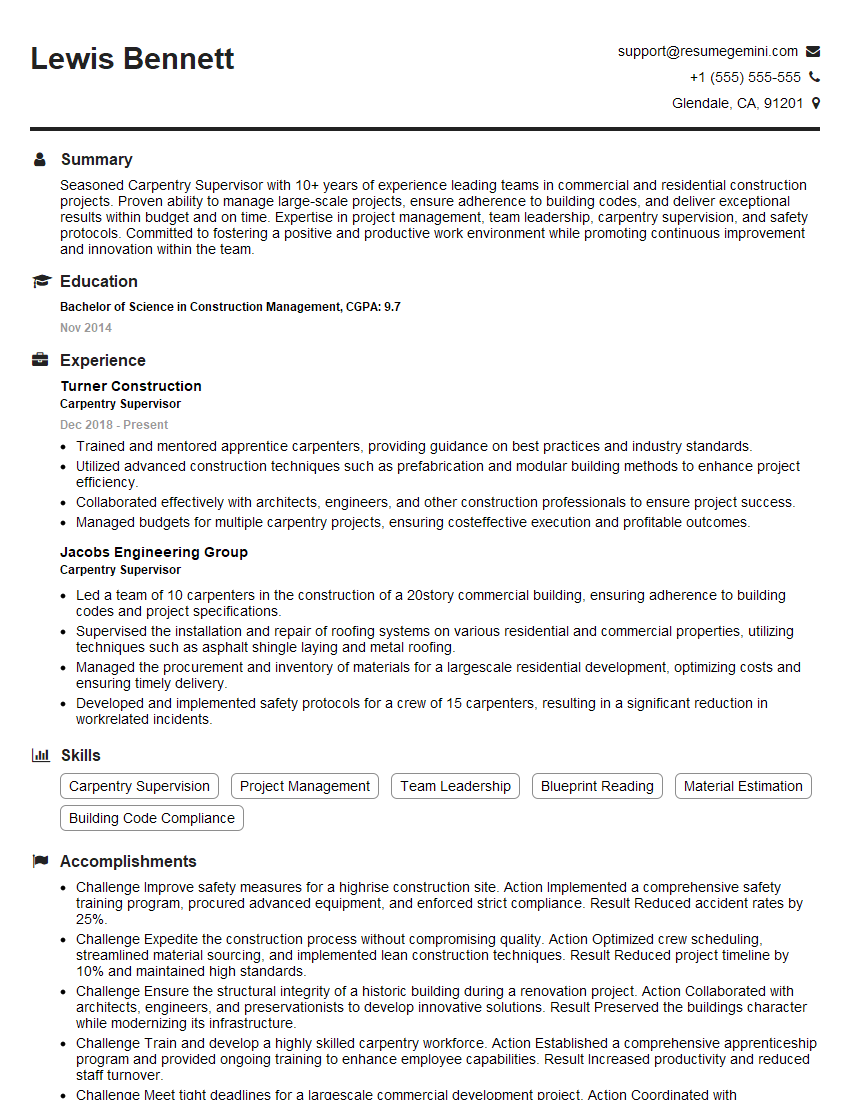
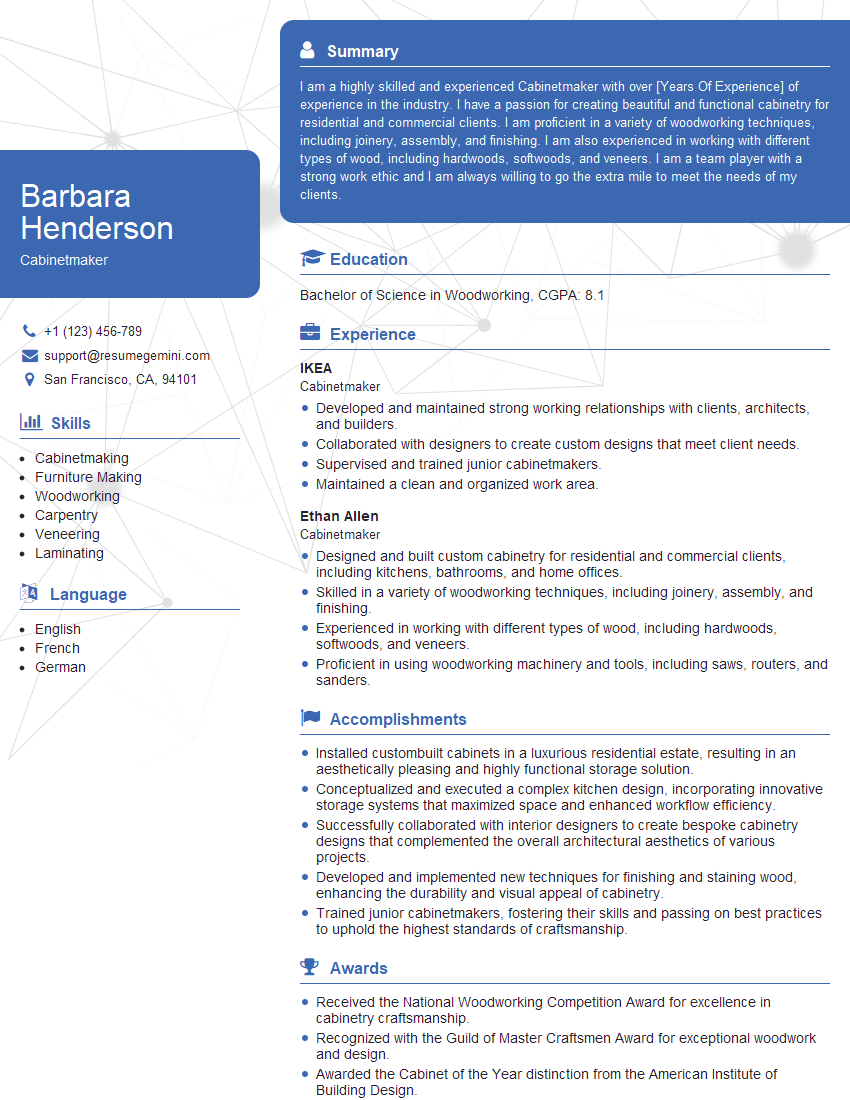
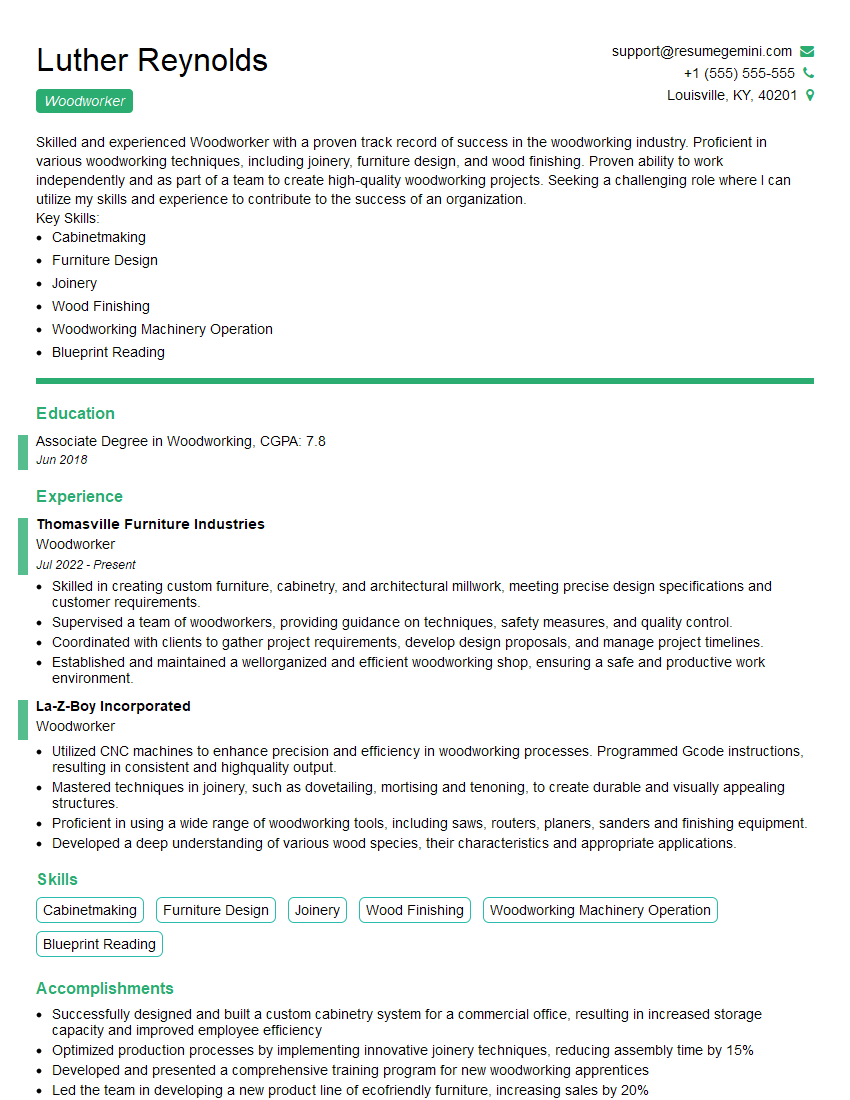
Mastering veneer joint matching opens doors to exciting opportunities in high-demand woodworking and manufacturing roles. A strong understanding of this skill demonstrates precision, attention to detail, and a commitment to quality – highly valued attributes in many industries. To maximize your job prospects, creating an ATS-friendly resume is crucial. ResumeGemini is a trusted resource to help you build a professional and impactful resume that highlights your skills and experience effectively. Examples of resumes tailored to Veneer Joint Matching are available to help guide you in showcasing your expertise.
Explore more articles
Users Rating of Our Blogs
Share Your Experience
We value your feedback! Please rate our content and share your thoughts (optional).
What Readers Say About Our Blog
To the interviewgemini.com Webmaster.
Very helpful and content specific questions to help prepare me for my interview!
Thank you
To the interviewgemini.com Webmaster.
This was kind of a unique content I found around the specialized skills. Very helpful questions and good detailed answers.
Very Helpful blog, thank you Interviewgemini team.