Feeling uncertain about what to expect in your upcoming interview? We’ve got you covered! This blog highlights the most important Child and Adolescent Psychopathology interview questions and provides actionable advice to help you stand out as the ideal candidate. Let’s pave the way for your success.
Questions Asked in Child and Adolescent Psychopathology Interview
Q 1. Describe the diagnostic criteria for Attention-Deficit/Hyperactivity Disorder (ADHD).
Attention-Deficit/Hyperactivity Disorder (ADHD) is a neurodevelopmental disorder characterized by inattention, hyperactivity, and impulsivity. The DSM-5 criteria require a persistent pattern of inattention or hyperactivity-impulsivity that interferes with functioning or development, with symptoms present before age 12 and in at least two settings (e.g., school and home).
Inattention symptoms might include difficulty sustaining attention, difficulty organizing tasks, forgetfulness, and seeming not to listen when spoken to directly. Hyperactivity might manifest as fidgeting, excessive talking, difficulty remaining seated, and running or climbing inappropriately. Impulsivity includes interrupting conversations, blurting out answers, and difficulty waiting one’s turn.
For a diagnosis, a certain number of symptoms from each category (inattention and hyperactivity/impulsivity) must be present, depending on the subtype: predominantly inattentive presentation, predominantly hyperactive/impulsive presentation, or combined presentation. It’s crucial to rule out other conditions that might mimic ADHD symptoms, and a comprehensive assessment is necessary, involving parent and teacher reports, as well as direct observation.
Example: A child constantly fidgets in class, interrupts the teacher frequently, struggles to complete assignments, and is easily distracted by even minor stimuli. This might indicate ADHD, particularly the combined presentation, but further evaluation is needed to confirm the diagnosis.
Q 2. Explain the difference between Oppositional Defiant Disorder (ODD) and Conduct Disorder (CD).
Both Oppositional Defiant Disorder (ODD) and Conduct Disorder (CD) are disruptive behavior disorders, but they differ in severity and the types of behaviors involved. ODD is characterized by a pattern of angry/irritable mood, argumentative/defiant behavior, and vindictiveness. These behaviors are directed primarily towards authority figures (parents, teachers).
CD, on the other hand, involves more serious violations of the rights of others and societal norms. This might include aggression towards people or animals, destruction of property, deceitfulness or theft, and serious violations of rules. Children with CD often show a disregard for societal rules and the feelings of others.
Think of it this way: ODD is like a simmering pot – constant arguing and defiance, while CD is like an explosion – aggressive acts and rule-breaking. ODD is often a precursor to CD, but not all children with ODD develop CD. The key difference lies in the severity and the nature of the disruptive behaviors.
Example: A child with ODD might frequently argue with their parents, refuse to follow instructions, and deliberately annoy siblings. A child with CD might bully other children, steal, set fires, or engage in vandalism.
Q 3. What are the common risk factors for childhood anxiety disorders?
Childhood anxiety disorders have a complex etiology, with various risk factors contributing to their development. These factors can be broadly categorized as genetic, biological, psychological, and environmental.
- Genetic factors: A family history of anxiety disorders significantly increases a child’s risk. Genetic predisposition can influence temperament and reactivity to stressful events.
- Biological factors: Temperamental traits such as behavioral inhibition (shyness and withdrawal) are associated with increased anxiety. Neurobiological factors like imbalances in neurotransmitters also play a role.
- Psychological factors: Negative cognitive styles, such as catastrophic thinking and worry, contribute to anxiety. Learned behaviors through classical and operant conditioning can also maintain anxiety symptoms.
- Environmental factors: Traumatic events, stressful life experiences (e.g., parental separation, bullying), and insecure attachment patterns can increase vulnerability to anxiety disorders. Parenting styles that are overprotective or overly critical can also contribute to a child’s anxiety.
Example: A child with a family history of panic disorder, experiencing a stressful school transition and exhibiting a shy temperament, is at heightened risk for developing an anxiety disorder.
Q 4. Discuss effective treatment approaches for childhood depression.
Effective treatment for childhood depression typically involves a combination of approaches, tailored to the child’s age, severity of symptoms, and individual needs. Commonly used methods include:
- Psychotherapy: Cognitive Behavioral Therapy (CBT) is often the first-line treatment. It helps children identify and challenge negative thought patterns and develop coping skills. Other therapies, such as play therapy (for younger children) and family therapy, may also be beneficial.
- Medication: Antidepressant medications, such as selective serotonin reuptake inhibitors (SSRIs), may be prescribed in cases of moderate to severe depression, especially when psychotherapy alone is insufficient. The decision to use medication is made carefully, considering potential side effects and the child’s overall health.
- Family-based interventions: Involving family members in the treatment process is crucial, as family dynamics can significantly influence a child’s mental health. Family therapy addresses communication patterns and family stressors that might contribute to the child’s depression.
It’s important to monitor the child’s progress closely and adjust the treatment plan as needed. A multidisciplinary approach, involving psychiatrists, psychologists, and other healthcare professionals, ensures comprehensive care.
Example: A child diagnosed with moderate depression might benefit from a combination of CBT to address negative thoughts and coping strategies, along with an SSRI medication to alleviate symptoms. Regular family therapy sessions would help improve communication and address family-related stressors.
Q 5. How would you assess a child for autism spectrum disorder?
Assessing a child for Autism Spectrum Disorder (ASD) requires a multi-faceted approach, involving various assessment tools and professional expertise. It’s not a single test but a comprehensive evaluation.
The assessment typically includes:
- Developmental history: A thorough review of the child’s developmental milestones, focusing on communication, social interaction, and play. Parents and caregivers provide crucial information about the child’s early development.
- Behavioral observations: Clinicians observe the child’s behavior in various settings, noting their social interactions, communication style, play patterns, and repetitive behaviors.
- Standardized assessments: Several standardized tests are used to assess various aspects of ASD, including social skills, communication abilities, and cognitive functions. Examples include the Autism Diagnostic Observation Schedule (ADOS) and the Autism Diagnostic Interview-Revised (ADI-R).
- Intellectual assessment: Cognitive ability testing is crucial to determine the child’s intellectual functioning and to rule out other intellectual disabilities.
- Medical evaluation: To rule out other medical conditions that may mimic ASD.
It is essential to consider the child’s age and developmental level when choosing assessment tools and interpreting the results. A diagnosis of ASD is made by a multidisciplinary team of professionals, including psychologists, pediatricians, and possibly other specialists.
Example: A child who avoids eye contact, shows limited interest in social interaction, engages in repetitive motor behaviors (hand flapping), and has difficulty with language comprehension would be assessed using the ADOS, ADI-R, and other relevant tools. The team would also consider their developmental history, family history, and other factors before reaching a diagnosis.
Q 6. Explain the role of trauma in the development of mental health disorders in adolescents.
Trauma plays a significant role in the development of various mental health disorders in adolescents. Experiences such as abuse (physical, sexual, emotional), neglect, witnessing violence, or experiencing natural disasters can have profound and lasting effects on a young person’s mental and emotional well-being.
Trauma can disrupt brain development, particularly in areas related to emotional regulation, stress response, and social cognition. This can lead to a wide range of mental health challenges including:
- Post-traumatic stress disorder (PTSD): Characterized by flashbacks, nightmares, avoidance behaviors, and hyperarousal.
- Depression and anxiety disorders: Trauma often contributes to feelings of hopelessness, helplessness, fear, and hypervigilance.
- Disruptive behavior disorders: Trauma can lead to aggression, impulsivity, and difficulty with self-regulation.
- Substance abuse: Adolescents may turn to substances as a means of coping with the overwhelming effects of trauma.
- Dissociative disorders: In some cases, trauma can lead to dissociation, a detachment from reality, as a coping mechanism.
The impact of trauma is not uniform; the severity of the experience, the individual’s resilience, and the availability of support systems all play a role in determining the outcome. Early intervention and trauma-informed care are essential for supporting adolescents who have experienced trauma and preventing the development of long-term mental health problems.
Example: An adolescent who experienced childhood sexual abuse might develop PTSD, characterized by flashbacks of the abuse, nightmares, and avoidance of situations that remind them of the trauma. They might also experience depression, anxiety, and difficulty forming healthy relationships.
Q 7. What are the ethical considerations in treating minors?
Ethical considerations in treating minors are paramount and significantly different from those in adult treatment. Central to ethical practice is ensuring the minor’s best interests are prioritized, while respecting their developing autonomy and maintaining confidentiality.
- Informed consent/assent: While parents or guardians typically provide informed consent for treatment, it’s crucial to obtain assent from the adolescent, especially as they mature. Assent means the adolescent understands the treatment and agrees to participate. This process involves age-appropriate explanations of the treatment and its potential benefits and risks.
- Confidentiality: Maintaining confidentiality is essential, but there are limitations. Clinicians must disclose information when there’s a risk of harm to the minor or others (e.g., suicidal ideation, plans to harm others). The limits of confidentiality should be clearly explained to the adolescent and their family.
- Child’s best interests: All decisions related to assessment and treatment must prioritize the child’s well-being and development. This often involves considering the child’s preferences and needs, while also taking into account parental concerns and family dynamics.
- Cultural sensitivity: Clinicians must be mindful of cultural factors that might influence the adolescent’s experience and treatment needs.
- Avoiding dual relationships: Clinicians should avoid dual relationships that could compromise their objectivity or the adolescent’s well-being.
Navigating these ethical complexities requires careful consideration, strong clinical judgment, and a commitment to adhering to relevant ethical guidelines and legal regulations.
Q 8. Describe the principles of evidence-based practice in child and adolescent psychopathology.
Evidence-based practice (EBP) in child and adolescent psychopathology is a cornerstone of effective treatment. It integrates the best available research evidence with clinical expertise and the child’s and family’s unique characteristics, values, and preferences. This means we don’t rely solely on personal experience or intuition; instead, we use research findings to guide our assessment and intervention strategies.
- Best Research Evidence: This involves staying updated on the latest scientific literature regarding specific disorders, treatments, and assessment methods. For example, if a child presents with symptoms of anxiety, we would refer to studies comparing the efficacy of Cognitive Behavioral Therapy (CBT) versus other approaches.
- Clinical Expertise: This represents the practitioner’s knowledge, skills, and experience. It allows for tailoring interventions to suit individual circumstances. While CBT might be generally effective for anxiety, my clinical expertise would guide me on how best to adapt it for a specific child, factoring in their age, developmental level, and cultural background.
- Client Values and Preferences: This emphasizes the importance of shared decision-making. We actively involve the child, their parents (if appropriate), and any other relevant individuals in choosing treatment goals and approaches. For instance, if a family strongly prefers a family-based approach, we incorporate this preference into the treatment plan while still grounding it in research findings.
In essence, EBP ensures that the care we provide is not only effective but also relevant and acceptable to the child and their family. It’s a continuous process of learning, evaluation, and refinement.
Q 9. How do you approach working with families of children with mental health challenges?
Working with families is crucial in child and adolescent mental health. I adopt a collaborative, strengths-based approach, viewing the family as a system with interconnected relationships impacting the child’s well-being. My initial sessions often focus on building rapport and understanding the family’s perspective.
- Family Assessment: I carefully assess the family structure, dynamics, communication patterns, and coping mechanisms. This might involve using genograms to map family relationships and identify recurring patterns.
- Strengths-Based Approach: Rather than focusing solely on problems, I highlight the family’s strengths and resilience. This helps empower them and foster a sense of hope.
- Collaboration & Education: I work collaboratively with parents or caregivers to develop a shared understanding of the child’s difficulties and treatment goals. I provide psychoeducation about the child’s diagnosis and treatment strategies.
- Family Therapy Techniques: Depending on the situation, I may use various family therapy techniques, such as structural family therapy (reorganizing family roles and boundaries) or solution-focused therapy (collaborating to identify solutions rather than dwelling on problems).
For example, if a teenager is struggling with depression, I would involve the parents in understanding the triggers, supporting the treatment plan, and improving communication within the family. The goal is to equip the family with skills to support the child’s recovery long-term.
Q 10. What are some common challenges in working with adolescents?
Adolescence is a period of significant developmental changes, making it a challenging age group to work with. Some common challenges include:
- Developmental Tasks: Adolescents are grappling with identity formation, autonomy, and peer relationships. Mental health difficulties can exacerbate these challenges.
- Emotional Fluctuations: Mood swings and emotional volatility are common, making it essential to develop a therapeutic relationship built on trust and understanding.
- Resistance & Defiance: Adolescents may display resistance to therapy or treatment recommendations due to their developmental striving for independence. Engaging them requires flexibility and creativity.
- Confidentiality Concerns: Navigating confidentiality issues is essential, requiring careful consideration of legal and ethical guidelines while also building trust.
- Risk-Taking Behaviors: Adolescents are more prone to risky behaviors, such as substance abuse or self-harm, which necessitate careful assessment and management.
To address these challenges, I utilize a collaborative approach that respects adolescent autonomy, incorporates their perspectives, and adapts treatment strategies to their developmental stage and individual needs. Building a strong therapeutic alliance is paramount. For example, incorporating technology, like video games or social media tools, may help engage adolescents in therapy.
Q 11. Discuss different therapeutic modalities used in treating child and adolescent mental health issues.
Various therapeutic modalities are employed in treating child and adolescent mental health issues, each suited to specific disorders and individual needs.
- Cognitive Behavioral Therapy (CBT): This approach focuses on identifying and modifying maladaptive thoughts and behaviors. It’s effective for anxiety, depression, and other disorders.
- Play Therapy: Utilized with younger children, it uses play as a medium for expression and exploration of emotions and experiences.
- Family Therapy: This focuses on improving family dynamics and communication to support the child’s well-being. It’s particularly helpful when family conflicts contribute to the child’s difficulties.
- Dialectical Behavior Therapy (DBT): This is especially effective for adolescents with self-harm behaviors and emotional dysregulation. It teaches skills in mindfulness, distress tolerance, emotional regulation, and interpersonal effectiveness.
- Medication Management: In some cases, medication may be necessary in conjunction with psychotherapy. A psychiatrist would typically oversee this aspect of treatment.
- Trauma-Focused Therapies: These therapies, such as Trauma-Focused Cognitive Behavioral Therapy (TF-CBT), address the impact of trauma on children and adolescents.
The choice of therapy depends on a thorough assessment of the child’s needs and the presenting problem. Often, an integrative approach, combining different techniques, is most beneficial.
Q 12. How would you differentiate between normal developmental challenges and clinical disorders in children?
Differentiating between normal developmental challenges and clinical disorders requires a careful assessment considering several factors.
- Duration and Severity: Developmental challenges are typically temporary and relatively mild, resolving within a reasonable timeframe. Clinical disorders are persistent, causing significant distress or impairment.
- Impact on Functioning: Developmental challenges may affect some aspects of a child’s life but not significantly impair their overall functioning (school, social interactions, daily activities). Clinical disorders significantly interfere with functioning across multiple domains.
- Developmental Appropriateness: Certain behaviors might be age-appropriate at one stage but problematic at another. For instance, some degree of separation anxiety is normal in toddlers, but excessive or prolonged anxiety might indicate a disorder.
- Contextual Factors: Environmental factors, such as stress or trauma, can influence a child’s behavior. It’s vital to consider these factors when making a diagnosis.
- Diagnostic Criteria: Diagnosis utilizes standardized criteria outlined in the Diagnostic and Statistical Manual of Mental Disorders (DSM-5) or the International Classification of Diseases (ICD-11). These criteria help distinguish between typical developmental variations and clinical disorders.
For example, a child experiencing temporary sadness after a pet’s death would likely be experiencing a normal developmental challenge. However, persistent sadness, loss of interest in activities, and significant changes in sleep or appetite could indicate depression, a clinical disorder.
Q 13. What are the key components of a comprehensive assessment for a child presenting with behavioral problems?
A comprehensive assessment for a child presenting with behavioral problems involves a multifaceted approach, integrating multiple sources of information.
- Clinical Interview: This involves talking with the child (age-appropriate methods), parents, and other relevant individuals (teachers, caregivers) to gather information about the child’s history, symptoms, and social context.
- Behavioral Observations: Direct observation of the child’s behavior in different settings (home, school) provides valuable insights.
- Psychological Testing: Standardized tests can assess cognitive abilities, emotional functioning, and personality traits. Examples include intelligence tests, projective tests, and measures of anxiety and depression.
- Academic and Developmental History Review: Gathering information on the child’s academic performance, developmental milestones, and educational history can provide context for the behavioral problems.
- Medical Evaluation: Ruling out any underlying medical conditions that might contribute to the behavior is crucial. This could involve physical examination and lab tests.
- Collateral Information: Gathering input from multiple sources (teachers, therapists) can provide a well-rounded picture of the child’s situation.
For example, if a child is exhibiting aggression, a comprehensive assessment would explore their family history, stressors at home and school, social interactions, and potential underlying learning disabilities.
Q 14. How do you incorporate cultural factors into your clinical practice?
Culture significantly influences the presentation, understanding, and treatment of mental health issues. It’s crucial to integrate cultural factors into my clinical practice.
- Cultural Competence: I strive to develop cultural competence by expanding my knowledge of diverse cultural groups, including their beliefs, values, and communication styles. This involves continuous learning and seeking out training.
- Cultural Sensitivity: I ensure all interactions are culturally sensitive, using appropriate language and adapting my approach to the family’s preferences and worldview.
- Culturally Appropriate Assessment: I utilize assessment tools and methods that are culturally valid and reliable for the specific cultural group. This may include adapting the administration or interpretation of tests or employing culturally relevant measures.
- Incorporating Cultural Values: I work to incorporate the family’s cultural values into the treatment plan when appropriate. This might involve considering family structures, beliefs about mental illness, and preferred treatment approaches.
- Collaboration with Community Resources: I leverage community resources and culturally appropriate support networks to augment treatment services.
For instance, I’d approach a therapy session differently with a family from a collectivist culture, emphasizing family involvement and collaboration in treatment, compared to a family from an individualistic culture which may prioritize individual autonomy.
Q 15. Explain the importance of collaboration with other professionals (e.g., teachers, parents).
Collaboration is absolutely crucial in child and adolescent psychopathology. Think of it as a team effort, where each member – the child/adolescent, parents, teachers, and myself as the therapist – plays a vital role in achieving the best possible outcome. I believe a holistic approach is key. For example, a child’s disruptive behavior in the classroom might stem from anxiety at home, or an undiagnosed learning disability. By working closely with teachers, we can gain valuable insights into the child’s behavior in the school environment – are there specific triggers, are they struggling academically, how do they interact with peers? This information then informs our treatment plan, allowing us to adapt strategies that address the issue at its root. Similarly, open communication with parents is essential for providing consistent support and reinforcement at home. We might collaborate on strategies like implementing reward systems, or adjusting family dynamics to foster a more supportive environment. This multi-pronged approach ensures comprehensive care that significantly improves outcomes.
For instance, I once worked with a teenager struggling with depression. Through collaboration with his teachers, we discovered he was falling behind in his studies, adding to his anxiety and low self-esteem. By addressing this academic struggle alongside his emotional difficulties through a multi-faceted plan involving tutoring and therapy, we saw a dramatic improvement in his overall well-being.
Career Expert Tips:
- Ace those interviews! Prepare effectively by reviewing the Top 50 Most Common Interview Questions on ResumeGemini.
- Navigate your job search with confidence! Explore a wide range of Career Tips on ResumeGemini. Learn about common challenges and recommendations to overcome them.
- Craft the perfect resume! Master the Art of Resume Writing with ResumeGemini’s guide. Showcase your unique qualifications and achievements effectively.
- Don’t miss out on holiday savings! Build your dream resume with ResumeGemini’s ATS optimized templates.
Q 16. Describe your experience with crisis intervention in a child or adolescent setting.
Crisis intervention in child and adolescent settings requires quick thinking, empathy, and a calm demeanor. My approach centers around assessing the immediate risk, providing immediate support, and developing a safety plan. In one instance, I was faced with a 14-year-old girl exhibiting suicidal ideation after a significant family conflict. My immediate priority was to ensure her safety; I used a calm, validating tone to listen to her feelings, then worked with her to identify coping mechanisms and triggers. I contacted her parents, and together we formulated a safety plan that involved removing immediate access to harmful items and arranging for close supervision. I also connected her with immediate resources like a crisis hotline and scheduled an immediate follow-up session. The key is to remain grounded, provide emotional support, and establish a sense of collaboration, rather than confrontation.
The successful resolution of crisis often necessitates collaboration with other professionals, emergency services, and/or family members. For example, a child exhibiting severe aggression might need psychiatric intervention and/or potentially a temporary placement in a safer environment. Effective crisis intervention relies on a well-coordinated team effort focused on immediate safety and long-term stability.
Q 17. How would you handle a situation where a parent disagrees with your treatment recommendations?
Disagreements with parents regarding treatment recommendations are common and require careful navigation. I start by validating the parent’s concerns and ensuring they understand the rationale behind my recommendations. It’s crucial to avoid a confrontational stance. I often present the information in a collaborative manner, exploring their perspective and finding common ground. For instance, if parents are hesitant about medication, I might discuss the potential benefits and side effects in detail, emphasizing alternative therapies like psychotherapy. If the disagreement persists, I might suggest a second opinion or explore alternative treatment options together. Transparency and open dialogue are key to building trust and finding a mutually agreeable path forward. It’s about shared decision-making, not dictating treatment.
In one case, a parent was reluctant to enroll their child in a family therapy program. Through collaborative discussions, I learned their hesitancy stemmed from a fear of exposing family issues. We carefully addressed their concerns, reframing family therapy as a chance for growth and improved communication, rather than an accusation of fault. The parent eventually agreed, and the family therapy sessions led to significant improvements in their relationships and the child’s overall adjustment.
Q 18. What is your approach to managing confidentiality in child and adolescent therapy?
Confidentiality is paramount in child and adolescent therapy. However, it’s not absolute. I always explain the limits of confidentiality at the outset of therapy, clearly stating situations where I’m mandated to report. This includes situations involving imminent harm to the child or others (e.g., suicidal ideation, plans for harming others), child abuse or neglect, or court-ordered evaluations. I use age-appropriate language to explain these limits, making sure the young person understands the boundaries of confidentiality and when their safety becomes the priority. For example, I might explain it like this to a younger child: “Our conversations are private, like secrets between friends, but if you tell me you’re going to hurt yourself or someone else, I need to tell someone who can help.” Documentation is also critical; maintaining meticulous and accurate records, adhering to legal and ethical guidelines, is crucial for protecting both the client and myself.
With adolescents, it’s important to strike a balance between respecting their autonomy and ensuring their safety. Open communication and trust are crucial. If a teenager shares information I feel obliged to report, I explain my legal responsibilities, emphasizing my commitment to supporting them through the process.
Q 19. Discuss the role of medication management in treating child and adolescent psychopathology.
Medication management plays a significant role, but is rarely the sole treatment, in addressing child and adolescent psychopathology. It’s most effective when used in conjunction with psychotherapy. Medications are often prescribed to manage symptoms that interfere with the child’s ability to benefit from therapy. For instance, severe anxiety or depression might require medication to improve mood regulation and reduce emotional distress before the child can fully engage in therapeutic interventions. Medication can help stabilize symptoms, allowing the child to participate more effectively in therapy sessions and work on underlying issues. However, the decision to prescribe medication should be made carefully, considering the child’s age, developmental stage, medical history, and the potential side effects. I typically work closely with a psychiatrist or other prescribing physician to ensure optimal medication management, including monitoring side effects and adjusting dosages as needed. It is important to treat the whole child, and to consider the broader context, such as nutrition, sleep, exercise and social support.
For example, a child with ADHD might benefit from stimulant medication to improve focus and concentration, but also require behavioral therapy to learn coping strategies for impulsivity and emotional regulation.
Q 20. What are the common side effects of stimulant medication used to treat ADHD?
Stimulant medications commonly used to treat ADHD, such as methylphenidate (Ritalin) and amphetamine/dextroamphetamine (Adderall), can have several side effects, although they vary greatly from child to child. Some common side effects include decreased appetite, difficulty sleeping (insomnia), headaches, stomach aches, and increased heart rate. In some children, stimulant medications can also cause irritability, anxiety, or even decreased growth. It’s crucial to monitor for these side effects and adjust dosage or consider alternative treatment options if they significantly impact the child’s well-being. Regular monitoring by a physician is essential to manage these potential side effects effectively and ensure the medication is providing benefits while minimizing risks. Open communication with parents and the child about potential side effects is crucial.
Careful consideration must be given to the risk-benefit ratio of stimulant medication for each child. While stimulant medication can be highly effective in improving ADHD symptoms, the potential side effects need to be weighed against the benefits for each individual. Sometimes non-medication approaches such as behavior therapy and educational interventions are also beneficial.
Q 21. Describe your experience with different types of psychotherapy for children and adolescents.
My experience encompasses a wide range of psychotherapy approaches for children and adolescents. I frequently utilize Cognitive Behavioral Therapy (CBT), which helps children identify and change negative thought patterns and behaviors. For younger children, play therapy can be incredibly effective, allowing them to express their emotions and experiences through play. In situations involving trauma, trauma-focused therapies like Trauma-Focused Cognitive Behavioral Therapy (TF-CBT) are invaluable. Family therapy is often incorporated to address relational dynamics that might be contributing to the child’s challenges. Moreover, depending on the specific needs of the child and family, I may draw upon other evidence-based approaches, like Dialectical Behavior Therapy (DBT) for adolescents struggling with emotional regulation, or Acceptance and Commitment Therapy (ACT) for managing difficult emotions and improving coping skills.
Selecting the appropriate therapy approach involves careful assessment of the child’s age, developmental level, presenting problems, and family dynamics. It’s important to adapt the therapy to the individual’s unique needs and preferences, ensuring they feel comfortable and engaged in the therapeutic process. A flexible and individualized approach often leads to the most successful outcomes.
Q 22. How would you adapt your therapeutic approach to a child with intellectual disabilities?
Adapting therapy for a child with intellectual disabilities requires a significant shift in approach. It’s crucial to understand their cognitive abilities and communication style, adjusting the therapeutic process accordingly. Instead of relying on complex verbal communication, I would prioritize nonverbal methods, such as play therapy, art therapy, or assistive communication tools. The therapeutic goals would need to be simplified and broken down into smaller, manageable steps. For example, instead of aiming for abstract emotional understanding, we might focus on concrete behavioral goals like improving social interactions or managing frustration. Regular collaboration with the child’s caregivers, teachers, and other support professionals is essential to build a comprehensive understanding and ensure consistent support. I would also tailor the environment to the child’s sensory needs and preferences to ensure comfort and engagement. Progress would be measured against achievable, individualized goals, recognizing that the pace of therapy might be slower compared to children without intellectual disabilities.
For instance, if a child with Down syndrome is struggling with anxiety related to transitioning between activities, we might use a visual schedule to provide predictability and reduce anxiety. We’d also focus on building their communication skills to express their feelings and needs more effectively, perhaps using picture cards or a communication board. The therapeutic relationship would be built on trust, patience, and a genuine understanding of the child’s unique capabilities and challenges.
Q 23. Explain the concept of developmental milestones and their relevance to clinical practice.
Developmental milestones are age-based markers that represent typical development across various domains, including physical, cognitive, language, social-emotional, and adaptive skills. They serve as a crucial benchmark in clinical practice for identifying potential developmental delays or disorders. Clinicians use milestone charts to track a child’s progress and compare it to age-appropriate expectations. Deviations from expected milestones can prompt further investigation, leading to early intervention if needed. Think of them as signposts along the path of development; while some variation is normal, significant delays or regressions can indicate underlying issues requiring professional assessment.
For example, a child who consistently fails to meet language milestones might be assessed for a language disorder like expressive aphasia. Similarly, if a toddler shows significant delays in gross motor skills, like walking, a thorough evaluation could rule out conditions like cerebral palsy. Milestones are not rigid rules; they provide a framework for understanding typical development and aid in identifying children who may require additional support. It’s crucial to consider individual differences and cultural contexts when interpreting milestone data. Regular monitoring of a child’s developmental progress, ideally from infancy, is crucial for early detection and intervention.
Q 24. What are some common barriers to accessing mental health services for children and adolescents?
Access to mental health services for children and adolescents faces numerous barriers. Financial constraints are a major hurdle, particularly for families with limited insurance coverage or those in low-income communities. Geographical location can also be a barrier, with limited access to specialists in rural areas or underserved communities. The stigma surrounding mental health remains a significant challenge, preventing families from seeking help, fearing judgment or social repercussions. Lack of awareness about available resources and services contributes to delayed or absent interventions. Furthermore, wait times for appointments can be lengthy, leading to frustration and delaying crucial support. The shortage of child and adolescent mental health professionals exacerbates these issues, creating long waiting lists and limited availability. In some cases, cultural or linguistic differences can hinder access to culturally sensitive and appropriate care.
For instance, a family in a rural area might face a long commute to see a specialist, and the cost of transportation and treatment can pose a significant financial burden. A family may also avoid seeking help due to cultural stigma associated with mental health issues, leading to untreated problems that can escalate over time. Addressing these barriers requires collaborative efforts, including increasing funding for mental health services, expanding telehealth options, reducing stigma through public awareness campaigns, and training more child and adolescent mental health professionals.
Q 25. Discuss the importance of resilience in child and adolescent development.
Resilience is the ability to bounce back from adversity, trauma, and stressful life events. In child and adolescent development, it’s a crucial protective factor that mitigates the impact of negative experiences and promotes healthy adaptation. Children with strong resilience demonstrate the capacity to cope with challenges, regulate their emotions, and maintain positive relationships. Factors contributing to resilience include a supportive and nurturing family environment, positive peer relationships, access to resources and opportunities, and the development of effective coping mechanisms. Resilience is not an inherent trait but rather a dynamic process that is learned and developed over time. It’s vital for healthy development, as it enables children to navigate difficult situations without significant long-term negative consequences.
For instance, a child who experiences the loss of a parent might exhibit resilience by maintaining positive relationships with other family members and seeking support from friends and teachers. They might also develop coping mechanisms, such as journaling or engaging in creative activities, to process their grief and maintain emotional well-being. Promoting resilience in children involves fostering a sense of self-efficacy, helping them develop problem-solving skills, and teaching them healthy emotional regulation techniques. Clinicians can help families and schools build protective factors and support children’s natural resilience.
Q 26. How do you incorporate play therapy techniques in your practice?
Play therapy is a vital tool in my practice, particularly with younger children who may struggle to express their feelings verbally. It involves using play as the primary medium for therapeutic intervention. I utilize various techniques depending on the child’s age, developmental level, and presenting issues. These include sand tray therapy, where children create scenes using figurines and sand to represent their inner world; puppet play, which allows children to express emotions and experiences indirectly; and art therapy, enabling creative expression of feelings through drawing, painting, or sculpting. I also incorporate directive and non-directive play techniques. Directive play involves structuring the play session with specific goals in mind, while non-directive play allows the child to lead the play, enabling me to observe their spontaneous expression and gain insight into their inner world. My role is to observe, interpret the child’s play, and help them understand their feelings and experiences through reflective statements and questions.
For example, a child struggling with anger might use aggressive play with action figures in a sand tray. This provides a safe space to express anger without harming anyone. Through observation and gentle questioning, we can explore the triggers for anger and develop coping strategies. Play therapy fosters a therapeutic alliance by creating a safe and non-threatening environment where children feel comfortable expressing themselves. The play itself becomes a metaphor for their life experiences, offering a powerful means of processing emotions and developing adaptive coping skills.
Q 27. Describe your understanding of attachment theory and its impact on child development.
Attachment theory posits that early interactions between a child and their primary caregiver form the foundation for future relationships and emotional development. The quality of this attachment significantly impacts a child’s sense of security, self-esteem, and ability to form healthy relationships later in life. Secure attachment, characterized by a consistent and responsive caregiver, fosters a sense of trust and confidence. Insecure attachments, such as anxious-ambivalent, avoidant, or disorganized attachment, stem from inconsistent or unresponsive caregiving, leading to difficulties in regulating emotions and forming secure relationships. These insecure attachment patterns can manifest in various ways, affecting emotional regulation, social skills, and the child’s overall well-being.
For example, a child with a secure attachment is likely to feel comfortable exploring their environment and seeking comfort from their caregiver when distressed. Conversely, a child with an avoidant attachment might suppress their emotional needs and avoid seeking comfort, while a child with an anxious-ambivalent attachment might be clingy and demanding, struggling with separation anxiety. Understanding attachment styles helps clinicians tailor interventions to address specific relational challenges and promote healthy emotional development. Therapeutic interventions often focus on rebuilding trust, improving communication, and fostering secure attachment patterns, even later in childhood.
Q 28. What are your thoughts on the use of technology in child and adolescent therapy?
Technology offers both opportunities and challenges in child and adolescent therapy. Telehealth platforms, for example, have expanded access to mental health services, particularly in rural areas or for children with mobility challenges. Apps and online resources can provide educational materials, coping skills training, and support networks, increasing the reach and accessibility of services. However, ethical considerations regarding privacy, data security, and the potential for misuse must be carefully addressed. The suitability of technology depends on the child’s age, developmental level, and the nature of the therapeutic goals. It’s crucial to ensure that technology complements, rather than replaces, the human element of therapy, maintaining a strong therapeutic alliance built on trust and empathy. The use of technology should always be considered in the context of the child’s safety and wellbeing.
For instance, while telehealth can offer convenience and accessibility, it’s essential to ensure a secure platform and obtain informed consent from parents or guardians. Similarly, while apps providing coping skills training can be beneficial, they should be used as supplementary tools and not a replacement for professional guidance. It’s vital to monitor the child’s engagement with technology and address any potential negative impacts, such as increased screen time or social isolation. A thoughtful and cautious approach ensures that technology enhances, rather than detracts from, the therapeutic process.
Key Topics to Learn for Child and Adolescent Psychopathology Interview
- Developmental Psychopathology: Understanding typical and atypical development across childhood and adolescence. Consider the interplay of biological, psychological, and social factors.
- Diagnostic Assessment: Mastering the diagnostic criteria for common childhood and adolescent disorders (e.g., ADHD, anxiety disorders, depression, autism spectrum disorder) according to DSM-5 or ICD-11. Practice applying these criteria to case studies.
- Theoretical Frameworks: Familiarize yourself with major theoretical perspectives (e.g., attachment theory, cognitive behavioral therapy, psychodynamic perspectives) and their application to understanding and treating childhood disorders.
- Intervention Strategies: Explore evidence-based interventions for various childhood disorders. This includes psychotherapy approaches, family therapy, and medication management (understanding the role, not necessarily prescribing).
- Ethical Considerations: Understand the ethical implications of working with children and adolescents, including confidentiality, informed consent, and mandated reporting.
- Cultural Competence: Recognize the impact of cultural and socio-economic factors on mental health presentations and treatment approaches.
- Research Methods: Develop a foundational understanding of research methodologies relevant to child and adolescent psychopathology, including study design and interpretation of findings.
- Case Conceptualization: Practice formulating comprehensive case conceptualizations, integrating information from various sources to develop treatment plans.
- Collaboration and Teamwork: Highlight your understanding of the importance of working collaboratively with families, educators, and other professionals.
Next Steps
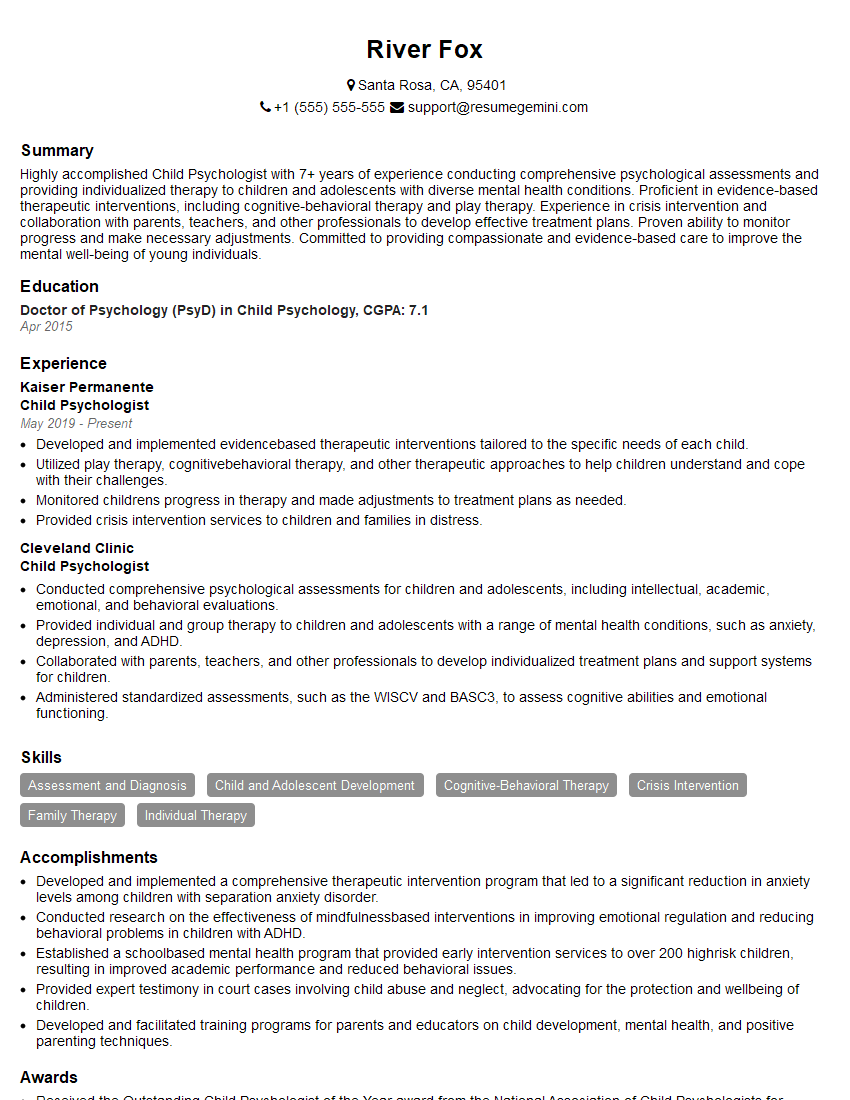
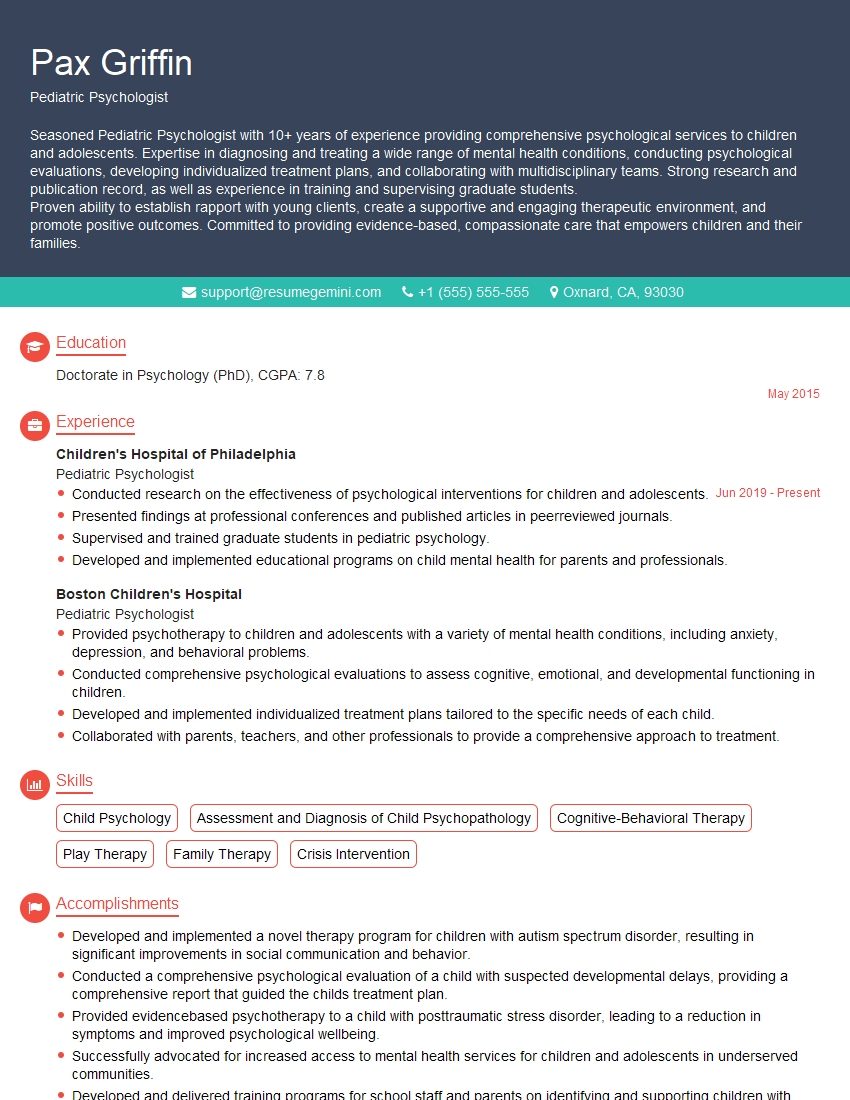
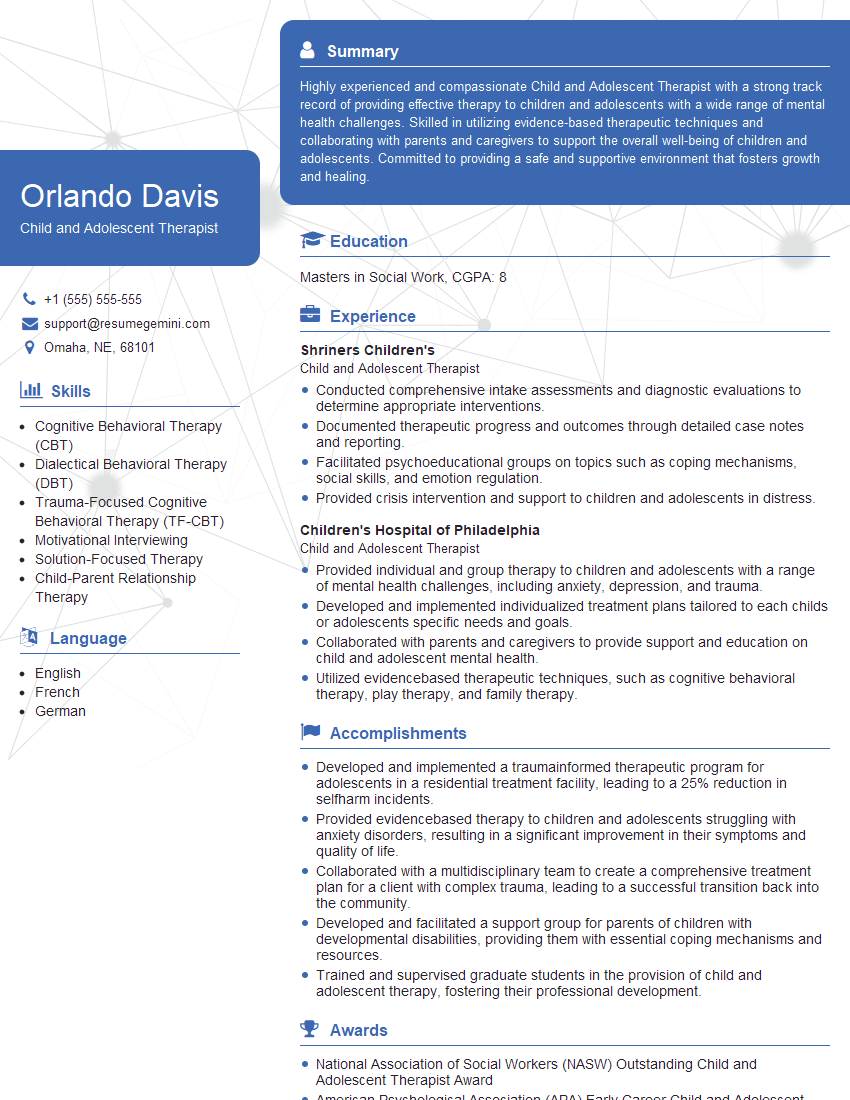
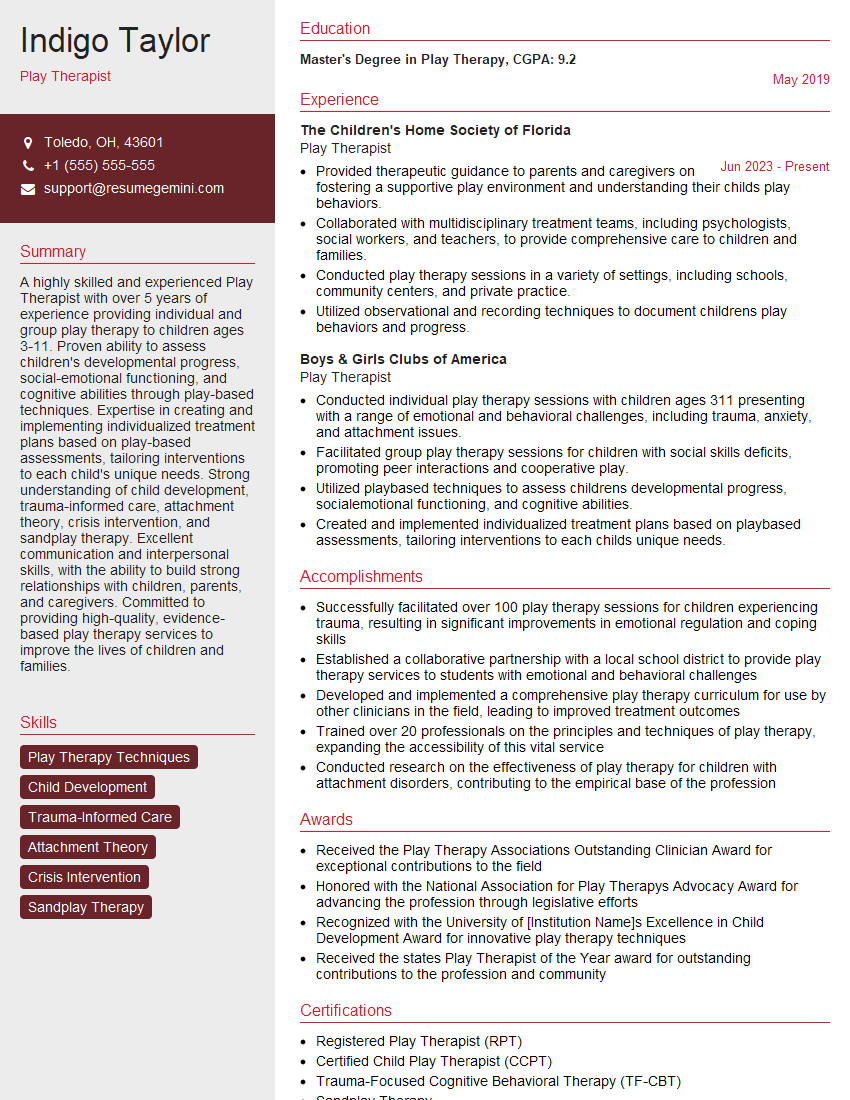
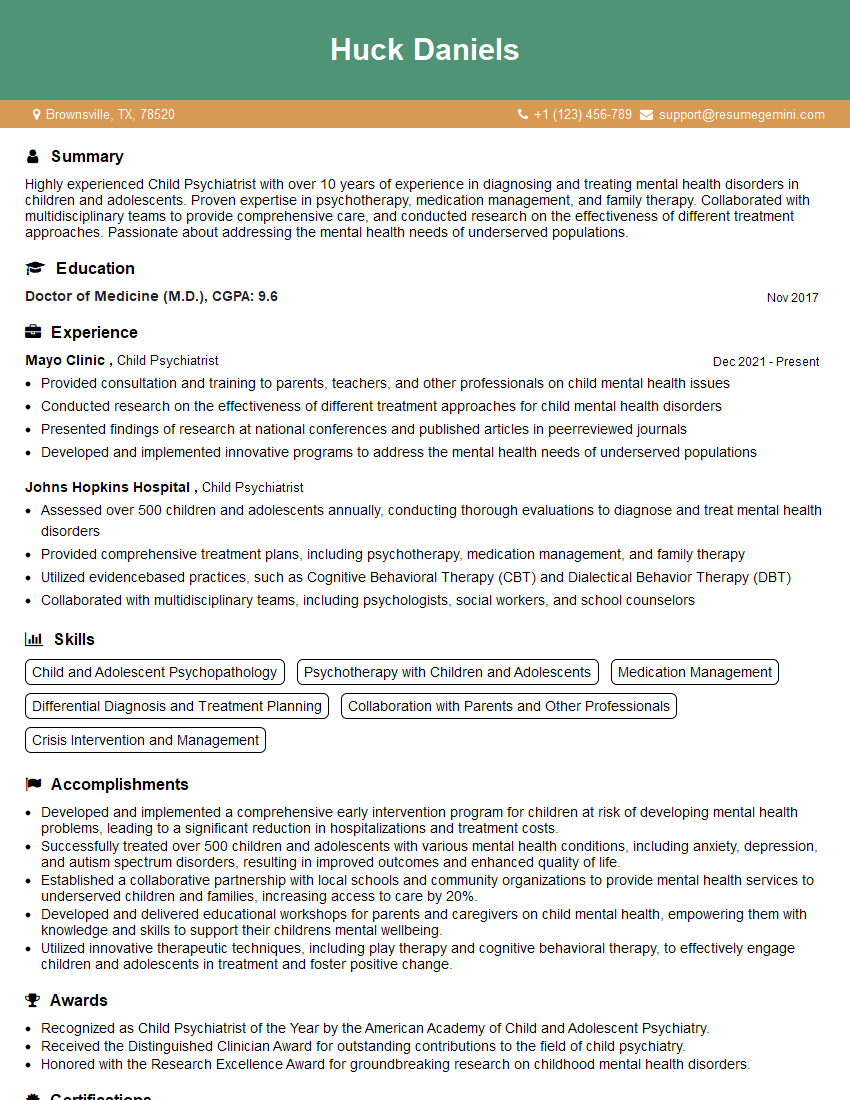
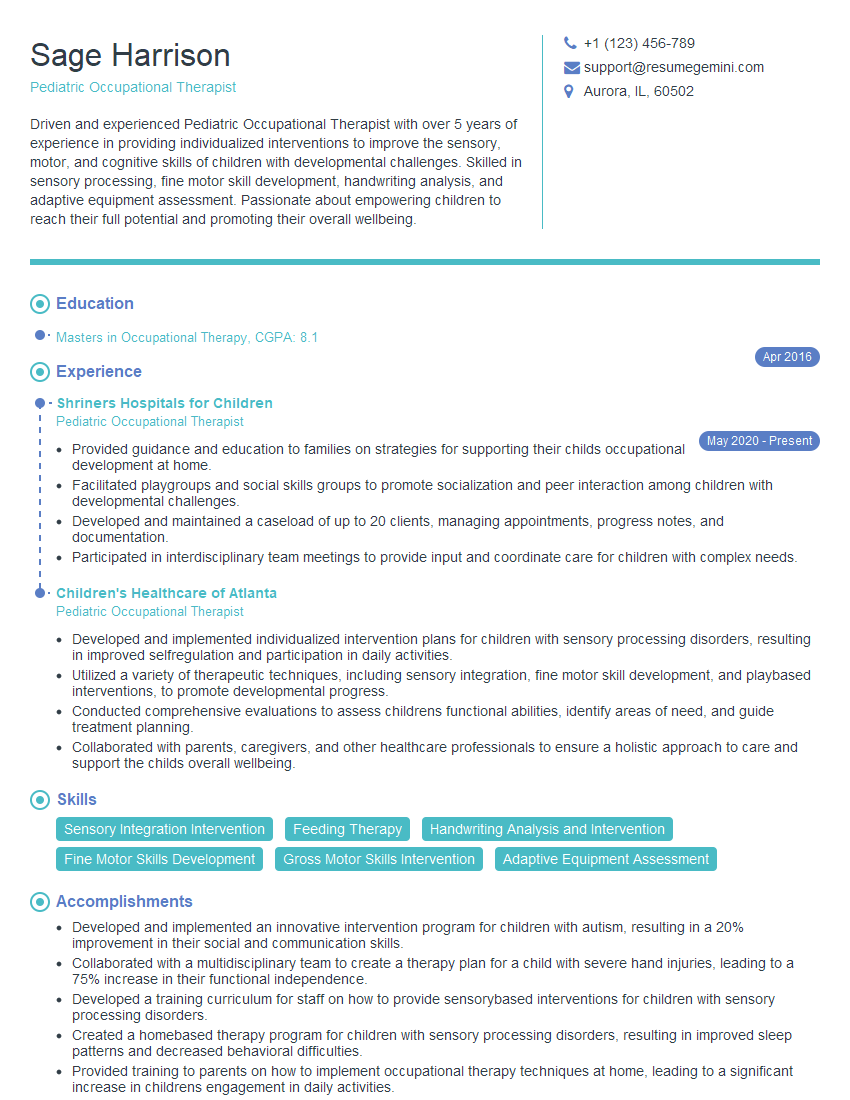
Mastering Child and Adolescent Psychopathology is crucial for a successful career in this rewarding field. A strong understanding of these key areas demonstrates your expertise and commitment to helping young people. To significantly boost your job prospects, create an ATS-friendly resume that effectively showcases your skills and experience. ResumeGemini is a trusted resource to help you build a professional and impactful resume that catches the eye of recruiters. ResumeGemini provides examples of resumes tailored to Child and Adolescent Psychopathology to guide you through this process. Investing time in crafting a compelling resume will significantly increase your chances of securing your dream position.

Explore more articles
Users Rating of Our Blogs
Share Your Experience
We value your feedback! Please rate our content and share your thoughts (optional).
What Readers Say About Our Blog
To the interviewgemini.com Webmaster.
Very helpful and content specific questions to help prepare me for my interview!
Thank you
To the interviewgemini.com Webmaster.
This was kind of a unique content I found around the specialized skills. Very helpful questions and good detailed answers.
Very Helpful blog, thank you Interviewgemini team.