Feeling uncertain about what to expect in your upcoming interview? We’ve got you covered! This blog highlights the most important Panel Layup interview questions and provides actionable advice to help you stand out as the ideal candidate. Let’s pave the way for your success.
Questions Asked in Panel Layup Interview
Q 1. Describe the different types of panel layup techniques.
Panel layup techniques involve arranging reinforcing fibers and resin to create a composite structure. Different methods cater to varying complexities and desired outcomes. Key techniques include:
- Hand Layup: This is the simplest method, where resin is applied manually onto a mold with pre-cut fiber reinforcements. It’s cost-effective but labor-intensive and less precise.
- Spray-Up: Chopped fibers are sprayed onto a mold while simultaneously being saturated with resin. This technique is fast for large parts but can result in inconsistent fiber distribution.
- Prepreg Layup: This method uses pre-impregnated (prepreg) fiber materials, where the fibers are already saturated with resin. This provides excellent control over fiber orientation and resin content, leading to higher-quality parts, but it’s more expensive.
- Filament Winding: Fibers are wound onto a mandrel in a precise pattern, ideal for creating cylindrical parts like pressure vessels. This is highly automated and precise.
- Automated Fiber Placement (AFP): This sophisticated technique utilizes robotic systems to place continuous fiber tapes onto a mold, achieving high precision and repeatability, particularly for complex shapes.
The choice of layup technique depends on factors like part geometry, production volume, required quality, and budget.
Q 2. Explain the importance of proper fiber orientation in panel layup.
Fiber orientation is crucial because it dictates the mechanical properties of the final composite part. Fibers are strongest when loaded along their axis. Therefore, carefully planning fiber orientation is essential to achieve desired strength, stiffness, and other properties in specific directions.
For example, consider a wing spar of an airplane. You’d want to orient the fibers primarily along the length of the spar to maximize strength against bending loads. However, you might incorporate other orientations to handle shear forces or other stress states. Poor fiber orientation can lead to weak points and structural failure.
Common orientations include unidirectional (all fibers parallel), bidirectional (fibers in two perpendicular directions), and multidirectional (fibers in multiple directions), often represented as ply angles in degrees. Incorrectly placed plies can dramatically decrease the final product’s performance and even lead to catastrophic failure.
Q 3. What are the common materials used in panel layup?
Panel layup uses a variety of materials, primarily categorized into reinforcements and matrices (resins).
- Reinforcements: These provide strength and stiffness. Common options include:
- Carbon Fiber: High strength-to-weight ratio, expensive.
- Glass Fiber: Less expensive than carbon fiber, good balance of strength and cost.
- Aramid Fiber (Kevlar): High tensile strength, excellent impact resistance.
- Basalt Fiber: A sustainable alternative with good mechanical properties.
- Matrices (Resins): These bind the fibers together, protecting them from environmental factors and transferring loads between fibers.
- Epoxy Resins: Excellent mechanical properties, good chemical resistance, widely used.
- Polyester Resins: Less expensive than epoxy, lower mechanical properties.
- Vinyl Ester Resins: A compromise between epoxy and polyester, offering good chemical resistance and mechanical properties.
The selection of materials depends on the application’s specific requirements regarding strength, weight, cost, and environmental conditions.
Q 4. How do you ensure proper resin distribution during layup?
Proper resin distribution is critical to achieve optimal mechanical properties and avoid voids or weaknesses in the composite structure. Techniques to ensure this include:
- Vacuum Bagging: Applies vacuum pressure to draw out excess resin and eliminate air pockets, leading to a dense, strong part.
- Pressure Bagging: Similar to vacuum bagging, but uses compressed air instead of vacuum to consolidate the laminate.
- Roller Application: Using rollers to spread the resin evenly over the fiber reinforcements during hand layup.
- Resin Infusion: Resin is injected into a dry fiber preform under vacuum or pressure, resulting in extremely uniform resin distribution.
- Careful Layup Techniques: Employing systematic procedures to minimize trapped air and achieve uniform resin saturation.
Monitoring the resin flow and applying sufficient pressure are crucial to achieve complete resin impregnation and prevent voids.
Q 5. What are the different types of resins used in composites manufacturing?
Various resin systems are used in composites manufacturing, each with its advantages and disadvantages:
- Thermoset Resins: These cure irreversibly upon heating or addition of a catalyst, forming a rigid structure. Common examples are epoxy, polyester, and vinyl ester resins.
- Thermoplastic Resins: These can be repeatedly melted and solidified without significant degradation. They’re less common in traditional layup but are gaining traction due to recyclability and repairability. Examples include polyetheretherketone (PEEK) and polyphenylene sulfide (PPS).
The choice of resin system depends on several factors including required mechanical properties, chemical resistance, curing process, and cost.
Q 6. Explain the process of vacuum bagging.
Vacuum bagging is a widely used process for consolidating composite laminates. It involves placing the layup inside a sealed bag, removing the air via a vacuum pump, and applying pressure to the laminate. This ensures complete resin impregnation and the removal of air bubbles, resulting in a high-quality, void-free part.
The Process:
- Layup Preparation: The reinforcement layers are carefully arranged on a mold according to the designed layup schedule.
- Bagging Film: A flexible, impermeable film (e.g., polyamide) is placed over the layup.
- Bleeder Ply: A porous material (e.g., woven fabric) absorbs excess resin.
- Breather Cloth: Another porous material allows air to escape.
- Vacuum Bag: A strong, airtight outer bag is sealed around the assembly.
- Vacuum Pump: A vacuum pump removes air from the bag, applying pressure to the laminate.
- Curing: The laminate cures under vacuum pressure, achieving a dense, void-free structure.
Vacuum bagging is cost-effective and widely applicable in various composite manufacturing processes.
Q 7. Describe the role of autoclave curing in panel layup.
Autoclave curing is a high-pressure, high-temperature process used to cure composite parts, particularly those requiring superior mechanical properties and precise dimensions. The autoclave provides a controlled environment for the curing process, ensuring uniform heating and pressure throughout the laminate. This leads to improved resin flow, reduced void content, and enhanced mechanical properties of the final product.
During autoclave curing, the vacuum bagging process (described previously) is enhanced by applying elevated pressure and temperature within a sealed, temperature-controlled chamber. The increased pressure further consolidates the composite structure, resulting in denser laminates with superior mechanical performance.
While expensive and requiring specialized equipment, autoclave curing is essential for high-performance composite components where optimal mechanical properties are critical, such as aerospace and high-end sporting goods.
Q 8. What are the quality control checks performed during panel layup?
Quality control in panel layup is crucial for ensuring the final product meets the required specifications and performance standards. It’s a multi-stage process starting even before the layup begins. We check the raw materials – the fiber reinforcements (carbon, glass, aramid, etc.) and resin – for their quality and conformity to specifications. This includes verifying their weight, dimensions, resin content (for prepregs), and checking for any defects like damage or contamination.
During the layup itself, visual inspection is paramount. We carefully examine each ply for proper orientation, ensuring there are no wrinkles, voids, or overlaps. We use tools like measuring tapes, calipers, and sometimes even specialized fiber optic cameras to check for defects hidden within the layup. After curing, we conduct non-destructive testing (NDT) methods such as ultrasonic inspection to detect internal flaws like delaminations or porosity. Destructive testing, like tensile or flexural tests on samples cut from the panel, might be performed to verify the achieved mechanical properties. Proper documentation of every step is essential for traceability.
- Material Inspection: Checking fiber and resin properties against specifications.
- Visual Inspection: Checking for wrinkles, voids, and proper ply orientation.
- NDT: Ultrasonic inspection for internal flaws.
- Destructive Testing: Tensile/flexural tests to validate mechanical properties.
- Dimensional Inspection: Verifying the final panel dimensions against the design.
Q 9. How do you identify and correct defects in a composite panel?
Identifying and correcting defects in a composite panel requires careful observation and sometimes specialized tools. Surface defects like wrinkles or voids are relatively easy to spot during visual inspection. Minor wrinkles can sometimes be worked out using a roller, while more significant ones might necessitate removing and re-laying the affected plies. Voids can be filled, depending on their size and location, using appropriate resins and techniques. Internal defects such as delaminations are more challenging. We often rely on NDT methods. For example, ultrasonic inspection can reveal delaminations by detecting changes in the sound wave propagation through the material. Depending on the severity and location of the defect, repair options include localized resin injection, patch repairs, or in extreme cases, discarding the affected panel.
Remember, early detection is key. A thorough inspection at each stage of the layup process is the best way to prevent major problems. The repair procedure is documented and signed off.
Q 10. What are the safety precautions to be followed during panel layup?
Safety is paramount during panel layup. Working with resins can expose you to hazardous chemicals, so proper personal protective equipment (PPE) is mandatory. This includes gloves, eye protection, respirators (especially for working with certain resins that release volatile organic compounds), and appropriate clothing to prevent skin contact. The work area should be well-ventilated to minimize exposure to fumes. Resin spills should be cleaned up immediately and safely using absorbent materials. We need to be aware of fire hazards, as many resins are flammable, and take precautions accordingly – no open flames or sparks near the work area. Proper disposal of waste materials and used PPE is also critical to prevent environmental contamination.
Furthermore, proper lifting techniques should be employed to prevent back injuries when handling heavy materials. The work area should be kept organized and clean to prevent accidents caused by tripping hazards.
Q 11. Explain the difference between hand layup and automated layup.
Hand layup and automated layup are two distinct approaches to composite panel fabrication. Hand layup is a more manual process where the operator places each ply of reinforcement material onto the mold by hand, using brushes, rollers, and other hand tools to saturate the fibers with resin. It’s versatile and allows for complex shapes, but it’s labor-intensive, slower, and more prone to variations in fiber distribution and resin content, leading to inconsistent quality.
Automated layup, in contrast, utilizes robotic systems or automated tape-laying machines (ATL) to precisely place the prepreg plies. This results in greater precision, consistency, and repeatability compared to hand layup. It is also significantly faster for large-scale production. However, it requires a substantial upfront investment in equipment and specialized programming. Automated layup is best suited for high-volume production of relatively simple shapes.
Q 12. Describe the process of prepreg layup.
Prepreg layup involves using pre-impregnated (prepreg) materials, which are layers of reinforcing fibers that have already been impregnated with resin in the factory. These materials come in rolls or sheets and are stored at a controlled temperature to maintain their tackiness. The layup process begins by carefully removing the prepreg from its protective wrapping in a clean environment to avoid contamination. Each ply is then placed onto the mold according to the design, ensuring proper orientation and overlap. Because the resin is already in the prepreg, consolidation is the key focus during layup. This is often achieved using a heated press or autoclave to cure the composite and bond the plies together. The process demands precision and attention to detail to avoid introducing voids or wrinkles. The advantage is increased repeatability and higher quality. It reduces resin handling and minimizes the risk of resin-related health hazards associated with wet layup.
Q 13. How do you determine the required amount of resin for a given layup?
Determining the required resin amount depends on several factors: the type of resin, the fiber type and weight, the desired fiber volume fraction (Vf), and the layup configuration. For hand layup, it often involves estimating based on experience and material datasheets. The resin-to-fiber ratio is crucial. If too little resin is used, the composite will be dry and brittle; too much resin will weaken the structure. For prepreg layups, the resin content is already defined by the manufacturer, simplifying the calculation. For more precise calculations, particularly in automated layup, we use software that can model the layup and precisely calculate the resin volume required based on the fiber placement and desired Vf. This helps avoid waste and ensures optimal mechanical properties.
A common method involves using the formula: Resin Volume = (1 - Vf) * Total Fiber Volume However, this requires accurate determination of the total fiber volume, accounting for the various plies and their weights.
Q 14. What are the advantages and disadvantages of different layup techniques?
Different layup techniques each offer unique advantages and disadvantages. Hand layup is versatile and cost-effective for low-volume production of complex shapes but suffers from inconsistency and is labor-intensive. Automated layup, on the other hand, provides higher precision, repeatability, and speed, ideal for high-volume production of simpler shapes but demands higher capital investment. Prepreg layup enhances consistency and reduces resin handling but requires careful storage and handling of the prepreg materials. Vacuum bagging helps to remove air voids and achieve uniform resin distribution, improving quality, but adds complexity to the process. The choice of layup technique depends heavily on the specific application, production volume, part complexity, and desired quality level. For example, a high-performance aircraft part might warrant prepreg layup with autoclave curing, whereas a simple boat hull might suffice with hand layup.
Q 15. How do you ensure dimensional accuracy in panel layup?
Ensuring dimensional accuracy in panel layup is crucial for the final part’s performance and functionality. It’s achieved through a combination of meticulous planning and precise execution. Think of it like baking a cake – if your measurements are off, the final product won’t be right.
- Precise Tooling: Using accurately machined molds or tools is paramount. Any imperfections in the tool will directly translate to the composite part. We often use Computer Numerical Control (CNC) machined tools for high precision.
- Accurate Prepreg Cutting: Prepreg, the pre-impregnated fiber material, needs to be cut to exact dimensions. Laser cutting systems are commonly used for this, offering high accuracy and repeatability. Manual cutting introduces a much higher margin for error.
- Proper Layup Techniques: Following a strict layup sequence, meticulously placing each ply according to the design, is essential. Using alignment tools and strategically placed markers helps maintain the desired shape and dimensions. Imagine building with LEGOs – you need to carefully place each piece to build the desired structure.
- Environmental Control: Temperature and humidity can affect the dimensions of the prepreg during layup. Maintaining a controlled environment reduces these variations. This is like ensuring your kitchen is at the right temperature to bake the cake perfectly.
- Regular Inspection and Measurement: Throughout the layup process, regular checks using calipers, laser scanners, or other measuring tools are necessary to detect and correct any deviations from the design specifications. This is akin to checking your cake batter for the right consistency.
Career Expert Tips:
- Ace those interviews! Prepare effectively by reviewing the Top 50 Most Common Interview Questions on ResumeGemini.
- Navigate your job search with confidence! Explore a wide range of Career Tips on ResumeGemini. Learn about common challenges and recommendations to overcome them.
- Craft the perfect resume! Master the Art of Resume Writing with ResumeGemini’s guide. Showcase your unique qualifications and achievements effectively.
- Don’t miss out on holiday savings! Build your dream resume with ResumeGemini’s ATS optimized templates.
Q 16. Explain the concept of ply drop-off in composite layup.
Ply drop-off refers to the technique of strategically terminating plies within a composite layup to achieve specific design goals or reduce material usage, often at the edges or in areas of low stress. It’s like carefully trimming extra fabric when sewing a garment, only instead of fabric, we’re talking about carbon fiber or other reinforcement materials.
Imagine designing an aircraft wing. The wing needs more reinforcement near the root where the stress is highest. As you move towards the wingtip, the stress reduces. By implementing ply drop-off, we can terminate layers of material near the wingtip, reducing weight and cost without compromising structural integrity. This is a critical technique for optimizing part weight and cost, but must be carefully planned to ensure structural integrity.
Incorrect ply drop-off can lead to stress concentrations, compromising the structural integrity of the component. Careful design and FEA (Finite Element Analysis) are essential to determine appropriate locations and angles for ply termination to optimize strength and minimize weight.
Q 17. What are the common challenges encountered during panel layup?
Panel layup presents several common challenges:
- Air Entrapment: Air bubbles trapped between plies can significantly weaken the composite structure. Think of it as having air pockets in your cake batter – it won’t rise properly.
- Wrinkles and Creases: Improper handling or application of prepreg can lead to wrinkles, which create stress concentrations and reduce strength. This is similar to ironing a garment; creases weaken the fabric.
- Dry Spots: Insufficient resin in certain areas can compromise bonding between plies, leaving the part structurally weak.
- Resin Rich Areas: Conversely, excess resin can lead to a weaker part that is prone to cracking. It is analogous to adding too much butter to your cake, making it crumbly and less structural.
- Dimensional Inaccuracies: As mentioned earlier, deviations from the desired dimensions can occur due to various factors including tooling imperfections, incorrect cutting, or environmental factors.
- Fiber Orientation Issues: Incorrect fiber orientation can significantly impact the strength and stiffness of the final product. It’s like laying bricks; laying them improperly will lead to a weak wall.
Q 18. How do you troubleshoot common problems encountered during layup?
Troubleshooting during layup requires systematic investigation. It’s like detective work: you need to analyze the clues to determine the cause.
- Visual Inspection: Carefully examine the layup for any obvious defects like air bubbles, wrinkles, or dry spots. A good lighting setup and a magnifying glass are invaluable.
- Non-Destructive Testing (NDT): Techniques like ultrasonic testing can detect internal flaws without damaging the part. This is like using an X-ray machine to check for internal problems in a physical object.
- Repairing Defects: Minor defects like small air bubbles might be repairable using specialized tools or techniques. Major defects often necessitate scrapping the entire panel and starting again.
- Process Optimization: If recurring problems occur, a review of the layup process, including material handling, environmental control, and tooling conditions, is necessary to identify and correct the root cause. This requires a thorough analysis of the problem and implementation of corrective action.
Q 19. What is the significance of fiber volume fraction in composite layup?
Fiber volume fraction (Vf) is the ratio of the volume of fibers to the total volume of the composite material. It’s a crucial parameter that strongly influences the mechanical properties of the composite. Imagine making concrete; the more cement you have relative to aggregate (gravel), the stronger it will be.
A higher Vf generally leads to increased strength and stiffness but can also lead to increased brittleness and reduced toughness. Conversely, a lower Vf might improve toughness but reduce strength. The optimal Vf depends on the application and the desired properties of the final part. Careful control of Vf is necessary to achieve the desired balance of properties, and it is often monitored and specified during the manufacturing process. Achieving the optimal Vf requires precise control of resin and fiber amounts and consistent layup techniques.
Q 20. Describe the process of post-cure inspection.
Post-cure inspection is the critical final stage, ensuring the composite part meets quality standards. Think of it as a final check on your cake after it has cooled. We carefully check for any defects that might have arisen during the curing process.
- Visual Inspection: Checking for surface imperfections such as voids, delaminations, or resin bleed.
- Dimensional Measurement: Verifying that the part conforms to the design specifications.
- Non-Destructive Testing (NDT): Employing methods like ultrasonic inspection to detect internal flaws. This is like using an X-ray to check for hidden problems.
- Mechanical Testing: Conducting tests to verify that the part meets the required mechanical properties (e.g., tensile strength, flexural strength). This is important to ensure the part meets its designed function.
- Documentation: Detailed recording of all inspection findings is vital for traceability and quality control.
Q 21. How do you select the appropriate tooling for a given layup?
Tooling selection for a given layup depends on several factors:
- Part Geometry: The complexity of the part’s shape dictates the tooling’s design. A simple flat panel requires a simpler tool compared to a complex curved component.
- Material Properties: The composite material being used, including the type of resin and fiber, influences the tooling material and its required properties (e.g., thermal conductivity, surface finish).
- Production Volume: High-volume production justifies the investment in more expensive, durable tooling, such as high-precision CNC-machined metal molds. For low-volume production, simpler, less expensive tools might be sufficient, such as reusable silicone molds.
- Curing Method: The chosen curing method (autoclave, oven, etc.) impacts the tooling’s design and material selection. For example, autoclave curing often requires tools that can withstand high pressure and temperature.
- Cost Considerations: The cost of tooling is a significant factor in selecting an appropriate option. A balance must be struck between tooling costs and the overall manufacturing costs.
For example, a simple flat panel might use a readily available, relatively inexpensive aluminum tool for vacuum bagging, while a complex aerospace component will require a highly specialized, custom-made mold manufactured with advanced materials and precision machining.
Q 22. What are the different types of tooling used in composite layup?
Tooling in composite layup is crucial for achieving the desired shape and surface finish of the final part. The type of tooling depends heavily on the complexity of the part, the production volume, and the material being used. Common types include:
- Open molds: These are simple, often flat, surfaces onto which the composite material is laid. They’re inexpensive and easy to use for simple parts but lack the precision of other methods.
- Closed molds (or molds): These are more complex and offer better control over the final part’s shape and surface finish. They can be made from various materials, including steel, aluminum, and even composite materials themselves. This allows for more intricate designs and higher-quality surfaces.
- Vacuum bags and bladders: These are used in conjunction with molds to apply pressure during the curing process, helping to consolidate the composite material and remove air bubbles. Vacuum bagging is particularly useful for complex shapes.
- Autoclaves: These are pressure vessels that use heat and pressure to cure composite parts, resulting in superior mechanical properties and a highly consistent final product. They are often used for high-performance applications like aerospace.
- CNC machining tools: In certain situations, such as with prepreg materials, numerically controlled cutting tools might be used to cut and shape the composite plies prior to layup. This ensures precision placement and often requires specialized software and expertise.
The choice of tooling significantly impacts cost, quality, and production time. For instance, while open molds are budget-friendly, autoclaves are significantly more expensive but produce parts with superior strength and consistency.
Q 23. Explain the importance of proper surface preparation before layup.
Proper surface preparation is paramount because it directly impacts the adhesion between the composite material and the tooling, and ultimately, the structural integrity of the final part. A poorly prepared surface can lead to delamination, voids, and weak bonds. The process typically involves:
- Cleaning: Removing any dirt, grease, oil, or other contaminants using appropriate solvents. This is often followed by a thorough inspection to ensure complete cleaning.
- Surface Treatment: Depending on the tooling material and the composite material being used, surface treatments like sanding, etching, or the application of release agents may be necessary. This helps to improve surface energy and enhance adhesion.
- Inspection: A meticulous visual inspection is critical to ensure that the surface is free from defects and properly prepared. Microscopic imperfections can significantly compromise the final part’s quality.
Imagine trying to stick a sticker to a dirty, greasy window – it won’t adhere properly. Similarly, a poorly prepared surface will lead to poor adhesion of the composite material, resulting in a weakened and potentially dangerous part.
Q 24. How do you handle different types of fabrics and fibers in layup?
Handling different fabrics and fibers requires careful attention to detail and understanding of their properties. Different materials require different handling techniques to prevent damage and ensure proper layup. Here’s a breakdown:
- Fiber type: Carbon fiber, fiberglass, aramid (Kevlar), and other fibers all possess unique properties. Carbon fiber, for example, is notoriously susceptible to damage from handling, while fiberglass is relatively more robust.
- Fabric weave: The weave of the fabric (plain, twill, satin, etc.) affects its drapability and stiffness. Understanding the weave helps in predicting how easily it will conform to the mold.
- Prepreg vs. wet layup: Prepreg materials (pre-impregnated fibers) require careful handling to avoid premature curing, whereas wet layup involves applying resin manually, requiring accurate resin distribution.
- Ply orientation: Proper ply orientation is critical for achieving the desired strength and stiffness in the final part. This involves carefully aligning the fibers according to the design specifications.
For example, when working with delicate carbon fiber prepreg, I use clean gloves and tools to avoid damaging the fibers. For wet layup, I would ensure proper mixing of resin to avoid voids or air pockets.
Q 25. What are the environmental considerations for composite layup?
Environmental considerations in composite layup are crucial for both worker safety and environmental protection. Key aspects include:
- Volatile Organic Compounds (VOCs): Many resins release VOCs during curing. Proper ventilation and the use of respirators are essential to protect workers’ health. Moreover, responsible disposal of resin waste is crucial to minimizing environmental impact.
- Waste Management: Careful planning is necessary for managing waste materials, including excess resin, fabric scraps, and used consumables. Recycling and proper disposal methods should be employed.
- Energy Consumption: The curing process, especially in autoclaves, can be energy-intensive. Efficient equipment and processes can significantly reduce energy consumption.
- Health and Safety: Handling of chemicals and fibers necessitates adherence to strict safety procedures, including the use of personal protective equipment (PPE) like gloves, safety glasses, and respirators.
A well-managed layup process minimizes environmental impact and prioritizes worker safety, reflecting responsible manufacturing practices.
Q 26. How do you ensure the proper adhesion between plies during layup?
Proper adhesion between plies is crucial for the structural integrity of the composite part. Achieving this involves several key steps:
- Surface preparation of plies: Ensure each ply is clean and free of debris before placing it on the next. This improves surface energy and promotes better bonding.
- Resin selection: Using a resin system compatible with the fibers and the curing process is crucial. Proper viscosity and flow characteristics are important for good interlaminar bonding.
- Proper pressure application: Applying even pressure during the curing process helps to remove trapped air and ensures complete wetting of the fibers by the resin. Vacuum bagging or autoclave curing are effective methods.
- Cure cycle optimization: Following the manufacturer’s recommendations for curing temperature and time ensures proper polymerization and maximizes bond strength.
- Use of adhesion promoters: In some cases, adhesion promoters or coupling agents may be used to improve the bond between the resin and the fiber surface.
Imagine building a brick wall – if the mortar between the bricks isn’t strong, the entire structure will be weak. Similarly, weak adhesion between plies will severely compromise the structural integrity of the composite part.
Q 27. Describe your experience with different types of composite materials.
My experience spans a wide range of composite materials, including:
- Fiber-Reinforced Polymers (FRPs): Extensive work with fiberglass, carbon fiber, and aramid fiber reinforced composites in various applications, from automotive parts to aerospace components.
- Thermoplastic Composites: Experience in handling and processing thermoplastic materials, understanding their unique properties and processing requirements.
- Hybrid Composites: Working with composites that combine different fibers and matrices to optimize mechanical properties and cost effectiveness.
- Sandwich Composites: Experience in using core materials such as foam or honeycomb, understanding their role in achieving high strength-to-weight ratios.
In one project, I was involved in the layup of a complex carbon fiber component for a high-performance aircraft. The project required meticulous attention to detail and precise control over the curing process to ensure the final part met stringent quality standards. This involved using prepreg materials, an autoclave, and sophisticated quality control procedures.
Q 28. How do you stay up-to-date with the latest advancements in panel layup technology?
Staying current in panel layup technology is vital for maintaining my expertise. I utilize several strategies:
- Industry Publications and Journals: I regularly read industry journals and publications focused on advanced materials and manufacturing processes, keeping abreast of new developments and innovations.
- Conferences and Workshops: Attending industry conferences and workshops allows me to network with leading experts and learn about the latest advancements firsthand. It’s also a great opportunity to share knowledge and best practices.
- Online Resources and Webinars: I actively participate in online communities and forums dedicated to composite materials and manufacturing. Webinars and online courses provide opportunities for continuous learning.
- Collaboration and Networking: Engaging with colleagues and professionals in the industry through collaborations and networking events facilitates knowledge exchange and exposure to different perspectives.
- Manufacturer’s Information: Staying current with material specifications, processing recommendations, and best practices provided by the manufacturers of resins, fibers, and other components.
Continuous learning is key. The field of composite materials is constantly evolving, and staying ahead of the curve is essential for success.
Key Topics to Learn for Panel Layup Interview
- Understanding Layup Sequences: Mastering the order and placement of different materials (e.g., fibers, resins) in a panel layup for optimal performance.
- Material Properties and Selection: Knowing the characteristics of various materials and how to select the appropriate ones for specific applications (strength, weight, cost considerations).
- Manufacturing Processes: Familiarity with different layup techniques (hand layup, automated fiber placement, etc.) and their advantages and limitations.
- Defect Detection and Prevention: Understanding common defects in panel layup (voids, delamination, porosity) and implementing preventive measures.
- Quality Control and Inspection: Knowledge of quality control methods used to ensure the integrity and performance of the manufactured panels.
- Design Considerations: Understanding how panel layup design impacts the overall performance and structural integrity of the final product (e.g., stiffness, strength, weight).
- Process Optimization: Exploring methods to improve efficiency, reduce waste, and enhance the quality of the panel layup process.
- Health and Safety Regulations: Adherence to safety protocols and regulations related to handling and processing composite materials.
- Troubleshooting and Problem Solving: Developing analytical skills to identify and resolve issues that may arise during the layup process.
- Industry Standards and Best Practices: Familiarity with relevant industry standards and best practices in panel layup manufacturing.
Next Steps
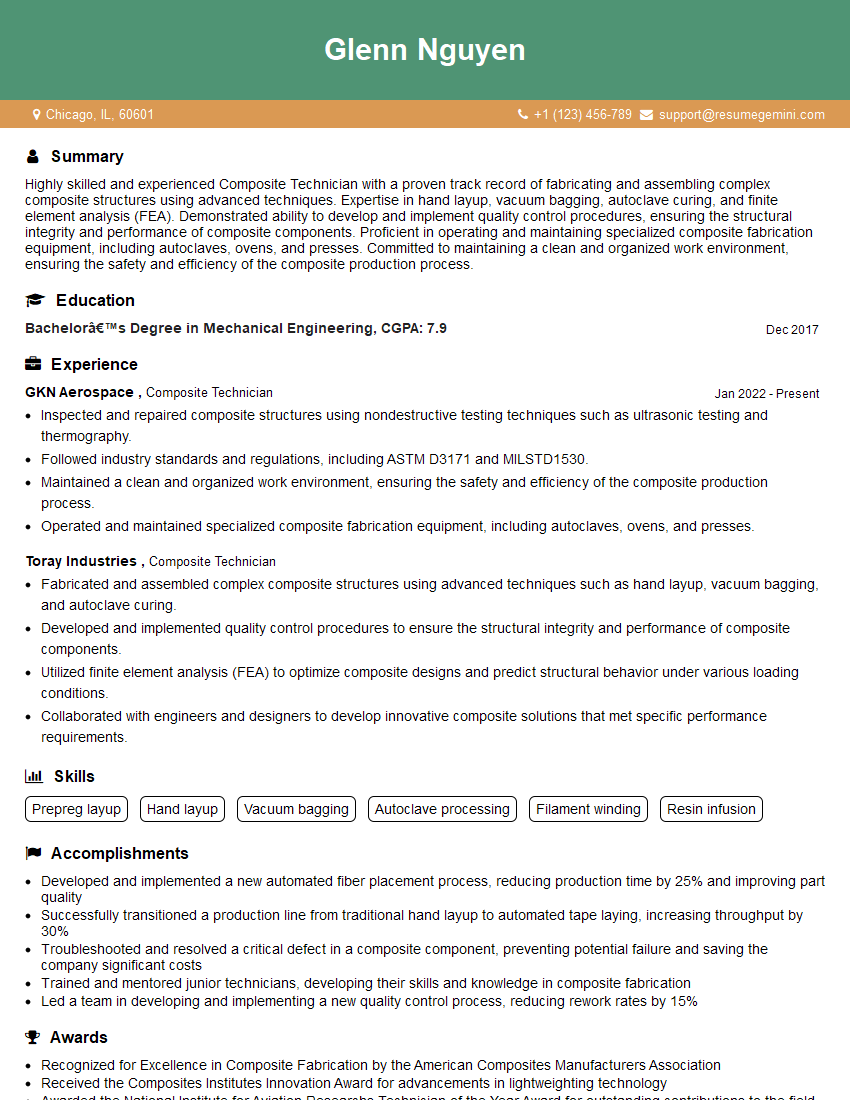
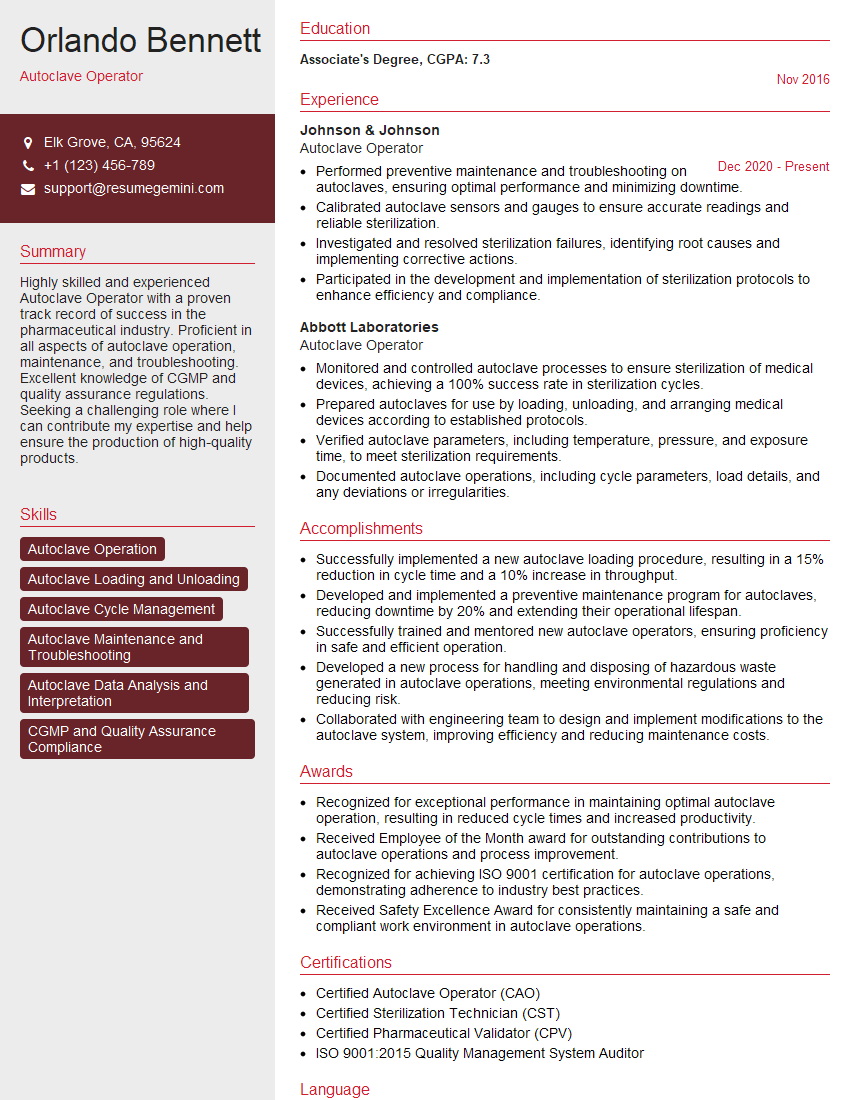
Mastering Panel Layup is crucial for career advancement in the composites industry, opening doors to specialized roles and higher earning potential. A strong understanding of these principles will set you apart from other candidates. To increase your chances of landing your dream job, it’s vital to present your skills effectively. Create an ATS-friendly resume that highlights your expertise and accomplishments. ResumeGemini is a trusted resource to help you build a professional and impactful resume that gets noticed. Examples of resumes tailored to Panel Layup are available to guide you through the process.
Explore more articles
Users Rating of Our Blogs
Share Your Experience
We value your feedback! Please rate our content and share your thoughts (optional).
What Readers Say About Our Blog
To the interviewgemini.com Webmaster.
Very helpful and content specific questions to help prepare me for my interview!
Thank you
To the interviewgemini.com Webmaster.
This was kind of a unique content I found around the specialized skills. Very helpful questions and good detailed answers.
Very Helpful blog, thank you Interviewgemini team.