Feeling uncertain about what to expect in your upcoming interview? We’ve got you covered! This blog highlights the most important Public Speaking and Advocacy interview questions and provides actionable advice to help you stand out as the ideal candidate. Let’s pave the way for your success.
Questions Asked in Public Speaking and Advocacy Interview
Q 1. Describe your experience crafting compelling narratives for diverse audiences.
Crafting compelling narratives is the cornerstone of effective public speaking and advocacy. It’s about more than just presenting facts; it’s about connecting with the audience on an emotional level, making your message resonate deeply and prompting action. I approach this by first understanding my audience – their background, values, and what motivates them. Then, I structure my narrative with a clear beginning, middle, and end, using storytelling techniques to illustrate key points. This might involve personal anecdotes, case studies, or even metaphors to make complex information easily digestible. For example, when advocating for environmental protection to a group of business leaders, I wouldn’t focus solely on environmental statistics; instead, I’d weave in stories of successful sustainable business practices, showcasing economic benefits alongside environmental responsibility. Similarly, when speaking to a younger audience about the importance of civic engagement, I’d employ relatable examples and narratives illustrating how their actions can impact their community. The key is to find the common ground and build empathy, fostering a connection that transcends demographics.
Q 2. How do you tailor your communication style to different communication channels (e.g., social media, speeches, presentations)?
Tailoring communication across different channels requires a nuanced understanding of each platform’s audience and its inherent limitations. For instance, a speech demands a formal, structured approach, focusing on clear articulation, strong visuals, and a well-defined narrative arc. Social media, on the other hand, necessitates brevity, visual appeal, and a conversational tone. A tweet advocating for policy change will differ significantly from a lengthy presentation to a legislative committee. On social media, I utilize strong visuals, concise language, and engaging questions to spark discussions and encourage interaction. In presentations, I leverage multimedia, incorporating relevant data visualizations and interactive elements to maintain audience engagement. When delivering a speech, I focus on a powerful narrative, using vocal inflection and body language to enhance the impact. Adaptability is key – recognizing that a single message may require different packaging depending on the platform and audience.
Q 3. Explain your approach to managing Q&A sessions after a speech or presentation.
Managing Q&A sessions effectively is crucial for reinforcing your message and addressing audience concerns. My approach is threefold: Preparation, Structure, and Grace. Preparation involves anticipating potential questions based on the content of my speech and the audience’s likely interests. I create a list of potential questions and formulate concise, thoughtful answers. Structure involves setting clear ground rules at the start (e.g., time limits for questions). I actively manage the flow of questions, ensuring fairness and relevance. Finally, Grace is about handling challenging or unexpected questions with tact and diplomacy. If I don’t know the answer, I acknowledge it honestly, offering to follow up later or directing the question to a relevant expert. The goal is not to avoid tough questions, but to handle them professionally, maintaining credibility and fostering a positive interaction with the audience.
Q 4. Describe a situation where you had to persuade a skeptical audience. What tactics did you employ?
I once had to persuade a group of skeptical investors about the viability of a socially responsible business model. They were primarily focused on short-term profits, while our model emphasized long-term sustainability and ethical practices. My strategy involved presenting a compelling cost-benefit analysis, showcasing not just the environmental and social benefits, but also the long-term financial advantages of our approach. I backed up my claims with robust data, independent research, and case studies of similar successful models. Furthermore, I addressed their concerns directly, acknowledging their skepticism while presenting evidence that challenged their assumptions. I also built rapport by highlighting shared values, such as a commitment to innovation and creating a positive impact. This multi-pronged approach, combining data, evidence, and emotional appeal, ultimately won them over, resulting in securing the necessary funding.
Q 5. How do you handle criticism or challenging questions during a public speaking engagement?
Handling criticism or challenging questions requires composure, empathy, and a willingness to engage constructively. I start by actively listening to the criticism, acknowledging the speaker’s perspective, and demonstrating respect for their viewpoint. Then, I address the specific concerns raised, using factual evidence and reasoned arguments to clarify any misunderstandings or counter inaccurate claims. Even if I disagree with the criticism, I aim to find common ground, acknowledging any validity in the concerns expressed. It’s important to avoid getting defensive or engaging in personal attacks. Instead, I focus on the issues at hand, maintaining a professional and respectful demeanor. If the criticism is unfounded or disruptive, I address it firmly but diplomatically, steering the conversation back to the core message.
Q 6. What strategies do you use to build rapport with an audience?
Building rapport involves establishing a genuine connection with the audience, making them feel seen, heard, and understood. I begin by acknowledging the audience’s presence, making eye contact, and using inclusive language. I incorporate humor where appropriate, keeping the tone conversational and relatable. Sharing personal anecdotes or experiences that are relevant to the topic can create a sense of authenticity and human connection. Furthermore, I actively listen to audience responses, incorporating their feedback into my presentation, demonstrating respect for their input. This creates a sense of mutual understanding and strengthens the connection between speaker and audience, making them more receptive to the message.
Q 7. How do you incorporate visual aids effectively into your presentations?
Visual aids are essential for enhancing engagement and clarity in presentations. The key is to use them strategically, ensuring they complement rather than overshadow the spoken word. I avoid cluttered slides and focus on simplicity and visual appeal. Visuals should be high-quality, relevant, and easy to understand, using charts, graphs, images, or short videos to illustrate key points. I use minimal text on slides, letting the visuals speak for themselves. I also rehearse with my visual aids, ensuring smooth transitions and seamless integration with my speech. The goal is to create a visually engaging experience that enhances understanding and retention of information, not to distract or overwhelm the audience. For example, instead of listing statistics, I’d use a visually compelling graph to represent the data. This makes the information more memorable and easier to digest.
Q 8. Describe your experience working with media outlets.
My experience with media outlets spans a broad range, from securing interviews on national television and radio programs to contributing op-eds to prominent newspapers and online publications. I’ve worked with both large, established media organizations and smaller, niche outlets, tailoring my message to resonate with each audience’s specific demographic and editorial focus. For example, when advocating for increased funding for after-school programs, I secured a spot on a local morning news show to connect with parents directly, while also publishing an op-ed in a national education journal to reach policymakers. Successfully navigating the media landscape involves understanding deadlines, pitching compelling narratives, and adapting your communication style to fit the specific medium. I’ve learned to craft concise, impactful soundbites for radio, write engaging articles for print, and deliver compelling visuals for television appearances.
Q 9. How do you stay informed about current events relevant to your advocacy area?
Staying informed in a fast-paced world requires a multi-faceted approach. I begin with a daily scan of reputable news sources, including national and international newspapers, news websites, and specialized journals relevant to my advocacy area. I subscribe to relevant newsletters and podcasts, which efficiently deliver curated news and analysis. Furthermore, I actively engage with professional networks, attending conferences, webinars, and workshops. This allows me to connect with experts, access cutting-edge research, and stay abreast of emerging trends and challenges. Finally, direct engagement with the communities I advocate for provides invaluable real-time insights that are often missed in traditional news coverage. Listening to their stories and concerns is critical to shaping relevant and impactful advocacy strategies.
Q 10. Explain your understanding of different advocacy strategies (e.g., grassroots, lobbying, media advocacy).
Advocacy strategies are diverse, each with its own strengths and limitations. Grassroots advocacy focuses on building broad public support through community organizing, petitions, and public awareness campaigns. Think of a local campaign to save a community park – utilizing local volunteers and community engagement to influence local council decisions. Lobbying, on the other hand, involves directly influencing policymakers through personal meetings, written testimony, and coalition building. This might involve working with a team to present data on the negative impacts of a proposed policy to members of the legislative body. Media advocacy aims to shape public opinion by using media channels like news articles, documentaries, and social media to frame issues favorably and influence public discourse. An example is using a viral video to raise awareness of a human rights violation. A successful advocacy strategy often utilizes a combination of these approaches, strategically leveraging each to maximize impact. For instance, a grassroots campaign might use media advocacy to amplify its message and influence public opinion to leverage support for lobbying efforts.
Q 11. How do you measure the success of a public speaking engagement or advocacy campaign?
Measuring success in public speaking and advocacy requires a multifaceted approach, going beyond simple applause or attendance figures. For public speaking, I evaluate impact through post-event surveys capturing audience feedback, measuring changes in attitudes or knowledge, and assessing whether the talk spurred desired actions (e.g., increased donations, volunteer sign-ups). For advocacy campaigns, I use a combination of quantitative and qualitative measures. Quantitative metrics might include changes in policy, increased media coverage, changes in public opinion (measured through surveys), or the number of people mobilized to take action. Qualitative metrics might involve analyzing feedback from stakeholders, assessing the quality of media coverage, and analyzing the campaign’s overall reach and impact on target audiences. A successful campaign demonstrates tangible results and lasting changes, even if it doesn’t achieve every goal initially set.
Q 12. Describe your experience developing and implementing communication plans.
Developing and implementing communication plans requires a structured approach. I begin by clearly defining the campaign’s objectives, target audiences, and key messages. Next, I identify appropriate communication channels (social media, email, print materials, public events, etc.), outlining a timeline for each activity. The plan also includes a detailed budget, outlining resource allocation for each channel. Crucially, the plan incorporates mechanisms for monitoring and evaluating progress, using key performance indicators (KPIs) to track progress against objectives and make adjustments as needed. For example, a communication plan for a health awareness campaign would include details on social media posts, website updates, press releases, and community events, along with a timeline and budget. Regular monitoring would track social media engagement, website traffic, and media coverage to ensure the campaign is achieving its goals.
Q 13. How do you identify and address potential communication barriers?
Identifying and addressing communication barriers is paramount to effective advocacy. Barriers can stem from various sources: language differences, cultural misunderstandings, lack of access to information, or cognitive biases. To address these, I begin with thorough audience research to understand their communication preferences, potential language barriers, and cultural sensitivities. This involves using plain language, avoiding jargon, and employing visual aids where appropriate. For instance, when communicating with a community with a high percentage of non-native English speakers, translating materials and providing interpreters during meetings is essential. Furthermore, engaging trusted community leaders or influencers can help overcome trust barriers and ensure messages are accurately received and understood. It’s also vital to be mindful of potential cognitive biases that may influence how the message is interpreted, actively seeking to frame information clearly and objectively.
Q 14. How do you adapt your communication style to different cultural contexts?
Adapting communication styles across cultures requires sensitivity, awareness, and a willingness to learn. It begins with understanding the nuances of different cultures, including communication styles, values, and beliefs. This involves research into the target audience’s cultural context, as well as seeking advice from cultural experts and community members. For example, direct eye contact is considered respectful in some cultures but can be seen as aggressive in others. Similarly, the use of humor or informal language can be appropriate in one culture but inappropriate in another. Therefore, I adjust my language, tone, and delivery to be respectful and appropriate to the cultural context. This might involve using interpreters, using culturally sensitive visuals, and carefully selecting words and phrases to avoid causing offense or misunderstandings. Adaptability and humility are key to effective cross-cultural communication.
Q 15. What experience do you have with crisis communication?
Crisis communication requires swift, decisive action to mitigate damage to reputation and stakeholder trust. My experience includes managing a product recall for a major food manufacturer, where we had to quickly establish a communication protocol: a dedicated hotline, social media monitoring, and proactive media outreach. We crafted transparent messages acknowledging the issue, outlining the corrective actions taken, and emphasizing customer safety. This involved collaborating with legal, PR, and operations teams to ensure consistent messaging across all channels. The key was speed, transparency, and empathy – showing genuine concern for affected consumers. Another instance involved navigating a reputational crisis stemming from unfounded negative social media commentary that we had to counter with factual information and positive engagement with users. We utilized a multi-pronged approach of fact-checking, constructive engagement, and strategic re-posting of positive news to improve online sentiment. In both cases, a well-defined crisis communication plan and a unified team were essential to navigate challenges effectively.
Career Expert Tips:
- Ace those interviews! Prepare effectively by reviewing the Top 50 Most Common Interview Questions on ResumeGemini.
- Navigate your job search with confidence! Explore a wide range of Career Tips on ResumeGemini. Learn about common challenges and recommendations to overcome them.
- Craft the perfect resume! Master the Art of Resume Writing with ResumeGemini’s guide. Showcase your unique qualifications and achievements effectively.
- Don’t miss out on holiday savings! Build your dream resume with ResumeGemini’s ATS optimized templates.
Q 16. How do you use data and analytics to inform your communication strategies?
Data and analytics are integral to effective communication. Before launching any campaign, I analyze audience demographics, engagement metrics from previous campaigns, and sentiment analysis of online conversations to identify key influencers and understand audience preferences. For example, when advocating for improved public transportation, I used ridership data, social media sentiment, and survey data to demonstrate the need for increased funding. This data-driven approach ensures that our messages are targeted, resonate with the audience, and ultimately drive the desired outcome. We utilize tools like Google Analytics, social media analytics dashboards, and survey platforms to collect and analyze data, enabling us to continuously optimize our strategies. This allows for A/B testing of messaging, tailoring of our communication style, and fine-tuning of the channel selection, optimizing results based on quantifiable data. We then use the results to refine future messaging and channel distribution to increase effectiveness and efficiency.
Q 17. How would you approach a situation where your message is misrepresented by the media?
Misrepresentation by the media is a challenge requiring a calm, strategic response. My approach involves: 1) Fact-checking: verifying the accuracy of the report. 2) Responding promptly: addressing the issue directly and publicly to prevent the narrative from taking root. 3) Crafting a clear, concise correction: highlighting the inaccuracies and providing the correct information. 4) Engaging directly with the media outlet: initiating a conversation to correct the record and clarify misunderstandings. 5) Leveraging other media channels: using press releases, social media, or op-eds to disseminate the correct information to a wider audience. For example, when a news article misrepresented our organization’s stance on environmental policy, we promptly issued a press release correcting the record, shared it on social media, and engaged with the news outlet to express our concerns and provide accurate information. The key here is to remain calm, professional, and focused on disseminating factual information.
Q 18. What experience do you have in writing speeches or presentations?
I have extensive experience writing speeches and presentations for diverse audiences, from corporate board meetings to large-scale public events. My process involves: 1) Understanding the audience: identifying their needs, knowledge level, and expectations. 2) Defining the objective: what message needs to be conveyed and what action is desired from the audience? 3) Structuring the content: using a clear narrative arc with a compelling opening, supporting arguments, and a memorable conclusion. 4) Crafting compelling language: using vivid language, strong imagery, and storytelling techniques to engage the audience. 5) Practicing and refining: rehearsing multiple times to ensure a smooth delivery and to refine the message’s impact. I’ve written speeches on topics ranging from climate change to economic development, adapting my style and tone to suit the context and audience. I often use a mind-mapping exercise to plan out my arguments and ensure a coherent flow, then construct the speech using various levels of outline detail and revision for clarity and conciseness.
Q 19. How do you incorporate storytelling into your advocacy work?
Storytelling is a powerful tool for advocacy. It allows complex issues to be made relatable and memorable. When advocating for affordable housing, instead of focusing solely on statistics and policy, I shared personal stories of individuals and families affected by the housing crisis. These narratives humanized the issue, making it emotionally resonant for the audience. Stories create an emotional connection, fostering empathy and understanding. I use the classic narrative arc – establishing a conflict, building tension, and offering a resolution or call to action – to create compelling narratives. This can be as simple as using illustrative anecdotes or case studies to support data or policies. The goal is always to connect with the audience on a human level to drive action and support for the cause. Effective storytelling needs strong imagery, vivid descriptions, and emotionally-charged words that appeal to human emotions and motivations.
Q 20. Describe your experience working collaboratively with others on communication projects.
Collaboration is critical in communication projects. I thrive in team environments, actively contributing ideas, offering constructive feedback, and ensuring everyone feels heard and valued. My approach involves clearly defining roles and responsibilities, establishing open communication channels, and utilizing collaborative tools like shared documents and project management software. I recently collaborated with a team of designers, researchers, and writers to develop a campaign promoting sustainable tourism. We held regular brainstorming sessions, shared drafts, and provided constructive criticism to refine our messaging and ensure a cohesive approach. Effective collaboration relies on active listening, clear communication, respecting diverse viewpoints and building mutual trust and respect within the team.
Q 21. How do you manage multiple communication projects simultaneously?
Managing multiple communication projects simultaneously requires strong organizational skills and effective time management. I utilize project management methodologies such as Agile or Kanban, breaking down large projects into smaller, manageable tasks. I prioritize tasks based on deadlines and importance, using tools like project management software to track progress and deadlines. Regular scheduling and time-blocking are vital for ensuring focused work time on each project. I also leverage automated tools to streamline processes where possible, freeing up time for more strategic activities. Clear communication with stakeholders about timelines and deliverables is essential to prevent delays and ensure everyone is aligned. Successful multitasking involves the ability to effectively switch between tasks without losing focus, adapt to unexpected delays, and proactively manage resources effectively.
Q 22. How do you handle difficult or confrontational audience members?
Handling difficult audience members requires a calm, respectful, and strategic approach. It’s about de-escalation and finding common ground, not winning an argument. My strategy involves several key steps:
- Active Listening: I begin by actively listening to their concerns, showing genuine empathy and understanding. This often diffuses tension.
- Acknowledging their Feelings: I acknowledge their feelings, even if I don’t agree with their perspective. A simple “I understand your frustration” can go a long way.
- Restating their Point: I paraphrase their concerns to ensure I understand them correctly and to show that I’m paying attention. This demonstrates respect and prevents misunderstandings.
- Addressing Concerns Respectfully: I address their concerns directly, offering logical and evidence-based responses. I avoid becoming defensive or engaging in a personal attack.
- Redirecting if Necessary: If the individual is disruptive or disrespectful, I might politely redirect their attention back to the main topic or ask for their cooperation. If necessary, I involve security or event staff.
- Maintaining Composure: Above all, I maintain my composure. A calm demeanor helps to de-escalate tense situations.
For example, during a town hall meeting on a controversial zoning issue, a resident became quite agitated. Instead of dismissing him, I listened patiently, acknowledged his concern about property values, restated his point, and then explained the economic benefits of the zoning change, citing specific data. He remained unconvinced, but the interaction remained respectful and the rest of the meeting proceeded smoothly.
Q 23. What is your experience with using social media for advocacy or public relations?
Social media is an indispensable tool for modern advocacy and public relations. My experience encompasses a range of platforms, from Twitter and Facebook to LinkedIn and Instagram. I’ve utilized these platforms to:
- Build Community: Create engaging content to foster dialogue and build relationships with supporters and stakeholders.
- Disseminate Information: Share important updates, news, and resources related to the cause or organization I represent.
- Run Campaigns: Develop and execute targeted campaigns using social media advertising and organic reach to increase awareness and drive action (e.g., petitions, donations).
- Monitor Sentiment: Track public opinion and feedback on social media to identify emerging trends and address concerns proactively.
- Engage in Dialogue: Respond to comments and questions in a timely and professional manner, fostering a sense of community and transparency.
For instance, I managed a successful social media campaign for a non-profit organization focused on environmental conservation. We used targeted Facebook ads to reach specific demographics and Instagram to showcase compelling visual content highlighting the organization’s impact. We saw a significant increase in donations and volunteer sign-ups as a result.
Q 24. Explain your experience in developing and maintaining relationships with stakeholders.
Developing and maintaining relationships with stakeholders is crucial for effective advocacy. My approach focuses on building trust, mutual respect, and open communication. This involves:
- Identifying Key Stakeholders: I begin by identifying all relevant stakeholders, including community members, government officials, media representatives, and other influential individuals or groups.
- Understanding their Needs and Concerns: I actively listen to their perspectives and understand their needs and concerns. This requires empathy and a willingness to engage in meaningful dialogue.
- Building Trust through Transparency: I am transparent in my communication and dealings, ensuring that information is accurate and accessible.
- Regular Communication: I maintain regular communication through various channels, including meetings, emails, and social media, to keep stakeholders informed and engaged.
- Proactive Relationship Management: I anticipate potential challenges and proactively address them to avoid conflicts and maintain positive relationships.
- Mutual Benefit: I always strive to create mutually beneficial relationships based on shared goals and objectives.
In a project advocating for improved public transportation, I cultivated relationships with city council members, transit authorities, community leaders, and residents. By engaging with each group, understanding their individual concerns, and creating solutions that benefited everyone involved, I successfully secured funding for a new bus route.
Q 25. Describe a time you had to overcome a communication challenge. What was the outcome?
One significant communication challenge involved presenting complex financial data to a non-technical audience during a fundraising event. The challenge was to make the information accessible and engaging without oversimplifying it or losing the audience’s attention.
My solution was threefold:
- Visual Aids: I used clear, visually appealing charts and graphs instead of relying solely on numbers and jargon.
- Storytelling: I incorporated personal stories and real-life examples to illustrate the impact of the financial data, connecting the numbers to human experiences.
- Interactive Elements: I incorporated interactive elements, such as Q&A sessions and polls, to keep the audience engaged and encourage participation.
The outcome was highly successful. The audience found the presentation clear, engaging, and informative. We exceeded our fundraising goals, and many attendees approached me afterwards with positive feedback and questions, indicating that the communication strategy effectively bridged the gap between the complexity of the data and the audience’s understanding.
Q 26. How do you ensure your communication is inclusive and accessible to diverse audiences?
Inclusive and accessible communication is paramount. My approach involves:
- Language: Using clear, concise, and jargon-free language that avoids bias and is easily understood by people from diverse backgrounds.
- Cultural Sensitivity: Demonstrating awareness and respect for different cultural norms, values, and communication styles.
- Accessibility Features: Incorporating accessibility features such as captions, transcripts, sign language interpretation, and alternative formats for visual or auditory impairments, ensuring that communication is available to everyone, regardless of their abilities.
- Diverse Representation: Ensuring diverse representation in all communication materials, using imagery and language that reflects the diversity of the audience.
- Seeking Feedback: Regularly seeking feedback from diverse groups to assess the effectiveness of the communication strategy and identify any areas for improvement.
For instance, when developing a public awareness campaign, I ensured that all communication materials were available in multiple languages and accessible formats, including audio descriptions for visually impaired individuals and sign language interpretation for the hearing impaired. This ensured broad reach and avoided alienating any portion of the target audience.
Q 27. What experience do you have with public speaking training or coaching?
I have extensive experience with public speaking training and coaching, both as a recipient and a provider. I’ve participated in numerous workshops and seminars focusing on techniques such as:
- Voice Modulation and Projection: Mastering vocal techniques to project confidence and clarity.
- Body Language and Nonverbal Communication: Utilizing body language effectively to enhance message delivery.
- Storytelling and Narrative Structure: Constructing engaging narratives to captivate audiences.
- Handling Q&A Sessions: Developing strategies for effectively managing questions and answers.
- Overcoming Stage Fright: Implementing strategies to manage anxiety and build confidence.
As a coach, I have worked with individuals and teams from various backgrounds, helping them improve their public speaking skills. I tailor my coaching approach to each individual’s needs and learning style, providing personalized feedback and guidance to help them achieve their communication goals.
Q 28. How familiar are you with different types of persuasive speaking (e.g., informative, motivational, persuasive)?
I’m highly familiar with different types of persuasive speaking, understanding their nuances and how to adapt my approach accordingly:
- Informative Speaking: Aims to educate the audience on a specific topic, using clear and concise language, supporting evidence, and visual aids. This involves structuring the information logically and making it easy to understand.
- Motivational Speaking: Focuses on inspiring and motivating the audience, often incorporating storytelling, emotional appeals, and calls to action. The goal is to inspire hope, change behavior, or foster a sense of community.
- Persuasive Speaking: Seeks to convince the audience to adopt a particular viewpoint or take a specific action. This involves using logical arguments, emotional appeals, and credible evidence to build a compelling case. It’s crucial to anticipate counterarguments and address them directly.
I can seamlessly adapt my speaking style and content to suit the specific purpose and audience. For instance, I might use an informative style to explain the science behind climate change to a scientific audience, while a motivational approach would be more suitable for inspiring community action on environmental issues.
Key Topics to Learn for Public Speaking and Advocacy Interview
- Understanding Your Audience: Analyzing audience demographics, needs, and pre-existing knowledge to tailor your message effectively. Practical application: Crafting different speeches for diverse audiences (e.g., academic conference vs. community meeting).
- Structuring Persuasive Arguments: Mastering the art of building a compelling narrative using logical reasoning, evidence, and emotional appeals. Practical application: Developing a strong case for a policy proposal, presenting data convincingly, and handling counterarguments.
- Effective Delivery Techniques: Developing confident body language, vocal projection, and engaging presentation styles. Practical application: Practicing techniques like storytelling, using visual aids effectively, and managing nerves during presentations.
- Handling Q&A Sessions: Preparing for potential questions, formulating concise and insightful answers, and maintaining composure under pressure. Practical application: Anticipating challenging questions and practicing responses, demonstrating active listening skills.
- Nonverbal Communication: Recognizing the importance of eye contact, posture, and facial expressions in conveying your message and building rapport. Practical application: Analyzing your own nonverbal communication and improving upon it through practice and feedback.
- Ethical Considerations in Advocacy: Understanding the importance of integrity, transparency, and responsible communication in advocacy work. Practical application: Developing strategies for ethical persuasion and avoiding manipulative tactics.
Next Steps
Mastering public speaking and advocacy is crucial for career advancement in numerous fields, opening doors to leadership roles and impactful contributions. A strong resume is your first step toward securing these opportunities. Creating an ATS-friendly resume increases your chances of getting noticed by recruiters. ResumeGemini is a trusted resource to help you build a professional and impactful resume that highlights your skills and experience. We provide examples of resumes tailored to Public Speaking and Advocacy to guide you through the process. Take advantage of these resources to showcase your capabilities and land your dream job.
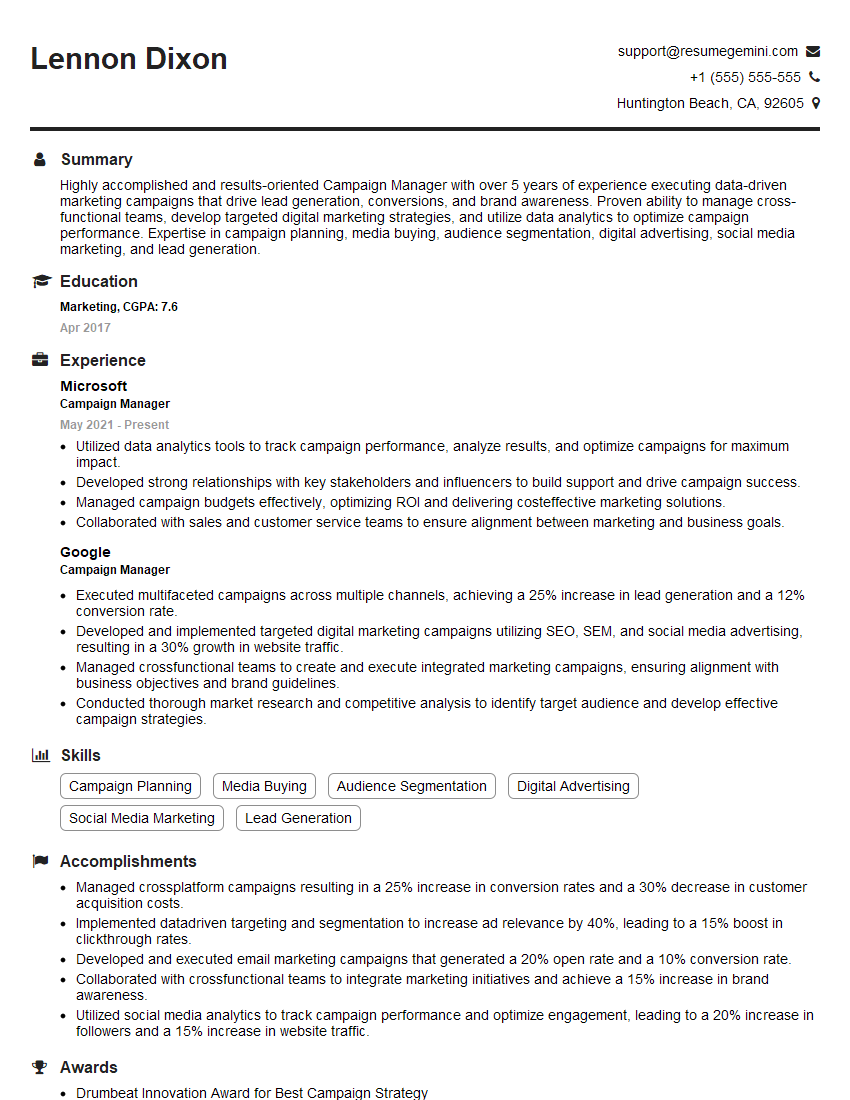
Campaign Manager Resume Sample
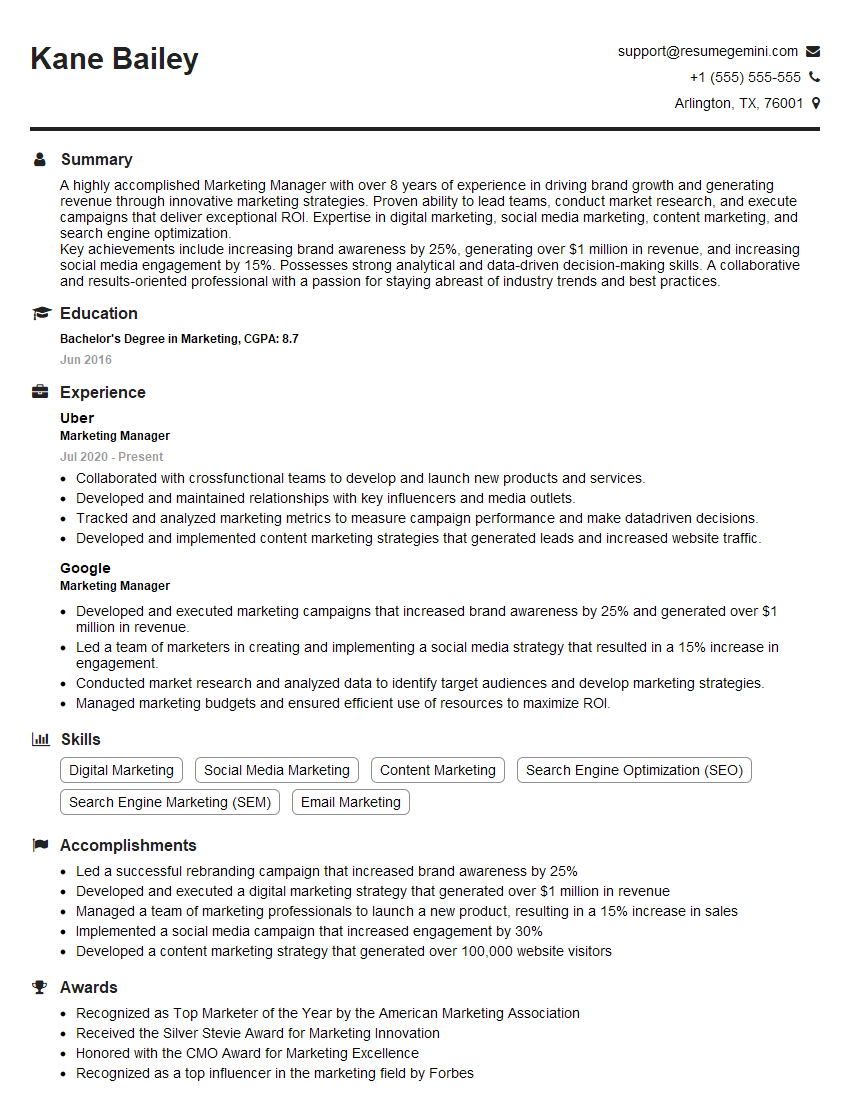
Marketing Manager Resume Sample

Communications Director Resume Sample
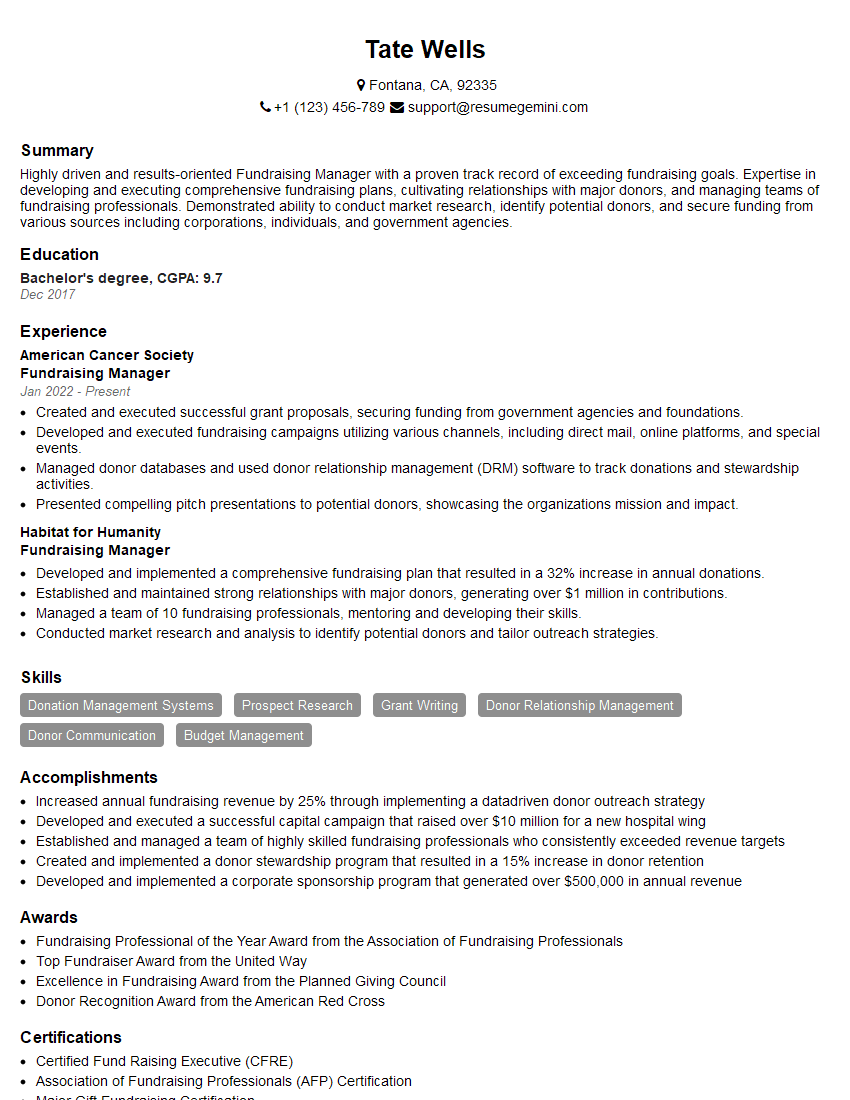
Fundraising Manager Resume Sample

Instructor Resume Sample
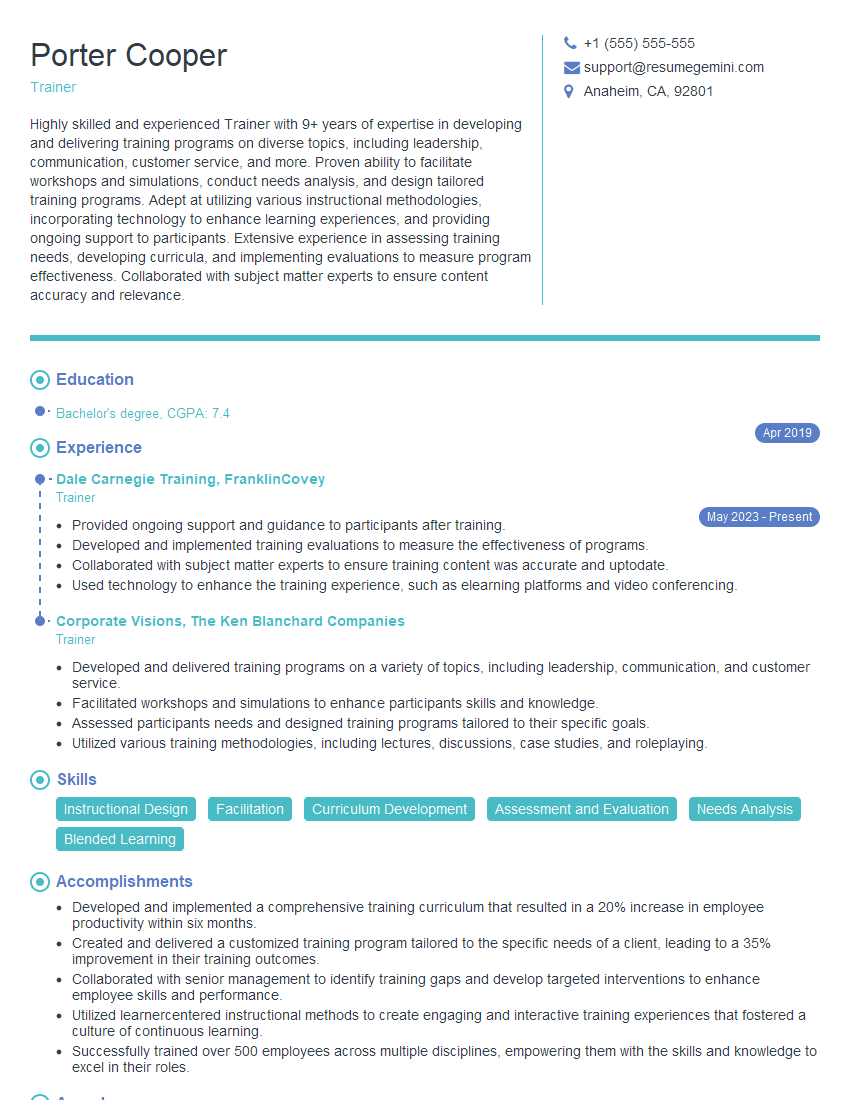
Trainer Resume Sample

Social Media Manager Resume Sample

Communications Consultant Resume Sample
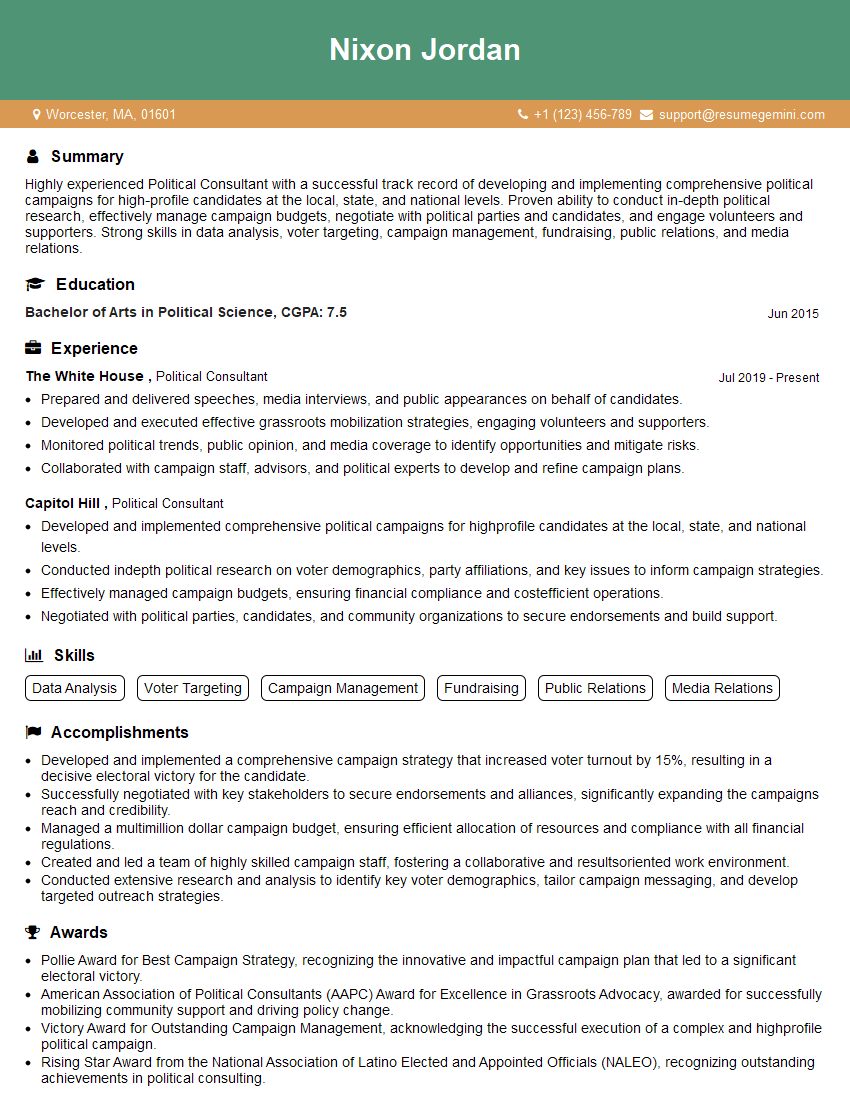
Political Consultant Resume Sample

Community Organizer Resume Sample
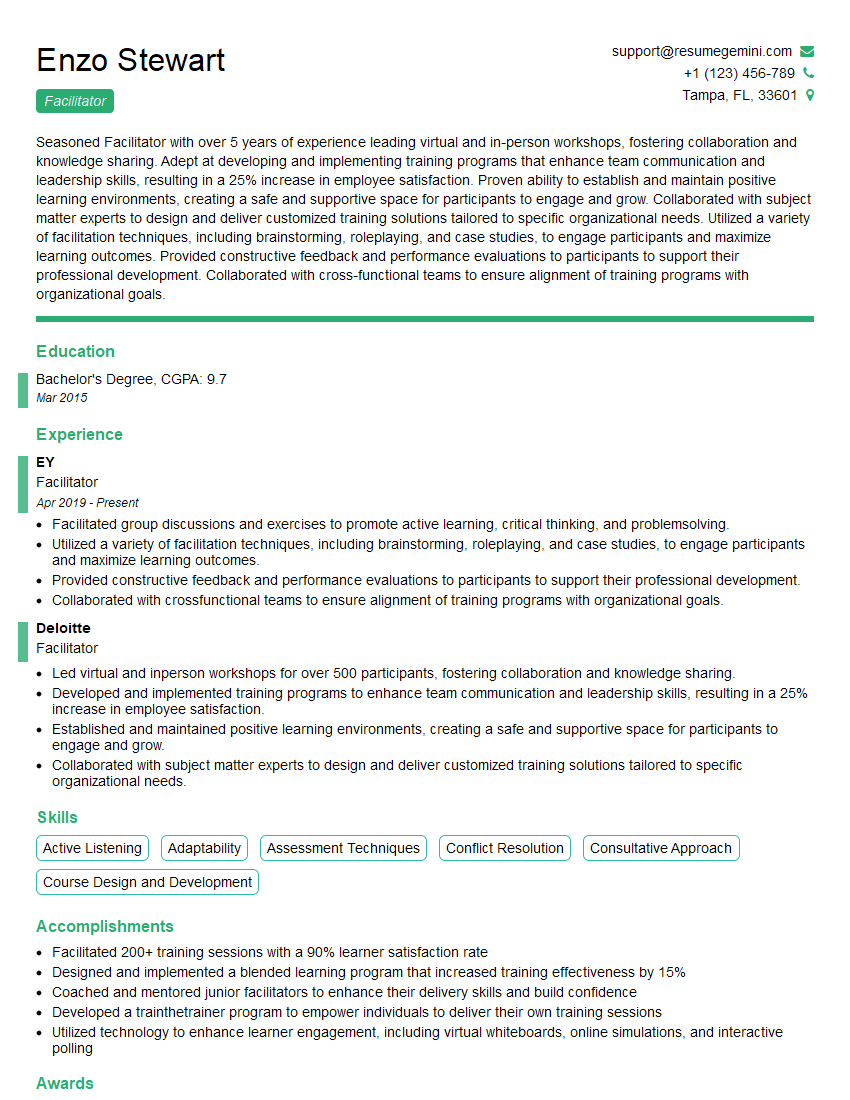
Facilitator Resume Sample

Lobbyist Resume Sample
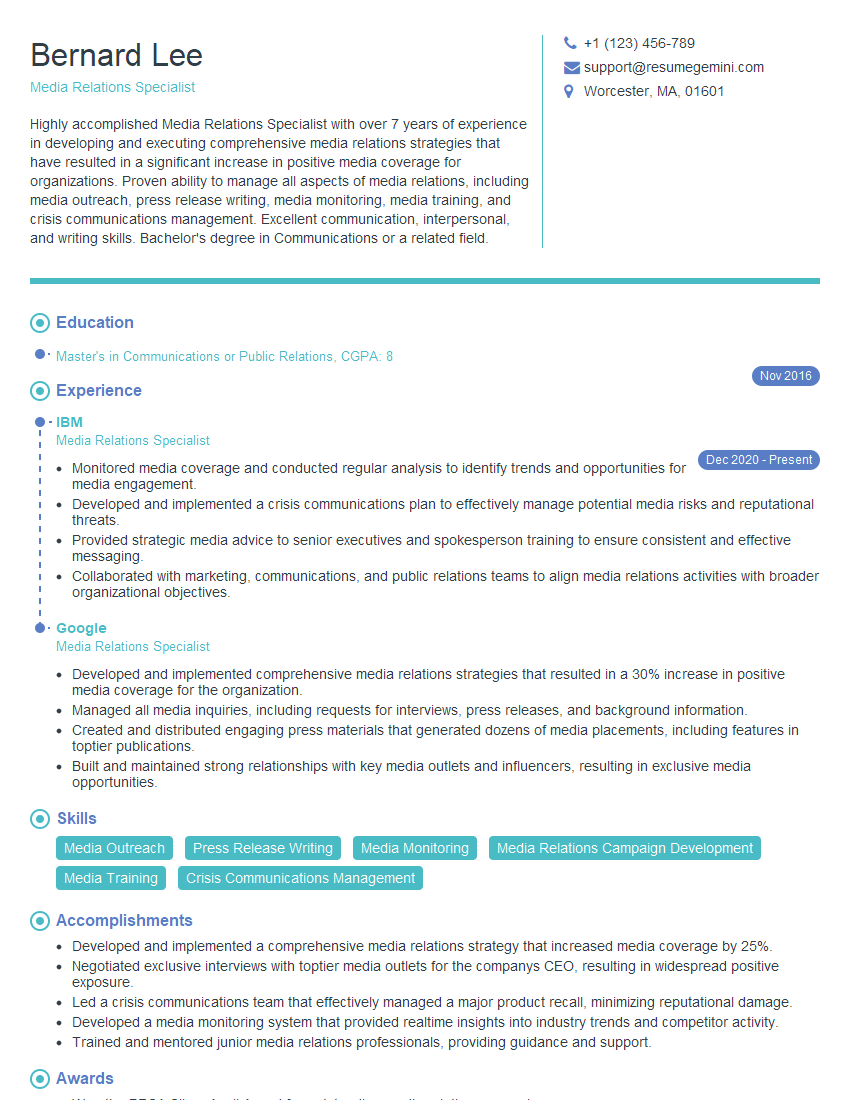
Media Relations Specialist Resume Sample
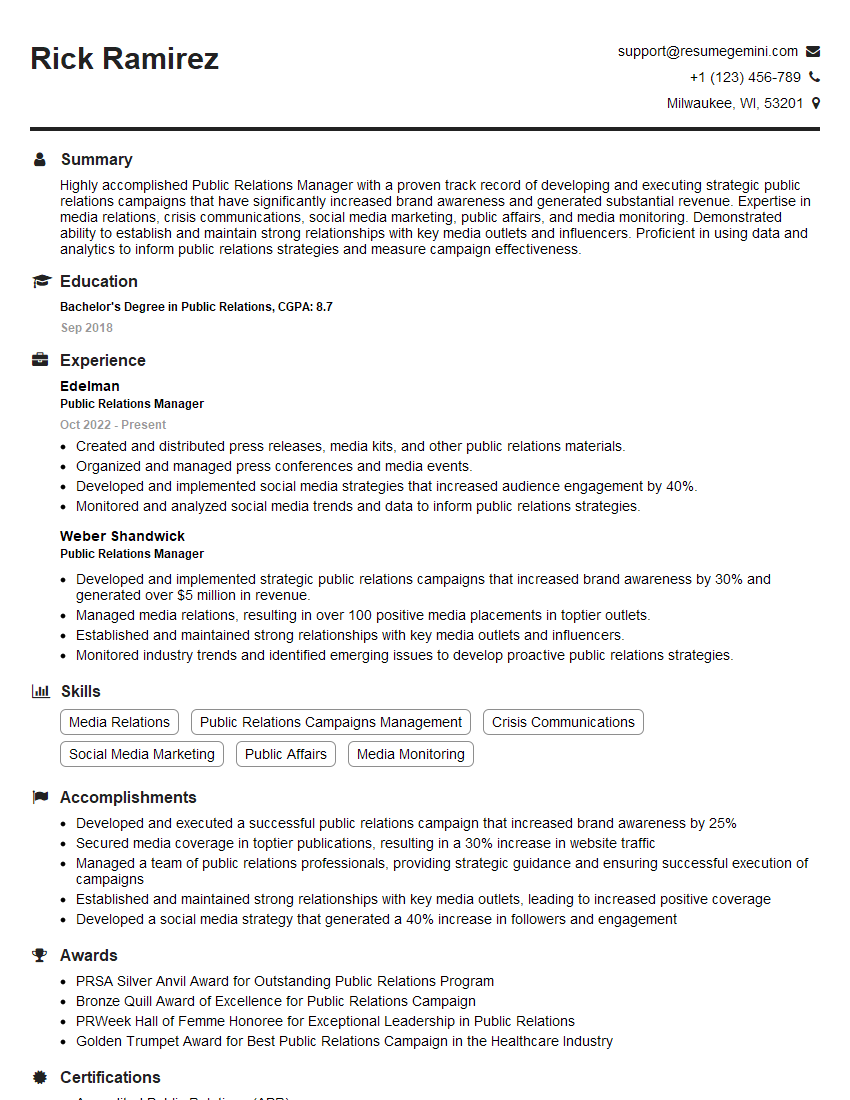
Public Relations Manager Resume Sample
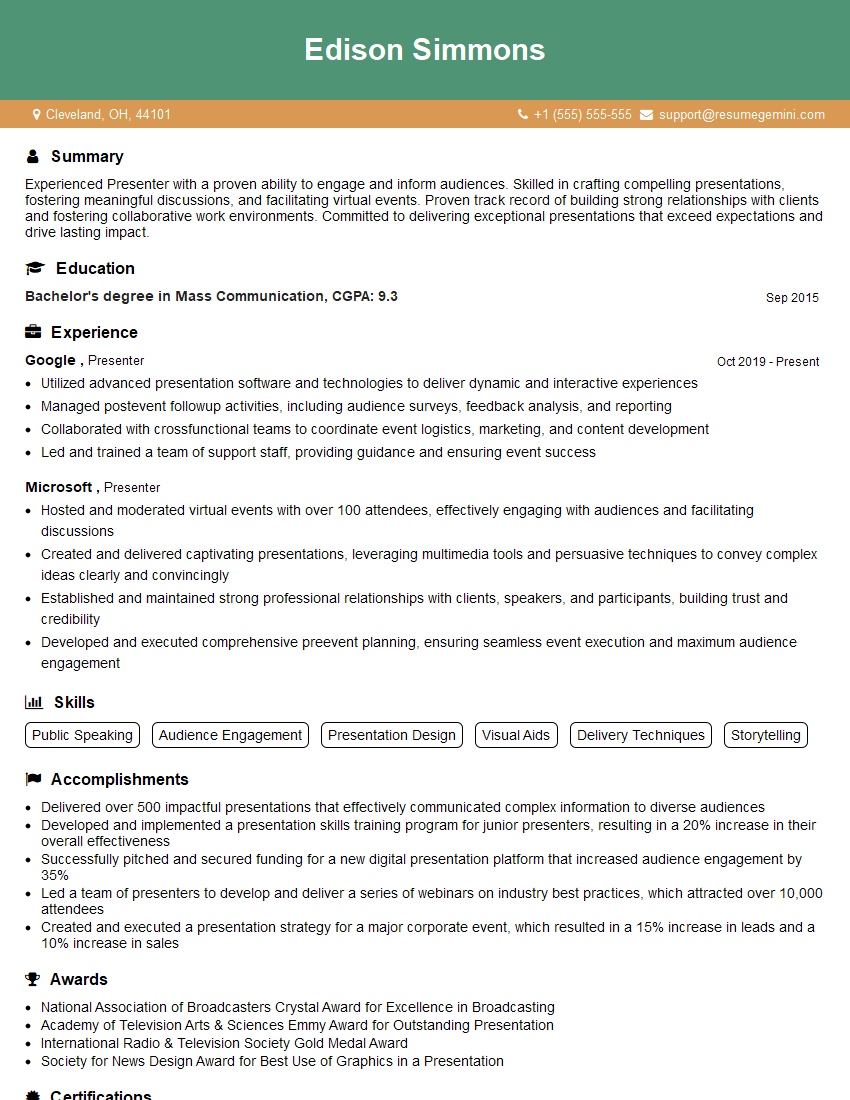
Presenter Resume Sample
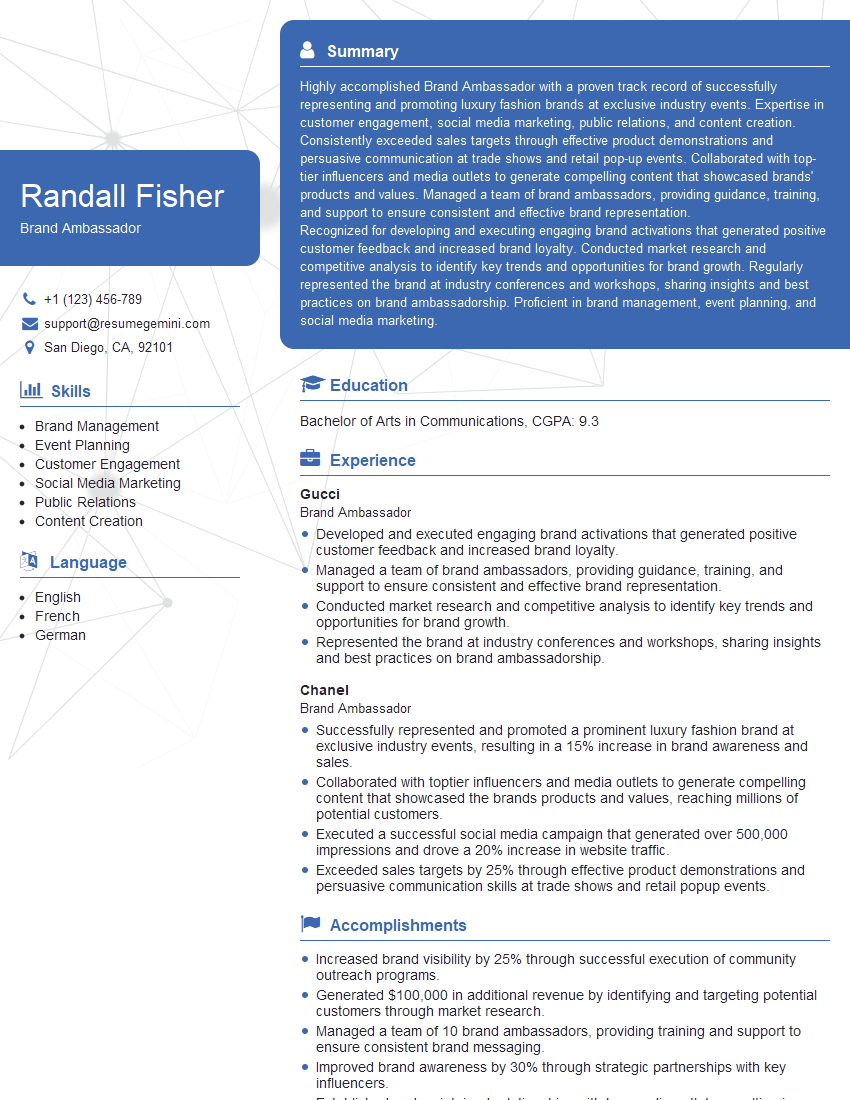
Brand Ambassador Resume Sample

Content Creator Resume Sample
- Campaign Manager
- Marketing Manager
- Communications Director
- Fundraising Manager
- Instructor
- Trainer
- Social Media Manager
- Communications Consultant
- Political Consultant
- Community Organizer
- Facilitator
- Lobbyist
- Media Relations Specialist
- Public Relations Manager
- Presenter
- Brand Ambassador
- Content Creator
Explore more articles
Users Rating of Our Blogs
Share Your Experience
We value your feedback! Please rate our content and share your thoughts (optional).
What Readers Say About Our Blog
To the interviewgemini.com Webmaster.
Very helpful and content specific questions to help prepare me for my interview!
Thank you
To the interviewgemini.com Webmaster.
This was kind of a unique content I found around the specialized skills. Very helpful questions and good detailed answers.
Very Helpful blog, thank you Interviewgemini team.