Every successful interview starts with knowing what to expect. In this blog, we’ll take you through the top Job Layout interview questions, breaking them down with expert tips to help you deliver impactful answers. Step into your next interview fully prepared and ready to succeed.
Questions Asked in Job Layout Interview
Q 1. Describe your experience with different types of manufacturing layouts (e.g., product, process, fixed-position).
My experience encompasses various manufacturing layouts, each tailored to specific production needs. Product layouts, also known as assembly lines, are ideal for high-volume, standardized products. Imagine a car assembly plant – each station performs a specific task, and the product moves sequentially along the line. This maximizes efficiency for repetitive tasks. In contrast, process layouts group similar machines or processes together. A machine shop is a prime example; machines are arranged based on function (e.g., all lathes in one area), and work flows through the shop according to the specific operations required. This flexibility is ideal for diverse product lines. Finally, fixed-position layouts are used for projects that are too large or complex to move, like shipbuilding or construction. The materials and workers are brought to the project’s location. I’ve worked with all three types, adapting them to optimize throughput and minimize waste.
Q 2. Explain the principles of lean manufacturing and how they apply to job layout.
Lean manufacturing focuses on eliminating waste and maximizing value. Key principles like Just-in-Time (JIT) inventory, kaizen (continuous improvement), and 5S (sort, set in order, shine, standardize, sustain) are directly applicable to job layout. In a lean layout, we minimize movement of materials and workers. For example, we might arrange workstations in a U-shaped configuration to reduce travel time between steps. JIT inventory ensures that materials arrive only when needed, reducing storage space and potential waste. Kaizen involves continuous evaluation and improvement of the layout based on data and feedback, constantly striving for better flow and efficiency. 5S helps create a clean, organized workspace that supports efficient operations. Applying these principles in a job layout leads to a leaner, more efficient production process.
Q 3. How do you determine the optimal layout for a given production process?
Determining the optimal layout involves a systematic approach. First, we analyze the production process, identifying all steps, materials, and equipment involved. Then, we create a flow chart or process map, visualizing the sequence of operations. This helps identify bottlenecks and potential inefficiencies. Next, we consider various layout options (product, process, fixed-position, cellular, etc.), evaluating their suitability based on factors like product variety, production volume, material handling needs, and space constraints. Tools like relationship charts and from-to charts can be used to visualize material flow and distances. Finally, we simulate different layouts using software (as described in a later answer) to assess their performance and choose the one that optimizes key metrics like throughput, cycle time, and material handling costs. It’s an iterative process; we often refine the layout based on performance data and feedback.
Q 4. What are the key factors to consider when designing a warehouse layout?
Designing an efficient warehouse layout is crucial for minimizing storage costs and maximizing order fulfillment speed. Key factors include:
- Product characteristics: Size, weight, volume, and handling requirements influence storage strategies (e.g., racking systems, bulk storage).
- Material handling equipment: Forklifts, conveyors, automated guided vehicles (AGVs) dictate aisle widths and layout configurations.
- Order picking methods: Different methods (batch picking, zone picking, etc.) impact the organization of storage areas.
- Inventory turnover rate: Fast-moving items should be placed in easily accessible locations.
- Safety and accessibility: Aisles need to be wide enough for safe movement of equipment, and emergency exits should be clearly marked.
- Scalability: The layout should be able to accommodate future expansion.
Q 5. Explain your understanding of workplace ergonomics and its role in job layout.
Workplace ergonomics is crucial in job layout design; it focuses on creating a work environment that promotes physical and mental well-being. This includes considering factors like posture, repetitive movements, reach distances, and lighting. A poorly designed layout can lead to musculoskeletal disorders (MSDs), fatigue, and decreased productivity. Ergonomic principles dictate the placement of workstations, equipment, and materials to minimize strain and maximize comfort. For example, workstations should be adjustable to accommodate various worker heights, and tools should be within easy reach. Proper lighting and ventilation contribute to a safe and comfortable environment. Integrating ergonomic considerations into job layout significantly improves worker health, safety, and morale, ultimately leading to increased efficiency and reduced costs.
Q 6. How do you assess the efficiency of an existing job layout?
Assessing the efficiency of an existing job layout involves collecting data on various key performance indicators (KPIs). This includes measuring:
- Throughput: The number of units produced per unit of time.
- Cycle time: The time taken to complete one cycle of production.
- Utilization: The percentage of time equipment or workers are actively engaged in productive work.
- Material handling costs: The expenses associated with moving materials.
- Defect rates: The number of defective units produced.
- Safety incidents: The number of accidents or near misses.
Q 7. Describe your experience using software for job layout design and simulation.
I have extensive experience using various software packages for job layout design and simulation. I’m proficient in tools like AutoCAD, Plant Simulation, and Arena. These tools allow us to create 2D and 3D models of layouts, simulating material flow, worker movements, and equipment utilization. We can then optimize layouts based on simulation results, identifying bottlenecks and inefficiencies before implementation. For instance, using Plant Simulation, we can model different layouts for a factory floor, varying the placement of machines and workers to minimize travel time and maximize throughput. The software generates reports showing key performance indicators, facilitating data-driven decision making. This allows for a more accurate and efficient layout design, minimizing risks and costs associated with implementing a suboptimal solution.
Q 8. What metrics do you use to measure the success of a job layout implementation?
Measuring the success of a job layout implementation goes beyond simply looking at increased production. It requires a holistic approach, tracking several key metrics across different aspects of the operation.
- Throughput/Cycle Time: This measures the rate at which products or services are completed. A successful layout should demonstrably reduce cycle time.
- Defect Rate: A well-designed layout minimizes errors by improving workflow and reducing the chance of mistakes. We track the number of defects per unit to measure this.
- Inventory Levels: An efficient layout minimizes work-in-progress (WIP) inventory. We monitor inventory levels to ensure they are optimized.
- Employee Productivity & Satisfaction: This is crucial. We use surveys, feedback sessions, and productivity data to assess employee satisfaction and output post-implementation. A layout that leads to increased employee satisfaction usually translates into higher productivity and fewer errors.
- Safety Incidents: We meticulously track safety incidents before and after the change. A successful layout minimizes risks and improves worker safety.
- Return on Investment (ROI): Ultimately, the financial impact is key. We measure the ROI by comparing the cost of implementation against the gains in efficiency, reduced waste, and increased productivity.
For example, in a previous project implementing a U-shaped cell layout in a manufacturing plant, we saw a 20% reduction in cycle time, a 15% decrease in defect rate, and a 10% increase in employee satisfaction – all contributing to a significant positive ROI.
Q 9. How do you handle unexpected changes or disruptions to a planned job layout?
Unexpected changes are inevitable in any project. My approach involves a combination of proactive planning and agile adaptation.
- Contingency Planning: We always develop contingency plans addressing potential disruptions, such as equipment failures, material shortages, or even employee absences. This involves identifying critical path activities and developing backup strategies.
- Regular Monitoring: Close monitoring of the implemented layout is crucial. Daily or weekly progress reviews help identify potential problems early on. This allows for quicker responses and mitigation of major issues.
- Flexible Layout Design: Wherever possible, I prefer designing layouts with flexibility in mind. Modular workstations or adjustable equipment allow for quicker adaptations to changing needs.
- Cross-Training: Well-trained and cross-trained employees can quickly adapt to changed circumstances. They can fill in gaps and maintain production even when facing disruptions.
- Communication: Open communication is essential. Keeping all stakeholders informed about changes, their impact, and the mitigation plans is vital for effective response.
For instance, during a recent project, an unexpected supplier delay impacted the availability of a key component. Our contingency plan, which included using a substitute component and adjusting the workflow, allowed us to minimize downtime and keep the project on track.
Q 10. Explain your experience with value stream mapping and its application in job layout optimization.
Value stream mapping (VSM) is an invaluable tool for optimizing job layouts. It provides a visual representation of the entire material and information flow in a process, identifying areas of waste and inefficiency.
My experience with VSM starts with observing the current state. We create a detailed map showing all steps involved in a process, from raw material arrival to final product delivery. This includes mapping all activities, transportation, inventory, delays, and inspections. We then use this map to pinpoint areas of waste (e.g., excess movement, waiting time, unnecessary processing) and bottlenecks.
Once the current state is mapped, we develop a future state map, proposing improvements to the workflow. This might include reorganizing workstations, implementing lean principles, or using technology to streamline the process. The improved layout is designed to address the bottlenecks and waste identified in the current state map.
For example, in a previous project involving a bottling plant, we used VSM to reveal significant delays in the labeling process. Reorganizing the labeling station, implementing a more efficient labeling machine, and optimizing the material flow significantly reduced bottlenecks and improved overall efficiency.
Q 11. Describe your process for identifying and eliminating bottlenecks in a production process.
Identifying and eliminating bottlenecks requires a systematic approach. I use a combination of techniques:
- Data Collection: Accurate data on production times, cycle times, and defect rates at each workstation is critical. This data pinpoints where the workflow slows down.
- Visual Management: Visual tools such as Kanban boards or Andon systems help identify bottlenecks quickly by providing real-time status updates.
- Root Cause Analysis: Once a bottleneck is identified, we perform root cause analysis (e.g., 5 Whys) to understand the underlying reasons for the delay. This could be anything from equipment limitations, inadequate training, or poor process design.
- Process Improvement Techniques: We implement lean methodologies such as Kaizen events, value stream mapping, or Six Sigma to address the root causes and streamline the process. This might involve redesigning the workflow, optimizing equipment, or improving employee training.
- Simulation and Modeling: For complex processes, simulation tools can be used to test different improvement strategies before implementing them, ensuring minimal disruption and maximizing impact.
For example, in a textile factory, we used data analysis to identify a bottleneck in the weaving process. Root cause analysis revealed that an older loom was significantly slower than the others. Replacing the loom resulted in a significant increase in overall throughput.
Q 12. How do you balance the need for efficient workflow with worker safety and comfort?
Balancing efficient workflow with worker safety and comfort is paramount. It’s not a trade-off; rather, it’s a synergistic relationship. A safe and comfortable work environment leads to increased productivity and fewer errors.
- Ergonomic Design: Workstations should be designed ergonomically, considering factors like chair height, monitor placement, and tool accessibility to minimize strain and prevent musculoskeletal injuries.
- Safety Features: Incorporate safety features such as machine guards, emergency stops, and proper lighting to minimize workplace hazards.
- Layout Optimization: Strategically position workstations to minimize worker movement and reduce the risk of accidents. Avoid congested areas and ensure clear pathways for movement.
- Employee Input: Involve employees in the design process. Their insights and feedback are invaluable in identifying potential safety concerns or areas for improvement in comfort.
- Regular Safety Audits: Conduct regular safety audits to identify and address any potential hazards, ensuring the layout remains safe and compliant with regulations.
In a recent project involving a warehouse, we implemented a voice-picking system to reduce the strain on workers and improve picking accuracy. We also reorganized the layout to create wider aisles, improving safety and workflow.
Q 13. What are the challenges of implementing a new job layout, and how do you address them?
Implementing a new job layout presents several challenges.
- Resistance to Change: Employees may be resistant to changes in their established routines. Addressing this requires clear communication, training, and employee involvement in the process.
- Downtime and Disruption: Implementing a new layout inevitably involves some downtime and disruption. Minimizing this requires careful planning, phased implementation, and efficient changeover strategies.
- Cost: The implementation may involve costs associated with new equipment, training, and potential redesign of facilities. A thorough cost-benefit analysis is essential to justify the investment.
- Space Constraints: Limited space can constrain the implementation of an optimal layout. Creative solutions may be required, such as optimizing storage or using vertical space.
- Integration with Existing Systems: The new layout needs to integrate seamlessly with existing IT systems, material handling processes, and inventory management systems.
Addressing these challenges requires a well-defined project plan, clear communication with stakeholders, and a flexible and adaptive approach. For example, we phased the implementation of a new layout in a manufacturing plant over several weekends to minimize production downtime.
Q 14. How do you ensure effective communication and collaboration during a job layout project?
Effective communication and collaboration are crucial for a successful job layout project. I employ several strategies to ensure this.
- Regular Meetings: Holding regular meetings with all stakeholders, including employees, management, and engineering teams, ensures everyone is informed and their input is considered.
- Visual Communication: Using visual aids such as diagrams, mock-ups, and simulations to communicate the proposed layout helps overcome communication barriers.
- Open Feedback Mechanisms: Establishing clear channels for employees to provide feedback and express concerns ensures their voices are heard and addressed.
- Cross-Functional Teams: Establishing cross-functional teams with representatives from different departments ensures a holistic approach and fosters collaboration.
- Project Management Software: Using project management software allows for efficient task tracking, communication, and document sharing.
For instance, during a recent project, we used 3D modeling software to create a virtual representation of the proposed layout. This allowed everyone to visualize the changes and provide feedback before the actual implementation, significantly improving collaboration and reducing errors.
Q 15. What is your experience with 5S methodology and its impact on job layout?
5S is a methodology for workplace organization that focuses on maintaining a clean, orderly, and efficient work environment. It stands for Sort, Set in Order, Shine, Standardize, and Sustain. In job layout, its impact is profound. A well-organized workspace, free from clutter and unnecessary items (Sort), with clearly defined locations for tools and materials (Set in Order), and consistently maintained cleanliness (Shine), directly contributes to improved efficiency, reduced waste, and enhanced safety. Standardizing these processes ensures consistency and prevents backsliding, while Sustaining the system requires ongoing effort and engagement from all team members. For example, in a manufacturing setting, implementing 5S can drastically reduce search time for parts, leading to increased productivity. A poorly organized workstation, on the other hand, can result in lost time, increased error rates, and even safety hazards.
Career Expert Tips:
- Ace those interviews! Prepare effectively by reviewing the Top 50 Most Common Interview Questions on ResumeGemini.
- Navigate your job search with confidence! Explore a wide range of Career Tips on ResumeGemini. Learn about common challenges and recommendations to overcome them.
- Craft the perfect resume! Master the Art of Resume Writing with ResumeGemini’s guide. Showcase your unique qualifications and achievements effectively.
- Don’t miss out on holiday savings! Build your dream resume with ResumeGemini’s ATS optimized templates.
Q 16. Describe your approach to analyzing material flow and optimizing material handling in a job layout.
Analyzing material flow involves meticulously tracing the path of materials from their entry point into the production process to their final destination. This often involves mapping out the entire process, identifying bottlenecks, and calculating the material handling time at each stage. To optimize, I use techniques like value stream mapping, which visually represents the flow, highlighting areas for improvement. I consider factors like material handling equipment, storage locations, and transportation methods. For instance, if the analysis reveals excessive movement of materials between workstations, we might consider rearranging the layout to minimize the distance, using conveyor systems or automated guided vehicles (AGVs) instead of manual handling. This approach ensures a smooth, efficient flow, minimizing delays and maximizing output.
Q 17. How do you incorporate sustainability considerations into job layout design?
Sustainability is a critical consideration in modern job layout design. This involves minimizing the environmental impact of the production process. Incorporating sustainable practices includes selecting environmentally friendly materials, reducing waste through lean manufacturing principles, optimizing energy consumption by choosing energy-efficient equipment and lighting, and implementing recycling programs. For example, choosing workstations that are made from recycled materials and are designed for easy disassembly and reuse contributes to a circular economy. Furthermore, designing for minimal material usage in production reduces waste sent to landfills. The ultimate goal is to create a workplace that is both productive and responsible.
Q 18. Explain your understanding of capacity planning and its relationship to job layout.
Capacity planning is crucial in job layout design as it determines the size and configuration of the workspace to meet production demands. It involves forecasting future production volumes and determining the required resources, including equipment, personnel, and space. The layout must accommodate the planned capacity, ensuring there’s sufficient space for equipment, material storage, and movement of personnel. For example, if capacity planning predicts a significant increase in production volume, the layout might need to be expanded to accommodate additional workstations and equipment, or the existing layout might need to be optimized for higher throughput. This involves a close integration of production forecasts and layout design to ensure effective resource allocation.
Q 19. What is your experience with different types of material handling equipment and their impact on layout?
My experience encompasses a wide range of material handling equipment, including conveyors (roller, belt, chain), forklifts, automated guided vehicles (AGVs), cranes, and various types of storage systems (racks, carousels). The choice of equipment significantly impacts layout design. For example, using a conveyor system necessitates a linear layout, while AGVs offer greater flexibility. Heavy equipment like forklifts requires wider aisles and stronger floors. Efficient equipment selection minimizes handling time, reduces material damage, and improves overall efficiency. Choosing the wrong equipment can lead to bottlenecks, safety hazards, and increased operational costs. A thorough understanding of each equipment’s capabilities and limitations is crucial for an optimized layout.
Q 20. Describe a time you had to redesign a job layout due to changing production needs.
In a previous role, we manufactured custom furniture. Due to a shift in market demand towards smaller, more modular pieces, the original assembly line layout became inefficient. The previous layout, designed for large, bulky furniture, had long assembly lines and extensive material storage areas. The redesign involved transitioning to a cellular manufacturing layout, grouping workstations based on similar operations for smaller, more modular furniture. This reduced material handling distances and improved workflow. We implemented Kanban systems for material flow, reducing inventory and improving just-in-time delivery of materials to workstations. The redesign resulted in a 20% increase in production efficiency and a significant reduction in space usage, demonstrating the importance of adapting job layout to changing production needs.
Q 21. How do you prioritize different design criteria (e.g., cost, efficiency, safety) when designing a job layout?
Prioritizing design criteria requires a balanced approach. While cost is always a significant factor, blindly prioritizing it can compromise efficiency and safety. I use a weighted scoring system to quantify and compare the different criteria. Each criterion (cost, efficiency, safety, ergonomics, flexibility, sustainability) is assigned a weight reflecting its relative importance based on project objectives and constraints. Then, each design option is scored based on how well it meets each criterion. The option with the highest weighted score is selected. For example, in a high-risk environment, safety might receive a higher weight, even if it involves a slightly higher initial cost. This structured approach helps make informed decisions, ensuring the optimal balance between different design goals.
Q 22. What software or tools are you proficient in for job layout design and analysis?
My proficiency in job layout design and analysis spans several software and tools. For 2D and 3D modeling and visualization, I’m highly skilled in AutoCAD, SketchUp, and Plant Simulation. These allow me to create detailed layouts, simulate workflows, and identify potential bottlenecks before implementation. For data analysis and optimization, I utilize software like Arena Simulation and Microsoft Excel, leveraging its advanced features for statistical analysis and what-if scenarios. Finally, I’m experienced with project management tools such as MS Project, ensuring seamless collaboration and effective tracking throughout the entire process. For instance, in a recent project involving a warehouse redesign, I used AutoCAD to create a precise 3D model, then utilized Arena Simulation to optimize material flow and minimize travel distances, resulting in a 15% increase in throughput.
Q 23. How do you measure the return on investment (ROI) of a job layout improvement project?
Measuring the ROI of a job layout improvement project requires a comprehensive approach. We start by defining key performance indicators (KPIs) before the project, such as production throughput, defect rates, lead times, and labor costs. Post-implementation, we meticulously track these KPIs to quantify improvements. For example, a reduction in material handling time translates directly into labor cost savings. Similarly, improvements in throughput directly impact revenue generation. We then calculate the total cost of the improvement project (including software, labor, and any equipment changes) and compare this to the total savings and increased revenue generated by the improved layout. This difference, expressed as a percentage of the total investment, represents the ROI. A simple formula might look like this: ROI = (Net Profit from Improvement - Total Investment Cost) / Total Investment Cost * 100% It’s crucial to consider both tangible and intangible benefits, such as improved employee morale and safety, which can be challenging to quantify but significantly contribute to the overall ROI.
Q 24. Explain your experience with process improvement methodologies such as Six Sigma or Lean.
My experience with Lean and Six Sigma methodologies is extensive. I’ve successfully applied Lean principles, focusing on eliminating waste (muda) in various aspects of job layout design, such as reducing unnecessary movement of materials and personnel using value stream mapping. This often involves implementing 5S methodologies (Sort, Set in Order, Shine, Standardize, Sustain) to create a more efficient and organized workspace. For example, I helped a manufacturing facility reduce its lead time by 20% by implementing a Kanban system for material flow. With Six Sigma, I’ve utilized DMAIC (Define, Measure, Analyze, Improve, Control) to systematically identify and eliminate process variations that impact efficiency. In a recent project at a distribution center, using DMAIC, we identified the root cause of picking errors, leading to a 30% reduction in errors and significant cost savings. Both Lean and Six Sigma provide powerful tools to optimize job layouts and enhance overall productivity.
Q 25. Describe your understanding of different types of production flow (e.g., continuous, batch, job shop).
Understanding different production flow types is fundamental to effective job layout design. Continuous flow is characterized by a continuous, uninterrupted movement of materials through the production process, ideal for high-volume, standardized products like food processing or chemical manufacturing. Batch production involves producing identical items in groups, often suited for medium-volume production with some degree of customization, like baking. A job shop production system handles highly customized or low-volume jobs, like specialized machine shops or print shops, where each job follows a unique sequence of operations. Choosing the appropriate layout (e.g., product layout for continuous flow, cellular layout for batch, and process layout for job shops) is critical to optimize efficiency and reduce lead times. For example, a poorly designed process layout in a job shop can lead to significant bottlenecks and wasted time as materials and personnel navigate complex routing.
Q 26. How do you ensure that a job layout is scalable to accommodate future growth?
Scalability in job layout design is achieved through careful planning and modular design principles. Instead of a fixed layout, I often incorporate flexible features to accommodate future expansion. This might involve designing extra space for additional equipment or workstations. Employing modular equipment that can easily be reconfigured or expanded is also key. For example, using standardized shelving units that can be easily added or removed enables seamless expansion of storage capacity. Furthermore, adopting flexible material handling systems, like conveyor systems with easily added segments, improves adaptability to growing throughput. By incorporating these design aspects, the layout remains adaptable and prevents significant disruptions during periods of growth, thus reducing the costs and effort associated with redesign.
Q 27. How do you involve stakeholders (e.g., workers, management) in the job layout design process?
Stakeholder involvement is crucial for successful job layout design. I begin by conducting thorough needs assessments, involving workers through interviews, surveys, and focus groups to understand their perspectives on the current layout’s limitations and their suggestions for improvement. Management’s input is crucial to align the proposed layout with overall business objectives, budget constraints, and long-term strategic goals. This collaborative approach builds consensus and ownership, making implementation smoother. Visual aids, like mock-ups and simulations, help visualize the proposed layout and address potential concerns proactively. Regular feedback loops and open communication channels throughout the design and implementation phases ensure that everyone’s voice is heard and modifications can be made as needed.
Q 28. What are your strategies for managing resistance to change during a job layout implementation?
Managing resistance to change requires a strategic and empathetic approach. I start by clearly communicating the benefits of the new layout, focusing on how it will improve their work lives, such as increased efficiency, reduced workload, or improved safety. Addressing workers’ concerns proactively and providing training on new processes or equipment helps alleviate anxieties. Transparency is vital; keeping everyone informed about the progress and involving them in the implementation process builds trust. Active listening and addressing concerns directly foster a collaborative environment. Incentivizing adoption, through recognition programs or bonuses, can further encourage acceptance. Finally, it is important to celebrate successes and adapt the plan based on feedback to show that the suggestions are valued, building enthusiasm and fostering a successful implementation.
Key Topics to Learn for Job Layout Interview
- Understanding Layout Fundamentals: Grasp core concepts like the box model, positioning (static, relative, absolute, fixed, sticky), and display properties (block, inline, inline-block, flex, grid).
- Responsive Design Principles: Learn how to create layouts that adapt seamlessly across different devices (desktops, tablets, mobile) using techniques like media queries and flexible units (%, vw, vh).
- Practical Application: Common Layout Patterns: Familiarize yourself with and be able to explain the implementation of common layout patterns like two-column layouts, hero sections, navigation menus, and card layouts.
- CSS Frameworks and Preprocessors: Demonstrate understanding of popular CSS frameworks (e.g., Bootstrap, Tailwind CSS) and their benefits. Understand the basic concepts of CSS preprocessors (e.g., Sass, Less) and their role in efficient CSS management.
- Advanced Layout Techniques: Explore more advanced topics such as flexbox and grid layout for complex and responsive designs. Understand when to use each and their advantages and disadvantages.
- Accessibility Considerations: Show your awareness of accessibility best practices in web design, ensuring layouts are usable for people with disabilities. This includes semantic HTML and appropriate ARIA attributes.
- Problem-Solving and Debugging: Practice troubleshooting common layout issues like overlapping elements, unexpected spacing, and responsiveness problems. Be prepared to explain your debugging process.
Next Steps
Mastering Job Layout is crucial for career advancement in web development. A strong understanding of layout principles is essential for creating user-friendly and visually appealing websites. To increase your job prospects, focus on crafting an ATS-friendly resume that highlights your skills and experience effectively. ResumeGemini is a valuable resource to help you build a professional and impactful resume that showcases your mastery of Job Layout. Examples of resumes tailored to highlight Job Layout expertise are available to help guide you.
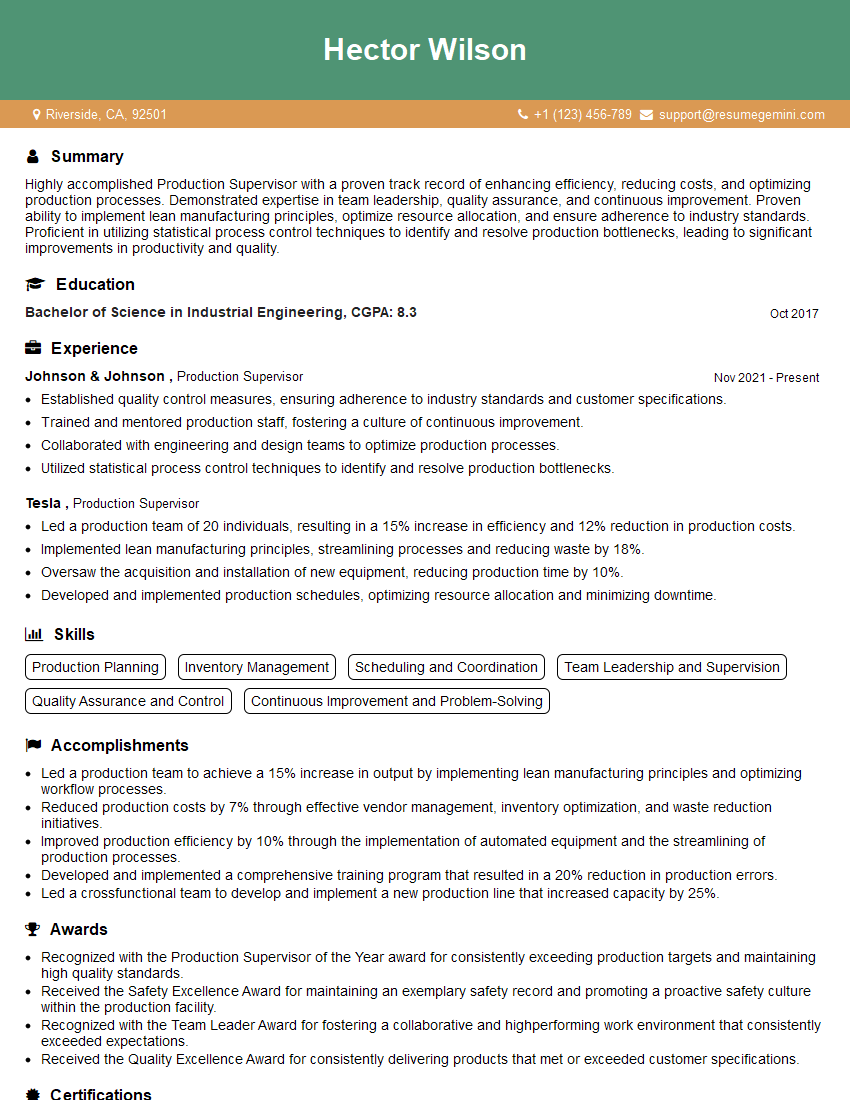
Production Supervisor Resume Sample
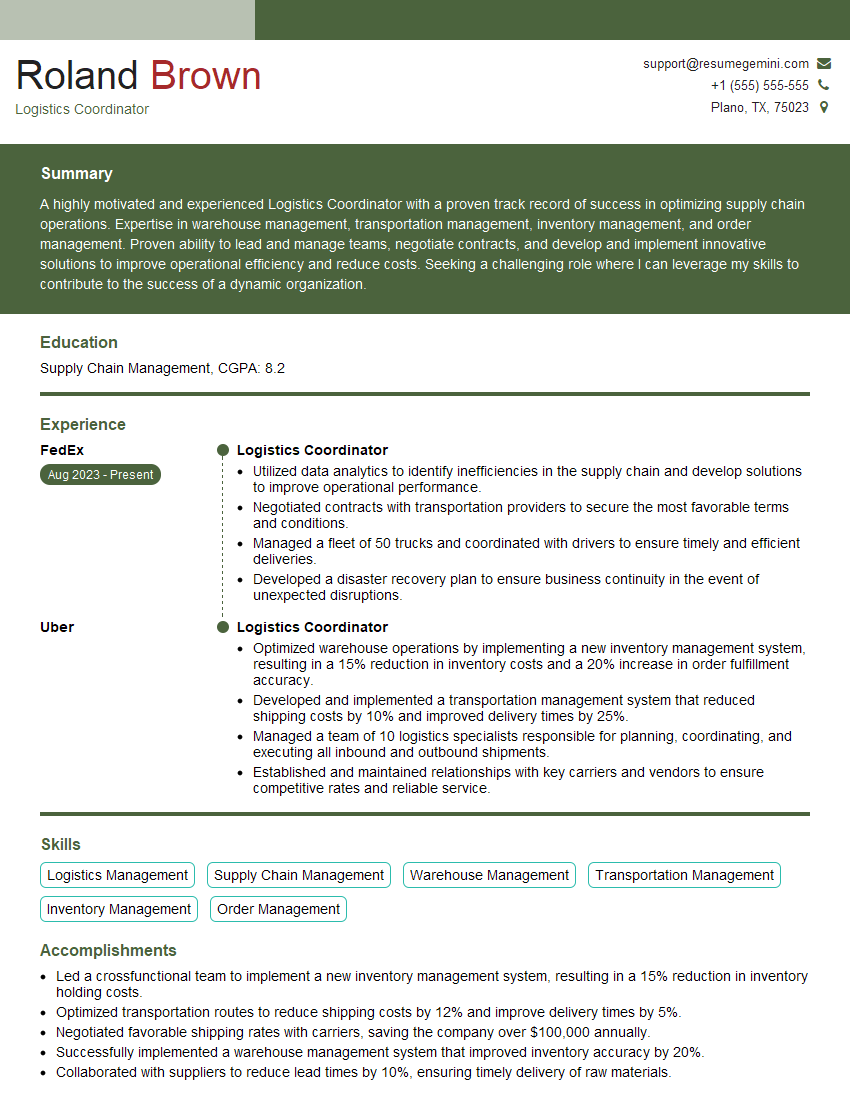
Logistics Coordinator Resume Sample
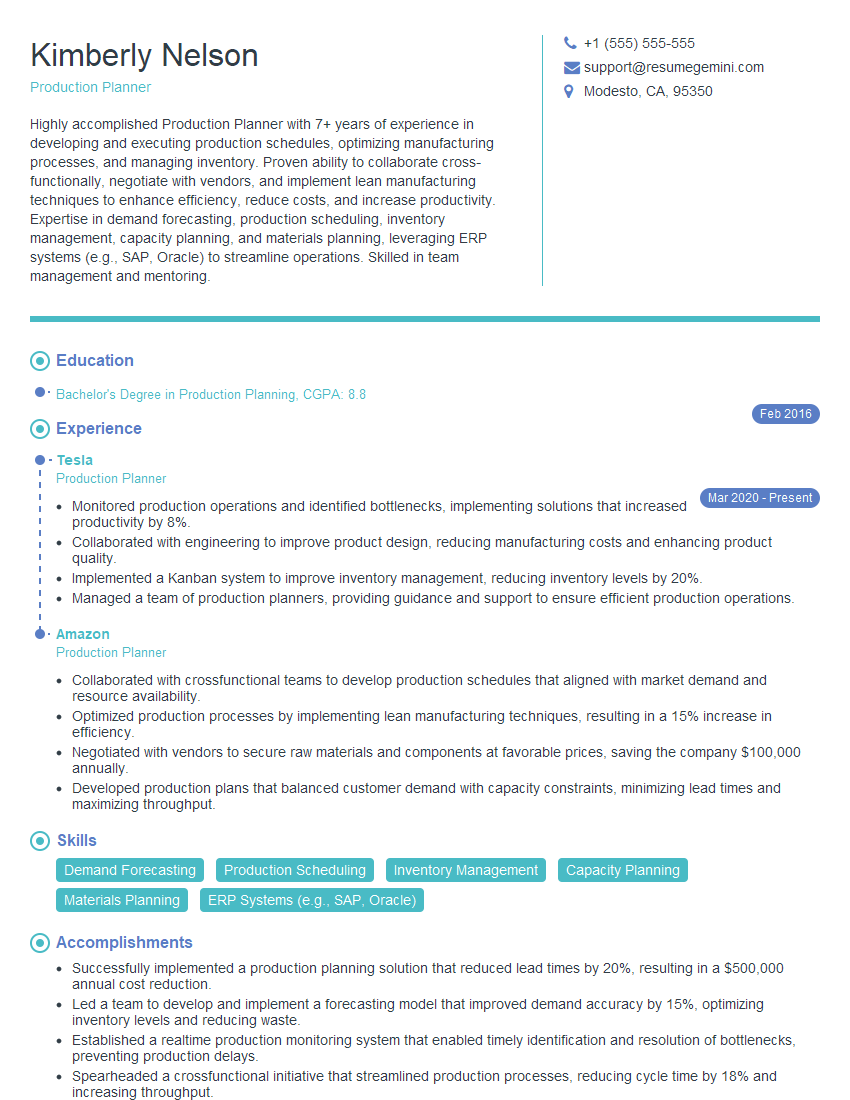
Production Planner Resume Sample
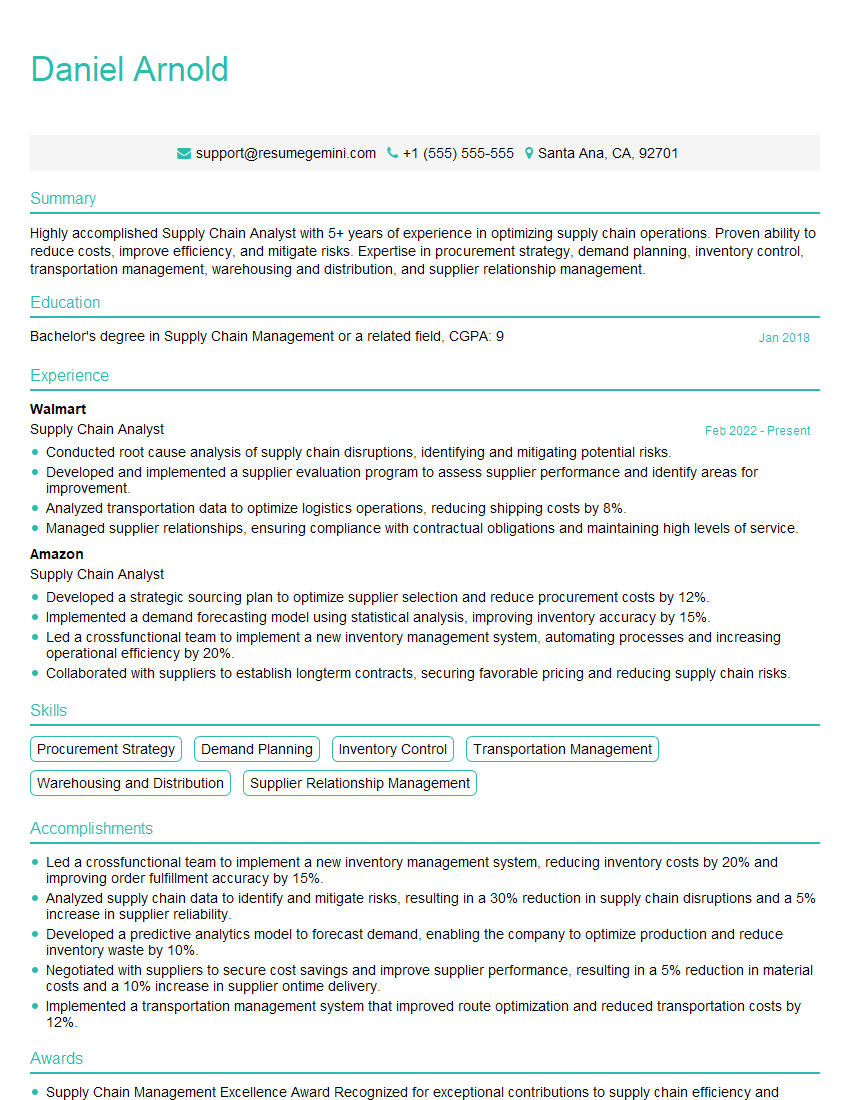
Supply Chain Analyst Resume Sample
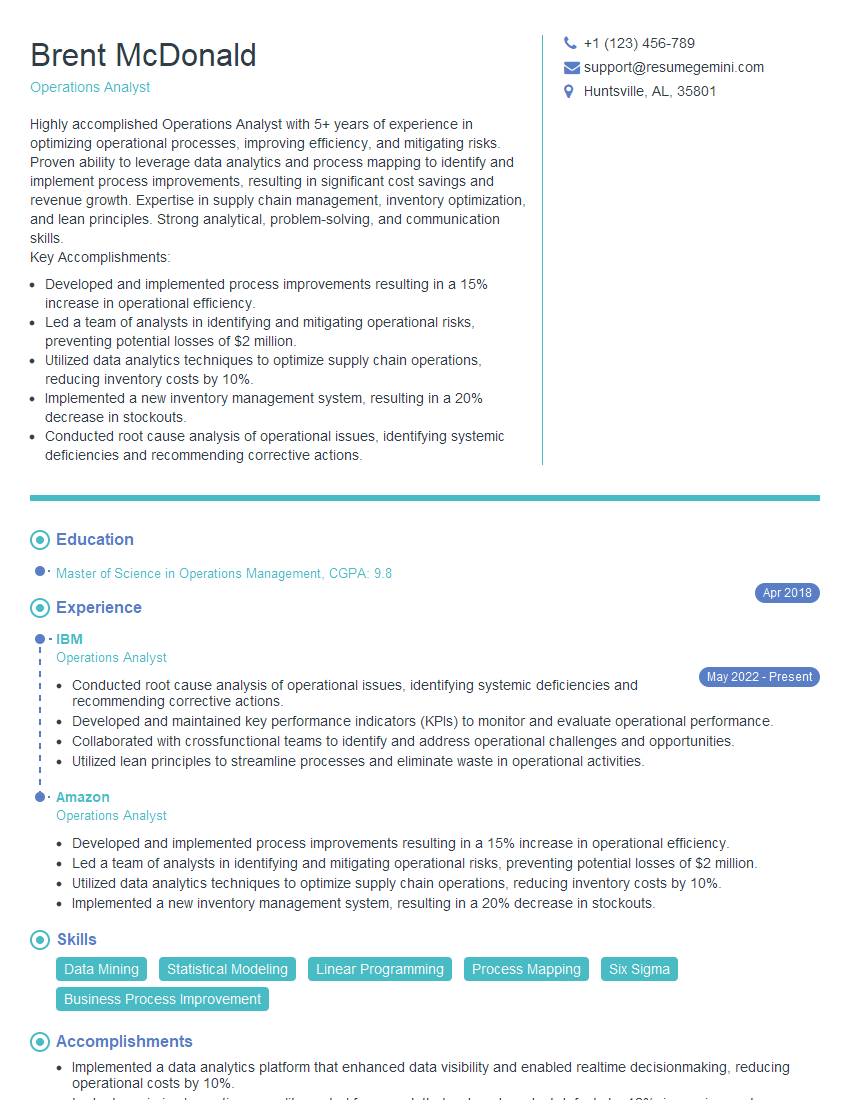
Operations Analyst Resume Sample
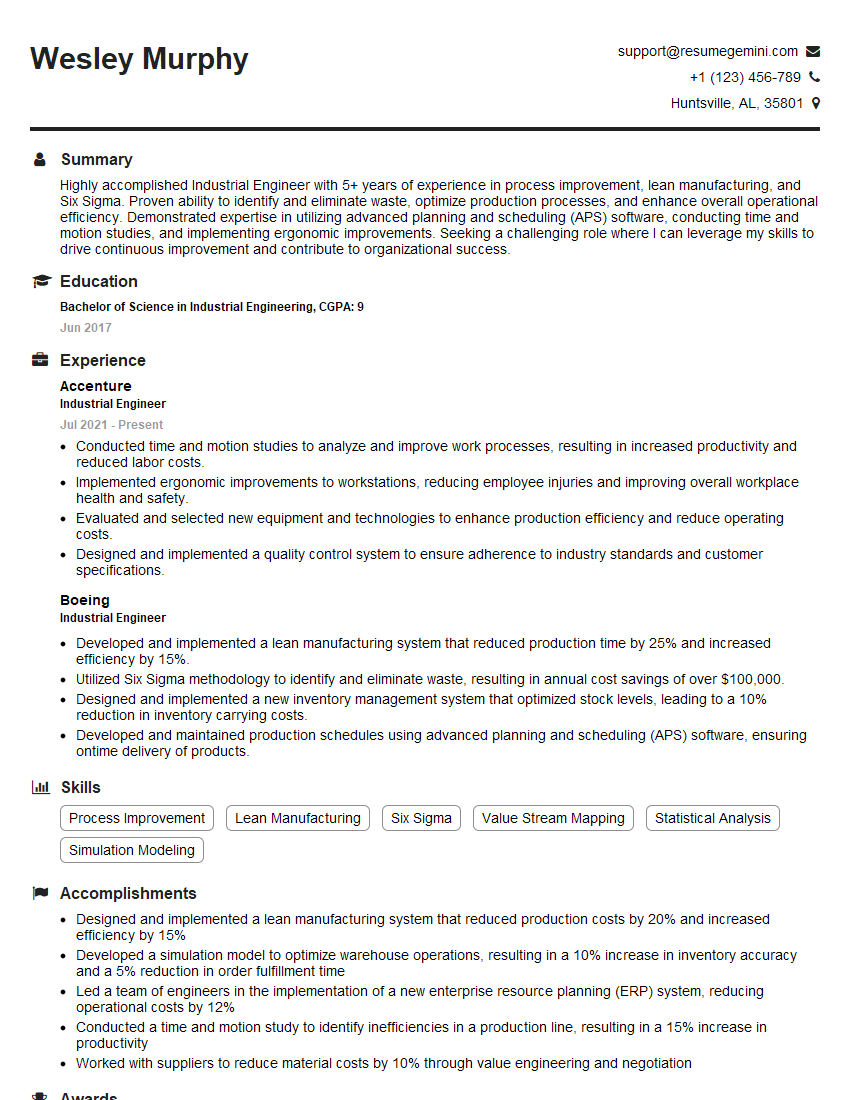
Industrial Engineer Resume Sample
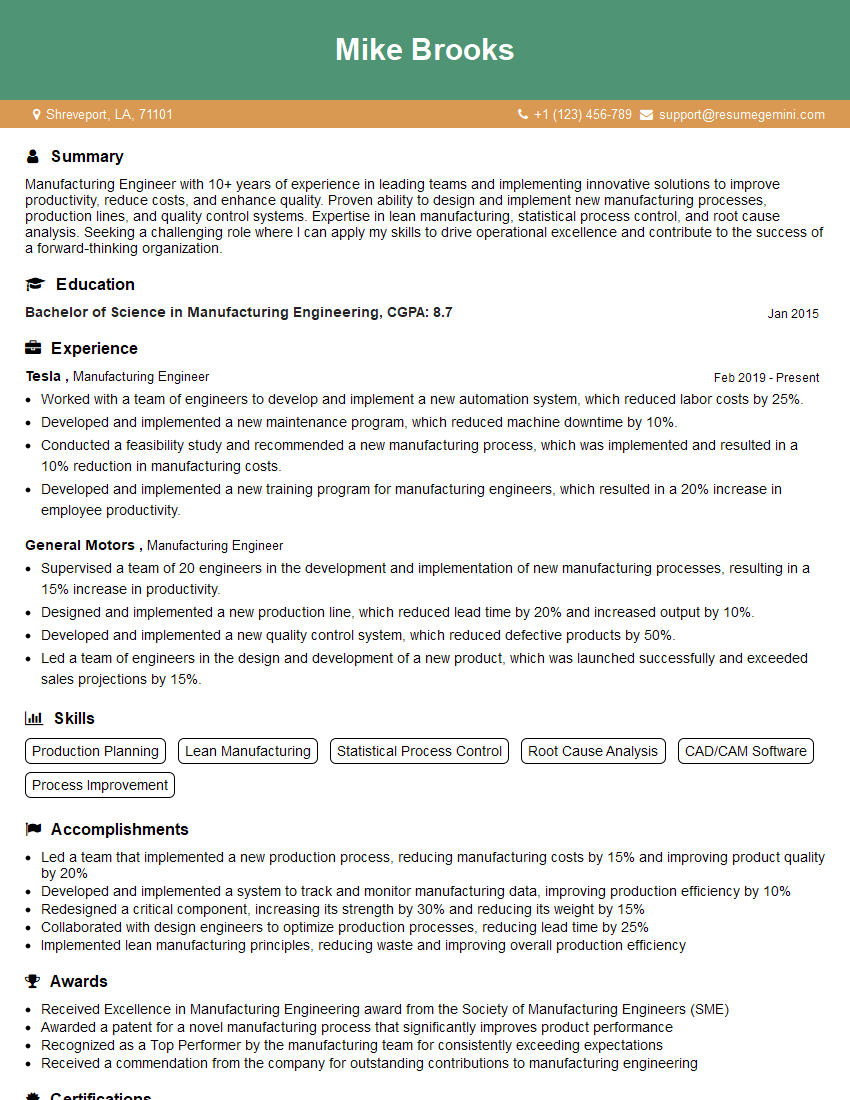
Manufacturing Engineer Resume Sample
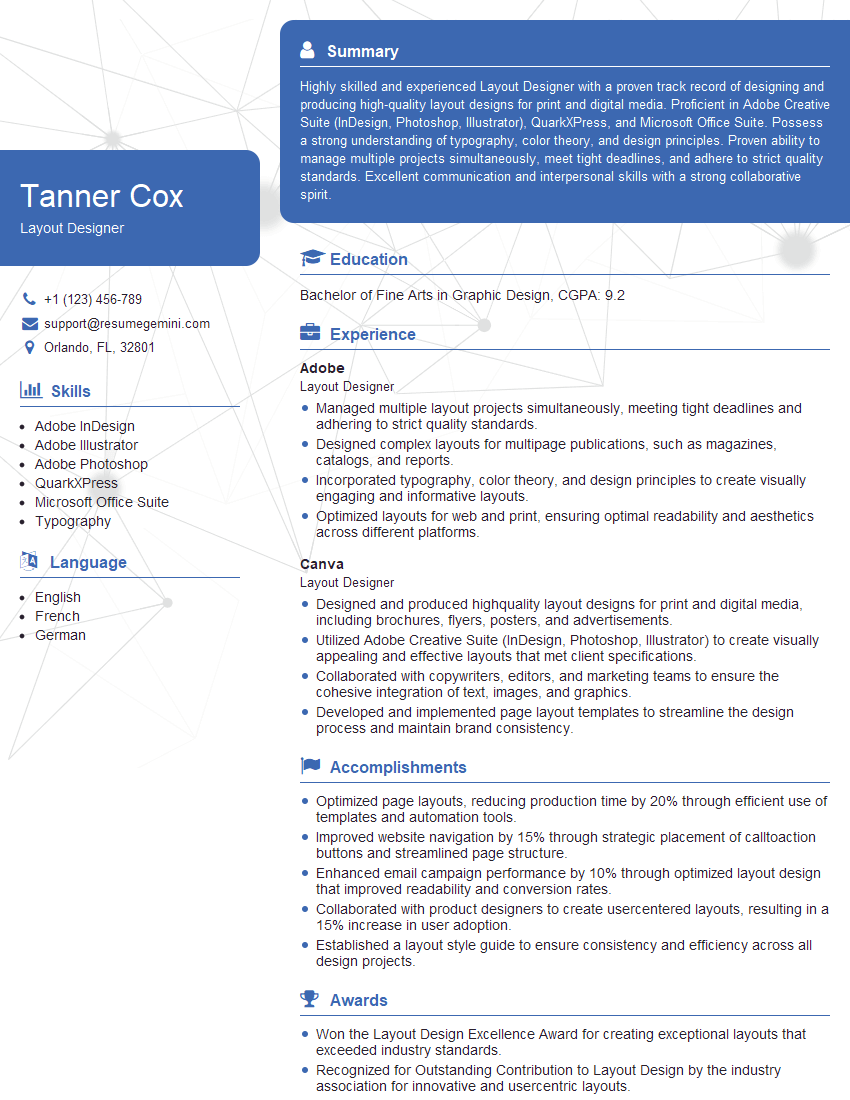
Layout Designer Resume Sample
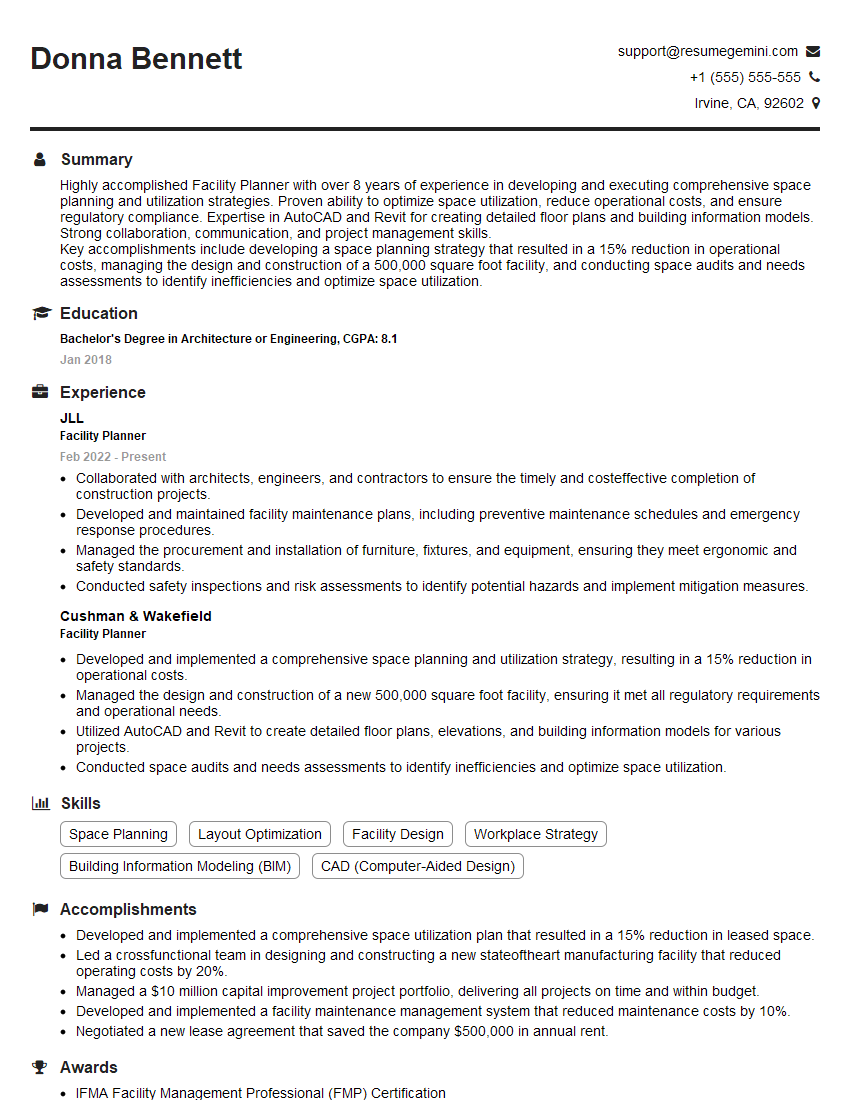
Facility Planner Resume Sample
Explore more articles
Users Rating of Our Blogs
Share Your Experience
We value your feedback! Please rate our content and share your thoughts (optional).
What Readers Say About Our Blog
To the interviewgemini.com Webmaster.
Very helpful and content specific questions to help prepare me for my interview!
Thank you
To the interviewgemini.com Webmaster.
This was kind of a unique content I found around the specialized skills. Very helpful questions and good detailed answers.
Very Helpful blog, thank you Interviewgemini team.