The thought of an interview can be nerve-wracking, but the right preparation can make all the difference. Explore this comprehensive guide to Child maltreatment assessment and intervention interview questions and gain the confidence you need to showcase your abilities and secure the role.
Questions Asked in Child maltreatment assessment and intervention Interview
Q 1. Describe the different types of child maltreatment.
Child maltreatment encompasses a range of harmful acts or omissions against a child that compromise their safety, well-being, and development. It’s categorized into four main types:
- Physical Abuse: Non-accidental physical injury inflicted on a child, such as hitting, burning, shaking, or other acts causing physical harm. This could range from a single, severe incident to repeated minor injuries.
- Neglect: Failure to provide a child with basic needs, including adequate food, clothing, shelter, medical care, supervision, and emotional support. Neglect can be physical, educational, or emotional.
- Sexual Abuse: Any sexual act, exploitation, or contact between a child and an adult or another child. This includes inappropriate touching, exposure, rape, and the exploitation of children through pornography or prostitution.
- Emotional Abuse: A pattern of behavior that impairs a child’s emotional development and sense of self-worth. This can involve verbal abuse, threats, intimidation, rejection, or the consistent exposure of a child to domestic violence.
It’s important to remember that these categories often overlap. For example, a child who is neglected might also be emotionally abused.
Q 2. Explain the legal requirements for mandated reporters of child abuse.
Mandated reporters, including teachers, social workers, doctors, and law enforcement officers, have a legal obligation to report suspected child abuse or neglect to the relevant authorities. The specifics vary by jurisdiction, but generally involve:
- Making a report promptly: Reports should be made without undue delay after reasonable suspicion of abuse or neglect.
- Identifying the child and alleged abuser: Providing as much information as possible to assist in the investigation.
- Describing the suspected abuse or neglect: Detailing the nature of the harm, including observations and any statements made by the child or others.
- Reporting to the appropriate agency: This is usually a child protective services agency or law enforcement.
- Maintaining confidentiality: While information needs to be shared with authorities, reporters must protect the confidentiality of the information to the extent legally permissible.
Failure to report suspected child abuse or neglect can result in legal penalties, including fines or even imprisonment, depending on the jurisdiction. The emphasis is always on the safety and well-being of the child.
Q 3. Outline the steps involved in a child maltreatment assessment.
A child maltreatment assessment is a systematic process to determine whether abuse or neglect has occurred. It typically involves these steps:
- Intake and Referral: The assessment begins with a report of suspected maltreatment. Information is gathered about the child, family, and the nature of the alleged abuse or neglect.
- Information Gathering: This crucial step involves collecting information from multiple sources, including interviews with the child (using appropriate techniques), parents/caregivers, teachers, medical professionals, and collateral contacts. Records such as medical reports and school records are also reviewed.
- Risk Assessment: Based on gathered information, a risk assessment is conducted to evaluate the level of risk to the child’s safety and well-being. This considers the nature and severity of the alleged maltreatment, the child’s vulnerability, and the parent’s/caregiver’s capacity to protect the child.
- Case Formulation: A comprehensive understanding of the family’s dynamics, the child’s developmental needs, and the contributing factors to the situation is developed. This forms the basis for intervention planning.
- Safety Planning: A plan is developed to ensure the child’s immediate safety. This might involve removing the child from the home temporarily or providing in-home support services.
- Intervention Planning and Implementation: This involves developing a plan that addresses the identified risks and needs, including family therapy, parenting skills training, or other support services.
- Monitoring and Evaluation: The effectiveness of the intervention plan is regularly monitored, and adjustments are made as needed.
This is a dynamic process, and the steps may be adjusted depending on the specific circumstances of each case.
Q 4. What are the key indicators of physical, emotional, and sexual abuse in children?
Recognizing indicators of child maltreatment requires careful observation and consideration of the child’s context. It’s crucial to remember that a single indicator isn’t definitive proof of abuse, but a cluster of indicators warrants further investigation.
- Physical Abuse: Unexplained bruises, burns, fractures, cuts, or other injuries; inconsistent explanations for injuries; fearful or withdrawn behavior around adults.
- Neglect: Poor hygiene; inappropriate clothing for the weather; consistent hunger; unattended medical needs; untreated illnesses; failure to thrive; school absenteeism; stealing food.
- Sexual Abuse: Difficulty walking or sitting; unusual knowledge of sexual matters for their age; sexually suggestive behavior or drawings; nightmares or sleep disturbances; sudden changes in behavior; withdrawal from friends and family; sexually transmitted infections (STIs); unexplained bleeding or pain in the genital area.
- Emotional Abuse: Low self-esteem; extreme anxiety or depression; delayed development; withdrawn or aggressive behavior; sudden changes in school performance; self-harm; suicidal thoughts or attempts.
It’s vital to consider developmental age and cultural context when interpreting these indicators. For example, a toddler with bruises might simply be exploring their environment, but repeated injuries require scrutiny.
Q 5. How do you conduct a forensic interview with a child?
Forensic interviews are conducted by specially trained professionals to gather information from children who have allegedly experienced abuse in a developmentally sensitive and legally sound manner. Key principles include:
- Building Rapport: Creating a safe and comfortable environment where the child feels understood and respected. This often involves starting with open-ended questions about the child’s interests and life.
- Using Open-Ended Questions: Avoiding leading questions that might influence the child’s response. For instance, instead of asking “Did your uncle touch you inappropriately?”, a better question would be “Can you tell me what happened?”
- Child-Centered Approach: The interview is tailored to the child’s developmental level and communication abilities. This may involve the use of dolls or other visual aids.
- Minimizing Interruptions: Allowing the child to tell their story without interruption (except to clarify or ensure understanding).
- Documenting the Interview: Detailed notes or audio/video recordings are made to ensure accuracy and accountability.
- Avoiding Repeated Questioning: Repeated questioning can be retraumatizing and may lead to inaccurate responses.
The goal isn’t to obtain a confession but rather to gather information objectively and thoroughly, keeping the child’s well-being paramount.
Q 6. What are the ethical considerations in working with child maltreatment cases?
Ethical considerations are central to working with child maltreatment cases. Key ethical principles include:
- Child’s Best Interests: All decisions must prioritize the safety and well-being of the child. This includes protecting them from further harm and ensuring their access to appropriate services.
- Confidentiality: Information obtained during the assessment and intervention process must be kept confidential, except when legally required to be disclosed to protect the child or others.
- Competence: Professionals should only undertake tasks within their area of expertise. Referrals to specialists should be made when necessary.
- Objectivity and Impartiality: Assessments should be conducted objectively, free from bias or preconceived notions. The goal is to determine the truth, not to prove or disprove accusations.
- Informed Consent: Parents/guardians should be informed about the assessment process and their rights. However, informed consent from parents is not required when child safety is at immediate risk.
- Cultural Sensitivity: Professionals must be aware of and sensitive to the cultural values and beliefs of the families involved.
Ethical dilemmas often arise, requiring careful consideration and adherence to professional guidelines and legal requirements.
Q 7. Describe the importance of collaboration in child maltreatment investigations.
Collaboration is essential for effective child maltreatment investigations and interventions. A multidisciplinary team approach often involves:
- Child Protective Services (CPS): The primary agency responsible for investigating reports of child maltreatment and determining appropriate interventions.
- Law Enforcement: Investigates criminal allegations of abuse or neglect, potentially leading to prosecution of offenders.
- Medical Professionals: Conduct medical examinations to assess injuries, diagnose conditions, and document findings.
- Mental Health Professionals: Provide therapeutic support for children and families, addressing trauma and behavioral issues.
- Educators: Provide valuable information about the child’s behavior, development, and school attendance.
- Advocates: Work to ensure that the child’s voice is heard and their rights are protected.
Effective collaboration requires clear communication, shared goals, and a respect for each professional’s expertise. Regular meetings, case conferences, and shared documentation are key to ensuring a coordinated approach that prioritizes the child’s well-being.
Q 8. How do you assess the safety of a child in a potentially abusive situation?
Assessing a child’s safety in a potentially abusive situation requires a multi-faceted approach. It’s not just about looking for obvious signs of injury; it’s about understanding the whole picture – the child’s environment, their interactions with caregivers, and their overall well-being. We use a structured process combining observations, interviews, and review of records.
Observation: Direct observation of the child and their interactions with caregivers is crucial. We look for signs of neglect (e.g., inadequate clothing, poor hygiene, malnutrition) or abuse (e.g., unexplained injuries, fearful behavior). The home environment is also carefully observed for safety hazards.
Interviews: We conduct separate interviews with the child (age-appropriate methods are used), caregivers, and other relevant individuals (e.g., teachers, extended family). The goal is to gather information about the child’s daily routine, their relationships with family members, and any potential risks.
Record Review: We review any available records, including medical records, school records, and police reports, to identify patterns or corroborating evidence of abuse or neglect.
Risk Assessment Tools: We often use standardized risk assessment tools to help structure our evaluation and quantify the level of risk to the child. These tools consider factors such as the severity of the maltreatment, the frequency of occurrence, the caregiver’s protective capacities, and the child’s vulnerabilities.
For example, observing a child with unexplained bruises and a caregiver who provides inconsistent explanations would raise significant safety concerns. Conversely, a child who appears well-cared for in a safe home environment, even with some minor parenting challenges, might be deemed safe with appropriate support services.
Q 9. Explain the different types of child protective services interventions.
Child protective services interventions aim to ensure the safety and well-being of children. Interventions can range from in-home services to out-of-home placement and involve various approaches depending on the specific situation and the family’s needs.
In-home services: These aim to support families while keeping the child safely at home. Examples include family therapy, parenting skills classes, substance abuse treatment, mental health counseling, and in-home case management. The goal is to strengthen the family’s ability to care for the child.
Out-of-home placement: When in-home services are insufficient to ensure a child’s safety, out-of-home placement becomes necessary. This can involve foster care, kinship care (placing the child with relatives), or institutional care. The aim is to provide a safe and nurturing environment while efforts continue to reunify the family or find a permanent alternative home for the child.
Court involvement: In many cases, child protective services involve the court system. The court may order specific interventions, monitor the progress of services, and ultimately decide on the child’s placement.
Supervision: Regardless of the type of intervention, ongoing supervision is crucial to monitor the child’s safety and the family’s progress. This involves regular visits, contact with caregivers and other professionals, and updates in case plans.
For instance, a family struggling with parental substance abuse might receive in-home services like drug rehabilitation and parenting support, whereas a child experiencing severe physical abuse might require immediate out-of-home placement for their safety.
Q 10. How do you determine the appropriateness of in-home services vs. out-of-home placement?
Determining whether in-home services or out-of-home placement is appropriate involves a careful assessment of risk and protective factors. The safety of the child is always the paramount concern.
Risk factors: These include the severity and frequency of maltreatment, the caregiver’s capacity to change their behavior, and the child’s vulnerability. High risk factors increase the likelihood that out-of-home placement is necessary.
Protective factors: These include the presence of supportive family members, access to resources and services, the caregiver’s willingness to cooperate with services, and the child’s resilience. Strong protective factors make in-home services more likely to be successful.
Feasibility of Services: We consider whether appropriate in-home services are available and accessible to the family. If they lack access to support, or if services are ineffective, this weighs towards out-of-home care.
Child’s Needs: The child’s developmental needs and the impact of the maltreatment on their emotional well-being are critical considerations. Sometimes, a child’s trauma may require a period of stabilization in a less stressful environment before being able to thrive in the home.
For example, a family demonstrating a willingness to engage in services and showing signs of positive change might benefit from in-home support. However, a family where the caregiver poses an imminent threat to the child’s safety would necessitate immediate out-of-home placement.
Q 11. Describe effective strategies for working with families affected by child maltreatment.
Effective strategies for working with families affected by child maltreatment focus on building trust, empowering families, and providing culturally sensitive support. This is a collaborative process requiring patience and understanding.
Trauma-Informed Approach: Understanding and addressing the trauma experienced by both children and caregivers is essential. This involves creating a safe and supportive environment, avoiding re-traumatization, and working collaboratively to foster healing.
Strength-Based Perspective: Focusing on the family’s strengths and resources rather than solely on their deficits is crucial. Identifying what the family does well enables collaboration and sets a positive foundation for change.
Collaborative Case Planning: Involving the family in the development and implementation of the case plan promotes ownership and increases the likelihood of successful outcomes. This involves shared decision-making and accountability.
Culturally Competent Services: Recognizing and respecting cultural differences is paramount. Services must be adapted to meet the specific needs of diverse families, considering their beliefs, values, and practices.
Access to Resources: Connecting families with essential resources, such as housing, food, healthcare, and employment support, is often crucial for their well-being and success.
Imagine a family struggling with poverty and domestic violence. A strength-based approach might highlight their existing strong family bonds or the parent’s commitment to finding employment. Building on those strengths, we then link them to support resources like job training programs and domestic violence shelters.
Q 12. What are the common challenges faced by professionals in the field of child maltreatment?
Professionals working in child maltreatment face numerous challenges. These are often intertwined and demanding.
High Caseloads: The sheer volume of cases can make it difficult to provide adequate attention to each family, leading to burnout and potential compromises in service quality.
Systemic Barriers: Navigating complex systems involving multiple agencies, courts, and service providers can be challenging. Coordination of services and communication across agencies are often problematic.
Resource Limitations: Insufficient funding and access to essential services (e.g., mental health care, substance abuse treatment, affordable housing) can significantly hinder effective intervention.
Emotional Toll: Exposure to traumatic cases can significantly impact the emotional well-being of professionals, leading to compassion fatigue, secondary trauma, and burnout.
Parental Resistance: Some caregivers may be reluctant to cooperate with services, making it difficult to implement effective interventions and protect the child.
Ethical Dilemmas: Professionals often face difficult ethical dilemmas, such as balancing the rights of the child with the rights of the parents or making difficult decisions about child placement.
For example, a caseworker dealing with a high caseload may find it hard to provide the intensive support a family needs, or a lack of affordable housing may compromise a family’s ability to safely maintain their children at home.
Q 13. How do you manage your own stress and emotional well-being when working with cases of child abuse?
Managing stress and emotional well-being is paramount in this demanding field. Neglecting this aspect can lead to burnout and negatively impact the quality of care provided. We employ various coping strategies, both individually and organizationally.
Supervision and Peer Support: Regular supervision with experienced professionals provides a safe space to process emotions, discuss challenging cases, and gain support.
Self-Care Practices: Prioritizing self-care is crucial. This involves activities that promote relaxation and well-being, such as exercise, mindfulness, hobbies, and spending time with loved ones.
Debriefing and Case Discussions: Regular debriefing sessions with colleagues allow for shared processing of difficult cases and reduce feelings of isolation.
Organizational Support: Employers play a crucial role by offering access to employee assistance programs (EAPs), mental health resources, and stress management training.
Setting Boundaries: Setting professional boundaries is vital. This involves limiting emotional investment and separating work life from personal life to prevent spillover.
For example, engaging in regular mindfulness meditation can help manage stress, while participating in peer support groups provides a sense of community and validation of experiences.
Q 14. What are the long-term effects of child maltreatment on children?
The long-term effects of child maltreatment can be profound and far-reaching, impacting various aspects of a child’s life, well into adulthood.
Mental Health Issues: Children who experience maltreatment are at increased risk for depression, anxiety, PTSD, and other mental health disorders. This can lead to substance abuse, self-harm, and other behavioral issues.
Physical Health Problems: Chronic health conditions and increased risk of certain diseases may result from physical abuse or neglect. This can manifest later in life and result in ongoing healthcare needs.
Relationship Difficulties: Experiences of maltreatment can impact a child’s ability to form healthy relationships, resulting in difficulties with trust, intimacy, and emotional regulation. This can hinder interpersonal relationships in adulthood.
Academic and Occupational Challenges: Traumatic experiences can impair cognitive development and educational attainment. This can lead to difficulties in employment and financial stability.
Legal and Social Problems: Children who experience maltreatment are at greater risk for involvement in the justice system and may struggle with social isolation or lack of social support.
For example, a child experiencing physical abuse may develop chronic pain and health problems into adulthood, while a child who endured emotional neglect might struggle to form close, healthy relationships. These effects underline the crucial need for early intervention and support services to mitigate long-term harm.
Q 15. What is the role of trauma-informed care in working with child maltreatment victims?
Trauma-informed care is a crucial approach in working with child maltreatment victims. It recognizes the profound impact of trauma on a child’s development, behavior, and emotional regulation. Instead of focusing solely on the symptoms or deficits, it prioritizes understanding the child’s experience within the context of their trauma history.
This approach emphasizes safety, trustworthiness, choice, collaboration, and empowerment. In practice, this means creating a safe and supportive environment where the child feels heard and respected. We avoid retraumatizing the child through intrusive questioning or pressure. We empower them by giving them choices whenever possible, such as choosing their seating or the order in which they share their story. We collaborate with the child and their family to develop a treatment plan that is tailored to their individual needs and preferences. For example, if a child expresses a preference for art therapy, we would incorporate that into their treatment plan.
A key aspect is understanding how trauma affects various aspects of a child’s life, including their relationships, their ability to regulate emotions, and their physical and mental health. By understanding these connections, we can develop more effective and compassionate interventions.
Career Expert Tips:
- Ace those interviews! Prepare effectively by reviewing the Top 50 Most Common Interview Questions on ResumeGemini.
- Navigate your job search with confidence! Explore a wide range of Career Tips on ResumeGemini. Learn about common challenges and recommendations to overcome them.
- Craft the perfect resume! Master the Art of Resume Writing with ResumeGemini’s guide. Showcase your unique qualifications and achievements effectively.
- Don’t miss out on holiday savings! Build your dream resume with ResumeGemini’s ATS optimized templates.
Q 16. How do you document your assessment and intervention strategies?
Comprehensive documentation is paramount in child maltreatment cases. My documentation follows a structured format, ensuring clarity and adherence to legal and ethical requirements. I meticulously record all interactions with the child, family, and other professionals involved.
- Initial Assessment: This includes details of the reported maltreatment, the child’s physical and emotional state, family dynamics, and any immediate safety concerns.
- Intervention Strategies: I document the specific interventions implemented, such as therapy sessions, case management services, or safety planning. I note the child’s response to each intervention, any challenges encountered, and adjustments made to the plan.
- Progress Notes: Regular progress notes track the child’s overall well-being, any changes in their behavior or emotional state, and the effectiveness of the interventions. These notes also document any significant events or concerns.
- Collaboration: Documentation includes details of all communication and collaboration with other professionals, including social workers, therapists, medical personnel, and law enforcement.
All records are stored securely, adhering to strict confidentiality protocols and relevant data protection regulations. I use a standardized format within an electronic health record system, which allows for efficient searching and retrieval of information.
Q 17. What are the key elements of a comprehensive case plan for a child in need of protection?
A comprehensive case plan for a child in need of protection is a dynamic document designed to address immediate safety needs and to plan for the child’s long-term well-being. It’s not a static document; it’s reviewed and adjusted frequently based on the child’s progress and evolving needs.
- Safety Assessment & Planning: This is paramount. It involves assessing the immediate risks to the child and developing strategies to ensure their safety, possibly including removal from the home or implementing in-home safety measures.
- Therapeutic Interventions: The plan outlines the types of therapy, counseling, or support services the child will receive to address the trauma experienced. This may include individual therapy, family therapy, or group therapy.
- Case Management: This coordinates the various services and professionals involved in the child’s case, ensuring collaboration and accountability.
- Educational Support: If necessary, the plan details strategies for the child’s academic progress, whether they need special education or tutoring services.
- Family Involvement: Unless it’s contraindicated due to safety concerns, the plan outlines the role and involvement of the family in the child’s care and recovery. This may involve parenting skills training or family counseling.
- Long-Term Goals: The plan establishes realistic and measurable goals for the child’s recovery, such as improved emotional regulation, better academic performance, and healthy relationships. Regular reviews assess progress and adjust the plan accordingly.
For example, a case plan might include specific goals like reducing anxiety symptoms by 50% in three months, improving school attendance, and establishing a stable relationship with a supportive adult.
Q 18. Describe your experience with child maltreatment reporting systems.
I have extensive experience with mandated child maltreatment reporting systems. These systems are crucial for protecting children. My role involves understanding the legal requirements for reporting suspected abuse or neglect, ensuring accurate and timely reporting through the appropriate channels, and maintaining detailed records of all reports. I am well versed in the specifics of my state’s laws regarding mandatory reporting, which includes identifying different types of maltreatment, determining reasonable suspicion, and navigating the required documentation and processes.
I understand the importance of clear communication with the authorities, providing concise and accurate information to support an investigation. It’s crucial to balance my legal obligations with the ethical considerations of preserving confidentiality and avoiding unnecessary disruption to the child’s life. I am familiar with the complexities involved and the possible legal ramifications of both making and failing to make a report.
Furthermore, I work collaboratively with the agencies involved in the investigation process – be it Child Protective Services (CPS) or law enforcement – to provide them with any relevant information and support their efforts.
Q 19. How do you maintain confidentiality in child maltreatment cases?
Maintaining confidentiality in child maltreatment cases is crucial, ethically and legally. It’s a delicate balance between protecting the child’s privacy and fulfilling my legal obligations to report suspected abuse. My approach focuses on adhering to strict confidentiality protocols outlined in professional ethics and legal frameworks.
- Limited Disclosure: Information is only shared with individuals directly involved in the child’s care and with those mandated by law to receive such information (e.g., CPS, law enforcement).
- Secure Data Storage: All case records are stored in a secure electronic system, protected by passwords and encryption.
- Informed Consent: When appropriate, I obtain informed consent from the child and family before releasing any information. For minors, this often involves consent from legal guardians.
- Data Protection Regulations: I am rigorously trained in data protection regulations (e.g., HIPAA, FERPA) and always prioritize adherence to these rules.
- Ethical Considerations: My practice is guided by strong ethical principles, ensuring that confidentiality is maintained to the fullest extent possible without compromising the safety and well-being of the child.
An example would be only sharing specific information related to the abuse allegations with the investigating authorities, and not broader personal details about the child’s life unless absolutely necessary for the investigation.
Q 20. How do you assess the credibility of a child’s disclosure of abuse?
Assessing the credibility of a child’s disclosure of abuse is a complex process that requires sensitivity, skill, and a thorough understanding of child development and trauma. It’s crucial to avoid making judgments based solely on the child’s demeanor or the consistency of their account. Instead, I use a multi-faceted approach.
- Building Rapport: Creating a safe and trusting environment is paramount. I use child-friendly language and techniques to encourage the child to share their experience at their own pace.
- Open-Ended Questions: I employ open-ended questions that avoid leading the child to a specific answer. This helps to gather information without influencing their narrative.
- Body Language and Nonverbal Cues: I pay close attention to the child’s body language, which can provide valuable insights into their emotional state and the truthfulness of their account. However, it is crucial not to over-interpret nonverbal cues.
- Consistency & Detail: I assess the consistency of the child’s statements across different interviews, though inconsistencies are not necessarily indicators of untruthfulness; they can be due to developmental factors or the trauma itself.
- Forensic Interviewing Techniques: If necessary, I will utilize or collaborate with professionals skilled in forensic interviewing techniques. These techniques help to gather detailed information while minimizing the risk of retraumatization.
- Medical and Psychological Evidence: I will collaborate with other professionals (e.g., doctors, psychologists) to gather corroborating evidence, such as physical examinations or psychological assessments.
Ultimately, the assessment of credibility is not a simple yes or no answer; it’s a judgment based on multiple factors to support a holistic understanding of the child’s situation.
Q 21. What is the role of the multidisciplinary team in child maltreatment cases?
A multidisciplinary team (MDT) approach is critical in child maltreatment cases. It brings together professionals from various disciplines to provide a comprehensive and coordinated response. This inter-professional cooperation ensures that the child’s needs are met holistically. This team typically includes:
- Social Workers: Conducting investigations, case management, and coordinating services.
- Law Enforcement: Investigating criminal allegations of abuse or neglect.
- Medical Professionals: Providing medical evaluations, documenting injuries, and assessing the child’s physical health.
- Mental Health Professionals: Providing therapy, trauma-informed care, and psychological assessments.
- Legal Professionals: Representing the child’s interests in court and navigating the legal processes.
- Educators: Assessing the child’s educational needs and coordinating support services within the school setting.
The MDT facilitates communication, information sharing, and the development of a collaborative case plan. Regular meetings ensure coordinated efforts and timely interventions, leading to better outcomes for the child. Each team member contributes their expertise, providing a broader perspective and helping to avoid potential biases or blind spots that might occur in a solo practitioner model. For example, the team can better understand the long-term impact of the abuse and develop tailored intervention strategies that address both immediate and long-term needs.
Q 22. Describe your experience working with diverse families and communities.
My experience spans over a decade, working with families from diverse socioeconomic backgrounds, ethnicities, and religious beliefs. I’ve worked with immigrant families navigating the complexities of a new culture, families facing homelessness and poverty, and families with differing parenting styles. This extensive exposure has taught me the importance of cultural sensitivity and humility. I understand that each family’s unique circumstances and values shape their parenting practices. For example, I’ve worked with a family from a collectivist culture where extended family involvement in childrearing is the norm. Understanding this context helped me collaborate more effectively and avoid misinterpreting their parenting style as neglect. Another example involves working with a family who experienced recent immigration trauma, where understanding this context impacted assessment and intervention strategies.
I actively seek to learn about the cultural norms and values of the families I work with, incorporating this understanding into my assessments and intervention plans. I utilize interpreters when needed to ensure effective communication and avoid potential misunderstandings. This collaborative, culturally sensitive approach is essential for building trust and fostering successful outcomes.
Q 23. How do you address cultural considerations when assessing child maltreatment?
Addressing cultural considerations is paramount in child maltreatment assessments. What might be considered acceptable parenting in one culture could be viewed as abuse or neglect in another. For instance, physical discipline, common in some cultures, might be misinterpreted as physical abuse if not considered within its cultural context. It’s crucial to avoid imposing my own cultural biases and instead strive for cultural competence. I achieve this by:
- Engaging in cultural self-reflection: I continuously assess my own biases and assumptions to ensure objectivity.
- Utilizing cultural resources: I consult with cultural experts, community leaders, and interpreters when working with families from diverse backgrounds.
- Employing culturally sensitive assessment tools: I adapt standardized assessment tools or use culturally appropriate alternatives. This involves understanding that a child’s response may be shaped by their cultural context.
- Building rapport: Trust is foundational. I take the time to understand each family’s unique story and perspective before making any judgments.
For example, I recently worked with a family where the child exhibited behaviors that, outside of their cultural context, could have been misinterpreted as disruptive or oppositional. Upon further investigation, with the help of a cultural consultant, I realized these behaviors were a culturally acceptable expression of grief related to a recent family loss. This illustrates the crucial role of cultural understanding in accurate assessment.
Q 24. What are the signs of child neglect?
Child neglect encompasses a failure to meet a child’s basic physical, emotional, or educational needs. It’s not always intentional; it can stem from poverty, substance abuse, mental illness, or a lack of parenting skills.
Signs of neglect can include:
- Physical neglect: Lack of adequate food, clothing, shelter, hygiene, or medical care. This can manifest as malnutrition, untreated illnesses or injuries, consistent lack of clean clothing, or unsafe living conditions.
- Emotional neglect: Lack of emotional support, love, and attention. Children may exhibit behavioral problems, low self-esteem, emotional withdrawal, or difficulty forming relationships.
- Educational neglect: Failure to enroll a child in school or provide necessary resources for success. This can include consistent truancy, lack of school supplies, or a lack of parental involvement in education.
- Medical neglect: Failure to seek medical care for significant injuries or illnesses. This can also include the non-compliance with medical recommendations for a pre-existing condition.
It’s important to remember that a single instance may not indicate neglect; a pattern of neglectful behaviors is more indicative of a problem. For example, a single missed medical appointment might be explainable, but a consistent pattern of missed appointments and untreated health problems is a serious concern.
Q 25. How do you differentiate between accidental injury and child abuse?
Differentiating between accidental injury and child abuse requires careful consideration of several factors. A thorough investigation is necessary to determine the true nature of an injury.
Key factors to consider include:
- The child’s developmental stage: Injuries incompatible with the child’s developmental abilities might suggest abuse. A toddler with a spiral fracture of the femur, for instance, may point to abuse rather than an accidental fall.
- The nature and location of the injury: Patterned injuries (e.g., bruises in the shape of an object) or injuries in unusual locations (e.g., internal injuries) are strong indicators of abuse.
- The explanation provided by the caregiver: Inconsistent or improbable explanations for the child’s injuries are a serious red flag.
- The child’s demeanor and statements: If the child is reluctant to discuss the injury, or provides inconsistent statements, it could warrant further investigation.
- Medical records: Review of past medical records can reveal a pattern of injuries.
A thorough medical examination by a qualified professional is essential. Imaging studies (X-rays, CT scans) are crucial for documenting injuries and determining their nature and age. Often, a multidisciplinary team approach, involving medical professionals, law enforcement, and child protective services, is most effective.
Q 26. What are some common barriers to effective intervention in child maltreatment cases?
Many barriers impede effective intervention in child maltreatment cases. These obstacles often intersect and compound the challenges.
- Lack of resources: Limited funding for child protective services, mental health services, and family support programs directly impacts the effectiveness of interventions. Families may lack access to crucial resources like affordable childcare, housing, and substance abuse treatment.
- Systemic challenges: Caseloads for child protective services workers are often overwhelming, hindering their ability to thoroughly investigate cases and provide adequate support. Interagency communication and coordination can also be problematic.
- Parental resistance: Parents may deny or minimize the problem, making it difficult to engage them in intervention. This resistance can stem from denial, fear of losing custody, or a lack of trust in the system.
- Cultural barriers: Differences in cultural beliefs and practices can create misunderstandings and impede collaboration between professionals and families.
- Lack of parental insight: Some parents genuinely lack the knowledge or skills to provide adequate care for their children, leading to unintentional neglect.
Addressing these barriers requires a multifaceted approach involving increased funding, improved interagency coordination, culturally sensitive services, and evidence-based parenting programs. Addressing the root causes of neglect, such as poverty and substance abuse, is also crucial for long-term success.
Q 27. How do you collaborate with law enforcement in child maltreatment investigations?
Collaboration with law enforcement is vital in child maltreatment investigations. My role involves providing expert knowledge on child development, child abuse dynamics, and assessment techniques to support their investigations.
My collaboration typically involves:
- Providing consultation: I offer guidance on interview techniques and strategies for obtaining information from children and caregivers. I help law enforcement understand the developmental and psychological factors influencing a child’s ability to disclose abuse.
- Conducting assessments: I conduct comprehensive assessments of children and families to determine the extent of the maltreatment and the safety risks.
- Testifying in court: If necessary, I provide expert testimony on child abuse dynamics and the findings of my assessment. This involves clearly and concisely explaining complex concepts in a way that is understandable to a judge and jury.
- Sharing information: I provide law enforcement with relevant information from my assessment to assist them in their investigation. I am mindful of maintaining confidentiality and adhering to reporting regulations.
Maintaining open communication and building a strong working relationship with law enforcement ensures a coordinated approach that prioritizes the safety and well-being of the child.
Q 28. Describe your understanding of the legal process in child maltreatment cases.
My understanding of the legal process in child maltreatment cases is crucial to my work. I am familiar with relevant laws and regulations at both the state and federal level. This understanding guides my assessments and interventions.
The process generally involves:
- Mandated reporting: Suspected child maltreatment must be reported to the appropriate authorities (Child Protective Services, law enforcement). Failure to report is illegal.
- Investigation: Child Protective Services conducts a thorough investigation to determine whether maltreatment occurred.
- Assessment: A comprehensive assessment is conducted to determine the nature and extent of the maltreatment and the safety risks to the child.
- Court involvement: If maltreatment is substantiated, the case may go to court. This could involve court hearings, dependency proceedings, and decisions regarding child custody and placement.
- Case planning: A case plan is developed, outlining services and interventions to address the needs of the child and family.
- Monitoring and supervision: The family is monitored and supervised to ensure the child’s safety and well-being.
My role involves contributing to various stages of this process. It is imperative to understand legal timelines, procedures, and the rights of both children and families involved.
Key Topics to Learn for Child Maltreatment Assessment and Intervention Interview
- Child Maltreatment Definitions and Types: Understanding the various forms of child maltreatment (physical abuse, neglect, sexual abuse, emotional abuse), their presentations, and the legal definitions used in your jurisdiction.
- Assessment Methods: Familiarize yourself with various assessment tools and techniques, including interviews (with children and caregivers), observations, and the use of standardized instruments. Consider the ethical implications of each method.
- Risk and Protective Factors: Learn to identify and analyze factors that increase the risk of child maltreatment and factors that protect children from harm. This includes understanding family dynamics, community influences, and individual child characteristics.
- Intervention Strategies: Explore different intervention approaches, such as family therapy, individual therapy, case management, and community-based services. Understand the evidence base for various interventions.
- Trauma-Informed Care: Develop a strong understanding of trauma-informed principles and how they should guide your assessment and intervention strategies. This includes recognizing the impact of trauma on the child’s behavior and development.
- Ethical Considerations: Be prepared to discuss ethical dilemmas encountered in child maltreatment cases, such as mandated reporting, confidentiality, and working with diverse families and cultural backgrounds.
- Collaboration and Teamwork: Understand the importance of interdisciplinary collaboration with other professionals, such as law enforcement, social workers, medical personnel, and educators.
- Documentation and Reporting: Learn best practices for accurate and thorough documentation of assessments, interventions, and case progress. Be familiar with reporting requirements in your area.
- Cultural Competence: Develop an understanding of cultural influences on child-rearing practices and how cultural differences may impact your assessment and intervention strategies.
- Case Study Analysis: Practice analyzing case studies to develop critical thinking skills and demonstrate your ability to apply theoretical concepts to real-world scenarios.
Next Steps
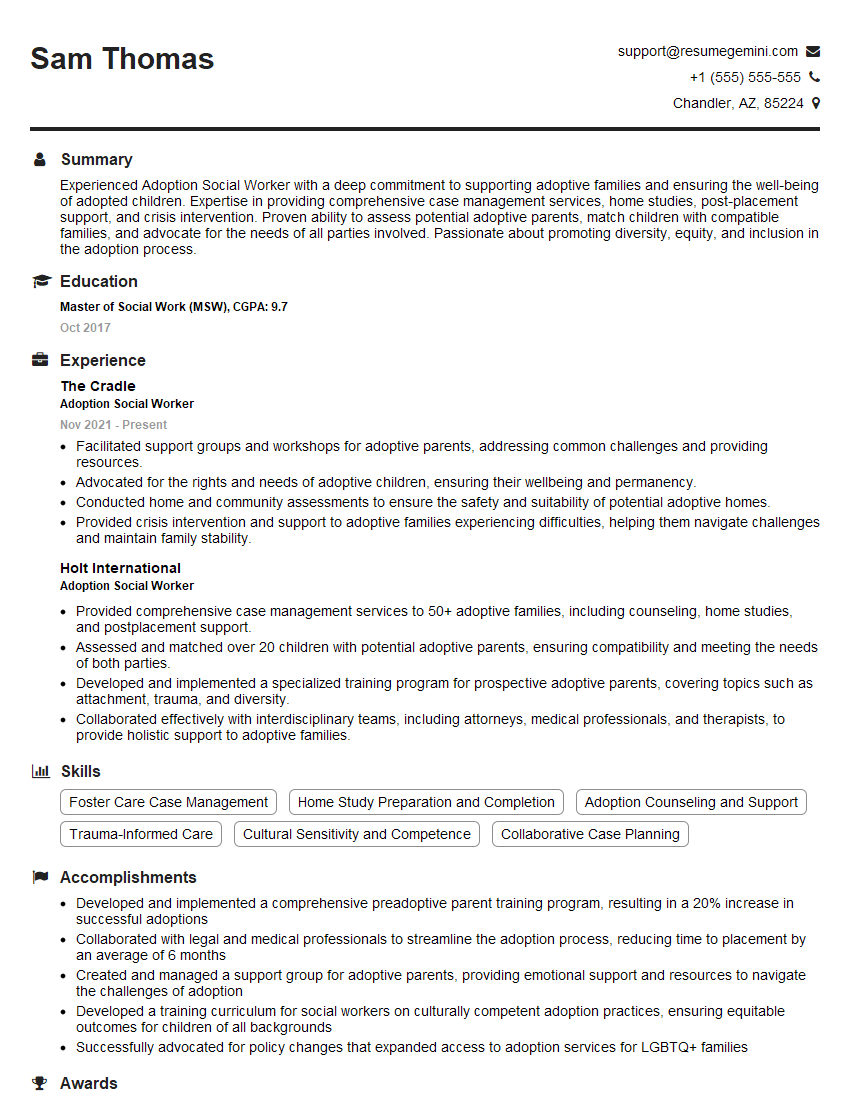
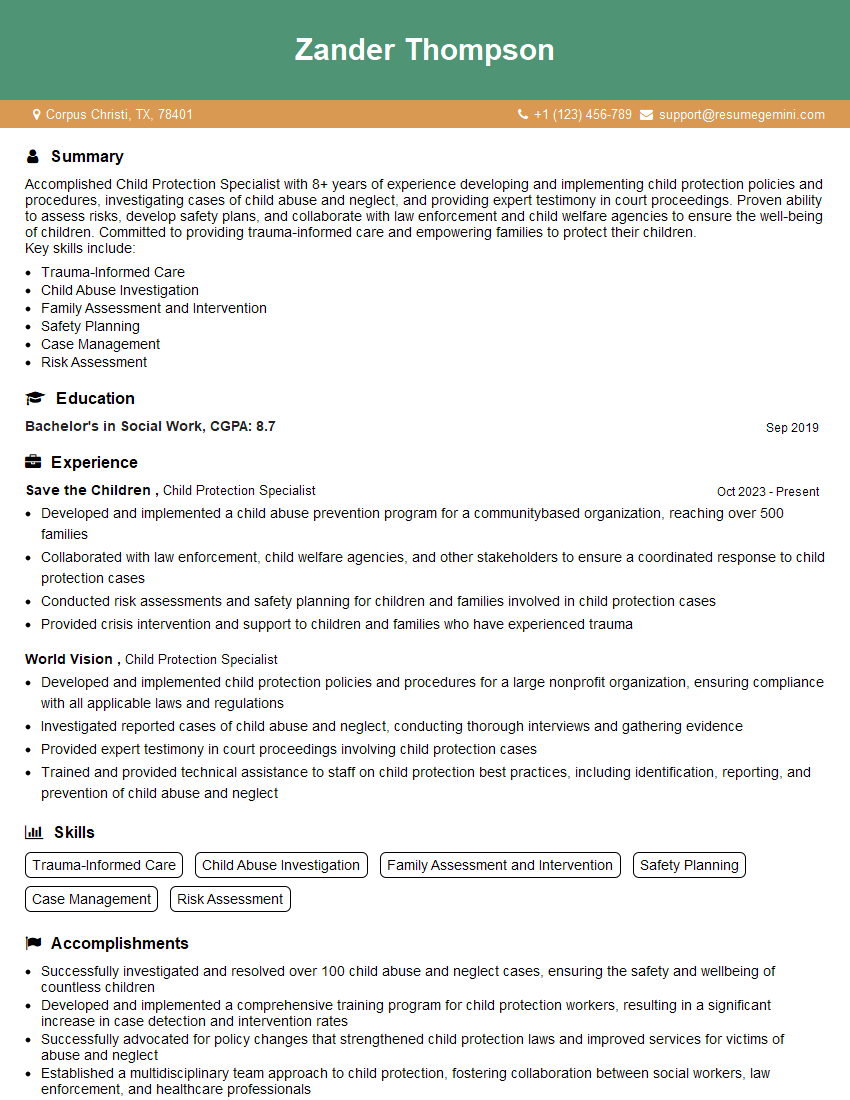
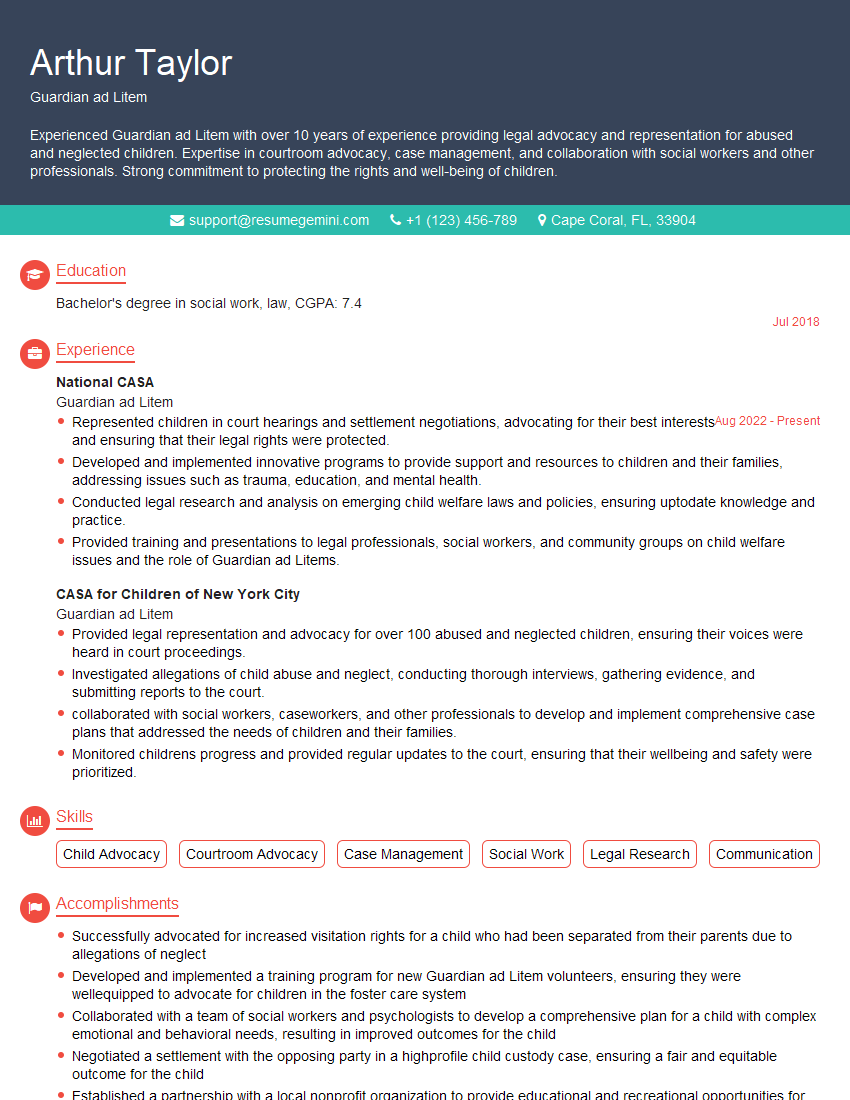
Mastering child maltreatment assessment and intervention is crucial for a rewarding and impactful career. It demonstrates your commitment to protecting vulnerable children and positions you as a valuable asset to any organization. To maximize your job prospects, creating an ATS-friendly resume is essential. ResumeGemini is a trusted resource to help you build a professional and impactful resume that showcases your skills and experience effectively. Examples of resumes tailored to child maltreatment assessment and intervention are available to help guide you. Take the next step towards your career goals today!
Explore more articles
Users Rating of Our Blogs
Share Your Experience
We value your feedback! Please rate our content and share your thoughts (optional).
What Readers Say About Our Blog
To the interviewgemini.com Webmaster.
Very helpful and content specific questions to help prepare me for my interview!
Thank you
To the interviewgemini.com Webmaster.
This was kind of a unique content I found around the specialized skills. Very helpful questions and good detailed answers.
Very Helpful blog, thank you Interviewgemini team.