The right preparation can turn an interview into an opportunity to showcase your expertise. This guide to Decision-Making Under Uncertainty interview questions is your ultimate resource, providing key insights and tips to help you ace your responses and stand out as a top candidate.
Questions Asked in Decision-Making Under Uncertainty Interview
Q 1. Explain the concept of expected value and its application in decision-making under uncertainty.
Expected value (EV) is a crucial concept in decision-making under uncertainty. It represents the average outcome you can expect over many repetitions of a decision, weighted by the probability of each outcome occurring. We calculate it by multiplying each possible outcome by its probability and summing the results. For instance, imagine a simple gamble: You flip a fair coin. Heads, you win $10; tails, you lose $5. The expected value is calculated as follows: (0.5 * $10) + (0.5 * -$5) = $2.50. This means that, on average, you expect to gain $2.50 per coin flip if you were to repeat this gamble many times.
In practical terms, expected value helps us compare different options. Suppose you have two investment opportunities: Option A has a 60% chance of yielding $100 and a 40% chance of yielding $0, while Option B has an 80% chance of yielding $50 and a 20% chance of yielding $0. Calculating the expected values: Option A: (0.6 * $100) + (0.4 * $0) = $60; Option B: (0.8 * $50) + (0.2 * $0) = $40. Based on expected value, Option A is preferable.
Expected value is widely used in fields like finance (portfolio optimization), insurance (actuarial science), and project management (risk assessment) to make rational decisions in uncertain environments.
Q 2. Describe different types of uncertainty and their implications for decision-making.
Uncertainty comes in various forms, significantly impacting decision-making. We can broadly categorize uncertainty as follows:
- Risk: This involves situations where we know the possible outcomes and their associated probabilities. For example, the probability of rolling a specific number on a die is well-defined. We can quantify risk and use tools like expected value to make informed decisions.
- Ambiguity: Here, we know the possible outcomes but are uncertain about their probabilities. Imagine investing in a new technology – you know it might succeed or fail, but assigning precise probabilities is difficult. Ambiguity makes decision-making more challenging as we lack precise numerical data.
- Uncertainty (Knightian Uncertainty): This represents the most challenging scenario where we don’t even know all the possible outcomes. A disruptive technological advancement might create entirely new market landscapes we can’t currently foresee. Decision-making under Knightian uncertainty requires robust strategies that account for unknown unknowns.
The implications are that different types of uncertainty require different decision-making approaches. Risk can often be managed through diversification and quantitative analysis. Ambiguity needs more qualitative assessment, scenario planning, and expert judgment. Knightian uncertainty often demands flexibility, adaptability, and a willingness to learn and react to unfolding events.
Q 3. How would you use sensitivity analysis to assess the robustness of a decision under uncertainty?
Sensitivity analysis is a vital tool to evaluate a decision’s robustness under uncertainty. It systematically investigates how changes in input variables affect the final outcome. This helps determine which factors are most influential and how much the outcome might change given variations in the input. For example, consider a business deciding whether to launch a new product. The profitability depends on factors such as market demand, production costs, and marketing effectiveness. A sensitivity analysis would involve changing each of these factors (one at a time, or using more advanced methods) and observing the impact on the expected profit.
Let’s say a change of 10% in market demand results in a 20% change in profit, while a 10% change in production costs results in only a 5% change in profit. This shows us that market demand is a much more significant factor. We should focus on improving our understanding and forecasting of market demand, since that has a stronger influence on the final outcome. We can also make our decision more robust by considering contingency plans and different scenarios that take into account these sensitivities.
Sensitivity analysis helps managers understand which parameters need better estimation and which factors are less critical, aiding in more informed and resilient decisions.
Q 4. Explain the concept of decision trees and their use in modeling uncertain outcomes.
Decision trees are visual tools used to model decision-making processes under uncertainty. They present decisions as nodes, with branches representing different possible outcomes and their associated probabilities. Each branch leads to further decisions or end nodes representing final outcomes and their corresponding payoffs (or costs). Decision trees work by breaking a complex problem down into smaller, manageable parts.
Imagine a company deciding whether to develop a new product. The decision tree might start with the decision to develop or not develop. If they develop, they may face uncertainty about market acceptance (high demand, low demand). Each branch could then have a probability assigned. If the market accepts it, they might decide to expand production or not, leading to different profitability outcomes. Each outcome could have a value assigned, helping the company calculate expected values and make the best decision. This visual representation makes it easy to understand the different pathways and their consequences.
Decision trees are particularly useful for handling sequential decisions under uncertainty, where one choice affects future options and their outcomes. Software tools can help calculate expected values and assist in choosing the best course of action.
Q 5. What are the key differences between risk and uncertainty?
The distinction between risk and uncertainty is crucial. Risk implies we know the probabilities of different outcomes. We might not prefer a risky outcome, but at least we can quantify it. For instance, investing in the stock market is risky – we know there’s a chance of gains and losses, and we can assign probabilities based on historical data and market analysis.
Uncertainty, however, deals with situations where we don’t know the probabilities of different outcomes or even all the possible outcomes. The invention of the internet is a good example. Before its widespread adoption, we couldn’t accurately predict its impact on various sectors. We had uncertainty about the potential outcomes.
The key difference lies in the availability of information: Risk involves measurable probabilities, while uncertainty involves unknown probabilities or even unknown outcomes. This distinction significantly affects how we approach decision-making. Risk can be managed using quantitative tools, while uncertainty demands more qualitative analysis, scenario planning, and adaptation.
Q 6. Describe the concept of Bayesian inference and its application in updating beliefs.
Bayesian inference is a powerful framework for updating our beliefs in light of new evidence. It starts with a prior belief (prior probability) about an event or parameter. Then, as new data becomes available, we use Bayes’ Theorem to update our prior belief and obtain a posterior belief (posterior probability). This is an iterative process, where each new piece of data refines our understanding.
Bayes’ Theorem is expressed as: P(A|B) = [P(B|A) * P(A)] / P(B), where P(A|B) is the posterior probability of A given B, P(B|A) is the likelihood of B given A, P(A) is the prior probability of A, and P(B) is the prior probability of B. For example, imagine a medical test for a disease. The prior probability of having the disease might be low (say 1%). A positive test result (B) updates our belief. Knowing the test’s sensitivity (P(B|A)) and specificity (P(B|not A)), we can use Bayes’ theorem to calculate the posterior probability of actually having the disease given the positive test result.
Bayesian inference is widely used in machine learning, medicine, and many other fields where we need to combine prior knowledge with new evidence to make better decisions in uncertain environments.
Q 7. How would you handle incomplete information when making a crucial decision?
Handling incomplete information during crucial decisions requires a structured approach combining quantitative and qualitative methods. First, we need to clearly identify the missing information and its potential impact on the decision. This often necessitates gathering as much relevant data as possible, even if it’s incomplete.
Second, we can use various strategies to deal with the missing pieces. These include:
- Sensitivity Analysis (as discussed earlier): Explore how the lack of information affects the outcome.
- Scenario Planning: Develop plausible scenarios based on the available data and consider the possible impacts of different levels of missing information.
- Expert Judgment: Consult experts to gain insights based on their experience and knowledge. This is crucial for handling ambiguous situations.
- Decision-Making Under Ambiguity Techniques: Consider employing methods like maxmin (maximizing the minimum payoff) or minimax regret (minimizing the maximum regret). These techniques help make robust decisions when probabilities are not precisely known.
- Sequential Decisions: Break the decision into smaller steps. Collect more information as you progress, allowing for adaptation and learning along the way.
The key is to acknowledge the limitations of the available information and proactively address the uncertainties using these techniques. This makes the decision more robust and allows for flexible responses to future developments.
Q 8. Explain the concept of scenario planning and its role in decision-making under uncertainty.
Scenario planning is a proactive approach to decision-making under uncertainty. Instead of relying on a single forecast, it involves creating several plausible future scenarios, each with its own set of potential outcomes. This allows decision-makers to explore a wider range of possibilities and develop robust strategies that are adaptable to different circumstances.
Its role is crucial because it helps organizations anticipate and prepare for unexpected events. By systematically examining various scenarios, businesses can identify potential risks and opportunities, develop contingency plans, and improve the resilience of their strategies. For example, a company launching a new product might develop scenarios like a successful launch, a moderately successful launch, and a complete market failure. Each scenario would trigger a different response, from expansion plans to marketing adjustments to product pivoting.
Q 9. What are some common biases that can affect decision-making under uncertainty?
Several cognitive biases can significantly impair decision-making under uncertainty. Here are a few common ones:
- Confirmation bias: The tendency to seek out information that confirms pre-existing beliefs and to ignore contradictory evidence.
- Anchoring bias: Over-reliance on the first piece of information received (the ‘anchor’), even if irrelevant, when making subsequent judgments.
- Availability heuristic: Overestimating the likelihood of events that are easily recalled, often because they are vivid or recent, while underestimating less memorable but possibly more probable events.
- Overconfidence bias: An inflated sense of one’s own abilities and the accuracy of one’s predictions.
- Loss aversion: The tendency to feel the pain of a loss more strongly than the pleasure of an equivalent gain, leading to risk-averse behavior.
Being aware of these biases is the first step in mitigating their influence. Techniques like structured decision-making processes, seeking diverse perspectives, and rigorously testing assumptions can help counteract their effects.
Q 10. Describe different risk aversion strategies and their appropriateness in various contexts.
Risk aversion strategies dictate how we approach choices involving uncertainty and potential losses. The optimal strategy depends heavily on the context, including the magnitude of potential losses, the decision-maker’s risk tolerance, and the availability of resources.
- Risk avoidance: Completely avoiding risky situations. This is appropriate when the potential losses are catastrophic and outweigh any potential gains, such as avoiding investments with extremely high risk of total loss.
- Risk reduction: Implementing measures to lessen the probability or impact of negative outcomes. Examples include insurance, diversification of investments, or thorough risk assessments before undertaking a project.
- Risk transfer: Shifting the burden of risk to another party, often through insurance or outsourcing. This is practical when the cost of managing the risk is higher than the premium paid for transfer.
- Risk retention: Accepting the risk and bearing the potential consequences. This is appropriate when the risk is low and the cost of mitigating it is higher than the potential loss.
For example, a small startup might choose risk reduction strategies like thorough market research before launching a product, while a large multinational might opt for risk transfer by insuring against significant potential losses.
Q 11. How do you incorporate qualitative factors into quantitative decision-making models?
Incorporating qualitative factors into quantitative models often requires translating qualitative assessments into numerical scores. Several methods achieve this:
- Scoring systems: Assigning numerical values (e.g., 1-5 scale) to different levels of a qualitative factor (e.g., customer satisfaction, brand reputation). This allows for direct integration into quantitative analysis.
- Multi-criteria decision analysis (MCDA): MCDA methods like Analytic Hierarchy Process (AHP) or ELECTRE help structure and prioritize multiple criteria, including both quantitative and qualitative factors. These methods use pairwise comparisons to quantify the relative importance of different criteria.
- Fuzzy logic: Handling imprecision and uncertainty in qualitative factors by using fuzzy sets and membership functions. This allows representation of vague concepts like ‘high quality’ or ‘good customer service’ in a numerical framework.
- Scenario planning (as mentioned before): Qualitative insights inform the development of different scenarios, which can then be analyzed quantitatively.
For instance, when evaluating investment options, factors like environmental impact or social responsibility (qualitative) can be integrated using scoring systems or MCDA alongside financial returns (quantitative).
Q 12. Explain how you would use Monte Carlo simulation to model uncertainty.
Monte Carlo simulation is a powerful technique for modeling uncertainty by repeatedly generating random samples from probability distributions that represent uncertain inputs. These samples are used to run a model many times, providing a distribution of possible outcomes rather than a single point estimate.
To use Monte Carlo simulation to model uncertainty, you’d follow these steps:
- Identify uncertain variables: Determine which inputs to your model are uncertain and have a probability distribution (e.g., future demand, market prices, project completion time).
- Specify probability distributions: For each uncertain variable, choose an appropriate probability distribution that reflects your knowledge about its uncertainty (e.g., normal, uniform, triangular).
- Generate random samples: Use a random number generator to draw random samples from each probability distribution.
- Run the model repeatedly: For each set of random samples, run your model to obtain an outcome.
- Analyze the results: Analyze the distribution of outcomes (e.g., calculate mean, standard deviation, percentiles) to understand the range of possibilities and associated probabilities.
Example (Conceptual Python):
import random
def monte_carlo(num_simulations):
    results = []
    for _ in range(num_simulations):
        # Generate random inputs
        demand = random.uniform(100, 200)  # Example: demand between 100 and 200
        price = random.normalvariate(10, 2) # Example: price with mean 10, std dev 2
        revenue = demand * price
        results.append(revenue)
    return results
simulated_revenues = monte_carlo(10000)
# Analyze simulated_revenues (e.g., calculate mean, std dev)
The result would be a distribution of possible revenues, allowing for better understanding of the risk involved.
Q 13. What are the advantages and disadvantages of using different decision-making frameworks (e.g., maximin, maximax)?
Decision-making frameworks like maximin and maximax offer different approaches to handling uncertainty, each with advantages and disadvantages:
- Maximin: This pessimistic approach selects the option that maximizes the minimum possible payoff. It’s suitable when risk aversion is paramount, and the worst-case outcome is particularly undesirable. Advantage: Protects against catastrophic losses. Disadvantage: Can lead to overly conservative decisions, missing potential opportunities.
- Maximax: This optimistic approach selects the option that maximizes the maximum possible payoff. It’s suitable when risk-taking is acceptable, and the potential for large gains is attractive. Advantage: Potential for high rewards. Disadvantage: Exposes the decision-maker to potentially significant losses if the optimistic scenario doesn’t materialize.
Other frameworks, like the expected value criterion (selecting the option with the highest expected payoff, considering probabilities), offer a more balanced approach. The choice of framework depends critically on the decision-maker’s risk attitude and the nature of the decision problem.
Q 14. Describe a situation where you had to make a decision under significant uncertainty. What was your process?
During my time leading a product development team, we faced significant uncertainty regarding market demand for a new software feature. Our market research was inconclusive, and competitor actions were unpredictable. My process involved:
- Defining the problem and objectives clearly: We articulated the need to launch the feature while minimizing financial risk.
- Identifying key uncertainties: We listed the factors we didn’t know: market demand, competitor responses, and development time.
- Developing scenarios: We created three scenarios: high demand, moderate demand, and low demand. Each scenario was linked to possible competitor responses and development timelines.
- Evaluating each scenario: For each scenario, we estimated potential profits, losses, and resource requirements.
- Analyzing the results: We used decision tree analysis and sensitivity analysis to determine which scenarios were most impactful and which strategies were most robust.
- Developing a flexible plan: We created a phased launch plan that allowed us to adapt our strategy based on early market feedback. We could scale up or down depending on the actual demand.
- Monitoring and adapting: Post-launch, we monitored sales figures, customer feedback, and competitor actions closely. We were ready to make further adjustments based on new information.
This structured approach allowed us to make an informed decision, despite the considerable uncertainty.
Q 15. How do you assess the credibility and reliability of information sources when dealing with uncertainty?
Assessing the credibility and reliability of information sources under uncertainty is crucial. It’s like being a detective, carefully examining evidence before reaching a conclusion. My approach involves a multi-faceted assessment:
- Source Expertise: I evaluate the credentials and experience of the source. Is it a renowned expert in the field? Does the source have a track record of accuracy?
- Bias Detection: I look for potential biases that might influence the information presented. Is the source affiliated with any particular group or organization that might skew the data? Do they have a vested interest in the outcome?
- Data Triangulation: I don’t rely on a single source. Instead, I cross-reference information from multiple independent sources. Agreement across multiple credible sources strengthens the reliability of the information.
- Methodology Scrutiny: If the information is based on research or data analysis, I carefully examine the methodology used to ensure its rigor and validity. Were appropriate statistical methods used? Were potential confounding factors considered?
- Evidence Evaluation: I look for the type of evidence presented—anecdotal evidence is weaker than empirical evidence from controlled experiments. The stronger the evidence, the more reliable the information.
For instance, when assessing climate change projections, I would look for reports from reputable organizations like the IPCC, considering the methodology used in their climate models, and comparing their findings with data from multiple independent research groups.
Career Expert Tips:
- Ace those interviews! Prepare effectively by reviewing the Top 50 Most Common Interview Questions on ResumeGemini.
- Navigate your job search with confidence! Explore a wide range of Career Tips on ResumeGemini. Learn about common challenges and recommendations to overcome them.
- Craft the perfect resume! Master the Art of Resume Writing with ResumeGemini’s guide. Showcase your unique qualifications and achievements effectively.
- Don’t miss out on holiday savings! Build your dream resume with ResumeGemini’s ATS optimized templates.
Q 16. How would you quantify uncertainty in a specific scenario (provide example)?
Quantifying uncertainty often involves using probability distributions. Let’s consider an example: predicting the revenue of a new product launch.
We might use a triangular distribution, which is defined by three points: a minimum value (pessimistic estimate), a most likely value (mode), and a maximum value (optimistic estimate). Suppose our team estimates:
- Minimum revenue: $1 million
- Most likely revenue: $3 million
- Maximum revenue: $5 million
We can then use software or a spreadsheet to generate a triangular distribution based on these estimates. This distribution shows the probability of achieving any revenue level within the defined range. This allows us to calculate the expected value (average revenue), variance (a measure of the spread or uncertainty), and other statistical measures to understand the risk profile of the launch.
Other probability distributions, such as normal or uniform distributions, could be used depending on the specific scenario and the nature of the uncertainty.
Q 17. Explain the concept of bounded rationality and its impact on decision-making.
Bounded rationality acknowledges that our decision-making capacity is limited. We don’t have unlimited time, information, or cognitive resources to consider every possible option and its consequence. Instead, we use heuristics (mental shortcuts) and satisficing (choosing a ‘good enough’ option) to make decisions within our constraints.
The impact on decision-making is significant. We often make decisions that are not perfectly optimal but are ‘good enough’ given our limitations. This can lead to biases and suboptimal outcomes. For instance, we might stick with a familiar supplier even if a slightly better, albeit less-known, alternative exists. The cognitive effort involved in switching suppliers outweighs the potential small gains in quality or cost. Understanding bounded rationality helps us recognize that our decisions are shaped by our cognitive limitations and avoid unrealistic expectations of perfect optimality.
Q 18. How do you differentiate between decision making under risk and decision making under ambiguity?
The key difference between decision-making under risk and decision-making under ambiguity lies in the availability of probability information.
- Decision-making under risk: We know the possible outcomes and their associated probabilities. For example, if we flip a fair coin, we know there’s a 50% chance of heads and 50% chance of tails. We can use expected value calculations to guide our decisions.
- Decision-making under ambiguity: We don’t know the probabilities of the possible outcomes. For example, investing in a new technology company; we don’t know the likelihood of success or failure. This lack of information makes decision-making more challenging and often involves relying on subjective judgments and estimations.
Imagine choosing between two investment opportunities. Under risk, we might know the probabilities of each investment generating different returns. Under ambiguity, we may only have qualitative descriptions of the risk, making the choice more difficult and relying more on intuition and experience.
Q 19. What is the role of intuition in decision-making under uncertainty?
Intuition, often described as ‘gut feeling,’ plays a significant role in decision-making under uncertainty. It’s not a random guess but rather a result of our past experiences, subconscious pattern recognition, and implicit knowledge that often complements analytical approaches. It’s like an expert chess player quickly recognizing a winning strategy; their intuition stems from years of experience.
However, intuition should be used cautiously and complemented by systematic analysis. While it can be a valuable source of insight, it’s susceptible to biases and errors. Therefore, combining intuition with structured decision-making frameworks and data analysis is crucial for improving the quality of decisions under uncertainty.
Q 20. How would you evaluate the effectiveness of a decision made under uncertainty?
Evaluating the effectiveness of a decision made under uncertainty requires a multi-faceted approach, acknowledging that perfect outcomes are unlikely. We need to assess both the process and the outcomes.
- Process Evaluation: Did we gather sufficient information? Did we consider a range of perspectives? Did we use appropriate decision-making techniques? Were biases mitigated?
- Outcome Evaluation: Did the decision achieve its intended objectives? Were the actual outcomes within the expected range of uncertainty? What were the unintended consequences?
- Learning and Adaptation: What did we learn from the decision and its outcomes? How can we improve our decision-making process in the future? Adaptive management approaches acknowledge that uncertainty will persist and decisions should be revisited and adjusted based on new information.
For instance, a company launching a new product might evaluate its success not only by sales figures but also by considering customer feedback, market share gains, and brand perception. Even if sales are lower than projected, positive customer feedback might suggest improvements needed for future iterations, rather than an outright failure.
Q 21. Explain how you would use data visualization to communicate uncertain information to stakeholders.
Data visualization is key to effectively communicating uncertain information to stakeholders. Instead of presenting single-point estimates that imply certainty, we should use visual representations that clearly convey the range of possible outcomes and their associated probabilities.
- Probability Distributions: Histograms, density plots, or box plots can visually represent the probability distribution of an uncertain variable, showing the range of possible outcomes and their likelihood.
- Scenario Planning: Visualizing different scenarios and their potential impacts using charts or maps can help stakeholders understand the range of possible futures and the associated risks.
- Sensitivity Analysis: Charts or graphs can show how changes in input variables affect the outcome. This clarifies which variables are most uncertain and have the greatest impact on the decision.
- Decision Trees: These can visually represent the decision process, showing the possible outcomes and probabilities at each stage. They help stakeholders understand the trade-offs involved in different choices.
For example, when presenting investment projections, a probability distribution graph would show the possible returns, highlighting the expected value and the range of potential outcomes instead of a single, potentially misleading, point estimate. This allows stakeholders to make more informed decisions and understand the inherent risks associated with the investment.
Q 22. Describe your process for prioritizing multiple uncertain projects.
Prioritizing uncertain projects requires a structured approach that balances potential payoff with inherent risk. I typically employ a multi-criteria decision analysis (MCDA) method, often incorporating a weighted scoring system. First, I clearly define the criteria for success for each project, such as potential return on investment (ROI), market demand, technical feasibility, and alignment with strategic goals. Each criterion is then assigned a weight reflecting its relative importance. Next, I assess each project against each criterion, assigning scores based on a predetermined scale (e.g., 1-5 or a more nuanced scale). Finally, I calculate a weighted average score for each project, providing a ranked order of prioritization. This allows for a transparent and justifiable decision, even when dealing with considerable uncertainty.
For example, imagine choosing between developing a new product (Project A) and improving an existing one (Project B). Project A has high potential ROI but is risky due to uncertain market acceptance, while Project B offers a moderate but safer return. By weighting criteria such as risk tolerance, potential ROI, and market analysis appropriately, the MCDA approach clarifies which project aligns better with the organization’s overall strategy.
Q 23. How do you manage conflict between different stakeholders with differing risk tolerances?
Managing conflicting risk tolerances among stakeholders necessitates open communication and a collaborative approach. I begin by clearly articulating each stakeholder’s perspective and their rationale for their risk tolerance. This often involves facilitated workshops or one-on-one discussions to understand their individual concerns and objectives. Then, I present a range of options, each with a clearly defined risk profile, illustrating the trade-offs between risk and reward for each scenario. This transparency allows stakeholders to understand the consequences of their preferred choices. Finally, we can use sensitivity analysis to show how the outcome changes under various assumptions, helping to find common ground and compromise. The goal is not necessarily to achieve unanimous agreement but to find a solution that balances the different risk appetites while aligning with the organization’s overall strategic objectives.
For instance, if a marketing team prefers a high-risk, high-reward campaign while the finance team advocates for a lower-risk approach, we might explore a phased rollout: begin with a smaller-scale, lower-risk version to test market reception, providing data to inform the larger campaign decision later.
Q 24. How would you identify and mitigate systemic risks in a complex organization?
Identifying and mitigating systemic risks requires a holistic approach that goes beyond individual project assessments. I typically use a combination of methods, including scenario planning, risk mapping, and stress testing. Scenario planning involves developing plausible future scenarios, considering various combinations of internal and external factors that could impact the organization. Risk mapping helps visualize the interconnectedness of various risks and their potential cascading effects. Stress testing involves simulating extreme events to evaluate the resilience of the organization’s systems and processes. These methods reveal vulnerabilities and dependencies that might not be apparent through individual project risk assessments.
For example, a company might map its supply chain risks to identify vulnerabilities to disruptions, such as natural disasters or geopolitical instability. Stress testing might involve simulating a major cyberattack to evaluate the impact on operations and identify areas for improvement in security protocols. The ultimate goal is to build a more resilient and adaptable organization capable of weathering unforeseen challenges.
Q 25. Explain the importance of contingency planning in decision-making under uncertainty.
Contingency planning is paramount in decision-making under uncertainty because it acknowledges the inherent unpredictability of the future and proactively prepares for potential setbacks. A well-developed contingency plan identifies potential risks, assesses their likelihood and impact, and outlines actions to mitigate or respond to these risks should they materialize. This proactive approach helps minimize potential damage and maintains operational continuity when things don’t go as planned.
For example, a business launching a new product might develop a contingency plan for various scenarios, including lower-than-expected sales, negative customer reviews, or production delays. This plan would outline specific actions to address each scenario, such as adjusting marketing strategies, addressing customer concerns, or finding alternative production sources.
Q 26. How do you balance short-term gains with long-term risks?
Balancing short-term gains with long-term risks requires a strategic approach that considers the time horizon and potential consequences of each decision. This often involves using discounted cash flow (DCF) analysis or other valuation techniques to evaluate the long-term value of projects and investments. A crucial element is to clearly define the organization’s risk appetite, setting thresholds for acceptable risk levels for both short-term and long-term decisions. This helps in making trade-offs between immediate benefits and potential future costs or losses. A robust decision-making process should incorporate both quantitative data (financial projections, market analysis) and qualitative factors (brand reputation, employee morale) to achieve a balanced assessment.
Consider a company choosing between a project with immediate high profits but potentially harmful environmental consequences versus a project with lower short-term gains but long-term sustainability benefits. By factoring in potential long-term environmental liabilities or decreased brand reputation, the company can make an informed choice that aligns with its values and long-term sustainability goals.
Q 27. How do you incorporate feedback into the decision-making process to improve future outcomes under uncertainty?
Incorporating feedback is crucial for continuous improvement in decision-making under uncertainty. A structured approach involves establishing a feedback loop that tracks the outcomes of past decisions, analyzing the reasons for successes and failures, and adjusting future strategies accordingly. This may involve post-project reviews, surveys, or data analysis to identify areas for improvement. It’s also important to create a culture of learning and experimentation, where mistakes are viewed as opportunities for growth and not as failures. Adaptability and a willingness to revise strategies based on new information are critical for effective decision-making in uncertain environments.
For instance, after launching a marketing campaign, a company might analyze website traffic, conversion rates, and customer feedback to understand its effectiveness. This analysis can reveal insights into what worked well and what didn’t, informing future marketing strategies and ensuring that resources are allocated efficiently.
Q 28. Describe a time you had to make a high-stakes decision with incomplete information; what was the outcome?
In my previous role, we faced a critical decision regarding a major product launch with incomplete market research data due to tight deadlines. We had to decide whether to proceed with the launch based on limited data or delay it, risking potential loss of market share. After thorough analysis of the available information, considering potential upside and downside scenarios, and consulting with key stakeholders, we opted for a phased launch, starting with a limited market rollout. This allowed us to gather real-time feedback and make adjustments before a full-scale launch. The phased launch proved successful; we identified and addressed several crucial issues early on, resulting in a more successful product launch than a full-scale launch might have achieved. The outcome was a positive one due to our risk-mitigation strategy. This experience highlighted the importance of adaptability and iterative decision-making in situations with incomplete information.
Key Topics to Learn for Decision-Making Under Uncertainty Interview
- Expected Value and Expected Utility: Understand the theoretical foundations and apply them to practical scenarios involving risk and reward.
- Decision Trees and Influence Diagrams: Learn to model complex decisions visually, identifying key variables and potential outcomes.
- Sensitivity Analysis: Practice assessing the impact of uncertainties on decision outcomes and identifying critical factors.
- Risk Aversion and Tolerance: Explore how different attitudes towards risk influence decision-making processes and strategies.
- Bayesian Decision Making: Learn how to update beliefs and probabilities based on new information to improve decision accuracy.
- Game Theory Concepts (relevant to certain roles): Explore strategic decision-making in competitive environments, including Nash Equilibrium and other concepts.
- Practical Application: Prepare examples from your experience (academic projects, personal projects, internships) where you’ve applied principles of decision-making under uncertainty. Focus on the process, your approach, and the results.
- Problem-Solving Approaches: Practice structured problem-solving methodologies to tackle complex scenarios involving uncertainty effectively. Consider frameworks such as the PDCA cycle or similar approaches.
Next Steps
Mastering decision-making under uncertainty is crucial for career advancement in many fields, demonstrating your ability to navigate complex situations and make sound judgments even with incomplete information. This skill is highly valued by employers across various industries. To increase your chances of landing your dream job, create an ATS-friendly resume that highlights your relevant skills and experience. ResumeGemini is a trusted resource that can help you build a professional and effective resume, showcasing your abilities in this critical area. Examples of resumes tailored to Decision-Making Under Uncertainty are available on ResumeGemini to help guide you.
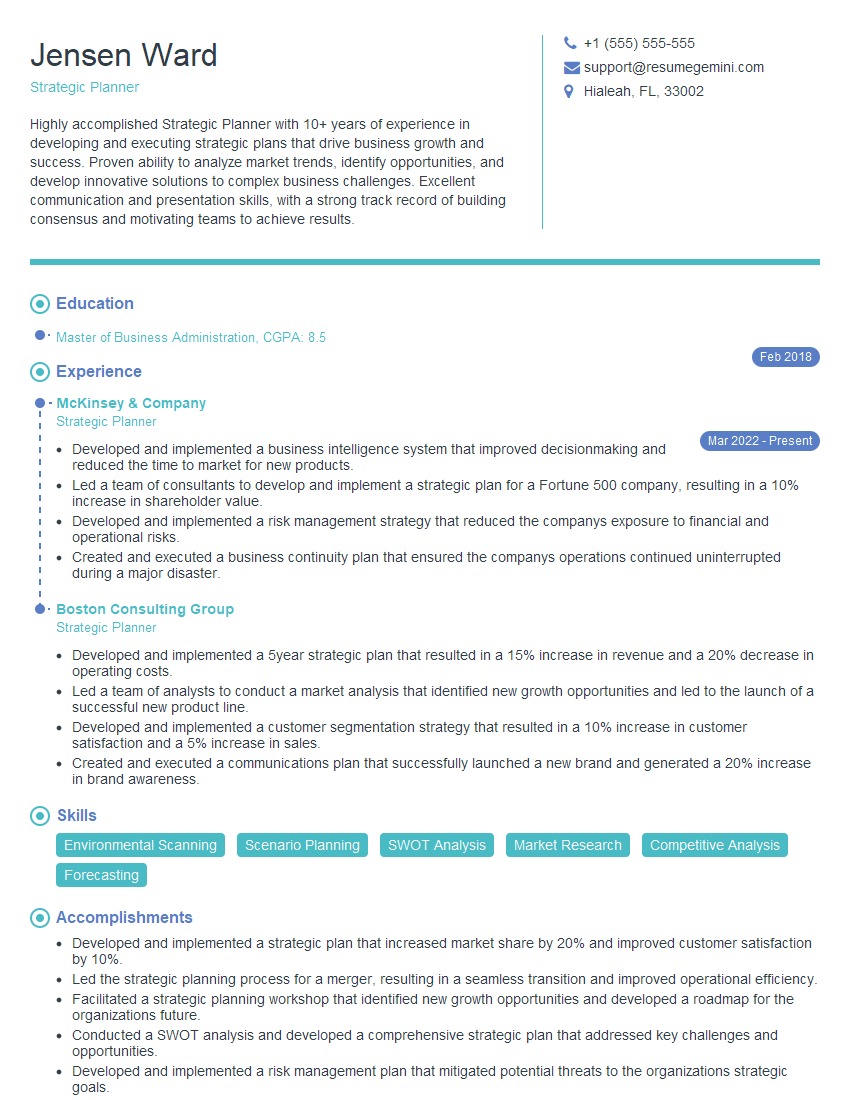
Strategic Planner Resume Sample

Operations Manager Resume Sample
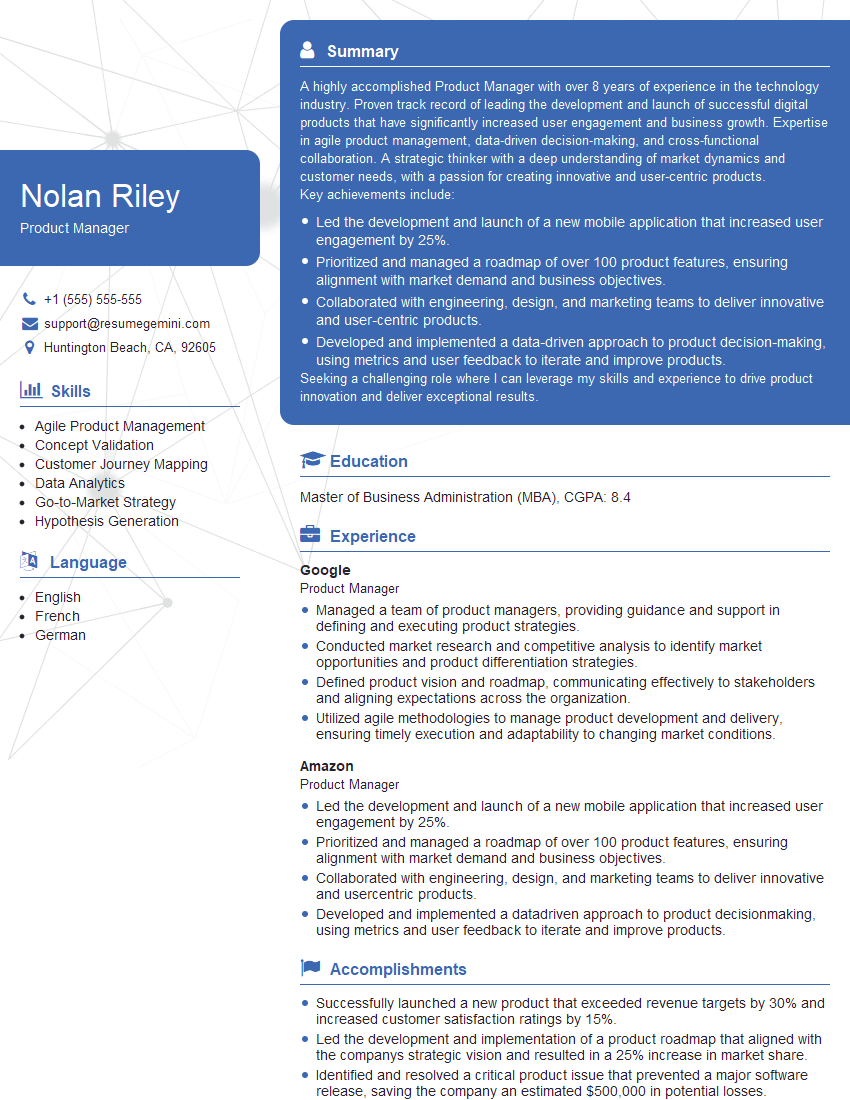
Product Manager Resume Sample

Project Manager Resume Sample
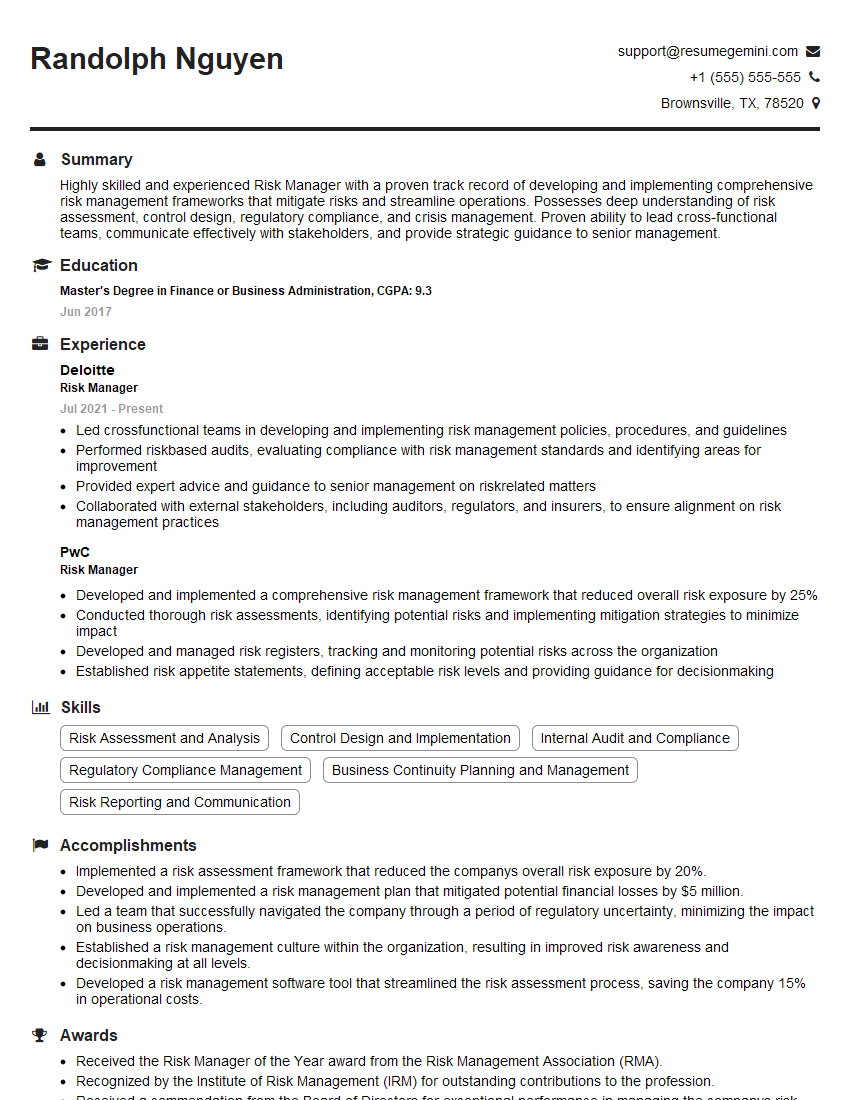
Risk Manager Resume Sample
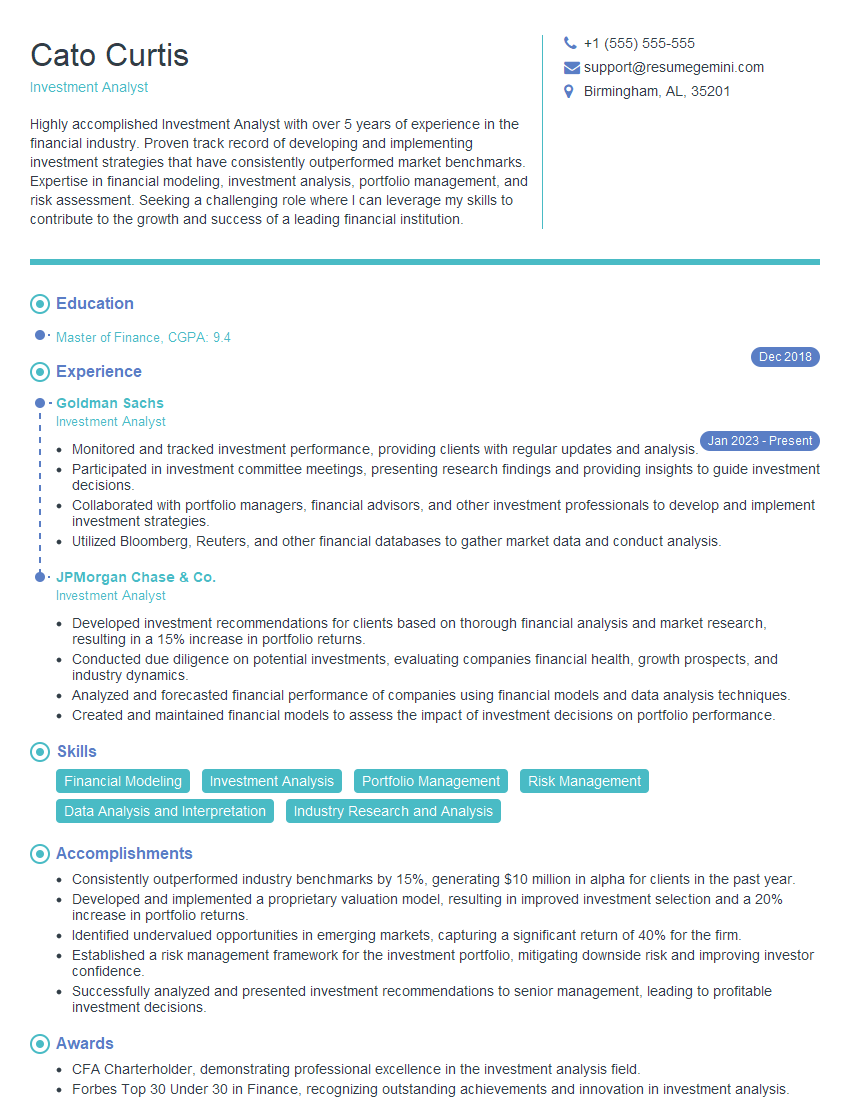
Investment Analyst Resume Sample
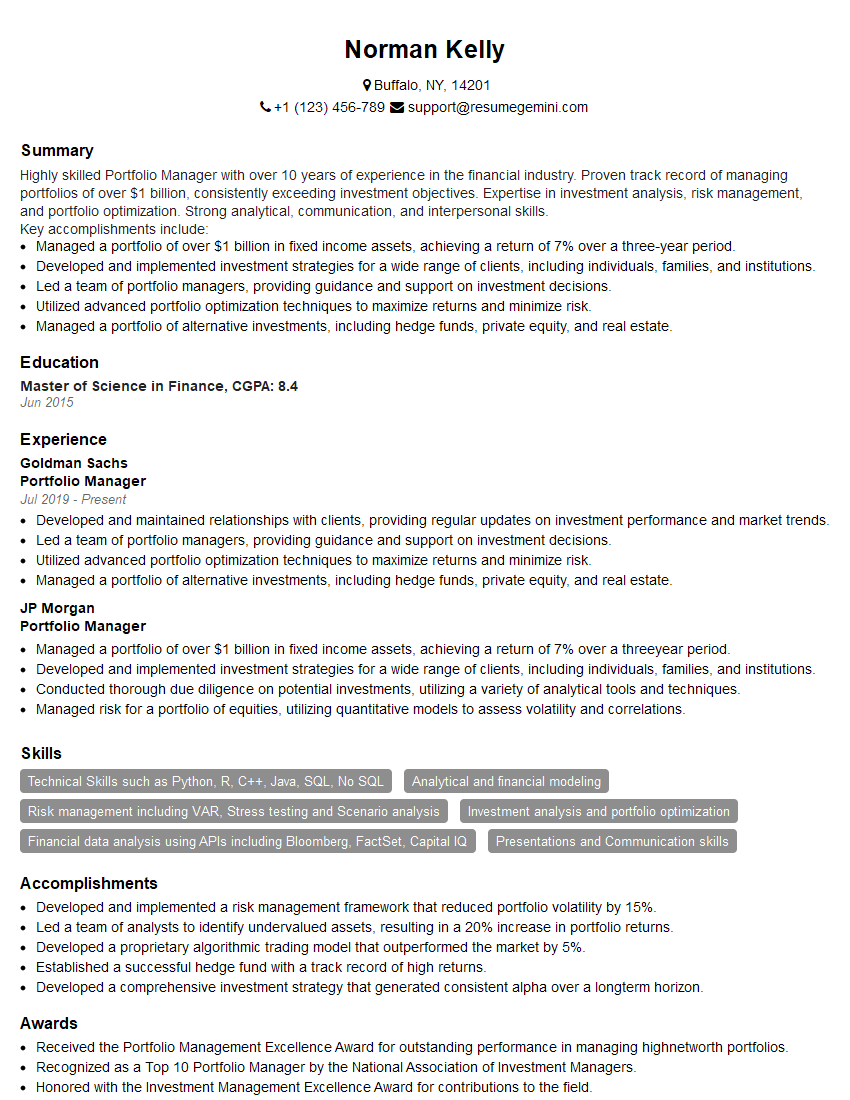
Portfolio Manager Resume Sample
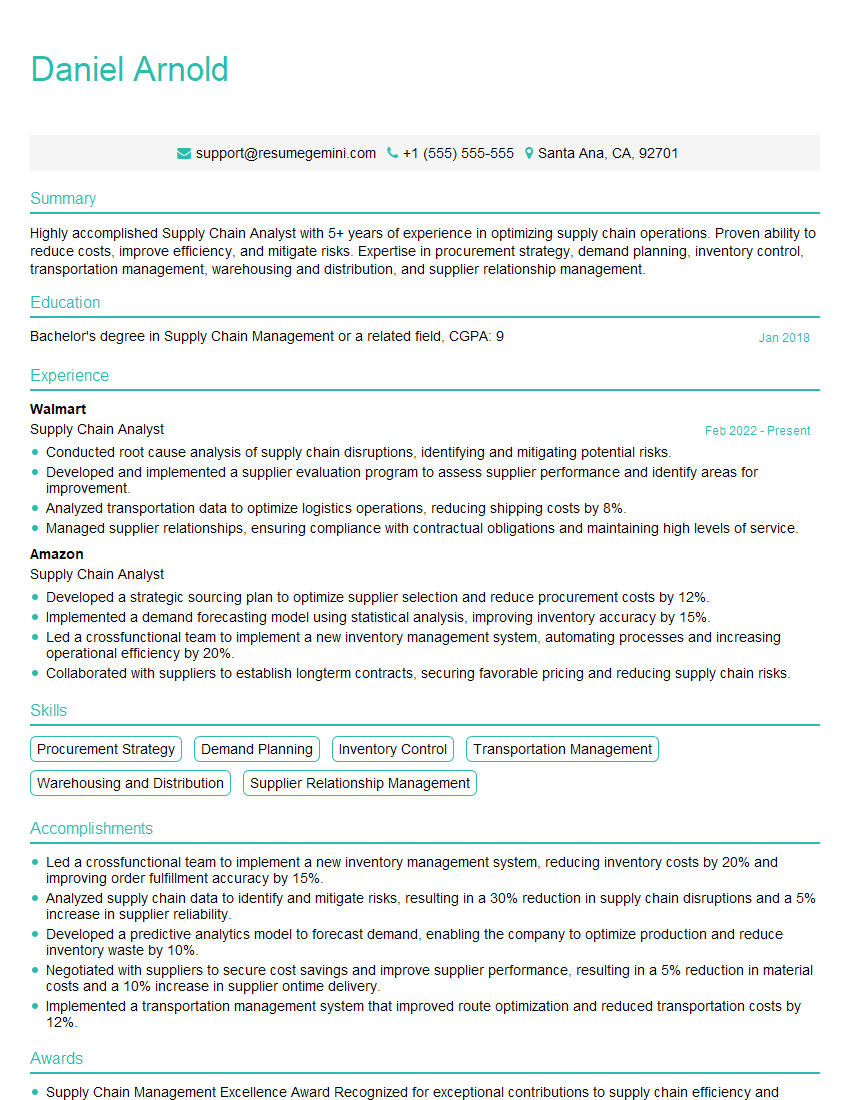
Supply Chain Analyst Resume Sample
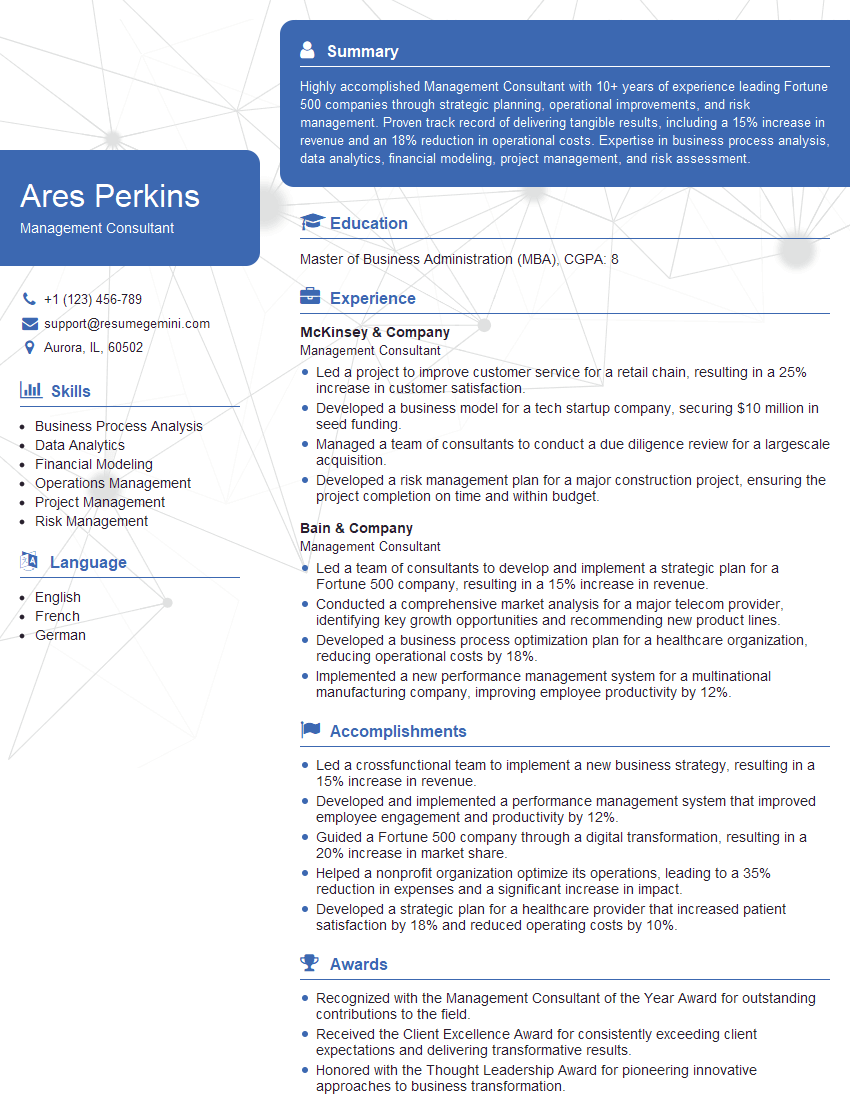
Management Consultant Resume Sample
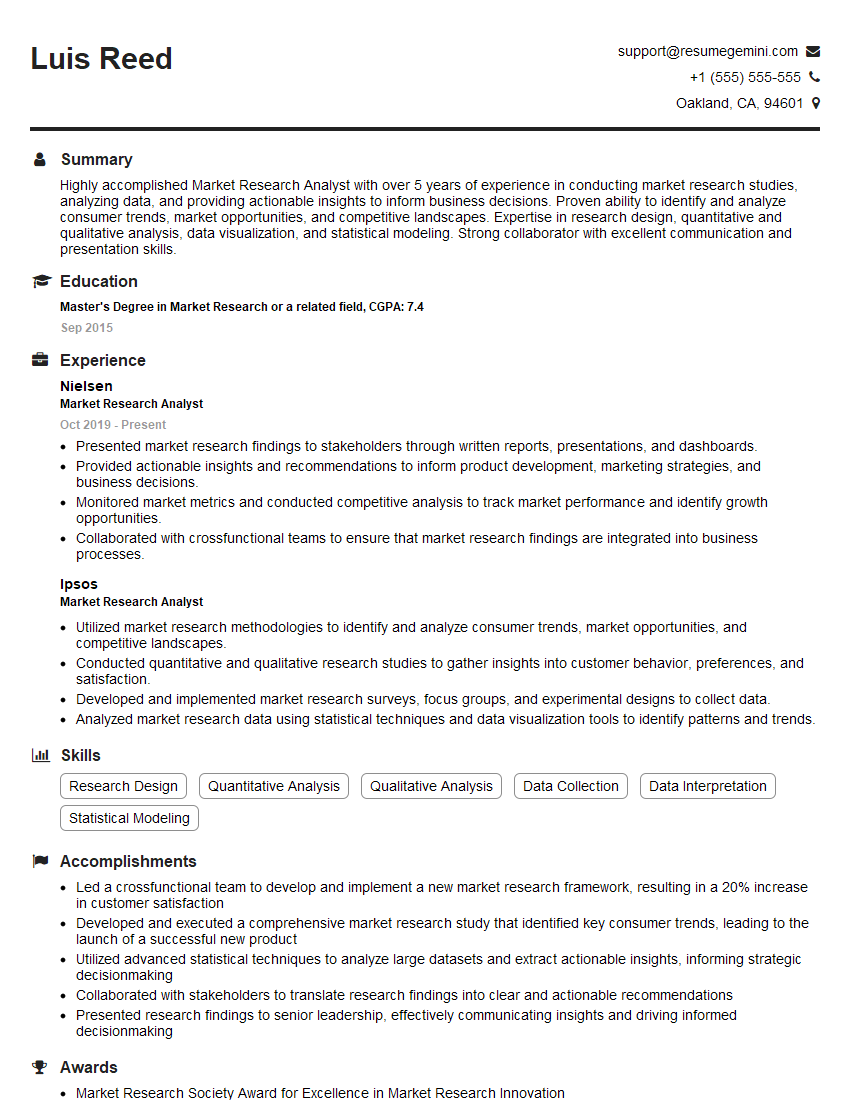
Market Research Analyst Resume Sample
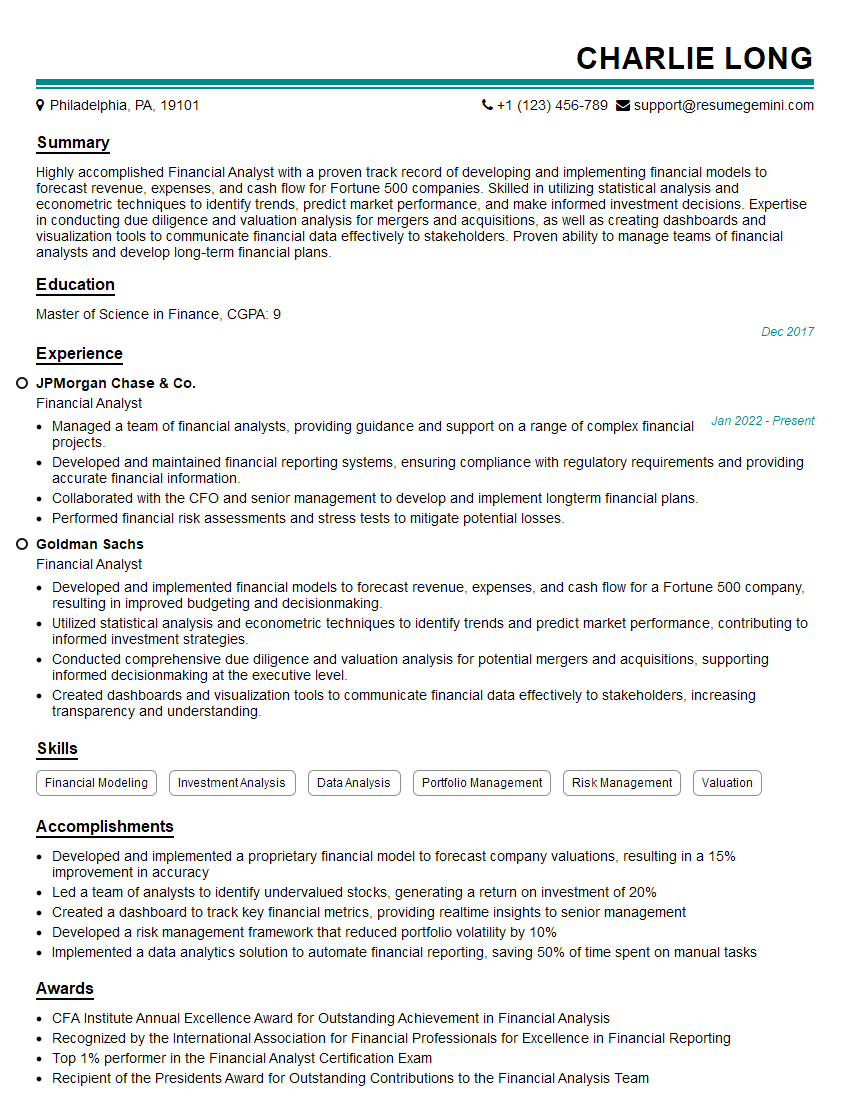
Financial Analyst Resume Sample
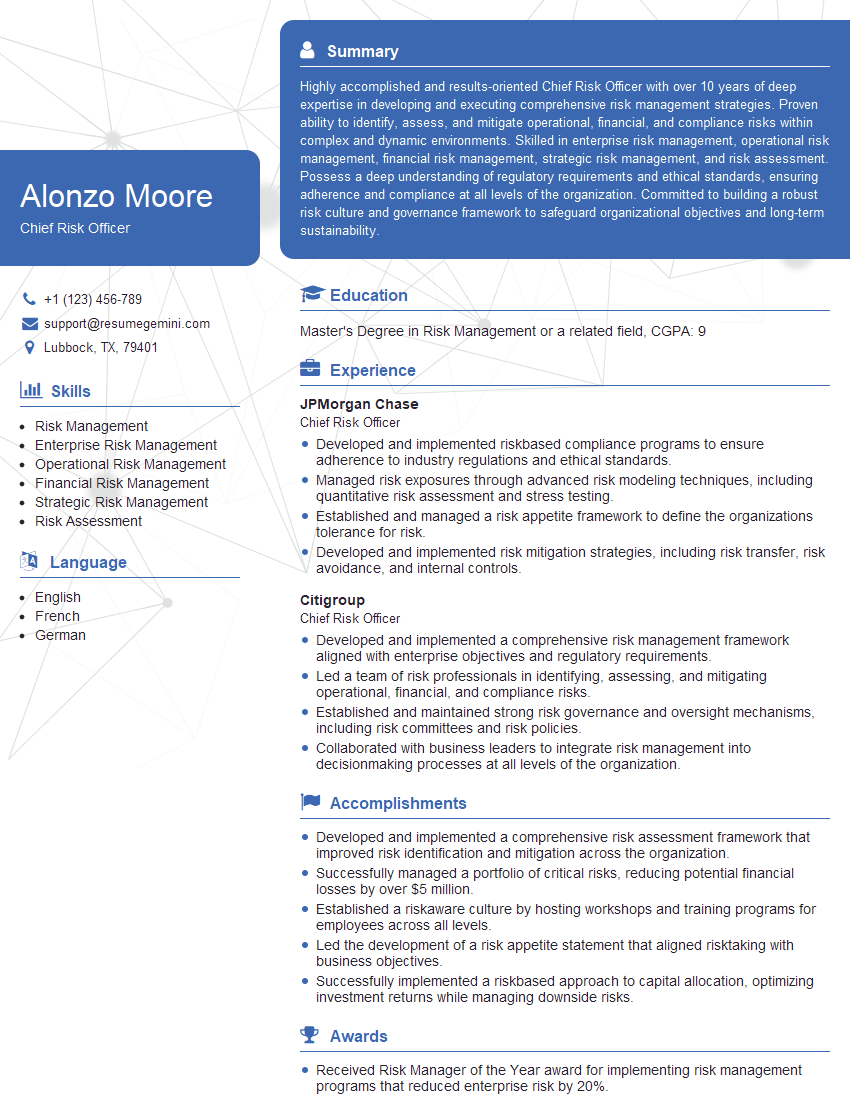
Chief Risk Officer Resume Sample
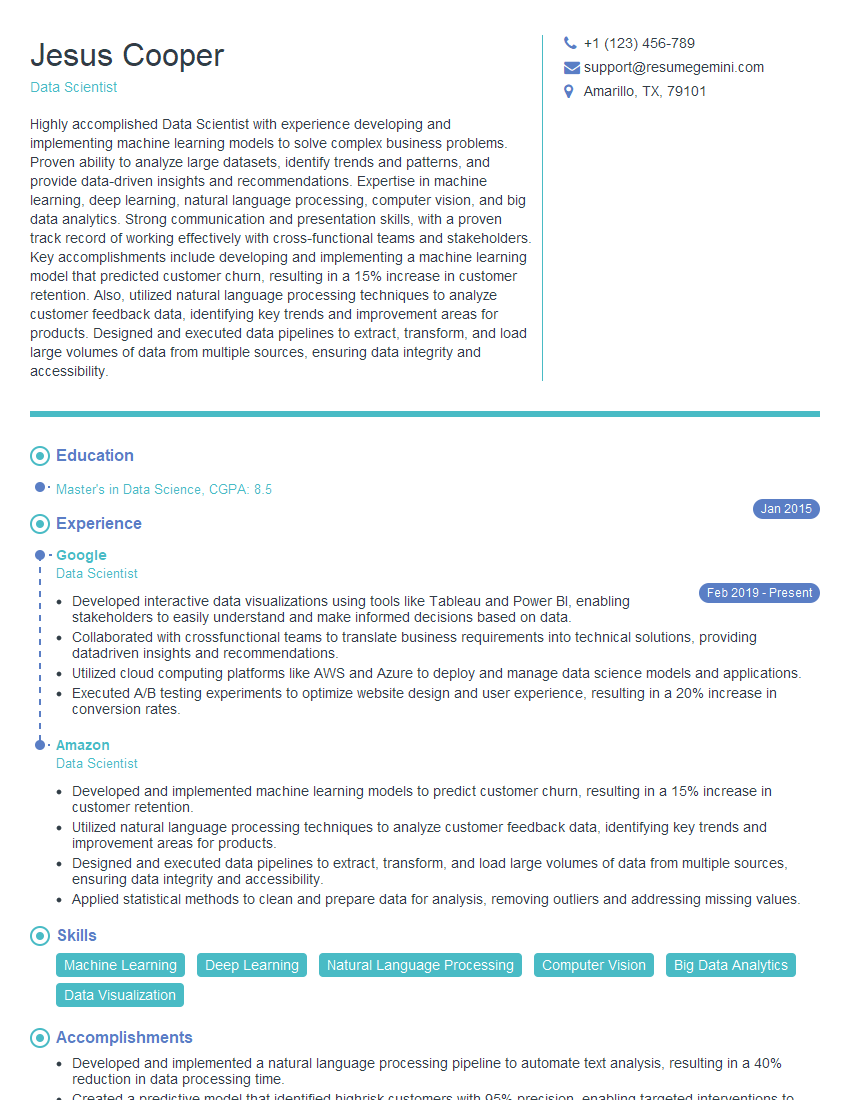
Data Scientist Resume Sample
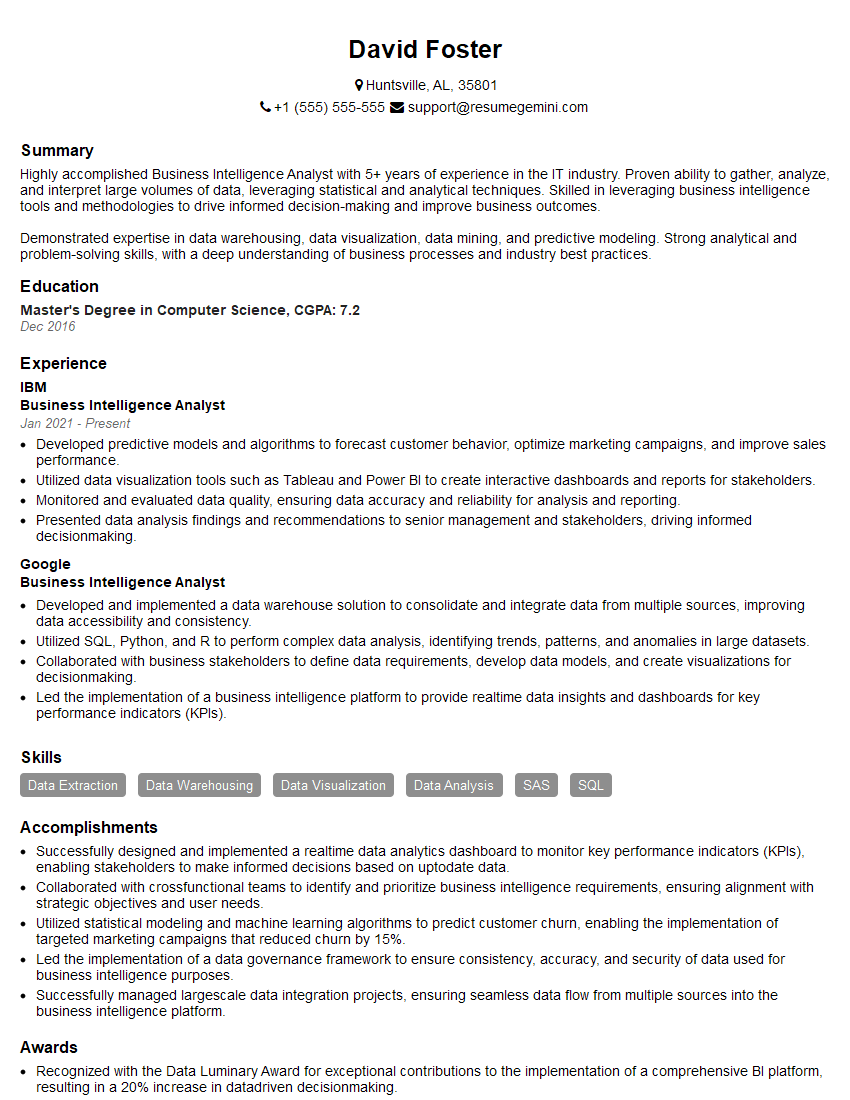
Business Intelligence Analyst Resume Sample
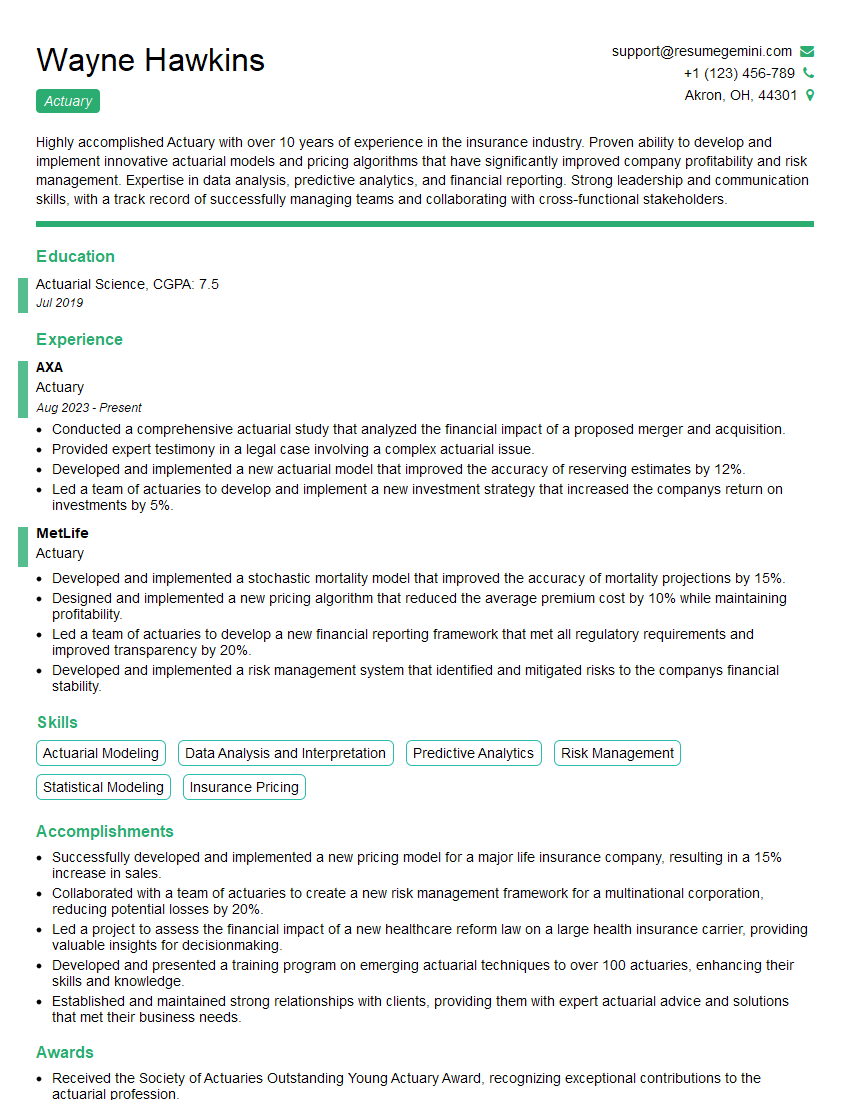
Actuary Resume Sample
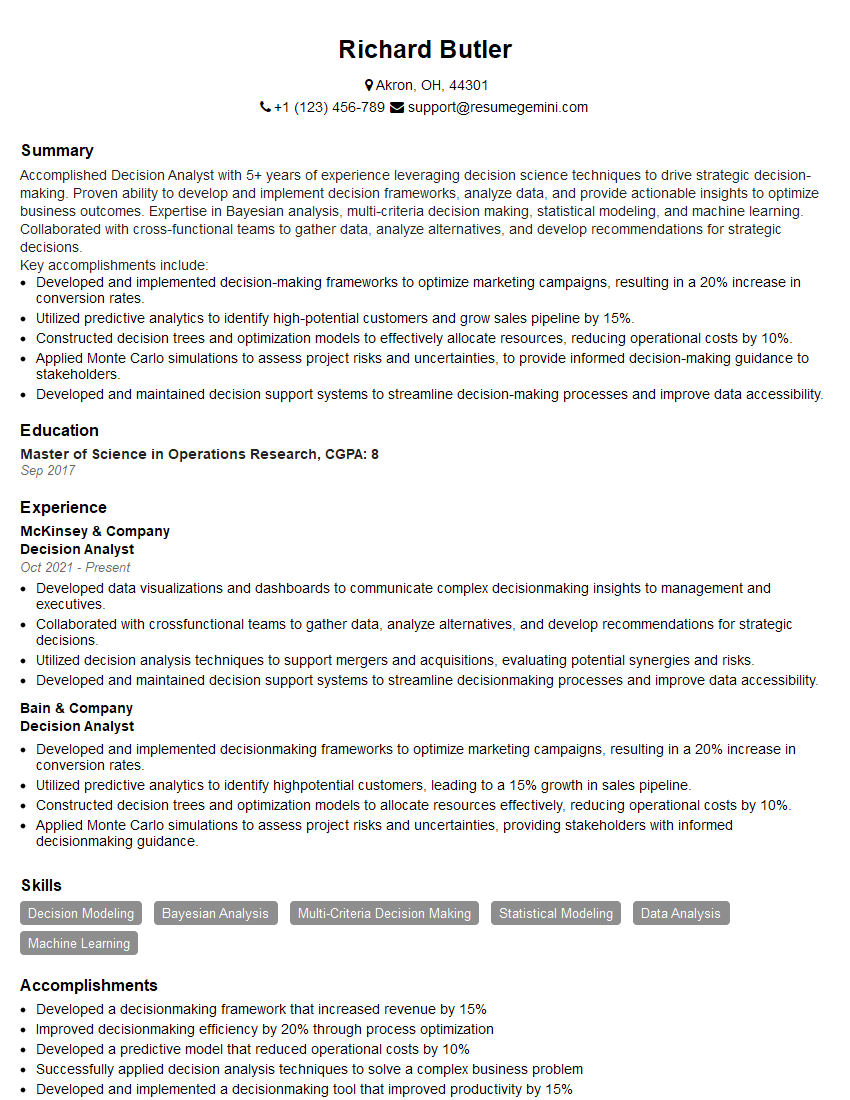
Decision Analyst Resume Sample
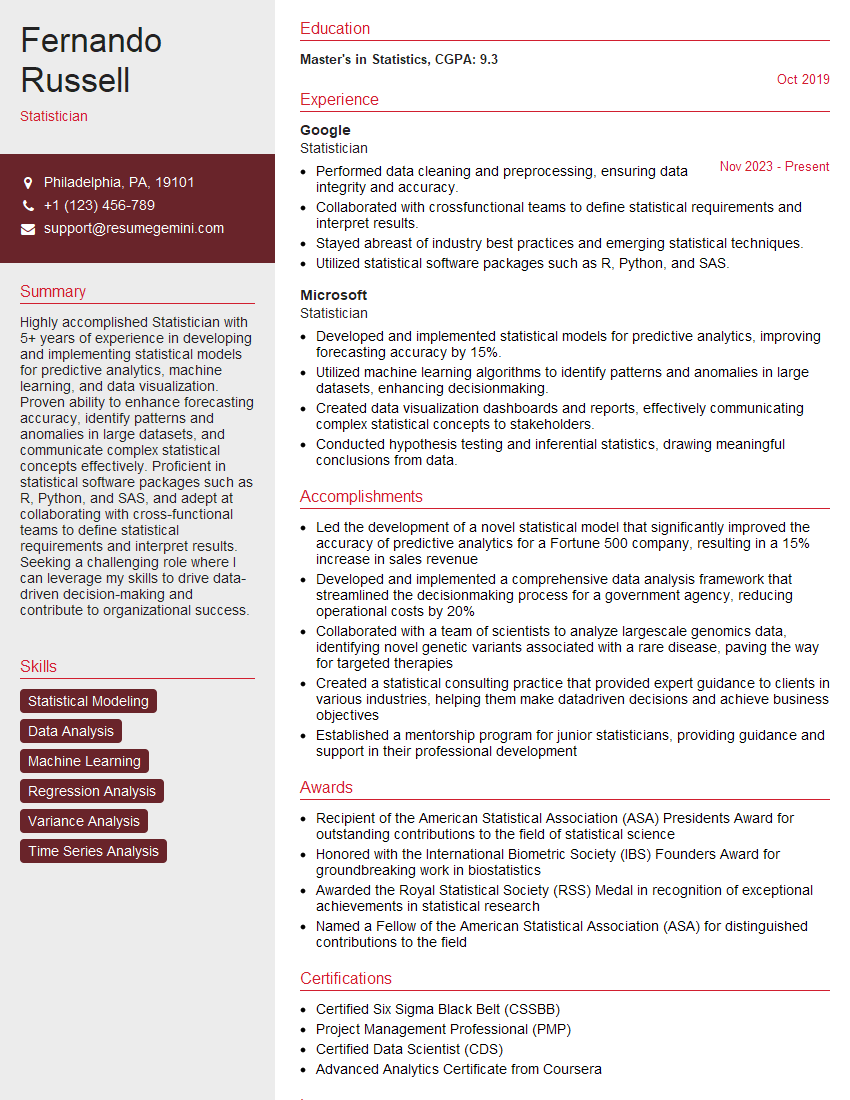
Statistician Resume Sample
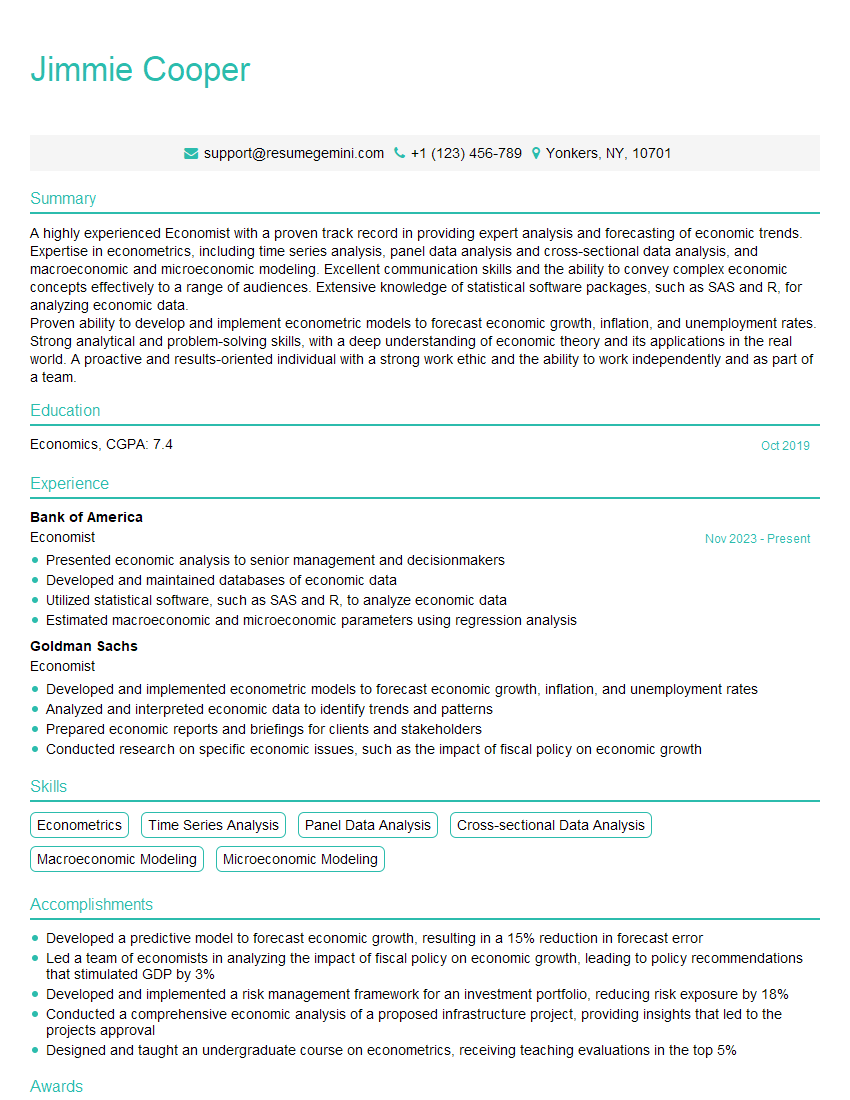
Economist Resume Sample
- Strategic Planner
- Operations Manager
- Product Manager
- Project Manager
- Risk Manager
- Investment Analyst
- Portfolio Manager
- Supply Chain Analyst
- Management Consultant
- Market Research Analyst
- Financial Analyst
- Chief Risk Officer
- Data Scientist
- Business Intelligence Analyst
- Actuary
- Decision Analyst
- Statistician
- Economist
Explore more articles
Users Rating of Our Blogs
Share Your Experience
We value your feedback! Please rate our content and share your thoughts (optional).
What Readers Say About Our Blog
To the interviewgemini.com Webmaster.
Very helpful and content specific questions to help prepare me for my interview!
Thank you
To the interviewgemini.com Webmaster.
This was kind of a unique content I found around the specialized skills. Very helpful questions and good detailed answers.
Very Helpful blog, thank you Interviewgemini team.