Feeling uncertain about what to expect in your upcoming interview? We’ve got you covered! This blog highlights the most important Groundwater-Surface Water Interactions interview questions and provides actionable advice to help you stand out as the ideal candidate. Let’s pave the way for your success.
Questions Asked in Groundwater-Surface Water Interactions Interview
Q 1. Explain the concept of hydraulic conductivity and its significance in groundwater-surface water interactions.
Hydraulic conductivity is a measure of how easily water can move through a porous material like soil or rock. Think of it like this: imagine trying to push water through a sponge versus a solid block of concrete. The sponge, with its many interconnected pores, has a high hydraulic conductivity, allowing water to flow easily. The concrete, with its few or no pores, has a very low hydraulic conductivity. In groundwater-surface water interactions, hydraulic conductivity is crucial because it dictates the rate at which groundwater flows towards or away from surface water bodies like streams and rivers. A high hydraulic conductivity means rapid exchange, while low conductivity leads to slower, less intense interactions.
Its significance lies in its role in determining the magnitude and direction of groundwater flow. For example, areas with high hydraulic conductivity near a river might experience significant groundwater discharge into the stream, contributing to baseflow. Conversely, areas with low hydraulic conductivity may exhibit limited interaction, with the stream relying more on rainfall for its flow.
Q 2. Describe different types of groundwater-surface water interactions (e.g., gaining and losing streams).
Groundwater and surface water are intimately connected, with several interaction types. A gaining stream (or effluent stream) receives water from the groundwater system. Imagine an underground aquifer feeding a stream; the water table is higher than the stream bed, so water flows from the aquifer into the stream, increasing its flow. A losing stream (or influent stream) is the opposite; the stream loses water to the groundwater system. The stream bed is higher than the water table, so water seeps from the stream into the aquifer. This is common in arid regions.
Other interaction types include:
- Hyporheic exchange: This refers to the complex two-way flow of water between a stream and the adjacent subsurface. It’s a dynamic process involving water movement both into and out of the streambed.
- Groundwater discharge zones: These are areas where groundwater flows into surface water bodies, often characterized by springs or seeps.
- Groundwater recharge zones: These areas are where water infiltrates from the surface and replenishes the groundwater system, eventually influencing surface water levels.
Understanding these interactions is vital for managing water resources sustainably.
Q 3. How does the vadose zone impact groundwater recharge and surface water quality?
The vadose zone, the unsaturated zone between the land surface and the water table, plays a crucial role in both groundwater recharge and surface water quality. It acts as a natural filter and storage area for water before it reaches the saturated zone (groundwater). The soil composition and biological activity within the vadose zone determine how effectively pollutants are removed or retained. For example, soils with high organic matter content can help filter out pollutants, while sandy soils might allow pollutants to easily pass through.
Regarding groundwater recharge, the vadose zone’s permeability (ability to transmit water) directly impacts the rate at which water infiltrates and reaches the aquifer. A highly permeable vadose zone will allow rapid recharge, while a less permeable one will slow it down. This also influences surface water quantity; faster recharge means more water available for surface water systems.
Concerning surface water quality, the vadose zone can either improve or degrade it. Effective filtration within the vadose zone can remove pollutants before they reach the groundwater and eventually surface water. However, if contaminants like pesticides or heavy metals enter the vadose zone, they can be transported to the groundwater, affecting surface water quality downstream.
Q 4. Explain the role of Darcy’s Law in understanding groundwater flow towards surface water bodies.
Darcy’s Law is a fundamental equation in hydrogeology that describes groundwater flow. It states that the flow rate (Q) is proportional to the hydraulic conductivity (K), the cross-sectional area (A) of the flow path, and the hydraulic gradient (i). Mathematically, it’s represented as:
Q = -K * A * i
The hydraulic gradient (i) is the change in hydraulic head (water level) per unit distance. A steeper gradient means faster flow. In the context of groundwater flow towards surface water, Darcy’s Law helps us understand how the hydraulic conductivity of the aquifer, the area through which water flows, and the difference in hydraulic head between the groundwater and surface water influence the rate of discharge into the surface water body.
For example, if a stream has a lower water level than the surrounding aquifer (a higher hydraulic head), there will be a hydraulic gradient towards the stream, leading to groundwater discharge. The rate of this discharge can be calculated using Darcy’s Law, if the hydraulic conductivity and area are known. Understanding this is critical for managing water resources and predicting streamflow.
Q 5. What are the key factors influencing the exchange of water between groundwater and surface water systems?
Several key factors influence the exchange of water between groundwater and surface water systems. These include:
- Hydraulic conductivity: As discussed earlier, this controls the ease of water movement through the subsurface.
- Hydraulic gradient: The difference in hydraulic head (water level) between the groundwater and surface water drives the flow direction and magnitude.
- Topography: The shape of the land surface and the location of the water table relative to the surface water body affect the interaction.
- Geology: The type of geological materials (e.g., sand, clay, fractured rock) significantly impacts hydraulic conductivity and water storage capacity.
- Climate: Rainfall and evapotranspiration influence the water table levels and thus the direction and rate of water exchange.
- Land use: Urbanization, agriculture, and deforestation can alter infiltration rates, impacting groundwater recharge and surface water flow.
- Stream morphology: The shape and characteristics of the stream channel (e.g., sinuosity, depth) can affect the interaction area and exchange rates.
These factors interact in complex ways, making accurate prediction of groundwater-surface water interactions challenging but crucial for responsible water resource management.
Q 6. Describe different methods used to measure groundwater-surface water interactions.
Measuring groundwater-surface water interactions requires a multifaceted approach using various techniques:
- Streamflow gauging: Measuring stream discharge using weirs, flumes, or acoustic Doppler current profilers (ADCPs) provides a measure of surface water flow.
- Water level monitoring: Using piezometers (wells) to monitor groundwater levels in the vicinity of the surface water body provides insights into the hydraulic gradient.
- Tracer studies: Introducing non-toxic tracers (e.g., dyes, salts) into the groundwater or surface water allows tracking water movement and determining exchange rates.
- Isotopic analysis: Using stable isotopes (e.g., deuterium, oxygen-18) helps determine the source and movement of water in the system.
- Heat flux measurements: Measuring temperature changes in the stream and adjacent groundwater can indicate water exchange.
- Hydrogeological modeling: Numerical models incorporating geological data, hydraulic parameters, and boundary conditions are used to simulate and predict groundwater-surface water interactions.
Often, a combination of these methods is employed to obtain a comprehensive understanding of the interaction processes.
Q 7. How do you determine the baseflow contribution to a stream?
Determining the baseflow contribution to a stream, which is the portion of streamflow sustained by groundwater discharge, is important for understanding stream ecology and water resource management. Several methods exist:
- Hydrograph separation techniques: These methods analyze the streamflow hydrograph (a plot of streamflow over time) to separate baseflow from stormflow (runoff from rainfall). Common techniques include the digital filter method, the recession curve analysis, and the master recession curve approach.
- Chemical methods: Analyzing the chemical signature of stream water can reveal the proportion of water derived from groundwater compared to surface runoff. Groundwater often has a distinct chemical fingerprint.
- Isotopic methods: Similar to chemical methods, analyzing stable isotopes helps distinguish between water sources and determine the contribution of baseflow.
- Groundwater modeling: Numerical models can simulate groundwater flow and predict baseflow contribution to the stream based on geological and hydrological information.
The choice of method depends on data availability, the complexity of the system, and the desired level of accuracy. Often, a combination of methods is employed to increase confidence in the results.
Q 8. Explain the concept of evapotranspiration and its role in the water balance.
Evapotranspiration (ET) is the combined process of evaporation from the land surface and transpiration from plants. Think of it like a giant, natural pump drawing water from the soil and transferring it to the atmosphere. It’s a crucial component of the water balance, representing a major output of water from both groundwater and surface water systems.
In the water balance equation, ET is a key loss term. The equation is often simplified to: Precipitation (P) = Runoff (R) + ET + Infiltration (I) + Change in Storage (S). Accurate estimation of ET is vital for understanding water availability and managing water resources. Various methods exist to estimate ET, ranging from simple water balance methods to sophisticated remote sensing techniques and physically-based models that incorporate factors like temperature, humidity, solar radiation, and wind speed.
For example, in arid regions, high ET rates can lead to significant depletion of groundwater resources, impacting agriculture and human water supplies. Conversely, in wetland areas, ET can influence the water level of the surface water body, significantly altering its ecology.
Q 9. Discuss the impact of land use changes on groundwater-surface water interactions.
Land use changes significantly impact groundwater-surface water interactions. Consider the conversion of forests to agricultural fields. Trees have deep root systems, drawing water from the groundwater, and their leaves transpire significant amounts of water into the atmosphere. Replacing trees with crops with shallower root systems alters the water balance: Less water is extracted from groundwater, leading to a rise in groundwater levels. Conversely, urbanization drastically reduces infiltration and increases runoff, leading to less groundwater recharge and potentially causing surface water contamination from impervious surfaces.
Another example: converting a natural wetland to a parking lot eliminates evapotranspiration from vegetation and significantly reduces infiltration. This alters the hydrological balance, decreasing groundwater recharge and increasing surface runoff, potentially leading to increased flood risk downstream.
Understanding these impacts is critical for sustainable water resource management. For instance, urban planners need to consider infiltration strategies like permeable pavements to mitigate the negative effects of urbanization on groundwater recharge.
Q 10. How does climate change affect groundwater-surface water interactions?
Climate change is altering groundwater-surface water interactions in several ways. Increased temperatures lead to higher rates of evapotranspiration, potentially depleting both surface water and groundwater resources. Changes in precipitation patterns, with more intense rainfall events and longer dry periods, also have profound impacts. Intense rainfall leads to increased runoff and reduced infiltration, decreasing groundwater recharge. Prolonged droughts can drastically lower groundwater levels, potentially leading to streamflow depletion and affecting aquatic ecosystems.
Melting glaciers and snowpack, due to rising temperatures, can initially increase surface water flow, but the long-term effect is a reduction in water availability as these sources dwindle. Sea-level rise can lead to saltwater intrusion into coastal aquifers, contaminating freshwater resources. The combined effects of these changes can destabilize the delicate balance between groundwater and surface water systems, with significant consequences for water resources and ecosystems.
Q 11. Describe various groundwater modeling techniques used to simulate interactions with surface water.
Several groundwater modeling techniques simulate interactions with surface water. MODFLOW, a widely used numerical model, is often coupled with surface water flow models like HEC-RAS to simulate the integrated system. These coupled models use numerical methods to solve the governing equations for groundwater flow and surface water flow, considering the exchange of water between the two systems.
Other techniques include:
- Analytical models: These are simpler models suitable for specific conditions and provide quick estimates of interactions. However, they often involve simplifying assumptions.
- Distributed hydrological models: These models simulate the entire hydrological cycle, including groundwater flow, surface water flow, and ET, at a finer spatial scale than traditional groundwater models.
The choice of modeling technique depends on the specific problem, data availability, and desired level of detail. Sophisticated models often require significant computational resources and expertise.
Q 12. What are the limitations of using groundwater models to simulate interactions with surface water?
Groundwater models, even sophisticated ones, have limitations when simulating interactions with surface water. Data scarcity is a major challenge; accurate data on hydraulic conductivity, recharge rates, and boundary conditions are crucial but often difficult to obtain. Simplifying assumptions are often necessary to make the models computationally tractable. For example, the representation of the complex geometry of the riverbed and the interactions between the groundwater and the river can be simplified, leading to uncertainties in model results.
Another limitation is the representation of processes like hyporheic flow (the exchange of water between surface water and groundwater in the streambed) which is complex and often poorly understood. Calibration and validation of coupled models can also be challenging, requiring extensive field data and careful interpretation of results.
Q 13. How do you incorporate surface water data into a groundwater model?
Surface water data is incorporated into groundwater models primarily through boundary conditions. River stages (water levels), streamflow, and water quality data are used to define the hydraulic head and concentration boundaries along the interface between the surface water and groundwater. This data can be incorporated in several ways:
- Specified head boundary: River stage is used directly as a fixed head boundary condition.
- River package in MODFLOW: This specialized package accounts for the exchange of water between the river and aquifer based on the hydraulic head difference.
- Calibration: Surface water data is used to calibrate the model parameters, ensuring a good fit between the simulated and observed data.
Accurate and reliable surface water data is crucial for successful model calibration and ensuring realistic simulations of groundwater-surface water interactions.
Q 14. Explain the concept of stream depletion and how it’s estimated.
Stream depletion is the reduction in streamflow caused by groundwater withdrawals. Imagine a straw sucking water from a glass; groundwater pumping is like many straws drawing water from a vast underground reservoir. This reduces the water available for streamflow, affecting the stream’s ecology and water availability downstream.
Estimating stream depletion involves several methods:
- Hydrological budget analysis: Comparing inflows and outflows of a stream segment, considering groundwater inflows and outflows.
- Groundwater modeling: Simulating groundwater flow and its interaction with the stream using coupled models, like MODFLOW with a river package.
- Tracer studies: Using chemical tracers to track the movement of groundwater and quantify its contribution to streamflow.
The choice of method depends on data availability, the complexity of the system, and the desired accuracy. Accurate estimation of stream depletion is important for managing water resources, especially in areas with significant groundwater pumping.
Q 15. Discuss the significance of riparian zones in groundwater-surface water interactions.
Riparian zones, the transitional areas between land and a river or stream, play a crucial role in groundwater-surface water interactions. They act as a vital link, influencing the exchange of water and dissolved substances between these two systems. Think of them as a natural filter and buffer.
- Recharge: Riparian vegetation increases infiltration, replenishing groundwater aquifers. The deep root systems of trees and shrubs create pathways for water to seep into the ground. For example, in areas with high rainfall, a healthy riparian zone can significantly increase aquifer recharge rates.
- Discharge: Conversely, groundwater can discharge into surface water bodies through the riparian zone, especially during low flow periods. This discharge helps maintain baseflow in streams and rivers, ensuring a consistent water supply even during dry seasons. Imagine a sponge: the saturated riparian zone releases water slowly into the stream, maintaining its flow.
- Nutrient Cycling: Riparian vegetation actively participates in nutrient cycling, filtering pollutants and preventing them from reaching surface waters. Plant uptake and microbial activity in the soil remove excess nutrients, preventing eutrophication (excessive nutrient enrichment causing algal blooms) in rivers and lakes. Think of it as a natural wastewater treatment plant.
- Bank Stability: The extensive root systems of riparian plants help stabilize riverbanks, reducing erosion and preventing sediment from entering the water body. This is crucial for maintaining water quality and habitat.
The health and integrity of riparian zones are therefore essential for maintaining the ecological balance and water quality of both groundwater and surface water systems. Degradation of riparian areas through deforestation or urbanization can severely disrupt these interactions, leading to negative consequences.
Career Expert Tips:
- Ace those interviews! Prepare effectively by reviewing the Top 50 Most Common Interview Questions on ResumeGemini.
- Navigate your job search with confidence! Explore a wide range of Career Tips on ResumeGemini. Learn about common challenges and recommendations to overcome them.
- Craft the perfect resume! Master the Art of Resume Writing with ResumeGemini’s guide. Showcase your unique qualifications and achievements effectively.
- Don’t miss out on holiday savings! Build your dream resume with ResumeGemini’s ATS optimized templates.
Q 16. Describe different types of water quality parameters used to assess groundwater-surface water interactions.
Assessing groundwater-surface water interactions requires analyzing various water quality parameters. These parameters provide insights into the chemical and biological characteristics of both systems, revealing the extent and nature of interactions.
- Major Ions (e.g., Ca2+, Mg2+, Na+, Cl–, SO42-, HCO3–): These ions reflect the geological composition of the aquifer and the water’s chemical evolution. Differences in ionic composition between groundwater and surface water can indicate exchange processes.
- Trace Elements (e.g., As, Fe, Mn, heavy metals): Concentrations of these elements can indicate contamination sources and pathways between groundwater and surface water. For instance, elevated arsenic levels in both groundwater and a nearby river might suggest a common pollution source.
- Nutrients (e.g., NO3–, PO43-): These parameters are crucial for assessing agricultural impacts. High nitrate levels in both systems might indicate fertilizer runoff affecting both groundwater and surface water quality.
- Dissolved Gases (e.g., O2, CO2): Oxygen levels can indicate redox conditions, reflecting the presence of contaminants or the flow direction between the two systems. Changes in carbon dioxide levels could reflect microbial activity and organic matter decomposition.
- Stable Isotopes (e.g., 2H, 18O): Isotopic signatures provide a powerful tool for tracing water sources and flow pathways, identifying the relative contributions of groundwater to surface water (explained further in question 5).
- Biological Indicators (e.g., microbial communities, algal species): Changes in biological communities can reflect the impact of groundwater discharge on surface water quality. For example, the presence of specific algae species might indicate nutrient enrichment from groundwater.
Combining multiple parameters provides a more holistic understanding of groundwater-surface water interactions than using any single parameter in isolation.
Q 17. How do contaminants in groundwater affect surface water quality?
Contaminants in groundwater can significantly impact surface water quality, particularly through groundwater discharge. The extent of the impact depends on several factors, including the type and concentration of contaminants, the rate of groundwater discharge, and the dilution capacity of the surface water body.
- Pathways: Contaminants can move from groundwater to surface water through various pathways, including direct discharge into streams, springs, and seepage from the riverbed. For instance, agricultural pesticides and fertilizers in contaminated groundwater can leach into streams and rivers, affecting aquatic life.
- Types of Contaminants: Different contaminants have varying effects. Heavy metals, for example, can bioaccumulate in aquatic organisms, causing toxicity. Organic pollutants can disrupt aquatic ecosystems and potentially affect human health through drinking water contamination. Microbial contamination can cause waterborne diseases.
- Dilution and Dispersion: The extent of surface water contamination depends on the volume of groundwater discharge relative to the volume of surface water. In smaller streams with limited flow, the impact can be more pronounced compared to larger rivers with higher dilution capacity.
Understanding these pathways and factors is crucial for effective water resource management and pollution control. Monitoring groundwater quality is essential for predicting and mitigating potential impacts on surface water.
Q 18. What are the potential consequences of altering groundwater-surface water interactions through human activities?
Altering groundwater-surface water interactions through human activities can have far-reaching consequences, often negatively impacting both ecosystems and human society.
- Groundwater Abstraction: Excessive pumping of groundwater can lower water tables, reducing baseflow in streams and rivers, potentially leading to stream drying and harming aquatic ecosystems. This is particularly impactful during dry periods.
- Land Use Change: Deforestation, urbanization, and agricultural intensification can alter infiltration rates, reducing groundwater recharge and potentially increasing surface runoff, leading to flooding and erosion.
- Dam Construction: Dams alter the natural flow regime of rivers, affecting both surface water and groundwater interactions. Upstream groundwater levels might rise due to backwater effects, while downstream flows and groundwater recharge can be significantly reduced.
- Canal Construction and Irrigation: Irrigation systems can induce substantial changes in groundwater recharge and discharge patterns. Over-irrigation can lead to waterlogging and salinization, affecting both groundwater and surface water quality.
- Pollution: Human activities such as industrial discharge, agricultural practices, and waste disposal can contaminate both groundwater and surface water systems, leading to water quality degradation with widespread ecological and human health consequences.
Sustainable management practices are crucial to mitigate these consequences. This includes responsible groundwater abstraction, protection of riparian zones, integrated water resource management strategies, and robust pollution control measures.
Q 19. Explain the role of isotopes in tracing groundwater-surface water interactions.
Isotopes, variants of an element with differing numbers of neutrons, are valuable tracers in studying groundwater-surface water interactions. Their unique isotopic signatures act like fingerprints, enabling us to identify the sources of water and track its movement.
- Stable Isotopes (2H and 18O): These isotopes in water molecules have different ratios depending on the source and environmental conditions. Evaporation processes fractionate isotopes, leading to distinct isotopic signatures in precipitation, groundwater, and surface water. By analyzing these isotopic signatures, we can determine the relative contribution of groundwater to streamflow, identify sources of recharge, and trace the flow pathways of water.
- Environmental Isotopes (3H, 14C): Tritium (3H) is a radioactive isotope of hydrogen, useful for dating groundwater and assessing the age of water. Carbon-14 (14C) can similarly provide information about the age and residence time of groundwater. Comparing the age of groundwater with the age of water in a surface water body helps us to understand the exchange dynamics.
For example, comparing the isotopic ratios of groundwater and river water can reveal whether the river is primarily fed by groundwater discharge or surface runoff. If the isotopic signatures are similar, it suggests a significant contribution from groundwater; if they differ significantly, surface runoff likely dominates. Isotope analyses are thus essential tools for quantitative assessment of groundwater-surface water interactions.
Q 20. Describe methods for remediation of contaminated groundwater affecting surface water.
Remediation of contaminated groundwater impacting surface water requires a multi-faceted approach, tailored to the specific contaminants and hydrogeological setting. The goal is to reduce contaminant concentrations in groundwater to prevent further contamination of surface water.
- Pump and Treat: This involves extracting contaminated groundwater, treating it using appropriate technologies (e.g., activated carbon adsorption, advanced oxidation processes), and then either re-injecting the treated water or disposing of it safely. This is effective for readily mobile contaminants but can be costly and time-consuming.
- Bioremediation: This uses microorganisms to break down contaminants. This can be achieved by stimulating the growth of naturally occurring microorganisms (biostimulation) or introducing specific microorganisms (bioaugmentation). This is a more environmentally friendly approach but requires careful design and monitoring.
- Permeable Reactive Barriers (PRBs): These barriers are installed in the groundwater flow path, using reactive materials to remove contaminants as groundwater flows through. This can be cost-effective but requires careful site selection and design to ensure effective contaminant removal.
- Phytoremediation: This uses plants to remove or stabilize contaminants. Certain plants can absorb contaminants from the soil and groundwater, reducing the risk of contamination to surface water. This is a more sustainable and aesthetically pleasing approach but can be slow and suitable only for specific contaminants.
- Source Control: Addressing the source of contamination is crucial for long-term remediation. This may involve cleaning up contaminated sites, preventing further leakage, or improving waste management practices to avoid future contamination.
The choice of remediation technique depends on various factors, including the type and extent of contamination, hydrogeological conditions, cost, and environmental impact. A combination of methods is often the most effective strategy.
Q 21. How do you assess the sustainability of groundwater abstraction in relation to surface water resources?
Assessing the sustainability of groundwater abstraction in relation to surface water resources requires a holistic approach considering the interconnectedness of these two systems. Unsustainable abstraction can deplete groundwater resources and negatively impact surface water systems.
- Hydrogeological Modeling: This involves creating numerical models that simulate groundwater flow and transport processes. These models can predict the impact of different abstraction scenarios on groundwater levels, surface water flow, and water quality.
- Water Balance Analysis: This evaluates the inputs and outputs of water in a catchment, including precipitation, evapotranspiration, surface runoff, groundwater recharge, and discharge. Comparing groundwater abstraction rates with recharge rates provides an estimate of sustainability.
- Environmental Flow Assessments: These assess the minimum flows required to maintain the ecological health of surface water systems. Groundwater abstraction should not compromise these minimum flows.
- Monitoring Groundwater Levels and Surface Water Flows: Continuous monitoring of groundwater levels and surface water flows provides crucial data for assessing the impact of groundwater abstraction. Declining groundwater levels and reduced surface water flows indicate unsustainable practices.
- Integrated Water Resource Management (IWRM): This approach considers the entire water system, encompassing both surface water and groundwater, aiming to balance human needs with environmental sustainability.
Sustainable groundwater abstraction necessitates a balance between human demands and the ecological needs of the system. This requires careful planning, monitoring, and adaptive management strategies to ensure long-term water security for both humans and the environment.
Q 22. What are some common challenges in managing groundwater-surface water systems?
Managing groundwater-surface water systems presents unique challenges due to their interconnected nature. One major hurdle is the difficulty in accurately quantifying the exchange of water between these two systems. This exchange, which can be highly variable spatially and temporally, is influenced by factors like geology, topography, and land use. For instance, in areas with highly permeable sediments, groundwater recharge to surface water can be significant, while in areas with confining layers, the interaction may be minimal. Another challenge lies in the often conflicting demands placed on these resources. Agriculture, industry, and domestic use all compete for water, potentially leading to over-extraction of groundwater and depletion of surface water resources. This can result in ecological damage, including loss of wetland habitats and degradation of water quality. Furthermore, pollution in either system can readily impact the other, making contamination a serious concern. For example, agricultural runoff contaminating surface water can subsequently infiltrate and pollute groundwater supplies. Finally, effective management necessitates addressing the inherent uncertainties associated with predicting the impacts of human activities on these complex systems.
- Data scarcity: Obtaining sufficient, high-quality data on groundwater and surface water levels, flows, and quality can be expensive and time-consuming.
- Model limitations: Numerical models used to simulate groundwater-surface water interactions are often simplified representations of reality and may not accurately capture all the complexities of the system.
- Climate change impacts: Changes in precipitation patterns and increased evapotranspiration are expected to alter groundwater recharge and surface water flows, making management even more challenging.
Q 23. Explain the concept of water budgets and how they are used in water resources management.
A water budget is essentially an accounting of all the water inflows and outflows within a defined system over a specific time period. Think of it like a bank account for water: what goes in (inflows) and what goes out (outflows). In water resources management, water budgets are crucial tools for understanding the availability and sustainability of water resources. They help us analyze the balance between supply and demand.
A typical water budget equation can be expressed as: P + I – ET – Q – R = ΔS, where:
- P = Precipitation
- I = Inflow from other sources (e.g., surface water inflow to groundwater)
- ET = Evapotranspiration (water loss to the atmosphere)
- Q = Outflow (e.g., surface water discharge, groundwater pumping)
- R = Recharge (inflow to groundwater)
- ΔS = Change in storage (e.g., change in groundwater levels or surface water volume)
By carefully measuring or estimating each component, we can use a water budget to determine how much water is available, where it’s going, and whether the system is in balance. For example, a water budget can help assess the impact of a proposed water withdrawal project on groundwater levels or the sustainability of irrigation practices in an agricultural region. Discrepancies between inflows and outflows highlight areas requiring further investigation – potentially revealing unsustainable practices or data gaps.
Q 24. Describe your experience with using GIS in analyzing groundwater-surface water interactions.
GIS (Geographic Information Systems) has been an invaluable tool throughout my career. I’ve extensively used it to analyze groundwater-surface water interactions by integrating diverse spatial datasets. For example, in a recent project, we used GIS to overlay groundwater elevation maps with surface water hydrographs and soil maps to identify areas of potential groundwater discharge to a river system. This spatial analysis revealed previously unknown areas of significant groundwater contribution, influencing management decisions regarding water allocation and riparian zone protection. Moreover, GIS facilitated the creation of interactive maps that clearly communicated complex spatial relationships to stakeholders, enhancing the transparency and effectiveness of our analysis. The capability to perform spatial modeling and overlay geological data, such as aquifer boundaries and hydraulic conductivity, with hydrogeological data, such as well locations and water table measurements, provides a powerful platform for understanding the complexities of subsurface flow and its connection to surface water bodies. This spatial approach ensures that our analysis accurately reflects local variations in groundwater-surface water interactions.
Q 25. How do you integrate data from different sources (e.g., wells, streams, rainfall) for a comprehensive analysis?
Integrating data from diverse sources requires a systematic approach focusing on data quality control and compatibility. First, each dataset undergoes a thorough quality check – this involves assessing the accuracy, completeness, and consistency of the data. This often includes identifying and correcting errors or outliers. Second, a consistent spatial and temporal framework is established. This means ensuring all data are referenced to the same coordinate system and time units. Third, data transformation and standardization may be necessary to make the data compatible for analysis. For instance, rainfall data from various rain gauges might require adjustments for spatial variability before being used in a hydrological model. Fourth, once the data are pre-processed and standardized, I integrate them using various analytical methods, including statistical analysis, numerical modeling, and geospatial analysis using GIS software. For instance, I might use regression analysis to correlate rainfall with groundwater recharge or a numerical flow model to simulate the movement of water between groundwater and surface water. Finally, the results are validated through comparisons with independent observations and through sensitivity analysis to ensure the robustness of the findings.
Q 26. Discuss your experience with different types of hydrogeological investigations.
My experience encompasses various hydrogeological investigation types. I’ve conducted extensive well testing, including pumping tests and slug tests, to determine aquifer properties like transmissivity and storativity. This helps quantify groundwater flow and assess the impact of groundwater withdrawals. I’ve also performed geophysical surveys using techniques such as electrical resistivity tomography (ERT) and ground-penetrating radar (GPR) to map subsurface geology and identify potential contaminant plumes or preferential flow paths. Furthermore, I have extensive experience with tracer tests, where we inject non-toxic dyes or other tracers to trace the movement of water through the subsurface and better understand flow paths between groundwater and surface water. Surface geophysical methods are also essential in understanding subsurface features affecting groundwater-surface water interaction, such as the location and extent of riverbeds and geological formations such as fractures. Each technique provides complementary information, allowing for a robust and comprehensive understanding of the hydrogeological system.
Q 27. What are the ethical considerations related to groundwater-surface water management?
Ethical considerations in groundwater-surface water management are paramount. One key aspect is ensuring equitable access to water resources. Decisions regarding water allocation should consider the needs of all stakeholders, including human communities, ecosystems, and future generations. Transparency and public participation in decision-making are crucial to prevent the marginalization of vulnerable groups. Another ethical consideration involves environmental protection. Over-extraction of groundwater can lead to land subsidence, saltwater intrusion, and depletion of surface water resources, impacting both human well-being and biodiversity. Therefore, sustainable water management strategies must prioritize ecological integrity. Finally, managing pollution risks requires careful attention to prevent contamination of both groundwater and surface water resources. This requires adherence to strict regulations and responsible waste management practices. Essentially, ethical management demands a holistic approach that balances human needs with environmental sustainability and social justice.
Q 28. How do you communicate complex technical information to a non-technical audience?
Communicating complex technical information to a non-technical audience requires simplifying the message without sacrificing accuracy. I employ several strategies. First, I avoid technical jargon whenever possible, replacing it with clear, concise language and relatable analogies. For instance, instead of explaining aquifer transmissivity, I might describe it as the ease with which water flows through the ground. Second, I use visual aids such as maps, charts, and diagrams to illustrate key concepts. Visual representations make complex data more accessible and engaging. Third, I focus on the implications of the findings for the audience. Instead of dwelling on technical details, I emphasize the practical consequences of our analysis, like its impact on water availability or environmental protection. Finally, I encourage questions and tailor my explanations to the audience’s level of understanding, ensuring that everyone feels informed and involved in the discussion.
Key Topics to Learn for Groundwater-Surface Water Interactions Interview
Mastering Groundwater-Surface Water Interactions is crucial for success in many environmental science and engineering roles. To ace your interview, focus on these key areas:
- Hydrogeological settings: Understand different types of aquifers (confined, unconfined), their properties (porosity, permeability), and how they interact with surface water bodies (rivers, lakes, wetlands).
- Flow regimes: Grasp the concepts of groundwater flow paths, recharge and discharge zones, and how these are affected by topography, climate, and human activities. Be prepared to discuss both steady-state and transient flow conditions.
- Water quality interactions: Explore how pollutants and contaminants move between groundwater and surface water, including processes like advection, dispersion, and retardation. Understanding remediation strategies is also beneficial.
- Isotope hydrology: Familiarize yourself with the use of isotopic tracers (e.g., deuterium, tritium) to trace water movement and identify sources of contamination in groundwater-surface water systems.
- Modeling techniques: Gain a working knowledge of numerical modeling approaches (e.g., MODFLOW) used to simulate groundwater flow and transport. Be ready to discuss model limitations and assumptions.
- Case studies and practical applications: Review real-world examples of groundwater-surface water interaction problems and their solutions. This could include issues like stream depletion, wetland restoration, or contamination management.
- Data analysis and interpretation: Practice interpreting hydrogeological data, including water level measurements, well tests, and geochemical analyses. Demonstrate your ability to extract meaningful insights from data.
Next Steps
A strong understanding of Groundwater-Surface Water Interactions significantly enhances your career prospects in environmental consulting, water resources management, and research. To showcase your expertise effectively, a well-crafted resume is essential. Investing time in creating an ATS-friendly resume that highlights your relevant skills and experience will significantly improve your chances of landing your dream job.
ResumeGemini can be a trusted partner in this process. It offers a user-friendly platform to build a professional and impactful resume, tailored to your specific field. We provide examples of resumes specifically designed for candidates specializing in Groundwater-Surface Water Interactions to help guide you. Take the next step towards your career goals with a resume that makes a lasting impression.
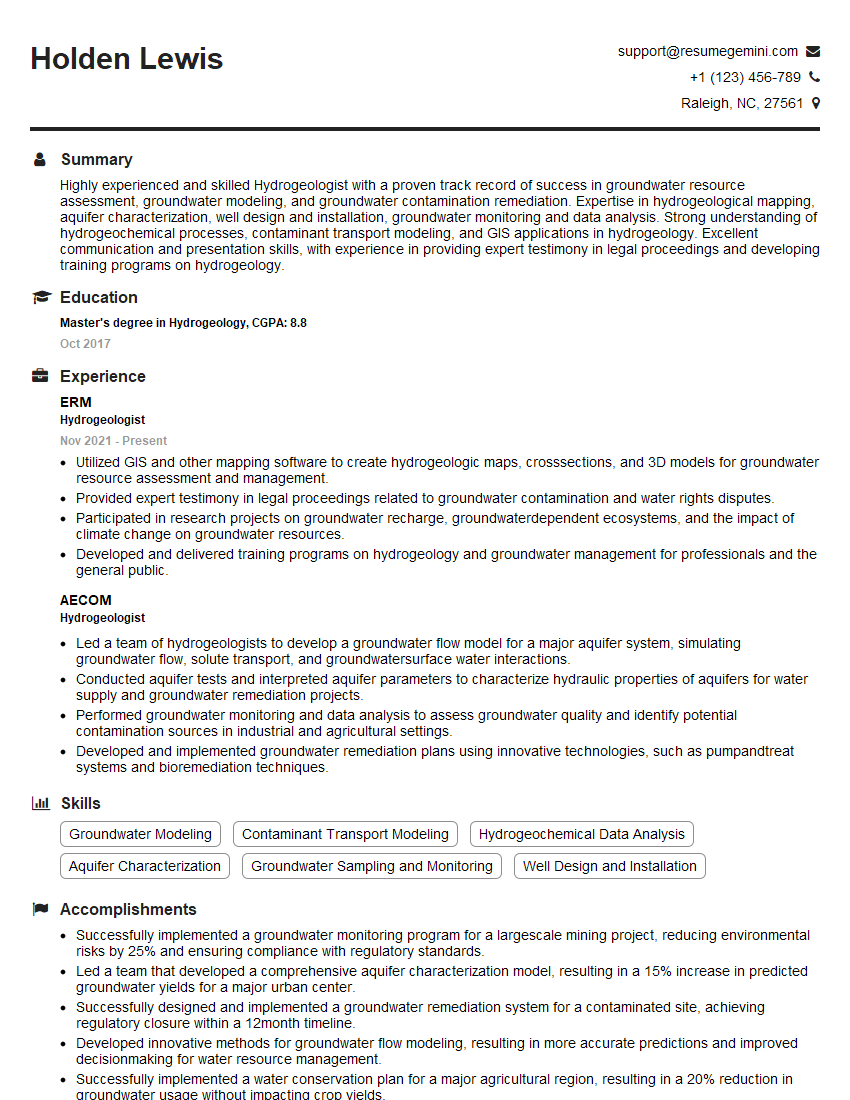
Hydrogeologist Resume Sample

Senior Hydrogeologist Resume Sample
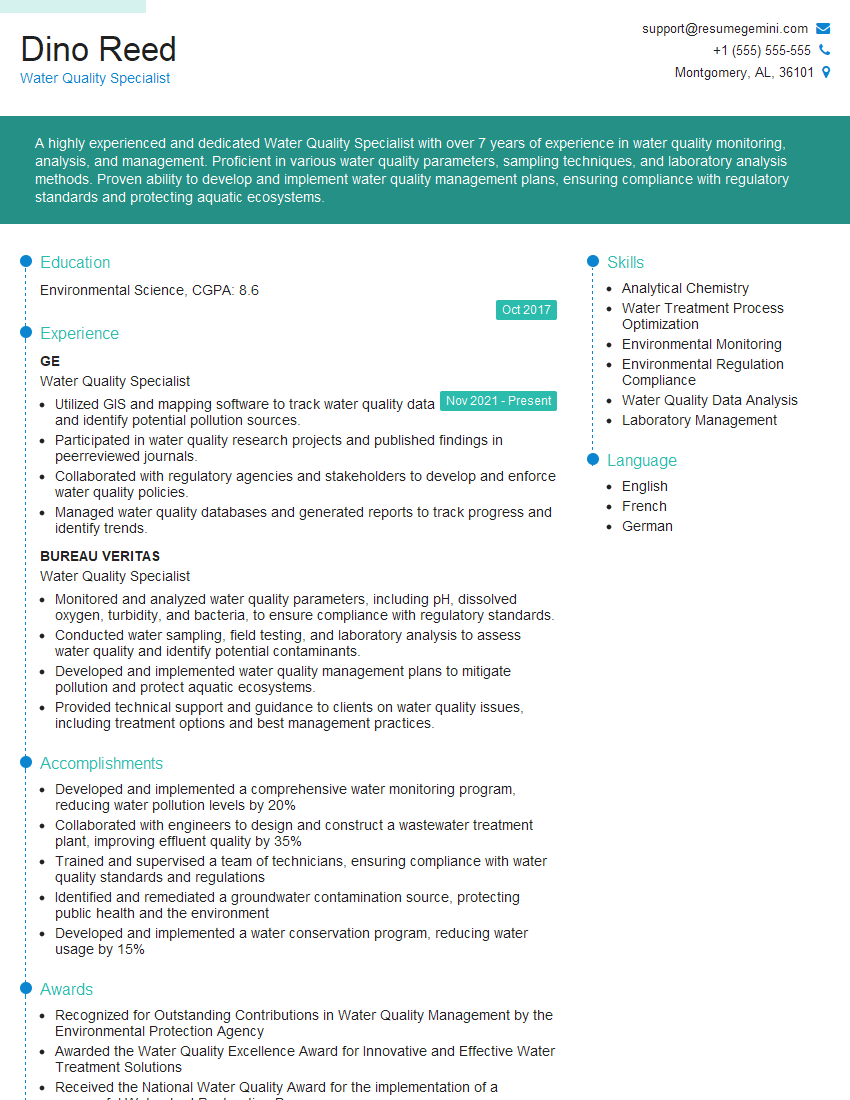
Water Quality Specialist Resume Sample
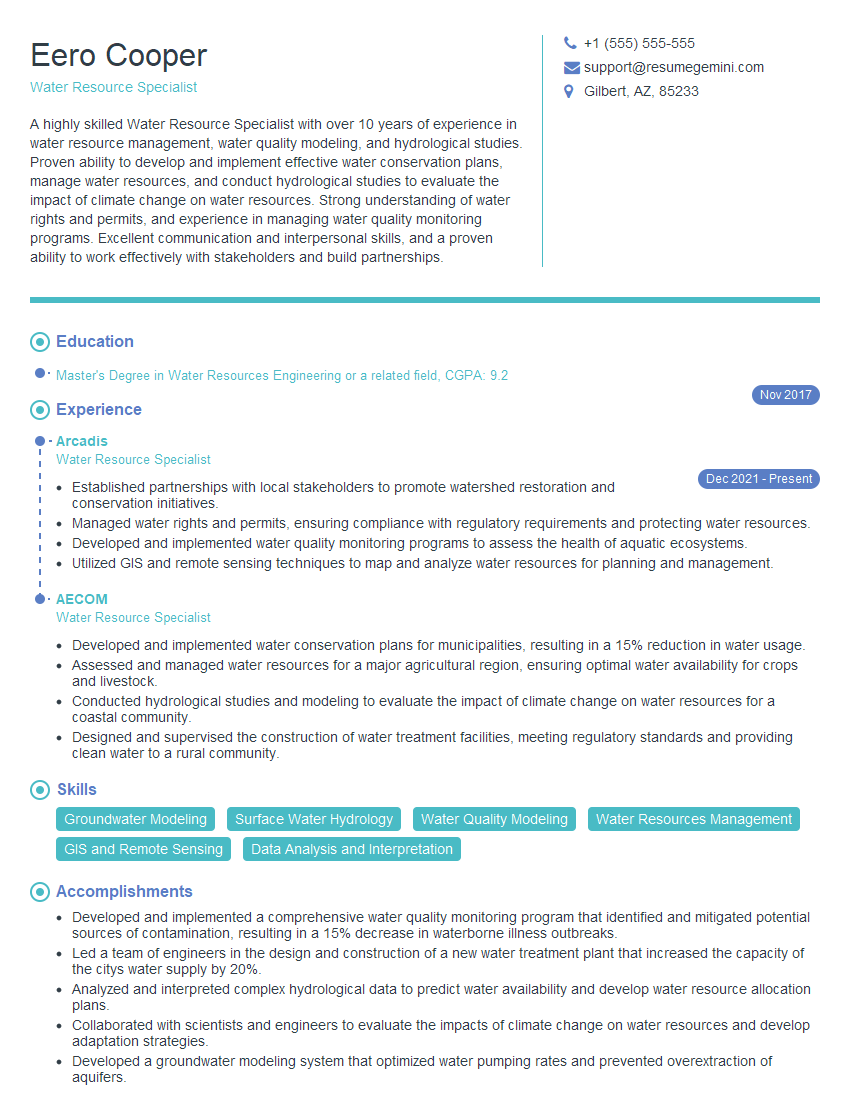
Water Resource Specialist Resume Sample
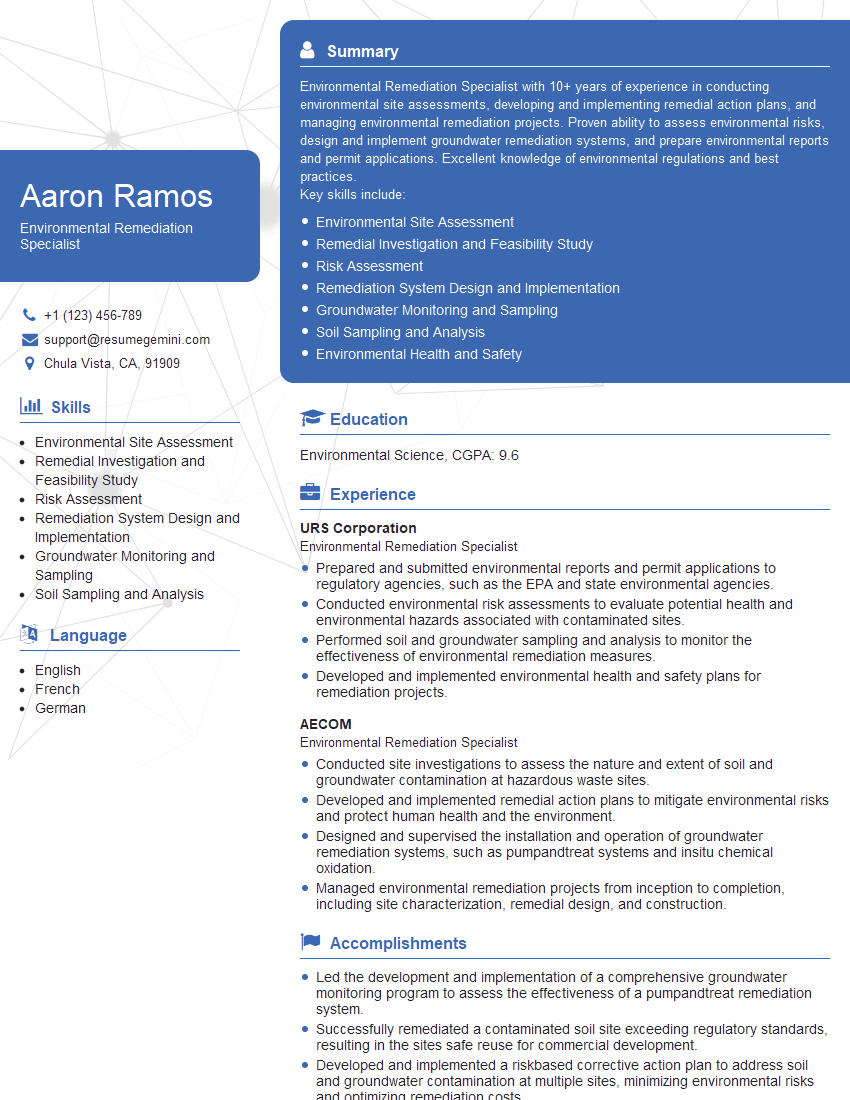
Environmental Remediation Specialist Resume Sample
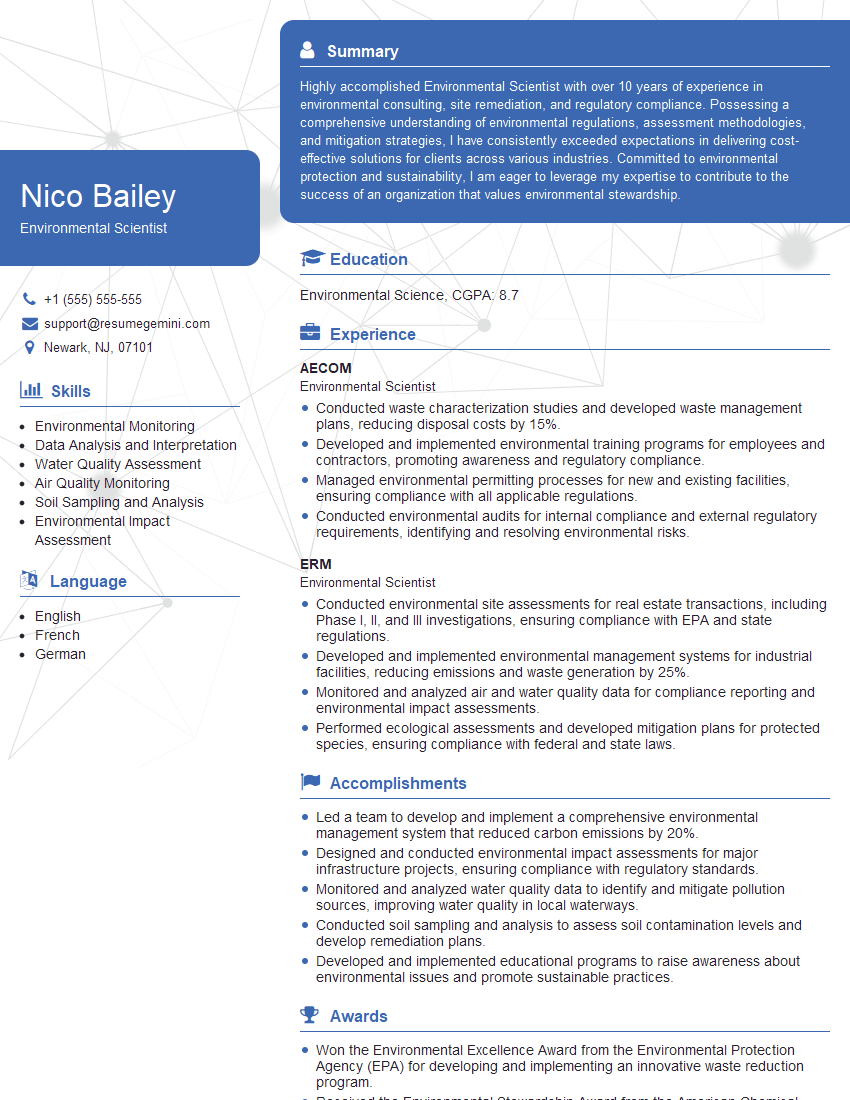
Environmental Scientist Resume Sample
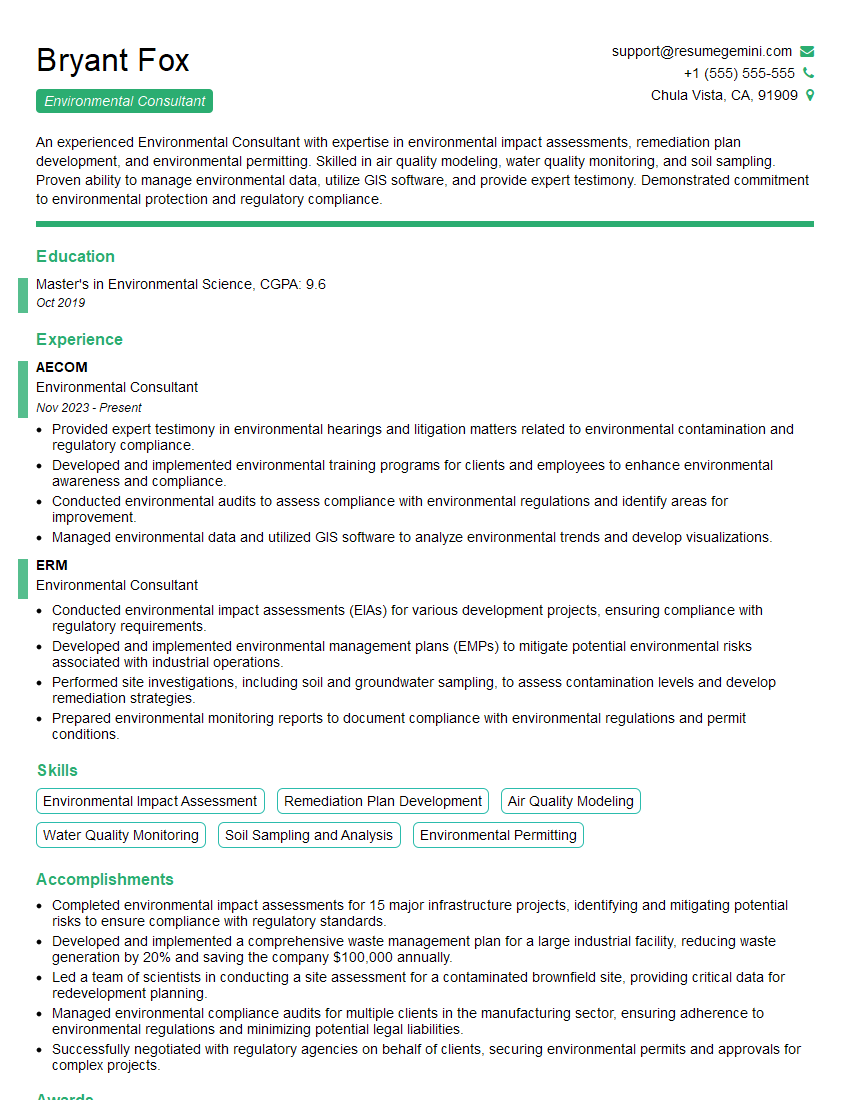
Environmental Consultant Resume Sample
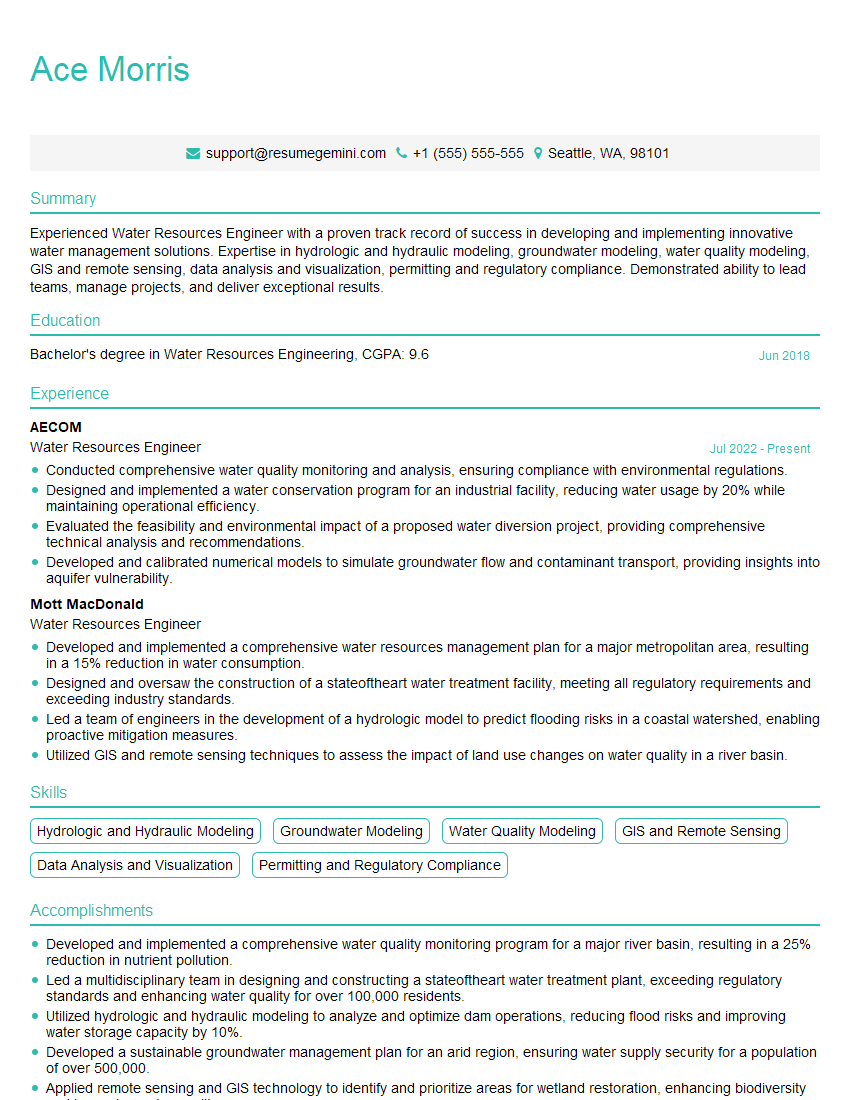
Water Resources Engineer Resume Sample
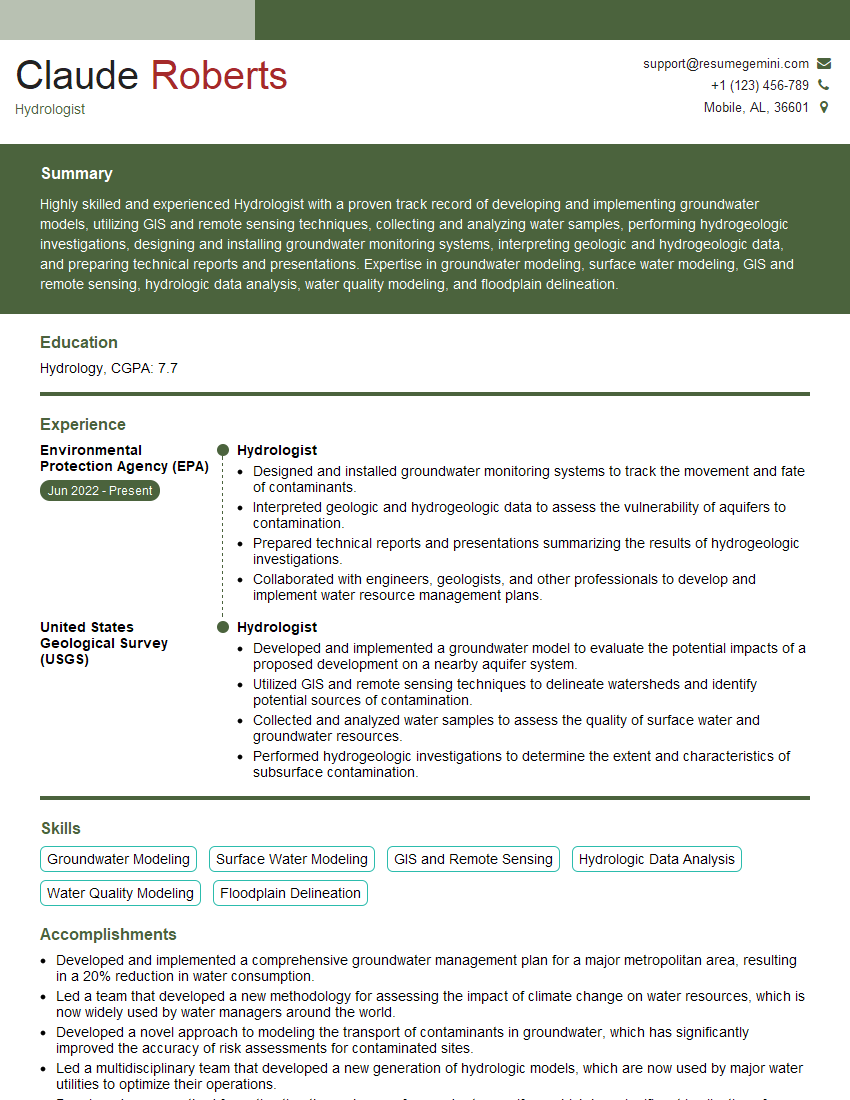
Hydrologist Resume Sample
Explore more articles
Users Rating of Our Blogs
Share Your Experience
We value your feedback! Please rate our content and share your thoughts (optional).
What Readers Say About Our Blog
To the interviewgemini.com Webmaster.
Very helpful and content specific questions to help prepare me for my interview!
Thank you
To the interviewgemini.com Webmaster.
This was kind of a unique content I found around the specialized skills. Very helpful questions and good detailed answers.
Very Helpful blog, thank you Interviewgemini team.