The thought of an interview can be nerve-wracking, but the right preparation can make all the difference. Explore this comprehensive guide to Uber Freight interview questions and gain the confidence you need to showcase your abilities and secure the role.
Questions Asked in Uber Freight Interview
Q 1. Explain the Uber Freight platform and its key features.
Uber Freight is a digital freight marketplace connecting shippers with carriers to streamline the transportation of goods. It acts as an intermediary, leveraging technology to improve efficiency and transparency throughout the shipping process. Key features include:
- Load Posting: Shippers can easily post their shipment details (origin, destination, cargo type, dimensions, etc.) on the platform.
- Carrier Network: A vast network of carriers of varying sizes, from small owner-operators to large fleets, compete for loads.
- Real-time Tracking: Shippers and carriers can monitor shipment progress in real-time, providing improved visibility and reducing uncertainty.
- Automated Documentation: Digital documentation, such as bills of lading and proof of delivery, reduces paperwork and speeds up the process.
- Pricing Transparency: While the exact pricing mechanism is complex (explained in a later answer), the platform provides upfront pricing estimations, promoting fair competition.
- Payment Processing: Uber Freight facilitates secure and efficient payment processing between shippers and carriers.
Think of it like Uber for trucking – but instead of people, you’re moving goods. The platform simplifies a traditionally complex and fragmented industry.
Q 2. Describe the different types of freight handled by Uber Freight.
Uber Freight handles a wide variety of freight, accommodating diverse shipper needs. This includes:
- Dry Van: The most common type, transporting goods in enclosed trailers suitable for various non-temperature-sensitive products.
- Refrigerated (Reefer): Specialized trailers maintaining specific temperatures, crucial for perishable goods like produce and pharmaceuticals.
- Flatbed: Open trailers used for oversized or heavy cargo that cannot be enclosed, such as construction materials or machinery.
- Specialized Freight: This category encompasses unique cargo requiring specialized equipment or handling, such as hazardous materials or oversized loads.
The platform’s flexibility allows shippers with varied cargo types to find appropriate carriers, regardless of the complexity of their shipment.
Q 3. How does Uber Freight’s pricing model work?
Uber Freight’s pricing model is dynamic and market-driven. It’s not a simple flat rate. Instead, it considers several factors, including:
- Market Demand: Higher demand for transportation in a specific lane (route) will generally lead to higher prices.
- Distance and Time: Longer distances and shorter delivery deadlines typically result in higher costs.
- Fuel Prices: Fluctuations in fuel costs directly impact carrier expenses and are reflected in pricing.
- Cargo Type and Weight: The type and weight of the goods influence the required equipment and handling, affecting the final price.
- Carrier Ratings and Availability: Carriers with higher ratings and proven reliability might command slightly higher rates.
The platform uses an algorithm that considers these elements to generate a price, ensuring fair compensation for carriers while offering competitive rates for shippers. The price is often presented as a range to allow for negotiation and carrier selection based on factors beyond just price.
Q 4. What are the benefits of using Uber Freight for shippers?
Using Uber Freight offers numerous benefits to shippers, primarily focused on efficiency and cost savings:
- Improved Visibility: Real-time tracking of shipments allows for proactive issue resolution and better planning.
- Increased Efficiency: Automated processes, digital documentation, and streamlined communication reduce administrative overhead.
- Reduced Costs: Competitive pricing and efficient operations contribute to lower transportation expenses.
- Access to a Wider Carrier Network: Shippers gain access to a vast pool of carriers, ensuring capacity even during peak seasons.
- Simplified Logistics: The platform simplifies the complex process of finding, booking, and managing transportation.
For example, a small business might find it challenging to manage complex logistics themselves. Uber Freight handles the process, allowing them to focus on their core business.
Q 5. What are the benefits of using Uber Freight for carriers?
Carriers benefit from Uber Freight through increased revenue opportunities, simplified operations, and improved efficiency:
- Consistent Load Availability: The platform provides access to a consistent stream of loads, reducing downtime and maximizing truck utilization.
- Improved Payment Processing: Faster and more reliable payments reduce financial uncertainties.
- Increased Revenue Potential: Competitive bidding allows carriers to optimize their earnings.
- Reduced Administrative Burden: Automated processes minimize paperwork and administrative tasks.
- Better Route Optimization: The platform’s algorithms can suggest efficient routes, reducing fuel consumption and travel time.
Imagine a small trucking company struggling to find loads. Uber Freight provides them with consistent work, ultimately increasing their profitability and operational efficiency.
Q 6. How does Uber Freight handle load matching and dispatching?
Uber Freight uses a sophisticated algorithm for load matching and dispatching. When a shipper posts a load, the platform analyzes several factors, including:
- Load Details: Origin, destination, cargo type, dimensions, weight, and required equipment.
- Carrier Profiles: Carrier location, truck type, capacity, and ratings.
- Real-time Data: Traffic conditions, weather patterns, and other relevant factors affecting transportation.
The algorithm then identifies suitable carriers and presents them with the load. Carriers can then bid on the load, and the shipper chooses the most suitable option based on price, carrier rating, and other factors. The platform then facilitates communication and handles the dispatch process.
Q 7. Explain the role of technology in optimizing Uber Freight operations.
Technology is the backbone of Uber Freight’s operations. It facilitates:
- Real-time Data Analysis: The platform collects and analyzes massive amounts of data to optimize pricing, matching, and route planning.
- Machine Learning Algorithms: Sophisticated algorithms predict demand, optimize routes, and improve the overall efficiency of the system.
- Mobile App Integration: Both shippers and carriers use mobile apps for easy access to information and streamlined communication.
- Automated Documentation: Digital documentation streamlines paperwork and reduces errors, improving efficiency.
- Secure Payment Processing: Technology enables safe and reliable payment transactions between all parties.
Without technology, Uber Freight wouldn’t be able to function. The platform’s success relies heavily on the ability to collect, analyze, and apply real-time data to connect shippers and carriers efficiently and transparently.
Q 8. How does Uber Freight ensure timely and efficient delivery?
Uber Freight ensures timely and efficient delivery through a multi-pronged approach focusing on real-time visibility, optimized routing, and a robust carrier network. It starts with advanced algorithms that match shipments with the most suitable carriers based on factors like location, truck type, and estimated time of arrival (ETA). The platform provides real-time tracking, allowing shippers and carriers to monitor the shipment’s progress and proactively address potential delays. This is coupled with predictive analytics that forecast potential disruptions and suggest alternative routes or carriers to mitigate risks. Think of it like a highly sophisticated air traffic control system for trucking, constantly optimizing routes and communicating with all parties involved.
For example, if a sudden road closure occurs, the system might automatically reroute the truck, notify the shipper of the slight delay, and even suggest a backup carrier if necessary, all happening seamlessly in the background.
Q 9. Describe the process of onboarding a new carrier onto the Uber Freight platform.
Onboarding a new carrier onto the Uber Freight platform is a streamlined, yet rigorous process designed to ensure safety and reliability. It begins with an online application where the carrier provides crucial information such as their operating authority, insurance details, safety records (CSA scores), and equipment information. Uber Freight then conducts a thorough vetting process, which includes verifying the provided documentation, conducting background checks, and assessing the carrier’s safety performance. This is crucial for maintaining a high standard of quality within their network.
Once verification is complete, the carrier receives access to the platform and can start bidding on loads that fit their capabilities and preferences. Ongoing monitoring of their performance, including on-time delivery rates and safety records, ensures continued compliance and helps to maintain a high-quality network of trusted carriers.
Think of it as a rigorous interview process, ensuring only qualified and reliable carriers join the Uber Freight network.
Q 10. How does Uber Freight handle disputes or issues between shippers and carriers?
Uber Freight employs a robust dispute resolution process designed to fairly and efficiently handle disagreements between shippers and carriers. The platform provides a centralized communication channel where both parties can clearly document their perspectives and supporting evidence. Uber Freight’s dedicated support team acts as a neutral third party, investigating the issue, reviewing available data (including GPS tracking information), and facilitating a resolution. The team works to understand the root cause of the dispute and works collaboratively to find a mutually agreeable solution, whether it involves adjustments to payment, compensation for damages, or clarifying contractual obligations.
In cases where a resolution cannot be reached directly, Uber Freight can leverage its established legal processes to facilitate a formal settlement. The aim is always to maintain positive relationships within the network while upholding fairness and accountability.
Q 11. Explain Uber Freight’s approach to risk management and compliance.
Uber Freight’s approach to risk management and compliance is multifaceted and proactive. It starts with stringent carrier vetting, as mentioned earlier, ensuring only qualified and reliable carriers are on the platform. The platform also utilizes sophisticated technology to monitor shipments in real-time, identifying potential risks like delays, accidents, or security breaches. This real-time monitoring allows for proactive intervention and mitigation strategies. Furthermore, Uber Freight adheres to all relevant federal and state regulations related to trucking and transportation, including safety regulations, insurance requirements, and data privacy laws. This commitment to compliance not only reduces liability but also fosters trust and confidence among shippers and carriers.
Regular audits and ongoing monitoring are critical to ensuring consistent compliance and adapting to evolving regulatory landscapes. The company invests heavily in its compliance team and technology to ensure ongoing adherence to industry best practices.
Q 12. How does Uber Freight handle unexpected delays or disruptions?
Uber Freight uses a combination of real-time data analysis and proactive communication to handle unexpected delays or disruptions. When a delay is identified, the system immediately alerts both the shipper and the carrier, providing transparency and allowing for collaborative problem-solving. The platform’s predictive analytics might suggest alternative routes or recommend a different carrier to ensure timely delivery. The support team actively intervenes to address the root cause of the delay, whether it’s a traffic jam, a mechanical issue, or a weather event. Open communication and proactive solutions are key to minimizing the impact of these unforeseen circumstances.
For example, if severe weather causes a significant delay, Uber Freight might re-route the shipment, secure alternative transportation, or negotiate an extension of the delivery deadline with the shipper, keeping all parties informed every step of the way.
Q 13. What are the key performance indicators (KPIs) used to measure Uber Freight’s success?
Key Performance Indicators (KPIs) for Uber Freight encompass various aspects of its operations, aiming to measure efficiency, reliability, and customer satisfaction. These include:
- On-time delivery rate: The percentage of shipments delivered on or before the scheduled time.
- Carrier satisfaction: Measured through surveys and feedback mechanisms, indicating the overall experience of carriers using the platform.
- Shipper satisfaction: Similar to carrier satisfaction, gauging shipper contentment with the service.
- Load acceptance rate: The percentage of available loads accepted by carriers.
- Freight cost per mile: A measure of operational efficiency.
- Customer retention rate: The percentage of shippers and carriers that continue using the platform over time.
These KPIs provide a holistic view of Uber Freight’s performance, guiding improvements and strategic decision-making.
Q 14. How does Uber Freight leverage data analytics to improve its services?
Uber Freight leverages data analytics extensively to improve its services and optimize its operations. The platform collects vast amounts of data on shipments, carriers, routes, and market conditions. This data is analyzed using machine learning algorithms to predict potential delays, optimize routes, and improve load matching. For example, by analyzing historical data on weather patterns and traffic conditions, the system can anticipate potential delays and proactively suggest alternative routes or carriers.
Data analytics also helps in pricing optimization, ensuring competitive rates for shippers while offering fair compensation for carriers. This data-driven approach allows Uber Freight to continuously improve its efficiency, enhance its services, and maintain a competitive edge in the dynamic freight industry. It’s a continuous feedback loop that uses past data to improve future performance.
Q 15. Describe your experience with transportation management systems (TMS).
My experience with Transportation Management Systems (TMS) is extensive, encompassing both operational usage and strategic implementation. I’ve worked with various TMS platforms, including those specifically tailored for the complexities of the Uber Freight network. A TMS is the central nervous system of any efficient freight operation, streamlining processes like shipment planning, carrier selection, route optimization, document management, and real-time tracking. In my previous role, I was responsible for overseeing the day-to-day operations within a TMS, ensuring accurate data entry, efficient dispatching, and proactive issue resolution. This involved deep familiarity with features such as order management, load tendering, and exception management. I’ve also participated in the selection and implementation of new TMS systems, focusing on integrations with other critical systems, such as our warehouse management system (WMS) and our customer relationship management (CRM) system to ensure a seamless flow of information and operational efficiency.
For instance, using the Uber Freight platform’s TMS, I’ve optimized routes based on real-time traffic conditions, saving significant time and fuel costs. I’ve also leveraged the system’s predictive analytics capabilities to anticipate potential delays and proactively implement mitigation strategies. The ability to track shipments in real time and to communicate seamlessly with carriers through the TMS is crucial in ensuring on-time delivery and overall customer satisfaction.
Career Expert Tips:
- Ace those interviews! Prepare effectively by reviewing the Top 50 Most Common Interview Questions on ResumeGemini.
- Navigate your job search with confidence! Explore a wide range of Career Tips on ResumeGemini. Learn about common challenges and recommendations to overcome them.
- Craft the perfect resume! Master the Art of Resume Writing with ResumeGemini’s guide. Showcase your unique qualifications and achievements effectively.
- Don’t miss out on holiday savings! Build your dream resume with ResumeGemini’s ATS optimized templates.
Q 16. How familiar are you with different types of freight contracts?
I’m very familiar with the diverse types of freight contracts used in the industry. My understanding goes beyond just the basic contract types and delves into the nuances of each, particularly as they relate to the complexities of Uber Freight’s marketplace. Common types include:
- Spot Contracts: These are short-term agreements, often used for immediate transportation needs where price is negotiated for a single shipment. Think of it like grabbing a ride on Uber – you negotiate the price and terms on the spot.
- Contract Rates: These are longer-term agreements between shippers and carriers, providing price stability and predictable costs over a set period, usually involving a volume commitment. This is akin to a subscription service, offering predictable pricing over time.
- Dedicated Contracts: These involve a dedicated fleet of vehicles assigned to a shipper’s needs, providing consistent service and high-level control. This is similar to having your own private driver.
- Minimum Guaranteed Contracts: These contracts guarantee a minimum amount of freight for carriers in exchange for a favorable rate. This provides stability and predictability of income for carriers.
Understanding these contract types allows for strategic carrier selection and negotiation, ensuring that the optimal cost and service levels are achieved. For example, a shipper with consistent, high-volume freight would benefit from a contract rate or even a dedicated contract to secure capacity and cost certainty. In contrast, a shipper with sporadic, smaller shipments may find spot contracts more suitable.
Q 17. Explain your understanding of fuel surcharges and accessorial fees.
Fuel surcharges and accessorial fees are crucial components of freight pricing, and understanding them is vital for accurate cost estimation and profitability. Fuel surcharges are added to the base transportation rate to compensate carriers for fluctuations in fuel prices. They are typically calculated using a fuel index and a pre-agreed formula, helping to protect carriers from unpredictable fuel cost increases. Accessorial fees are extra charges for services beyond basic transportation, such as:
- Liftgate service: The use of a liftgate to load and unload freight at locations without docks.
- Residential delivery: Deliveries to residential addresses instead of commercial locations.
- Detention time: Charges incurred for excessive waiting times at loading or unloading locations.
- Layover: Charges for extended periods of inactivity.
These charges can significantly impact the overall cost of a shipment. In Uber Freight’s context, the transparency of these fees is crucial for both shippers and carriers. Clear communication and pre-agreed terms regarding fuel surcharges and accessorials minimize disputes and maintain healthy business relationships.
Q 18. How would you address a situation where a carrier is consistently late with deliveries?
Addressing consistent late deliveries requires a systematic approach, focusing on identifying root causes and implementing corrective actions. My first step would involve directly communicating with the carrier to understand the reasons for the delays. This might involve reviewing past performance data, looking for patterns, and investigating if there are any external factors influencing the delay. For example: Is there a recurring issue at a specific loading dock? Is the carrier facing internal capacity constraints?
Once the root cause(s) are identified, I would work collaboratively with the carrier to develop a solution. This could involve adjusting delivery schedules, optimizing routes, providing better communication, or revisiting the agreed-upon service levels. In cases where performance doesn’t improve, I would consider implementing performance-based incentives or, if necessary, switching to a more reliable carrier. Thorough documentation throughout the process is key to tracking improvements and holding carriers accountable.
Q 19. Describe your experience with carrier negotiations and contract management.
My experience in carrier negotiations and contract management focuses on establishing strong, mutually beneficial partnerships. I believe in a collaborative approach, where both parties work together to achieve success. This involves understanding the carrier’s needs and capabilities – their operational capacity, geographic coverage, and specialized equipment. This is vital in selecting the right carrier for a specific shipment.
During negotiations, I aim for fair and transparent pricing that considers market rates, fuel costs, and service levels. I use data-driven analysis to support my proposals and to justify our pricing. Once a contract is established, consistent monitoring of key performance indicators (KPIs) is crucial. This includes on-time delivery rates, claims frequency, and overall communication. Regular communication with carriers is essential to address concerns and build trust. Addressing potential issues proactively, fosters a strong, long-term partnership leading to greater efficiency and cost savings.
Q 20. How would you handle a situation where a shipment is damaged during transit?
Handling damaged shipments involves a structured process that ensures prompt resolution and minimizes disruption. My first action would be to immediately document the damage using photographs and detailed descriptions. I’d then promptly contact the carrier to initiate a damage claim. This typically involves filing a claim through the carrier’s insurance provider, following their specific procedures, which will usually include providing the required documentation. This will include the bill of lading, the proof of delivery, and images of the damage. Collaboration with the shipper and the recipient is crucial during this phase to ensure a smooth and effective claims process.
Once the claim is filed, I would diligently follow up with the carrier and the insurance provider to ensure timely processing and resolution. Depending on the severity of the damage, the resolution may involve replacement of the goods, repair, or financial compensation. In parallel, I would work with the shipper and the recipient to minimize any disruption caused by the damaged shipment, perhaps expediting a replacement order if necessary. The focus remains on customer satisfaction and minimizing the impact of the incident.
Q 21. What strategies would you use to improve carrier satisfaction and retention?
Improving carrier satisfaction and retention is vital for building a robust and reliable transportation network. My strategies would focus on fostering strong, collaborative relationships based on mutual trust and respect. This includes:
- Fair and competitive compensation: Providing rates that reflect market conditions and compensate carriers fairly for their services.
- On-time payments: Ensuring timely payment of invoices to maintain positive cash flow for carriers.
- Open communication: Maintaining regular and transparent communication with carriers, providing updates and addressing concerns promptly.
- Consistent volume: Providing consistent freight volume to carriers, ensuring operational stability and predictability.
- Performance-based incentives: Offering rewards for excellent performance, such as on-time deliveries and high safety ratings.
- Technology integration: Utilizing technology to streamline processes, improve communication, and provide carriers with greater visibility into their shipments.
By consistently applying these strategies, I’ve created a culture of mutual success where carriers feel valued, incentivized, and respected as trusted partners in the Uber Freight ecosystem.
Q 22. How do you ensure compliance with relevant regulations and safety standards?
Ensuring compliance with regulations and safety standards in the freight industry is paramount. It’s not just about avoiding penalties; it’s about ensuring the safety of drivers, cargo, and the public. At Uber Freight, this is a multi-faceted approach.
Driver Qualification and Monitoring: We meticulously verify driver credentials, including licenses, safety records (CSA scores), and background checks. Ongoing monitoring ensures compliance with hours-of-service regulations (HOS) and other safety protocols. We utilize technology to track driver behavior and alert us to potential issues.
Carrier Vetting: We thoroughly vet our carrier partners, assessing their safety records, insurance coverage, and operational practices. This rigorous process includes reviewing their maintenance programs and compliance with DOT regulations.
Cargo Security and Handling: We implement robust security measures to safeguard cargo, from shipment pickup to delivery. This includes secure loading and unloading practices, as well as GPS tracking to deter theft and monitor transit conditions.
Regulatory Updates: We proactively monitor changes in federal and state regulations, including those related to hazardous materials transportation (HazMat) and environmental protection. We adapt our procedures accordingly to maintain full compliance.
Technology Integration: Our platform integrates with various systems to streamline compliance tasks, such as electronic logging devices (ELDs) for HOS tracking and automated safety alerts.
Q 23. What are your preferred methods for tracking shipments and managing deliveries?
Tracking shipments and managing deliveries efficiently relies heavily on Uber Freight’s advanced technology. Think of it like a sophisticated air traffic control system for freight.
Real-time GPS Tracking: We leverage GPS technology to monitor the location of shipments in real-time, providing clients with precise updates on their goods’ whereabouts. This allows for proactive issue identification and efficient rerouting if necessary.
Automated Notifications: The system automatically sends notifications about shipment status changes, such as pickup, en route, and delivery. This keeps all stakeholders – shippers, carriers, and Uber Freight – informed throughout the process.
Digital Documentation: All shipment documentation, including proof of delivery (POD), is digitally recorded and easily accessible through the platform, reducing paperwork and streamlining record-keeping.
Predictive Analytics: Our platform utilizes data analytics to predict potential delays and optimize routes, leading to more accurate delivery ETAs and improved overall efficiency. For instance, it might anticipate traffic congestion or weather disruptions and proactively adjust the route.
Centralized Dashboard: The platform offers a centralized dashboard providing a holistic view of all shipments, allowing for easy management and monitoring of multiple shipments simultaneously.
Q 24. Describe a time you had to solve a complex logistical problem.
During peak season, a major winter storm impacted a significant portion of the Midwest, causing widespread road closures and significant delays. A critical shipment of medical supplies was stranded near Chicago, with delivery to a rural hospital rapidly approaching its deadline. The hospital was in a critical situation, lacking essential medicines.
To solve this, I first assessed the situation by contacting the carrier and gathering real-time information on road closures and alternative routes. We then leveraged our network of carriers to identify a reliable alternative route avoiding the impacted areas. This involved coordinating with a carrier operating in a less-affected region with suitable equipment to pick up the shipment and deliver it quickly and safely. This necessitated adjusting delivery schedules, negotiating with both carriers, and ensuring compliance with all safety regulations in a time-sensitive context. We successfully delivered the supplies just before the original delivery window would have been hopelessly missed, averting a critical shortage.
Q 25. How do you stay updated on industry trends and best practices in freight transportation?
Staying ahead in the dynamic freight transportation industry requires a proactive approach to continuous learning.
Industry Publications and Research: I regularly read industry publications like the Journal of Commerce and FreightWaves to stay abreast of the latest trends, technological advancements, and regulatory changes.
Conferences and Webinars: Attending industry conferences and webinars, such as those hosted by the American Trucking Associations (ATA), allows me to network with professionals and learn from expert presentations on emerging topics.
Data Analytics and Market Research: Analyzing market trends through data and research reports offers valuable insights into demand patterns, pricing strategies, and operational efficiencies.
Networking with Peers: Engaging with colleagues and professionals within the industry through professional organizations and online platforms helps share knowledge and learn best practices.
Uber Freight’s Internal Resources: Uber Freight provides extensive internal training programs and resources, keeping its employees up-to-date on its platform’s functionalities, best practices, and compliance requirements.
Q 26. Explain your understanding of the differences between LTL and FTL shipping.
Understanding the difference between LTL (Less-Than-Truckload) and FTL (Full-Truckload) shipping is crucial for optimizing freight costs and delivery efficiency. Think of it like choosing between a shared ride (LTL) and a private car (FTL).
FTL (Full Truckload): In FTL shipping, the entire truck’s capacity is dedicated to a single shipper’s goods. This is ideal for large shipments where speed and dedicated transportation are prioritized. It’s more expensive than LTL but offers greater control and faster transit times.
LTL (Less-Than-Truckload): LTL shipping consolidates smaller shipments from multiple shippers into a single truck. This is cost-effective for smaller businesses or shipments that don’t require a full truck, but transit times can be longer due to multiple stops and handling.
The choice depends heavily on the shipment volume, urgency, and budget. For example, a furniture manufacturer shipping a large order across the country would likely choose FTL for speed and security, whereas a small online retailer sending numerous smaller orders might opt for LTL to save costs.
Q 27. What experience do you have with different freight modes (e.g., truckload, less-than-truckload, intermodal)?
My experience encompasses all major freight modes, understanding their strengths and limitations is key to effective logistics management.
Truckload (TL): Extensive experience in both FTL and LTL, optimizing routes, carrier selection, and load planning to achieve cost-effectiveness and on-time delivery. I am proficient in managing various truck types, from dry vans to specialized vehicles for temperature-sensitive goods.
Less-Than-Truckload (LTL): Deep understanding of LTL consolidation processes, freight classification, and carrier selection to minimize costs while maintaining timely delivery. I am experienced in navigating the complexities of LTL networks and managing multiple shipments within a single load.
Intermodal: I’m familiar with the integration of different modes of transportation, like rail and truck, for long-distance shipments. This includes optimizing the combination of truck and rail for cost efficiency and reduced environmental impact, especially on long-haul routes.
This diverse experience enables me to make informed decisions based on the specific needs of each shipment, choosing the optimal mode for cost, speed, and safety.
Q 28. How would you utilize Uber Freight’s reporting tools to analyze performance and identify areas for improvement?
Uber Freight’s reporting tools are invaluable for performance analysis and identifying improvement areas. It’s like having a comprehensive dashboard for your freight operations.
Shipment Performance Metrics: I would utilize the platform to analyze key metrics such as on-time delivery rates, transit times, and cost per mile. Identifying trends and anomalies in these metrics provides insights into operational efficiency.
Carrier Performance Evaluation: The platform allows me to track individual carrier performance, assessing factors like on-time pickups, delivery rates, and claim frequency. This helps identify high-performing carriers and address underperformance with others.
Route Optimization Analysis: I would analyze route data to identify areas where transit times could be improved. This might involve investigating potential route adjustments, carrier selection strategies, or exploring alternative modes of transport.
Cost Analysis: The platform’s reporting functionalities enable a detailed breakdown of shipping costs. Identifying cost drivers and opportunities for optimization is a crucial aspect of maximizing profitability.
Predictive Modeling: Combining historical data with predictive analytics capabilities helps anticipate potential delays or disruptions, allowing for proactive adjustments and mitigation strategies.
By regularly analyzing these reports, I can identify areas requiring improvements, implement corrective actions, and continuously optimize our freight operations for efficiency and cost-effectiveness.
Key Topics to Learn for Uber Freight Interview
- Uber Freight Platform Functionality: Understand the core features and functionalities of the Uber Freight platform, including its role in connecting shippers and carriers.
- Logistics and Supply Chain Management: Demonstrate knowledge of key logistical concepts like load planning, route optimization, and efficient freight management. Be prepared to discuss practical applications within the Uber Freight ecosystem.
- Technology and Data Analysis: Familiarize yourself with the technological infrastructure supporting Uber Freight, including data analytics tools and techniques used for performance monitoring and optimization. Be ready to discuss how data informs decision-making.
- Transportation Regulations and Compliance: Show understanding of relevant transportation regulations and safety standards, and how Uber Freight ensures compliance within its operations.
- Customer Relationship Management (CRM) in Freight: Discuss how Uber Freight manages relationships with both shippers and carriers, emphasizing the importance of effective communication and problem-solving.
- Pricing and Revenue Management: Understand the dynamics of freight pricing and how Uber Freight optimizes revenue through its platform.
- Problem-Solving and Case Studies: Prepare to analyze and solve hypothetical logistical challenges, demonstrating your ability to think critically and apply your knowledge to real-world scenarios. Consider common industry challenges and how Uber Freight might address them.
Next Steps
Mastering the intricacies of Uber Freight significantly enhances your career prospects in the dynamic logistics industry. It showcases your understanding of cutting-edge technology and its application in a rapidly evolving field. To maximize your chances of securing an interview, crafting an ATS-friendly resume is crucial. This ensures your application gets noticed by recruiters and hiring managers. We highly recommend using ResumeGemini, a trusted resource for building professional and effective resumes. Examples of resumes tailored to Uber Freight are available to guide you in this process.

Business Development Manager Resume Sample
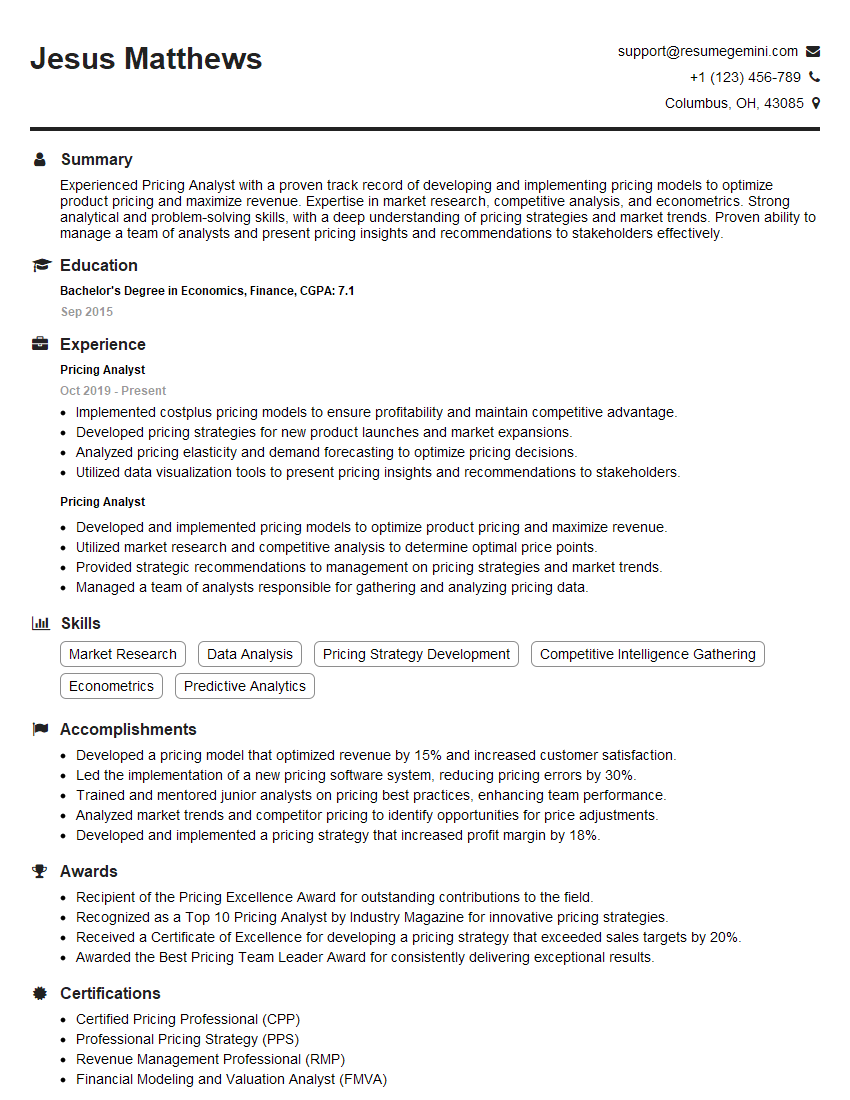
Pricing Analyst Resume Sample
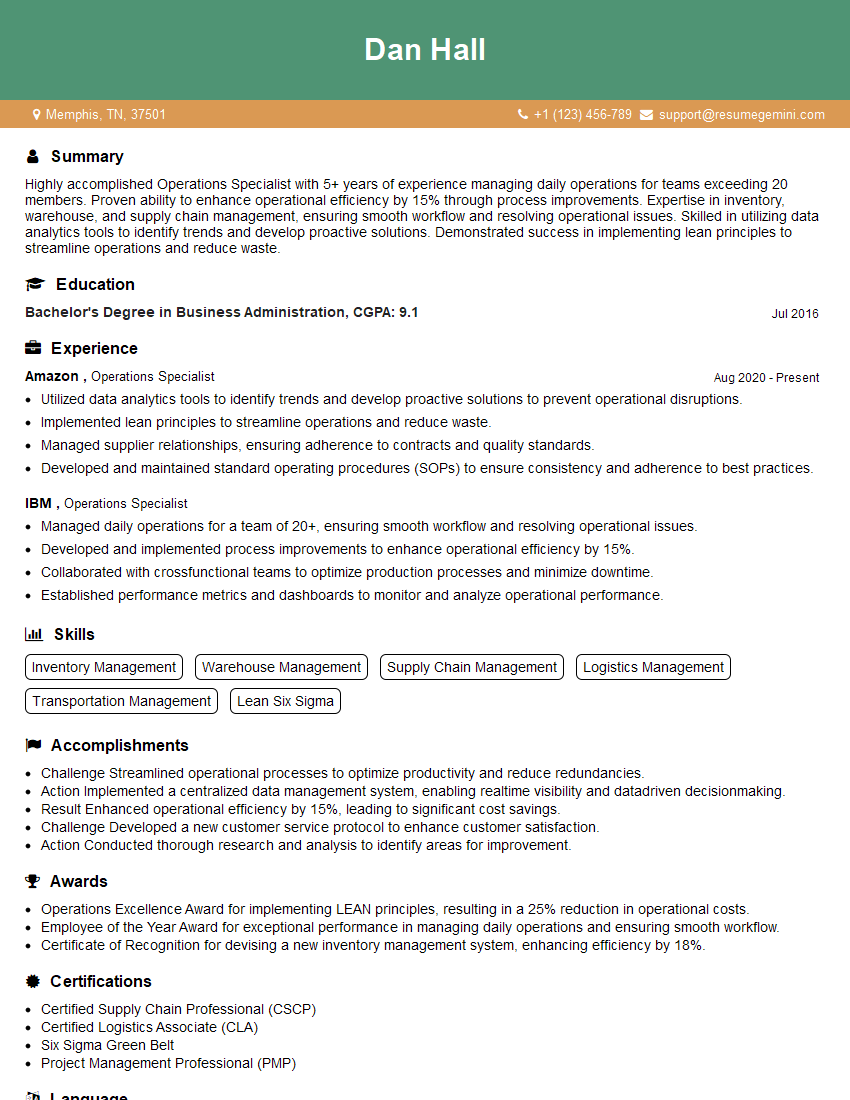
Operations Specialist Resume Sample
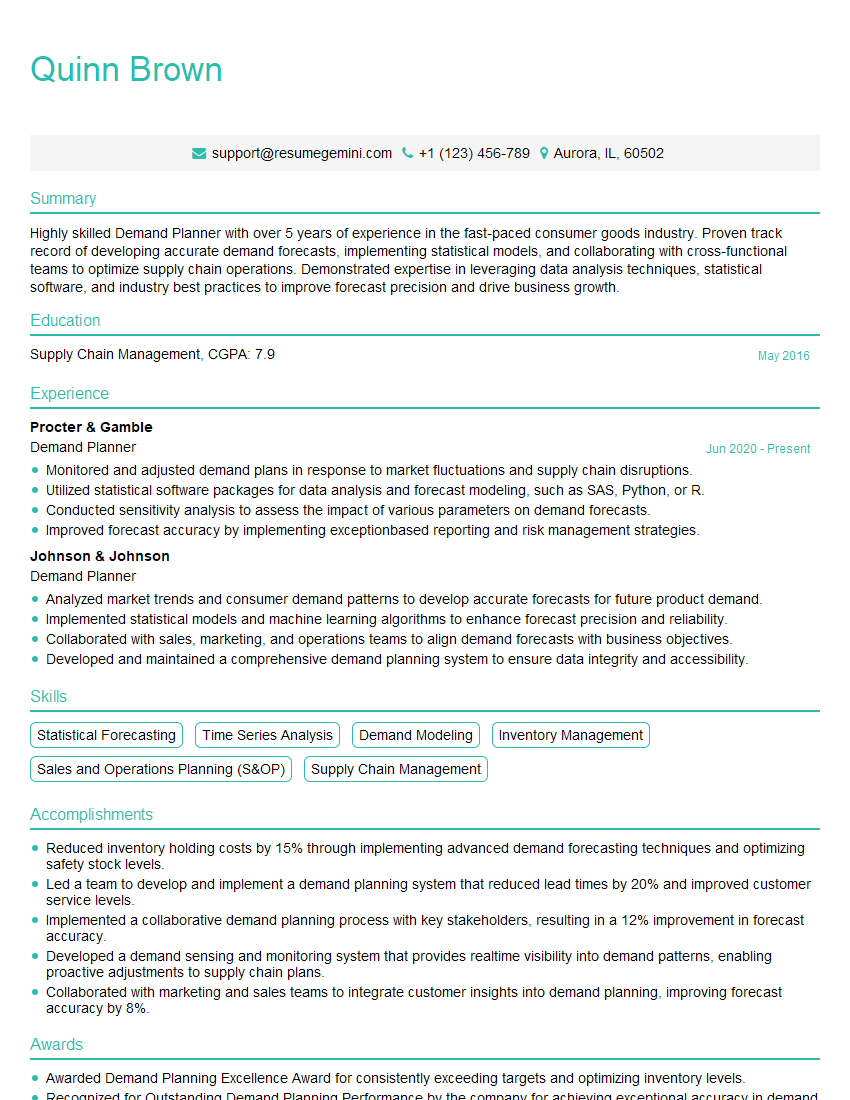
Demand Planner Resume Sample

Dispatch Manager Resume Sample
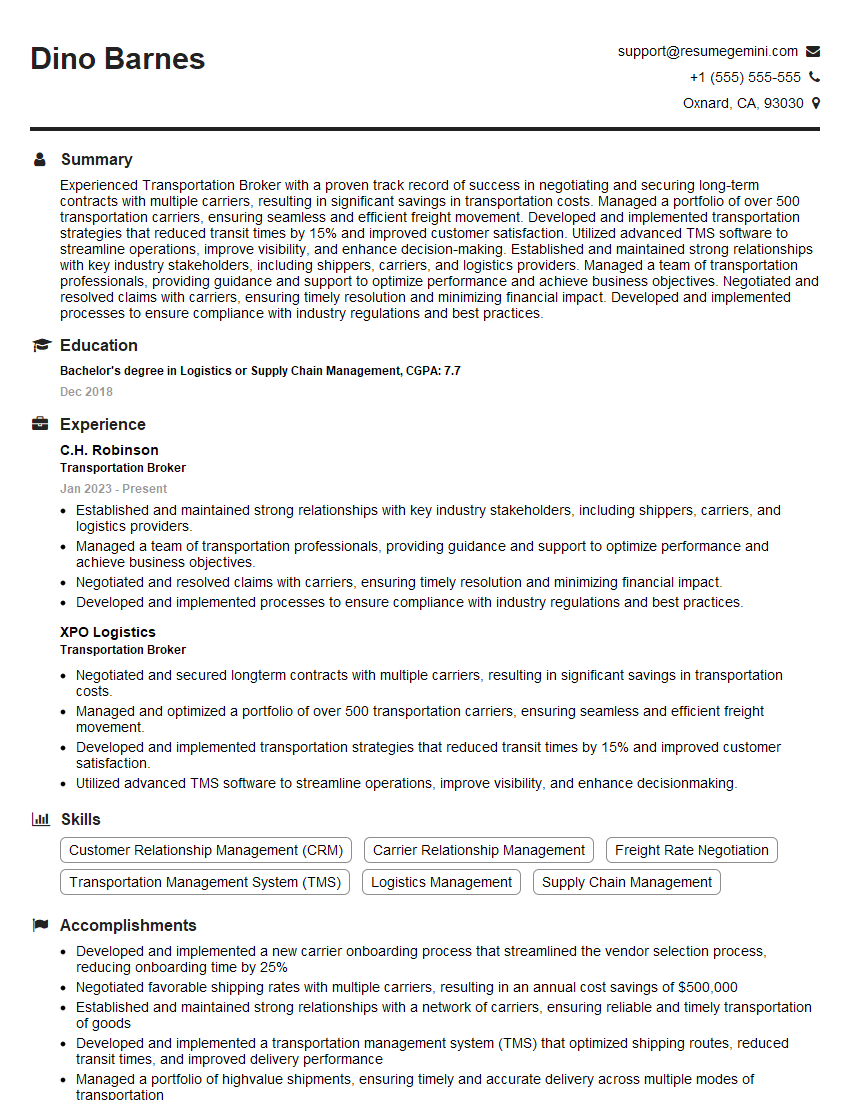
Transportation Broker Resume Sample
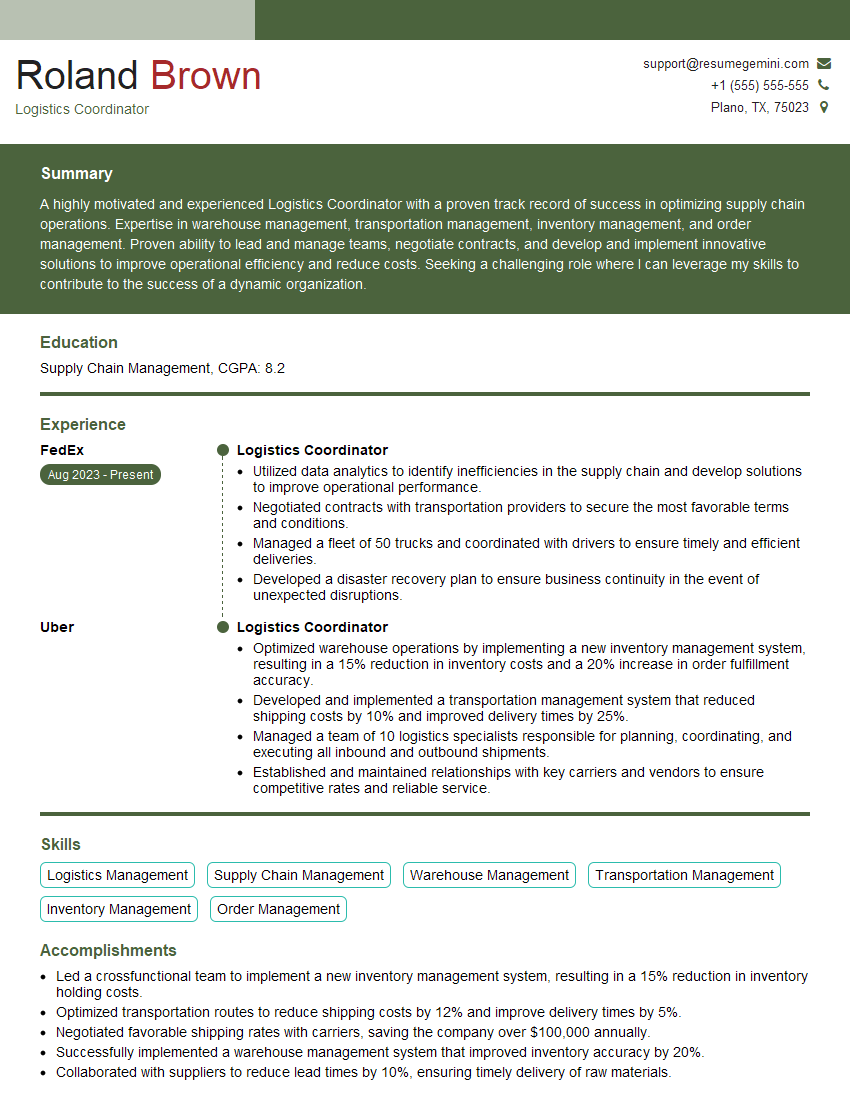
Logistics Coordinator Resume Sample

Compliance Manager Resume Sample
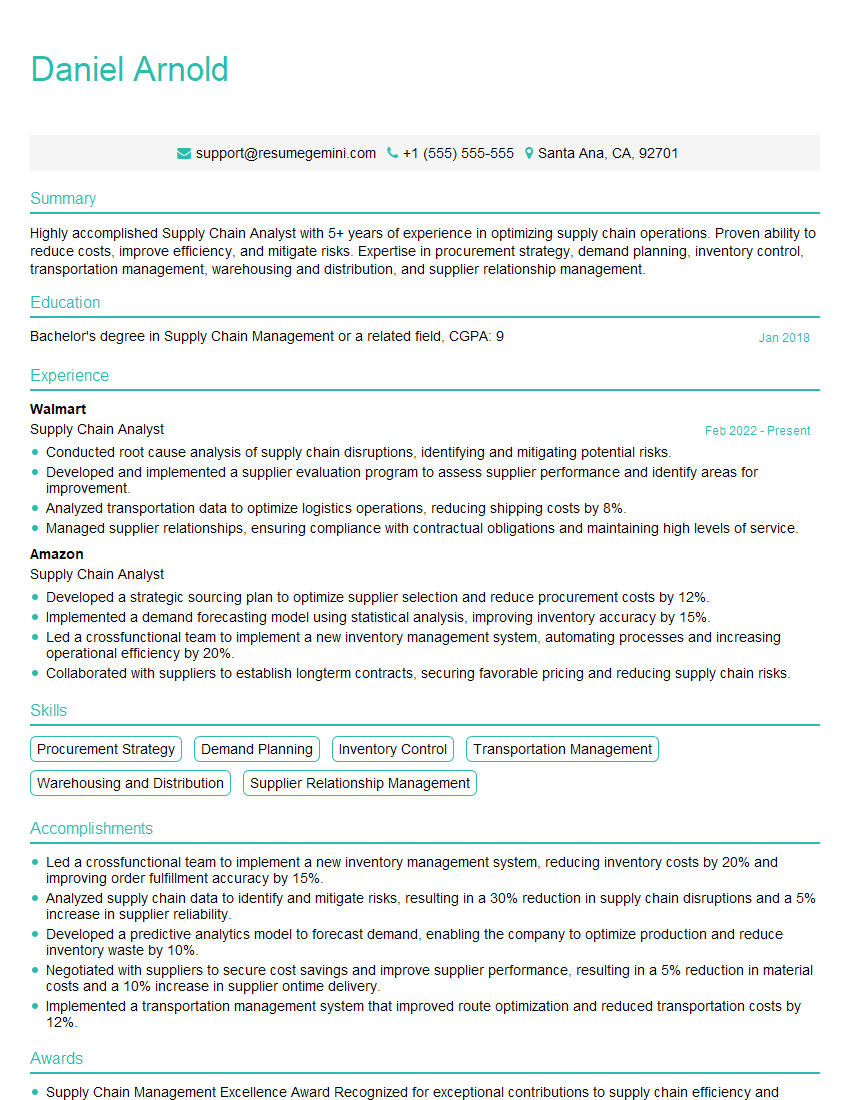
Supply Chain Analyst Resume Sample

Risk Management Specialist Resume Sample
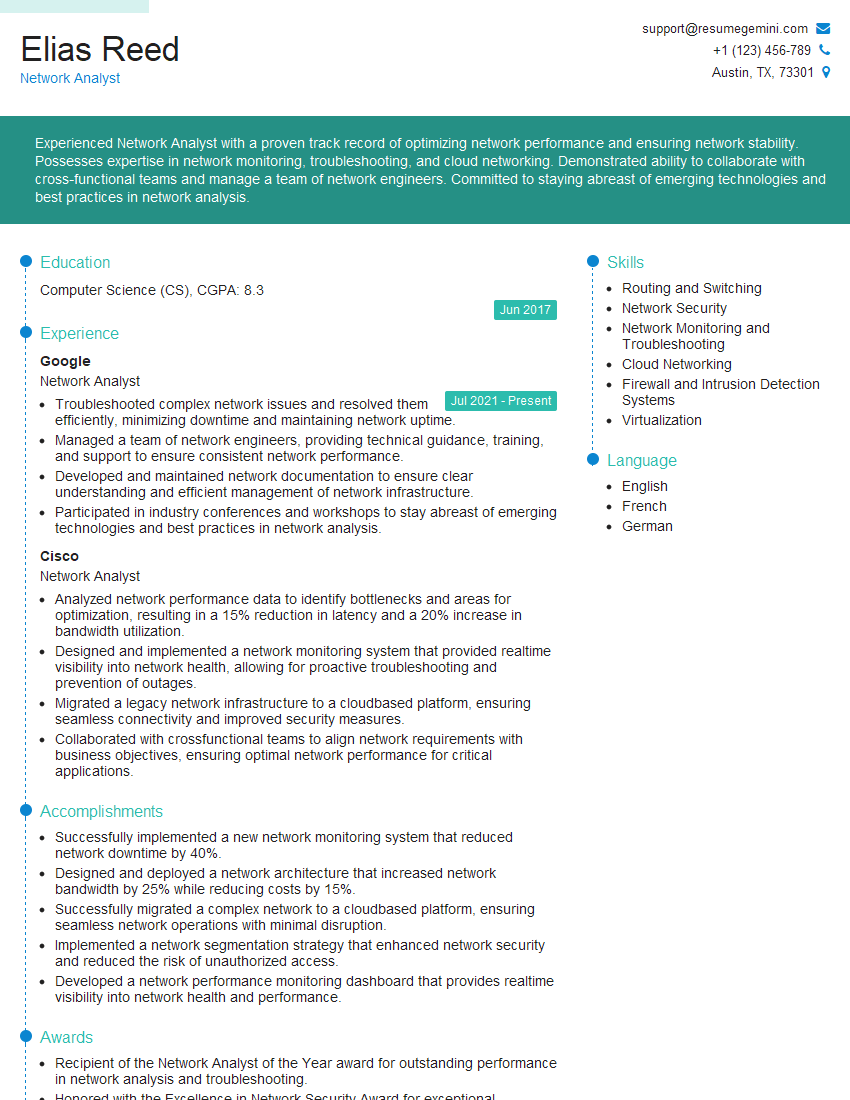
Network Analyst Resume Sample

Transportation Analyst Resume Sample
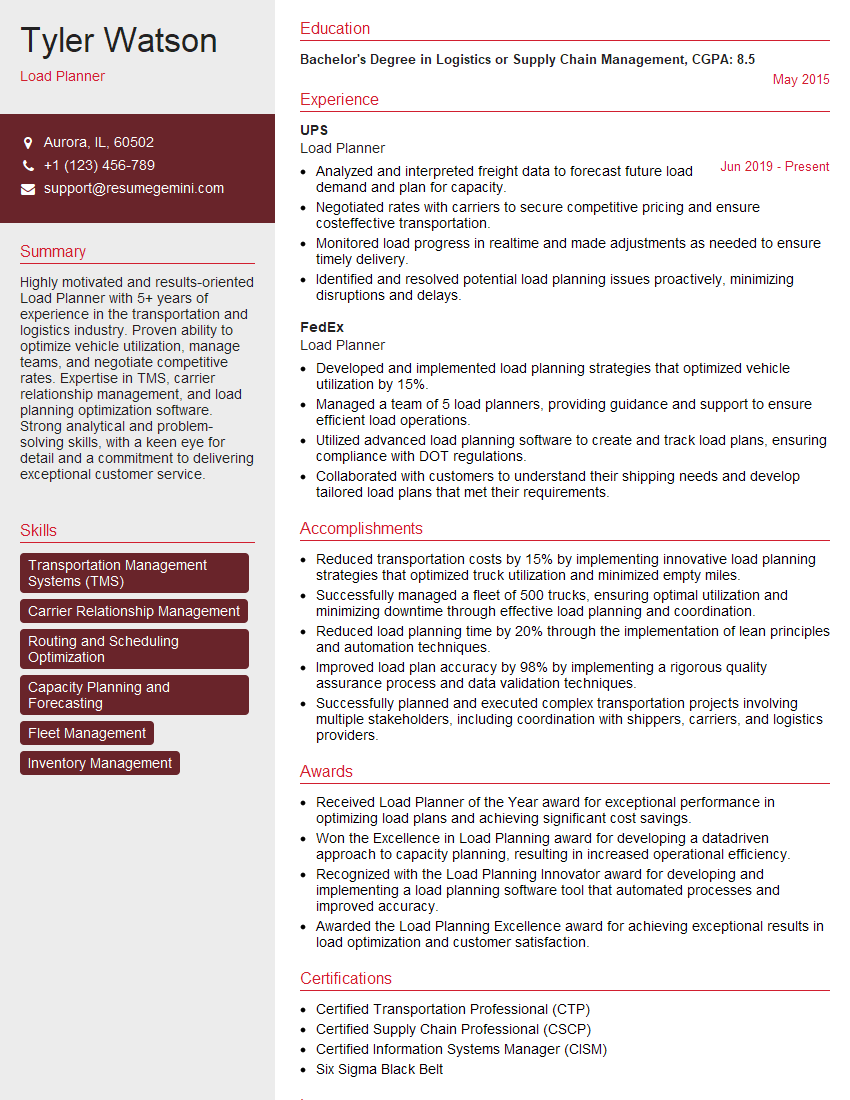
Load Planner Resume Sample
Explore more articles
Users Rating of Our Blogs
Share Your Experience
We value your feedback! Please rate our content and share your thoughts (optional).
What Readers Say About Our Blog
To the interviewgemini.com Webmaster.
Very helpful and content specific questions to help prepare me for my interview!
Thank you
To the interviewgemini.com Webmaster.
This was kind of a unique content I found around the specialized skills. Very helpful questions and good detailed answers.
Very Helpful blog, thank you Interviewgemini team.