Every successful interview starts with knowing what to expect. In this blog, we’ll take you through the top Pole Climbing and Aerial Device Operation interview questions, breaking them down with expert tips to help you deliver impactful answers. Step into your next interview fully prepared and ready to succeed.
Questions Asked in Pole Climbing and Aerial Device Operation Interview
Q 1. Describe your experience with different climbing techniques.
My experience encompasses a wide range of pole climbing techniques, from traditional climbing methods using gaffs and safety straps to more advanced techniques involving ascenders and descenders. I’m proficient in both ‘straight’ climbing (ascending and descending directly on the pole) and ‘around-the-pole’ techniques (utilizing the pole’s circumference for support and added safety).
For example, when working on a wooden pole with good surface conditions, I’d typically use gaffs, ensuring a secure grip at all times. However, on a metal pole or in situations requiring more controlled ascent/descent, I would opt for ascenders and descenders, which provide better friction and controlled movement. My experience also includes working with different types of poles – wood, fiberglass, and steel – each demanding a unique approach and careful consideration of their specific characteristics.
- Gaffe Climbing: This classic method requires skill and precision for safe and efficient climbing.
- Ascender/Descender Climbing: This provides more controlled movements, especially helpful on taller or more challenging poles.
- Around-the-Pole Technique: This technique adds an extra layer of safety and stability, particularly helpful when working on tasks requiring both hands.
Q 2. Explain the proper use of safety equipment during pole climbing.
Proper safety equipment is paramount in pole climbing. It’s not just about having the equipment; it’s about using it correctly and consistently. The core components include a body harness, climbing belt, gaffs (if using), ascenders/descenders (if applicable), a safety strap, and a lifeline.
Before each climb, I meticulously inspect all equipment for wear and tear. A frayed rope, a loose buckle, or a damaged gaff is unacceptable and will immediately prevent me from climbing. The lifeline is always secured to a suitable anchor point at the top of the pole before I begin my ascent. The safety strap provides an additional layer of security in case of a fall. It’s crucial to understand that relying solely on gaffs is not sufficient; the safety strap acts as a secondary line of defense. I never take shortcuts with safety; it’s my number one priority.
Think of it like this: each piece of equipment is a link in a chain. A single weak link can compromise the entire system. Therefore, thorough inspection and appropriate use are critical to ensure safety.
Q 3. How do you conduct pre-climb inspections?
Pre-climb inspections are crucial for identifying potential hazards and ensuring a safe working environment. My inspection process is methodical and thorough, following a checklist to avoid omissions.
- Pole Condition: I visually inspect the pole for any signs of damage, such as cracks, rot (in wooden poles), corrosion (in metal poles), or loose hardware.
- Ground Conditions: I assess the ground for any obstacles, uneven terrain, or hazards that could cause a trip or fall.
- Weather Conditions: I check for wind speed and direction, rain, ice, or other weather factors that could affect stability or visibility. High winds are an immediate no-go.
- Equipment Inspection: As mentioned before, this includes a careful check of all climbing gear for wear, damage, and proper functionality.
- Clearance: I ensure sufficient clearance around the pole, considering overhead power lines and other potential obstacles.
If any issues are identified, I report them immediately to my supervisor and rectify them before proceeding with the climb. Safety always comes first.
Q 4. What are the different types of aerial devices you’re familiar with?
My experience includes operating a variety of aerial devices, each designed for different tasks and environments. These include:
- Bucket Trucks (Aerial Lifts): These are versatile vehicles equipped with an elevating platform, ideal for various tasks at height.
- Articulating Boom Lifts: These offer greater maneuverability and reach, particularly useful in confined spaces.
- Telescopic Boom Lifts: These provide a significant vertical reach, making them suitable for taller structures.
- Insulated Aerial Devices: Specifically designed for working near energized power lines, ensuring electrical safety.
I’m familiar with the operational nuances of each type, understanding their limitations and capabilities. For instance, the reach and stability of an articulating boom differ significantly from a telescopic boom. Selecting the appropriate device for a specific job is a critical aspect of safety and efficiency.
Q 5. Explain the procedures for operating a bucket truck safely.
Safe bucket truck operation requires a systematic approach, prioritizing safety at every stage. Before starting, I perform a thorough pre-operational inspection, checking fluid levels, tire pressure, brakes, and the overall condition of the truck and the aerial device itself.
- Stabilizer Deployment: Always ensure the stabilizers are fully deployed and locked before raising the boom.
- Load Capacity: Never exceed the rated load capacity of the bucket. This information is clearly marked on the machine.
- Swing Radius: Be acutely aware of the swing radius of the boom to avoid collisions with objects or personnel.
- Weather Conditions: High winds can significantly impact stability. Operation should be suspended if conditions are unsafe.
- Communication: Maintain clear communication with ground personnel to avoid accidents.
Imagine trying to operate a crane without proper training and procedures – it would be incredibly dangerous. Similarly, proper training and adherence to safety protocols are non-negotiable when operating a bucket truck.
Q 6. How do you perform routine maintenance checks on aerial devices?
Routine maintenance on aerial devices is essential for preventing malfunctions and ensuring safe operation. My checks include:
- Hydraulic System: Checking fluid levels, hoses for leaks, and cylinder functionality.
- Electrical System: Inspecting wiring, lights, and controls for damage or defects.
- Boom and Bucket: Examining for any signs of wear, damage, or structural weakness.
- Stabilizers: Checking for proper deployment, locking mechanisms, and overall condition.
- Safety Devices: Testing emergency stops, alarms, and other safety features.
These checks aren’t just about preventing breakdowns; they are about proactively mitigating safety risks. A neglected maintenance item can lead to a serious accident.
Q 7. Describe your experience with troubleshooting aerial device malfunctions.
Troubleshooting aerial device malfunctions requires a systematic and methodical approach. I start by identifying the nature of the problem – is it hydraulic, electrical, or mechanical?
For example, if the boom fails to raise, I would first check the hydraulic fluid level and look for leaks. If the problem persists, I may check the hydraulic pump and related components. If it’s an electrical issue, I would check fuses, circuit breakers, and wiring for any damage.
My approach involves a combination of visual inspection, diagnostic testing (using relevant equipment as needed), and knowledge of the device’s schematics and operation. If I can’t diagnose the issue, I immediately report it to the appropriate personnel and will not attempt to operate the equipment further. Safety is paramount. Attempting to fix complex mechanical or electrical problems without the necessary expertise could lead to severe injury or further damage.
Q 8. How do you handle emergency situations while working at height?
Emergency situations at height demand immediate, decisive action. My first priority is always personal safety and then the safety of others. My training emphasizes a systematic approach:
- Assessment: I immediately assess the nature of the emergency – is it a fall, equipment malfunction, medical emergency, or something else?
- Communication: I utilize my radio to immediately contact my supervisor and emergency services, clearly communicating the situation, my location, and the nature of the emergency.
- Evacuation/Rescue: Depending on the circumstances, I would either self-rescue using my safety equipment, initiate a rescue plan if trained to do so, or await assistance from emergency personnel.
- Post-Incident Procedures: Once the immediate danger is past, I would assist in any rescue operations and participate in a thorough post-incident investigation to identify contributing factors and prevent future incidents.
For instance, if I experienced a sudden equipment failure while climbing a pole, I would immediately engage my safety harness and use my ascender/descender to control my descent. Simultaneously, I’d radio for assistance, providing details of my location and the type of failure.
Q 9. What are the relevant safety regulations and standards you adhere to?
Adherence to safety regulations and standards is paramount. My work is guided by OSHA standards (in the US), local regulations, and the specific safety manuals provided by my employer. These cover:
- Fall Protection: Proper use of harnesses, lanyards, and fall arrest systems, including regular inspections.
- Permit-to-Work Systems: Ensuring all necessary permits are obtained before commencing work near energized equipment.
- Lockout/Tagout Procedures: Proper isolation and de-energization of equipment before maintenance or repair.
- Aerial Device Safety: Safe operation and maintenance of bucket trucks, including pre-use inspections, load limits, and safe working practices.
- Personal Protective Equipment (PPE): Consistent use of helmets, safety glasses, gloves, and appropriate clothing.
I also participate in regular safety training and refresher courses to maintain my proficiency and stay updated on any changes in regulations.
Q 10. Explain your understanding of fall protection systems.
Fall protection systems are critical for working at height. They’re designed to arrest a fall and prevent a fatal impact. These systems usually include:
- Full Body Harness: Distributes the impact force over the body, reducing the risk of injury.
- Anchor Point: A secure point to which the lifeline is attached (e.g., pole top, structural member on an aerial device).
- Lifeline/Lanyard: Connects the harness to the anchor point, restricting movement and stopping a fall.
- Fall Arrestor: A device that absorbs the shock of a fall, reducing the impact force on the worker.
Different types of fall arrest systems exist, including self-retracting lifelines (SRLs), shock-absorbing lanyards, and vertical lifelines. The choice depends on the specific work environment and task. Regular inspections of all components are crucial to ensure their effectiveness.
Q 11. Describe your experience with different types of poles (wood, concrete, metal).
My experience encompasses working with various pole types, each presenting unique challenges:
- Wooden Poles: These are susceptible to rot, insect damage, and cracking. Climbing requires careful inspection for weaknesses and the use of appropriate climbing techniques to avoid damaging the pole structure.
- Concrete Poles: Concrete poles are generally stronger but can be brittle and prone to cracking, especially near the base. Climbing these requires special attention to secure footing and awareness of potential hazards like loose or flaking concrete.
- Metal Poles: Metal poles (steel, aluminum) can be slippery, especially in wet conditions. They also conduct electricity, so extra precautions are essential when working near power lines. Climbing gear needs to be compatible with the pole’s surface to prevent slippage.
I adapt my climbing techniques and safety precautions based on the pole material to ensure a safe and efficient ascent and descent.
Q 12. How do you assess the structural integrity of a pole before climbing?
Assessing a pole’s structural integrity is a crucial first step. My assessment involves a visual inspection, often supplemented by additional checks if necessary:
- Visual Inspection: I carefully examine the pole for signs of damage, such as cracks, rot, insect infestation, corrosion, or significant wear and tear. I check the base for signs of settling or instability.
- Physical Checks (if necessary): Depending on the circumstances, I may use a tapping or sounding tool to check for internal decay or structural weakness in wooden poles. For concrete poles, I might look for signs of spalling or significant cracking.
- Documentation: I document my findings, including any observations of potential problems, before starting any work.
If I identify any concerns about the structural integrity, I immediately report them to my supervisor and refuse to climb the pole until the concerns are addressed and safety is ensured.
Q 13. What are the common hazards associated with pole climbing and aerial device operation?
Pole climbing and aerial device operation present several inherent hazards:
- Falls: The primary hazard, leading to serious injuries or fatalities. This risk is mitigated through appropriate fall protection and safe climbing techniques.
- Electrical Hazards: Contact with power lines can be fatal. Proper clearance distances, lockout/tagout procedures, and awareness of energized equipment are essential.
- Equipment Failure: Malfunction of climbing gear, aerial devices, or tools can lead to falls or other injuries. Regular inspections and maintenance are crucial.
- Weather Conditions: Wind, rain, ice, and snow significantly increase the risks of falls and electrical hazards. Work in adverse weather should be avoided unless absolutely necessary.
- Environmental Hazards: Exposure to sun, extreme temperatures, insects, and other environmental factors can also pose risks.
Effective risk management strategies, like thorough pre-work inspections, adequate training, and adherence to safety protocols, are paramount in mitigating these risks.
Q 14. How do you mitigate risks associated with working near power lines?
Working near power lines requires extreme caution. My mitigation strategies include:
- Distance: Maintaining a safe distance from energized lines is crucial. This distance is specified in relevant safety regulations and depends on the voltage of the lines.
- Lockout/Tagout: Before any work near power lines, the lines must be de-energized and locked out using proper lockout/tagout procedures.
- Spotters: Using spotters to monitor the worker’s position and warn of any potential contact with power lines.
- Non-Conductive Tools: Using tools made of non-conductive materials to prevent electrical shocks.
- Protective Clothing: Wearing appropriate protective clothing to minimize risk of electrical shock or arc flash.
If for any reason, there’s uncertainty about the status of the power lines, I will immediately halt the work and contact the relevant authority (power company) to ensure their de-energization before proceeding. Safety is always the top priority.
Q 15. Describe your experience working in various weather conditions.
Working in various weather conditions is an integral part of pole climbing and aerial device operation. My experience spans a wide range, from scorching summer heat to freezing winter blizzards and everything in between. Safety is paramount in all conditions.
- Extreme Heat: In extreme heat, we take frequent breaks, hydrate constantly, and wear appropriate sun protection. We also adjust work schedules to avoid the hottest parts of the day. I’ve experienced instances where we had to postpone tasks due to the risk of heat stroke.
- Inclement Weather (Rain, Snow, Ice): Working in rain, snow, or ice requires extra caution. We use specialized equipment for added grip and safety, such as insulated tools and climbing gear with improved traction. We also implement more frequent safety checks and closely monitor weather forecasts to avoid dangerous situations. I once had to suspend operations during a severe ice storm due to the significant risk of falling.
- High Winds: High winds present a serious hazard. We utilize wind speed monitors to assess conditions and may need to use specialized rigging techniques or postpone work if winds exceed safe limits. I’ve had to secure equipment extra carefully during high wind events to prevent accidents.
Adaptability and a strong focus on safety protocols are key to successful operations in diverse weather conditions.
Career Expert Tips:
- Ace those interviews! Prepare effectively by reviewing the Top 50 Most Common Interview Questions on ResumeGemini.
- Navigate your job search with confidence! Explore a wide range of Career Tips on ResumeGemini. Learn about common challenges and recommendations to overcome them.
- Craft the perfect resume! Master the Art of Resume Writing with ResumeGemini’s guide. Showcase your unique qualifications and achievements effectively.
- Don’t miss out on holiday savings! Build your dream resume with ResumeGemini’s ATS optimized templates.
Q 16. How do you communicate effectively with your team while working at height?
Effective communication at height is crucial for safety and efficiency. We utilize a combination of methods to ensure clear and concise communication.
- Pre-Job Briefing: Before starting any task, we conduct thorough briefings that cover all aspects of the job, potential hazards, and emergency procedures. This sets the stage for effective teamwork.
- Two-Way Radios: We use two-way radios for constant communication between ground crew and those working at height. Clear, concise instructions and regular status updates are vital.
- Hand Signals: In noisy environments or when radios aren’t feasible, hand signals are employed. We use standardized hand signals to convey critical information safely and efficiently. This requires consistent training and practice.
- Post-Job Debriefing: After completing a job, we hold debriefings to discuss what went well, what could be improved, and to identify any potential hazards that were encountered.
Open communication, clear expectations, and a culture of mutual respect are essential for a safe and productive working environment at height.
Q 17. Explain your understanding of lockout/tagout procedures.
Lockout/Tagout (LOTO) procedures are critical for preventing accidental energization or startup of equipment during maintenance or repair. It’s a life-saving process.
The process typically involves these steps:
- Identify the energy sources: This involves pinpointing all sources of power (electrical, hydraulic, pneumatic, etc.) to be isolated.
- Isolate the energy sources: Turn off breakers, disconnect valves, or take other actions to physically disconnect the equipment from its energy sources.
- Apply the lockout device: Use a lock and tag to secure the energy isolation device. This ensures that no one can inadvertently re-energize the equipment.
- Verify isolation: Before beginning work, double-check that the equipment is de-energized and safe to work on. This often involves using test equipment to confirm the absence of power.
- Remove the lockout device: Only the person who installed the lockout device is authorized to remove it, following proper verification procedures.
Failing to follow LOTO procedures can result in serious injury or death. I have extensive experience implementing and enforcing LOTO procedures, ensuring compliance with all applicable safety regulations.
Q 18. How do you maintain accurate records of your work?
Accurate record-keeping is crucial for accountability, safety analysis, and regulatory compliance. I maintain detailed records using a combination of methods:
- Daily Logs: I meticulously document all work performed each day, including the date, time, location, tasks completed, weather conditions, and any safety incidents or near misses.
- Electronic Data Collection: We use handheld devices or tablets to record data digitally, which enhances accuracy and facilitates quick access to information. This data is often integrated with larger company systems.
- Inspection Reports: Regular inspections of equipment and work areas are documented with detailed reports, including photographs or videos as evidence.
- Incident Reports: Any safety incidents or near misses are immediately reported using standardized forms that detail the event, contributing factors, and corrective actions taken.
All records are stored securely and are readily accessible for audits or investigations.
Q 19. Describe your experience with using various hand tools and equipment.
My experience with hand tools and equipment is extensive, encompassing a wide variety of specialized tools for pole climbing and aerial device operation.
- Climbing Equipment: I’m proficient in using climbing gaffs, safety harnesses, ascenders, descenders, and other specialized climbing gear. Regular inspections and maintenance of this equipment are essential.
- Hand Tools: I’m experienced with various hand tools, including screwdrivers, wrenches, pliers, cutters, and specialized tools for working on electrical equipment.
- Aerial Device Operation: I’m skilled in operating various aerial devices such as bucket trucks, digger derricks, and other specialized equipment used for working at height. This includes pre-operation checks, safe operation, and post-operation maintenance.
- Testing and Measuring Equipment: I have experience using voltage testers, multimeters, and other diagnostic equipment to ensure safe working conditions and to troubleshoot issues.
Regular training and certification keep my skills sharp and ensure I’m capable of using these tools safely and effectively.
Q 20. What is your experience with working on energized lines?
Working on energized lines is inherently dangerous and requires specialized training, equipment, and strict adherence to safety protocols. My experience in this area is limited to situations where it’s absolutely necessary and under the direct supervision of experienced lineworkers who have undergone extensive training in high-voltage safety procedures.
In such situations, we employ various safety measures, including:
- Specialized insulated tools: Tools with insulated handles and protective coverings are essential to prevent electrical shock.
- Protective equipment: We wear protective clothing and equipment, such as rubber gloves, safety helmets, and arc flash suits, to minimize the risk of injury.
- Grounding and bonding: Proper grounding and bonding procedures are critical to eliminate the risk of electrical shock.
- Strict adherence to safety procedures: Working on energized lines demands meticulous attention to detail and an unwavering commitment to safety protocols.
Safety is the absolute priority, and working on energized lines is never undertaken lightly.
Q 21. How do you perform a proper ground?
A proper ground refers to the process of safely connecting a conductive object to the earth to dissipate electrical charges, thereby eliminating the risk of electrical shock. It’s a critical safety measure, especially when working near energized lines.
Steps for a proper ground include:
- Selecting the appropriate grounding conductor: The grounding conductor must be appropriately sized and capable of handling the expected current.
- Connecting the grounding conductor: The conductor is securely attached to a known ground point, such as a grounding rod driven into the earth.
- Verifying the connection: The connection is tested to ensure it has low resistance and is effectively diverting current to the earth.
- Maintaining the connection: The ground connection must be maintained throughout the duration of the work.
Improper grounding can lead to serious injury or death. I have extensive experience in performing proper grounding procedures, ensuring the safety of myself and my colleagues.
Q 22. Explain your understanding of load limits for aerial devices.
Understanding load limits on aerial devices is paramount for safety and operational efficiency. It’s not just about the total weight; it’s about the distribution of that weight across the platform, boom, and chassis. Each aerial device has a manufacturer’s specified load capacity, clearly indicated in the operator’s manual. This capacity is often broken down into different factors:
- Working Load Limit (WLL): This is the maximum safe load the device can handle during normal operation. Think of this as the everyday weight you can safely lift.
- Maximum Load Capacity: This is the absolute maximum load the device can handle under any circumstance. Exceeding this can lead to catastrophic failure.
- Boom Angle and Extension Limits: The load capacity changes dramatically depending on the boom’s angle and extension. Reaching full extension with a heavy load significantly reduces the device’s stability and increases the risk of tipping.
- Outrigger Deployment: Outriggers are crucial for stability. Their deployment greatly increases the load capacity, but they must be properly positioned and deployed on a level surface.
For example, a 100-foot boom lift might have a 500 lb WLL when the boom is fully retracted but only a 200 lb WLL when fully extended at a 70-degree angle. Always consult the manufacturer’s charts and diagrams to understand the exact load limits for each configuration. Ignoring these limits can result in accidents, equipment damage, and serious injury.
Q 23. How do you plan and execute a complex aerial work task?
Planning and executing a complex aerial work task requires meticulous preparation and a systematic approach. It’s not just about getting the job done; it’s about doing it safely and efficiently. My approach involves these key steps:
- Pre-Job Planning: This includes a thorough review of the task’s specifications, safety regulations, site survey, and risk assessment. I create a detailed work plan outlining the steps, equipment needed, and potential hazards.
- Equipment Selection: I choose the right aerial device for the job, considering factors like reach, load capacity, terrain, and access limitations. I inspect the equipment for any signs of damage or malfunction before commencing work.
- Site Assessment and Safety Briefing: Before starting, I thoroughly assess the work area for hazards, including power lines, overhead obstructions, and ground conditions. I conduct a safety briefing with the team, emphasizing specific risks and safety procedures.
- Task Execution: I follow the work plan precisely, ensuring that all safety measures are adhered to throughout the task. Regular communication and collaboration with the team are vital.
- Post-Job Review: After completion, I conduct a thorough review of the task, noting any unforeseen challenges, successes, and lessons learned. This helps improve future task planning and execution.
For example, during a recent project involving replacing high-voltage insulators on a transmission tower, I meticulously planned the work, including detailed rigging procedures and emergency protocols. The pre-job briefing included specific instructions on handling the high-voltage equipment, ensuring the safety of everyone involved. This approach ensures the successful and safe completion of complex aerial tasks.
Q 24. Describe your experience with working in confined spaces.
Working in confined spaces requires specialized training and adherence to strict safety protocols. My experience includes working in manholes, vaults, and other enclosed areas, often involving electrical equipment. I’m familiar with the dangers of confined spaces, such as oxygen deficiency, toxic gas accumulation, and limited escape routes. My approach always prioritizes safety:
- Atmospheric Testing: Before entering any confined space, I conduct thorough atmospheric testing to detect the presence of hazardous gases like methane or carbon monoxide. This ensures the safety of personnel.
- Proper Ventilation: I ensure adequate ventilation to remove any hazardous gases and maintain a safe oxygen level within the confined space. Mechanical ventilation is often necessary.
- Personal Protective Equipment (PPE): Appropriate PPE is mandatory, including respirators, safety harnesses, and fall protection equipment. This provides an extra layer of security.
- Entry Procedures: I follow strict entry and exit procedures, including using an attendant, maintaining communication with those outside, and ensuring safe access and egress.
During a recent project involving maintenance within an underground electrical vault, I followed all safety procedures meticulously. Atmospheric testing confirmed a safe environment, and the use of appropriate ventilation and PPE ensured a safe working environment for the team. Working safely in confined spaces demands constant vigilance and adherence to established safety protocols.
Q 25. What is your experience with different types of insulators?
My experience encompasses a wide range of insulators, each with unique properties and applications. These include:
- Porcelain Insulators: These are commonly used for their high dielectric strength, good weather resistance, and relatively low cost. However, they are prone to breakage under mechanical stress.
- Polymer Insulators: These offer excellent hydrophobicity (water repellency), making them suitable for polluted or wet environments. They are also lighter than porcelain insulators. Different polymer types exist, each with varying characteristics.
- Composite Insulators: These combine the strength of fiberglass with the insulating properties of other materials, creating a robust and long-lasting insulator. They are often used in high-voltage applications.
- Glass Insulators: These insulators offer high dielectric strength and good chemical resistance, but they are susceptible to breakage like porcelain insulators.
I have practical experience with the installation, maintenance, and testing of each of these types. This includes visually inspecting for cracks, defects, and signs of degradation, which is crucial for ensuring grid reliability and worker safety. Understanding the specific properties of different insulator types is essential for selecting the right insulator for the specific environmental conditions and voltage levels involved. I can recognize faults and degradation patterns in each type.
Q 26. How do you manage your time effectively while working on multiple tasks?
Managing time effectively while working on multiple tasks involves prioritizing and planning. I use a combination of techniques to stay organized and efficient:
- Prioritization: I identify the most critical tasks based on urgency and importance, ensuring the highest priority tasks are completed first.
- Task Breakdown: I break down complex tasks into smaller, manageable sub-tasks. This makes the overall project less daunting and allows for better progress tracking.
- Time Blocking: I allocate specific time blocks for each task, creating a schedule that maximizes productivity and minimizes distractions.
- Regular Check-ins: I regularly check my progress against the schedule, adjusting as needed to stay on track. This also allows for adjustments based on unforeseen circumstances.
- Delegation (when appropriate): If possible, I delegate tasks to other qualified team members, maximizing our overall efficiency.
For example, during a multi-faceted project involving repairs, maintenance, and equipment upgrades, I use these methods to balance and complete each task without jeopardizing safety or efficiency. This involves efficient planning, and the delegation of less critical tasks to ensure projects are completed on schedule.
Q 27. Describe your problem-solving skills related to equipment failure.
My problem-solving skills related to equipment failure are built on experience, systematic troubleshooting, and a safety-first approach. My process typically involves:
- Safety First: Before attempting any repair, I prioritize the safety of myself and the team. This might involve isolating power sources or implementing additional safety measures.
- Assessment: I carefully assess the situation, identifying the symptoms of the failure and collecting any relevant data, such as error codes or warning lights.
- Troubleshooting: I use a systematic approach to troubleshoot the problem, employing my knowledge of the equipment and common failure points. This might involve checking connections, inspecting components, or running diagnostic tests.
- Repair or Replacement: Once the cause is identified, I either repair the faulty component or replace it with a working equivalent, adhering to all safety protocols and manufacturer guidelines.
- Testing and Verification: After the repair, I thoroughly test the equipment to ensure it’s functioning correctly and safely. This involves a full functionality check.
During one instance, a hydraulic leak developed in an aerial device during operation. By systematically checking each hydraulic line, I identified a small crack in a hose. The situation was resolved with a timely repair, minimizing project downtime and preventing further problems.
Q 28. How do you prioritize safety during routine and emergency situations?
Safety is my top priority, whether it’s a routine task or an emergency. My approach is built on a foundation of proactive measures and immediate responses:
- Routine Situations: I consistently follow established safety procedures, perform regular equipment inspections, and utilize proper PPE. Pre-task planning is crucial to identify and mitigate potential hazards.
- Emergency Situations: In emergencies, my response is swift and decisive. I follow established emergency protocols, communicate clearly with the team and emergency responders, and prioritize the evacuation of personnel from danger zones. This also includes reporting procedures to the appropriate stakeholders.
- Training and Awareness: Continuous training, staying updated on safety regulations and best practices, and maintaining a strong safety culture within the team are vital for ensuring safety in all situations.
For example, during a sudden thunderstorm while working at height, I immediately secured the aerial device, instructed the team to evacuate the work area and initiate the emergency response plan. Everyone’s safety was preserved by reacting to the situation effectively and efficiently.
Key Topics to Learn for Pole Climbing and Aerial Device Operation Interview
- Safety Procedures and Regulations: Understanding and applying OSHA regulations, company-specific safety protocols, and emergency response procedures for both pole climbing and aerial device operation.
- Pole Climbing Techniques: Mastering various climbing techniques (e.g., using climbing spurs, ascenders, and safety harnesses), understanding proper body mechanics, and maintaining situational awareness during ascents and descents.
- Aerial Device Operation: Safe operation of bucket trucks, digger derricks, and other aerial devices, including pre-operational checks, maneuvering techniques, and load capacity limitations.
- Equipment Maintenance and Inspection: Performing regular inspections of climbing gear, aerial devices, and related equipment; identifying potential hazards and performing minor maintenance as needed; understanding when to report equipment issues.
- Linework and Troubleshooting: Basic understanding of electrical linework, including identifying different types of lines and equipment, troubleshooting common issues, and applying appropriate safety measures.
- Working at Heights: Understanding and mitigating risks associated with working at heights, including fall protection techniques, proper harness usage, and rescue procedures.
- Communication and Teamwork: Effective communication with ground personnel, understanding hand signals, and collaborating effectively within a team environment.
- Problem-Solving and Decision-Making: Analyzing situations, identifying potential hazards, and making sound judgments under pressure to ensure the safety and efficiency of the operation.
Next Steps
Mastering Pole Climbing and Aerial Device Operation opens doors to a rewarding career with excellent growth potential in the utility and telecommunications industries. These skills are highly sought after, leading to diverse opportunities and competitive salaries. To significantly boost your job prospects, creating a strong, ATS-friendly resume is crucial. ResumeGemini is a trusted resource that can help you build a professional resume that highlights your skills and experience effectively. Examples of resumes tailored to Pole Climbing and Aerial Device Operation are available to help guide you in showcasing your unique qualifications. Invest the time in crafting a compelling resume – it’s your first impression to potential employers!
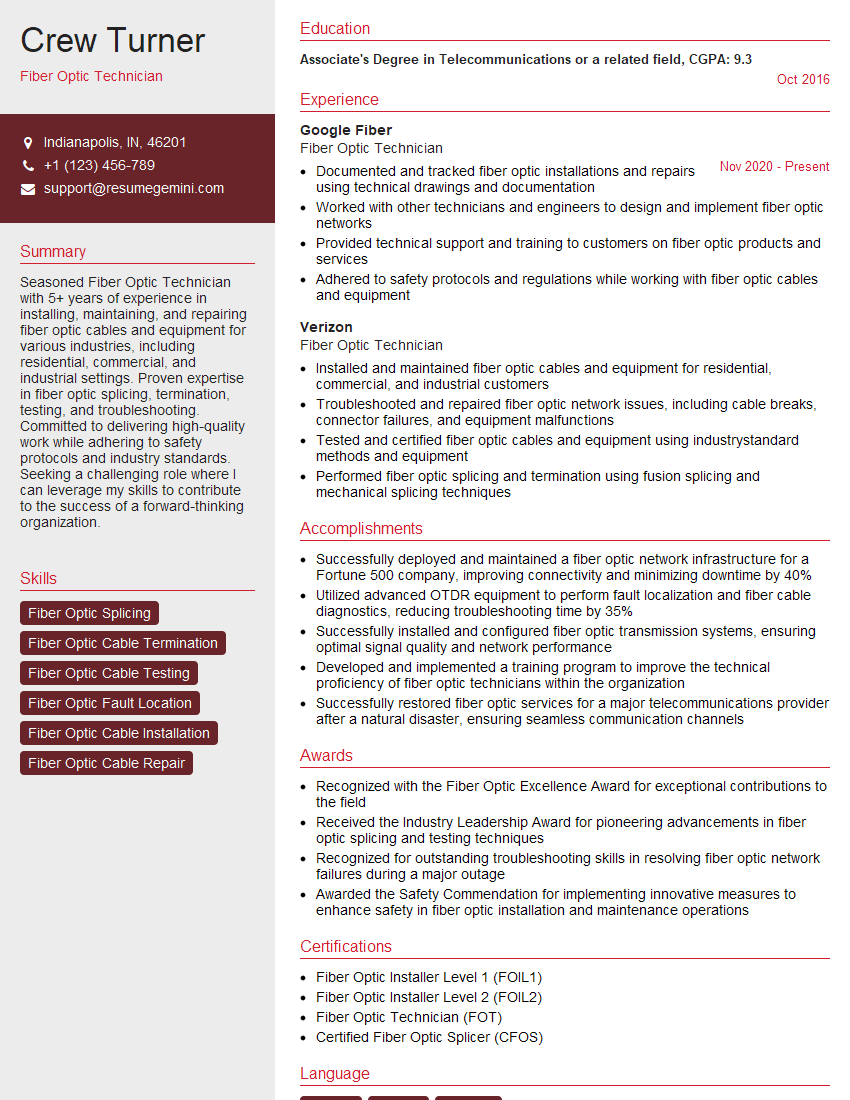
Fiber Optic Technician Resume Sample
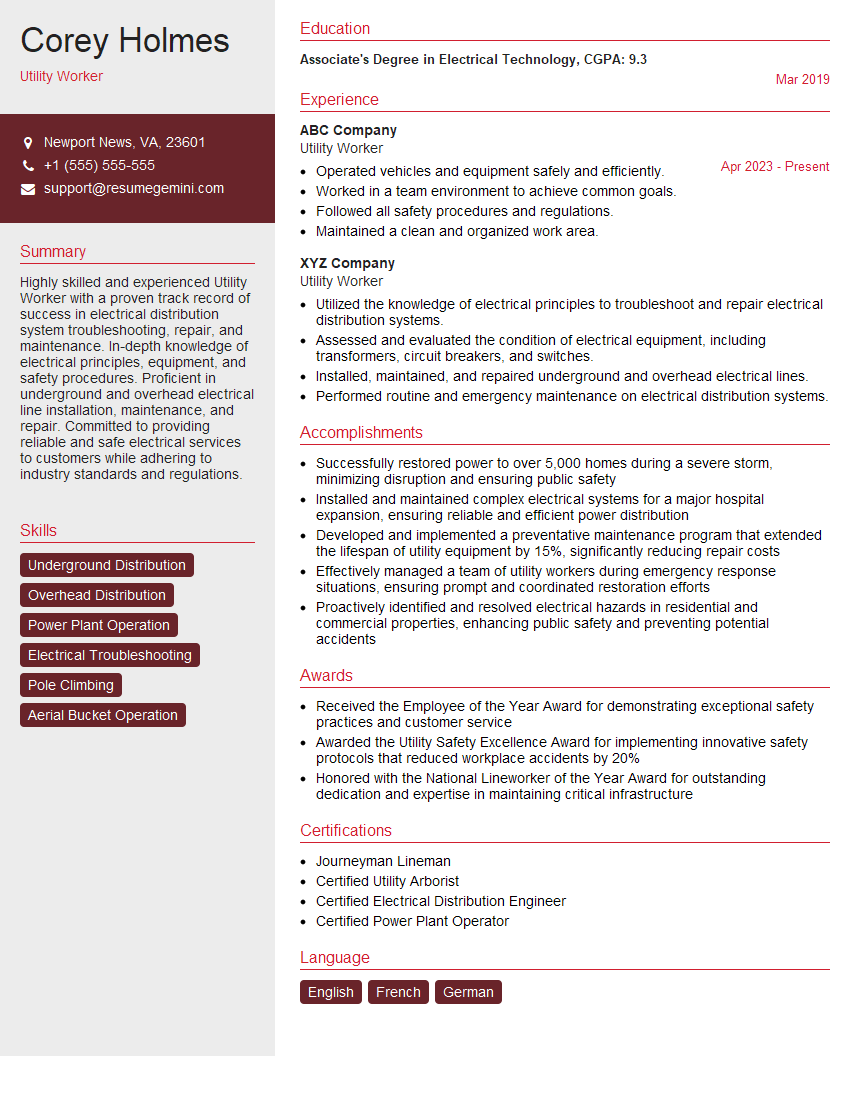
Utility Worker Resume Sample
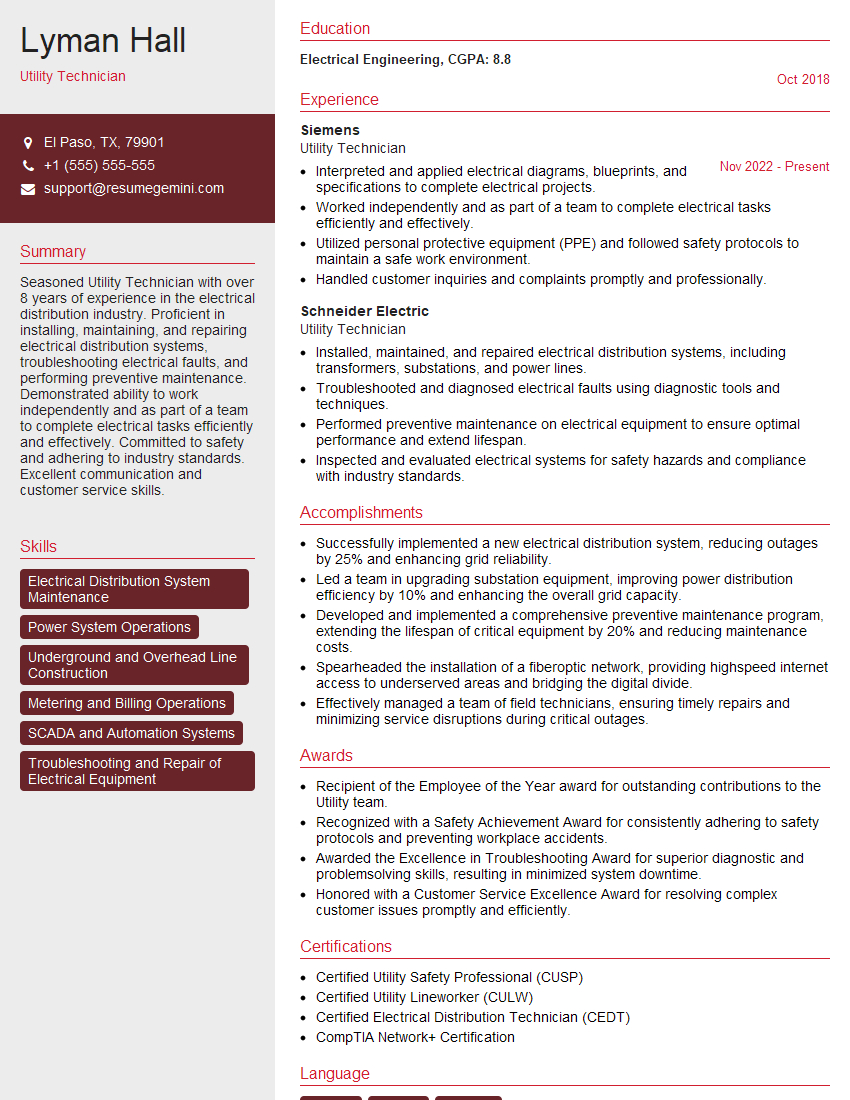
Utility Technician Resume Sample
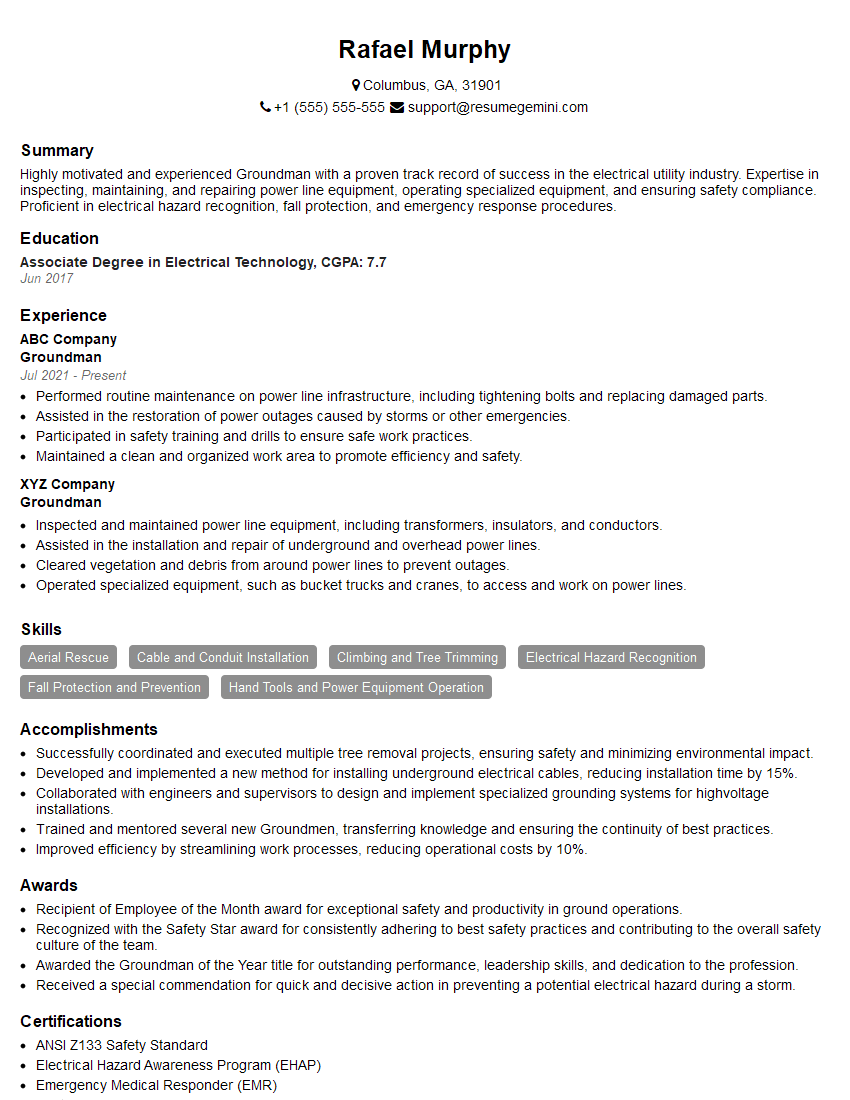
Groundman Resume Sample
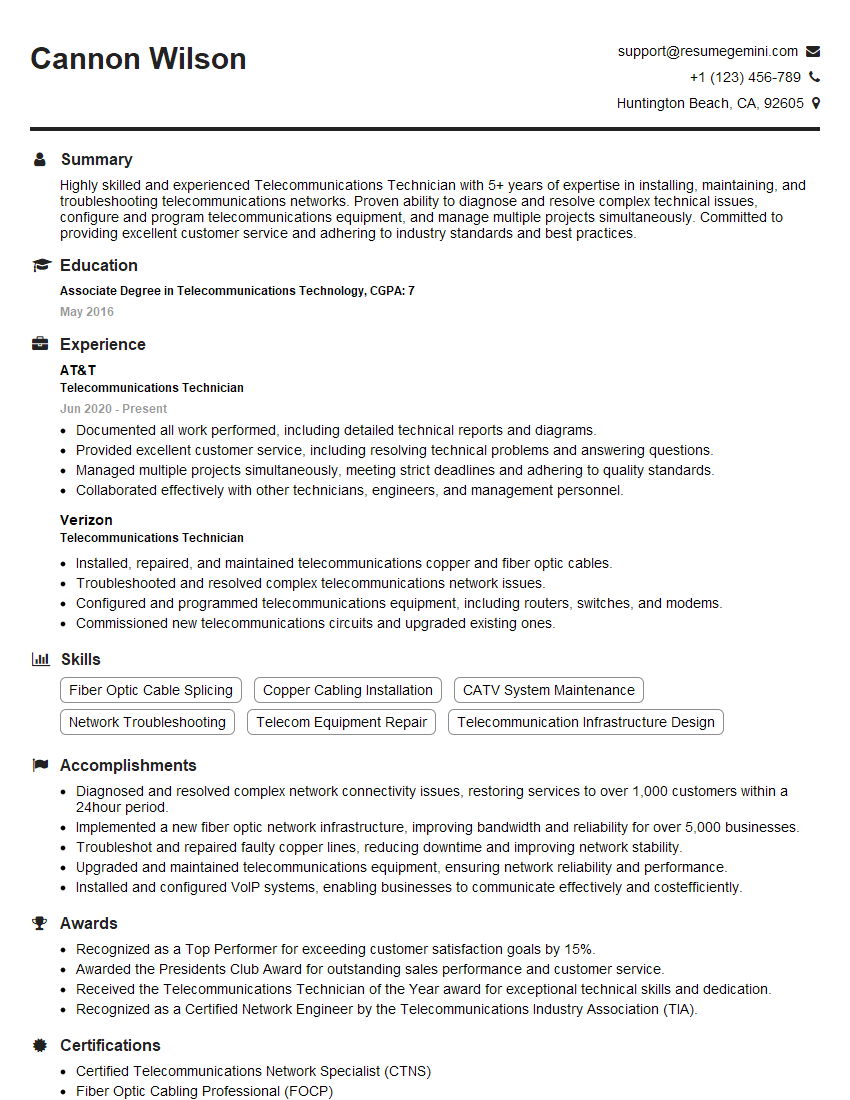
Telecommunications Technician Resume Sample

Electrical Maintenance Technician Resume Sample
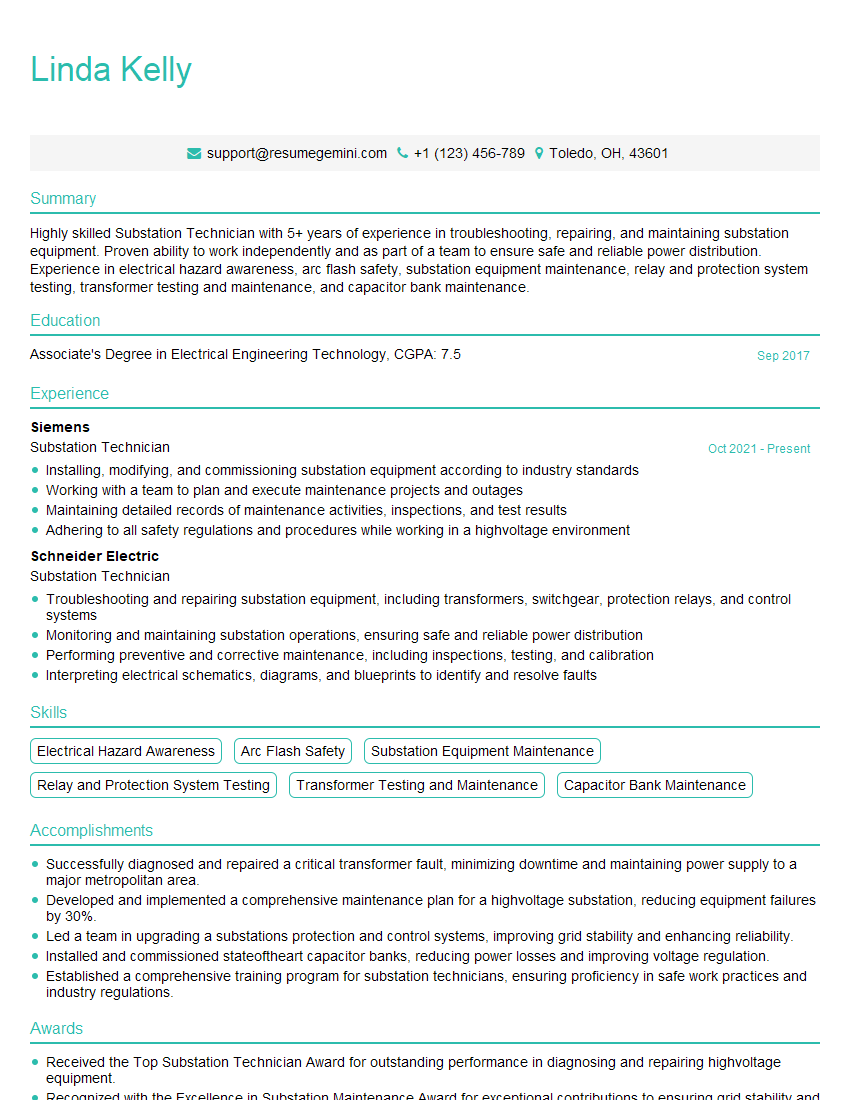
Substation Technician Resume Sample
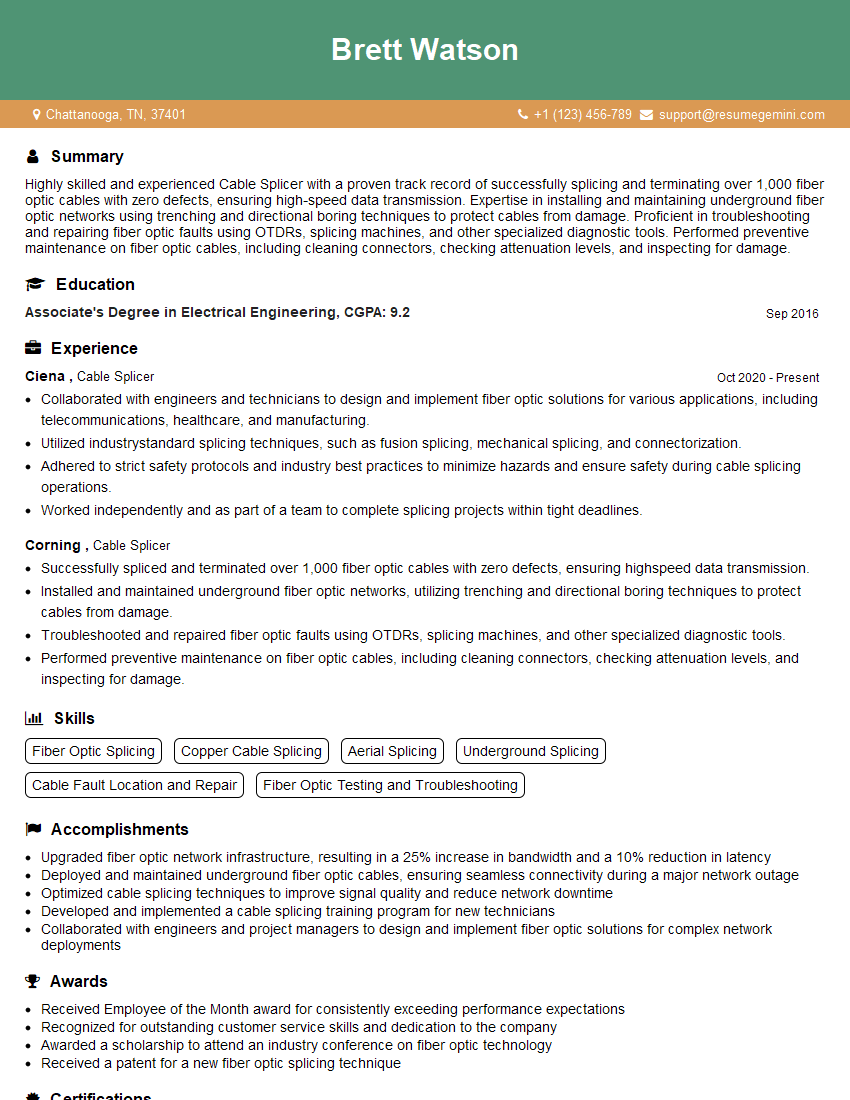
Cable Splicer Resume Sample
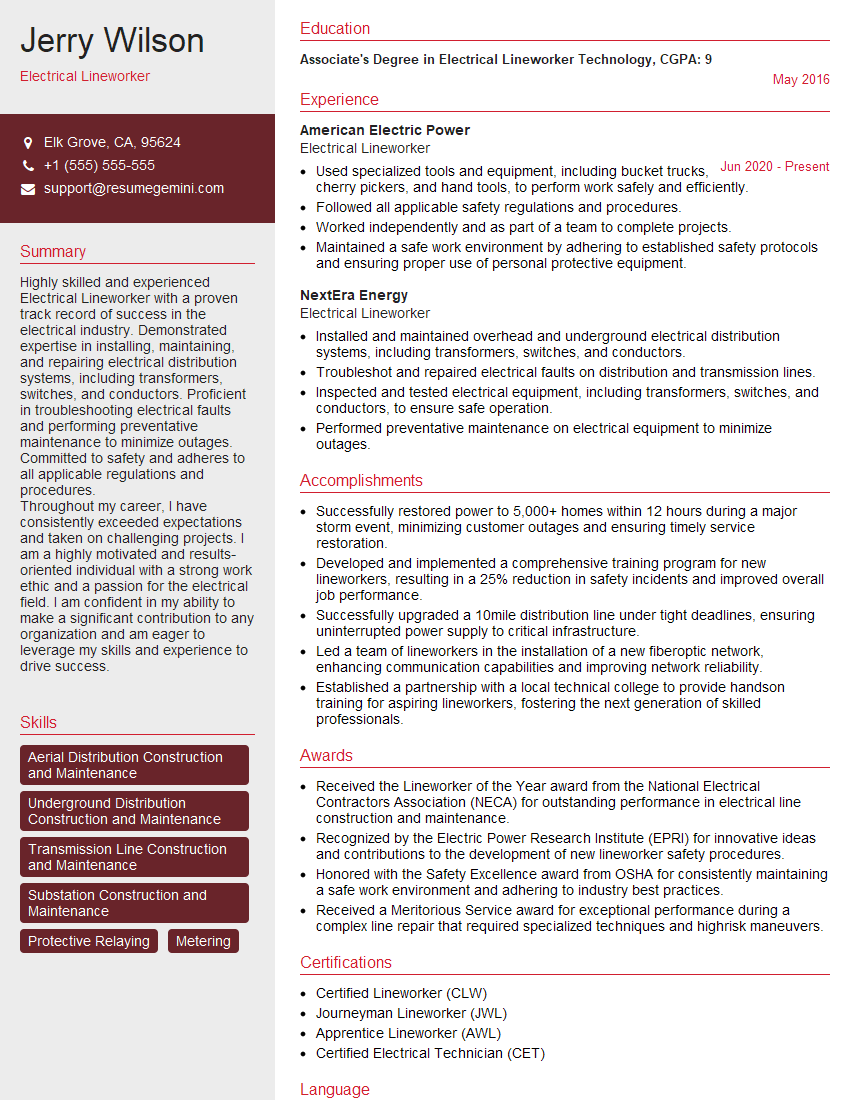
Electrical Lineworker Resume Sample
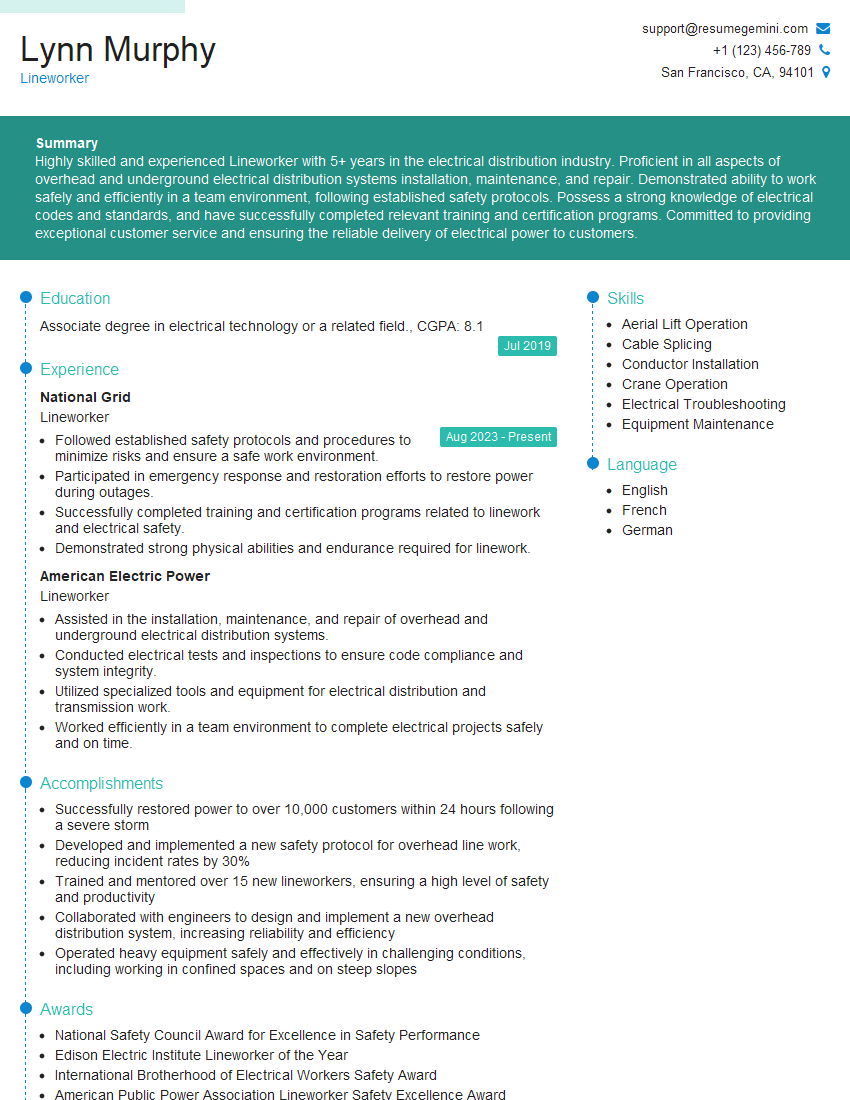
Lineworker Resume Sample
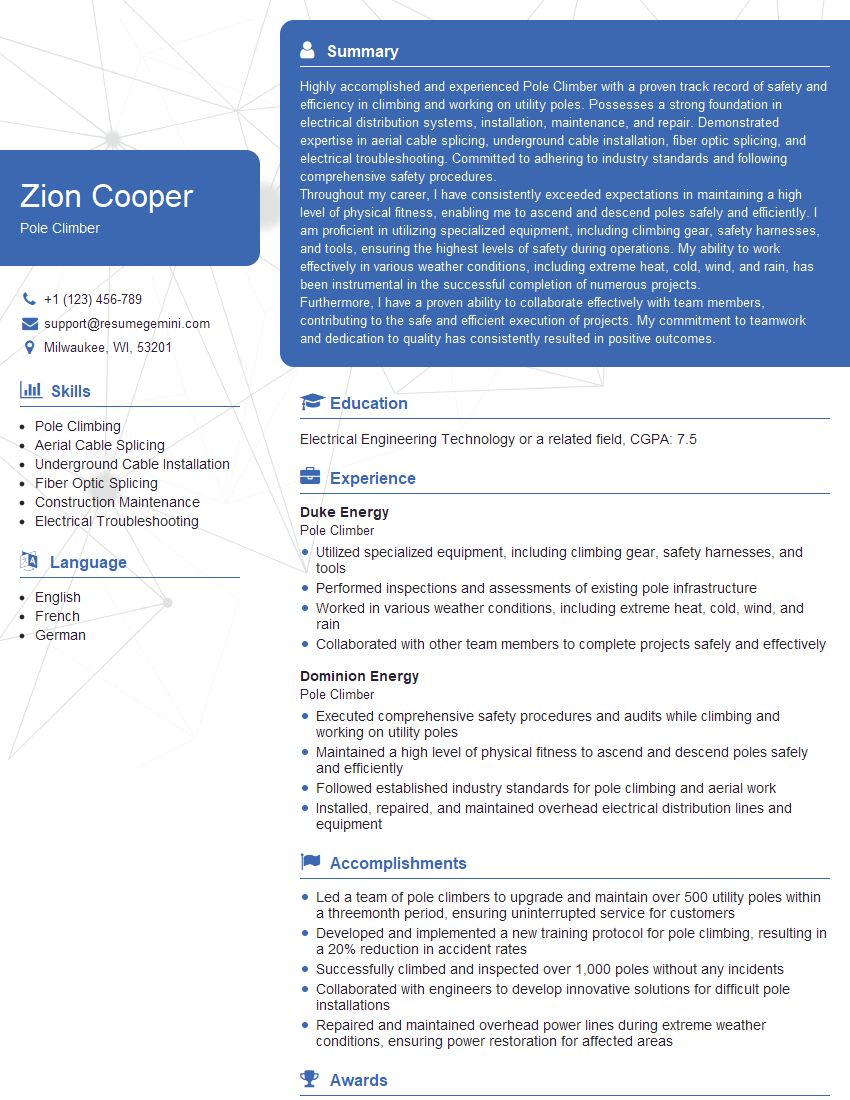
Pole Climber Resume Sample
Explore more articles
Users Rating of Our Blogs
Share Your Experience
We value your feedback! Please rate our content and share your thoughts (optional).
What Readers Say About Our Blog
To the interviewgemini.com Webmaster.
Very helpful and content specific questions to help prepare me for my interview!
Thank you
To the interviewgemini.com Webmaster.
This was kind of a unique content I found around the specialized skills. Very helpful questions and good detailed answers.
Very Helpful blog, thank you Interviewgemini team.