Unlock your full potential by mastering the most common Distribution Automation Systems interview questions. This blog offers a deep dive into the critical topics, ensuring you’re not only prepared to answer but to excel. With these insights, you’ll approach your interview with clarity and confidence.
Questions Asked in Distribution Automation Systems Interview
Q 1. Explain the role of SCADA in Distribution Automation Systems.
SCADA, or Supervisory Control and Data Acquisition, is the nervous system of a Distribution Automation System (DAS). It’s the central brain that monitors and controls the entire distribution network. Think of it as a sophisticated control room, displaying real-time data from various points across the grid, allowing operators to remotely manage and optimize operations.
SCADA systems collect data from intelligent electronic devices (IEDs) like smart meters, reclosers, capacitor banks, and voltage regulators scattered throughout the distribution network. This data provides a comprehensive overview of the network’s status, including voltage levels, current flows, and equipment health. The SCADA system then uses this information to make informed decisions, enabling automated control actions to maintain grid stability and reliability.
For example, if a fault is detected on a feeder, the SCADA system can automatically isolate the fault using remote-controlled switches, minimizing the number of customers affected by the outage. It can then automatically reroute power around the fault, restoring service quickly and efficiently. This automated response is far faster and more efficient than relying on manual intervention alone.
Q 2. Describe different communication protocols used in Distribution Automation.
Distribution Automation utilizes a variety of communication protocols to facilitate data exchange between various devices and the central SCADA system. The choice of protocol depends on factors such as distance, bandwidth requirements, and security considerations.
- IEC 60870-5-104: A widely used protocol for power system communication, known for its reliability and robustness in harsh environments. It’s well-suited for wide-area communication in distribution networks.
- DNP3 (Distributed Network Protocol version 3): Another popular protocol, offering strong security features and a flexible data model. It’s commonly used in North America.
- Modbus: A simple and widely adopted protocol, often used for local communication between IEDs and nearby data concentrators.
- IEEE 802.11 (Wi-Fi): Used for shorter-range communications, particularly where wired connections are impractical or expensive.
- Cellular (4G/5G): Increasingly used for its wide coverage and relatively high bandwidth, enabling remote monitoring and control of geographically dispersed devices.
Often, a hybrid approach is adopted, combining different protocols to optimize communication across various segments of the network. For instance, a network might use IEC 60870-5-104 for long-distance communication between substations and DNP3 for local communication within a substation.
Q 3. What are the key benefits of implementing Distribution Automation?
Implementing Distribution Automation offers numerous benefits, significantly improving the efficiency and reliability of the electrical grid. The key advantages include:
- Improved Reliability and Power Quality: Faster fault detection, isolation, and restoration lead to reduced outage durations and improved power quality for consumers.
- Reduced Operational Costs: Automation reduces the need for manual intervention, minimizing labor costs and improving efficiency.
- Increased Grid Capacity: Optimization of voltage and power flow allows for better utilization of existing infrastructure, delaying the need for costly upgrades.
- Enhanced Grid Resilience: Automated responses to disturbances enhance the grid’s ability to withstand and recover from extreme weather events or cyberattacks.
- Improved Customer Satisfaction: Shorter outage times and better power quality enhance customer satisfaction and loyalty.
- Data-Driven Decision Making: The abundance of data collected by DAS enables utilities to make informed decisions regarding grid planning and maintenance.
Imagine a scenario where a severe storm causes widespread outages. With Distribution Automation, the system automatically identifies faults, isolates affected areas, and reroutes power to minimize disruption. This rapid response significantly reduces the impact on customers, demonstrating the powerful benefits of this technology.
Q 4. Explain the concept of Fault Location, Isolation, and Service Restoration (FLISR).
Fault Location, Isolation, and Service Restoration (FLISR) is a crucial function of Distribution Automation. It’s a process designed to automatically detect, isolate, and restore power after a fault occurs on the distribution network. Think of it as the automated ‘first responder’ to power outages.
The process typically involves these steps:
- Fault Detection: Intelligent electronic devices (IEDs), such as line sensors and protective relays, detect a fault condition (e.g., a short circuit, broken conductor).
- Fault Location: Advanced algorithms, often employing various sensor data, pinpoint the location of the fault along the distribution line.
- Fault Isolation: Remotely controlled switches isolate the faulted section of the line, preventing further damage and minimizing the extent of the outage.
- Service Restoration: Once the fault is isolated, the system automatically reroutes power around the fault, restoring electricity to unaffected customers as quickly as possible.
FLISR dramatically reduces outage durations and improves system reliability. For example, in a traditional system, locating and fixing a fault might take hours, whereas FLISR can often isolate and restore power within minutes.
Q 5. How does Distribution Automation improve grid reliability and resilience?
Distribution Automation significantly improves grid reliability and resilience by enabling faster and more efficient responses to disturbances. It accomplishes this through several key mechanisms:
- Automated Fault Response: As described in FLISR, automation enables quick isolation of faults and restoration of power, minimizing outage durations.
- Real-time Monitoring and Control: Continuous monitoring of the grid allows for proactive identification of potential problems before they escalate into major outages.
- Optimized Power Flow: DAS optimizes power flow throughout the network, improving voltage stability and reducing the likelihood of cascading failures.
- Adaptive Control Strategies: Advanced algorithms allow the system to adapt to changing conditions, such as fluctuating renewable energy generation, ensuring grid stability.
- Improved Coordination: DAS improves coordination between different parts of the grid, facilitating a more robust and resilient system.
During extreme weather events, for instance, a traditional grid might experience widespread and prolonged outages. However, a DAS-equipped grid can automatically isolate affected sections and reroute power, minimizing the impact of the event and enhancing overall resilience.
Q 6. Discuss the challenges in integrating renewable energy sources into Distribution Automation Systems.
Integrating renewable energy sources, such as solar and wind power, into Distribution Automation Systems presents several challenges:
- Intermittency and Variability: Renewable energy sources are inherently intermittent and variable, making it challenging to predict and manage power flow accurately. DAS needs advanced forecasting and control algorithms to handle this variability.
- Distributed Generation: Renewable energy sources are often distributed throughout the grid, requiring sophisticated monitoring and control capabilities to ensure grid stability.
- Voltage Regulation: The influx of distributed generation can cause voltage fluctuations, requiring advanced voltage regulation strategies within the DAS to maintain voltage levels within acceptable limits.
- Protection Coordination: Integrating renewable energy sources requires careful coordination of protective devices to ensure proper fault isolation and prevent cascading failures.
- Data Management: The increased volume and complexity of data from renewable energy sources necessitates robust data management and communication infrastructure within the DAS.
Addressing these challenges requires sophisticated algorithms, advanced communication technologies, and careful planning and coordination. For example, implementing advanced forecasting models to predict renewable energy generation can help the DAS to better manage power flow and voltage stability. Similarly, implementing distributed control systems and smart inverters can help to manage voltage fluctuations and improve grid stability.
Q 7. Explain the role of advanced metering infrastructure (AMI) in Distribution Automation.
Advanced Metering Infrastructure (AMI) plays a vital role in Distribution Automation by providing granular, real-time data from individual customer meters. This data is crucial for various DAS functionalities.
AMI provides:
- Real-time Load Monitoring: AMI enables utilities to monitor the load profile of individual customers and the entire distribution network in real time, providing valuable insights into energy consumption patterns and enabling better load forecasting.
- Improved Fault Detection: AMI data can detect anomalies in energy consumption that may indicate a fault on the distribution network, triggering automated fault detection and isolation procedures.
- Targeted Outage Management: With AMI data, utilities can precisely identify which customers are affected by outages, enabling faster and more efficient restoration efforts.
- Demand-Side Management: AMI allows utilities to implement demand-side management programs, encouraging customers to shift their energy consumption to off-peak hours, optimizing grid utilization and reducing peak demand.
- Enhanced Customer Engagement: AMI enables two-way communication with customers, providing them with detailed information about their energy usage and enabling them to participate in demand-side management programs.
For example, if a power outage occurs, AMI data immediately identifies the affected customers, allowing the utility to prioritize restoration efforts and provide timely updates to those affected. This enhances customer satisfaction and speeds up service restoration.
Q 8. Describe different types of protective relays used in distribution automation.
Distribution automation systems rely on various protective relays to ensure the safety and reliability of the network. These relays are essentially sophisticated electronic devices that monitor electrical parameters and initiate rapid responses to fault conditions. Different types cater to specific needs:
Overcurrent Relays: These are the workhorses, detecting excessive current flow indicative of short circuits or overloads. They can be directional (knowing the fault’s direction) or non-directional. Imagine a fuse, but much smarter and faster.
Distance Relays: These measure the impedance to the fault, enabling them to isolate faults more precisely along a transmission line. They’re particularly crucial for longer lines where overcurrent relays might be too slow or cause unnecessary outages.
Differential Relays: These compare currents entering and leaving a protected zone (like a transformer). Any discrepancy signals an internal fault within that zone, providing highly selective protection.
Ground Fault Relays: These are designed to detect ground faults – a connection between a conductor and earth. They’re essential for safety and preventing damage to equipment.
Busbar Protection Relays: These relays protect the main busbars in substations, which are critical connection points. They must be highly reliable and quick to react to avoid widespread disruptions.
The choice of relay type depends on factors like the type of equipment being protected, the fault characteristics expected, and the desired level of selectivity and speed of operation. For example, a long transmission line will benefit from distance relays, whereas a transformer would use differential relays.
Q 9. What are the cybersecurity risks associated with Distribution Automation Systems?
Cybersecurity is paramount in distribution automation systems (DAS), as a successful attack can have devastating consequences. These systems are becoming increasingly interconnected, creating vulnerabilities. Key risks include:
Data breaches: Unauthorized access to sensitive data (customer information, grid operational data) can lead to financial losses, privacy violations, and operational disruptions.
Malicious attacks on control systems: Hackers could manipulate switching devices, causing outages, damage to equipment, or even endangering personnel. Imagine a scenario where a remote attacker causes a widespread blackout.
Denial-of-service (DoS) attacks: These attacks overwhelm the system, rendering it unavailable and disrupting normal operations. This can be as simple as flooding the system with useless data requests.
Phishing and social engineering: Employees can be tricked into revealing credentials or installing malware, creating a backdoor for attackers.
Supply chain vulnerabilities: Compromised hardware or software components can introduce malware into the system.
Mitigation strategies involve robust network security measures (firewalls, intrusion detection systems), secure authentication protocols, regular security audits, employee training, and the adoption of cybersecurity standards.
Q 10. How do Distribution Automation Systems enhance grid efficiency?
Distribution automation systems significantly enhance grid efficiency by optimizing operations and improving reliability. They achieve this through:
Reduced energy losses: DAS can automatically reconfigure the network to minimize line losses, saving energy and reducing operational costs. Think of it like finding the most efficient route for electricity.
Improved voltage regulation: DAS maintains voltage levels within acceptable ranges, preventing voltage sags and swells that can damage equipment and disrupt services. Imagine keeping the electrical pressure consistent for optimal performance.
Faster fault restoration: Automatic fault detection and isolation mechanisms minimize outage durations, reducing customer interruptions and enhancing reliability. This is like having a self-healing network that quickly recovers from problems.
Optimized capacitor switching: DAS can automatically control capacitor banks to improve power factor and reduce line losses.
Improved grid flexibility: DAS allows for better integration of distributed generation (DG) sources, like solar panels and wind turbines, increasing grid stability and resiliency.
The cumulative effect of these improvements leads to cost savings, improved service quality, and a more resilient and sustainable grid.
Q 11. Explain the concept of distributed generation and its impact on distribution networks.
Distributed generation (DG) refers to small-scale power generation sources located close to the point of consumption, unlike large centralized power plants. Examples include rooftop solar panels, wind turbines, and micro-hydro generators. Its impact on distribution networks is multifaceted:
Increased efficiency: DG reduces transmission and distribution losses by generating power closer to the load.
Improved reliability: DG provides backup power during outages, enhancing grid resilience.
Enhanced grid stability: Properly managed DG can improve voltage stability and reduce congestion.
Environmental benefits: DG often utilizes renewable energy sources, reducing carbon emissions and promoting a cleaner environment.
Challenges: Integrating DG requires careful planning and control to avoid voltage fluctuations, islanding (separation of the DG from the grid), and protection issues. This often necessitates upgrades to distribution system protection and control systems.
Distribution automation systems play a critical role in effectively integrating DG by providing the intelligence and control needed to manage the fluctuating power output of these resources and ensure grid stability.
Q 12. Describe the different types of automated devices used in distribution systems.
Distribution automation relies on various automated devices to achieve its objectives. These devices work together to monitor, control, and protect the distribution network:
Intelligent Electronic Devices (IEDs): These are programmable devices that perform various functions, including protection, measurement, and control. They are the brains of the system.
Reclosers: These automatically interrupt and reconnect circuits after faults, minimizing outages. Think of them as self-resetting circuit breakers.
Switches: Remotely operated switches allow for automated reconfiguration of the network to isolate faults or optimize operations.
Capacitor banks: Automatically controlled capacitor banks improve power factor and reduce losses.
Voltage regulators: These maintain voltage levels within acceptable limits.
Phasor Measurement Units (PMUs): PMUs provide high-precision synchronized measurements, critical for advanced state estimation and control.
Advanced Metering Infrastructure (AMI): Smart meters collect and transmit data about energy consumption, enabling better grid management and customer service.
The communication network connecting these devices is equally crucial, typically using protocols like IEC 61850.
Q 13. How do you address the challenges of data management in large-scale distribution automation projects?
Data management in large-scale distribution automation projects presents significant challenges due to the sheer volume and variety of data generated. A robust strategy is needed. Here’s a framework:
Data standardization: Adopting standard data formats and protocols (e.g., IEC 61850) ensures interoperability and facilitates data integration.
Data acquisition and storage: Implementing a reliable data acquisition system and a robust database management system (DBMS) are essential. Consider cloud-based solutions for scalability.
Data security and privacy: Implementing strong security measures to protect sensitive data is critical, complying with relevant regulations and best practices.
Data analytics and visualization: Employing advanced analytics techniques to extract insights from the data, facilitating better decision-making and operational optimization. Data visualization tools allow for easy interpretation.
Data governance: Establishing clear roles, responsibilities, and procedures for data management ensures data quality and consistency.
A well-planned data management strategy is not just about storing data, it’s about transforming raw data into actionable insights that improve grid operation and reliability. For example, predictive analytics based on historical data can help anticipate potential failures and prevent outages.
Q 14. What is the difference between open and closed-loop control in distribution automation?
The difference between open and closed-loop control in distribution automation lies in the feedback mechanism:
Open-loop control: This is a pre-programmed control strategy where actions are taken based on pre-defined rules or schedules. There is no feedback mechanism to correct deviations from the desired state. Imagine setting a timer to turn on a light switch at a specific time – regardless of whether the room needs light.
Closed-loop control: This involves a feedback mechanism that continuously monitors the system’s state and adjusts control actions to maintain the desired state. It uses real-time measurements to ensure accurate and efficient control. Think of a thermostat adjusting heating or cooling based on room temperature.
Closed-loop control is generally preferred in DAS as it provides more accurate and efficient control, adapting to changing conditions and improving overall grid performance. However, open-loop control might have simpler implementation in certain situations, such as pre-programmed switching schedules. Many DAS systems employ a combination of open and closed-loop control strategies.
Q 15. Explain the importance of system monitoring and diagnostics in distribution automation.
System monitoring and diagnostics are crucial for the reliable and efficient operation of Distribution Automation Systems (DAS). Think of it like a doctor constantly monitoring a patient’s vital signs – it allows for proactive intervention and prevents larger problems.
Comprehensive monitoring provides real-time visibility into the health of the entire distribution network, including voltage levels, current flows, equipment status (e.g., transformer tap positions, switchgear states), and power quality parameters. This data allows operators to identify anomalies, potential failures, and areas of congestion before they escalate into widespread outages.
Diagnostics, on the other hand, involves analyzing the collected data to pinpoint the root cause of any identified issues. This might involve analyzing fault records, correlating events, and using advanced algorithms to predict potential failures. For example, a sudden drop in voltage at a particular substation might trigger an alert, prompting diagnostic analysis to determine if it’s caused by a faulty transformer, a line fault, or excessive load.
- Early Fault Detection: Prevents major outages and minimizes service interruptions.
- Optimized Resource Allocation: Allows for efficient deployment of maintenance crews and resources.
- Improved Grid Stability: Enables proactive measures to maintain voltage stability and prevent cascading failures.
- Data-Driven Decision Making: Supports informed decisions regarding network upgrades and expansions.
Career Expert Tips:
- Ace those interviews! Prepare effectively by reviewing the Top 50 Most Common Interview Questions on ResumeGemini.
- Navigate your job search with confidence! Explore a wide range of Career Tips on ResumeGemini. Learn about common challenges and recommendations to overcome them.
- Craft the perfect resume! Master the Art of Resume Writing with ResumeGemini’s guide. Showcase your unique qualifications and achievements effectively.
- Don’t miss out on holiday savings! Build your dream resume with ResumeGemini’s ATS optimized templates.
Q 16. Describe your experience with different SCADA platforms.
I have extensive experience with several leading SCADA (Supervisory Control and Data Acquisition) platforms, including GE Digital Energy’s PowerOn, ABB Ability™ System 800xA, and Schneider Electric EcoStruxure™ Power. My experience spans from system configuration and customization to developing and implementing custom applications and dashboards.
For example, during a project involving the upgrade of a legacy SCADA system, I led the migration from an outdated GE platform to the more modern ABB Ability System 800xA. This involved meticulous data migration, rigorous testing, and extensive training for operators to ensure a seamless transition. The new system offered improved performance, enhanced security features, and a more user-friendly interface, resulting in significant improvements in operational efficiency and reduced downtime.
My proficiency extends to integrating SCADA with other systems such as Advanced Metering Infrastructure (AMI) and outage management systems (OMS) to create a comprehensive, unified view of the distribution network. This integration enhances situational awareness and facilitates quicker responses to disturbances.
Q 17. How do you ensure the security and integrity of data in Distribution Automation Systems?
Security and data integrity are paramount in DAS. A breach could have significant consequences, ranging from financial losses to disruptions in power supply and even potential safety hazards. My approach involves a multi-layered strategy, encompassing:
- Network Security: Implementing robust firewalls, intrusion detection systems, and access control mechanisms to protect the SCADA network from unauthorized access.
- Data Encryption: Encrypting all sensitive data both in transit and at rest to prevent unauthorized disclosure.
- Regular Security Audits: Conducting periodic security assessments to identify and address vulnerabilities.
- Intrusion Detection and Prevention Systems: Monitoring network traffic for suspicious activity and taking appropriate actions to prevent attacks.
- Data Backup and Recovery: Implementing regular backups and a robust disaster recovery plan to ensure data availability in case of system failure or cyberattacks.
- User Authentication and Authorization: Employing strong authentication protocols and role-based access control to restrict access to sensitive data and functions.
- Patch Management: Regularly updating the SCADA system and its components with the latest security patches to address known vulnerabilities.
For instance, during a recent project, we implemented a zero-trust security architecture, requiring multi-factor authentication for all users and segmenting the SCADA network into secure zones. This reduced the attack surface and significantly enhanced the overall security posture.
Q 18. Explain your experience with troubleshooting and resolving issues in Distribution Automation Systems.
Troubleshooting in DAS requires a systematic and analytical approach. I employ a structured methodology that involves:
- Data Acquisition: Gathering data from various sources, including SCADA logs, device alarms, and field measurements.
- Problem Isolation: Identifying the affected area of the network and the potential root cause of the issue.
- Hypothesis Testing: Formulating hypotheses based on the collected data and testing them through simulations or field experiments.
- Verification and Validation: Verifying the effectiveness of the solution and validating that the root cause has been addressed.
- Documentation and Reporting: Documenting the troubleshooting process, including the steps taken, the findings, and the implemented solutions. This supports continuous improvement and aids in preventing similar issues in the future.
For example, I once resolved a recurring fault in a remote substation by analyzing SCADA data, which revealed a pattern of high harmonic currents causing premature failure of a capacitor bank. Replacing the faulty capacitor bank and implementing a harmonic filtering solution completely eliminated the problem. This exemplifies the importance of data analysis in quickly and efficiently resolving problems.
Q 19. Describe your experience with commissioning and testing of Distribution Automation Systems.
Commissioning and testing are crucial to ensure the DAS functions as designed and meets performance requirements. This involves a rigorous process that typically includes:
- Factory Acceptance Testing (FAT): Verifying the functionality of individual components and subsystems at the vendor’s facility.
- Site Acceptance Testing (SAT): Testing the integrated system at the customer’s site, verifying communication links, and confirming proper integration with other systems.
- Functional Testing: Testing the system’s functionality according to the predefined requirements and specifications.
- Performance Testing: Evaluating the system’s performance under various operating conditions and loads.
- Security Testing: Assessing the system’s security posture and identifying potential vulnerabilities.
- Operator Training: Providing comprehensive training to operators on the use and operation of the DAS.
A recent project involved commissioning a new DAS for a large utility. We developed a detailed test plan covering all aspects of the system, ensuring that every component and function was thoroughly tested. This rigorous testing phase identified and resolved several minor issues before the system went live, leading to a successful and smooth transition.
Q 20. How do you manage and prioritize multiple projects in a fast-paced environment within Distribution Automation?
Managing multiple projects in a fast-paced environment requires effective prioritization and resource allocation. I use a combination of techniques, including:
- Prioritization Matrix: Using a matrix to prioritize projects based on urgency, impact, and feasibility. This helps me focus on the most critical tasks first.
- Project Scheduling Software: Utilizing tools like MS Project or Jira to track progress, manage deadlines, and allocate resources effectively.
- Regular Project Meetings: Holding regular meetings with project teams to review progress, address challenges, and ensure everyone is aligned.
- Risk Management: Proactively identifying and mitigating potential risks that could impact project timelines or deliverables.
- Communication: Maintaining open and transparent communication with stakeholders to keep them informed of project progress and any potential issues.
One particularly challenging scenario involved managing three concurrent projects with overlapping deadlines. By utilizing a project prioritization matrix and effectively allocating resources, we successfully delivered all three projects on time and within budget. This involved adapting to changing priorities and ensuring that resources were allocated to the projects with the most immediate needs.
Q 21. What is your understanding of the IEC 61850 standard in distribution automation?
IEC 61850 is an international standard for communication networks and systems in substations. It defines a common set of communication protocols and data models that enable interoperability between different vendors’ equipment. In the context of distribution automation, it is a critical enabler for integrating various devices and systems into a unified platform.
The standard’s impact on distribution automation is significant, fostering improved scalability, interoperability, and reduced costs. It allows for easier integration of intelligent electronic devices (IEDs), such as intelligent electronic devices (IEDs), such as reclosers, capacitor banks, and voltage regulators, leading to enhanced automation capabilities and improved grid management. It’s essential for modernizing and enhancing the capabilities of existing distribution grids.
For example, adopting IEC 61850 facilitates the implementation of advanced applications such as distributed generation management, fault location isolation and service restoration (FLISR), and improved state estimation. This leads to enhanced grid resilience, improved power quality, and reduced operational costs.
Q 22. Explain your experience with different types of communication networks (e.g., Ethernet, fiber optics).
My experience encompasses a wide range of communication networks crucial for Distribution Automation Systems (DAS). I’ve worked extensively with Ethernet, primarily using its robust and widely adopted protocols like TCP/IP for reliable data transmission between intelligent electronic devices (IEDs) like reclosers and the central control system. Ethernet’s flexibility and relatively low cost make it ideal for many DAS applications, especially in low-bandwidth scenarios. However, its susceptibility to electromagnetic interference (EMI) can be a challenge in some harsh environments.
Fiber optics have also played a significant role in my projects, particularly in situations demanding high bandwidth and long distances. Their immunity to EMI, higher data rates, and security advantages are invaluable for critical applications, like transferring high-resolution video from remote cameras monitoring substation equipment or transmitting large amounts of SCADA (Supervisory Control and Data Acquisition) data. I have experience designing and implementing fiber optic networks, including fiber splicing and testing, ensuring optimal performance and reliability.
In addition to Ethernet and fiber optics, I’ve also worked with other communication technologies such as wireless solutions (cellular, Wi-Fi, and microwave) and power line carrier (PLC) communication, selecting the most appropriate technology based on factors like cost, distance, bandwidth requirements, and environmental conditions. For example, in a remote area with limited access to fiber, I might use a combination of microwave and cellular technologies for communication, while in a densely populated area with existing fiber infrastructure, using Ethernet would be the preferred option.
Q 23. Describe your experience working with various field devices like reclosers, capacitors, and voltage regulators.
My experience with field devices is extensive, encompassing various types of equipment found in distribution networks. I’ve worked extensively with reclosers, vital for automatically isolating faults on distribution lines, reducing outage durations. I’m familiar with their different operating mechanisms, communication protocols (e.g., DNP3, IEC 61850), and configuration parameters. I’ve also had hands-on experience with capacitor banks, used for power factor correction and voltage regulation. Understanding their control mechanisms and integration into the DAS is essential for optimizing system performance. Similarly, I’ve worked with voltage regulators to maintain voltage levels within acceptable limits. I am proficient in setting their control parameters, monitoring their performance and troubleshooting any issues.
Beyond these, my experience extends to other intelligent electronic devices (IEDs) commonly used in distribution automation, such as intelligent sensors (current, voltage, and power), fault indicators, and switches. This experience includes installation, configuration, commissioning, and maintenance of these devices, ensuring seamless integration within the overall automation system. For example, I once had to troubleshoot a malfunctioning recloser using advanced diagnostic techniques by analyzing fault logs and communication data, effectively restoring power to affected customers in under an hour.
Q 24. Explain your experience with Geographic Information Systems (GIS) and its integration with Distribution Automation.
Geographic Information Systems (GIS) are integral to modern Distribution Automation. I’ve utilized GIS extensively to model and manage the distribution network, creating a visual representation of all assets, including substations, feeders, lines, and devices. This spatial data provides a critical foundation for planning, operation, and maintenance activities within the DAS. Integrating GIS with DAS enhances situational awareness by overlaying real-time operational data (e.g., fault locations, circuit breaker status) onto the GIS map. This allows operators to quickly assess the impact of events and make informed decisions.
My experience includes using various GIS software packages (e.g., ArcGIS, AutoCAD Map 3D) to create, manage, and analyze distribution network data. I’ve also worked on integrating GIS with other DAS software components, enabling seamless data exchange and improved operational efficiency. For instance, I developed a custom GIS application that automatically generates work orders for field crews based on detected faults, significantly reducing response times and improving overall efficiency. The application used real-time data from the DAS and leveraged the GIS to pinpoint the location and nature of the problem, ensuring that the right crew with the right equipment was dispatched quickly and efficiently.
Q 25. How do you ensure compliance with relevant industry standards and regulations in Distribution Automation?
Compliance with industry standards and regulations is paramount in Distribution Automation. My experience ensures adherence to standards such as IEC 61850, IEEE C37.100, and DNP3, which govern communication protocols and data exchange between IEDs. We follow rigorous testing procedures to guarantee interoperability and data integrity throughout the DAS. Further, I’m well-versed in safety regulations related to electrical power systems, ensuring all aspects of the design, implementation, and operation of the DAS meet these crucial requirements.
Compliance also extends to cybersecurity standards, which are crucial in protecting critical infrastructure from cyber threats. We employ robust security measures, including firewalls, intrusion detection systems, and secure communication protocols, to safeguard the system’s integrity. Regularly scheduled audits and vulnerability assessments are conducted to maintain compliance and identify any potential risks. For example, we recently conducted a comprehensive cybersecurity audit, identifying a minor vulnerability in our network configuration. We implemented a patch immediately, and documented the entire process, meeting all compliance requirements.
Q 26. Describe your understanding of the impact of weather events on distribution systems and how automation mitigates these.
Weather events, such as hurricanes, ice storms, and high winds, significantly impact distribution systems, leading to widespread outages. These events can cause damage to equipment, trees falling onto power lines, and increased load due to widespread power outages and subsequent restorations. Distribution Automation plays a crucial role in mitigating these impacts.
By integrating real-time weather data into the DAS, we can predict and prepare for potential outages. For instance, during a hurricane warning, the system can automatically pre-position crews in high-risk areas, ready to respond quickly to damages. Automated fault detection and isolation systems can swiftly isolate affected areas, minimizing the number of customers impacted. Additionally, intelligent load shedding can reduce strain on the system, preventing cascading failures. Using predictive modeling based on historical weather data and system performance, we can optimize the system’s resilience to weather-related events. I’ve worked on several projects where we used historical weather data in combination with load profiles to anticipate and implement mitigation strategies, drastically reducing customer outage times during severe storms. For instance, one project involved proactively implementing load shedding strategies during a severe ice storm, reducing the peak load and preventing a widespread system collapse.
Q 27. What are the key performance indicators (KPIs) used to evaluate the effectiveness of a Distribution Automation System?
Key Performance Indicators (KPIs) are essential in evaluating the effectiveness of a Distribution Automation System. Some critical KPIs include:
- System Availability: This measures the percentage of time the DAS is operational. High availability is crucial for reliable power delivery.
- Customer Average Interruption Duration (CAIDI): This indicates the average time a customer experiences an outage. Lower CAIDI values signify improved system reliability.
- System Average Interruption Frequency Index (SAIFI): This shows the average number of interruptions experienced by each customer annually. Lower SAIFI is desirable.
- Customer Average Interruption Duration Index (CAIDI): This shows the average duration of interruptions experienced by each customer. A lower CAIDI is better.
- Restoration Time: This metric focuses on the speed of restoring power after an outage. Faster restoration times reflect improved efficiency.
- Fault Location, Isolation, and Service Restoration (FLISR) Time: This specifically measures how quickly the system can identify, isolate, and restore power after a fault. Reduced FLISR time translates to faster service restoration.
- Cybersecurity Incidents: Tracking cybersecurity breaches or attempted attacks highlights the system’s vulnerability and robustness.
By regularly monitoring these KPIs, we can identify areas for improvement and optimize the DAS for better performance and reliability. For example, analyzing trends in SAIFI and CAIDI can help us identify problem areas within the distribution network and guide targeted investments in infrastructure upgrades or system improvements. This data-driven approach to managing the system is what ensures high reliability, efficiency, and minimizes the impact of outages.
Q 28. Describe your experience with predictive maintenance techniques in distribution automation.
Predictive maintenance in Distribution Automation leverages data analytics and machine learning to anticipate equipment failures before they occur. This proactive approach reduces unplanned outages, minimizes maintenance costs, and improves overall system reliability. My experience involves implementing predictive maintenance strategies using various techniques:
- Data Analysis: We collect data from various sources (IEDs, sensors, SCADA systems) to identify patterns and anomalies indicative of potential failures. This might involve analyzing vibration data from transformers, oil temperature readings from circuit breakers, or historical outage data to pinpoint recurring issues.
- Machine Learning: We employ machine learning algorithms (e.g., regression, classification, anomaly detection) to build predictive models that forecast equipment failures based on the analyzed data. These models consider numerous factors including equipment age, operating conditions, and environmental factors.
- Condition-Based Monitoring: We implement strategies based on the condition of the equipment, rather than adhering to fixed maintenance schedules. For instance, predictive algorithms might forecast when a transformer’s insulation will degrade, prompting a timely replacement before a catastrophic failure.
The insights gained from predictive maintenance allow for proactive scheduling of maintenance activities, optimizing resource allocation and reducing downtime. For example, in one project, predictive maintenance algorithms successfully identified a potential transformer failure weeks before it occurred, preventing a major outage and saving significant repair costs. This proactive approach ensured continued system reliability and minimized customer disruption.
Key Topics to Learn for Distribution Automation Systems Interview
- SCADA Systems: Understanding the architecture, functionalities, and communication protocols of Supervisory Control and Data Acquisition systems in the context of distribution automation. Consider practical applications like remote monitoring and control of substations.
- Intelligent Electronic Devices (IEDs): Explore the role of IEDs in distribution automation, focusing on their communication capabilities (e.g., IEC 61850), functionalities (e.g., fault detection, reclosing), and integration within the overall system. Think about troubleshooting scenarios involving malfunctioning IEDs.
- Communication Networks: Master different communication technologies used in distribution automation, including power line carrier (PLC), fiber optics, and wireless communication. Analyze the advantages and disadvantages of each technology in different deployment scenarios.
- Distribution Automation Functions: Gain a strong understanding of key functions such as fault detection, isolation, and service restoration. Practice explaining the logic and algorithms behind these functions and their impact on system reliability and efficiency.
- Cybersecurity in Distribution Automation: Explore the vulnerabilities and security threats facing distribution automation systems and the measures implemented to mitigate these risks. Discuss relevant security standards and best practices.
- Advanced Metering Infrastructure (AMI): Understand the integration of AMI with distribution automation systems, focusing on data acquisition, management, and utilization for improved grid operations and customer service.
- Optimization and Control Algorithms: Familiarize yourself with various optimization and control algorithms used in distribution automation, such as state estimation, optimal power flow, and demand-side management. Be prepared to discuss their applications and limitations.
Next Steps
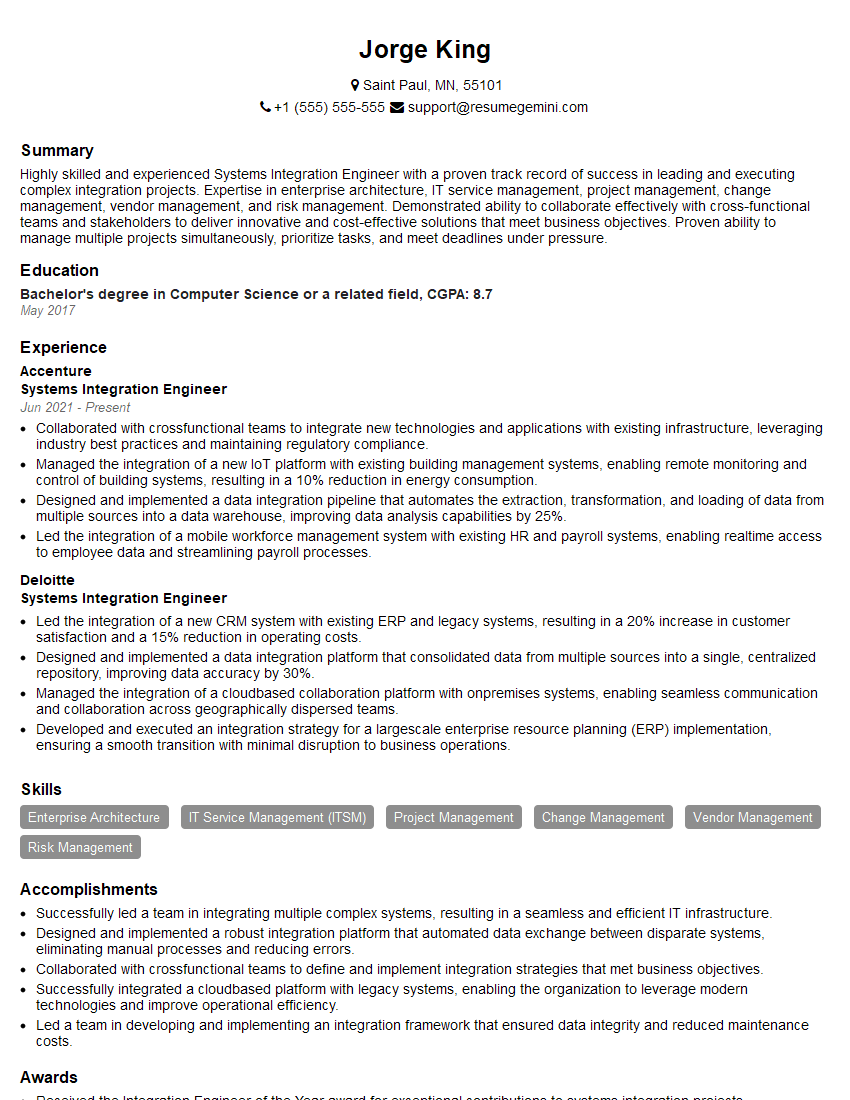
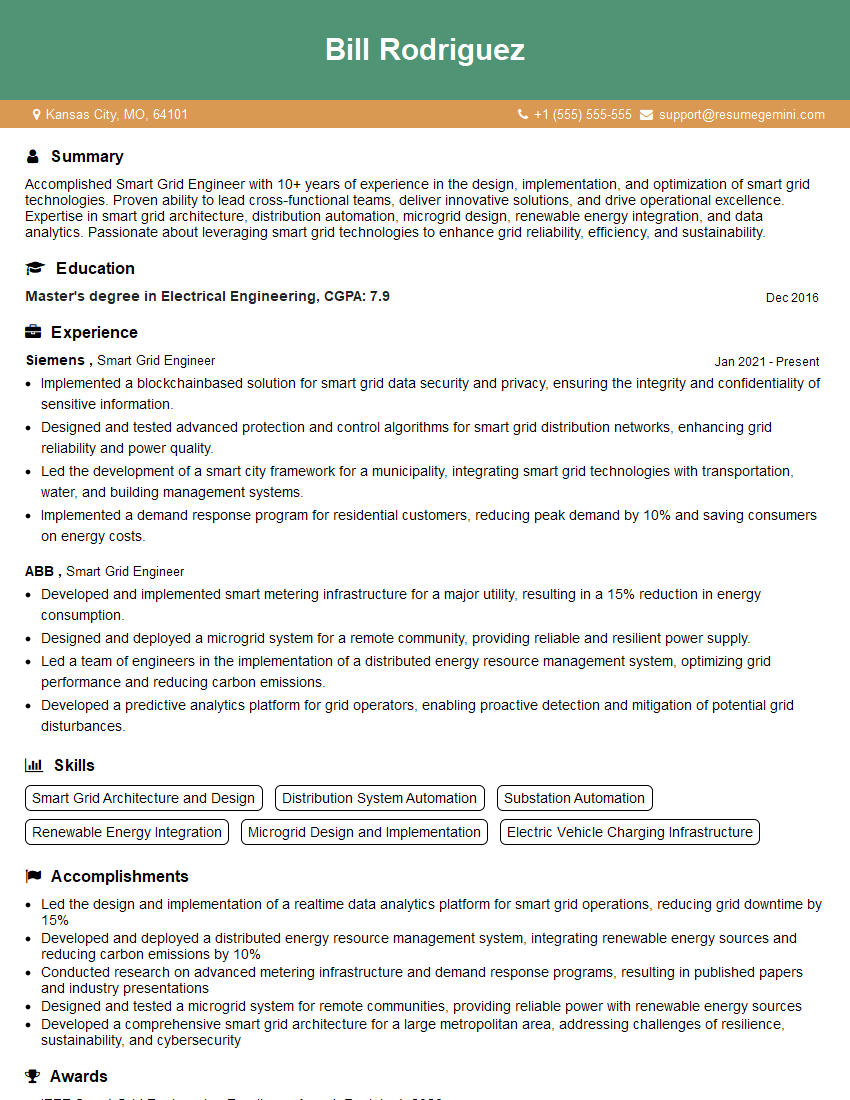
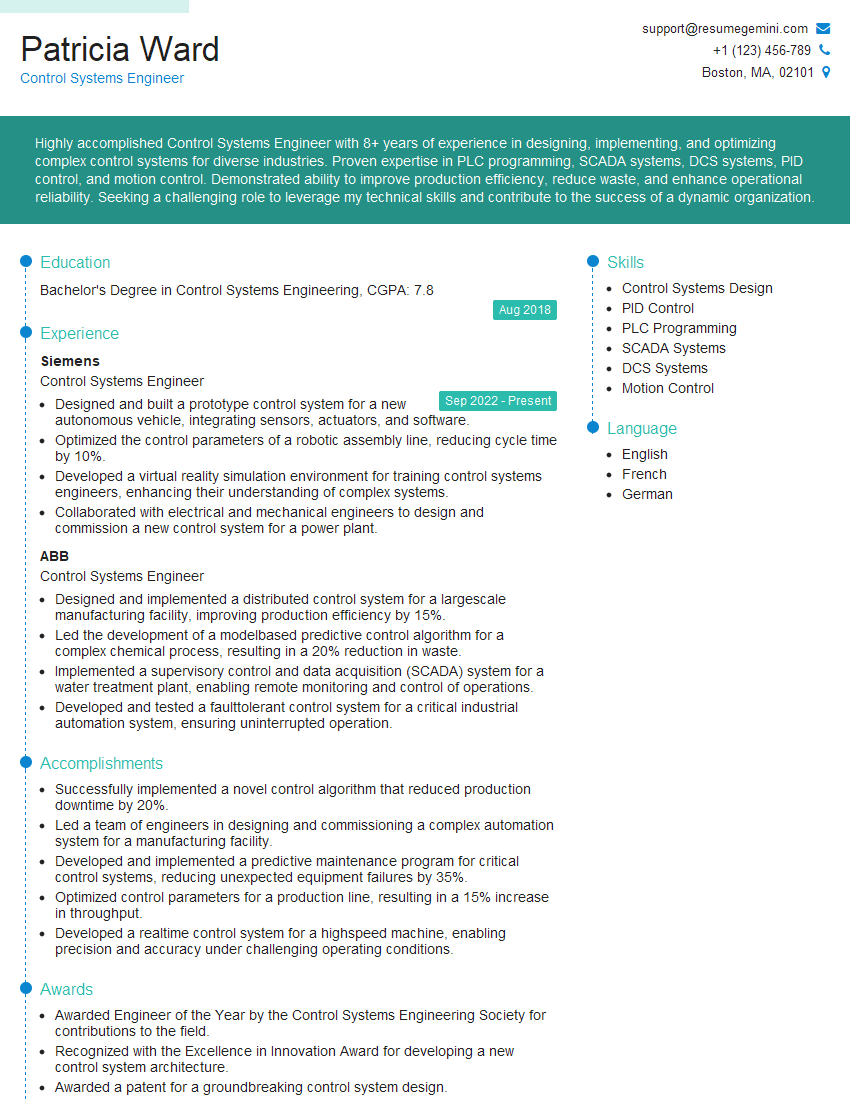
Mastering Distribution Automation Systems is crucial for a thriving career in the power industry, opening doors to exciting roles with significant responsibility and growth potential. An ATS-friendly resume is your key to unlocking these opportunities. To make your application stand out, invest time in crafting a compelling and well-structured resume that highlights your skills and experience effectively. ResumeGemini is a trusted resource to help you build a professional and impactful resume, ensuring your qualifications shine. Examples of resumes tailored specifically to Distribution Automation Systems are available to guide you.
Explore more articles
Users Rating of Our Blogs
Share Your Experience
We value your feedback! Please rate our content and share your thoughts (optional).
What Readers Say About Our Blog
To the interviewgemini.com Webmaster.
Very helpful and content specific questions to help prepare me for my interview!
Thank you
To the interviewgemini.com Webmaster.
This was kind of a unique content I found around the specialized skills. Very helpful questions and good detailed answers.
Very Helpful blog, thank you Interviewgemini team.