Interviews are more than just a Q&A session—they’re a chance to prove your worth. This blog dives into essential Heel Spur Surgery interview questions and expert tips to help you align your answers with what hiring managers are looking for. Start preparing to shine!
Questions Asked in Heel Spur Surgery Interview
Q 1. Describe the different surgical techniques used to treat heel spurs.
Heel spur surgery aims to alleviate pain caused by the bony growth on the heel bone. Several surgical techniques exist, chosen based on the individual’s specific condition and the surgeon’s preference. These techniques generally fall into two categories: those involving removal of the spur itself and those addressing associated plantar fasciitis.
- Open Surgical Excision: This is a more traditional approach where a small incision is made over the heel spur, allowing direct visualization and removal of the bony projection. This method is effective but involves a larger incision, potentially leading to longer recovery times. Think of it like carefully removing a small, troublesome rock from a garden.
- Minimally Invasive Surgery (MIS): This approach uses smaller incisions and specialized instruments to remove the heel spur. This often results in less pain, reduced scarring, and faster recovery compared to open surgery. Imagine it as using a tiny, precise tool to remove the problematic stone, leaving less disturbance to the surrounding ‘garden’.
- Plantar Fascia Release: Often performed in conjunction with spur removal, particularly if plantar fasciitis (inflammation of the plantar fascia, a thick band of tissue on the bottom of the foot) is a significant contributing factor to the pain. This involves releasing the tension in the plantar fascia to reduce inflammation and pain. This is like loosening tight ropes around the base of the troublesome plant to allow it room to heal.
- Arthroscopy: While less common for heel spurs, arthroscopy (a minimally invasive technique using a small camera and specialized instruments inserted through small incisions) can be used to evaluate and address the heel spur and plantar fascia simultaneously. It offers a detailed view of the structures involved.
The choice of technique is a personalized decision, made after careful consideration of the patient’s medical history, the severity of their symptoms, and the presence of any other foot conditions.
Q 2. What are the indications and contraindications for surgical intervention in heel spur cases?
Surgical intervention for heel spurs is usually reserved for cases where conservative treatments like physical therapy, orthotics, medication, and injections have failed to provide adequate pain relief. The decision for surgery is made jointly by the surgeon and the patient.
- Indications: Severe, persistent heel pain despite conservative management; significant functional limitation impacting daily activities; presence of significant plantar fasciitis unresponsive to other treatments.
- Contraindications: Poor patient compliance with post-operative care; severe peripheral vascular disease (affecting blood flow to the foot); uncontrolled diabetes (affecting wound healing); active infection in the area.
For example, a patient with debilitating heel pain affecting their ability to walk or work, even after months of physical therapy and medication, may be a good candidate for surgery. On the other hand, a patient with uncontrolled diabetes might be considered a poor candidate because of the heightened risk of wound complications.
Q 3. Explain the post-operative care and rehabilitation protocols for heel spur surgery.
Post-operative care is crucial for a successful recovery. It typically involves:
- Immediate Post-op: Pain management with medication (oral analgesics and/or ice); elevation of the foot to reduce swelling; use of a protective dressing or cast to immobilize the foot.
- Early Rehabilitation: Gentle range-of-motion exercises to prevent stiffness; physical therapy to improve strength, flexibility, and function; gradual weight-bearing as tolerated (often using crutches or a walker initially).
- Intermediate Phase: Continued physical therapy focusing on strengthening and proprioception (awareness of the foot’s position in space); gradually increasing activity level.
- Late Phase: Return to normal activities, including sports, as strength and function allow; ongoing stretching and strengthening exercises to prevent recurrence.
The timeline for these phases varies depending on the surgical technique and the patient’s individual healing process. Close follow-up with the surgeon and physical therapist is essential throughout the recovery.
Q 4. How do you assess the success of a heel spur surgery?
Assessing the success of heel spur surgery involves a multi-faceted approach focusing on pain reduction, functional improvement, and absence of complications.
- Pain Reduction: A significant decrease or complete resolution of heel pain is a primary indicator of success. Patients are typically assessed using pain scales.
- Functional Improvement: Improved ability to perform daily activities like walking, running, and standing without pain is critical. This is often measured through functional questionnaires and observations of gait (walking pattern).
- Absence of Complications: The lack of complications such as infection, nerve damage, or persistent swelling indicates a successful outcome.
- Radiographic Evaluation: While not always necessary, imaging studies (X-rays) may be used to confirm the complete removal of the heel spur.
A successful surgery would demonstrate a significant reduction or elimination of the patient’s pain and improved ability to carry out daily activities without restriction, ideally lasting several years.
Q 5. What are the potential complications associated with heel spur surgery?
Although generally safe, heel spur surgery carries the risk of several potential complications, although these are relatively uncommon. The surgeon will discuss these thoroughly beforehand.
- Infection: A risk with any surgery, infection can be treated with antibiotics but may require further surgical intervention.
- Nerve Damage: The area contains several nerves; damage can result in numbness, tingling, or altered sensation in the foot.
- Persistent Pain: In some cases, pain may persist despite surgical removal of the spur, possibly due to other contributing factors like plantar fasciitis.
- Delayed Healing: Poor healing, particularly in patients with diabetes or other underlying conditions, can prolong recovery.
- Recurrence: Although rare, the heel spur can re-form, particularly if the underlying cause (e.g., excessive pronation, biomechanical issues) is not addressed.
- Scarring: A potential side effect of any incisional surgery.
It’s important to note that many of these complications can be minimized through careful surgical technique, proper post-operative care, and appropriate patient selection.
Q 6. How do you manage post-operative pain and inflammation?
Managing post-operative pain and inflammation involves a multi-modal approach, tailored to the individual patient’s needs and response to treatment.
- Pain Medication: Oral analgesics (pain relievers) such as NSAIDs (non-steroidal anti-inflammatory drugs) or opioids (in some cases) are prescribed to control pain.
- Ice Therapy: Applying ice packs to the surgical site helps to reduce swelling and inflammation. This should be done for short intervals several times a day, protecting the skin from damage.
- Elevation: Keeping the foot elevated above the heart helps to reduce swelling and improve circulation.
- Physical Therapy: As inflammation subsides, physical therapy plays a key role in pain management by restoring range of motion, strengthening muscles, and improving function.
- Injections (if necessary): Corticosteroid injections can be helpful for managing persistent inflammation if other conservative measures are insufficient.
The goal is to optimize pain control and reduce inflammation to allow for timely and efficient rehabilitation. The treatment plan is monitored closely and adjusted as needed.
Q 7. What imaging modalities do you utilize to diagnose heel spurs?
Plain radiography (X-rays) is the primary imaging modality used to diagnose heel spurs. X-rays provide clear visualization of the bony structure of the heel and allow for easy identification of the presence and size of the spur. It also helps in assessing any associated bone abnormalities.
While less commonly used, other imaging techniques like ultrasound or MRI scans may be used in specific situations. For example, MRI can offer a more detailed view of the soft tissue structures, such as the plantar fascia, to assess its condition and to differentiate between conditions like plantar fasciitis or other potential causes of heel pain.
Q 8. How do you differentiate between plantar fasciitis and a heel spur?
Plantar fasciitis and heel spurs are often related but distinct conditions. Plantar fasciitis is an inflammation of the plantar fascia, a thick band of tissue on the bottom of your foot that connects your heel bone to your toes. A heel spur is a bony growth on the heel bone. While a heel spur can cause plantar fasciitis by irritating the plantar fascia as it pulls on the spur, many people have heel spurs without any pain or inflammation. Think of it like this: the spur is the bony growth, like a small extra bone, and plantar fasciitis is the inflammation of the tissue around it. You can have one without the other. Diagnosis involves a physical exam and often X-rays to visualize the spur. Clinical presentation is key: plantar fasciitis often presents with pain in the arch and heel, worse in the morning or after rest, while a heel spur might be asymptomatic unless it’s causing irritation.
Q 9. Discuss the role of conservative treatment options before considering surgery.
Conservative treatment is always the first line of defense for heel spurs and associated plantar fasciitis. The goal is to reduce inflammation and pain, allowing the body to heal naturally. This typically involves a combination of strategies:
- Rest and activity modification: Avoiding activities that aggravate the pain is crucial. This might involve limiting high-impact activities like running or jumping.
- Ice: Applying ice packs to the affected area several times a day can help reduce inflammation.
- Stretching and strengthening exercises: Targeted stretches for the plantar fascia and calf muscles are essential to improve flexibility and support. Strengthening exercises for the muscles supporting the foot and ankle are crucial for long-term stability. Examples include calf raises and towel curls.
- Orthotics: Custom-made or over-the-counter orthotics can provide support and cushioning to the heel and arch, reducing stress on the plantar fascia and heel spur.
- Medication: Nonsteroidal anti-inflammatory drugs (NSAIDs) like ibuprofen can help manage pain and inflammation. In some cases, cortisone injections directly into the plantar fascia might be considered to provide temporary relief.
If conservative measures fail to provide sufficient relief after several months of consistent effort, then surgery might be considered.
Q 10. What are the different types of surgical incisions used in heel spur surgery?
Several surgical incision techniques can be used depending on the specific case and surgeon preference. These include:
- Open surgical release: This involves a small incision over the heel, allowing the surgeon to directly access and release the plantar fascia from the heel spur. This approach allows for a thorough release and removal of the spur, but it carries a higher risk of complications like infection and scarring compared to minimally invasive techniques.
- Endoscopic release: This minimally invasive technique uses small incisions and a specialized camera to visualize the surgical field. The plantar fascia is released with smaller instruments, causing less tissue trauma and quicker recovery.
- Percutaneous release: This is the least invasive approach, utilizing a needle to release the plantar fascia. It causes minimal disruption to the surrounding tissues but may be less effective in resolving severe cases.
The choice of incision depends on the severity of the condition, the patient’s overall health, and surgeon experience.
Q 11. Describe the process of selecting the appropriate surgical approach for a patient.
Selecting the appropriate surgical approach is a crucial decision made collaboratively with the patient. Several factors influence the choice:
- Severity of symptoms: Patients with mild symptoms and limited functional impairment may benefit from minimally invasive techniques. Severe cases with significant pain and functional limitations might warrant open surgery for a more complete release.
- Extent of plantar fasciitis and heel spur: Radiographic imaging (X-rays) helps determine the size and location of the spur and the degree of plantar fascia thickening, guiding the choice of procedure.
- Patient’s age, overall health, and activity level: Older patients or those with co-morbidities might benefit from minimally invasive techniques due to faster recovery times and reduced risk of complications. Active individuals with high functional demands might require a more comprehensive approach for improved long-term results.
- Surgeon’s expertise and experience: Surgeons’ comfort and experience with various surgical techniques play a role. A surgeon skilled in minimally invasive techniques might favor endoscopic or percutaneous approaches when applicable.
A thorough assessment integrating clinical evaluation, imaging findings, patient preferences, and surgical expertise is essential to achieve optimal treatment outcomes.
Q 12. How do you manage patients with co-morbidities undergoing heel spur surgery?
Managing patients with co-morbidities undergoing heel spur surgery requires a multidisciplinary approach. Careful preoperative assessment is essential to identify and manage potential risks. Conditions like diabetes, peripheral vascular disease, and obesity can increase the risk of infection, delayed wound healing, and other complications. Preoperative optimization of the patient’s medical status is paramount. This includes managing blood sugar levels in diabetic patients, optimizing cardiovascular health, and addressing obesity-related issues. Close monitoring during and after surgery is necessary. Patients with diabetes, for instance, require strict glucose control to minimize infection risk. The choice of surgical technique might be influenced by co-morbidities; minimally invasive options may be preferred to minimize trauma and promote faster recovery.
Q 13. Discuss your experience with different types of anesthesia used in heel spur surgery.
The type of anesthesia used depends on the surgical approach and patient preference. Most heel spur surgeries can be performed under regional anesthesia (such as an ankle block or popliteal block), which numbs the lower leg and foot, allowing the patient to remain awake and comfortable. This approach avoids the potential complications associated with general anesthesia and offers faster recovery. In some cases, especially with more extensive procedures or patient anxiety, general anesthesia may be used where the patient is fully asleep throughout the surgery. The choice is made jointly between the surgeon, anesthesiologist, and patient, considering individual factors and surgical requirements. My experience includes a strong preference for regional anesthesia when feasible, as it minimizes the risks associated with general anesthesia and promotes a smoother recovery period.
Q 14. Explain the importance of patient education in the pre- and post-operative phases.
Patient education is critical throughout the entire process, significantly impacting outcomes and patient satisfaction. In the preoperative phase, patients need clear explanations of the surgical procedure, expected recovery time, potential complications, and the importance of adhering to pre-operative instructions, such as fasting guidelines. Educating patients about pain management strategies and expectations helps manage anxiety and improves postoperative outcomes. The postoperative phase focuses on proper wound care, pain management techniques, and physical therapy protocols. Patients need to understand the importance of gradual weight-bearing, following prescribed exercise programs, and recognizing signs of potential complications. I usually provide patients with detailed written and visual aids, follow-up appointments, and contact information to ensure they feel supported and informed. This approach promotes active patient participation in their care, resulting in better adherence to recommendations and improved recovery outcomes.
Q 15. How do you address patient concerns and expectations regarding heel spur surgery?
Addressing patient concerns and expectations regarding heel spur surgery is crucial for a successful outcome. It begins with a thorough discussion of the condition, explaining what a plantar heel spur is – a bony growth on the heel bone – and how it relates to their pain. I emphasize that surgery is usually a last resort, after conservative treatments like physical therapy, orthotics, and medication haven’t provided sufficient relief.
I carefully manage expectations by explaining that surgery doesn’t guarantee complete pain relief for everyone. The goal is to reduce pain and improve function, not necessarily to eliminate the spur entirely. I discuss potential risks, including infection, nerve damage, and persistent pain, and answer all their questions honestly and openly. I also outline the recovery process, including the time it takes to return to normal activities, post-operative care, and the potential for physical therapy afterward. This open and honest communication helps build trust and sets realistic expectations, leading to better patient satisfaction.
For example, I might say something like: “While surgery can significantly reduce your heel pain, it’s important to understand that it’s not a magic bullet. We aim for improvement, not perfection. We’ll discuss the possible risks and benefits together to ensure it’s the right choice for you.”
Career Expert Tips:
- Ace those interviews! Prepare effectively by reviewing the Top 50 Most Common Interview Questions on ResumeGemini.
- Navigate your job search with confidence! Explore a wide range of Career Tips on ResumeGemini. Learn about common challenges and recommendations to overcome them.
- Craft the perfect resume! Master the Art of Resume Writing with ResumeGemini’s guide. Showcase your unique qualifications and achievements effectively.
- Don’t miss out on holiday savings! Build your dream resume with ResumeGemini’s ATS optimized templates.
Q 16. What are the common causes of recurrence after heel spur surgery?
Recurrence after heel spur surgery is unfortunately possible, though not common with proper post-operative care and adherence to recommendations. Several factors contribute to this. One significant cause is the underlying biomechanical issues that led to the spur in the first place. If these aren’t addressed, for example through orthotics or changes in activity, the stress on the plantar fascia can cause a new spur to form.
Another factor is incomplete surgical excision of the spur. While we aim for complete removal, sometimes small fragments can remain, leading to ongoing irritation. Improper healing, due to infection or inadequate rehabilitation, can also contribute to recurrence. Finally, the continued strain on the plantar fascia and heel from activities like running or high-impact sports without appropriate modifications can contribute to a recurrence.
Preventing recurrence requires a multi-faceted approach, including addressing biomechanical factors with proper footwear and orthotics, thorough rehabilitation, and patient education on activity modification to minimize stress on the heel.
Q 17. How do you manage complications like infection or nerve damage after surgery?
Managing complications like infection or nerve damage after heel spur surgery is a critical aspect of patient care. Infection is managed aggressively with antibiotics, often intravenously, depending on the severity. Surgical debridement (removal of infected tissue) might be necessary in severe cases. Regular wound care and monitoring are crucial to prevent further complications.
Nerve damage, which can manifest as numbness, tingling, or weakness in the foot, is diagnosed through neurological examination and possibly electrodiagnostic studies. Management depends on the severity. In mild cases, conservative measures like physical therapy and pain management may suffice. More severe cases might require additional surgery to address nerve entrapment or repair.
Early recognition and prompt treatment are vital in minimizing the impact of these complications. Open communication with the patient, detailed explanations of the treatment plan, and close monitoring of their progress are essential. For example, I would explain to a patient experiencing numbness: “We’ve noticed some nerve sensitivity. Let’s monitor it closely, and we can explore physical therapy or other interventions if needed.”
Q 18. Describe your approach to managing patients with persistent pain after heel spur surgery.
Persistent pain after heel spur surgery is frustrating for both the patient and the surgeon. My approach involves a thorough re-evaluation. This begins with a detailed history and physical examination to identify potential causes. Imaging studies, such as X-rays and possibly MRI, may be repeated to rule out complications like retained spur fragments, bone spurs, or other anatomical issues.
Treatment strategies vary depending on the cause. If biomechanical factors are contributing, I might recommend custom orthotics, adjustments to activity levels, and physical therapy. Pain management strategies, including medication, injections (such as corticosteroids), and nerve blocks, are explored. In some cases, further surgery might be necessary to address remaining spur fragments or other underlying issues. It’s crucial to provide ongoing support and empathy, acknowledging the patient’s frustration and working collaboratively to find a solution.
For instance, if a patient reports persistent pain, I’d say: “I understand your continued discomfort. Let’s investigate thoroughly. We’ll explore options like further imaging, adjustments to your physical therapy program, or potentially different medication to find what works best.”
Q 19. Discuss the latest advancements in surgical techniques and technologies for heel spur treatment.
The field of heel spur surgery is constantly evolving. Minimally invasive techniques, like endoscopic surgery, are becoming increasingly popular. These techniques involve smaller incisions, resulting in less pain, reduced scarring, and faster recovery times. Ultrasound guidance is often used during minimally invasive procedures to ensure precise targeting and reduce the risk of nerve injury.
Advances in imaging technology allow for better visualization of the spur and surrounding structures, leading to more accurate and effective surgical planning. New materials and techniques for fixation are being developed, offering improved stability and reduced risk of complications. The development of regenerative medicine therapies, including platelet-rich plasma (PRP) injections, shows promise in reducing pain and promoting healing.
These advancements allow for a more personalized approach to heel spur treatment, tailored to the individual patient’s needs and anatomy. The selection of the optimal surgical technique is always determined by a careful assessment of the patient’s condition and individual needs.
Q 20. What are your preferred methods for assessing patient satisfaction?
Assessing patient satisfaction is critical in evaluating the effectiveness of treatment and improving future practice. I use a combination of methods. Post-operative questionnaires measure pain levels, functional improvement, and overall satisfaction using validated scales like the Visual Analog Scale (VAS) for pain and the Foot and Ankle Outcome Score (FAOS).
I also schedule follow-up appointments to assess their progress clinically and discuss any ongoing concerns. This allows for a more personal and in-depth understanding of their experience. I may incorporate patient feedback to enhance treatment protocols and improve the overall patient journey. Regular communication and active listening are also crucial for ensuring patient satisfaction and building a positive therapeutic relationship.
For example, I might say: “How would you rate your pain level on a scale of 0 to 10, with 0 being no pain and 10 being the worst pain imaginable?” And then follow-up with open-ended questions about their activities and any remaining concerns.
Q 21. What is your experience with minimally invasive surgical techniques for heel spurs?
My experience with minimally invasive surgical techniques for heel spurs has been largely positive. Endoscopic surgery, in particular, offers several advantages. The smaller incisions reduce post-operative pain, scarring, and recovery time. The use of specialized instruments and cameras allows for precise removal of the spur, minimizing damage to surrounding tissues.
However, minimally invasive techniques are not suitable for all patients. The complexity of the spur, the presence of other foot and ankle conditions, and the surgeon’s experience are all factors to consider. A thorough assessment is crucial to determine whether minimally invasive surgery is the best approach. I find that patient education plays a key role in helping them understand the benefits and limitations of each technique, allowing them to participate actively in treatment decisions.
For example, when discussing minimally invasive options, I would carefully explain: “Endoscopic surgery involves smaller incisions which can mean less pain and a faster recovery. However, it’s important to note that it might not be suitable for every case, and we need to assess if it’s the right choice for you.”
Q 22. How do you counsel patients about the risks and benefits of heel spur surgery?
Counseling patients about heel spur surgery involves a thorough discussion of both the potential benefits and risks. We begin by explaining that heel spurs themselves aren’t always the source of pain; plantar fasciitis is often the culprit. Surgery is usually considered only when conservative treatments like physical therapy, orthotics, medication, and injections have failed to provide relief for at least 6-12 months.
Benefits we discuss include potential elimination of heel pain and improved mobility and function. We emphasize that these benefits aren’t guaranteed, and recovery takes time and effort.
Risks are explained clearly and comprehensively, including: infection, nerve damage, persistent pain, prolonged recovery time (sometimes up to several months), the possibility of needing further surgery, and the fact that the surgery might not completely resolve the pain. We discuss potential complications like stiffness, scar tissue formation, and the possibility of the spur reforming. We also explain the need for post-operative physical therapy and the potential for limitations in activity.
Finally, we emphasize the importance of realistic expectations. We highlight that not everyone experiences complete pain relief post-surgery, and some patients might need ongoing management strategies even after surgery.
Q 23. Describe your experience with different types of fixation devices used in heel spur surgery.
My experience encompasses a range of fixation devices used in heel spur surgery, depending on the specifics of the procedure and the patient’s anatomy. In cases involving plantar fascia release, for example, I’ve used absorbable sutures that dissolve over time, minimizing the need for a second procedure to remove them. These are ideal for minimally invasive techniques. For more complex cases involving bone spurs requiring removal or reshaping, I have used small screws or pins to provide temporary fixation, facilitating proper healing and bone alignment. The choice of device always hinges on balancing the need for secure fixation with the desire to minimize invasiveness and the risk of complications. We carefully consider factors such as bone quality, the extent of the spur, and the patient’s overall health when making this decision.
Recently, there’s been increased interest in minimally invasive techniques, where we avoid extensive incisions, and utilize smaller fixation devices or even opt for suture-only fixation whenever possible. This often leads to faster recovery times and less post-operative discomfort.
Q 24. What are the factors you consider when deciding on the appropriate surgical timing?
Determining the appropriate surgical timing for heel spur surgery is a crucial aspect of patient care. The decision isn’t made lightly and is always preceded by a conservative management approach. We consider several factors:
- Duration and Severity of Pain: Pain that persists despite at least 6-12 months of conservative treatment (including physical therapy, orthotics, medication, and corticosteroid injections), particularly if it is significantly impacting the patient’s daily life, is a key factor.
- Patient’s Functional Limitations: How much is the pain interfering with the patient’s ability to work, exercise, or participate in daily activities? Significant functional impairment supports surgical consideration.
- Imaging Findings: While imaging (X-rays) confirms the presence of a heel spur, it doesn’t necessarily correlate with pain levels. We focus on the clinical picture and patient’s experience rather than just relying on imaging alone.
- Patient’s Overall Health: Pre-existing medical conditions, age, and overall health can influence the decision, as surgery carries inherent risks. Patients with certain comorbidities may require additional consultations before proceeding.
Ultimately, the decision is made jointly between the surgeon and patient, ensuring the patient fully understands the risks, benefits, and alternatives to surgery.
Q 25. How do you integrate evidence-based practices into your approach to heel spur surgery?
Evidence-based practice is central to my approach to heel spur surgery. This involves staying current with the latest research published in peer-reviewed journals, attending relevant conferences and workshops, and critically evaluating the available literature to ensure that my treatment strategies are informed by the best available evidence.
For instance, the optimal surgical technique for plantar fasciitis is constantly evolving. Recent studies have demonstrated the effectiveness of minimally invasive procedures compared to traditional open surgeries in terms of reduced recovery time, scarring, and complications. I actively incorporate findings from these studies into my practice, choosing the most appropriate approach for each individual patient based on their specific needs and the available evidence.
Moreover, I regularly review the efficacy of different postoperative rehabilitation protocols and adapt my recommendations based on the evidence supporting their effectiveness. This data-driven approach ensures that my patients receive the most effective and evidence-based care.
Q 26. Describe a challenging case involving heel spur surgery and how you managed it.
One challenging case involved a 55-year-old patient with severe plantar fasciitis and a large calcaneal spur, who had undergone multiple failed conservative treatments. She also had a history of diabetes and peripheral neuropathy, which increased the surgical risk. The challenge lay in balancing the need for surgical intervention to alleviate her pain with the increased risk of complications due to her comorbidities.
To mitigate the risks, we employed a minimally invasive surgical technique, using a smaller incision and meticulous surgical dissection. We also implemented stringent perioperative blood glucose control and employed prophylactic antibiotics to minimize the risk of infection. Post-operatively, she received intensive physical therapy, including focused exercises for plantar fascia mobility and strength, to optimize recovery. Although her recovery was slower than in patients without comorbidities, she ultimately experienced significant pain relief and improved functional capacity.
This case highlighted the importance of individualized surgical planning and meticulous post-operative care, particularly in patients with complex medical histories.
Q 27. How do you ensure the long-term success of heel spur surgery?
Ensuring long-term success after heel spur surgery requires a multi-faceted approach that extends beyond the operating room. Post-operative care is crucial and includes:
- Physical Therapy: A structured rehabilitation program is essential to restore range of motion, strength, and flexibility. This typically involves stretching exercises, strengthening exercises, and gradually increasing weight-bearing activities.
- Orthotics: Custom-made orthotics can provide ongoing support and help to reduce stress on the plantar fascia and heel. This can prevent recurrence of pain and further complications.
- Weight Management: Maintaining a healthy weight reduces stress on the heel and plantar fascia, which is vital for long-term success.
- Patient Education: Patients are thoroughly educated on proper footwear choices, activity modification, and recognizing signs of potential complications. Understanding their role in recovery is critical.
Regular follow-up appointments allow for monitoring progress, addressing any concerns, and making adjustments to the rehabilitation program as needed. Open communication with the patient builds trust and encourages adherence to the recommended post-surgical regimen.
Q 28. What are your plans for continuing education and professional development in the field?
My commitment to continuing education is unwavering. I regularly participate in professional development activities to stay abreast of the latest advancements in foot and ankle surgery. This includes attending national and international conferences, actively participating in continuing medical education courses focusing on minimally invasive techniques and advanced surgical approaches in heel spur surgery, and engaging with research publications through journals and professional societies. I also actively seek mentorship opportunities from experienced colleagues to refine my surgical skills and treatment strategies.
I believe that lifelong learning is essential to providing the highest quality of patient care. The field of foot and ankle surgery is constantly evolving, with new techniques and technologies emerging regularly, and staying updated is vital for providing the best possible outcomes for my patients.
Key Topics to Learn for Heel Spur Surgery Interview
- Anatomy and Biomechanics of the Heel: Understanding the plantar fascia, calcaneus, and surrounding structures is crucial. Consider the forces involved in weight-bearing and gait.
- Diagnosis of Heel Spurs: Mastering the interpretation of physical examinations, radiographic imaging (X-rays), and other diagnostic tools like ultrasound.
- Conservative Management Techniques: Familiarize yourself with non-surgical treatments like physical therapy, orthotics, medication, and injection therapies. Understand their efficacy and limitations.
- Surgical Techniques for Heel Spur Removal: Explore different surgical approaches, including open and minimally invasive procedures. Understand the indications, contraindications, and potential complications of each.
- Post-operative Care and Rehabilitation: Detail the importance of proper post-operative management, including pain control, wound care, and physical therapy protocols to ensure optimal patient outcomes.
- Complications and Management: Be prepared to discuss potential complications like infection, nerve damage, and persistent pain, and how to manage them effectively.
- Evidence-Based Practice and Research: Demonstrate your understanding of current research and evidence-based guidelines in heel spur surgery. Be able to discuss relevant clinical trials and studies.
- Patient Communication and Counseling: Highlight your skills in effectively communicating with patients, explaining procedures, managing expectations, and addressing concerns.
- Ethical Considerations and Informed Consent: Understand the ethical implications of surgical decision-making and the importance of obtaining informed consent.
Next Steps
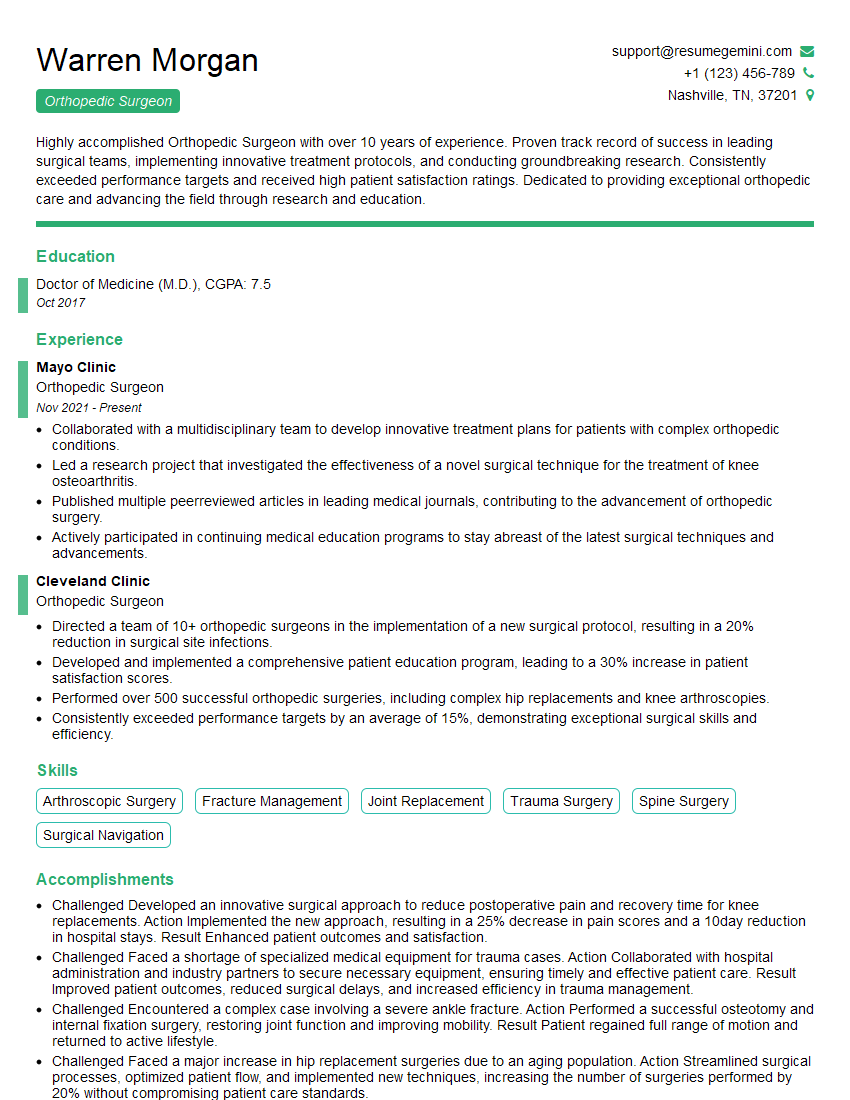
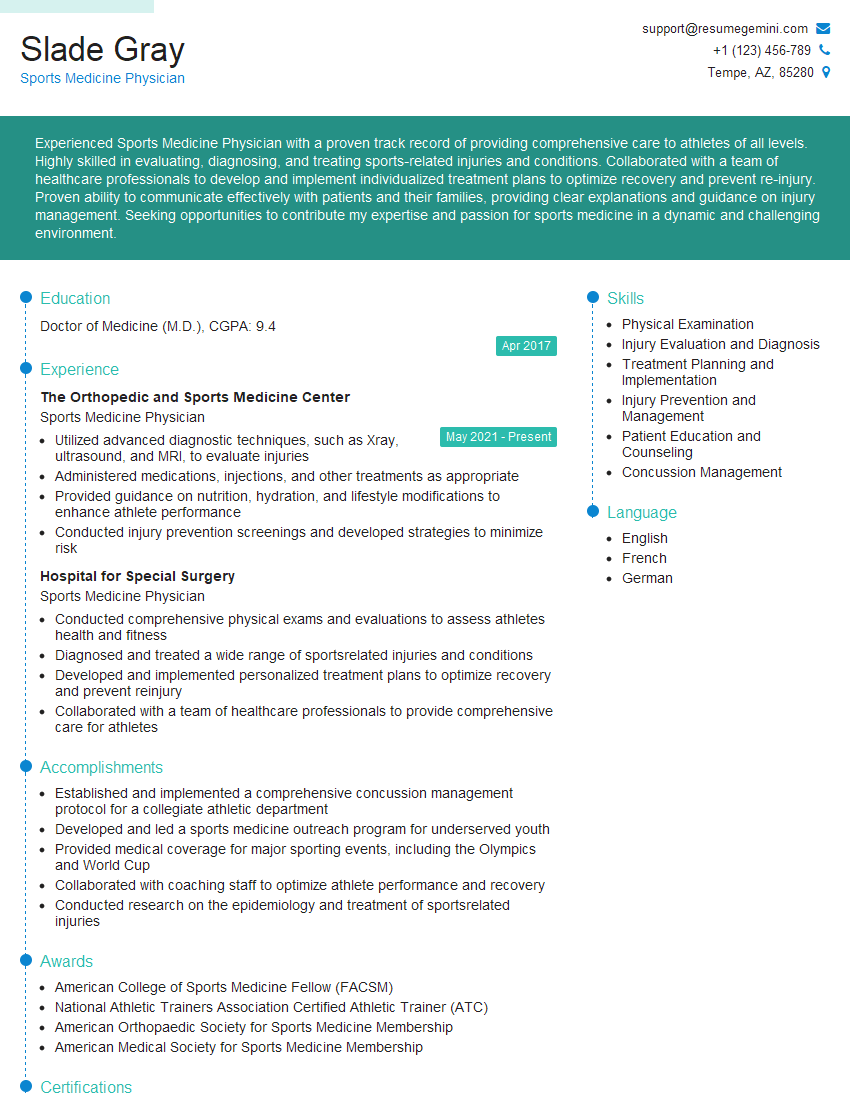
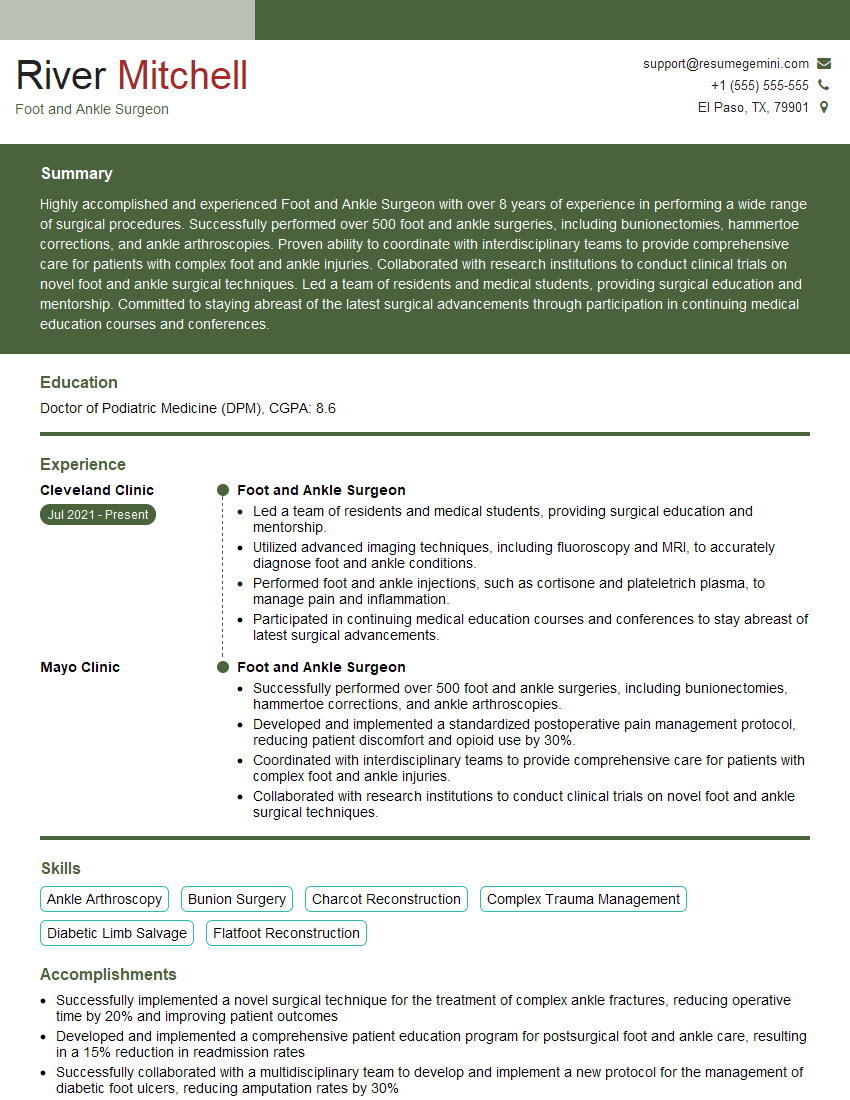
Mastering Heel Spur Surgery is paramount for career advancement in orthopedic surgery and podiatry. A strong understanding of the theoretical concepts and practical applications will significantly enhance your interview performance and open doors to exciting opportunities. To increase your chances of landing your dream role, create a compelling and ATS-friendly resume that showcases your skills and experience effectively. ResumeGemini is a trusted resource to help you build a professional and impactful resume. Examples of resumes tailored to Heel Spur Surgery are available to guide your resume creation process, providing you with a significant advantage in your job search.
Explore more articles
Users Rating of Our Blogs
Share Your Experience
We value your feedback! Please rate our content and share your thoughts (optional).
What Readers Say About Our Blog
To the interviewgemini.com Webmaster.
Very helpful and content specific questions to help prepare me for my interview!
Thank you
To the interviewgemini.com Webmaster.
This was kind of a unique content I found around the specialized skills. Very helpful questions and good detailed answers.
Very Helpful blog, thank you Interviewgemini team.