The thought of an interview can be nerve-wracking, but the right preparation can make all the difference. Explore this comprehensive guide to Overhead and Underground Distribution Construction interview questions and gain the confidence you need to showcase your abilities and secure the role.
Questions Asked in Overhead and Underground Distribution Construction Interview
Q 1. Describe your experience with different types of underground cable (e.g., shielded, unshielded, high-voltage).
My experience encompasses a wide range of underground cables, each with its unique properties and applications. Think of it like choosing the right tool for the job – the voltage, environmental conditions, and required performance dictate the cable type.
Shielded Cables: These are like cables wearing armor. They have a metallic sheath (often lead, aluminum, or copper) that provides extra protection against electromagnetic interference (EMI) and external damage. This is crucial in high-noise environments or situations requiring signal integrity. I’ve extensively used shielded cables in areas with significant EMI, like near substations or heavy industrial settings.
Unshielded Cables: Simpler and generally more cost-effective, unshielded cables lack that extra protective layer. They’re suitable for applications where EMI isn’t a major concern and the installation environment is relatively benign. I’ve commonly used these in residential areas and less demanding commercial settings.
High-Voltage Cables: These are designed to withstand significantly higher voltages than typical low-voltage cables used in homes. They usually incorporate features like oil-filled or gas-pressure systems to manage the intense electrical stress. I’ve worked extensively with high-voltage cables in projects involving substations, large industrial sites, and high-capacity transmission lines. Safety is paramount here; proper handling and installation techniques are crucial to avoid electrical hazards.
Choosing the correct cable type requires a deep understanding of the project specifics and adherence to relevant safety and industry standards.
Q 2. Explain the process of installing a new power pole.
Installing a new power pole is a multi-step process demanding precision and safety. It’s like building a sturdy foundation for the electrical system in a specific location. Here’s a breakdown:
Site Preparation: This includes surveying the location, marking the exact pole position, and ensuring the area is clear of obstructions and underground utilities. We use sophisticated tools to locate buried lines and pipes to prevent accidental damage.
Hole Excavation: A large hole, typically several feet deep, is dug using an auger or excavator. The depth and diameter depend on the pole’s size, soil conditions, and the load it will bear. Proper soil compaction is key for stability.
Pole Setting: The pole is carefully lowered into the hole, ensuring it’s plumb (perfectly vertical). Concrete is then poured around the base, creating a solid foundation. We use specialized equipment to ensure the pole is correctly aligned and secured.
Wiring and Connections: Once the concrete sets, the pole is wired to the existing power lines or substation. This involves carefully attaching conductors, insulators, and safety devices while adhering to stringent safety protocols.
Grounding: A proper grounding system is crucial for safety. A ground wire is connected to the pole and to a ground rod driven into the earth. This protects against electrical surges and provides a safe path for fault currents.
Final Inspection: A thorough inspection ensures the pole is securely installed, properly grounded, and meets all safety regulations.
Q 3. What are the safety precautions you take when working near high-voltage lines?
Safety is paramount when working near high-voltage lines. Think of these lines as highly charged and potentially lethal. Our safety protocols are rigorous and non-negotiable. They include:
Lockout/Tagout (LOTO): Before any work begins, the power must be de-energized, and LOTO procedures must be followed to prevent accidental re-energization. This is absolutely critical.
Protective Equipment: We always use appropriate personal protective equipment (PPE), including insulated gloves, safety glasses, hard hats, and protective clothing. The equipment is inspected regularly to guarantee its efficacy.
Distance Maintenance: Maintaining a safe distance from energized lines is paramount. We use specialized tools and equipment to work safely, with clear rules and training to ensure adherence.
Grounding: Grounding of the equipment and the work area is essential to prevent electrical shocks. We use specialized grounding equipment and follow specific procedures before work commences and after.
Spotters: Having qualified spotters to monitor the work area and warn of potential hazards is crucial. Communication is key here, employing clear signals and verbal warnings to prevent accidents.
Ongoing Training and Awareness: Continuous training reinforces safety protocols and addresses new techniques and potential dangers.
Each project requires a detailed safety plan to address the specifics of the work environment.
Q 4. How do you identify and address potential hazards during underground cable installation?
Identifying and addressing potential hazards during underground cable installation is critical to prevent accidents and damage. It’s like being a detective, proactively searching for clues that could turn into problems.
Utility Locating: Before digging, we always call 811 or the equivalent utility locating service in our area. This service marks the locations of buried utilities, like gas, water, and communication lines, preventing damage.
Soil Conditions: Understanding the soil conditions is vital. Rocky or unstable soil requires specialized equipment and techniques to ensure trench stability and prevent cable damage.
Groundwater: High water tables can cause trench collapse and damage to the cable. We use dewatering techniques or adjust our methods to handle this situation.
Trench Stability: Trench shoring or shielding is often necessary, especially in deeper trenches, to prevent collapse. We use various shoring techniques, depending on soil conditions and trench depth.
Cable Damage: During installation, we are careful to avoid damaging the cable sheath. Specialized equipment and techniques minimize strain and bending to keep the cable in perfect condition.
By proactively identifying and mitigating hazards, we minimize risks and maintain efficiency.
Q 5. What are the different types of grounding systems used in power distribution?
Grounding systems are crucial for safety and electrical system performance in power distribution. They’re like the safety net, providing a path for fault currents to safely flow to earth.
Ground Rod System: This is one of the simplest, using driven ground rods connected to the system ground. It’s often supplemented by a ground grid for larger systems.
Ground Grid System: A network of interconnected conductors buried in the ground. This provides a low-impedance path for fault currents and is used in larger installations to improve ground effectiveness.
Plate Grounding: Uses buried conductive plates, often used in areas with high soil resistivity. They provide a larger contact area for better grounding.
Counterpoise Grounding: A parallel conductor placed near the cable, acting as a secondary ground path. Commonly seen on high-voltage overhead lines.
The choice of grounding system depends on several factors, including soil conditions, system size, and safety requirements. Thorough analysis and design are required.
Q 6. Describe your experience with trenching and backfilling techniques.
Trenching and backfilling are fundamental to underground cable installation, requiring both skill and safety consciousness. Imagine it like carefully planting a delicate seed and then ensuring its protection.
Trenching: We use various methods, from hand digging for small projects to specialized trenching machines for larger installations. The trench depth and width depend on the cable type, soil conditions, and local regulations. Safety is paramount here; always ensuring the trench is stable and workers are protected from collapse.
Backfilling: After the cable is laid, the trench is backfilled. We typically start with carefully placing soil around the cable to protect it from damage, followed by backfilling the rest of the trench with suitable material. The backfill must be compacted to ensure proper settling and stability and to prevent voids that could cause cable damage.
We often use compaction equipment to ensure the backfill is properly compacted. Careful backfilling prevents settling and protects the cables from future damage.
Q 7. How do you ensure the proper installation and termination of underground cable splices?
Proper installation and termination of underground cable splices are critical for reliable and safe operation. A poorly executed splice is a potential point of failure, leading to outages and safety hazards. It’s like ensuring a seamless connection in a chain.
Preparation: This includes carefully cleaning the cable ends and removing any damaged insulation. We must ensure clean and undamaged conductors are ready for connection.
Connection: The cables are connected using appropriate connectors or by crimping or soldering depending on the cable type and the joint requirements. Proper tools and techniques are essential to ensure a secure and reliable connection.
Insulation and Sealing: The connection point must be thoroughly insulated and sealed to prevent moisture ingress. This is done using heat-shrink tubing, epoxy resin, or other suitable materials, completely sealing the joint against water or other environmental factors.
Testing: After the splice is completed, it undergoes thorough testing to ensure its integrity and functionality. This involves checking for continuity, insulation resistance, and ground continuity to confirm the joint is performing flawlessly.
Splicing must be executed perfectly; it’s a critical step in the installation process. Improper splicing can lead to failures and safety hazards.
Q 8. Explain your experience with different types of overhead conductors (e.g., ACSR, AAC).
My experience encompasses a wide range of overhead conductors, primarily focusing on Aluminum Conductor Steel-Reinforced (ACSR) and All-Aluminum Conductor (AAC) cables. ACSR, for instance, is a popular choice for high-voltage transmission lines due to its high strength-to-weight ratio. The steel core provides tensile strength, crucial for spanning long distances, while the aluminum provides excellent conductivity. I’ve worked extensively with various ACSR constructions, understanding how different core configurations and aluminum strand sizes impact ampacity and sag. AAC, on the other hand, is preferred in situations where lighter weight is crucial, such as shorter spans or areas with high wind loads. I’ve been involved in projects using different grades of aluminum in AAC to meet specific load requirements. For example, one project involved replacing aging AAC conductors with a higher-conductivity variant to improve efficiency and reduce losses. Selecting the right conductor depends heavily on factors such as voltage level, span length, environmental conditions, and the anticipated load.
Q 9. How do you perform preventative maintenance on overhead power lines?
Preventative maintenance of overhead power lines is critical for ensuring reliability and safety. Our routine involves several key steps. First, we conduct visual inspections, often using specialized equipment like drones or bucket trucks, to check for wear and tear, corrosion, damage from trees or animals, and any sagging. This is akin to a regular health checkup. Second, we test for insulation integrity using Meggers and other diagnostic tools, identifying potential weaknesses before they lead to outages. This is similar to preventative medical testing to spot problems early. Third, we perform scheduled maintenance tasks, including tightening connections, replacing damaged insulators, and clearing vegetation near the lines. We also implement a robust patrol program with trained personnel inspecting critical sections regularly. The frequency of these inspections depends on factors like the age of the lines, environmental conditions, and historical outage data; we’re always adapting our strategy based on the risks involved. A proactive maintenance strategy dramatically reduces the risk of unexpected outages and increases the overall lifespan of the lines.
Q 10. What are the common causes of power outages and how are they addressed?
Power outages stem from various sources. Common causes in overhead systems include: severe weather (lightning strikes, high winds, ice storms), tree contact, equipment failure (transformers, insulators, conductors), and animal interference (birds, squirrels). In underground systems, common causes include cable faults (caused by aging, rodents, or excavation damage), equipment failures (splices, connectors, transformers), and water ingress. Addressing these requires a systematic approach. We use sophisticated fault-location systems for underground cables, pinpointing the problem quickly. For overhead lines, visual inspections and load tests often reveal the cause. Repairs involve either direct replacement of damaged equipment, or, in severe weather situations, restoring power through temporary measures, like rerouting power or using backup generators, while the long-term repairs are planned. The key is quick response and employing the right diagnostic tools. I’ve personally managed responses to many outages using these techniques, implementing both emergency and permanent solutions to minimize disruption.
Q 11. Explain the process of fault location and repair on underground cable systems.
Fault location and repair in underground cable systems is a complex process, often requiring specialized equipment and expertise. The first step involves pinpointing the fault. This is often achieved using sophisticated methods such as the Murray loop test, the Varley loop test, or advanced technologies like time-domain reflectometry (TDR). Once the location is identified, excavation is required. The damaged section of cable needs to be carefully exposed and carefully assessed. This requires knowledge of cable construction and safety procedures, especially when working with energized systems. The faulty section is then cut out, and a new section is spliced in place. During the repair process, strict adherence to safety regulations is paramount, and electrical testing must be performed before returning the line to service. In my experience, successfully repairing underground cable faults often relies on accurate fault location. I’ve used several of these fault finding methods on different projects, and TDR, in particular, has proven incredibly helpful in precisely locating faults, thereby minimizing excavation efforts and repair times.
Q 12. Describe your experience with using various types of testing equipment (e.g., meggers, hipot testers).
I have extensive experience with various testing equipment, including meggers (megaohm meters) for insulation resistance testing, hipot testers (high-potential testers) for dielectric strength testing, and clamp meters for current measurements. Meggers are essential for checking the insulation resistance of cables and other equipment, ensuring there’s no significant leakage current. A low resistance reading indicates a potential fault. Hipot tests apply a high voltage to equipment to check its ability to withstand over-voltages, identifying weak points in insulation. These tests are crucial before returning equipment to service after repair or maintenance. Clamp meters allow for non-intrusive current measurements, which are vital in assessing the load on a circuit. I’ve used these routinely to troubleshoot faults, ensure equipment is safe and operates within its ratings, and for preventative maintenance. For instance, identifying consistently high currents could indicate an impending failure, which helps us schedule preventative work.
Q 13. How do you interpret and apply electrical drawings and specifications?
Interpreting electrical drawings and specifications is fundamental to my work. I’m proficient in reading single-line diagrams, three-line diagrams, and detailed construction drawings. These diagrams depict the overall power system layout, individual components, and their interconnections. Specifications provide detailed information on equipment types, materials, and construction standards. I use this information to plan projects, determine material quantities, and ensure all work is done to the required standards. For example, a recent project required me to interpret drawings to determine the correct cable sizing based on the anticipated load and voltage. Understanding the symbology and conventions used in electrical drawings is essential for successful project execution. Misinterpretations could lead to safety hazards and operational failures. I always double-check my understanding of the drawings with colleagues and verify it against the physical system to ensure accuracy.
Q 14. Describe your experience with working on projects involving different voltage levels.
My experience spans a range of voltage levels, from low-voltage distribution (120/240V) to high-voltage transmission (hundreds of kilovolts). Working at higher voltage levels requires rigorous safety procedures and specialized training. I’ve been involved in projects at all these levels. The safety precautions, construction methods, and equipment used vary significantly across these voltage ranges. For low-voltage work, the emphasis is on proper grounding and avoiding contact with energized conductors. At higher voltage levels, strict permit-to-work systems, specialized protective equipment, and extensive safety briefings are mandatory. My experience in working across different voltage levels has honed my understanding of safety protocols and technical specifications for different voltage classes. The knowledge gained ensures that the projects are completed safely and effectively, regardless of voltage level. A thorough understanding of the specific challenges at each voltage level is vital for effective project management and safe execution.
Q 15. What is your understanding of the National Electrical Code (NEC) as it relates to distribution construction?
The National Electrical Code (NEC) is the benchmark for safe electrical design and installation in the United States. In distribution construction, it dictates virtually every aspect of our work, from the type and size of conductors and transformers used to the methods for grounding, clearances, and safety practices. For example, Article 230 of the NEC outlines the requirements for services, covering everything from the point of connection with the utility to the service entrance equipment within a building. Similarly, Articles 310 and 318 provide detailed specifications for different conductor types and their installation requirements in overhead and underground systems. Non-compliance can lead to serious safety hazards, project delays, and legal repercussions. My understanding is thorough, and I ensure all projects comply with the latest NEC regulations, staying updated with revisions and local amendments. This includes understanding the impact of different soil conditions on grounding requirements as per NEC Article 250.
Career Expert Tips:
- Ace those interviews! Prepare effectively by reviewing the Top 50 Most Common Interview Questions on ResumeGemini.
- Navigate your job search with confidence! Explore a wide range of Career Tips on ResumeGemini. Learn about common challenges and recommendations to overcome them.
- Craft the perfect resume! Master the Art of Resume Writing with ResumeGemini’s guide. Showcase your unique qualifications and achievements effectively.
- Don’t miss out on holiday savings! Build your dream resume with ResumeGemini’s ATS optimized templates.
Q 16. How do you manage a team effectively during a distribution construction project?
Effective team management during a distribution construction project is crucial. My approach relies on clear communication, defined roles, and fostering a collaborative environment. I start by holding regular pre-construction meetings to ensure everyone understands project goals, timelines, and their specific responsibilities. I delegate tasks based on individual skills and experience, empowering team members to take ownership. Daily toolbox talks address immediate safety concerns and clarify any procedural changes. Regular progress meetings provide opportunities for feedback, problem-solving, and course correction. Open communication channels—allowing for feedback, questions, and concerns—are vital. For instance, during a recent project involving a complex underground cable installation, I assigned specific roles to experienced foremen for trenching, cable laying, and splicing to ensure efficiency and safety. I actively encouraged open communication to proactively address potential conflicts and delays.
Q 17. Describe your experience with project scheduling and resource allocation.
Project scheduling and resource allocation are critical for successful distribution construction. I use project management software such as Primavera P6 or MS Project to create detailed schedules, outlining all tasks, durations, and dependencies. This allows for accurate forecasting of completion dates and identification of potential bottlenecks. Resource allocation involves carefully considering the availability of equipment, materials, and personnel. For example, I ensure we have enough qualified linemen and equipment for both overhead and underground work, and I factor in potential delays due to weather or material shortages. A recent project involved installing new transformers in a densely populated area. I developed a schedule that prioritized minimizing disruption to residents while ensuring the efficient use of our crews and equipment. This involved carefully sequencing the work phases to minimize traffic disruption and working with the local authorities to secure necessary permits.
Q 18. How do you maintain accurate records and documentation for construction projects?
Maintaining accurate records and documentation is paramount for project success and legal compliance. I utilize a combination of digital and physical methods. Daily logs record weather conditions, work performed, materials used, and any incidents or challenges encountered. Digital photographs and videos document progress and any potential issues. As-built drawings are updated regularly to reflect any deviations from the original plans. All permits, inspections, and test results are meticulously filed. We use a cloud-based document management system to ensure easy access for all team members and stakeholders. For example, in a recent underground cable installation, we maintained a detailed record of cable testing results, including the location, depth, and quality of the connection. This ensured future ease in locating the cables for maintenance or repairs.
Q 19. Explain your experience with using GPS and GIS systems in distribution construction.
GPS and GIS systems are essential tools in modern distribution construction. I am proficient in using these technologies for tasks such as locating underground utilities, planning routes for construction crews, and tracking asset locations. GPS units provide precise coordinates for marking underground cables, transformers, and other infrastructure, preventing accidental damage during excavation. GIS software enables visualization of the entire distribution network, aiding in planning new installations and maintenance tasks. For example, during a recent project involving the relocation of overhead lines, we utilized GIS mapping to identify potential conflicts with existing trees and buildings. This allowed us to optimize the route and minimize environmental impact. The real-time tracking aspect aids in enhancing the quality of work through efficient monitoring and management.
Q 20. How do you handle conflicts or disagreements within your team?
Conflicts or disagreements within the team are inevitable. My approach is to address them promptly and constructively. I encourage open dialogue, listening to all perspectives before seeking a mutually acceptable solution. Mediation, when necessary, is conducted impartially, ensuring fairness to all involved. Emphasis is always on collaborative problem-solving and maintaining respect for everyone’s contributions. For instance, during a disagreement between two foremen regarding the best approach to a particular task, I facilitated a meeting where both individuals presented their perspectives. We then collectively evaluated the options, weighing the pros and cons of each approach before arriving at a decision that satisfied both parties and ensured the project’s success.
Q 21. What are your preferred methods for ensuring worker safety on a job site?
Worker safety is my top priority. We implement a comprehensive safety program that includes regular safety training, use of appropriate personal protective equipment (PPE), and strict adherence to safety protocols. Job site hazard assessments are performed prior to commencing any work, identifying and mitigating potential risks. We enforce strict lockout/tagout procedures for electrical equipment, and all workers undergo comprehensive training on working safely with electricity and heavy machinery. Daily toolbox talks address specific safety concerns, and near-miss incidents are thoroughly investigated to prevent future occurrences. This proactive approach minimizes risks and ensures a safe working environment for all. We also utilize technology like fall protection systems and automated equipment where feasible to enhance safety.
Q 22. How do you deal with unexpected challenges or setbacks during a project?
Unexpected challenges are par for the course in construction. My approach is proactive and systematic. First, I assess the situation calmly, identifying the root cause of the setback. This might involve anything from unforeseen underground utilities to material delays. Then, I convene a team meeting to brainstorm solutions. We prioritize solutions based on safety, project schedule impact, and cost. We explore various options, including contingency plans already developed during the initial project planning phase. For example, on a recent underground project, a sudden and unexpected water main break disrupted our trenching operations. We immediately implemented our emergency response plan, contacting the water company, rerouting our work around the affected area, and adjusting the schedule to account for the delay. This involved transparent communication with the client, keeping them informed every step of the way. Open communication is key to mitigating negative impacts on client relationships. Finally, I ensure that thorough documentation of the event, the problem-solving process, and the implemented solutions are recorded for future reference and learning.
Q 23. Describe your experience with the permitting process for electrical construction projects.
Navigating the permitting process is crucial for any electrical construction project. My experience spans various jurisdictions, each with unique requirements. I’m proficient in preparing and submitting complete applications, including detailed plans, specifications, and calculations, adhering to all local, state, and federal regulations. This includes working with utility companies for necessary easements and approvals. I understand the importance of accurate and timely submissions to avoid delays. For instance, on a recent overhead line project, we encountered a zoning issue. Instead of simply submitting the application, I proactively met with the zoning board to explain our project and address their concerns before the formal application was even filed. This saved us significant time and prevented potential project delays. I also manage all communication with the permitting authorities, ensuring that all requests and questions are addressed promptly. Experience has taught me that a proactive and collaborative approach with permitting authorities leads to a smoother and more efficient permitting process.
Q 24. What are your salary expectations?
My salary expectations are in line with my experience and the requirements of this position and the current market rate for similar roles. I am confident that my skills and experience offer significant value, and I am open to discussing a competitive compensation package that reflects this.
Q 25. What are your long-term career goals?
My long-term career goals involve becoming a respected leader in the overhead and underground distribution construction field. I aim to contribute to innovative solutions in sustainable energy infrastructure development, possibly in a project management role overseeing larger, more complex projects. I am also interested in pursuing professional certifications to enhance my expertise and leadership capabilities, and mentoring junior engineers.
Q 26. Why are you interested in this specific position?
I’m particularly interested in this position because of [Company Name]’s reputation for innovative projects and commitment to safety. The opportunity to contribute to [mention a specific project or aspect of the company that excites you] is very appealing. The focus on [mention a company value or skill set alignment] aligns perfectly with my professional goals and expertise. I am eager to learn from the experienced team at [Company Name] and contribute to the continued success of the organization. I see a strong synergy between my skills and the needs of this role, and I believe I can be a valuable asset to your team.
Q 27. How do you stay updated on the latest industry trends and technologies?
Staying updated on industry trends and technologies is vital in this rapidly evolving field. I actively participate in professional organizations like IEEE and attend industry conferences and webinars to keep abreast of new techniques and regulations. I also subscribe to relevant industry publications and journals, and regularly review online resources. Further, I actively seek opportunities to network with colleagues and peers to exchange knowledge and best practices. For example, I recently completed a course on the latest advancements in smart grid technologies, which has broadened my understanding of future trends in electrical distribution.
Q 28. Describe a time you had to solve a complex problem on a construction project.
During the construction of a new substation, we encountered unexpected bedrock significantly deeper than anticipated. This impacted our foundation design and threatened to significantly delay the project and increase costs. My solution involved a multi-pronged approach. First, I convened a geotechnical engineering team to reassess the soil conditions and propose alternative foundation solutions. Second, I coordinated with the project’s suppliers to expedite the delivery of specialized materials needed for the revised foundation design. Third, I closely monitored the progress of the revised foundation work, and worked closely with the on-site team to resolve unforeseen challenges as they arose. We also updated the project schedule and budget to account for the changes. Through proactive communication and diligent problem-solving, we successfully completed the project without significant cost overruns or schedule delays. This experience underscored the importance of adaptable planning and collaborative problem-solving in overcoming unexpected challenges.
Key Topics to Learn for Overhead and Underground Distribution Construction Interview
- Safety Regulations and Practices: Understanding OSHA regulations, lockout/tagout procedures, and safe work practices in both overhead and underground environments is paramount. This includes proper use of PPE and awareness of potential hazards.
- Overhead Line Construction: Master the principles of pole setting, conductor stringing, transformer installation, and the use of various tools and equipment specific to overhead lines. Be prepared to discuss different types of poles and conductors and their applications.
- Underground Cable Installation: Familiarize yourself with trenching techniques, cable laying methods, splicing and terminating underground cables, and the use of specialized equipment for underground work. Understand different cable types and their properties.
- Electrical Theory Fundamentals: A solid understanding of Ohm’s Law, Kirchhoff’s Laws, and basic circuit analysis is essential for troubleshooting and problem-solving in the field. This includes knowledge of voltage, current, resistance, and power calculations.
- Project Management and Coordination: Demonstrate your understanding of project planning, scheduling, resource allocation, and effective communication within a team environment. Be able to discuss strategies for managing time and budgets effectively.
- Troubleshooting and Repair Techniques: Be prepared to discuss common issues encountered in both overhead and underground distribution systems, and explain your approaches to diagnosing and resolving these problems. This includes understanding fault location techniques.
- Material Selection and Specifications: Show your knowledge of different materials used in distribution construction, their properties, and how to select appropriate materials for specific applications. This includes understanding industry standards and specifications.
Next Steps
Mastering Overhead and Underground Distribution Construction opens doors to a rewarding career with excellent growth potential. Your expertise in this field is highly valued, offering opportunities for advancement and specialization. To maximize your job prospects, create a compelling and ATS-friendly resume that highlights your skills and experience. ResumeGemini is a trusted resource to help you craft a professional resume that stands out. They provide examples of resumes tailored specifically to Overhead and Underground Distribution Construction to guide you. Invest time in creating a strong resume; it’s your first impression on potential employers.
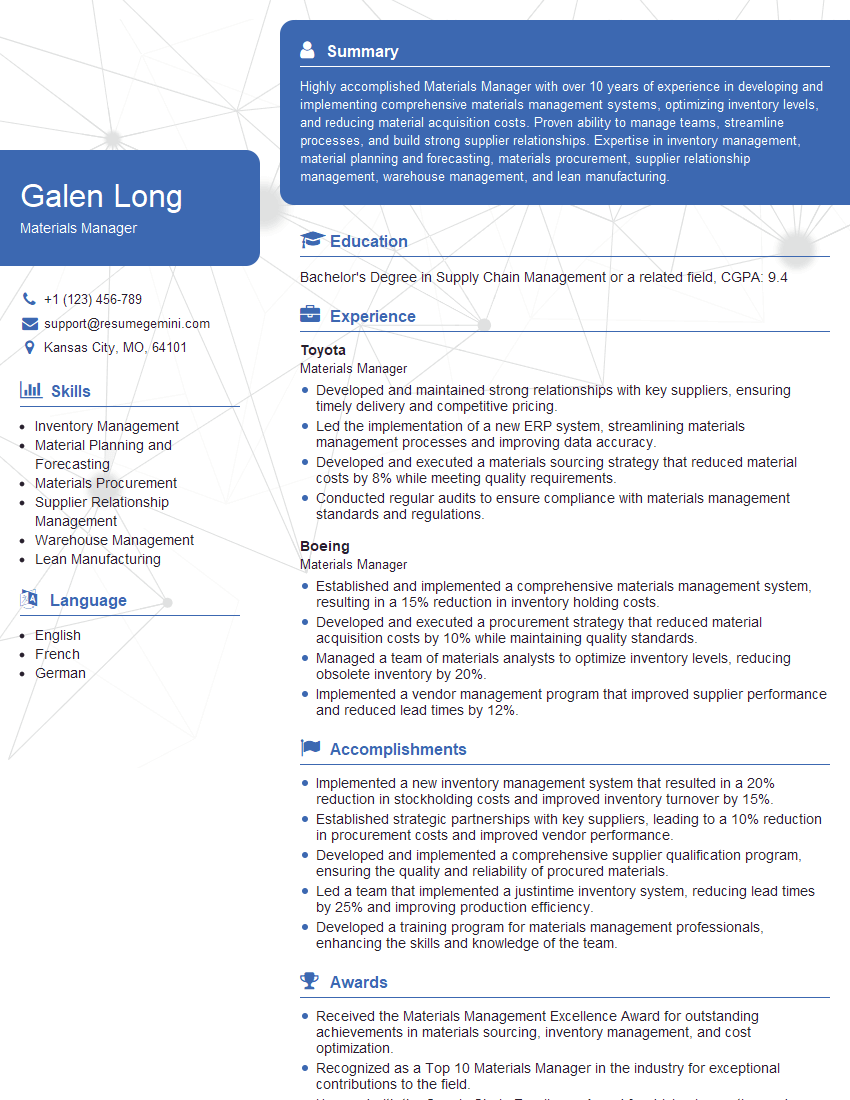
Materials Manager Resume Sample

Construction Superintendent Resume Sample
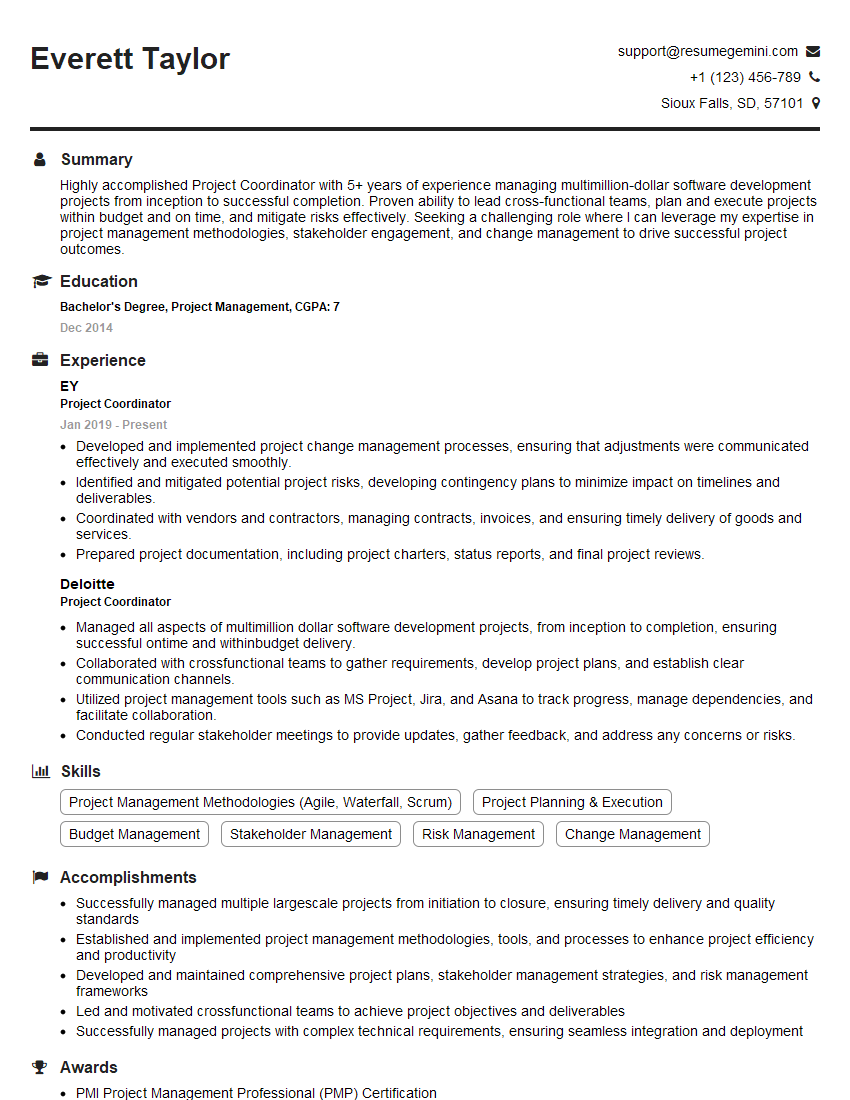
Project Coordinator Resume Sample
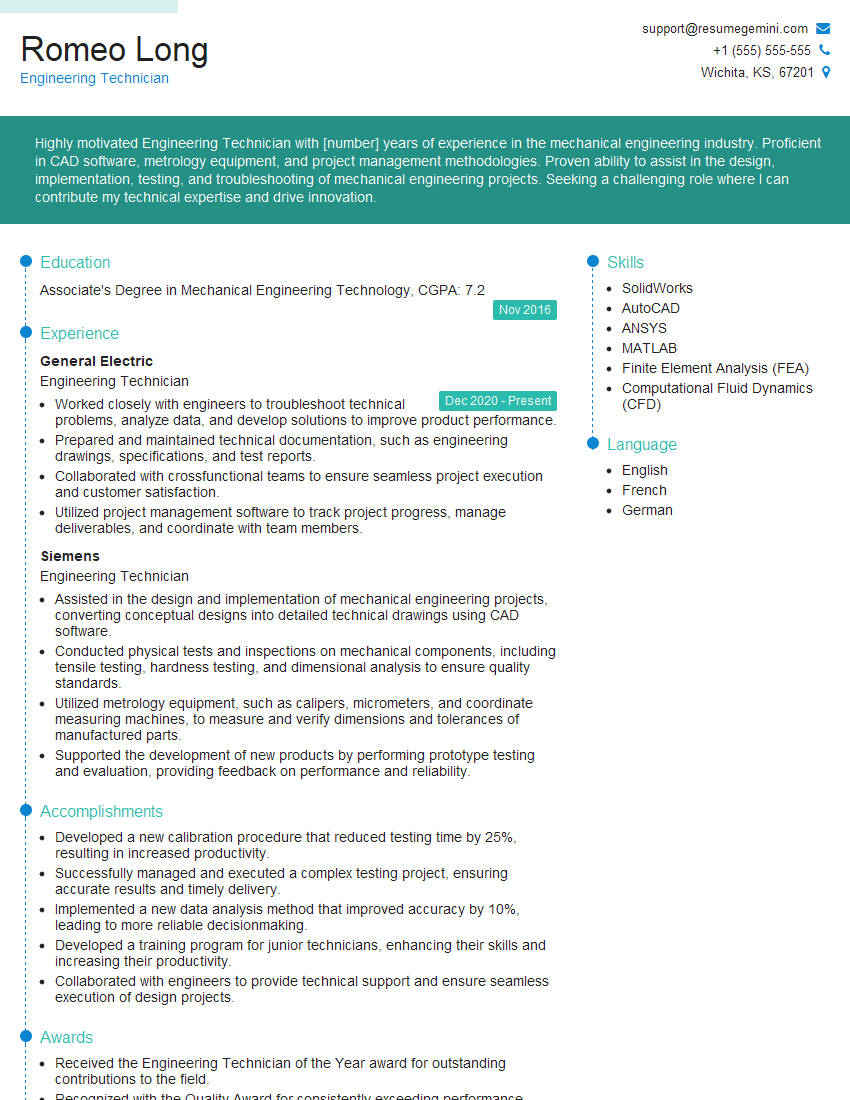
Engineering Technician Resume Sample
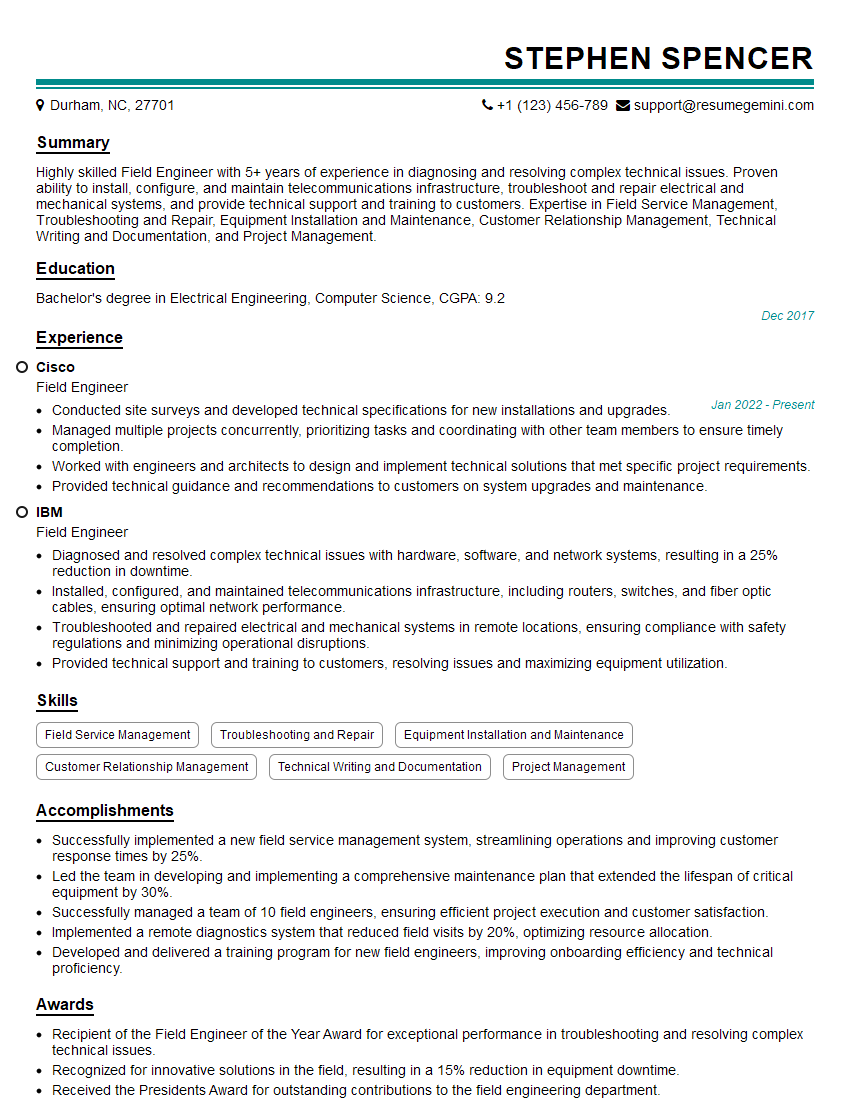
Field Engineer Resume Sample
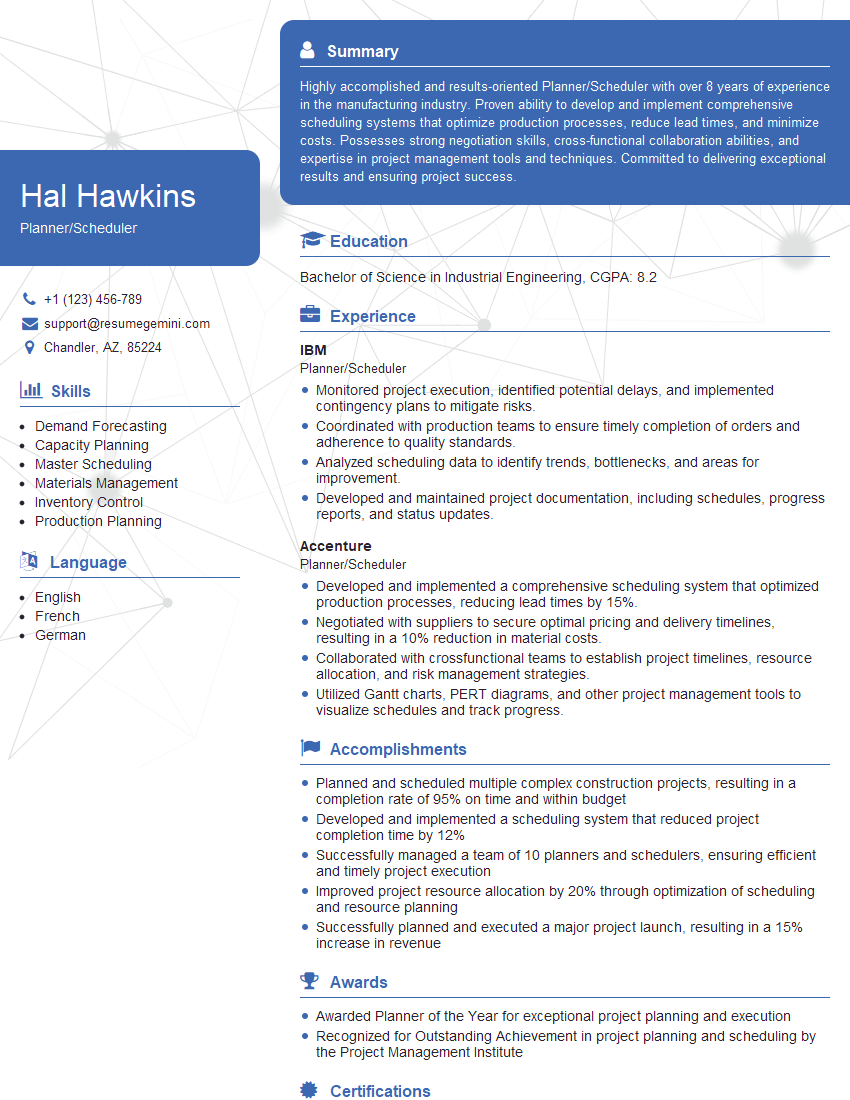
Planner/Scheduler Resume Sample
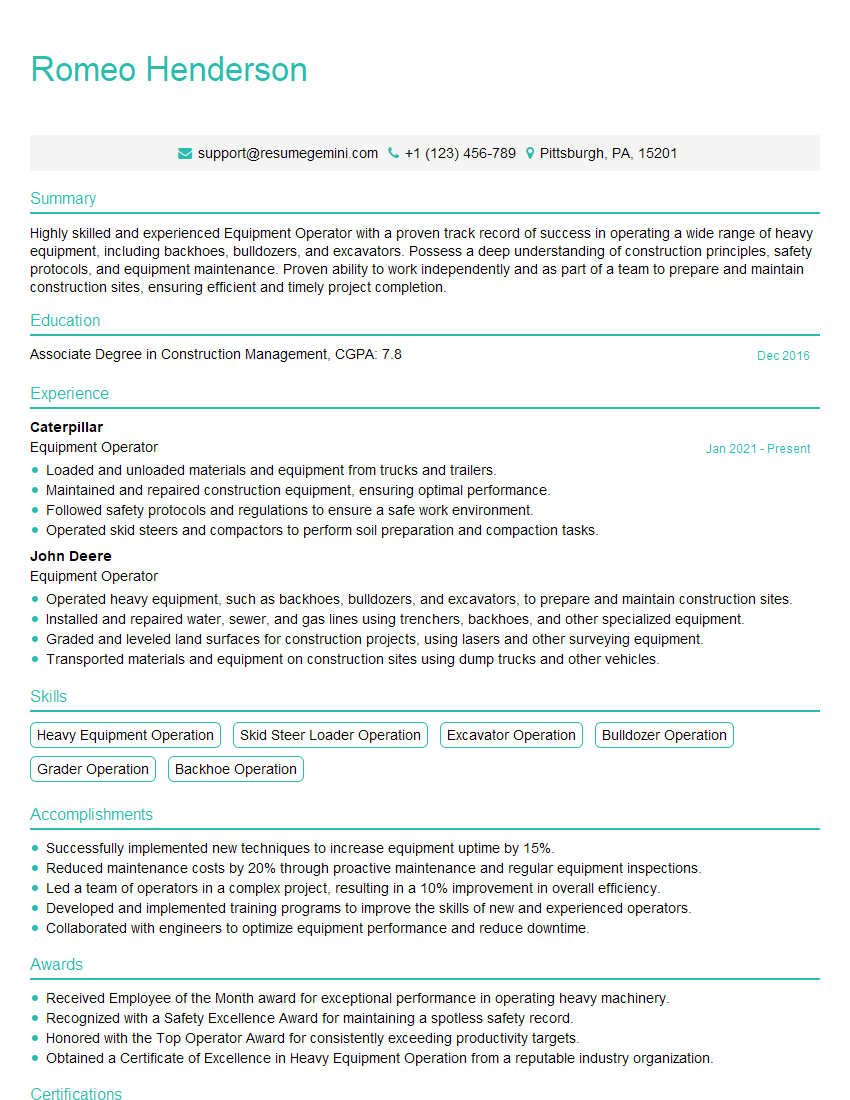
Equipment Operator Resume Sample
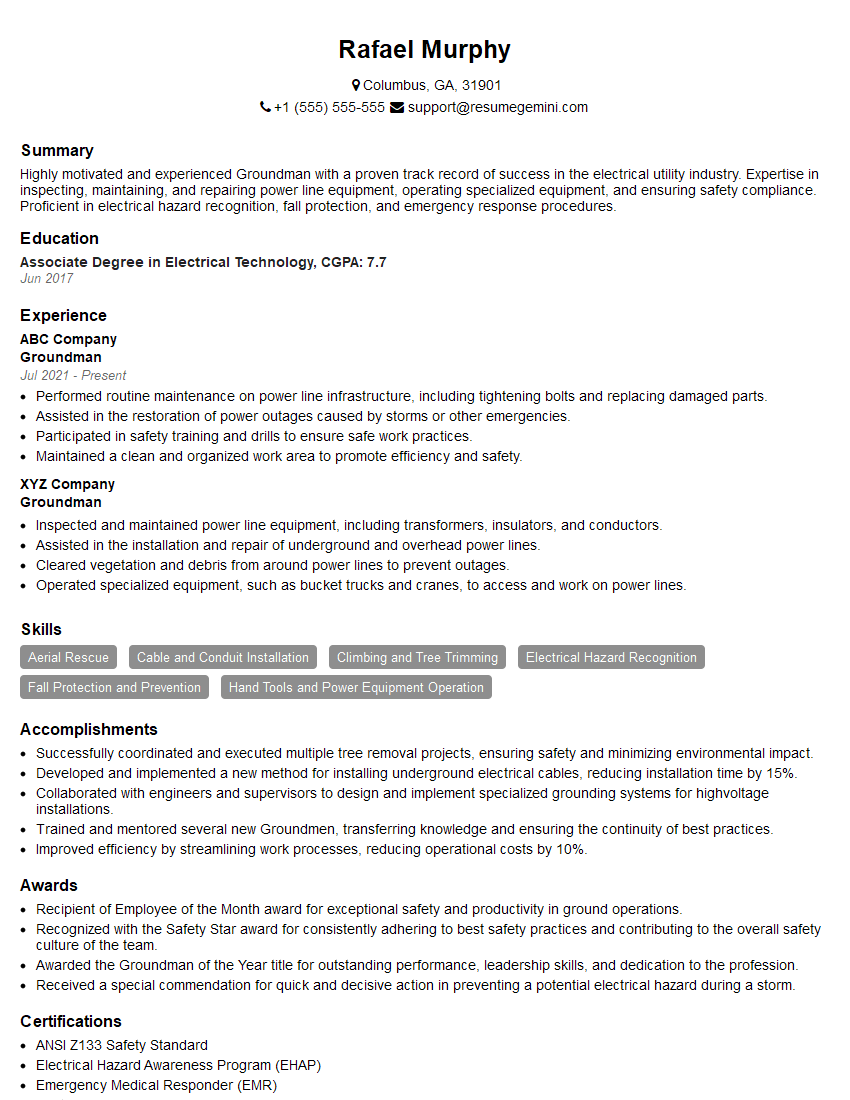
Groundman Resume Sample
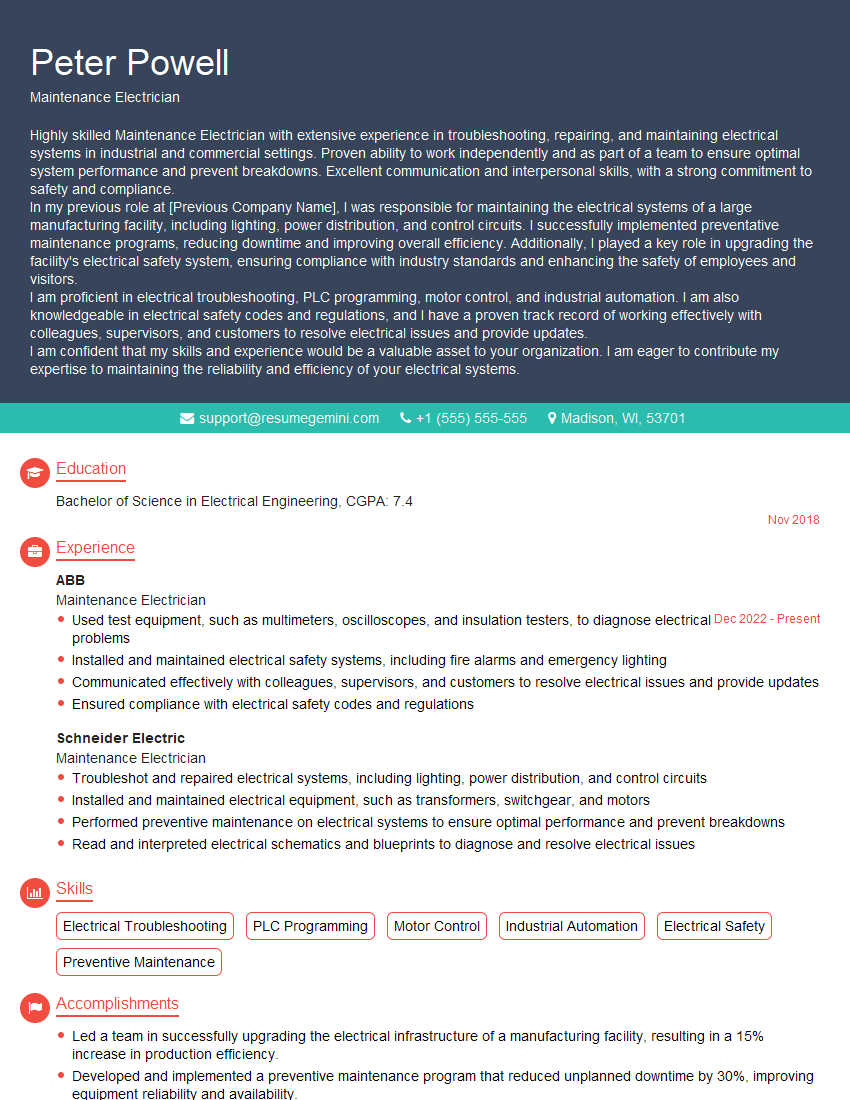
Maintenance Electrician Resume Sample
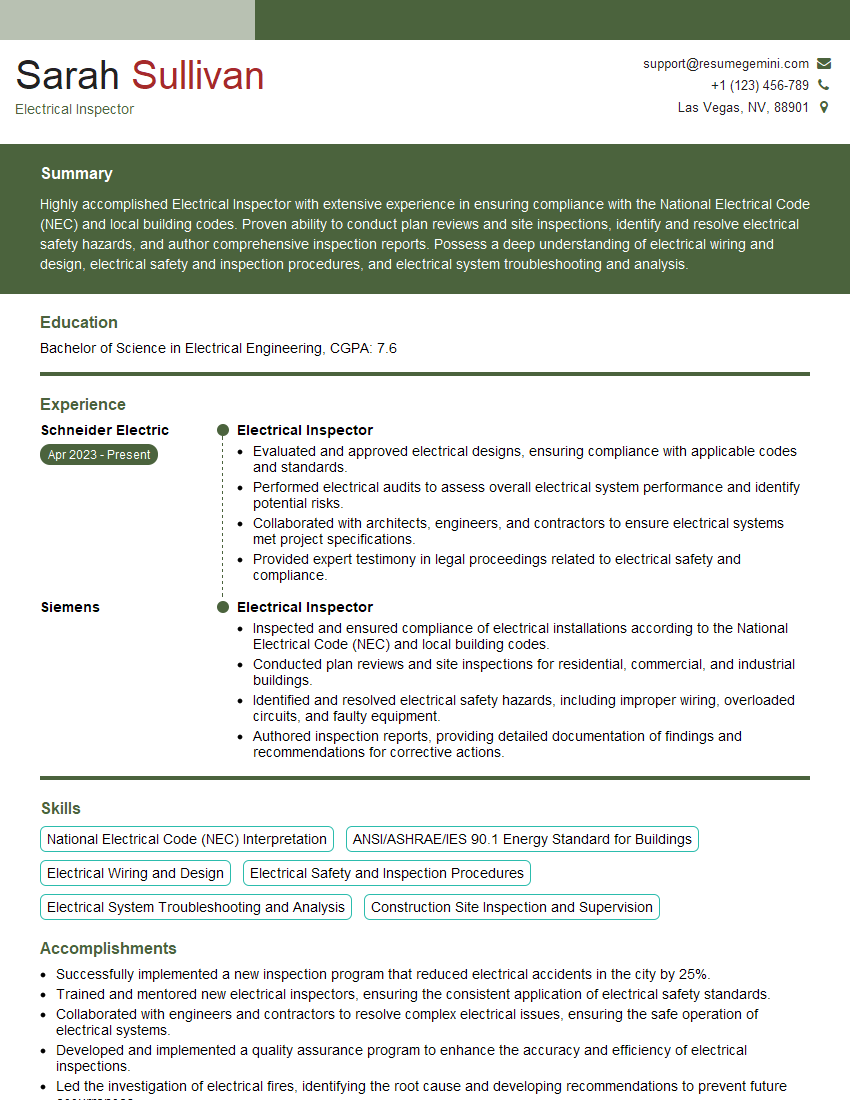
Electrical Inspector Resume Sample
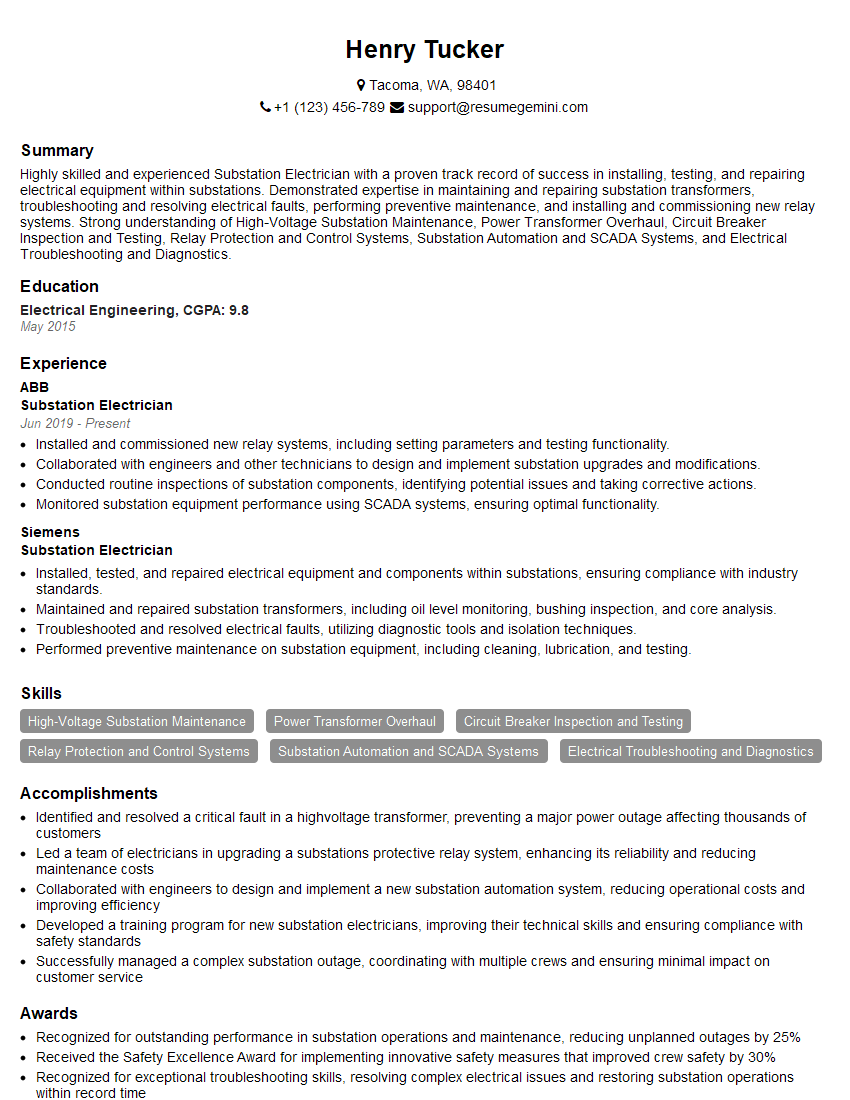
Substation Electrician Resume Sample
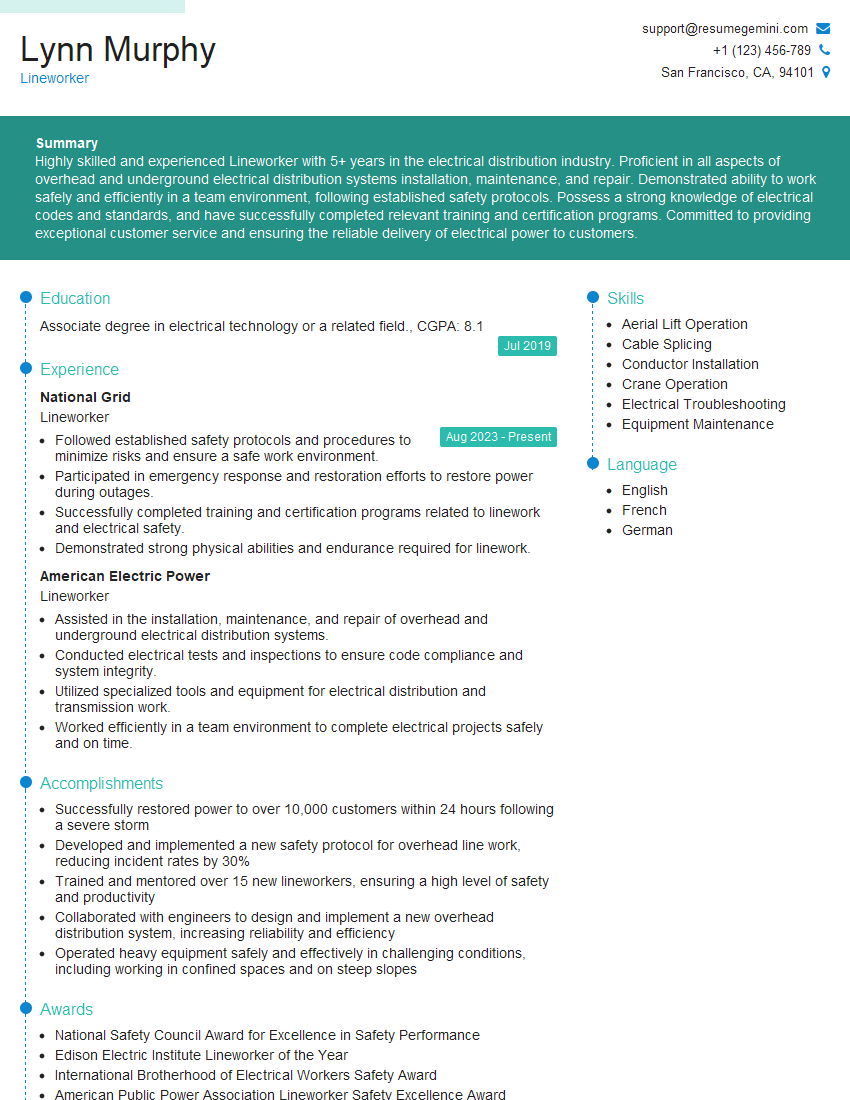
Lineworker Resume Sample
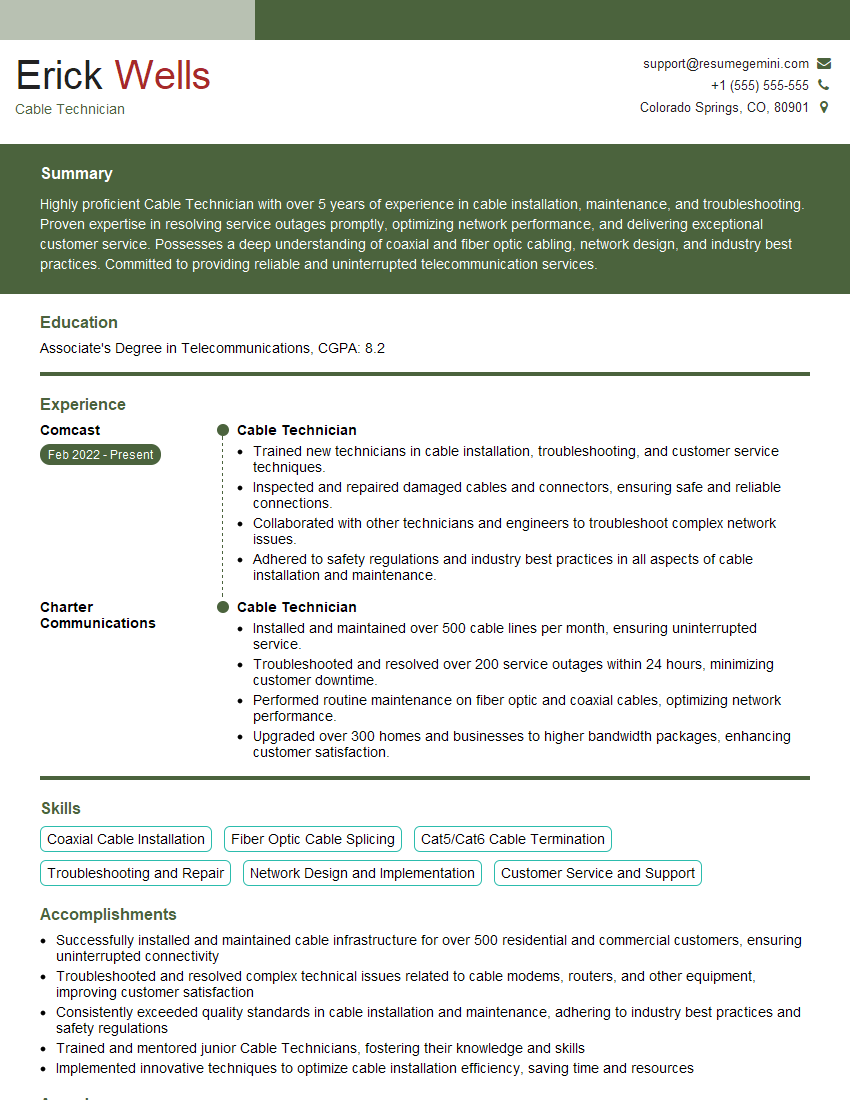
Cable Technician Resume Sample
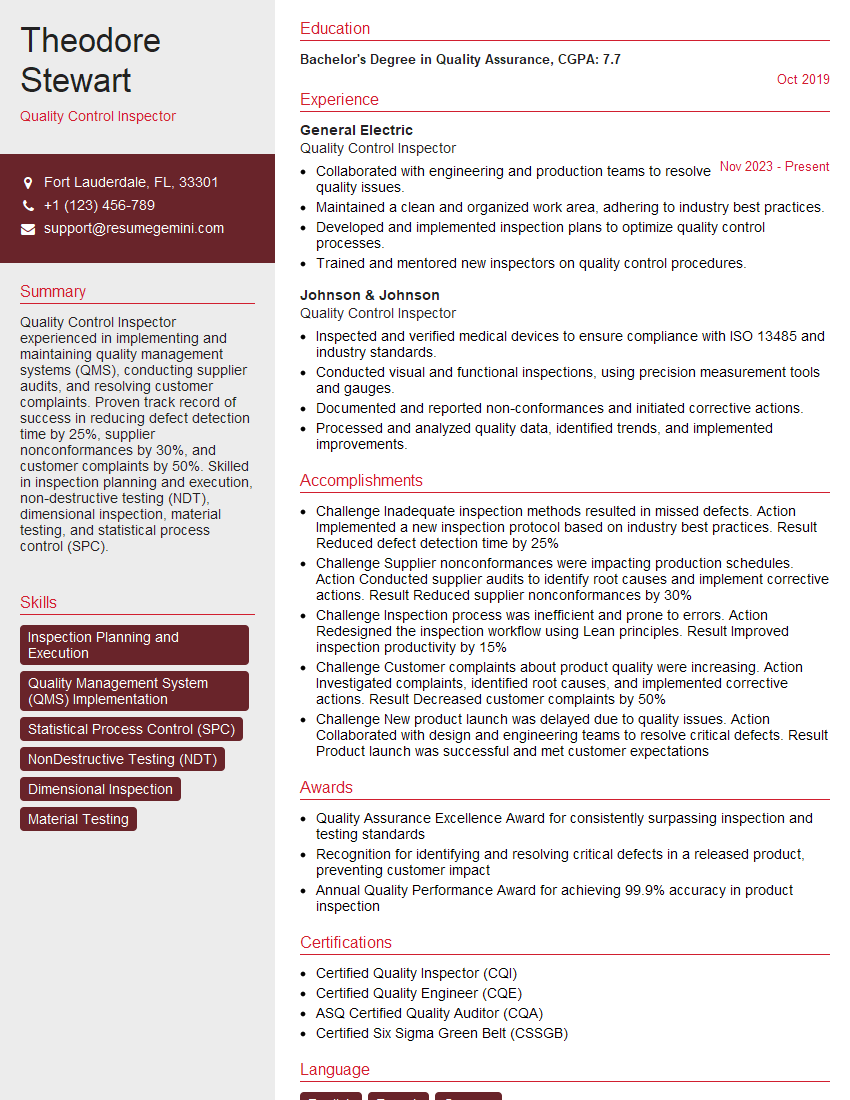
Quality Control Inspector Resume Sample
Explore more articles
Users Rating of Our Blogs
Share Your Experience
We value your feedback! Please rate our content and share your thoughts (optional).
What Readers Say About Our Blog
To the interviewgemini.com Webmaster.
Very helpful and content specific questions to help prepare me for my interview!
Thank you
To the interviewgemini.com Webmaster.
This was kind of a unique content I found around the specialized skills. Very helpful questions and good detailed answers.
Very Helpful blog, thank you Interviewgemini team.