The thought of an interview can be nerve-wracking, but the right preparation can make all the difference. Explore this comprehensive guide to Infectious Diseases interview questions and gain the confidence you need to showcase your abilities and secure the role.
Questions Asked in Infectious Diseases Interview
Q 1. Explain the difference between sterilization and disinfection.
Sterilization and disinfection are both methods used to control microbial contamination, but they differ significantly in their scope and outcome. Sterilization is the complete elimination or destruction of all forms of microbial life, including bacteria, viruses, fungi, and their spores, from an object or surface. Think of it as achieving absolute cleanliness at a microscopic level. Disinfection, on the other hand, reduces the number of viable microorganisms on a surface or object to a level considered safe. It doesn’t necessarily eliminate all microbes, just reduces them to a safe level.
Imagine preparing for surgery: surgical instruments undergo sterilization to ensure no bacteria remain that could cause infection. Cleaning a kitchen counter after preparing raw chicken involves disinfection – reducing the bacterial load to a level that prevents food poisoning. The difference lies in the level of microbial reduction: sterilization aims for complete elimination, while disinfection targets a significant reduction.
- Sterilization Methods: Autoclaving (steam under pressure), dry heat sterilization, ethylene oxide gas, radiation.
- Disinfection Methods: Chemical disinfectants (e.g., bleach, alcohol), ultraviolet (UV) light.
Q 2. Describe the mechanism of action of penicillin.
Penicillin, a beta-lactam antibiotic, works by inhibiting bacterial cell wall synthesis. Bacteria need a strong cell wall to maintain their shape and protect themselves from their environment. Penicillin achieves this inhibition by binding to penicillin-binding proteins (PBPs) located in the bacterial cell wall. These PBPs are crucial enzymes involved in the final stages of peptidoglycan synthesis – the main component of the bacterial cell wall. By binding to these PBPs, penicillin prevents the formation of cross-links in peptidoglycan, weakening the cell wall and ultimately causing bacterial lysis (cell bursting) and death.
Think of it like disrupting the construction of a brick wall. The PBPs are the bricklayers, and penicillin prevents them from doing their job, leaving the wall (cell wall) structurally weak and prone to collapse. This mechanism is particularly effective against Gram-positive bacteria, which have a thicker peptidoglycan layer compared to Gram-negative bacteria. However, resistance mechanisms, such as beta-lactamases (enzymes that break down penicillin), have emerged, limiting the effectiveness of penicillin against some bacterial strains.
Q 3. What are the common routes of transmission for influenza?
Influenza, or the flu, is primarily transmitted through respiratory droplets produced when an infected person coughs, sneezes, or talks. These droplets contain the influenza virus and can travel short distances in the air, infecting others if inhaled. This is known as droplet transmission. Another route is indirect contact transmission, where the virus is spread through contact with contaminated surfaces, such as doorknobs or shared utensils. The virus can survive for a short period on these surfaces before being picked up by another person through touching their face.
Imagine someone sneezing near you – the expelled droplets containing the virus could directly infect you (droplet transmission). Or, if someone touches a contaminated doorknob and then touches their nose or mouth without washing their hands, they could get infected (indirect contact transmission). It’s crucial to practice good hygiene, like regular handwashing and covering coughs and sneezes, to minimize the spread of influenza.
Q 4. Discuss the pathogenesis of tuberculosis.
Tuberculosis (TB) pathogenesis begins with the inhalation of Mycobacterium tuberculosis bacteria. These bacteria are usually ingested by alveolar macrophages in the lungs, where they can either be killed or survive and multiply within the macrophages. If the immune system is strong, the bacteria are contained within granulomas (immune cell clusters), forming a latent TB infection. These individuals are not infectious but can reactivate the infection later if their immunity weakens.
In cases where the immune response is insufficient, the bacteria multiply and spread, causing active TB disease. This can lead to caseous necrosis (cheese-like tissue death) within the granulomas and potentially damage the lungs, causing symptoms like coughing, fever, and weight loss. The bacteria can also spread to other organs through the bloodstream, leading to extrapulmonary TB. The progression of TB depends on factors such as the bacterial strain, host immunity, and underlying health conditions.
Q 5. What are the diagnostic criteria for HIV infection?
Diagnosing HIV infection involves a combination of tests. The initial screening test is usually an ELISA (enzyme-linked immunosorbent assay) or a rapid HIV antibody test. These tests detect the presence of antibodies against HIV in the blood, which the body produces in response to the virus. A positive ELISA result is usually confirmed with a Western blot, a more specific test that identifies specific HIV proteins. In early stages of infection or with very weak immune response, these antibody tests may be negative. In such cases, viral load tests, which measure the amount of HIV RNA in the blood, may be necessary. These newer methods can detect the virus even before antibody formation.
The diagnosis also takes into account the patient’s clinical presentation and risk factors. A positive test result, confirmed by Western blot, or a positive viral load test along with relevant symptoms will be used to confirm a diagnosis. Accurate and timely diagnosis is crucial for initiating antiretroviral therapy (ART) to slow disease progression and prevent transmission.
Q 6. Explain the concept of herd immunity.
Herd immunity refers to the indirect protection of individuals within a population from an infectious disease when a significant portion of the population is immune to the disease. This immunity can be achieved through natural infection or vaccination. When a high percentage of the population is immune, it becomes difficult for the pathogen to spread because there are fewer susceptible individuals to infect. This indirect protection benefits those who cannot be vaccinated (e.g., individuals with compromised immune systems) or who did not develop immunity after infection.
Think of it like a forest fire: if most of the trees are fire-resistant (immune), the fire will have difficulty spreading. Similarly, if a large percentage of the population is immune to a disease, the pathogen struggles to find enough susceptible hosts to maintain its spread. The threshold for achieving herd immunity varies depending on the infectious agent’s characteristics; highly contagious diseases require a higher percentage of immune individuals compared to less contagious ones.
Q 7. Describe the treatment for bacterial meningitis.
Treatment for bacterial meningitis requires prompt and aggressive intravenous antibiotic therapy. The specific antibiotic regimen depends on several factors, including the suspected causative organism, the patient’s age, and the presence of other medical conditions. However, common choices include broad-spectrum antibiotics such as ceftriaxone, vancomycin, and ampicillin, often administered in combination. The choice is often guided by local epidemiology and antibiotic sensitivity patterns in the specific community.
Early diagnosis is crucial, as bacterial meningitis can cause rapid deterioration. In addition to antibiotics, supportive care includes monitoring vital signs, managing intracranial pressure, treating seizures, and providing respiratory support if needed. Treatment duration may vary from several days to several weeks, depending on the response to therapy and the clinical course of the disease.
Q 8. What are the different classes of antiviral drugs?
Antiviral drugs target different stages of a virus’s life cycle. They are broadly classified based on their mechanisms of action. There isn’t a single, universally accepted classification system, but we can group them based on their target:
- Nucleic Acid Synthesis Inhibitors: These drugs interfere with the virus’s ability to replicate its genetic material (DNA or RNA). Examples include nucleoside/nucleotide analogs like acyclovir (for herpesviruses) and reverse transcriptase inhibitors (like AZT) used against HIV. These act like imposters, integrating into the viral DNA/RNA and stopping further replication.
- Protease Inhibitors: Viruses often need to cleave long protein chains into smaller functional units. Protease inhibitors block this process, preventing the virus from assembling functional viral particles. This is crucial in HIV treatment.
- Neuraminidase Inhibitors: These drugs, like oseltamivir (Tamiflu) and zanamivir (Relenza), target influenza viruses. They prevent the release of newly formed viruses from infected cells, limiting the spread of infection.
- Entry Inhibitors: These drugs prevent the virus from entering the host cell in the first place. They work by blocking attachment or fusion of the virus with the cell membrane. Examples include maraviroc (for HIV) and enfuvirtide.
- Integrase Inhibitors: These drugs, used primarily against HIV, block the integration of the viral DNA into the host cell’s DNA, preventing the virus from establishing a long-term infection.
It’s important to remember that antiviral drugs are virus-specific. A drug effective against influenza won’t work against HIV. The development of new antiviral drugs is an ongoing process, constantly adapting to the ever-evolving nature of viruses.
Q 9. Discuss the challenges in developing vaccines for emerging infectious diseases.
Developing vaccines for emerging infectious diseases presents significant challenges. The speed at which these diseases emerge often outpaces the traditional vaccine development timeline. Here are some key difficulties:
- Understanding the Pathogen: We need to fully understand the virus or bacterium’s genetic makeup, its life cycle, and its interaction with the host immune system before designing an effective vaccine. This requires rapid and robust research.
- Antigenic Variability: Many emerging infectious diseases exhibit high antigenic variability, meaning the pathogen’s surface proteins change frequently. This makes it difficult to create a vaccine that provides long-lasting immunity because the virus might mutate beyond the vaccine’s effectiveness.
- Safety Concerns: Vaccine development requires rigorous testing to ensure safety and efficacy. This process is time-consuming, particularly when dealing with a new, potentially lethal pathogen. The potential for adverse effects must be thoroughly investigated.
- Resource Constraints: Developing and deploying vaccines requires substantial financial and logistical resources. This can be a significant barrier, particularly in low-resource settings where emerging diseases often have the greatest impact.
- Animal Models: Finding suitable animal models to test vaccine efficacy and safety can be challenging. Not all animal models accurately reflect the human response to infection.
The COVID-19 pandemic highlighted these challenges, although remarkably, vaccine development occurred at an unprecedented pace. However, this rapid development relied heavily on existing scientific knowledge and infrastructure, and such rapid progress isn’t always feasible.
Q 10. How do you interpret a Gram stain?
A Gram stain is a differential staining technique used to classify bacteria into two broad groups: Gram-positive and Gram-negative. This distinction is based on differences in the structure of their cell walls. The interpretation relies on observing the color of the bacteria under a microscope after the staining procedure:
- Gram-positive bacteria: Appear purple or blue. Their thick peptidoglycan cell wall retains the crystal violet dye used in the initial step of the staining process.
- Gram-negative bacteria: Appear pink or red. Their thinner peptidoglycan layer and outer lipopolysaccharide membrane do not retain the crystal violet; they instead take up the counterstain, safranin.
Beyond the color, you would also note the morphology (shape – cocci, bacilli, spirilla) and arrangement (clusters, chains, etc.) of the bacteria. For example, observing Gram-positive cocci in clusters might suggest Staphylococcus aureus, while Gram-negative bacilli might indicate Escherichia coli. However, Gram staining is a preliminary step, and further tests are needed for definitive identification.
Q 11. Explain the difference between endemic, epidemic, and pandemic.
These terms describe the geographic distribution and frequency of infectious diseases:
- Endemic: A disease is endemic when it is consistently present within a specific geographic area or population. For instance, malaria is endemic to many parts of Africa. The level of infection is relatively stable and predictable.
- Epidemic: An epidemic occurs when there is a sudden increase in the number of cases of a disease above what is normally expected in a specific geographic area or population. This indicates a significant outbreak that requires immediate public health intervention. For example, a localized increase in measles cases could be considered an epidemic.
- Pandemic: A pandemic is a global epidemic. The disease spreads rapidly across multiple countries and continents, affecting a large number of people. The 1918 influenza pandemic and the recent COVID-19 pandemic are prime examples.
The key differences lie in the scale and scope of the outbreak. An endemic disease is a constant presence; an epidemic is a localized surge; and a pandemic is a worldwide spread.
Q 12. What are the key factors to consider when implementing infection control measures in a healthcare setting?
Implementing effective infection control measures in healthcare settings is crucial to prevent the spread of infections. Key factors to consider include:
- Hand Hygiene: Frequent and proper handwashing with soap and water or alcohol-based hand sanitizer is paramount. Healthcare workers should adhere to strict protocols before and after patient contact, handling contaminated materials, and using gloves.
- Personal Protective Equipment (PPE): Appropriate PPE, including gloves, gowns, masks, and eye protection, should be used consistently when handling potentially infectious materials or interacting with patients with known or suspected infections.
- Environmental Cleaning and Disinfection: Regular and thorough cleaning and disinfection of surfaces and equipment in patient care areas is vital. This includes high-touch surfaces like doorknobs, bedrails, and medical equipment.
- Waste Management: Proper handling and disposal of medical waste, including sharps and contaminated materials, prevents the spread of infection to healthcare workers and the community.
- Isolation Precautions: Patients with infectious diseases may require isolation precautions (contact, droplet, airborne) to limit transmission. This involves specific measures for patient placement, PPE, and environmental control.
- Education and Training: Healthcare workers must receive ongoing education and training on infection control principles and practices to ensure consistent and appropriate implementation.
- Surveillance and Outbreak Management: Robust surveillance systems are needed to detect and respond quickly to outbreaks of infection. This includes tracking infection rates, identifying sources, and implementing control measures promptly.
Effective infection control requires a multi-faceted approach, involving adherence to established protocols, regular monitoring, and proactive measures to minimize risk.
Q 13. Discuss the role of antimicrobial stewardship in combating antibiotic resistance.
Antimicrobial stewardship is a coordinated program that promotes the appropriate use of antimicrobials (antibiotics, antivirals, antifungals) to improve patient outcomes and reduce the development and spread of antimicrobial resistance. Its role in combating antibiotic resistance is central:
- Promoting Appropriate Use: Stewardship programs focus on optimizing the selection, dosage, duration, and route of administration of antimicrobials. This minimizes unnecessary use, which is a primary driver of resistance.
- Infection Prevention and Control: By focusing on preventing infections in the first place, we reduce the need for antimicrobials. This involves implementing robust infection control measures as discussed earlier.
- Diagnostic Testing: Stewardship programs emphasize the importance of obtaining appropriate cultures and susceptibility testing before initiating antimicrobial therapy. This ensures the prescribed medication targets the specific pathogen and avoids the use of broad-spectrum antibiotics that contribute to resistance.
- De-escalation Therapy: Once culture results are available, stewardship often involves de-escalating therapy from broad-spectrum to narrow-spectrum antibiotics, reducing the collateral damage to the patient’s microbiome and minimizing the selective pressure that favors resistance.
- Education and Training: Healthcare professionals, including physicians, nurses, and pharmacists, receive regular education on antimicrobial stewardship principles to promote appropriate prescribing practices.
- Surveillance and Monitoring: Tracking antimicrobial usage patterns and resistance rates helps identify areas for improvement and evaluate the effectiveness of stewardship interventions.
Antimicrobial stewardship is a collaborative effort involving healthcare professionals, laboratory staff, and hospital administrators. It is a crucial strategy for preserving the effectiveness of existing antimicrobials and preventing the emergence of new resistant organisms.
Q 14. Describe the principles of contact tracing.
Contact tracing is a systematic process used to identify and manage contacts of individuals infected with a contagious disease. Its goal is to prevent further transmission by identifying those who may have been exposed and providing appropriate interventions.
- Identifying Cases: This begins with identifying individuals diagnosed with the infectious disease. Information about their recent contacts needs to be collected.
- Identifying Contacts: This involves interviewing the infected individual to identify anyone they had close contact with during their infectious period. This includes household members, close social contacts, workplace colleagues, and healthcare providers.
- Contact Listing: A detailed list of contacts is created, including their names, contact information, and the nature and duration of their contact with the infected person.
- Contact Assessment: Contacts are then assessed for their risk of infection and symptoms. This may involve interviewing them, monitoring their health, and administering tests.
- Intervention and Follow-up: If a contact is determined to be at risk, appropriate interventions are implemented. This could include quarantine, prophylactic treatment, testing, and monitoring for symptoms. Regular follow-up is essential to ensure that contacts remain healthy and do not develop illness.
- Data Management: All information gathered during the contact tracing process is meticulously documented and managed to track the outbreak and evaluate the effectiveness of interventions.
Effective contact tracing is crucial for controlling the spread of contagious diseases, particularly during outbreaks and pandemics. It relies on effective communication, strong collaboration among healthcare professionals and public health officials, and the cooperation of individuals who have been identified as contacts.
Q 15. How do you differentiate between viral and bacterial pneumonia?
Differentiating between viral and bacterial pneumonia relies on a combination of clinical presentation, diagnostic tests, and sometimes, the patient’s response to treatment. While both cause similar symptoms like cough, fever, and shortness of breath, there are key differences.
- Bacterial pneumonia often presents with a more abrupt onset, higher fever, and production of more copious, potentially purulent (pus-filled) sputum. Patients might also experience shaking chills.
- Viral pneumonia typically has a more gradual onset, with a less severe fever and less pronounced sputum production. It often presents alongside other viral symptoms like runny nose or sore throat.
Diagnostic tests like chest X-rays can reveal similar findings in both, but further investigation is crucial. A sputum culture and sensitivity test can identify the specific bacteria causing bacterial pneumonia, guiding targeted antibiotic therapy. Viral pneumonia diagnosis is often based on clinical findings, viral testing (PCR), or serological tests that detect antibodies to specific viruses.
For example, a patient presenting with a sudden high fever, productive cough with green sputum, and shaking chills would strongly suggest bacterial pneumonia, whereas a patient with a gradual onset of cough, mild fever, and clear or scant sputum, possibly with other flu-like symptoms, points towards viral pneumonia. However, co-infections are possible, and a definitive diagnosis always requires thorough assessment.
Career Expert Tips:
- Ace those interviews! Prepare effectively by reviewing the Top 50 Most Common Interview Questions on ResumeGemini.
- Navigate your job search with confidence! Explore a wide range of Career Tips on ResumeGemini. Learn about common challenges and recommendations to overcome them.
- Craft the perfect resume! Master the Art of Resume Writing with ResumeGemini’s guide. Showcase your unique qualifications and achievements effectively.
- Don’t miss out on holiday savings! Build your dream resume with ResumeGemini’s ATS optimized templates.
Q 16. What are the common side effects of antifungal medications?
Antifungal medications, while vital in treating fungal infections, can cause various side effects, ranging from mild to severe. The specific side effects depend on the type of antifungal drug and the patient’s individual factors.
- Common side effects include nausea, vomiting, diarrhea, abdominal pain, headache, and rash. These are often manageable and may lessen as the body adjusts to the medication.
- More serious side effects can include liver damage (elevated liver enzymes), kidney problems, bone marrow suppression (leading to decreased blood cell counts), and heart rhythm disturbances. These necessitate close monitoring and may require dosage adjustments or alternative treatments.
- Specific antifungal agents have unique side effects: for instance, azoles can cause drug interactions, while echinocandins are usually well-tolerated but can sometimes cause infusion-related reactions.
Patients taking antifungals need regular monitoring of their liver and kidney function, as well as blood counts. Open communication with the healthcare provider about any new or worsening symptoms is vital for early intervention and preventing serious complications.
Q 17. Discuss the epidemiology of a specific infectious disease (e.g., Zika virus).
The Zika virus, primarily transmitted by Aedes mosquitoes, provides a compelling case study in infectious disease epidemiology. Its emergence highlighted the interconnectedness of global travel, environmental factors, and public health responses.
- Geographical Distribution: Zika initially circulated in Africa and Asia but spread rapidly to the Pacific Islands and the Americas. Climate conditions, especially warm temperatures and high humidity, favor Aedes mosquito breeding and viral transmission.
- Transmission Dynamics: The primary mode of transmission is through the bite of infected Aedes mosquitoes (Ae. aegypti and Ae. albopictus). However, sexual transmission, mother-to-fetus transmission (during pregnancy), and blood transfusions have also been documented.
- Impact and Outcomes: While most Zika infections are asymptomatic or cause mild symptoms like fever and rash, infection during pregnancy can lead to congenital Zika syndrome in newborns, characterized by microcephaly (abnormally small head), neurological abnormalities, and other birth defects. This devastating consequence prompted widespread public health interventions.
- Epidemiological Surveillance: Effective surveillance systems are crucial to track Zika outbreaks, understand transmission patterns, and guide control measures. This involves vector surveillance (monitoring mosquito populations), case detection, and laboratory testing.
The Zika virus epidemic illustrates how a seemingly mild infection can have devastating consequences, emphasizing the need for robust global surveillance, vector control programs, and public health education to prevent and manage emerging infectious diseases.
Q 18. Explain the importance of proper hand hygiene in preventing the spread of infection.
Proper hand hygiene is a cornerstone of infection prevention and control. Hands act as vectors, transferring pathogens from contaminated surfaces or individuals to others, leading to the spread of infections. Simple actions can dramatically reduce this transmission.
- Mechanism: Washing hands with soap and water, or using an alcohol-based hand rub, physically removes or inactivates a significant number of microorganisms, including bacteria, viruses, and fungi, that reside on the skin’s surface.
- Effectiveness: Studies consistently demonstrate that regular handwashing significantly reduces the incidence of many infectious diseases, particularly respiratory and diarrheal illnesses. This is crucial in healthcare settings, schools, and communities.
- Techniques: Effective handwashing involves wetting hands, applying soap, rubbing hands together vigorously for at least 20 seconds (the time it takes to sing “Happy Birthday” twice), rinsing thoroughly, and drying with a clean towel or air dryer.
Think of it like this: your hands are constantly touching surfaces. If those surfaces are contaminated with viruses like influenza or bacteria like Staphylococcus aureus, your hands become carriers. Washing your hands breaks that chain of transmission, preventing you from infecting yourself or others.
Q 19. What are the ethical considerations involved in managing outbreaks of infectious diseases?
Managing outbreaks of infectious diseases presents numerous ethical dilemmas. Balancing individual rights and public health necessitates careful consideration of several principles.
- Individual Liberty vs. Public Good: Measures like quarantine or isolation, while crucial for containing outbreaks, restrict individual freedom. Ethical justification requires a clear demonstration of the proportionality and necessity of such measures, minimizing restrictions while maximizing protection.
- Resource Allocation: Outbreaks often strain healthcare resources. Ethical allocation principles are needed to ensure fair and equitable access to limited resources like vaccines, treatments, and healthcare personnel.
- Informed Consent: Patients need to be fully informed about the risks and benefits of interventions, including experimental treatments, and give their consent. Vulnerable populations require special consideration and protection.
- Transparency and Communication: Open and honest communication with the public is paramount. Transparency builds trust and facilitates cooperation, crucial for successful containment efforts.
- Data Privacy: Collecting and using personal data for surveillance and contact tracing must respect individual privacy rights and adhere to ethical guidelines.
For example, deciding whether to prioritize vaccination for healthcare workers over the general population during a vaccine shortage involves weighing the need to protect essential services against the principle of equitable access.
Q 20. Describe the role of public health agencies in controlling infectious diseases.
Public health agencies play a vital role in controlling infectious diseases. Their responsibilities span surveillance, prevention, and response.
- Surveillance: Agencies constantly monitor disease patterns, identifying outbreaks and tracking their spread. This involves collecting data from various sources, including healthcare providers, laboratories, and community-based organizations.
- Prevention: Agencies implement strategies to prevent disease transmission, including vaccination programs, health education campaigns, and vector control measures (e.g., mosquito control).
- Response: During outbreaks, agencies coordinate response efforts, including case investigation, contact tracing, isolation and quarantine, and provision of medical care. They also communicate risk information to the public.
- Policy and Legislation: Agencies influence public health policies and regulations, ensuring legal frameworks support infection control measures.
- Research and Development: Agencies support research on infectious diseases, contributing to the development of new diagnostics, vaccines, and treatments.
Consider the role of the Centers for Disease Control and Prevention (CDC) in the US, or the World Health Organization (WHO) globally. Their actions during major outbreaks, like the COVID-19 pandemic, highlight the critical importance of well-funded, robust public health systems.
Q 21. How do you interpret the results of a culture and sensitivity test?
A culture and sensitivity test identifies the specific microorganism causing an infection and determines its susceptibility to various antibiotics or antifungal agents. Interpreting the results is crucial for guiding treatment decisions.
- Culture: This part identifies the type of microorganism (bacteria, fungus, etc.). The lab grows the organism from a sample (e.g., blood, urine, sputum) in a culture medium. The result reports the specific species and sometimes strain of the organism.
- Sensitivity: This determines which antibiotics or antifungals can effectively kill or inhibit the growth of the identified microorganism. The results are usually expressed as “sensitive,” “intermediate,” or “resistant.” A “sensitive” result means the antibiotic is likely to be effective; “resistant” indicates the antibiotic is unlikely to work; “intermediate” suggests that higher doses or different administration methods might be needed.
Example: A sputum culture shows Streptococcus pneumoniae, and the sensitivity test shows that it is sensitive to penicillin and resistant to tetracycline. This tells us that penicillin is a good choice for treatment, while tetracycline would be ineffective.
Interpreting culture and sensitivity results requires expertise. Healthcare providers use this information alongside clinical assessment to select the most appropriate and effective antimicrobial therapy.
Q 22. What are the different types of healthcare-associated infections (HAIs)?
Healthcare-associated infections (HAIs) are infections acquired in a healthcare setting, such as hospitals, nursing homes, or clinics, that were not present or incubating at the time of admission. They can be caused by a wide variety of microorganisms, including bacteria, viruses, fungi, and parasites. The types of HAIs are categorized primarily by the site of infection.
- Pneumonia: Infection of the lungs, often caused by ventilator-associated pneumonia (VAP) in patients requiring mechanical ventilation.
- Surgical Site Infections (SSIs): Infections occurring at the site of an incision within 30 days of surgery, or within 1 year if an implant is involved. These can range from superficial skin infections to deep organ space infections.
- Urinary Tract Infections (UTIs): Infections of the urinary system, frequently linked to indwelling catheters.
- Bloodstream Infections (BSIs): Infections of the bloodstream, often originating from other sites like the lungs or urinary tract. These are serious and potentially life-threatening.
- Gastrointestinal Infections: Infections affecting the gastrointestinal tract, often caused by Clostridium difficile (C. diff) or other antibiotic-resistant bacteria.
Understanding the specific type of HAI is crucial for targeted prevention and treatment strategies. For instance, preventing VAP involves meticulous hand hygiene, proper ventilator maintenance, and elevation of the head of the bed. Preventing UTIs involves careful catheterization techniques and prompt removal when no longer necessary.
Q 23. Explain the importance of surveillance in detecting and controlling outbreaks.
Surveillance is the cornerstone of infectious disease control. It involves the systematic collection, analysis, interpretation, and dissemination of data regarding infectious disease trends. This is vital for both detecting outbreaks early and for guiding effective control measures. Imagine a city without a weather forecast – you’d be completely unprepared for a storm. Similarly, without surveillance, outbreaks can spiral out of control before we even know they exist.
Effective surveillance systems provide:
- Early Warning of Outbreaks: By monitoring disease rates, unusual clusters of cases can be identified quickly, allowing for rapid response.
- Assessment of Outbreak Magnitude: Surveillance data helps understand the extent of an outbreak – how many people are affected, the geographic spread, and the severity of illness.
- Identification of Risk Factors: Analyzing data can uncover factors contributing to the outbreak, such as contaminated food, a specific healthcare setting, or environmental conditions.
- Evaluation of Control Measures: Surveillance helps assess the effectiveness of implemented interventions, allowing adjustments to strategies as needed.
For example, during the initial stages of the COVID-19 pandemic, robust surveillance, including widespread testing and case tracking, was crucial in identifying the virus’s spread, informing public health policies, and guiding vaccine development.
Q 24. Discuss the impact of climate change on the emergence and spread of infectious diseases.
Climate change significantly influences the emergence and spread of infectious diseases. Changes in temperature, precipitation, and extreme weather events create favorable conditions for disease vectors and pathogens to thrive.
- Vector-borne diseases: Rising temperatures expand the geographic range of disease vectors like mosquitoes and ticks, leading to increased incidence of diseases like malaria, dengue fever, Lyme disease, and Zika virus. Warmer temperatures allow for faster vector breeding and increased pathogen replication.
- Waterborne diseases: Changes in rainfall patterns can lead to flooding and contamination of water sources, increasing the risk of waterborne diseases like cholera and typhoid fever. Extreme droughts can also cause water scarcity, promoting the spread of waterborne illnesses through shared, contaminated sources.
- Foodborne illnesses: Changes in temperature and humidity can affect food production and storage, increasing the risk of foodborne pathogens such as Salmonella and E. coli.
- Respiratory illnesses: Climate change can exacerbate air pollution and increase the frequency and severity of respiratory infections.
For instance, the increasing frequency and intensity of heatwaves can lead to heat stress, which weakens the immune system, making individuals more susceptible to infections. The melting of permafrost could release ancient pathogens, posing a novel threat to public health.
Q 25. How do you assess the risk of infection in an immunocompromised patient?
Assessing the infection risk in immunocompromised patients requires a multi-faceted approach considering their specific vulnerabilities.
- Underlying condition: The nature and severity of the immunocompromised state (e.g., HIV/AIDS, cancer, organ transplant, autoimmune diseases) greatly influences susceptibility. A patient with advanced HIV has a drastically higher risk than someone with a mild autoimmune disorder.
- Immunosuppressive medications: The type and dose of immunosuppressants significantly impact immune function. Certain medications can profoundly suppress the immune system, increasing infection risk.
- Recent procedures or hospitalizations: Invasive procedures, surgeries, and hospitalizations expose individuals to a higher risk of HAIs due to exposure to pathogens in the healthcare environment.
- Exposure history: Recent travel history, exposure to sick individuals, or contact with animals can elevate infection risk. This includes exposure to contaminated water, food, or environments.
- Vaccination status: Immunization status is critical, as certain vaccines might be contraindicated or less effective in severely immunocompromised individuals. However, vaccinations where feasible are crucial for protection against preventable infections.
Risk assessment involves a thorough review of the patient’s medical history, current medications, and exposure history, combined with clinical judgment. Proactive strategies such as infection prevention precautions (e.g., hand hygiene, isolation precautions) and prophylactic antibiotics (if appropriate) are frequently implemented to mitigate the risk.
Q 26. Explain the principles of outbreak investigation.
Outbreak investigation is a systematic process to identify the source, mode of transmission, and contributing factors of an infectious disease outbreak. It’s a crucial step in containing the spread and preventing future outbreaks. Think of it as a detective solving a mystery, but with pathogens as the culprits.
The principles involve:
- Case Definition: Establishing a clear clinical definition of the illness, including symptoms and laboratory confirmation.
- Descriptive Epidemiology: Characterizing the outbreak by person (age, sex, underlying conditions), place (geographic location), and time (onset of illness). This allows the identification of patterns and potential risk factors.
- Hypothesis Generation: Formulating hypotheses about the potential source and mode of transmission based on the descriptive epidemiology.
- Analytic Epidemiology: Conducting studies (like cohort studies or case-control studies) to test hypotheses and determine the cause of the outbreak.
- Control Measures: Implementing control measures to prevent further spread, such as quarantine, isolation, treatment, and environmental sanitation.
- Communication: Communicating findings to the public and healthcare providers to ensure awareness and collaboration.
A classic example is tracing the source of a foodborne illness outbreak – by carefully interviewing affected individuals, identifying common foods they consumed, and lab testing those foods, investigators can pinpoint the contaminated food item and prevent further illness.
Q 27. What are the challenges in managing drug-resistant infections?
Managing drug-resistant infections presents formidable challenges. Antimicrobial resistance (AMR) threatens our ability to treat common infections, increasing morbidity, mortality, and healthcare costs.
- Limited treatment options: Resistance renders many existing antibiotics ineffective, leaving few or no treatment choices for severe infections.
- Increased morbidity and mortality: Infections caused by drug-resistant organisms are more difficult to treat, leading to longer hospital stays, higher mortality rates, and increased risk of complications.
- Higher healthcare costs: Treating drug-resistant infections requires more expensive medications, longer hospitalizations, and more intensive care.
- Difficulty in diagnosis: Identifying drug-resistant organisms can be challenging and time-consuming, delaying appropriate treatment.
- Development of new antibiotics: The development of new antibiotics is slow and expensive, struggling to keep pace with the emergence of resistance.
Strategies to combat AMR include promoting responsible antibiotic use (reducing unnecessary prescriptions), developing new antibiotics and alternative therapies (such as phage therapy), strengthening infection prevention and control measures, and implementing public health surveillance systems to monitor resistance patterns.
Q 28. Describe the role of global health initiatives in combating infectious diseases.
Global health initiatives play a critical role in combating infectious diseases. These initiatives facilitate collaboration, resource mobilization, and knowledge sharing across nations to address challenges that transcend borders.
- Research and Development: Initiatives fund research into new vaccines, diagnostics, and treatments, accelerating the development of tools to combat emerging and re-emerging diseases.
- Surveillance and Outbreak Response: Global collaborations strengthen surveillance systems, enabling early detection and rapid response to outbreaks, preventing their spread across borders.
- Vaccine Deployment: Initiatives coordinate the global distribution of vaccines, ensuring equitable access to life-saving immunizations, particularly in low- and middle-income countries.
- Capacity Building: These initiatives build capacity in healthcare systems in developing countries, strengthening their ability to prevent, detect, and manage infectious diseases.
- Advocacy and Policy: Initiatives advocate for policies promoting global health security, responsible antibiotic use, and investment in public health infrastructure.
Examples include the Global Fund to Fight AIDS, Tuberculosis and Malaria, Gavi, the Vaccine Alliance, and the WHO’s efforts in pandemic preparedness and response. These organizations collaborate with governments, research institutions, and civil society organizations to address the complex challenges of global infectious disease control.
Key Topics to Learn for Infectious Diseases Interview
- Epidemiology of Infectious Diseases: Understanding disease transmission, outbreak investigation, and surveillance methods. Practical application: Analyzing epidemiological data to identify risk factors and implement control measures.
- Pathogenesis and Immunology: Mechanisms of infection, host immune responses, and the interplay between pathogen and host. Practical application: Interpreting laboratory results to diagnose and guide treatment decisions.
- Antimicrobial Stewardship: Appropriate selection, dosage, and duration of antimicrobial therapy. Practical application: Designing and implementing antimicrobial stewardship programs to combat antibiotic resistance.
- Diagnostic Microbiology: Principles of laboratory techniques used for identification and characterization of infectious agents. Practical application: Evaluating the accuracy and limitations of different diagnostic tests.
- Emerging and Re-emerging Infectious Diseases: Understanding the factors contributing to the emergence and re-emergence of infectious diseases. Practical application: Assessing the public health risks associated with novel pathogens.
- Infection Prevention and Control: Strategies for preventing the transmission of infectious agents in healthcare settings and the community. Practical application: Developing and implementing infection control protocols.
- Specific Disease Groups: In-depth knowledge of key infectious diseases (e.g., HIV/AIDS, Tuberculosis, Influenza, COVID-19, etc.) including their clinical presentations, diagnosis, treatment and prevention. Practical application: Developing tailored treatment plans for patients based on their individual needs.
- Public Health Policy and Ethics: Understanding relevant public health policies and ethical considerations related to infectious diseases. Practical application: Contributing to policy decisions related to outbreak response and resource allocation.
Next Steps
Mastering Infectious Diseases is crucial for a successful and impactful career in public health, research, or clinical practice. A strong understanding of these concepts will significantly enhance your interview performance and open doors to exciting opportunities. To maximize your job prospects, crafting an ATS-friendly resume is essential. ResumeGemini is a trusted resource that can help you build a professional and effective resume tailored to highlight your skills and experience. We provide examples of resumes specifically designed for Infectious Diseases professionals to help guide you in this process.
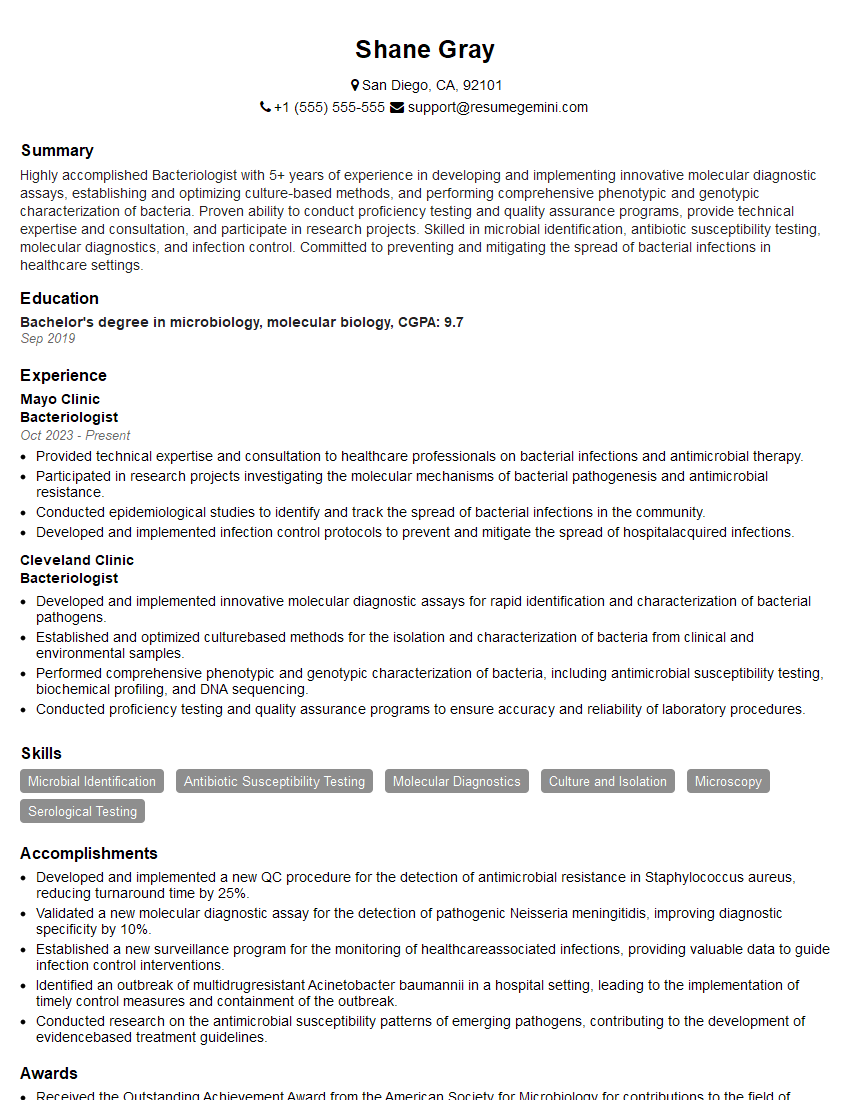
Bacteriologist Resume Sample
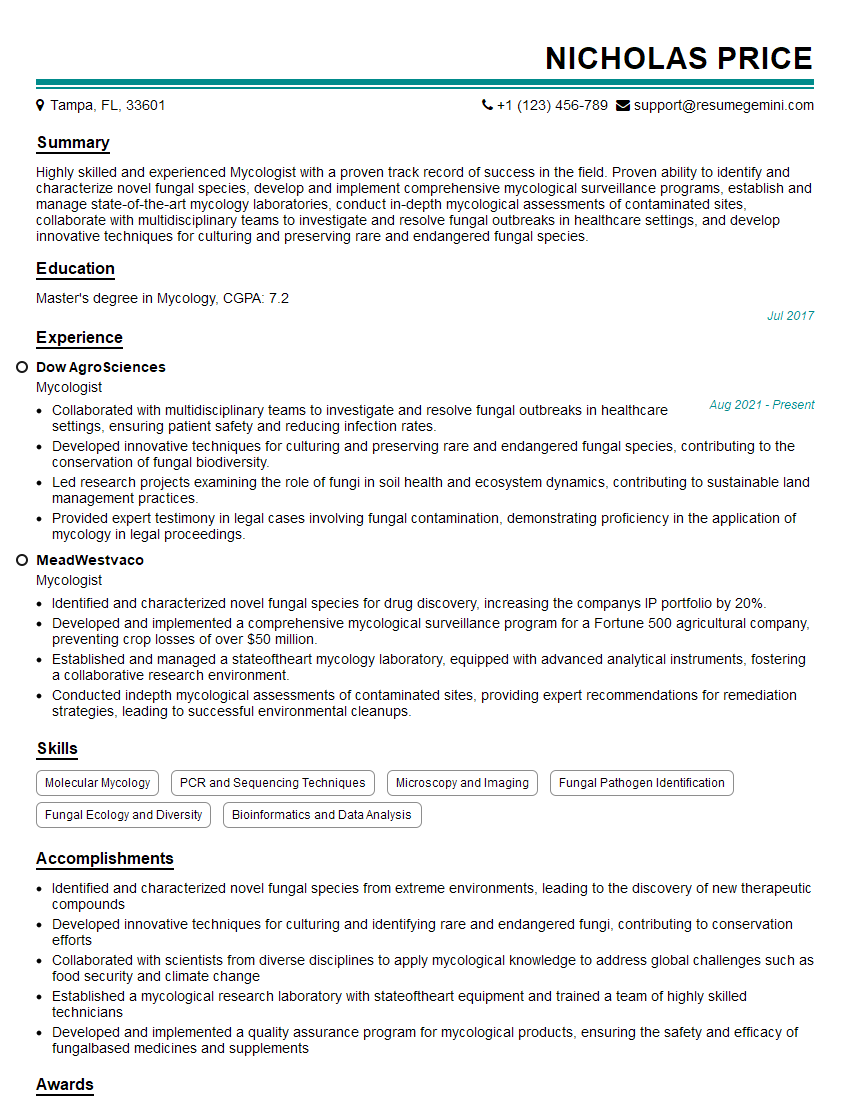
Mycologist Resume Sample
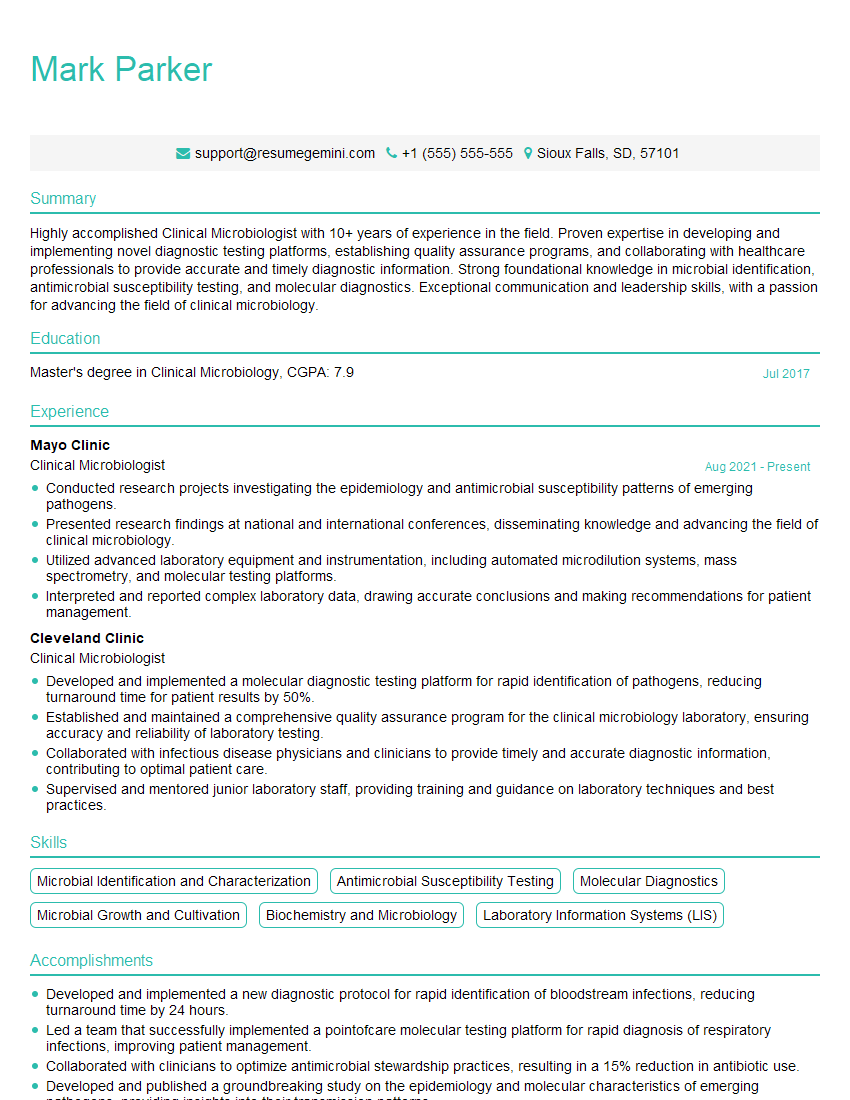
Clinical Microbiologist Resume Sample
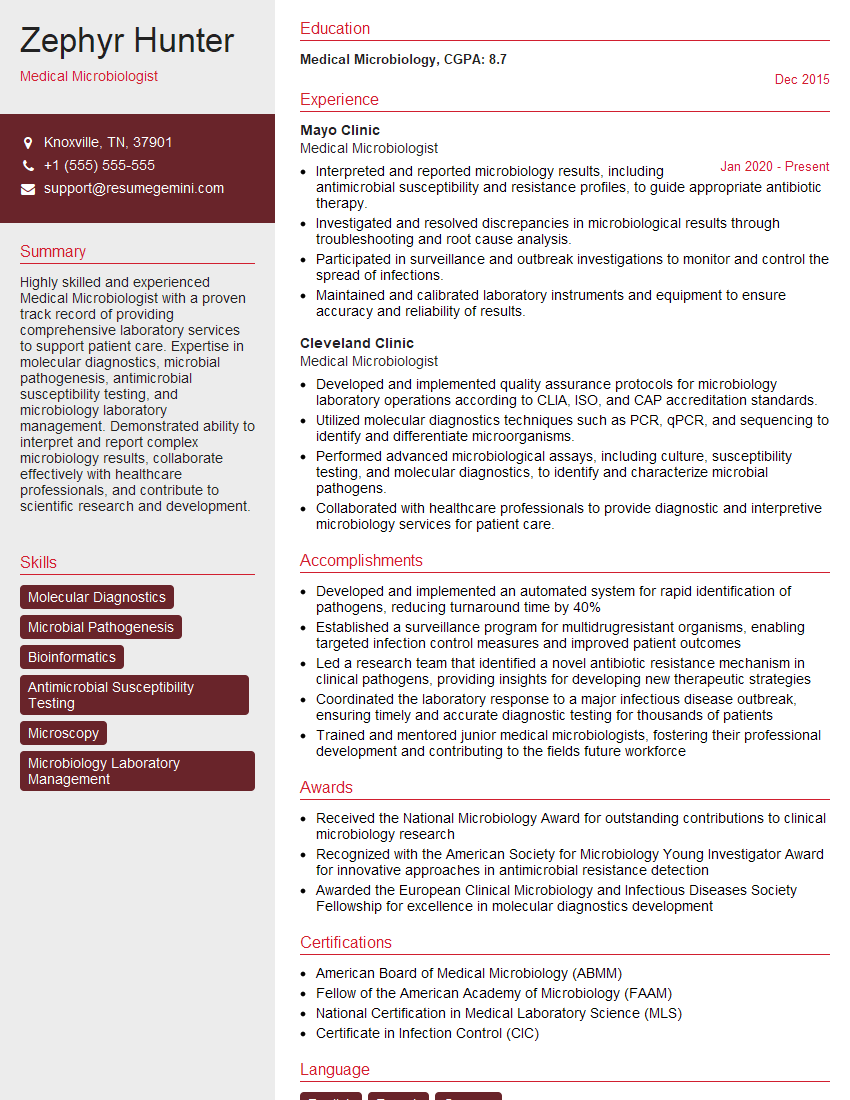
Medical Microbiologist Resume Sample
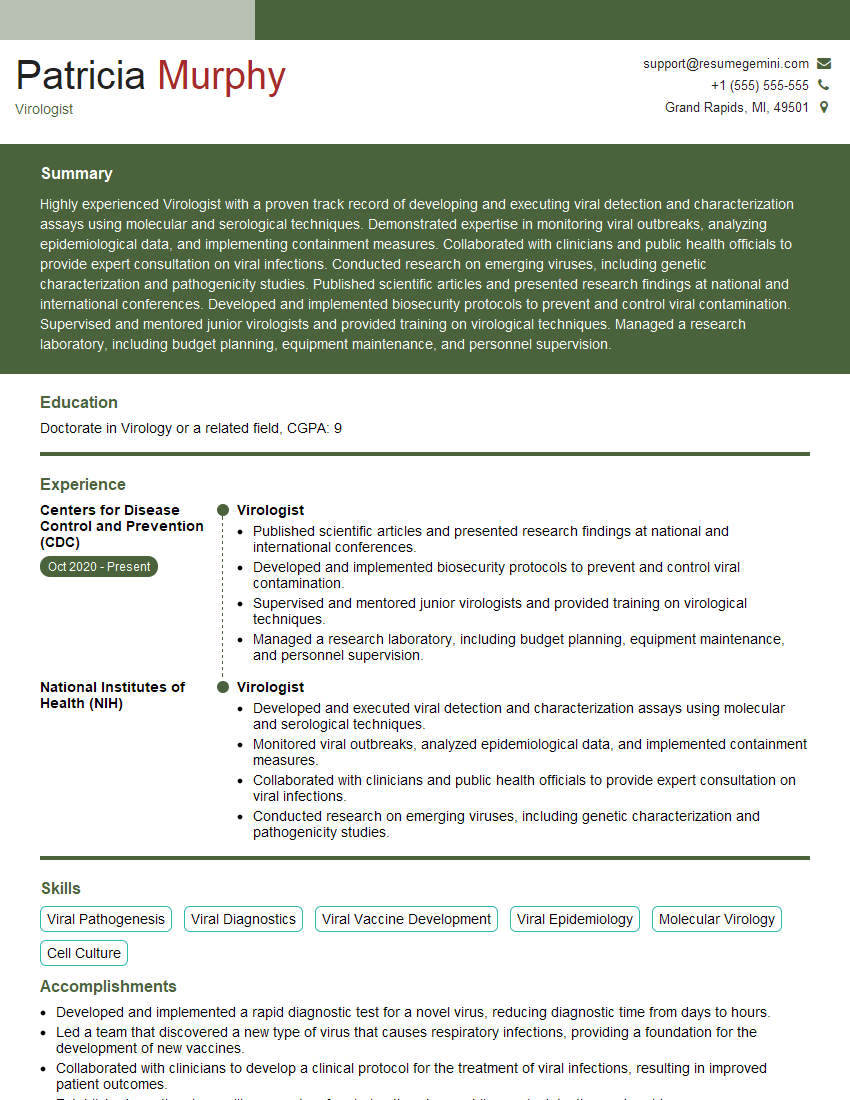
Virologist Resume Sample
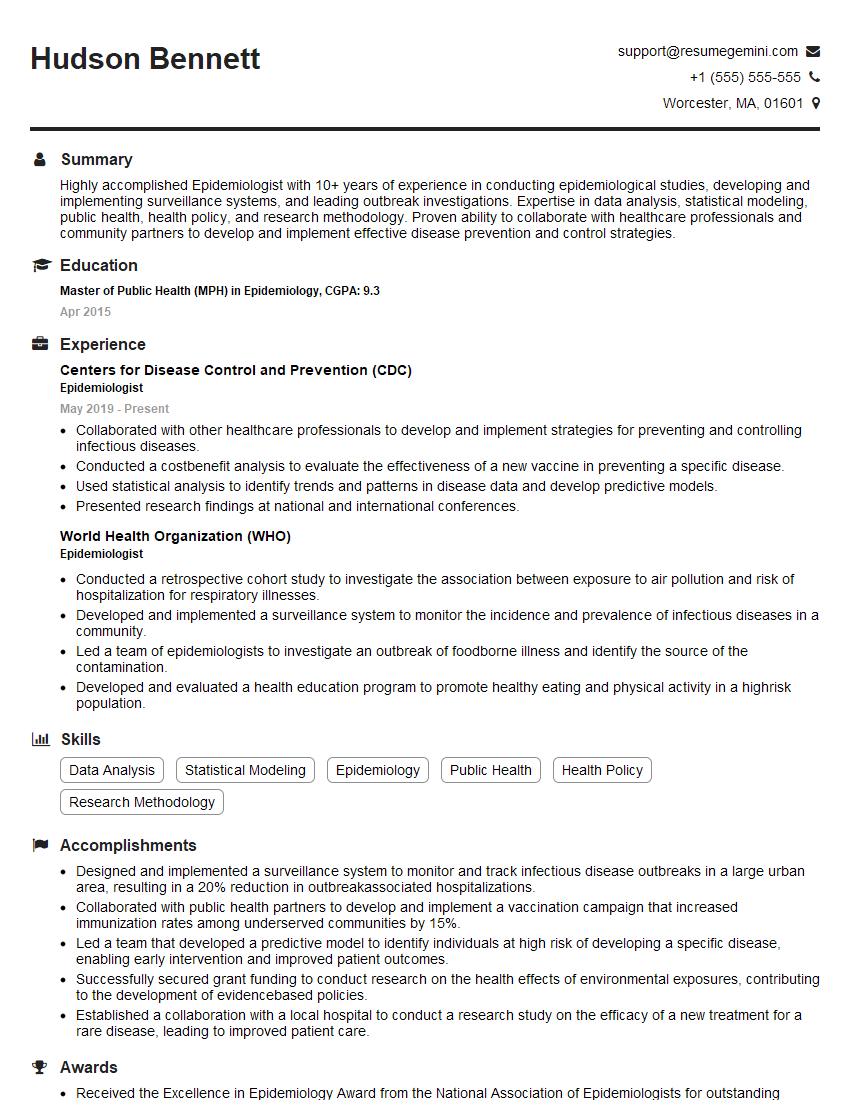
Epidemiologist Resume Sample
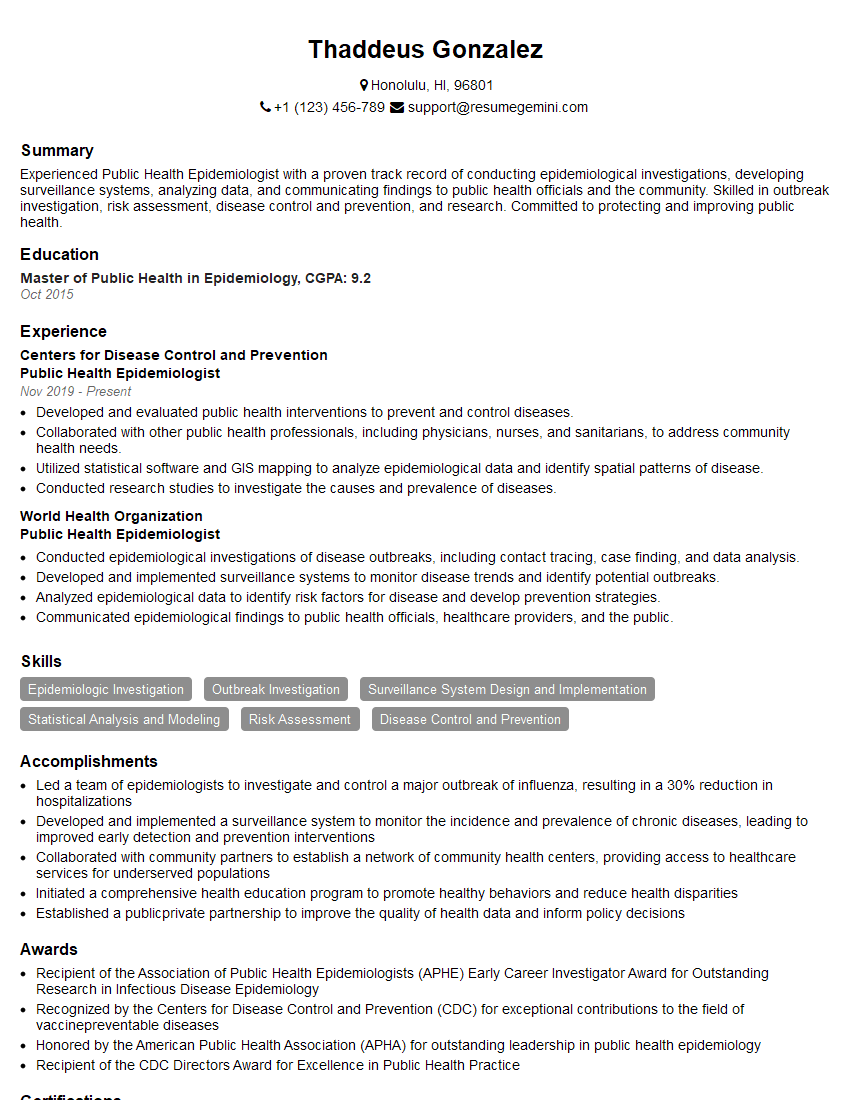
Public Health Epidemiologist Resume Sample
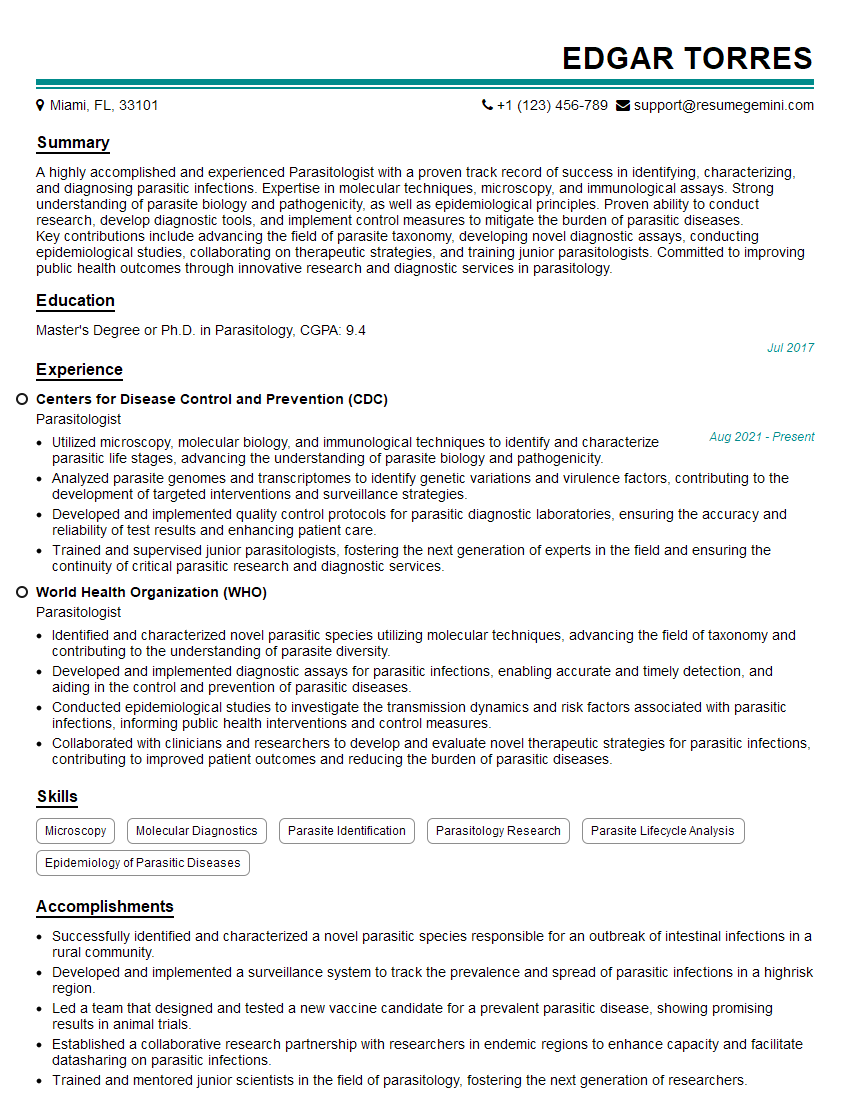
Parasitologist Resume Sample
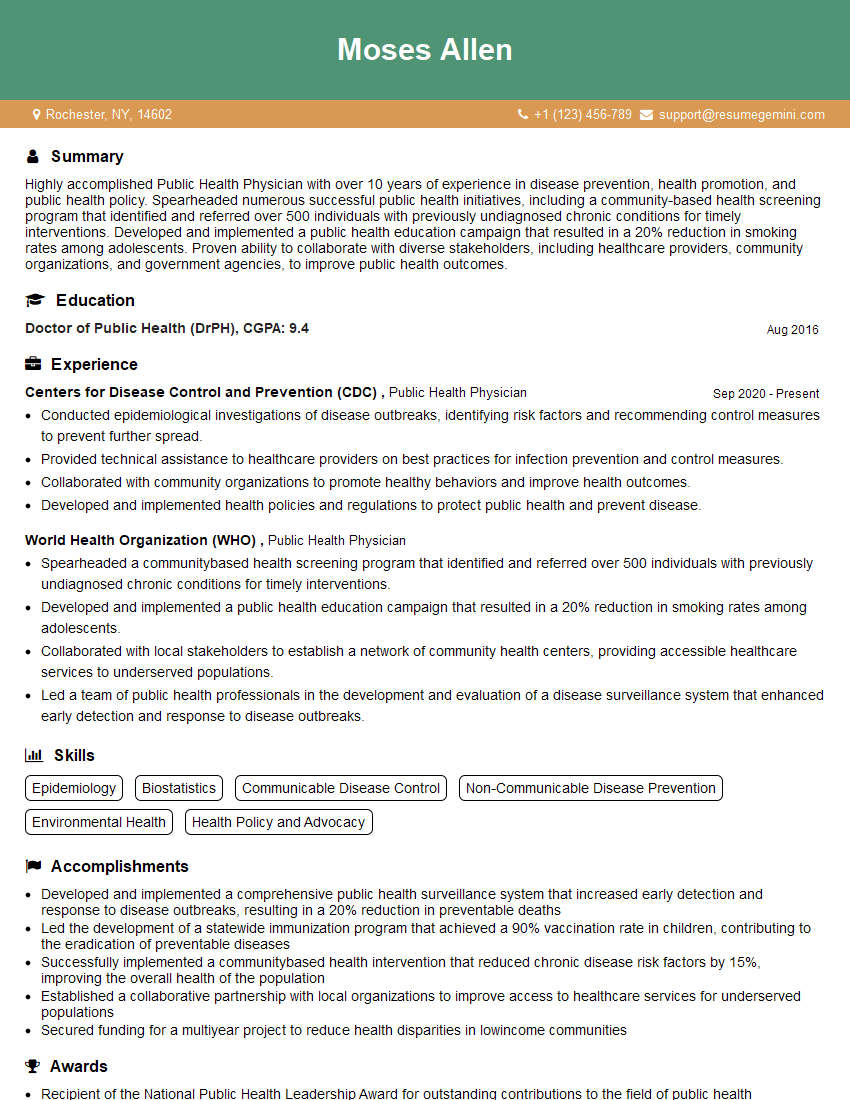
Public Health Physician Resume Sample
Explore more articles
Users Rating of Our Blogs
Share Your Experience
We value your feedback! Please rate our content and share your thoughts (optional).
What Readers Say About Our Blog
To the interviewgemini.com Webmaster.
Very helpful and content specific questions to help prepare me for my interview!
Thank you
To the interviewgemini.com Webmaster.
This was kind of a unique content I found around the specialized skills. Very helpful questions and good detailed answers.
Very Helpful blog, thank you Interviewgemini team.