Cracking a skill-specific interview, like one for Surgical Technique, requires understanding the nuances of the role. In this blog, we present the questions you’re most likely to encounter, along with insights into how to answer them effectively. Let’s ensure you’re ready to make a strong impression.
Questions Asked in Surgical Technique Interview
Q 1. Describe your experience with surgical instrument sterilization techniques.
Surgical instrument sterilization is paramount to prevent surgical site infections (SSIs), a significant cause of morbidity and mortality. My experience encompasses a wide range of techniques, primarily focusing on steam sterilization (autoclaving), which is the gold standard for most instruments. This involves exposing instruments to high-pressure saturated steam at temperatures exceeding 121°C for a specified duration to kill all forms of microbial life. I am also proficient in ethylene oxide sterilization, suitable for heat-sensitive instruments like endoscopes, and low-temperature plasma sterilization, a newer method that uses plasma gas to inactivate microorganisms.
Before sterilization, meticulous cleaning is crucial. We follow a rigorous process involving manual scrubbing, ultrasonic cleaning to remove debris from intricate parts, and thorough rinsing. The instruments are then packaged appropriately to maintain sterility until use. Post-sterilization, we meticulously check the sterilization indicators to ensure the process was successful, and maintain detailed records for traceability and quality control. For example, during a recent laparoscopic cholecystectomy, the careful sterilization of the laparoscopic instruments, including the camera and the trocars, was crucial for a successful and infection-free procedure. We use a combination of chemical and physical indicators to ensure complete sterilization.
Q 2. Explain the importance of maintaining a sterile field during surgery.
Maintaining a sterile field is the cornerstone of surgical asepsis, directly impacting patient safety. A sterile field is an area free from all microorganisms, preventing the introduction of pathogens into the surgical wound. Compromising the sterile field can lead to SSIs, delayed healing, and potentially life-threatening complications. Imagine it like protecting a highly sensitive electronic component—any contamination can ruin the entire system.
We meticulously maintain sterility through several key practices: proper gowning and gloving techniques for surgical personnel, using sterile drapes to isolate the surgical site, limiting personnel in the sterile field, avoiding unnecessary movement or touching non-sterile items within the field, and immediately replacing any contaminated items. The slightest breach in this protocol can have major consequences. A single touch from an ungloved hand or a sneeze near the field could introduce millions of bacteria, potentially causing a devastating infection.
Q 3. How do you handle unexpected complications during a surgical procedure?
Unexpected complications during surgery are part of the reality of surgical practice. My approach involves a structured response focused on patient safety and effective problem-solving. Firstly, I remain calm and assess the situation systematically. This involves identifying the nature and severity of the complication. Then, I communicate clearly and concisely with the surgical team, clearly outlining the issue and potential solutions. Depending on the nature of the complication, we may need to adjust our surgical plan, seek additional expertise, utilize advanced technologies, or employ damage-control techniques.
For example, encountering unexpected heavy bleeding during a splenectomy would necessitate immediate action. This could involve applying pressure, using electrocautery, obtaining additional surgical instruments for vascular control, and potentially contacting a vascular surgeon. Accurate assessment, clear communication, and a decisive yet measured approach are critical in these scenarios. Proper documentation of the complication, the management strategy, and the outcome is vital for continuous improvement and learning from these challenging situations.
Q 4. What are the key steps in preparing a patient for surgery?
Preparing a patient for surgery is a crucial multi-step process involving multiple healthcare professionals. It starts with a thorough pre-operative assessment that includes reviewing the patient’s medical history, physical examination, and relevant investigations like blood tests and imaging. This is followed by providing clear explanations about the procedure, potential risks, and expected outcomes.
The process includes optimizing the patient’s medical condition, addressing any existing health problems, ensuring informed consent, and providing instructions on pre-operative fasting. We also optimize the patient’s medication regimen, particularly focusing on medications that might interfere with the surgical procedure or increase the risk of bleeding. The final steps before the surgery involve marking the surgical site, administering pre-operative medications if required, and ensuring the patient is comfortable and prepared for the procedure. A well-prepared patient is more likely to have a smoother surgical experience and a faster recovery.
Q 5. Describe your knowledge of different surgical drapes and their applications.
Surgical drapes are essential for creating and maintaining the sterile field. They are designed to prevent microbial contamination of the surgical site. Different drapes have specific applications depending on the surgical procedure.
- Incise drapes: These drapes are fenestrated (have openings), allowing access to the surgical site while maintaining sterility.
- Non-fenestrated drapes: These are used to cover surrounding areas, creating a larger sterile field.
- U-drapes: Specifically designed for procedures requiring leg or arm draping.
- Transparent drapes: These allow visualization during minimally invasive procedures.
The choice of drape depends on the surgical procedure, the location of the incision, and the need for visualization. Appropriate draping is not merely a procedural step; it is a fundamental element of infection control. In a laparoscopic procedure, for instance, we would use a combination of incise drapes and non-fenestrated drapes to isolate the surgical site and cover the surrounding skin.
Q 6. Explain the principles of surgical asepsis.
Surgical asepsis, also known as sterile technique, is a set of practices designed to eliminate all microorganisms from a surgical field. The principles are based on preventing the introduction of pathogens into the body during an operation. This is achieved through a combination of sterilization, disinfection, and maintaining a sterile field.
The key principles include:
- Sterilization of instruments and equipment: This ensures complete elimination of microorganisms.
- Sterile draping of the patient and surgical field: Creating a barrier to prevent contamination.
- Proper gowning and gloving of surgical personnel: Preventing transmission from personnel to the patient.
- Maintaining a sterile field during the procedure: Consistent awareness and adherence to sterile practices throughout the operation.
- Careful handling of sterile materials: Avoiding contact with non-sterile surfaces.
Adherence to these principles is paramount to minimizing the risk of SSIs and ensuring a successful surgical outcome.
Q 7. How do you ensure proper surgical site preparation?
Proper surgical site preparation is crucial to reduce the risk of SSI. The process begins with a thorough cleansing of the surgical site using an antiseptic solution like chlorhexidine or povidone-iodine. This helps to eliminate transient and resident microorganisms from the skin surface. The area is then prepared using a sterile technique, avoiding contamination.
We use a concentric circular scrubbing motion, moving outward from the center of the surgical site to prevent dragging microorganisms towards the incision site. Hair removal, if necessary, is typically done before the prepping process to minimize skin trauma. Any residual antiseptic solution is carefully allowed to dry before the incision is made. The principles of asepsis must be meticulously followed throughout the surgical site preparation process. This simple, yet vital, step minimizes the chance of introducing bacteria during the operation and therefore reduces the likelihood of serious and potentially fatal infection.
Q 8. What are your skills in assisting with wound closure?
Wound closure is a critical final step in any surgery, ensuring proper healing and minimizing complications. My skills encompass a wide range of techniques, from simple interrupted sutures to more complex layered closures. I’m proficient in selecting the appropriate suture material and size based on tissue type and tension, ensuring minimal scarring and optimal wound strength. I meticulously assess the wound for any signs of infection or bleeding before beginning closure. My experience includes assisting with various wound types, including clean, contaminated, and infected wounds, adapting my technique to the specific circumstances. For instance, in a laparotomy closure, I would carefully approximate the peritoneum, fascia, subcutaneous tissue, and skin in layers, using different suture techniques for each layer to achieve optimal strength and cosmetic outcome. I also possess a thorough understanding of wound drainage systems and their application.
Q 9. Explain your understanding of different surgical knots and their uses.
Surgical knots are fundamental to wound closure and other surgical procedures. Understanding their strengths and weaknesses is crucial. The most common knots are the square knot (two half-hitches), the surgeon’s knot (a modified square knot with an initial larger throw), and the slip knot. The square knot is simple and reliable but can be prone to untying if not tied correctly. The surgeon’s knot is stronger initially but can also be more prone to slippage if not tightened meticulously. I am also familiar with more advanced knots like the figure-of-eight knot and the granny knot which find use in specific situations. The choice of knot depends heavily on the tissue being sutured and the tension required. For example, a surgeon’s knot might be preferable for closing a thick fascial layer because it provides better initial grip. Furthermore, I am trained in techniques for minimizing knot size and tension to reduce tissue trauma and promote healing.
Q 10. How do you identify and respond to potential surgical errors?
Identifying potential surgical errors requires constant vigilance and a deep understanding of surgical procedures. This involves actively participating in the surgical process, paying close attention to detail, and promptly communicating any concerns. I look for discrepancies between the surgical plan and the ongoing procedure, unusual bleeding or tissue reactions, and any deviation from established surgical protocols. For example, if the surgeon is inadvertently cutting a nerve during a dissection, I would immediately point it out to correct the course of action. Similarly, if I notice an instrument count discrepancy, I would initiate a thorough search before the wound is closed to prevent a retained foreign body. I understand the importance of teamwork and open communication in preventing and managing errors, and I consistently maintain a professional and assertive approach to ensure patient safety.
Q 11. Describe your experience with laparoscopic surgery techniques.
I have extensive experience assisting in laparoscopic surgeries, which involve minimally invasive techniques utilizing small incisions and specialized instruments. My skills include prepping and draping the patient for laparoscopy, operating and maintaining the laparoscopic equipment, and assisting the surgeon with various steps of the procedure, such as dissection, coagulation, and suturing. I am proficient in handling the laparoscope and manipulating instruments within the confined space of the abdominal cavity, while maintaining clear visualization and dexterity. I have assisted in a variety of laparoscopic procedures, including cholecystectomies, appendectomies, and hernia repairs. My understanding of the principles of pneumoperitoneum (insufflation of gas into the abdominal cavity) and the use of energy sources (such as monopolar and bipolar cautery) is thorough. I also appreciate the importance of meticulous hemostasis and atraumatic tissue handling to reduce post-operative complications.
Q 12. Explain your knowledge of various surgical instruments and their functions.
A comprehensive knowledge of surgical instruments is essential for effective surgical assistance. I am familiar with a wide array of instruments, including forceps (e.g., Adson, Brown-Adson), retractors (e.g., Weitlaner, Deaver), scissors (e.g., Metzenbaum, Mayo), clamps (e.g., Crile, Halstead), and needles. I understand their specific functions and appropriate applications. For instance, I know that delicate Metzenbaum scissors are best suited for dissecting friable tissues, while Mayo scissors are ideal for cutting thicker structures. Furthermore, my knowledge extends to specialized instruments used in various surgical specialties. I can accurately identify, hand off, and maintain the proper function of these instruments during procedures, contributing to efficiency and precision in the operating room.
Q 13. What is your experience with robotic-assisted surgery?
My experience with robotic-assisted surgery includes assisting surgeons in various procedures performed using the da Vinci Surgical System. This involves understanding the console interface, instrument manipulation through the robotic arms, and maintaining sterility within the surgical field. The ability to translate hand movements into precise and intricate actions performed by the robotic arms is key. I am comfortable with the unique challenges and advantages offered by this minimally invasive approach, such as enhanced dexterity, improved precision, and reduced surgeon fatigue. I understand the importance of the collaboration between the surgical team and the robotic system, working diligently to maintain the smooth flow of the procedure while ensuring patient safety and optimal outcomes.
Q 14. Describe your experience with different surgical approaches (e.g., open, minimally invasive).
I have experience assisting in both open and minimally invasive surgical approaches. Open surgery involves larger incisions, providing direct visualization of the surgical field, while minimally invasive techniques, such as laparoscopy and robotic surgery, utilize smaller incisions and specialized instruments. Each approach has its advantages and disadvantages. Open surgery offers better visualization and tactile feedback but results in larger scars and potentially more post-operative pain. Minimally invasive procedures offer smaller incisions, reduced pain, and faster recovery, but can present challenges with visualization and dexterity. My ability to adapt my assistance to both approaches is critical to supporting the surgeon and maximizing patient outcomes. In practice, the choice of surgical approach is tailored to the specific patient, pathology, and surgeon’s expertise. My training includes a thorough understanding of the trade-offs of each approach.
Q 15. How do you manage surgical specimens?
Managing surgical specimens is a critical process that ensures patient safety, accurate diagnosis, and potential future research. It involves a meticulous chain of custody, starting from the moment the specimen is removed in the operating room until it reaches the pathology lab.
- Immediate Handling: The specimen is carefully identified using labels with the patient’s name, medical record number, date, time, and the site of origin. It’s placed in an appropriately sized, leak-proof container with a secure lid. The type of container depends on the specimen – formalin for tissue samples, specialized containers for fluids.
- Intraoperative Documentation: A clear record is maintained detailing the specimen’s removal, including the location, size, and any associated findings. This is crucial for correlation with the pathology report.
- Transport and Transfer: The specimen is transported to the pathology lab via a designated, secure route, often with a dedicated courier or transport system ensuring proper temperature control if needed. Chain of custody documentation is meticulously updated at each step.
- Pathology Lab Processing: Once received, the pathology lab accession number is assigned. The specimen is then processed by trained technicians, using established protocols for fixation, processing, embedding, sectioning, and staining before microscopic examination by a pathologist.
For instance, in a cholecystectomy (gallbladder removal), the gallbladder is carefully removed, placed in formalin, labelled with patient details and surgical site, and immediately sent to the pathology lab for examination, confirming the presence or absence of gallstones and other pathologies.
Career Expert Tips:
- Ace those interviews! Prepare effectively by reviewing the Top 50 Most Common Interview Questions on ResumeGemini.
- Navigate your job search with confidence! Explore a wide range of Career Tips on ResumeGemini. Learn about common challenges and recommendations to overcome them.
- Craft the perfect resume! Master the Art of Resume Writing with ResumeGemini’s guide. Showcase your unique qualifications and achievements effectively.
- Don’t miss out on holiday savings! Build your dream resume with ResumeGemini’s ATS optimized templates.
Q 16. Explain the role of a surgical technician in patient safety.
Surgical technicians play a vital role in maintaining patient safety through their meticulous attention to detail, aseptic technique, and teamwork. They are the eyes and hands of the surgical team, directly impacting the sterile field and the patient’s well-being.
- Maintaining Sterile Field: Surgical technicians are responsible for creating and maintaining a sterile field during the procedure, preventing infection. This involves gowning and gloving the surgical team, preparing instruments, and ensuring the sterility of all materials used. Any breach in sterility is immediately reported.
- Instrument and Supply Management: They are responsible for organizing and providing the correct surgical instruments and supplies throughout the operation. This prevents delays and ensures the surgeon has what they need, promptly.
- Sponge and Instrument Counts: Surgical technicians are crucial in accurately counting sponges, needles, and instruments before, during, and after surgery. This prevents retained foreign bodies, a potentially catastrophic complication.
- Patient Positioning and Monitoring: They assist in positioning the patient appropriately, padding pressure points, and ensuring their safety throughout the procedure. They also monitor vital signs and alert the team to any changes.
- Postoperative Care: Technicians assist in preparing the patient for transport post-operatively, including dressing the wound and ensuring the patient’s comfort.
Imagine a situation where a surgical technician notices a discrepancy in the sponge count. Their immediate action ensures that a potentially life-threatening retained foreign body is identified and addressed before the patient leaves the operating room, greatly reducing potential post-operative complications.
Q 17. Describe your experience with different types of surgical dressings.
My experience encompasses a wide range of surgical dressings, each chosen based on the specific needs of the wound and the patient’s condition.
- Gauze Dressings: These are the most common, highly absorbent, and inexpensive. They are suitable for various wounds but may require frequent changes.
- Non-adherent Dressings: These dressings, like Telfa, prevent the dressing from sticking to the wound, minimizing pain during removal, especially valuable for wounds that are fragile or prone to bleeding.
- Hydrocolloids: These dressings, such as Duoderm, create a moist wound healing environment, promoting faster healing and reducing scar formation. They are ideal for mild to moderately exuding wounds.
- Alginates: These dressings are derived from seaweed and are highly absorbent, effective for heavily exuding wounds. They are frequently used in wound care for burns and deep wounds.
- Foam Dressings: These are used for moderate to heavily exuding wounds and provide cushioning and protection.
- Transparent Film Dressings: These dressings, such as OpSite, allow for visualization of the wound while providing a protective barrier.
The choice of dressing depends on several factors, including the type and size of the wound, the amount of exudate (fluid), the patient’s skin condition, and the presence of infection. For example, a simple, clean surgical incision might only require a simple gauze dressing, whereas a deep, infected wound might require a more advanced dressing like alginate with subsequent antibiotic therapy.
Q 18. How do you maintain accurate surgical counts?
Maintaining accurate surgical counts is a non-negotiable aspect of patient safety. It requires meticulous attention to detail and teamwork.
- Preoperative Count: Before the incision, all instruments, needles, sponges, and sharps are counted by two members of the surgical team – typically the circulating nurse and the surgical technician. The count is documented on the operative record.
- Intraoperative Count: Counts are repeated at the end of each surgical phase (e.g., closure of a specific layer) or whenever there is a change in instruments or personnel. This helps identify missing items early on.
- Final Count: A final count is performed before wound closure, to ensure all instruments and sponges are accounted for. Any discrepancies trigger a thorough search within the surgical field.
- Documentation: All counts – preoperative, intraoperative, and final – are meticulously documented on the operative record, along with any discrepancies, and the resolution of the discrepancy.
A systematic approach is crucial. For example, using a consistent counting method, such as counting aloud while another member verifies, and clear visual inspection of the surgical field minimizes the risk of errors. In cases of discrepancy, a careful search is conducted involving all surgical team members, even involving X-Ray imaging if necessary.
Q 19. Describe your understanding of surgical anatomy and physiology.
A deep understanding of surgical anatomy and physiology is fundamental to safe and effective surgical practice. It allows surgeons to anticipate potential complications and perform procedures with precision.
My understanding encompasses detailed knowledge of regional anatomy—the location, relationships, and variations of anatomical structures within specific areas of the body. For example, in a laparoscopic cholecystectomy, knowledge of the biliary tree, hepatic artery, portal vein, and cystic duct is crucial to avoid injury to these vital structures.
Furthermore, I have a strong grasp of surgical physiology—the functional aspects of organs and systems involved in the surgery. This includes understanding how the body responds to surgical trauma, including hemodynamic changes (blood pressure, heart rate) and the inflammatory response. This knowledge guides intraoperative decisions and enables anticipation of post-operative challenges.
In the case of a colon resection, understanding the blood supply to the colon and the implications of its interruption on bowel viability are vital to prevent ischemic complications. Understanding fluid balance and electrolyte management is also crucial during and after major surgeries.
Q 20. How do you communicate effectively with the surgical team?
Effective communication is paramount within the surgical team. It ensures patient safety, prevents errors, and promotes a collaborative environment.
- Clear and Concise Language: I use precise, unambiguous language, avoiding jargon when speaking with non-medical personnel. Critical information is always communicated clearly and directly.
- Active Listening: I actively listen to the concerns and suggestions of all team members, fostering a sense of shared responsibility.
- Non-Verbal Communication: I use appropriate non-verbal cues, such as maintaining eye contact and appropriate body language, to convey respect and professionalism.
- Situation, Background, Assessment, Recommendation (SBAR): This framework is employed for reporting critical information concisely and efficiently, ensuring all key details are conveyed clearly and promptly. For example, if an unexpected bleeding occurs, I would use the SBAR format to report the situation, the patient’s background, my assessment, and my recommendations for management to the surgeon.
- Debriefing: Post-operative debriefing allows us to share our experiences and identify potential areas for improvement, enhancing team cohesion and patient safety.
In practice, I regularly utilize the SBAR framework. Clear and open communication is key; during a complex case, alerting the surgeon immediately about subtle changes in a patient’s vital signs can prevent a critical situation.
Q 21. What is your experience with advanced surgical technologies?
My experience with advanced surgical technologies is extensive, encompassing both minimally invasive and robotic-assisted techniques.
- Laparoscopic Surgery: I am proficient in assisting with laparoscopic procedures using various instruments and visualization systems. This includes handling cameras, retracting tissues, and assisting with suturing and dissection.
- Robotic Surgery: I have experience assisting with robotic-assisted surgery, understanding the console controls and the principles of robotic manipulation. This requires a high level of precision and coordination.
- Image-Guided Surgery: I am familiar with assisting with image-guided surgeries using techniques like fluoroscopy, ultrasound, and navigation systems. This technology improves surgical precision and reduces invasiveness.
- Energy-Based Devices: I am experienced in assisting with surgeries using various energy-based devices such as electrocautery, harmonic scalpel, and laser, understanding their applications and safety precautions.
For instance, during a robotic-assisted prostatectomy, my role includes handling the robotic instruments, managing the camera, and assisting with the dissection and suturing under the guidance of the surgeon. The precision offered by robotic surgery improves surgical outcomes and minimizes trauma to the surrounding tissues. Similarly, image-guided surgery allows for more accurate placement of implants or resection of tumors with higher precision.
Q 22. Explain your approach to troubleshooting equipment malfunctions during surgery.
My approach to troubleshooting equipment malfunctions during surgery prioritizes patient safety and efficient problem-solving. It’s a systematic process. First, I immediately assess the situation’s urgency and impact on the patient. If the malfunction poses an immediate risk, I immediately alert the surgical team and initiate backup procedures or utilize available alternative equipment. This might involve switching to manual instruments if a power tool fails, for instance. Then, I calmly and systematically troubleshoot the issue.
This involves checking connections, power sources, and settings. Many malfunctions are due to simple things like a loose connection or an incorrect setting. If the problem persists, I consult with the biomedical engineer or the surgical technologist, providing them with specific details about the malfunction. Clear communication is crucial here. We work collaboratively to identify the root cause and either repair the equipment or find a suitable replacement. Throughout the process, I maintain a focus on maintaining sterility and minimizing disruptions to the surgical field.
For example, during a laparoscopic cholecystectomy, the camera malfunctioned mid-procedure. We quickly switched to a backup camera, ensuring minimal delay. After the procedure, a biomedical engineer investigated the issue, discovering a loose cable. Documentation of the malfunction, troubleshooting steps, and resolution is crucial for preventing similar events in the future.
Q 23. Describe your understanding of different types of surgical drains.
Surgical drains are essential for removing fluids and preventing complications post-surgery. There are several types, each with its own application.
- Passive drains, like Penrose drains, rely on gravity and capillary action to drain fluid. They’re relatively simple and inexpensive but less effective for removing large volumes of fluid. They are often used for small collections of fluid.
- Active drains, such as Jackson-Pratt (JP) and Hemovac drains, utilize suction to actively remove fluids. They are more effective for removing larger volumes and are commonly used following major surgeries. A JP drain is a closed system, while a Hemovac relies on a spring-loaded mechanism.
- Wound drains are designed to prevent infection and fluid accumulation in surgical wounds. Their size and placement depend on the type of surgery and amount of fluid expected.
Choosing the right type of drain involves considering factors like the type of surgery, the amount and type of fluid expected, and the patient’s overall condition. For instance, a JP drain would be appropriate following a mastectomy to remove serosanguinous fluid, whereas a Penrose drain might be suitable for a smaller incision.
Q 24. How do you maintain your surgical skills and knowledge?
Maintaining surgical skills and knowledge requires continuous effort and dedication. I utilize several strategies to ensure I remain up-to-date and proficient.
- Continuing Medical Education (CME): I actively participate in CME courses, conferences, and workshops, focusing on advancements in surgical techniques and technologies.
- Journal Reading and Research: I regularly review relevant surgical journals and research publications to stay informed about the latest findings and best practices.
- Mentorship and Collaboration: I actively engage with experienced colleagues and mentors, participating in case discussions and sharing knowledge.
- Simulation Training: I utilize simulation labs to refine surgical skills in a risk-free environment, particularly practicing complex or challenging procedures.
- Hands-on Experience: I actively seek opportunities to participate in various procedures to expand my experience and maintain technical expertise.
By consistently engaging in these activities, I am confident in my ability to deliver high-quality surgical care.
Q 25. Describe a time you had to adapt to a changing surgical situation.
During a laparoscopic appendectomy, we encountered unexpected severe adhesions around the appendix. The standard approach became impossible due to the risk of bowel perforation. Initially, the plan was a minimally invasive approach, but the unforeseen circumstances required a rapid change in strategy.
I quickly assessed the situation, discussing the options with the surgical team. We collaboratively decided to convert the procedure to an open appendectomy to ensure patient safety and effective removal of the appendix. The conversion required a different set of instruments and a modified approach, but the team reacted quickly and efficiently. The patient’s safety was paramount, and our ability to adapt and communicate ensured a successful outcome despite the unforeseen complexity.
Q 26. How do you handle stress in a high-pressure surgical environment?
Handling stress in a high-pressure surgical environment is critical for both the surgeon and the patient. My approach is multifaceted. Firstly, I maintain a structured and organized approach to my work. Pre-operative planning and a clear understanding of the procedure are crucial. This reduces anxiety and improves efficiency under pressure.
Secondly, I prioritize clear and calm communication with the team. This keeps everyone informed, fosters collaboration, and helps manage stress collectively. Thirdly, I practice mindfulness and stress-reduction techniques outside of the operating room. This includes regular exercise, sufficient sleep, and mindful meditation. These techniques help manage overall stress levels, improving my ability to handle pressure during surgery. Finally, acknowledging that mistakes happen and learning from them is part of maintaining a healthy professional mindset, thus minimizing stress associated with high-stakes situations.
Q 27. What are your professional certifications and continuing education activities?
I hold a board certification in General Surgery from the American Board of Surgery (ABS) and am a fellow of the American College of Surgeons (FACS). My continuing education activities include regular attendance at national and international surgical conferences, participation in surgical skill workshops, and completion of numerous CME courses focusing on advanced laparoscopic techniques, trauma surgery, and surgical oncology. I also actively participate in research and have several publications in peer-reviewed journals. I am committed to remaining current in my field and pursuing ongoing professional development.
Q 28. Describe your experience with different types of surgical procedures.
My surgical experience encompasses a broad range of procedures across various specialties. I have extensive experience in general surgery, including abdominal surgeries such as appendectomies, cholecystectomies, and hernias. I’m also proficient in laparoscopic surgery, including advanced laparoscopic procedures. My experience extends to minimally invasive procedures, such as laparoscopic cholecystectomies and colon resections, as well as open surgical procedures when necessary. I have a specific interest and experience in trauma surgery and surgical oncology, having participated in numerous complex cases involving major trauma and tumor resections. I strive to constantly expand my expertise and experience through continuous learning and hands-on practice.
Key Topics to Learn for Surgical Technique Interview
- Aseptic Technique and Sterile Field Maintenance: Understanding principles, practical application in various surgical settings, and troubleshooting contamination scenarios.
- Surgical Instrumentation and Equipment: Knowledge of different instruments, their uses, proper handling, and maintenance. Includes familiarity with advanced technologies and their applications.
- Wound Healing and Tissue Repair: Understanding the phases of wound healing, factors influencing healing, and surgical techniques for optimal tissue repair and minimizing complications.
- Hemostasis and Blood Management: Mastering techniques for controlling bleeding, understanding different hemostatic agents, and managing blood loss during surgery.
- Surgical Knot Tying and Suturing Techniques: Proficiency in various knot-tying methods, suture materials, and appropriate suture techniques for different tissues and procedures.
- Surgical Approach and Incision Planning: Understanding anatomical considerations, surgical approaches, and incision planning to minimize trauma and optimize surgical access.
- Surgical Drains and Post-Operative Care: Knowledge of different drain types, their placement techniques, and post-operative care to manage complications and ensure optimal patient outcomes.
- Troubleshooting and Problem-Solving in the OR: Developing the ability to anticipate and manage intraoperative complications, effectively adapt to unexpected situations, and maintain a calm and controlled environment.
- Surgical Safety and Quality Improvement: Familiarity with surgical safety checklists, quality improvement initiatives, and the importance of adhering to best practices.
- Specific Surgical Procedures (as relevant to your experience): Thorough understanding of the steps, instruments, and potential complications of procedures you’ve performed or assisted with.
Next Steps
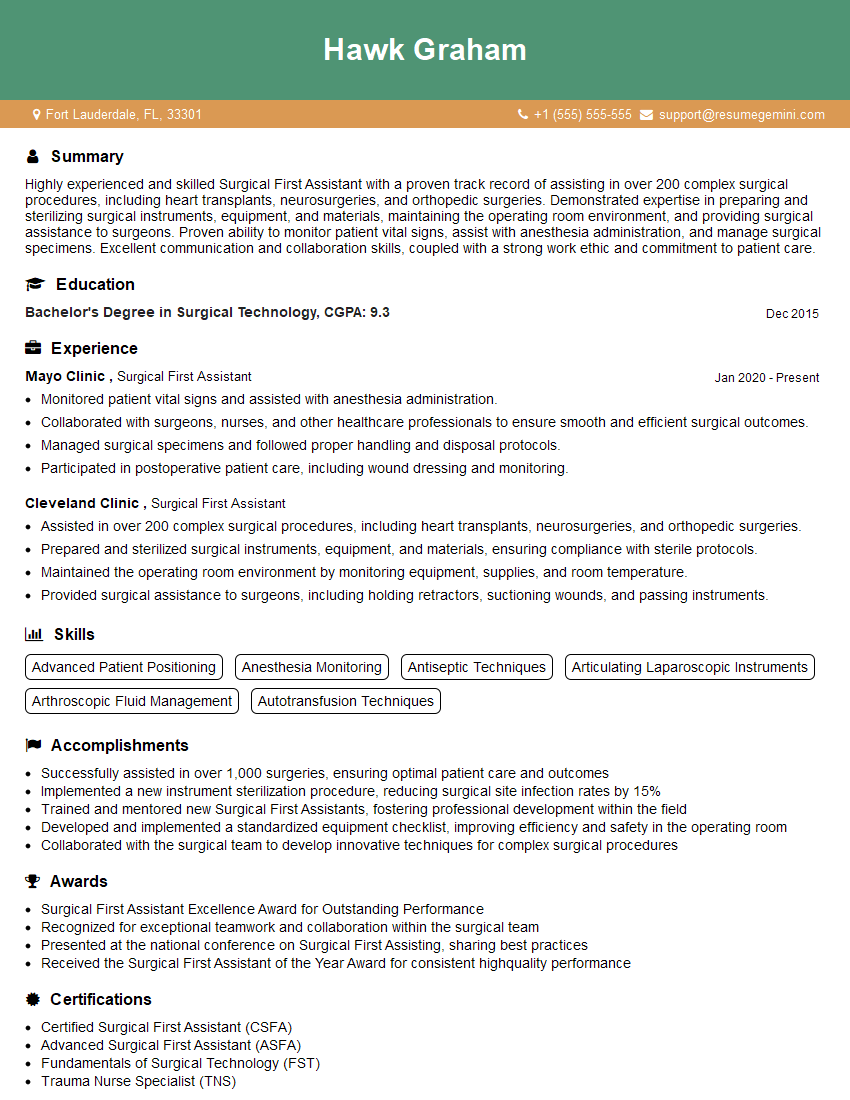
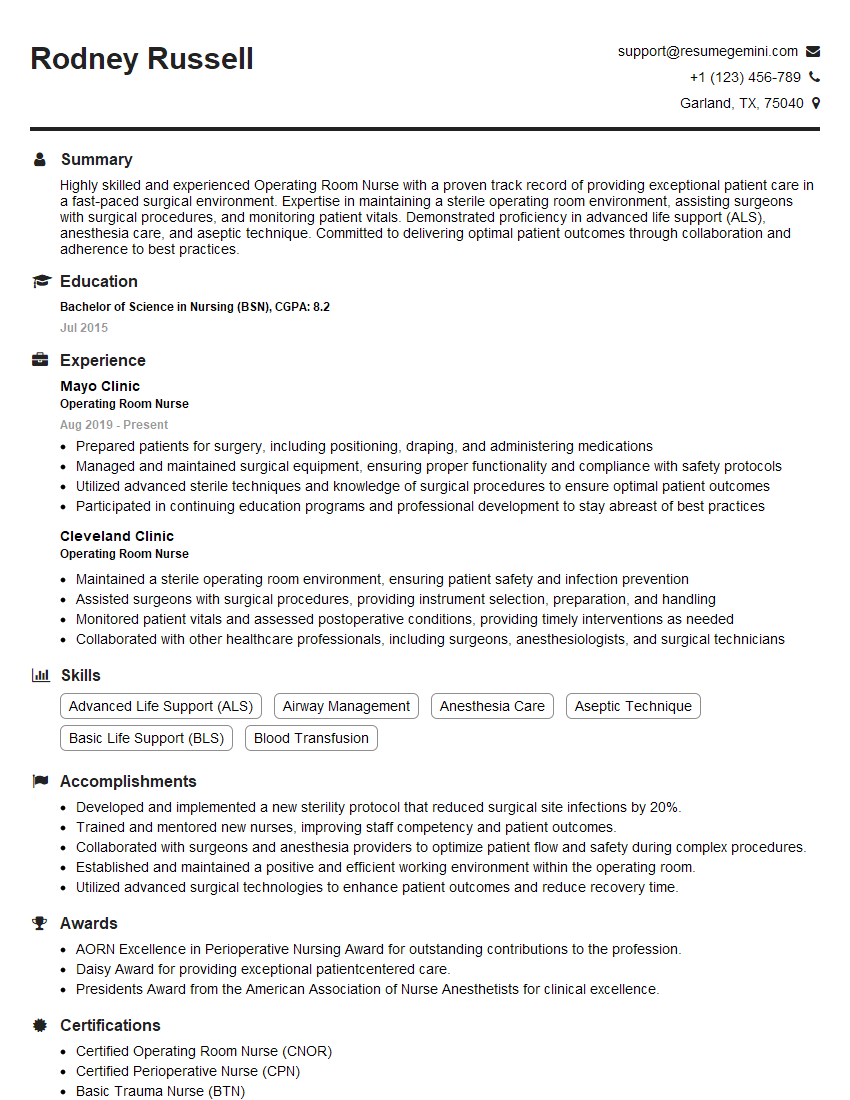
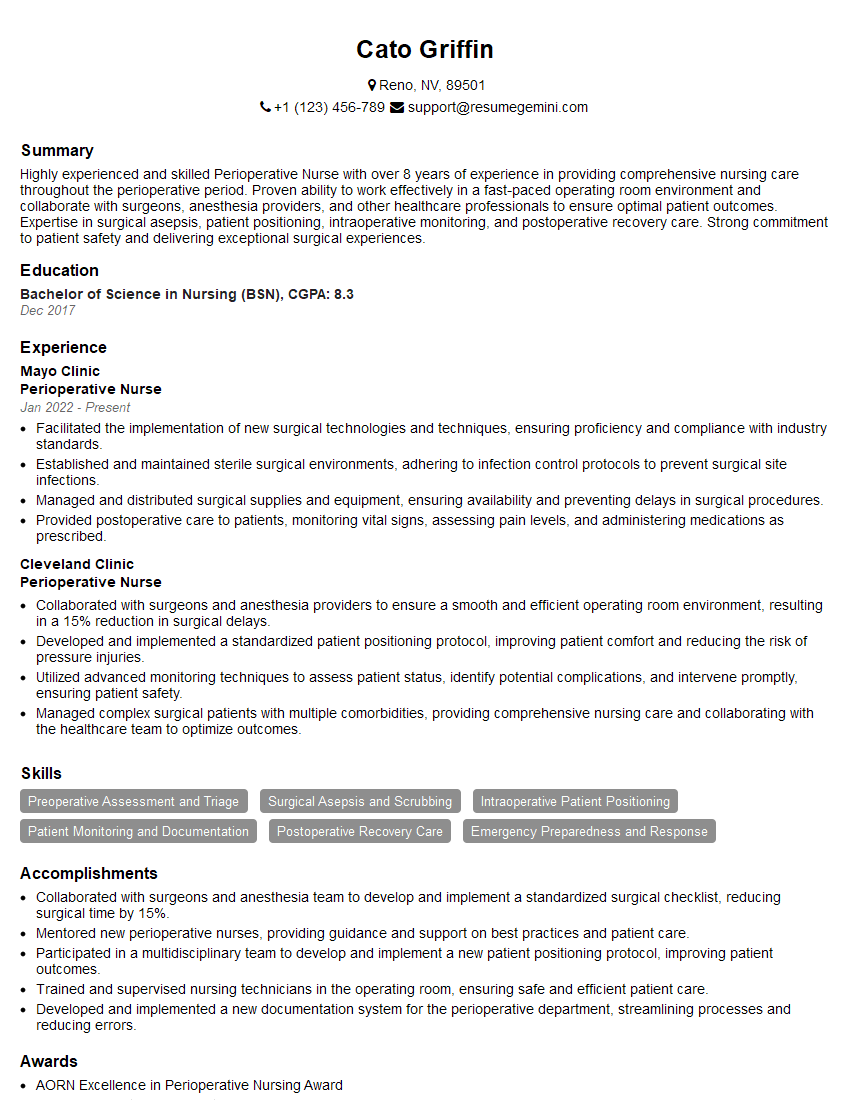
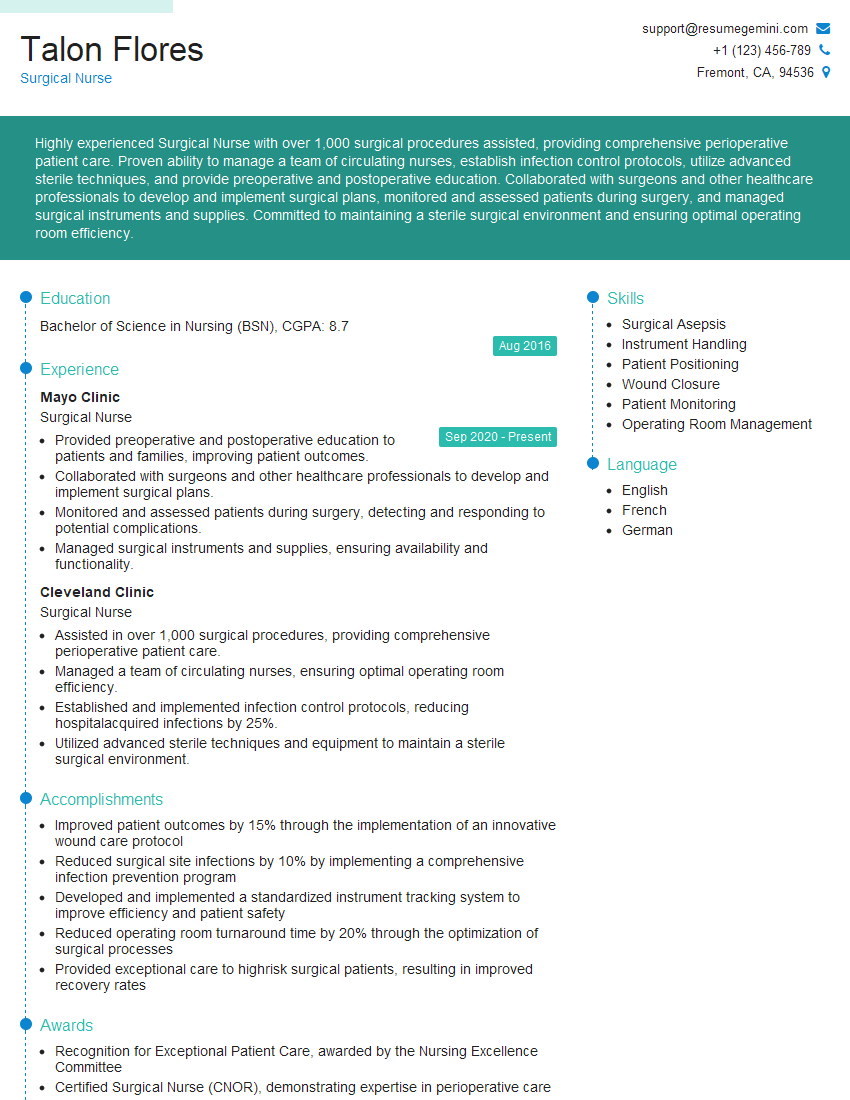
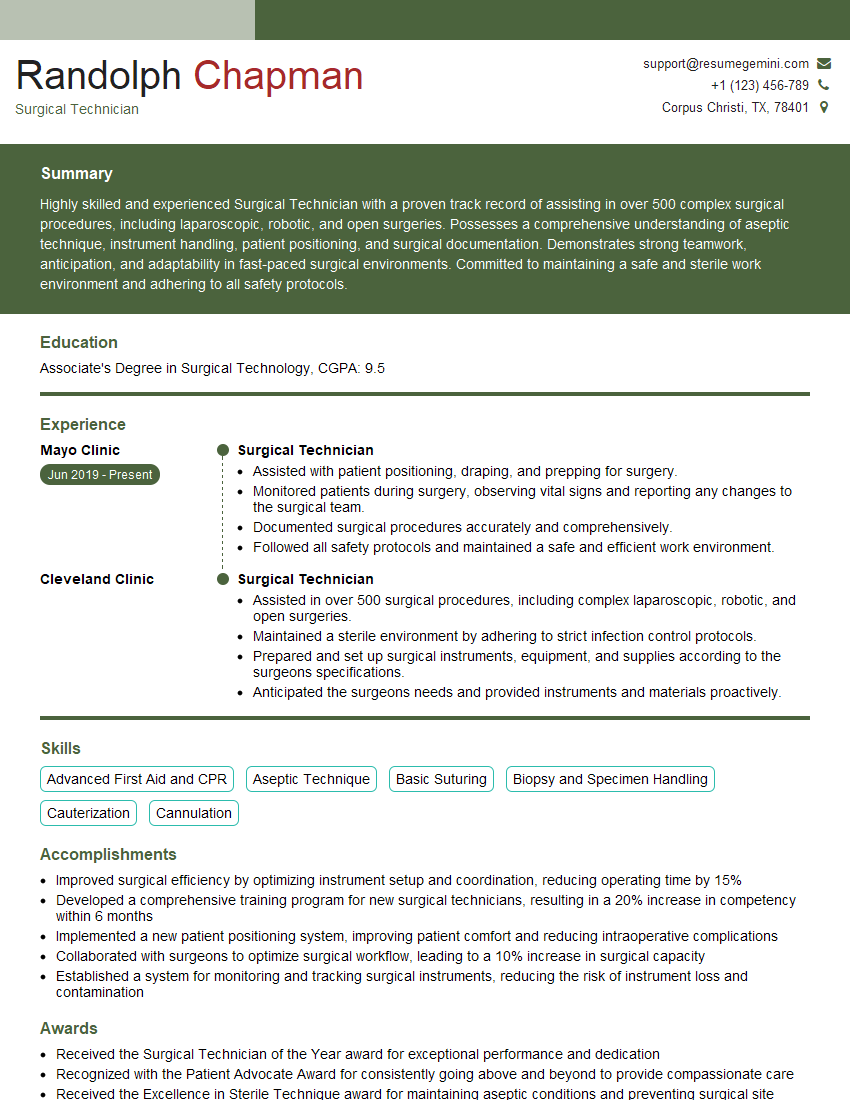
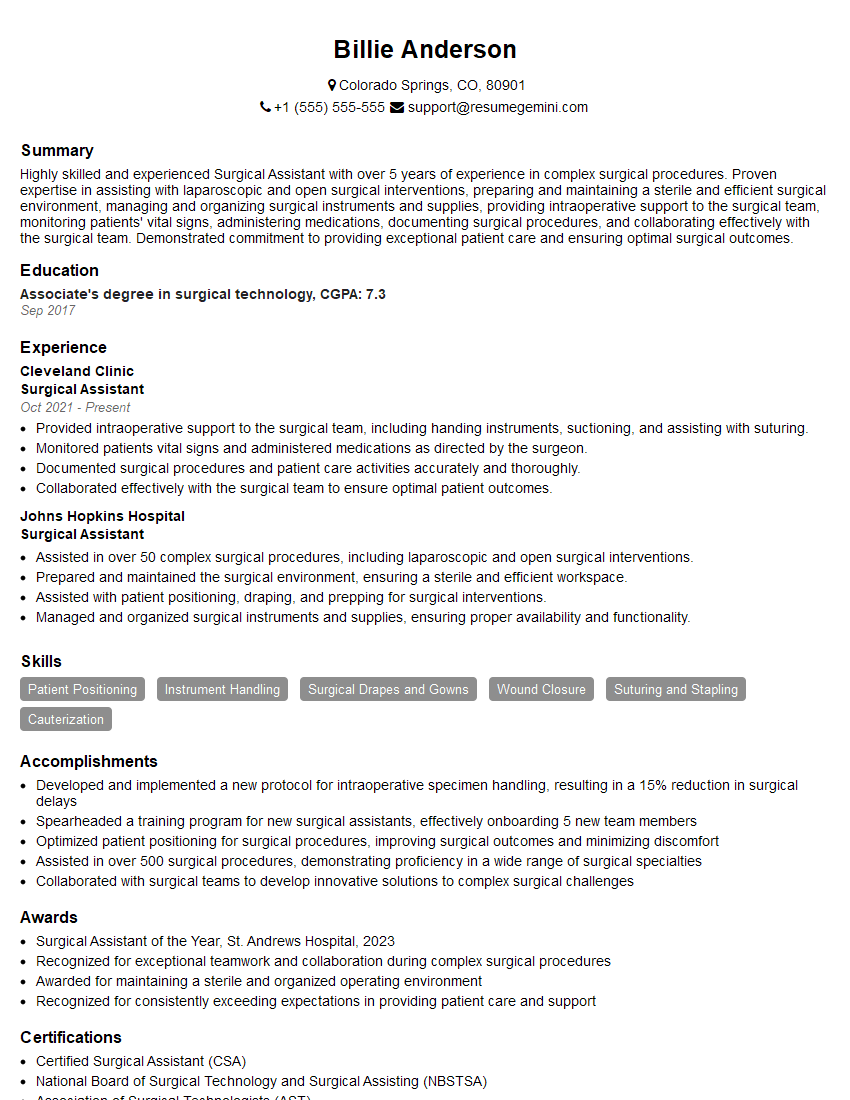
Mastering surgical technique is crucial for career advancement in the field. A strong foundation in these areas significantly enhances your capabilities and makes you a highly sought-after candidate. To further strengthen your job prospects, it’s essential to create a professional and ATS-friendly resume that highlights your skills and experience effectively. ResumeGemini is a trusted resource that can help you build a compelling resume tailored to the demands of the Surgical Technique field. Examples of resumes tailored to Surgical Technique are available to help you craft a truly impactful application. Invest in your future; build your best resume today.
Explore more articles
Users Rating of Our Blogs
Share Your Experience
We value your feedback! Please rate our content and share your thoughts (optional).
What Readers Say About Our Blog
To the interviewgemini.com Webmaster.
Very helpful and content specific questions to help prepare me for my interview!
Thank you
To the interviewgemini.com Webmaster.
This was kind of a unique content I found around the specialized skills. Very helpful questions and good detailed answers.
Very Helpful blog, thank you Interviewgemini team.