The thought of an interview can be nerve-wracking, but the right preparation can make all the difference. Explore this comprehensive guide to Wiring and connecting electrical components interview questions and gain the confidence you need to showcase your abilities and secure the role.
Questions Asked in Wiring and connecting electrical components Interview
Q 1. Explain the difference between series and parallel circuits.
The core difference between series and parallel circuits lies in how the components are connected and how the current flows. In a series circuit, components are connected end-to-end, forming a single path for the current. Imagine it like a single-lane road – all the traffic (current) must travel the same path. If one component fails, the entire circuit breaks, like a traffic jam blocking the entire road. The voltage is divided across each component, and the current remains the same throughout the circuit.
A parallel circuit, on the other hand, provides multiple paths for the current. Think of this as a multi-lane highway – if one lane is blocked, the traffic can still flow through the other lanes. If one component fails, the others continue to function. The voltage remains the same across each component, while the current is divided among the different paths.
Example: Christmas tree lights are often wired in parallel. If one bulb burns out, the others remain lit. A simple flashlight, however, usually uses a series circuit – if the bulb burns out, the flashlight stops working.
- Series Circuit: Total resistance is the sum of individual resistances (Rtotal = R1 + R2 + R3…), current is constant, voltage is divided.
- Parallel Circuit: The reciprocal of total resistance is the sum of the reciprocals of individual resistances (1/Rtotal = 1/R1 + 1/R2 + 1/R3…), voltage is constant, current is divided.
Q 2. Describe the purpose of a ground wire.
The ground wire, typically green or bare copper, is a crucial safety feature in electrical systems. Its primary purpose is to provide a low-resistance path for fault currents to flow back to the source, preventing electrical shock and equipment damage. If a live wire accidentally touches a metal casing of an appliance, for instance, the fault current will flow through the ground wire to the earth, rather than through a person who might touch the casing. This protects users from electric shock.
Grounding also helps to prevent voltage buildup on metal parts, reducing the risk of static electricity discharge. It’s an essential part of maintaining electrical safety and ensuring that faulty equipment trips a circuit breaker or blows a fuse, preventing fires and other hazards.
Q 3. What are the safety precautions when working with electrical wiring?
Working with electrical wiring necessitates a strict adherence to safety protocols. Always begin by de-energizing the circuit – turn off the power at the breaker box before starting any work. Never assume a circuit is de-energized; use a non-contact voltage tester to verify. Wear appropriate Personal Protective Equipment (PPE), including safety glasses, insulated gloves, and non-conductive footwear. Ensure proper ventilation in confined spaces to prevent exposure to hazardous fumes. Never work alone; always have a spotter present. Keep the work area clean and organized to avoid accidents. Follow all relevant electrical codes and regulations. If unsure about any aspect of the job, consult a qualified electrician.
Improper handling of electricity can lead to serious injury or death. Diligence and caution are paramount.
Q 4. How do you identify different types of wire gauges?
Wire gauges indicate the diameter of a wire, directly influencing its current-carrying capacity. Thicker wires (lower gauge number) have a larger diameter and can handle more current than thinner wires (higher gauge number). You can identify wire gauges through various methods:
- Wire Gauge Chart: A chart shows the gauge number and the corresponding diameter of the wire.
- Wire Strippers/Cutters: Many wire strippers have a gauge indicator that you can use to match the wire against.
- Digital Caliper: Using a precise instrument, you can measure the wire diameter and cross-reference it to a gauge chart.
- Wire markings: Some wires might have printed marking indicating the gauge directly on the insulation.
Understanding wire gauge is critical for choosing the correct wire for a specific application. Undersized wire can overheat, posing a fire hazard.
Q 5. Explain the color coding of electrical wires.
Electrical wire color coding helps identify the purpose of each wire. While standards vary slightly by region and application, common conventions exist. In many places:
- Black/Red: Typically used for hot wires (carrying current).
- White/Grey: Typically used for neutral wires (completing the circuit).
- Green/Bare Copper: Used for ground wires.
- Blue: Sometimes used for neutral in some European systems.
- Other Colors: May be used for switches, special circuits, or other specific purposes.
Important Note: Always verify the wire coloring before working on any electrical system as regional variations can exist. Incorrect identification can lead to serious safety risks.
Q 6. What tools are essential for electrical wiring?
Essential tools for electrical wiring include:
- Voltage Tester (Non-Contact and Contact): To check for voltage before working on any circuit.
- Wire Strippers/Cutters: To remove insulation from wires.
- Screwdrivers (Phillips and Flathead): For various types of screws.
- Pliers (Needle-nose and Lineman’s): To bend and hold wires.
- Fish Tape/Wire Snake: To pull wires through walls or conduit.
- Electrical Tape: To insulate connections.
- Wire Connectors (Wire Nuts): To join multiple wires.
- Drill and Bits: To make holes in walls or other materials.
- Level: To ensure even mounting of electrical boxes.
- Measuring Tape: To take accurate measurements.
The specific tools may vary depending on the complexity of the task, but these are the basics for safe and efficient work.
Q 7. How do you troubleshoot a faulty circuit?
Troubleshooting a faulty circuit involves a systematic approach. Begin by de-energizing the circuit. Then, use a voltage tester to identify whether power is reaching the circuit. Check all connections for looseness or damage. Look for any burned wires or components. If the problem involves lighting, check the bulbs themselves. If a circuit breaker is tripping, there might be a short circuit somewhere in the system. Using a multimeter, measure voltage and resistance across components to identify potential issues.
Systematic approach:
- Visual Inspection: Check for obvious signs of damage like burnt wires or loose connections.
- Voltage Testing: Verify power is reaching the circuit.
- Continuity Testing: Check if the circuit is complete, using a multimeter.
- Component Testing: Check individual components like switches, outlets, and lighting fixtures.
- Resistance Testing: Check for shorts or open circuits.
If you are not comfortable troubleshooting electrical systems yourself, always call a qualified electrician to avoid potentially dangerous situations.
Q 8. What is the difference between AC and DC current?
The fundamental difference between AC (Alternating Current) and DC (Direct Current) lies in the direction of electron flow. In DC, electrons flow consistently in one direction, like water flowing downhill in a single stream. This is the type of current produced by batteries. AC, on the other hand, periodically reverses its direction, much like a wave oscillating back and forth. This is the type of current supplied by power grids to our homes and businesses.
Think of a water pump for DC – it consistently pushes water in one direction. For AC, imagine a seesaw – it moves back and forth, reversing direction periodically. This constant reversal in AC is what allows for efficient long-distance transmission of electricity, as the voltage can be easily stepped up and down using transformers.
Q 9. Explain the concept of voltage, current, and resistance.
Voltage, current, and resistance are the three fundamental elements of Ohm’s Law, which governs the behavior of electrical circuits. Voltage (measured in volts, V) is the electrical pressure that pushes electrons through a circuit. Imagine it as the water pressure in a pipe – higher pressure means a stronger push.
Current (measured in amperes, A or amps) is the rate of flow of electrons – how many electrons pass a point in a given time. In our water analogy, it’s the flow rate of water through the pipe.
Resistance (measured in ohms, Ω) is the opposition to the flow of electrons. It’s like the friction inside the pipe – higher friction means lower flow rate. Resistors are components specifically designed to provide resistance in a circuit.
Ohm’s Law states: V = I * R (Voltage = Current * Resistance). This simple equation allows us to calculate any one of these values if we know the other two.
Q 10. How do you terminate wires using different connectors?
Terminating wires properly is crucial for safety and reliability. The method depends on the type of connector and wire. Here are a few examples:
- Wire nuts: Used for joining wires of the same gauge and type within a junction box. Ensure the wires are stripped to the correct length, and twist them together firmly before securely capping with the wire nut. Always check for proper connection by gently tugging on the wires.
- Screw terminals: Commonly found in electrical panels or equipment. Strip the wire, loop it around the screw, and tighten firmly. Ensure the wire is fully inserted under the screw head to avoid loose connections. Use the correct size screw for the wire gauge.
- Crimp connectors: These connectors use a crimping tool to secure the wire. First, strip the wire to the correct length and insert it into the connector. Then, use the crimping tool to squeeze the connector firmly onto the wire, creating a secure connection. Incorrect crimping can lead to loose connections, so ensure proper tool usage and adequate force.
- Soldering: Used for more permanent, high-current applications, requiring a soldering iron, solder, and flux. Clean the wire ends, apply flux, and then melt the solder to create a strong bond between the wires and connector. Proper heat and flux application is critical for a reliable connection.
Always select the correct connector for the wire gauge and application, referring to the manufacturer’s specifications. Never overload a connector.
Q 11. Describe your experience with different types of wire strippers.
I’ve worked with various wire strippers throughout my career, each having its own strengths and weaknesses:
- Automatic wire strippers: These are efficient for repetitive tasks, automatically adjusting the stripping length based on wire gauge. They’re faster but can be more expensive and require regular maintenance.
- Adjustable wire strippers: Allow for adjustment of the stripping length, providing flexibility for various wire gauges. They’re versatile but require more user skill to set the correct stripping length, and improper settings can lead to wire damage.
- Fixed-gauge wire strippers: Designed for a specific wire gauge. They’re simple to use and inexpensive but lack the flexibility of adjustable strippers. You would need to have one for each wire size you typically work with.
- Diagonal cutters: Although primarily used for cutting wires, they can also be carefully used for stripping very fine wire. However, they are not ideal for this purpose, and it is easier to nick the wire than with purpose-built strippers.
The choice of wire stripper depends on the job’s requirements, the frequency of usage, and personal preference. Regardless of the type, regular maintenance and proper technique are critical to avoid damaging the wire or injuring the user.
Q 12. What are the common causes of short circuits?
Short circuits, or shorts, occur when an unintended path for current is created, bypassing the intended circuit. This can lead to excessive current flow, overheating, and potentially fires. Common causes include:
- Damaged insulation: Worn or compromised insulation allows bare wires to touch, creating a short. This is common with age, excessive heat, or physical damage.
- Loose connections: Poorly made connections can create high resistance and lead to overheating, eventually melting insulation and causing a short circuit.
- Foreign objects: Metal objects falling or being placed across exposed terminals can bridge the gap and cause a short.
- Moisture: Moisture can conduct electricity, especially if it bridges exposed wires or terminals. This is a serious concern in damp or wet environments.
- Overloaded circuits: Drawing more current than a circuit is designed to handle can lead to overheating and eventually a short circuit.
Regular inspection of wiring and connections, proper insulation practices, and circuit protection devices (fuses and circuit breakers) are essential in preventing short circuits.
Q 13. How do you ensure proper wire insulation?
Proper wire insulation is paramount for safety and reliability. It prevents short circuits, electric shocks, and fires. The key aspects are:
- Correct insulation type: The type of insulation (e.g., PVC, Teflon, silicone) must be appropriate for the wire’s intended application and environmental conditions. High-temperature applications require insulation capable of withstanding extreme heat.
- Sufficient insulation thickness: The insulation thickness should meet the relevant standards and provide ample protection against voltage breakdown. Thicker insulation provides better protection against abrasion and puncture.
- Proper installation: Avoiding sharp bends, kinks, or excessive abrasion during installation helps maintain insulation integrity. Using appropriate cable ties and clamps prevents damage.
- Regular inspection: Periodically inspecting wiring for signs of wear, damage, or degradation is crucial. Damaged insulation must be replaced immediately to prevent hazards.
In high-voltage or critical applications, additional protection measures such as conduits, sleeving, or potting may be necessary. Always follow relevant safety standards and regulations when working with electrical wiring.
Q 14. Explain your experience with different types of wiring diagrams.
I have experience with various wiring diagrams, each serving a specific purpose:
- Schematic diagrams: These show the electrical components and their connections using symbols. They are useful for understanding the circuit’s functionality but don’t show the physical layout of the wires.
- Wiring diagrams: These illustrate the physical layout of wires and connections, typically showing the components’ physical locations and the paths of the wires. They’re essential for installation and troubleshooting.
- Block diagrams: These show the functional blocks of a system and their interconnections, providing a high-level overview without detailing specific components or wiring.
- Ladder diagrams: Commonly used in industrial control systems, they represent the logic of relay circuits in a clear and structured format.
The type of diagram used depends on the application and the level of detail required. I’m proficient in interpreting and creating all these types, ensuring clarity and accuracy to facilitate proper electrical work.
For example, when troubleshooting a faulty circuit in a home, a wiring diagram is far more helpful than a schematic, as the schematic doesn’t indicate the physical location of potential faults.
Q 15. How do you test the continuity of a wire?
Testing the continuity of a wire verifies if there’s an uninterrupted electrical path. Think of it like checking if a water pipe is clear. We use a multimeter, set to the continuity test mode (usually indicated by a diode symbol or a ‘continuity’ setting). One lead of the multimeter is placed on one end of the wire, and the other lead on the other end.
If the wire is continuous, the multimeter will beep and often display a near-zero resistance value. A lack of a beep and a high resistance or ‘OL’ (overload) reading indicates a break in the wire, possibly due to a cut, corrosion, or a poor connection.
Example: I once found a break in a seemingly intact wire buried in a wall during a renovation. The continuity test immediately revealed the problem, saving significant time and potential damage.
It’s crucial to always disconnect the wire from the power source before testing continuity to prevent electrical shock. This is a fundamental safety precaution in all electrical work.
Career Expert Tips:
- Ace those interviews! Prepare effectively by reviewing the Top 50 Most Common Interview Questions on ResumeGemini.
- Navigate your job search with confidence! Explore a wide range of Career Tips on ResumeGemini. Learn about common challenges and recommendations to overcome them.
- Craft the perfect resume! Master the Art of Resume Writing with ResumeGemini’s guide. Showcase your unique qualifications and achievements effectively.
- Don’t miss out on holiday savings! Build your dream resume with ResumeGemini’s ATS optimized templates.
Q 16. What are the safety regulations for working at heights while doing electrical work?
Safety regulations for working at heights during electrical work are stringent and prioritize preventing falls, which can have fatal consequences. These regulations usually involve the use of fall protection systems, such as harnesses, lifelines, and anchor points. A proper risk assessment must be conducted before starting any work at heights.
Key regulations typically include:
- Using appropriate fall protection equipment, regularly inspected and maintained.
- Ensuring secure anchor points capable of withstanding the weight of the worker and any equipment.
- Employing spotters when necessary, particularly in situations with limited visibility or challenging working conditions.
- Following all OSHA (or equivalent) guidelines for fall protection specific to electrical work, which might entail additional precautions due to the risk of electrical shock.
- Using insulated tools designed for use at heights to prevent electric shock.
- Ensuring proper training for all personnel involved in the work at heights.
Example: In one instance, we were working on overhead wiring in a large industrial building. A detailed risk assessment was undertaken, and a comprehensive fall protection system was implemented before commencing the work. This included the use of harnesses, lifelines, and designated anchor points.
Q 17. How do you handle different types of conduit?
Handling different types of conduit – like rigid metal conduit (RMC), flexible metal conduit (FMC), electrical metallic tubing (EMT), and PVC conduit – requires knowledge of their properties and appropriate installation techniques. Each has its strengths and weaknesses.
RMC is durable and offers excellent protection but is more difficult to bend and install. EMT is lighter and easier to work with, but may require more support. FMC provides flexibility but needs careful handling to avoid kinking. PVC is inexpensive and lightweight but is not suitable for all environments and offers less protection against physical damage.
Proper handling involves using the right tools (e.g., bender, threading machine), following manufacturer’s instructions, and adhering to local electrical codes regarding bending radii, support requirements, and grounding. Proper preparation of the conduit ends before connection is also vital. For example, reaming the ends of EMT to prevent wire damage.
Example: When installing wiring in a corrosive environment, I opted for RMC due to its superior resistance to corrosion, ensuring long-term protection for the wires and the system’s longevity.
Q 18. Describe your experience with various types of electrical boxes and enclosures.
My experience encompasses various electrical boxes and enclosures, ranging from simple plastic boxes for residential applications to more robust metallic enclosures for industrial settings. I’m familiar with various sizes, materials (e.g., metal, plastic, non-metallic), and types (e.g., surface mount, recessed, weatherproof).
The selection of the box or enclosure depends on factors like the number and type of wires, the environment (indoors, outdoors, wet locations), and the required level of protection (e.g., NEMA ratings). Proper installation requires ensuring adequate space for wiring and connections, secure mounting, and proper grounding where applicable. For example, ensuring that the box is properly grounded to prevent electrical shock.
Example: In a recent project involving outdoor lighting, we used weatherproof enclosures with appropriate NEMA ratings to protect the wiring and components from moisture and the elements. The correct selection and installation are critical for ensuring both safety and reliability.
Q 19. What are your experiences with working on low voltage systems vs high voltage systems?
Working on low-voltage systems (e.g., 12V, 24V) and high-voltage systems (e.g., 120V, 240V, 480V) requires vastly different safety precautions and methodologies. Low-voltage systems present less risk of fatal electric shock but still demand proper handling to prevent injury. High-voltage systems pose a significantly higher risk of serious injury or death.
Key Differences:
- Safety Precautions: High-voltage work necessitates the use of specialized personal protective equipment (PPE) like insulated gloves, arc flash suits, and safety glasses. Lockout/Tagout procedures are essential to de-energize circuits before working on them. Low-voltage work typically requires less extensive PPE, but precautions like insulated tools are still necessary.
- Testing Equipment: Specialized high-voltage test equipment is necessary for safely testing high-voltage systems. The wrong tools or techniques could be deadly. Low-voltage testing usually involves simpler multimeters.
- Installation Techniques: High-voltage work often involves more complex wiring diagrams and heavier-duty materials and needs more meticulous procedures.
Example: I’ve worked extensively on both low-voltage systems (e.g., installing security cameras, lighting systems) and high-voltage systems (e.g., electrical panel upgrades). The procedures for each differed drastically, with a much stronger emphasis on safety procedures in high-voltage applications.
Q 20. Explain your experience with installing and troubleshooting various types of switches and outlets.
My experience with switches and outlets includes various types: single-pole, double-pole, three-way, four-way switches; duplex, GFCI, and AFCI receptacles. Installation involves understanding wiring diagrams, proper wire connections, grounding techniques, and testing for proper operation after installation.
Troubleshooting usually begins with visual inspection, followed by testing of voltage and continuity. Common issues include loose connections, faulty switches/outlets, or problems with the wiring itself. Understanding the function and wiring configurations of different types of switches and outlets is essential for effective troubleshooting and installation.
Example: I recently diagnosed a malfunctioning GFCI outlet in a kitchen. A continuity test revealed a break in the ground wire, which was then repaired, restoring the outlet’s functionality and safety.
Q 21. How do you properly crimp connectors?
Proper crimping of connectors ensures a reliable, secure connection between wires and terminals. It’s crucial for safe and effective electrical work. Crimping creates a mechanical bond, not just a simple clamp. Improper crimping can result in loose connections, overheating, or even fire hazards.
The process involves using the correct crimping tool for the connector type and wire gauge. The tool should be matched to the connector size. The wire should be fully inserted into the connector, and the crimping tool should be applied firmly and evenly until a proper crimp is achieved. This will cause a deformation of the connector around the wire, ensuring sufficient contact and preventing accidental disconnection.
Example: Using a crimping tool that is too small can lead to an incomplete crimp. Conversely, a tool too large can crush the wire, resulting in poor contact and potential failure.
After crimping, it’s essential to visually inspect the connection to ensure that it’s properly formed and that the wire hasn’t been damaged during the process.
Q 22. Describe your experience with wire management and cable routing techniques.
Effective wire management is crucial for safety, maintainability, and aesthetics in any electrical installation. My experience encompasses a wide range of techniques, from simple bundling and labeling to complex routing in industrial settings. I’m proficient in using various cable management systems including conduits, cable trays, and ladder racks. My approach always considers factors like minimizing interference, ensuring proper ventilation to prevent overheating, and allowing for easy access during maintenance or troubleshooting. For instance, in a recent project involving a large server room, I implemented a color-coded cable tray system, dramatically improving organization and reducing troubleshooting time. Another example involves using flexible conduits in robotic arms to allow for smooth movement without damaging the wiring.
- Bundling: Using cable ties and wraps to keep wires organized and neat.
- Labeling: Clearly identifying each wire with its function and destination.
- Conduit Routing: Running wires through protective conduits to safeguard against damage and environmental factors.
- Cable Tray Systems: Utilizing cable trays to support and organize large bundles of wires.
Q 23. How do you test for voltage?
Testing for voltage is a critical safety procedure before working on any electrical circuit. I always use a reliable voltage tester, never relying on visual inspection alone. The process typically involves setting the tester to the appropriate voltage range, then carefully placing the probes across the two points I want to test. A clear indication, usually a light or a beep, confirms the presence and level of voltage. It’s crucial to use the correct voltage range – using a tester designed for low voltage on a high-voltage line can result in equipment damage or injury. I always double-check my readings and exercise extreme caution, particularly when dealing with high voltage.
For example, before working on a house’s electrical panel, I always check the voltage at the breaker box to confirm power is off. Even after switching off the breaker, I perform a second voltage check with my multimeter before beginning any work.
Q 24. What are the different types of wire connectors?
There’s a wide variety of wire connectors available, each suited to different applications. The choice depends on factors such as wire gauge, insulation type, and the environment. Some common types include:
- Wire nuts: These are inexpensive and easy-to-use connectors for joining wires of similar gauge. They’re suitable for general household wiring but should be used appropriately and not overloaded.
- Screw-type connectors: These provide a more secure connection than wire nuts, particularly in applications with vibration or movement. They are also useful for joining wires of different gauges.
- Push-in connectors: These offer quick and easy connections, ideal for low-voltage applications. However, they may not be suitable for high-current applications or those exposed to extreme temperatures.
- Split-bolt connectors: These are used for joining wires in a conduit, and are useful for larger wires or where a more permanent connection is needed.
- Crimp connectors: These connectors use a crimping tool to provide a strong mechanical connection, ideal for applications where reliability is crucial and suitable for a wider range of wire sizes.
Choosing the correct connector is essential for a safe and reliable electrical connection. Incorrect usage can lead to overheating, fire hazards, or electrical failures.
Q 25. Explain the importance of proper wire labeling.
Proper wire labeling is paramount for safety, maintainability, and troubleshooting. Clear and consistent labeling makes it easy to identify the purpose and destination of each wire, significantly reducing the time and effort required for maintenance, repairs, or modifications. In complex installations, without proper labeling, tracing wires can be a time-consuming and potentially hazardous task. This is why I adhere to strict labeling protocols throughout every project. I typically use heat-shrink tubing or self-adhesive labels with clear markings indicating the circuit, wire function, and destination. Using a color-coding system can add further clarity, especially in industrial settings.
For example, in a recent industrial automation project, I meticulously labeled every wire, which significantly reduced the time it took to troubleshoot a system malfunction. Without this, identifying the faulty wire would have been challenging and time-consuming.
Q 26. Describe your experience with working in confined spaces.
I have extensive experience working in confined spaces, often encountered in electrical maintenance and installations. I’m familiar with the hazards associated with these environments, including limited space, poor ventilation, and potential exposure to hazardous materials. I prioritize safety by using appropriate personal protective equipment (PPE), including harnesses, respirators, and head protection. I’m also trained in confined space entry procedures and emergency response protocols. Before entering a confined space, I always ensure it’s properly ventilated, and I use monitoring equipment to check for hazardous gases. Teamwork and clear communication are also crucial in these situations.
For example, I’ve worked in tight crawl spaces under buildings, maintaining electrical systems. Proper planning, the use of specialized tools, and careful coordination with my team ensured efficient and safe completion of the job.
Q 27. How do you ensure that electrical installations meet safety standards?
Ensuring electrical installations meet safety standards is my top priority. I adhere to relevant codes and regulations, such as the National Electrical Code (NEC) in the US or equivalent international standards, throughout the design, installation, and testing phases. This includes using appropriate wire sizes, selecting suitable protective devices (circuit breakers, fuses), ensuring proper grounding, and implementing appropriate safety measures like lockout/tagout procedures. Regular inspections and testing, such as insulation resistance testing and ground continuity checks, are also essential. Documentation of the entire process is crucial, providing a record of compliance and facilitating future maintenance.
In practice, this means meticulously following approved plans, using certified equipment and materials, and regularly checking my work against the relevant codes. If any discrepancies arise, I address them promptly and document the solutions.
Q 28. What are your experiences working with various types of termination methods?
My experience encompasses a variety of termination methods, from simple wire nuts to more sophisticated techniques. I’m proficient in using various tools and techniques for different wire types and applications. These include:
- Wire nuts and connectors: For general purpose wiring, ensuring proper torque and correct number of wires.
- Crimping: Using crimping tools to create secure and reliable connections, especially for smaller gauge wires.
- Soldering: Used for creating permanent and robust connections, often in specialized electronics and high-reliability applications.
- Screw terminal blocks: Ideal for high-current applications or connecting wires to equipment.
- Compression connectors: These create strong mechanical connections by compressing the connector onto the wire.
The selection of termination method depends heavily on the specific application and the type of wire used. For example, soldering is often not ideal for general household wiring due to the time and expertise required, while crimping may be unsuitable for certain larger gauge wires. Proper selection and execution are crucial for safe and reliable electrical installations.
Key Topics to Learn for Wiring and Connecting Electrical Components Interview
- Basic Electrical Theory: Understanding Ohm’s Law, Kirchhoff’s Laws, voltage, current, resistance, and power calculations. This forms the foundation for all wiring practices.
- Wiring Diagrams and Schematics: Interpreting and creating wiring diagrams, understanding symbols and conventions used in electrical drawings. This is crucial for planning and executing connections.
- Wire Gauges and Ampacity: Selecting appropriate wire sizes based on current carrying capacity and application requirements. Improper sizing can lead to overheating and safety hazards.
- Wiring Methods and Techniques: Mastering different wiring techniques such as splicing, crimping, soldering, and using various connectors. Practical experience is key here.
- Safety Procedures and Regulations: Understanding and adhering to relevant safety standards and regulations (e.g., NEC). Safety is paramount in electrical work.
- Troubleshooting and Diagnostics: Developing skills in identifying and resolving common electrical faults using multimeters and other diagnostic tools. Problem-solving is a vital skill.
- Common Electrical Components: Familiarizing yourself with the function and application of various components like switches, relays, fuses, circuit breakers, and various types of connectors.
- Testing and Verification: Knowing how to properly test circuits for continuity, voltage, and current to ensure correct and safe operation. This ensures the quality of your work.
Next Steps
Mastering the skills of wiring and connecting electrical components opens doors to exciting career opportunities in various industries. A strong foundation in these skills demonstrates your competency and attention to detail, highly valued by employers. To significantly boost your job prospects, invest time in creating a professional, ATS-friendly resume that highlights your abilities effectively. ResumeGemini can be a trusted resource to help you build a compelling resume that showcases your expertise. Examples of resumes tailored to wiring and connecting electrical components are available to guide you through the process.
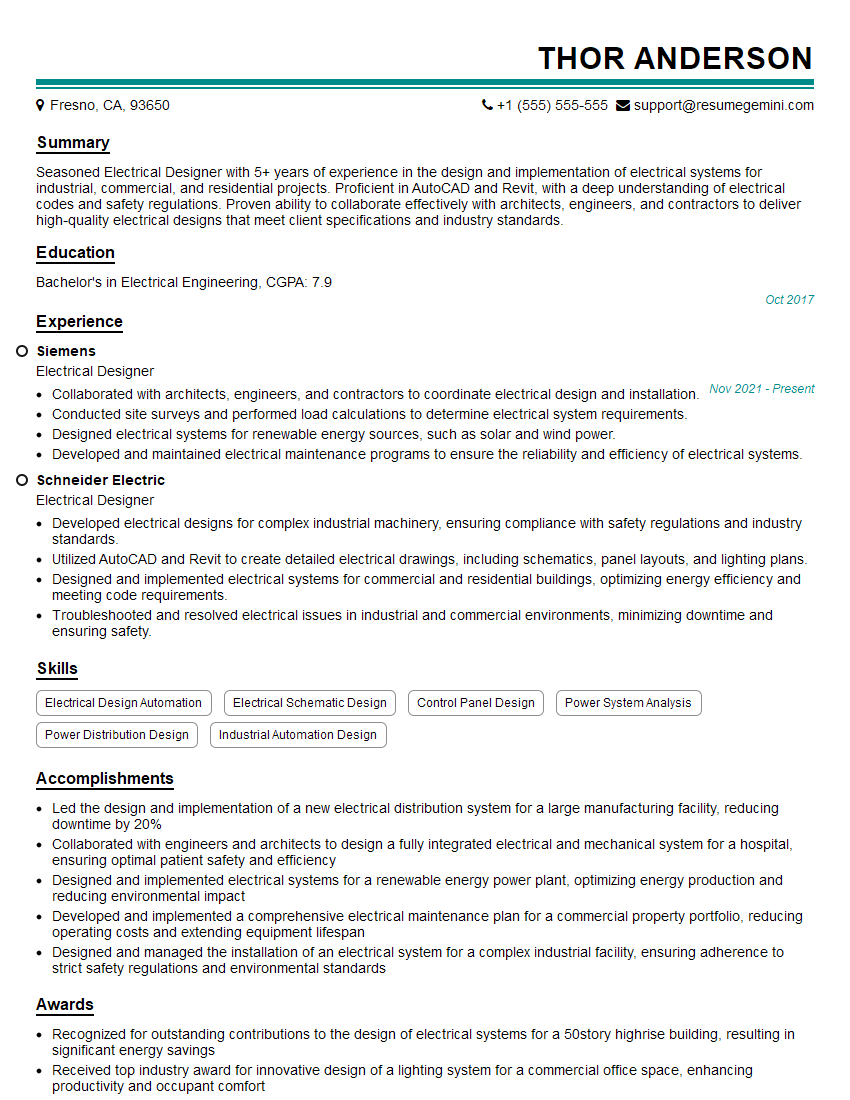
Electrical Designer Resume Sample
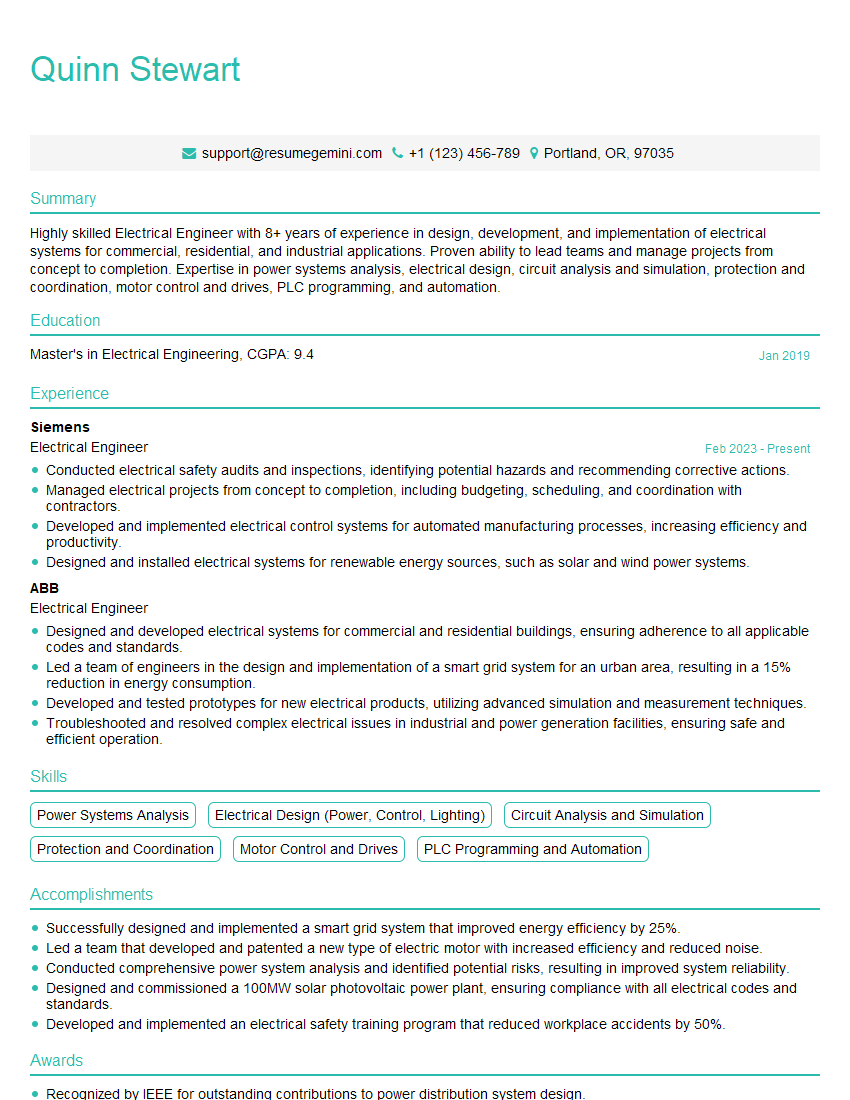
Electrical Engineer Resume Sample
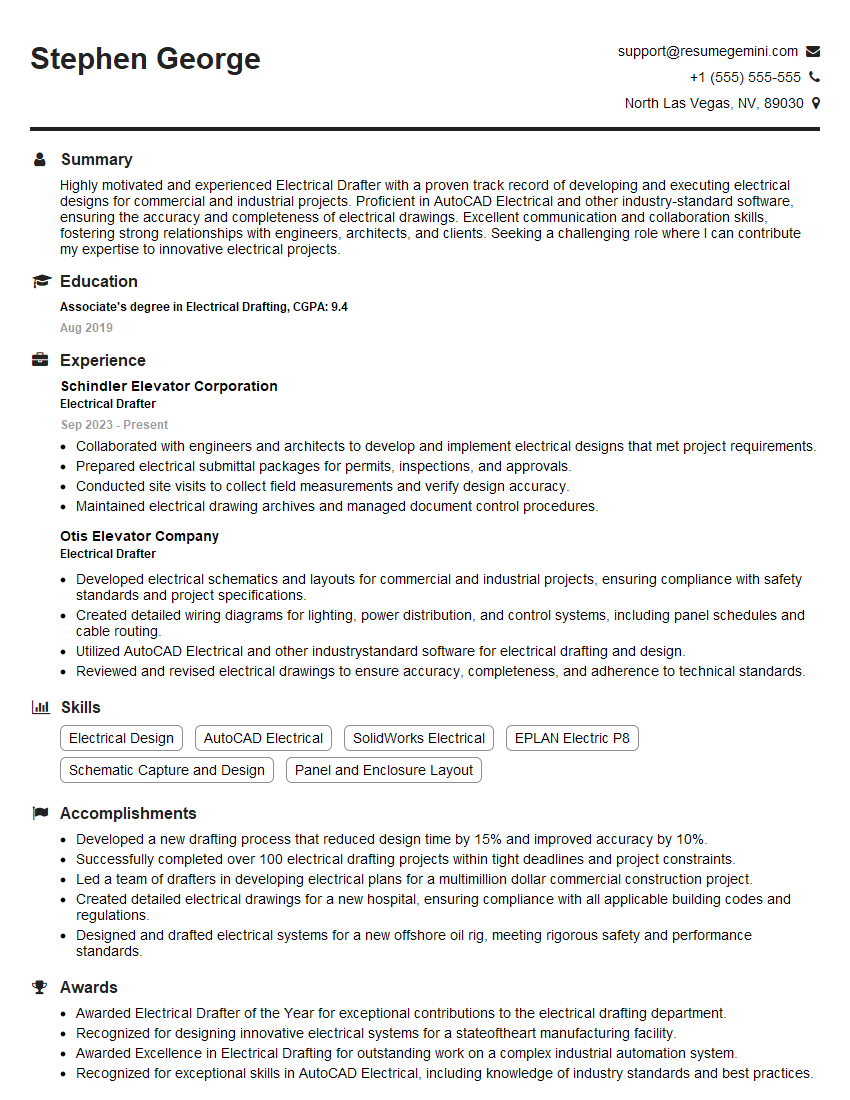
Electrical Drafter Resume Sample
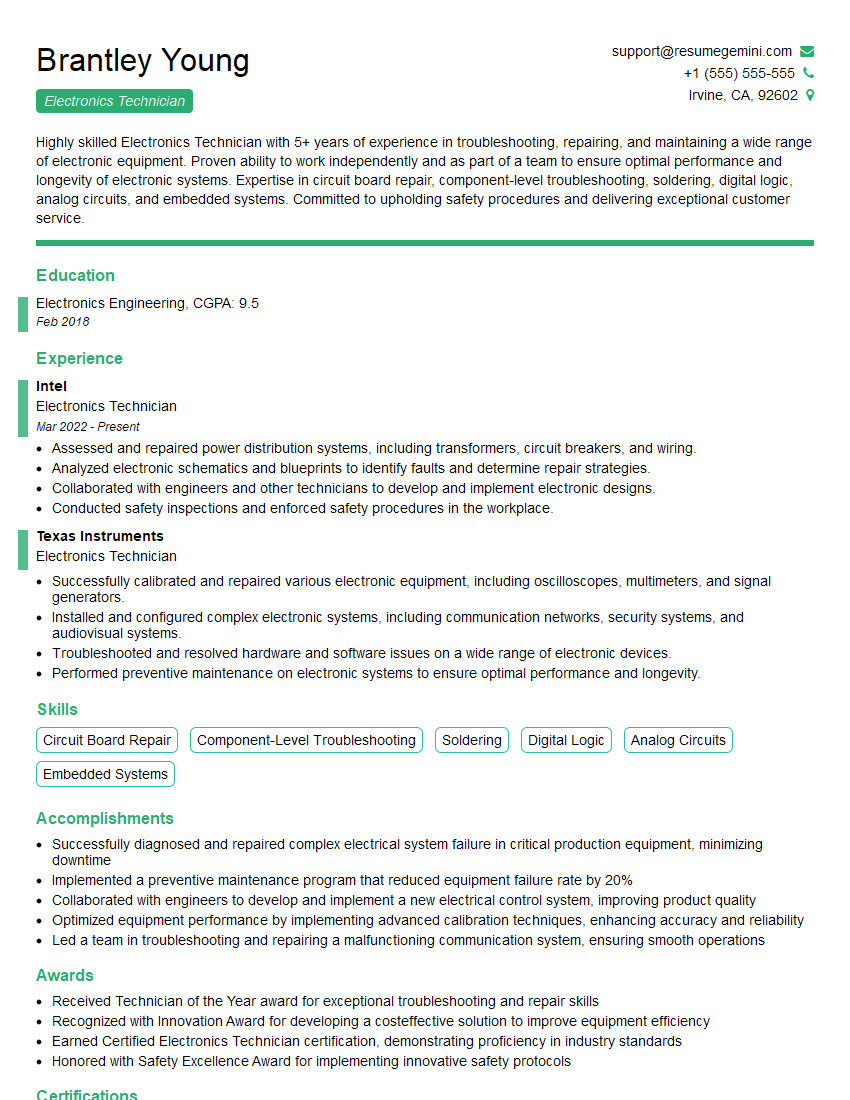
Electronics Technician Resume Sample
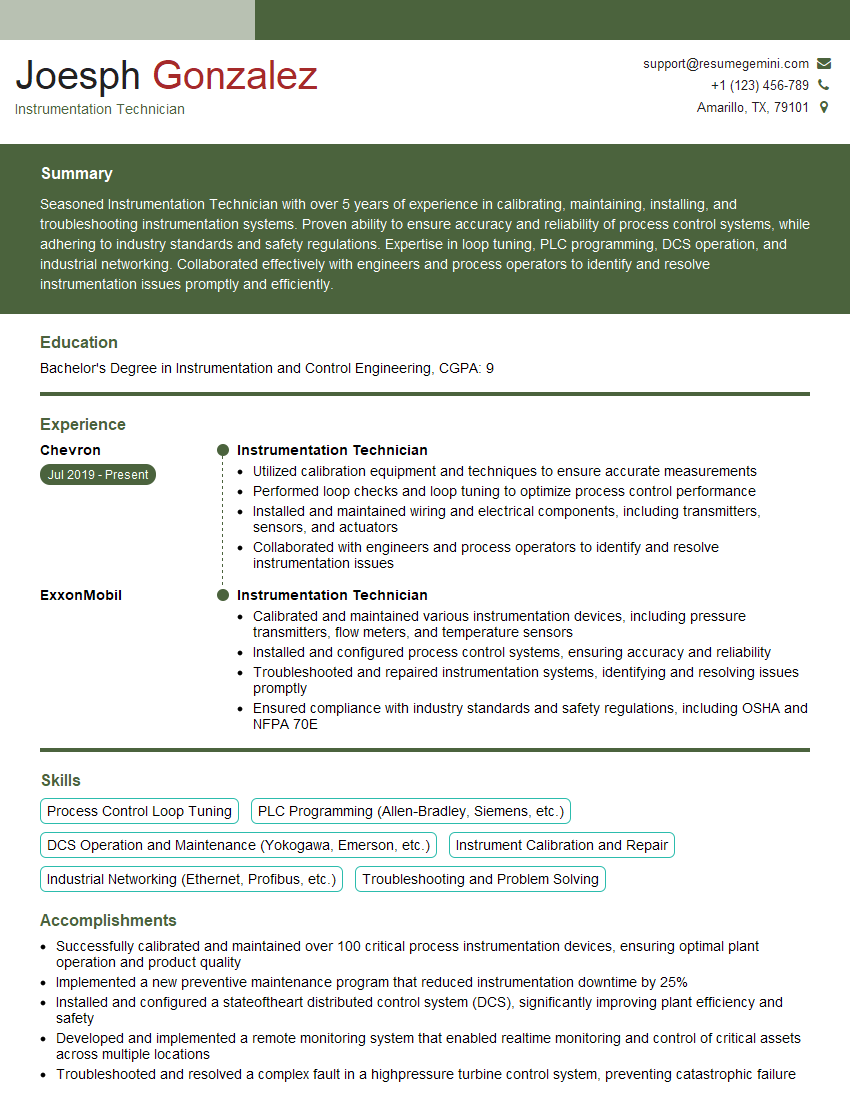
Instrumentation Technician Resume Sample

Automation Technician Resume Sample
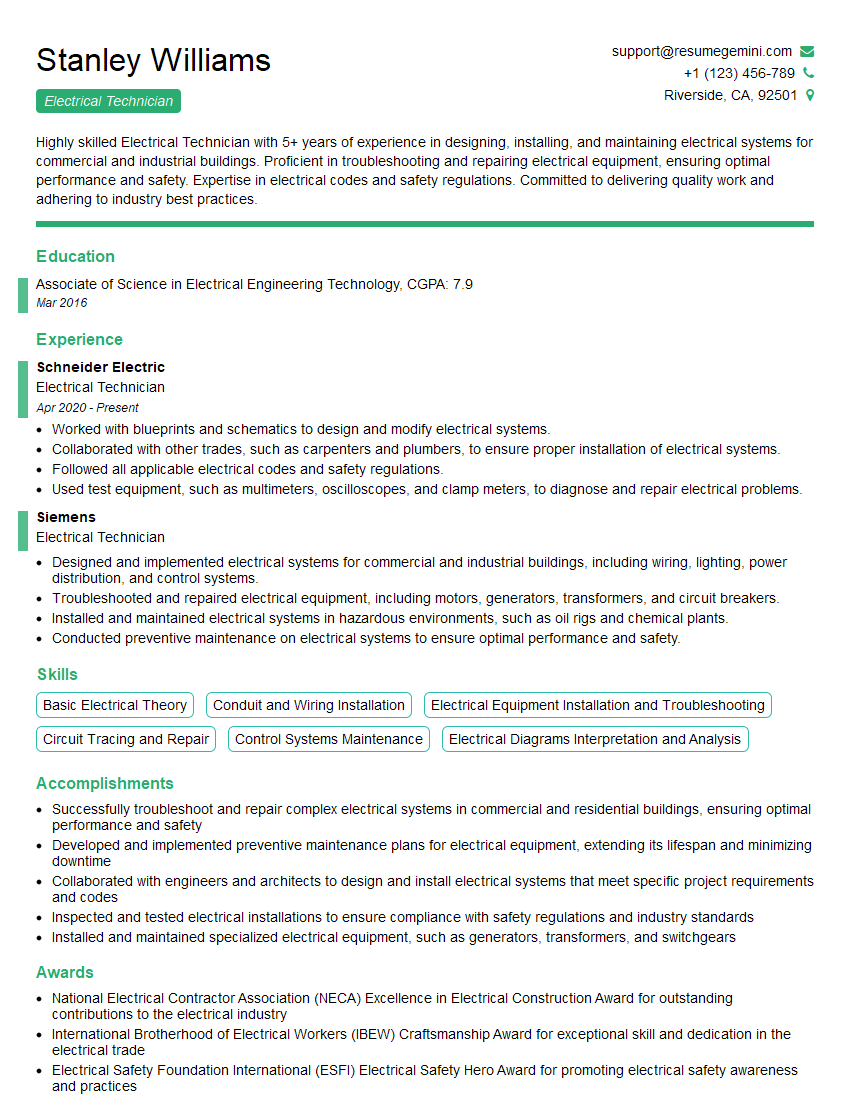
Electrical Technician Resume Sample
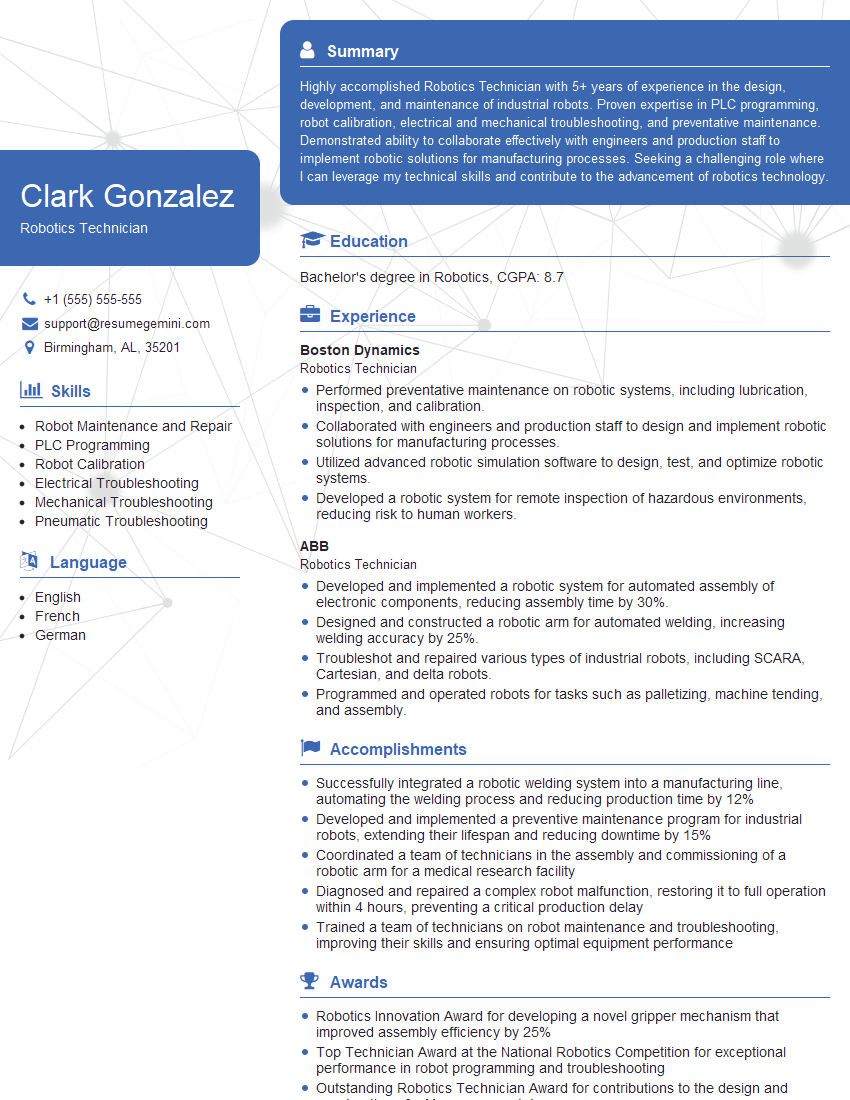
Robotics Technician Resume Sample
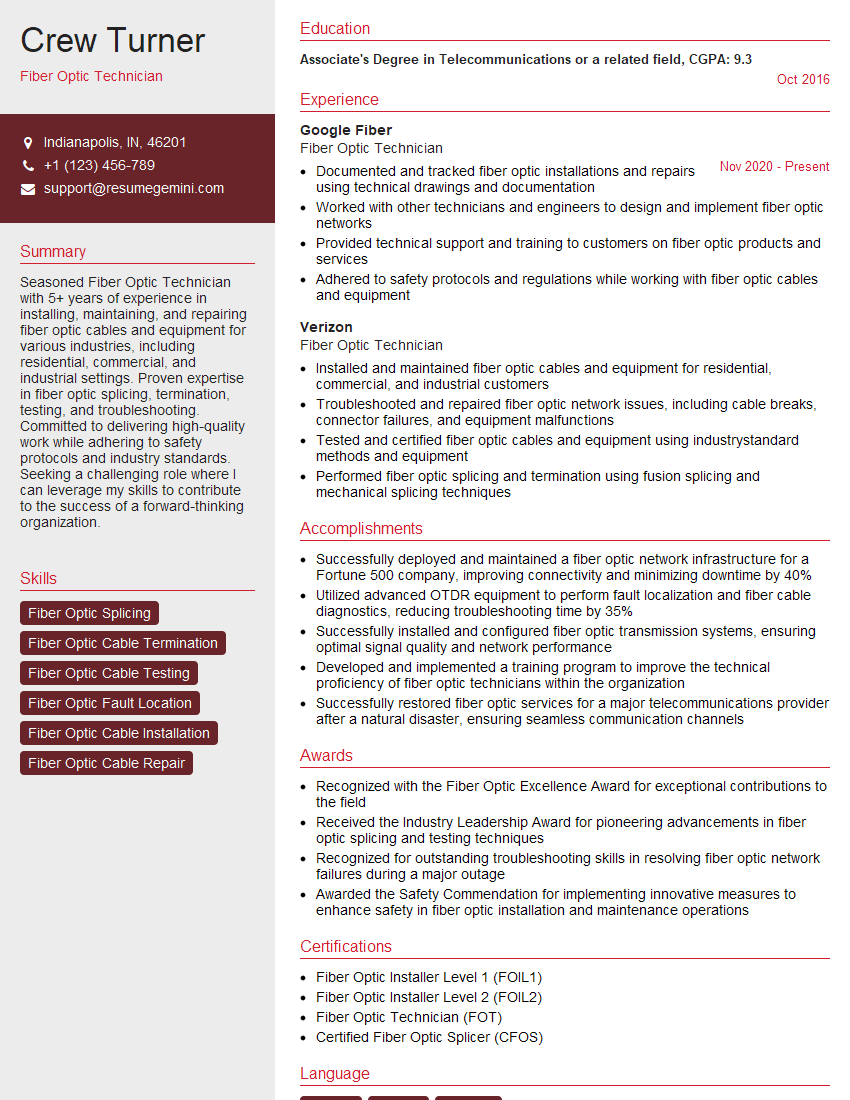
Fiber Optic Technician Resume Sample
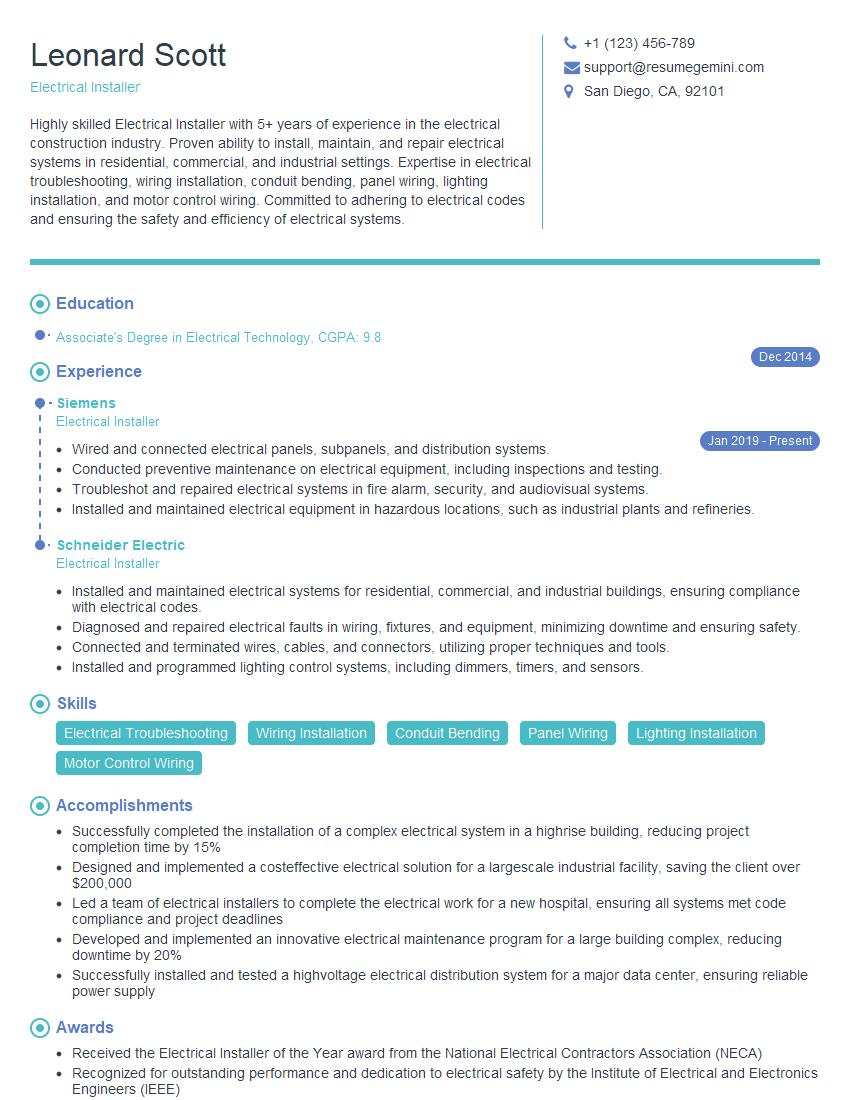
Electrical Installer Resume Sample
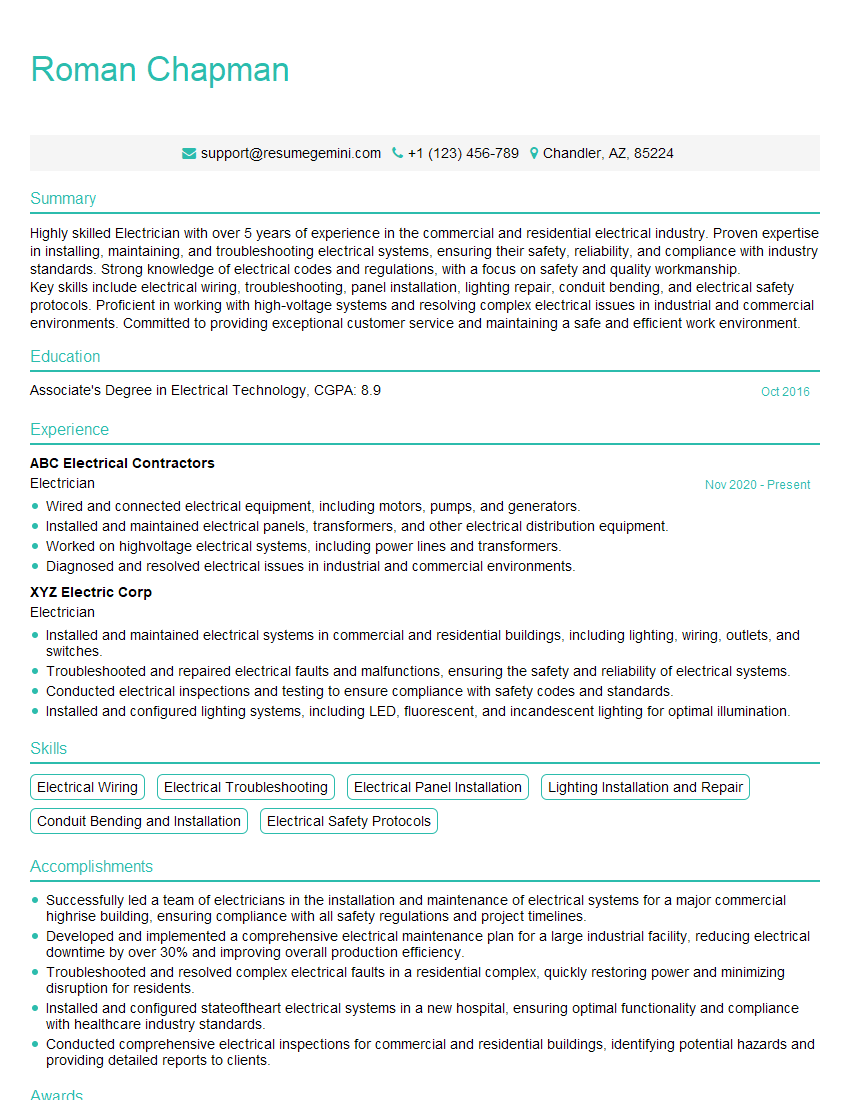
Electrician Resume Sample

Maintenance Electrician Resume Sample
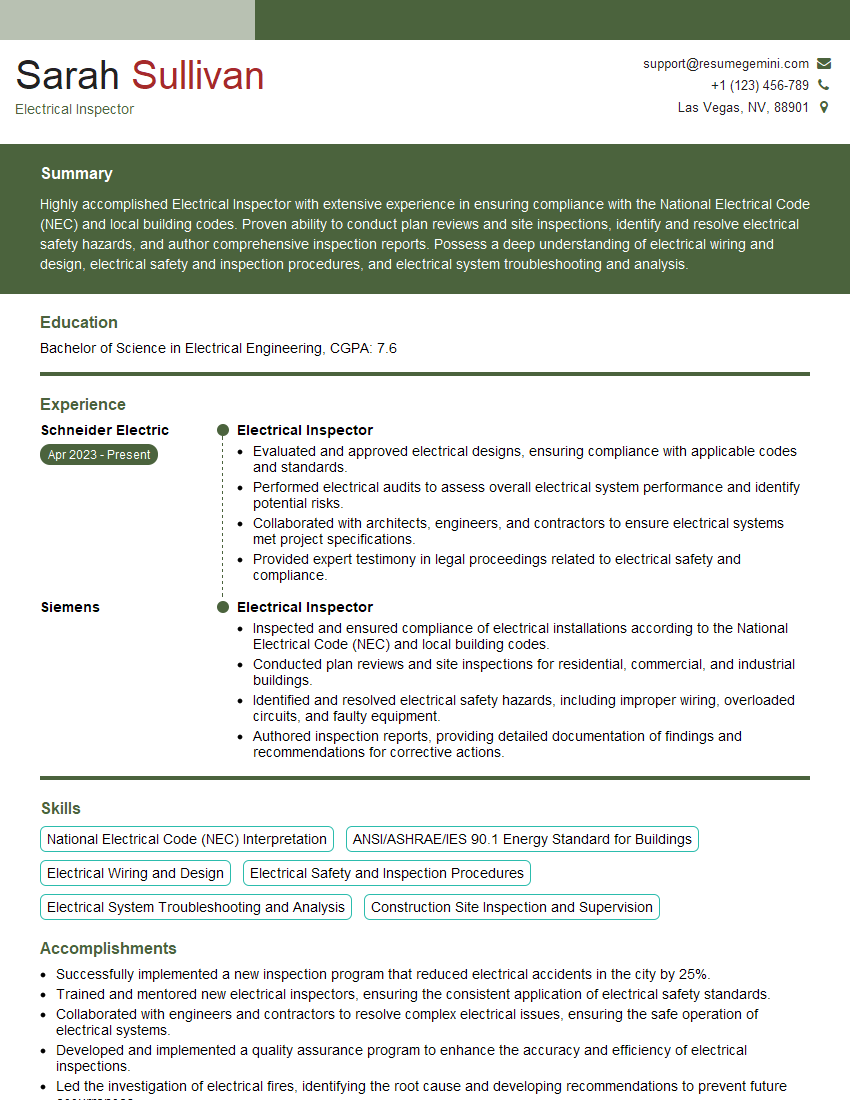
Electrical Inspector Resume Sample
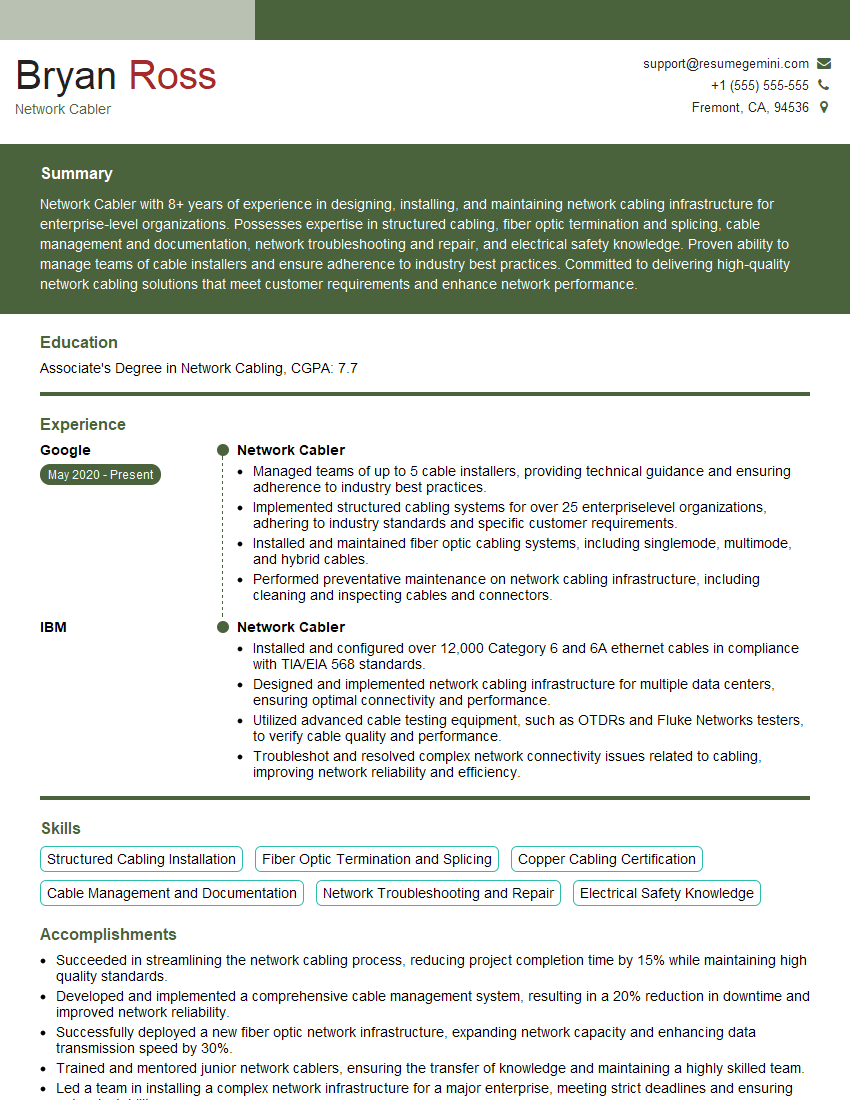
Network Cabler Resume Sample
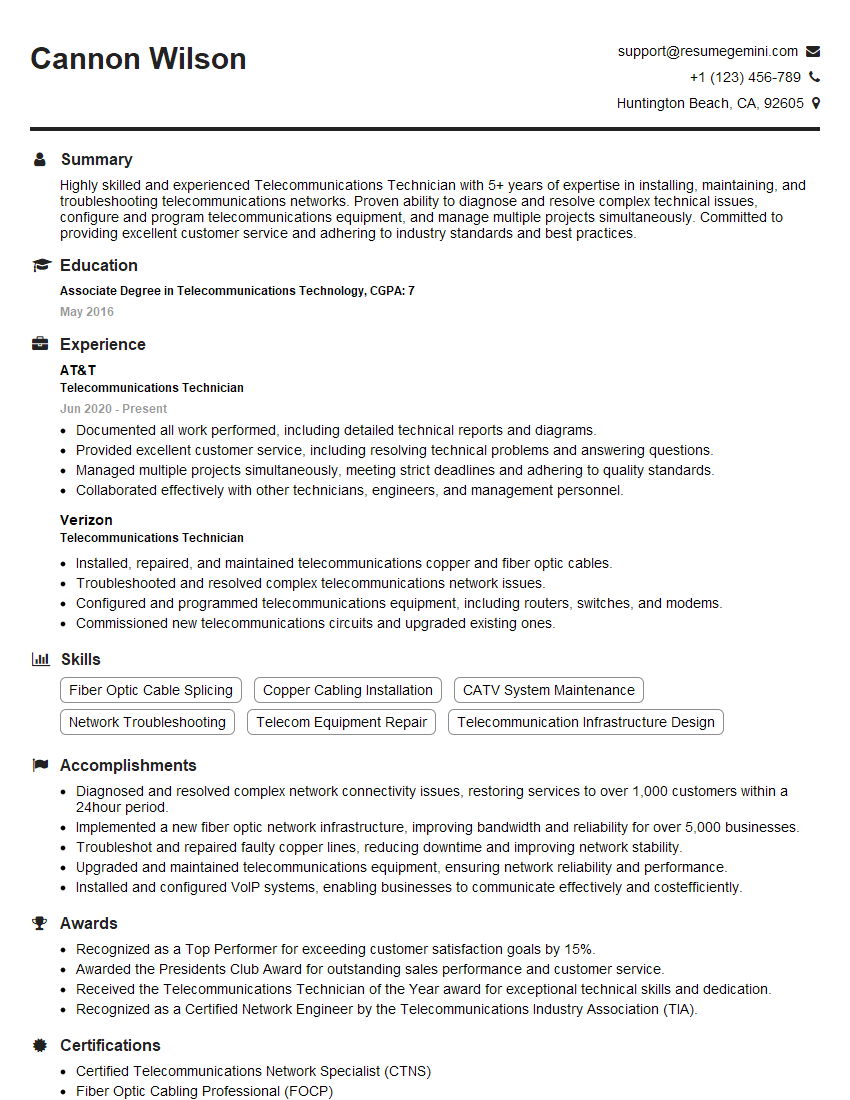
Telecommunications Technician Resume Sample
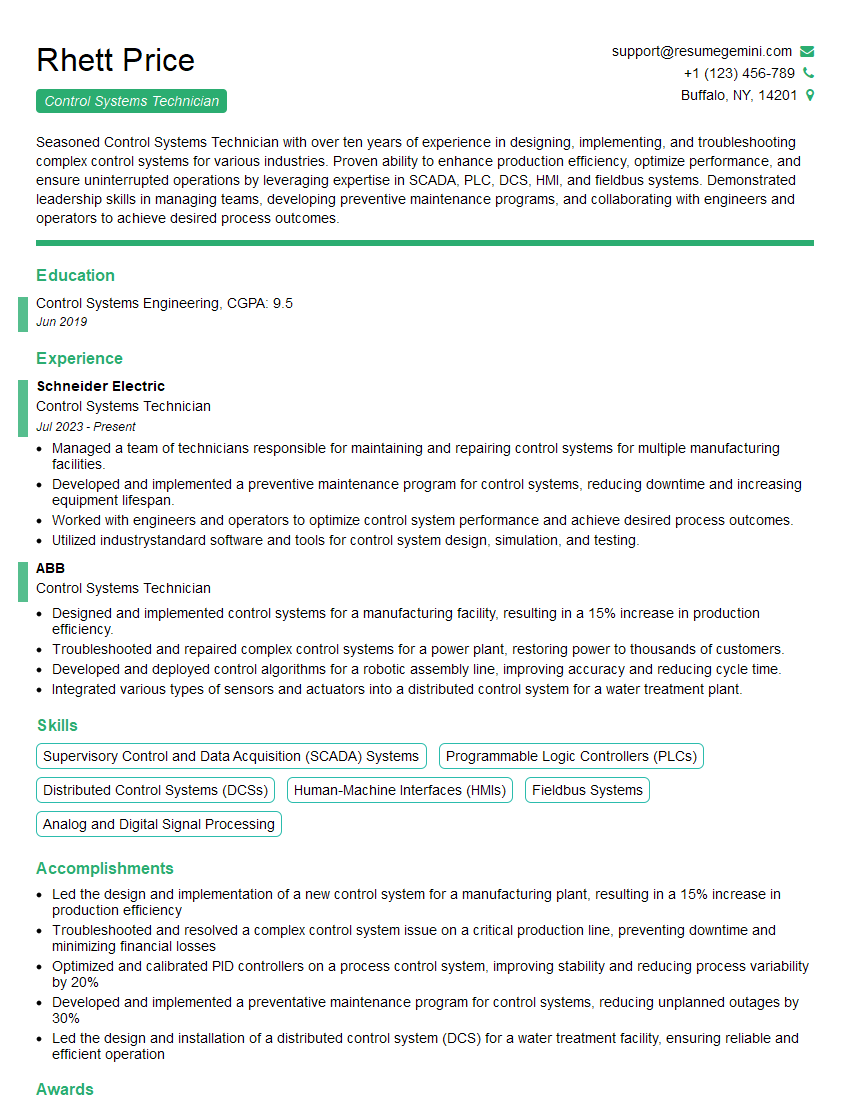
Control Systems Technician Resume Sample
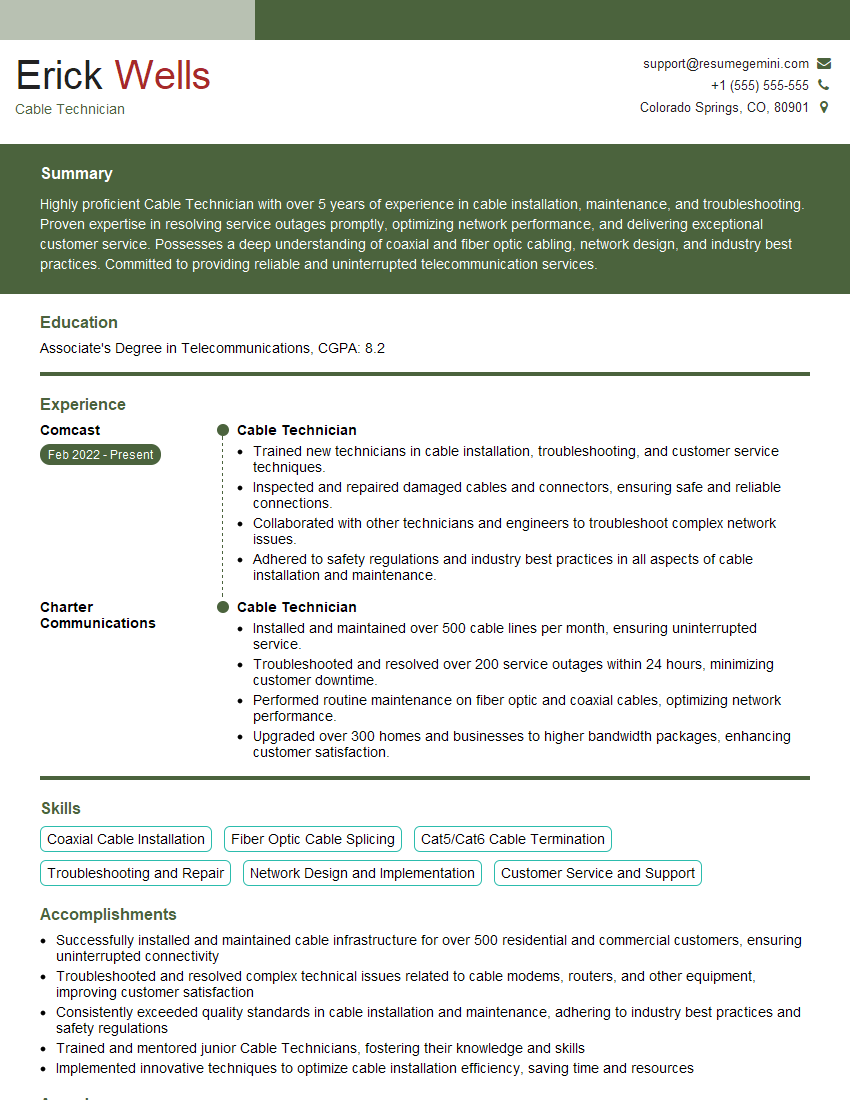
Cable Technician Resume Sample
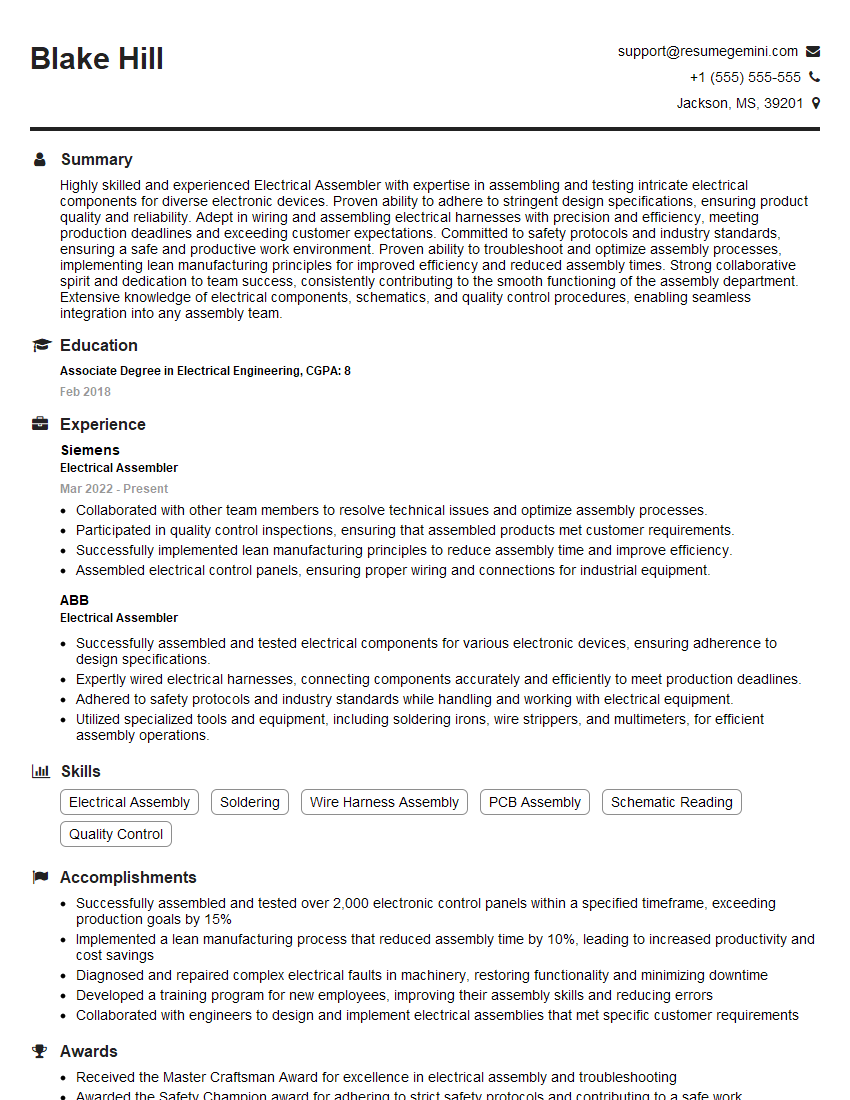
Electrical Assembler Resume Sample
- Electrical Designer
- Electrical Engineer
- Electrical Drafter
- Electronics Technician
- Instrumentation Technician
- Automation Technician
- Electrical Technician
- Robotics Technician
- Fiber Optic Technician
- Electrical Installer
- Electrician
- Maintenance Electrician
- Electrical Inspector
- Network Cabler
- Telecommunications Technician
- Control Systems Technician
- Cable Technician
- Electrical Assembler
Explore more articles
Users Rating of Our Blogs
Share Your Experience
We value your feedback! Please rate our content and share your thoughts (optional).
What Readers Say About Our Blog
To the interviewgemini.com Webmaster.
Very helpful and content specific questions to help prepare me for my interview!
Thank you
To the interviewgemini.com Webmaster.
This was kind of a unique content I found around the specialized skills. Very helpful questions and good detailed answers.
Very Helpful blog, thank you Interviewgemini team.