Feeling uncertain about what to expect in your upcoming interview? We’ve got you covered! This blog highlights the most important Podiatry interview questions and provides actionable advice to help you stand out as the ideal candidate. Let’s pave the way for your success.
Questions Asked in Podiatry Interview
Q 1. Describe your experience with diabetic foot ulcers.
Diabetic foot ulcers are a serious complication of diabetes, resulting from impaired circulation and nerve function in the feet. These ulcers can range in severity from superficial sores to deep, infected wounds that may lead to amputation. My experience involves comprehensive care, starting with meticulous wound assessment – looking at depth, size, presence of infection, and surrounding skin condition. We use advanced imaging, such as Doppler ultrasound, to evaluate blood flow. Treatment focuses on offloading pressure from the ulcer (special footwear or casts), debridement (removal of dead tissue), infection control (antibiotics), and meticulous wound care. For instance, I recently managed a patient with a deep diabetic ulcer on their heel. Through a combination of pressure relief using a total contact cast, regular debridement, and systemic antibiotics, we successfully healed the ulcer and prevented further complications. Managing expectations is key; healing can be slow and requires patience from the patient and dedicated care from the team.
- Assessment: Detailed examination, including vascular assessment (Doppler ultrasound)
- Treatment: Pressure offloading, debridement, infection control (antibiotics), advanced wound care techniques
- Patient Education: Crucial to prevent recurrence, emphasizing foot care and blood glucose control
Q 2. Explain your approach to treating plantar fasciitis.
Plantar fasciitis is a common condition causing heel pain, stemming from inflammation of the plantar fascia, a thick band of tissue on the bottom of the foot. My approach is multi-faceted and starts with a thorough history and physical exam, often including palpation of the plantar fascia to assess tenderness. Conservative management is usually the first line of defense. This includes rest, ice, stretching exercises (especially gastrocnemius and soleus stretches), and orthotic supports like arch supports or custom-made orthotics to help redistribute pressure. I often recommend over-the-counter pain relievers like ibuprofen. Physical therapy, which may incorporate ultrasound or other modalities, is beneficial in many cases. In cases where conservative measures fail, we may consider corticosteroid injections, but these are used judiciously given potential long-term side effects. Surgery is rarely necessary and considered only as a last resort for chronic, debilitating cases.
- Conservative Treatment: Rest, ice, stretching, orthotics, NSAIDs
- Physical Therapy: Strengthening and stretching exercises
- Injections: Corticosteroid injections (used sparingly)
- Surgery: Rarely needed, as a last resort
Q 3. What is your experience with bunion surgery?
Bunion surgery is a procedure to correct a bunion, which is a bony bump at the base of the big toe. My experience encompasses various surgical techniques, chosen based on the severity of the deformity and the patient’s overall health and activity level. These techniques range from minimally invasive procedures, such as cheilectomy (removal of bone spurs), to more extensive procedures like osteotomy (realignment of the bone). Pre-operative planning involves detailed radiographic assessment to determine the extent of the deformity. Post-operative care is crucial, including pain management, wound care, and the use of protective footwear. I emphasize the importance of patient education and adherence to the post-operative protocol to ensure optimal outcomes and minimize complications. For example, I recently performed a minimally invasive bunionectomy on a patient with a mild bunion, leading to a quicker recovery time and reduced discomfort compared to more extensive surgery.
- Pre-operative Planning: Detailed examination and radiographic assessment
- Surgical Techniques: Minimally invasive to extensive, tailored to the individual
- Post-operative Care: Pain management, wound care, protective footwear, and patient education
Q 4. How do you manage ingrown toenails?
Ingrown toenails occur when the edge of a toenail grows into the surrounding skin, causing pain, redness, and swelling. My management approach depends on the severity. Mild cases often respond well to conservative measures: soaking the foot in warm water, proper nail trimming (cutting straight across), and keeping the area clean and dry. I advise patients to avoid tight-fitting shoes. More severe cases, with signs of infection like pus or significant inflammation, might require more intervention. This could include partial or complete nail avulsion (removal of the affected portion or the entire nail), potentially with phenol treatment to prevent regrowth. In some instances, a minor surgical procedure may be necessary to remove a portion of the nail matrix (the area where the nail grows from). I always stress proper nail hygiene and footwear choices to prevent recurrence.
- Mild Cases: Soaking, proper nail trimming, clean and dry environment
- Moderate to Severe Cases: Partial or complete nail avulsion, potentially with phenol treatment
- Surgical Intervention: May be necessary for recalcitrant cases
Q 5. Describe your experience with hammertoe correction.
Hammertoe correction addresses the deformity where one or more toes are bent at the middle joint, resembling a hammer. My experience covers both conservative and surgical approaches. Conservative treatment focuses on improving flexibility and reducing pain using padding, orthotics, and splinting to straighten the toe. However, if conservative measures fail to provide relief or the deformity is severe, surgery may be necessary. Surgical techniques vary depending on the severity of the deformity and can involve procedures such as tendon transfers, arthrodesis (fusion of the joint), or resection arthroplasty (removal of a portion of the joint). Post-operative care is critical and involves pain management, wound care, and use of protective footwear. Patient education and adherence to the post-operative protocol are essential to optimize outcomes and minimize complications.
- Conservative Treatment: Padding, orthotics, splinting
- Surgical Techniques: Tendon transfers, arthrodesis, resection arthroplasty
- Post-operative Care: Pain management, wound care, protective footwear
Q 6. What are the common causes of ankle sprains and how do you treat them?
Ankle sprains are common injuries caused by sudden twisting or turning of the ankle, often resulting in stretching or tearing of ligaments. The most common cause is an inversion injury (rolling the ankle inward), leading to damage of the lateral ligaments. Treatment focuses on the RICE protocol: Rest, Ice, Compression, and Elevation. Initially, pain management involves over-the-counter anti-inflammatory drugs. Early mobilization and physical therapy play a crucial role in restoring ankle stability and preventing chronic instability. In severe cases with significant ligament damage or instability, bracing or even surgery might be necessary. It’s important to emphasize proper rehabilitation to prevent future sprains. For example, a patient who experienced a moderate inversion sprain was treated with a short leg cast for initial immobilization followed by a comprehensive physical therapy program that focused on strengthening and proprioceptive exercises.
- Causes: Inversion or eversion injuries (twisting the ankle)
- Treatment: RICE protocol, pain management (NSAIDs), physical therapy, bracing, surgery (in severe cases)
Q 7. Explain your approach to diagnosing and treating heel pain.
Heel pain can have various causes, including plantar fasciitis, heel spurs, Achilles tendinitis, and nerve entrapment. My approach starts with a detailed history and thorough physical exam, often including palpation of the heel and assessment of range of motion. Imaging studies like X-rays may be used to rule out fractures or bone spurs. The treatment plan is tailored to the underlying cause. For plantar fasciitis, the conservative approach described previously is usually effective. Heel spurs often require conservative management unless they are symptomatic. Achilles tendinitis might necessitate rest, ice, stretching, and possibly physical therapy. Nerve entrapment may require specific treatments depending on the nerve involved. Sometimes, a combination of therapies may be necessary. For instance, a patient presenting with heel pain was diagnosed with plantar fasciitis and received a combination of custom orthotics, stretching exercises, and physical therapy, leading to significant pain relief.
- Diagnosis: Detailed history, physical exam, imaging studies (X-rays)
- Treatment: Tailored to underlying cause (e.g., conservative management for plantar fasciitis, surgery in specific cases)
Q 8. How do you manage foot and ankle infections?
Managing foot and ankle infections requires a multifaceted approach, prioritizing prompt diagnosis and aggressive treatment to prevent serious complications. The initial step involves a thorough clinical examination, including assessment of the wound’s size, depth, presence of purulence (pus), and signs of systemic infection like fever or lymphangitis (inflammation of lymph vessels). We’ll obtain cultures to identify the causative organism, guiding antibiotic selection.
Treatment typically involves debridement – the surgical removal of infected or necrotic (dead) tissue. This is crucial to eliminate the source of the infection. Oral antibiotics are often sufficient for less severe infections, but intravenous antibiotics may be necessary for more serious cases or those involving bone (osteomyelitis). We carefully monitor the patient’s response to treatment, adjusting the regimen as needed based on culture results and clinical improvement. Patients are educated on wound care, including proper cleaning and dressing techniques, to promote healing and prevent recurrence. For instance, a patient with a diabetic foot ulcer infected with Staphylococcus aureus might require surgical debridement followed by a course of intravenous vancomycin, alongside meticulous wound care instructions.
Q 9. Discuss your experience with different types of gait analysis.
My experience encompasses various gait analysis techniques, from simple observational gait assessments to sophisticated computerized motion capture systems. Observational gait analysis involves visually assessing a patient’s walking pattern, noting any deviations in stride length, cadence, base of support, or limb movement. This provides a basic understanding of the gait abnormalities. I’ve also extensively utilized static and dynamic plantar pressure analysis systems. These use sensors embedded in insoles to measure pressure distribution during gait, identifying areas of high pressure that might contribute to pain or ulceration. This is particularly valuable in managing patients with diabetic neuropathy or foot deformities. Furthermore, I’ve worked with advanced 3D motion capture systems, which capture multiple points of movement across the body, creating detailed kinematic data. This allows for a highly precise analysis of joint angles, moments, and powers throughout the gait cycle. This is invaluable for assessing complex gait deviations and guiding treatment strategies, such as surgical planning or orthotic prescription. For example, a patient presenting with knee pain could undergo motion capture gait analysis to determine if their foot mechanics are contributing to the knee pathology.
Q 10. Describe your knowledge of custom orthotics.
Custom orthotics are a cornerstone of my practice. They are individually designed and fabricated devices used to correct biomechanical abnormalities of the foot and ankle. The process begins with a thorough assessment, including a detailed history, physical examination, and often gait analysis. This helps me determine the underlying cause of the patient’s symptoms and the specific biomechanical needs that the orthotic must address. I often utilize various casting techniques or 3D scanning to create a precise model of the patient’s foot. The design incorporates specific features like arch support, heel cups, metatarsal pads, or other modifications based on the individual’s needs. Materials vary – from semi-rigid plastics to more flexible foams – depending on the patient’s activity level and the specific biomechanical corrections needed. For example, a patient with plantar fasciitis might benefit from a custom orthotic with increased medial longitudinal arch support, while a runner with overpronation might need a device with substantial rearfoot control and medial posting.
Q 11. What is your experience with using diagnostic imaging (X-ray, ultrasound, MRI) in podiatric practice?
Diagnostic imaging plays a vital role in my podiatric practice. X-rays are routinely used to assess bone fractures, arthritis, and other bony abnormalities. I often use them to identify stress fractures in athletes or assess the severity of injuries. Ultrasound is invaluable for evaluating soft tissue structures such as tendons, ligaments, and nerves. It allows for real-time visualization of these tissues, assessing for inflammation, tears, or other pathologies. It is particularly helpful in identifying plantar fasciitis or evaluating nerve entrapment. MRI provides the most detailed anatomical information and is used to evaluate complex conditions such as Charcot foot, tumors, or infections involving deeper structures like bones and joints. The choice of imaging modality depends heavily on the clinical question and suspected diagnosis. For instance, a patient presenting with acute ankle pain would likely undergo an X-ray to rule out a fracture, while a patient with suspected tarsal tunnel syndrome might have an ultrasound to assess the tibial nerve.
Q 12. How do you assess and manage patients with peripheral neuropathy?
Assessing and managing patients with peripheral neuropathy requires a comprehensive approach. The diagnosis often involves a detailed history, focusing on symptoms such as numbness, tingling, burning, and pain in the feet. A thorough neurological examination assesses reflexes, sensation, and muscle strength. We also pay close attention to the presence of ulcerations or other skin changes. Treatment involves addressing the underlying cause, which might include diabetes management, medication review, or addressing other comorbidities. Symptomatic relief can be achieved with various medications, including analgesics, antidepressants, or anticonvulsants. Physical therapy, including range-of-motion exercises and gait training, is crucial for maintaining mobility and preventing falls. Custom orthotics can provide additional support and cushioning to protect the feet. Regular foot examinations are vital to identify and manage any developing complications, such as ulcers or infections. For example, a diabetic patient with significant peripheral neuropathy might receive specialized footwear, regular blood glucose monitoring, and pain medication, alongside physical therapy and orthotics, to prevent foot complications.
Q 13. Describe your experience in managing patients with Charcot foot.
Managing Charcot foot, a debilitating neuropathic arthropathy, presents significant challenges. Early diagnosis is crucial, as timely intervention can help prevent severe deformities. The assessment involves a thorough clinical examination, often supplemented by imaging such as X-rays or MRI to assess the extent of bone destruction and joint instability. Treatment focuses on offloading the affected foot to reduce stress on the damaged bones and joints. This might involve total contact casts, custom-made orthoses, or specialized footwear. Non-weight-bearing is often necessary in the acute phase. Patients are closely monitored for signs of infection, and prompt treatment is essential. Surgical intervention may be necessary in some cases to correct severe deformities or stabilize joints. The management of Charcot foot is a long-term process requiring close collaboration with the patient, emphasizing adherence to offloading protocols and regular follow-up appointments. Patient education on the importance of meticulous foot care is crucial to minimizing the risk of complications. For example, a patient in the acute phase of Charcot foot might be hospitalized and placed in a total contact cast until the acute inflammation subsides, followed by a gradual return to weight-bearing using specialized orthoses.
Q 14. How do you counsel patients on foot hygiene and preventative care?
Counseling patients on foot hygiene and preventative care is an essential aspect of podiatric practice. We educate patients on the importance of daily foot washing with lukewarm water and mild soap, followed by thorough drying, especially between the toes. We emphasize the use of moisturizer to prevent dryness and cracking. Patients are instructed to inspect their feet daily for any cuts, blisters, redness, or other abnormalities. Appropriate footwear is crucial, and we advise against wearing high heels or tight-fitting shoes for extended periods. Regular nail trimming is important, ensuring that the nails are cut straight across to prevent ingrown toenails. We discourage self-treatment of foot problems. Patients with diabetes or peripheral neuropathy receive more intensive education, emphasizing the importance of meticulous foot care to prevent complications. We encourage patients to schedule regular podiatric examinations for preventative care and early detection of any potential problems. For example, a diabetic patient would be advised to perform daily foot checks, use proper nail-cutting techniques, choose appropriate footwear, and schedule regular appointments for professional foot assessments.
Q 15. Explain your knowledge of wound care and debridement techniques.
Wound care and debridement are crucial aspects of podiatric practice, especially in managing diabetic foot ulcers and other chronic wounds. My approach involves a thorough assessment of the wound, considering its depth, size, location, and the presence of infection. Debridement, the removal of dead or infected tissue, is a cornerstone of this process.
I utilize several debridement techniques, choosing the most appropriate based on the wound characteristics and patient’s overall health. These include:
- Sharp debridement: Using sterile surgical instruments to meticulously remove necrotic tissue. This is the most effective method for removing significant amounts of non-viable tissue and is often used in cases of severe infection.
- Autolytic debridement: Using the body’s natural processes to break down dead tissue. This involves applying moisture-retentive dressings that create a moist wound environment promoting the body’s own enzymatic breakdown of dead tissue. It’s a less invasive approach ideal for superficial wounds with minimal infection.
- Enzymatic debridement: Using topical enzymes to selectively break down necrotic tissue. This method is particularly useful for wounds with moderate amounts of debris and is less aggressive than sharp debridement.
- Mechanical debridement: This involves physically removing dead tissue, for instance, using wet-to-dry dressings or hydrotherapy. This is less precise than sharp debridement but can be useful in certain situations.
Post-debridement, wound care focuses on creating a moist, protected environment to promote healing. This often involves the use of appropriate dressings, regular wound assessment, and infection control measures. I regularly monitor patients for signs of infection, such as increased pain, swelling, redness, and purulent drainage, and adjust the treatment plan accordingly. For example, I may prescribe antibiotics if an infection is present. Patient education about proper foot care, including hygiene, footwear, and blood glucose control (if diabetic), is also vital for long-term success.
Career Expert Tips:
- Ace those interviews! Prepare effectively by reviewing the Top 50 Most Common Interview Questions on ResumeGemini.
- Navigate your job search with confidence! Explore a wide range of Career Tips on ResumeGemini. Learn about common challenges and recommendations to overcome them.
- Craft the perfect resume! Master the Art of Resume Writing with ResumeGemini’s guide. Showcase your unique qualifications and achievements effectively.
- Don’t miss out on holiday savings! Build your dream resume with ResumeGemini’s ATS optimized templates.
Q 16. How do you manage patients with sports-related foot and ankle injuries?
Managing sports-related foot and ankle injuries requires a comprehensive approach combining accurate diagnosis, appropriate treatment, and rehabilitation. My initial assessment involves a detailed history taking, including the mechanism of injury, and a thorough physical examination. Imaging studies such as X-rays, MRI, or ultrasound may be necessary to rule out fractures, ligament tears, or other structural damage.
Treatment strategies vary depending on the specific injury. For example, ankle sprains are commonly managed with the RICE protocol (Rest, Ice, Compression, Elevation) and supportive bracing or taping. More severe injuries such as fractures may require surgical intervention, including open reduction and internal fixation (ORIF) to restore anatomical alignment. Stress fractures often necessitate activity modification and sometimes bone stimulation therapy.
Rehabilitation plays a crucial role in the recovery process. I collaborate closely with physical therapists to design individualized rehabilitation programs aimed at restoring range of motion, strength, and proprioception (body awareness). This may include exercises, stretching, and neuromuscular re-education. The goal is to return the patient to their pre-injury activity level safely and effectively. For instance, a runner with a plantar fasciitis might undergo a program of stretching, night splints, and gradually increasing activity levels.
Q 17. What is your experience with surgical techniques in podiatry?
My surgical experience in podiatry is extensive, encompassing a wide range of procedures. I’m proficient in both minimally invasive and open surgical techniques for various foot and ankle conditions. This includes:
- Forefoot surgery: Such as bunionectomy (removal of a bunion), hammertoe correction, and treatment of neuromas (nerve tumors).
- Rearfoot and ankle surgery: Including ankle arthroscopy, tendon repairs (Achilles tendon repair), and ankle fusion.
- Wound care surgery: Debridement of chronic wounds, skin grafts, and flap surgery to manage complex wounds.
I have a strong understanding of surgical anatomy and meticulous surgical technique. I prioritize minimally invasive approaches whenever possible to minimize scarring, pain, and recovery time. For example, I frequently utilize arthroscopy for ankle injuries, allowing me to diagnose and treat problems with smaller incisions and reduced trauma. Post-operative care involves close monitoring, wound care, pain management, and a structured rehabilitation program to ensure optimal outcomes. Safety and patient comfort are my highest priorities.
Q 18. How do you approach the conservative management of foot and ankle deformities?
Conservative management is my first-line approach for many foot and ankle deformities, aiming to improve function and reduce pain without resorting to surgery. This involves a multifaceted strategy tailored to the individual patient and their specific condition. The approach often includes:
- Orthotics: Custom-made or prefabricated shoe inserts to correct biomechanical abnormalities and provide support. These can significantly reduce pain and improve function in conditions like plantar fasciitis, flat feet, and metatarsalgia.
- Bracing and splinting: To immobilize or support the affected joint and promote healing. This is commonly used for fractures, sprains, and other injuries.
- Therapeutic exercises: A tailored exercise program focusing on strengthening, stretching, and improving flexibility to address muscle imbalances and improve joint mobility.
- Physical therapy: Guided by a physical therapist, these therapies can help restore function, reduce pain, and improve mobility.
- Non-steroidal anti-inflammatory drugs (NSAIDs): To reduce pain and inflammation.
- Injections: Such as corticosteroids, to reduce inflammation in specific areas like the joints or plantar fascia.
For example, a patient with hallux valgus (bunion) may initially be managed with orthotics and shoe modifications to reduce pain and pressure. If conservative management fails to provide adequate relief, then surgery may be considered. The goal is always to explore all conservative options before moving to surgical intervention.
Q 19. Describe your understanding of biomechanics and its role in podiatry.
Biomechanics plays a fundamental role in podiatry, focusing on how the body moves and the forces acting on it. Understanding biomechanics allows us to assess the underlying causes of foot and ankle problems and develop effective treatment plans. It’s like understanding the mechanics of a car to troubleshoot it.
In podiatry, biomechanical analysis involves examining gait (walking pattern), foot posture, and the forces applied to different structures of the foot and ankle during weight-bearing activities. This helps to identify abnormalities in foot function that can lead to pain and deformities. For example, an overpronated foot (excessive inward rolling of the foot) can contribute to plantar fasciitis, bunions, and other conditions.
Biomechanical principles guide the selection of appropriate orthotics, footwear modifications, and therapeutic exercises. Custom-made orthotics, designed based on a detailed biomechanical assessment, can effectively address foot problems by correcting abnormal foot function and reducing stress on the affected areas. By using biomechanics, we can address the root cause and not just treat the symptoms.
Q 20. What is your experience with different types of ankle arthroscopy?
My experience with ankle arthroscopy encompasses a range of diagnostic and therapeutic procedures. Ankle arthroscopy is a minimally invasive surgical technique that uses small incisions and a specialized camera (arthroscope) to visualize the inside of the ankle joint. This allows for precise diagnosis and treatment of various intra-articular (within the joint) problems.
I have performed numerous ankle arthroscopies for conditions such as:
- Osteochondral lesions: Damage to the articular cartilage and underlying bone.
- Synovitis: Inflammation of the synovial membrane, the lining of the joint.
- Loose bodies: Fragments of cartilage or bone that are free-floating within the joint.
- Ligament injuries: Repair of minor ligament tears.
- Debridement of articular cartilage: Removing damaged articular cartilage.
Arthroscopy allows for more precise diagnosis and targeted treatment, leading to faster recovery and reduced scarring compared to open surgery. Post-operative rehabilitation is crucial, typically involving a structured program of range of motion exercises, strengthening, and proprioceptive training.
Q 21. Explain your experience with managing pediatric foot conditions.
Managing pediatric foot conditions requires a gentle yet thorough approach, keeping in mind the child’s developmental stage and growth potential. Many conditions seen in children are different from adult conditions, and early intervention is often key to successful treatment. Common conditions I manage include:
- Congenital foot deformities: Such as clubfoot (talipes equinovarus) and metatarsus adductus.
- Toe deformities: Including hammertoes and overlapping toes.
- Flat feet: Often resolving spontaneously during development, but sometimes requiring observation or intervention.
- Sever’s disease: Heel pain due to inflammation of the growth plate in the heel bone.
- In-toeing and out-toeing: Often due to femoral or tibial torsion which typically corrects with growth.
My approach involves careful assessment, considering the child’s age and developmental stage. Many conditions can be managed conservatively with observation, orthotics, or physical therapy. Surgical intervention is usually reserved for severe cases that do not respond to conservative measures. For example, clubfoot is often treated with serial casting and bracing in infancy. Communication with parents and the child is crucial for successful management. It’s also important to consider growth potential to avoid iatrogenic effects.
Q 22. How do you manage patients with skin conditions affecting the feet?
Managing skin conditions on the feet requires a multifaceted approach, starting with accurate diagnosis. We see a wide range of conditions, from athlete’s foot (tinea pedis) and fungal infections to psoriasis, eczema, and diabetic foot ulcers. The initial assessment involves a thorough examination, including visual inspection, palpation, and sometimes dermatoscopy for closer examination of skin lesions. We also consider the patient’s medical history, including diabetes, autoimmune disorders, and allergies, as these significantly influence treatment choices.
Treatment strategies vary based on the specific diagnosis. For fungal infections, topical antifungals are often the first line of defense. In cases of bacterial infections, appropriate antibiotics may be necessary. For conditions like psoriasis and eczema, we might recommend topical corticosteroids, moisturizers, or other immunomodulatory therapies. Diabetic foot ulcers require aggressive management, often involving wound debridement, offloading techniques to reduce pressure on the affected area, and appropriate dressings to promote healing. Regular monitoring of blood glucose levels is crucial in diabetic patients. In severe cases, advanced therapies such as hyperbaric oxygen therapy might be considered. Patient education is paramount; we emphasize proper foot hygiene, including regular washing and drying, the importance of appropriately fitting footwear, and strategies for preventing recurrence.
For example, I recently treated a patient with a severe case of plantar psoriasis. After a thorough examination and diagnosis, we initiated treatment with topical corticosteroids and ultraviolet B (UVB) phototherapy. The patient also received instruction on proper skin moisturizing and foot care. Through consistent follow-up appointments and diligent adherence to the treatment plan, the patient experienced a significant improvement in their condition.
Q 23. Describe your experience with the use of local anesthesia in podiatric procedures.
Local anesthesia is an integral part of many podiatric procedures, allowing for comfortable and minimally invasive treatments. My experience encompasses a wide range of techniques, including digital nerve blocks, plantar fasciitis injections, and infiltration anesthesia for procedures like ingrown toenail removal and wart excision. I’m proficient in administering various anesthetic agents, carefully selecting the appropriate type and concentration based on the procedure’s complexity, the patient’s medical history, and the area being treated. Safety is paramount, and I meticulously follow protocols to minimize risks such as inadvertent nerve injury or allergic reactions.
Before administering any anesthetic, I always conduct a thorough assessment of the patient’s health history, noting allergies, current medications, and any conditions that might contraindicate the use of local anesthesia. I clearly explain the procedure and the potential risks and benefits to the patient, obtaining informed consent before proceeding. During the procedure, I closely monitor the patient’s vital signs and response to the anesthetic to ensure their comfort and safety. Post-procedure, I provide detailed instructions on managing any potential side effects, such as bruising or soreness.
For example, when performing a plantar fasciitis injection, I meticulously use ultrasound guidance to ensure accurate placement of the anesthetic and medication, minimizing discomfort and maximizing therapeutic effect. This precise approach increases the chances of successful treatment and reduces the risk of complications.
Q 24. What is your experience with post-operative care in podiatry?
Post-operative care in podiatry is crucial for optimal healing and patient recovery. It varies considerably depending on the procedure performed. Following a surgical procedure, detailed instructions are given to patients concerning wound care, medication management (including pain relievers and antibiotics if prescribed), elevation of the foot, and weight-bearing restrictions. I also provide guidance on appropriate footwear choices and emphasize the importance of regular follow-up appointments to monitor healing progress. For simpler procedures such as wart removal, post-operative care involves educating the patient about proper wound cleaning and addressing any potential complications, like infection.
For example, after a bunionectomy, patients are provided with specific instructions on how to use crutches or a walking boot, advised to keep the foot elevated, and given detailed wound care instructions. Regular follow-up appointments are scheduled to assess healing, remove sutures, and monitor for complications such as infection or nerve damage. We also discuss the long-term implications of the surgery and provide advice on maintaining foot health to prevent recurrence of the condition. Patient education materials, including written and visual aids, are often employed to facilitate understanding and compliance with post-operative care instructions.
Q 25. Explain your understanding of the legal and ethical aspects of podiatric practice.
The legal and ethical aspects of podiatric practice are paramount. They encompass a wide range of considerations, including informed consent, maintaining patient confidentiality (HIPAA compliance), proper documentation, adhering to the scope of practice as defined by state regulations, and professional liability. It’s crucial to maintain accurate and detailed medical records, including patient histories, diagnoses, treatment plans, and progress notes. Informed consent necessitates thoroughly explaining the risks and benefits of any procedure to the patient, ensuring they fully understand the implications before providing their consent.
Maintaining patient confidentiality is non-negotiable. We strictly adhere to HIPAA regulations to protect patient privacy. Adherence to professional ethical standards, as outlined by organizations like the American Podiatric Medical Association (APMA), is critical. This includes maintaining professional boundaries, disclosing any conflicts of interest, and engaging in continuing education to stay updated on best practices and legal requirements. Understanding and complying with state-specific licensing regulations and malpractice insurance requirements is also vital. Furthermore, recognizing and avoiding any conflicts of interest, particularly financial ones, is crucial to maintaining ethical practice. Ethical dilemmas might arise in situations involving conflicting patient preferences or resource limitations; navigating these situations requires careful consideration and adherence to a strong ethical framework.
Q 26. Describe your approach to patient education and communication.
Patient education and communication are cornerstones of my practice. I believe in fostering a collaborative partnership with my patients, ensuring they are actively involved in their care. My approach involves clear, concise, and empathetic communication, tailored to each patient’s individual needs and understanding. I start by actively listening to their concerns and explaining their diagnoses and treatment options in a way they can easily grasp, avoiding unnecessary medical jargon. I encourage them to ask questions and address their anxieties. I use visual aids, such as diagrams and models, to enhance understanding, particularly when explaining complex anatomical structures or procedures.
Following procedures, I provide comprehensive written instructions reinforcing verbal explanations. This ensures continuity of care and aids in the patient’s ability to manage their condition at home effectively. For example, when explaining a diabetic foot ulcer, I explain the importance of blood sugar control, proper foot care, and the potential complications of poor wound management. I also take the time to answer any concerns regarding their prognosis. Regular follow-up appointments provide opportunities to monitor progress, address concerns, and reinforce patient education. The goal is to empower patients to take an active role in managing their foot health.
Q 27. How do you stay current with advancements in podiatric medicine and surgery?
Staying current in podiatric medicine and surgery requires a commitment to continuous learning. I actively participate in continuing medical education (CME) courses and conferences, attending seminars and workshops on the latest techniques and advancements in the field. I am a member of professional organizations, such as the APMA, that provide access to journals, publications, and online resources. I regularly review relevant medical literature and journals to remain informed about new research and best practices. Furthermore, engaging with colleagues through professional networks and attending conferences facilitates the sharing of knowledge and experience.
I also actively seek out opportunities to learn from experienced colleagues and mentors. For example, I recently completed a course on advanced wound care techniques, which enhanced my ability to manage complex diabetic foot ulcers. This continuous learning process allows me to provide my patients with the most effective and up-to-date care, ensuring they receive the best possible outcomes. The field of podiatry is constantly evolving, and it is crucial to remain abreast of the newest technologies and treatments.
Q 28. What are your career goals and aspirations in podiatry?
My career goals in podiatry involve a commitment to providing high-quality, compassionate care while advancing the field through research and teaching. I aspire to become a recognized expert in a specific area of podiatric medicine, potentially focusing on diabetic foot care or advanced wound management. In addition to clinical practice, I would like to contribute to the advancement of podiatric knowledge by participating in research projects. Mentoring future podiatrists and sharing my knowledge through teaching are also important aspects of my career aspirations.
Ultimately, I aim to make a significant contribution to the field by improving patient outcomes, fostering innovative approaches to care, and educating the next generation of podiatric professionals. This includes the development of improved treatments, better preventative strategies, and increased public awareness regarding foot health and its importance for overall well-being.
Key Topics to Learn for Podiatry Interview
- Biomechanics of the Foot and Ankle: Understanding gait analysis, common foot deformities (e.g., bunions, hammertoes), and their biomechanical implications. Practical application: Diagnosing and treating musculoskeletal imbalances.
- Diagnosis and Treatment of Common Podiatric Conditions: Mastering the differential diagnosis of plantar fasciitis, ingrown toenails, diabetic foot ulcers, and other prevalent conditions. Practical application: Developing comprehensive treatment plans including conservative and surgical options.
- Surgical Techniques in Podiatry: Familiarity with common podiatric surgical procedures, including their indications, contraindications, and potential complications. Practical application: Evaluating the suitability of surgical intervention and managing post-operative care.
- Wound Care and Management: Deep understanding of wound healing principles, particularly in the context of diabetic foot ulcers and other chronic wounds. Practical application: Assessing wound severity, selecting appropriate dressings, and preventing infection.
- Medical and Legal Aspects of Podiatry: Knowledge of relevant legal and ethical considerations, including informed consent, medical malpractice, and documentation. Practical application: Maintaining high standards of patient care and adhering to professional guidelines.
- Patient Communication and Interpersonal Skills: The ability to effectively communicate with patients, build rapport, and provide empathetic care. Practical application: Building strong patient relationships and ensuring positive patient outcomes.
- Current Research and Advancements in Podiatry: Staying updated on the latest research and technological advancements in the field. Practical application: Applying innovative techniques and treatments to enhance patient care.
Next Steps
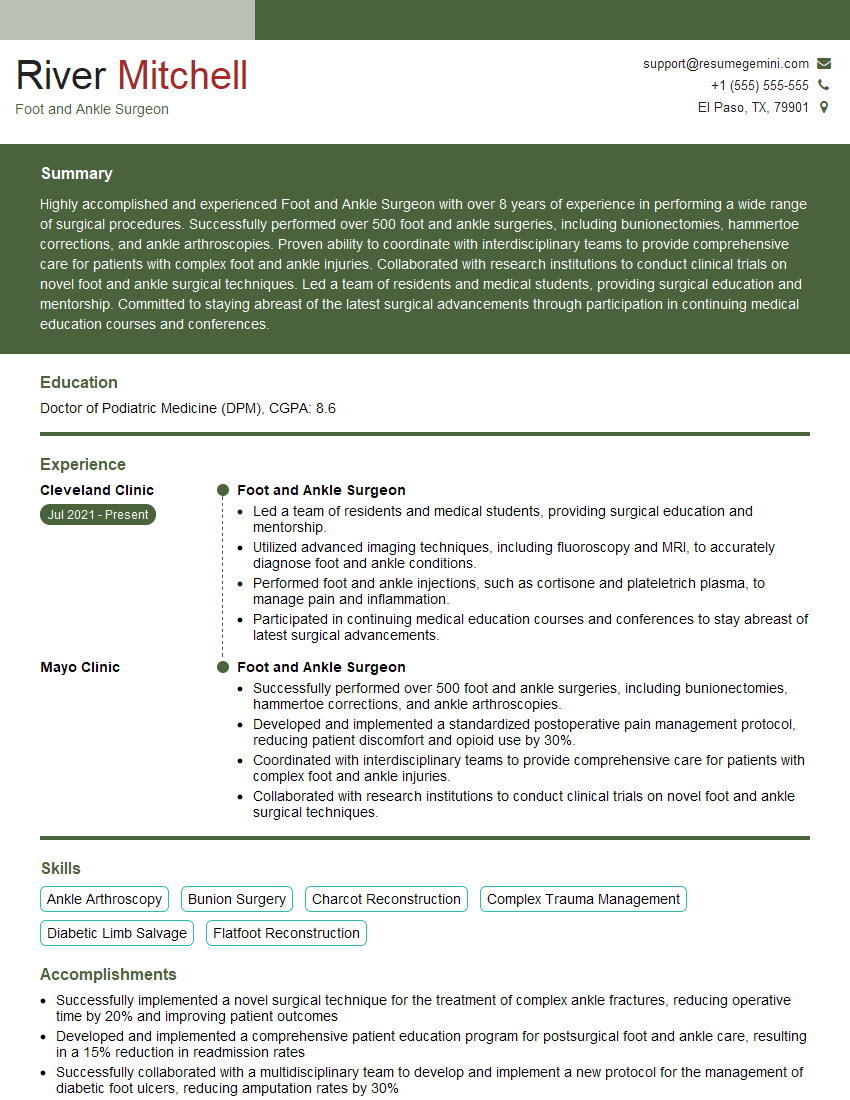
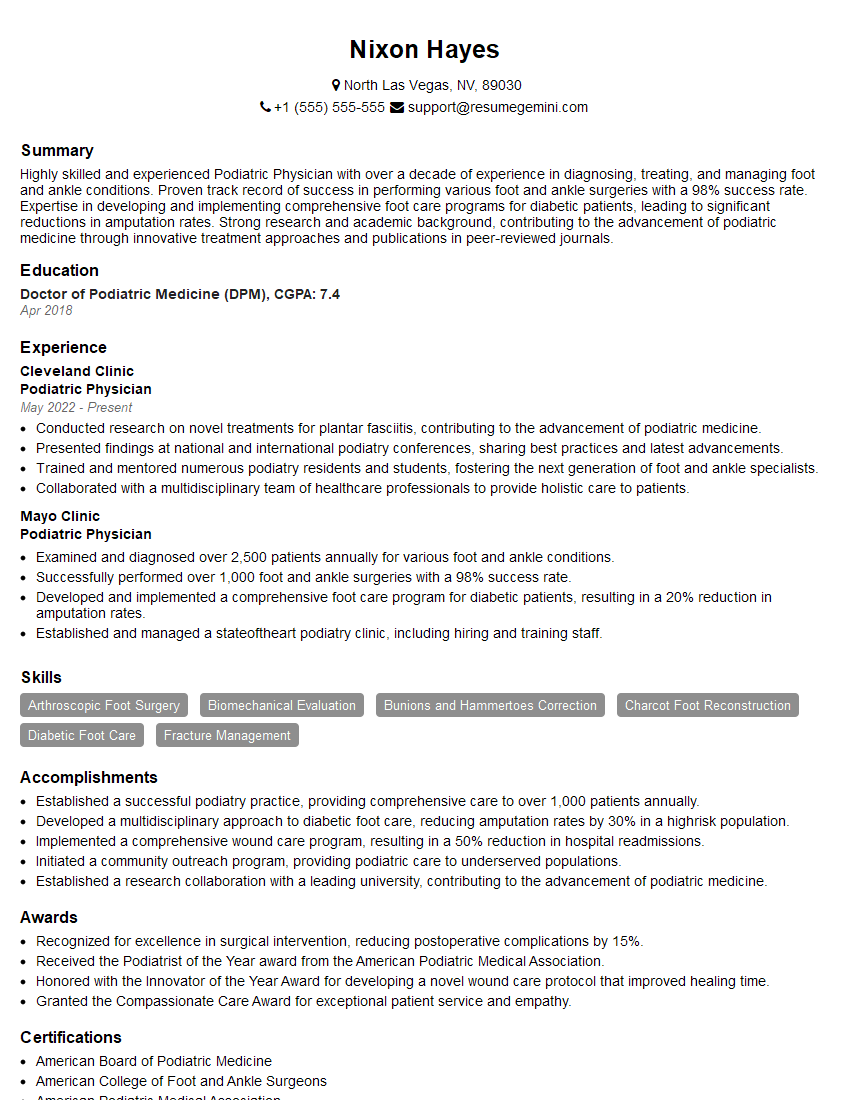
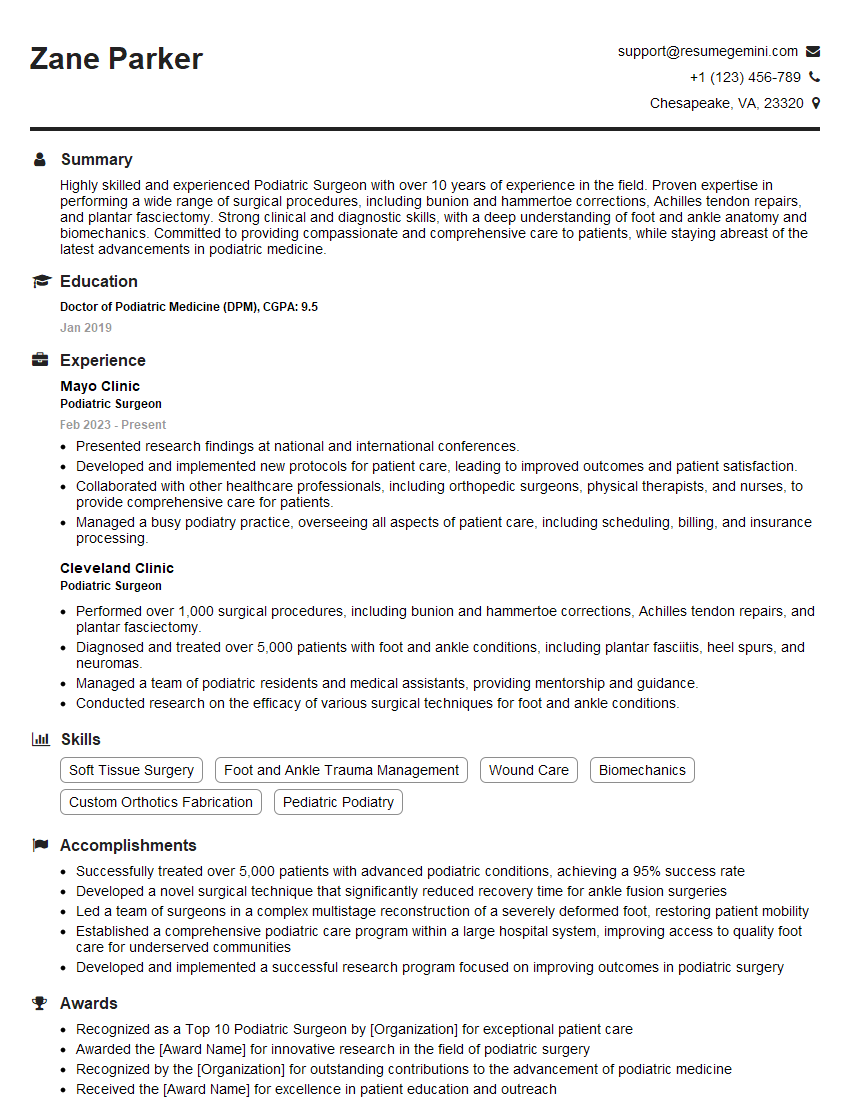
Mastering these key areas of Podiatry is crucial for career advancement and securing your dream position. A strong foundation in these topics will demonstrate your expertise and passion to potential employers. To significantly enhance your job prospects, create an ATS-friendly resume that showcases your skills and experience effectively. ResumeGemini is a trusted resource that can help you build a professional and impactful resume tailored to the specific requirements of Podiatry roles. Examples of resumes tailored to Podiatry are available to guide you through the process.
Explore more articles
Users Rating of Our Blogs
Share Your Experience
We value your feedback! Please rate our content and share your thoughts (optional).
What Readers Say About Our Blog
To the interviewgemini.com Webmaster.
Very helpful and content specific questions to help prepare me for my interview!
Thank you
To the interviewgemini.com Webmaster.
This was kind of a unique content I found around the specialized skills. Very helpful questions and good detailed answers.
Very Helpful blog, thank you Interviewgemini team.