The right preparation can turn an interview into an opportunity to showcase your expertise. This guide to Preoperative and Postoperative Care interview questions is your ultimate resource, providing key insights and tips to help you ace your responses and stand out as a top candidate.
Questions Asked in Preoperative and Postoperative Care Interview
Q 1. Describe the nursing process in the preoperative setting.
The nursing process in the preoperative setting, like all nursing care, follows a systematic approach: Assessment, Diagnosis, Planning, Implementation, and Evaluation (ADPIE).
- Assessment: This involves a thorough collection of data about the patient’s physical and psychological status, including medical history, allergies, medications, and any existing conditions. We also assess the surgical site, obtaining vital signs, and performing a focused physical exam relevant to the procedure. For example, a patient undergoing abdominal surgery requires a thorough assessment of bowel sounds and abdominal tenderness. A patient undergoing cardiac surgery needs a detailed cardiovascular assessment.
- Diagnosis: Based on the assessment data, we identify nursing diagnoses relevant to the patient’s preoperative needs. These might include things like ‘risk for infection,’ ‘anxiety related to upcoming surgery,’ or ‘deficient knowledge regarding postoperative care.’
- Planning: This involves setting goals and developing interventions to address the identified nursing diagnoses. Goals are specific, measurable, attainable, relevant, and time-bound (SMART). For instance, a goal might be: ‘Patient will demonstrate understanding of pre-operative instructions by correctly answering all questions by the end of the education session.’
- Implementation: This phase involves carrying out the planned interventions. This could include providing patient education, preparing the patient for surgery (e.g., skin preparation, bowel preparation), administering pre-operative medications, and ensuring informed consent is obtained.
- Evaluation: Finally, we assess the effectiveness of our interventions and make adjustments as needed. Did the patient understand the instructions? Did the interventions alleviate their anxiety? This is an ongoing process that continues postoperatively.
Q 2. Explain the importance of patient education in preoperative care.
Patient education is crucial in preoperative care because it empowers patients to actively participate in their care and reduces anxiety and complications. A well-informed patient is better prepared for the surgical experience and recovery.
- Reduces anxiety: Understanding the procedure, expected sensations, and recovery process can significantly reduce a patient’s preoperative anxiety. We aim to equip them with the knowledge to feel confident and in control.
- Improves adherence: Thorough instruction on pre-operative dietary restrictions, medications, and skin preparation ensures better adherence, minimizing the risk of complications and delays. For example, explaining the importance of bowel preparation and the discomfort it may cause allows patients to prepare mentally and emotionally.
- Enhances recovery: Education on postoperative pain management, mobility exercises, and wound care facilitates faster recovery and prevents complications. Knowing what to expect allows for quicker adaptation to the postoperative experience.
- Promotes realistic expectations: Patients often have unrealistic expectations about the surgery and recovery process. Education helps set realistic expectations, preventing disappointment and promoting a positive outlook. For example, explaining that pain is a normal part of recovery helps alleviate fears of something going wrong.
Q 3. How do you assess a patient’s readiness for surgery?
Assessing a patient’s readiness for surgery is a multifaceted process that considers physical, psychological, and emotional factors. It’s not just about the absence of contraindications; it’s about ensuring the patient is prepared to undergo the procedure and recover successfully.
- Physical assessment: This includes evaluating vital signs, cardiac and pulmonary function, and any existing medical conditions. We must ensure that any unstable conditions are addressed before surgery.
- Psychological assessment: This involves evaluating the patient’s anxiety levels, understanding of the procedure and its risks and benefits, and their overall emotional state. A patient with severe anxiety might benefit from pre-operative counseling.
- Laboratory and diagnostic tests: We review all relevant lab results such as blood counts, coagulation studies, and any imaging results. Any abnormalities need to be addressed before the surgery proceeds.
- Informed consent: This crucial step ensures the patient has a comprehensive understanding of the procedure, including its risks and benefits. We confirm the patient has given informed consent voluntarily and without coercion.
If any concerns exist regarding the patient’s readiness, the surgery might be postponed until these concerns are addressed. For example, if a patient is severely dehydrated, we would not proceed with surgery until their hydration status is improved.
Q 4. What are the common complications of anesthesia?
Anesthesia carries inherent risks, and complications can range from minor to life-threatening. The most common complications include:
- Hypotension: A drop in blood pressure, which can lead to organ damage if severe. Careful monitoring and prompt intervention are necessary.
- Hypertension: A rise in blood pressure, which can increase the risk of stroke or cardiac events.
- Nausea and vomiting: Common side effects, often managed with antiemetic medications.
- Respiratory depression: Slowed or shallow breathing, requiring supplemental oxygen or mechanical ventilation.
- Malignant hyperthermia: A rare but life-threatening condition characterized by a rapid rise in body temperature and muscle rigidity. Immediate treatment is critical. This is a genetic predisposition and patients with a family history are carefully screened.
- Allergic reactions: Reactions to anesthetic agents, ranging from mild skin rashes to life-threatening anaphylaxis.
- Postoperative cognitive dysfunction (POCD): Temporary or permanent impairment of cognitive function after surgery.
The severity and frequency of these complications are influenced by factors such as the type of surgery, the patient’s overall health, and the skill of the anesthesiologist. Proactive monitoring and prompt intervention are essential to minimize the risks.
Q 5. Describe your experience managing postoperative pain.
Managing postoperative pain is a cornerstone of effective postoperative care. My approach involves a multimodal strategy that combines pharmacological and non-pharmacological methods, always individualizing the plan to the patient’s needs and preferences.
- Analgesic medications: This might include opioids for severe pain, non-steroidal anti-inflammatory drugs (NSAIDs) to reduce inflammation, and adjuvant analgesics to enhance pain relief. The choice of medication depends on the type of surgery, the patient’s pain level, and potential contraindications.
- Non-pharmacological methods: These include strategies like repositioning, ice packs, heat therapy, and relaxation techniques. These are particularly valuable in minimizing the need for strong pain medications and reducing the potential for side effects.
- Patient education: I educate patients about pain management strategies and the importance of reporting their pain levels honestly. This empowers them to actively participate in their own pain management.
- Regular assessment: I regularly assess the patient’s pain level using a validated pain scale, such as the numerical rating scale (NRS) or visual analog scale (VAS). This allows me to adjust the pain management plan as needed. For example, if a patient reports that their pain is not adequately controlled, I’ll adjust the dosage or type of medication, or add a non-pharmacological method.
- Early mobilization: Early and appropriate ambulation has been shown to reduce pain, improve lung function, and prevent other postoperative complications.
One example from my practice involved a patient who underwent a major abdominal surgery and was very anxious about the pain. We developed a comprehensive pain management plan that included patient-controlled analgesia (PCA) with opioids, along with regular NSAIDs, ice packs, and relaxation exercises. The plan was very successful, and the patient experienced minimal pain and a rapid recovery.
Q 6. How do you monitor for postoperative bleeding?
Monitoring for postoperative bleeding is crucial as it can be life-threatening. My approach involves multiple strategies:
- Visual assessment: Regularly assess the surgical site for bleeding, noting the amount, color, and consistency of drainage. Significant bleeding should be reported immediately.
- Dressing assessment: Check the surgical dressings for saturation, noting the time of saturation and the amount of drainage. Excessive saturation suggests potential bleeding.
- Vital signs monitoring: Close monitoring of heart rate, blood pressure, and respiratory rate can indicate blood loss. A rapid heart rate and low blood pressure could signal significant hemorrhage.
- Hemoglobin and hematocrit levels: These lab values provide an objective measure of blood loss. Serial monitoring may be needed to track trends and detect any significant changes.
- Urine output: Decreased urine output can also indicate blood loss, as the kidneys require adequate blood volume to function effectively.
For example, if I notice excessive bleeding from a surgical drain, I will immediately notify the surgeon and initiate measures to control the bleeding. This might include applying pressure to the site or preparing for a blood transfusion.
Q 7. What are the signs and symptoms of postoperative infection?
Postoperative infection is a serious complication that can prolong recovery and increase morbidity. The signs and symptoms can be subtle initially, so vigilant monitoring is crucial.
- Fever: An elevated body temperature is a common sign of infection, often accompanied by chills and rigors.
- Increased white blood cell count (WBC): Elevated WBC count is an indicator of the body’s immune response to infection.
- Wound infection: This manifests as increased pain, redness, swelling, heat, and purulent drainage at the surgical site. The wound may also be opened, revealing signs of infection.
- Elevated C-reactive protein (CRP): CRP is a marker of inflammation, often elevated in the presence of infection.
- Malaise: The patient may experience generalized weakness, fatigue, and malaise.
- Changes in vital signs: Changes in heart rate, respiratory rate, and blood pressure, potentially indicating sepsis.
If I suspect a postoperative infection, I would immediately notify the physician, collect appropriate cultures, and initiate antibiotic therapy as ordered. Close monitoring of the patient’s condition is critical to prevent sepsis, a potentially life-threatening complication.
Q 8. Explain the importance of deep breathing and coughing exercises post-surgery.
Deep breathing and coughing exercises are crucial post-surgery to prevent respiratory complications like atelectasis (lung collapse) and pneumonia. Surgery, especially abdominal or thoracic procedures, can weaken the respiratory muscles and reduce lung expansion, leading to mucus buildup. These exercises help counteract these effects.
How it works: Deep breathing expands the alveoli (tiny air sacs in the lungs), promoting oxygen exchange and preventing mucus pooling. Coughing helps clear secretions from the airways. We typically teach patients the proper techniques – slow, deep breaths followed by a forceful cough, often performed while splinting their incision site for pain management. This splinting involves holding a pillow firmly against the incision to minimize discomfort during the cough.
Example: I recently had a patient who underwent a major abdominal surgery. She was initially hesitant to cough due to pain. However, after demonstrating the proper splinting technique and explaining the importance of preventing pneumonia, she actively participated in the breathing and coughing exercises. This significantly reduced her risk of post-operative respiratory issues.
Q 9. How do you prevent deep vein thrombosis (DVT) in postoperative patients?
Preventing deep vein thrombosis (DVT), a serious blood clot in a deep vein, is a top priority post-surgery. Immobility during and after surgery increases the risk. Our approach is multi-faceted.
- Early ambulation: Encouraging patients to get out of bed and walk as soon as their condition allows is key. Even short walks several times a day significantly reduce the risk.
- Compression stockings: These help improve blood flow in the legs, reducing the chance of clots forming. We carefully measure patients to ensure proper fit.
- Prophylactic medication: Patients at high risk, such as those with a history of DVT or undergoing major surgery, may receive blood thinners (e.g., heparin or low-molecular-weight heparin) to prevent clot formation. This decision is made on a case-by-case basis by the medical team, considering the patient’s medical history and overall condition.
- Hydration: Adequate hydration helps maintain blood flow and reduces the viscosity of blood, making clots less likely to form.
Example: A patient post-hip replacement received compression stockings and prophylactic heparin, and was encouraged to ambulate within 24 hours. This proactive approach significantly lowered their DVT risk.
Q 10. Describe your experience with wound care in the postoperative setting.
Wound care is essential to prevent infection and promote healing. My experience encompasses various aspects, including:
- Assessment: I assess the wound for signs of infection (redness, swelling, pain, purulent drainage), ensuring the dressing is clean and intact. I meticulously document wound characteristics, including size, appearance, and drainage.
- Dressing changes: I perform sterile dressing changes, using appropriate techniques to prevent contamination. The type of dressing used depends on the wound type and its stage of healing (e.g., gauze, foam, hydrocolloid).
- Pain management: Wound care can be painful. I administer analgesics as needed and provide comfort measures, like warm compresses, before dressing changes.
- Patient education: I educate patients about wound care, including signs of infection and how to care for the wound at home. I provide clear, step-by-step instructions and answer any questions.
Example: I recently managed a patient with a complex abdominal wound that developed a small area of infection. I promptly notified the surgeon, initiated antibiotic treatment, and performed meticulous wound care, leading to a successful resolution of the infection.
Q 11. How do you assess a patient’s respiratory status post-surgery?
Assessing respiratory status post-surgery involves a comprehensive approach:
- Observation: I visually observe the patient’s respiratory rate, rhythm, and effort. Rapid, shallow breathing or labored breathing is a sign of distress.
- Auscultation: Using a stethoscope, I listen to the lungs for abnormal breath sounds like crackles (indicating fluid in the lungs) or wheezes (indicating airway narrowing).
- Oxygen saturation: I monitor oxygen saturation (SpO2) using pulse oximetry. A low SpO2 indicates inadequate oxygen levels.
- Arterial blood gases (ABGs): In cases of severe respiratory compromise, ABGs are analyzed to determine the levels of oxygen and carbon dioxide in the blood.
Example: A patient post-thoracic surgery had decreased breath sounds on one side and low SpO2. Further assessment, including chest X-ray, revealed atelectasis. We initiated respiratory therapy, including incentive spirometry and supplemental oxygen, to improve their respiratory status.
Q 12. What are the common causes of postoperative nausea and vomiting (PONV)?
Postoperative nausea and vomiting (PONV) is a common and distressing complication. Several factors contribute:
- Anesthesia: Certain anesthetic agents are more likely to cause PONV.
- Surgical factors: The type of surgery, its duration, and the extent of surgical manipulation can influence PONV.
- Patient factors: Patients with a history of motion sickness, migraine, or PONV are at increased risk.
- Female gender: Women tend to experience PONV more often than men.
- Opioid use: Opioids for pain management contribute to PONV.
Example: I have noticed that patients undergoing laparoscopic procedures, especially those involving the abdominal cavity, are more prone to PONV compared to patients undergoing other types of surgeries.
Q 13. How do you manage PONV?
Managing PONV involves a multi-modal approach:
- Prophylactic antiemetics: Administering antiemetic medications before surgery can prevent PONV in many patients.
- Symptomatic treatment: If PONV develops, we use antiemetic medications like ondansetron, promethazine, or metoclopramide to alleviate symptoms.
- Non-pharmacological interventions: These include clear liquid diet, small frequent meals, and avoiding strong odors.
- Hydration: Maintaining hydration is crucial as vomiting can lead to dehydration.
Example: A patient who had a history of PONV received prophylactic ondansetron before her surgery, and she experienced minimal nausea or vomiting post-operatively.
Q 14. Describe your experience with patient discharge planning in the postoperative setting.
Discharge planning is a crucial part of postoperative care. It begins early in the patient’s hospital stay and involves a collaborative effort among the medical team, the patient, and their family.
- Assessment: I assess the patient’s physical and cognitive abilities, their home environment, and their support system. This determines their readiness for discharge.
- Education: I provide detailed education on wound care, medication management, pain control, activity restrictions, and potential complications. I ensure the patient understands and can safely manage their care at home.
- Referral: I arrange for home health services, physical therapy, or other needed support services as appropriate.
- Medication reconciliation: I review the patient’s medication list to ensure smooth transition from hospital to home. Any necessary prescriptions are ordered before discharge.
- Follow-up appointment: I schedule a follow-up appointment with the surgeon or appropriate specialist to monitor healing and address any concerns.
Example: For a patient undergoing knee replacement, discharge planning involved arranging home health services for wound care and physical therapy, educating the patient on using assistive devices like a walker, and providing detailed medication instructions, which resulted in a smooth transition home and good recovery.
Q 15. Explain the use of incentive spirometry in postoperative patients.
Incentive spirometry is a crucial part of postoperative care, particularly for patients who have undergone thoracic or abdominal surgery. It’s a simple breathing exercise that helps prevent atelectasis (collapse of lung tissue) and pneumonia, both common postoperative complications. The device encourages deep, slow breaths, expanding the lungs and helping to clear secretions.
How it works: The patient inhales deeply through a mouthpiece, causing a ball or piston to rise to a specific level. They hold their breath for a few seconds, then slowly exhale. This process is repeated multiple times per hour, as prescribed by the physician or respiratory therapist.
Practical Application: I often instruct patients on proper incentive spirometry technique before surgery, so they are prepared. Postoperatively, I regularly assess their ability to use the device correctly and monitor their breathing patterns. If their lung sounds indicate atelectasis or reduced lung expansion, I’ll increase the frequency of incentive spirometry sessions and encourage them to cough and deep breathe regularly.
Example: I recently cared for a patient post-thoracotomy. She struggled initially with the incentive spirometry because of incisional pain. We addressed this by providing adequate pain medication, offering her a comfortable position, and providing positive reinforcement. Her lung function improved significantly within a few days, thanks largely to the consistent use of the incentive spirometer.
Career Expert Tips:
- Ace those interviews! Prepare effectively by reviewing the Top 50 Most Common Interview Questions on ResumeGemini.
- Navigate your job search with confidence! Explore a wide range of Career Tips on ResumeGemini. Learn about common challenges and recommendations to overcome them.
- Craft the perfect resume! Master the Art of Resume Writing with ResumeGemini’s guide. Showcase your unique qualifications and achievements effectively.
- Don’t miss out on holiday savings! Build your dream resume with ResumeGemini’s ATS optimized templates.
Q 16. How do you identify and respond to a postoperative allergic reaction?
Postoperative allergic reactions can range from mild to life-threatening. Early recognition and prompt action are critical. Common signs include hives (urticaria), itching (pruritus), swelling (angioedema), especially around the face and throat, shortness of breath (dyspnea), wheezing, hypotension, and tachycardia. The culprit could be medication, suture material, or even latex.
Responding to an Allergic Reaction:
- Assess the patient immediately: Note vital signs (heart rate, blood pressure, respiratory rate, oxygen saturation), and assess the severity of symptoms.
- Initiate emergency measures: This involves administering oxygen, maintaining airway patency, starting IV fluids, and administering medications as ordered by the physician. Epinephrine is the first-line treatment for anaphylaxis.
- Monitor the patient closely: Continuously assess vital signs, respiratory status, and level of consciousness. Cardiac monitoring is usually indicated.
- Notify the physician immediately: Detailed documentation of the event, including the onset of symptoms, interventions taken, and the patient’s response, is essential.
Example: I once cared for a patient who experienced anaphylaxis after receiving a dose of penicillin. We immediately administered epinephrine, oxygen, and IV fluids. She was transferred to the ICU for close monitoring. The rapid response prevented a potentially fatal outcome.
Q 17. What are the signs and symptoms of hypovolemic shock?
Hypovolemic shock is a life-threatening condition caused by a significant loss of blood volume. This reduction in circulating blood volume leads to decreased tissue perfusion and oxygen delivery, threatening organ function. Signs and symptoms include:
- Hypotension: Low blood pressure (systolic pressure often below 90 mmHg)
- Tachycardia: Rapid heart rate
- Tachypnea: Rapid breathing
- Cool, clammy skin: Due to peripheral vasoconstriction
- Weakness and dizziness: Due to reduced cerebral blood flow
- Oliguria: Decreased urine output
- Altered mental status: Ranging from confusion to unconsciousness
Severe cases: may also exhibit signs of metabolic acidosis.
Example: A patient who experienced significant blood loss during a major abdominal surgery exhibited many of these signs. Our immediate response involved administering intravenous fluids, blood transfusions, and monitoring vital signs closely. Early intervention is vital to prevent irreversible organ damage.
Q 18. Describe your experience with managing urinary retention post-surgery.
Postoperative urinary retention is a common problem, especially after abdominal or pelvic surgery. It’s caused by factors such as pain medication, anesthesia, inflammation, or direct trauma to the bladder. Early identification and management are essential to prevent complications like bladder distension and urinary tract infections.
Management: My approach involves:
- Assessing bladder distension: Palpating the bladder above the pubic symphysis to detect enlargement.
- Monitoring urine output: Closely observing the volume and frequency of urination.
- Initiating bladder scanning: Using a noninvasive ultrasound device to measure the residual urine volume.
- Considering catheterization: If significant urinary retention is present (typically >300 mL of residual urine), intermittent or indwelling catheterization may be necessary. This procedure needs to follow strict sterile techniques.
- Pain management: Addressing pain that may interfere with urination.
- Medication review: Evaluating whether medications contributing to urinary retention can be adjusted or stopped.
Example: I recently cared for a patient who was unable to void after an abdominal hysterectomy. Bladder scanning revealed 600 mL of residual urine. After obtaining a physician’s order, I performed intermittent catheterization, relieving the distension and allowing the patient to resume normal voiding.
Q 19. How do you assess for bowel sounds post-surgery?
Assessing bowel sounds is a key component of postoperative assessment, especially after abdominal surgery. It indicates the return of gastrointestinal motility, a crucial sign of recovery.
Assessment Technique: I use a stethoscope, placing the diaphragm lightly on the four quadrants of the abdomen (right upper, right lower, left upper, left lower). I listen for at least one minute per quadrant.
Findings:
- Normal bowel sounds: High-pitched gurgles or clicks at a frequency of 5-35 per minute.
- Hypoactive bowel sounds: Fewer than 5 sounds per minute, indicating slowed motility. This can be due to anesthesia, inflammation, or manipulation of the bowels during surgery.
- Hyperactive bowel sounds: More than 35 sounds per minute, indicating increased motility. This may be associated with early stages of bowel obstruction or diarrhea.
- Absent bowel sounds: No bowel sounds heard for 5 minutes or more per quadrant, indicating complete cessation of bowel motility. This is a serious sign that requires immediate attention and medical intervention.
Example: A patient post-appendectomy had hypoactive bowel sounds on postoperative day 1, which is expected. We encouraged ambulation, provided clear liquids, and continued monitoring. The return of normal bowel sounds indicated improved gastrointestinal function.
Q 20. What are the common complications associated with specific surgical procedures (e.g., abdominal surgery, cardiac surgery)?
Complications associated with surgical procedures vary greatly depending on the type of surgery, the patient’s overall health, and other factors.
Abdominal Surgery: Common complications include:
- Infection: Wound infections, surgical site infections (SSIs), peritonitis
- Hemorrhage: Bleeding, often requiring transfusion
- Ileus: Paralytic ileus (intestinal paralysis), leading to abdominal distension and vomiting
- Wound dehiscence: Opening of the surgical wound
- Fistula formation: Abnormal connection between organs or between an organ and the skin
Cardiac Surgery: Potential complications include:
- Arrhythmias: Abnormal heart rhythms
- Heart failure: The heart’s inability to pump enough blood
- Stroke: Damage to the brain due to reduced blood flow
- Kidney failure: Reduced kidney function
- Infection: Endocarditis (infection of the heart valves), mediastinitis (infection of the chest cavity)
Note: This is not an exhaustive list, and the likelihood of complications varies considerably. Careful preoperative assessment, meticulous surgical technique, and vigilant postoperative care are crucial in minimizing these risks.
Q 21. Explain the importance of maintaining proper surgical asepsis.
Maintaining surgical asepsis is paramount in preventing surgical site infections (SSIs) and other complications. Surgical asepsis means the complete elimination of all microorganisms from a specific area. This is achieved through strict adherence to protocols and techniques.
Importance: Preventing SSIs is critical because they prolong hospital stays, increase healthcare costs, and can cause significant morbidity and mortality. Maintaining a sterile field prevents the introduction of pathogens into the surgical wound, significantly reducing the risk of infection.
Methods:
- Proper hand hygiene: Thorough hand washing or use of alcohol-based hand rub.
- Sterile attire: Wearing sterile gowns, gloves, masks, and caps.
- Sterile drapes: Covering the surgical site to create a sterile field.
- Sterile instruments: Using only sterile instruments and equipment.
- Maintaining a sterile field: Avoiding contamination of the sterile field through careful technique and monitoring.
Example: In the operating room, the surgical team strictly adheres to asepsis protocols. Any breach of sterility (e.g., a glove tear) necessitates immediate correction to maintain the integrity of the sterile environment.
Q 22. Describe your experience with various types of surgical drains.
My experience encompasses a wide range of surgical drains, each chosen based on the specific surgical procedure and the patient’s individual needs. I’m proficient in the management of Jackson-Pratt (JP) drains, which are closed-suction drains commonly used for collecting fluid from surgical sites. I’m also experienced with Penrose drains, open drains that passively drain fluid, often used in less complex procedures. I’ve worked extensively with Hemovac drains, another type of closed-suction drain that utilizes a reservoir to collect fluid. Beyond these common drains, I have familiarity with wound vacs (negative pressure wound therapy), which actively remove fluids and promote wound healing, and specialized drains used in specific surgeries, such as chest tubes for pleural fluid drainage. My experience includes not only the insertion and maintenance of these drains but also the careful monitoring of drainage output, identifying potential complications, and providing patient education on drain care to ensure optimal healing and prevent infection.
For example, in a case involving a major abdominal surgery, I carefully selected a Jackson-Pratt drain due to its effective fluid removal capacity and ease of monitoring. Post-operatively, I meticulously tracked the drainage volume, noting any changes in color or consistency, which can indicate potential complications such as infection or bleeding. I also provided the patient with clear instructions on proper drain care, emphasizing the importance of maintaining hygiene and promptly reporting any unusual findings.
Q 23. How do you document patient care in the perioperative setting?
Accurate and thorough documentation is paramount in the perioperative setting. My approach involves using a standardized system to ensure all critical information is captured, minimizing ambiguity and maximizing patient safety. This typically involves documenting the pre-operative assessment including vital signs, allergies, and medications, alongside intraoperative details such as the surgical procedure performed, estimated blood loss, fluids administered, and any complications encountered. Post-operative documentation includes the patient’s recovery status, pain management, drain output, and any post-operative orders. I adhere to strict guidelines for charting, utilizing concise and clear language, avoiding abbreviations that might be misinterpreted. All entries are dated and time-stamped accurately. Electronic health records (EHRs) play a key role in this process, streamlining documentation and providing easy access to patient data for the entire healthcare team.
For instance, when documenting a patient’s post-operative pain level, I’d utilize a standardized pain scale (e.g., 0-10 numeric rating scale) along with any interventions provided (e.g., analgesics, repositioning) and the patient’s response to those interventions. This ensures objective and easily interpretable data for the entire care team, enhancing continuity of care and facilitating communication.
Q 24. How do you handle medication errors in the perioperative setting?
Medication errors are a serious concern in the perioperative setting, and their prevention and management are top priorities. My approach involves meticulous attention to detail at every stage of medication administration: verifying medication orders against the patient’s chart, confirming the patient’s identity using two identifiers, and carefully checking the medication’s name, dosage, route, and time of administration. Any discrepancy or uncertainty is immediately reported and clarified with the physician or pharmacist. If an error does occur, I follow established protocols, reporting it immediately to the appropriate personnel and initiating the necessary corrective actions. This includes documenting the error completely and accurately, reviewing the steps leading to the error to determine root causes and implementing measures to prevent recurrence. Patient safety remains the paramount concern throughout this process.
For example, if a wrong dose of medication was inadvertently administered, I would immediately notify the physician, monitor the patient closely for any adverse effects, document the incident fully including the medication, dose, time of administration, and any observed reactions. Post-incident, I would participate in a root cause analysis meeting to identify how the mistake happened and propose preventive measures such as improved system checks or additional staff training.
Q 25. What is your experience with electronic health records (EHR) in the perioperative setting?
I have extensive experience utilizing electronic health records (EHRs) in the perioperative setting. I’m proficient in using various EHR systems to access patient information, document care, and communicate with the healthcare team. EHRs streamline the documentation process, reducing paperwork and improving accuracy. They also facilitate access to comprehensive patient data, enabling better decision-making and coordinated care. I regularly utilize EHRs to review pre-operative assessments, input intraoperative data, and chart post-operative progress, ensuring all relevant information is readily available to the surgical team and other healthcare providers involved in the patient’s care. Familiarity with different EHR interfaces allows me to adapt quickly and efficiently.
For instance, I routinely utilize the EHR system to access a patient’s complete medication list before surgery to avoid potential drug interactions or allergies. I also employ the EHR’s electronic order entry system to document my assessment findings, implement physician’s orders, and effectively communicate with the post-operative care team.
Q 26. Describe a time you had to deal with a difficult patient or family member in the perioperative setting.
In one instance, I encountered a patient who was understandably anxious and apprehensive before a significant surgical procedure. Their anxiety was heightened by concerns about the surgery’s success and potential complications. Instead of dismissing their feelings, I took the time to actively listen to their concerns and empathetically address them. I provided clear and concise explanations of the procedure, its risks, and potential benefits. I answered their questions patiently and honestly, ensuring they understood the plan of care. I collaborated with the surgical team to involve the patient’s family, providing them with accurate and reassuring information. Through patience, clear communication, and collaborative care, we were able to alleviate much of their anxiety and promote a more positive surgical experience. The outcome was a smoother pre-operative period and a more comfortable post-operative recovery.
Q 27. Describe a situation where you had to make a quick decision in the perioperative setting.
During a complex surgical procedure, the patient experienced a sudden drop in blood pressure. This required a rapid assessment and immediate intervention. I quickly initiated emergency measures, including notifying the surgical team, assisting with fluid resuscitation, and monitoring vital signs. My quick thinking and efficient actions helped to stabilize the patient’s condition until further treatment could be implemented. This experience highlighted the critical importance of rapid assessment, prompt action, and effective communication in emergency situations in the perioperative environment. It also reinforced the value of teamwork and the need for constant vigilance in ensuring patient safety.
Q 28. How do you prioritize tasks in a busy perioperative environment?
Prioritizing tasks in a busy perioperative environment requires a structured approach. I use a combination of urgency and importance to prioritize my workload. Tasks that are both urgent and important (e.g., responding to a patient experiencing acute distress) take precedence. Urgent but less important tasks (e.g., answering non-critical phone calls) might be delegated or delayed. Important but less urgent tasks (e.g., pre-operative patient education) are scheduled appropriately, and less urgent and less important tasks (e.g., some administrative duties) are addressed after more critical tasks. This approach, coupled with effective time management skills, ensures that patient care is optimized, and tasks are completed efficiently. I also frequently re-evaluate priorities throughout the day, accommodating any unexpected changes in the surgical schedule or patient needs.
For example, if a patient experiences sudden post-operative bleeding, that immediately becomes the highest priority, overriding other scheduled tasks. Through effective organization and the ability to adapt, I can manage a high-volume workload, while consistently providing excellent patient care.
Key Topics to Learn for Preoperative and Postoperative Care Interview
- Patient Assessment and Preparation: Understanding the pre-operative evaluation process, including medical history review, physical assessment, and identifying potential risks. Practical application: Demonstrate your ability to prioritize information and identify critical factors impacting surgical outcomes.
- Preoperative Nursing Interventions: Detailed knowledge of procedures like medication administration (including pre-operative anxiolytics), patient education, and ensuring informed consent. Practical application: Explain how you would manage a patient experiencing anxiety before surgery.
- Postoperative Monitoring and Assessment: Understanding vital sign interpretation, pain management techniques, and recognizing complications such as infection or bleeding. Practical application: Describe your approach to identifying and responding to early signs of postoperative complications.
- Wound Care and Management: Techniques for wound assessment, dressing changes, and managing different types of wounds. Practical application: Explain the appropriate wound care for a specific surgical incision type.
- Pain Management Strategies: Knowledge of various pain management modalities (pharmacological and non-pharmacological) and their appropriate application. Practical application: Discuss your approach to managing a patient with uncontrolled postoperative pain.
- Discharge Planning and Patient Education: Creating comprehensive discharge plans, providing thorough patient education, and ensuring a smooth transition to home or rehabilitation. Practical application: Detail the key components of effective discharge planning for a specific surgical procedure.
- Infection Control and Prevention: Implementing appropriate infection control protocols in both pre- and postoperative settings. Practical application: Describe your understanding of aseptic techniques and their role in preventing surgical site infections.
- Ethical and Legal Considerations: Understanding patient rights, informed consent, and potential legal implications related to perioperative care. Practical application: Discuss a scenario where ethical considerations impact your decision-making.
Next Steps
Mastering Preoperative and Postoperative Care is crucial for advancing your career in healthcare. It demonstrates a commitment to patient well-being and a comprehensive understanding of surgical procedures. To maximize your job prospects, building an ATS-friendly resume is essential. ResumeGemini is a trusted resource that can help you craft a professional resume that highlights your skills and experience effectively. ResumeGemini provides examples of resumes tailored specifically to Preoperative and Postoperative Care roles, ensuring your application stands out.
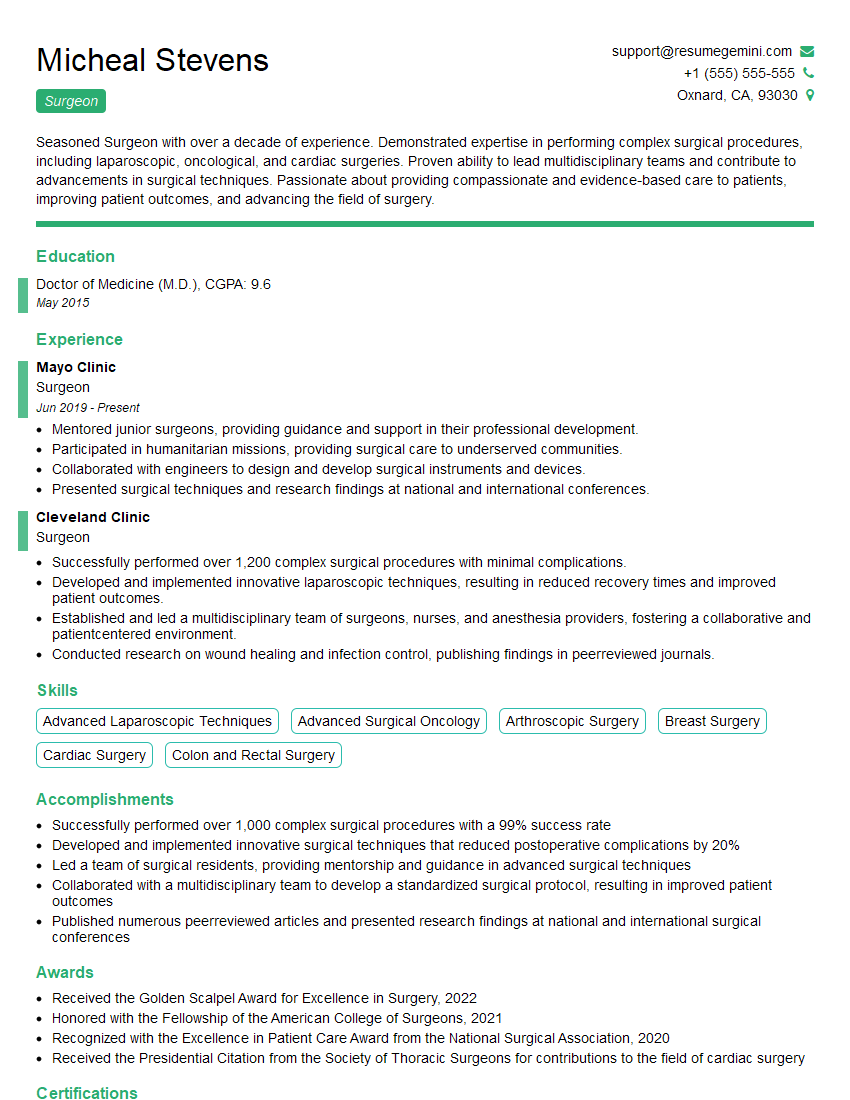
Surgeon Resume Sample
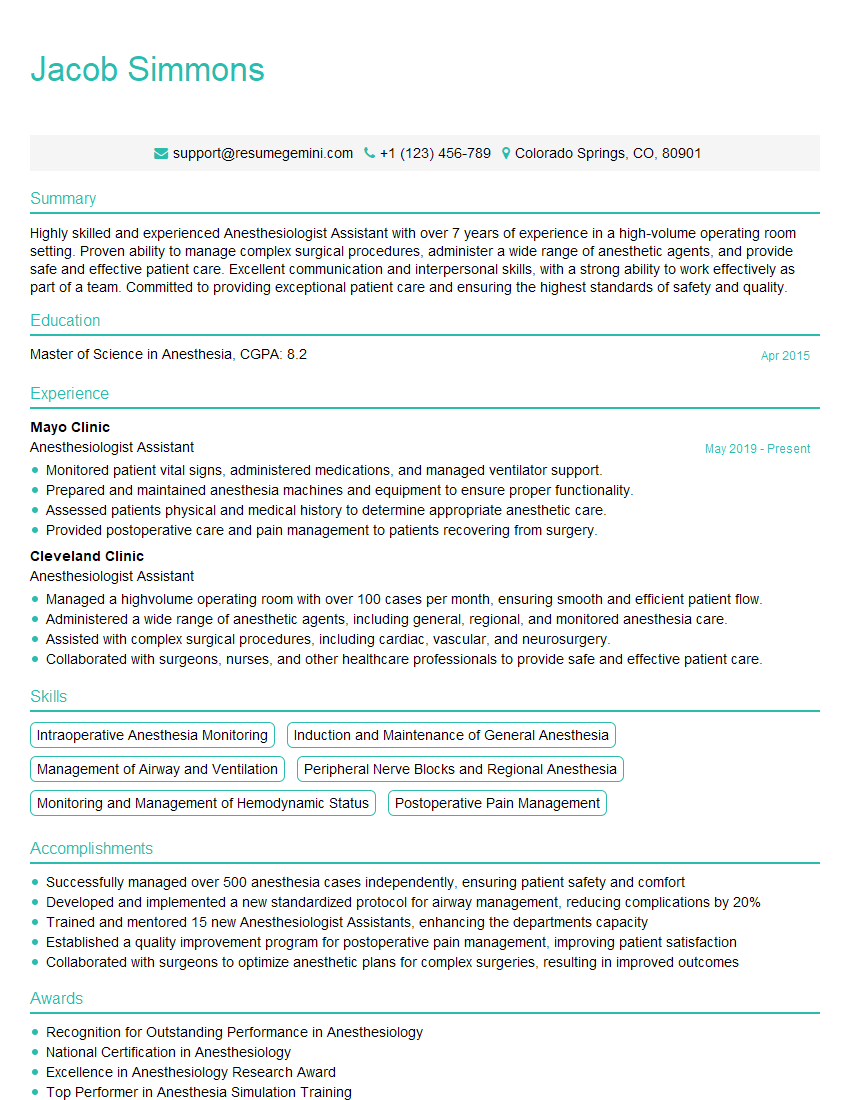
Anesthesiologist Assistant Resume Sample
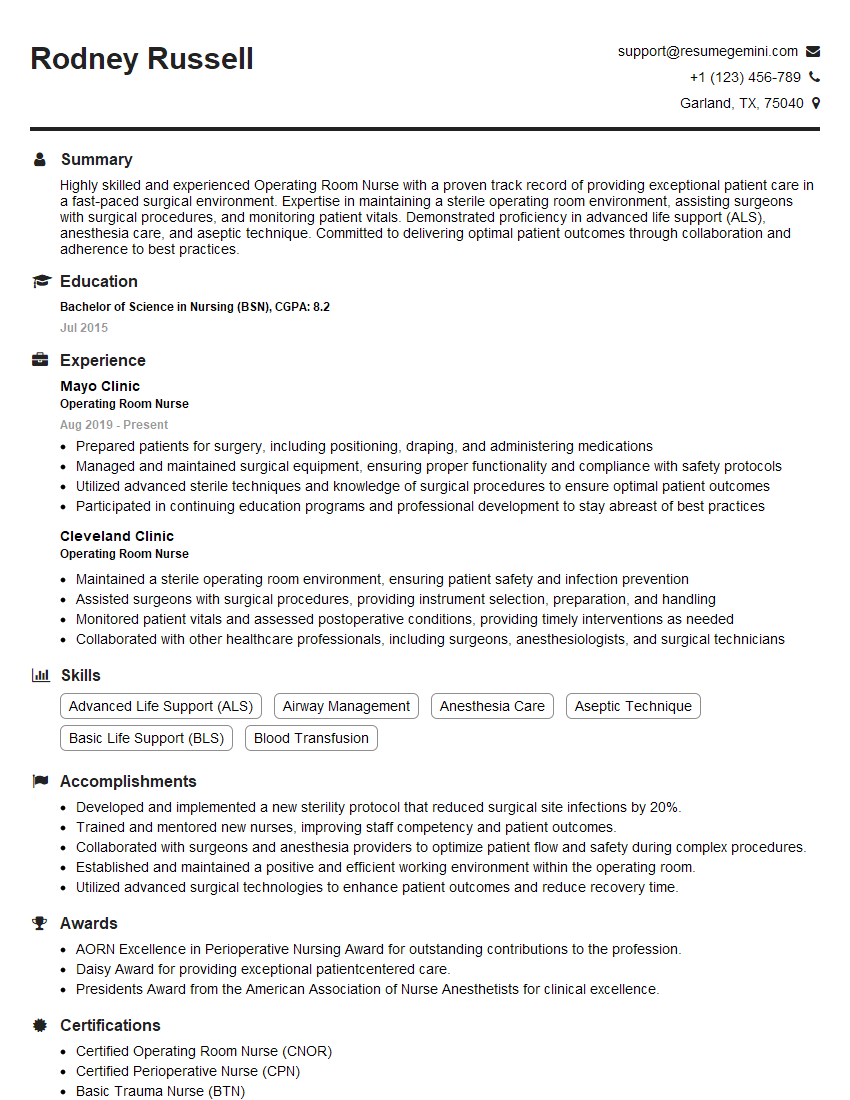
Operating Room Nurse Resume Sample
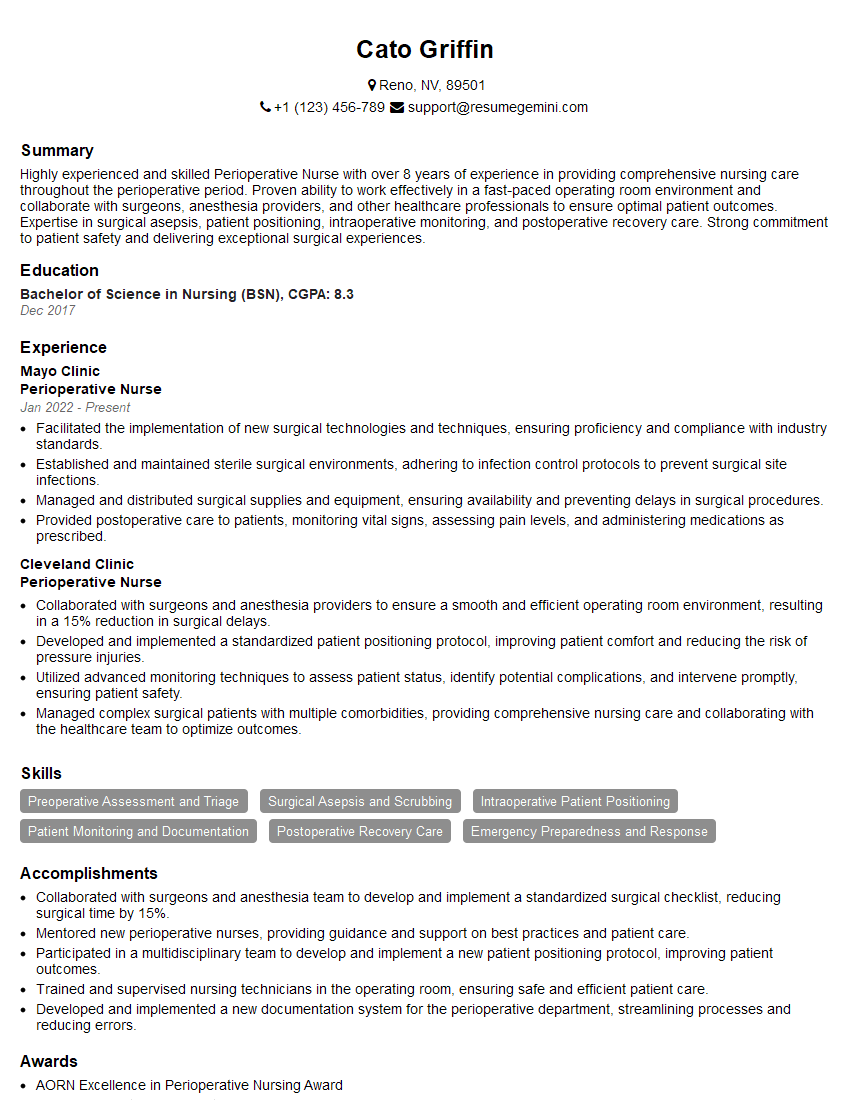
Perioperative Nurse Resume Sample
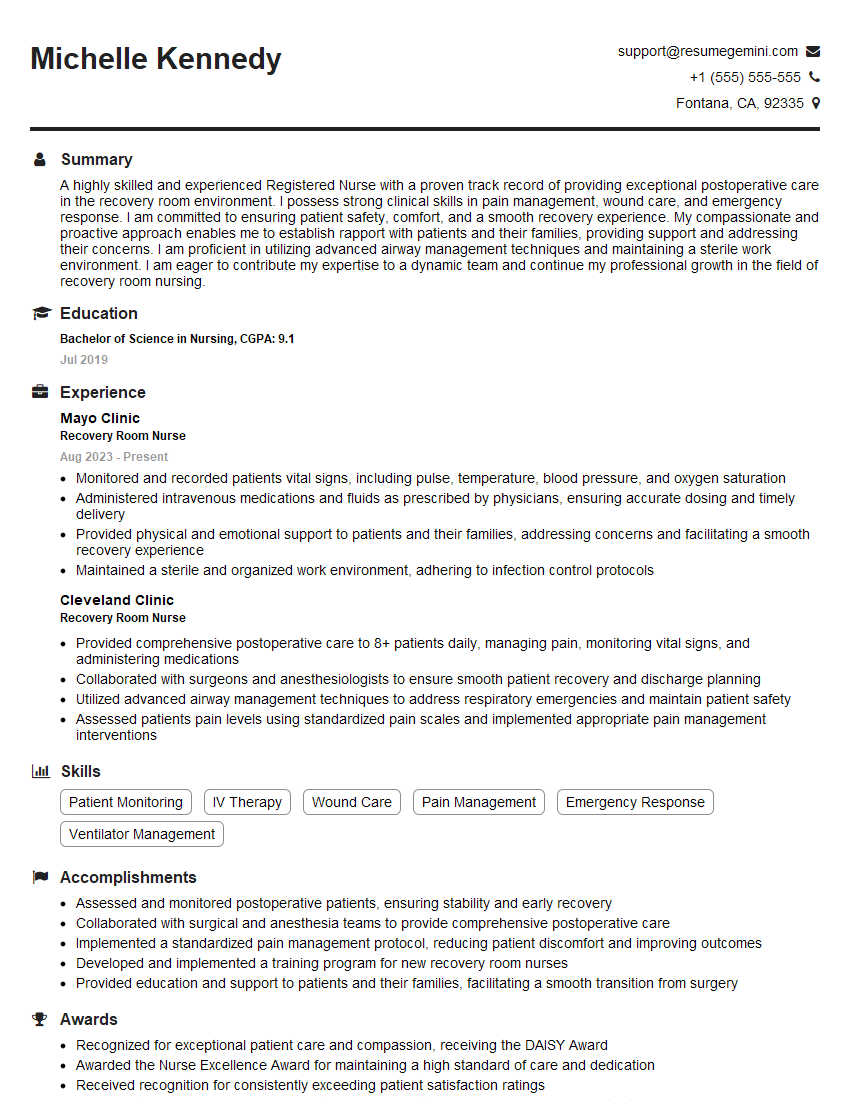
Recovery Room Nurse Resume Sample
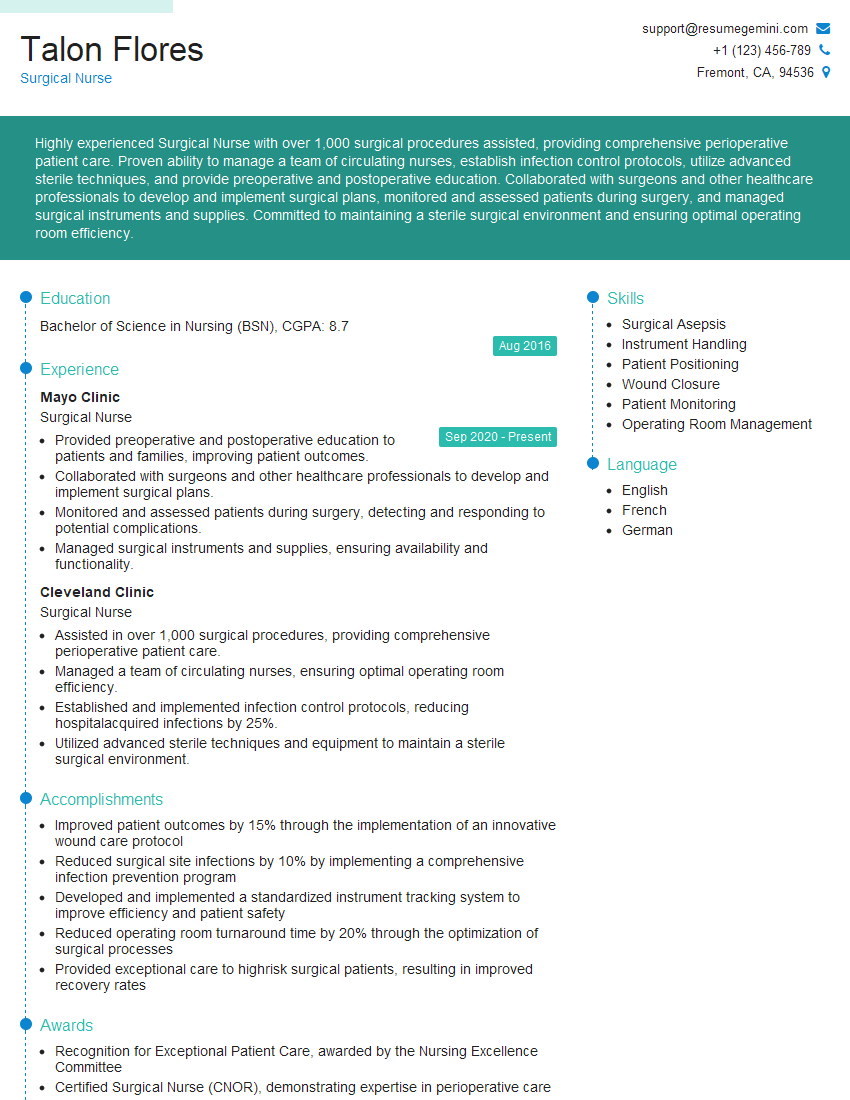
Surgical Nurse Resume Sample
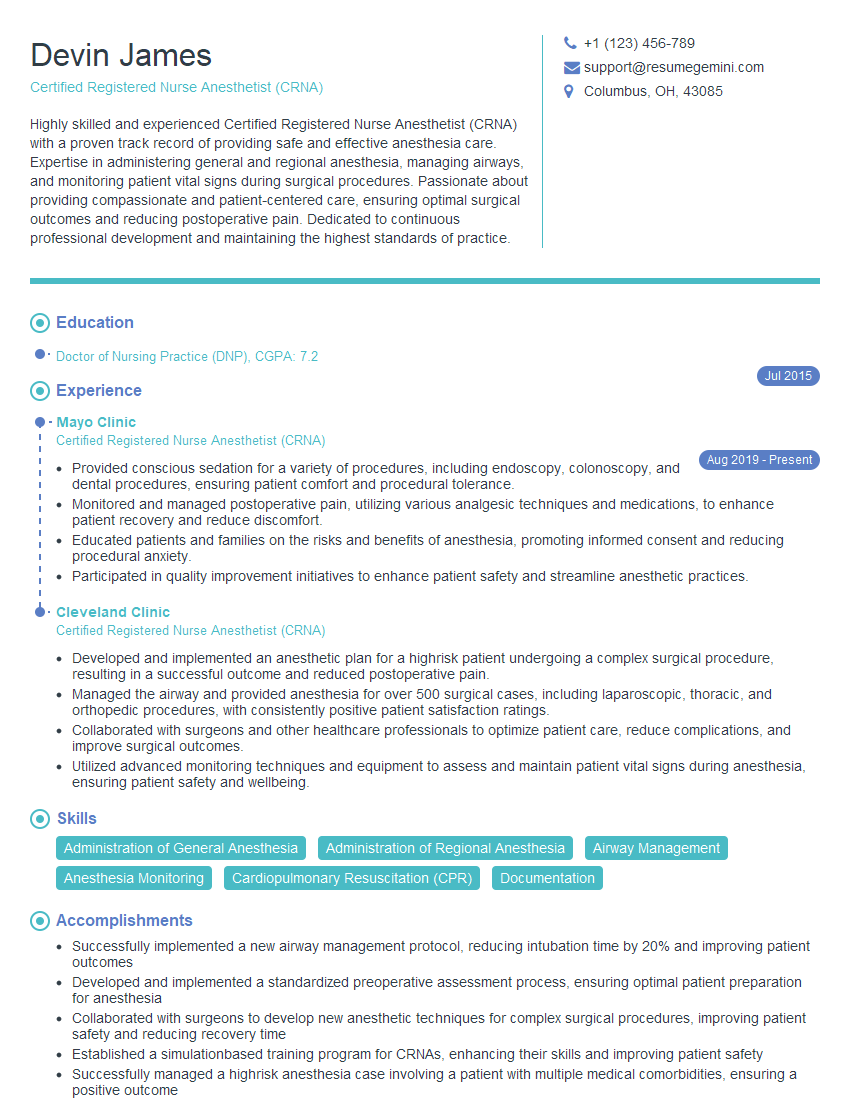
Certified Registered Nurse Anesthetist (CRNA) Resume Sample
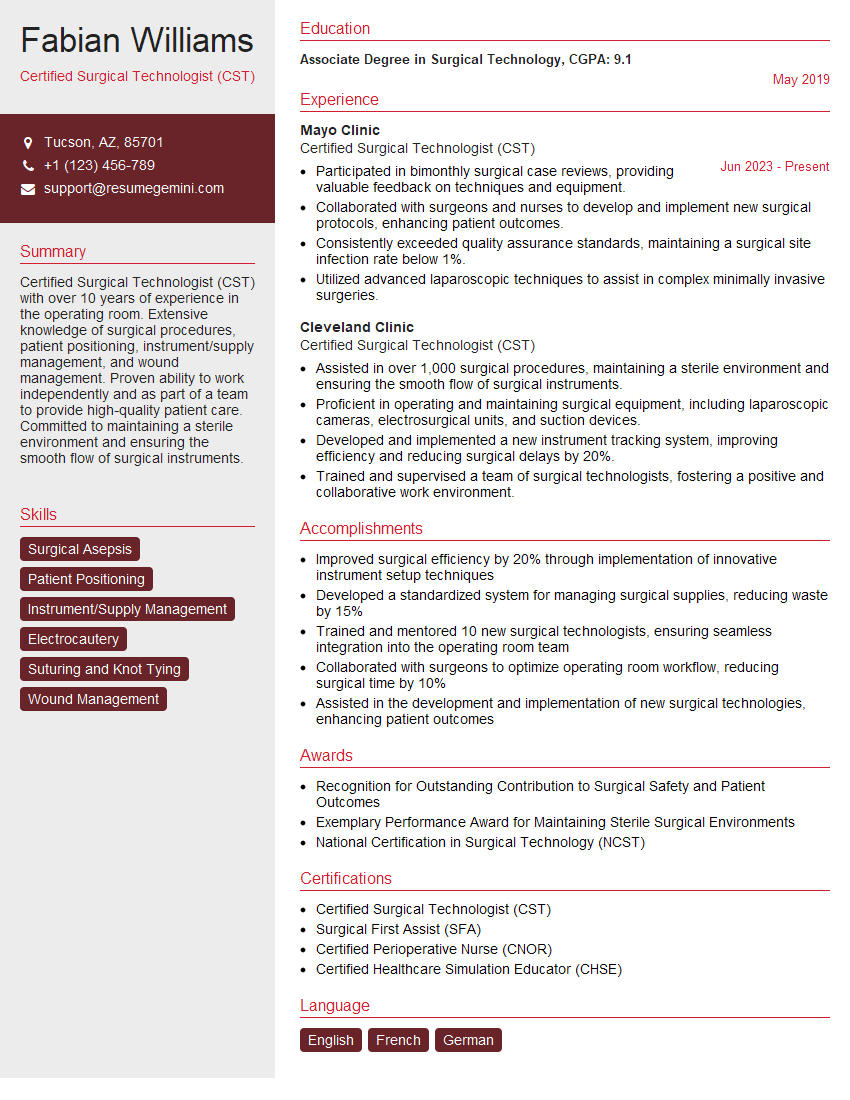
Certified Surgical Technologist (CST) Resume Sample
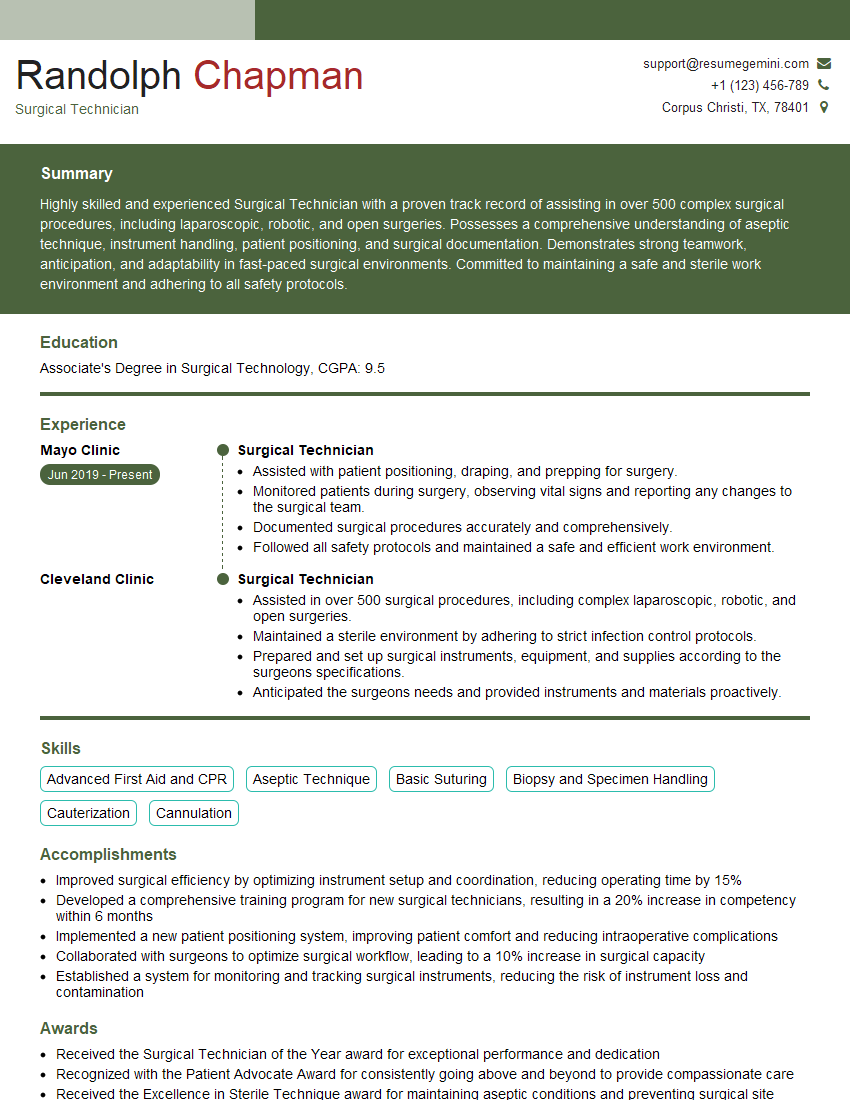
Surgical Technician Resume Sample
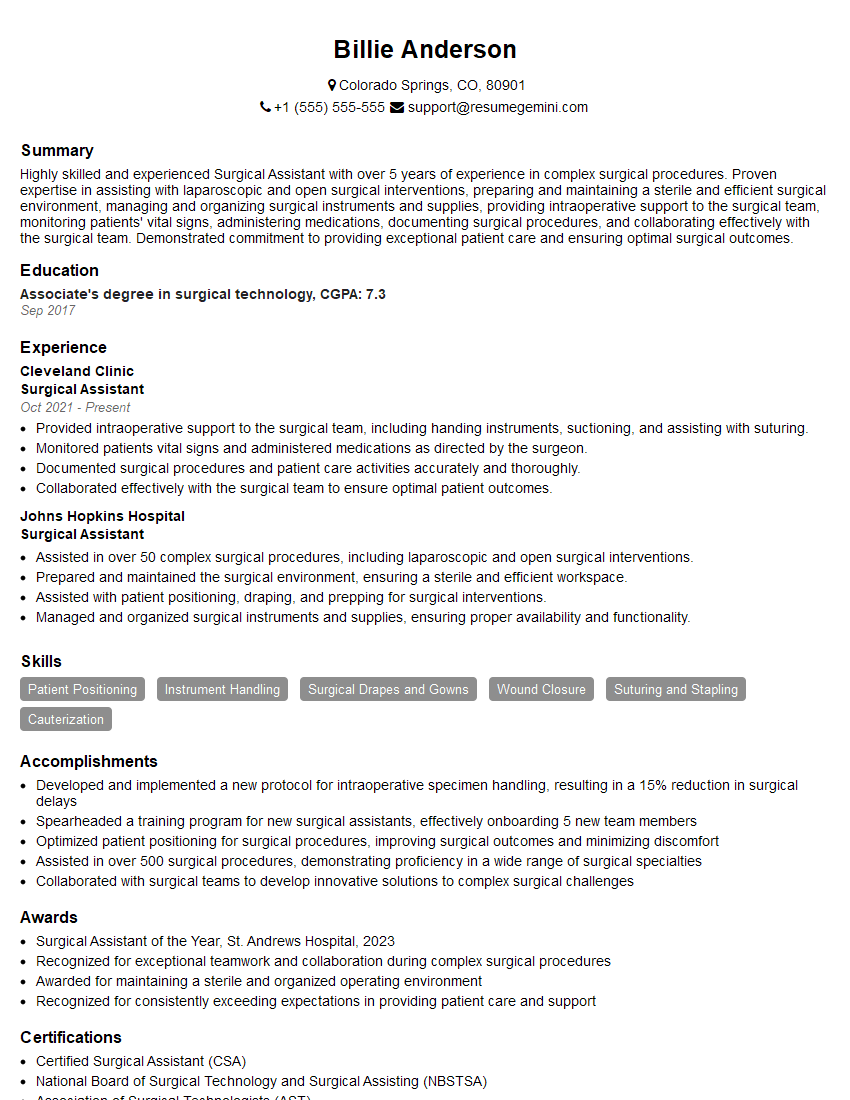
Surgical Assistant Resume Sample
Explore more articles
Users Rating of Our Blogs
Share Your Experience
We value your feedback! Please rate our content and share your thoughts (optional).
What Readers Say About Our Blog
To the interviewgemini.com Webmaster.
Very helpful and content specific questions to help prepare me for my interview!
Thank you
To the interviewgemini.com Webmaster.
This was kind of a unique content I found around the specialized skills. Very helpful questions and good detailed answers.
Very Helpful blog, thank you Interviewgemini team.