Are you ready to stand out in your next interview? Understanding and preparing for Defense and Security interview questions is a game-changer. In this blog, we’ve compiled key questions and expert advice to help you showcase your skills with confidence and precision. Let’s get started on your journey to acing the interview.
Questions Asked in Defense and Security Interview
Q 1. Explain the CIA triad (Confidentiality, Integrity, Availability) and its importance in cybersecurity.
The CIA triad – Confidentiality, Integrity, and Availability – forms the cornerstone of cybersecurity. Think of it as the three legs of a stool: if one is weak, the whole thing collapses. Confidentiality ensures that only authorized individuals or systems can access sensitive information. This is achieved through measures like encryption, access controls, and data loss prevention (DLP) tools. For example, encrypting military communications ensures only intended recipients can understand the message. Integrity guarantees the accuracy and completeness of data and prevents unauthorized modification. Hashing algorithms and digital signatures help maintain data integrity, ensuring a file hasn’t been tampered with. Think of a tamper-evident seal on a medicine bottle – if it’s broken, you know something’s wrong. Availability ensures that authorized users have timely and reliable access to information and resources when needed. Redundancy, failover systems, and disaster recovery plans all contribute to availability. Imagine a hospital’s patient records system – it must be available 24/7, even during power outages.
In a defense and security context, the CIA triad is paramount. Compromised confidentiality could lead to the exposure of sensitive military plans or intelligence. Breached integrity could lead to inaccurate targeting data or compromised weapon systems. Loss of availability could cripple command and control systems during critical operations. Therefore, maintaining the CIA triad is not just a best practice, but a fundamental requirement for national security.
Q 2. Describe your experience with vulnerability assessments and penetration testing.
Throughout my career, I’ve extensively utilized both automated vulnerability scanners and manual penetration testing methodologies. I’ve used tools like Nessus and OpenVAS for vulnerability assessments, identifying weaknesses in systems and networks. This involves scanning for known vulnerabilities (e.g., outdated software, misconfigured firewalls) and providing detailed reports to prioritize remediation efforts. For instance, I once identified a critical vulnerability in a client’s web application that allowed unauthorized access to sensitive personnel data. This was swiftly remediated after the report.
Penetration testing is where things get more hands-on. I’ve conducted both black-box (no prior knowledge of the system) and white-box (with full system knowledge) penetration tests. This involves actively attempting to exploit identified vulnerabilities to assess the actual impact and effectiveness of security controls. During a recent penetration test for a defense contractor, I successfully exploited a buffer overflow vulnerability in a custom-built application, gaining unauthorized access to the database. This highlighted the importance of secure coding practices and robust input validation.
My experience encompasses a broad spectrum of testing methodologies, including network penetration testing, web application penetration testing, and social engineering assessments. I’m proficient in crafting detailed reports that include vulnerability descriptions, exploit details, and remediation recommendations, prioritizing findings based on their severity and potential impact.
Q 3. What are the key differences between symmetric and asymmetric encryption?
The key difference between symmetric and asymmetric encryption lies in the number of keys used. Symmetric encryption uses the same key for both encryption and decryption. Think of it like a secret code shared between two parties. It’s fast and efficient, ideal for encrypting large amounts of data. However, securely sharing the key is a challenge; if intercepted, the entire system is compromised. Advanced Encryption Standard (AES) is a common example.
Asymmetric encryption, on the other hand, uses two separate keys: a public key for encryption and a private key for decryption. You can freely share your public key, while your private key remains secret. This solves the key distribution problem of symmetric encryption. It’s commonly used for secure communication and digital signatures. RSA is a well-known example. In a secure communication scenario, the sender uses the recipient’s public key to encrypt the message, while the recipient uses their private key to decrypt it.
In defense and security, both methods are crucial. Symmetric encryption is typically used for encrypting large datasets, while asymmetric encryption is used for key exchange and digital signatures, ensuring the integrity and authenticity of communications. Often, both methods are used together: asymmetric encryption to securely exchange a symmetric key, then symmetric encryption to efficiently encrypt the bulk data.
Q 4. How do you identify and mitigate security risks in cloud environments?
Identifying and mitigating security risks in cloud environments requires a multi-layered approach. Firstly, a thorough risk assessment is necessary. This should consider the specific cloud services being used (IaaS, PaaS, SaaS), the data being stored, and the potential threats. For example, a risk assessment might highlight vulnerabilities associated with improperly configured storage buckets or insufficient access controls.
Next, implementing robust access controls is critical. The principle of least privilege should be applied, granting users only the necessary access rights. Multi-factor authentication (MFA) should be mandated for all users, adding an extra layer of security. Regular security audits and penetration tests are essential to identify and address vulnerabilities.
Data encryption, both in transit and at rest, is crucial to protect sensitive data. Regular patching and updates are vital to address known vulnerabilities in the cloud infrastructure and applications. A robust incident response plan should be in place, detailing steps to take in case of a security breach. Furthermore, proper monitoring and logging are crucial for detecting suspicious activities. Lastly, compliance with relevant security standards and regulations is vital. For example, in the defense industry, adherence to specific government regulations regarding data handling and protection would be mandatory.
Q 5. Explain your understanding of threat modeling and its application in system design.
Threat modeling is a crucial process in system design that proactively identifies potential security threats and vulnerabilities. It involves systematically examining a system’s architecture, components, and data flows to identify potential attack vectors and their associated impacts. Think of it as a preemptive strike against potential security risks.
The process typically involves defining the system’s context, identifying potential threats and vulnerabilities, analyzing their likelihood and impact, and developing mitigation strategies. Popular threat modeling methodologies include STRIDE (Spoofing, Tampering, Repudiation, Information disclosure, Denial of service, Elevation of privilege) and PASTA (Process for Attack Simulation and Threat Analysis). I’ve used both extensively. For instance, in designing a secure communication system for a military operation, I used STRIDE to identify potential threats like denial-of-service attacks and developed mitigation strategies, such as implementing redundancy and robust network security measures.
The output of a threat model is a prioritized list of risks with associated mitigation strategies. This informs the design and development process, ensuring that security is built into the system from the outset, rather than being an afterthought. It significantly reduces the likelihood of vulnerabilities being exploited and enhances the overall security posture of the system.
Q 6. Describe your experience with incident response and handling security breaches.
My experience with incident response involves a structured and methodical approach. When a security breach occurs, the first step is containment. This involves isolating the affected systems to prevent further damage or data exfiltration. Next, eradication is critical, removing the threat and restoring the system’s integrity. This might involve removing malware, patching vulnerabilities, or resetting compromised accounts.
Recovery follows, bringing the affected systems back online and restoring data from backups. Finally, post-incident analysis is crucial to understand what happened, how it happened, and how to prevent similar incidents in the future. This includes forensic analysis, log review, and vulnerability assessments. During a significant incident involving a phishing attack that resulted in data breach, I led the response team, implementing these steps, and meticulously documented the entire process. The post-incident analysis highlighted the need for enhanced security awareness training and improved phishing detection measures.
This experience instilled in me the importance of having a well-defined incident response plan, regular security awareness training, and strong communication protocols to ensure a swift and effective response to any security breach.
Q 7. What are your experiences with different types of security audits and compliance frameworks (e.g., ISO 27001, NIST)?
I’ve been involved in various security audits and compliance frameworks, including ISO 27001 and NIST Cybersecurity Framework. ISO 27001 focuses on establishing, implementing, maintaining, and continually improving an information security management system (ISMS). My experience includes conducting internal audits, assessing the effectiveness of controls, and identifying gaps in compliance. This often involves reviewing policies, procedures, and technical controls, ensuring alignment with the standard. For instance, I helped a client achieve ISO 27001 certification by addressing identified gaps in their access control policies and implementing multi-factor authentication.
The NIST Cybersecurity Framework provides a voluntary framework for organizations to manage and reduce their cybersecurity risk. My work with NIST involves aligning organizational security practices with the framework’s five functions: Identify, Protect, Detect, Respond, and Recover. This includes assessing an organization’s current cybersecurity posture, developing strategies to improve it, and measuring the effectiveness of implemented controls. For example, I assisted a defense contractor in developing a robust incident response plan aligned with the NIST framework, enhancing their ability to manage and respond to cyber incidents effectively.
Beyond ISO 27001 and NIST, I’m familiar with other frameworks like PCI DSS and HIPAA, adapting my approach to suit the specific requirements of each standard. The core principle across all frameworks is to ensure that organizations have a comprehensive and effective security program in place.
Q 8. How familiar are you with different authentication and authorization protocols?
Authentication protocols verify the identity of a user, device, or other entity, while authorization protocols determine what that entity is permitted to access. I’m very familiar with a range of protocols, including:
- Kerberos: A network authentication protocol that uses tickets to provide strong authentication in a client-server environment. It’s often used in enterprise networks to secure access to resources within an Active Directory domain. For example, accessing a sensitive database would require Kerberos authentication to validate your identity before granting access.
- OAuth 2.0: An authorization framework that delegates access to protected resources. It’s widely used in web applications to allow users to grant third-party apps access to their data without sharing their credentials. Think of logging into a website using your Google account – that’s OAuth in action.
- OpenID Connect (OIDC): Builds upon OAuth 2.0 to provide identity verification and user information. It simplifies the process of authenticating users and obtaining their profile data, making it efficient and secure for single sign-on (SSO) across multiple applications. Many modern platforms utilize this for secure user logins.
- SAML (Security Assertion Markup Language): An XML-based standard for exchanging authentication and authorization data between security domains. It’s commonly used for federated identity management, allowing users to access resources across multiple organizations without separate logins for each. This is crucial for inter-agency or cross-organization collaboration within the defense sector.
- Multi-factor authentication (MFA): This isn’t a single protocol but a security method requiring multiple verification factors (something you know, something you have, something you are) to authenticate a user. MFA drastically improves security and protects against credential theft.
My experience encompasses implementing and troubleshooting these protocols in various high-security environments, including integrating them with existing infrastructure and addressing interoperability challenges.
Q 9. What are your skills in using SIEM (Security Information and Event Management) tools?
My SIEM tool experience is extensive, encompassing the deployment, configuration, and management of several leading solutions like Splunk, QRadar, and ELK stack (Elasticsearch, Logstash, Kibana). I’m proficient in:
- Log collection and aggregation: I’ve configured agents and collectors to gather logs from various sources – servers, network devices, applications – to centralize security data.
- Alerting and monitoring: I’ve developed custom alerts based on specific security events and thresholds, and I’m adept at analyzing alerts to identify and respond to potential security incidents. For example, I can set up alerts for unusual login attempts or suspicious data exfiltration attempts.
- Threat hunting and incident response: I utilize SIEM tools to actively search for malicious activity and to conduct forensic investigations following security incidents. This includes using correlation rules to identify patterns indicative of a breach.
- Reporting and compliance: I can generate reports to demonstrate compliance with various security standards and regulations, and to provide insights into the organization’s security posture. These reports often help in auditing processes and identifying weaknesses.
In a recent project, I used Splunk to detect and respond to a sophisticated phishing campaign. By correlating log data from email servers, web proxies, and endpoint devices, I was able to identify the source of the attack, contain the breach, and prevent further compromise.
Q 10. Describe your understanding of network security protocols (e.g., TCP/IP, UDP, HTTPS).
Network security protocols are the foundation of secure communication. Let’s look at the core protocols:
- TCP/IP (Transmission Control Protocol/Internet Protocol): The fundamental communication protocols of the internet. TCP provides reliable, ordered delivery of data, while IP handles addressing and routing. Think of TCP as a courier service that ensures your package (data) arrives safely and completely, while IP is the postal service that determines the address and route.
- UDP (User Datagram Protocol): A connectionless protocol that provides faster but less reliable data transmission. It’s often used for applications where speed is prioritized over guaranteed delivery, such as streaming video or online gaming. The tradeoff is speed versus reliability.
- HTTPS (Hypertext Transfer Protocol Secure): A secure version of HTTP that uses SSL/TLS encryption to protect data transmitted between a client and server. This is crucial for securing web traffic, ensuring confidentiality and integrity. It’s the padlock icon you see in your browser, verifying the connection is secure.
Understanding these protocols is vital for designing and implementing secure network architectures. For instance, choosing between TCP and UDP depends on the application’s requirements. HTTPS is essential for any web application handling sensitive data, such as online banking or e-commerce.
Q 11. Explain your understanding of firewalls and intrusion detection/prevention systems.
Firewalls and intrusion detection/prevention systems (IDS/IPS) are critical components of a layered security approach.
- Firewalls: Act as a barrier between a trusted network and an untrusted network (like the internet). They examine network traffic and block or allow access based on predefined rules. Imagine a castle gate – only authorized individuals or messages can pass.
- Intrusion Detection Systems (IDS): Monitor network or system activity for malicious behavior. They passively observe traffic, identifying suspicious patterns and generating alerts but don’t actively block the traffic. Think of a security guard observing for suspicious activity and raising an alarm.
- Intrusion Prevention Systems (IPS): Similar to IDS, but actively block or mitigate threats. Once a threat is identified, an IPS takes action to prevent it from causing damage. It’s a more proactive approach than IDS.
Using both firewalls and IDS/IPS systems creates a strong defense-in-depth strategy. Firewalls act as the first line of defense, while IDS/IPS monitor traffic for threats that might bypass the firewall. Implementing appropriate rules and signatures is crucial for effective operation. Regular updates to signatures are paramount to account for emerging threats.
Q 12. How do you manage security access control and user privileges?
Managing security access control and user privileges involves implementing a robust framework to ensure that only authorized users can access specific resources. This is typically achieved using:
- Role-Based Access Control (RBAC): Assigns permissions based on roles within an organization. This simplifies access management and ensures that users only have the permissions necessary for their job. For example, a network administrator would have different permissions than a data entry clerk.
- Attribute-Based Access Control (ABAC): A more granular approach than RBAC, using attributes of users, resources, and the environment to determine access. This allows for more dynamic and context-aware access control.
- Principle of Least Privilege: Users should only be granted the minimum necessary permissions to perform their job functions. This minimizes the potential impact of a security breach.
- Regular audits and reviews: Periodically review and update user permissions to ensure they remain appropriate and aligned with the organization’s security policies. Removing access for employees who have left the organization is crucial.
Implementing strong password policies and multi-factor authentication are also essential components of effective access control. We also employ regular security awareness training for users to minimize human error related security incidents.
Q 13. What is your experience with data loss prevention (DLP) measures?
Data Loss Prevention (DLP) measures aim to prevent sensitive data from leaving the organization’s control. My experience encompasses several DLP techniques, including:
- Data classification and labeling: Identifying and categorizing sensitive data based on its confidentiality level. This allows for targeted protection measures.
- Network-based DLP: Monitoring network traffic for unauthorized data transfers. This often involves inspecting traffic for keywords, file types, or patterns associated with sensitive data. For example, blocking attempts to transfer files containing credit card numbers.
- Endpoint-based DLP: Monitoring endpoint devices (laptops, desktops) for attempts to access, copy, or transfer sensitive data. This ensures that data isn’t leaked even if a device is compromised.
- Data encryption: Encrypting sensitive data at rest and in transit to protect it from unauthorized access, even if it is stolen. This is crucial for ensuring confidentiality.
- Access control and monitoring: Implementing strict access control measures and monitoring access logs to detect unauthorized attempts to access sensitive data.
A successful DLP strategy requires a combination of technological and procedural controls. Regular security audits, employee training, and robust incident response plans are crucial to mitigate risk.
Q 14. How familiar are you with different types of malware and their detection methods?
My knowledge of malware encompasses various types and detection methods. Malware includes:
- Viruses: Self-replicating programs that attach to other files. They spread rapidly through infected files or email attachments.
- Worms: Self-replicating programs that spread through networks without requiring user interaction. They can consume network bandwidth and disrupt services.
- Trojans: Malicious programs disguised as legitimate software. They often provide attackers with remote access to a system.
- Ransomware: Encrypts files and demands a ransom for their release. This is a significant threat to organizations, often resulting in data loss and significant financial damage.
- Spyware: Secretly monitors user activity and collects personal information. This can lead to identity theft and data breaches.
- Rootkits: Programs that hide their presence on a system, making them difficult to detect and remove.
Detection methods include:
- Signature-based detection: Uses known malware signatures to identify infected files. This is effective for known malware but less so for new variants.
- Heuristic analysis: Identifies suspicious behavior indicative of malware activity. This can detect unknown malware based on its behavior.
- Sandboxing: Running suspicious files in a controlled environment to analyze their behavior without risking infection. This allows for safe analysis of potentially malicious code.
- Threat intelligence: Using threat feeds to stay informed about the latest malware threats and vulnerabilities. This is crucial for proactive security measures.
A layered approach combining multiple detection methods provides the best protection against malware. Staying informed about the latest threats and regularly updating security software is paramount.
Q 15. Describe your experience with security awareness training and education.
Security awareness training is crucial for building a strong security posture. My experience encompasses developing and delivering training programs tailored to different audiences, from executive leadership to technical staff. This includes creating engaging content that covers topics like phishing awareness, social engineering tactics, password hygiene, and data handling best practices. I’ve utilized various methodologies, including interactive workshops, online modules, gamified training, and phishing simulations to foster a culture of security within organizations. For instance, I once developed a phishing simulation program that resulted in a 30% reduction in successful phishing attempts within three months. The program featured realistic phishing emails and tracked employee responses, providing valuable data for subsequent training adjustments. I also focus on measuring the effectiveness of training through post-training assessments and ongoing reinforcement activities.
Career Expert Tips:
- Ace those interviews! Prepare effectively by reviewing the Top 50 Most Common Interview Questions on ResumeGemini.
- Navigate your job search with confidence! Explore a wide range of Career Tips on ResumeGemini. Learn about common challenges and recommendations to overcome them.
- Craft the perfect resume! Master the Art of Resume Writing with ResumeGemini’s guide. Showcase your unique qualifications and achievements effectively.
- Don’t miss out on holiday savings! Build your dream resume with ResumeGemini’s ATS optimized templates.
Q 16. Explain your understanding of risk assessment and management methodologies.
Risk assessment and management involves identifying, analyzing, and mitigating potential threats to an organization’s assets. My approach follows a structured methodology, typically starting with asset identification, followed by threat modeling and vulnerability analysis. This includes identifying potential threats (e.g., cyberattacks, natural disasters, insider threats), assessing their likelihood and impact, and prioritizing risks based on a risk matrix (likelihood vs. impact). I’m proficient in using various risk assessment frameworks, such as NIST Cybersecurity Framework, and utilize qualitative and quantitative methods to evaluate risks. After risk assessment, I collaborate with stakeholders to develop and implement mitigation strategies, creating documented risk treatment plans and regularly monitoring and reviewing the effectiveness of these plans. For example, in a recent project, I led the risk assessment for a large-scale software deployment, identifying potential security vulnerabilities and developing mitigation strategies that significantly reduced the risk of data breaches and system failures.
Q 17. How do you stay current with the latest cybersecurity threats and vulnerabilities?
Staying current in cybersecurity is paramount. I leverage multiple channels to stay informed about emerging threats and vulnerabilities. This includes regularly reviewing threat intelligence feeds from reputable sources like CISA, SANS Institute, and other industry-specific publications. I actively participate in online security communities and forums, attend industry conferences and webinars, and follow key cybersecurity experts and researchers on social media. I also subscribe to vulnerability databases like the National Vulnerability Database (NVD) and regularly scan our systems for known vulnerabilities. Continuous learning is key, and I dedicate time to reading research papers and white papers on emerging threats, such as advanced persistent threats (APTs) and new attack techniques. For example, the rapid evolution of ransomware attacks necessitates continuous monitoring of new attack vectors and the latest mitigation strategies.
Q 18. Describe your experience working with security monitoring and logging systems.
My experience with security monitoring and logging systems is extensive. I’m proficient in using Security Information and Event Management (SIEM) systems such as Splunk and QRadar to collect, analyze, and correlate security logs from various sources (network devices, servers, endpoints). I’ve configured these systems to generate alerts based on predefined rules and security baselines, enabling proactive threat detection. I also have experience with Intrusion Detection/Prevention Systems (IDS/IPS) and endpoint detection and response (EDR) solutions. Understanding log analysis is vital for identifying anomalies and investigating security incidents. For example, I once used log analysis to detect a sophisticated insider threat that was initially undetected by other security measures. The analysis revealed unusual access patterns, leading to the timely mitigation of a potential data breach.
Q 19. Explain your understanding of cryptography and its applications in securing data.
Cryptography plays a vital role in securing data. My understanding encompasses both symmetric and asymmetric encryption algorithms, hash functions, and digital signatures. I understand the principles behind various cryptographic techniques and their applications in securing data at rest and in transit. This includes implementing encryption protocols such as TLS/SSL for secure communication, using digital certificates for authentication, and employing data encryption standards (DES, AES) for data protection. I’m also familiar with the practical application of cryptography in various contexts, such as securing databases, protecting sensitive data during transmission, and implementing secure authentication mechanisms. A good example is implementing end-to-end encryption for sensitive communication channels to protect data confidentiality.
Q 20. How familiar are you with various security frameworks (e.g., MITRE ATT&CK)?
I’m very familiar with various security frameworks, most notably MITRE ATT&CK. MITRE ATT&CK provides a comprehensive knowledge base of adversary tactics and techniques, enabling organizations to understand and defend against advanced threats. I use ATT&CK to map threats, identify gaps in our security controls, and inform our incident response planning. Other frameworks I’m experienced with include NIST Cybersecurity Framework, ISO 27001, and COBIT. Understanding these frameworks provides a structured approach to building a robust security program and allows for consistent assessment and improvement. For instance, using ATT&CK, we can proactively assess our defenses against specific attack techniques commonly employed by known threat actors, allowing us to prioritize our security efforts effectively.
Q 21. Describe your experience with security incident response planning and execution.
Security incident response planning and execution is critical. My experience involves developing and implementing incident response plans (IRPs) that align with industry best practices like NIST SP 800-61. This includes defining roles and responsibilities, establishing communication protocols, and outlining procedures for containment, eradication, recovery, and post-incident activity. I’ve participated in numerous incident response exercises and real-world security incidents, from phishing attacks to ransomware incidents. My approach is methodical, focusing on prompt containment to limit damage, thorough investigation to identify root cause, and effective remediation to prevent recurrence. A recent incident involved a ransomware attack; our well-rehearsed IRP enabled us to quickly isolate the affected systems, restore data from backups, and ultimately limit the impact to a minimum. Post-incident analysis is crucial for continuous improvement and refining our security measures.
Q 22. What are your experiences with various security architectures (e.g., zero trust)?
My experience encompasses a wide range of security architectures, with a strong focus on Zero Trust. Zero Trust, unlike traditional perimeter-based security, assumes no implicit trust and verifies every user and device before granting access to resources. I’ve implemented and managed Zero Trust frameworks in several environments, including:
- Implementing multi-factor authentication (MFA) across all systems: This included integrating MFA solutions with existing Active Directory and cloud-based applications, significantly reducing the risk of unauthorized access.
- Microsegmentation of network infrastructure: We divided the network into smaller, isolated segments, limiting the impact of a potential breach. For instance, segregating the finance department’s network from the research and development network prevents lateral movement of attackers.
- Implementing least privilege access controls: Users were granted only the necessary access rights to perform their job duties. This significantly reduced the attack surface and the potential damage from compromised accounts.
- Continuous monitoring and threat detection: We deployed Security Information and Event Management (SIEM) systems to monitor network traffic and identify suspicious activities in real-time. This proactive approach allowed for swift responses to any security incidents.
Beyond Zero Trust, I’m also familiar with other architectures, including traditional perimeter-based security, and have worked on migrating systems from legacy architectures to more modern, secure models.
Q 23. Describe your experience with physical security measures and procedures.
My experience with physical security includes designing, implementing, and managing security measures for sensitive facilities. This involved a multifaceted approach:
- Access Control Systems (ACS): I’ve worked extensively with various ACS technologies, including card readers, biometric authentication systems, and CCTV integration. For example, in one project, we implemented a multi-layered access control system that required different levels of authorization for various areas of a military base.
- Perimeter Security: This encompassed the deployment and maintenance of fencing, lighting, intrusion detection systems, and security cameras. We used motion sensors, thermal cameras, and even drone detection systems to enhance perimeter surveillance.
- Security Audits and Assessments: I conducted regular security audits to identify vulnerabilities and ensure compliance with relevant standards. This included assessing the effectiveness of existing security measures and recommending improvements.
- Emergency Response Planning: I played a vital role in developing and practicing emergency response plans, including procedures for handling intruders, evacuations, and natural disasters. We regularly conducted drills to ensure personnel were familiar with protocols and to identify areas for improvement.
Through meticulous planning and robust systems, I’ve consistently ensured the physical security and safety of personnel and assets.
Q 24. Explain your understanding of different types of attacks (e.g., DDoS, phishing).
I understand various attack vectors, including:
- Distributed Denial of Service (DDoS) attacks: These attacks overwhelm a system with traffic, rendering it unavailable to legitimate users. I’ve worked on mitigating DDoS attacks by implementing network-based intrusion prevention systems (IPS) and cloud-based DDoS mitigation services.
- Phishing attacks: These attacks aim to trick users into revealing sensitive information. Training programs to educate users on recognizing phishing attempts are crucial. We used simulated phishing campaigns to assess user awareness and improve their ability to identify these threats.
- Malware attacks: These involve the introduction of malicious software, such as viruses or ransomware. Implementing robust endpoint protection solutions, regular software patching, and employee education are essential for prevention. We have also employed sandboxing technologies to analyze suspicious files before execution.
- SQL injection attacks: These attacks exploit vulnerabilities in database applications to gain unauthorized access. Using parameterized queries, input validation, and regular security audits can significantly reduce the risk of these attacks.
- Man-in-the-middle (MITM) attacks: These attacks involve intercepting communication between two parties to steal data or manipulate communications. Encrypting all communications, using secure protocols (HTTPS), and implementing strong authentication mechanisms can prevent MITM attacks.
Understanding the tactics, techniques, and procedures (TTPs) of these attacks is critical for developing effective security measures.
Q 25. How do you prioritize security vulnerabilities and risks?
Prioritizing security vulnerabilities and risks involves a structured approach. I typically use a risk assessment framework that considers several factors:
- Likelihood: How likely is the vulnerability to be exploited?
- Impact: What would be the consequences if the vulnerability were exploited? This includes financial loss, reputational damage, and legal repercussions.
- Severity: A combination of likelihood and impact determines the severity of the risk.
I often use a risk matrix to visually represent the prioritized risks. This allows me to focus resources on addressing the most critical vulnerabilities first. For instance, a high-likelihood, high-impact vulnerability (like a critical system flaw) would receive immediate attention, whereas a low-likelihood, low-impact vulnerability might be addressed later.
Regular risk assessments are crucial, as the threat landscape is constantly evolving. Prioritization is an iterative process, requiring continuous monitoring and adjustment.
Q 26. What is your experience with security testing methodologies (e.g., black box, white box)?
My experience includes various security testing methodologies:
- Black box testing: This approach simulates a real-world attack, where the tester has no prior knowledge of the system. This helps identify vulnerabilities that might be missed in other testing methods.
- White box testing: This approach gives the tester full knowledge of the system’s architecture and code. This allows for a more in-depth analysis of vulnerabilities and security weaknesses.
- Grey box testing: This approach sits between black box and white box, where the tester has some knowledge of the system, such as network diagrams or high-level architecture information. This offers a balance between realistic attack scenarios and the detailed insights of white-box testing.
I’ve also used penetration testing to proactively identify and mitigate security vulnerabilities. These tests typically involve a combination of black box, white box, and grey box testing to achieve a comprehensive assessment.
The choice of methodology depends on the context and the specific objectives of the test. I always strive for a holistic approach, combining different methods to gain a complete understanding of the system’s security posture.
Q 27. Describe your experience in working within a security team and collaborating with other departments.
Collaboration is key in a security team. I thrive in team environments and have a proven track record of working effectively with diverse teams and across different departments. My experience includes:
- Regular security meetings and briefings: I’ve consistently participated in meetings to share threat intelligence, discuss security incidents, and coordinate responses.
- Cross-functional collaboration: I’ve collaborated with IT, development, and operations teams to ensure that security is integrated into all stages of the software development lifecycle (SDLC) and system implementations.
- Incident response planning and execution: I’ve collaborated closely with various teams during security incidents, ensuring effective and timely responses.
- Communication and training: I’ve developed and delivered security awareness training programs to employees across the organization, emphasizing the importance of security best practices.
Open communication, clear expectations, and a collaborative spirit are essential for building a strong and effective security posture. I strive to build strong relationships with colleagues in other departments to foster a shared understanding of security risks and responsibilities.
Q 28. How do you ensure compliance with relevant security regulations and standards?
Ensuring compliance with security regulations and standards is paramount. My experience includes working with various regulations and standards, including:
- NIST Cybersecurity Framework: I’ve helped organizations implement the NIST framework, focusing on identifying, protecting, detecting, responding to, and recovering from cybersecurity events.
- ISO 27001: I’ve assisted in implementing and maintaining an Information Security Management System (ISMS) compliant with ISO 27001 standards.
- GDPR (General Data Protection Regulation): I understand the requirements of GDPR and have helped organizations implement controls to ensure compliance with data privacy regulations.
- HIPAA (Health Insurance Portability and Accountability Act): I possess experience in implementing security measures to protect sensitive health information under HIPAA.
Compliance is an ongoing process. I regularly review and update our security policies and procedures to remain compliant with the latest regulations and best practices. This includes conducting regular audits and assessments to identify any gaps and implementing corrective actions.
Key Topics to Learn for Defense and Security Interviews
- Cybersecurity in Defense: Understanding threats, vulnerabilities, and protective measures within military and government networks. Practical application: Analyzing a simulated cyberattack scenario and proposing mitigation strategies.
- Intelligence Analysis & Collection: Methods for gathering, analyzing, and interpreting intelligence data. Practical application: Evaluating the credibility and reliability of different intelligence sources.
- Risk Assessment & Management: Identifying, assessing, and mitigating risks related to national security. Practical application: Developing a risk mitigation plan for a specific threat scenario.
- Defense Systems & Technologies: Knowledge of various defense systems, platforms, and technologies (e.g., missile defense, satellite technology, cybersecurity infrastructure). Practical application: Explaining the advantages and disadvantages of different defense systems.
- International Relations & Geopolitics: Understanding global power dynamics and their impact on defense and security strategies. Practical application: Analyzing a current geopolitical event and its implications for national security.
- Crisis Management & Response: Procedures and strategies for managing and responding to crises and emergencies. Practical application: Developing a crisis communication plan for a hypothetical scenario.
- Ethical Considerations in Defense & Security: Understanding the ethical implications of defense and security policies and technologies. Practical application: Analyzing a case study involving an ethical dilemma in defense and security.
- Data Analytics & Predictive Modeling: Utilizing data analysis techniques for threat prediction and resource allocation. Practical application: Interpreting data visualizations to identify trends and patterns in security threats.
Next Steps
A career in Defense and Security offers immense opportunities for growth and impact, allowing you to contribute to national security and global stability. To maximize your chances of securing your dream role, creating a strong, ATS-friendly resume is crucial. This ensures your qualifications are effectively highlighted to potential employers. We strongly recommend leveraging ResumeGemini, a trusted resource for building professional and impactful resumes. ResumeGemini offers examples of resumes specifically tailored to the Defense and Security sector, providing you with a valuable template and guidance for crafting a winning application.
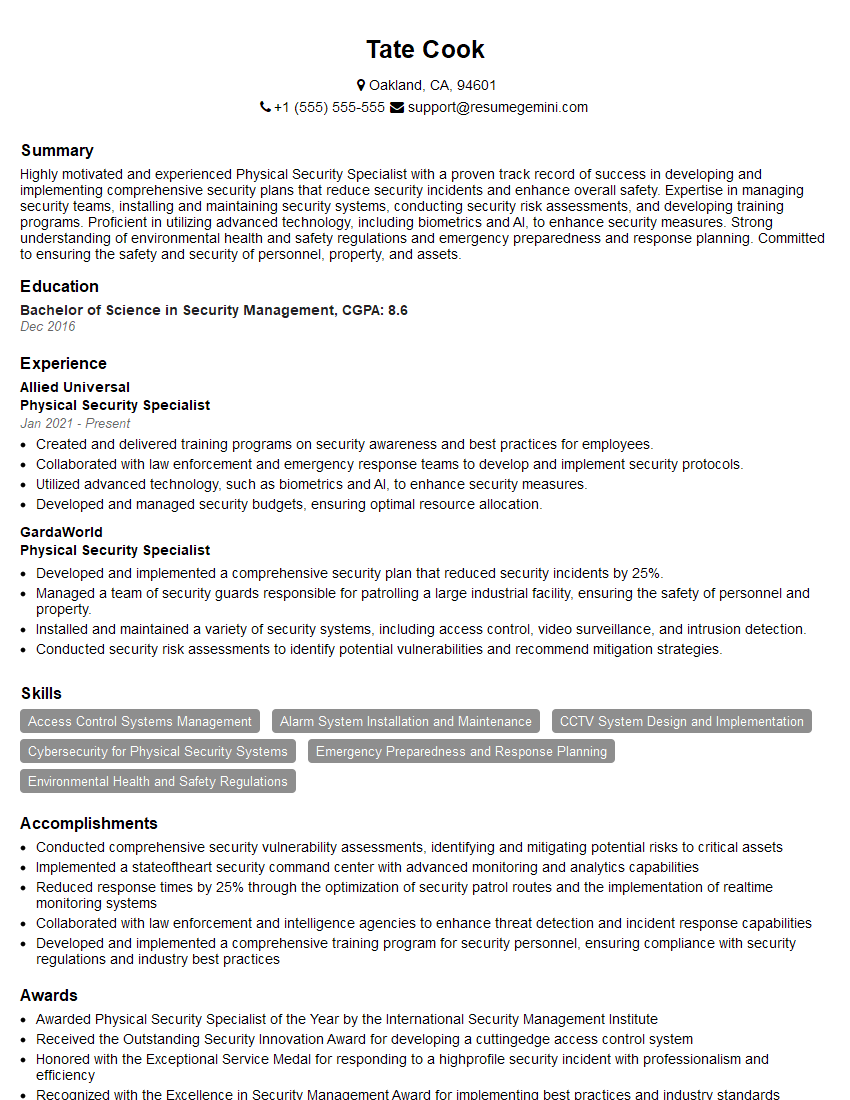
Physical Security Specialist Resume Sample
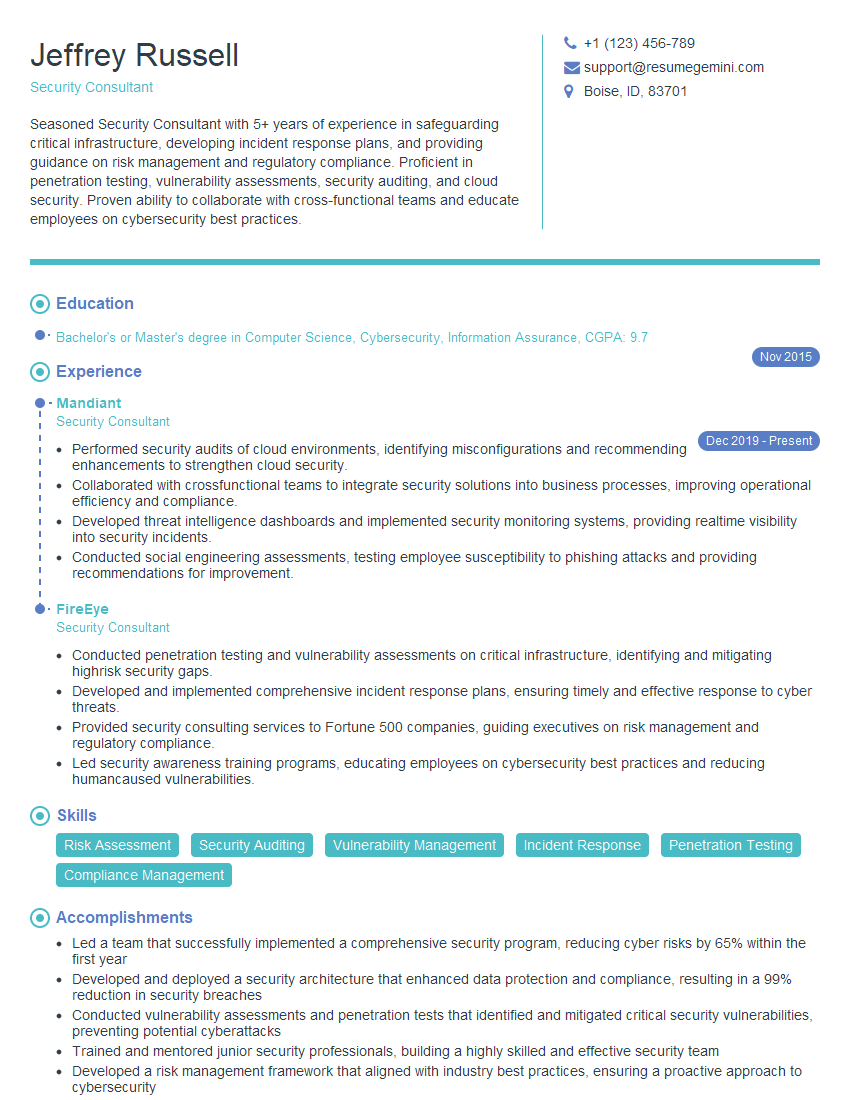
Security Consultant Resume Sample
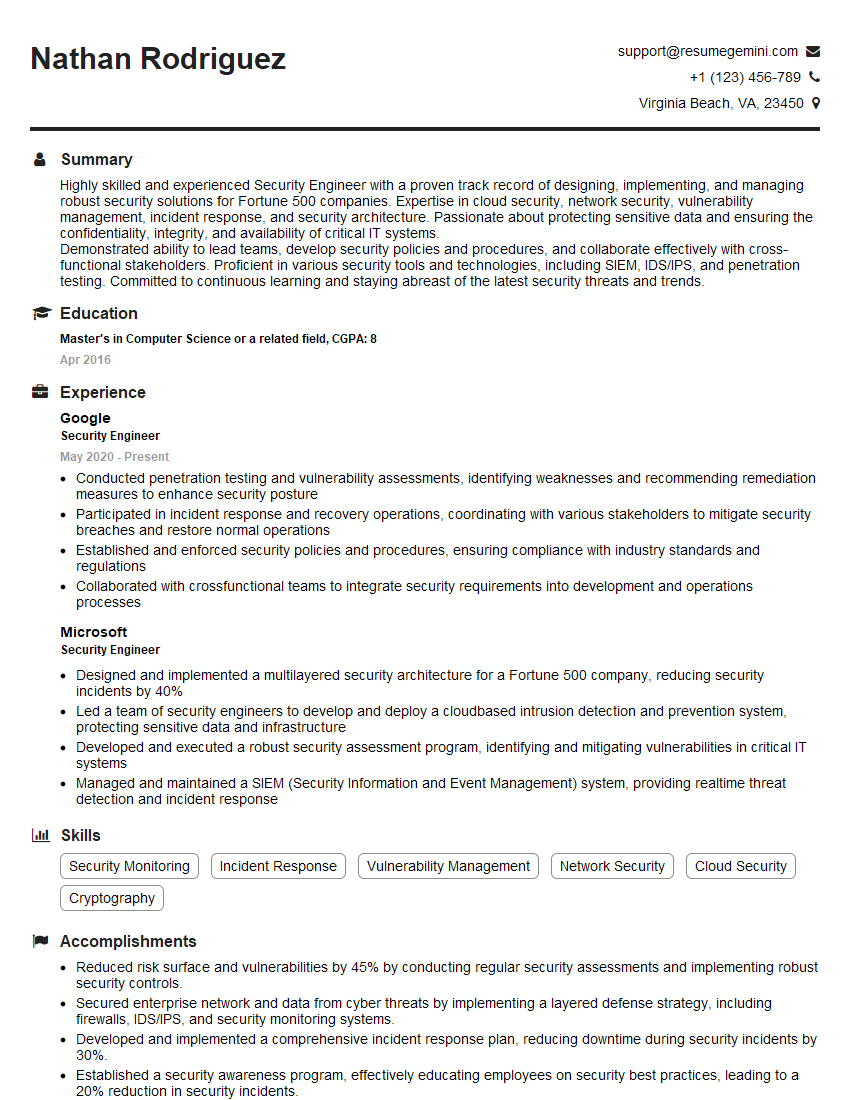
Security Engineer Resume Sample
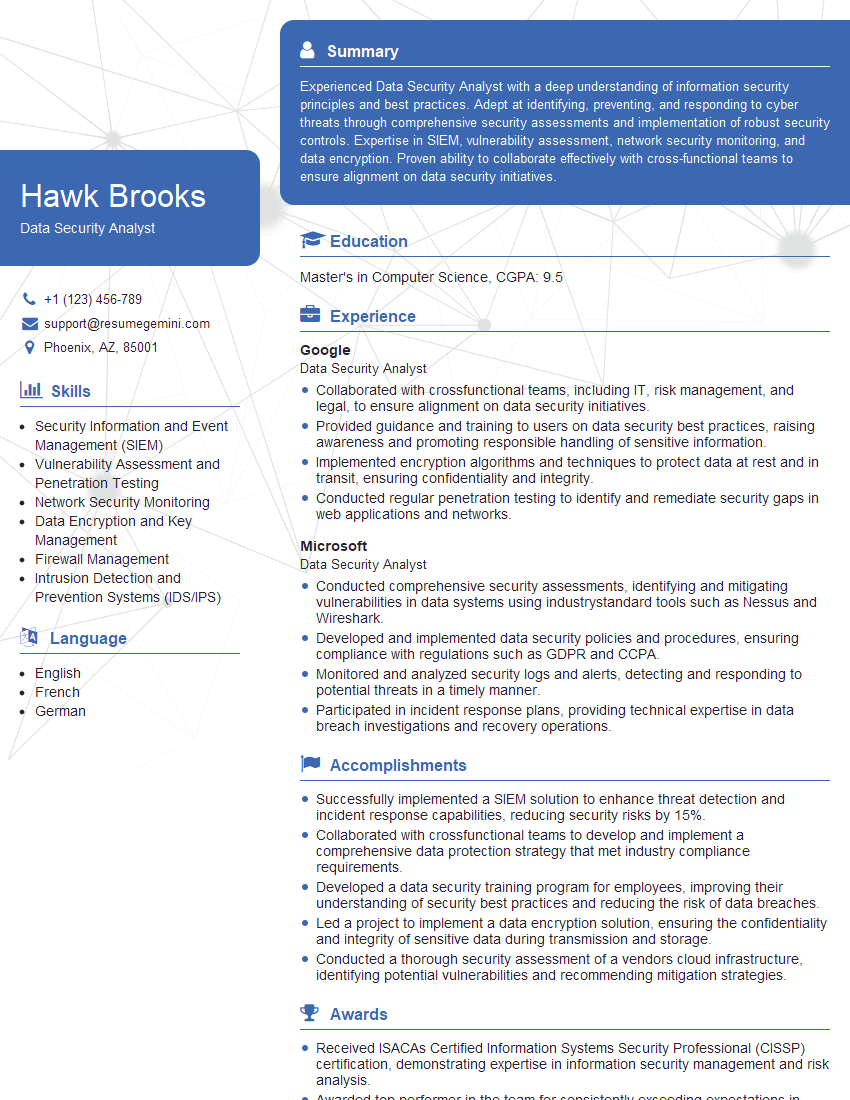
Data Security Analyst Resume Sample
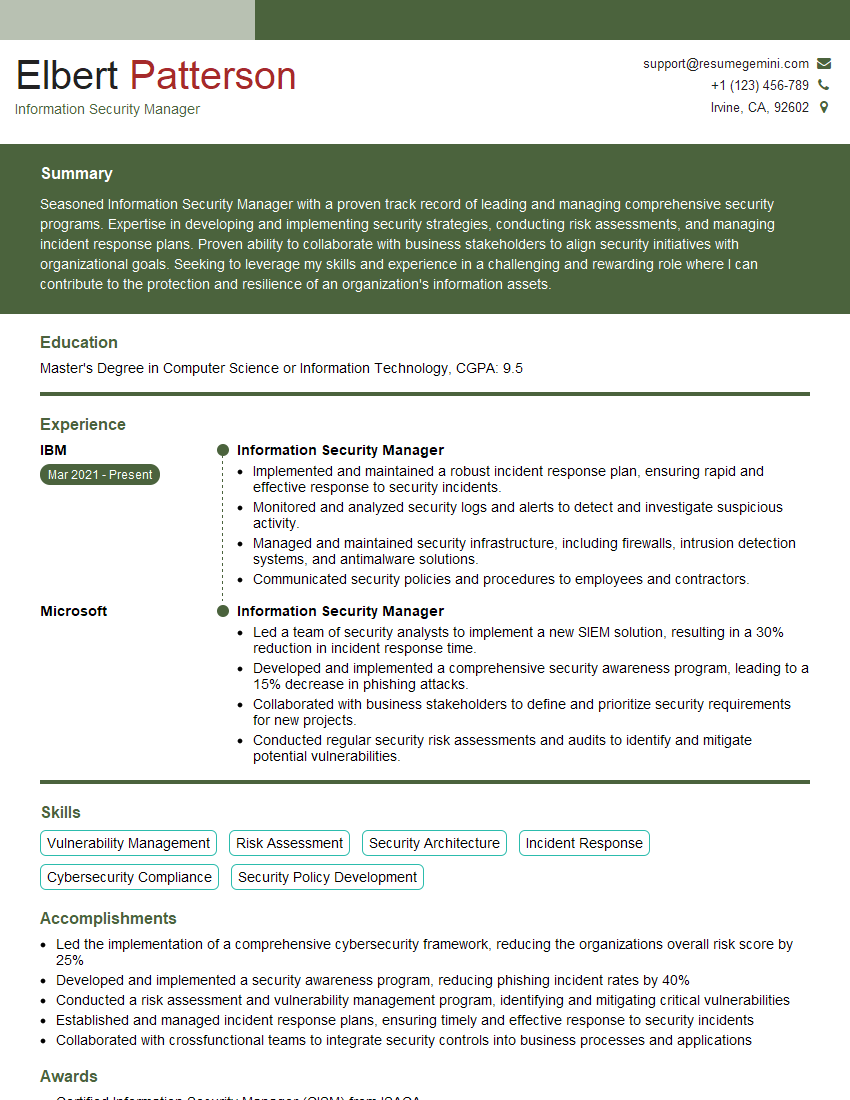
Information Security Manager Resume Sample
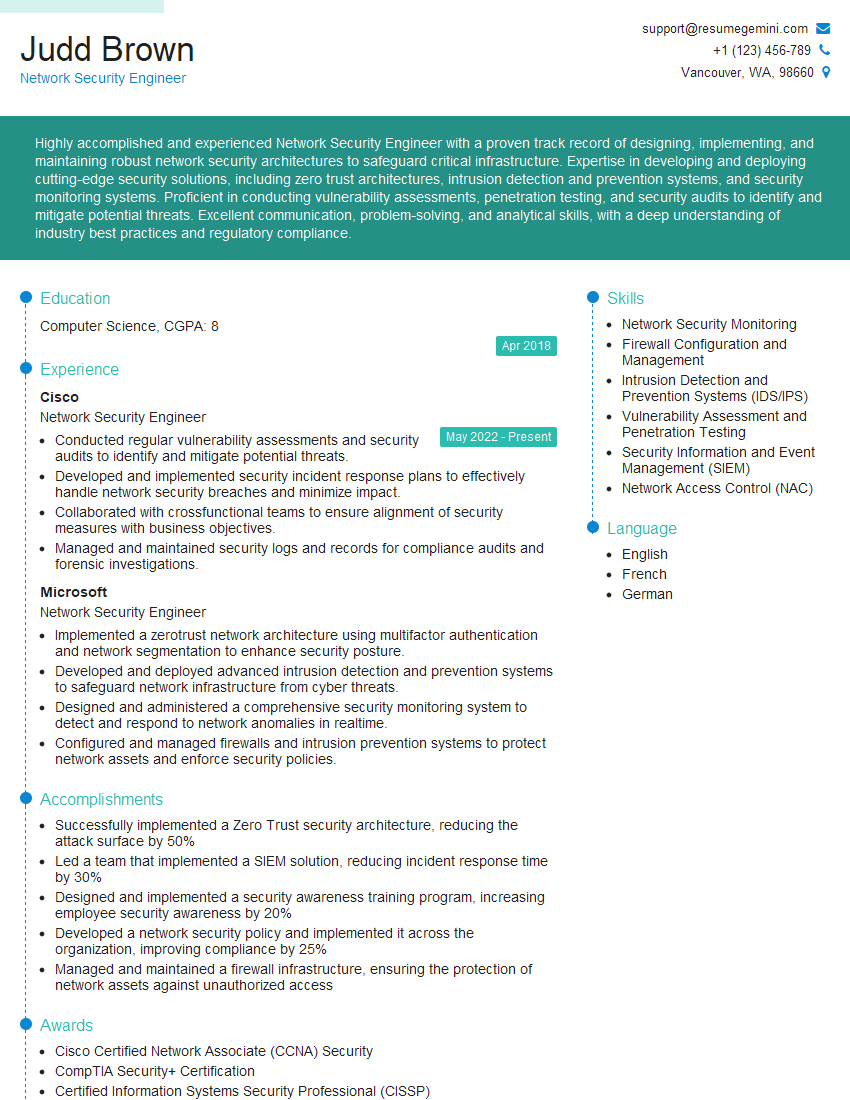
Network Security Engineer Resume Sample
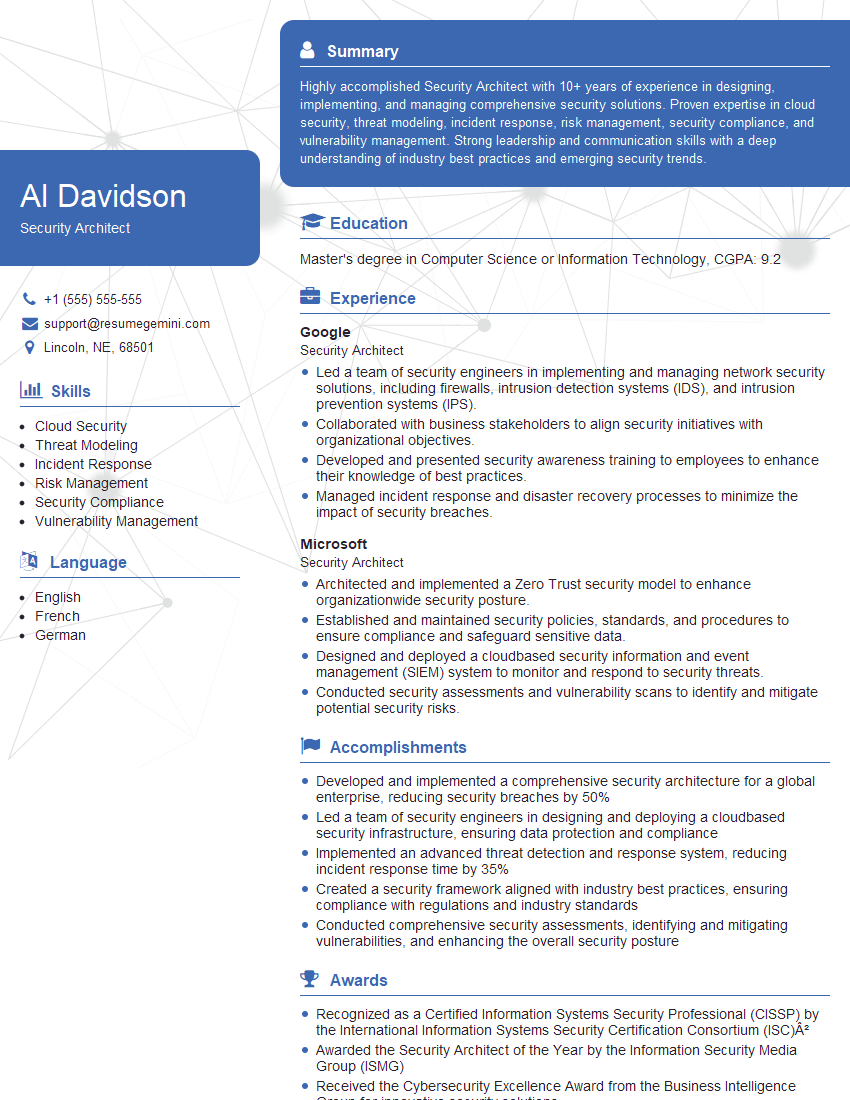
Security Architect Resume Sample
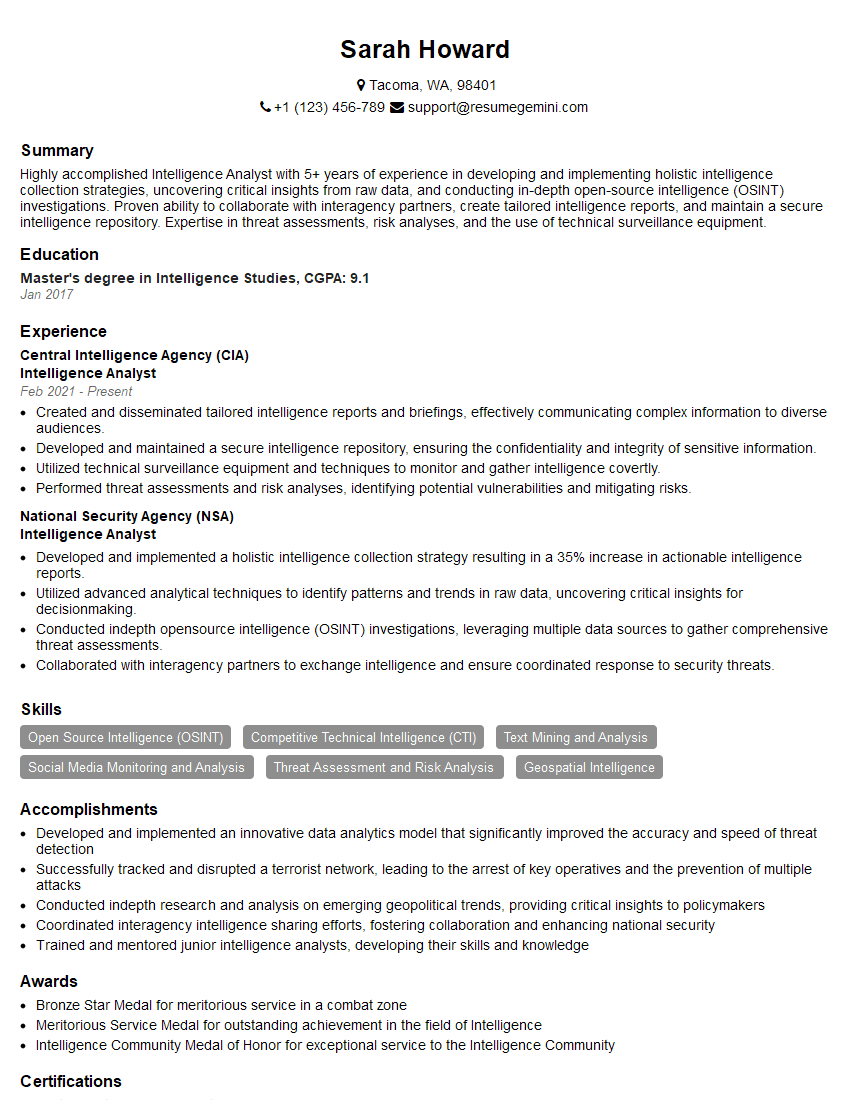
Intelligence Analyst Resume Sample
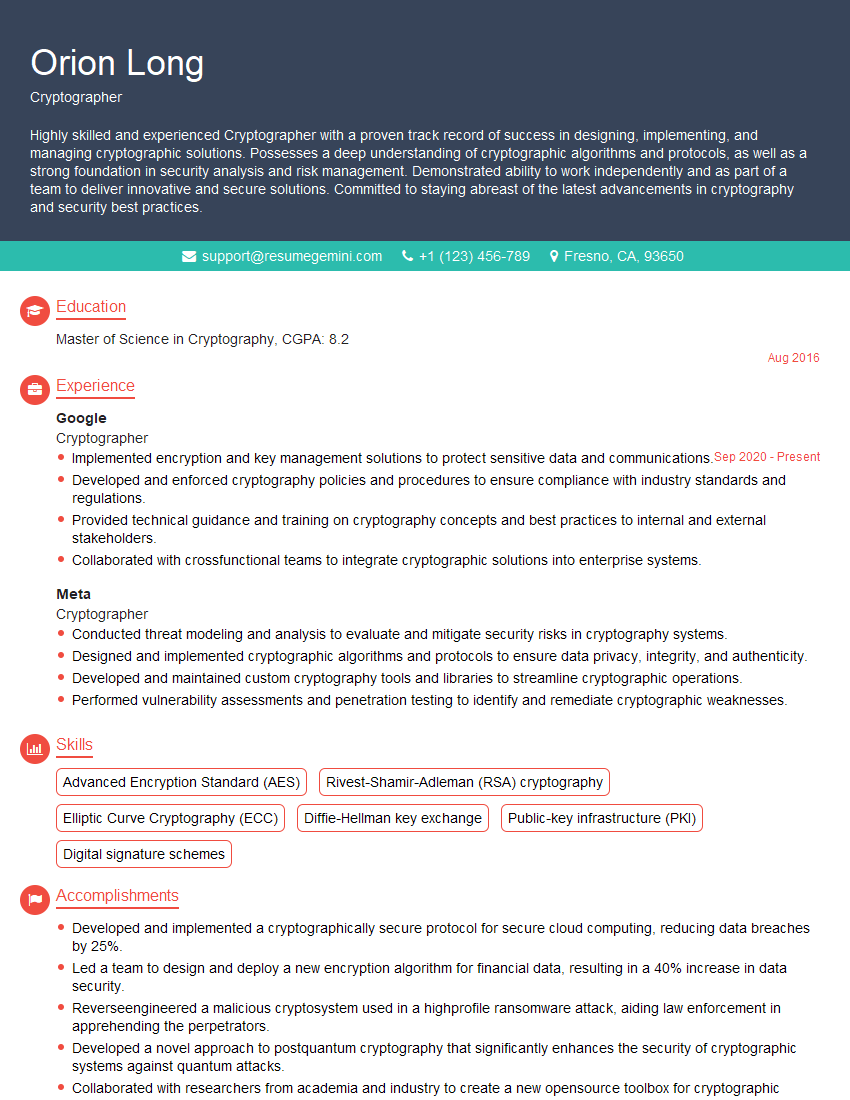
Cryptographer Resume Sample
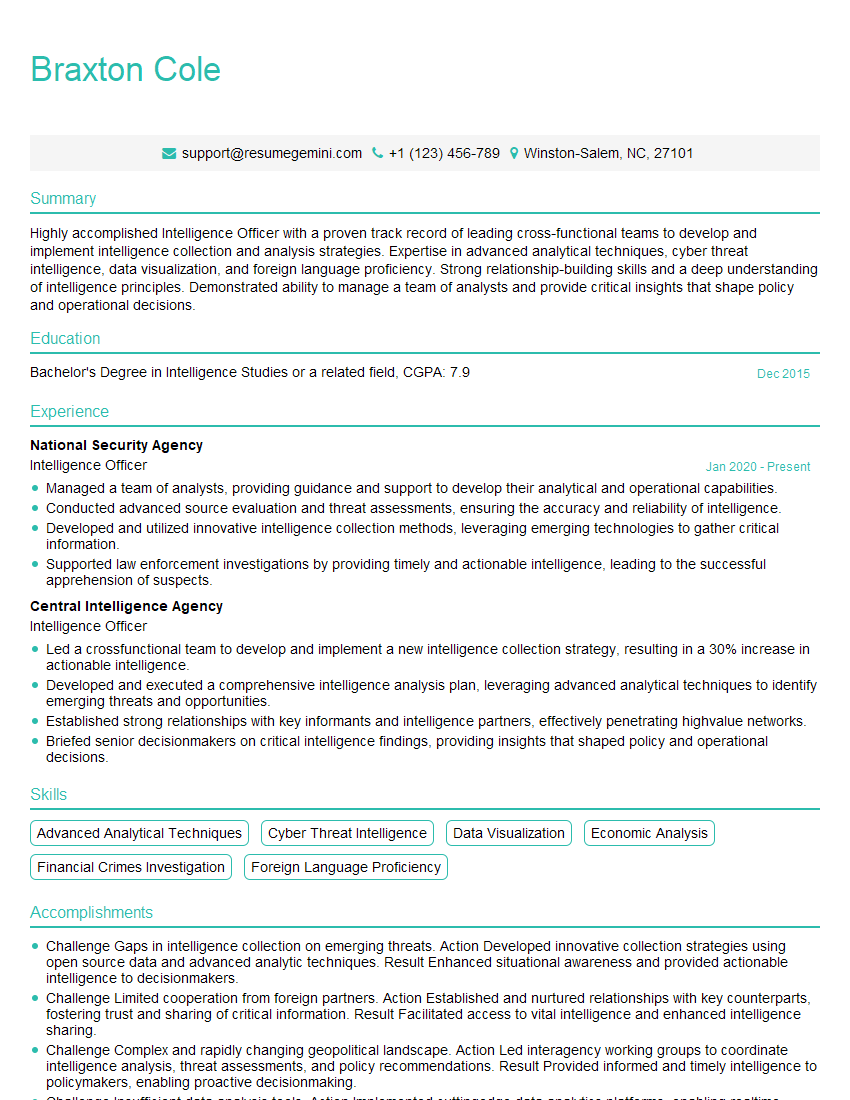
Intelligence Officer Resume Sample
Explore more articles
Users Rating of Our Blogs
Share Your Experience
We value your feedback! Please rate our content and share your thoughts (optional).
What Readers Say About Our Blog
To the interviewgemini.com Webmaster.
Very helpful and content specific questions to help prepare me for my interview!
Thank you
To the interviewgemini.com Webmaster.
This was kind of a unique content I found around the specialized skills. Very helpful questions and good detailed answers.
Very Helpful blog, thank you Interviewgemini team.