Preparation is the key to success in any interview. In this post, we’ll explore crucial Reliability Coordination interview questions and equip you with strategies to craft impactful answers. Whether you’re a beginner or a pro, these tips will elevate your preparation.
Questions Asked in Reliability Coordination Interview
Q 1. Explain the principles of Reliability Centered Maintenance (RCM).
Reliability Centered Maintenance (RCM) is a systematic approach to maintenance that focuses on preserving the functions of equipment, rather than just reacting to failures. It’s based on the principle that the best way to maintain reliability is to understand what can go wrong, how likely it is to go wrong, and what the consequences of failure would be. This understanding allows for the development of tailored maintenance strategies that address the most critical risks.
The process typically involves a detailed functional analysis of the equipment. We examine each function and identify potential failure modes, their causes, and their effects on the system. Based on this analysis, we determine the appropriate maintenance tasks – preventive, predictive, or even doing nothing – to mitigate the risk of failure and optimize maintenance costs. Think of it like a doctor conducting a thorough health check-up, identifying potential problems, and recommending treatment based on the patient’s individual needs.
For example, consider a critical pump in a water treatment plant. RCM would involve identifying failure modes like bearing wear, seal leakage, and motor burnout. Analyzing the consequences of each failure would help us determine which failures warrant preventive maintenance (e.g., regular lubrication) and which ones might require predictive maintenance (e.g., vibration analysis to detect bearing wear before it causes failure).
Q 2. Describe the different types of maintenance strategies (preventive, predictive, corrective).
Maintenance strategies can be broadly categorized into three types: preventive, predictive, and corrective.
- Preventive Maintenance: This involves scheduled maintenance tasks performed at predetermined intervals to prevent failures. Think of it as regular check-ups and servicing. Examples include oil changes, filter replacements, and inspections. While it prevents failures to some extent, it can be costly if tasks are performed unnecessarily.
- Predictive Maintenance: This involves using technologies and techniques to predict when equipment is likely to fail. This allows maintenance to be performed only when necessary, reducing downtime and wasted resources. Examples include vibration analysis, oil analysis, and thermal imaging. This is a more advanced, cost-effective approach than purely preventive maintenance.
- Corrective Maintenance: This is reactive maintenance performed after a failure has occurred. It includes repairing or replacing failed components. While essential, it’s the most disruptive and expensive form of maintenance. Ideally, we aim to minimize corrective maintenance through effective preventive and predictive strategies.
Q 3. What are the key performance indicators (KPIs) used to measure reliability?
Key Performance Indicators (KPIs) for measuring reliability depend on the specific context but commonly include:
- Mean Time Between Failures (MTBF): The average time between successive failures of a system or component. A higher MTBF indicates greater reliability.
- Mean Time To Repair (MTTR): The average time taken to repair a failed system or component. A lower MTTR indicates faster recovery from failures.
- Availability: The percentage of time a system or component is operational and available to perform its intended function.
- Uptime: The percentage of time a system or component is operational.
- Downtime: The percentage of time a system or component is not operational.
- Failure Rate: The number of failures per unit of time.
- Maintenance Cost per Unit of Production: The cost of maintenance relative to output.
Tracking these KPIs helps us monitor system health, identify areas for improvement, and measure the effectiveness of our maintenance strategies.
Q 4. How do you perform a Failure Modes and Effects Analysis (FMEA)?
A Failure Modes and Effects Analysis (FMEA) is a systematic approach to identifying potential failure modes in a system and assessing their severity, likelihood of occurrence, and detectability. It’s a proactive risk assessment tool that helps us prioritize maintenance efforts.
The process typically involves forming a team and following these steps:
- Define the system and its boundaries: Clearly define the system being analyzed and its functional limits.
- Identify potential failure modes: Brainstorm all potential ways each component or function could fail.
- Determine the effects of each failure mode: Analyze the consequences of each failure, considering severity and impact on the system.
- Assess the severity of each failure effect: Assign a severity rating (e.g., 1-10 scale) based on the consequences of failure.
- Assess the occurrence (probability) of each failure mode: Estimate the likelihood of each failure mode occurring, based on historical data, experience, and engineering judgment.
- Assess the detectability of each failure mode: Evaluate how easily each failure mode can be detected before it causes a failure. This might involve considering existing monitoring systems and inspection practices.
- Calculate the risk priority number (RPN): RPN is calculated by multiplying the severity, occurrence, and detectability ratings. High RPN values indicate high-risk failure modes that need to be addressed first.
- Develop and implement corrective actions: Based on the RPN, prioritize corrective actions to mitigate the highest risks. These actions could involve design changes, improved maintenance procedures, or additional monitoring.
A properly conducted FMEA provides a prioritized list of failure modes, enabling focused resources toward mitigating the most critical risks.
Q 5. Explain the concept of Mean Time Between Failures (MTBF) and Mean Time To Repair (MTTR).
Mean Time Between Failures (MTBF) is the average time a system or component operates before it fails. It’s a key indicator of reliability; a higher MTBF signifies greater reliability. For example, an MTBF of 10,000 hours for a pump indicates that, on average, the pump will operate for 10,000 hours before requiring repair.
Mean Time To Repair (MTTR) is the average time required to restore a failed system or component to operational status. A lower MTTR is desirable as it minimizes downtime. For instance, an MTTR of 2 hours for a pump means that, on average, it takes 2 hours to repair the pump when it fails.
MTBF and MTTR are critical metrics for evaluating the reliability and maintainability of systems. They are often used together to assess overall system effectiveness. For example, a high MTBF and a low MTTR signifies both high reliability and quick response to failures.
Q 6. How do you identify and prioritize critical equipment for maintenance?
Identifying and prioritizing critical equipment for maintenance involves a multi-faceted approach, leveraging several analytical tools and techniques. The most critical equipment is typically determined based on the potential consequences of failure, rather than just the frequency of failure.
Here’s a step-by-step approach:
- Criticality Assessment: This involves assessing the impact of equipment failure on the overall system operation. Factors such as safety, production loss, environmental impact, and financial consequences are considered.
- Failure Mode and Effects Analysis (FMEA): As discussed earlier, FMEA helps identify potential failure modes and their associated risks. This provides a quantitative basis for prioritizing equipment.
- Risk Matrix: A risk matrix is a tool to visually represent the severity and probability of failure, helping to prioritize high-risk equipment.
- Reliability-centered Maintenance (RCM): RCM provides a structured approach to analyzing equipment functions and determining appropriate maintenance strategies to address critical failure modes.
- Data Analysis: Historical maintenance data can be analyzed to identify equipment with high failure rates, long repair times, or significant downtime. This data-driven approach enhances accuracy.
- Expert Judgment: The experience and knowledge of maintenance personnel can play a crucial role in identifying and prioritizing critical equipment. Their insights are valuable, particularly for complex systems.
By combining these methods, we can develop a prioritized list of equipment for maintenance, ensuring that resources are allocated efficiently to address the most critical risks first. For example, a process control system in a chemical plant is usually prioritized over a less critical piece of equipment.
Q 7. Describe your experience with root cause analysis techniques.
I have extensive experience with various root cause analysis (RCA) techniques, including the 5 Whys, Fishbone diagrams (Ishikawa diagrams), Fault Tree Analysis (FTA), and the Taproot method. The choice of technique depends on the complexity of the problem and the available data.
The 5 Whys is a simple yet effective technique, useful for straightforward problems. It involves repeatedly asking ‘why’ to drill down to the root cause. For example, if a machine stops working, we might ask: Why did it stop? (Power failure). Why was there a power failure? (Circuit breaker tripped). Why did the circuit breaker trip? (Overload). Why was there an overload? (Motor seized). Why did the motor seize? (Lack of lubrication).
Fishbone diagrams are visual tools that help structure the brainstorming process. They help identify potential causes contributing to the problem. They are excellent for complex problems where multiple factors are involved.
Fault Tree Analysis (FTA) uses a top-down approach to systematically decompose a system failure into its contributing causes. It’s often used for analyzing critical systems where a detailed understanding of potential failures is vital.
The Taproot method is a more comprehensive technique that combines elements of other RCA methods. It systematically investigates the failure, focusing on identifying the underlying human actions or organizational factors that contributed to the failure. It’s ideal for uncovering systemic issues and preventing recurrence.
In my experience, combining techniques is often the most effective approach. For instance, we might start with the 5 Whys for a preliminary understanding and then use a Fishbone diagram to further explore and document potential root causes before employing a more formal method like Taproot if a systemic issue is suspected.
Q 8. How do you develop and implement a preventive maintenance program?
Developing and implementing a preventive maintenance (PM) program is crucial for maximizing equipment lifespan and minimizing downtime. It’s not just about scheduled oil changes; it’s a strategic approach that balances cost and risk.
The process begins with a thorough Failure Modes and Effects Analysis (FMEA). This systematic approach identifies potential failure modes of each asset, their effects on the system, and their likelihood of occurrence. For example, in a manufacturing plant, we might analyze a conveyor belt, identifying potential failures like belt slippage, motor burnout, or component wear. The FMEA helps prioritize maintenance tasks based on criticality and risk.
Next, we define maintenance tasks based on the FMEA, specifying frequency, procedures, and required resources. This could range from simple visual inspections to complex overhauls, each with defined checklists and documented procedures. For the conveyor belt, this might include daily visual inspections for wear and tear, weekly lubrication, and a major overhaul every six months.
Then, we schedule these tasks using a Computerized Maintenance Management System (CMMS). A CMMS allows for efficient scheduling, tracking, and reporting of all maintenance activities. It integrates with work orders, tracks spare parts inventory, and generates reports for analysis. The system helps to ensure consistent application of the PM program across all assets.
Finally, the program needs constant monitoring and improvement. We analyze maintenance data to identify trends, refine maintenance intervals, and optimize resource allocation. For instance, if we notice a pattern of belt slippage occurring earlier than anticipated, we might adjust the lubrication schedule or replace the belt material.
Q 9. What software or tools are you familiar with for reliability data analysis?
My experience includes proficiency with several software tools for reliability data analysis. These include:
- R: A powerful statistical computing language and environment. I use it for statistical modeling, data visualization, and creating custom analyses.
- Python with libraries like Pandas, NumPy, and Scikit-learn: These provide versatile tools for data manipulation, statistical analysis, and machine learning applications in reliability.
- Minitab: A widely used statistical software package with specific tools for reliability analysis, including Weibull analysis and life data regression.
- Reliasoft Weibull++: Specialized software for performing comprehensive reliability analysis, specifically focused on Weibull distribution fitting and other lifetime distribution analyses.
- Various CMMS software (e.g., SAP PM, Maximo): These systems provide the raw data – work orders, maintenance logs, downtime records – which is then processed and analyzed using the statistical tools mentioned above.
The choice of software depends on the complexity of the analysis, the size of the dataset, and the specific reliability metrics we need to extract.
Q 10. Explain your understanding of reliability modeling and prediction techniques.
Reliability modeling and prediction involve using statistical methods to describe and predict the failure behavior of systems or components. This is crucial for proactive maintenance planning and risk assessment.
Common techniques include:
- Weibull analysis: A powerful method for analyzing time-to-failure data, used to estimate parameters such as the characteristic life and shape parameter, providing insights into the failure rate (constant, increasing, or decreasing).
- Exponential distribution: A simpler model suitable for systems with a constant failure rate.
- Normal distribution: Used for modeling data where failure times are normally distributed around a mean value.
- Log-normal distribution: Suitable for systems where the logarithm of failure times is normally distributed.
- Markov chains: Used for modeling systems with multiple states and transitions between those states, allowing for analysis of system availability and reliability.
For example, if we find a Weibull analysis of pump failures indicates an increasing failure rate, we might proactively schedule more frequent inspections or replacements to prevent catastrophic failure.
Predictive modeling techniques, such as machine learning algorithms, are increasingly used to predict future failures based on sensor data, operational parameters, and historical maintenance records. This enables condition-based maintenance, allowing interventions only when necessary.
Q 11. How do you manage and interpret reliability data?
Managing and interpreting reliability data is a multi-step process. First, we must ensure data quality – accuracy, completeness, and consistency. This often involves data cleaning and validation.
Then, we use descriptive statistics (e.g., mean time to failure (MTTF), mean time between failures (MTBF)) to summarize the data. We also use visual tools like histograms and scatter plots to identify patterns and outliers.
Next, we apply statistical methods (as discussed in the previous answer) to fit appropriate probability distributions to the data and make predictions about future performance. This could include calculating confidence intervals and prediction intervals for key reliability metrics.
Finally, the interpreted results are used to support decision-making. For instance, a high failure rate of a specific component might lead to a design change, a different maintenance strategy, or a replacement of the component with a more reliable alternative.
It’s crucial to remember that data interpretation should be done in the context of the specific system and its operational environment. A single metric doesn’t tell the whole story; it is the combination of various metrics and a deep understanding of the system that leads to effective reliability management.
Q 12. Describe your experience with data collection and analysis for maintenance optimization.
My experience with data collection and analysis for maintenance optimization involves working closely with maintenance teams and engineers to gather relevant data. This usually starts with defining key performance indicators (KPIs) relevant to maintenance effectiveness, such as MTBF, Mean Time To Repair (MTTR), and equipment availability.
Data sources include CMMS systems, sensor data from equipment (e.g., vibration sensors, temperature sensors), maintenance logs, and historical failure records. We often use data mining techniques to identify hidden patterns and correlations in the data.
For example, in a project involving optimizing the maintenance of a large fleet of trucks, we analyzed telematics data from the vehicles (speed, engine load, fuel consumption) alongside maintenance records. This analysis identified correlations between certain driving patterns and increased component failures, leading to driver training initiatives and preventative measures that reduced maintenance costs and downtime.
The analysis helps us develop optimized maintenance schedules, predict potential failures, and improve resource allocation, ultimately enhancing equipment reliability and minimizing overall maintenance costs. The key is to use data to move from reactive maintenance to proactive and predictive maintenance strategies.
Q 13. How do you ensure compliance with safety regulations and standards in maintenance activities?
Ensuring compliance with safety regulations and standards in maintenance activities is paramount. It’s a critical aspect of my role and forms the foundation of our maintenance procedures.
We adhere to relevant industry standards and regulations (e.g., OSHA, ISO, industry-specific codes) throughout the entire maintenance lifecycle. This includes:
- Lockout/Tagout (LOTO) procedures: Strictly followed to prevent accidental energization of equipment during maintenance.
- Permit-to-work systems: Used for high-risk tasks, ensuring a comprehensive risk assessment and authorization process before work commences.
- Regular safety training for maintenance personnel: Covering hazard identification, risk assessment, and the use of personal protective equipment (PPE).
- Regular safety audits and inspections: To ensure compliance with established procedures and to identify any potential safety hazards.
- Incident investigation and reporting: Thorough investigation of all incidents to identify root causes and implement corrective actions to prevent recurrence. Data from these investigations feeds into the ongoing improvement of our safety procedures.
Safety is not just a checklist; it’s a culture that needs to be embedded within the maintenance team. We regularly reinforce the importance of safety, emphasizing that no task is worth risking someone’s safety.
Q 14. How do you communicate reliability performance data to stakeholders?
Communicating reliability performance data effectively to stakeholders is essential for ensuring buy-in and support for reliability initiatives. This involves tailoring the communication to the audience’s needs and understanding.
For executive leadership, I focus on high-level summaries, emphasizing key performance indicators like overall equipment effectiveness (OEE), downtime reduction, and cost savings achieved through reliability improvements. I use dashboards and visual aids to present complex data in a concise and understandable format.
For maintenance personnel, I share detailed data, including equipment failure rates, maintenance times, and the effectiveness of different maintenance strategies. This data helps them optimize their work and identify areas for improvement.
For engineering teams, I provide more technical reports including failure analysis results, reliability modeling outputs, and recommendations for design improvements. I might present this data in technical reports or presentations, focusing on the technical aspects and justification for any suggested changes.
Regardless of the audience, clear and concise communication is vital. I always strive to make data accessible and understandable, emphasizing the implications of the results and any recommended actions. Open communication is key to building trust and securing buy-in for our reliability initiatives. Regular reports and presentations help ensure transparency and accountability.
Q 15. Describe your experience with developing and managing maintenance budgets.
Developing and managing maintenance budgets requires a meticulous approach combining strategic planning with detailed cost analysis. It’s not just about allocating funds; it’s about optimizing resource allocation to maximize equipment uptime and minimize operational disruptions. My experience involves a multi-step process:
Needs Assessment: I begin by thoroughly assessing the maintenance needs of all equipment, considering factors like age, operating hours, criticality to operations, and past maintenance history. This often involves analyzing historical data and conducting equipment inspections.
Cost Estimation: Next, I meticulously estimate the costs associated with various maintenance activities, including labor, parts, materials, and any outsourced services. This requires detailed knowledge of pricing and potential cost escalation.
Prioritization: Based on the needs assessment and cost estimates, I prioritize maintenance activities. Critical equipment requiring preventive maintenance receives higher priority and a larger budget allocation. This is often done using risk-based approaches like FMEA (Failure Mode and Effects Analysis).
Budget Allocation: I then allocate the budget across various maintenance categories (preventive, corrective, predictive), considering the overall financial constraints and operational priorities. This involves careful trade-off decisions between immediate needs and long-term planning.
Monitoring and Adjustment: Finally, I continuously monitor budget spending and adjust allocations as needed throughout the year, addressing unforeseen issues and ensuring that budget remains on track. This involves regular reporting and variance analysis.
For example, in a previous role, I successfully implemented a predictive maintenance program that reduced unplanned downtime by 15%, leading to significant cost savings and a more efficient allocation of maintenance resources within the existing budget.
Career Expert Tips:
- Ace those interviews! Prepare effectively by reviewing the Top 50 Most Common Interview Questions on ResumeGemini.
- Navigate your job search with confidence! Explore a wide range of Career Tips on ResumeGemini. Learn about common challenges and recommendations to overcome them.
- Craft the perfect resume! Master the Art of Resume Writing with ResumeGemini’s guide. Showcase your unique qualifications and achievements effectively.
- Don’t miss out on holiday savings! Build your dream resume with ResumeGemini’s ATS optimized templates.
Q 16. How do you handle unexpected equipment failures and downtime?
Unexpected equipment failures demand immediate, decisive action. My approach prioritizes minimizing downtime and preventing further damage. It involves a structured, multi-stage response:
Rapid Assessment: The first step is a quick assessment of the situation – what failed, what is the extent of the damage, and what are the immediate safety concerns? This often involves on-site assessment and communication with operating personnel.
Root Cause Analysis: Once immediate safety and operational impacts are addressed, a thorough investigation into the root cause is launched. This may involve troubleshooting, data analysis, and collaborating with technicians to understand why the failure occurred.
Corrective Action: Effective repair strategies are implemented swiftly, focusing on restoring functionality as quickly as possible. This often involves securing necessary parts (potentially utilizing emergency procurement processes), deploying skilled technicians, and coordinating work schedules.
Preventative Measures: Once the equipment is operational, we focus on implementing preventative measures to avoid similar failures in the future. This might involve upgrading components, implementing improved operating procedures, or adjusting maintenance schedules.
Post-Incident Review: A formal post-incident review assesses the effectiveness of the response, identifies areas for improvement in our processes, and documents learnings to help prevent future occurrences.
For instance, during a critical pump failure at a water treatment plant, we quickly mobilized our team, utilized our pre-established emergency repair procedures, and had the plant back online within 6 hours, preventing significant service disruptions and minimizing financial losses. The post-incident review led to an upgrade in pump technology that has improved reliability significantly.
Q 17. How do you assess the risk associated with different maintenance strategies?
Assessing risk associated with different maintenance strategies requires a systematic approach. We leverage various tools and techniques to quantify and prioritize risks. This often includes:
Failure Mode and Effects Analysis (FMEA): FMEA helps identify potential failure modes of equipment, assess their severity, likelihood of occurrence, and detectability. This allows us to prioritize maintenance activities and allocate resources effectively.
Risk Matrix: A risk matrix visually represents the risk level associated with different maintenance strategies by plotting the likelihood and consequence of failure. This helps in making informed decisions regarding the balance between maintenance costs and potential downtime costs.
Reliability-Centered Maintenance (RCM): RCM is a systematic process that focuses on identifying and prioritizing maintenance tasks based on their impact on system reliability and safety. It considers various factors like the function of equipment, potential failure modes, and consequences of failure.
Cost-Benefit Analysis: Comparing the costs of different maintenance strategies (e.g., preventive vs. corrective) with their expected benefits (e.g., reduced downtime, extended equipment life) helps to determine the most cost-effective approach.
For example, when choosing between a preventative maintenance schedule and a run-to-failure strategy, we’d use FMEA to identify critical components prone to failure. A risk matrix then helps visualize the consequence of failure (e.g., safety hazard, production halt), and a cost-benefit analysis compares the cost of preventative maintenance versus the potential cost of a catastrophic failure.
Q 18. Explain your experience with continuous improvement initiatives related to reliability.
Continuous improvement is crucial for optimizing reliability. My experience encompasses several initiatives:
Lean Principles: Implementing Lean methodologies to eliminate waste in maintenance processes, such as unnecessary paperwork, inefficient workflows, and excess inventory. This has led to streamlined processes and improved efficiency.
Six Sigma: Employing Six Sigma tools, such as DMAIC (Define, Measure, Analyze, Improve, Control), to systematically identify and reduce variation in maintenance processes. This improves predictability and reduces errors.
Root Cause Analysis (RCA): Conducting thorough RCA investigations after equipment failures to identify underlying causes and implement permanent corrective actions, preventing recurrence. Techniques like 5 Whys and Fishbone diagrams are frequently used.
Data-Driven Decision Making: Utilizing data analytics and key performance indicators (KPIs) to monitor maintenance performance, identify areas for improvement, and track the effectiveness of continuous improvement initiatives.
In one instance, by applying DMAIC to a recurring equipment problem, we reduced the failure rate by 80% through process improvements and operator training, significantly enhancing equipment reliability and reducing maintenance costs.
Q 19. Describe your experience with spare parts management and inventory control.
Effective spare parts management is vital for minimizing downtime. My experience includes:
Inventory Optimization: Utilizing inventory management software and techniques to determine optimal stock levels, minimizing storage costs while ensuring sufficient parts are available to meet maintenance needs. This often involves ABC analysis to prioritize critical parts.
Vendor Management: Establishing strong relationships with vendors to ensure timely delivery of parts and competitive pricing. This includes negotiating contracts and establishing clear communication channels.
Parts Standardization: Promoting standardization of parts to reduce inventory complexity and improve parts interchangeability. This reduces the number of different parts needed and simplifies stock control.
Regular Audits: Conducting regular audits of spare parts inventory to identify obsolete or excess stock, ensuring efficient utilization of storage space and resources.
For example, by implementing an ABC analysis and optimizing inventory levels, we reduced our spare parts inventory costs by 12% without compromising equipment availability. This saved significant storage space and reduced the risk of obsolete parts.
Q 20. How do you utilize data analytics to improve maintenance effectiveness?
Data analytics is transformative for maintenance effectiveness. I utilize various analytical techniques:
Predictive Maintenance: Analyzing sensor data from equipment to predict potential failures before they occur. This allows for proactive maintenance, minimizing downtime and extending equipment life.
Performance Monitoring: Tracking key performance indicators (KPIs), such as Mean Time Between Failures (MTBF), Mean Time To Repair (MTTR), and Overall Equipment Effectiveness (OEE), to identify trends and areas for improvement.
Root Cause Analysis: Employing statistical methods and data visualization tools to identify the root causes of equipment failures and develop targeted corrective actions.
Maintenance Optimization: Using data analysis to optimize maintenance schedules and resource allocation, ensuring that maintenance activities are performed efficiently and effectively.
For instance, by analyzing vibration sensor data from our pumps, we were able to predict an impending bearing failure and schedule preventive maintenance, avoiding a costly emergency repair and significant downtime.
Q 21. Describe your experience working with cross-functional teams on reliability projects.
Collaboration is critical in reliability projects. I have extensive experience working with cross-functional teams, including:
Operations Teams: Working closely with operations personnel to understand their needs, challenges, and priorities regarding equipment reliability and maintenance.
Engineering Teams: Collaborating with engineers to design and implement reliability improvement projects, leveraging their expertise in equipment design and performance.
Maintenance Teams: Working closely with maintenance personnel to ensure that maintenance procedures are effective, efficient, and aligned with reliability goals.
Procurement Teams: Coordinating with procurement to ensure the timely acquisition of necessary spare parts and materials for maintenance activities.
In one project involving a major process improvement, I led a team composed of engineers, maintenance personnel, and operations staff to implement a new preventive maintenance program. This required clear communication, shared goals, and a collaborative approach to successfully achieve a significant reduction in downtime and improved overall equipment effectiveness. Successfully managing this cross-functional team required strong communication and conflict resolution skills.
Q 22. How do you measure the effectiveness of your reliability programs?
Measuring the effectiveness of reliability programs isn’t a one-size-fits-all approach. It requires a multi-faceted strategy focusing on key performance indicators (KPIs). We look at both lagging and leading indicators.
Lagging Indicators: These reflect past performance and show the results of our reliability efforts. Examples include:
- Mean Time Between Failures (MTBF): This metric tells us the average time between equipment failures. A higher MTBF indicates improved reliability.
- Mean Time To Repair (MTTR): This measures the average time it takes to repair a failed piece of equipment. Lower MTTR signifies faster recovery from failures.
- Overall Equipment Effectiveness (OEE): This holistic metric combines availability, performance, and quality rate to give a comprehensive picture of equipment effectiveness. It reflects the overall impact of our reliability program on production.
- Maintenance Costs: We track maintenance costs as a percentage of production costs or as a cost per unit produced to ensure we’re efficiently maintaining equipment without excessive spending.
Leading Indicators: These are proactive measures that predict future reliability performance. They show the effectiveness of our preventive measures.
- Preventive Maintenance Completion Rate: This tracks our success in completing scheduled preventive maintenance tasks. A high completion rate shows that we are actively working to prevent failures.
- Number of Corrective Maintenance Actions: A decrease in this metric indicates fewer unexpected failures, implying effectiveness of preventive actions.
- Compliance with Maintenance Procedures: We ensure adherence to established procedures, indicating consistent application of best practices.
- Employee Training and Competency: Well-trained staff are crucial to reliability, so we track training completion and performance on maintenance tasks.
By analyzing both lagging and leading indicators, we get a comprehensive picture of our reliability program’s effectiveness and identify areas for improvement. We regularly review these KPIs and adjust our strategies as needed.
Q 23. What are some common challenges in reliability coordination and how do you overcome them?
Reliability coordination faces several hurdles. One significant challenge is managing diverse teams and expertise. Different departments (operations, maintenance, engineering) often have differing priorities. This can lead to conflicting schedules and inefficient resource allocation. Another challenge is dealing with aging infrastructure. Older equipment often requires more maintenance and is more prone to failure, creating unexpected demands.
To overcome these challenges, we use a few key strategies:
Establish cross-functional teams: Bringing representatives from various departments together in planning meetings helps align priorities and improve communication. Regular meetings and open communication channels are vital.
Implement a robust CMMS (Computerized Maintenance Management System): A CMMS centralizes maintenance data, schedules, and work orders, improving visibility and communication among teams.
Prioritize maintenance based on risk assessment: We don’t treat all equipment equally. Risk-based maintenance prioritizes equipment with high criticality and potential for significant impact on production. This ensures resources are used most effectively.
Develop strong communication protocols: Clear communication channels, including regular reporting and feedback loops, are critical for effective coordination. This reduces conflicts and confusion.
Invest in training and development: Well-trained staff are essential. Regular training enhances skills, increases efficiency, and improves safety. For aging infrastructure, we may involve specialized contractors.
Q 24. How do you stay up-to-date with the latest advancements in reliability engineering?
Staying current in reliability engineering is crucial. I leverage several methods:
Professional Organizations: Active membership in organizations like the Society for Reliability Engineering (SRE) provides access to conferences, publications, and networking opportunities with leading experts.
Industry Publications and Journals: Regularly reviewing industry publications and journals, like Reliability Engineering and System Safety, keeps me updated on the latest research and best practices.
Webinars and Online Courses: Many online platforms offer webinars and courses on advanced reliability techniques. This provides flexible learning opportunities.
Conferences and Workshops: Attending industry conferences and workshops allows for direct interaction with experts and exposure to cutting-edge techniques.
Networking: Building relationships with other reliability professionals through professional organizations and conferences helps share knowledge and learn from shared experiences.
By combining these methods, I ensure I’m always up-to-date on the latest advancements in the field and can apply the best practices to my work.
Q 25. Explain your experience with implementing a CMMS system.
My experience with implementing a CMMS involved a phased approach. We started by selecting a system that met our specific needs considering scalability, user-friendliness and integration with existing systems. Then, we meticulously mapped our existing maintenance processes to the CMMS functionalities. This involved detailed data migration, including equipment details, maintenance schedules, and historical records. We also trained our maintenance staff on using the CMMS effectively. This included hands-on workshops and ongoing support. Finally, we launched the CMMS in stages, starting with a pilot program to test the system’s functionality and identify potential issues before full deployment. Post-implementation, we monitored system performance, gathering feedback to make further improvements and optimizations. We regularly review and refine our CMMS processes.
The result was a significant improvement in efficiency, reduced downtime, and better data-driven decision making.
Q 26. How do you balance the costs of maintenance with the risks of equipment failure?
Balancing maintenance costs and the risk of equipment failure requires a strategic approach. It’s not about minimizing cost at the expense of reliability, but finding an optimal balance. This is done through:
Risk assessment: Identifying critical equipment and the potential consequences of failure allows for prioritized maintenance. Critical equipment demands more frequent and thorough maintenance, even if it’s more costly.
Reliability-centered maintenance (RCM): This approach analyzes equipment functions and potential failure modes to determine the most effective maintenance strategies. It helps avoid unnecessary maintenance while focusing on preventing critical failures.
Predictive maintenance techniques: Implementing technologies like vibration analysis, oil analysis, and thermal imaging helps predict potential failures before they occur. This allows for proactive maintenance, minimizing downtime and reducing costs associated with emergency repairs.
Cost-benefit analysis: Evaluating the cost of preventive maintenance against the potential cost of equipment failure and lost production provides a clearer picture of the optimal maintenance strategy. It helps justify investments in preventive maintenance.
By implementing these techniques, we can proactively prevent costly failures while managing maintenance expenditures effectively.
Q 27. Describe a time you had to make a difficult decision regarding maintenance priorities.
In a previous role, we faced a situation where two critical pieces of equipment needed major overhauls simultaneously. However, our budget only allowed for one. Both machines were essential to production, and failure of either would result in significant production downtime and revenue loss. One machine was older and nearing the end of its useful life; the other was newer but equally critical.
After careful deliberation and analysis of the potential consequences, we prioritized the newer machine. Our rationale was that the newer machine had a higher probability of successful overhaul and a longer remaining lifespan. We also explored temporary solutions to mitigate the impact of delaying the overhaul of the older machine. This involved scheduling preventive maintenance and close monitoring of its condition. The decision wasn’t easy, but the detailed analysis and risk assessment guided our choice, resulting in minimizing overall impact.
Q 28. How do you ensure accurate record-keeping for maintenance activities?
Accurate record-keeping is paramount in reliability coordination. We employ several strategies to maintain this accuracy:
CMMS: As mentioned earlier, a CMMS is the cornerstone of our record-keeping. It centralizes all maintenance data – work orders, maintenance schedules, spare parts inventory, and equipment history.
Standardized Work Orders: Using standardized work order formats ensures consistency and completeness of recorded data. This eliminates ambiguity and facilitates efficient data analysis.
Digital Documentation: Using digital tools for documenting inspections, repairs, and maintenance activities promotes better organization and accessibility. Digital images and videos further enhance the quality of record-keeping.
Regular Audits: We conduct regular audits of our maintenance records to ensure data accuracy and compliance with procedures. This helps identify and correct any discrepancies early.
Training and Procedures: Our maintenance staff are thoroughly trained on proper record-keeping procedures to minimize errors and ensure data integrity.
This multi-faceted approach ensures the accuracy and reliability of our maintenance records, supporting informed decision-making and continual improvement.
Key Topics to Learn for Reliability Coordination Interview
- Power System Operation & Planning: Understanding the intricacies of power system operation, including generation scheduling, load forecasting, and transmission planning, is crucial. Practical application includes analyzing system stability and identifying potential vulnerabilities.
- N-1 Reliability Criteria: Mastering the concepts behind N-1 reliability criteria and their application in ensuring grid resilience. Practical application involves evaluating system security under contingency scenarios (loss of a single component).
- Transmission and Distribution System Modeling: Familiarity with software and techniques used to model transmission and distribution systems, allowing for accurate assessment of reliability. Practical application includes running simulations to predict system behavior under various conditions.
- Reliability Indices and Metrics: Understanding key performance indicators (KPIs) such as SAIDI, SAIFI, and CAIDI, and their interpretation in assessing system reliability. Practical application involves using these metrics to track performance and identify areas for improvement.
- Risk Assessment and Management: Applying probabilistic methods to assess risks and develop mitigation strategies to enhance system reliability. Practical application includes identifying high-risk components and implementing preventative maintenance programs.
- Regulatory Compliance: Understanding relevant regulations and standards related to grid reliability and compliance procedures. Practical application includes ensuring that operations adhere to all applicable regulations.
- Data Analysis and Interpretation: Ability to analyze large datasets related to system performance and identify trends and patterns impacting reliability. Practical application includes utilizing data analytics to predict potential failures and optimize maintenance schedules.
Next Steps
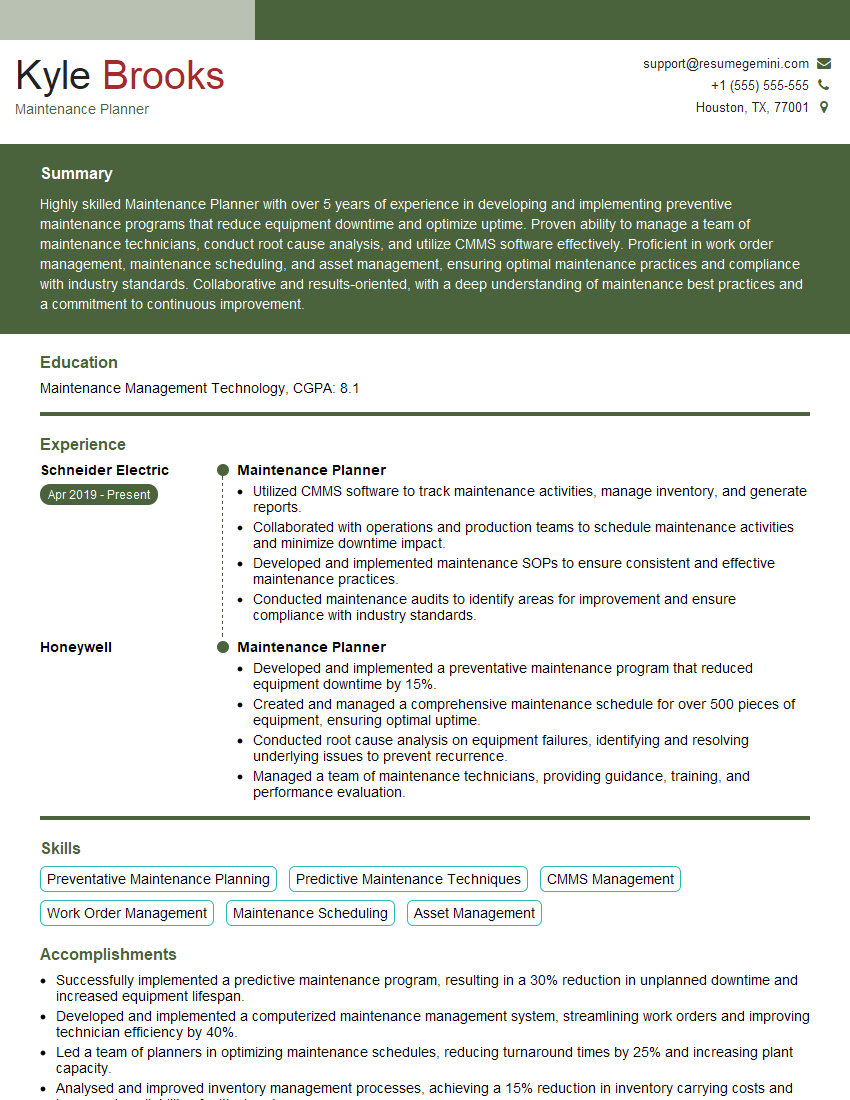
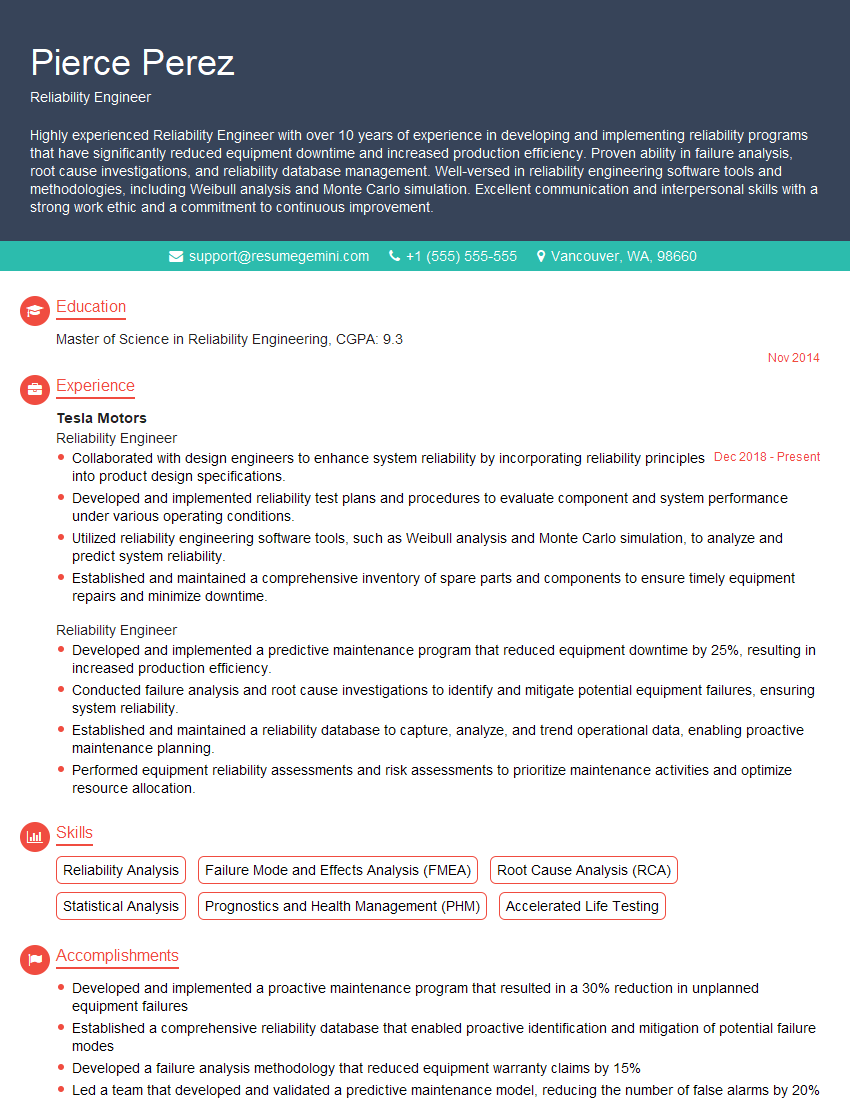
Mastering Reliability Coordination opens doors to exciting career advancements within the energy sector, offering opportunities for specialization and leadership roles. To significantly improve your job prospects, crafting an ATS-friendly resume is essential. This ensures your qualifications are effectively highlighted to potential employers. We strongly encourage you to leverage ResumeGemini, a trusted resource for building impactful resumes. ResumeGemini provides examples of resumes tailored specifically to Reliability Coordination roles, giving you a head start in showcasing your skills and experience effectively.
Explore more articles
Users Rating of Our Blogs
Share Your Experience
We value your feedback! Please rate our content and share your thoughts (optional).
What Readers Say About Our Blog
To the interviewgemini.com Webmaster.
Very helpful and content specific questions to help prepare me for my interview!
Thank you
To the interviewgemini.com Webmaster.
This was kind of a unique content I found around the specialized skills. Very helpful questions and good detailed answers.
Very Helpful blog, thank you Interviewgemini team.