Unlock your full potential by mastering the most common Thymectomy interview questions. This blog offers a deep dive into the critical topics, ensuring you’re not only prepared to answer but to excel. With these insights, you’ll approach your interview with clarity and confidence.
Questions Asked in Thymectomy Interview
Q 1. Describe the different approaches to thymectomy (e.g., transsternal, video-assisted, robotic).
Thymectomy, the surgical removal of the thymus gland, is performed using several approaches, each with its own advantages and disadvantages. The choice of approach depends on factors such as the surgeon’s expertise, the size and location of the tumor (if present), and the patient’s overall health.
- Transsternal Thymectomy: This is a traditional open approach where the surgeon makes an incision along the breastbone (sternum) to access and remove the thymus gland. It provides excellent visualization and allows for complete resection, making it ideal for large tumors or when a complete thymectomy is required. However, it’s associated with a longer recovery time and larger scar.
- Video-Assisted Thoracoscopic Surgery (VATS) Thymectomy: This minimally invasive technique utilizes small incisions and a camera to visualize the surgical field. Smaller incisions mean less pain, faster recovery, and a smaller scar. VATS is becoming the preferred approach for many surgeons due to its minimally invasive nature. However, it might be challenging for certain anatomical variations or very large tumors.
- Robotic Thymectomy: This approach uses a robotic surgical system with enhanced visualization, precision, and dexterity. The surgeon controls the robotic arms from a console, allowing for intricate maneuvers within the chest cavity. Robotic thymectomy offers the potential for even less invasiveness and potentially better outcomes in select cases, but it requires specialized equipment and expertise.
Imagine choosing between driving a car, riding a bicycle, or taking a helicopter – each offers a different level of access, control, and convenience. Similarly, each thymectomy approach offers unique advantages and is tailored to the specific clinical scenario.
Q 2. Explain the indications for thymectomy in myasthenia gravis.
Thymectomy is indicated in myasthenia gravis (MG) patients primarily for two reasons: to improve symptoms and to potentially achieve remission.
- Symptomatic Improvement: In many patients with MG, particularly those with generalized disease and thymic hyperplasia (enlargement of the thymus), thymectomy can lead to significant improvement in muscle strength and a reduction in the severity of symptoms. This occurs because the thymus gland, in some MG patients, produces antibodies that attack the neuromuscular junction, leading to muscle weakness. Removing the thymus can reduce the production of these antibodies.
- Remission: While not guaranteed, thymectomy can induce remission in a subset of MG patients, meaning their symptoms completely resolve. This is more likely to occur in younger patients with thymic hyperplasia and less likely in older patients with thymoma (a tumor of the thymus).
Think of the thymus as a factory producing faulty parts (antibodies) that damage the muscles in MG. Thymectomy is like shutting down this faulty factory, thus improving the overall condition.
Q 3. What are the contraindications for thymectomy?
Contraindications to thymectomy are situations where the risks of surgery outweigh the potential benefits. These include:
- Severe Cardiopulmonary Disease: Patients with severely compromised heart or lung function may not tolerate the stress of surgery.
- Uncontrolled Infections: Active infections increase the risk of postoperative complications.
- Severe Coagulopathy: Problems with blood clotting increase bleeding risk during and after surgery.
- Lack of Surgical Candidate Status: Patients who are deemed medically unfit for surgery due to other serious medical conditions.
Just as you wouldn’t attempt a challenging hike with a severely sprained ankle, thymectomy isn’t suitable for patients with conditions that could severely compromise their ability to recover from surgery.
Q 4. Discuss the perioperative management of a patient undergoing thymectomy.
Perioperative management involves meticulous planning and care before, during, and after the thymectomy to optimize patient outcomes. Key aspects include:
- Preoperative Assessment: A thorough evaluation of the patient’s overall health, including cardiac and pulmonary function tests, is crucial. Any underlying medical conditions need to be optimized before surgery.
- Anesthesia: Anesthesiologists carefully select appropriate anesthesia techniques to minimize risks associated with general anesthesia, particularly in patients with pre-existing conditions.
- Intraoperative Management: During surgery, close monitoring of vital signs, blood loss, and the surgical field is paramount. Specialized instruments and techniques are employed to minimize trauma and bleeding.
- Postoperative Care: Pain management, respiratory support (if necessary), and close monitoring for complications are essential. Early mobilization and pulmonary physiotherapy are encouraged to prevent pneumonia and atelectasis.
Imagine preparing for a marathon – the proper training, nutrition, and rest before the race are as important as the race itself. Similarly, meticulous perioperative management is essential for a successful thymectomy.
Q 5. What are the potential complications of thymectomy?
While thymectomy is generally safe, potential complications can occur. These include:
- Bleeding: Excessive bleeding can lead to the need for blood transfusions or even re-operation.
- Infection: Wound infection or pneumonia can occur, especially if the patient’s immune system is compromised.
- Pneumothorax: Air leakage into the chest cavity can collapse the lung and require chest tube placement.
- Recurrent Laryngeal Nerve Palsy: Damage to this nerve can cause hoarseness or vocal cord paralysis. This is a rare but serious complication.
- Myasthenic Crisis: A rare but serious worsening of MG symptoms post-surgery. This requires intensive care.
Understanding these potential complications allows for better monitoring and management of the patient post-operatively.
Q 6. How do you manage postoperative pain after thymectomy?
Postoperative pain management is crucial for patient comfort and faster recovery. A multimodal approach is often used, incorporating:
- Analgesics: Opioids (for severe pain) and non-opioid analgesics (NSAIDs or acetaminophen) are used, often in combination.
- Regional Anesthesia: Techniques like epidural or intercostal nerve blocks can provide effective pain control with fewer systemic side effects.
- Patient-Controlled Analgesia (PCA): This allows patients to self-administer analgesics as needed, providing better pain control and reducing the risk of respiratory depression.
The goal is to provide adequate pain relief while minimizing the side effects of analgesics, focusing on a comfortable and timely recovery.
Q 7. Describe the role of imaging (CT, MRI) in planning a thymectomy.
Imaging plays a vital role in pre-operative planning for thymectomy. CT and MRI scans provide crucial information about the size, location, and extent of the thymic mass (if present) and the surrounding anatomy.
- CT Scan: Provides excellent anatomical detail, allowing for assessment of the size and location of the thymus gland and any associated masses. It can help identify any abnormalities in surrounding structures like the great vessels or lungs.
- MRI Scan: Offers superior soft tissue contrast, allowing better characterization of thymic lesions, differentiating between thymic hyperplasia and thymoma. It can also help identify invasion of nearby structures.
These images act like a roadmap for the surgeon, guiding the surgical approach and ensuring a safe and effective procedure. Without them, operating would be like navigating without a map – risky and less efficient.
Q 8. Explain the importance of preoperative assessment in thymectomy patients.
Preoperative assessment for thymectomy is crucial for optimizing patient outcomes and minimizing risks. It’s like meticulously preparing for a complex surgery – you wouldn’t start building a house without blueprints! This assessment involves a thorough evaluation of the patient’s overall health, including cardiac and pulmonary function, as well as a detailed assessment of the specific condition necessitating thymectomy, usually myasthenia gravis or thymoma.
- Cardiac Assessment: We need to ensure the patient’s heart can handle the procedure. This includes an electrocardiogram (ECG), echocardiogram, and potentially cardiac stress testing, especially in older patients or those with pre-existing heart conditions.
- Pulmonary Function Tests (PFTs): Lung function is vital, particularly given the proximity of the thymus to the lungs and the potential for postoperative respiratory complications. PFTs help determine the patient’s baseline lung capacity and identify potential risks.
- Neurological Examination: For patients with myasthenia gravis, a thorough neurological evaluation is critical to establish their baseline muscle strength and to track their progress post-operatively.
- Imaging Studies: Chest CT scans and potentially MRI are vital to precisely locate the thymus, identify the size and extent of any tumor (if present), and assess the relationship of the thymus to adjacent structures like major vessels and nerves.
- Laboratory Tests: Routine blood work, including complete blood count (CBC) and coagulation studies, helps rule out any underlying bleeding disorders or infections.
A comprehensive preoperative assessment helps us tailor the surgical approach, anticipate potential complications, and improve the chances of a successful outcome and a smooth recovery.
Q 9. What are the key elements of a successful thymectomy?
A successful thymectomy hinges on several key elements: complete resection of the thymus, minimal invasiveness, preservation of vital structures, and a swift recovery for the patient. Think of it like a delicate operation on a finely tuned instrument – precision is paramount.
- Complete Resection: The primary goal is to remove the entire thymus gland, minimizing the chance of recurrence, particularly important in cases of thymoma. This necessitates excellent visualization and meticulous dissection.
- Minimally Invasive Approach: Whenever possible, we prefer minimally invasive techniques (video-assisted thoracic surgery or VATS) which result in less pain, smaller incisions, shorter hospital stays, and faster recovery times.
- Preservation of Vital Structures: The thymus sits near important structures such as the phrenic nerves (controlling diaphragm movement) and recurrent laryngeal nerves (involved in voice control). Careful dissection and sometimes the use of intraoperative neuromonitoring are essential to protect these nerves.
- Meticulous Hemostasis: Controlling bleeding throughout the procedure is critical to prevent complications such as hematomas (blood clots). This requires careful clamping and ligation of vessels.
- Postoperative Pain Management: Effective postoperative pain management is key to facilitate early mobilization and prevent complications like atelectasis (lung collapse).
By focusing on these elements, we strive to achieve optimal surgical outcomes with reduced morbidity and mortality.
Q 10. How do you assess the completeness of thymic resection?
Assessing the completeness of thymic resection is paramount to avoid recurrence, especially in cases of thymoma. It’s like ensuring you’ve cleaned every corner of a room – you don’t want to leave anything behind! We use a combination of intraoperative and postoperative methods.
- Intraoperative Visual Inspection: Thorough visual inspection of the surgical field is crucial. We carefully examine the anterior mediastinum to ensure no visible thymic tissue remains.
- Palpation: Gentle palpation of the mediastinum helps detect any residual thymic tissue that might not be visible.
- Frozen Section Analysis: During the procedure, small samples of tissue can be sent for immediate pathological examination (frozen section). This allows the surgeon to confirm the complete removal of the thymus and identify any unexpected findings in real-time.
- Postoperative Imaging: Postoperative chest CT scans are performed to confirm complete resection and rule out any residual thymic tissue. This provides a second independent check to increase confidence.
- Histopathological Examination: The resected specimen is meticulously examined under a microscope by a pathologist to confirm the complete removal of the thymus and to assess the nature and extent of any tumor.
By using a multi-modal approach, we enhance the confidence in the completeness of the resection.
Q 11. Describe your experience with minimally invasive thymectomy techniques.
My experience with minimally invasive thymectomy techniques, primarily VATS, has been extensive and overwhelmingly positive. It’s like comparing open-heart surgery to a keyhole procedure – the results are often similar, but the patient experience is dramatically improved.
VATS allows for smaller incisions, leading to less pain, reduced blood loss, shorter hospital stays, and faster recovery times. I’ve found that patient satisfaction is significantly higher with VATS compared to traditional open approaches. The enhanced visualization provided by the video camera allows for precise dissection and minimizes the risk of injury to vital structures. Moreover, the smaller incisions contribute to improved cosmesis.
However, VATS does demand higher surgical skills and expertise, as it requires a thorough understanding of thoracic anatomy and proficiency in using specialized instruments. I’ve witnessed a significant improvement in my own surgical precision and speed since transitioning to VATS.
While some cases might necessitate an open approach due to the size or location of a thymoma, the majority of my thymectomies are now performed using VATS, showcasing its safety and effectiveness.
Q 12. How do you manage postoperative bleeding after thymectomy?
Postoperative bleeding after thymectomy is a serious concern and requires prompt and effective management. Think of it as a plumbing emergency – you need to stop the leak fast! The first step is identifying the source of the bleeding, which might be due to bleeding from small vessels, larger vessels, or the operative site itself.
- Immediate Assessment: Close monitoring of vital signs (heart rate, blood pressure) and assessment of the surgical site are essential immediately following surgery.
- Conservative Measures: If bleeding is minimal, conservative management with close observation and supportive care might suffice. This might include administering blood products if needed.
- Surgical Intervention: For significant or uncontrolled bleeding, surgical re-exploration might be necessary to identify and control the bleeding source, potentially using techniques like vessel ligation or packing.
- Monitoring: Postoperative vital signs, chest tube output, and hemoglobin levels are closely monitored to detect any signs of recurrent or significant bleeding.
- Interventional Radiology: In certain cases, interventional radiology techniques, such as angioembolization (blocking the bleeding vessel), might be utilized to control bleeding without requiring another major surgery.
Prompt recognition and appropriate management of postoperative bleeding are critical to ensure patient safety and a favorable outcome.
Q 13. What are the different types of thymectomy incisions and their advantages/disadvantages?
Thymectomy can be performed using several different incisions, each with its advantages and disadvantages. The choice of incision depends on several factors, including the surgeon’s preference, the size and location of the thymus, and the presence of any associated pathology.
- Transsternal Approach (Open): This involves a vertical incision along the sternum, offering excellent exposure of the mediastinum. Advantages include excellent visualization and accessibility for complete resection. However, it’s associated with significant pain, longer recovery, and a higher risk of complications, such as sternal dehiscence (separation of the sternum).
- Cervicothoracic Approach (Open): This is an incision made in the neck and upper chest, providing access to the superior portion of the thymus. Advantages include shorter incision length in some cases. Disadvantages include potentially limited access for complete resection and limited visualization.
- Video-Assisted Thoracic Surgery (VATS): This is a minimally invasive approach using small incisions in the chest wall with the aid of a camera and specialized instruments. It leads to less pain, shorter hospital stays, and faster recovery, while maintaining a high rate of complete resection in most cases. However, it requires specialized training and expertise.
The selection of the optimal incision is a crucial decision and requires careful consideration of the individual patient’s characteristics and the specific surgical situation.
Q 14. Discuss the role of intraoperative neuromonitoring during thymectomy.
Intraoperative neuromonitoring (IONM) plays a vital role during thymectomy, especially in cases where there is a risk of damage to the recurrent laryngeal nerves or phrenic nerves. IONM is like having an extra set of eyes and ears during the surgery, providing real-time feedback on the integrity of these crucial nerves.
IONM uses electrodes to monitor nerve function during the procedure. Any changes in nerve activity can alert the surgeon to potential injury, allowing for immediate corrective measures. This helps to minimize the risk of postoperative vocal cord paralysis (from recurrent laryngeal nerve injury) or diaphragmatic dysfunction (from phrenic nerve injury).
While IONM adds to the complexity and cost of the procedure, the benefits in terms of patient safety and functional preservation often outweigh the drawbacks, particularly in cases of complex thymectomies or those involving tumors near vital neural structures. The improved nerve preservation with IONM has translated into better patient outcomes.
Q 15. How do you manage respiratory complications after thymectomy?
Respiratory complications after thymectomy, while relatively uncommon with modern techniques, are a serious concern. They range from mild post-operative atelectasis (collapsed lung) to life-threatening pneumothorax (collapsed lung with air in the pleural space). Management hinges on early detection and prompt intervention.
- Post-operative monitoring: Close monitoring of respiratory parameters (oxygen saturation, respiratory rate, breath sounds) is crucial in the immediate post-operative period. This often involves continuous pulse oximetry and frequent respiratory assessments.
- Incentive spirometry: We encourage patients to use incentive spirometers to prevent atelectasis by encouraging deep breathing and lung expansion. This is taught pre-operatively and diligently practiced post-operatively.
- Pain management: Adequate pain control is vital, as pain can restrict deep breathing. We utilize a multimodal approach including analgesics and nerve blocks to minimize discomfort.
- Bronchodilators: If bronchospasm is present, bronchodilators may be administered. This is less common, but important to consider for patients with underlying respiratory conditions.
- Chest physiotherapy: In cases of atelectasis that doesn’t resolve with conservative management, chest physiotherapy, including percussion and postural drainage, may be employed.
- Interventional procedures: For pneumothorax, chest tube insertion might be necessary to drain the air from the pleural space. In severe cases, surgical intervention may be required.
For example, a patient who develops diminished breath sounds post-operatively will be assessed immediately, potentially requiring chest x-ray and initiation of incentive spirometry and pain management. If atelectasis persists despite these measures, we might consider physiotherapy. A patient presenting with sudden respiratory distress and decreased oxygen saturation will require immediate intervention, including chest tube placement if a pneumothorax is confirmed.
Career Expert Tips:
- Ace those interviews! Prepare effectively by reviewing the Top 50 Most Common Interview Questions on ResumeGemini.
- Navigate your job search with confidence! Explore a wide range of Career Tips on ResumeGemini. Learn about common challenges and recommendations to overcome them.
- Craft the perfect resume! Master the Art of Resume Writing with ResumeGemini’s guide. Showcase your unique qualifications and achievements effectively.
- Don’t miss out on holiday savings! Build your dream resume with ResumeGemini’s ATS optimized templates.
Q 16. What are the long-term outcomes associated with thymectomy?
Long-term outcomes after thymectomy are generally positive, particularly for patients with myasthenia gravis or thymoma. However, the specifics depend heavily on the underlying pathology and the extent of the surgery.
- Myasthenia gravis: Complete or partial remission of myasthenia gravis symptoms is observed in a significant proportion of patients undergoing thymectomy, improving quality of life considerably. The long-term success rate depends on factors like age, disease duration, and the presence of thymoma.
- Thymoma: Long-term survival after thymectomy for thymoma depends on the stage of the tumor, histological subtype, and the completeness of surgical resection. Regular follow-up, including imaging studies, is essential for early detection of recurrence.
- Other thymic pathologies: For less common thymic diseases, long-term outcomes vary and are usually disease-specific. Careful monitoring and follow-up are necessary.
- Surgical complications: Potential long-term complications can include persistent pain, scarring, recurrent laryngeal nerve palsy (affecting voice), and rarely, cardiac complications. Pre-operative counseling discusses these possibilities.
For instance, a patient with early-stage myasthenia gravis might experience significant symptom improvement, while a patient with advanced thymoma may require adjuvant therapy, such as radiation or chemotherapy, after surgery, impacting their long-term prognosis. Regular check-ups are crucial to ensure early detection of any recurrence or complications.
Q 17. Explain the differences in surgical approach for different thymic pathologies.
The surgical approach to thymectomy varies considerably depending on the thymic pathology and surgeon preference. The goal is always to achieve complete resection while minimizing morbidity.
- Minimally invasive approaches (Video-Assisted Thoracic Surgery or VATS): These are generally preferred for benign thymic hyperplasia and early-stage thymomas, offering smaller incisions, less pain, and faster recovery. VATS allows excellent visualization and manipulation of the thymus using specialized instruments.
- Sternotomy (open approach): This is traditionally used for large thymomas, invasive tumors, or those involving adjacent structures. It provides maximal exposure, facilitating complete resection even in complex cases. Recovery is generally longer and more arduous.
- Robotic-assisted thymectomy: This combines minimally invasive techniques with the precision and dexterity of robotics, offering excellent visualization and dexterity. It’s a viable option for many thymic pathologies.
- Extended thymectomy: This technique involves removal of additional tissues adjacent to the thymus to achieve more complete resection of tumors with potential infiltration. This would often be a sternotomy approach.
For example, a patient with a small thymoma might undergo VATS thymectomy, resulting in a quicker recovery. A patient with a large thymoma invading the pericardium might require a sternotomy to ensure complete resection. The choice of technique involves careful assessment of the patient and the disease extent.
Q 18. How do you counsel patients regarding the risks and benefits of thymectomy?
Counseling patients regarding thymectomy involves a thorough discussion of the risks and benefits, tailored to the individual’s specific situation.
- Benefits: We explain the potential benefits, such as symptom improvement (in myasthenia gravis), tumor removal (in thymoma), and improved prognosis. This is always explained within the context of the specific pathology and stage.
- Risks: We thoroughly discuss potential complications including bleeding, infection, pneumothorax, chylothorax (lymphatic fluid leak), recurrent laryngeal nerve injury (affecting voice), cardiac injury, and post-operative pain. The likelihood of these complications is discussed within the context of the chosen surgical approach and the patient’s overall health.
- Alternatives: We discuss alternative treatment options, such as medication or radiation therapy, if appropriate.
- Recovery: We provide realistic expectations regarding the recovery period, including length of hospital stay, pain management, and potential limitations on physical activity.
- Follow-up: We emphasize the importance of post-operative monitoring and follow-up appointments.
For example, we might explain to a patient with myasthenia gravis that thymectomy offers the possibility of significant symptom improvement, but there’s a small risk of vocal cord paralysis. We show them pictures illustrating the incisions and demonstrate how incentive spirometry works. A shared decision-making model is critical, where the patient understands the risks and benefits and participates actively in the choice of procedure.
Q 19. Describe your experience with robotic thymectomy.
My experience with robotic thymectomy has been overwhelmingly positive. It offers several advantages over traditional open and VATS approaches.
- Enhanced visualization: The 3D high-definition camera system provides superior visualization of the surgical field, allowing for more precise dissection and minimizing the risk of injury to adjacent structures.
- Improved dexterity: The robotic arms offer enhanced dexterity and range of motion, enabling complex maneuvers in a confined space.
- Minimally invasive: Like VATS, robotic thymectomy results in smaller incisions, less pain, reduced blood loss, and shorter hospital stays.
- Steeper learning curve: This requires specialized training and experience.
In my practice, we have seen a reduction in post-operative complications, including pneumothorax, and faster recovery times in patients undergoing robotic thymectomy. The improved precision can be particularly beneficial in complex cases involving tumors near vital structures. It’s a valuable tool in our arsenal, yet not universally applicable.
Q 20. What are the specific challenges associated with extended thymectomy?
Extended thymectomy, which involves removal of tissue beyond the thymus, presents unique challenges.
- Increased risk of complications: Removing adjacent structures increases the risk of complications such as bleeding, nerve injury (recurrent laryngeal nerve, phrenic nerve), and cardiac injury. Precise dissection is crucial.
- Technical difficulty: The anatomy can be complex and variable, requiring extensive surgical experience and expertise.
- Longer operative time: Extended thymectomy generally takes longer to perform than a standard thymectomy, increasing the risk of complications related to longer anesthesia.
- Potential for incomplete resection: Even with extended thymectomy, complete resection of infiltrative tumors may not always be possible.
For example, a patient with a thymoma invading the pericardium or great vessels requires meticulous surgical technique during extended resection to minimize the risk of injury to these structures. Careful pre-operative planning, including imaging studies and potentially cardiac consultation, is essential.
Q 21. How do you manage patients with thymoma who present with superior vena cava syndrome?
Superior vena cava (SVC) syndrome, a compression of the SVC often caused by a thymoma, presents a significant clinical challenge. Management requires a multidisciplinary approach.
- Pre-operative management: Before surgery, we often use radiation therapy or chemotherapy to reduce tumor size and alleviate SVC compression, improving the patient’s clinical status and making surgery safer and more feasible.
- Surgical approach: The surgical approach is carefully planned to minimize further compression of the SVC during the procedure. Often, the tumor will be debulked before complete resection if the SVC compression is severe.
- Stent placement: In some cases, placement of a stent in the SVC may be necessary to improve venous drainage and relieve SVC syndrome symptoms. This may be done pre-operatively or post-operatively, depending on the situation.
- Post-operative management: Close monitoring of SVC syndrome symptoms is crucial after surgery. Supportive care, including oxygen therapy and medication to manage fluid retention, might be necessary.
The goal is to effectively relieve the SVC compression while ensuring complete or near-complete resection of the tumor. A collaborative approach involving oncologists, surgeons, and interventional radiologists is critical for optimal management.
Q 22. Discuss the role of adjuvant therapy (radiation, chemotherapy) in thymoma management.
Adjuvant therapy, encompassing radiation and chemotherapy, plays a crucial, albeit situation-dependent, role in thymoma management. Its use is largely dictated by the tumor’s stage, histological subtype, and the patient’s overall health. For example, in patients with Masaoka-Koga stage III or IV thymomas, which indicates advanced disease with local invasion or distant metastases, adjuvant radiation therapy is often employed to reduce the risk of local recurrence and improve local control. This is especially relevant for patients with invasive or incompletely resected tumors. Chemotherapy, on the other hand, is generally reserved for patients with metastatic disease where surgery alone is not curative. The specific chemotherapy regimen will depend on the individual characteristics of the tumor and the patient’s condition. For instance, cisplatin-based regimens are commonly used. It’s important to note that adjuvant therapy decisions are made on a case-by-case basis, considering the potential benefits against the risks of side effects. A multidisciplinary team, involving surgeons, oncologists, and radiologists, works collaboratively to tailor the optimal treatment plan.
Q 23. How do you differentiate between thymoma and thymic hyperplasia?
Differentiating thymoma from thymic hyperplasia can be challenging, often requiring a combination of clinical, radiological, and histological findings. Thymic hyperplasia is a benign enlargement of the thymus, typically seen in young adults and sometimes associated with myasthenia gravis. It’s characterized by an increase in the normal thymic lymphoid tissue, without evidence of neoplastic transformation. Histologically, it shows a predominantly lymphoid architecture with normal thymocyte maturation. On imaging, the thymus is enlarged but lacks the features of a mass. In contrast, thymoma is a true neoplasm arising from thymic epithelial cells. Histologically, it’s characterized by a mixture of epithelial and lymphoid components, with varying degrees of atypia and cellularity depending on the subtype. Imaging often reveals a well-defined mass within the anterior mediastinum. The key to differentiation lies in microscopic examination. While imaging can suggest a mass, a biopsy is crucial for definitive diagnosis and subtyping of a thymoma. A thymoma is likely if a circumscribed mass is present, showing evidence of abnormal architecture in the tissue sample.
Q 24. What are the imaging features that suggest a malignant thymoma?
Several imaging features can suggest a malignant thymoma. Chest X-rays may show a mediastinal mass, but CT scans provide much more detail. Malignant thymomas often appear as large, heterogeneous masses with irregular borders, demonstrating invasion into surrounding structures like the pericardium, great vessels, or pleura on CT. Enlarged mediastinal lymph nodes are also a worrisome sign. MRI can provide further characterization of the tumor’s relationship to adjacent structures and assess for invasion. Features like the presence of necrosis (tissue death) within the tumor or evidence of distant metastases (spread to other organs) on CT or PET scans strongly suggest malignancy. The size of the tumor also plays a role, where larger tumors have a higher propensity for malignant behavior. It’s important to remember that imaging alone cannot definitively diagnose malignancy; histopathological examination of a biopsy specimen is necessary for confirmation.
Q 25. How do you approach a patient with recurrent thymoma after initial thymectomy?
Managing recurrent thymoma after initial thymectomy presents a significant clinical challenge. The approach is highly individualized and depends on several factors, including the time elapsed since the initial surgery, the extent of recurrence (local vs. distant), the patient’s overall health, and the histological subtype of the tumor. Options include re-operation, if feasible and safe, to achieve maximal surgical resection of the recurrent tumor. This might be followed by radiation therapy to target any residual disease. Chemotherapy plays a vital role if the recurrence is widespread or unresectable. Targeted therapies are also being explored, although still under development. Close monitoring with imaging studies, like CT scans, is essential to track disease progression and adjust treatment accordingly. In some instances, where the disease is advanced and treatment options are limited, palliative care to manage symptoms and improve quality of life becomes the priority. The decision-making process always involves a multidisciplinary team, prioritizing patient preferences and realistic expectations.
Q 26. Describe your experience with the management of postoperative infections after thymectomy.
Postoperative infections after thymectomy, while relatively infrequent, can be serious. They’re managed aggressively with prompt identification and treatment. Prophylactic antibiotics are often used, particularly in high-risk patients. Postoperative monitoring includes regular assessment of vital signs, wound examination, and careful attention to any signs of infection, such as fever, increased white blood cell count, or purulent drainage. If an infection is suspected, cultures are taken to identify the causative organism and guide antibiotic therapy. Surgical drainage may be necessary for localized infections. Early detection and treatment are crucial in preventing serious complications like mediastinitis, a severe infection of the mediastinum, which requires immediate intervention. In my experience, a vigilant approach to infection prevention and management, including rigorous sterile techniques during surgery, meticulous wound care, and close postoperative monitoring, minimizes this risk. We strive to educate patients about recognizing symptoms of infection to ensure early intervention.
Q 27. What are the ethical considerations in decision-making for thymectomy?
Ethical considerations in decision-making for thymectomy are multifaceted. The primary ethical principle is patient autonomy – respecting the patient’s right to make informed decisions about their own treatment. This involves providing comprehensive information about the procedure, including benefits, risks, and alternatives, and ensuring the patient understands this information sufficiently to make a choice. Another crucial aspect is beneficence – acting in the best interests of the patient. This requires weighing the potential benefits of thymectomy against the risks and considering the patient’s overall health status and life expectancy. Non-maleficence, avoiding harm, is paramount. This involves carefully assessing the risks of surgery, particularly in patients with comorbidities, and selecting the least invasive approach whenever possible. Finally, justice implies equitable access to appropriate care. This encompasses ensuring that all patients, regardless of their socioeconomic status, have access to the necessary expertise and resources for optimal thymectomy management.
Q 28. Explain your understanding of the pathophysiology of myasthenia gravis and its relation to thymectomy.
Myasthenia gravis (MG) is an autoimmune neuromuscular disorder characterized by fluctuating weakness and fatigability of voluntary muscles. Its pathophysiology involves the production of autoantibodies that target the acetylcholine receptors at the neuromuscular junction, leading to impaired neuromuscular transmission. The thymus plays a significant role in the pathogenesis of MG, especially in certain subsets of patients. In many cases of MG, the thymus shows hyperplasia or the presence of a thymoma. The exact mechanisms by which the thymus contributes to MG are not fully understood, but it’s believed that the thymus may act as an ectopic site for the production of autoantibodies or the maturation of autoreactive T-cells, perpetuating the autoimmune response. Thymectomy, particularly in patients with thymic hyperplasia or thymoma, is often beneficial in MG, as it can lead to clinical improvement by removing the source of autoantibody production or disrupting the autoimmune process. However, the effect of thymectomy on MG can vary, and it’s not always curative. The decision to perform a thymectomy in MG is typically based on the patient’s age, disease severity, and the presence or absence of a thymoma.
Key Topics to Learn for Thymectomy Interview
- Thymectomy Indications: Understand the various medical conditions requiring thymectomy, including myasthenia gravis, thymoma, and thymic hyperplasia. Consider the diagnostic criteria and patient selection process.
- Surgical Techniques: Familiarize yourself with different thymectomy approaches (e.g., sternotomy, video-assisted thoracoscopic surgery (VATS), minimally invasive approaches). Understand the advantages and disadvantages of each technique and their impact on patient recovery.
- Pre-operative Assessment and Planning: Learn about the essential pre-operative evaluations, including imaging studies (CT, MRI), pulmonary function tests, and cardiac assessments. Understand the role of multidisciplinary team discussions in surgical planning.
- Post-operative Management: Master the post-operative care pathways, including pain management, respiratory support, and monitoring for complications like bleeding or infection. Be prepared to discuss patient education and rehabilitation strategies.
- Complications and Management: Understand potential complications associated with thymectomy and their management, such as recurrent laryngeal nerve injury, bleeding, pneumothorax, and chylothorax.
- Long-Term Outcomes and Follow-up: Be familiar with the long-term outcomes and follow-up care for patients undergoing thymectomy. This includes monitoring for recurrence of the underlying disease and addressing any late-onset complications.
- Ethical Considerations: Be prepared to discuss ethical considerations related to patient autonomy, informed consent, and risk-benefit analysis in the context of thymectomy.
Next Steps
Mastering the intricacies of thymectomy significantly enhances your career prospects in thoracic surgery and related fields. A strong understanding of the procedure’s various aspects demonstrates a high level of clinical competence and problem-solving skills. To maximize your job search success, it’s crucial to have an ATS-friendly resume that effectively highlights your skills and experience. We strongly encourage you to use ResumeGemini to build a professional and impactful resume. ResumeGemini provides tools and resources to create a compelling document, and we offer examples of resumes tailored to the Thymectomy field to guide you through the process.
Clinical Trial Coordinator Resume Sample
Regulatory Affairs Specialist Resume Sample
Research Scientist Resume Sample
Biostatistician Resume Sample
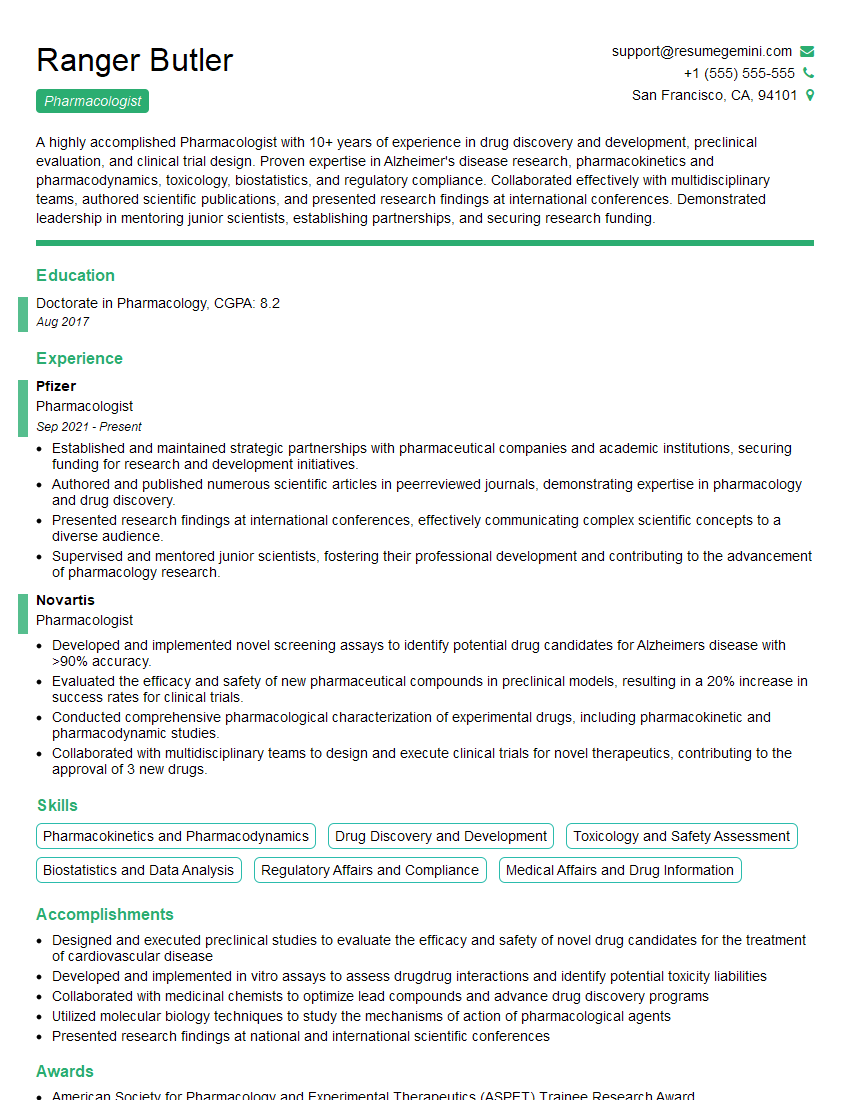
Pharmacologist Resume Sample
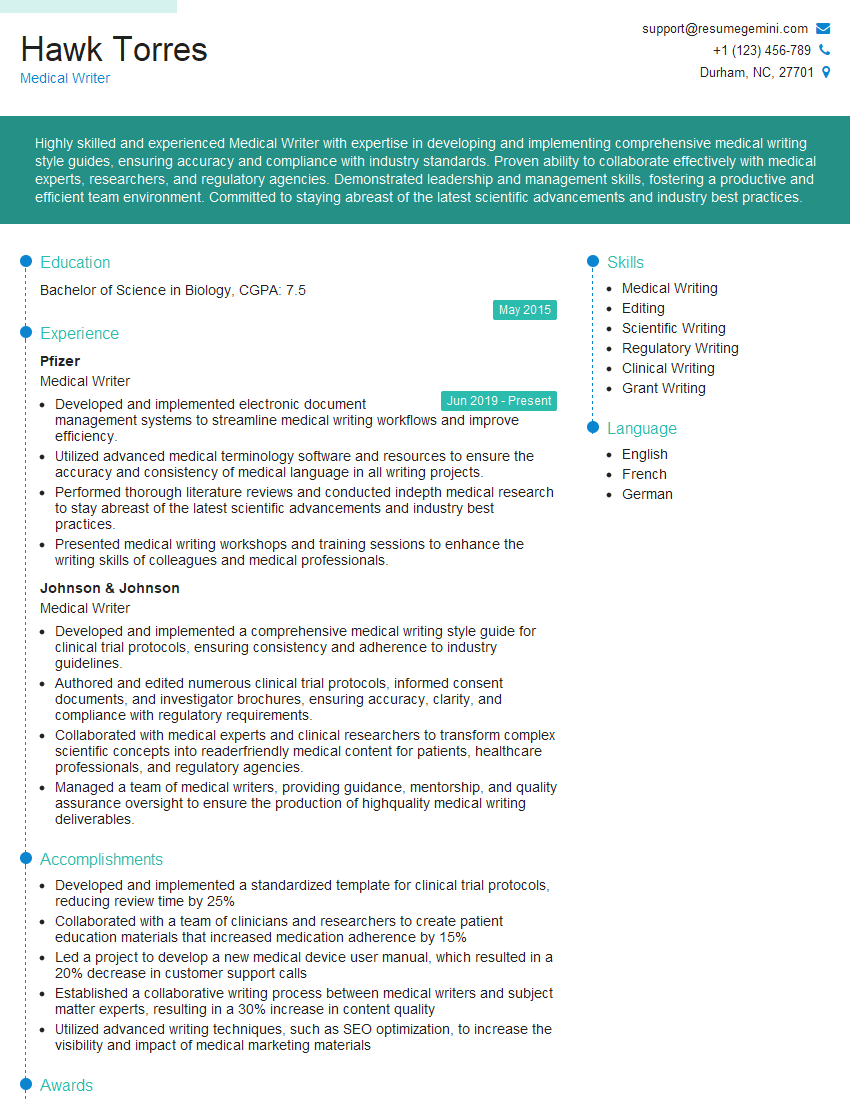
Medical Writer Resume Sample
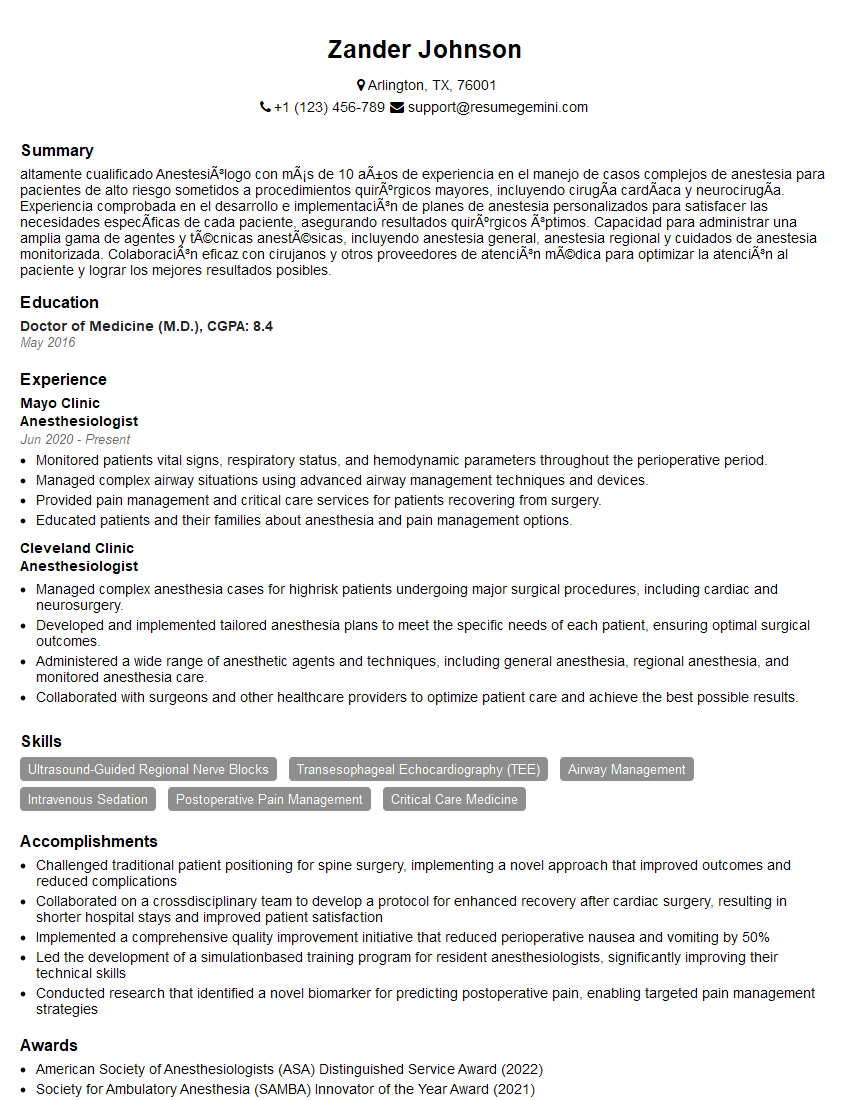
Anesthesiologist Resume Sample
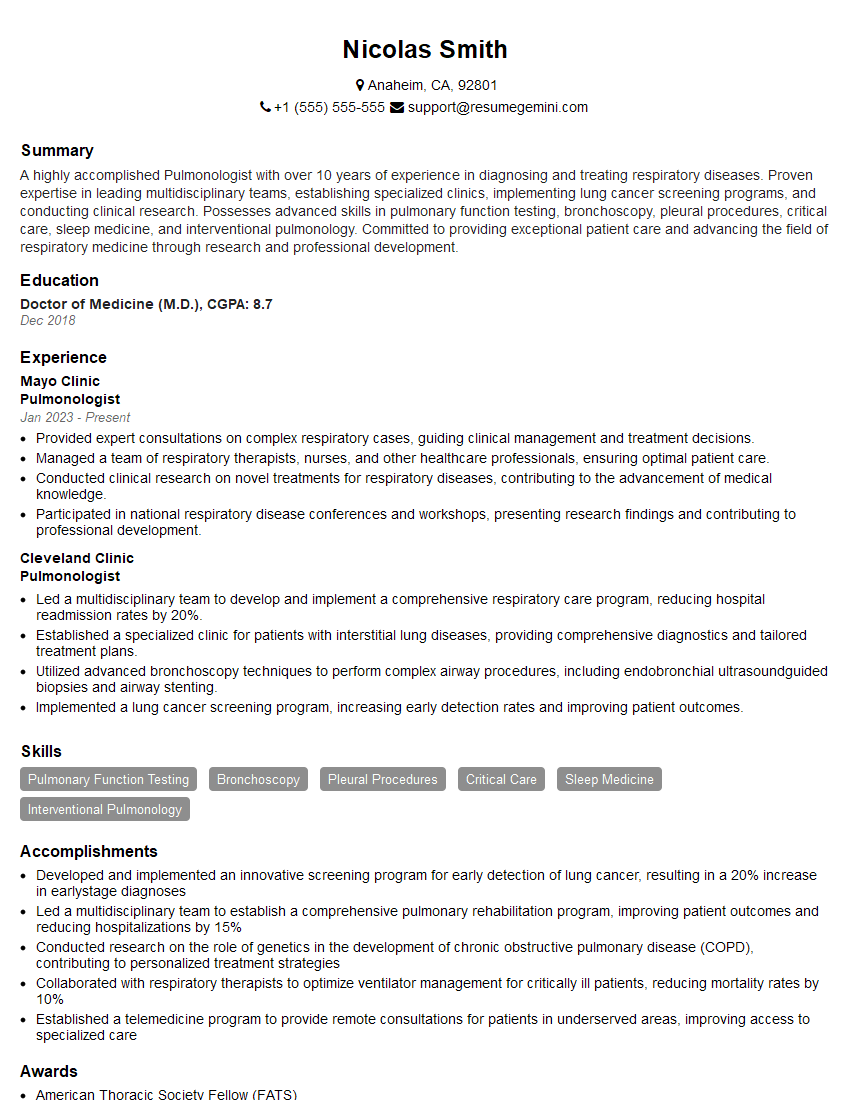
Pulmonologist Resume Sample
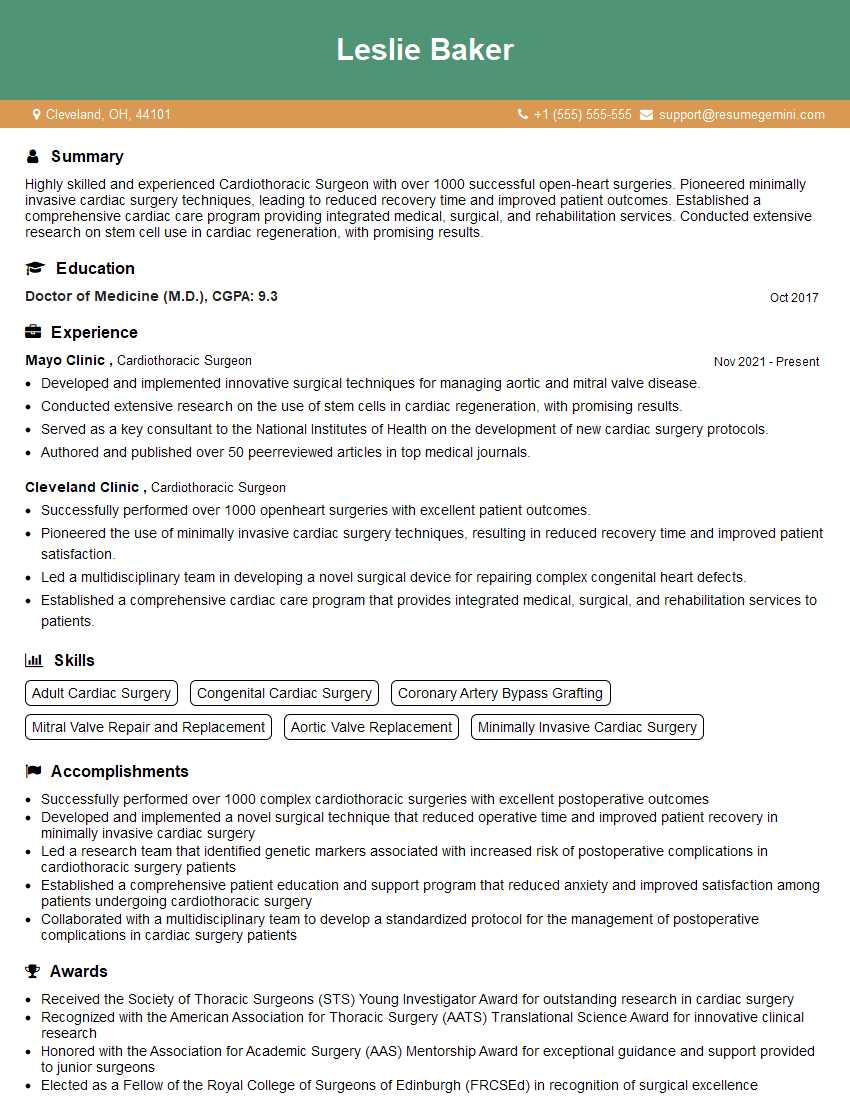
Cardiothoracic Surgeon Resume Sample
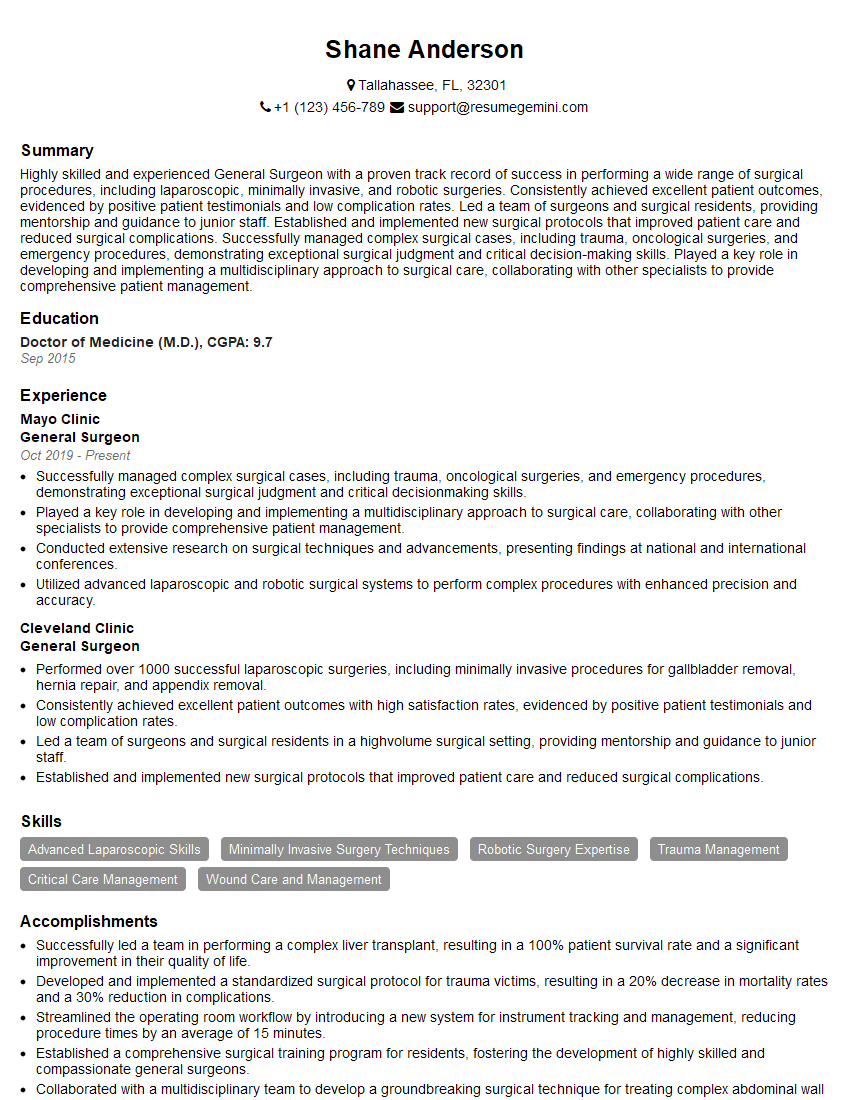
General Surgeon Resume Sample
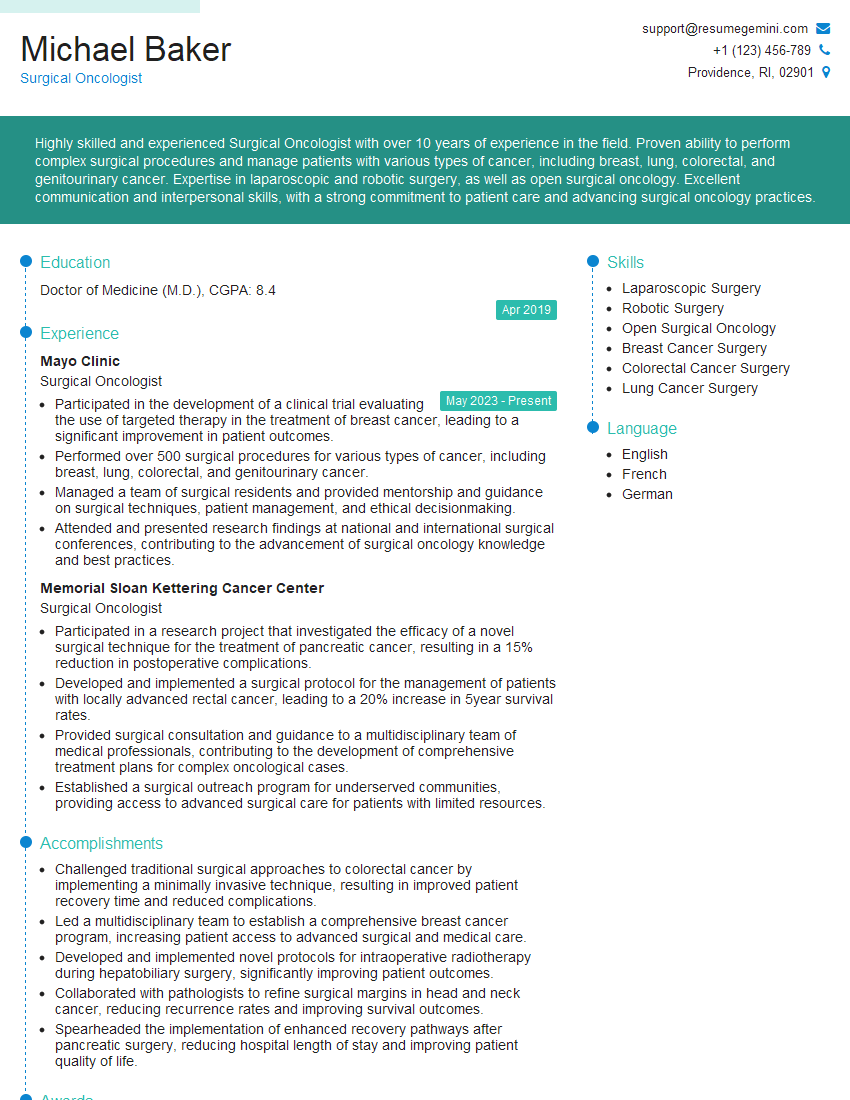
Surgical Oncologist Resume Sample
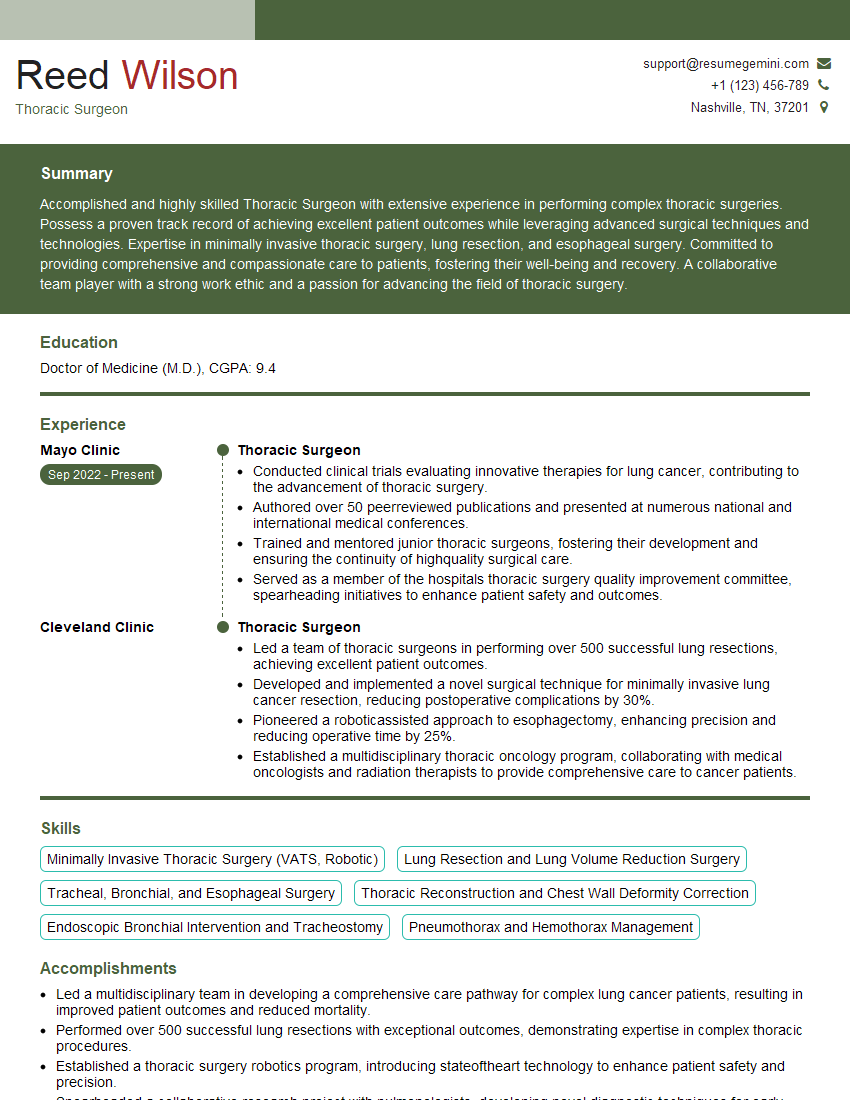
Thoracic Surgeon Resume Sample
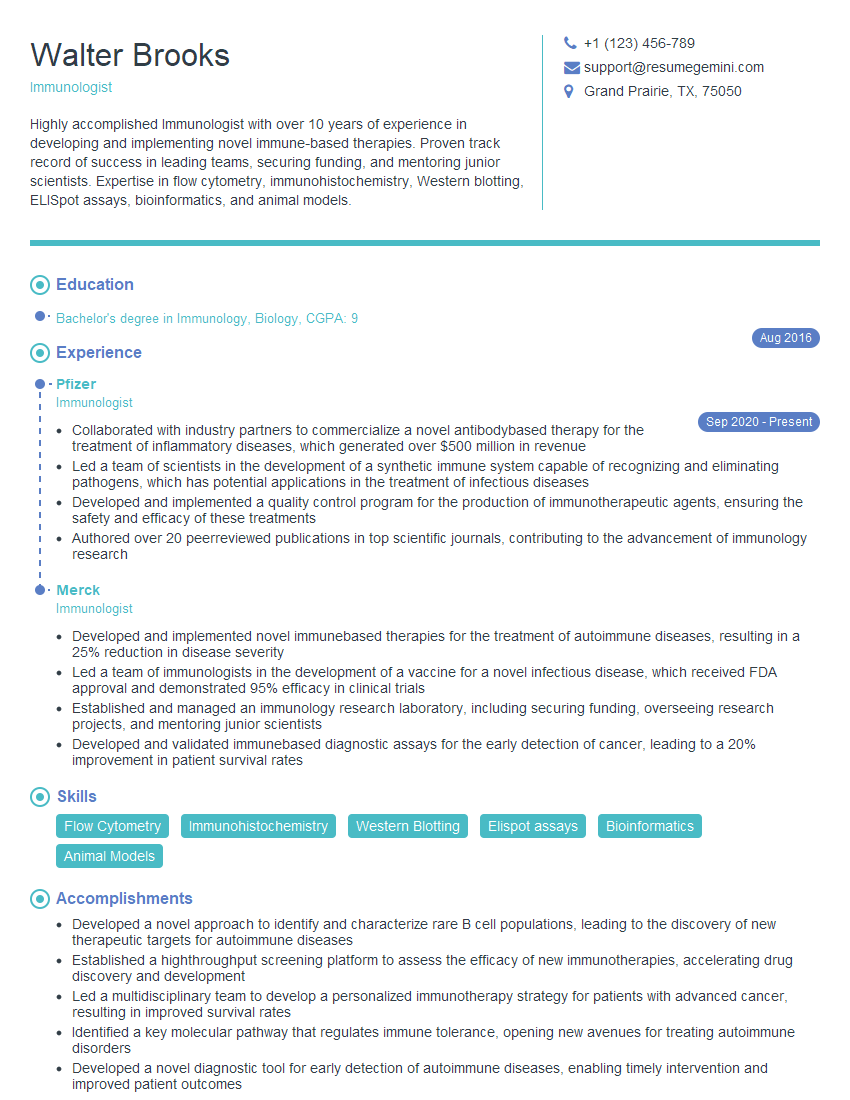
Immunologist Resume Sample
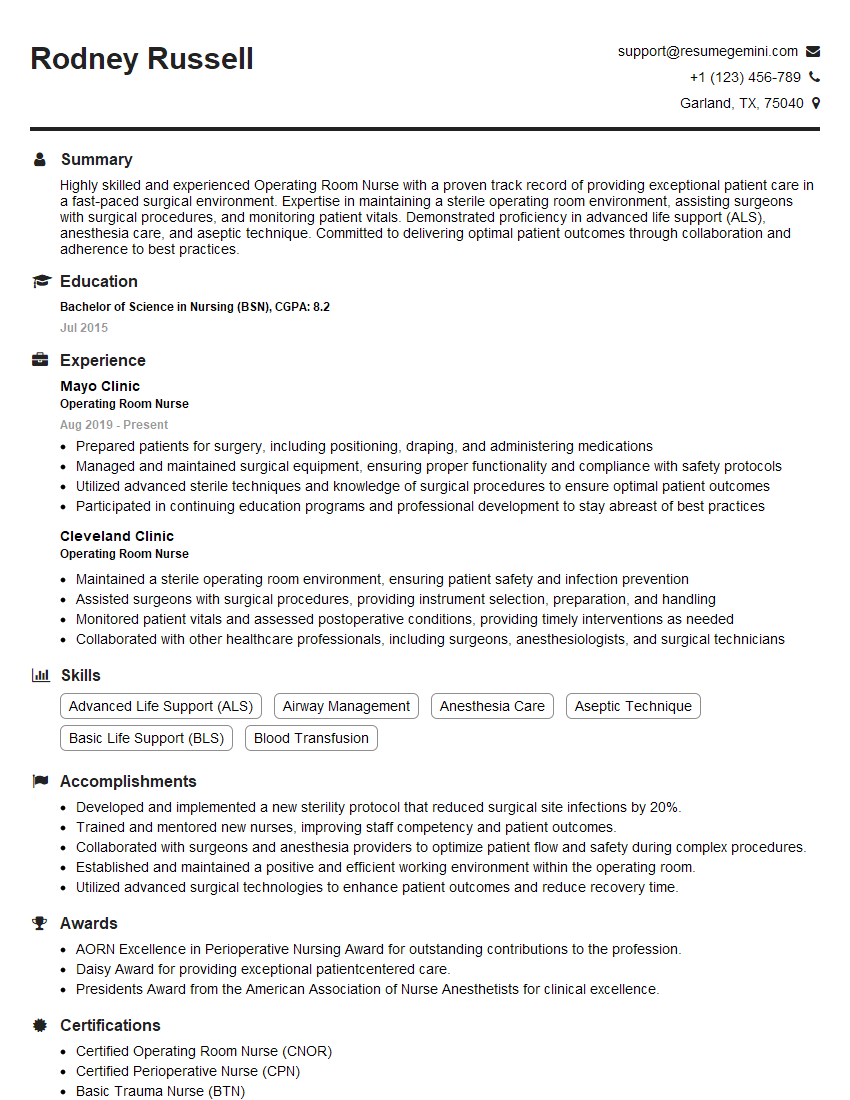
Operating Room Nurse Resume Sample
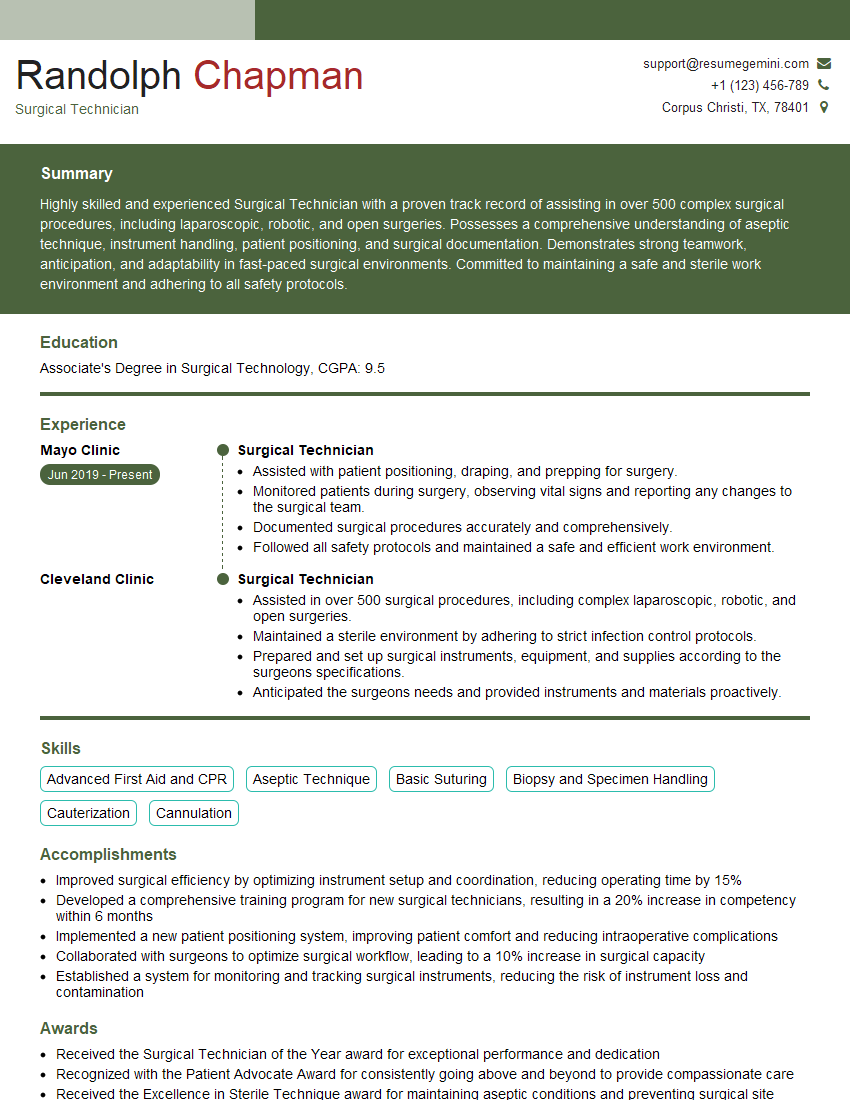
Surgical Technician Resume Sample
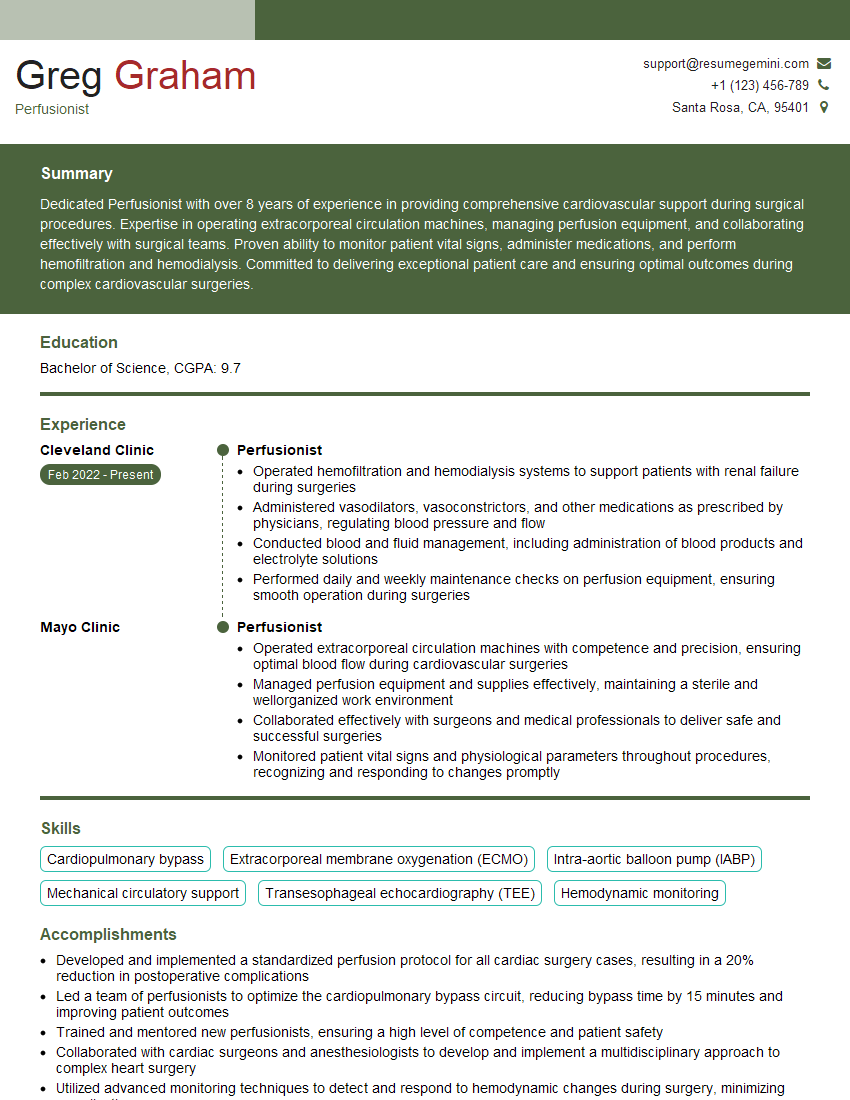
Perfusionist Resume Sample
Explore more articles
Users Rating of Our Blogs
Share Your Experience
We value your feedback! Please rate our content and share your thoughts (optional).
What Readers Say About Our Blog
To the interviewgemini.com Webmaster.
Very helpful and content specific questions to help prepare me for my interview!
Thank you
To the interviewgemini.com Webmaster.
This was kind of a unique content I found around the specialized skills. Very helpful questions and good detailed answers.
Very Helpful blog, thank you Interviewgemini team.