Feeling uncertain about what to expect in your upcoming interview? We’ve got you covered! This blog highlights the most important Transthoracic Esophagectomy interview questions and provides actionable advice to help you stand out as the ideal candidate. Let’s pave the way for your success.
Questions Asked in Transthoracic Esophagectomy Interview
Q 1. Describe the surgical steps involved in a transthoracic esophagectomy.
Transthoracic esophagectomy is a complex operation involving the removal of a portion of the esophagus and often a portion of the stomach, followed by reconstruction to restore the continuity of the gastrointestinal tract. The procedure typically involves several key steps:
- Right thoracotomy: A surgical incision is made in the right chest to access the esophagus. This provides excellent exposure of the thoracic esophagus.
- Mobilization of the esophagus: The surgeon carefully dissects and frees the esophagus from surrounding structures, including the mediastinum and trachea. This meticulous dissection is crucial to avoid injury to vital structures.
- Resection of the esophagus: The diseased portion of the esophagus is removed. This segment extends from the thoracic esophagus to the lower esophageal sphincter, depending on the extent of disease.
- Gastric mobilization: A portion of the stomach is mobilized to be used for esophageal reconstruction.
- Reconstruction: The mobilized stomach is then pulled up through the chest and connected to the remaining esophagus in the neck (usually with a stapling device). The connection between the stomach and the remaining esophagus is called an esophagogastrostomy. This is often reinforced with sutures.
- Closure: The chest is closed in layers.
The exact steps can vary slightly depending on the specific surgical technique employed.
Q 2. Explain the indications and contraindications for a transthoracic esophagectomy.
Indications for transthoracic esophagectomy primarily include esophageal cancer that is localized to, or involves, the thoracic portion of the esophagus. Other indications can include benign strictures unresponsive to other treatments, and certain types of esophageal perforation. The decision to proceed with a transthoracic approach is based on the location and extent of the disease, as assessed through imaging (CT, endoscopy, etc.) and biopsy.
Contraindications include severe comorbid conditions that would increase surgical risk excessively (severe heart or lung disease, significant liver or kidney impairment). Patients with extensive metastatic disease or locally advanced tumors where resection is deemed unsafe or unresectable are also unsuitable candidates. Poor pulmonary reserve, as evaluated by pulmonary function testing, might also make this surgery too high-risk.
Q 3. What are the different approaches to a transthoracic esophagectomy (e.g., Ivor Lewis, McKeown)?
Several approaches exist for transthoracic esophagectomy, with the Ivor Lewis and McKeown techniques being among the most common. Both involve a thoracotomy, but differ in the approach to esophageal mobilization and reconstruction.
- Ivor Lewis esophagectomy: This technique involves a right thoracotomy to mobilize the thoracic esophagus, with a transabdominal approach for mobilizing the stomach. The reconstruction is usually performed in the neck, with the stomach pulled up and connected to the cervical esophagus. This approach offers good visualization of the esophageal anastomosis.
- McKeown esophagectomy: This approach relies primarily on a right thoracotomy for mobilization of the esophagus and stomach. The anastomosis is usually performed in the chest. The transabdominal component is less extensive compared to the Ivor Lewis.
Other variations exist, often adapted based on the surgeon’s preference, the extent of disease, and the patient’s specific anatomy.
Q 4. Compare and contrast transthoracic and transhiatal esophagectomy.
Both transthoracic and transhiatal esophagectomy are surgical approaches for esophageal cancer, but they differ significantly in their access points and surgical techniques.
- Transthoracic esophagectomy: Accesses the esophagus through a thoracotomy, providing excellent exposure to the thoracic esophagus. This allows for more complete lymph node dissection, which is crucial for cancer staging and improving long-term outcomes. However, it is a more invasive procedure with a greater risk of postoperative complications.
- Transhiatal esophagectomy: Accesses the esophagus through an abdominal incision and a transhiatal approach. It is less invasive than a transthoracic approach, resulting in reduced postoperative morbidity in selected patients. However, lymph node dissection is generally less extensive, potentially impacting survival in patients with node-positive disease.
The choice between these approaches depends on several factors, including the location and extent of the tumor, the patient’s overall health, and the surgeon’s expertise. Transthoracic esophagectomy is usually preferred for tumors in the middle or upper thoracic esophagus and patients with substantial mediastinal lymph node involvement.
Q 5. Discuss the role of neoadjuvant chemotherapy and/or radiotherapy in transthoracic esophagectomy.
Neoadjuvant therapy, encompassing chemotherapy and/or radiotherapy, plays a significant role in improving outcomes for patients undergoing transthoracic esophagectomy. It is often given before surgery (neoadjuvant) to:
- Reduce tumor size: Shrinking the tumor can make surgery technically easier and potentially less extensive.
- Improve resectability: Some initially unresectable tumors might become resectable after neoadjuvant therapy.
- Eliminate microscopic disease: This may improve long-term survival rates by potentially eradicating cancer cells that cannot be detected through imaging.
The specific regimen of neoadjuvant therapy depends on factors like the tumor type and stage. The decision to use neoadjuvant therapy is made on a case-by-case basis considering patient factors and potential benefits against side effects.
Q 6. What are the potential intraoperative complications of a transthoracic esophagectomy?
Transthoracic esophagectomy is a high-risk procedure with several potential intraoperative complications, including:
- Bleeding: Significant bleeding can occur due to the complex anatomy and the proximity of vital structures.
- Injury to surrounding organs: The esophagus is closely related to vital structures like the trachea, lungs, and major blood vessels. Accidental injury to these structures is a potential risk.
- Chylothorax: Damage to the thoracic duct can result in chylothorax (leakage of lymphatic fluid into the pleural space).
- Pneumonia: Postoperative pneumonia is a concern due to the invasive nature of the surgery and the potential for lung compromise.
- Recurrent laryngeal nerve injury: This can result in hoarseness or vocal cord paralysis.
- Esophageal perforation: Accidental perforation of the esophagus can occur during dissection or anastomosis.
Meticulous surgical technique, careful patient selection, and a well-prepared surgical team are crucial to minimize these risks.
Q 7. How do you manage intraoperative bleeding during a transthoracic esophagectomy?
Intraoperative bleeding during a transthoracic esophagectomy requires prompt and effective management. Strategies include:
- Control of bleeding vessels: Direct surgical control of bleeding vessels using electrocautery, sutures, or clips.
- Packing: Temporary packing of the bleeding area with gauze or specialized surgical materials to control bleeding while other measures are taken.
- Use of vascular staplers: Specialized surgical staplers can help control bleeding from larger vessels.
- Blood transfusion: Blood transfusion may be necessary to compensate for significant blood loss.
- Surgical intervention: In some cases, more extensive surgical intervention may be required, such as ligation of a major vessel.
The surgeon’s experience and judgement are critical in choosing the appropriate approach to manage bleeding effectively and minimize its impact on the patient’s overall outcome. Maintaining a low threshold for seeking help and using imaging (fluoroscopy) to identify the bleeding site are key to successful management.
Q 8. Describe your approach to postoperative pain management after a transthoracic esophagectomy.
Postoperative pain management after a transthoracic esophagectomy is crucial for patient recovery and quality of life. It’s a multimodal approach, targeting different pain pathways. We begin with a strong emphasis on regional anesthesia, including epidural analgesia. This provides excellent pain control in the chest and abdomen, minimizing opioid requirements and reducing the risk of respiratory depression and ileus. In addition to the regional approach, we use a patient-controlled analgesia (PCA) pump with opioids, titrated to the patient’s needs and pain levels. We carefully monitor respiratory function and bowel activity to adjust the analgesic regimen accordingly. Non-opioid analgesics, such as NSAIDs (with careful monitoring of renal function), gabapentinoids, and acetaminophen, are also incorporated to provide additional pain relief and reduce opioid dependence. Regular assessment of pain using validated scales, as well as addressing any psychological factors that may impact pain perception, are crucial components. We also employ early mobilization and physiotherapy to aid in recovery and reduce pain, creating a holistic approach.
Q 9. What are the common postoperative complications of a transthoracic esophagectomy?
Transthoracic esophagectomy carries inherent risks, making postoperative complications a significant concern. Common complications include:
- Respiratory complications: Pneumonia, atelectasis (lung collapse), respiratory failure—these are particularly prevalent due to the surgery’s impact on the lungs and chest.
- Anastomotic leak: Leakage from the site where the esophageal segments are rejoined. This is a life-threatening complication.
- Infection: Wound infections, mediastinitis (infection of the mediastinum), sepsis.
- Cardiac complications: Arrhythmias, heart failure, particularly in patients with pre-existing cardiac disease.
- Gastrointestinal complications: Ileus (bowel obstruction), stricture (narrowing of the esophagus), aspiration pneumonia.
- Bleeding: Hemorrhage from the surgical site.
- Chyle leak: Leakage of lymph fluid from the thoracic duct.
- Renal failure: Often linked to the use of nephrotoxic drugs or pre-existing conditions.
Careful patient selection, meticulous surgical technique, and aggressive postoperative management are essential for minimizing these risks.
Q 10. How do you manage anastomotic leaks after a transthoracic esophagectomy?
Management of an anastomotic leak following transthoracic esophagectomy is a critical situation demanding immediate intervention. The approach is tailored to the severity of the leak. Minor leaks, often detected early through elevated amylase levels or imaging, may be managed conservatively with bowel rest, intravenous nutrition, and close monitoring. However, significant leaks necessitate more aggressive management. This may include percutaneous drainage of collections (using a tube to drain fluids), surgical exploration and repair of the leak (if feasible), and occasionally, diversion of the gastric conduit (rerouting the food passage). The patient’s overall condition and comorbidities significantly influence the chosen management strategy. Early recognition through diligent monitoring and prompt intervention are crucial for improving patient outcomes. If conservative management fails, surgery is generally required to prevent further complications.
Q 11. Discuss the role of minimally invasive techniques in transthoracic esophagectomy.
Minimally invasive techniques, such as video-assisted thoracoscopic surgery (VATS) and robotic-assisted surgery, are increasingly used in transthoracic esophagectomy. These methods offer several potential advantages over open surgery, including smaller incisions, reduced trauma, less postoperative pain, shorter hospital stays, and potentially faster recovery. While the minimally invasive approach may not be suitable for all patients (e.g., those with advanced disease or significant comorbidities), its use is growing, particularly for selected patients. The transition to these minimally invasive procedures requires specialized training and expertise to ensure safety and effectiveness. This shift improves patient outcomes, but careful selection of candidates remains vital.
Q 12. What are the advantages and disadvantages of robotic-assisted transthoracic esophagectomy?
Robotic-assisted transthoracic esophagectomy combines the benefits of minimally invasive surgery with enhanced precision and dexterity provided by the robotic system.
Advantages:
- Improved visualization and precision during dissection.
- Enhanced dexterity in tight anatomical spaces.
- Minimally invasive approach leads to reduced trauma, less pain, and faster recovery.
- Potential for better oncologic outcomes in selected cases (though this requires further research).
Disadvantages:
- High initial cost of the robotic system and specialized training.
- Longer operative time compared to traditional VATS in experienced hands.
- Steeper learning curve for surgeons.
- Not suitable for all patients (certain anatomical situations might pose challenges).
The decision to use robotic assistance is made on a case-by-case basis, considering the patient’s anatomy, comorbidities, and the surgeon’s experience with the technique.
Q 13. How do you select the appropriate reconstruction method after esophagectomy?
Reconstruction after esophagectomy involves restoring the continuity of the digestive tract. The choice of reconstruction method depends on several factors, including the extent of resection, the patient’s overall health, and the surgeon’s expertise. Common methods include:
- Cervical esophagogastrostomy: Joining the stomach to the remaining esophagus in the neck. This is commonly used after a transhiatal esophagectomy.
- Thoracic esophagogastrostomy: Joining the stomach to the remaining esophagus in the chest. More often used after a transthoracic esophagectomy.
- Colon interposition: Using a segment of the colon to bridge the gap between the remaining esophagus and the stomach. This option may be considered when the stomach is insufficient for reconstruction.
The decision-making process carefully weighs the benefits and risks of each method, aiming for a technically sound, safe, and functionally efficient reconstruction. For example, a patient with a healthy stomach and suitable anatomy might be a better candidate for a cervical esophagogastrostomy, whereas patients with limited stomach length or other complicating factors might benefit from colon interposition.
Q 14. Describe your experience with esophageal replacement techniques.
My experience encompasses a wide range of esophageal replacement techniques, with a strong focus on achieving optimal functional and oncologic outcomes. The selection of the appropriate technique is dictated by various factors, including the extent of the resection, the patient’s general health, and the availability of suitable substitutes. I have significant experience with gastric pull-up, where a portion of the stomach is used to replace the resected esophagus, and colon interposition, using a segment of the colon to reconstruct the esophageal continuity. The choice depends greatly on factors such as the length of the esophagus needing replacement and the patient’s overall condition. Detailed preoperative planning and meticulous surgical technique are crucial to minimize complications and ensure successful esophageal reconstruction. Postoperative monitoring is equally vital in addressing any potential complications promptly.
Q 15. Discuss the perioperative management of patients undergoing transthoracic esophagectomy.
Perioperative management of patients undergoing transthoracic esophagectomy is a complex, multidisciplinary process demanding meticulous attention to detail. It’s crucial to optimize the patient’s overall health before surgery, minimize complications during the procedure, and ensure optimal recovery afterward. This involves careful planning, robust monitoring, and a proactive approach to managing potential risks.
Preoperative phase: This focuses on optimizing nutritional status, addressing comorbidities like diabetes and heart disease, pulmonary rehabilitation to improve lung function (especially important given the thoracotomy), and meticulous assessment for potential surgical risks. We utilize advanced imaging (CT scans, PET scans) to accurately stage the cancer and plan the extent of resection.
Intraoperative phase: This requires a highly skilled surgical team with expertise in both thoracic and abdominal surgery. The procedure itself is lengthy and technically demanding, involving removal of a portion of the esophagus and reconstruction using a gastric pull-up or colonic interposition. Intraoperative monitoring includes meticulous attention to fluid balance, blood pressure, and oxygen saturation. We use techniques like nerve-sparing and minimally invasive approaches where appropriate to minimize postoperative pain and morbidity.
Postoperative phase: This is crucial for minimizing complications and ensuring adequate recovery. Patients are closely monitored in an intensive care unit (ICU) for several days, with close attention to respiratory function (risk of pneumonia and atelectasis), cardiac function, and nutritional support. Pain management is paramount, and early mobilization is encouraged to prevent complications such as deep vein thrombosis and pneumonia. Regular assessment for anastomotic leaks, infections, and other potential complications is essential.
Career Expert Tips:
- Ace those interviews! Prepare effectively by reviewing the Top 50 Most Common Interview Questions on ResumeGemini.
- Navigate your job search with confidence! Explore a wide range of Career Tips on ResumeGemini. Learn about common challenges and recommendations to overcome them.
- Craft the perfect resume! Master the Art of Resume Writing with ResumeGemini’s guide. Showcase your unique qualifications and achievements effectively.
- Don’t miss out on holiday savings! Build your dream resume with ResumeGemini’s ATS optimized templates.
Q 16. What are the key elements of preoperative patient assessment for transthoracic esophagectomy?
Preoperative assessment for transthoracic esophagectomy is multifaceted and crucial for determining surgical candidacy and optimizing outcomes. It goes far beyond simply confirming the diagnosis. We aim to identify and mitigate any potential risks that could compromise the procedure or recovery.
- Thorough history and physical exam: This helps identify comorbidities like heart disease, lung disease, and diabetes, which can significantly increase the risks of surgery. A detailed dietary history is crucial for evaluating nutritional status.
- Advanced imaging: CT scans, PET scans, and endoscopic ultrasound are used to stage the cancer accurately. This determines the extent of tumor involvement, the need for neoadjuvant chemotherapy or radiotherapy, and helps guide surgical planning.
- Pulmonary function tests: These are essential to assess respiratory reserve and identify patients at risk of postoperative respiratory complications. Preoperative pulmonary rehabilitation might be necessary to improve lung function.
- Cardiac evaluation: This often involves an electrocardiogram (ECG), echocardiogram, and sometimes cardiac catheterization to assess cardiac function and identify patients at increased risk of cardiac complications.
- Nutritional assessment: Patients often present with malnutrition due to dysphagia, and assessment of albumin levels and body mass index (BMI) helps guide nutritional support strategies.
- Psychological evaluation: It’s essential to discuss the risks, benefits, and potential complications of surgery with the patient and their family and to address any psychological concerns.
A well-conducted preoperative assessment allows us to tailor our approach to individual patient needs, improving their chances of a successful outcome and minimizing complications.
Q 17. Explain your approach to nutritional support before and after a transthoracic esophagectomy.
Nutritional support is paramount before and after a transthoracic esophagectomy, given the extensive surgery and the potential impact on the patient’s ability to ingest and digest food. Malnutrition is common pre-operatively, and we actively work to improve nutritional status before surgery.
Preoperative nutritional support: Patients often receive nutritional counseling and dietary modifications to maximize their nutritional intake. If necessary, we may employ enteral (via feeding tube) or parenteral (intravenous) nutrition to provide adequate calories and nutrients. The goal is to improve their overall nutritional status and reduce the risk of postoperative complications.
Postoperative nutritional support: Post-surgery, patients are usually unable to eat orally for several weeks. Early enteral nutrition, ideally via a jejunostomy tube (placed before the anastomosis), is commenced once bowel function returns to reduce the risk of malnutrition and support healing. We carefully monitor nutrient levels and adjust the feeding regimen as necessary. Gradual transition to oral intake is then implemented, starting with liquids and advancing to solid foods as tolerated. Regular monitoring of weight, albumin levels, and other indicators of nutritional status are crucial during this phase.
An example: A patient with significant weight loss before surgery might need several weeks of intensive nutritional support to reach optimal nutritional status before undergoing the operation. Postoperatively, we carefully monitor the rate of their progress, making adjustments to nutritional support as their digestive system recovers.
Q 18. How do you monitor patients post-transthoracic esophagectomy for complications?
Postoperative monitoring for complications after transthoracic esophagectomy is critical for early detection and management. We employ a multi-pronged approach, combining regular physical examinations, laboratory tests, and advanced imaging.
- Respiratory monitoring: Frequent assessment of oxygen saturation, respiratory rate, and lung sounds are essential to detect pneumonia, atelectasis, and respiratory failure. Chest X-rays and arterial blood gas analysis may be used.
- Cardiac monitoring: Continuous monitoring of heart rate, blood pressure, and ECG is essential to detect arrhythmias and other cardiac complications. Echocardiograms might be necessary.
- Anastomotic leak monitoring: This is a serious complication. We monitor for signs such as fever, tachycardia, abdominal pain, and leakage of fluid from the surgical site. Esophagogastroduodenoscopy (EGD) may be used to directly visualize the anastomosis.
- Infection monitoring: Close monitoring for signs of infection, including fever, leukocytosis (increased white blood cell count), and purulent drainage, is essential. Blood cultures and wound cultures are frequently performed.
- Nutritional monitoring: Regular monitoring of weight, albumin levels, and other nutritional markers helps assess the effectiveness of nutritional support.
- Pain management: Regular pain assessments are vital, and appropriate analgesia is administered to ensure patient comfort and facilitate early mobilization.
Early detection and aggressive management of these complications are crucial to improving patient outcomes. A proactive approach, combined with close monitoring, is paramount to success.
Q 19. What are the long-term outcomes associated with transthoracic esophagectomy?
Long-term outcomes after transthoracic esophagectomy are variable and depend on several factors, including the stage of cancer at the time of surgery, the patient’s overall health, and the presence of comorbidities. While the procedure offers the potential for cure, patients must understand the potential for long-term complications.
- Cancer recurrence: This remains a significant concern, and regular follow-up with imaging studies and endoscopic examinations are crucial. The risk of recurrence is related to the stage of cancer and may necessitate adjuvant therapy.
- Dysphagia: Difficulty swallowing can persist after surgery, despite efforts to restore esophageal function. This might require ongoing management with dietary modifications and sometimes further intervention.
- Gastroesophageal reflux disease (GERD): GERD is a common complication after esophagectomy, often requiring long-term medication management.
- Malnutrition: Persistent difficulties with swallowing can lead to nutritional deficiencies, requiring ongoing dietary support.
- Quality of life: Quality of life can be significantly impacted by the surgery and its long-term effects. Many patients experience fatigue, decreased appetite, and emotional distress. Supportive care, including nutritional counseling and psychological support, can greatly improve quality of life.
Long-term follow-up is essential to monitor for recurrence, manage complications, and provide ongoing support to help patients maintain their quality of life.
Q 20. Describe your experience with managing recurrent esophageal cancer after esophagectomy.
Managing recurrent esophageal cancer after esophagectomy is challenging and requires a multidisciplinary approach. The treatment strategy depends on several factors, including the location and extent of recurrence, the patient’s overall health, and prior treatments received.
Diagnostic evaluation: Accurate staging of the recurrence is paramount, typically involving imaging studies such as CT scans, PET scans, and endoscopic ultrasound. Biopsy is crucial to confirm the diagnosis and determine the histological characteristics of the recurrent tumor.
Treatment options: Treatment options depend on the location and extent of recurrence and may include:
- Chemotherapy: Systemic chemotherapy is often employed, either alone or in combination with other treatments.
- Radiation therapy: Radiation therapy may be used for local control of recurrent disease.
- Surgery: In selected cases, surgical resection may be considered for locally recurrent disease. This is usually more complex than the initial esophagectomy.
- Targeted therapy: Targeted therapies might be utilized depending on the molecular profile of the cancer.
Palliative care: In cases where curative treatment is not feasible, palliative care focuses on relieving symptoms and improving quality of life. This may involve procedures to relieve dysphagia and manage pain.
Successfully managing recurrent esophageal cancer requires careful consideration of various factors, and a personalized treatment strategy is vital to maximizing patient outcomes.
Q 21. How do you counsel patients about the risks and benefits of transthoracic esophagectomy?
Counseling patients about transthoracic esophagectomy requires a sensitive and comprehensive approach. It’s crucial to provide clear, accurate information about the risks, benefits, and potential complications of the procedure, allowing patients to make informed decisions.
Discussion of benefits: We emphasize that esophagectomy is often the only curative treatment option for esophageal cancer, offering the potential for long-term survival and improved quality of life.
Discussion of risks: We candidly discuss potential complications, including:
- Mortality: The risk of death during or after surgery is significant and must be discussed openly.
- Morbidity: Potential complications such as anastomotic leak, bleeding, infection, pneumonia, and respiratory failure are explained in detail.
- Long-term complications: We discuss the potential for long-term issues like dysphagia, GERD, and malnutrition.
- Quality of life: We acknowledge that the procedure can significantly affect the patient’s quality of life, potentially leading to fatigue, decreased appetite, and emotional distress.
Shared decision-making: Ultimately, the decision of whether to proceed with surgery is a personal one. We encourage patients and their families to ask questions, express concerns, and participate actively in the decision-making process. We provide information about alternative treatment options, emphasizing that the best choice depends on individual circumstances and preferences. A multidisciplinary approach, involving surgeons, oncologists, dieticians, and social workers, offers optimal support and allows for a shared decision-making process.
Q 22. Discuss your understanding of the latest advancements in transthoracic esophagectomy techniques.
Advancements in transthoracic esophagectomy are continuously improving patient outcomes. Minimally invasive techniques, such as robotic-assisted surgery, are gaining popularity. These approaches offer smaller incisions, reduced pain, and faster recovery times compared to traditional open surgery. Another significant advancement is the use of enhanced recovery after surgery (ERAS) protocols. These protocols encompass a multi-modal approach, including optimized perioperative fluid management, early mobilization, and avoidance of prolonged bowel rest, leading to decreased postoperative complications and shorter hospital stays. Furthermore, advancements in surgical techniques, like improved lymph node dissection and the use of stapling devices, have contributed to better oncological outcomes. Finally, better perioperative risk stratification using sophisticated scoring systems allows for better patient selection and improved surgical planning, leading to safer and more effective surgeries.
Q 23. What are your strategies for reducing the risk of infection after a transthoracic esophagectomy?
Infection prevention is paramount in transthoracic esophagectomy. Our strategies focus on meticulous surgical technique, minimizing tissue trauma during the procedure. We employ prophylactic antibiotics tailored to the patient’s risk profile. Strict adherence to sterile protocols within the operating room is crucial. Additionally, we manage the patient’s nutritional status pre-operatively to optimize immune function. Post-operatively, we use chest tubes to prevent fluid accumulation and facilitate drainage, reducing the risk of infection. Wound care is meticulously performed, and vigilant monitoring for signs of infection is maintained throughout the patient’s hospital stay. We often utilize prophylactic antifungal agents in select patients as well.
Q 24. How do you manage respiratory complications after transthoracic esophagectomy?
Respiratory complications, such as pneumonia and atelectasis (lung collapse), are common after transthoracic esophagectomy due to the extensive thoracic surgery. We proactively manage this through pre-operative pulmonary rehabilitation to optimize lung function. Post-operatively, aggressive pulmonary physiotherapy, including early mobilization, incentive spirometry, and assisted coughing techniques, is implemented to prevent atelectasis and promote lung expansion. Close monitoring of oxygen saturation, respiratory rate, and lung auscultation are essential. If necessary, non-invasive ventilation or invasive mechanical ventilation may be employed to support respiratory function. Bronchoscopy may be used to assess and clear any airway obstructions.
Q 25. What is your experience with the use of advanced imaging techniques in the preoperative planning of transthoracic esophagectomy?
Advanced imaging plays a crucial role in preoperative planning for transthoracic esophagectomy. We utilize high-resolution computed tomography (CT) scans with contrast to accurately assess the extent of the tumor, its relationship to surrounding structures, and the presence of any metastatic disease. Three-dimensional (3D) CT reconstructions provide a detailed visualization of the esophageal anatomy, facilitating surgical planning. Endoscopic ultrasound (EUS) is frequently used to precisely stage the tumor and assess lymph node involvement. These imaging modalities, coupled with a thorough clinical evaluation, enable us to tailor the surgical approach and anticipate potential challenges, minimizing intraoperative surprises and improving patient safety and outcomes.
Q 26. Describe a challenging case involving transthoracic esophagectomy that you have managed and how you overcame the challenges.
I recall a challenging case involving a patient with a large esophageal tumor extending into the aortic arch. This proximity made traditional transthoracic esophagectomy extremely risky due to the potential for vascular injury. We employed a multidisciplinary approach involving cardiovascular surgery. The cardiothoracic surgeon collaborated closely with me during the operation, providing real-time assistance and ensuring vascular integrity throughout the procedure. We utilized intraoperative transesophageal echocardiography (TEE) to monitor cardiac function continuously. The meticulous dissection around the great vessels, careful application of advanced surgical techniques and the multidisciplinary approach, ensured successful tumor resection with minimal complications. This case highlighted the importance of teamwork and advanced technology in managing complex esophageal cancers.
Q 27. Discuss the role of multidisciplinary team approach in managing patients undergoing transthoracic esophagectomy.
A multidisciplinary team approach is essential for optimal management of patients undergoing transthoracic esophagectomy. The team typically includes a surgeon, anesthesiologist, oncologist, radiologist, pathologist, gastroenterologist, respiratory therapist, and dietician. Each member contributes their expertise at different stages, from preoperative evaluation and staging to postoperative care. The oncologist assists with determining the optimal treatment strategy, the radiologist interprets imaging studies, and the pathologist provides crucial information about the tumor’s characteristics. This collaborative approach ensures comprehensive patient care, optimized surgical planning, and streamlined postoperative management, ultimately improving patient outcomes and quality of life.
Q 28. How do you ensure patient safety during and after a transthoracic esophagectomy?
Patient safety is our highest priority. We employ numerous strategies to ensure safety throughout the entire process. This includes meticulous preoperative evaluation to identify and mitigate potential risks, careful patient selection, and optimized anesthetic management. During the surgery, we utilize advanced surgical techniques, continuous monitoring of vital signs, and prompt management of complications. Post-operatively, we implement rigorous pain management protocols to ensure patient comfort. We monitor for complications such as bleeding, infection, and respiratory distress, and intervene promptly. We also utilize early mobilization and rehabilitation strategies to facilitate recovery and reduce the risk of complications. A proactive approach to communication with the patient and their family ensures that they are fully informed and involved in the decision-making process.
Key Topics to Learn for Transthoracic Esophagectomy Interview
- Surgical Anatomy: Thoracic esophagus, mediastinum, vascular structures (azygos vein, aortic arch), recurrent laryngeal nerve, and lymphatic drainage. Understanding the intricate anatomy is paramount for safe and effective surgery.
- Surgical Technique: Different approaches (e.g., right thoracotomy, minimally invasive approaches), steps involved in dissection, mobilization, and reconstruction. Be prepared to discuss the nuances of each technique and its advantages/disadvantages.
- Patient Selection & Preoperative Assessment: Identifying suitable candidates, assessing comorbidities (cardiac, pulmonary, etc.), and optimizing patients for surgery. Discuss the importance of a thorough preoperative evaluation.
- Postoperative Management: Intensive care management, nutritional support, pain management, and complications (e.g., anastomotic leak, chylothorax, recurrent laryngeal nerve injury). Understanding potential complications and their management is crucial.
- Complications and their Management: Detailed knowledge of potential complications, their early identification, and appropriate management strategies. Focus on problem-solving approaches and clinical decision-making.
- Minimally Invasive Techniques: Thorough understanding of VATS (video-assisted thoracoscopic surgery) and robotic-assisted approaches, including their benefits, limitations, and applicability in different clinical scenarios.
- Reconstruction Techniques: Various esophageal reconstruction methods (e.g., gastric pull-up, colonic interposition) and their indications, advantages, and disadvantages. Be ready to discuss the rationale behind choosing a specific technique.
- Recent Advances and Future Directions: Stay updated on the latest advancements in the field, including novel surgical techniques, technological improvements, and ongoing research. Demonstrating awareness of current trends showcases your commitment to the field.
Next Steps
Mastering Transthoracic Esophagectomy significantly enhances your career prospects within thoracic surgery. It demonstrates advanced surgical skills and a comprehensive understanding of complex surgical procedures. To maximize your job search success, it’s crucial to create an ATS-friendly resume that highlights your expertise effectively. ResumeGemini is a trusted resource that can help you build a powerful and impactful resume, tailored to showcase your qualifications for positions involving Transthoracic Esophagectomy. Examples of resumes tailored to this specialty are available within the ResumeGemini platform. Invest the time to craft a compelling resume – it’s your first impression with potential employers.
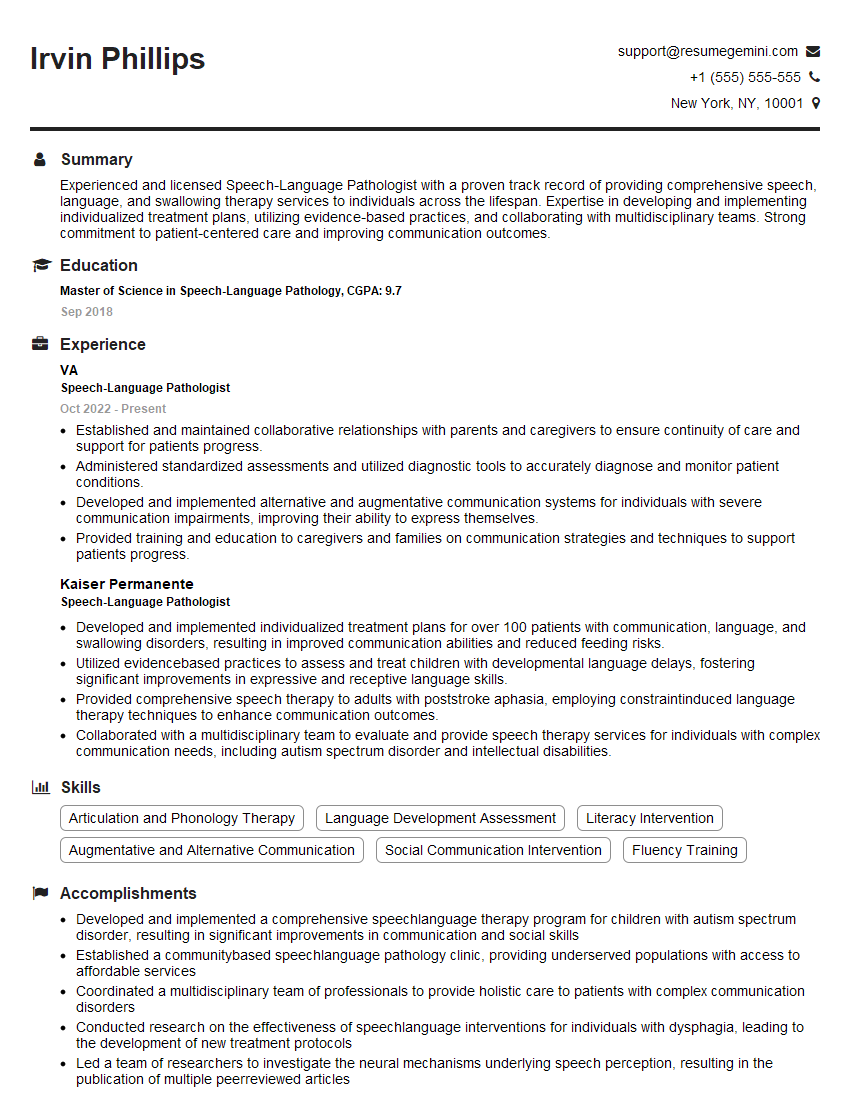
Speech-Language Pathologist Resume Sample
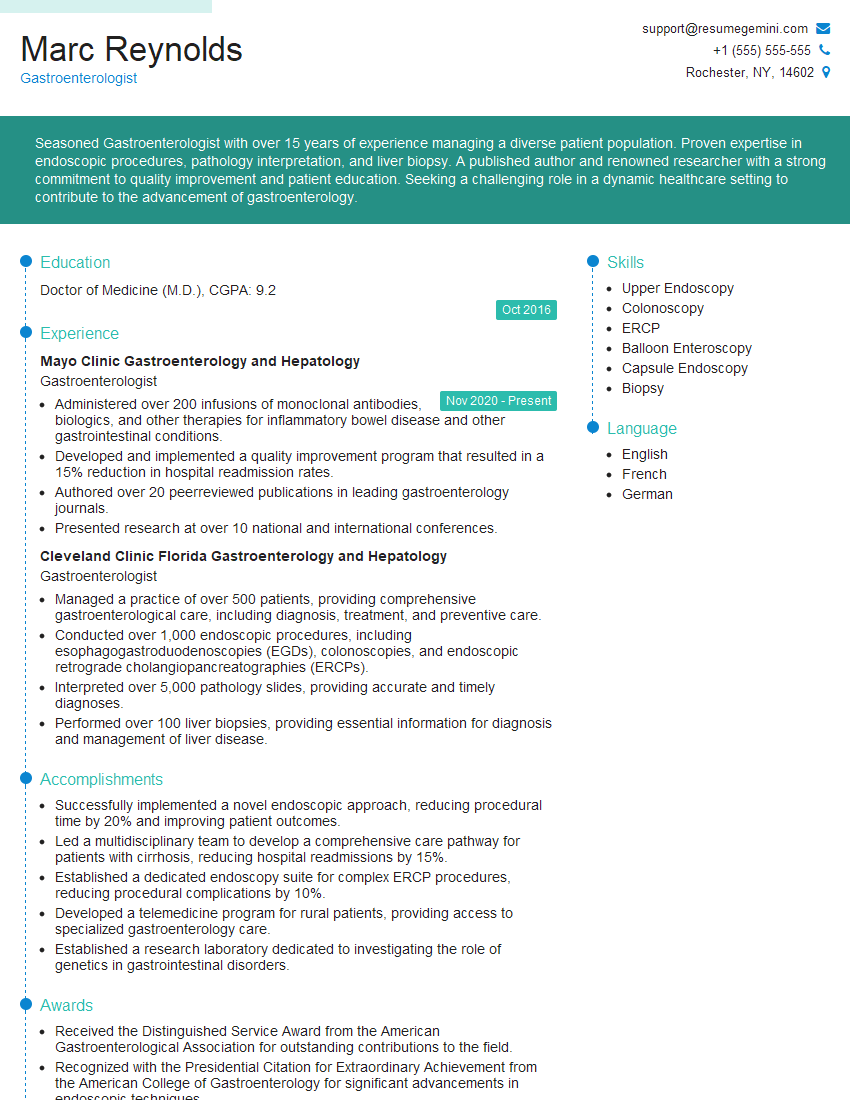
Gastroenterologist Resume Sample
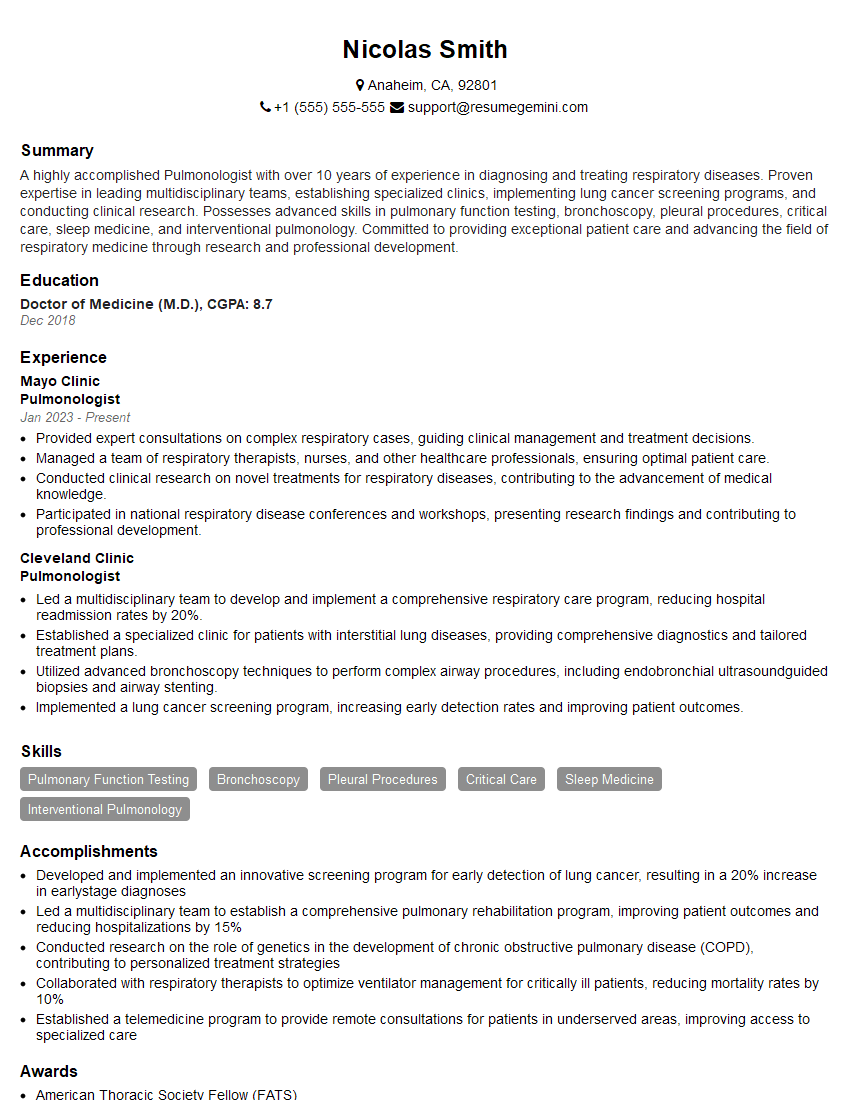
Pulmonologist Resume Sample
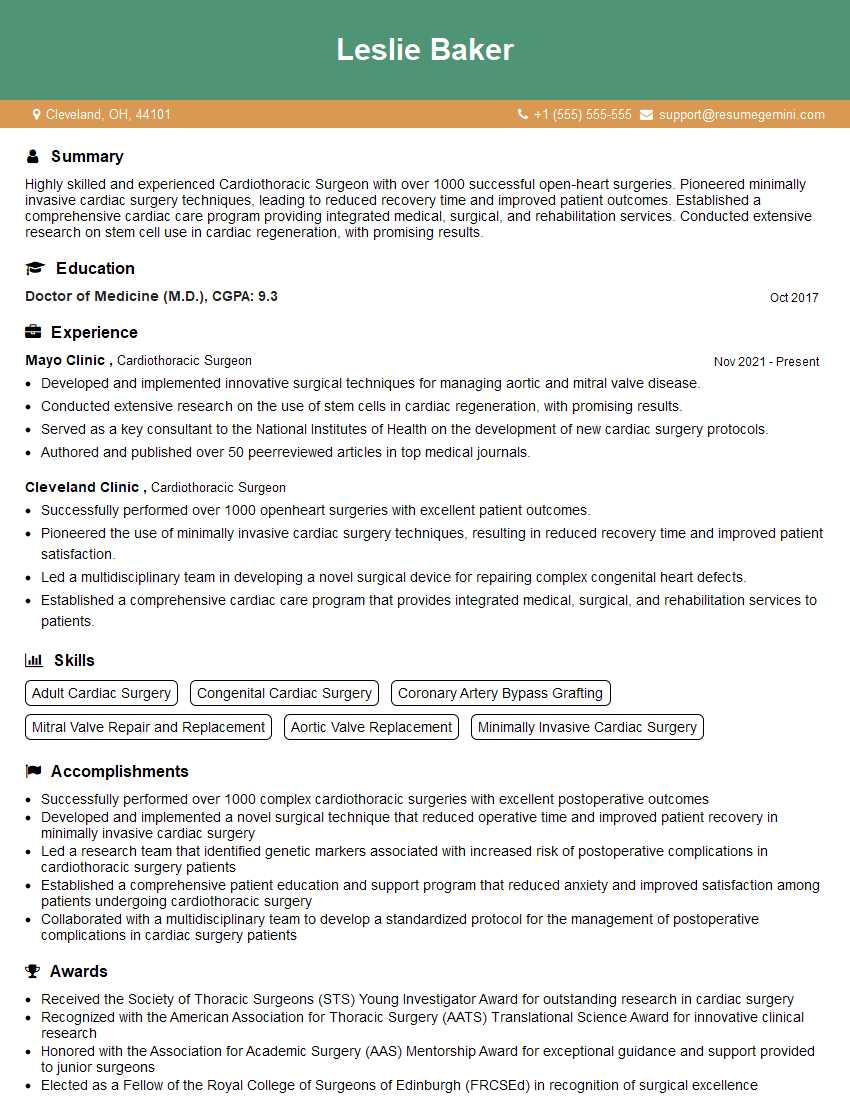
Cardiothoracic Surgeon Resume Sample
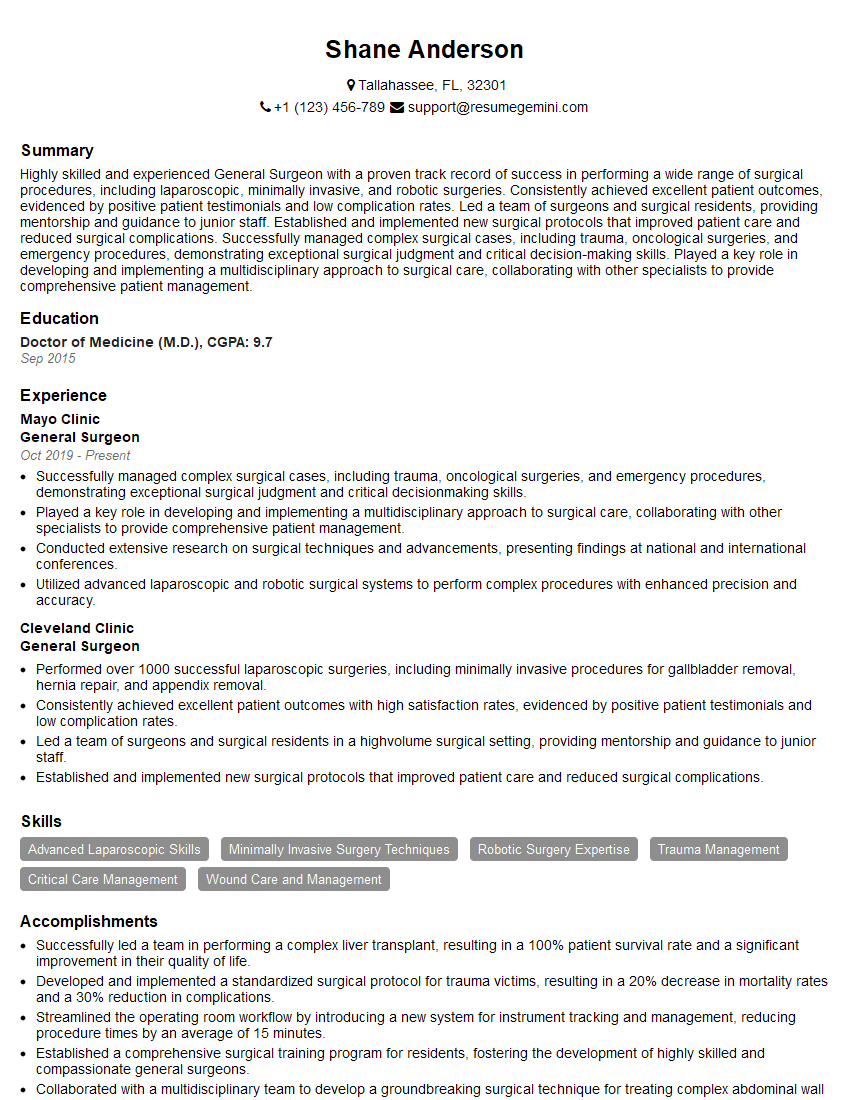
General Surgeon Resume Sample
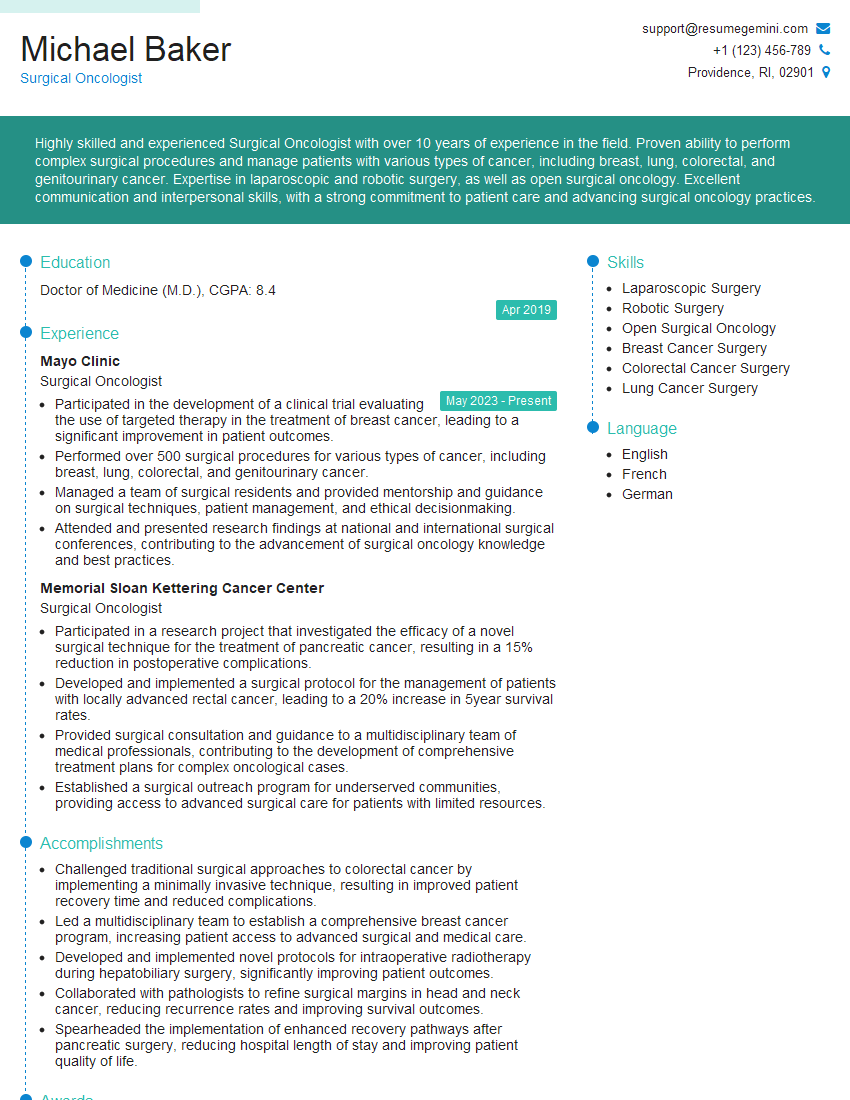
Surgical Oncologist Resume Sample
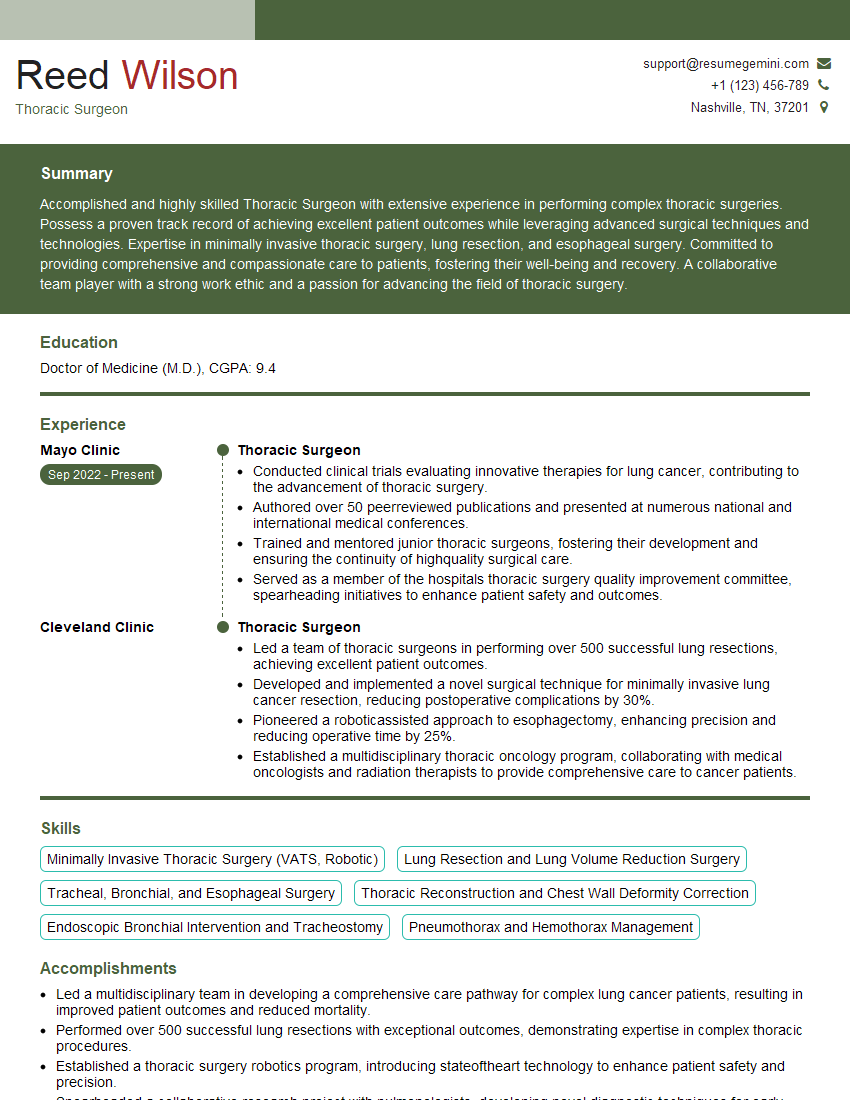
Thoracic Surgeon Resume Sample
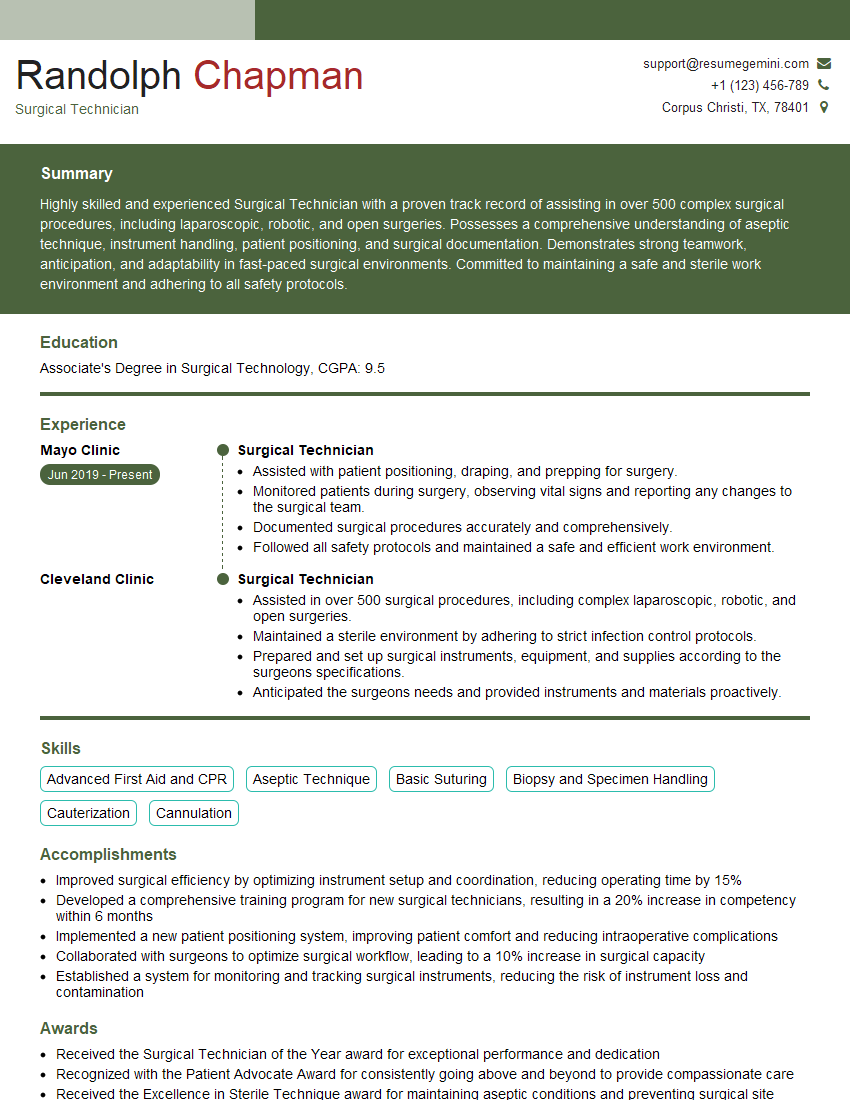
Surgical Technician Resume Sample
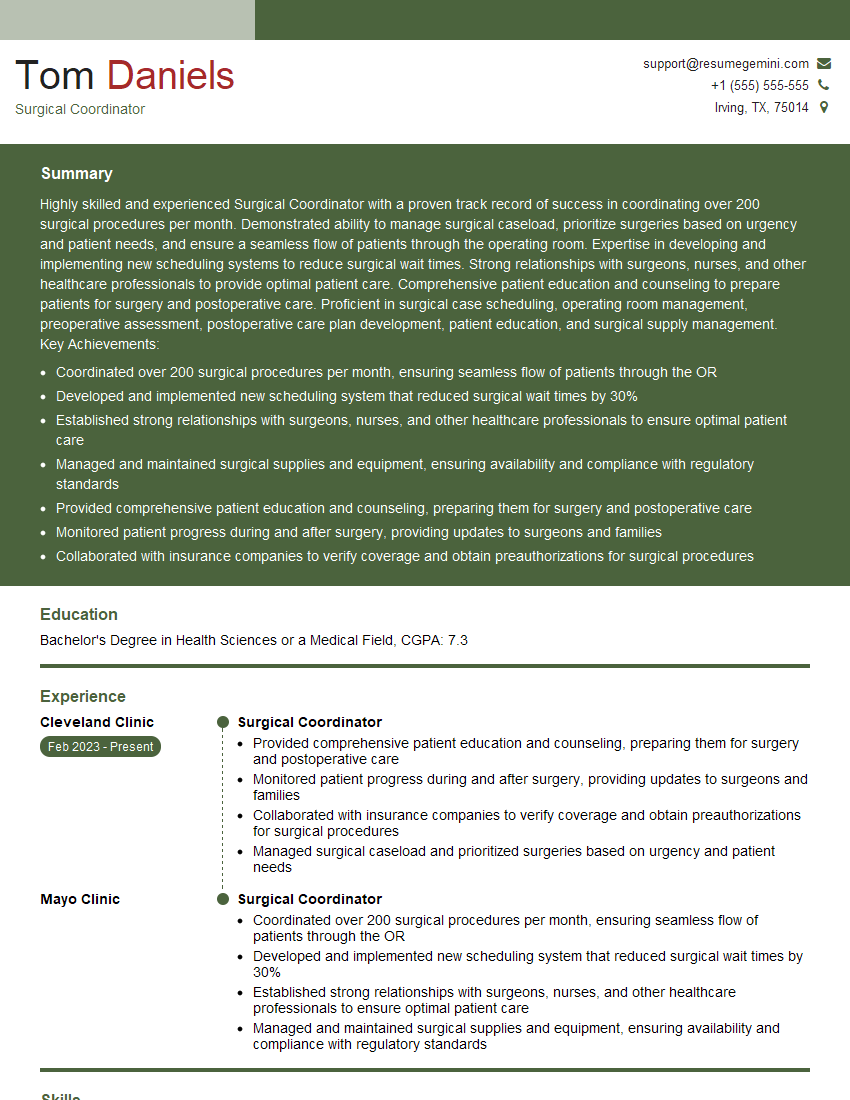
Surgical Coordinator Resume Sample
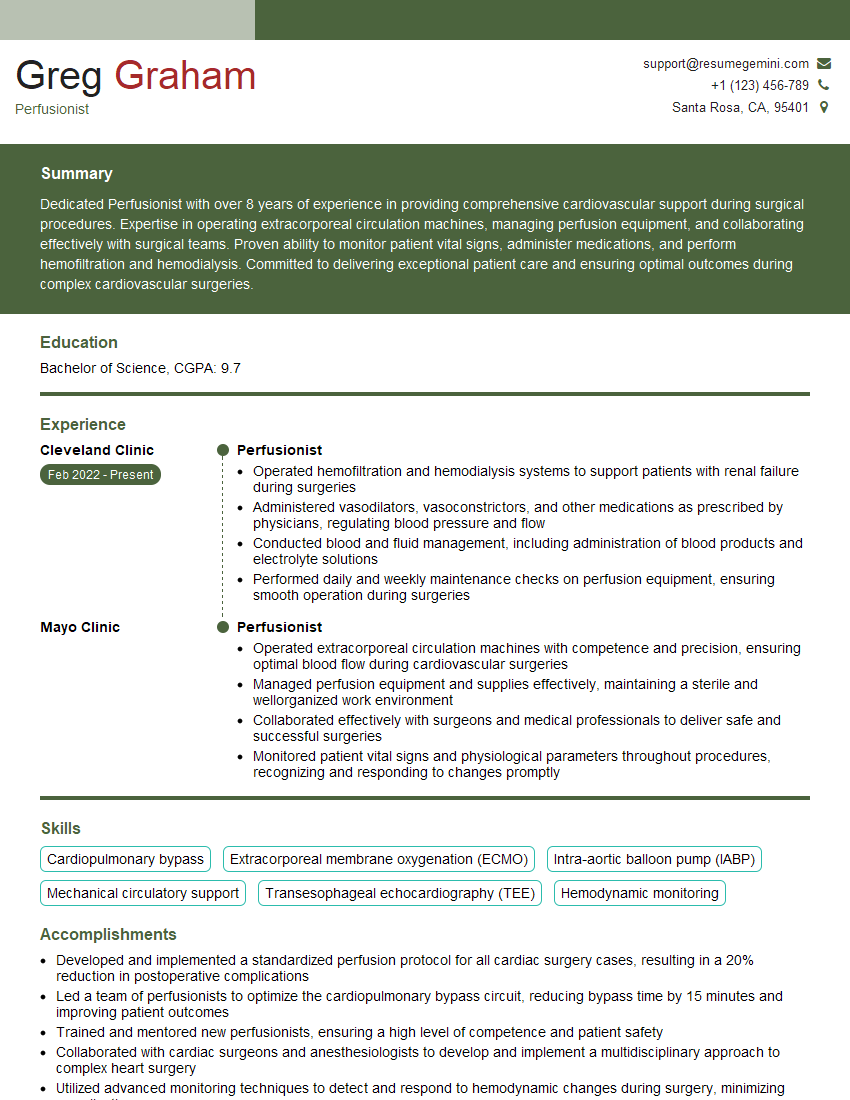
Perfusionist Resume Sample
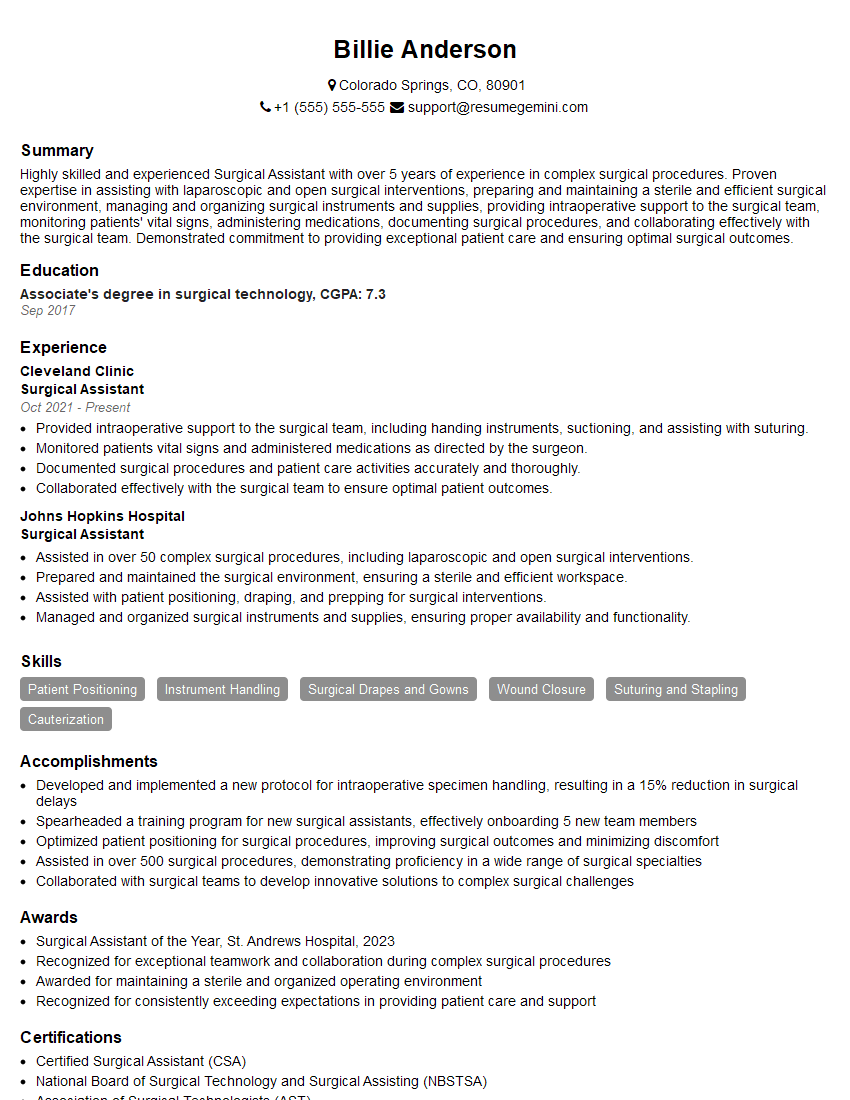
Surgical Assistant Resume Sample
Explore more articles
Users Rating of Our Blogs
Share Your Experience
We value your feedback! Please rate our content and share your thoughts (optional).
What Readers Say About Our Blog
To the interviewgemini.com Webmaster.
Very helpful and content specific questions to help prepare me for my interview!
Thank you
To the interviewgemini.com Webmaster.
This was kind of a unique content I found around the specialized skills. Very helpful questions and good detailed answers.
Very Helpful blog, thank you Interviewgemini team.