Interviews are opportunities to demonstrate your expertise, and this guide is here to help you shine. Explore the essential Plant Maintenance Planning and Scheduling interview questions that employers frequently ask, paired with strategies for crafting responses that set you apart from the competition.
Questions Asked in Plant Maintenance Planning and Scheduling Interview
Q 1. Explain the difference between preventive, predictive, and corrective maintenance.
The three main types of maintenance – preventive, predictive, and corrective – differ fundamentally in their approach to equipment upkeep. Think of it like car maintenance:
- Preventive Maintenance (PM): This is like scheduled servicing. You perform routine checks and replacements at predetermined intervals (e.g., oil changes every 5,000 miles) to prevent failures before they occur. It’s proactive and aims to extend equipment lifespan. Example: Regularly lubricating bearings on a conveyor belt to avoid premature wear.
- Predictive Maintenance (PdM): This is more sophisticated. Instead of relying on fixed schedules, you monitor the equipment’s condition using sensors and data analysis (e.g., vibration analysis, oil analysis) to predict when maintenance is needed. This allows for targeted interventions only when necessary, minimizing downtime and optimizing maintenance costs. Example: Using vibration sensors on a pump to detect bearing wear before it causes a catastrophic failure.
- Corrective Maintenance (CM): This is reactive maintenance – fixing a problem after it’s occurred. It’s the most costly and disruptive type. Example: Repairing a broken motor after it fails, resulting in production downtime.
In essence, PM is scheduled, PdM is condition-based, and CM is reactive. Ideally, a well-rounded maintenance strategy incorporates elements of all three, minimizing CM while effectively utilizing PM and PdM.
Q 2. Describe your experience with a Computerized Maintenance Management System (CMMS).
I have extensive experience with various CMMS, including IBM Maximo and SAP PM. My experience encompasses not only using the software but also implementing and configuring it to meet specific organizational needs. For example, in a previous role at a manufacturing plant, I was instrumental in implementing IBM Maximo. This involved:
- Data Migration: Transferring existing maintenance data into the system accurately and efficiently.
- Workflow Configuration: Setting up customized workflows for work order creation, approval, and completion, tailored to our specific processes.
- Reporting and Analytics: Configuring the system to generate critical reports for KPI tracking and decision-making.
- User Training: Providing comprehensive training to plant personnel on how to effectively utilize the CMMS.
This implementation resulted in a significant improvement in our maintenance efficiency, reducing downtime by 15% within the first year. My experience spans all aspects – from data entry and work order management to advanced reporting and predictive analytics features within the CMMS.
Q 3. How do you prioritize maintenance tasks in a high-pressure environment?
Prioritizing maintenance tasks in a high-pressure environment requires a structured approach. I typically use a combination of methods:
- Criticality Analysis: Assessing the impact of equipment failure on production, safety, and cost. This involves identifying critical equipment that needs immediate attention.
- Urgency Assessment: Determining the urgency of the task based on the equipment’s current condition and the potential for imminent failure.
- Risk-Based Prioritization: Considering the likelihood and severity of potential failures, weighting tasks accordingly. This prioritizes tasks with high risk.
- Maintenance Backlog Management: Regularly reviewing and managing the backlog of maintenance tasks, ensuring that critical tasks are addressed promptly while lower-priority tasks are scheduled appropriately.
For example, if a critical pump is showing signs of imminent failure, it would immediately supersede even scheduled preventive maintenance on other less critical equipment. I also utilize scheduling software within the CMMS to visualize and optimize the maintenance schedule dynamically.
Q 4. What key performance indicators (KPIs) do you use to measure maintenance effectiveness?
Key Performance Indicators (KPIs) are crucial for measuring maintenance effectiveness. I commonly use the following:
- Mean Time Between Failures (MTBF): Measures the average time between equipment failures, indicating equipment reliability.
- Mean Time To Repair (MTTR): Measures the average time taken to repair failed equipment, indicating maintenance efficiency.
- Overall Equipment Effectiveness (OEE): A holistic metric that considers availability, performance, and quality of production. High OEE demonstrates effective maintenance.
- Maintenance Cost per Unit Produced: Tracks maintenance costs relative to production output, providing insights into cost-effectiveness.
- Downtime Percentage: Measures the percentage of time equipment is unavailable due to maintenance or failure.
- Preventative Maintenance Compliance Rate: Measures the percentage of scheduled PM tasks completed as planned.
These KPIs, analyzed regularly, provide a clear picture of maintenance performance and highlight areas for improvement. I regularly present these KPIs to management, highlighting successes and recommending corrective actions based on the data.
Q 5. Explain your understanding of Reliability Centered Maintenance (RCM).
Reliability Centered Maintenance (RCM) is a systematic process for determining the best way to maintain equipment to achieve the optimal balance between safety, cost, and equipment reliability. It focuses on understanding the failure modes of equipment and their consequences, then developing maintenance strategies to mitigate those risks.
The process typically involves:
- Functional Failure Analysis: Identifying the potential ways equipment can fail and the consequences of each failure.
- Failure Mode Analysis: Examining the causes of potential failures.
- Risk Assessment: Evaluating the likelihood and severity of each failure mode.
- Maintenance Task Selection: Choosing the most effective maintenance tasks to prevent or mitigate the identified risks, balancing cost and effectiveness. These tasks may include PM, PdM, or CM strategies.
RCM moves beyond simple scheduled maintenance by prioritizing tasks based on their actual impact on reliability and safety, ensuring that resources are allocated effectively.
Q 6. How do you handle unexpected equipment failures and downtime?
Unexpected equipment failures require a swift and organized response. My approach involves:
- Immediate Assessment: Quickly assessing the severity of the failure and its impact on production.
- Emergency Repair: Initiating immediate corrective actions to restore equipment functionality, prioritizing safety.
- Root Cause Analysis (RCA): After the immediate crisis is resolved, performing a thorough RCA to determine the underlying cause of the failure, using tools like 5 Whys or Fishbone diagrams.
- Corrective Actions: Implementing preventive measures to prevent similar failures in the future. This may involve modifying maintenance procedures, upgrading equipment, or providing additional training.
- Documentation: Meticulously documenting the entire incident, including the failure details, repair actions, and root cause analysis findings.
This structured approach minimizes downtime, mitigates future risks, and provides valuable data for continuous improvement of maintenance strategies.
Q 7. Describe your experience with developing and implementing a maintenance plan.
Developing and implementing a maintenance plan is a multifaceted process. In my experience, it starts with a thorough understanding of the equipment and its operational context. This involves:
- Equipment Inventory and Data Collection: Creating a comprehensive inventory of all equipment, including technical specifications, operational parameters, and historical maintenance data.
- Failure Analysis: Analyzing historical data (CMMS data is invaluable here) to identify common failure modes, their frequencies, and their associated costs.
- Maintenance Strategy Development: Defining a suitable maintenance strategy for each piece of equipment, selecting appropriate preventive, predictive, and corrective maintenance tasks. RCM principles are often used here.
- Scheduling and Resource Allocation: Creating a maintenance schedule that balances resources (personnel, materials, budget) with task priorities.
- Implementation and Monitoring: Putting the plan into action, monitoring its effectiveness using KPIs, and making adjustments as needed based on actual performance data and feedback.
- Continuous Improvement: Regularly reviewing and improving the maintenance plan based on performance analysis and lessons learned.
For instance, at a previous organization, I developed a new predictive maintenance program for critical pumps, utilizing vibration analysis. This reduced downtime by 20% and significantly decreased repair costs within a year, demonstrating the value of a well-planned and monitored maintenance program. Successful implementation always relies on effective communication and collaboration with all stakeholders – maintenance staff, operations, and management.
Q 8. How do you optimize maintenance schedules to minimize downtime and maximize productivity?
Optimizing maintenance schedules is crucial for minimizing downtime and maximizing productivity. It’s a balancing act between preventing failures and avoiding unnecessary work. My approach involves a multi-pronged strategy:
- Data-Driven Scheduling: I rely heavily on CMMS (Computerized Maintenance Management System) data to analyze equipment history, failure rates, and maintenance intervals. This allows for the creation of schedules that proactively address potential issues before they cause downtime. For example, if historical data shows a specific pump failing every 12 months, a preventive maintenance task would be scheduled accordingly.
- Prioritization Techniques: Not all equipment is equally critical. I employ techniques like Criticality Analysis (assessing the impact of failure on production) to prioritize maintenance tasks. Critical assets receive more frequent and thorough maintenance, while less critical ones can have slightly longer intervals. This ensures resources are allocated effectively.
- Predictive Maintenance: Integrating predictive maintenance techniques, such as vibration analysis or oil analysis, provides early warning signs of potential problems. This allows for scheduled maintenance before catastrophic failures, dramatically reducing unplanned downtime. For instance, detecting abnormal vibrations in a motor could lead to a timely bearing replacement, preventing a complete motor shutdown.
- Optimization Software: Utilizing specialized scheduling software allows for the consideration of multiple factors, including resource availability (technicians, parts), task dependencies, and overall production needs. This ensures optimized scheduling that minimizes conflicts and maximizes efficiency.
- Continuous Improvement: Regularly reviewing and analyzing maintenance schedules and actual performance is key. This iterative process, leveraging data from CMMS and operational feedback, allows for continuous refinement and optimization of the schedule to further enhance efficiency and minimize downtime.
Q 9. How do you communicate effectively with maintenance technicians and other stakeholders?
Effective communication is the cornerstone of successful plant maintenance. I use a multi-channel approach:
- Clear Work Orders: Work orders need to be unambiguous, detailing the task, required parts, safety procedures, and expected completion time. Using photos or videos for complex tasks adds clarity.
- Regular Team Meetings: Weekly or bi-weekly meetings provide a forum for discussing upcoming tasks, addressing challenges, sharing best practices, and fostering a collaborative environment. These meetings are also an opportunity for technicians to raise concerns and suggest improvements.
- Real-time Communication Tools: Utilizing mobile apps or communication systems allows for instant updates on task progress, parts requirements, or unexpected issues. This keeps everyone informed and minimizes delays.
- Open Door Policy: Creating a culture of open communication encourages technicians to voice concerns or suggestions without hesitation. This can prevent small problems from escalating into major issues.
- Feedback Mechanisms: Formal and informal feedback mechanisms, like surveys or one-on-one conversations, enable me to understand the challenges technicians face and implement necessary improvements in processes or communication strategies.
For example, during a recent project, implementing a mobile app for real-time work order updates reduced communication delays by 40%, leading to a significant improvement in task completion times.
Q 10. What is your experience with spare parts management and inventory control?
My experience in spare parts management and inventory control involves optimizing inventory levels to ensure parts availability while minimizing storage costs and obsolescence. I’ve successfully implemented:
- ABC Analysis: Categorizing spare parts based on their criticality and cost. High-value, critical parts receive closer attention and more precise inventory management, while low-value, non-critical parts can be managed with simpler techniques. This ensures efficient resource allocation.
- Vendor Managed Inventory (VMI): Collaborating with key suppliers to manage inventory levels for critical parts. Suppliers are responsible for tracking inventory and replenishing stock as needed, optimizing inventory levels and reducing administrative burden.
- Just-in-Time (JIT) Inventory: Minimizing inventory holding costs by ordering parts only when needed. This approach requires a well-established supply chain and reliable delivery times but can significantly reduce storage costs and obsolescence.
- Data-Driven Forecasting: Using historical data and predictive analytics to forecast future demand for spare parts. This improves the accuracy of ordering, reducing the risk of stockouts or excess inventory.
- Regular Inventory Audits: Conducting regular physical audits to verify inventory levels and identify discrepancies. This ensures the accuracy of inventory records and helps identify potential problems early on.
Q 11. Describe your experience with root cause analysis of equipment failures.
Root cause analysis is crucial for preventing equipment failures from recurring. My approach follows a structured methodology like the 5 Whys or Fishbone diagrams:
- Data Collection: Gathering comprehensive data, including maintenance history, operating parameters, and witness statements, to understand the context of the failure.
- 5 Whys Technique: Repeatedly asking “Why?” to drill down to the root cause. This iterative process helps uncover underlying issues that may not be immediately apparent.
- Fishbone Diagram (Ishikawa): Visualizing potential causes of the failure, categorized by factors like people, machines, methods, materials, and environment. This helps identify multiple contributing factors and their interrelationships.
- Failure Mode and Effects Analysis (FMEA): Proactively identifying potential failure modes and their effects on the system. This allows for preventative measures to be taken before failures occur. This is especially helpful for high-risk equipment.
- Corrective Actions: Implementing appropriate corrective actions to prevent recurrence, such as design changes, procedural improvements, or operator training.
For example, in a recent case of frequent pump failures, using the 5 Whys, we discovered the root cause wasn’t the pump itself but inadequate lubrication due to a faulty oiling system. Correcting the oiling system eliminated the recurring failures.
Q 12. How do you ensure compliance with safety regulations during maintenance activities?
Ensuring compliance with safety regulations during maintenance is paramount. My approach involves:
- Lockout/Tagout Procedures: Strict adherence to lockout/tagout procedures to prevent accidental energization or startup of equipment during maintenance. Regular training ensures technicians understand and correctly implement these procedures.
- Permit-to-Work Systems: Utilizing permit-to-work systems for high-risk tasks, ensuring that all necessary safety precautions are in place before work commences. This documentation provides an auditable trail.
- Personal Protective Equipment (PPE): Ensuring technicians use appropriate PPE, such as safety glasses, gloves, and hearing protection, depending on the task. Regular inspections and training on PPE usage are essential.
- Risk Assessments: Conducting thorough risk assessments for all maintenance activities, identifying potential hazards and implementing appropriate control measures. This proactive approach minimizes risks and safeguards technicians.
- Safety Training: Providing comprehensive safety training to all maintenance personnel, covering topics such as hazard identification, risk assessment, and emergency procedures. Regular refresher courses reinforce safety practices.
For instance, before any work on high-voltage equipment, we always conduct a thorough lockout/tagout procedure, involving multiple technicians verifying the equipment is de-energized before any maintenance work begins. This systematic approach greatly reduces the risk of electrical accidents.
Q 13. What is your experience with different maintenance strategies (e.g., run-to-failure, preventive, predictive)?
Different maintenance strategies cater to various needs and equipment characteristics. My experience encompasses:
- Run-to-Failure (RTF): This reactive approach involves repairing equipment only when it fails. It’s cost-effective for low-cost, low-criticality equipment but can lead to significant downtime and potential safety hazards for critical equipment.
- Preventive Maintenance (PM): This proactive approach involves scheduled maintenance at predetermined intervals. While this reduces unexpected failures, it can be inefficient if intervals are not optimized and may lead to unnecessary maintenance.
- Predictive Maintenance (PdM): This data-driven approach uses condition monitoring techniques (vibration analysis, oil analysis, thermography) to predict potential failures before they occur. This is the most efficient strategy as it allows for timely interventions, minimizing downtime and maximizing equipment lifespan.
- Condition-Based Maintenance (CBM): This combines elements of preventive and predictive maintenance. Maintenance is triggered by the actual condition of the equipment, rather than a fixed schedule. This approach optimizes maintenance activities based on real-time data.
- Reliability-Centered Maintenance (RCM): A systematic approach focusing on the functions of equipment and identifying maintenance tasks that are most effective in maintaining reliability. This helps optimize maintenance strategies to minimize failures, while optimizing cost and resource utilization.
The choice of strategy depends on factors like equipment criticality, cost of failure, and available resources. Often, a blend of strategies is the most effective approach.
Q 14. How do you manage and track maintenance costs?
Effective maintenance cost management involves tracking and analyzing all costs associated with maintenance activities. My approach includes:
- Detailed Cost Tracking: Using CMMS to accurately track all maintenance costs, including labor, materials, parts, and external contractor fees. This provides a clear picture of overall maintenance expenses.
- Budgeting and Forecasting: Developing detailed maintenance budgets based on historical data, projected equipment needs, and planned maintenance activities. Regular forecasting helps identify potential cost overruns and allows for proactive adjustments.
- Cost Analysis and Reporting: Regularly analyzing maintenance costs to identify areas for improvement. This includes analyzing the cost-effectiveness of different maintenance strategies, the impact of downtime on production, and the effectiveness of spare parts management.
- Benchmarking: Comparing maintenance costs to industry benchmarks to identify areas where costs are significantly higher than average. This allows for targeted improvements and cost reduction initiatives.
- Return on Investment (ROI) Analysis: Assessing the ROI of different maintenance initiatives, such as implementing predictive maintenance or upgrading equipment. This ensures that investments in maintenance improve overall efficiency and reduce long-term costs.
For instance, by implementing a predictive maintenance program, we reduced unplanned downtime by 25% and overall maintenance costs by 15% within a year, demonstrating a significant ROI.
Q 15. What software or tools are you proficient in for maintenance planning and scheduling?
My proficiency in maintenance planning and scheduling software spans several leading platforms. I’m highly experienced with CMMS (Computerized Maintenance Management System) solutions like IBM Maximo, SAP PM, and Infor EAM. These systems are crucial for managing work orders, scheduling maintenance activities, tracking inventory, and generating reports. I also have experience with specialized scheduling software like Primavera P6, which is invaluable for complex projects requiring detailed resource allocation and critical path analysis. Beyond dedicated CMMS, I’m comfortable using data analysis tools like Microsoft Excel, Power BI, and Tableau to extract insights from maintenance data, enabling data-driven decision-making. For example, using Power BI, I created dashboards visualizing equipment downtime, maintenance costs, and the effectiveness of different maintenance strategies, allowing for proactive adjustments.
Career Expert Tips:
- Ace those interviews! Prepare effectively by reviewing the Top 50 Most Common Interview Questions on ResumeGemini.
- Navigate your job search with confidence! Explore a wide range of Career Tips on ResumeGemini. Learn about common challenges and recommendations to overcome them.
- Craft the perfect resume! Master the Art of Resume Writing with ResumeGemini’s guide. Showcase your unique qualifications and achievements effectively.
- Don’t miss out on holiday savings! Build your dream resume with ResumeGemini’s ATS optimized templates.
Q 16. Describe your experience with developing and managing a maintenance budget.
Developing and managing a maintenance budget requires a multi-faceted approach. It begins with a thorough assessment of the existing equipment, its criticality to operations, and predicted failure rates. This informs the creation of a prioritized list of maintenance activities – preventative, predictive, and corrective. I utilize historical maintenance data, industry benchmarks, and equipment manufacturer recommendations to estimate costs for labor, parts, and contract services. The budget is then structured around these cost estimates, considering factors like inflation and potential project overruns. Throughout the year, I track actual expenditures against the budget, identifying variances and making necessary adjustments. For instance, in my previous role, I successfully implemented a predictive maintenance program, leading to a 15% reduction in unplanned downtime and a corresponding 10% decrease in the overall maintenance budget.
Q 17. How do you handle conflicting maintenance priorities?
Conflicting maintenance priorities are a common challenge. I address this through a structured prioritization process. This involves using a combination of techniques such as criticality analysis (classifying equipment based on its impact on production), risk assessment (identifying potential failure consequences), and cost-benefit analysis (comparing the cost of maintenance with the cost of failure). I often use a weighted scoring system to rank maintenance tasks objectively. For instance, a critical piece of equipment with a high probability of failure and significant downtime cost would naturally score higher than a less critical component. This ranked list then guides the scheduling process, ensuring that the most critical tasks are addressed first. Communication is key – stakeholders are kept informed about any scheduling adjustments due to priority conflicts.
Q 18. How do you measure the effectiveness of your maintenance planning and scheduling processes?
Measuring the effectiveness of maintenance planning and scheduling is crucial. I use a variety of Key Performance Indicators (KPIs) to track performance. These include: Mean Time Between Failures (MTBF), Mean Time To Repair (MTTR), Overall Equipment Effectiveness (OEE), maintenance backlog, and the percentage of planned versus unplanned maintenance. By monitoring these KPIs over time, we can identify trends and areas for improvement. For example, a decreasing MTBF might indicate a need for enhanced preventative maintenance, while a high MTTR could point to inefficiencies in the repair process. Regular reporting and analysis of these KPIs, coupled with feedback from maintenance teams, allow for continuous improvement of our processes.
Q 19. Describe a time you had to make a difficult decision regarding maintenance scheduling.
In a previous role, we faced a critical situation where a major piece of production equipment required an unscheduled overhaul during peak season. The repair required a significant shutdown, potentially impacting our ability to meet critical customer deadlines. The decision was difficult because delaying the repair risked catastrophic failure, whereas proceeding meant risking production delays. After carefully weighing the risks and benefits, involving key stakeholders, and analyzing the potential cost of both scenarios, we opted to proceed with the repair during off-peak hours, minimizing production disruption. This required careful coordination with the maintenance team and production scheduling to optimize the downtime. Although it was stressful, the decision ultimately prevented a far more costly and disruptive major failure later.
Q 20. How do you ensure that maintenance work is completed on time and within budget?
Ensuring maintenance work is completed on time and within budget hinges on effective planning and execution. This includes thorough work order creation with clear instructions, accurate parts identification and availability checks, and realistic time estimations. Utilizing a robust CMMS helps immensely in tracking progress, managing resources, and identifying potential delays proactively. Regular monitoring of the work in progress, effective communication with maintenance personnel, and timely addressing of any roadblocks are vital. In case of delays, I analyze the causes, implement corrective actions, and update stakeholders accordingly. We employ techniques like critical path analysis for complex projects to anticipate and mitigate delays. Proactive communication, realistic scheduling, and meticulous follow-up are crucial to successfully completing work on time and within budget.
Q 21. What is your experience with using data analytics to improve maintenance planning and scheduling?
Data analytics plays a vital role in optimizing maintenance planning and scheduling. I have extensive experience using data analysis techniques to identify patterns, predict failures, and improve resource allocation. For example, by analyzing historical maintenance data, we can identify equipment that frequently requires repair and prioritize preventative maintenance strategies. Predictive maintenance models, utilizing machine learning algorithms, can forecast potential failures based on sensor data and operational parameters, allowing for timely interventions before failures occur. I also use data analytics to optimize inventory management, reducing costs associated with excessive stocking. These data-driven insights enable more efficient and cost-effective maintenance practices, enhancing overall equipment reliability and reducing downtime.
Q 22. How do you identify and address potential maintenance bottlenecks?
Identifying maintenance bottlenecks involves a systematic approach focusing on resource constraints and task dependencies. Think of it like a traffic jam – you need to find the choke points causing delays. I typically use a combination of methods:
- Data Analysis: Analyzing historical maintenance data, including downtime, repair times, and resource utilization, reveals recurring patterns and potential bottlenecks. For instance, consistently long repair times for a specific machine could indicate a lack of spare parts or specialized skills.
- Work Order Review: A detailed review of work orders helps identify tasks that frequently exceed their scheduled time or consistently experience delays. This allows for proactive adjustments to scheduling or resource allocation.
- Visual Management Tools: Kanban boards or similar visual tools provide a real-time overview of the maintenance workflow, highlighting congested areas or tasks awaiting resources. This helps visualize the flow and pinpoint bottlenecks rapidly.
- Workshops and Interviews: Engaging maintenance technicians and supervisors in workshops or interviews provides invaluable on-the-ground insights. They possess firsthand experience and can identify hidden bottlenecks that data analysis might miss.
Addressing bottlenecks involves targeted solutions. These could include: improving parts inventory management, providing specialized training to technicians, optimizing task sequencing, or investing in new tools or equipment. For example, if a lack of spare parts is identified as the bottleneck, implementing a just-in-time inventory system could significantly reduce downtime.
Q 23. Describe your approach to continuous improvement in maintenance planning and scheduling.
Continuous improvement in maintenance planning and scheduling is an ongoing process of refinement and optimization. I utilize a structured approach based on the Plan-Do-Check-Act (PDCA) cycle.
- Plan: Identify areas for improvement by analyzing Key Performance Indicators (KPIs) like Mean Time To Repair (MTTR), Mean Time Between Failures (MTBF), and overall equipment effectiveness (OEE). Set specific, measurable, achievable, relevant, and time-bound (SMART) goals.
- Do: Implement changes, such as new scheduling techniques (e.g., implementing preventative maintenance schedules more effectively), new software, or revised training programs. This phase involves careful monitoring of the implemented changes.
- Check: Monitor the impact of changes on KPIs. Analyze data to measure improvements and identify any unexpected consequences. This might involve comparing results against baseline data or benchmarking against industry best practices.
- Act: Based on the results of the checking phase, either standardize successful changes or adjust the approach if necessary. This might include revising the maintenance plan, retraining technicians, or adjusting resource allocation. The cycle then repeats, leading to continuous optimization.
For instance, if we find that a specific preventative maintenance task is taking significantly longer than expected, we might investigate whether improved training or a more efficient tool can reduce this time, thereby freeing up resources for other tasks.
Q 24. How do you ensure the accuracy and completeness of maintenance records?
Maintaining accurate and complete maintenance records is crucial for effective planning and decision-making. It’s like having a meticulous medical history for your equipment. My approach involves:
- Standardized Procedures: Implementing clear procedures for recording all maintenance activities, including work orders, inspection reports, and repair details. This ensures consistency and minimizes errors.
- Computerized Maintenance Management System (CMMS): Using a CMMS software to centralize all maintenance data, automate data entry, and generate reports. This eliminates manual record-keeping errors and provides readily accessible information.
- Regular Audits: Conducting regular audits of maintenance records to identify any inconsistencies, missing information, or inaccuracies. This might involve cross-checking records against physical equipment or comparing data across different systems.
- Training and Accountability: Providing thorough training to maintenance personnel on proper record-keeping procedures and assigning clear responsibilities for data accuracy. This encourages a culture of accurate record keeping.
- Data Validation: Implementing data validation checks within the CMMS to prevent entry of inaccurate or incomplete data. This includes range checks, data type checks, and mandatory fields.
For example, using barcodes or RFID tags to identify equipment and parts helps prevent misidentification and improves data accuracy during maintenance activities.
Q 25. How do you collaborate with other departments (e.g., production, engineering) to optimize maintenance activities?
Collaboration is paramount for optimizing maintenance activities. It’s all about teamwork! I foster strong working relationships with production, engineering, and other relevant departments through:
- Joint Planning Sessions: Regularly scheduled meetings involving representatives from all departments to discuss maintenance schedules, resource allocation, and potential impacts on production. This ensures everyone is aligned and understands the overall maintenance plan.
- Regular Communication: Utilizing various communication channels, including email, instant messaging, and project management software, to keep everyone informed about maintenance activities, schedule changes, and potential disruptions.
- Shared KPIs: Establishing shared KPIs that reflect the overall performance of the plant, rather than focusing solely on individual department metrics. This promotes a collaborative approach to problem-solving and continuous improvement.
- Feedback Mechanisms: Creating opportunities for feedback from all stakeholders. This can include regular surveys, informal feedback sessions, or formal reviews of maintenance processes. This helps identify areas for improvement and addresses concerns promptly.
For example, coordinating planned maintenance with production downtime can minimize the impact on production output. Close collaboration with engineering ensures that maintenance activities are aligned with equipment design specifications and upgrade projects.
Q 26. What is your understanding of Total Productive Maintenance (TPM)?
Total Productive Maintenance (TPM) is a philosophy that aims to maximize the effectiveness and lifespan of equipment by involving all employees in maintenance activities. It’s a shift from reactive to proactive maintenance, fostering a culture of ownership and responsibility across the entire organization. Key elements include:
- Autonomous Maintenance: Empowering operators to perform basic maintenance tasks, such as cleaning, lubrication, and minor adjustments, increasing their equipment knowledge and reducing reliance on specialized maintenance personnel.
- Preventative Maintenance: Implementing scheduled maintenance tasks to prevent equipment failures and extend equipment life. This involves regular inspections, lubrication, and component replacements based on manufacturer recommendations.
- Planned Maintenance: Developing comprehensive maintenance plans that optimize resource allocation and minimize downtime. This includes scheduling maintenance activities during periods of low production demand.
- Quality Maintenance: Ensuring that all maintenance activities are performed to high standards, minimizing errors and improving equipment reliability. This requires well-defined procedures and ongoing training for maintenance personnel.
- Early Failure Detection: Implementing methods for early detection of equipment problems, such as vibration analysis and predictive maintenance techniques, allowing for timely repairs and preventing major failures.
TPM’s success depends on strong cross-functional collaboration, employee engagement, and a commitment to continuous improvement. It requires a significant cultural shift within an organization.
Q 27. How do you adapt your maintenance planning and scheduling approach to different types of equipment?
Adapting maintenance strategies to different equipment types requires a tailored approach considering factors such as complexity, criticality, and failure modes. I typically categorize equipment based on these factors and develop different maintenance strategies accordingly.
- Critical Equipment: This equipment has a high impact on production and requires a rigorous preventative maintenance program, potentially incorporating predictive maintenance technologies. Think of a critical production line machine – downtime is extremely costly.
- Standard Equipment: This equipment can tolerate a more routine preventative maintenance schedule. Regular inspections and scheduled maintenance based on manufacturer recommendations are usually sufficient. This could include standard office equipment.
- Simple Equipment: This equipment may only require basic maintenance, such as periodic cleaning and lubrication. A less intensive, reactive maintenance approach may suffice here. An example would be some simple hand tools.
The maintenance strategy also considers equipment age, past failure history, and environmental factors. For example, equipment operating in harsh environments may require more frequent maintenance than equipment in controlled environments. My approach is flexible and data-driven, adjusting strategies as needed based on ongoing performance monitoring and feedback.
Q 28. Explain your experience with developing and implementing a maintenance strategy for a specific piece of equipment.
In a previous role, I was responsible for developing and implementing a maintenance strategy for a high-speed bottling machine. This machine was critical to production, and any downtime resulted in significant losses. The initial strategy was reactive, leading to frequent unplanned downtime and high repair costs.
My approach involved:
- Detailed Analysis: I started by analyzing historical maintenance data to identify common failure points, repair times, and associated costs. This revealed that a particular valve assembly was a frequent source of failure.
- Preventative Maintenance Plan: Based on the analysis, I implemented a preventative maintenance plan that included regular inspections of the valve assembly, proactive replacement of critical components before failure, and lubrication schedules.
- Predictive Maintenance: I also integrated vibration analysis into the maintenance program to detect potential issues early, allowing for timely repairs and preventing catastrophic failures. This proved incredibly beneficial.
- Training: I provided specialized training to maintenance technicians on the operation and maintenance of the bottling machine, focusing on the valve assembly. This enhanced their ability to quickly identify and address potential problems.
The results were significant. We saw a reduction in unplanned downtime by 60%, a 40% decrease in repair costs, and a significant improvement in overall equipment effectiveness (OEE). This project demonstrated the effectiveness of a proactive and data-driven maintenance approach, incorporating predictive maintenance techniques for critical equipment.
Key Topics to Learn for Plant Maintenance Planning and Scheduling Interview
- Preventive Maintenance Strategies: Understanding different types of preventive maintenance (time-based, condition-based, predictive), their implementation, and cost-benefit analysis. Consider how to optimize maintenance schedules for maximum uptime and minimal disruption.
- CMMS Software and Data Analysis: Familiarity with Computerized Maintenance Management Systems (CMMS) – their functionalities, data management, and reporting capabilities. Be prepared to discuss how you would use CMMS data to identify trends, predict failures, and optimize maintenance plans.
- Spare Parts Management: Discuss inventory control strategies, optimal stock levels, and the impact of efficient spare parts management on overall maintenance costs and equipment availability. How would you handle unexpected part shortages?
- Scheduling Techniques: Knowledge of various scheduling methodologies (e.g., priority scheduling, critical path method) and their application in a plant maintenance environment. Be ready to explain your approach to balancing competing maintenance priorities.
- Work Order Management: Discuss the entire work order lifecycle, from creation and assignment to completion and closure. How do you ensure clear communication, accurate tracking, and timely execution of work orders?
- Root Cause Analysis and Problem Solving: Demonstrate your ability to diagnose equipment failures, identify root causes, and implement corrective actions to prevent recurrence. Prepare examples showcasing your analytical and problem-solving skills.
- Budgeting and Resource Allocation: Understanding how to develop and manage maintenance budgets, allocate resources effectively, and track maintenance expenditures against planned budgets. Be able to justify your resource allocation decisions.
- Safety and Compliance: Highlight your understanding of safety regulations and procedures related to plant maintenance. How would you ensure a safe working environment for your team?
Next Steps
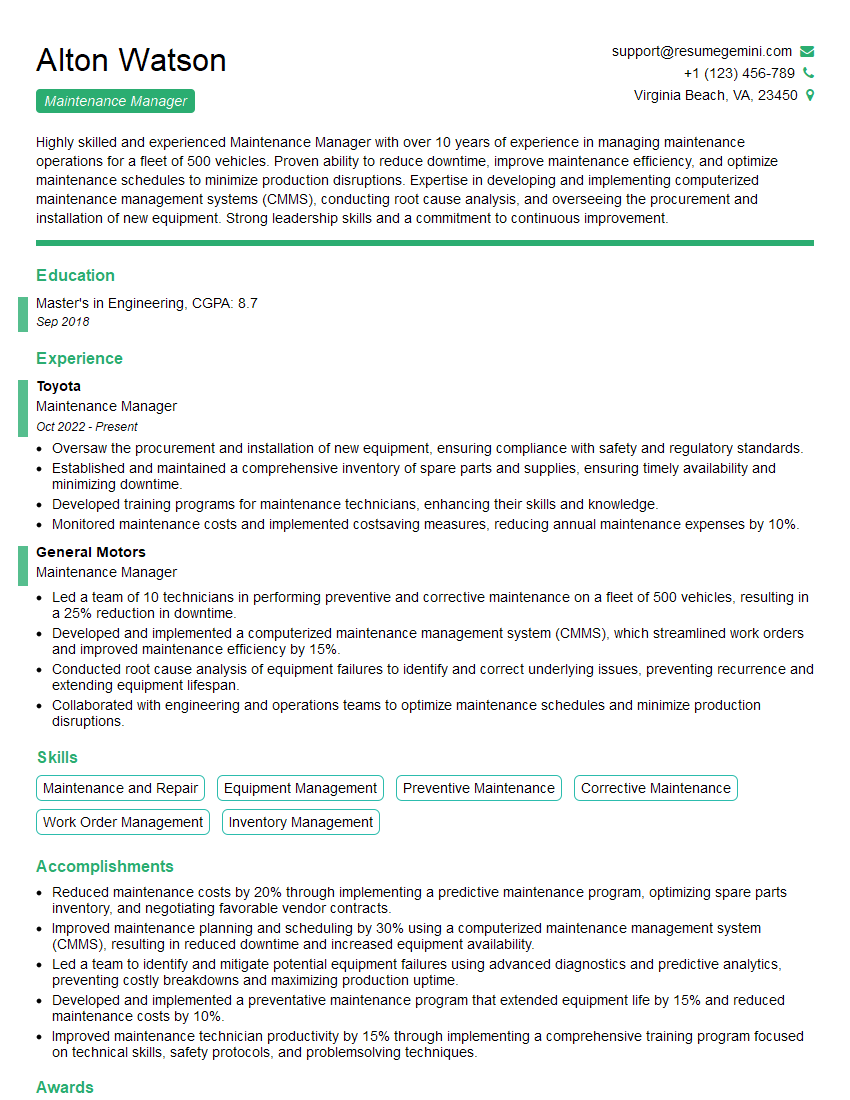
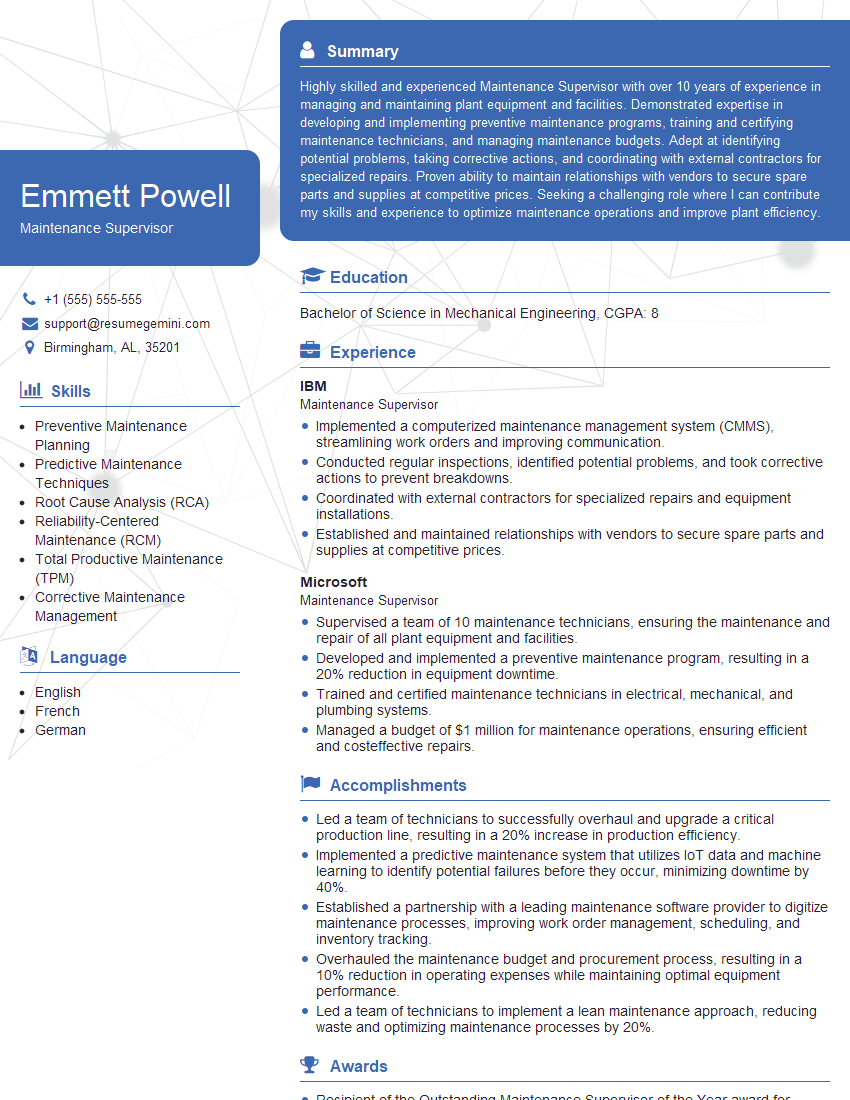
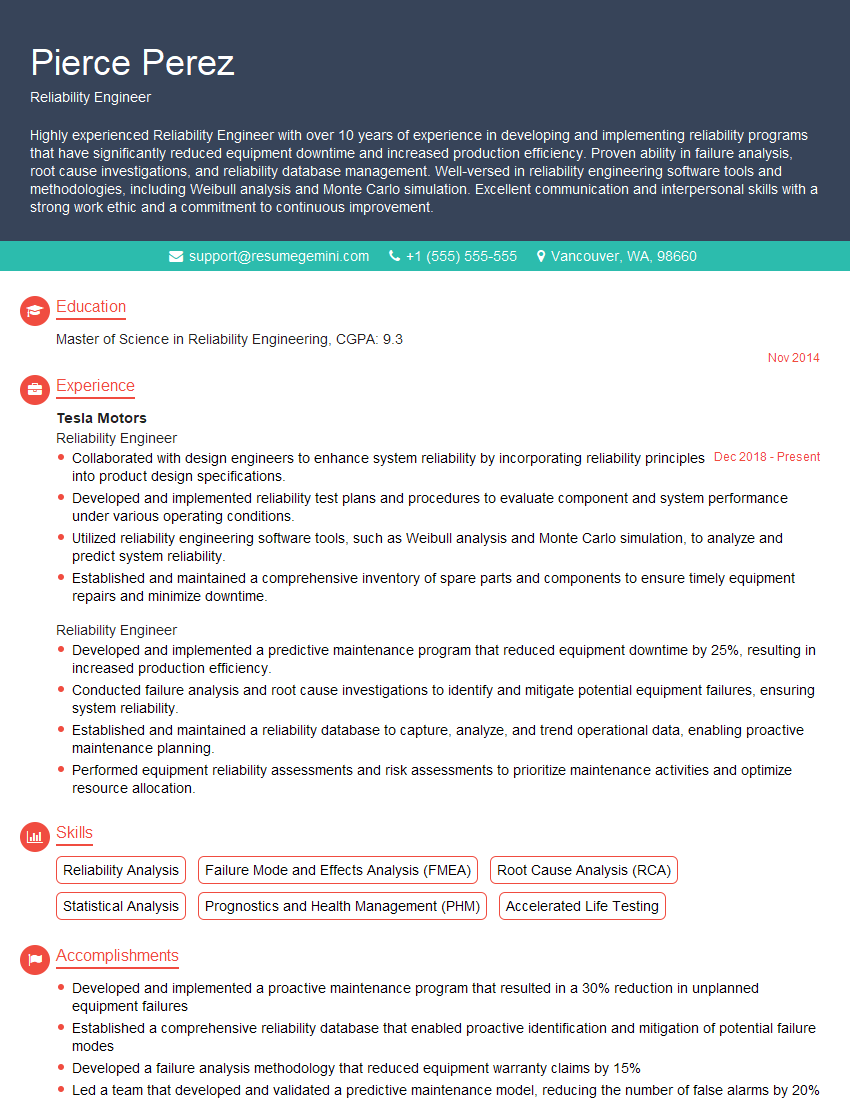
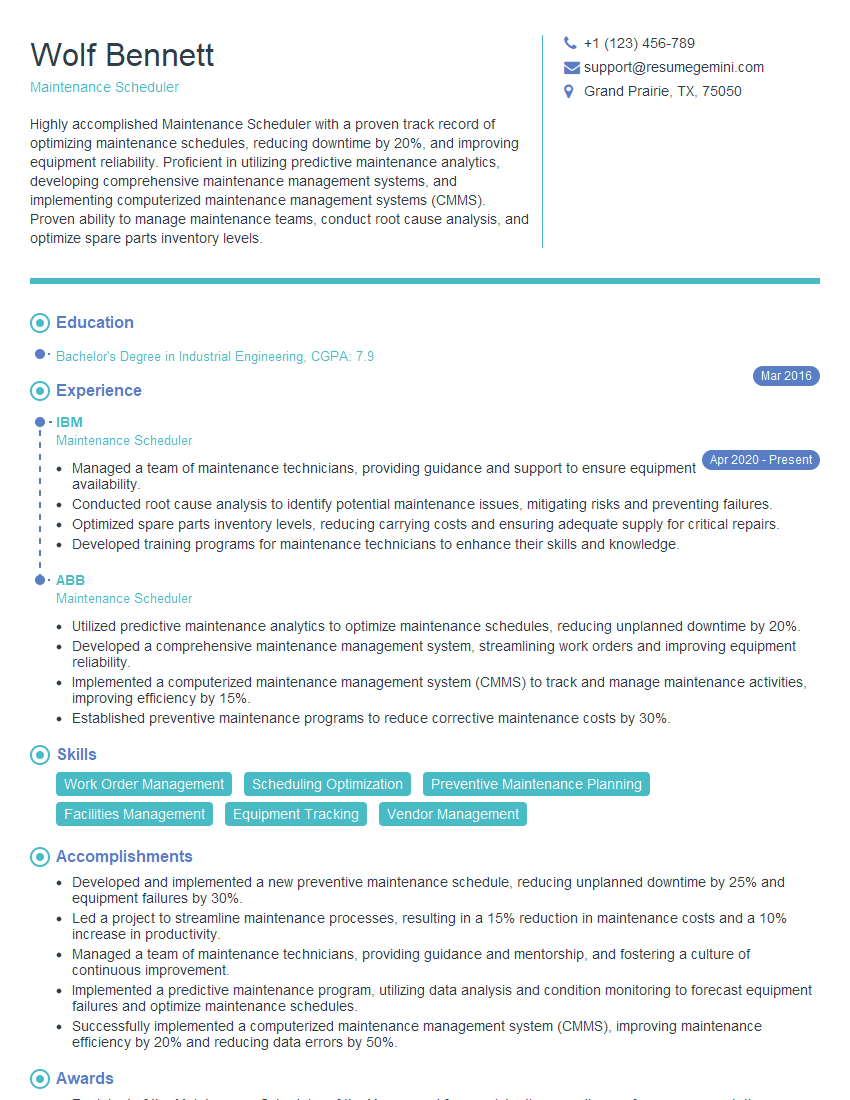
Mastering Plant Maintenance Planning and Scheduling is crucial for career advancement in this field. It demonstrates your ability to optimize operations, reduce downtime, and contribute significantly to a company’s bottom line. To increase your chances of landing your dream role, it’s vital to create a compelling and ATS-friendly resume that highlights your skills and experience effectively. ResumeGemini is a trusted resource to help you build a professional and impactful resume. We provide examples of resumes tailored specifically to Plant Maintenance Planning and Scheduling to help guide your process.
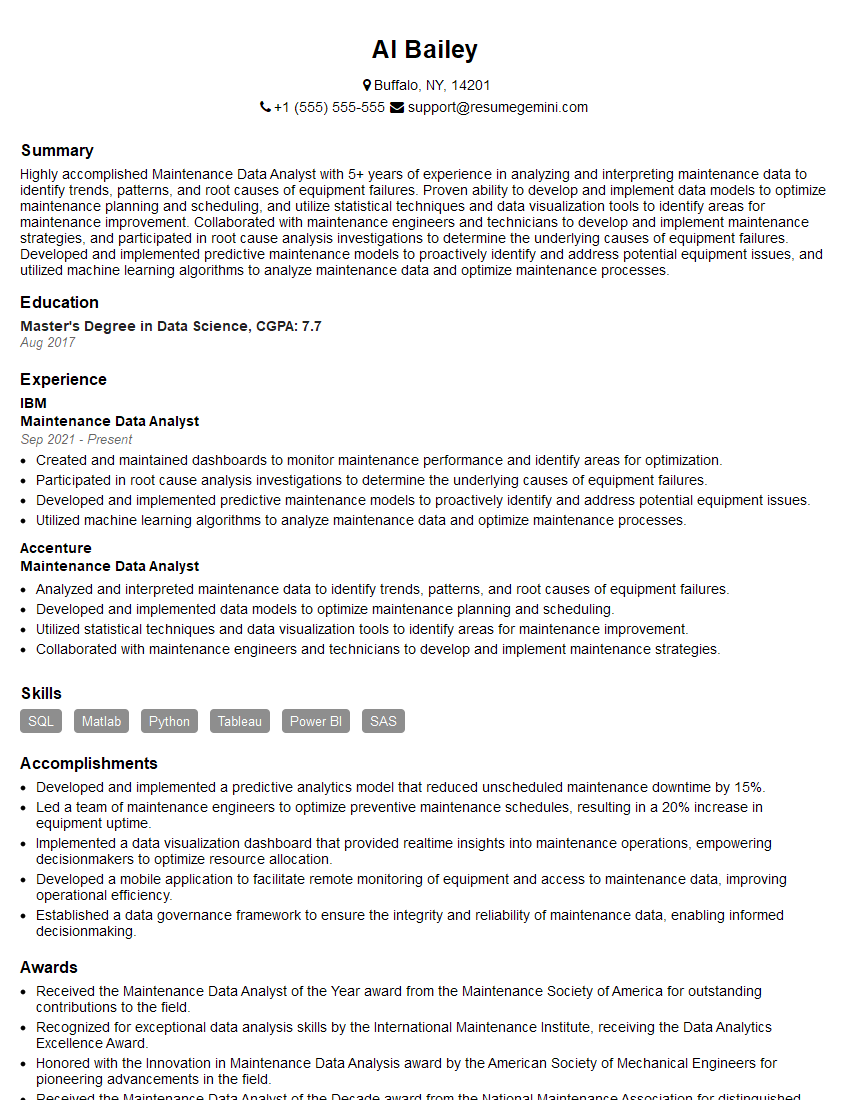
Explore more articles
Users Rating of Our Blogs
Share Your Experience
We value your feedback! Please rate our content and share your thoughts (optional).
What Readers Say About Our Blog
To the interviewgemini.com Webmaster.
Very helpful and content specific questions to help prepare me for my interview!
Thank you
To the interviewgemini.com Webmaster.
This was kind of a unique content I found around the specialized skills. Very helpful questions and good detailed answers.
Very Helpful blog, thank you Interviewgemini team.