Are you ready to stand out in your next interview? Understanding and preparing for Melanoma Surgery interview questions is a game-changer. In this blog, we’ve compiled key questions and expert advice to help you showcase your skills with confidence and precision. Let’s get started on your journey to acing the interview.
Questions Asked in Melanoma Surgery Interview
Q 1. Describe the staging of melanoma using the TNM system.
The TNM staging system is a standardized method for classifying the extent of melanoma. It considers the Tumor size and depth (thickness), the presence or absence of regional Node involvement (lymph node metastasis), and the presence of distant Metastasis. Let’s break down each component:
- T (Tumor): This describes the size and depth of the primary melanoma. It ranges from T1 (smallest and shallowest) to T4 (largest and deepest). The thickness (Breslow depth) in millimeters is a crucial determinant in the T-stage. A deeper melanoma generally indicates a higher risk of spread.
- N (Nodes): This assesses the involvement of regional lymph nodes. N0 indicates no lymph node involvement. N1, N2, and N3 represent increasing degrees of lymph node involvement, from involvement of a single node to widespread nodal disease. Sentinel lymph node biopsy (discussed in the next question) plays a critical role in determining the N stage.
- M (Metastasis): This indicates the presence of distant metastasis (cancer spread to other organs). M0 means no distant metastasis, while M1 signifies distant metastasis.
Combining the T, N, and M stages gives a complete picture of the melanoma’s extent and helps guide treatment decisions. For example, a T3N1M0 melanoma indicates a relatively large and deep primary tumor with involvement of at least one regional lymph node but no distant metastasis.
Q 2. Explain the indications for sentinel lymph node biopsy in melanoma.
Sentinel lymph node biopsy (SLNB) is a minimally invasive procedure used to determine if melanoma has spread to the regional lymph nodes. It’s indicated in patients with melanoma that meet specific criteria, primarily those with:
- Intermediate or high-risk melanoma: This usually refers to melanomas with a Breslow depth greater than 1mm, ulceration, or high mitotic rate. The exact thresholds can vary slightly between guidelines.
- Clinical suspicion of lymph node involvement: If there is a palpable lump or other clinical signs suggesting nodal involvement, SLNB is usually warranted.
- Specific anatomical locations: The location of the primary melanoma also influences the decision to perform SLNB, as certain locations are associated with a higher risk of lymphatic spread.
SLNB is a valuable tool because it can help stage the melanoma accurately and guide subsequent treatment. A positive SLNB (cancer cells found in the sentinel lymph node) indicates a higher risk of recurrence and often necessitates further treatment, such as a complete lymph node dissection.
Q 3. What are the different surgical techniques for melanoma excision?
Several surgical techniques are used for melanoma excision, the choice depending on factors such as tumor size, location, depth, and the surgeon’s expertise. The most common techniques include:
- Standard excisional biopsy: This involves removing the melanoma and a surrounding margin of normal skin. The margin width varies depending on factors like the melanoma’s thickness and other risk factors (discussed further in question 5).
- Mohs micrographic surgery (MMS): This highly specialized technique is particularly useful for melanomas located in cosmetically sensitive areas or those with high recurrence risk. It’s discussed in more detail below.
- Wide local excision: This is employed for larger melanomas or those where achieving adequate margins with a standard excision is challenging.
The surgical technique must be tailored to the individual patient and the characteristics of the lesion. For example, a small, thin melanoma might be adequately removed with a standard excision, whereas a large, deeply invasive melanoma might require a wide local excision.
Q 4. Discuss the principles of Mohs micrographic surgery and its applications in melanoma.
Mohs micrographic surgery (MMS) is a specialized technique for removing skin cancers, including melanoma, with exceptionally high cure rates. It involves the meticulous removal of the cancer in thin layers, followed by immediate microscopic examination of each layer to ensure complete removal of cancerous cells. This allows for precise mapping of the tumor’s margins and maximal preservation of healthy tissue. The principles of MMS include:
- Serial sectioning: The cancer is removed in thin layers (typically 1-5 mm thick).
- Immediate microscopic examination: Each layer is carefully examined under a microscope to identify any remaining cancer cells.
- Mapping and reconstruction: The location of cancer cells is mapped onto the tissue and further resection is performed until clear margins are achieved.
MMS is particularly valuable for melanomas located in high-risk areas, such as the face, or for those with aggressive features or a high risk of recurrence. It’s especially advantageous in cosmetically sensitive areas where preserving healthy tissue is paramount.
Q 5. How do you determine the appropriate surgical margins for melanoma excision?
Determining the appropriate surgical margins for melanoma excision is crucial for minimizing recurrence risk. The margin width depends on several factors:
- Breslow depth: Deeper melanomas generally require wider margins.
- Mitotic rate: A higher mitotic rate (faster cell division) suggests more aggressive tumor behavior and necessitates wider margins.
- Ulceration: Ulcerated melanomas (those with a break in the skin surface) have a higher risk of spread and require wider margins.
- Tumor location: Melanomas in certain locations may require wider margins due to anatomical considerations.
- Clinical staging: Higher-stage melanomas typically necessitate wider margins.
Guidelines exist to assist in margin determination, often providing recommendations based on these factors. For instance, a thin melanoma (Breslow depth <1mm) might require only a 1 cm margin, while a thicker melanoma could require a 2 cm or even greater margin. The decision regarding margin width is often made on a case-by-case basis based on a comprehensive assessment of the individual melanoma's characteristics and clinical context.
Q 6. Explain the role of frozen section analysis during melanoma surgery.
Frozen section analysis is a rapid intraoperative technique used during melanoma surgery to assess the adequacy of surgical margins. A small sample of tissue from the surgical margin is immediately frozen, sectioned, and examined under a microscope. This provides a rapid assessment (within minutes) of whether the margins are clear of cancer cells. The results guide the surgeon’s decision to either close the wound or excise further tissue to ensure complete removal of the melanoma. This is especially useful in cases where there’s a concern about inadequate margins or with larger, deeper tumors.
The advantage of frozen section is its speed, allowing for immediate decisions during surgery. However, it’s important to note that frozen sections may have limitations in terms of diagnostic accuracy compared to permanent sections. Therefore, definitive pathological analysis on permanent sections is always essential for final staging and treatment planning.
Q 7. What are the potential complications of melanoma surgery?
Melanoma surgery, while generally safe and effective, carries potential complications. These include:
- Bleeding: Especially a risk in areas with a rich blood supply, such as the scalp.
- Infection: Risk of wound infection can be minimized with appropriate surgical technique and post-operative care.
- Scarring: The extent of scarring depends on the size and location of the excision and surgical technique used.
- Nerve damage: Possible if the surgery is near nerves, resulting in altered sensation in the affected area.
- Lymphedema: In cases of lymph node dissection, there is a risk of lymphedema (swelling due to impaired lymphatic drainage).
- Recurrence: Despite surgical removal, melanoma can recur. The risk of recurrence depends on various factors, including tumor thickness, ulceration, and other clinical features.
Minimizing complications requires careful surgical planning, meticulous surgical technique, appropriate post-operative care, and regular follow-up to detect any recurrence early. The risks and benefits of melanoma surgery should always be carefully discussed with the patient before the procedure.
Q 8. Describe your experience with managing melanoma recurrence.
Managing melanoma recurrence requires a multidisciplinary approach, combining surgical expertise with medical oncology and dermatology. My experience involves meticulous staging of the recurrence – determining its location, size, and the presence of any distant metastases through imaging (CT, PET scans) and biopsies. Treatment strategies vary depending on the location and extent of the recurrence. Local recurrences are often managed surgically, potentially with sentinel lymph node biopsy to assess for spread. Distant metastases require a more systemic approach, often involving targeted therapy, immunotherapy, or chemotherapy, tailored to the patient’s specific genetic profile and overall health.
For example, I recently managed a patient with a local recurrence in the scalp after initial wide local excision. We performed a second, more extensive excision with a split-thickness skin graft. Post-operatively, we monitored for any signs of recurrence closely and initiated adjuvant immunotherapy to prevent further spread.
Another case involved a patient with distant metastasis to the lungs. In this instance, immunotherapy was the primary treatment option, leading to significant disease control and improved quality of life.
Q 9. How do you counsel patients about the risks and benefits of melanoma surgery?
Counseling patients about melanoma surgery is crucial, and I prioritize shared decision-making. I explain the procedure clearly, using simple language, and illustrate the risks and benefits with visual aids like diagrams. The benefits include removing the cancerous cells and improving survival chances. The risks include bleeding, infection, scarring, and potential need for reconstruction. I discuss the extent of surgery needed – wide local excision vs. more extensive procedures. The decision is individualized, considering the tumor’s depth, location, and the patient’s overall health.
For instance, with a thin melanoma, we discuss wide local excision as the primary treatment, highlighting the minimal risk and excellent prognosis. Conversely, for thicker melanomas or those located in cosmetically sensitive areas, we explore more extensive surgical options and the subsequent need for reconstruction, emphasizing the trade-off between maximizing cancer removal and minimizing cosmetic impact.
Q 10. Explain the different types of skin grafts used in melanoma reconstruction.
Melanoma reconstruction aims to restore both form and function to the affected area after surgical excision. The choice of skin graft depends on several factors, including the size and location of the defect, the patient’s skin condition, and the surgeon’s preference. Common types include:
- Split-thickness skin grafts (STSG): These grafts include part of the dermis and epidermis, offering good take rates and are versatile for various defect sizes. They tend to result in thinner, less pliable scars compared to full-thickness grafts.
- Full-thickness skin grafts (FTSG): These grafts include the entire epidermis and dermis. They provide better cosmetic results with more normal texture and color, but require a larger donor site and have a higher risk of graft failure. They’re generally used for smaller defects.
- Local flaps: These involve transferring adjacent tissue to cover the defect. This method provides a better color and texture match but may lead to donor site morbidity and is not suitable for large defects.
- Free flaps: These involve transferring tissue from a distant site, often with microsurgical anastomosis of vessels. They are reserved for larger, complex defects where local flaps are insufficient.
The selection of the optimal graft is determined on a case-by-case basis, considering the individual patient’s needs and the characteristics of the defect.
Q 11. How do you manage bleeding during melanoma surgery?
Bleeding control during melanoma surgery is crucial for optimal surgical outcomes. We utilize various techniques, starting with meticulous hemostasis during the procedure itself. This includes using electrocautery to seal small vessels, surgical clips for larger vessels, and pressure dressings to control bleeding from smaller vessels and tissue planes. For significant bleeding, we may use topical hemostatic agents or even surgical exploration to identify and directly address the bleeding source. In cases of significant coagulopathy, we would consult hematology for pre-operative management or intra-operative blood product support.
For example, meticulous dissection and the use of electrocautery are routinely employed during wide local excisions. For larger defects, we may use surgical clips to secure larger vessels before proceeding with reconstruction.
Q 12. What are the key histological features that distinguish melanoma from other skin lesions?
Histological examination is paramount in differentiating melanoma from other skin lesions. Key features that distinguish melanoma include:
- Nesting and single cell infiltration of melanocytes: Melanoma cells tend to grow in nests or single cells within the dermis and epidermis, a feature not typically seen in benign nevi.
- Nuclear atypia: Melanoma cells exhibit significant nuclear pleomorphism (variation in size and shape), hyperchromasia (increased nuclear staining), and prominent nucleoli (structures within the nucleus).
- Increased mitotic rate: A higher number of dividing cells suggests faster growth, characteristic of melanoma.
- Architectural disorder: The arrangement of cells is often irregular and disorganized compared to the ordered structure of benign lesions.
- Specific immunohistochemical markers: S-100 and HMB-45 are commonly used immunohistochemical markers to confirm the presence of melanocytes.
Experienced dermatopathologists carefully analyze these histological features to accurately diagnose melanoma and determine its Breslow depth and Clark level, crucial for staging and treatment planning.
Q 13. Describe your experience with melanoma immunotherapy.
My experience with melanoma immunotherapy is extensive, primarily involving checkpoint inhibitors such as anti-PD-1 and anti-CTLA-4 therapies. These medications work by blocking the proteins that prevent the immune system from recognizing and attacking cancer cells. I utilize these agents in both advanced and adjuvant settings. In advanced melanoma, immunotherapy is often the first-line treatment, alone or in combination with other therapies. In the adjuvant setting, it’s employed to reduce the risk of recurrence after surgical resection of high-risk melanomas.
Close monitoring of patients on immunotherapy is crucial, as these therapies can have significant side effects, including immune-related adverse events. Careful management of these side effects is vital for patient safety and maintaining treatment efficacy.
For instance, I’ve seen excellent responses in patients with metastatic melanoma previously refractory to other treatment options. Immunotherapy has improved their quality of life and extended their survival significantly.
Q 14. What is your approach to managing patients with advanced melanoma?
Managing patients with advanced melanoma is a complex process, requiring a multidisciplinary approach involving medical oncology, surgical oncology, and radiation oncology. My approach begins with a thorough evaluation of the patient’s condition, including imaging studies, biopsy results, and performance status. Based on this assessment, I tailor a personalized treatment plan that may include surgery, targeted therapy, immunotherapy, chemotherapy, or a combination of these modalities. Regular monitoring of the disease and management of treatment-related side effects are also critical aspects of care.
For example, a patient with metastatic melanoma might receive immunotherapy as a first-line treatment. If the disease progresses, we might consider targeted therapy based on the genetic characteristics of the tumor. Palliative care is also an essential element in managing advanced melanoma, focusing on symptom relief and improving the patient’s quality of life.
Q 15. Explain your understanding of the BRAF and MEK pathways in melanoma.
The BRAF and MEK pathways are crucial components of the intracellular signaling cascade that regulates cell growth and proliferation. In melanoma, mutations in the BRAF gene, most commonly V600E, are frequently observed, leading to constitutive activation of the MAPK/ERK pathway. This pathway, which includes MEK (MAPK/ERK kinase), ultimately drives uncontrolled cell division and contributes to melanomagenesis. Think of it like a car’s accelerator being stuck down – the cell keeps growing and dividing without proper regulation. The MEK protein acts downstream of BRAF, so when BRAF is mutated and constantly active, MEK is also hyperactive. Targeted therapies, such as BRAF and MEK inhibitors, are designed to block this aberrant signaling, essentially releasing the ‘stuck’ accelerator and slowing down or stopping tumor growth.
Understanding these pathways is critical for selecting appropriate targeted therapies. For example, patients with BRAF V600E mutations may benefit significantly from BRAF inhibitors, like vemurafenib or dabrafenib, often combined with a MEK inhibitor, such as trametinib or cobimetinib, for enhanced efficacy and to overcome resistance mechanisms. Testing for BRAF mutations is therefore a standard part of melanoma management.
Career Expert Tips:
- Ace those interviews! Prepare effectively by reviewing the Top 50 Most Common Interview Questions on ResumeGemini.
- Navigate your job search with confidence! Explore a wide range of Career Tips on ResumeGemini. Learn about common challenges and recommendations to overcome them.
- Craft the perfect resume! Master the Art of Resume Writing with ResumeGemini’s guide. Showcase your unique qualifications and achievements effectively.
- Don’t miss out on holiday savings! Build your dream resume with ResumeGemini’s ATS optimized templates.
Q 16. Describe the role of adjuvant therapy in melanoma treatment.
Adjuvant therapy in melanoma refers to treatments administered after surgical removal of the primary tumor, with the goal of eliminating micrometastases – cancer cells that may have already spread but are undetectable by current imaging techniques. This is crucial for high-risk melanoma patients to reduce the risk of recurrence. The type and duration of adjuvant therapy are determined by several factors, including the tumor’s thickness (Breslow depth), presence of ulceration, mitotic rate, presence of lymphovascular invasion, and the presence of sentinel lymph node involvement.
Common adjuvant therapies include targeted therapy (BRAF/MEK inhibitors for BRAF-mutated melanomas) and immunotherapy (such as pembrolizumab or ipilimumab). The choice depends on the patient’s individual risk profile and molecular characteristics of their tumor. For instance, a patient with a thick melanoma (e.g., Breslow depth >4mm) and positive lymph nodes might receive adjuvant immunotherapy, while a patient with a thinner melanoma and a BRAF V600E mutation might receive adjuvant targeted therapy.
Careful consideration of the risks and benefits of adjuvant therapy is paramount. While it can significantly improve survival, it also carries potential side effects, which need to be weighed against the individual patient’s overall health status and prognosis.
Q 17. How do you interpret a Breslow depth measurement?
Breslow depth measurement is the most important prognostic factor in cutaneous melanoma. It represents the vertical thickness of the tumor from the granular layer of the epidermis to the deepest point of invasion in the dermis. It’s measured in millimeters using a micrometer after the tumor has been excised. The measurement is crucial because it strongly correlates with the risk of metastasis and overall survival.
For example, a Breslow depth of less than 1mm indicates a relatively low risk of metastasis, while a Breslow depth greater than 4mm signifies a significantly higher risk. This information helps guide treatment decisions, including the extent of surgical excision and the need for adjuvant therapy. It is essential to note that Breslow depth measurement is performed on the deepest part of the tumor, and the presence of tumor cells beyond the measured thickness will increase the risk of metastasis.
Q 18. Explain the significance of ulceration in melanoma.
Ulceration in melanoma refers to the breakdown of the overlying skin, creating an open sore on the surface of the tumor. It’s a significant indicator of poor prognosis because ulceration suggests that the tumor has actively invaded the surrounding tissues and potentially already metastasized. The presence of ulceration is incorporated into the AJCC staging system for melanoma, increasing the stage and, thus, influencing treatment strategies and prognosis prediction. Think of it as a visible sign that the cancer is more aggressive and has a greater potential for spread.
Patients with ulcerated melanomas typically have a higher risk of recurrence and lower survival rates compared to those with non-ulcerated melanomas. Consequently, the treatment approach for ulcerated melanomas might involve more aggressive surgical approaches and a higher likelihood of adjuvant therapy.
Q 19. What is your experience with performing wide local excisions?
Wide local excision (WLE) is the cornerstone of melanoma surgery. My experience involves performing numerous WLEs, carefully tailoring the margins to the individual characteristics of the tumor. The aim is to remove the primary tumor along with a margin of healthy surrounding tissue to ensure complete eradication of the cancer. The size of the margin varies depending on several factors, including the Breslow depth and the presence of ulceration. Generally, margins are larger for thicker melanomas and those with ulceration.
I consistently follow surgical guidelines to meticulously plan and execute each excision, ensuring adequate tumor clearance while minimizing cosmetic damage. The procedure includes careful assessment of the surgical margins during the operation and potentially utilizing frozen section analysis to assess for clear margins. Post-operative pathological examination of the excised specimen is essential to verify complete resection and to guide further treatment if needed.
Q 20. What are the challenges in managing melanoma in specific anatomical locations?
Managing melanoma in specific anatomical locations presents unique challenges. For instance, melanomas on the face, hands, feet, or genitalia require careful surgical planning to balance complete tumor removal with functional and cosmetic considerations.
Facial melanomas, for example, require a multidisciplinary approach, often involving plastic surgery to achieve optimal cosmetic outcomes. Melanomas on the extremities might compromise function if wide excision leads to significant tissue loss. Similarly, melanomas in the perianal or genital regions require specialized surgical techniques to minimize functional impairment. Pre-operative imaging and meticulous surgical planning are crucial to achieving optimal surgical resection while minimizing morbidity and maximizing cosmetic results. I often consult with specialists to determine the best treatment approach for these challenging cases.
Q 21. Describe your experience with melanoma in immunocompromised patients.
Melanoma in immunocompromised patients, such as organ transplant recipients or those with HIV/AIDS, presents a significant challenge. These individuals often exhibit a higher incidence of melanoma, and tumors tend to be more aggressive and have a higher propensity for metastasis. Immune deficiency compromises the body’s ability to fight the cancer, leading to faster growth and spread.
Management of melanoma in these patients requires a heightened awareness of their immune status. Surgical management remains crucial, but the therapeutic approach might require closer monitoring for recurrence and a more aggressive approach to adjuvant therapy. Immunotherapy, typically the first line of treatment for advanced melanoma in immunocompetent patients, might be less effective in these patients due to their compromised immune systems. Careful consideration of the patient’s overall health and potential interactions between the immunosuppressive medications and other treatments needs to be taken into account. This often calls for a multidisciplinary approach, involving dermatologists, oncologists, and transplant specialists.
Q 22. Explain your approach to managing patients with lymphovascular invasion.
Lymphovascular invasion (LVI) in melanoma means the cancer cells have spread into the lymphatic vessels or blood vessels. This significantly increases the risk of recurrence and metastasis (spread to distant sites). My approach to managing patients with LVI involves a multi-faceted strategy focusing on complete surgical excision with adequate margins, sentinel lymph node biopsy (SLNB), and close follow-up.
Surgical Excision: We aim for complete removal of the primary melanoma with wide surgical margins, exceeding the clinically apparent tumor margins considerably. The extent of the margin will depend on the depth of invasion (Breslow thickness), presence of ulceration, and the mitotic rate of the tumor cells.
Sentinel Lymph Node Biopsy (SLNB): This procedure is crucial for patients with LVI. It helps determine whether the cancer has spread to the regional lymph nodes. A positive SLNB indicates a higher risk of recurrence and may necessitate further treatment like lymph node dissection or adjuvant therapy.
Adjuvant Therapy: Based on factors like Breslow depth, ulceration, LVI status, and the results of SLNB, we might recommend adjuvant therapy, which includes medications like interferon or ipilimumab to reduce the risk of recurrence. This decision is made in close consultation with the patient and an oncologist.
Close Follow-up: Regular follow-up appointments are essential to monitor for any signs of recurrence. This includes physical examinations, imaging studies (like CT scans), and blood tests.
Example: A patient with a melanoma showing LVI on pathology might undergo a wider excision than a similar melanoma without LVI. If the SLNB is positive, we’d discuss options for further treatment with the patient and their oncologist to create a personalized treatment plan.
Q 23. How do you assess the risk of recurrence in melanoma patients?
Assessing the risk of recurrence in melanoma patients is a complex process involving several factors. We utilize a combination of clinical and pathological features. The most significant factors include:
- Breslow depth: This measures the thickness of the melanoma, directly correlating with the risk of recurrence. Thicker melanomas have a higher risk.
- Ulceration: The presence of ulceration (a break in the skin surface) indicates a higher risk of recurrence and metastasis.
- Lymphovascular invasion (LVI): As mentioned earlier, LVI significantly increases the risk.
- Mitotic rate: This measures how quickly the melanoma cells are dividing. A higher mitotic rate suggests faster growth and increased risk.
- Sentinel lymph node status: Positive sentinel lymph node biopsy greatly increases the risk of recurrence.
- Anatomic location: Melanoma on the head, neck, or trunk generally has a higher risk of recurrence than melanoma on the limbs.
We use these factors, often in conjunction with nomograms or risk calculators, to estimate the individual patient’s risk of recurrence. This helps guide treatment decisions and the intensity of follow-up.
Example: A thin melanoma (low Breslow depth) without ulceration or LVI carries a significantly lower risk of recurrence compared to a thick melanoma (high Breslow depth) with ulceration and positive sentinel lymph nodes.
Q 24. Describe the use of imaging modalities (e.g., ultrasound, CT scan) in melanoma diagnosis and staging.
Imaging modalities play a vital role in both the diagnosis and staging of melanoma. While not typically the primary diagnostic tool, they are essential in assessing the extent of disease.
Ultrasound: Ultrasound is primarily used to assess the depth of the lesion and to help guide fine-needle aspirations or biopsies. It can provide some information on the lesion’s characteristics, but it isn’t sufficient for definitive diagnosis.
CT scan: CT scans are often used in staging melanoma to identify distant metastases (spread to other organs like the lungs, liver, or brain). They can detect enlarged lymph nodes or other suspicious lesions.
MRI: MRI is particularly useful for evaluating melanoma in the brain, eye, or other areas where CT scans may not be as effective. It offers high soft tissue contrast, enabling better visualization of tumors.
PET scan: PET scans are used less frequently in the initial staging of melanoma but are valuable for detecting distant metastases and evaluating the response to treatment. They detect areas of high metabolic activity, which is characteristic of cancerous cells.
Example: If a patient presents with a suspicious lesion and a biopsy confirms melanoma, a CT scan of the chest, abdomen, and pelvis might be ordered to check for distant metastasis. If the primary melanoma is located close to a major blood vessel, ultrasound may be used for pre-operative evaluation.
Q 25. What is your approach to managing a suspected melanoma in situ?
Melanoma in situ (also known as lentigo maligna or superficial spreading melanoma in situ) is confined to the epidermis (the top layer of skin). It hasn’t invaded the dermis (deeper layer of skin). My approach to managing suspected melanoma in situ involves complete surgical excision.
Complete Excision: The goal is to remove the entire lesion with a margin of healthy skin to ensure complete removal of all cancerous cells. The margin width will vary based on lesion size and location, but it usually is not as wide as for invasive melanoma.
Mohs Micrographic Surgery: In some cases, particularly for lesions in cosmetically sensitive areas or larger lesions, Mohs surgery might be considered. This technique involves removing the lesion in layers, and each layer is examined microscopically to ensure complete removal of cancerous cells, maximizing the chances of complete excision while preserving healthy tissue.
Close Follow-up: Even though melanoma in situ hasn’t invaded the dermis, close monitoring is crucial. Regular dermatological examinations are essential to detect any recurrence or the development of invasive melanoma.
Example: A patient with a suspected melanoma in situ on their face would likely undergo surgical excision with a margin of healthy skin, potentially using Mohs micrographic surgery for precise removal and improved cosmetic outcomes.
Q 26. Explain your understanding of different melanoma subtypes.
Melanoma subtypes are categorized based on their histological appearance and clinical behavior. The major subtypes include:
- Superficial Spreading Melanoma (SSM): The most common type, often characterized by irregular borders and varied pigmentation. It can be either in situ or invasive.
- Nodular Melanoma: This type grows rapidly and tends to be thicker, presenting as a raised, darkly pigmented nodule. It often displays a higher risk of metastasis.
- Lentigo Maligna Melanoma (LMM): Usually found on sun-exposed skin, often developing slowly over years as a flat, irregularly pigmented lesion (in situ). It can progress to become invasive.
- Acral Lentiginous Melanoma (ALM): This subtype occurs on the palms, soles, and under the nails, often affecting people with darker skin tones. It is usually more difficult to detect early.
Understanding these subtypes is important because they may differ in their clinical behavior, prognosis, and treatment strategies. For instance, Nodular melanomas tend to have a higher risk of metastasis due to their rapid growth.
Q 27. How do you differentiate between primary and secondary melanoma?
Differentiating between primary and secondary melanoma is crucial for accurate diagnosis and treatment planning. A primary melanoma is the initial melanoma that develops in a particular location. A secondary melanoma develops from a pre-existing lesion, such as a nevus (mole), or it can represent a metastasis from another primary melanoma.
Clinical History: A detailed patient history is essential. Knowing if the lesion has been present for a long time or if it’s a new development is vital. Changes in size, shape, or color of a pre-existing mole raise suspicion for secondary melanoma.
Histopathology: Microscopic examination of the biopsy sample helps distinguish between primary and secondary melanoma. Features like the presence of specific genetic mutations can be evaluated.
Imaging: In some cases, imaging studies like CT scans or PET scans may be necessary to rule out distant metastases which would suggest the possibility of a secondary melanoma.
Example: A patient with a rapidly growing, dark nodule on their back might have a primary nodular melanoma. However, a patient with a changing mole that has been present for many years and a history of melanoma elsewhere could be harboring a secondary melanoma originating from the changing pre-existing mole, or a metastasis from another site.
Q 28. Describe your experience with managing post-surgical complications of melanoma removal.
Managing post-surgical complications of melanoma removal is a critical aspect of patient care. Common complications include:
- Bleeding: This can range from minor oozing to significant hemorrhage. Management includes pressure dressings, surgical repair if necessary.
- Infection: Post-operative infection is a possibility, particularly in cases of large excisions or those involving extensive skin grafting. Antibiotics are often used for prevention or treatment.
- Wound Dehiscence (opening): The wound may open partially or completely, necessitating surgical revision. Proper wound care is vital to prevent this.
- Scarring: Surgical removal of melanoma often results in scarring, and the extent of scarring depends on the size of the excision and the technique used. Techniques like Mohs surgery can minimize scarring.
- Nerve damage: In some cases, especially in areas with many nerves, like the face, nerve damage can occur, resulting in numbness or altered sensation.
- Lymphedema: This swelling of the limb can occur after lymph node dissection, affecting lymph drainage. Physical therapy and compression garments are typically used in management.
Our approach involves meticulous surgical technique, appropriate postoperative care, close monitoring for signs of complications, and prompt intervention when necessary. We also proactively counsel patients about potential complications and provide strategies for managing them.
Example: A patient with a large melanoma excision might receive prophylactic antibiotics to reduce the risk of infection. Regular wound dressing changes are essential to promote healing and prevent complications. Postoperative follow-up appointments allow for early detection and treatment of any complications.
Key Topics to Learn for Melanoma Surgery Interview
- Melanoma Diagnosis and Staging: Understanding the various stages of melanoma, including the TNM staging system and its implications for treatment planning. This includes familiarity with imaging techniques and biopsy interpretation.
- Surgical Techniques: Mastering the nuances of wide local excision, sentinel lymph node biopsy (SLNB), and lymphadenectomy. Consider the practical application of these techniques in various anatomical locations and melanoma thicknesses.
- Margins and Reconstruction: Understanding the principles of achieving adequate surgical margins while minimizing cosmetic deformity. Explore different reconstructive techniques and their suitability for specific cases.
- Complications and Management: Preparing to discuss potential complications such as bleeding, infection, seroma formation, and nerve injury. Knowing how to prevent and manage these complications is crucial.
- Adjuvant Therapy: Familiarity with the role of adjuvant therapies (e.g., immunotherapy, targeted therapy) in the management of melanoma, and how surgical decisions might influence subsequent adjuvant treatment strategies.
- Advanced Techniques: Exploring specialized techniques such as Mohs micrographic surgery, frozen section analysis, and advanced imaging modalities used in melanoma surgery.
- Ethical Considerations: Understanding ethical dilemmas related to informed consent, shared decision-making, and managing patient expectations in the context of melanoma surgery.
Next Steps
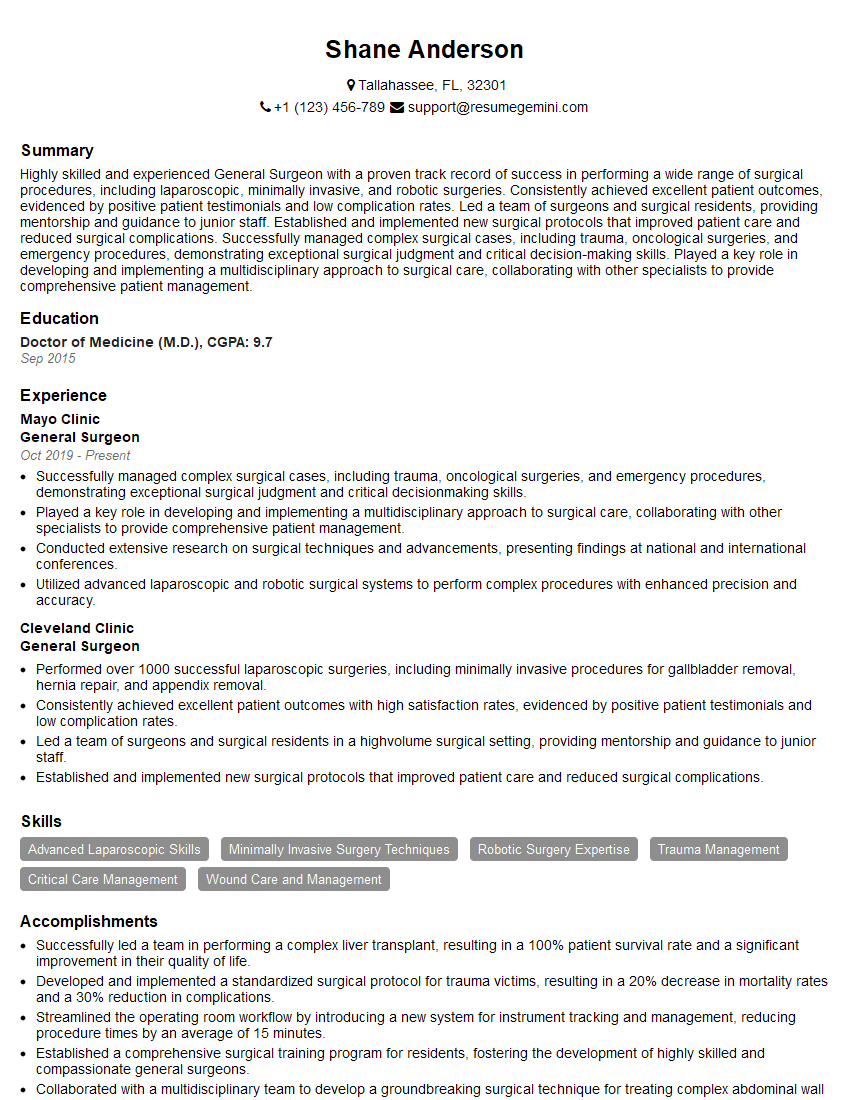
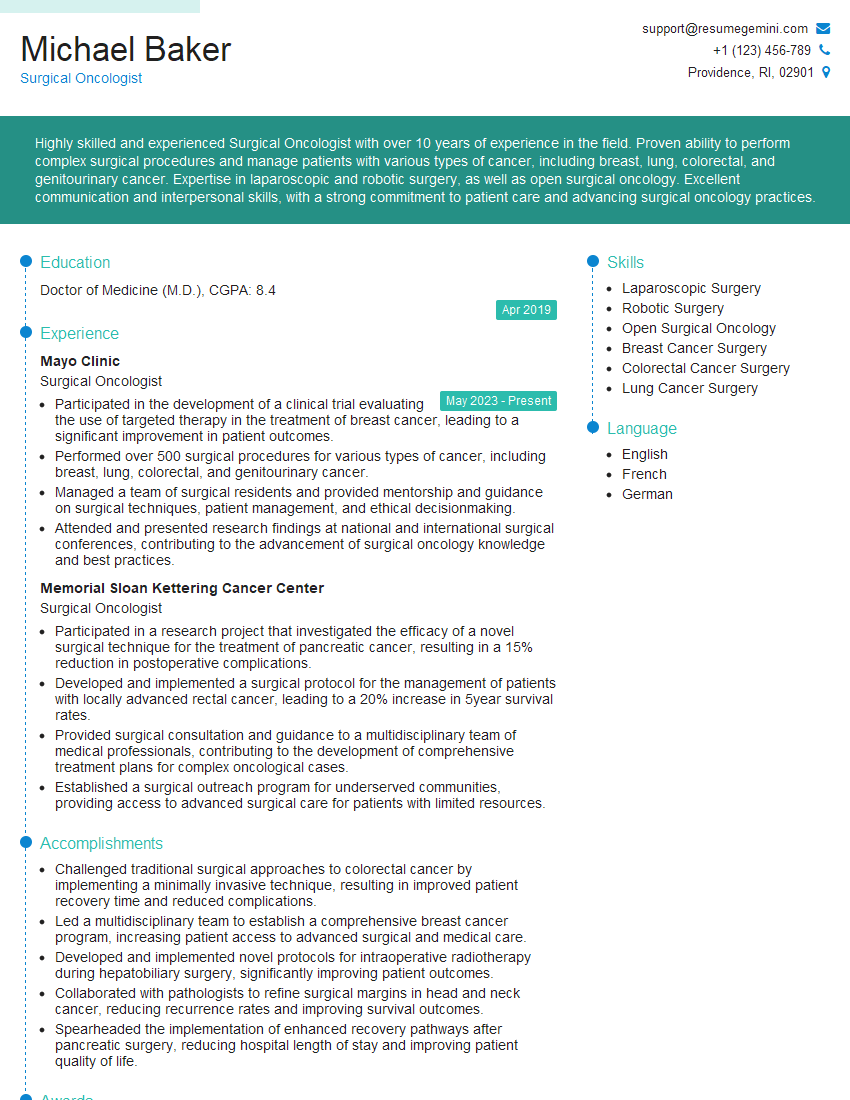
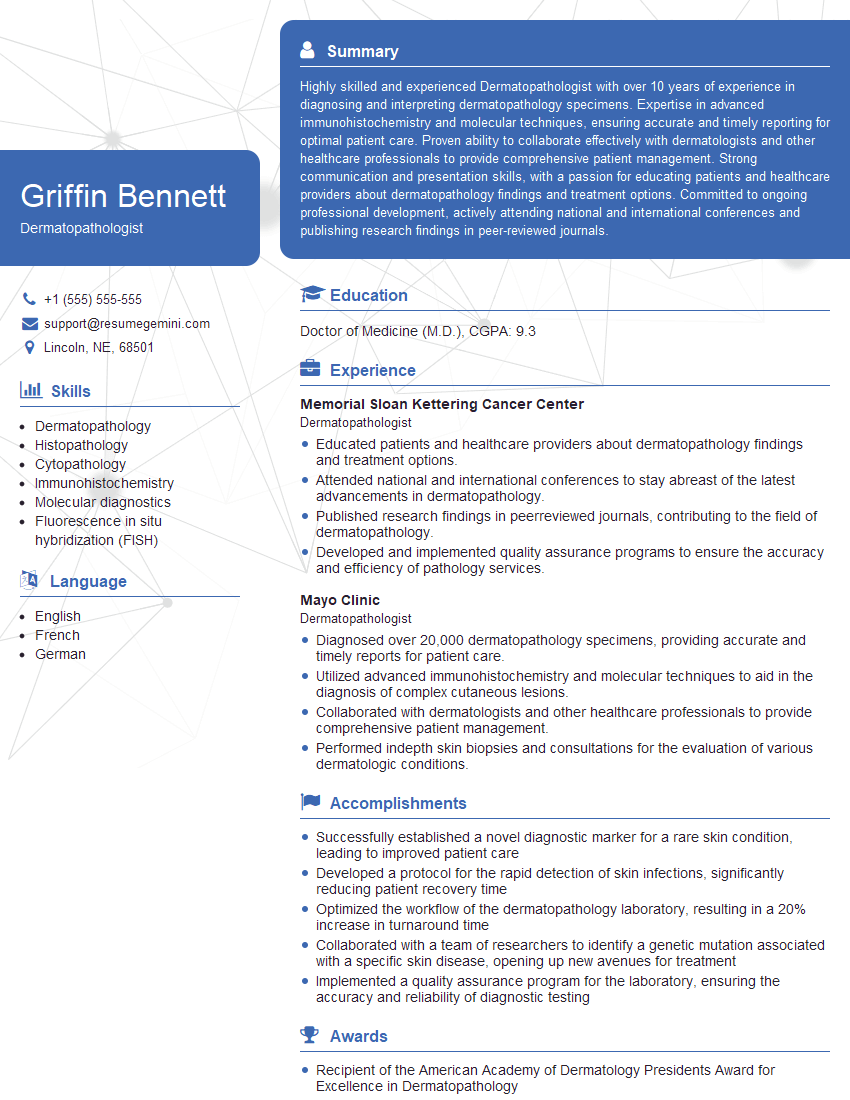
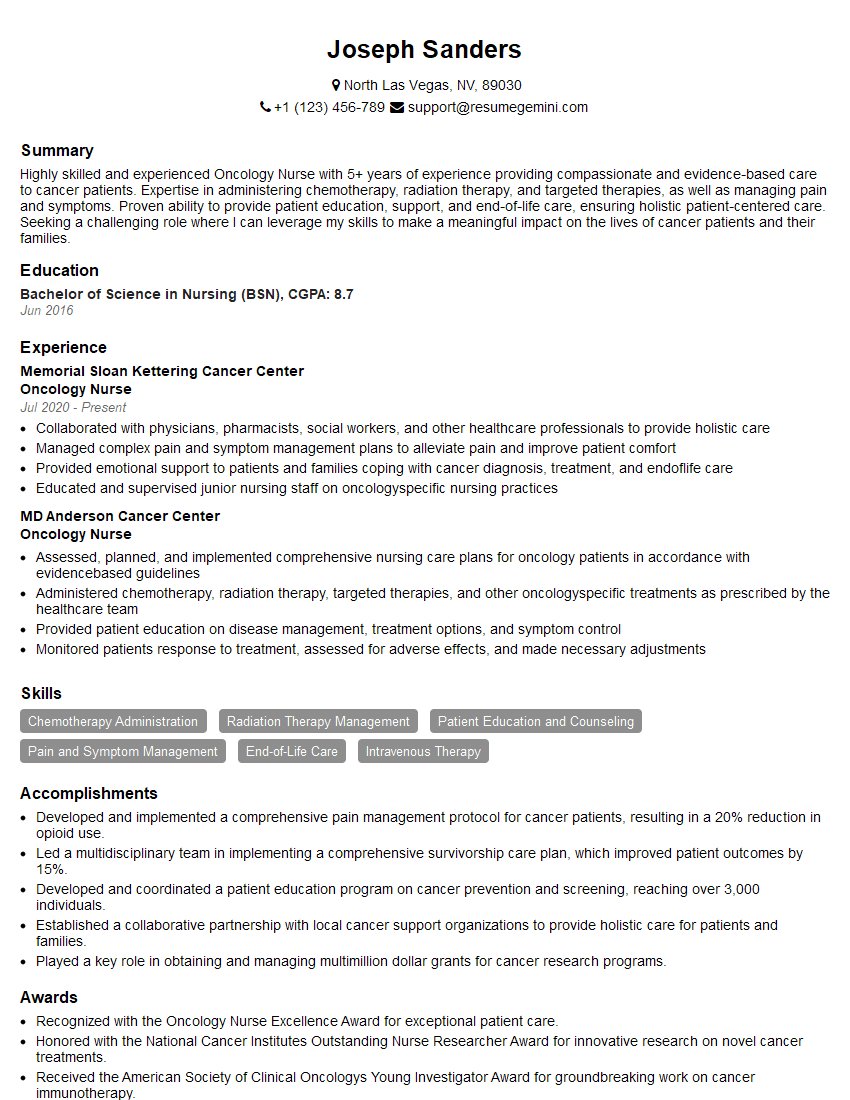
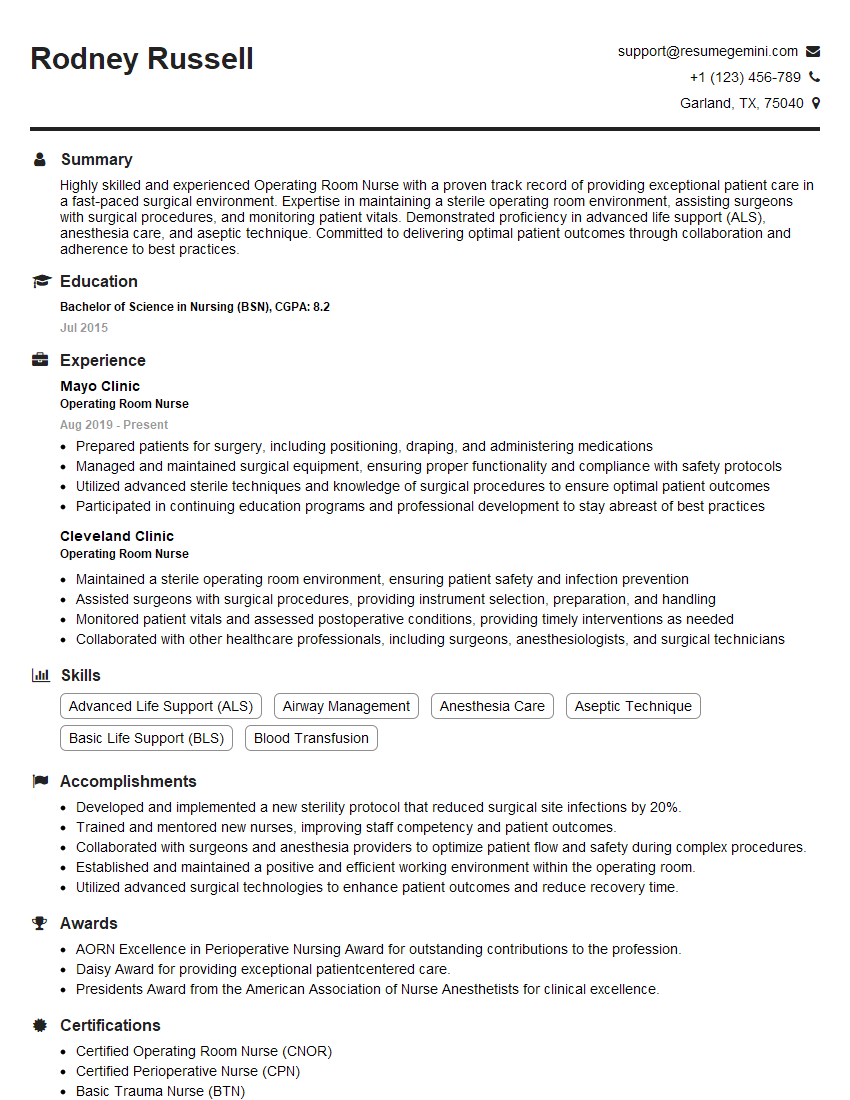
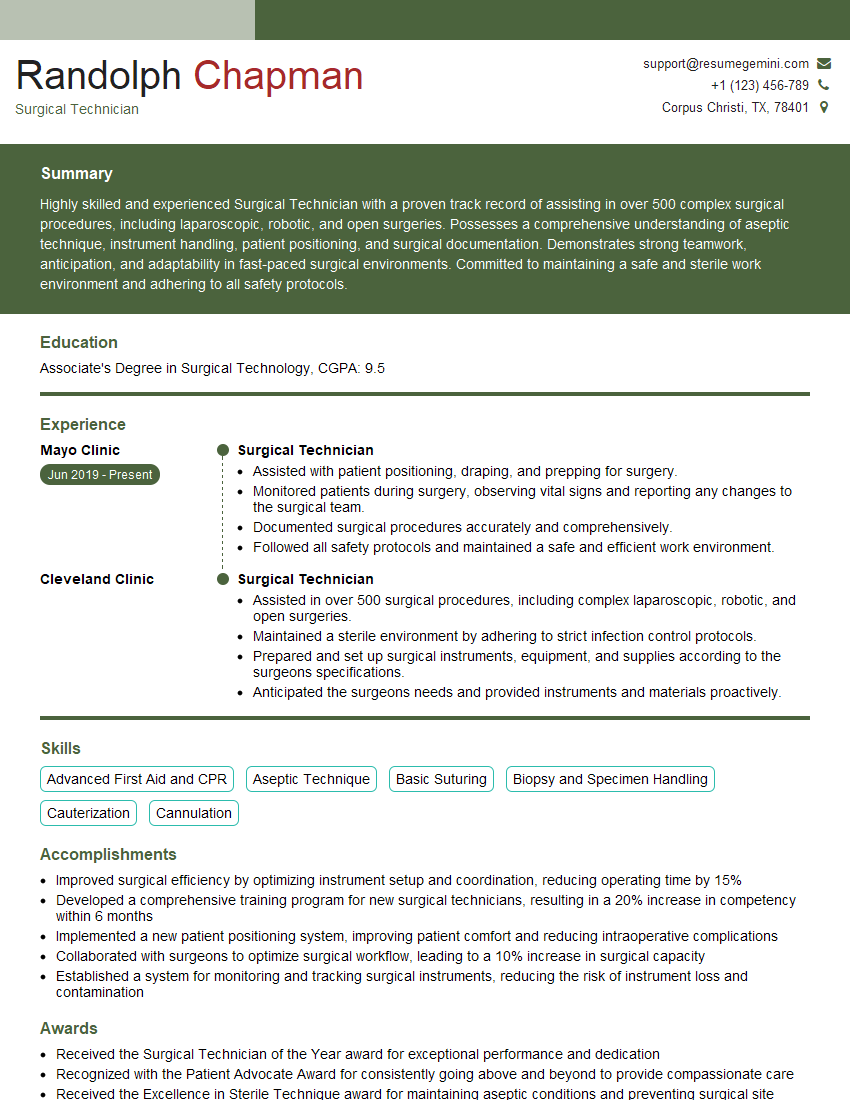
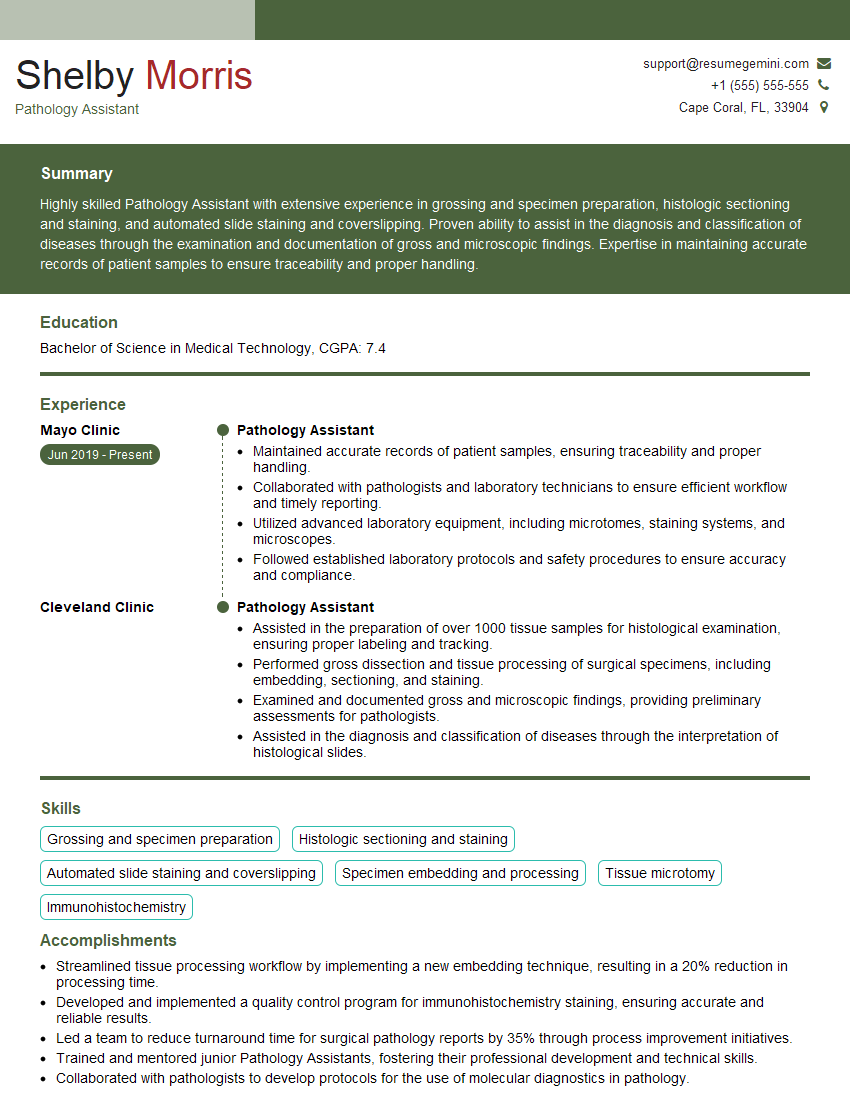
Mastering Melanoma Surgery opens doors to specialized and highly rewarding career opportunities. Demonstrating expertise in this field significantly enhances your candidacy for prestigious positions and research opportunities. To maximize your chances, creating a compelling and ATS-friendly resume is paramount. ResumeGemini is a trusted resource that can help you build a professional resume that highlights your unique skills and experience. We provide examples of resumes tailored specifically to Melanoma Surgery to help you showcase your qualifications effectively. Invest in your future; build the perfect resume today.
Explore more articles
Users Rating of Our Blogs
Share Your Experience
We value your feedback! Please rate our content and share your thoughts (optional).
What Readers Say About Our Blog
To the interviewgemini.com Webmaster.
Very helpful and content specific questions to help prepare me for my interview!
Thank you
To the interviewgemini.com Webmaster.
This was kind of a unique content I found around the specialized skills. Very helpful questions and good detailed answers.
Very Helpful blog, thank you Interviewgemini team.