Unlock your full potential by mastering the most common Open Surgery interview questions. This blog offers a deep dive into the critical topics, ensuring you’re not only prepared to answer but to excel. With these insights, you’ll approach your interview with clarity and confidence.
Questions Asked in Open Surgery Interview
Q 1. Describe your experience with laparotomy incision techniques.
Laparotomy incision techniques are crucial in open abdominal surgery, providing access to the abdominal cavity. The choice of incision depends on the surgical indication, anticipated difficulty, and surgeon preference. Common techniques include:
- Midline incision: A vertical incision extending from the xiphoid process to the pubic symphysis. This provides excellent exposure but has a higher risk of wound dehiscence (separation) and hernias.
- Paramedian incision: A vertical incision parallel to the rectus abdominis muscle. It offers good exposure with slightly less risk of hernia formation compared to a midline incision.
- Transverse incision (Pfannenstiel): A curved incision across the lower abdomen, typically used in gynecological procedures. It provides good cosmetic results but limited exposure.
- Subcostal incision: A curved incision along the costal margin, often used in cholecystectomies or hepatic surgeries. It offers excellent access to the upper abdomen but can result in significant post-operative pain.
- McBurney’s incision: An oblique incision used for appendectomies. It provides direct access to the appendix while minimizing damage to muscles.
In practice, I’ve found that selecting the optimal incision requires careful consideration of the individual patient’s anatomy and the specific surgical needs. For example, in a patient with severe adhesions from prior surgeries, a midline incision might provide the best access despite the increased risk of complications.
Q 2. Explain the steps involved in performing a cholecystectomy.
A cholecystectomy is the surgical removal of the gallbladder. The procedure, when performed openly, typically involves the following steps:
- Patient preparation and positioning: The patient is prepped and draped in a sterile manner, positioned supine with a slight reverse Trendelenburg tilt.
- Incision: A subcostal incision is commonly employed. The incision is carefully made through the skin, subcutaneous tissue, and muscles, taking care to avoid injury to major nerves and vessels.
- Exploration and identification of the gallbladder: The surgeon carefully identifies the gallbladder and surrounding structures, including the cystic duct and artery, hepatic ducts, and liver. Careful dissection minimizes injury risk.
- Clipping and dissection: The cystic artery and duct are carefully identified and clipped or ligated (tied off) using surgical clips or sutures. The gallbladder is then dissected free from the liver bed.
- Removal of the gallbladder: Once the gallbladder is completely detached, it is carefully removed from the abdominal cavity.
- Hemostasis: The surgeon meticulously inspects the surgical site for any bleeding and addresses it using appropriate techniques, such as electrocautery or direct suture ligation.
- Wound closure: The wound is closed layer by layer, including the peritoneum, muscle, subcutaneous tissue, and skin. A drain may be placed to prevent fluid accumulation.
Throughout the procedure, maintaining meticulous hemostasis (stopping bleeding) and careful dissection are paramount to minimize complications.
Q 3. What are the common complications associated with open appendectomy?
Open appendectomy, while a relatively common and straightforward procedure, carries potential complications. These include:
- Wound infection: This is a common complication, particularly in cases of appendiceal perforation or significant inflammation.
- Intra-abdominal abscess: Pus can accumulate in the abdomen, necessitating drainage, antibiotics, or further surgery.
- Bleeding: Significant bleeding can occur from injury to the appendiceal artery or surrounding vessels.
- Perforation of adjacent organs: This can occur during dissection, especially in cases of inflammatory changes or dense adhesions.
- Hernia: Formation of a hernia at the incision site is a possibility.
- Post-operative ileus: A delay in bowel function.
Minimizing these complications involves meticulous surgical technique, appropriate antibiotic prophylaxis, and diligent post-operative care. For example, proper wound closure techniques significantly reduce the risk of infection.
Q 4. How do you manage intraoperative bleeding during an open procedure?
Managing intraoperative bleeding is a critical skill in open surgery. The approach depends on the source and severity of the bleeding. Strategies include:
- Direct pressure: Applying direct pressure to the bleeding site using surgical sponges is the initial step.
- Electrocautery: Using a monopolar or bipolar cautery device to seal small bleeding vessels.
- Suture ligation: Larger vessels are often ligated (tied off) using absorbable sutures. This requires careful dissection to identify and control the bleeding vessel before tying off.
- Hemostatic agents: These agents promote clotting and can be applied directly to the bleeding site. Examples include Surgicel or Gelfoam.
- Vascular clamps: For larger vessels requiring temporary control during dissection.
In a scenario where significant bleeding is encountered, quickly assessing the source and employing the most appropriate method is critical. If the bleeding is substantial or uncontrollable, additional surgical intervention might be needed, including vascular repair or even blood transfusion.
Q 5. Discuss your experience with wound closure techniques in open surgery.
Wound closure techniques aim to provide strength and minimize scarring and infection. The approach depends on the location, size, and depth of the incision. Techniques commonly include:
- Layer closure: This involves closing each tissue layer separately – peritoneum, fascia, subcutaneous tissue, and skin. This approach leads to better wound healing.
- Sutures: Absorbable and non-absorbable sutures are available, with the choice determined by the tissue layer and desired healing properties.
- Staples: These provide rapid closure and are commonly used for skin closure.
- Surgical glue (tissue adhesives): These are increasingly used for skin closure, particularly for superficial wounds.
My preference for wound closure is a multi-layered approach, ensuring accurate apposition of tissues to optimize healing and reduce risk of complications. For example, using a running suture for the fascia provides strength and reduces the risk of hernia formation.
Q 6. Explain the principles of sterile technique in the operating room.
Sterile technique is paramount in the operating room to prevent surgical site infections (SSIs) and other complications. Key principles include:
- Strict hand hygiene: Thorough scrubbing of hands and arms with an antimicrobial agent is crucial.
- Sterile gowning and gloving: Surgeons and surgical team members wear sterile gowns and gloves to maintain a sterile field.
- Sterile draping: The patient is draped with sterile drapes, creating a barrier between the sterile field and the surrounding environment.
- Sterile instrumentation: All instruments and equipment used during the procedure are sterilized before use.
- Maintaining a sterile field: The surgical team takes great care to avoid contaminating the sterile field. This includes appropriate handling of instruments and materials, managing traffic flow in the operating room, and preventing non-sterile objects from entering the sterile field.
- Aseptic techniques: Maintaining the environment, equipment and practices free from microorganisms capable of causing infection.
Even seemingly small breaches in sterile technique can have significant consequences. For example, touching a non-sterile surface with a gloved hand can introduce bacteria into the surgical field and increase the risk of infection.
Q 7. How do you assess a patient’s suitability for open surgery versus minimally invasive surgery?
The decision between open and minimally invasive surgery (MIS) depends on several factors specific to the patient and the surgical procedure:
- Patient factors: These include age, overall health, body habitus (size and shape), presence of co-morbidities (other medical conditions), and patient preference. A patient with significant co-morbidities or significant adhesions might be a better candidate for open surgery.
- Surgical factors: The nature and complexity of the surgical procedure are major factors. Procedures requiring extensive exploration or manipulation of structures might be better suited for open surgery. MIS might be better suited to simpler procedures.
- Surgeon expertise: The surgeon’s experience and comfort level with both open and MIS techniques influence the decision.
- Disease severity: Advanced disease or acute complications might make open surgery the safer and more effective option.
For instance, a young, healthy patient with a simple appendicitis might be suitable for laparoscopic appendectomy (MIS). In contrast, a patient with a history of multiple abdominal surgeries resulting in significant adhesions might require an open appendectomy due to the increased risk of bowel injury during minimally invasive surgery. The decision-making process requires careful consideration of the relative benefits and risks of each approach, with patient involvement and informed consent critical.
Q 8. Describe your experience with different types of surgical drains.
Surgical drains are essential tools in open surgery, designed to remove excess fluid, blood, or air from the surgical site, preventing complications like infection and hematoma formation. My experience encompasses a wide range of drain types, each with its specific application.
- Jackson-Pratt (JP) drains: These are closed-suction drains frequently used for removing fluid from the abdomen, chest, or other areas. I find them particularly useful due to their ease of use and reliable suction. I’ve used them extensively in post-cholecystectomy cases, for instance, where bile leakage is a concern.
- Penrose drains: These are passive gravity drains, essentially a thin rubber tube that allows fluids to drain passively. While simpler and cheaper than JP drains, they’re less effective and generally used in situations where less aggressive fluid removal is required. I often utilize these in cases with low fluid accumulation after superficial procedures.
- Hemovac drains: Similar to JP drains, Hemovacs are closed-suction drains but are typically larger and often used for larger surgical wounds or when substantial fluid accumulation is anticipated. Their greater capacity is beneficial in, say, major abdominal procedures.
Choosing the appropriate drain type depends on factors such as the type of surgery, the expected amount of drainage, and the patient’s overall condition. I carefully consider these factors in every case to optimize patient outcomes and minimize complications.
Q 9. What are the key differences between open and minimally invasive surgical approaches?
Open surgery and minimally invasive surgery (MIS) represent distinct approaches to surgical intervention. The key difference lies in the extent of tissue dissection and the size of the incision.
- Open Surgery: This involves a larger incision, providing direct visualization and access to the surgical site. It allows for greater dexterity and manipulation of tissues. However, it is associated with greater pain, longer recovery time, and a higher risk of complications such as infection and scarring.
- Minimally Invasive Surgery (MIS): This utilizes small incisions (often assisted by laparoscopy or robotics), reducing tissue trauma and improving cosmetic outcomes. Recovery is generally faster, with less pain and shorter hospital stays. However, MIS demands greater skill and precision from the surgeon, with limited visualization and potential difficulties in handling delicate structures.
The choice between open and MIS is dictated by factors like the nature of the disease, the location and extent of the pathology, the surgeon’s expertise, and patient-specific factors such as comorbidities and body habitus. For example, a simple appendectomy might be performed laparoscopically, while a complex bowel resection would often necessitate an open approach.
Q 10. Explain the role of preoperative imaging in planning an open surgical procedure.
Preoperative imaging plays a crucial role in surgical planning, particularly in open surgery where a precise understanding of the anatomical structures is paramount. It allows for a thorough assessment of the pathology, identifying its size, location, and relationship to surrounding organs. This information is critical in determining the surgical approach, anticipating potential challenges, and customizing the operative plan.
- Ultrasound: Provides real-time imaging, useful in assessing superficial structures and guiding biopsies.
- Computed Tomography (CT) scan: Offers detailed cross-sectional images, excellent for visualizing internal organs and identifying subtle lesions. It’s frequently used in planning abdominal surgeries.
- Magnetic Resonance Imaging (MRI): Provides superior soft tissue contrast, useful in cases involving the musculoskeletal system, brain, or spinal cord.
- X-rays: Essential for assessing fractures and visualizing certain skeletal abnormalities.
For instance, in planning an open cholecystectomy, a pre-operative ultrasound and CT scan can help determine the location and size of gallstones, the presence of biliary ductal stones, and the overall anatomy of the biliary tree, thus allowing me to plan the incision and approach with higher precision, anticipating any anatomical variation or unexpected pathology.
Q 11. How do you manage postoperative pain in open surgery patients?
Postoperative pain management is a critical aspect of open surgery care, aiming to minimize discomfort, enhance patient recovery, and improve overall outcomes. My approach involves a multimodal strategy, combining different analgesic techniques to optimize pain relief and reduce reliance on opioids.
- Analgesics: I use a combination of non-steroidal anti-inflammatory drugs (NSAIDs) and opioid analgesics, tailoring the dosage to the individual patient’s needs and response. The goal is to achieve adequate pain control while minimizing side effects.
- Regional Anesthesia: Techniques such as epidural or peripheral nerve blocks can provide effective pain relief with fewer systemic side effects than systemic opioids. I frequently utilize these methods in post-abdominal and lower extremity surgeries.
- Patient-Controlled Analgesia (PCA): PCA pumps enable patients to self-administer analgesics, providing better control over their pain and allowing for prompt relief of breakthrough pain.
- Non-Pharmacological Methods: Techniques like ice packs, elevation of limbs, and distraction therapies can also play a supportive role in managing pain and improving comfort.
Regular monitoring of pain levels, careful assessment of vital signs, and prompt adjustment of pain medication are crucial to ensuring that my patients experience effective pain management and a smooth postoperative recovery.
Q 12. Describe your experience with postoperative wound care.
Postoperative wound care is vital for preventing infection and promoting optimal healing. My approach emphasizes meticulous attention to detail and adherence to established guidelines.
- Wound Assessment: Daily inspection of the wound is critical, noting the presence of any signs of infection, such as redness, swelling, warmth, purulence, or increased pain.
- Wound Cleaning: Gentle cleaning with sterile saline solution removes debris and exudates, minimizing the risk of infection. Harsh scrubbing is avoided to prevent further tissue damage.
- Dressing Changes: Dressing changes are performed as needed, using appropriate dressings to maintain a moist wound environment and promote healing. The frequency of dressing changes depends on the type of wound and the amount of drainage.
- Sutures/Staple Removal: Sutures or staples are removed when the wound is sufficiently healed, typically 7-14 days after surgery. This timing depends on the location, depth, and tension of the wound.
Early identification and prompt management of any wound complications are critical. For example, the appearance of excessive purulence or signs of cellulitis would prompt immediate intervention, including possible wound debridement and intravenous antibiotics. Patient education is also vital, instructing them on proper wound care at home to ensure optimal healing and prompt identification of any potential problems.
Q 13. What are the indications and contraindications for open hernia repair?
Open hernia repair is a surgical procedure to correct a hernia, where an organ or tissue protrudes through a weakened area in the abdominal wall.
- Indications: Open hernia repair is indicated when non-surgical management has failed, or the hernia is causing significant symptoms such as pain, discomfort, or bowel obstruction. Large hernias, incarcerated (trapped) hernias, or strangulated (blood supply compromised) hernias also necessitate surgical intervention.
- Contraindications: Absolute contraindications are rare, but include severe uncontrolled medical conditions such as uncontrolled bleeding disorders or sepsis. Relative contraindications might include severe pulmonary disease or recent myocardial infarction, where the risk of surgery outweighs the benefit. The patient’s overall health status and suitability for anesthesia play a major role in the decision-making process.
The choice between open and laparoscopic repair depends on factors like the size and location of the hernia, the surgeon’s expertise, and patient factors. I carefully evaluate each patient’s individual circumstances before recommending the most appropriate surgical approach. For instance, a large, complex ventral hernia might require an open approach, while a smaller inguinal hernia could be suitable for a laparoscopic repair.
Q 14. Describe your experience with managing surgical site infections.
Surgical site infections (SSIs) are a serious complication of open surgery, potentially leading to significant morbidity and mortality. My approach to managing SSIs involves prompt identification, aggressive treatment, and meticulous attention to infection control protocols.
- Early Recognition: Regular monitoring of the wound for signs of infection (redness, swelling, warmth, purulence, increased pain) is crucial. Any suspicion of an SSI triggers immediate investigation.
- Wound Culture and Sensitivity: A wound culture helps identify the causative organism, guiding appropriate antibiotic therapy. Antibiotic sensitivity testing is crucial to ensure that the chosen antibiotic is effective against the identified pathogen.
- Antibiotic Therapy: Appropriate antibiotic therapy is initiated promptly, based on the results of the wound culture and sensitivity. The choice of antibiotic depends on the suspected pathogen and the patient’s clinical condition.
- Surgical Debridement: In cases of severe SSIs, surgical debridement might be necessary to remove infected tissue and provide adequate drainage. This is often followed by continued antibiotic therapy.
Prevention is key. Strict adherence to sterile techniques during the surgical procedure, appropriate preoperative antibiotic prophylaxis, meticulous postoperative wound care, and optimization of the patient’s overall health all contribute to reducing the risk of SSIs. Early intervention and a multidisciplinary approach involving infectious disease specialists and surgical colleagues are crucial for successful management of SSIs.
Q 15. How do you handle unexpected intraoperative complications?
Handling unexpected intraoperative complications requires a calm, systematic approach. My training emphasizes immediate assessment, prioritization of life-threatening issues, and a flexible surgical plan. This involves:
- Rapid Assessment: Identifying the nature and severity of the complication (e.g., unexpected bleeding, organ injury, anaphylactic reaction).
- Prioritization: Addressing the most life-threatening issue first (e.g., controlling hemorrhage before repairing a minor laceration).
- Teamwork: Clear communication with the anesthesiologist, nurses, and other surgical team members is crucial. This ensures coordinated efforts and efficient resource allocation.
- Problem-Solving: Employing a structured approach to problem-solving, considering various options and selecting the most appropriate course of action based on the specific circumstances and available resources. This might involve altering the surgical plan, consulting with specialists, or converting to a different surgical approach.
- Documentation: Meticulous documentation of the complication, the steps taken to manage it, and the outcome is vital for learning, quality improvement, and legal purposes.
For instance, during a cholecystectomy (gallbladder removal), encountering a bleeding cystic artery requires immediate control using surgical clips or sutures, potentially followed by angiographic embolization if necessary. The key is to remain calm, systematically address the problem, and adapt the surgical plan accordingly. This prevents panic and allows for rational decision-making under pressure.
Career Expert Tips:
- Ace those interviews! Prepare effectively by reviewing the Top 50 Most Common Interview Questions on ResumeGemini.
- Navigate your job search with confidence! Explore a wide range of Career Tips on ResumeGemini. Learn about common challenges and recommendations to overcome them.
- Craft the perfect resume! Master the Art of Resume Writing with ResumeGemini’s guide. Showcase your unique qualifications and achievements effectively.
- Don’t miss out on holiday savings! Build your dream resume with ResumeGemini’s ATS optimized templates.
Q 16. Explain your understanding of surgical anatomy relevant to your sub-specialty.
My sub-specialty focuses on abdominal surgery. A thorough understanding of abdominal surgical anatomy is paramount. This encompasses knowledge of:
- Vascular Anatomy: Detailed knowledge of the major abdominal vessels (e.g., aorta, vena cava, hepatic, splenic, mesenteric arteries and veins) is crucial to avoid injury during dissection. Understanding their branching patterns allows for safe and effective dissection.
- Visceral Anatomy: Precise understanding of the location, relationships, and variations in anatomy of the organs (e.g., liver, gallbladder, stomach, intestines, pancreas, spleen, kidneys) is essential for performing safe and effective procedures. Variations from textbook anatomy are common and must be recognized.
- Neurovascular Structures: Precise awareness of the location and course of nerves and blood vessels in the abdominal wall and around the viscera minimizes the risk of injury and post-operative complications such as pain or paresthesia.
- Peritoneal Anatomy: A comprehensive understanding of the peritoneal cavity, its compartments, and the attachments of the viscera is critical for safe dissection and mobilization of organs. This prevents inadvertent entry into other compartments.
For example, during a bowel resection, a thorough understanding of the mesenteric vasculature is paramount to avoid compromising the blood supply to the intestine, leading to ischemia. Similarly, during a cholecystectomy, intimate knowledge of the cystic artery and duct’s relationship with the common hepatic duct and other structures is crucial to prevent bile duct injury.
Q 17. Describe your experience with different types of surgical instruments.
My experience encompasses a wide range of surgical instruments, tailored to specific procedures. This includes:
- Dissecting Instruments: Metzenbaum scissors, Adson forceps, and various retractors are used for precise tissue dissection, minimizing trauma.
- Clamping Instruments: Hemostats (e.g., Crile, Kelly), vascular clamps (e.g., bulldog, Satinsky), and bowel clamps are used to control bleeding and isolate tissues.
- Cutting Instruments: Scalpels (various sizes and blades), electrocautery, and surgical lasers are employed for precise incision and tissue resection.
- Suturing Instruments: Needle holders, forceps, and scissors are used for precise placement and tying of sutures.
- Specialized Instruments: Specific instruments are needed for particular procedures, such as laparoscopic instruments for minimally invasive surgery, or specialized instruments for vascular or neurosurgery.
The choice of instrument depends heavily on the specific surgical procedure and tissue being manipulated. For example, delicate tissues such as the bowel wall require the use of fine dissecting instruments like Metzenbaum scissors and Adson forceps, while the thicker tissues of the abdominal wall may be dissected with heavier instruments.
Q 18. What are the key considerations for patient selection in open surgery?
Patient selection for open surgery involves a careful evaluation of various factors to ensure the patient is a suitable candidate and to minimize the risks associated with the procedure. Key considerations include:
- Medical History: A thorough review of the patient’s medical history, including any underlying conditions (e.g., cardiac, pulmonary, renal disease), medication use, and allergies is crucial to assess their risk profile.
- Surgical Fitness: An assessment of the patient’s physical condition to determine their ability to withstand the surgery and anesthesia. This may include tests such as electrocardiograms (ECGs), chest X-rays, and blood work.
- Severity of the Condition: The severity and urgency of the patient’s condition influences the decision. Open surgery might be preferred for complex cases requiring extensive tissue manipulation.
- Alternative Treatments: Considering less invasive options like laparoscopic surgery or other medical management strategies. Open surgery is usually reserved when minimally invasive techniques are not feasible or appropriate.
- Patient Preferences: Respecting the patient’s wishes and preferences. Informed consent is crucial, and patients should understand the risks and benefits of open surgery compared to other options.
For example, a patient with severe cardiac disease might not be a suitable candidate for an extensive open abdominal procedure due to the increased risk of complications. Conversely, a patient with a large, complex abdominal mass may require open surgery for complete resection.
Q 19. How do you obtain informed consent for open surgery?
Obtaining informed consent for open surgery involves a detailed discussion between the surgeon and the patient to ensure they fully understand the procedure, its risks, benefits, and alternatives. The process includes:
- Explanation of the Condition: Clearly explaining the patient’s diagnosis, its severity, and the need for surgery in understandable terms.
- Description of the Procedure: Detailed explanation of the planned surgery, including the steps involved, the anticipated duration, and the location of incisions.
- Discussion of Risks and Benefits: Openly discussing potential risks, such as bleeding, infection, complications related to anesthesia, and potential long-term effects. The benefits of the procedure should also be explained clearly.
- Alternative Treatment Options: Discussing any alternative treatment options, such as medication, less invasive surgical techniques, or watchful waiting, and their potential benefits and risks.
- Answering Questions: Providing ample opportunity for the patient to ask questions and clarifying any doubts or concerns. Patients should feel empowered to make an informed decision.
- Documentation: Documenting the consent process thoroughly, including the date, time, and content of the discussion, and verifying the patient’s understanding and voluntary consent through signature on a consent form.
This process ensures that the patient is fully aware and makes a voluntary decision, respecting their autonomy and promoting a trusting doctor-patient relationship.
Q 20. What are the advantages and disadvantages of open surgery compared to laparoscopic surgery?
Open surgery and laparoscopic surgery both have their advantages and disadvantages. The choice depends on several factors, including the patient’s condition, the nature of the surgical problem, and the surgeon’s expertise.
Open Surgery:
- Advantages: Direct visualization, ability to perform complex procedures, better tactile feedback, and often faster procedure time for certain surgeries.
- Disadvantages: Larger incisions, greater pain, longer recovery time, increased risk of infection and scarring, and more postoperative discomfort.
Laparoscopic Surgery:
- Advantages: Smaller incisions, less pain, shorter hospital stay, faster recovery, reduced scarring, and less postoperative discomfort.
- Disadvantages: Requires specialized training and equipment, limited tactile feedback, can be technically challenging for complex procedures, not suitable for all surgical conditions, and can potentially lead to increased operative time in certain cases.
In summary, open surgery remains valuable for complex procedures where direct visualization and tactile feedback are crucial. However, laparoscopic surgery has revolutionized many surgical fields, offering patients less invasive options with faster recoveries where applicable.
Q 21. Describe your experience with different types of surgical sutures.
My experience includes a wide variety of surgical sutures, each with unique properties suited to different tissues and surgical needs.
- Absorbable Sutures: These are gradually absorbed by the body, eliminating the need for suture removal. Examples include Vicryl (polyglactin 910), PDS (polydioxanone), and catgut. Vicryl is commonly used for subcutaneous tissue, while PDS is preferred for deeper tissues requiring longer-term support.
- Non-Absorbable Sutures: These remain in the body indefinitely, requiring removal. Examples include nylon, polypropylene (Prolene), and silk. Nylon is frequently used for skin closure due to its strength and ease of handling, while polypropylene is often chosen for its strength and inert nature, making it suitable for various tissues.
- Monofilament vs. Braided: Monofilament sutures (e.g., nylon, polypropylene) have a smooth surface, reducing tissue drag and friction, leading to less tissue trauma. Braided sutures (e.g., silk, Vicryl) have greater tensile strength initially, but they can harbor bacteria in their crevices. The choice depends on the tissue’s fragility and the desired handling properties.
The choice of suture depends on the tissue’s characteristics, the required strength, the desired absorption rate, and the surgeon’s preference. For example, delicate tissues like the bowel mesentery require fine absorbable sutures to minimize tissue reaction, while stronger, non-absorbable sutures are usually used for skin closure to ensure adequate wound strength until healing is complete.
Q 22. How do you manage a surgical emergency?
Managing a surgical emergency requires a calm, systematic approach prioritizing the patient’s immediate well-being. It’s a high-pressure situation demanding rapid assessment and decisive action.
My approach involves these steps:
- Immediate Assessment: Rapidly evaluate the patient’s airway, breathing, and circulation (ABCs) to identify life-threatening issues like hemorrhage or airway obstruction. This often requires a quick physical exam, checking vital signs (heart rate, blood pressure, oxygen saturation), and reviewing any available medical history.
- Resuscitation: Initiate life-saving measures immediately, such as administering fluids, oxygen, or blood products as needed. This phase often involves close collaboration with the anesthesia team and other specialists.
- Diagnosis: A thorough diagnostic work-up may be conducted concurrently with resuscitation, depending on the situation. This could include blood tests, imaging (X-ray, CT scan), or other diagnostic tools to determine the cause of the emergency.
- Treatment: Based on the diagnosis, implement the most appropriate treatment. This may involve immediate surgical intervention, medication administration, or other supportive measures. The urgency of the treatment is determined by the severity and nature of the emergency.
- Post-Operative Care: Following the emergency surgery (if performed), close monitoring of the patient is crucial, including vigilant observation for complications such as infection, bleeding, or organ dysfunction. Pain management and supportive care are also vital.
Example: During my time at County General, we had a patient arrive after a severe motor vehicle accident with massive internal bleeding. Following the ABC assessment and initiating fluid resuscitation, we rapidly took him to the operating room for exploratory laparotomy to control the hemorrhage. This required a coordinated effort among the surgical team, anesthesiologist, and nurses to ensure his survival. Successful management hinges on rapid decision-making, effective communication, and seamless teamwork.
Q 23. Explain your knowledge of surgical asepsis and infection control.
Surgical asepsis, the absence of all microorganisms, and infection control are paramount in open surgery to prevent surgical site infections (SSIs), a significant source of morbidity and mortality.
My understanding encompasses:
- Preoperative preparation: This includes thorough hand hygiene (surgical scrub), preparation of the surgical site with antiseptic solutions (e.g., chlorhexidine), and the use of sterile drapes to create a sterile field around the surgical incision. This also extends to appropriate attire such as sterile gowns and gloves.
- Intraoperative techniques: Maintaining a sterile field throughout the procedure is critical, using sterile instruments and ensuring all personnel within the sterile field adhere to sterile techniques. Careful handling of tissues and meticulous hemostasis (control of bleeding) minimize contamination.
- Postoperative care: This involves appropriate wound care, including meticulous dressing changes with sterile technique, and prompt treatment of any signs of infection (e.g., redness, swelling, pain, purulent discharge). Prophylactic antibiotics are often utilized in high-risk cases.
- Environmental control: The operating room itself is designed and maintained with strict standards for air filtration, cleaning, and sterilization to minimize the risk of airborne contamination.
Infection control protocols are continually monitored and refined, following strict guidelines established by organizations like the Centers for Disease Control and Prevention (CDC). We regularly participate in continuing education on infection prevention and control to stay abreast of best practices.
Q 24. What are the ethical considerations related to open surgery?
Ethical considerations in open surgery are central to patient care and involve balancing the potential benefits of surgery against its risks and respecting patient autonomy.
Key ethical considerations include:
- Informed Consent: Patients must fully understand the procedure, its risks and benefits, potential complications, and alternative treatment options before providing informed consent. This process requires clear communication and ensuring the patient’s comprehension.
- Beneficence and Non-maleficence: The surgeon has a duty to act in the patient’s best interest (beneficence) and to avoid causing harm (non-maleficence). This includes selecting the least invasive approach whenever possible and carefully weighing the risks and benefits of any intervention.
- Justice: Equitable access to surgical care should be ensured, regardless of socioeconomic status, race, or other factors. This includes addressing health disparities and promoting fairness in resource allocation.
- Confidentiality: Patient information must be kept strictly confidential, respecting their privacy and adhering to relevant data protection regulations.
- Truthfulness and Honesty: Open and honest communication with patients and their families is essential, even when delivering difficult news. Transparency builds trust and facilitates shared decision-making.
Example: Discussing the risks and benefits of a complex procedure with a patient and their family, ensuring they fully grasp the implications before proceeding is critical. I always aim to empower patients to make informed decisions, even if the decision is not the one I would initially recommend.
Q 25. Describe your experience working within a multidisciplinary surgical team.
Open surgery necessitates a highly coordinated multidisciplinary team approach. My experience working in such teams has been extensive and crucial to successful patient outcomes.
Team members include:
- Surgeons: The primary surgical team, including attending surgeons, residents, and fellows.
- Anesthesiologists: Responsible for patient monitoring, pain management, and ensuring a safe anesthetic course.
- Surgical nurses: Providing crucial support during the procedure, including instrument handling, wound care, and monitoring the patient’s condition.
- Surgical technicians: Preparing the operating room, managing equipment, and assisting the surgical team.
- Other specialists: Depending on the case, other specialists, such as cardiologists, gastroenterologists, or oncologists, may be involved.
Effective teamwork relies on clear communication, mutual respect, and a shared goal of providing the best possible patient care. I value active participation in team discussions, proactively addressing any concerns, and ensuring everyone is informed and on the same page. For example, during a complex abdominal surgery, my role included clear communication of the surgical plan to the anesthesiologist, ensuring appropriate fluid management and hemodynamic monitoring throughout the operation. This coordinated approach is essential for optimal patient outcomes.
Q 26. How do you utilize surgical technology and equipment?
Surgical technology is constantly evolving, and proficiency in its use is critical for optimal surgical outcomes.
My experience with various technologies includes:
- Laparoscopic instruments and cameras: While I am discussing open surgery, these minimally invasive techniques are frequently used in conjunction with or as alternatives to open procedures. The dexterity required for these is directly applicable to open surgery.
- Energy devices (e.g., cautery, harmonic scalpel): These tools are crucial for precise tissue dissection and hemostasis during open procedures.
- Surgical navigation systems: These systems enhance precision and accuracy, particularly during complex procedures. These tools offer improved visualization of critical structures to reduce the risk of unintended complications in open surgery.
- Imaging technologies (e.g., intraoperative ultrasound, fluoroscopy): Real-time imaging provides valuable information during the procedure, guiding the surgical approach and ensuring accurate resection.
- Robotic surgical systems: Although often associated with minimally invasive surgery, robotic systems can also be utilized in open procedures to enhance precision and dexterity in complex areas.
Example: In a recent case involving a complex hepatic resection, intraoperative ultrasound was used to guide the dissection and ensure complete removal of the tumor while preserving healthy liver tissue. This technology, alongside precise use of energy devices for hemostasis, resulted in a successful outcome with minimal blood loss.
Q 27. Explain your approach to perioperative patient assessment.
Perioperative patient assessment is a critical step in ensuring successful surgical outcomes. A comprehensive assessment identifies potential risks and optimizes the patient’s preparation for surgery.
My approach encompasses:
- Medical history: A detailed review of the patient’s past medical history, including allergies, medications, previous surgeries, and any relevant comorbidities.
- Physical examination: A thorough physical examination assesses the patient’s overall health, focusing on areas relevant to the planned surgery.
- Laboratory investigations: Essential blood tests (complete blood count, coagulation studies, renal and hepatic function tests) are ordered to assess the patient’s overall health and identify potential risks. Additional tests may be required depending on the specific surgery and the patient’s history.
- Imaging studies: Radiological imaging (X-rays, CT scans, MRI) may be necessary to visualize the surgical site and evaluate the extent of pathology.
- Anesthesia consultation: Collaboration with an anesthesiologist is crucial to determine the optimal anesthetic approach and address any potential anesthetic risks.
Example: Before a major abdominal surgery, I would thoroughly review the patient’s medical history to identify potential risks like cardiac disease or bleeding disorders. I would then perform a focused physical examination to assess the abdomen and vital signs. Based on this information, I would order relevant laboratory investigations and collaborate with the anesthesiologist to plan a safe and effective anesthetic plan. This comprehensive approach ensures that any potential problems are identified and addressed before the surgery, minimizing perioperative risks.
Q 28. How do you stay updated on the latest advancements in open surgery techniques?
Staying current with advancements in open surgery is essential for providing the best possible patient care.
My strategies for staying updated include:
- Professional journals and publications: Regularly reviewing leading surgical journals (e.g., the Journal of the American College of Surgeons, Surgery) allows me to stay informed on the latest research and techniques.
- Continuing medical education (CME) activities: Attending conferences, workshops, and online courses on advanced surgical techniques ensures that I am updated on current best practices and innovations.
- Membership in professional organizations: Active membership in surgical societies allows for access to the latest information and collaboration with colleagues worldwide.
- Collaboration and discussion: Engaging in discussions with colleagues, both within and outside my institution, provides valuable insights into current approaches and innovative techniques.
- Reviewing surgical videos and online resources: Exploring surgical videos and online platforms provide a visual and interactive learning experience.
Example: I recently attended a workshop on minimally invasive surgical techniques and learned about the use of robotic systems in enhancing precision during complex procedures. While primarily used in minimally invasive surgeries, the principles of improved precision and dexterity also benefit open surgery when applicable. By regularly participating in such activities, I incorporate new knowledge and techniques to enhance my surgical practice and patient care.
Key Topics to Learn for Open Surgery Interview
- Surgical Principles and Techniques: Understanding fundamental surgical principles like asepsis, hemostasis, wound closure, and tissue handling. Consider exploring various incision techniques and their applications.
- Specific Open Surgical Procedures: Familiarize yourself with common open surgical procedures relevant to your specialization. This includes understanding the indications, contraindications, steps involved, potential complications, and post-operative care for each procedure.
- Anatomy and Physiology: A strong grasp of relevant anatomy and physiology is crucial. Focus on the specific anatomical structures and physiological processes involved in the procedures you’ve studied.
- Instrumentation and Equipment: Demonstrate familiarity with common surgical instruments, their uses, and proper handling techniques. Understanding the operation of relevant equipment is also vital.
- Surgical Planning and Decision-Making: Be prepared to discuss the process of surgical planning, including pre-operative assessment, intraoperative decision-making, and post-operative management. Highlight your problem-solving skills and ability to adapt to unexpected situations.
- Patient Safety and Risk Management: Emphasize your commitment to patient safety and your understanding of strategies to minimize surgical risks and complications. Consider the role of teamwork and communication in this context.
- Surgical Complications and Management: Be prepared to discuss common surgical complications and how they are identified, managed, and prevented. Demonstrate your knowledge of post-operative monitoring and recovery.
Next Steps
Mastering Open Surgery opens doors to exciting career advancements and allows you to contribute significantly to patient care. To enhance your job prospects, crafting a compelling and ATS-friendly resume is essential. ResumeGemini is a trusted resource that can help you build a professional resume that showcases your skills and experience effectively. Examples of resumes tailored to Open Surgery professionals are available, providing you with valuable templates and guidance to create a standout application.
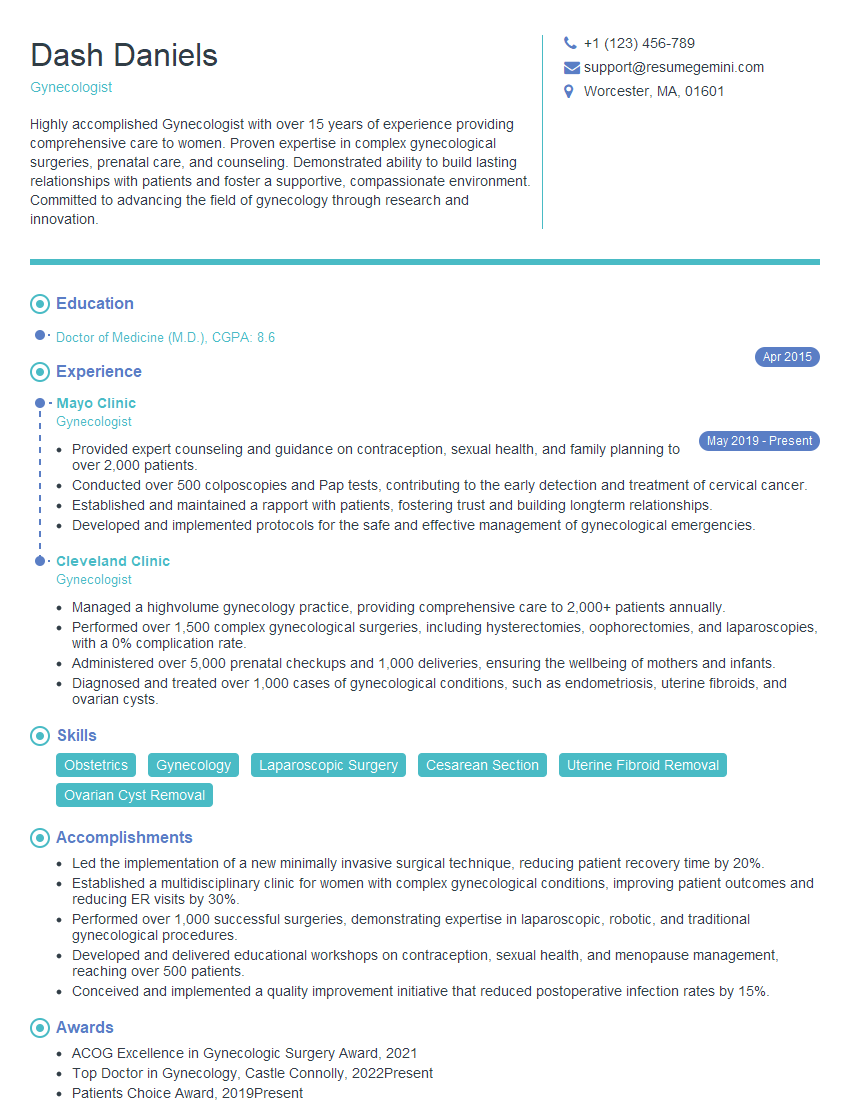
Gynecologist Resume Sample
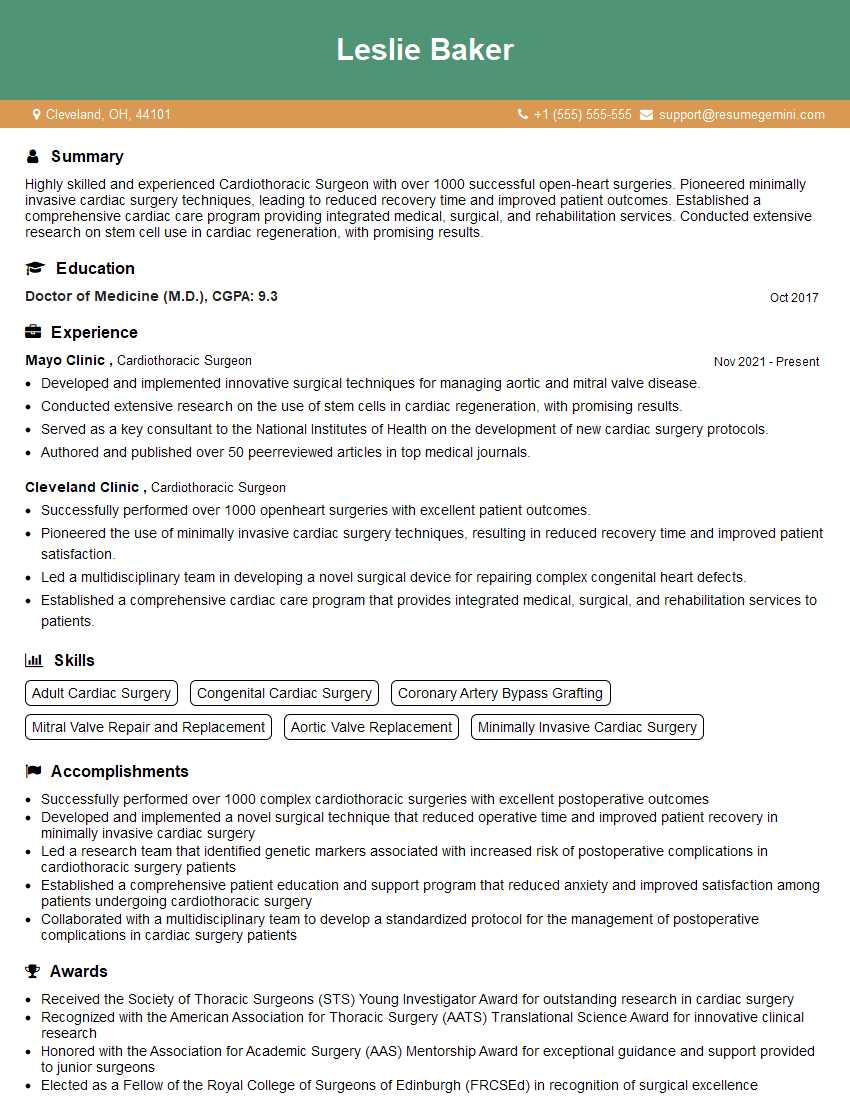
Cardiothoracic Surgeon Resume Sample
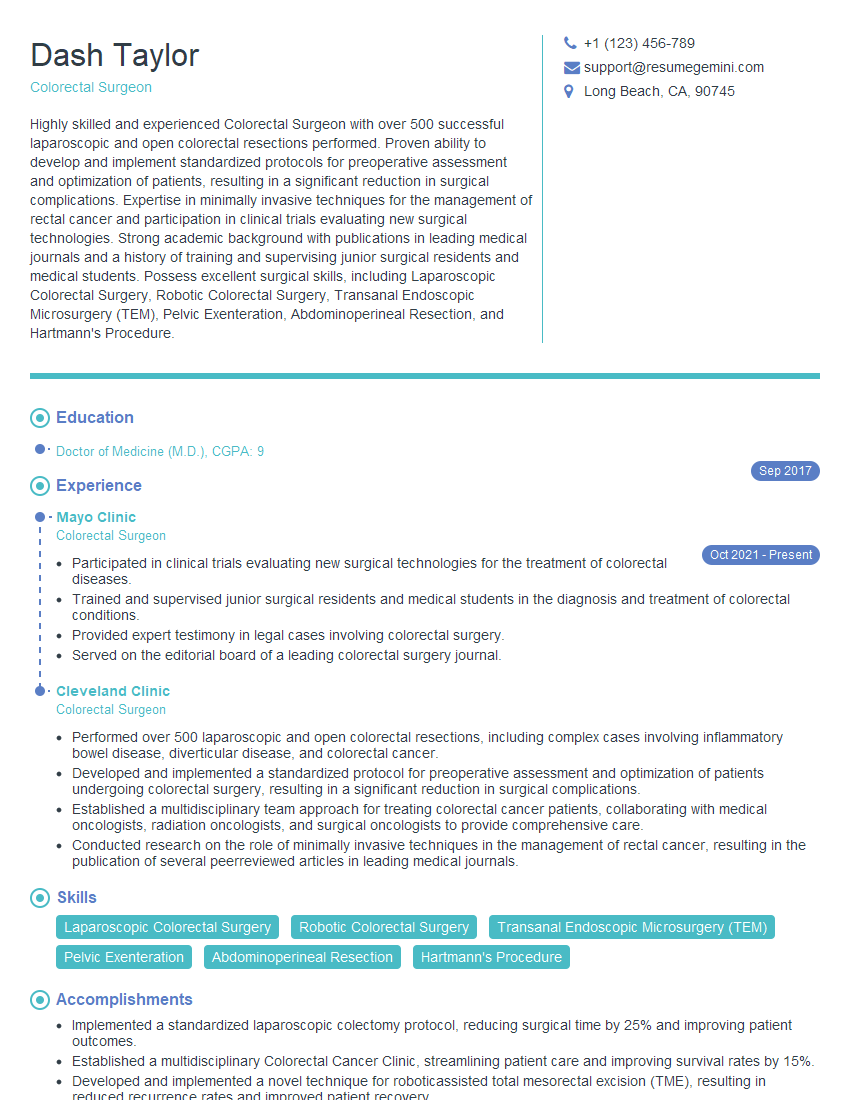
Colorectal Surgeon Resume Sample
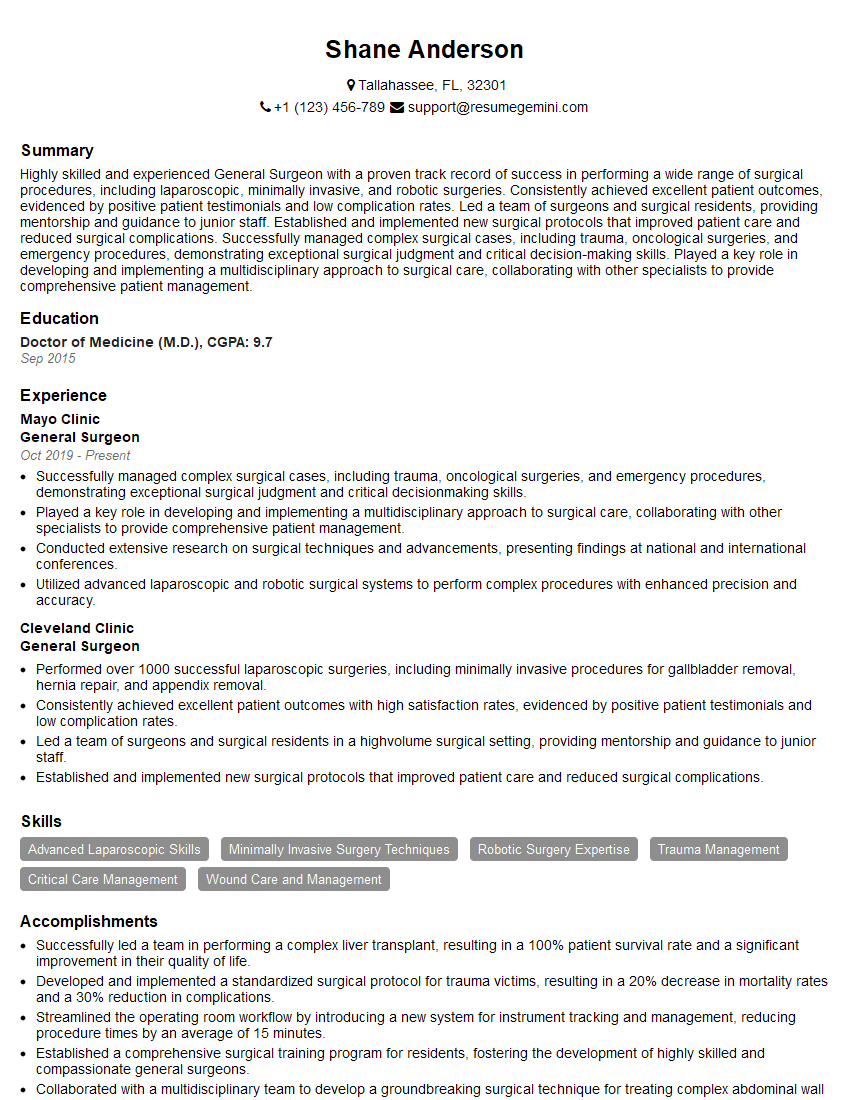
General Surgeon Resume Sample
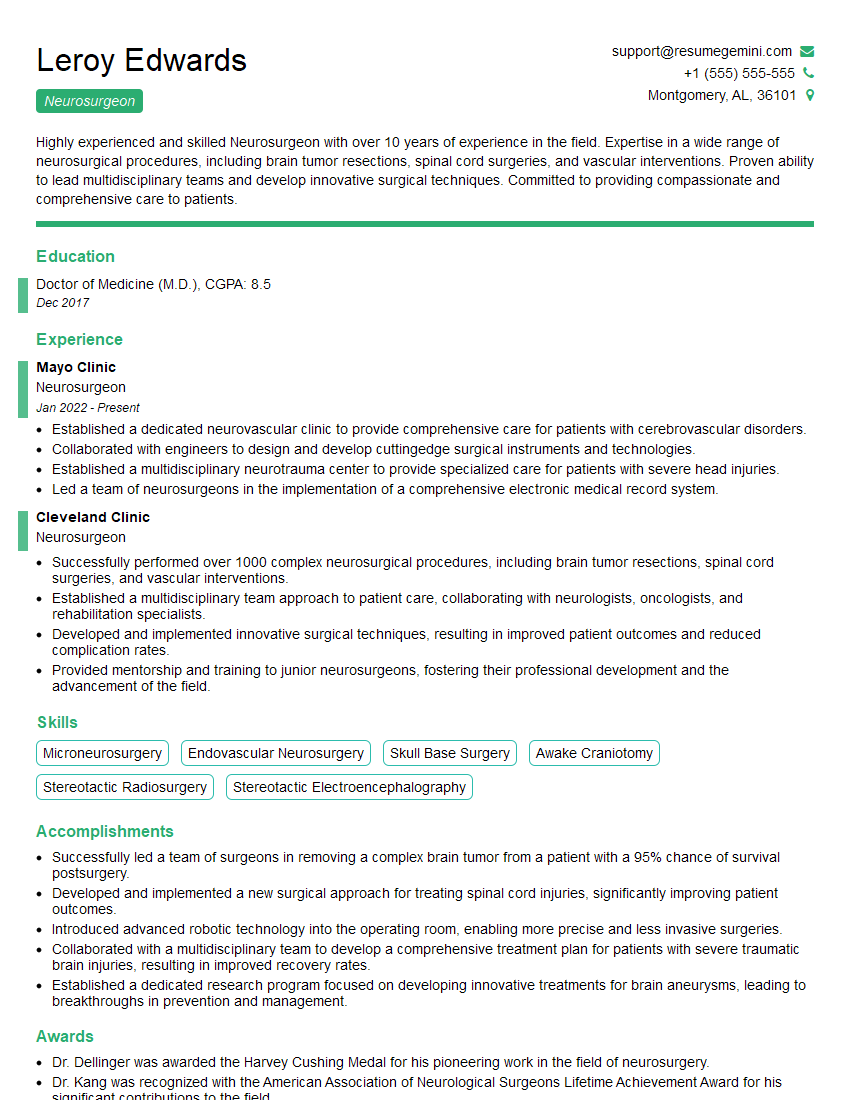
Neurosurgeon Resume Sample
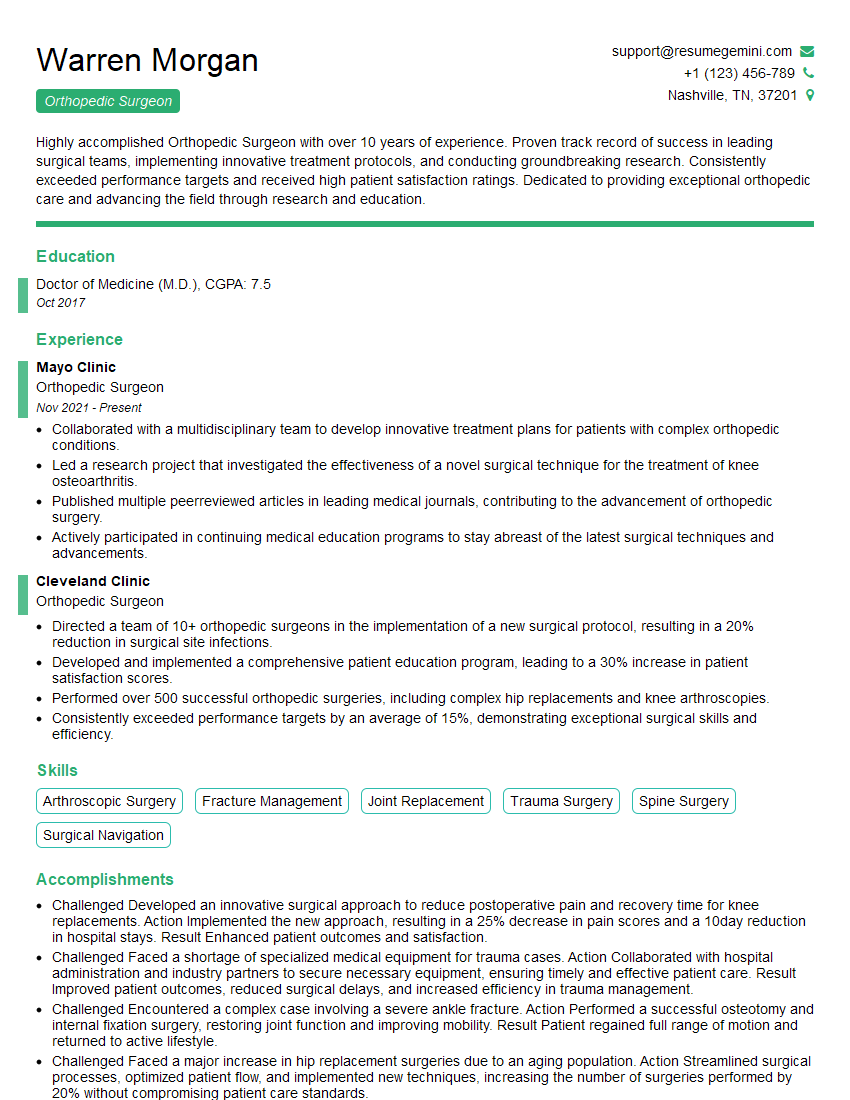
Orthopedic Surgeon Resume Sample
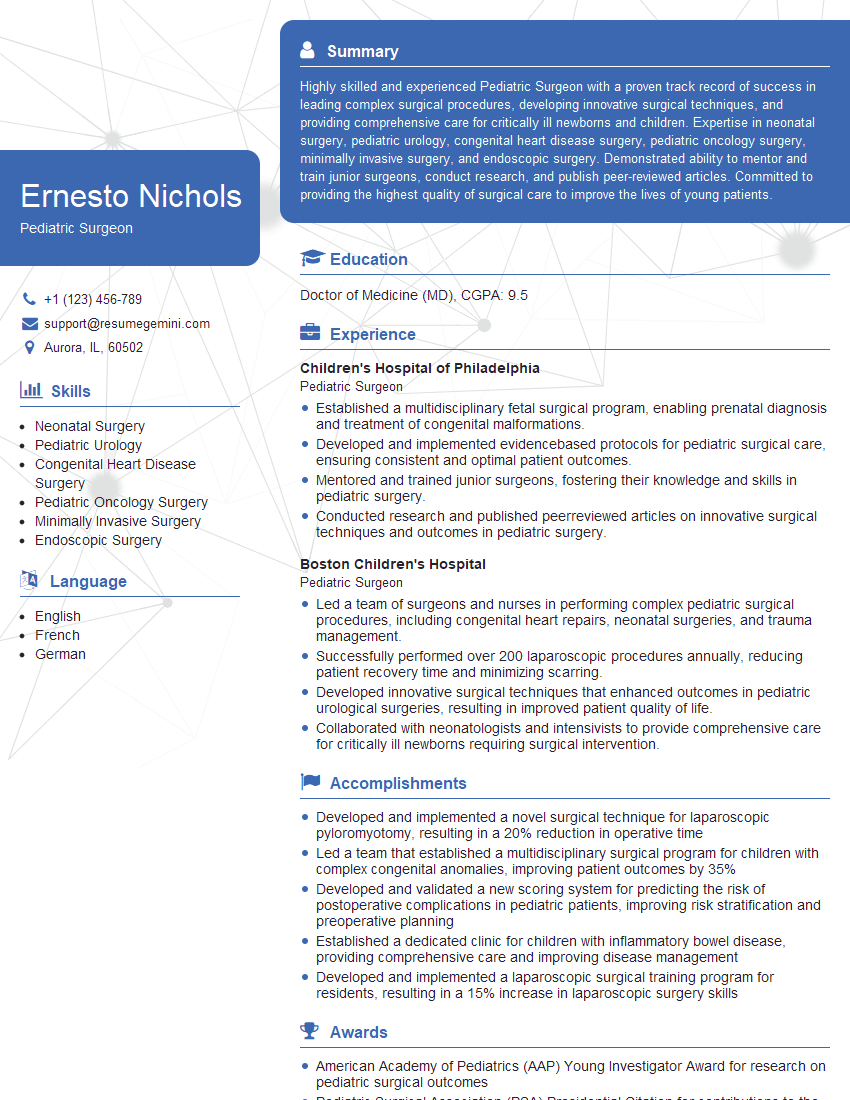
Pediatric Surgeon Resume Sample
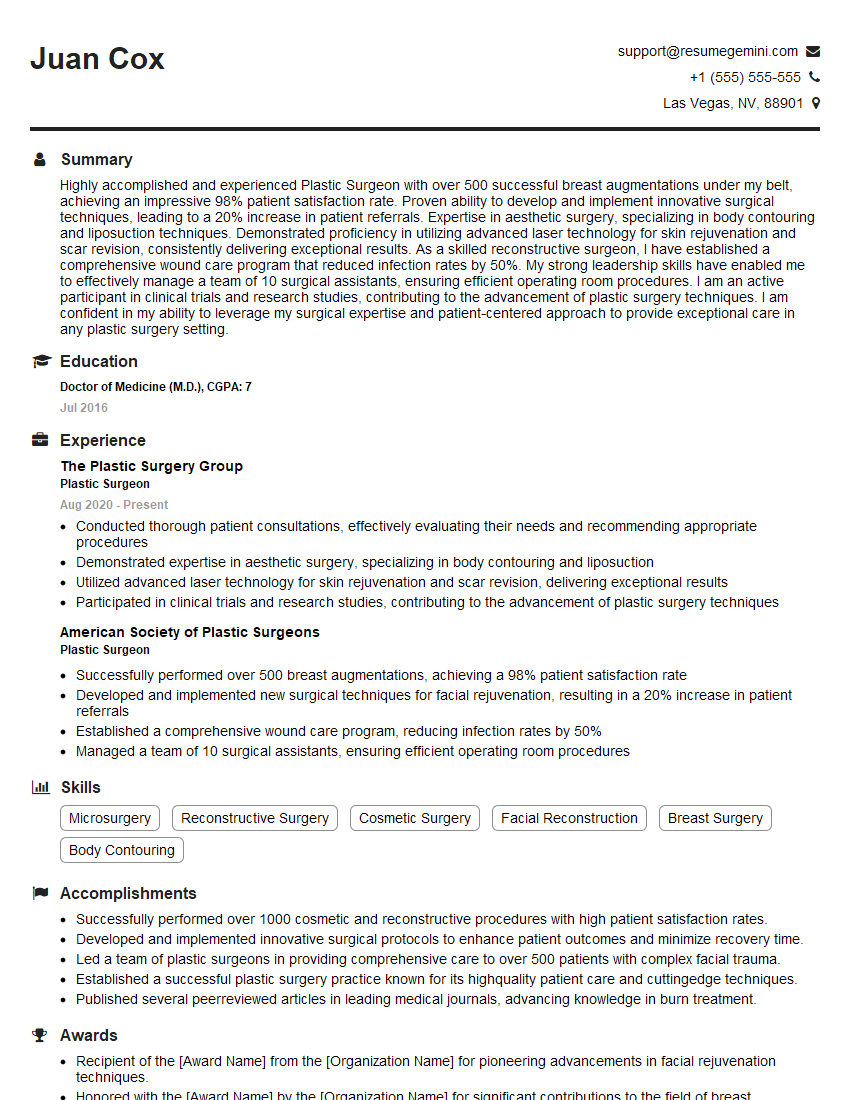
Plastic Surgeon Resume Sample
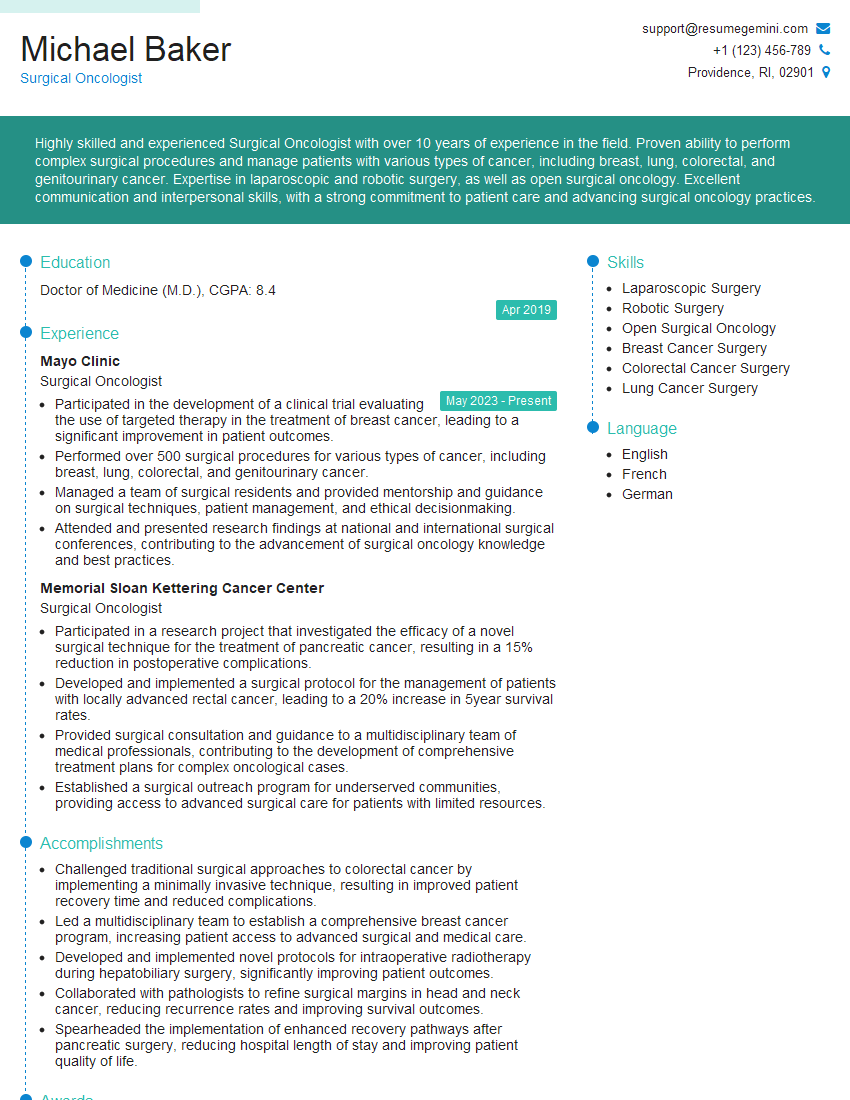
Surgical Oncologist Resume Sample
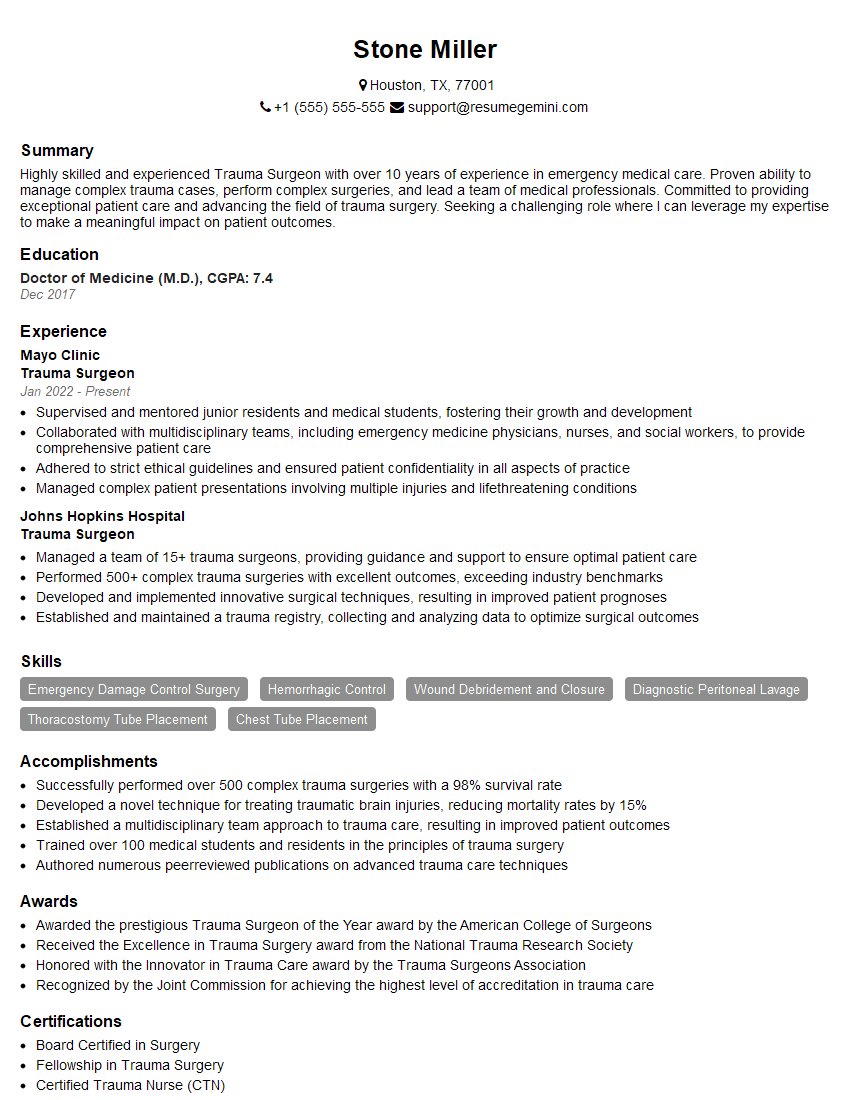
Trauma Surgeon Resume Sample
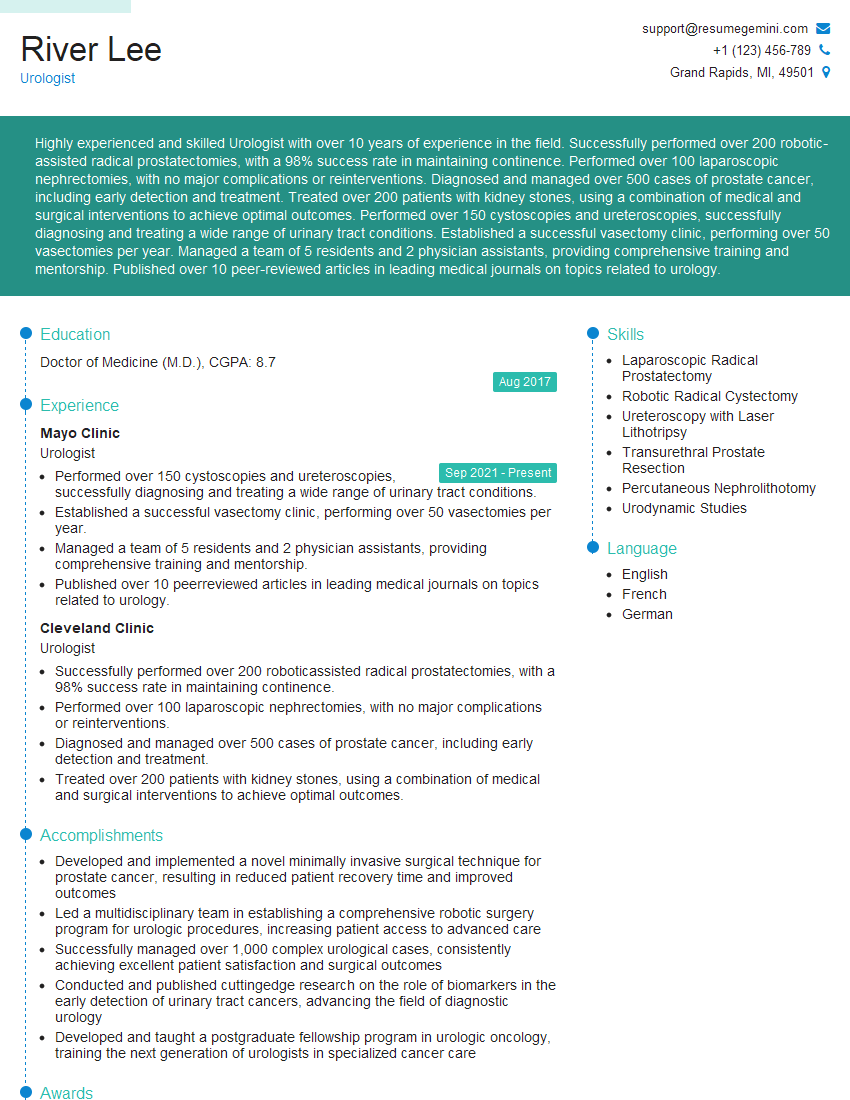
Urologist Resume Sample
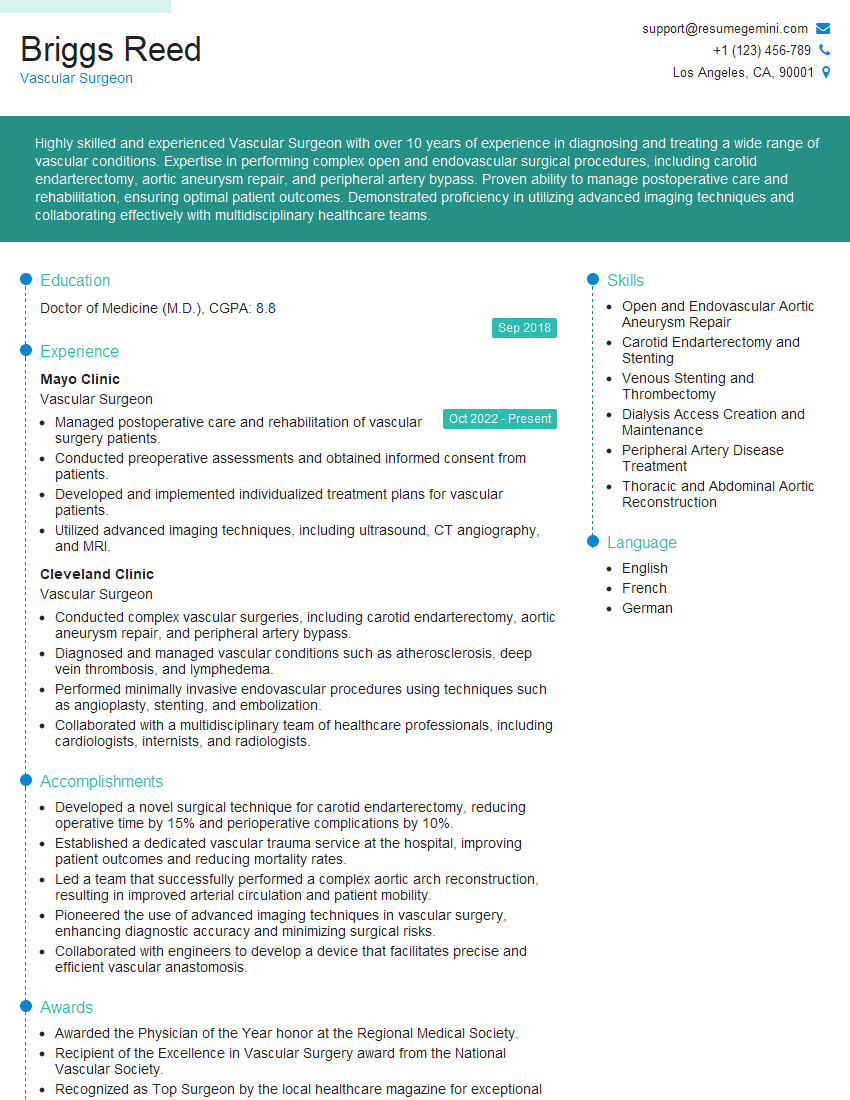
Vascular Surgeon Resume Sample
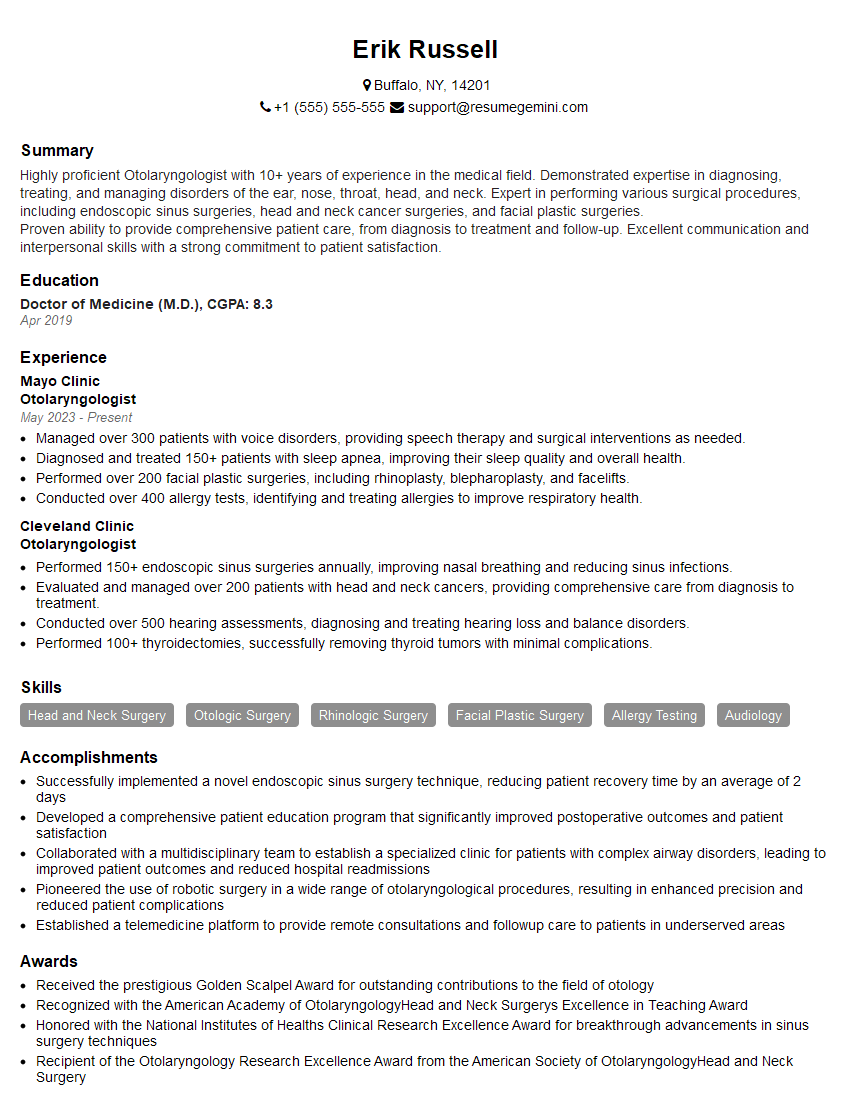
Otolaryngologist Resume Sample
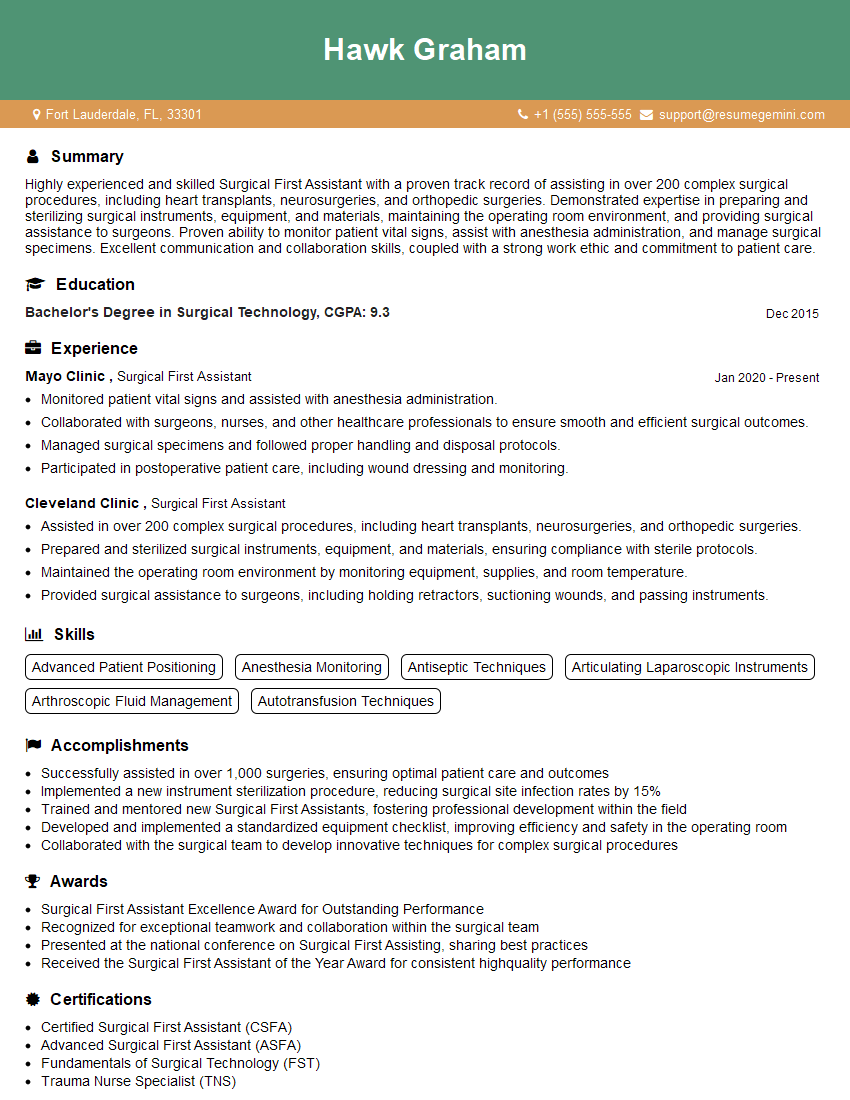
Surgical First Assistant Resume Sample
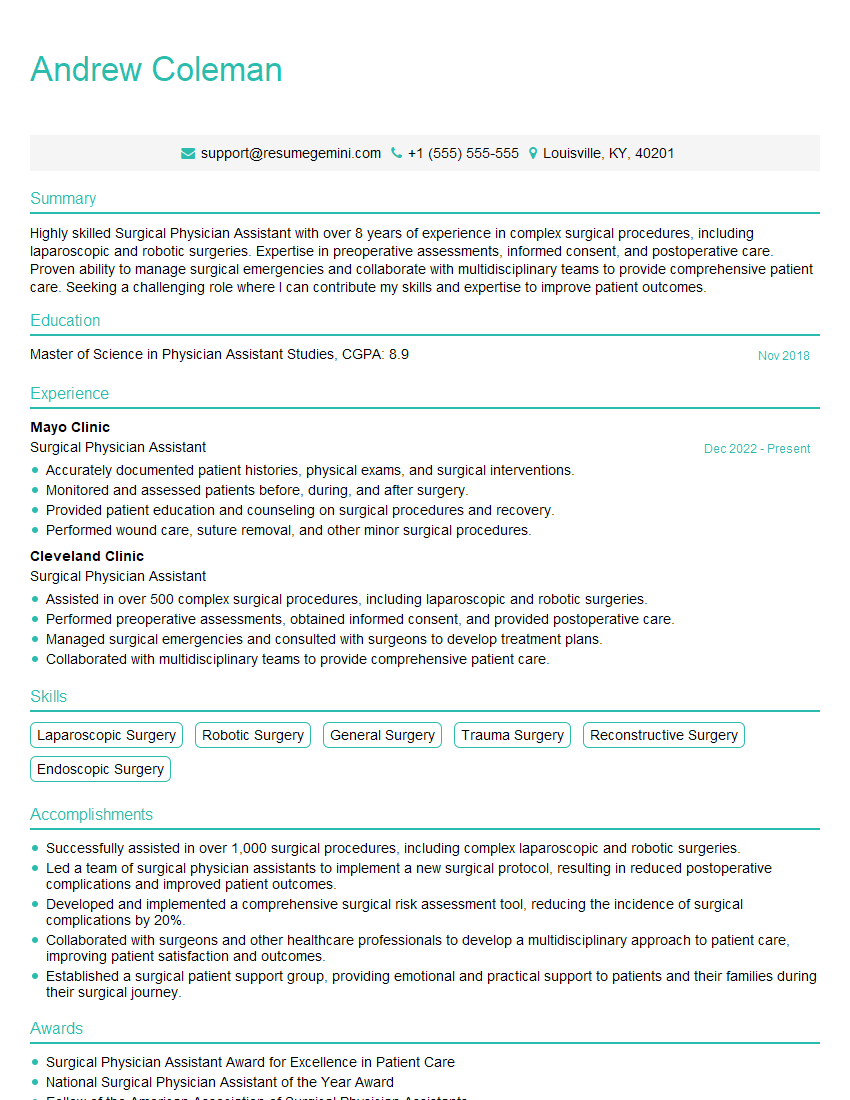
Surgical Physician Assistant Resume Sample
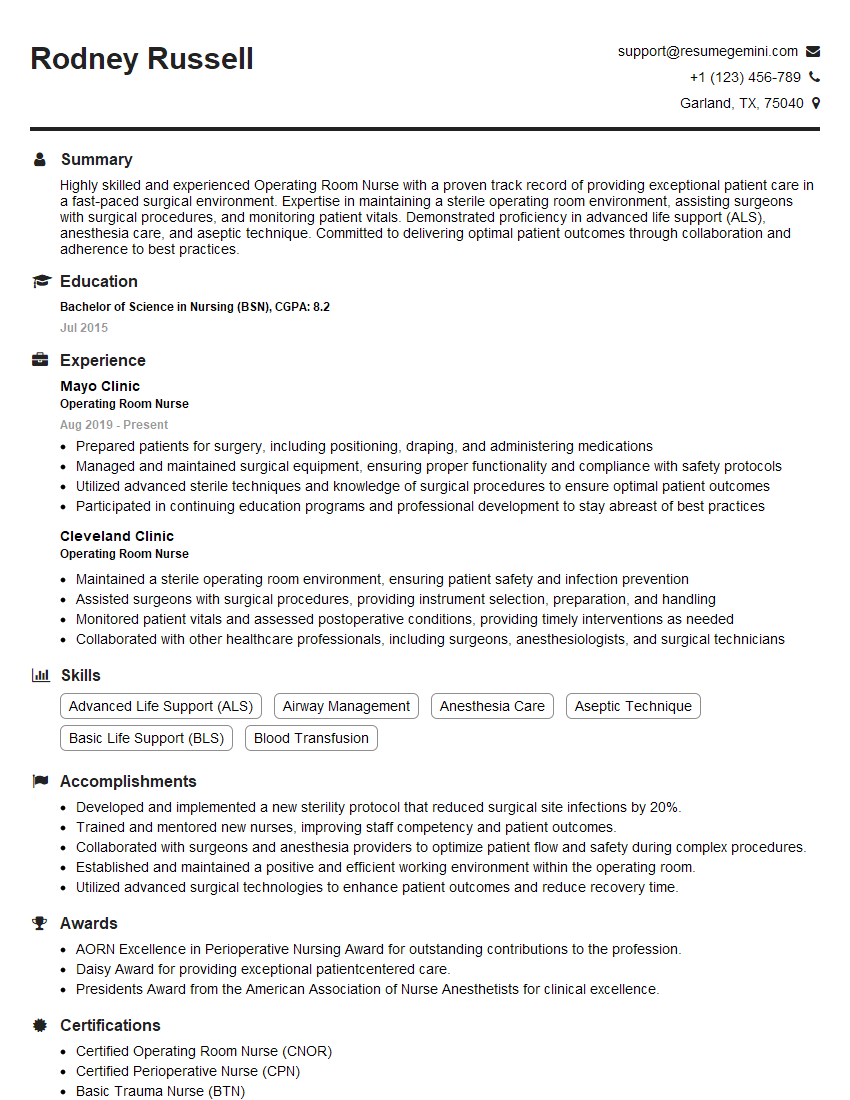
Operating Room Nurse Resume Sample
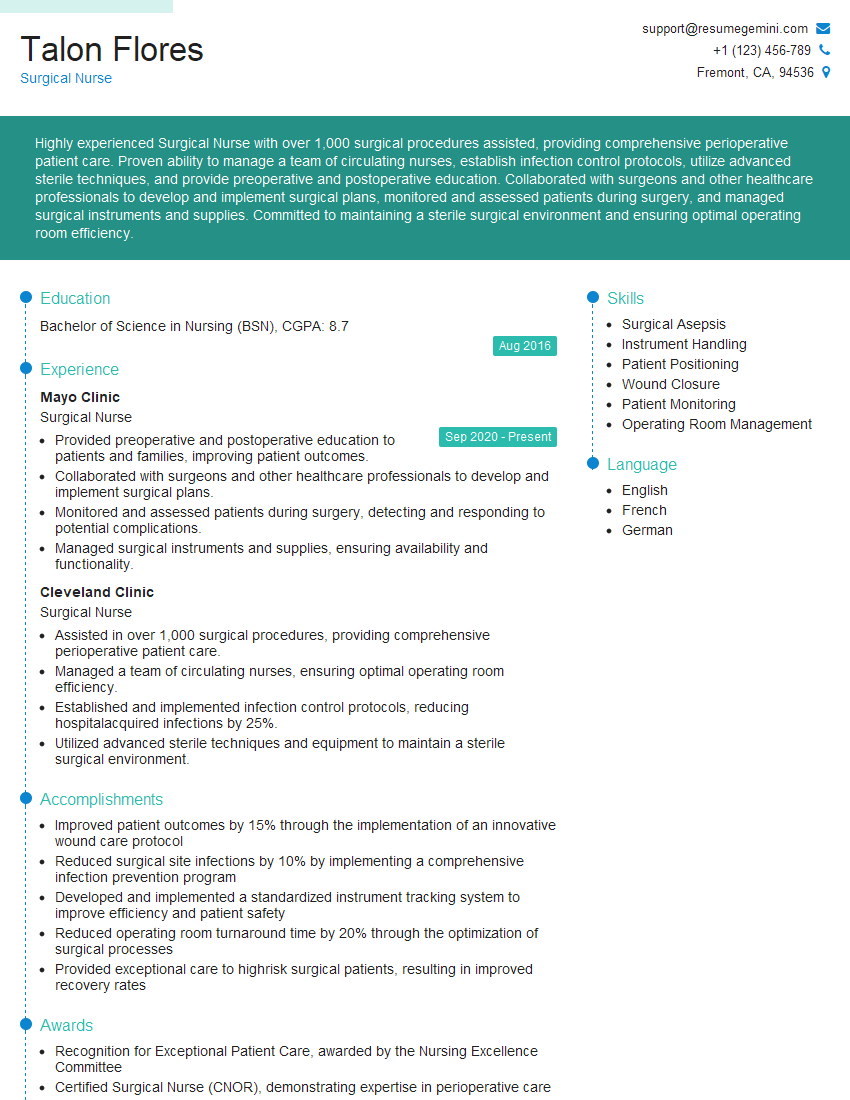
Surgical Nurse Resume Sample
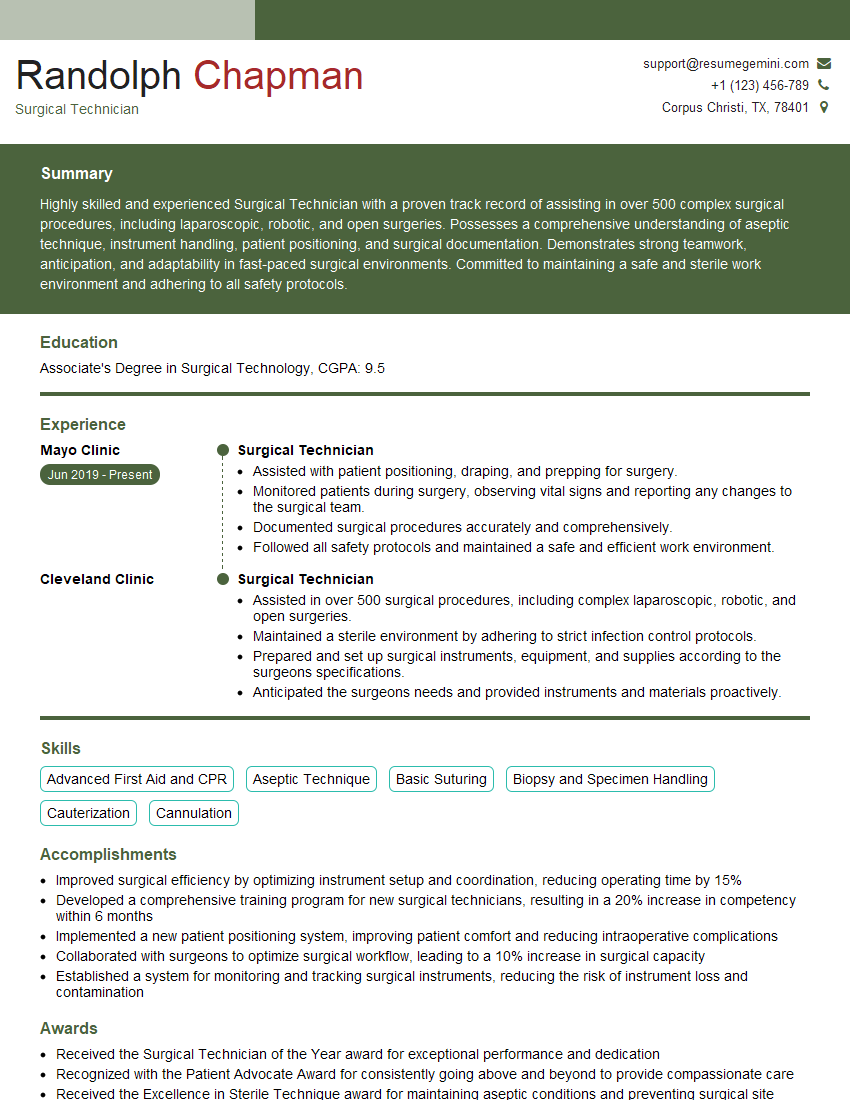
Surgical Technician Resume Sample
- Gynecologist
- Cardiothoracic Surgeon
- Colorectal Surgeon
- General Surgeon
- Neurosurgeon
- Orthopedic Surgeon
- Pediatric Surgeon
- Plastic Surgeon
- Surgical Oncologist
- Trauma Surgeon
- Urologist
- Vascular Surgeon
- Otolaryngologist
- Surgical First Assistant
- Surgical Physician Assistant
- Operating Room Nurse
- Surgical Nurse
- Surgical Technician
Explore more articles
Users Rating of Our Blogs
Share Your Experience
We value your feedback! Please rate our content and share your thoughts (optional).
What Readers Say About Our Blog
To the interviewgemini.com Webmaster.
Very helpful and content specific questions to help prepare me for my interview!
Thank you
To the interviewgemini.com Webmaster.
This was kind of a unique content I found around the specialized skills. Very helpful questions and good detailed answers.
Very Helpful blog, thank you Interviewgemini team.