The right preparation can turn an interview into an opportunity to showcase your expertise. This guide to Open and Endovascular Aortic Aneurysm Repair interview questions is your ultimate resource, providing key insights and tips to help you ace your responses and stand out as a top candidate.
Questions Asked in Open and Endovascular Aortic Aneurysm Repair Interview
Q 1. Describe the anatomical considerations for open aortic aneurysm repair.
Open aortic aneurysm repair requires a thorough understanding of aortic anatomy. The surgeon must carefully consider the location, size, and extent of the aneurysm, as well as the relationship to branching vessels like the renal, mesenteric, and iliac arteries. For example, a thoracoabdominal aneurysm repair necessitates precise dissection and management of the thoracic aorta and its branches, a significantly more complex procedure than a simple infrarenal aortic aneurysm repair. The presence of significant atherosclerosis or calcification in the aorta also greatly impacts the surgical approach and difficulty.
Preoperative imaging, such as CT angiography, is crucial for detailed anatomical assessment. This allows for precise surgical planning, including the length of graft required and the potential need for reimplantation of visceral arteries. The surgeon must account for the patient’s individual anatomy, as variations in vessel origin and location are common.
- Aortic size and shape: A significantly dilated, tortuous aorta poses additional challenges.
- Relationship to adjacent structures: Proximity to the vertebrae, spinal cord, or other vital organs influences the surgical technique.
- Branch vessel patency and anatomy: The surgeon must carefully preserve the function of these critical arteries.
Q 2. Explain the indications and contraindications for endovascular aortic aneurysm repair (EVAR).
Endovascular aortic aneurysm repair (EVAR) is indicated for patients with abdominal aortic aneurysms (AAAs) who are at high surgical risk for open repair. Ideal candidates typically have an aneurysm suitable for endograft placement, meaning an appropriate neck length and diameter, and exclusion of major branch vessels. The patient should also have suitable iliac arteries to accommodate the endograft legs.
Contraindications include aneurysms that are too large or complex to be treated endovascularly, inadequate iliac artery anatomy, significant aortoiliac disease making endograft deployment impossible or dangerous, and severe comorbidities that might affect the patient’s ability to tolerate the procedure. Certain anatomical configurations, such as short or severely angulated necks, also preclude EVAR.
For instance, a patient with a very short infrarenal neck may not be a suitable candidate for EVAR, as the endograft may not achieve adequate seal. A patient with extensive iliac artery disease might require significant pre-procedural intervention to enable successful endograft placement, potentially negating the benefits of the less-invasive approach.
Q 3. Compare and contrast open and endovascular approaches to aortic aneurysm repair.
Open and endovascular aortic aneurysm repair both aim to prevent aneurysm rupture, but differ significantly in their approach. Open repair involves a large incision, direct exposure of the aorta, and replacement of the aneurysmal segment with a synthetic graft. EVAR, on the other hand, is a minimally invasive procedure that involves inserting a stent-graft through a small incision in the groin, deploying it within the aneurysm to exclude it from the circulatory system. The choice depends on individual patient factors.
- Invasiveness: Open repair is a major surgery with significant morbidity, while EVAR is less invasive.
- Recovery time: EVAR typically leads to faster recovery and shorter hospital stay than open repair.
- Mortality risk: While EVAR has a lower perioperative mortality risk for suitable candidates, the long term risk of complications like endoleak is a key consideration.
- Suitability: Open repair can address complex aneurysms, while EVAR has anatomical limitations.
Think of it as the difference between open-heart surgery and angioplasty. Open-heart surgery is a large, invasive procedure, while angioplasty is a less invasive approach using catheters. Similarly, open aortic repair is more invasive than EVAR.
Q 4. What are the different types of endografts used in EVAR?
Various endografts are used in EVAR, each with its own design and features. These are broadly categorized based on their design and the way they interact with the native aorta. Common types include:
- Fenestrated and branched endografts: These are designed to cover aneurysms involving visceral artery origins and enable preservation of blood flow to the kidneys, intestines and other crucial organs. They are more complex and challenging to deploy than simpler endografts.
- Straight tube grafts: These are simpler endografts suitable for aneurysms without involvement of visceral arteries. These are the standard type of endograft used in EVAR. They are generally easier to deploy but may not be appropriate for all aneurysm morphologies.
- Aorto-uni-iliac and aorto-bi-iliac grafts: These grafts extend into the iliac arteries. The selection of a specific endograft depends on the patient’s anatomy and the extent of the aneurysm.
The choice of endograft will depend heavily on the individual patient’s anatomy and the extent and morphology of their aneurysm, and will be decided in a multidisciplinary meeting involving surgeons, interventionalists and radiologists.
Q 5. Discuss the perioperative management of a patient undergoing open aortic aneurysm repair.
Perioperative management of a patient undergoing open aortic aneurysm repair is crucial for optimal outcome. It encompasses a multi-faceted approach, starting with preoperative optimization. This includes thorough medical evaluation, optimizing cardiac and pulmonary function, and addressing any existing comorbidities. For instance, a patient with diabetes might require strict glucose control before surgery. A smoker would benefit from smoking cessation to improve lung function.
During the operation, meticulous surgical technique is essential to minimize blood loss and maintain hemodynamic stability. Postoperatively, careful monitoring of vital signs, fluid balance, and renal function is critical. Pain management, deep vein thrombosis prophylaxis, and early mobilization are crucial components of postoperative care. The patient would likely be admitted to an intensive care unit for monitoring and support following their operation.
Regular assessment of organ function, especially renal and neurological function, is key. Potential complications like infection, bleeding, or organ dysfunction require prompt recognition and management.
Q 6. What are the potential complications of open aortic aneurysm repair?
Open aortic aneurysm repair, despite its efficacy, carries a risk of significant complications. These can be broadly categorized into:
- Cardiovascular complications: Myocardial infarction, stroke, arrhythmias are potential risks, particularly in patients with pre-existing cardiovascular disease.
- Renal failure: Ischemia or injury to the renal arteries during surgery can lead to kidney damage.
- Spinal cord ischemia: Injury to the spinal arteries during surgery, particularly in thoracoabdominal aneurysms, can cause paraplegia.
- Infection: Surgical site infections and mediastinitis (infection of the chest cavity) are serious complications.
- Bleeding: Significant blood loss can occur during and after surgery, requiring transfusions.
- Graft failure: The graft may become damaged or fail.
Each complication poses unique challenges and requires tailored management strategies. For example, renal failure might necessitate dialysis, while spinal cord ischemia requires urgent intervention to improve perfusion.
Q 7. What are the potential complications of EVAR?
EVAR, while less invasive than open repair, is not without potential complications. Key risks include:
- Endoleak: This is a major complication where blood leaks past the endograft, potentially leading to aneurysm expansion or rupture. Different types of endoleaks exist, each requiring specific management.
- Migration of the endograft: The endograft can move from its intended position, compromising its effectiveness.
- Gradual aneurysm growth: In some cases the aneurysm may still slowly increase in size after EVAR, requiring surveillance and potential further intervention.
- Limb ischemia: Problems in the blood supply to the legs, typically as a result of damage to the iliac arteries. Can present acutely and require urgent intervention.
- Infection: Infection at the access site is possible.
Careful patient selection, meticulous endograft placement, and close postoperative surveillance are essential to minimize these risks. For instance, regular CT scans are used to monitor for endoleaks and aneurysm expansion. If an endoleak develops, further intervention may be needed.
Q 8. How do you assess the suitability of a patient for EVAR?
Assessing a patient’s suitability for Endovascular Aortic Repair (EVAR) is crucial and involves a multi-faceted approach. We need to ensure the patient’s anatomy is suitable for the procedure, and they are healthy enough to undergo the intervention and recovery. This assessment focuses on several key criteria:
- Aneurysm Morphology: We use imaging (CT angiography, primarily) to evaluate the aneurysm’s size, location, shape, and the presence of any thrombus (blood clot) within the aneurysm. The neck of the aneurysm (the area where the stent graft is placed) needs to be long enough and straight enough to allow for secure stent graft deployment and prevent endoleaks (leakage of blood around the stent). Iliac artery anatomy is also assessed; suitable iliac vessels are crucial for stent graft placement. An unsuitable neck geometry or iliac arteries may contraindicate EVAR.
- Patient’s Overall Health: EVAR, although less invasive than open repair, still requires a certain level of fitness. We consider the patient’s age, overall health status, and presence of comorbid conditions like heart failure, renal insufficiency, or significant pulmonary disease. These comorbidities can significantly increase the risk of complications.
- Access to Iliac Arteries: Successful EVAR requires adequate access to the femoral arteries (commonly used access sites). The presence of severe peripheral arterial disease, significant calcification, or previous groin surgery could hinder access and make the procedure more challenging.
- Life Expectancy: Patients with very poor health and significantly reduced life expectancy may not be suitable candidates, as the benefits of the procedure may not outweigh the risks.
For example, a patient with a small, saccular aneurysm in an anatomically unsuitable location would be better suited for careful observation rather than EVAR. Conversely, a patient with a large infrarenal aneurysm (below the renal arteries) with suitable anatomy and good overall health is an excellent candidate.
Q 9. Describe the imaging techniques used in the diagnosis and follow-up of aortic aneurysms.
Imaging plays a pivotal role in diagnosing and monitoring aortic aneurysms. The primary imaging modalities used are:
- Computed Tomography Angiography (CTA): This is the gold standard for aortic aneurysm assessment. CTA provides detailed three-dimensional images of the aorta, allowing precise measurement of the aneurysm’s dimensions and assessment of its morphology (shape and characteristics of the aneurysm). CTA helps evaluate the suitability of the patient for either open repair or EVAR.
- Magnetic Resonance Angiography (MRA): MRA offers another non-invasive way to visualize the aorta. While not as widely used as CTA, it’s a valuable alternative for patients with contrast allergies or renal insufficiency (since CTA uses iodinated contrast). It provides high-resolution images of the aortic anatomy.
- Transesophageal Echocardiography (TEE): TEE is an ultrasound technique used primarily during the perioperative period of open aortic aneurysm repair. It allows real-time visualization of the heart and great vessels during the procedure, assisting in the monitoring of hemodynamics (blood flow and pressure). It also helps to check for potential complications, such as leaks or disruptions to blood flow.
- Follow-up Imaging: Post-operative surveillance for EVAR often involves CTA scans at regular intervals (3 months, 6 months, and then annually) to assess stent graft patency (whether it remains open and functioning correctly) and to detect any endoleaks or other complications.
In essence, these imaging techniques provide a roadmap of the aorta, guiding treatment decisions and allowing for close monitoring of patients.
Q 10. Explain the role of pre-operative planning in both open and endovascular procedures.
Pre-operative planning is paramount for both open and endovascular aortic aneurysm repair. It ensures the patient is optimally prepared and mitigates risks. The planning process involves meticulous attention to detail:
- Open Repair: Pre-operative planning for open repair includes detailed assessment of the patient’s overall health, including cardiac and pulmonary function tests. We also meticulously plan the surgical approach, considering the patient’s anatomy and the extent of the aneurysm. A thorough review of the CTA scan is done to identify potential challenges such as proximity of critical organs (e.g., renal arteries, intestines), calcification of the aorta, and collateral vascularity. Preoperative optimization for comorbidities is done. We also plan for blood transfusions and may use endovascular techniques to protect the renal arteries during the operation.
- EVAR: Pre-operative planning for EVAR centers around meticulous assessment of aneurysm morphology and suitability of the target vessels. We choose the appropriate stent-graft based on the patient’s anatomy and size of the aneurysm, using 3D planning software to create a simulated procedure. This software helps ensure the stent graft is correctly sized and positioned to minimize the risk of endoleaks. The planning also includes identification of optimal access sites to the femoral arteries and potential strategies for managing challenges like tortuous or calcified vessels.
Thorough planning minimizes surprises during surgery, leading to better outcomes.
Q 11. What are the key steps involved in the open repair of an abdominal aortic aneurysm?
Open repair of an abdominal aortic aneurysm is a major surgical procedure involving several steps:
- Exposure: A midline abdominal incision is made to expose the aneurysm.
- Aortic Control: Clamps are placed above and below the aneurysm to stop blood flow through the aorta.
- Aneurysm Resection: The aneurysmal portion of the aorta is carefully dissected and removed.
- Graft Insertion: A prosthetic graft is sewn in place, reconstructing the aorta and restoring normal blood flow. This is often done with side branches to ensure renal perfusion.
- Closure: The abdomen is closed in layers.
Postoperatively, close monitoring of the patient’s cardiovascular status, renal function, and potential for complications is crucial.
Q 12. What are the key steps involved in performing an EVAR procedure?
EVAR, a less invasive procedure, involves these key steps:
- Access Site Creation: A small incision is made in the groin to access the femoral artery.
- Sheath Insertion: A sheath (a thin tube) is inserted into the femoral artery to provide a pathway for the stent graft.
- Stent Graft Delivery: The stent graft, pre-selected and sized according to the pre-operative planning, is delivered via the sheath to the aneurysm site. Fluoroscopy (real-time X-ray imaging) is used to guide the placement.
- Stent Graft Deployment: The stent graft is carefully deployed within the aneurysm, sealing off the aneurysmal sac from the main blood flow.
- Sheath Removal and Closure: Once the stent graft is deployed successfully, the sheath is removed, and the access site is closed.
Post-EVAR, patients are monitored for endoleaks and other complications.
Q 13. How do you manage intraoperative complications during an open aortic aneurysm repair?
Intraoperative complications during open aortic aneurysm repair can be life-threatening and require immediate management. Examples include:
- Significant Bleeding: This often requires additional surgical techniques to control bleeding, perhaps including blood transfusions.
- Renal Artery Injury: Immediate repair is necessary; sometimes bypass grafting is required.
- Myocardial Infarction or Cardiac Arrest: This necessitates immediate cardiopulmonary resuscitation (CPR) and potential cardiac intervention. These events can also necessitate stopping the operation to optimize cardiac stability.
- Paraplegia (Paralysis of the lower extremities): This is a devastating complication that can be related to spinal cord ischemia (lack of blood flow) during the procedure and requires careful management.
Management involves a multidisciplinary team approach. Quick diagnosis and appropriate intervention are paramount for favorable outcomes.
Q 14. How do you manage intraoperative complications during an EVAR procedure?
Intraoperative complications during EVAR are less frequent and severe than during open repair, but they still require prompt attention. The most common complications include:
- Endoleak: This occurs when blood leaks into the aneurysmal sac after stent graft placement. Different types of endoleaks exist, each requiring a specific management approach—some may require further intervention, while others can be managed conservatively with close monitoring.
- Vascular Complications: These include perforation (hole) or dissection of the artery during sheath insertion, requiring immediate repair or embolisation.
- Stent Graft Migration or Malpositioning: This may require further intervention to reposition the stent graft or deploy additional components.
- Retroperitoneal Hematoma (Bleeding behind the abdominal cavity): This requires careful monitoring and may necessitate surgical intervention or interventional radiology to control bleeding.
Management may involve immediate revision of the procedure, embolization, or close monitoring.
Q 15. Discuss the importance of post-operative surveillance for patients undergoing aortic aneurysm repair.
Post-operative surveillance after aortic aneurysm repair is crucial for detecting complications and ensuring long-term patient well-being. Think of it as a vital check-up schedule to ensure the repair is holding up and the patient is recovering well. It involves a combination of clinical examinations, imaging studies, and laboratory tests tailored to the specific type of repair (open or endovascular) and the patient’s individual risk factors.
- Imaging: Regular CT scans or ultrasound are frequently used to monitor the aneurysm site for signs of leakage (endoleak in EVAR), graft patency, and aneurysm sac enlargement. For example, a follow-up CT scan at 1 month, 6 months, and then annually might be a typical surveillance schedule post-EVAR.
- Clinical Examination: Regular check-ups with the vascular surgeon allow for assessment of pulse quality in the lower extremities, checking for signs of limb ischemia, and monitoring for any pain or discomfort in the abdomen or back, potentially indicating complications.
- Laboratory Tests: Blood tests may be necessary to assess renal function, particularly after open repair, as well as to monitor for infection.
The frequency and intensity of surveillance are individualized based on factors like the patient’s age, overall health, type of repair, and the presence of risk factors. Early detection of problems through surveillance allows for timely intervention and improves patient outcomes.
Career Expert Tips:
- Ace those interviews! Prepare effectively by reviewing the Top 50 Most Common Interview Questions on ResumeGemini.
- Navigate your job search with confidence! Explore a wide range of Career Tips on ResumeGemini. Learn about common challenges and recommendations to overcome them.
- Craft the perfect resume! Master the Art of Resume Writing with ResumeGemini’s guide. Showcase your unique qualifications and achievements effectively.
- Don’t miss out on holiday savings! Build your dream resume with ResumeGemini’s ATS optimized templates.
Q 16. Describe the various types of aortic aneurysms.
Aortic aneurysms are classified based on their location and morphology. Imagine the aorta, your body’s largest artery, as a highway. An aneurysm is like a bulge or weakening in this highway, potentially leading to rupture. Key types include:
- Abdominal Aortic Aneurysm (AAA): This is the most common type, affecting the aorta in the abdomen. It’s often discovered incidentally through imaging studies or because of symptoms like abdominal pain or a pulsatile mass.
- Thoracic Aortic Aneurysm (TAA): These aneurysms occur in the chest region of the aorta, and can be further categorized by location (ascending, descending, or thoracoabdominal). TAAs can involve the aortic arch and are often more complex to treat.
- Aortic Dissection: This is a distinct entity where a tear occurs in the inner layer of the aorta, allowing blood to enter the aortic wall and create a false lumen (second channel). It’s a life-threatening emergency.
The shape of the aneurysm can also be relevant – saccular (a localized outpouching) or fusiform (a more diffuse widening).
Q 17. What are the risk factors for aortic aneurysm development?
Several factors increase the risk of developing an aortic aneurysm. Think of them as contributing stresses to the aortic wall. These risk factors can be broadly categorized as:
- Age: The risk increases significantly after age 65, as the aorta naturally weakens with age.
- Gender: Men are at a substantially higher risk than women.
- Smoking: A major risk factor due to damage to the blood vessel wall.
- Family history: A family history of aortic aneurysm increases the risk considerably.
- Hypertension (High Blood Pressure): Chronic high blood pressure puts extra stress on the aortic wall.
- Hyperlipidemia (High Cholesterol): Contributes to atherosclerosis, which can weaken the artery wall.
- Connective Tissue Disorders: Conditions like Marfan syndrome and Ehlers-Danlos syndrome significantly increase the risk.
It’s important to note that the presence of multiple risk factors significantly increases the overall risk of developing an aortic aneurysm.
Q 18. Explain the concept of aneurysm sac thrombosis.
Aneurysm sac thrombosis refers to the gradual filling of the aneurysm sac with blood clots. Imagine the bulge in the aorta gradually filling with ‘clots’ instead of just blood. This is particularly relevant after endovascular aortic repair (EVAR). The aim of EVAR is to exclude the aneurysm from the circulation by placing a stent graft inside the aorta, diverting the blood flow. However, after successful EVAR, the aneurysm sac remains and it might gradually fill with blood clots over time. This process is known as aneurysm sac thrombosis. Complete thrombosis is considered a favorable outcome, as it significantly reduces the risk of rupture. It is monitored through imaging techniques like CT scans, which assess the filling of the aneurysm sac with clot.
While complete thrombosis is beneficial, it’s not always guaranteed. Incomplete thrombosis can still pose a risk, even if the aneurysm is excluded from the circulation. Therefore regular surveillance is crucial to monitor this process.
Q 19. How do you manage endoleaks after EVAR?
Endoleaks are complications after EVAR where blood leaks into the aneurysm sac. Think of it as a leak in the newly placed ‘patch’ in the aorta. They are classified into different types (Type I-V) based on the source of the leak. Management depends on the type and severity of the endoleak:
- Type I and III endoleaks: These are generally considered the most serious and often require intervention, such as additional stent grafts or coils to seal the leak. A Type I endoleak originates from the proximal or distal attachment site of the endograft, while a Type III originates from a defect in the graft material itself.
- Type II endoleaks: These usually involve retrograde filling of the aneurysm sac from collateral vessels and are generally considered less critical; often they’re managed conservatively with monitoring.
- Type IV endoleaks: This refers to porosity or a defect in the endograft material itself, similar to Type III endoleaks.
- Type V endoleaks (also called aneurysm sac enlargement): This involves enlargement of the aneurysm sac despite the apparent absence of an endoleak. This usually necessitates ongoing monitoring and possible further intervention if expansion is progressive and significant.
Management strategies involve image-guided procedures like endovascular coil embolization or additional stent-graft placement. The specific approach depends on the individual case and is guided by imaging findings and clinical judgment. Early detection and appropriate management are critical for preventing rupture.
Q 20. What are the long-term outcomes of open and endovascular aortic aneurysm repair?
Long-term outcomes for both open and endovascular aortic aneurysm repair are influenced by various factors, including patient age, overall health, the presence of co-morbidities, and the procedural success. However, some general points can be discussed:
- Open Repair: This carries a higher risk of perioperative mortality and morbidity compared to EVAR. The long-term outcome involves potential complications like graft infection, graft thrombosis, and renal dysfunction. Patients generally require a longer recovery period compared to EVAR.
- Endovascular Repair (EVAR): Offers lower perioperative risk and a shorter recovery time. Long-term complications primarily relate to endoleaks, aneurysm sac enlargement, and the need for secondary procedures to address these issues. While EVAR has revolutionized treatment, long-term surveillance is essential.
Both open and endovascular repairs aim to reduce the risk of rupture and extend patient survival. However, the specific long-term outcomes are individualized and depend heavily on the individual patient and the success of the chosen procedure.
It’s important to note that advancements in both open and endovascular techniques are continuously improving long-term outcomes. Advances in graft materials, imaging techniques, and surgical techniques constantly increase the success rate and reduce the complications associated with each method.
Q 21. Describe the different types of grafts used in open aortic aneurysm repair.
The choice of graft in open aortic aneurysm repair depends on various factors such as the extent of the aneurysm, the patient’s anatomy, and the surgeon’s preference. Some common types of grafts used include:
- Dacron grafts: These synthetic grafts are widely used due to their durability and biocompatibility. They come in various shapes and sizes to accommodate different aortic anatomies. These are very commonly used for AAA repairs.
- Expanded Polytetrafluoroethylene (ePTFE) grafts: This is another type of synthetic graft that’s sometimes used in specific situations, offering good flexibility and hemocompatibility.
- Custom-made grafts: These are created for complex aneurysms requiring specific shapes and sizes that aren’t readily available with standard off-the-shelf grafts. For example, patients with tortuous aortic anatomy or specific branching vessels might benefit from custom-made grafts.
The graft material is selected to minimize the risk of complications, such as thrombosis, infection, or rupture. The surgeon carefully selects the graft based on the patient’s specific needs and the surgical plan.
Q 22. How is the size of an aneurysm measured?
Aneurysm size is crucial in determining treatment strategy. We primarily measure the maximum diameter of the aneurysm using imaging techniques like CT scans or MRI. This is often referred to as the ‘maximum diameter’ or simply the ‘diameter’ of the aneurysm. For example, an abdominal aortic aneurysm (AAA) might be described as measuring 5.5 cm in diameter. This measurement is taken at the widest point of the dilated portion of the aorta, usually visualized on axial (cross-sectional) images. We also assess the length of the aneurysm and the involvement of adjacent vessels, as this impacts surgical planning. Accurate measurement is paramount for monitoring progression and making informed decisions about intervention.
Q 23. What is the role of hybrid repair techniques in the management of aortic aneurysms?
Hybrid repair combines the advantages of both open and endovascular techniques. It’s particularly useful in complex cases where a purely endovascular approach might be risky or technically challenging. For instance, a patient with a very short infrarenal neck (the part of the aorta where the endograft is deployed) might be unsuitable for a purely endovascular procedure. In such scenarios, a hybrid approach might involve open surgical repair of a challenging segment, like a juxtarenal aneurysm extending into the renal arteries, combined with endovascular deployment of a stent graft in a more accessible portion of the aorta. This allows surgeons to tailor the approach to the specific anatomy of the patient, achieving a safer and more durable repair. It’s a testament to the evolution of aortic aneurysm repair, offering a balance of minimally invasive and open surgical approaches.
Q 24. Discuss the use of computational fluid dynamics in aortic aneurysm management.
Computational fluid dynamics (CFD) is a powerful tool in pre-operative planning and post-operative analysis of aortic aneurysms. CFD uses complex computer models to simulate blood flow patterns within the aneurysm. This helps us understand the forces acting on the aneurysm wall, which can predict rupture risk. For example, areas of high wall shear stress (the force of blood flow against the aneurysm wall) might be identified as high-risk areas for rupture. Post-operatively, CFD can help assess the effectiveness of an endograft, ensuring optimal blood flow patterns and minimizing the risk of complications like endoleak (leakage of blood around the stent graft). While not used routinely in every case, CFD can provide invaluable insights in complex aneurysms, particularly in research settings and for pre-operative planning of challenging cases. It’s a powerful adjunct to traditional imaging modalities.
Q 25. What are the latest advancements in the field of aortic aneurysm repair?
Recent advancements in aortic aneurysm repair include improvements in endografts with more customizable designs to better conform to patient anatomy, less invasive approaches, and improved imaging techniques allowing for better visualization and planning. We are seeing the development of fenestrated and branched endografts that allow coverage of complex aneurysms involving the visceral arteries, reducing the need for open surgery in many cases. Also, the use of biocompatible materials and novel drug-eluting stents is aiming to reduce inflammation and improve long-term graft patency. Minimally invasive techniques are constantly being refined, leading to faster recovery times and fewer complications. This ongoing evolution reflects a continuing effort to improve patient outcomes.
Q 26. How do you counsel a patient about the risks and benefits of open and endovascular repair?
Counseling patients about aortic aneurysm repair requires a careful balance of information and empathy. I explain the disease process in simple terms, highlighting the risks of rupture (which can be life-threatening) and the urgency of treatment. I then present the options: open repair (a major abdominal surgery) and endovascular repair (a less invasive procedure). For open repair, I discuss the potential risks like infection, bleeding, stroke, kidney failure, and the longer recovery period. For endovascular repair, I explain the risk of endoleaks, migration of the stent graft, and the need for long-term surveillance. The decision is ultimately patient-specific. I encourage patients to ask questions, share their concerns, and involve family members in the decision-making process. I emphasize the importance of shared decision making, recognizing their unique values and preferences when choosing the best course of treatment.
Q 27. Describe your experience with managing patients with complex aortic aneurysms.
I’ve managed numerous patients with complex aortic aneurysms, including those involving the renal arteries, the celiac artery, or the superior mesenteric artery. These cases often require a multidisciplinary approach, involving vascular surgeons, interventional radiologists, and cardiologists. For example, I recall a patient with a large thoracoabdominal aortic aneurysm involving the celiac and superior mesenteric arteries. A purely endovascular approach was deemed high-risk. Therefore, a hybrid approach was planned, which involved using a fenestrated endograft and minimally invasive techniques to address the more challenging portions of the aneurysm. Careful preoperative planning, involving detailed imaging and simulations, is critical for success in these cases. Post-operatively, meticulous monitoring is vital to identify and manage any complications promptly. These cases emphasize the complexity and variability in managing aortic aneurysms and the importance of individualized care.
Q 28. How do you stay updated on the latest guidelines and advancements in aortic aneurysm repair?
Staying updated in this rapidly evolving field is crucial. I regularly review publications in leading journals like the Journal of Vascular Surgery and the European Journal of Vascular and Endovascular Surgery. I actively participate in professional organizations such as the Society for Vascular Surgery (SVS) and attend national and international conferences to learn about the latest research and techniques. I also participate in continuing medical education courses and regularly review the latest guidelines from organizations like the American Heart Association and the European Society for Vascular Surgery. This continuous learning ensures that I’m providing my patients with the most up-to-date and evidence-based care.
Key Topics to Learn for Open and Endovascular Aortic Aneurysm Repair Interview
- Aneurysm Anatomy and Physiology: Understanding the pathophysiology of aortic aneurysms, including risk factors, classification (e.g., location, size, morphology), and natural history.
- Open Aortic Repair Techniques: Mastering the principles of open surgical repair, including different approaches (e.g., thoracoabdominal, retroperitoneal), graft selection, and postoperative management. Consider the advantages and disadvantages of each approach.
- Endovascular Aortic Repair (EVAR) Techniques: Deep dive into EVAR techniques, focusing on stent graft deployment, imaging modalities (e.g., CT angiography, fluoroscopy), and management of complications (e.g., endoleaks, migration).
- Preoperative Assessment and Planning: Thorough understanding of patient selection criteria, including risk stratification, and the importance of comprehensive preoperative evaluation. Discuss the role of imaging and multidisciplinary team collaboration.
- Postoperative Care and Complications: Familiarize yourself with common postoperative complications, including bleeding, infection, organ injury, and their management. Understand the importance of monitoring and early intervention.
- Patient Selection Criteria: Develop a strong understanding of the decision-making process for selecting appropriate patients for either open or endovascular repair, considering patient-specific factors and risks.
- Emerging Technologies and Trends: Stay updated on advancements in minimally invasive techniques, new stent graft designs, and evolving surgical approaches in the field. This demonstrates forward-thinking and adaptability.
- Problem-Solving and Critical Thinking: Practice analyzing clinical scenarios, identifying potential complications, and formulating appropriate management strategies. Be prepared to discuss decision-making processes in challenging cases.
Next Steps
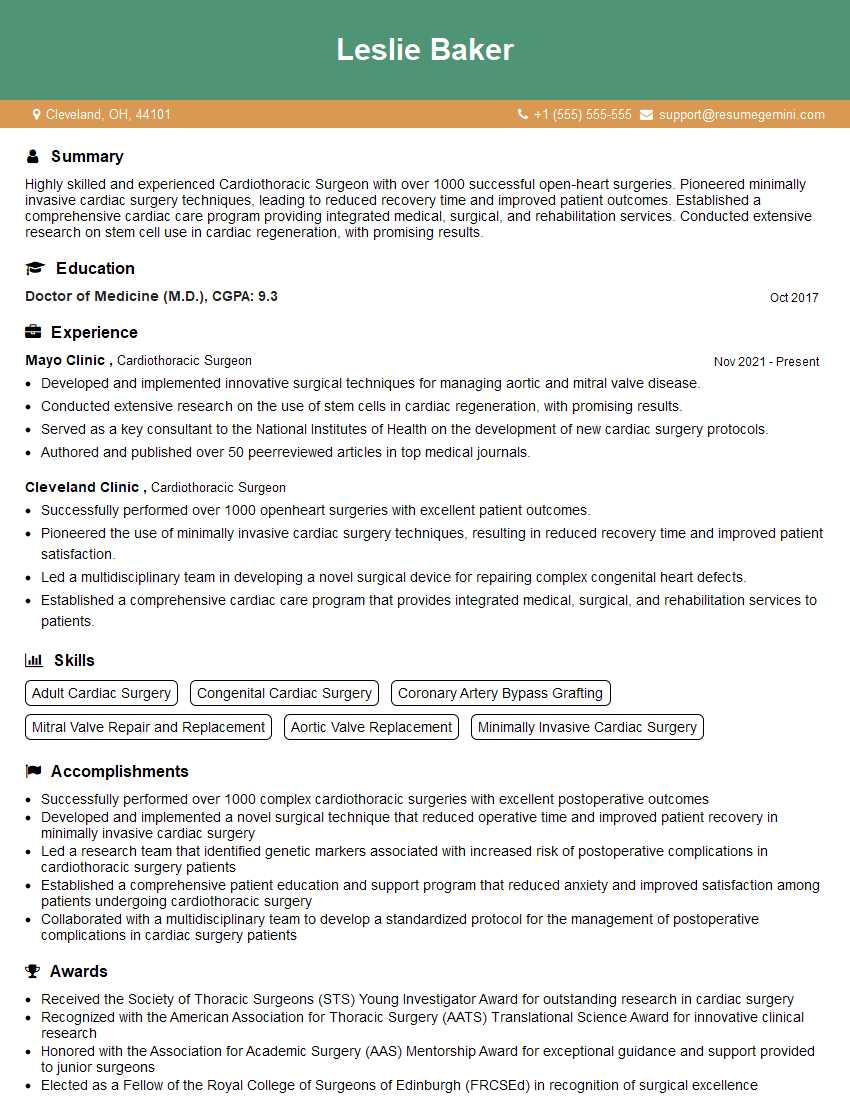
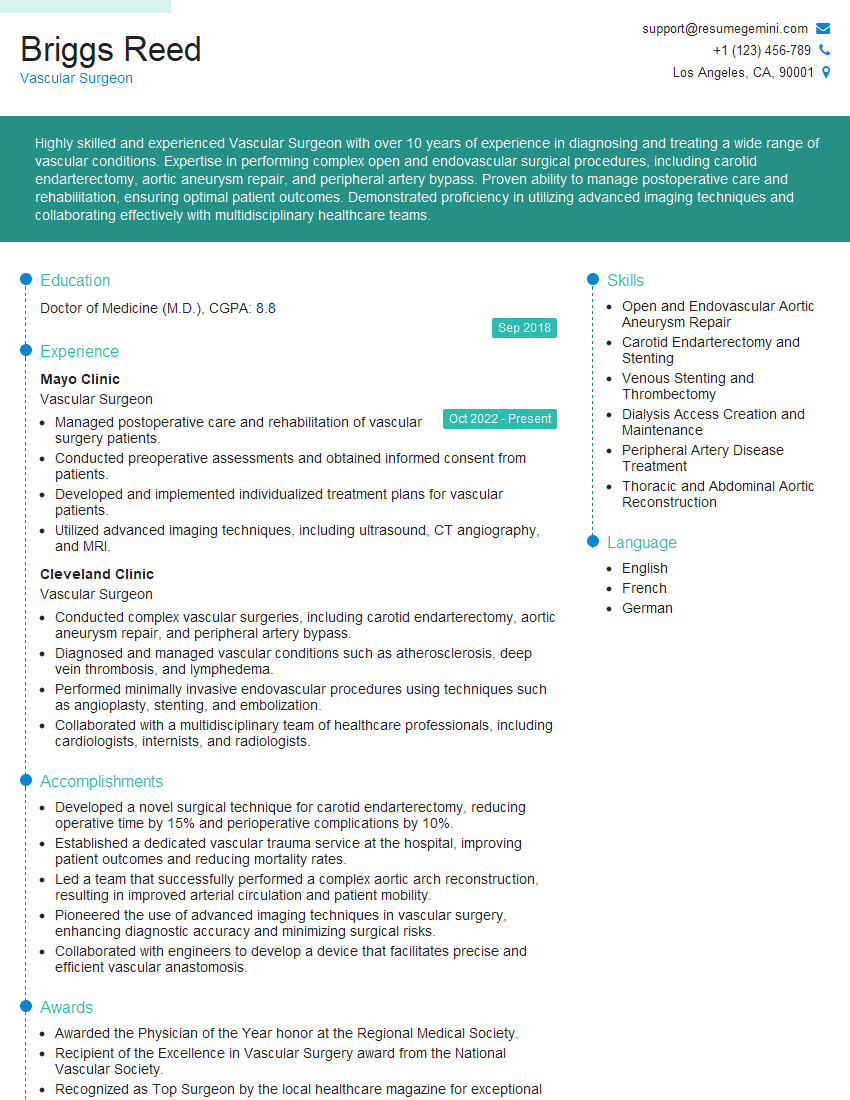
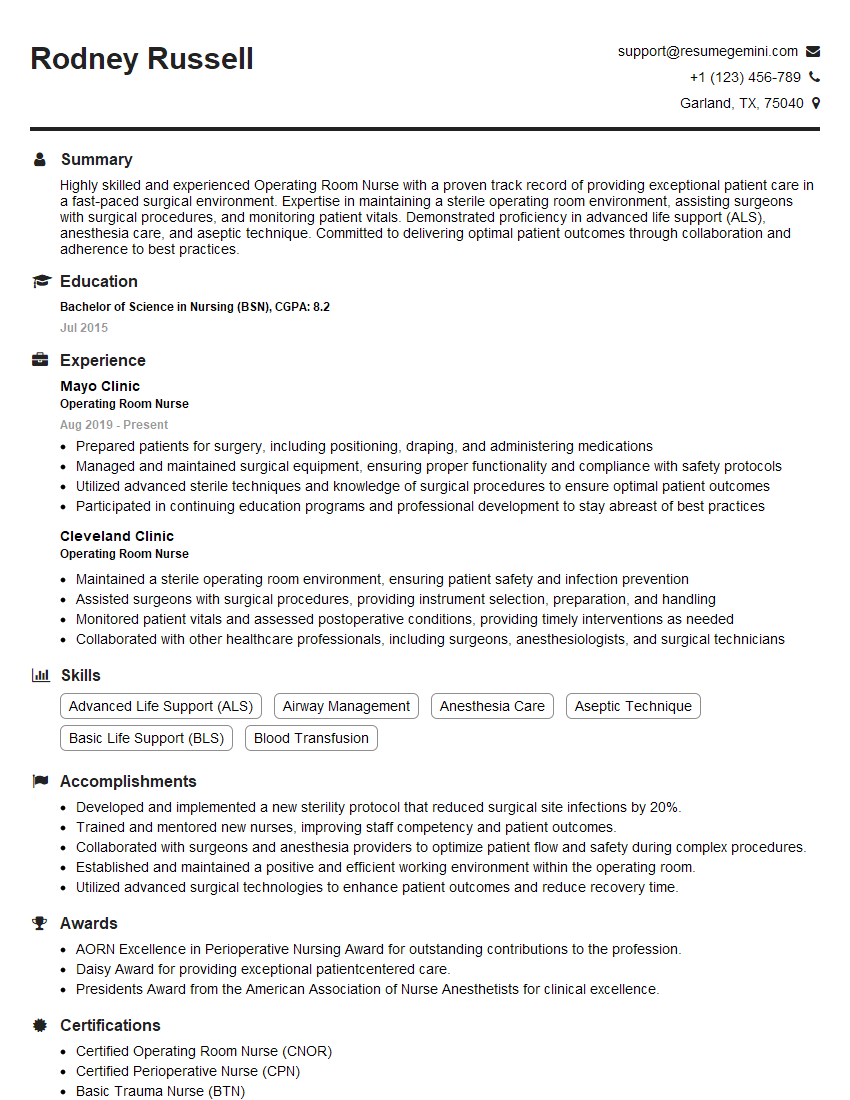
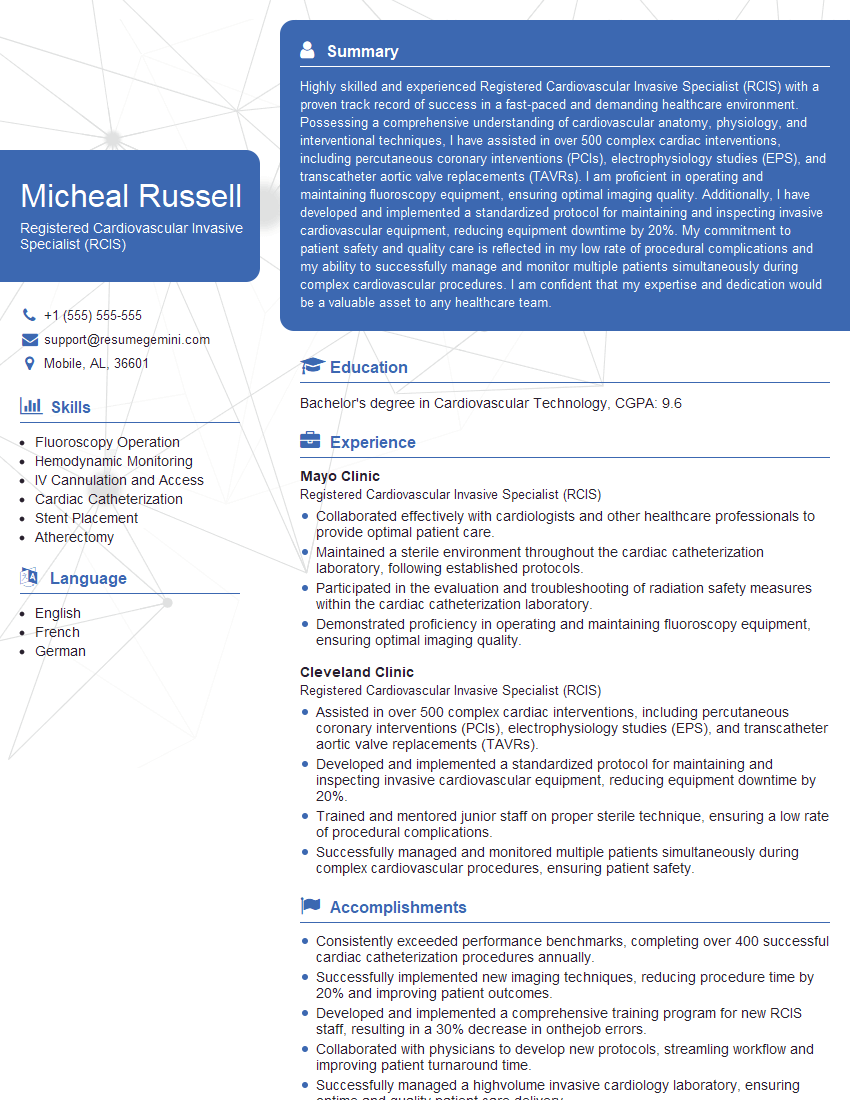
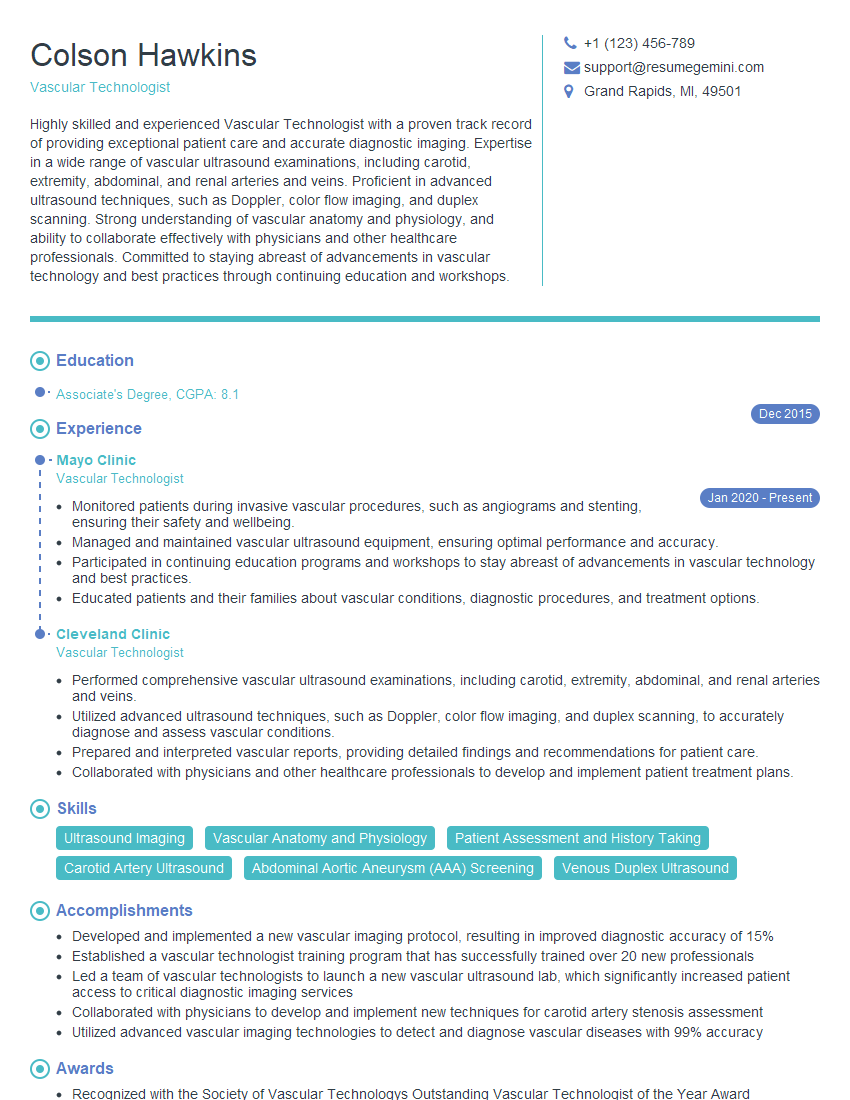
Mastering Open and Endovascular Aortic Aneurysm Repair is crucial for career advancement in vascular surgery. A strong understanding of these techniques positions you as a highly sought-after candidate. To enhance your job prospects, focus on crafting an ATS-friendly resume that highlights your skills and experience effectively. ResumeGemini is a trusted resource that can significantly improve your resume, helping you stand out from the competition. ResumeGemini provides examples of resumes tailored to Open and Endovascular Aortic Aneurysm Repair, offering valuable insights into how to present your qualifications in the most impactful way.
Explore more articles
Users Rating of Our Blogs
Share Your Experience
We value your feedback! Please rate our content and share your thoughts (optional).
What Readers Say About Our Blog
To the interviewgemini.com Webmaster.
Very helpful and content specific questions to help prepare me for my interview!
Thank you
To the interviewgemini.com Webmaster.
This was kind of a unique content I found around the specialized skills. Very helpful questions and good detailed answers.
Very Helpful blog, thank you Interviewgemini team.