Cracking a skill-specific interview, like one for Forest Land Use and Planning, requires understanding the nuances of the role. In this blog, we present the questions you’re most likely to encounter, along with insights into how to answer them effectively. Let’s ensure you’re ready to make a strong impression.
Questions Asked in Forest Land Use and Planning Interview
Q 1. Explain the principles of sustainable forest management.
Sustainable forest management (SFM) is the stewardship and use of forests and forest lands in a way that balances ecological, economic, and social needs, both now and in the future. It’s about ensuring the long-term health and productivity of forests while meeting the needs of present and future generations.
- Ecological Principles: Maintaining biodiversity, protecting water resources, preventing soil erosion, and conserving carbon sequestration capabilities are vital. Think of it as ensuring the forest’s overall health and resilience, much like a doctor’s approach to a patient.
- Economic Principles: SFM aims for sustainable economic benefits derived from forests, including timber, non-timber forest products (NTFPs like nuts or medicinal plants), and eco-tourism. This needs to be balanced with ecological sustainability to avoid short-term gains leading to long-term loss.
- Social Principles: SFM considers the needs and rights of local communities that depend on forests for their livelihoods and well-being. This involves community participation in forest management decisions, ensuring equitable benefit-sharing and promoting social justice.
For example, a sustainably managed forest might involve selective logging, where only mature trees are harvested, allowing for natural regeneration and biodiversity conservation. This contrasts with clear-cutting, which removes all trees in an area, often leading to negative environmental consequences.
Q 2. Describe different forest harvesting techniques and their environmental impacts.
Several forest harvesting techniques exist, each with varying environmental impacts:
- Clear-cutting: Removing all trees in an area. This is the most impactful, leading to soil erosion, loss of habitat, and altered water cycles. It can be economically efficient in the short term but has significant long-term ecological costs.
- Shelterwood cutting: Removing trees in stages, leaving some mature trees to provide shade and seed for regeneration. This minimizes disruption to the ecosystem compared to clear-cutting.
- Selection cutting: Removing individual trees or small groups of trees, leaving the majority of the forest intact. This method is less disruptive to the ecosystem but can be more labor-intensive and expensive.
- Seed-tree cutting: Leaving a few seed trees to regenerate the forest. Similar to shelterwood, it aims to promote natural regeneration.
The environmental impact depends on factors like the type of forest, the slope of the land, and the specific logging practices employed. For instance, clear-cutting on steep slopes increases the risk of erosion dramatically more than in flatter areas. Responsible harvesting always involves planning to minimize negative impacts, such as creating buffer zones along streams and using appropriate equipment to reduce soil compaction.
Q 3. How do you assess the ecological health of a forest ecosystem?
Assessing ecological health involves a multifaceted approach encompassing several key indicators:
- Biodiversity: Assessing the variety of species (plants, animals, fungi) present, their abundance, and their distribution. A high diversity typically indicates a healthier ecosystem.
- Vegetation structure and composition: Examining the age, size, and species composition of trees and understory vegetation. A healthy forest will show a variety of age classes and a diverse mix of species.
- Soil health: Evaluating soil properties such as organic matter content, nutrient levels, and erosion rates. Healthy soil supports a thriving ecosystem.
- Water quality: Monitoring water quality in streams and rivers within and around the forest. Healthy forests help regulate water flow and prevent pollution.
- Wildlife populations: Tracking the populations of key indicator species to assess the overall health of the ecosystem.
These assessments can be conducted using various methods, including field surveys, remote sensing (e.g., satellite imagery), and data analysis. A combination of approaches often provides a more comprehensive understanding of forest health.
Q 4. What are the key considerations in developing a forest management plan?
Developing a comprehensive forest management plan requires careful consideration of various factors:
- Ecological considerations: Identifying sensitive habitats, protecting biodiversity, and maintaining ecosystem services.
- Socio-economic factors: Understanding the needs and aspirations of local communities, balancing economic benefits with ecological sustainability.
- Legal and regulatory frameworks: Adhering to all applicable laws and regulations related to forest management.
- Silvicultural practices: Choosing appropriate harvesting methods, regeneration techniques, and thinning strategies to meet the management objectives.
- Monitoring and evaluation: Establishing a system for tracking the effectiveness of management actions and making necessary adjustments.
For example, a plan might prioritize the protection of old-growth forests while sustainably managing younger stands for timber production. It would also include measures to prevent forest fires and control pests and diseases.
Q 5. Explain the role of GIS in forest land use planning.
Geographic Information Systems (GIS) are invaluable tools in forest land use planning. They allow for the visualization, analysis, and management of spatial data related to forests.
- Mapping and data integration: GIS allows combining various datasets such as vegetation maps, soil types, elevation data, and ownership information to create a comprehensive picture of the forest landscape.
- Spatial analysis: GIS enables the analysis of spatial patterns and relationships between different forest features. For example, it can help identify areas at high risk of erosion or wildfire.
- Planning and decision-making: GIS provides a platform for creating and evaluating different forest management scenarios, helping decision-makers choose the most appropriate strategies.
- Monitoring and evaluation: GIS can be used to track changes in forest cover, assess the impact of management interventions, and monitor the overall health of the forest ecosystem.
For example, GIS could be used to identify optimal locations for timber harvesting that minimize environmental damage or to model the potential spread of a forest fire under various weather conditions.
Q 6. How do you incorporate climate change considerations into forest management strategies?
Incorporating climate change considerations into forest management is crucial for ensuring the long-term health and resilience of forests. This involves understanding how climate change will affect forest ecosystems and adapting management strategies accordingly.
- Increased temperatures and drought: Management strategies should focus on selecting drought-tolerant tree species and implementing practices to conserve soil moisture.
- Changes in precipitation patterns: Adapting harvesting techniques to minimize soil erosion and runoff. Increased frequency and severity of storms are also important to consider.
- Pest and disease outbreaks: Monitoring pest and disease outbreaks and developing strategies to mitigate their impact. Climate change might expand suitable habitats for some pests.
- Wildfires: Implementing proactive measures to reduce the risk of wildfires, such as creating firebreaks and managing fuel loads.
For example, a forest management plan might include the planting of more diverse tree species to enhance resilience to climate change impacts. It might also include strategies to promote natural regeneration, which can be more effective than planting in adapting to changing conditions.
Q 7. Describe your experience with forest fire prevention and management.
My experience in forest fire prevention and management includes both preemptive strategies and active suppression. Preemptive measures involve reducing the fuel load (amount of flammable material) through controlled burns, thinning, and creating firebreaks. Active suppression involves employing various techniques depending on the fire’s size and intensity. This can include deploying ground crews, using aerial resources like water bombers, and applying fire retardants.
In one project, I was involved in developing a community-based fire prevention program. This included educating local residents about fire safety, establishing early warning systems, and creating community-based fire teams. It’s crucial to emphasize that effective fire management is about collaboration between government agencies, landowners, and local communities. The success of any fire management strategy depends on its ability to adapt to local circumstances and risk factors. Recent years have demonstrated the critical need to adapt to increasingly intense wildfire seasons fueled by climate change.
Q 8. What are the main legal and regulatory frameworks governing forest land use in your region?
Forest land use in my region is governed by a complex interplay of national and regional laws, regulations, and policies. At the national level, we have the National Forest Act of [Insert Year and Country/Region], which establishes the overall framework for forest management. This act typically outlines principles of sustainable forest management, defines different forest categories (e.g., protected areas, production forests), and sets guidelines for logging, harvesting, and land conversion.
Regionally, we have specific ordinances and regulations that address issues pertinent to our local context. For example, we might have bylaws that regulate forest road construction, water quality protection within forest areas, or the management of endangered species. These regional regulations often build upon the national framework, providing more detailed and specific guidance. Enforcement is handled through a combination of government agencies, including forest departments, environmental protection agencies, and potentially local authorities. Penalties for violations can range from fines to legal action, depending on the severity of the infraction.
It’s crucial to remember that these legal frameworks are constantly evolving to adapt to changing environmental conditions, technological advancements, and societal expectations. For instance, we’re seeing increasing integration of climate change considerations into forest policy and stronger emphasis on biodiversity conservation.
Q 9. How do you balance economic development with environmental protection in forest management?
Balancing economic development with environmental protection in forest management is a delicate act of navigating competing interests. It requires a multifaceted approach that moves beyond simply prioritizing one over the other. The key is finding synergies where both economic benefits and environmental sustainability can be achieved simultaneously.
One strategy is to promote sustainable forestry practices. This involves things like selective logging, which minimizes the environmental impact compared to clear-cutting, and reforestation efforts to restore areas after logging. We also need to encourage the development of forest-based industries that add value to the timber, such as furniture manufacturing or sustainable paper production. This creates jobs and generates revenue while leveraging the forest’s resources responsibly.
Furthermore, we can explore ecosystem services markets, such as carbon credit schemes. Forests absorb carbon dioxide, and these schemes compensate landowners for maintaining their forests and increasing carbon sequestration, providing an economic incentive for conservation. Lastly, robust environmental impact assessments are crucial for any development project within or near forest areas, ensuring that potential negative impacts are identified and mitigated before work begins. Successful balancing requires ongoing monitoring, adaptive management, and open dialogue between stakeholders.
Q 10. Explain your understanding of forest certification schemes (e.g., FSC).
Forest certification schemes, such as the Forest Stewardship Council (FSC), are third-party certification systems that provide a credible way to evaluate and assure the sustainability of forest management practices. They establish standards that go beyond mere compliance with legal regulations; they aim for environmentally sound, socially beneficial, and economically viable forest management.
FSC, for example, has a set of rigorous criteria that forest managers must meet to obtain certification. These criteria cover aspects like biodiversity conservation, protection of water resources, avoidance of harmful chemicals, and respect for the rights of indigenous peoples and local communities.
The benefits of forest certification are numerous. Consumers can make informed purchasing decisions, knowing that the products they buy come from responsibly managed forests. For forest managers, certification can improve their market access, enhance their reputation, and potentially attract higher prices for their products. It also fosters transparency and accountability in forest management practices.
Q 11. Describe your experience with stakeholder engagement in forest management projects.
Stakeholder engagement is fundamental to successful forest management projects. It’s not just about informing stakeholders; it’s about actively involving them in the decision-making process. My experience involves working with a diverse range of stakeholders, including local communities, indigenous groups, forest industry representatives, environmental NGOs, and government agencies.
We employ various engagement methods. This includes public forums, workshops, and focus groups to gather input and build consensus. We also utilize participatory mapping exercises to identify areas of importance for different stakeholders, helping us visualize and address potential conflicts. For instance, in a recent project, we held a series of participatory workshops with local communities to determine the appropriate level of logging in their region, taking into account their reliance on the forest for livelihoods and their cultural values.
Transparent and open communication is crucial, ensuring that all stakeholders feel heard and understood. It’s vital to manage expectations realistically and create a collaborative environment where diverse perspectives can be integrated into the final decision. Effective stakeholder engagement leads to more sustainable and socially acceptable forest management outcomes.
Q 12. How do you monitor and evaluate the effectiveness of forest management plans?
Monitoring and evaluation are crucial to ensuring the effectiveness of forest management plans. We use a combination of techniques to track progress and identify areas for improvement. This includes regular field surveys to assess forest health, biodiversity, and timber volume. We utilize remote sensing technologies, such as satellite imagery and aerial photography, to monitor changes in forest cover over time.
Quantitative data, such as tree growth rates, carbon sequestration levels, and timber yields, are collected and analyzed. We also gather qualitative data through interviews with local communities and other stakeholders to capture their perceptions and experiences.
This data is then used to assess the plan’s effectiveness against pre-defined indicators and targets, such as maintaining a certain level of biodiversity or achieving a specific carbon sequestration rate. If deviations from targets are identified, we use adaptive management principles to adjust the plan and improve its effectiveness. This iterative process ensures that management strategies remain relevant and effective in the face of changing conditions.
Q 13. What are the common threats to forest biodiversity, and how can they be mitigated?
Forest biodiversity faces numerous threats, many stemming from human activities. Habitat loss and fragmentation due to deforestation and agriculture are significant drivers of biodiversity decline. Unsustainable logging practices, leading to the removal of key species and disruption of forest structure, are another major concern.
Invasive species can outcompete native plants and animals, altering ecosystem dynamics. Climate change, with its associated shifts in temperature and precipitation patterns, also presents a serious threat. Pollution, from various sources, can also negatively impact forest ecosystems.
Mitigation strategies require a multi-pronged approach. This includes protecting and restoring forest habitats through protected areas and reforestation projects. Promoting sustainable forestry practices, including selective logging and reducing fragmentation, is critical. Managing invasive species and controlling pollution sources are essential. Addressing climate change through broader societal action is also vital in protecting forests and their biodiversity.
Q 14. Explain the concept of forest carbon sequestration and its importance.
Forest carbon sequestration is the process by which trees and other vegetation absorb carbon dioxide (CO2) from the atmosphere during photosynthesis and store it in their biomass (leaves, stems, roots) and in the soil. This plays a crucial role in mitigating climate change because it removes CO2, a major greenhouse gas, from the atmosphere.
The importance of forest carbon sequestration is immense. Forests act as significant carbon sinks, absorbing a substantial portion of global CO2 emissions. Protecting and enhancing forest carbon stocks, therefore, is a key strategy for climate change mitigation.
Sustainable forest management practices, such as reducing deforestation and promoting reforestation, enhance carbon sequestration. Furthermore, policies and programs that incentivize carbon sequestration, such as carbon offsetting schemes, can provide additional incentives for maintaining and restoring forests. Accurate measurement and monitoring of forest carbon stocks are essential to ensure the effectiveness of such programs. The future of climate change mitigation heavily relies on effective strategies to harness the carbon sequestration potential of forests.
Q 15. How do you assess the risks associated with forest pests and diseases?
Assessing the risk of forest pests and diseases involves a multi-faceted approach combining surveillance, monitoring, and predictive modeling. It’s like being a detective, piecing together clues to understand the threat and prevent widespread damage.
Surveillance: This involves regular inspections of forests to detect early signs of infestation or disease. This could include visual checks for symptoms, using traps to catch insects, or collecting samples for laboratory analysis. Think of it as a regular health check-up for the forest.
Monitoring: Once a pest or disease is detected, monitoring its spread and impact is crucial. This may involve mapping the affected areas, tracking the rate of infection, and assessing the damage to the forest ecosystem. This is like tracking the progress of an illness to determine the best course of treatment.
Predictive Modeling: This uses data on climate, forest composition, and pest/disease biology to predict future outbreaks. Sophisticated models can identify areas at high risk and inform preventative measures. It’s like forecasting the weather, but for forest pests and diseases.
Risk Assessment: Combining the data from surveillance, monitoring, and modeling allows for a comprehensive risk assessment. This helps prioritize management actions and allocate resources effectively. This is akin to creating a risk management plan for a business, prioritizing actions to minimize potential loss.
For example, in a recent project, we used a combination of aerial surveys, ground-truthing, and climate models to assess the risk of mountain pine beetle infestation in a specific region. This allowed us to identify high-risk areas and implement preventative measures, such as thinning the forest to reduce the beetle’s breeding grounds.
Career Expert Tips:
- Ace those interviews! Prepare effectively by reviewing the Top 50 Most Common Interview Questions on ResumeGemini.
- Navigate your job search with confidence! Explore a wide range of Career Tips on ResumeGemini. Learn about common challenges and recommendations to overcome them.
- Craft the perfect resume! Master the Art of Resume Writing with ResumeGemini’s guide. Showcase your unique qualifications and achievements effectively.
- Don’t miss out on holiday savings! Build your dream resume with ResumeGemini’s ATS optimized templates.
Q 16. Describe your experience with using remote sensing data for forest monitoring.
Remote sensing has revolutionized forest monitoring, providing cost-effective and efficient methods for assessing large areas. I have extensive experience using various remote sensing technologies, including satellite imagery (Landsat, Sentinel) and aerial photography, for applications such as:
Forest Cover Mapping: Identifying different forest types, assessing forest density, and monitoring deforestation. We use spectral indices like NDVI (Normalized Difference Vegetation Index) to differentiate between healthy and stressed vegetation.
Change Detection: Tracking changes in forest cover over time, identifying areas of deforestation, forest degradation, or regrowth. This involves comparing images from different time periods and analyzing the differences.
Pest and Disease Detection: Detecting early signs of stress in trees caused by pests and diseases. Specific spectral signatures can indicate changes in leaf chlorophyll content or canopy structure indicative of infestations.
Biomass Estimation: Estimating the amount of biomass (wood volume) in a forest using high-resolution imagery and advanced algorithms. This is crucial for carbon accounting and sustainable forest management.
For instance, in a project involving a large protected area, we used Landsat imagery time series to monitor the extent and severity of deforestation due to illegal logging activities. The results directly informed law enforcement efforts and helped in the development of more effective conservation strategies.
Q 17. What are the key aspects of forest hydrology and their relevance to forest management?
Forest hydrology is the study of water movement in forest ecosystems, encompassing aspects like precipitation, interception, infiltration, evapotranspiration, and streamflow. It’s crucial for sustainable forest management because water is the lifeblood of the forest.
Water Yield: Forests influence the amount of water available for human use. Well-managed forests can help regulate streamflow, reducing the risk of floods and droughts.
Soil Moisture: Soil moisture content directly affects tree growth and ecosystem health. Understanding how forest management practices influence soil moisture is critical for ensuring healthy and productive forests.
Erosion Control: Forests protect the soil from erosion through their canopy cover and root systems. Proper forest management can help minimize soil erosion and maintain water quality.
Nutrient Cycling: Water plays a vital role in nutrient cycling within forest ecosystems. Understanding water movement helps to manage nutrient availability and forest productivity.
For example, in planning a logging operation, we need to consider the potential impact on water yield and soil erosion. Proper road design and harvesting techniques can minimize disturbances to the hydrological cycle and maintain ecosystem health. Neglecting this could lead to increased runoff, soil erosion, and downstream water quality problems.
Q 18. How do you incorporate public participation in forest planning processes?
Public participation is essential for successful forest planning. It ensures that management decisions are socially acceptable, environmentally sound, and economically viable. It’s about fostering a sense of ownership and shared responsibility for the forest.
Stakeholder Identification: First, identify all stakeholders who have an interest in the forest, including local communities, indigenous groups, industry representatives, and environmental organizations. This involves consultations and community engagement.
Public Forums and Workshops: Organize public forums and workshops to present forest management plans, gather feedback, and address concerns. This could involve presentations, Q&A sessions, and interactive discussions.
Surveys and Questionnaires: Use surveys and questionnaires to gather broader public opinion on forest management issues. This allows for anonymous feedback and reaches a wider range of stakeholders.
Community-Based Forest Management (CBFM): Involve local communities directly in the management of forest resources. This empowers communities, strengthens their capacity, and promotes sustainable practices.
For instance, in a recent project, we used a participatory GIS approach, allowing local communities to map their traditional uses of the forest. This ensured that community needs and traditional knowledge were integrated into the forest management plan, ultimately resulting in a plan that was more culturally sensitive and ecologically sustainable.
Q 19. Explain your experience with forest inventory and data analysis techniques.
Forest inventory and data analysis are fundamental to understanding forest resources and informing management decisions. My experience encompasses various techniques, both traditional and modern.
Field Inventory: This involves the physical measurement of trees, including diameter at breast height (DBH), tree height, and species identification. Data is collected using tools like diameter tapes, hypsometers, and GPS devices. This is the ground truth for our models.
Remote Sensing Data Integration: Integrating data from remote sensing with field data provides a comprehensive view of the forest. This allows for extrapolation of ground-based measurements to larger areas using techniques like geostatistics.
Data Analysis: This involves using statistical software (R, ArcGIS) to analyze forest inventory data, including the use of descriptive statistics, regression analysis, and spatial analysis techniques. This is where we analyze the patterns and trends in our data.
Growth and Yield Modeling: Developing and applying growth and yield models to predict future forest conditions and inform harvest scheduling. These models can simulate forest dynamics under different management scenarios.
For example, I used a combination of field plots and Landsat imagery to create a forest inventory map of a large region, which helped in identifying areas with high carbon storage and planning for future sustainable harvesting.
Q 20. Describe your understanding of forest soil science and its implications for forest management.
Forest soil science is crucial for understanding forest productivity and ecosystem health. Soil properties directly influence tree growth, nutrient cycling, and water availability. It’s like the foundation of the forest.
Soil Classification: Understanding soil types and their properties (texture, structure, organic matter content) is fundamental. Different soil types support different tree species and management practices.
Nutrient Availability: Soil provides essential nutrients for tree growth. Understanding nutrient cycles and how they are affected by forest management is critical for maintaining soil fertility.
Soil Erosion and Degradation: Soil erosion reduces soil productivity and can negatively impact water quality. Sustainable forest management practices help protect the soil from erosion.
Soil Water Holding Capacity: The soil’s ability to hold water influences tree growth and resilience to drought. Understanding this capacity helps in designing forest management strategies.
For example, before planting trees on a site, we conduct a thorough soil survey to determine soil fertility, texture, and drainage. This information informs site preparation activities and species selection, increasing the chances of successful reforestation.
Q 21. How do you address conflicts arising from competing land use demands in forested areas?
Conflicts over competing land uses in forested areas are common. Resolution requires a multi-stakeholder approach that balances ecological, economic, and social needs. It’s like being a mediator, finding common ground among different interests.
Conflict Assessment: Begin by thoroughly understanding the nature and extent of the conflict. This involves identifying stakeholders, their interests, and the points of contention.
Negotiation and Mediation: Facilitate dialogue and negotiation between conflicting parties. This may involve mediating discussions, helping to identify common ground, and finding mutually acceptable solutions.
Integrated Land Use Planning: Develop an integrated land use plan that considers all competing demands. This involves zoning, prioritizing different land uses based on their ecological and social value.
Policy and Regulation: Enforce existing policies and regulations to minimize conflicts. New policies and regulations may be needed to address emerging challenges.
For instance, in one project, we worked to resolve a conflict between a logging company and a local community concerned about the impact of logging on their traditional forest resources. We facilitated a collaborative process involving workshops, mapping exercises, and stakeholder negotiation, eventually leading to a mutually acceptable logging plan that minimized impacts on local communities while ensuring responsible timber harvesting.
Q 22. What is your experience with using forest growth models and prediction tools?
Forest growth models are essential tools for predicting future forest conditions. My experience spans using both individual-tree-based models, like FVS (Forest Vegetation Simulator), and stand-level models, such as Sim4Wood. Individual-tree models simulate the growth and mortality of each tree within a stand, providing detailed information on species composition and structure changes over time. Stand-level models, on the other hand, focus on aggregate stand characteristics, offering a less detailed but computationally faster approach. I’ve used these models extensively for various purposes, including timber yield projection, forest management planning, and evaluating the impact of different silvicultural practices. For instance, in one project, we used FVS to model the growth of a Douglas-fir plantation under various thinning regimes to optimize timber production while maintaining biodiversity.
My expertise also includes working with prediction tools that integrate climate change scenarios into forest growth modeling. This allows for a more robust assessment of future forest conditions under different climate change projections, enabling proactive adaptation strategies. For example, I incorporated climate change data into a model to predict the impact of drought on the growth of ponderosa pine, helping land managers make informed decisions about water management and species selection.
Q 23. Explain your knowledge of various tree species and their ecological roles.
Understanding tree species and their ecological roles is fundamental to effective forest management. My knowledge encompasses a wide range of species, from the fast-growing aspen, vital for early successional habitats and wildlife, to the long-lived redwood, a keystone species in its ecosystem. I understand the specific characteristics of each species, including growth rates, shade tolerance, water requirements, and susceptibility to diseases and pests. For example, I’m familiar with the importance of oak trees as sources of acorns, a crucial food source for many animals, and the role of riparian trees in stabilizing stream banks and improving water quality.
Beyond individual species, I understand the concept of ecological succession – the predictable change in species composition over time. This knowledge guides decisions on silvicultural treatments, ensuring the long-term health and productivity of the forest. For example, managing a forest to maintain a mix of early and late-successional species ensures diverse habitat for a wider array of wildlife.
Q 24. Describe your experience with forest road design and construction.
Forest road design and construction is a critical aspect of sustainable forest management. My experience includes designing and overseeing the construction of roads that minimize environmental impact while ensuring efficient access for logging, fire suppression, and recreation. This includes considering factors such as soil type, slope stability, hydrology, and wildlife movement patterns. I’m proficient in using specialized software for road design and adhering to best management practices (BMPs) to reduce erosion and sedimentation.
For example, in one project, we designed a road system that utilized water bars and culverts to manage water flow, minimizing erosion and protecting water quality. We also incorporated wildlife crossings to mitigate habitat fragmentation. The design process involved detailed surveys, hydrological assessments, and geotechnical analyses to ensure the long-term stability and environmental sustainability of the road system.
Q 25. How do you incorporate Indigenous knowledge and perspectives into forest management?
Incorporating Indigenous knowledge and perspectives is crucial for achieving truly sustainable forest management. My approach involves actively engaging with Indigenous communities through respectful dialogue and collaborative planning processes. This means actively seeking their traditional ecological knowledge (TEK) on topics such as forest ecology, species management, and sustainable harvesting practices. Indigenous communities often possess invaluable insights gained over generations of living in close proximity to the forest.
For example, in a recent project, we collaborated with a local Indigenous community to develop a forest management plan that incorporated their traditional burning techniques, which helped reduce wildfire risk while promoting biodiversity. This collaborative approach resulted in a more holistic and effective management strategy that respected both ecological and cultural values.
Q 26. What are your strategies for communicating complex forest management information to diverse audiences?
Communicating complex forest management information to diverse audiences requires employing a variety of strategies tailored to the specific audience’s needs and understanding. I use clear, concise language, avoiding jargon whenever possible. I incorporate visuals, such as maps, charts, and photographs, to enhance understanding. For technical audiences, I can use more detailed data and technical reports. For the general public, I use simpler language, focusing on the key benefits and impacts of forest management practices.
For example, when communicating with landowners, I focus on the economic benefits of sustainable forestry, such as increased timber value and carbon credits. When communicating with conservation groups, I emphasize biodiversity and habitat protection. I also utilize public forums, workshops, and educational materials to reach a wider audience.
Q 27. Describe your approach to problem-solving in complex forest management situations.
My approach to problem-solving in complex forest management situations is systematic and collaborative. It involves:
- Defining the problem clearly: This includes identifying the specific challenges and objectives.
- Gathering data: This involves collecting relevant information from various sources, including scientific literature, field data, and stakeholder input.
- Developing potential solutions: This involves brainstorming various options, considering their potential impacts and feasibility.
- Evaluating solutions: This involves using models, simulations, and expert judgment to assess the effectiveness and risks associated with each option.
- Implementing and monitoring: This involves putting the chosen solution into action and regularly monitoring its effectiveness.
- Adapting and refining: This involves adjusting the strategy based on monitoring results and new information.
This iterative process allows for flexibility and adaptation to changing conditions, ensuring a more effective and sustainable outcome.
Q 28. How do you stay current with advancements in forest science and technology?
Staying current with advancements in forest science and technology is essential for maintaining professional competence. I achieve this through several means:
- Reading scientific journals and publications: I regularly review publications from leading forestry organizations and research institutions.
- Attending conferences and workshops: This provides opportunities to learn from leading experts and network with colleagues.
- Participating in professional organizations: Membership in professional organizations provides access to resources, training, and networking opportunities.
- Utilizing online resources and databases: I utilize online databases and resources to access the latest research findings and data.
- Engaging in continuous professional development: I actively seek opportunities to enhance my skills and knowledge through workshops, online courses, and on-the-job training.
This commitment to continuous learning ensures I remain at the forefront of best practices and technological advancements in forest management.
Key Topics to Learn for Forest Land Use and Planning Interview
- Sustainable Forest Management: Understanding principles of sustainable yield, biodiversity conservation, and ecosystem services within forest management plans. Consider the practical application of these principles in different forest types and contexts.
- Forest Ecosystem Dynamics: Knowledge of forest ecology, including tree growth, nutrient cycling, and the impact of disturbances (e.g., fire, insects, disease). Be prepared to discuss how these dynamics influence land use planning decisions.
- Forest Policy and Legislation: Familiarity with relevant national and international forest policies, regulations, and legal frameworks governing forest land use and management. Consider how these policies impact planning processes.
- Spatial Planning and GIS: Proficiency in using Geographic Information Systems (GIS) for analyzing spatial data, mapping forest resources, and designing forest management plans. Be ready to discuss practical GIS applications in forest planning scenarios.
- Forest Economics and Valuation: Understanding the economic aspects of forest management, including timber valuation, non-timber forest products, and the economic benefits of ecosystem services. Be prepared to discuss cost-benefit analyses in forest planning.
- Stakeholder Engagement and Collaboration: Experience and understanding of working with diverse stakeholders (e.g., landowners, communities, environmental groups) in forest planning processes. Discuss conflict resolution and consensus-building techniques.
- Climate Change Adaptation and Mitigation: Knowledge of the impacts of climate change on forests and the role of forest management in mitigating and adapting to climate change effects. Discuss strategies for incorporating climate considerations into forest planning.
- Forest Restoration and Reforestation: Understanding the principles and techniques of forest restoration and reforestation, including site assessment, species selection, and monitoring. Be prepared to discuss successful case studies.
Next Steps
Mastering Forest Land Use and Planning opens doors to exciting and impactful careers, allowing you to contribute to the sustainable management of our vital forest resources. To maximize your job prospects, it’s crucial to present your skills and experience effectively. Creating an Applicant Tracking System (ATS)-friendly resume is key to getting noticed by potential employers. ResumeGemini is a trusted resource to help you build a professional and impactful resume that highlights your qualifications. ResumeGemini provides examples of resumes tailored to Forest Land Use and Planning, offering valuable guidance and inspiration as you build your own.
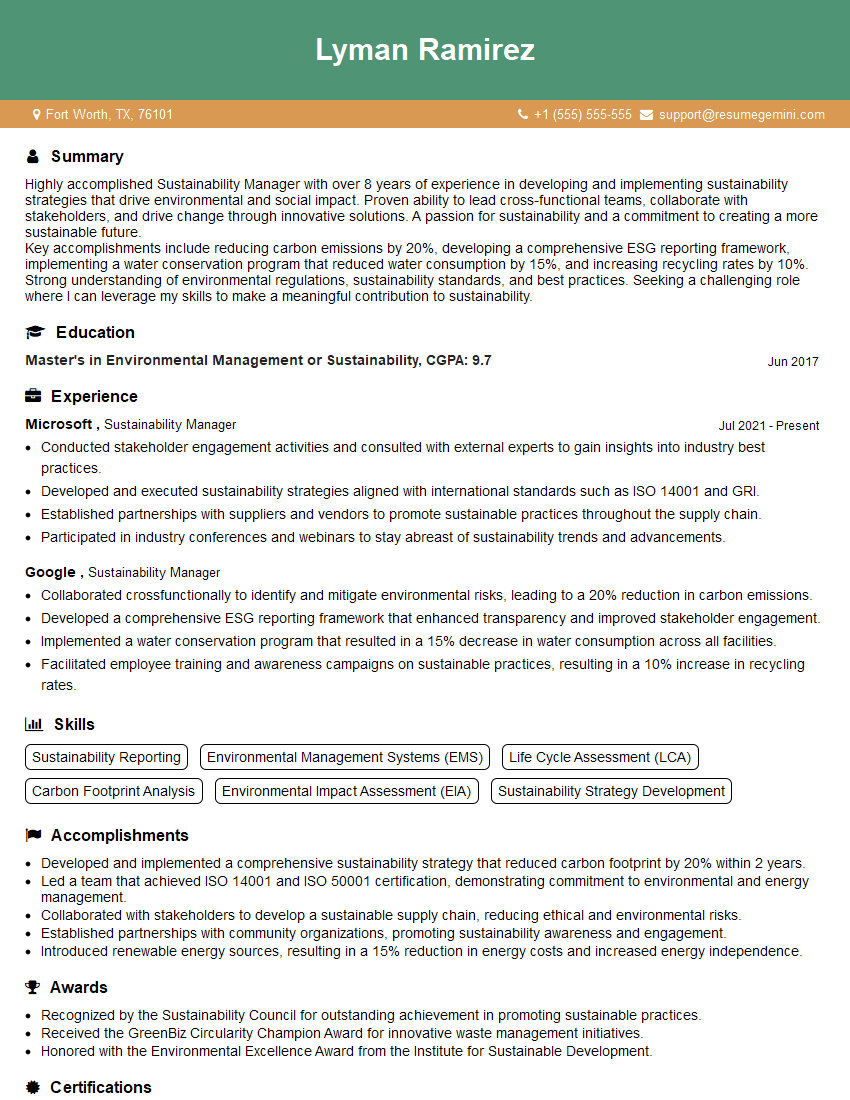
Sustainability Manager Resume Sample
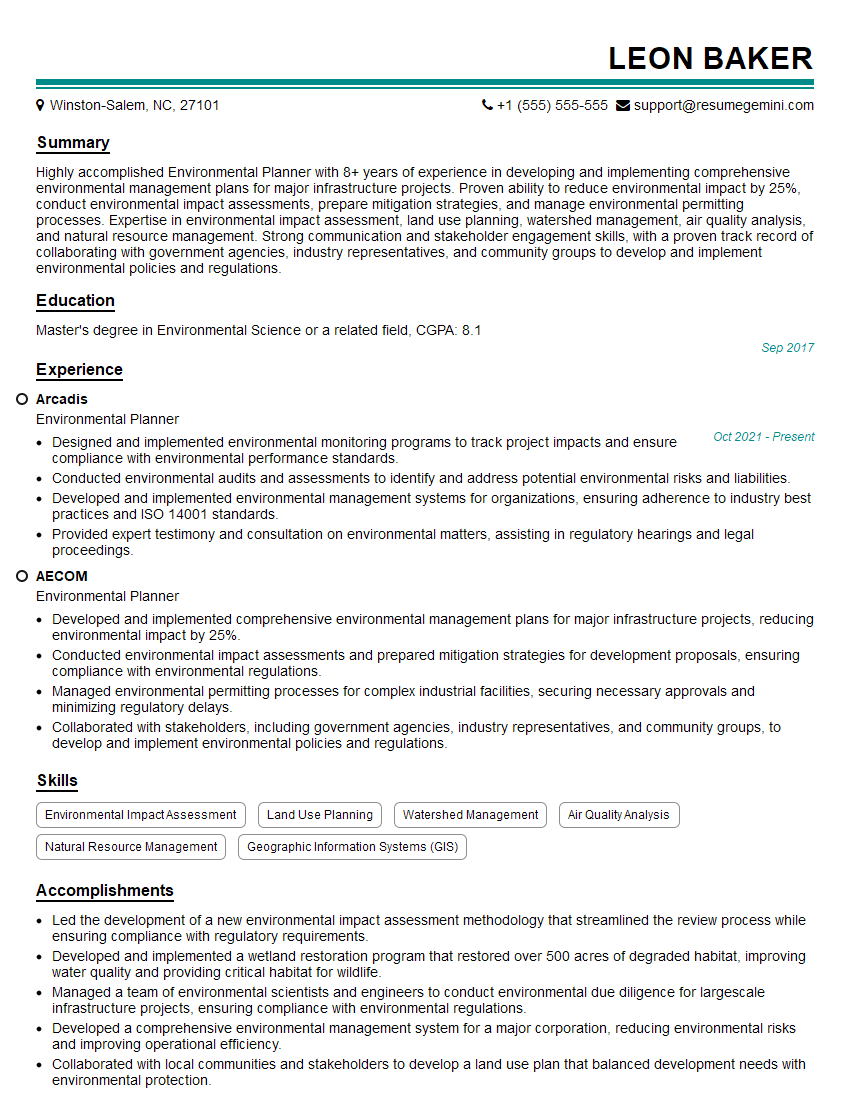
Environmental Planner Resume Sample
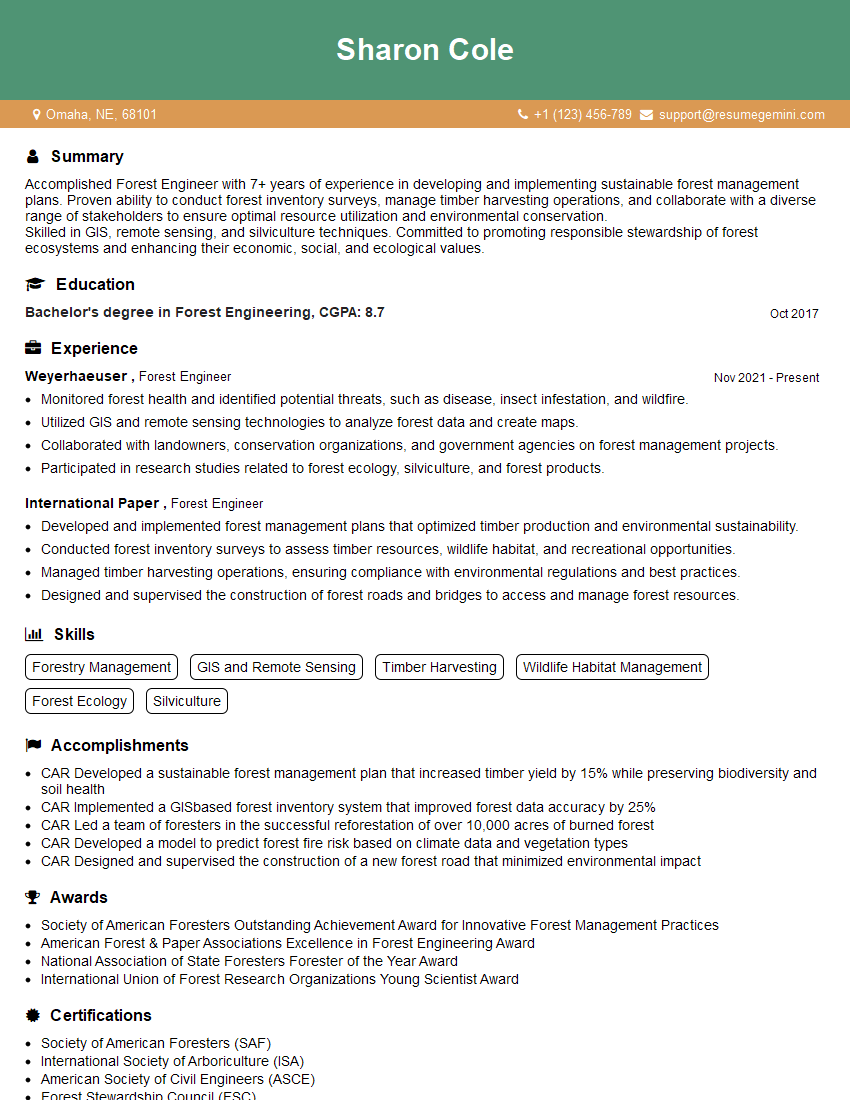
Forest Engineer Resume Sample
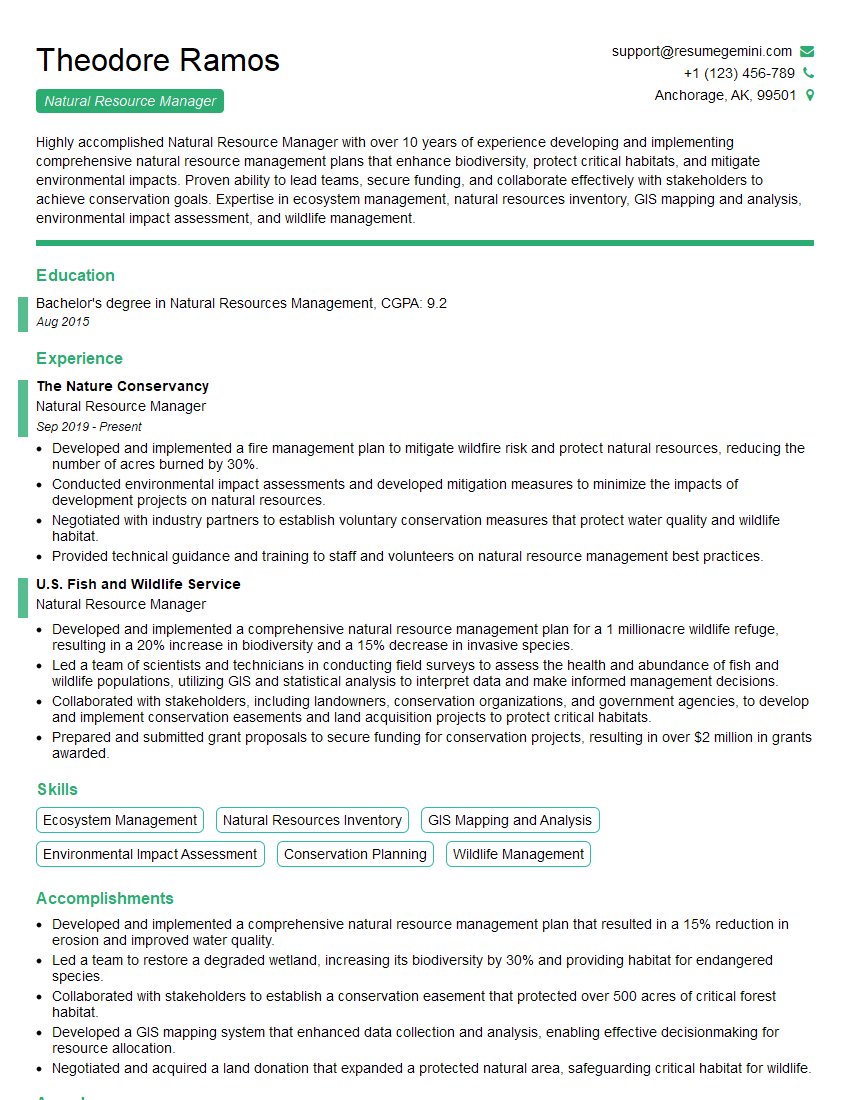
Natural Resource Manager Resume Sample
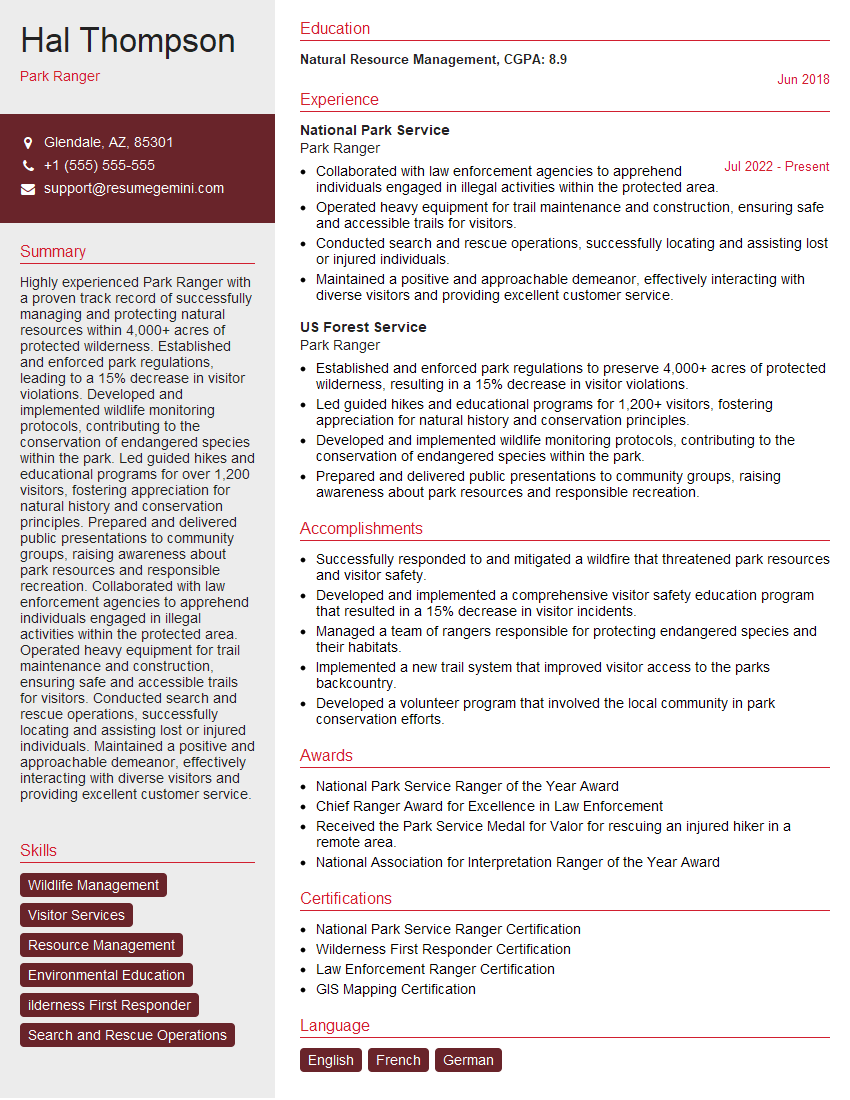
Park Ranger Resume Sample
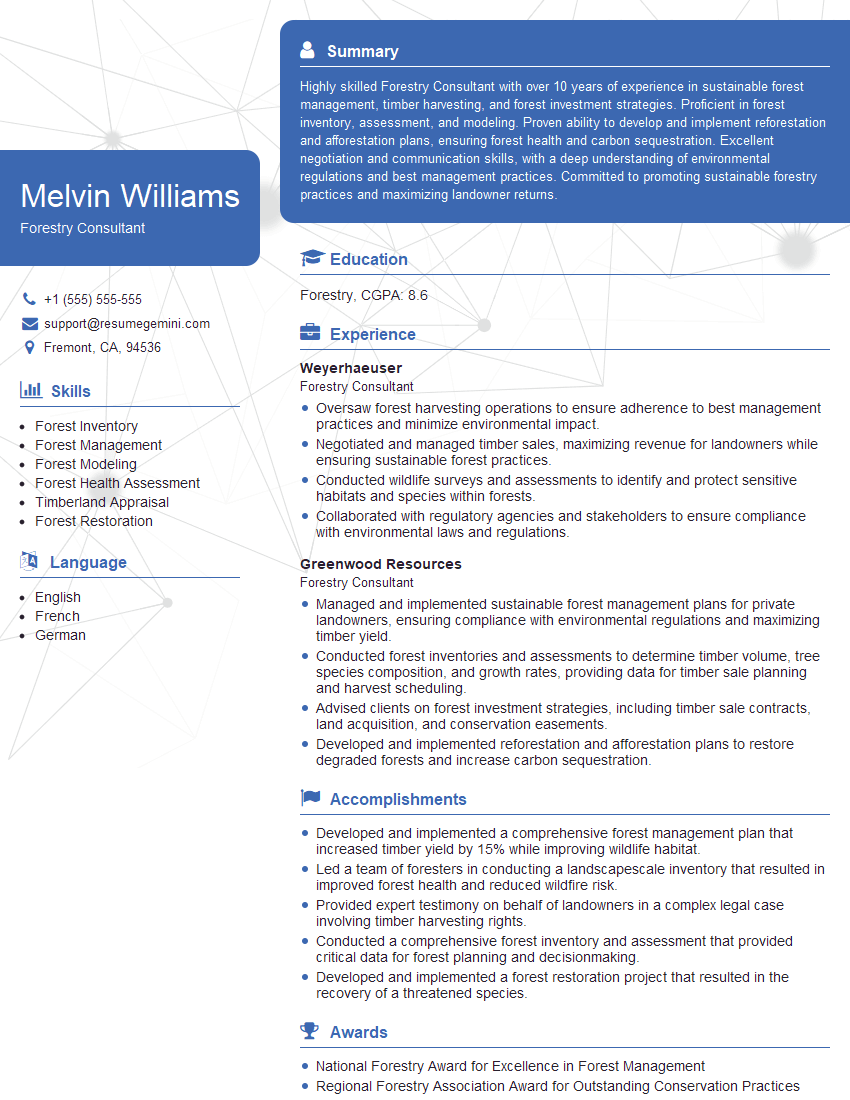
Forestry Consultant Resume Sample
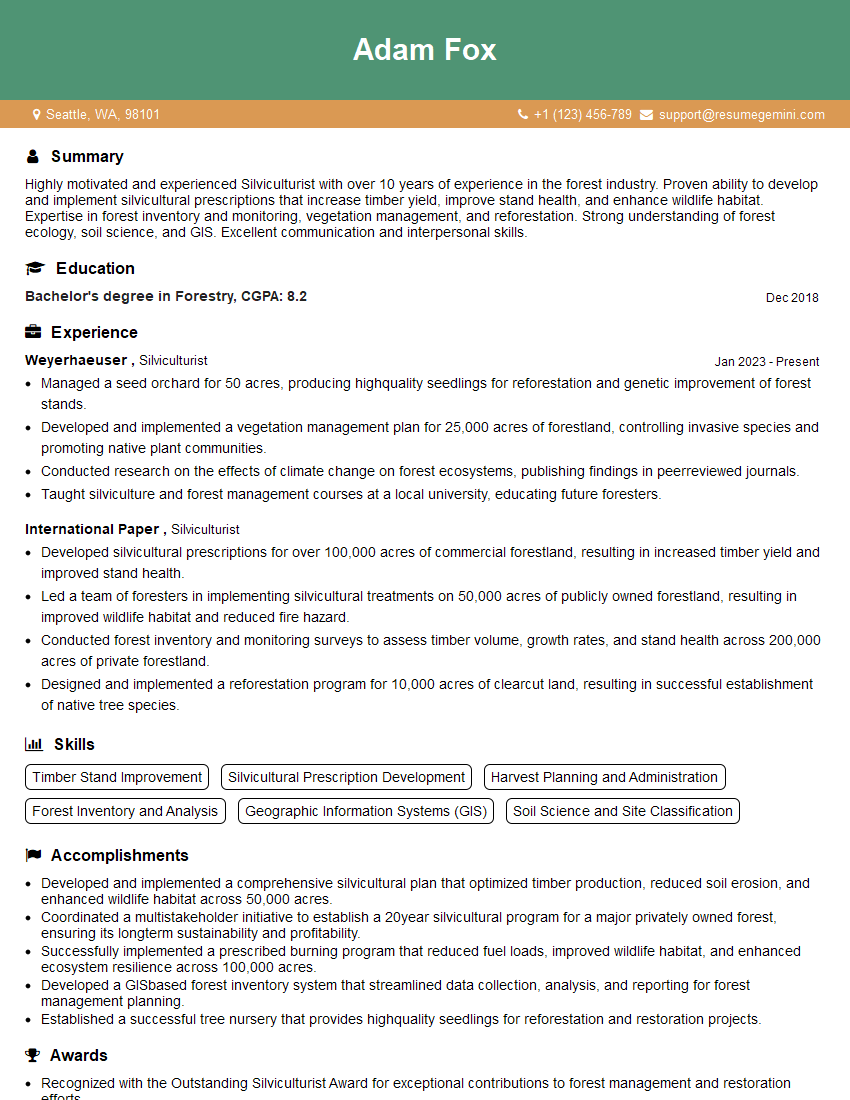
Silviculturist Resume Sample
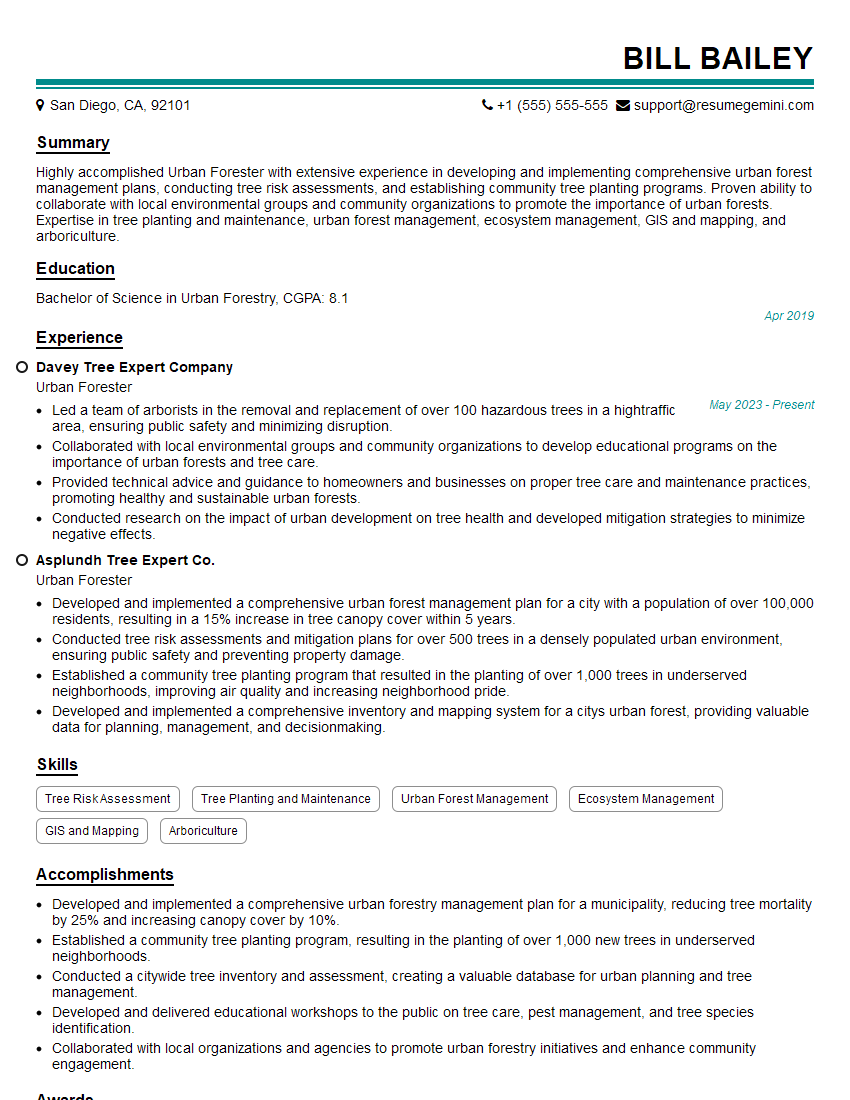
Urban Forester Resume Sample
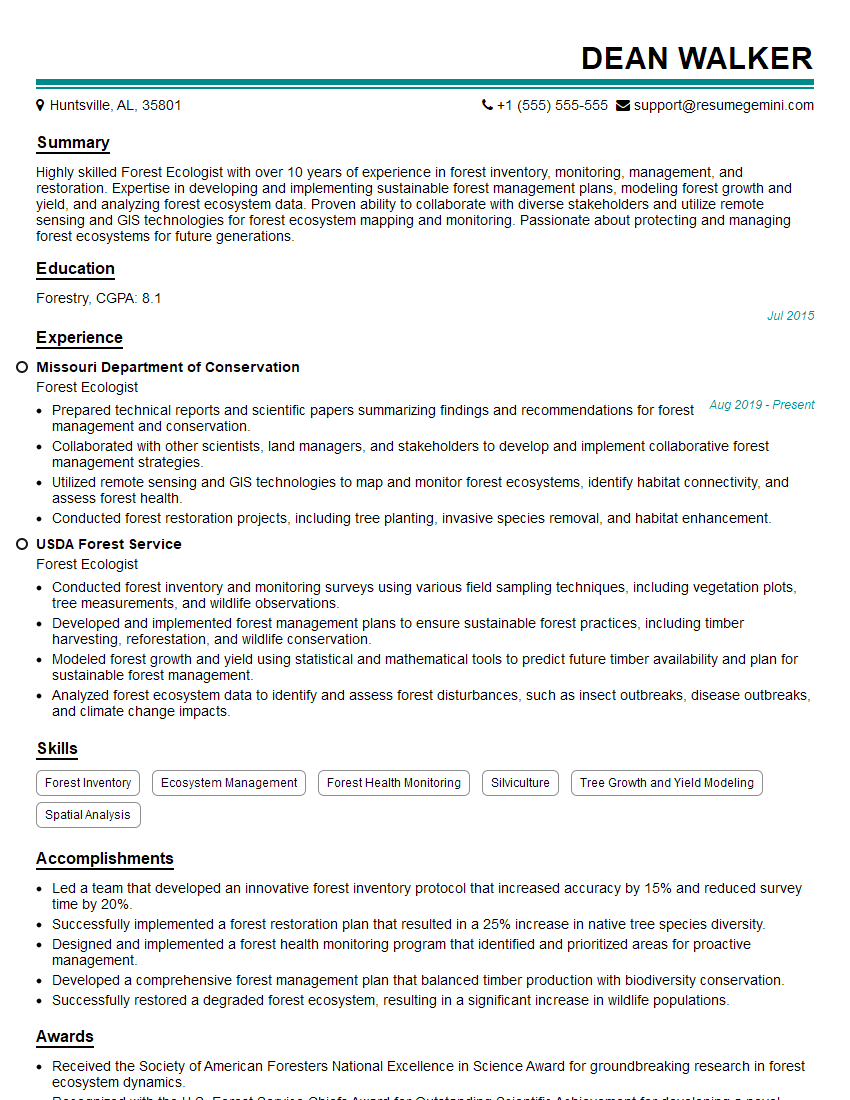
Forest Ecologist Resume Sample
Explore more articles
Users Rating of Our Blogs
Share Your Experience
We value your feedback! Please rate our content and share your thoughts (optional).
What Readers Say About Our Blog
To the interviewgemini.com Webmaster.
Very helpful and content specific questions to help prepare me for my interview!
Thank you
To the interviewgemini.com Webmaster.
This was kind of a unique content I found around the specialized skills. Very helpful questions and good detailed answers.
Very Helpful blog, thank you Interviewgemini team.