The thought of an interview can be nerve-wracking, but the right preparation can make all the difference. Explore this comprehensive guide to Pathophysiology of Colon Disorders interview questions and gain the confidence you need to showcase your abilities and secure the role.
Questions Asked in Pathophysiology of Colon Disorders Interview
Q 1. Explain the pathophysiology of inflammatory bowel disease (IBD), differentiating Crohn’s disease from ulcerative colitis.
Inflammatory bowel disease (IBD) encompasses chronic inflammatory conditions of the gastrointestinal tract, primarily Crohn’s disease and ulcerative colitis. Both involve a dysregulated immune response targeting the gut, but differ significantly in their location and extent of inflammation.
Crohn’s disease can affect any part of the gastrointestinal tract, from mouth to anus, in a discontinuous, patchy pattern. Inflammation extends through all layers of the bowel wall (transmural), leading to complications like fistulas, strictures, and abscesses. Think of it like scattered fires along a long pipe – the inflammation isn’t continuous.
Ulcerative colitis, conversely, is limited to the colon and rectum, and inflammation is largely confined to the mucosal and submucosal layers. It typically presents with continuous inflammation, starting in the rectum and progressing proximally. Imagine a slow burn that spreads continuously from one end of a pipe to another.
The underlying pathophysiology in both involves genetic susceptibility, environmental triggers (e.g., diet, gut microbiome), and a dysregulated immune response where the body mistakenly attacks its own intestinal cells. This leads to chronic inflammation, tissue damage, and the characteristic symptoms of IBD, such as abdominal pain, diarrhea, weight loss, and fatigue.
Q 2. Describe the role of the gut microbiome in the development of colorectal cancer.
The gut microbiome, a complex community of bacteria, fungi, and viruses residing in the gastrointestinal tract, plays a crucial role in colorectal cancer development. An imbalance in the microbiome, known as dysbiosis, is increasingly implicated.
Several mechanisms link dysbiosis to colorectal cancer: Increased inflammation through the production of harmful metabolites by certain bacteria, such as Fusobacterium nucleatum, can damage the intestinal lining and promote tumorigenesis. Some bacteria can even directly damage DNA, contributing to mutations that drive cancer development. Conversely, the absence of beneficial bacteria, normally responsible for maintaining mucosal integrity and preventing inflammation, creates vulnerability to oncogenic processes.
Furthermore, the microbiome influences the gut’s immune system, and dysbiosis can lead to chronic inflammation which is a known promoter of colorectal cancer. It’s a complex interplay; specific bacterial strains and their metabolites are associated with an increased risk, while others may have protective effects.
Q 3. Discuss the mechanisms of colorectal cancer metastasis.
Colorectal cancer metastasis, the spread of cancer cells to distant sites, is a complex multi-step process. It begins with invasion, where cancer cells break through the basement membrane surrounding the tumor and penetrate the surrounding tissue.
Next, these cells enter the bloodstream or lymphatic system. They then circulate until they find a suitable location to establish a secondary tumor (metastasis). This process involves several key steps: invasion, intravasation (entering the blood or lymph), extravasation (exiting the blood or lymph), and colonization (establishment of a secondary tumor).
Several factors contribute to metastasis, including the expression of specific genes that promote cell motility and invasion, the ability to evade the immune system, and the presence of favorable conditions at the metastatic site. For example, cells releasing enzymes that degrade the extracellular matrix around them enabling their invasion.
Common metastatic sites for colorectal cancer include the liver and lungs, due to the direct circulatory pathways from the colon. Understanding the mechanisms of metastasis is crucial for developing effective therapies to prevent cancer spread and improve patient outcomes.
Q 4. What are the key genetic factors associated with an increased risk of colon cancer?
Several genetic factors significantly increase the risk of colon cancer. These can be broadly categorized into inherited syndromes and individual gene mutations.
Inherited syndromes, like familial adenomatous polyposis (FAP) and Lynch syndrome (hereditary non-polyposis colorectal cancer or HNPCC), dramatically increase the risk. FAP is characterized by the development of hundreds to thousands of polyps in the colon, virtually guaranteeing colon cancer if left untreated. Lynch syndrome is associated with an increased risk of various cancers, including colon cancer, due to defects in DNA mismatch repair genes.
Beyond syndromes, specific gene mutations also increase risk. Mutations in genes like APC (adenomatous polyposis coli), TP53, and KRAS are frequently found in colon cancer cells. These genes play roles in cell growth, regulation, and DNA repair. Mutations can disrupt these functions, contributing to uncontrolled cell growth and tumor formation. It is important to note that the presence of these mutations does not guarantee cancer development, but significantly increases the likelihood.
Q 5. Explain the pathophysiology of diverticulitis.
Diverticulitis is inflammation or infection of diverticula, small pouches that form in the wall of the colon. These are often asymptomatic until they become inflamed or infected.
The exact cause isn’t fully understood, but it’s generally associated with low-fiber diets, leading to increased intraluminal pressure and outward bulging of the colon wall, forming the diverticula. When stool gets trapped within these pouches, bacterial overgrowth can occur, triggering inflammation and infection. This inflammation can lead to symptoms like abdominal pain, fever, and changes in bowel habits.
Complications can include abscess formation, perforation (rupture of the colon), fistulas (abnormal connections to other organs), and bleeding. Treatment usually involves antibiotics and dietary changes, but severe cases may require surgical intervention.
Q 6. Describe the different types of colorectal polyps and their malignant potential.
Colorectal polyps are growths that protrude from the lining of the colon or rectum. Their malignant potential varies considerably depending on the type.
Adenomatous polyps are the most concerning, as they have a significant risk of progressing to colorectal cancer. These polyps have abnormal glandular tissue. They are further categorized based on their size and microscopic features. Larger and more dysplastic (abnormally structured) adenomas carry a higher cancer risk.
Hyperplastic polyps are generally benign and have a low risk of malignancy. They are typically small and often found in the rectum. Inflammatory polyps are associated with chronic inflammation, and their cancer risk is generally low.
Sessile serrated adenomas/polyps (SSA/SSP) are a more recently recognized type of polyp. While appearing benign on initial observation, they possess a unique genetic profile and significant risk of cancer transformation. Regular colonoscopies and polypectomy (removal of polyps) are crucial for reducing the risk of colorectal cancer.
Q 7. Discuss the role of inflammation in the development of colorectal cancer.
Inflammation plays a central role in the development of colorectal cancer. Chronic inflammation disrupts the normal cellular processes of the colon, creating a microenvironment conducive to tumorigenesis.
Chronic inflammation leads to increased production of reactive oxygen species (ROS), which damage DNA and trigger mutations. It also stimulates cell proliferation and inhibits apoptosis (programmed cell death). The inflammatory process also leads to the release of growth factors and cytokines that promote tumor growth and angiogenesis (formation of new blood vessels).
Conditions associated with chronic inflammation of the colon, such as ulcerative colitis and Crohn’s disease, significantly increase the risk of colorectal cancer. Even low-grade, persistent inflammation, which may not be clinically apparent, can contribute to the development of the disease. The exact mechanisms by which inflammation contributes to cancer remain an area of active research, but the strong link is undeniable.
Q 8. Explain the mechanisms of action of commonly used medications in IBD.
Medications for Inflammatory Bowel Disease (IBD) target different aspects of the disease process. They aim to reduce inflammation, manage symptoms, and prevent complications. Commonly used medications include:
- 5-aminosalicylates (5-ASAs): Like mesalamine, these drugs are anti-inflammatory agents that work locally in the gut to reduce inflammation. They’re often used for mild to moderate ulcerative colitis and Crohn’s disease, primarily affecting the colon. Think of them as soothing the irritated bowel lining directly.
- Corticosteroids: Such as prednisone or budesonide, these are powerful anti-inflammatory drugs used for inducing remission during flares. They act systemically or locally (budesonide), reducing inflammation quickly, but long-term use has significant side effects.
- Immunomodulators: These drugs, like azathioprine or 6-mercaptopurine, work by suppressing the immune system’s overactivity. They’re used to maintain remission and reduce the need for corticosteroids. They take time to work, so they aren’t useful for acute flares.
- Biologics: These are targeted therapies that neutralize specific components of the immune system, like TNF-alpha (e.g., infliximab, adalimumab) or integrins (e.g., vedolizumab). They are highly effective in moderate-to-severe IBD but carry a higher cost and potential for side effects.
- Janus kinase (JAK) inhibitors: Newer agents like tofacitinib and upadacitinib target intracellular signaling pathways involved in inflammation. They offer an alternative for patients who don’t respond to or can’t tolerate other medications.
The choice of medication depends on the severity and location of the disease, the patient’s response to previous treatments, and the presence of comorbidities.
Q 9. How would you differentiate between infectious colitis and inflammatory colitis?
Differentiating infectious colitis from inflammatory colitis relies on a combination of clinical presentation, laboratory tests, and imaging. Infectious colitis is caused by a pathogen (bacteria, virus, or parasite) invading the colon, while inflammatory colitis stems from the immune system inappropriately attacking the gut.
- Infectious Colitis: Often presents with abrupt onset of bloody diarrhea, fever, abdominal cramps, and possibly nausea and vomiting. Stool tests can identify the pathogen. The inflammation is often diffuse but usually resolves with appropriate antibiotic treatment.
- Inflammatory Colitis: Typically has a more insidious onset with chronic or recurrent symptoms including bloody diarrhea, abdominal pain, weight loss, and fatigue. Stool tests usually don’t reveal a specific pathogen. Endoscopy (colonoscopy) is crucial to visualize the inflammation and differentiate between Crohn’s disease and ulcerative colitis, and to rule out infections. Inflammation tends to be localized in specific patterns.
Imaging techniques like CT scans can further delineate the extent of inflammation and identify complications. A complete history and physical examination are essential to help pinpoint the cause.
Q 10. Describe the pathophysiology of irritable bowel syndrome (IBS).
Irritable Bowel Syndrome (IBS) is a functional gastrointestinal disorder characterized by abdominal pain or discomfort associated with altered bowel habits (constipation, diarrhea, or both). The exact pathophysiology remains unclear, but several factors likely contribute:
- Visceral Hypersensitivity: The gut’s sensitivity to normal stimuli is increased, leading to amplified perception of pain signals.
- Altered Gut Motility: Changes in bowel movements result from dysregulation of the muscular contractions that propel contents through the gut.
- Gut Microbiota Imbalance (Dysbiosis): Changes in the composition and function of the gut bacteria may contribute to inflammation and altered motility.
- Brain-Gut Axis Dysfunction: Communication between the brain and the gut is altered, affecting motility, pain perception, and visceral sensation.
- Immune System Activation: Low-grade inflammation in the gut may play a role, although it’s not as prominent as in IBD.
These factors interact in complex ways, making IBS a challenging condition to understand fully. It’s important to note that there’s no single cause, and symptoms vary greatly between individuals. Think of it as a complex orchestra where several instruments (gut motility, brain signaling, immune response) aren’t playing in harmony.
Q 11. What are the common complications of Crohn’s disease?
Crohn’s disease, a chronic inflammatory bowel disease, can lead to various complications affecting different parts of the gastrointestinal tract and beyond:
- Strictures and Obstructions: Chronic inflammation can cause narrowing of the bowel lumen, leading to partial or complete blockage of the intestine, requiring surgery.
- Fistulas: Abnormal connections between different parts of the bowel or between the bowel and other organs (e.g., bladder, vagina) can form, causing infections and leakage.
- Abscesses: Pockets of pus can develop in the abdomen, requiring drainage or surgery.
- Malnutrition and Anemia: Chronic inflammation and malabsorption of nutrients can lead to weight loss, deficiencies, and anemia.
- Perforation: A hole can develop in the bowel wall, leading to a life-threatening infection (peritonitis).
- Colorectal Cancer: The risk of colorectal cancer is increased with long-standing Crohn’s disease.
- Extra-intestinal manifestations: Crohn’s disease can also affect other organs, including the skin (erythema nodosum), eyes, joints, and liver.
These complications can significantly impact quality of life and require careful monitoring and management.
Q 12. What are the common complications of ulcerative colitis?
Ulcerative colitis, another chronic inflammatory bowel disease, primarily affects the colon and rectum, leading to various complications:
- Toxic Megacolon: Severe dilation of the colon, a life-threatening emergency that necessitates immediate medical intervention.
- Bleeding: Inflammation causes damage to the blood vessels in the colon, leading to potentially severe bleeding.
- Perforation: As in Crohn’s disease, a hole can develop in the colon wall causing peritonitis.
- Colorectal Cancer: Patients with long-standing ulcerative colitis have an increased risk of colorectal cancer.
- Strictures: While less common than in Crohn’s disease, strictures can occur in ulcerative colitis.
- Extra-intestinal manifestations: Similar to Crohn’s, complications can arise in other areas such as eyes, skin, and joints, though less frequently.
Regular colonoscopies are crucial for early detection of dysplasia (precancerous changes) and cancer.
Q 13. Discuss the role of diet and lifestyle in the prevention and management of colon disorders.
Diet and lifestyle play a significant role in both the prevention and management of colon disorders. While no single diet cures these conditions, dietary modifications can significantly impact symptom severity and overall well-being.
- High-Fiber Diet: Increasing fiber intake (fruits, vegetables, whole grains) promotes regular bowel movements, reduces constipation, and can help maintain a healthy gut microbiota. This is beneficial for IBS and can reduce symptoms in IBD.
- Low-FODMAP Diet: This diet restricts certain carbohydrates (fermentable oligosaccharides, disaccharides, monosaccharides, and polyols) that can trigger symptoms in some individuals with IBS. It’s often used temporarily to identify trigger foods.
- Elimination Diets: These diets can identify food intolerances or allergies that might exacerbate symptoms in individuals with IBS or IBD.
- Hydration: Adequate fluid intake is crucial for maintaining normal bowel function and preventing dehydration, which is particularly important during periods of diarrhea.
- Stress Management: Stress can worsen symptoms in IBS and IBD. Techniques like yoga, meditation, and regular exercise can help manage stress levels.
- Smoking Cessation: Smoking is a significant risk factor for IBD and worsens the disease course. Quitting smoking is crucial for managing both conditions.
- Regular Physical Activity: Promotes better digestive health, reduces stress, and maintains overall well-being.
It’s important to consult a registered dietitian or gastroenterologist for personalized dietary recommendations, especially for individuals with IBD.
Q 14. Explain the principles of endoscopic diagnosis and treatment of colon disorders.
Endoscopy, particularly colonoscopy, is a cornerstone of diagnosis and treatment for various colon disorders. It allows direct visualization of the colon’s inner lining, enabling precise assessment of inflammation, ulceration, strictures, and other abnormalities.
- Diagnosis: Colonoscopy allows for biopsy collection to confirm diagnoses (e.g., IBD, colorectal cancer, infectious colitis), determine the extent and severity of inflammation, and assess the response to treatment.
- Treatment: Various endoscopic procedures can treat certain colon disorders:
- Polypectomy: Removal of polyps, reducing the risk of colorectal cancer.
- Endoscopic mucosal resection (EMR): Removal of larger lesions or areas of dysplasia (precancerous changes).
- Balloon dilation: Widening of strictures to improve bowel patency.
- Stent placement: Insertion of a small tube to maintain an open passage through a narrowed section of the bowel.
- Drug delivery: Direct application of medications (e.g., corticosteroids) to inflamed areas.
Endoscopic techniques provide minimally invasive alternatives to surgery in many instances, improving patient outcomes and recovery time. However, the choice of procedure depends on the specific condition, severity, and individual patient factors. Careful evaluation by a gastroenterologist is necessary to determine the appropriate approach.
Q 15. What are the different types of colonoscopy preparations and their purposes?
Colonoscopy preparation aims to completely clear the colon of stool, allowing for optimal visualization during the procedure. Inadequate bowel prep leads to poor image quality, potentially missing crucial findings. There are several approaches, each with varying levels of efficacy and patient tolerance.
- Polyethylene Glycol (PEG)-based solutions: These are the most common and involve drinking a large volume of a clear liquid solution containing electrolytes. The osmotic effect draws water into the bowel, promoting bowel evacuation. Examples include GoLYTELY and NuLYTELY. They are generally well-tolerated but can be unpleasant due to the large volume.
- Sodium Phosphate solutions: These were previously popular but are now used less frequently due to the risk of phosphate toxicity, particularly in patients with kidney problems. They are more effective at bowel cleansing but carry greater risks.
- Split-dose bowel preparations: This involves administering the bowel preparation in two doses, one the evening before and one on the morning of the procedure. This can improve tolerability compared to a single large dose.
- Low-volume bowel preparations: These are newer preparations designed to reduce the total volume of liquid a patient needs to drink, making them more tolerable for many patients. They are becoming increasingly popular.
The choice of preparation depends on factors such as patient tolerance, renal function, and the specific needs of the procedure. A thorough discussion with the patient about potential side effects, such as nausea, vomiting, and bloating, is essential.
Career Expert Tips:
- Ace those interviews! Prepare effectively by reviewing the Top 50 Most Common Interview Questions on ResumeGemini.
- Navigate your job search with confidence! Explore a wide range of Career Tips on ResumeGemini. Learn about common challenges and recommendations to overcome them.
- Craft the perfect resume! Master the Art of Resume Writing with ResumeGemini’s guide. Showcase your unique qualifications and achievements effectively.
- Don’t miss out on holiday savings! Build your dream resume with ResumeGemini’s ATS optimized templates.
Q 16. Explain the staging systems used for colorectal cancer.
Staging colorectal cancer is crucial for determining prognosis and guiding treatment decisions. The most widely used system is the TNM system, which stands for Tumor, Node, Metastasis.
- T (Tumor): Describes the size and extent of the primary tumor. T1 indicates a small tumor confined to the mucosa, while T4 represents a large tumor invading adjacent structures.
- N (Node): Refers to the involvement of regional lymph nodes. N0 means no lymph node involvement, while N2 indicates spread to multiple regional lymph nodes.
- M (Metastasis): Indicates whether the cancer has spread to distant organs (e.g., liver, lungs). M0 denotes no distant metastasis, while M1 signifies distant metastasis.
These T, N, and M categories are combined to determine a stage (e.g., Stage I, Stage II, Stage III, Stage IV), with Stage I representing localized disease and Stage IV representing advanced disease with distant metastasis. The stage significantly impacts treatment strategies and overall survival.
Another important staging system is the AJCC (American Joint Committee on Cancer) staging system, which is very similar to the TNM system and incorporates additional clinical and pathological information to further refine staging accuracy.
Q 17. Describe the different surgical approaches for treating colorectal cancer.
Surgical approaches for colorectal cancer depend on the location and extent of the tumor, as well as the patient’s overall health. The goal is complete resection of the tumor with clear margins, and removal of involved lymph nodes.
- Laparoscopic Colectomy: A minimally invasive procedure using small incisions and specialized instruments. It offers faster recovery times, less pain, and smaller scars compared to open surgery. However, it may not be suitable for all patients, particularly those with advanced disease.
- Open Colectomy: A more traditional surgical approach involving a larger incision. This is often the preferred method for complex cases or when the tumor is advanced or located in a difficult-to-access area.
- Abdominoperineal Resection: Used for rectal cancers located low in the rectum, requiring removal of the rectum, anus, and sometimes part of the sigmoid colon. A permanent colostomy is usually necessary.
- Anterior Resection: Involves removing the affected section of the colon or rectum and reconnecting the remaining healthy bowel. This aims to preserve the anal sphincter and avoid the need for a permanent colostomy.
The decision on which surgical approach is best is made on a case-by-case basis, considering the stage of the cancer, the patient’s overall health, and the surgeon’s expertise. Pre-operative imaging, such as CT scans and MRIs, plays a critical role in planning the surgery.
Q 18. What are the common side effects of chemotherapy for colorectal cancer?
Chemotherapy for colorectal cancer can be highly effective, but it’s also associated with several side effects, ranging from mild to severe. These side effects can significantly impact a patient’s quality of life, and careful management is essential.
- Gastrointestinal effects: Nausea, vomiting, diarrhea, constipation, loss of appetite, mouth sores.
- Hematologic effects: Low blood cell counts (anemia, leukopenia, thrombocytopenia), increasing the risk of infections and bleeding.
- Fatigue: A very common and debilitating side effect.
- Neurological effects: Peripheral neuropathy (numbness, tingling, pain in the hands and feet), cognitive impairment (“chemo brain”).
- Alopecia (hair loss): A common but often manageable side effect.
- Other side effects: Kidney damage, heart problems, skin rashes, increased risk of infections, infertility.
The severity of side effects varies greatly between patients and the specific chemotherapy regimen used. Supportive care measures, such as anti-nausea medications, blood transfusions, and growth factors, play a vital role in minimizing these side effects and improving patients’ quality of life. Regular monitoring of blood counts and other parameters is also essential.
Q 19. How do you assess the response to treatment in patients with colon cancer?
Assessing the response to treatment in colon cancer involves a multi-faceted approach, combining imaging techniques and tumor marker analysis. The aim is to determine if the treatment is shrinking the tumor or preventing it from growing.
- Imaging Studies: Repeat CT scans, MRI scans, or PET scans are commonly used to evaluate the size and extent of the tumor after a course of treatment. Response is often categorized as complete response (CR), partial response (PR), stable disease (SD), or progressive disease (PD).
- Tumor Markers: Blood tests measuring levels of carcinoembryonic antigen (CEA) can be used to monitor treatment response. A decrease in CEA levels often suggests a positive treatment response, though CEA alone is not sufficient for assessment.
- Clinical Examination: Physical examination of the patient to assess for any signs of disease progression or improvement.
- Endoscopy: Colonoscopy or sigmoidoscopy can be used to directly visualize the tumor and assess response, particularly for locally advanced rectal cancers.
Response assessment is crucial for making decisions about continuing or modifying treatment. If the response is poor, alternative treatment strategies may be considered. Regular monitoring of response is vital throughout the course of treatment.
Q 20. Discuss the role of radiation therapy in the management of colorectal cancer.
Radiation therapy plays a significant role in the management of colorectal cancer, primarily for rectal cancer and locally advanced cases. It works by damaging the DNA of cancer cells, preventing their growth and replication.
- Preoperative (neoadjuvant) radiation: Administered before surgery, it shrinks the tumor, making it easier to surgically remove and potentially improving the chances of cure.
- Postoperative (adjuvant) radiation: Used after surgery to kill any remaining cancer cells that may have been left behind. This is especially important in cases of high-risk features, such as positive lymph nodes or close surgical margins.
- Palliative radiation: Used to relieve symptoms such as pain, bleeding, or bowel obstruction in patients with advanced, incurable disease.
Radiation therapy can have side effects, including bowel problems (diarrhea, bleeding, inflammation), skin reactions, and fatigue. However, the benefits often outweigh the risks, especially in carefully selected patients. The specific type and dose of radiation therapy are carefully planned based on the individual patient’s needs and tumor characteristics.
Q 21. Explain the importance of screening colonoscopy for colorectal cancer prevention.
Screening colonoscopy is paramount in colorectal cancer prevention because it allows for the detection and removal of precancerous polyps before they develop into cancer. Early detection is crucial for improving treatment outcomes and survival rates. Colorectal cancer often develops gradually, starting with benign polyps which can take years or even decades to become cancerous.
How screening works: During a colonoscopy, a flexible tube with a camera is inserted into the rectum to visualize the entire colon. Any abnormal areas, including polyps, can be identified and biopsied or removed during the procedure. Removal of precancerous polyps effectively prevents the development of colorectal cancer.
Screening guidelines: The recommended screening age varies slightly depending on guidelines, but generally starts around age 45 for average-risk individuals, or earlier for those with a family history of colorectal cancer or other risk factors. Regular screening, as recommended by medical professionals, dramatically reduces the risk of developing and dying from colorectal cancer. It truly represents an opportunity for life-saving prevention.
Q 22. What are the different types of colorectal stents and their indications?
Colorectal stents are tubular devices inserted into the colon to relieve obstructions. Different types exist, each with specific indications.
- Self-expanding metallic stents (SEMS): These are made of nitinol and expand to conform to the colon’s anatomy. They’re primarily used for malignant colorectal obstructions, providing rapid palliation. For example, a patient with a large colon cancer causing complete bowel obstruction would benefit significantly from a SEMS to relieve the blockage and allow for better quality of life before definitive treatment.
- Plastic stents: These are less durable than SEMS but can be useful in temporary situations or when SEMS are contraindicated. They might be considered for benign strictures that are expected to resolve with time or as a bridge to surgery in patients deemed too high risk for immediate surgery.
- Covered stents: These have a layer covering the metal mesh, reducing the risk of stent migration and tumor ingrowth. They’re often preferred for malignant obstructions in the rectum, where perforation risk is higher. A patient with a rectal cancer causing an obstruction near the anus, for instance, may benefit from a covered stent to minimize the chance of perforation or fistula formation.
The choice of stent depends on factors like the location and nature of the obstruction, the patient’s overall health, and the anticipated duration of stent placement.
Q 23. Describe the pathophysiology of colorectal fistula formation.
Colorectal fistula formation is a complex process involving inflammation, tissue damage, and abnormal healing. It usually starts with a breach in the bowel wall, often due to Crohn’s disease, diverticulitis, trauma, or colorectal cancer.
The process can be understood in stages:
- Initiation: An inflammatory process (like in Crohn’s disease) or infection (like in diverticulitis) weakens the bowel wall, creating a point of vulnerability.
- Transmural Inflammation: The inflammation spreads through all layers of the bowel wall.
- Abscess Formation: A localized collection of pus forms near the site of inflammation, often creating a perirectal abscess.
- Fistula Tract Formation: The abscess may drain internally or externally, creating a tunnel (the fistula tract) connecting the bowel lumen to the skin or another organ, like the vagina or bladder.
- Chronic Inflammation & Fibrosis: The fistula tract remains inflamed and scarred, creating a chronic problem that’s difficult to heal.
Think of it like a hole in a water pipe – initially a small leak, which worsens unless repaired. The resulting fistula becomes a chronic leak in the bowel requiring surgical or medical intervention.
Q 24. How would you manage a patient presenting with acute lower gastrointestinal bleeding?
Management of acute lower gastrointestinal bleeding (LGIB) requires a systematic approach focused on hemodynamic stabilization and identification of the bleeding source.
- Resuscitation: Establish IV access, administer fluids and blood products as needed to maintain blood pressure and oxygen saturation.
- Assessment: Obtain a thorough history, including medications, recent illnesses, and bowel habits. Conduct a physical exam paying particular attention to vital signs and signs of hypovolemia (low blood volume).
- Diagnostic Testing: This often includes a complete blood count (CBC) to assess hemoglobin and hematocrit, blood type and crossmatch for potential transfusions, and imaging studies like colonoscopy (the preferred method if the patient is hemodynamically stable) or CT enterography to localize the bleeding source. Angiography might be necessary in cases of refractory bleeding.
- Treatment: Treatment depends on the bleeding source. Colonoscopy allows for targeted therapy like cauterization, injection therapy, or endoscopic clipping. Surgery might be necessary for severe, uncontrolled bleeding or when endoscopy is not successful.
For example, a patient presenting with bright red rectal bleeding and hypotension would require immediate fluid resuscitation, blood transfusion, and likely emergency colonoscopy to identify and treat the source, perhaps a diverticular bleed.
Q 25. Discuss the role of biomarkers in the diagnosis and prognosis of colon cancer.
Biomarkers play a crucial role in colon cancer diagnosis and prognosis. These are measurable indicators of biological processes that can be used to detect, monitor, and predict the disease course.
- Diagnosis: Carcinoembryonic antigen (CEA) and fecal immunochemical tests (FIT) are widely used in colorectal cancer screening and post-treatment monitoring. While not highly specific for early cancer detection, elevated CEA levels can indicate recurrence or metastasis. FIT detects occult blood in the stool, a sign of potential colorectal pathology.
- Prognosis: Biomarkers like microsatellite instability (MSI) and mismatch repair (MMR) protein status are important in determining prognosis and guiding treatment decisions. Patients with MSI-high tumors tend to respond better to immunotherapy, indicating improved prognosis.
- Treatment Response: Circulating tumor DNA (ctDNA) can be used to monitor treatment response and detect minimal residual disease, even in the absence of clinically detectable recurrence. For instance, detection of circulating tumor cells (CTCs) can indicate that a treatment regime is failing.
The field of biomarkers is constantly evolving with ongoing research into novel molecules and their application to personalized medicine.
Q 26. What are the current research trends in the field of colon disorders?
Current research trends in colon disorders focus on several key areas:
- Personalized medicine: Tailoring treatments based on individual genetic and molecular profiles.
- Microbiome research: Investigating the role of gut microbiota in disease pathogenesis and exploring microbiome-based therapies.
- Improved diagnostic tools: Development of non-invasive and more accurate diagnostic tests for early detection and disease stratification.
- Novel therapeutics: Research into targeted therapies, immunotherapies, and regenerative medicine approaches for IBD and colon cancer.
- Artificial intelligence (AI) in diagnosis and treatment planning: Developing AI-driven tools for image analysis and personalized treatment strategies.
For example, studies investigating the role of specific gut bacteria in the development of Crohn’s disease are leading to potential treatments aiming to modulate the gut microbiome to improve disease outcomes.
Q 27. Explain the concept of personalized medicine in the treatment of colon disorders.
Personalized medicine in colon disorders aims to tailor treatment based on an individual patient’s characteristics, including their genetics, lifestyle, and tumor biology. This approach moves away from a ‘one-size-fits-all’ approach to a more precise and targeted strategy.
Examples include:
- Targeted therapy for colon cancer: Using genomic profiling to identify specific mutations and select drugs that target these mutations.
- Biomarker-driven treatment selection for IBD: Choosing treatments based on individual biomarkers predictive of response to specific therapies.
- Gut microbiome analysis: Identifying specific gut bacterial profiles that influence disease course and developing tailored interventions to manipulate the gut microbiota.
Personalized medicine holds immense promise for improving treatment outcomes and minimizing adverse effects. A patient with a specific genetic mutation driving their colon cancer, for instance, can benefit from a targeted therapy, increasing efficacy and reducing side effects compared to a broad-spectrum chemotherapy.
Q 28. Describe the challenges in managing patients with refractory IBD.
Managing patients with refractory IBD (Inflammatory Bowel Disease) presents significant challenges due to the chronic nature of the disease, the potential for severe complications, and the limitations of current therapies.
Challenges include:
- Treatment resistance: Many patients develop resistance to standard therapies, requiring exploration of alternative treatment options.
- Adverse effects of medications: Immunomodulators and biologics, while effective, can cause significant side effects, impacting quality of life.
- Surgical complications: Surgery may be required in severe cases but is associated with risks and potential complications. Strictures, fistulas, and abscesses pose ongoing challenges.
- Psychological impact: Chronic disease can significantly impact a patient’s mental health, with many experiencing depression and anxiety.
- Lack of curative treatment: Currently, there is no curative treatment for IBD, requiring long-term management and ongoing monitoring.
Addressing these challenges requires a multidisciplinary approach involving gastroenterologists, surgeons, psychologists, and other healthcare professionals to ensure holistic patient care.
Key Topics to Learn for Pathophysiology of Colon Disorders Interview
- Inflammatory Bowel Disease (IBD): Understanding the pathogenesis of Crohn’s disease and ulcerative colitis, including genetic predisposition, immune dysregulation, and the role of the gut microbiome. Consider practical applications like differentiating between these conditions based on clinical presentation and diagnostic tools.
- Irritable Bowel Syndrome (IBS): Explore the complex interplay of visceral hypersensitivity, altered gut motility, and psychosocial factors contributing to IBS. Focus on practical applications such as diagnostic criteria and management strategies, including dietary modifications and pharmacological approaches.
- Colorectal Cancer: Delve into the adenoma-carcinoma sequence, genetic mutations (APC, KRAS, p53), and the role of inflammation and environmental factors in colorectal carcinogenesis. Consider the practical application of screening methods and the interpretation of colonoscopy findings.
- Diverticular Disease: Understand the pathogenesis of diverticulosis and diverticulitis, focusing on the role of low-fiber diets and increased intraluminal pressure. Practical application includes differentiating between uncomplicated and complicated diverticulitis and outlining appropriate management strategies.
- Ischemic Colitis: Learn about the vascular compromise leading to ischemic bowel injury. Practical application includes recognizing the clinical presentation and the importance of prompt diagnosis and management to prevent complications.
- Infectious Colitis: Explore the various infectious agents causing colitis (e.g., *C. difficile*, *Salmonella*, *Shigella*) and their mechanisms of pathogenesis. Consider the practical implications of appropriate antimicrobial therapy and infection control measures.
- Dysbiosis and the Gut Microbiome: Explore the role of the gut microbiome in the pathogenesis of various colon disorders and the potential for therapeutic interventions targeting the microbiome (e.g., fecal microbiota transplantation).
Next Steps
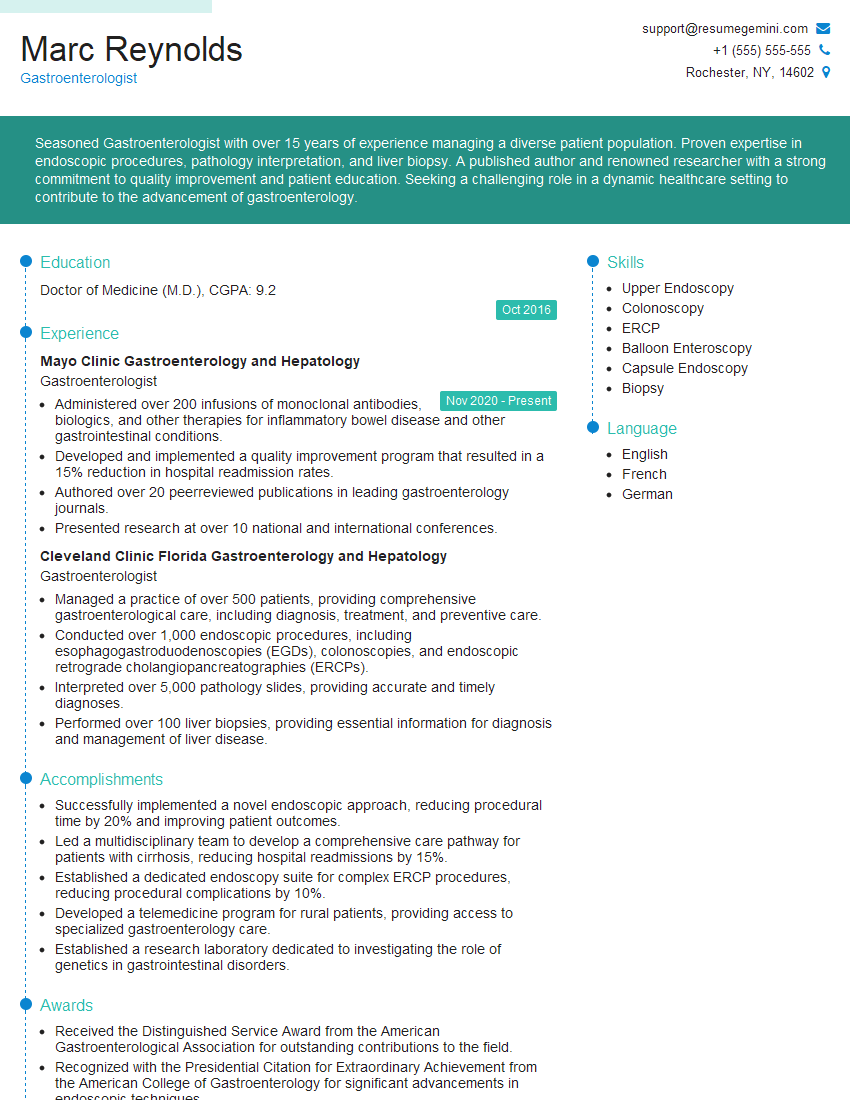
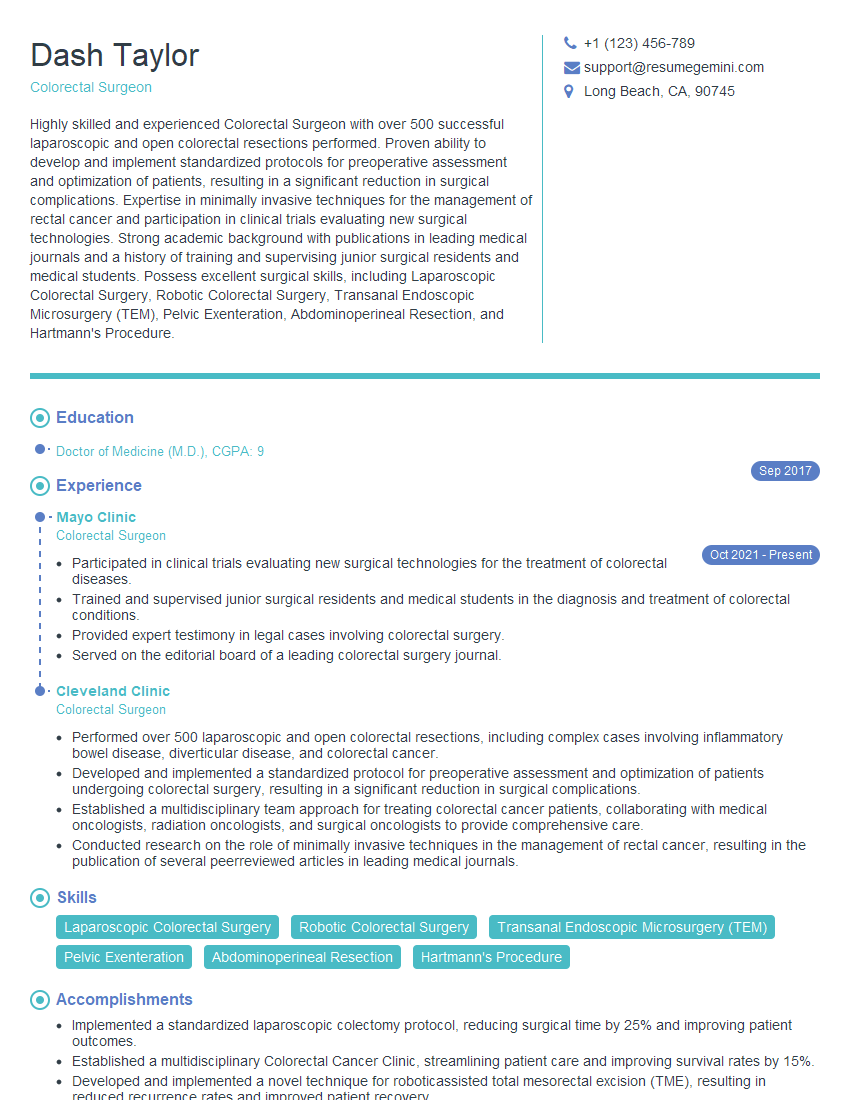
Mastering the pathophysiology of colon disorders is crucial for career advancement in gastroenterology, research, and related fields. A strong understanding of these complex mechanisms allows for more effective diagnosis, treatment planning, and participation in cutting-edge research. To maximize your job prospects, it’s vital to present your skills and experience effectively. Creating an ATS-friendly resume is key to getting your application noticed. ResumeGemini is a trusted resource that can help you build a professional and impactful resume, highlighting your expertise in pathophysiology of colon disorders. Examples of resumes tailored to this specialization are available through ResumeGemini, ensuring your application stands out from the competition.
Explore more articles
Users Rating of Our Blogs
Share Your Experience
We value your feedback! Please rate our content and share your thoughts (optional).
What Readers Say About Our Blog
To the interviewgemini.com Webmaster.
Very helpful and content specific questions to help prepare me for my interview!
Thank you
To the interviewgemini.com Webmaster.
This was kind of a unique content I found around the specialized skills. Very helpful questions and good detailed answers.
Very Helpful blog, thank you Interviewgemini team.