The right preparation can turn an interview into an opportunity to showcase your expertise. This guide to Self-Care and Mindfulness Techniques interview questions is your ultimate resource, providing key insights and tips to help you ace your responses and stand out as a top candidate.
Questions Asked in Self-Care and Mindfulness Techniques Interview
Q 1. Describe your approach to teaching mindfulness meditation techniques.
My approach to teaching mindfulness meditation is grounded in a gentle, experiential learning process. I don’t believe in a one-size-fits-all method. Instead, I start by building a strong foundation of understanding. This involves explaining what mindfulness is – paying attention to the present moment without judgment – and its benefits for reducing stress, improving focus, and enhancing self-awareness.
Then, I introduce various techniques, starting with simple body scans, focusing on breath awareness, and mindful movement exercises. We gradually progress to more challenging techniques like loving-kindness meditation or walking meditation, always adapting to the individual’s pace and comfort level. I emphasize the importance of non-judgmental observation, encouraging students to simply notice their thoughts and feelings without getting carried away by them. Regular practice, even for short periods, is key, and I offer guidance on incorporating mindfulness into daily life.
For example, I might guide a student through a body scan, asking them to notice the sensations in their feet, then their legs, and so on. Or, we might practice mindful breathing, focusing on the rise and fall of the abdomen. Throughout the process, I provide personalized feedback and address any challenges or questions the student might have. The goal is not to achieve a specific state of meditation, but rather to cultivate a mindful awareness that can be carried throughout the day.
Q 2. How do you assess a client’s needs regarding self-care practices?
Assessing a client’s self-care needs involves a holistic approach. It begins with a thorough intake process, including a detailed conversation about their lifestyle, stress levels, emotional well-being, physical health, and social support system. I use open-ended questions to encourage them to share their experiences and identify areas where they feel overwhelmed or lacking in self-compassion.
I also utilize validated assessment tools, such as questionnaires that measure stress, burnout, or self-care behaviors. These assessments provide objective data that complement the qualitative information gathered during our conversations. For instance, I might use a scale to assess their current levels of sleep, physical activity, and social connection. Based on this combined information, I can build a personalized picture of their needs and develop tailored recommendations.
Finally, I collaborate with the client to set realistic goals and expectations. Self-care is not a one-time fix; it’s an ongoing journey. I work with them to identify manageable steps that they can integrate into their daily routines, ensuring that the plan is both effective and sustainable in the long term.
Q 3. What are the key components of a successful stress management program?
A successful stress management program rests on several key components. First, it requires a comprehensive understanding of the individual’s stressors and how they impact their physical and mental health. Simply identifying the sources of stress isn’t enough; understanding the emotional and physiological responses is crucial. For example, someone might experience physical tension in their shoulders when faced with deadlines at work. Knowing this specific physical manifestation allows for targeted interventions.
Second, the program must teach and empower the individual with practical coping mechanisms. This could include mindfulness techniques, relaxation exercises, time management strategies, problem-solving skills, or assertive communication techniques. A combination of approaches is usually most effective, allowing for flexibility and personalization. For example, combining mindfulness with exercise can create a powerful synergy in stress reduction.
Third, fostering self-compassion and a supportive environment is essential. Stress management is a journey, not a destination, and setbacks are inevitable. The program must cultivate a sense of self-acceptance and resilience. This might involve journaling, self-reflection exercises, or connecting with a support network. Finally, regular evaluation and adjustment are vital to ensure the program remains relevant and effective as the individual’s needs and circumstances change.
Q 4. Explain the difference between mindfulness and meditation.
While often used interchangeably, mindfulness and meditation are distinct but related concepts. Mindfulness is the state of paying attention to the present moment without judgment. It’s a way of being, an awareness of your thoughts, feelings, sensations, and surroundings. You can practice mindfulness during any activity, such as eating, walking, or even working.
Meditation, on the other hand, is a practice or technique used to cultivate mindfulness. It involves formal exercises, such as focusing on your breath, body sensations, or sounds. Meditation provides a structured way to train your attention and strengthen your capacity for mindfulness. Think of mindfulness as the destination and meditation as a vehicle to get there. You can be mindful without meditating, but meditation is a powerful tool for developing mindfulness.
Q 5. How would you address a client struggling with anxiety using mindfulness techniques?
Addressing anxiety with mindfulness involves teaching the client to observe their anxious thoughts and feelings without getting carried away by them. We would start by identifying the triggers and patterns of their anxiety. Then, I would introduce techniques like mindful breathing, where they focus on the sensation of their breath entering and leaving their body. This anchors them in the present moment and helps to regulate their physiological responses to anxiety.
Body scans can also be helpful in identifying areas of tension associated with anxiety. By bringing awareness to these sensations, the client can learn to release the tension and reduce their physical symptoms. We might also practice mindful observation of thoughts, encouraging the client to notice their anxious thoughts without judging or reacting to them. This helps to decouple the thought from the emotional response, reducing the intensity of their anxiety. Furthermore, we might incorporate guided imagery or loving-kindness meditation to foster a sense of self-compassion and calm.
It’s crucial to emphasize that mindfulness is not about eliminating anxiety completely; it’s about developing the skills to manage it more effectively. The client needs to understand that anxious thoughts are temporary and that they can learn to navigate them without being overwhelmed.
Q 6. What are some common barriers to practicing self-care, and how do you help clients overcome them?
Common barriers to self-care often include time constraints, feelings of guilt or selfishness, unrealistic expectations, lack of knowledge about self-care practices, and limited resources. Many individuals struggle with prioritizing self-care due to competing demands at work, family, or social life. Others might feel guilty for taking time for themselves, believing that self-care is self-indulgent.
To overcome these barriers, I work with clients to help them identify and challenge their negative beliefs about self-care. We explore the long-term benefits of prioritizing their well-being and reframe self-care as an act of self-respect, rather than selfishness. I help them set realistic and achievable goals, breaking down large tasks into smaller, manageable steps. Furthermore, I provide education on various self-care strategies, encouraging experimentation to find what works best for them. Finally, I assist them in identifying and utilizing available resources such as support groups, online tools, or professional services.
For example, a busy client might feel guilty about taking a 10-minute break to meditate. I would help them reframe this as an investment in their overall productivity and well-being, leading to improved focus and reduced stress.
Q 7. Describe a time you helped a client develop a personalized self-care plan.
One client, a high-powered executive, was struggling with chronic burnout and overwhelming stress. She felt constantly pressured to perform at peak levels, neglecting her own needs. Through our sessions, we identified her main stressors: long working hours, unrealistic expectations, and a lack of boundaries between work and personal life.
Together, we developed a personalized self-care plan incorporating several strategies. We started with short, guided meditations to manage her stress levels. We then focused on incorporating regular exercise, starting with short walks during her lunch break and gradually increasing the intensity and duration. We also addressed her sleep hygiene, implementing a consistent sleep schedule and creating a relaxing bedtime routine. Crucially, we worked on setting boundaries at work, learning to delegate tasks and saying “no” to additional responsibilities when needed.
Over time, she noticed significant improvements in her mood, energy levels, and overall well-being. The key to success was the collaborative nature of the process. We regularly reviewed her progress, adjusting the plan as needed to ensure it remained sustainable and effective. The most rewarding aspect was witnessing her transformation from feeling overwhelmed and burnt out to feeling empowered and in control of her life.
Q 8. What are the benefits of incorporating mindfulness into the workplace?
Incorporating mindfulness into the workplace offers a multitude of benefits, impacting both individual well-being and organizational productivity. Mindfulness, the practice of paying attention to the present moment without judgment, cultivates a sense of calm and focus, reducing stress and improving emotional regulation.
- Reduced Stress and Burnout: Mindfulness techniques like meditation and deep breathing exercises help employees manage stress, preventing burnout and improving resilience to workplace pressures. For instance, a 10-minute mindfulness session mid-afternoon can significantly reduce feelings of overwhelm and improve focus for the remainder of the workday.
- Enhanced Focus and Concentration: Regular mindfulness practice strengthens attentional skills, leading to improved concentration and task performance. Employees can experience increased efficiency and accuracy in their work.
- Improved Emotional Intelligence: By becoming more aware of their emotions and reactions, employees can improve their ability to manage interpersonal relationships and navigate challenging situations with greater composure. This can lead to better teamwork and conflict resolution.
- Increased Creativity and Innovation: A calm and focused mind is more receptive to new ideas and innovative solutions. Mindfulness can foster a more creative and problem-solving environment.
- Better Communication and Collaboration: Mindfulness promotes active listening and empathy, strengthening communication and collaboration within teams. Employees become more attuned to the needs and perspectives of their colleagues.
Organizations can implement mindfulness programs through workshops, lunchtime meditation sessions, or by providing access to mindfulness apps. The positive impact on employee well-being and organizational performance makes it a valuable investment.
Q 9. How do you measure the effectiveness of your self-care interventions?
Measuring the effectiveness of self-care interventions requires a multi-faceted approach, combining quantitative and qualitative data. There’s no single ‘best’ method; the ideal approach depends on the specific intervention and the target population.
- Quantitative Measures: These involve numerical data and can include things like pre- and post-intervention surveys assessing stress levels (using validated scales like the Perceived Stress Scale), mood (e.g., Profile of Mood States), sleep quality, and burnout. We can also track absenteeism and presenteeism (being physically present but not fully productive) rates to see if interventions impact workplace attendance and productivity.
- Qualitative Measures: These provide richer insights into the lived experiences of participants. Methods include interviews, focus groups, or journaling prompts, allowing participants to describe their experiences and the impact of the intervention on their well-being. Open-ended questions can reveal nuanced information that quantitative measures might miss.
- Physiological Measures: In some cases, physiological measures such as heart rate variability (HRV), blood pressure, or cortisol levels (stress hormone) can be tracked to assess the impact of interventions on physiological stress responses.
Combining quantitative and qualitative data provides a more comprehensive understanding of the intervention’s effectiveness. For example, a significant decrease in reported stress levels (quantitative) combined with participants describing increased feelings of calm and control (qualitative) provides strong evidence of success.
Q 10. Explain the concept of self-compassion and its role in mental well-being.
Self-compassion involves treating oneself with the same kindness, concern, and understanding that one would offer a close friend facing difficulties. It’s about acknowledging suffering without judgment, offering oneself support and encouragement rather than criticism, and recognizing shared humanity – understanding that everyone experiences struggles and imperfections.
Self-compassion is crucial for mental well-being because it counteracts the negative self-talk and self-criticism that often exacerbate mental health challenges. When we are self-critical, we tend to ruminate on our mistakes and shortcomings, increasing feelings of anxiety, depression, and shame. Self-compassion, however, provides a buffer against these negative emotions. It promotes self-acceptance, resilience, and emotional regulation. It allows us to approach challenges with a more balanced and compassionate perspective, fostering self-growth and healing.
For example, if someone makes a mistake at work, a self-critical response might be, “I’m so incompetent, I’ll never succeed.” A self-compassionate response might be, “This is a setback, but it’s an opportunity to learn and grow. Everyone makes mistakes sometimes.” This shift in perspective reduces self-blame and promotes learning from experience.
Q 11. How would you adapt your approach to mindfulness for different age groups or cultural backgrounds?
Adapting mindfulness practices to different age groups and cultural backgrounds is essential for ensuring accessibility and effectiveness. A one-size-fits-all approach is unlikely to resonate with everyone.
- Age Groups: For children, mindfulness activities might involve playful games, storytelling, or simple breathing exercises. Teenagers might engage better with mindfulness apps or group discussions about stress management. Older adults may benefit from chair yoga combined with mindfulness exercises or adapted meditation practices that accommodate physical limitations.
- Cultural Backgrounds: Mindfulness practices should be presented in a way that respects and integrates cultural values and beliefs. Some cultures may find certain meditation styles more suitable than others. Incorporating culturally relevant metaphors, stories, or imagery can make mindfulness practices more relatable and engaging for diverse populations. For instance, incorporating elements of traditional healing practices from a particular culture into a mindfulness program can increase its acceptance and effectiveness.
It’s crucial to be mindful of potential cultural misunderstandings and adapt the language and presentation of mindfulness to avoid alienating anyone. Collaborating with community leaders and cultural experts can be invaluable in ensuring culturally sensitive and effective mindfulness programs.
Q 12. Describe your experience with mindfulness-based stress reduction (MBSR) or mindfulness-based cognitive therapy (MBCT).
I have extensive experience with both Mindfulness-Based Stress Reduction (MBSR) and Mindfulness-Based Cognitive Therapy (MBCT). MBSR, developed by Jon Kabat-Zinn, is an eight-week program focused on cultivating mindfulness through meditation, body scan exercises, and gentle movement. It’s highly effective for managing stress, anxiety, and chronic pain. MBCT, developed by Zindel Segal, Mark Williams, and John Teasdale, integrates mindfulness techniques with cognitive therapy principles, particularly helpful for preventing relapse in individuals with recurrent depression.
In my practice, I’ve observed firsthand the transformative power of these programs. For example, I worked with a client experiencing chronic back pain who, through consistent MBSR practice, not only learned to manage their pain more effectively but also experienced a significant reduction in anxiety and improved sleep quality. Another client struggling with recurring depressive episodes found that MBCT helped them identify and challenge negative thought patterns, significantly reducing the frequency and severity of their depressive episodes.
Both MBSR and MBCT emphasize the importance of self-compassion and non-judgmental awareness. They provide practical tools and techniques that individuals can integrate into their daily lives to cultivate greater emotional regulation, resilience, and overall well-being. My experience confirms their effectiveness as evidence-based interventions.
Q 13. What are the ethical considerations involved in providing mindfulness-based interventions?
Providing mindfulness-based interventions involves several crucial ethical considerations. It’s paramount to approach these practices with responsibility and respect for clients’ autonomy and well-being.
- Informed Consent: Clients must be fully informed about the nature of the interventions, their potential benefits and limitations, and any potential risks. They must have the freedom to choose whether or not to participate and the ability to withdraw at any time.
- Confidentiality: Maintaining client confidentiality is essential, adhering to all relevant professional and legal guidelines regarding the protection of personal information.
- Competence: Practitioners must possess adequate training and experience in delivering mindfulness-based interventions. They should be aware of their own limitations and refer clients to other professionals when necessary.
- Cultural Sensitivity: Practitioners must be sensitive to the cultural backgrounds and beliefs of their clients, ensuring that interventions are culturally appropriate and respectful.
- Potential for Harm: While generally safe, mindfulness practices may sometimes trigger difficult emotions or memories for some individuals. Practitioners should be prepared to address these challenges sensitively and appropriately, often by referring clients to other support systems if needed.
- Avoiding Misrepresentation: Practitioners should avoid making unrealistic claims about the benefits of mindfulness and should be clear about its limitations. They should avoid marketing mindfulness as a cure for all mental health problems.
Adherence to ethical guidelines is vital to ensure that mindfulness-based interventions are conducted responsibly and contribute positively to clients’ well-being.
Q 14. How do you handle situations where a client is resistant to practicing self-care?
Resistance to self-care is common, stemming from various factors such as time constraints, perceived lack of importance, or past negative experiences. Addressing this resistance requires a compassionate and non-judgmental approach.
- Understanding the Resistance: Begin by exploring the reasons behind the resistance through open-ended questions and empathetic listening. Avoid judgment; instead, try to understand the client’s perspective.
- Collaborative Goal Setting: Rather than imposing self-care practices, work collaboratively with the client to identify manageable and meaningful self-care activities that align with their values and lifestyle. Start small and build gradually.
- Normalizing the Struggle: Reassure the client that struggling with self-care is normal and that progress takes time. Emphasize that self-compassion is key during the process.
- Tailoring Interventions: Adapt the recommended self-care activities to the client’s specific circumstances, preferences, and resources. Consider the client’s physical capabilities, financial limitations, and available time.
- Focusing on Benefits: Help the client identify and articulate the personal benefits of self-care. This can involve highlighting the positive impact on their physical and mental well-being, productivity, or relationships.
- Gradual Implementation: Encourage incremental changes. Starting with one or two small, achievable self-care activities is more effective than attempting to overhaul their entire lifestyle at once.
- Celebrating Successes: Acknowledge and celebrate even small successes to build motivation and reinforce positive behavior changes.
It’s important to remember that building a self-care practice is a journey, not a destination. The process involves setbacks and challenges. A supportive and understanding approach is crucial to helping clients overcome resistance and cultivate sustainable self-care habits.
Q 15. What are some evidence-based techniques for promoting resilience?
Resilience, the ability to bounce back from adversity, isn’t innate; it’s a skill cultivated through consistent practice. Evidence-based techniques focus on strengthening coping mechanisms and fostering a positive mindset. Key strategies include:
Mindfulness Meditation: Regularly practicing mindfulness helps you observe your thoughts and emotions without judgment, reducing reactivity to stress. Think of it like learning to surf – you don’t fight the waves; you learn to ride them.
Cognitive Behavioral Therapy (CBT): CBT helps identify and challenge negative thought patterns that contribute to stress and low resilience. For example, if you constantly think ‘I’ll fail,’ CBT teaches you to reframe that thought to ‘I can learn from this experience’.
Exercise: Physical activity releases endorphins, natural mood boosters, and improves sleep, both crucial for resilience. Even a short walk can make a difference.
Social Support: Connecting with a strong support network provides emotional buffering and a sense of belonging, vital during challenging times. Think of your support network as your safety net.
Problem-Solving Skills: Developing effective problem-solving skills equips you with the tools to navigate challenges proactively, reducing feelings of helplessness.
These techniques are not mutually exclusive; combining them creates a holistic approach to building resilience.
Career Expert Tips:
- Ace those interviews! Prepare effectively by reviewing the Top 50 Most Common Interview Questions on ResumeGemini.
- Navigate your job search with confidence! Explore a wide range of Career Tips on ResumeGemini. Learn about common challenges and recommendations to overcome them.
- Craft the perfect resume! Master the Art of Resume Writing with ResumeGemini’s guide. Showcase your unique qualifications and achievements effectively.
- Don’t miss out on holiday savings! Build your dream resume with ResumeGemini’s ATS optimized templates.
Q 16. How would you design a workshop on stress management for corporate employees?
A corporate stress management workshop needs to be practical, engaging, and relevant to the employees’ daily lives. My design would include:
Module 1: Understanding Stress: We’ll explore the physiological and psychological effects of stress, using relatable examples and interactive exercises to identify personal stressors.
Module 2: Mindfulness Techniques: Practical mindfulness exercises like body scans, mindful breathing, and guided meditations will be taught and practiced. We’ll emphasize incorporating these techniques into the workday – for example, taking short mindful breaks throughout the day.
Module 3: Cognitive Restructuring: This module will focus on identifying and challenging negative thought patterns, replacing them with more realistic and positive ones. We’ll use real-world scenarios relevant to the corporate environment.
Module 4: Time Management and Prioritization: We’ll equip employees with effective time management strategies to reduce feelings of overwhelm and improve productivity. This includes techniques like the Pomodoro Technique.
Module 5: Self-Care Strategies: This will cover various self-care techniques such as exercise, healthy eating, sufficient sleep, and setting boundaries. We’ll discuss creating a personalized self-care plan.
The workshop will incorporate group discussions, interactive activities, and follow-up resources to support continued practice. Post-workshop check-ins would ensure sustained engagement and provide ongoing support.
Q 17. What resources do you utilize to stay updated on the latest research and best practices in self-care and mindfulness?
Staying updated in this rapidly evolving field requires a multi-faceted approach. I utilize several resources, including:
Peer-Reviewed Journals: Publications like the Journal of Consulting and Clinical Psychology and the Journal of Mindfulness provide rigorous research on the effectiveness of various techniques.
Professional Organizations: Membership in organizations like the Association for Mindfulness-Based Professionals (AMBP) provides access to conferences, workshops, and networking opportunities.
Online Databases: PubMed and PsycINFO offer extensive databases of research articles.
Books and Podcasts: I regularly read books and listen to podcasts by leading experts in the field to stay abreast of the latest developments and best practices.
Continuing Education: I actively participate in workshops and conferences to enhance my knowledge and skills.
This combination of resources ensures I maintain a high level of competency and integrate the most effective strategies into my practice.
Q 18. How would you integrate mindfulness into a specific setting (e.g., education, healthcare)?
Integrating mindfulness into different settings requires a tailored approach. Let’s take education and healthcare as examples:
Education: Mindfulness can be incorporated into the curriculum through dedicated mindfulness lessons, short breathing exercises before tests, or even mindful movement breaks during the school day. Teachers can also utilize mindfulness techniques to manage their own stress levels, creating a calmer classroom environment. For example, incorporating short mindful breathing exercises at the start and end of the school day can help students regulate their emotions and focus better.
Healthcare: Mindfulness-based interventions (MBIs) like Mindfulness-Based Stress Reduction (MBSR) and Mindfulness-Based Cognitive Therapy (MBCT) are increasingly used to manage chronic pain, anxiety, and depression in patients. Healthcare professionals can also use mindfulness techniques to improve their empathy, compassion, and self-care, reducing burnout and improving patient care. For instance, nurses can utilize mindful breathing techniques during stressful situations to manage their emotional responses and make better clinical decisions.
The key is adapting the techniques to the specific needs and context of the setting, ensuring accessibility and relevance for all involved.
Q 19. Describe your understanding of the mind-body connection.
The mind-body connection highlights the inseparable relationship between our thoughts, emotions, and physical well-being. Our mental state significantly impacts our physical health, and vice-versa. For instance, chronic stress can lead to physical symptoms like headaches, digestive problems, and weakened immunity. Conversely, engaging in physical activity can improve mood and reduce anxiety. This interconnectedness emphasizes the importance of holistic approaches to well-being, addressing both the mental and physical aspects.
Imagine your mind and body as two sides of the same coin – you can’t have one without the other, and impacting one inevitably affects the other.
Q 20. What are the physiological benefits of mindfulness practice?
Mindfulness practice has numerous physiological benefits, supported by extensive research. These include:
Reduced Blood Pressure: Studies show that regular mindfulness practice can help lower blood pressure, reducing the risk of cardiovascular disease.
Improved Immune Function: Mindfulness can positively influence the immune system, increasing its ability to fight off infections.
Reduced Cortisol Levels: Mindfulness helps regulate cortisol, the stress hormone, reducing its negative effects on the body.
Improved Sleep Quality: By calming the nervous system, mindfulness promotes better sleep, which is essential for overall health.
Increased Grey Matter Density: Brain imaging studies have shown that mindfulness practice can increase grey matter density in areas associated with emotional regulation and self-awareness.
These physiological benefits underscore the profound impact of mindfulness on overall physical and mental health.
Q 21. How do you address burnout in yourself and your clients?
Burnout is a serious concern, both personally and professionally. Addressing it requires proactive strategies. For myself, I prioritize self-care through regular mindfulness practice, exercise, spending time in nature, and maintaining healthy boundaries between my work and personal life. I also make sure to schedule regular breaks and vacations to prevent overwhelm.
With clients experiencing burnout, I use a compassionate and collaborative approach. This involves:
Identifying the Root Causes: We work together to identify the underlying factors contributing to their burnout, whether it’s excessive workload, lack of control, or insufficient social support.
Developing Coping Mechanisms: We implement coping strategies, including mindfulness techniques, stress management strategies, and boundary setting. This might include practicing assertive communication skills or learning to say ‘no’ to additional tasks.
Promoting Self-Compassion: It’s crucial to foster self-compassion, recognizing that burnout is not a personal failing but a consequence of systemic issues or overwhelming circumstances. This helps to prevent feelings of shame and self-criticism.
Seeking Professional Support: If necessary, I encourage clients to seek additional support from therapists, coaches, or other healthcare professionals.
The key is a holistic approach that addresses both the symptoms and the underlying causes of burnout, fostering sustainable well-being.
Q 22. What are some common misconceptions about mindfulness?
A common misconception about mindfulness is that it’s about emptying your mind or achieving a state of complete stillness. In reality, mindfulness is about paying attention to the present moment without judgment. Thoughts, feelings, and sensations will naturally arise; the practice is about observing them without getting carried away or reacting defensively. Another misconception is that it requires hours of meditation daily. While regular practice is beneficial, even short periods of focused attention throughout the day can cultivate mindfulness skills. Finally, some believe mindfulness is only for spiritual or religious people. However, it’s a secular practice with roots in various traditions, applicable to anyone wanting to improve their well-being and emotional regulation.
- Misconception 1: Mindfulness means an empty mind. Reality: Mindfulness is about observing your thoughts and feelings without judgment.
- Misconception 2: Mindfulness requires hours of daily meditation. Reality: Even short, mindful moments throughout the day are beneficial.
- Misconception 3: Mindfulness is only for spiritual people. Reality: Mindfulness is a secular practice accessible to everyone.
Q 23. What is your experience working with clients from diverse backgrounds?
My experience working with clients from diverse backgrounds has been incredibly enriching. I’ve learned the importance of cultural sensitivity and adapting my approach to meet individual needs. For instance, I’ve worked with clients from various cultural and religious backgrounds, each with unique perspectives on stress, well-being, and self-care. Some clients find solace in traditional meditation practices, while others prefer more active approaches, such as mindful movement or nature walks. Recognizing and respecting these differences is paramount. My approach emphasizes creating a safe and inclusive space where clients feel comfortable sharing their experiences without judgment, allowing me to tailor my techniques accordingly. I also strive to integrate their cultural beliefs and values into our sessions to promote a deeper connection and a more effective therapeutic relationship. This holistic approach ensures that my support is tailored, relevant, and respectful of their individual background.
Q 24. How do you build rapport and trust with clients during mindfulness sessions?
Building rapport and trust is foundational in mindfulness practice. I start by creating a safe and non-judgmental space where clients feel comfortable expressing themselves openly. Active listening is key – paying close attention to their verbal and nonverbal cues. I make sure to validate their experiences and empathize with their challenges. I clearly explain the process, ensuring they understand what to expect. Transparency and mutual respect are crucial. I often begin with simpler mindfulness exercises, gradually introducing more complex techniques as the client feels more comfortable. This gradual approach builds confidence and trust, allowing them to explore deeper aspects of their inner world at their own pace. Sharing my own experiences (appropriately) can humanize the process and foster a sense of connection. This personalized approach builds a strong therapeutic alliance where they feel heard, understood, and empowered to embark on their self-discovery journey.
Q 25. What are some practical strategies for improving sleep hygiene?
Improving sleep hygiene involves creating a consistent and relaxing bedtime routine. This starts with establishing a regular sleep schedule, going to bed and waking up around the same time every day, even on weekends, to regulate your body’s natural sleep-wake cycle. Creating a relaxing bedtime routine is also important. This could include a warm bath, reading a book, listening to calming music, or gentle stretching – anything that promotes relaxation and unwinding. Make sure your bedroom is conducive to sleep – dark, quiet, and cool. Avoid screen time (phones, tablets, computers) at least an hour before bed as the blue light emitted can interfere with melatonin production, a hormone crucial for sleep. Regular physical activity is also beneficial but avoid intense workouts close to bedtime. Finally, ensure a comfortable sleep environment. If you struggle with stress, consider incorporating mindfulness techniques like deep breathing or body scans before sleep.
Q 26. How do you teach clients to identify and manage their emotions effectively?
Teaching clients to identify and manage their emotions effectively involves a multi-step process. First, I help them develop emotional awareness – recognizing and naming their feelings without judgment. We often use emotion wheels or journals to help categorize and understand the nuances of their emotional experiences. Once they can identify their emotions, we work on understanding the triggers and underlying thoughts that contribute to those feelings. This often involves cognitive reframing techniques, challenging negative or unhelpful thought patterns. Next, we explore healthy coping mechanisms – mindfulness practices like deep breathing, meditation, or progressive muscle relaxation are particularly effective. We also discuss other options, including exercise, spending time in nature, creative expression, or social support. Finally, we work on self-compassion – accepting and validating their feelings without self-criticism. This process is iterative, requiring patience and consistent practice to develop emotional regulation skills.
Q 27. Explain your understanding of different types of mindfulness practices (e.g., walking meditation, body scan).
Mindfulness practices encompass various techniques. Walking meditation involves paying close attention to the physical sensations of walking – the feeling of your feet on the ground, the movement of your body, and your breath. It cultivates present moment awareness through a simple, repetitive activity. Body scan meditation is a guided meditation where you systematically bring your attention to different parts of your body, noticing any sensations without judgment. This helps increase body awareness and reduce tension. Other common practices include sitting meditation (focusing on the breath), mindful eating (paying close attention to the taste, texture, and smell of food), and mindful listening (giving your full attention to the speaker without interruption). Each practice has unique benefits, and I tailor my recommendations based on the individual’s needs and preferences. The key is to find practices that resonate with the client and fit seamlessly into their daily routine.
Q 28. Describe a time you had to adapt your approach to meet a client’s specific needs.
I once worked with a client who experienced intense anxiety and found traditional meditation techniques overwhelming. Initially, I tried guided meditations, but she struggled to focus and felt frustrated. Recognizing this, I adapted my approach. Instead of focusing solely on formal meditation, we incorporated mindfulness into her daily activities. We started with mindful breathing during short breaks at work, then progressed to mindful walking during her lunch break, and eventually to mindful listening while interacting with her family. This gradual integration of mindfulness into her everyday life proved far more effective than traditional seated meditation. It reduced her anxiety levels significantly, as she learned to manage stress in moments of daily life. This experience highlighted the importance of flexibility and tailoring interventions to match individual preferences and needs, emphasizing practical application over rigidly prescribed methods.
Key Topics to Learn for Self-Care and Mindfulness Techniques Interview
- Mindfulness Practices: Understanding different mindfulness techniques (e.g., meditation, mindful breathing, body scan) and their theoretical underpinnings (e.g., present moment awareness, non-judgmental observation).
- Stress Management Techniques: Exploring various stress reduction strategies (e.g., progressive muscle relaxation, deep breathing exercises, cognitive restructuring) and their application in different contexts (workplace, personal life).
- Self-Compassion: Learning about the concept of self-compassion and its role in managing difficult emotions and fostering self-acceptance. Practical application includes identifying self-critical thoughts and replacing them with self-kind and supportive ones.
- Emotional Regulation: Developing an understanding of emotional intelligence and strategies for identifying, understanding, and managing emotions effectively. This includes exploring techniques like emotional labeling and reframing.
- Sleep Hygiene: Recognizing the importance of sleep for overall well-being and outlining practical strategies for improving sleep quality (e.g., establishing a regular sleep schedule, creating a relaxing bedtime routine).
- Healthy Lifestyle Habits: Discussing the interconnectedness of physical health and mental well-being. This includes exploring the role of nutrition, exercise, and mindful movement in stress reduction and overall self-care.
- Ethical Considerations: Understanding the ethical boundaries and responsibilities when applying self-care and mindfulness techniques in professional settings, particularly when working with clients or patients.
- Adapting Techniques to Diverse Populations: Exploring the cultural sensitivity and adaptability of mindfulness and self-care practices to diverse populations and needs.
Next Steps
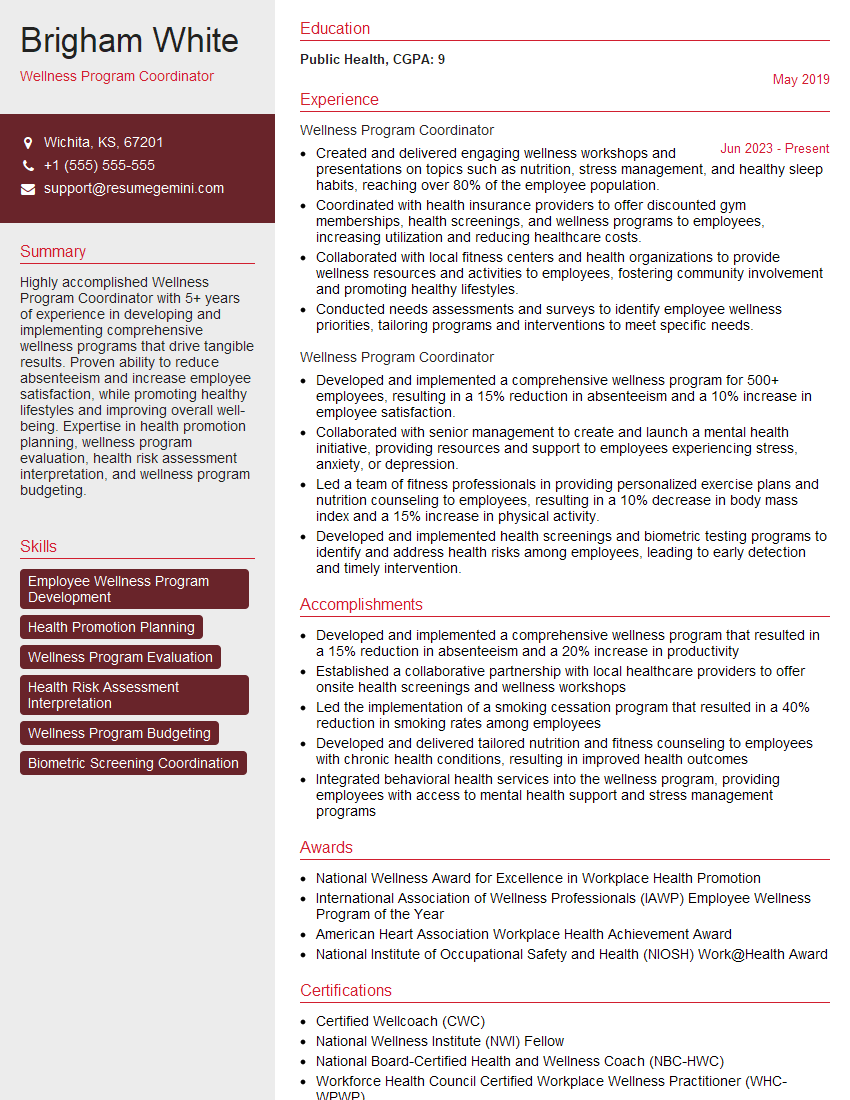
Mastering Self-Care and Mindfulness Techniques demonstrates a commitment to holistic well-being, a highly valued attribute in many careers. This knowledge translates directly into improved performance, resilience, and client interaction. To maximize your job prospects, create an ATS-friendly resume that showcases these crucial skills. ResumeGemini is a trusted resource for building professional, impactful resumes. We offer examples of resumes tailored to Self-Care and Mindfulness Techniques to help you present your qualifications effectively. Use ResumeGemini to craft a resume that highlights your unique strengths and experience, leading to more interview opportunities.
Explore more articles
Users Rating of Our Blogs
Share Your Experience
We value your feedback! Please rate our content and share your thoughts (optional).
What Readers Say About Our Blog
To the interviewgemini.com Webmaster.
Very helpful and content specific questions to help prepare me for my interview!
Thank you
To the interviewgemini.com Webmaster.
This was kind of a unique content I found around the specialized skills. Very helpful questions and good detailed answers.
Very Helpful blog, thank you Interviewgemini team.