The right preparation can turn an interview into an opportunity to showcase your expertise. This guide to Project Management and Capital Planning interview questions is your ultimate resource, providing key insights and tips to help you ace your responses and stand out as a top candidate.
Questions Asked in Project Management and Capital Planning Interview
Q 1. Describe your experience with different project management methodologies (e.g., Agile, Waterfall).
My experience encompasses both Agile and Waterfall methodologies, understanding that each approach suits different project types. Waterfall, with its sequential phases (initiation, planning, execution, monitoring & controlling, closure), is ideal for projects with well-defined requirements and minimal anticipated changes. I’ve successfully managed several infrastructure upgrades using this method, where meticulous planning was crucial to avoid costly disruptions.
Conversely, Agile, with its iterative sprints and emphasis on flexibility and collaboration, is perfect for projects with evolving requirements or where rapid prototyping and feedback are key. I’ve led Agile projects developing new software applications, where adapting to changing user needs and incorporating feedback was paramount to success. I’m adept at choosing the right methodology based on project specifics, client needs, and risk tolerance. For example, a hybrid approach incorporating elements of both might be beneficial for complex projects requiring a strong foundation while allowing for adaptive changes during implementation.
- Waterfall Example: A large-scale building renovation project, where the scope was clearly defined upfront and changes were carefully controlled to minimize delays and cost overruns.
- Agile Example: The development of a new mobile application, where iterative development allowed for user feedback to be incorporated throughout the process leading to a more user-friendly and successful product.
Q 2. Explain your approach to risk management in capital projects.
My approach to risk management in capital projects is proactive and systematic, involving a structured process from identification to mitigation. It begins with a thorough risk assessment, identifying potential threats to the project’s timeline, budget, and scope. This involves brainstorming sessions with stakeholders, reviewing historical data, and utilizing risk assessment matrices to quantify the likelihood and impact of each risk. I then develop a mitigation plan outlining strategies to reduce the likelihood or impact of each identified risk. This often includes contingency planning – allocating resources and developing alternative approaches to address potential issues if they arise.
Regular monitoring is crucial. We track key risk indicators throughout the project lifecycle, adapting our mitigation strategies as needed. This ensures that risks are kept under control and that any emerging threats are addressed promptly. A strong reporting structure keeps stakeholders informed of risk levels and mitigation efforts.
For example, in a recent construction project, we identified the risk of material price increases due to market volatility. Our mitigation strategy involved securing a fixed-price contract with a supplier for key materials, thus mitigating the impact of potential price fluctuations. This proactive approach prevented significant cost overruns.
Q 3. How do you prioritize competing project demands?
Prioritizing competing project demands requires a structured approach that balances strategic objectives, urgency, and resource availability. I typically use a combination of techniques, including:
- Prioritization Matrix: I often use a matrix that plots projects based on urgency and strategic importance. Projects in the high-urgency, high-importance quadrant get top priority.
- Cost-Benefit Analysis: Comparing the potential returns of each project against its associated costs helps identify the projects with the highest value proposition.
- Resource Allocation: Considering available resources (personnel, budget, time) is essential for realistic prioritization. We can’t tackle everything at once.
- Stakeholder Input: Engaging stakeholders to understand their perspectives and priorities ensures alignment and buy-in to the final prioritization plan.
Imagine a scenario where we have three projects: a crucial system upgrade, a new marketing campaign, and a minor office renovation. Using this framework, the system upgrade would likely take top priority due to its strategic importance and potential impact on the business. The marketing campaign might be second, depending on its potential ROI and urgency, while the office renovation would likely be deferred due to its lower strategic importance and less pressing nature.
Q 4. Describe your experience with cost estimation and budgeting for capital projects.
My experience with cost estimation and budgeting for capital projects involves employing several proven techniques. It starts with a thorough understanding of the project scope, breaking it down into smaller, manageable tasks. Then, I utilize various estimation methods, such as bottom-up estimating (detailed cost estimation for each task), parametric estimating (using historical data and statistical models), and analogous estimating (comparing the project to similar past projects).
I incorporate contingency buffers into the budget to account for unforeseen circumstances, and I use tools such as spreadsheet software and specialized project management software for budget tracking and analysis. Regular budget reviews and variance analysis (comparing actual costs against the budget) ensure that the project remains within financial constraints. Open communication with stakeholders about the budget and any potential issues is key to securing approval and maintaining transparency.
For instance, in a recent project involving a new manufacturing facility, we used a combination of bottom-up and parametric estimating to create a detailed budget. We factored in potential cost overruns by adding a 10% contingency buffer, which proved crucial when unforeseen geological challenges arose during construction.
Q 5. What is your experience with earned value management (EVM)?
Earned Value Management (EVM) is a powerful project performance measurement technique that I utilize extensively. EVM integrates scope, schedule, and cost data to provide a comprehensive assessment of project progress and performance. It uses three key metrics: Planned Value (PV), Earned Value (EV), and Actual Cost (AC).
- Planned Value (PV): The budgeted cost of work scheduled to be completed at a specific point in time.
- Earned Value (EV): The value of the work actually completed at a specific point in time.
- Actual Cost (AC): The actual cost incurred in completing the work.
By comparing these metrics, we can calculate key performance indicators such as Schedule Variance (SV = EV – PV), Cost Variance (CV = EV – AC), and Schedule Performance Index (SPI = EV/PV) and Cost Performance Index (CPI = EV/AC). These indicators provide insights into project health, allowing for proactive intervention if variances are detected.
For example, a negative SV indicates a schedule delay, while a negative CV indicates a cost overrun. Regular EVM analysis allows us to identify potential problems early and take corrective action, keeping the project on track and within budget. I regularly present EVM reports to stakeholders to maintain transparency and facilitate informed decision-making.
Q 6. How do you handle stakeholder conflicts?
Handling stakeholder conflicts requires a diplomatic and proactive approach. I believe in fostering open communication and collaboration from the outset. Clearly defining roles, responsibilities, and decision-making processes helps prevent conflicts before they arise. However, when conflicts do occur, I follow a structured approach:
- Active Listening: Understanding each stakeholder’s perspective and concerns is the first step.
- Facilitation: Creating a neutral environment where stakeholders can express their views and find common ground.
- Mediation: If necessary, acting as a mediator to help stakeholders reach a mutually acceptable solution.
- Documentation: Recording the conflict, the resolution process, and the agreed-upon solution for future reference.
- Escalation: If a resolution cannot be reached through internal processes, escalating the conflict to higher management for resolution.
In one instance, a conflict arose between the engineering and marketing teams regarding the design of a new product. By facilitating a joint meeting and encouraging open communication, we were able to find a solution that incorporated the best elements of both proposals. The key was creating a shared understanding of the project goals and ensuring that both teams felt heard and valued.
Q 7. Explain your process for monitoring and controlling project scope.
Monitoring and controlling project scope is critical for success. My process involves:
- Formal Scope Definition: Creating a detailed and unambiguous project scope statement outlining deliverables, objectives, and exclusions. This includes a Work Breakdown Structure (WBS) decomposing the project into smaller, manageable tasks.
- Scope Baseline: Establishing a formal baseline that represents the approved scope, schedule, and cost. Any changes must be formally documented and approved.
- Change Management Process: Implementing a formal change control process that requires all scope changes to be documented, reviewed, and approved before implementation. This prevents uncontrolled scope creep, a major cause of project failure.
- Regular Monitoring: Regularly reviewing progress against the scope baseline to identify any variances or issues. This might involve using tools such as Gantt charts or project management software to track progress against the plan.
- Scope Verification: Formally verifying that the deliverables meet the specified requirements before closing out the project.
For example, if a client requests a significant change during a software development project, we would follow the change management process: formally document the change request, assess its impact on schedule and budget, obtain approval from stakeholders, and update the project plan accordingly. This ensures that changes are incorporated systematically and without compromising project integrity.
Q 8. Describe your experience with project scheduling and critical path analysis.
Project scheduling is the process of estimating the time required to complete each task in a project and arranging these tasks in a logical sequence. Critical Path Analysis (CPA) is a crucial technique within project scheduling that identifies the longest sequence of tasks—the critical path—whose delay would directly impact the overall project completion time. Understanding the critical path allows for efficient resource allocation and proactive risk management.
In my experience, I’ve utilized various scheduling software like Microsoft Project and Primavera P6 to develop project schedules. For example, in a recent construction project, I used CPA to determine that the foundation work and structural steel erection formed the critical path. By closely monitoring these tasks and proactively addressing any potential delays, we successfully delivered the project on time.
I also incorporate buffer time into my schedules to account for unforeseen delays. This helps absorb minor disruptions without impacting the overall timeline. Beyond software, I leverage techniques like Gantt charts for visual representation of the schedule and dependency analysis to understand task relationships.
Q 9. How do you ensure project quality and compliance?
Ensuring project quality and compliance involves a multi-faceted approach encompassing proactive planning, rigorous execution, and consistent monitoring. It begins with establishing clear quality standards and compliance requirements at the project’s inception, defining roles and responsibilities for quality control. This often involves referencing industry best practices and relevant regulations.
Throughout the project, regular quality checks and audits are performed. This could involve inspections, testing, and reviews at various stages. For instance, in a software development project, regular code reviews and unit testing are vital for quality assurance. For a construction project, regular site inspections and material testing are crucial. Non-compliance issues are addressed immediately through corrective actions and preventative measures to avoid recurrence. Documentation of all quality control processes is maintained meticulously for auditing purposes.
Furthermore, I believe in fostering a culture of quality within the project team. Empowering team members to identify and report quality issues is crucial, as is providing them with the training and resources to do so effectively. This creates a collective responsibility for quality, leading to better overall project outcomes.
Q 10. What is your experience with change management in projects?
Change management in projects is the controlled process of adapting to alterations in project scope, timelines, resources, or requirements. It involves acknowledging the need for change, assessing its impact, implementing changes systematically, and managing stakeholder expectations throughout the process. Ignoring changes can lead to project failure.
My approach involves establishing a formal change management process, which typically includes a change request form, a review board to assess the impact of changes, and a documented change control procedure. This ensures that changes are carefully considered and don’t disrupt the project’s overall plan unnecessarily. For example, in a recent marketing campaign, a significant change in target audience required adjustments to the marketing materials and budget allocation. The formal change process ensured we adapted smoothly, minimizing disruption.
Effective communication is crucial during change management. Keeping stakeholders informed about proposed changes and their potential impact minimizes misunderstandings and resistance. This often involves regular updates, meetings, and transparent communication channels.
Q 11. How do you measure project success?
Measuring project success goes beyond simply completing the project on time and within budget. It requires a holistic evaluation considering various factors aligned with the project’s initial goals and objectives.
Key performance indicators (KPIs) play a crucial role. These can include, but are not limited to: on-time delivery, budget adherence, quality of deliverables (meeting pre-defined quality standards), client satisfaction (measured through surveys or feedback), and achievement of specific project goals (e.g., increased sales, improved efficiency). A balanced scorecard approach, considering financial, customer, internal processes, and learning & growth perspectives, provides a comprehensive assessment.
For example, in a software development project, success is measured by the software’s functionality, usability, adherence to security standards, user adoption rates, and ultimately, its contribution to the business objectives. A post-project review, incorporating feedback from the team and stakeholders, is integral to identify lessons learned for future projects and refine measurement strategies.
Q 12. Describe your experience with capital budgeting techniques (e.g., NPV, IRR).
Capital budgeting techniques are essential tools for evaluating the financial viability of long-term investment projects. Net Present Value (NPV) and Internal Rate of Return (IRR) are two prominent methods.
NPV calculates the present value of future cash flows, discounted by a predetermined rate (typically the cost of capital), minus the initial investment. A positive NPV indicates a profitable investment. IRR is the discount rate that makes the NPV of a project equal to zero. It represents the project’s expected rate of return.
In practice, I’ve used both NPV and IRR to evaluate proposed capital investments in infrastructure projects. For instance, comparing NPVs for different road construction options, considering factors like construction costs, maintenance costs, and revenue generated from tolls, helps in making informed decisions. Similarly, comparing the IRRs of different investment options allows for ranking projects based on their profitability.
It’s important to note that these techniques should be used in conjunction with qualitative factors such as strategic alignment, regulatory compliance, and environmental impact when making final investment decisions.
Q 13. How do you identify and mitigate potential cost overruns?
Cost overruns are a significant risk in projects. Mitigating them requires a proactive and comprehensive approach starting from the project’s planning phase.
Firstly, accurate cost estimation is crucial. This involves detailed breakdown of costs, considering all aspects (labor, materials, equipment, permits, etc.). Techniques like bottom-up estimation, parametric estimation, and analogy estimation can be employed. Secondly, regular monitoring of actual costs against the budget is vital. Variance analysis identifies deviations and triggers timely corrective actions.
Establishing a robust change management process, as mentioned earlier, is crucial to control cost increases due to scope changes. Moreover, effective risk management is essential, identifying potential cost risks (e.g., material price increases, labor shortages) and developing contingency plans. Value engineering, a systematic approach to analyzing project elements to find cost-effective alternatives, is another valuable tool. Finally, fostering a culture of cost consciousness throughout the project team is critical.
Q 14. Explain your understanding of capital project lifecycle.
The capital project lifecycle comprises several distinct phases, from initial conception to final disposal. Understanding this lifecycle is critical for effective project planning and execution.
- Initiation: This involves identifying the need for the project, defining objectives, and securing initial funding.
- Planning: This phase includes detailed design, cost estimation, scheduling, risk assessment, and resource allocation.
- Execution: This involves carrying out the project according to the plan, monitoring progress, managing resources, and addressing issues as they arise.
- Monitoring & Control: Continuous monitoring of progress against the plan, identifying variances, and implementing corrective actions are crucial in this stage.
- Closure: This involves formally accepting the completed project, finalizing documentation, and conducting post-project reviews to capture lessons learned.
- Post-Implementation Review (PIR): A comprehensive review assessing the project’s overall success against the defined objectives and identifying areas for improvement in future projects.
- Disposal/Decommissioning: If applicable, this stage involves the safe and environmentally responsible disposal of assets or decommissioning of facilities.
Each phase has its own specific deliverables and milestones. A well-defined lifecycle framework ensures that all necessary steps are undertaken systematically, maximizing the chances of project success.
Q 15. What is your approach to resource allocation in a project?
Resource allocation is the cornerstone of successful project management. My approach is a multi-step process that begins with a thorough understanding of the project scope and objectives. I then meticulously analyze the resources required – human capital, materials, equipment, and budget – identifying their availability and potential constraints. This is often visualized through a resource histogram or Gantt chart.
Next, I prioritize resource allocation based on critical path activities (those that directly impact the project timeline) and risk assessment. High-risk, high-impact tasks usually get top priority. I utilize resource leveling techniques to smooth out resource demands and prevent bottlenecks. This might involve adjusting task schedules or assigning additional resources where needed.
Finally, I implement a system for tracking resource utilization and performance. This involves regular monitoring and reporting, allowing for timely adjustments to the allocation plan. For example, in a recent software development project, we initially underestimated the need for front-end developers. By monitoring resource utilization closely, we quickly recognized the bottleneck and adjusted the allocation to bring in additional developers, preventing significant project delays.
Career Expert Tips:
- Ace those interviews! Prepare effectively by reviewing the Top 50 Most Common Interview Questions on ResumeGemini.
- Navigate your job search with confidence! Explore a wide range of Career Tips on ResumeGemini. Learn about common challenges and recommendations to overcome them.
- Craft the perfect resume! Master the Art of Resume Writing with ResumeGemini’s guide. Showcase your unique qualifications and achievements effectively.
- Don’t miss out on holiday savings! Build your dream resume with ResumeGemini’s ATS optimized templates.
Q 16. How do you manage project communication effectively?
Effective project communication is crucial for success. My strategy relies on a multi-channel approach tailored to the audience and the information’s urgency. I establish clear communication channels from the outset, defining roles and responsibilities for communication management. This usually includes regular project status meetings, using a combination of formal reports and informal updates to keep stakeholders informed.
For instance, I utilize project management software like Asana or Jira for task management and updates, ensuring everyone has access to the same information. For sensitive or time-sensitive information, I prefer direct communication – phone calls or emails – to ensure clarity and prompt action. I also build strong relationships with stakeholders to foster open communication and trust. Regular feedback sessions with team members and stakeholders are important to address concerns and ensure everyone is on the same page. Finally, documentation is key: minutes from meetings, updated project plans, and reports are all vital for transparency and accountability.
Q 17. How do you handle unexpected project delays?
Unexpected delays are inevitable in project management. My response is systematic and proactive. First, I identify the root cause of the delay – is it due to unforeseen circumstances, resource constraints, or scope creep? A thorough root cause analysis is essential. Once the cause is pinpointed, I assess the impact on the project timeline and budget. This often involves revisiting the critical path and identifying the tasks most affected.
Next, I explore mitigation strategies. This might include negotiating with stakeholders to adjust the scope, re-allocating resources, or bringing in additional expertise. If the delay is significant, I develop a revised project schedule and communicate it transparently to all stakeholders. It’s crucial to document the delay, the corrective actions taken, and their impact. For example, on a construction project, an unexpected delay due to inclement weather was addressed by working overtime and by securing alternative materials. This approach, though costly, minimized the overall project delay.
Q 18. Describe your experience with project closure and documentation.
Project closure and documentation are critical for demonstrating project success and for institutional learning. My approach begins with a formal project closure meeting, involving all key stakeholders. We review the project deliverables, assess performance against the project goals, and celebrate successes. A post-project review (PPR) is essential, focusing on lessons learned, both successes and failures, to improve future projects.
Documentation is comprehensive. I ensure that all project artifacts – including the final project report, updated project plans, financial statements, risk registers, and communication logs – are properly archived. This documentation not only serves as a record of the project’s journey but also provides valuable insights for future projects. Furthermore, I ensure that the project team is properly debriefed and thanked for their contribution. For example, in a past consulting engagement, our final deliverable included a comprehensive report detailing the project’s outcomes, lessons learned, and recommendations for future improvements. This report is now a valuable asset for future engagements.
Q 19. What is your experience with forecasting future capital needs?
Forecasting future capital needs involves a combination of financial modeling, trend analysis, and strategic planning. I begin by gathering historical data on capital expenditures, taking into consideration factors like inflation and technological advancements. Then, I utilize forecasting techniques, such as regression analysis or time series analysis, to predict future needs based on historical trends. This allows me to establish baseline projections.
However, purely quantitative methods are insufficient. Qualitative factors, such as strategic initiatives and anticipated growth, play a significant role. I incorporate stakeholder input and engage in scenario planning to consider various possibilities and their impact on capital needs. For instance, if a company anticipates expanding into a new market, this will require capital investment in new facilities or equipment. This process helps identify both short-term and long-term capital requirements, leading to proactive and informed financial planning.
Q 20. How do you evaluate the feasibility of a capital project?
Evaluating the feasibility of a capital project requires a multi-faceted approach. I start by conducting a thorough cost-benefit analysis, evaluating the project’s potential return on investment (ROI). This involves comparing the project’s anticipated costs (including initial investment, operating expenses, and maintenance) against its expected benefits (increased revenue, cost savings, improved efficiency).
Next, I assess the project’s technical feasibility, determining if the necessary technology and expertise are available. I also consider the project’s regulatory compliance and its potential environmental impact. A comprehensive risk assessment is critical to identifying and mitigating potential problems. Finally, I evaluate the project’s alignment with the organization’s strategic objectives and assess its impact on other projects. For example, a new manufacturing plant might be deemed feasible if the ROI justifies the investment and the required resources are available, but infeasible if environmental regulations cannot be met.
Q 21. Describe your experience with selecting and justifying capital projects.
Selecting and justifying capital projects involves a structured process aimed at maximizing return on investment while aligning with strategic goals. I begin with a portfolio of potential projects, each evaluated based on criteria such as ROI, strategic alignment, risk, and feasibility. This often requires the use of scoring models or decision matrices to rank projects objectively.
The justification for selected projects needs to be compelling and well-documented. This involves presenting a detailed business case, including financial projections, risk assessments, and a clear articulation of the project’s strategic importance. Stakeholder engagement is crucial, ensuring that the justification resonates with key decision-makers. For example, in a previous role, we used a discounted cash flow (DCF) model to justify a large-scale IT infrastructure upgrade. The model clearly demonstrated the long-term cost savings and increased efficiency, leading to project approval.
Q 22. How do you ensure alignment between project goals and organizational strategy?
Ensuring alignment between project goals and organizational strategy is paramount for project success. It’s like building a house – you wouldn’t start constructing without a blueprint aligned with the client’s vision. I achieve this alignment through a multi-step process:
Strategic Alignment Workshops: Early in the project lifecycle, I facilitate workshops involving key stakeholders from different organizational levels. These sessions define the project’s objectives, identify key performance indicators (KPIs) that directly contribute to broader organizational goals, and ensure everyone understands the ‘bigger picture’.
Project Charter Development: The project charter explicitly connects the project’s goals to the overarching organizational strategy. This document serves as the foundational agreement and ensures everyone is ‘singing from the same hymn sheet’. It outlines the project’s scope, deliverables, timelines, budget, and most importantly, how it contributes to the strategic objectives.
Regular Progress Reporting and Reviews: Throughout the project, I provide regular reports that highlight progress against both project-specific milestones and the strategic goals. This allows for early detection of any misalignment and facilitates timely corrective actions. These reports are not just numerical; they include qualitative assessments of how the project contributes to the overall strategy.
Stakeholder Communication and Management: Effective communication is vital. I maintain open lines of communication with all stakeholders, regularly updating them on progress and addressing any concerns about the project’s strategic contribution. This fosters trust and ensures that any deviation from the strategic plan is identified and addressed proactively.
For example, in a recent project aimed at improving customer satisfaction, we aligned the project’s KPIs (e.g., reduced customer churn, increased customer Net Promoter Score) with the company’s overall strategic goal of expanding market share. By consistently monitoring these KPIs and reporting on their progress, we ensured the project remained firmly aligned with the organization’s broader objectives.
Q 23. What is your experience with developing and presenting project proposals?
Developing and presenting compelling project proposals is a core competency for me. I approach this process systematically, focusing on clarity, conciseness, and a strong value proposition. My process involves:
Thorough Needs Assessment: I begin with a meticulous analysis of the problem or opportunity the project addresses, backed by data and research. This ensures the proposal directly addresses a real need.
Clearly Defined Objectives and Scope: The proposal clearly articulates the project’s objectives, deliverables, and the scope of work. Ambiguity is eliminated, preventing misunderstandings down the line.
Detailed Timeline and Budget: A realistic and well-defined timeline and budget are crucial for securing approval. I utilize project management software (e.g., MS Project) to create detailed work breakdown structures (WBS) and cost estimations.
Risk Assessment and Mitigation Strategies: A comprehensive risk assessment, identifying potential challenges and outlining mitigation strategies, demonstrates forethought and builds confidence in the project’s feasibility.
Compelling Presentation: The proposal isn’t just a document; it’s a story. I use visuals, charts, and concise language to present the information effectively. Practicing the presentation ensures a smooth and confident delivery.
For instance, I recently developed a proposal for implementing a new supply chain management system. By presenting detailed cost-benefit analyses, showcasing the system’s efficiency improvements, and outlining a phased implementation plan, I successfully secured funding and buy-in from stakeholders.
Q 24. How do you incorporate sustainability considerations into capital projects?
Sustainability is no longer an optional extra; it’s a critical consideration in capital projects. Integrating sustainability involves a holistic approach encompassing environmental, social, and economic aspects throughout the project lifecycle. This includes:
Lifecycle Assessment: Evaluating the environmental impact of materials, construction, operation, and eventual decommissioning of the project. This involves analyzing energy consumption, carbon emissions, water usage, and waste generation.
Sustainable Material Selection: Opting for environmentally friendly materials with low embodied carbon, recycled content, and local sourcing to reduce transportation emissions.
Energy Efficiency Measures: Incorporating energy-efficient technologies and designs to minimize energy consumption throughout the project’s lifespan. This could involve things like solar panels, efficient HVAC systems, and smart building technologies.
Waste Management Plan: Implementing a comprehensive waste management strategy to minimize waste generation and maximize recycling and reuse.
In a recent school construction project, we incorporated sustainable features like solar panels, rainwater harvesting systems, and locally sourced, low-impact materials. This not only reduced the project’s environmental footprint but also enhanced its long-term cost-effectiveness, demonstrating the triple bottom line (environmental, social, and economic) benefits of sustainable design.
Q 25. Describe a time you had to make a difficult decision on a capital project.
During the construction of a new hospital wing, we faced a critical decision regarding budget overruns. The initial budget underestimated the cost of specialized medical equipment. We had three options:
Option 1: Reduce the scope: This would compromise the hospital’s functionality and patient care.
Option 2: Seek additional funding: This would involve navigating complex bureaucratic processes and risked delaying the project.
Option 3: Explore alternative suppliers: This could potentially compromise quality or increase delivery timelines.
After careful consideration of the risks and benefits of each option, we chose a combination of approaches. We negotiated with the equipment suppliers to secure better pricing, simultaneously exploring alternative, high-quality yet more cost-effective suppliers for non-critical equipment. This involved extensive negotiations and a delicate balancing act to minimize disruption to the project timeline. This ultimately proved to be the most effective solution, allowing us to deliver the project on time, while minimizing the financial implications of the original cost underestimate.
Q 26. What is your experience with utilizing project management software (e.g., MS Project, Primavera P6)?
I have extensive experience with various project management software, including MS Project and Primavera P6. I’m proficient in using these tools to:
Create and manage project schedules: Developing detailed Gantt charts, defining tasks, dependencies, and milestones, and tracking progress against the schedule.
Resource allocation and management: Optimizing resource allocation, assigning tasks to team members, and monitoring resource utilization.
Cost tracking and budgeting: Creating and managing project budgets, tracking actual costs against the budget, and identifying potential cost overruns.
Risk management: Identifying and assessing project risks, developing mitigation plans, and tracking risk status.
Reporting and communication: Generating reports on project progress, status, and performance, and facilitating communication among stakeholders.
For instance, in a recent large-scale infrastructure project, I utilized Primavera P6 to manage a complex network of tasks and dependencies involving hundreds of team members. The software’s capabilities for resource leveling and critical path analysis were crucial in ensuring timely project completion.
Q 27. How do you build and maintain positive relationships with team members and stakeholders?
Building and maintaining positive relationships with team members and stakeholders is fundamental to successful project management. It’s about fostering collaboration and mutual respect. My approach involves:
Active Listening and Empathy: I prioritize active listening to understand perspectives and concerns, demonstrating empathy and creating a safe space for open communication.
Clear and Consistent Communication: I maintain regular and transparent communication using various methods tailored to individual preferences (e.g., email, meetings, instant messaging). This avoids misunderstandings and fosters a sense of inclusivity.
Recognition and Appreciation: Regularly acknowledging contributions and achievements, both big and small, builds team morale and motivates individuals.
Conflict Resolution: Proactively addressing conflicts and facilitating constructive discussions to reach mutually agreeable solutions. My approach emphasizes finding win-win solutions that preserve relationships.
Building Trust: Demonstrating integrity, reliability, and accountability builds trust and strengthens relationships with team members and stakeholders.
For example, on a challenging project with conflicting stakeholder interests, I facilitated a series of collaborative workshops to identify common ground and build consensus. This approach not only resolved the conflict but also strengthened the relationships among stakeholders.
Q 28. How do you adapt your project management style to different project contexts?
Adaptability is key in project management. My approach isn’t rigid; it’s tailored to the specific context of each project. This involves considering factors such as:
Project Size and Complexity: Larger, more complex projects may require a more structured and formal approach, while smaller projects might benefit from a more agile methodology.
Team Dynamics and Experience: The composition and experience of the project team influence my management style. A highly experienced team might need less direct supervision, while a less experienced team may require more guidance and support.
Stakeholder Expectations: Understanding and aligning with stakeholder expectations is crucial. Some stakeholders may prefer regular updates and detailed reports, while others may prefer a more hands-off approach.
Organizational Culture: I adapt my communication style and approach to align with the organization’s culture and communication norms.
For example, in a fast-paced, dynamic startup environment, I adopted an agile approach, embracing iterative development and frequent feedback loops. Conversely, in a large, established organization, I employed a more structured waterfall methodology, emphasizing detailed planning and rigorous control.
Key Topics to Learn for Project Management and Capital Planning Interview
- Project Life Cycle Management: Understanding initiation, planning, execution, monitoring & controlling, and closure phases. Practical application: Discuss experiences managing projects through each phase, highlighting challenges and successes.
- Risk Management: Identifying, assessing, and mitigating potential project risks. Practical application: Detail your approach to risk identification and mitigation strategies used in past projects. Consider quantitative and qualitative risk analysis.
- Capital Budgeting Techniques: Net Present Value (NPV), Internal Rate of Return (IRR), Payback Period. Practical application: Explain how you’ve used these techniques to evaluate the financial viability of capital projects.
- Resource Allocation and Scheduling: Techniques like Gantt charts, Critical Path Method (CPM), and Earned Value Management (EVM). Practical application: Describe how you’ve optimized resource allocation and managed project schedules to meet deadlines and budget constraints.
- Stakeholder Management: Identifying, analyzing, and managing stakeholder expectations and communication. Practical application: Share examples of successfully navigating conflicting stakeholder interests and maintaining effective communication.
- Change Management: Processes for managing changes to project scope, budget, and schedule. Practical application: Discuss experience implementing change control processes and their impact on project success.
- Capital Planning Processes: Understanding the process of identifying, evaluating, and prioritizing capital projects within an organization’s strategic goals. Practical application: Discuss your experience with capital budgeting processes, including needs assessment, feasibility studies, and selection criteria.
- Financial Analysis for Capital Projects: Understanding and interpreting financial statements relevant to capital projects; forecasting cash flows. Practical application: Demonstrate your ability to analyze financial data and make informed decisions based on that analysis.
- Project Procurement Management: Understanding different procurement methods (e.g., competitive bidding, negotiation) and contract types. Practical application: Discuss your experience in selecting vendors, negotiating contracts, and managing vendor relationships.
Next Steps
Mastering Project Management and Capital Planning opens doors to exciting career advancements and higher earning potential. A strong grasp of these principles positions you as a valuable asset to any organization. To maximize your job prospects, create an ATS-friendly resume that highlights your skills and accomplishments effectively. ResumeGemini is a trusted resource to help you build a professional and impactful resume. We offer examples of resumes tailored to Project Management and Capital Planning to guide you. Take the next step towards your dream career today!
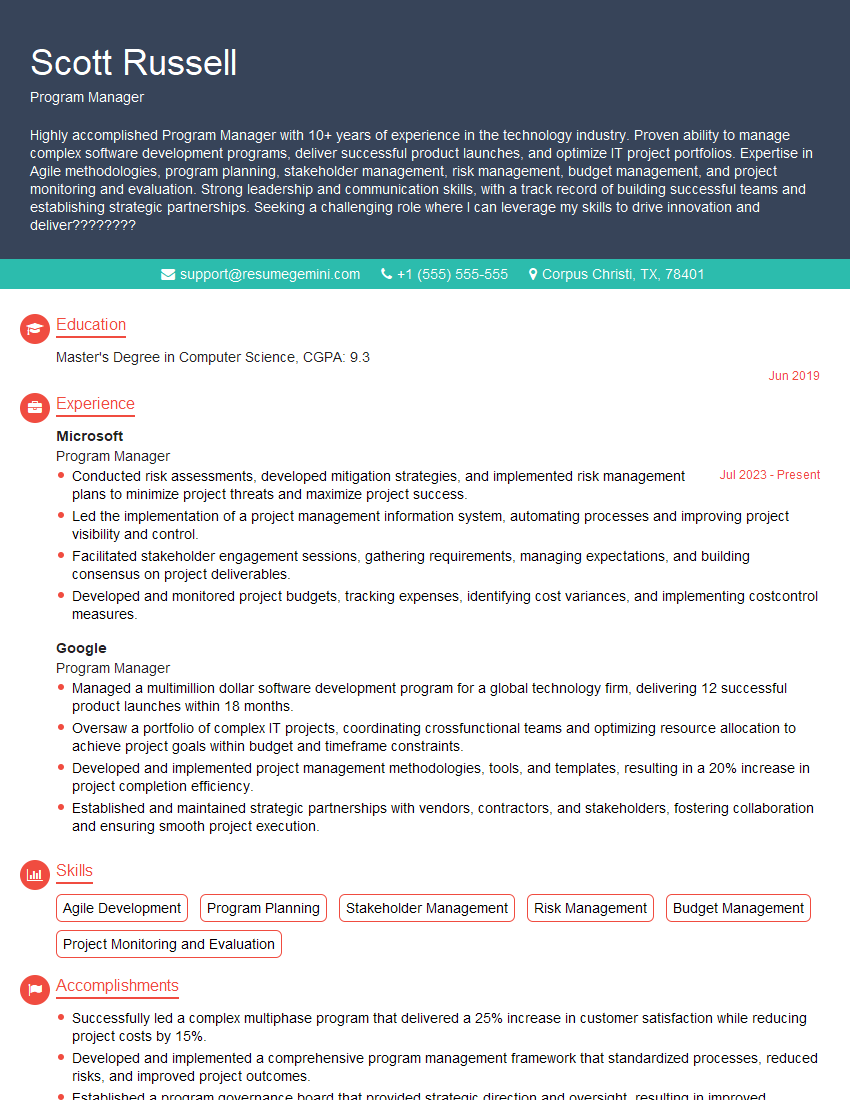
Program Manager Resume Sample
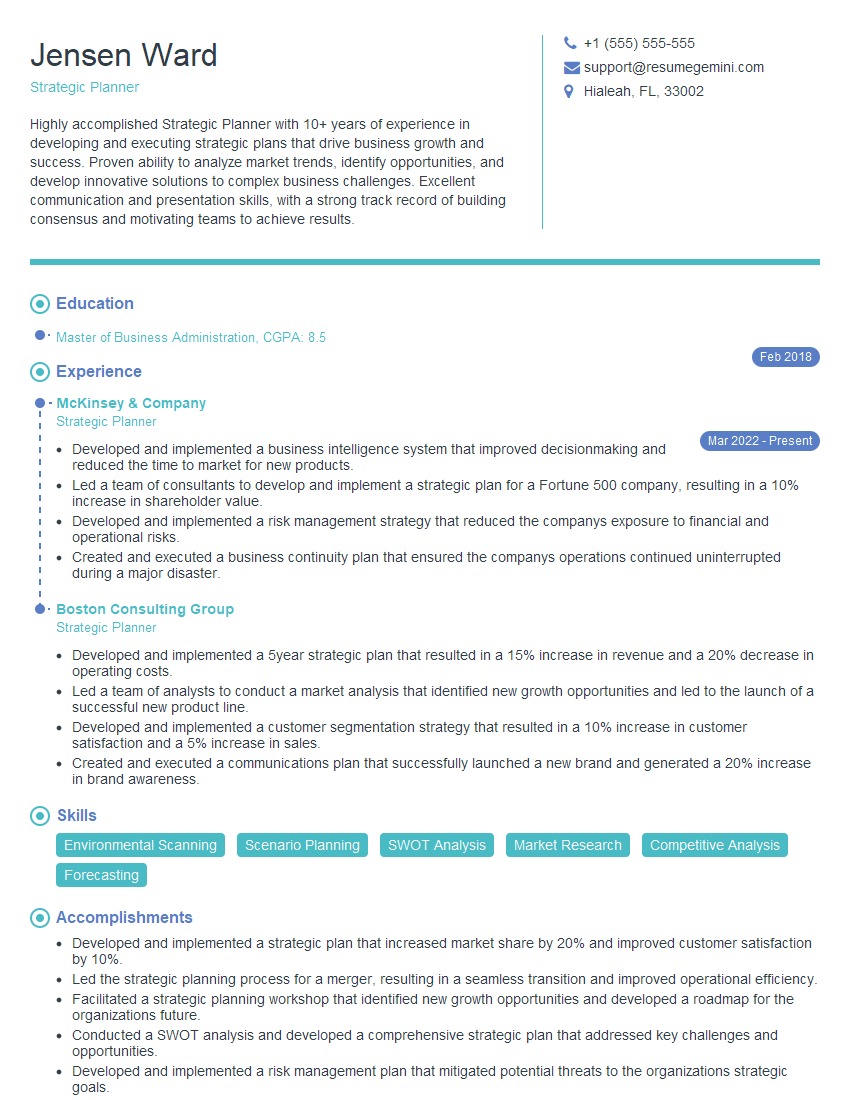
Strategic Planner Resume Sample
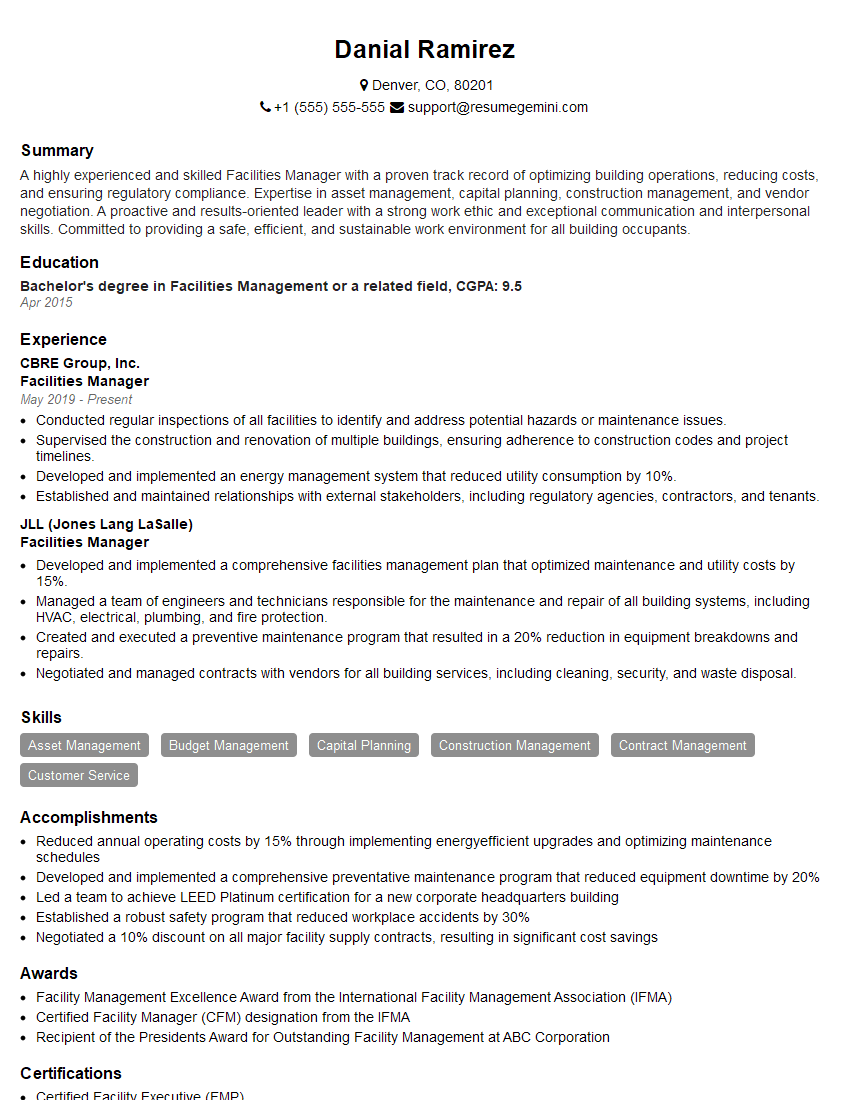
Facilities Manager Resume Sample
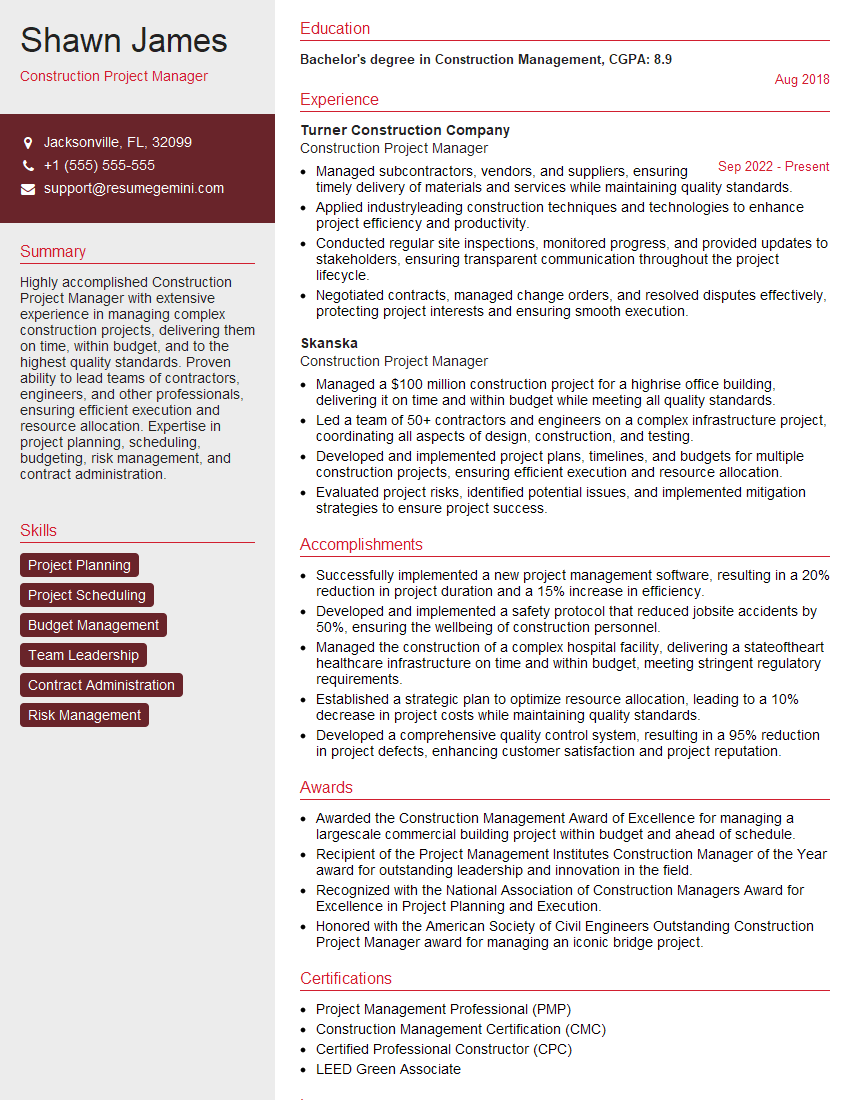
Construction Project Manager Resume Sample
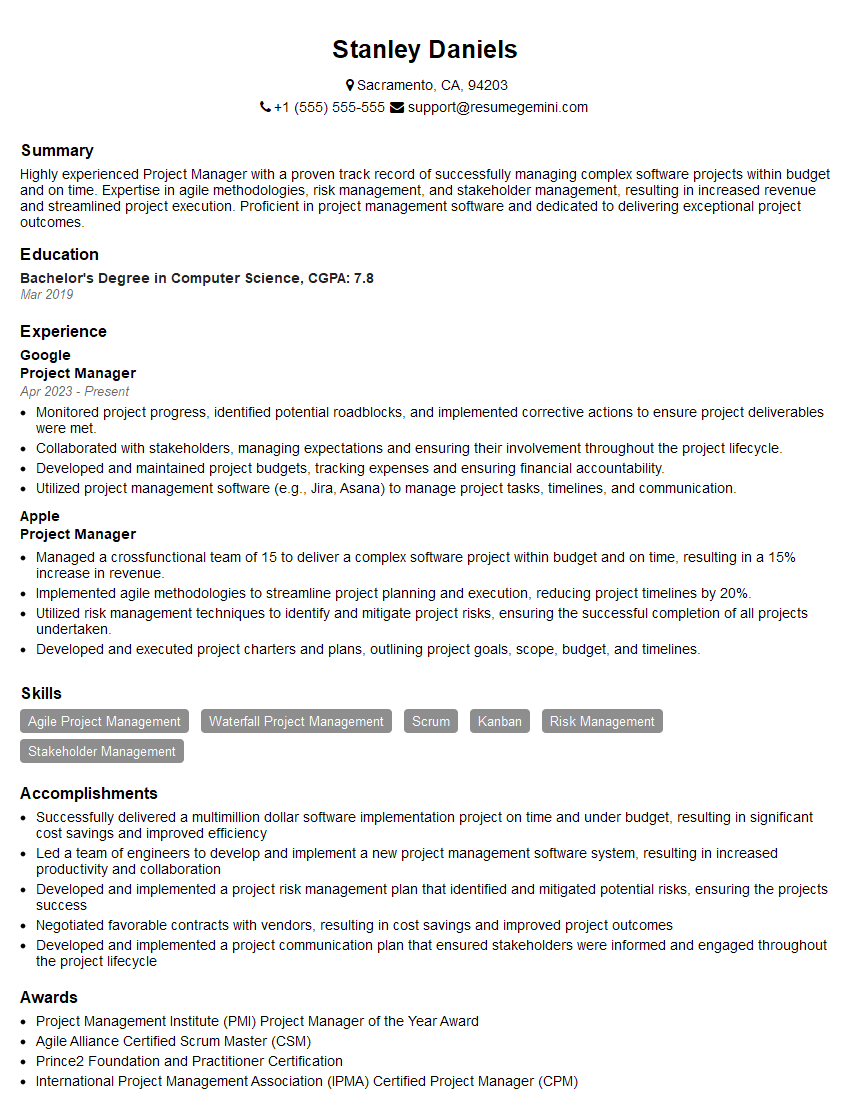
Project Manager Resume Sample
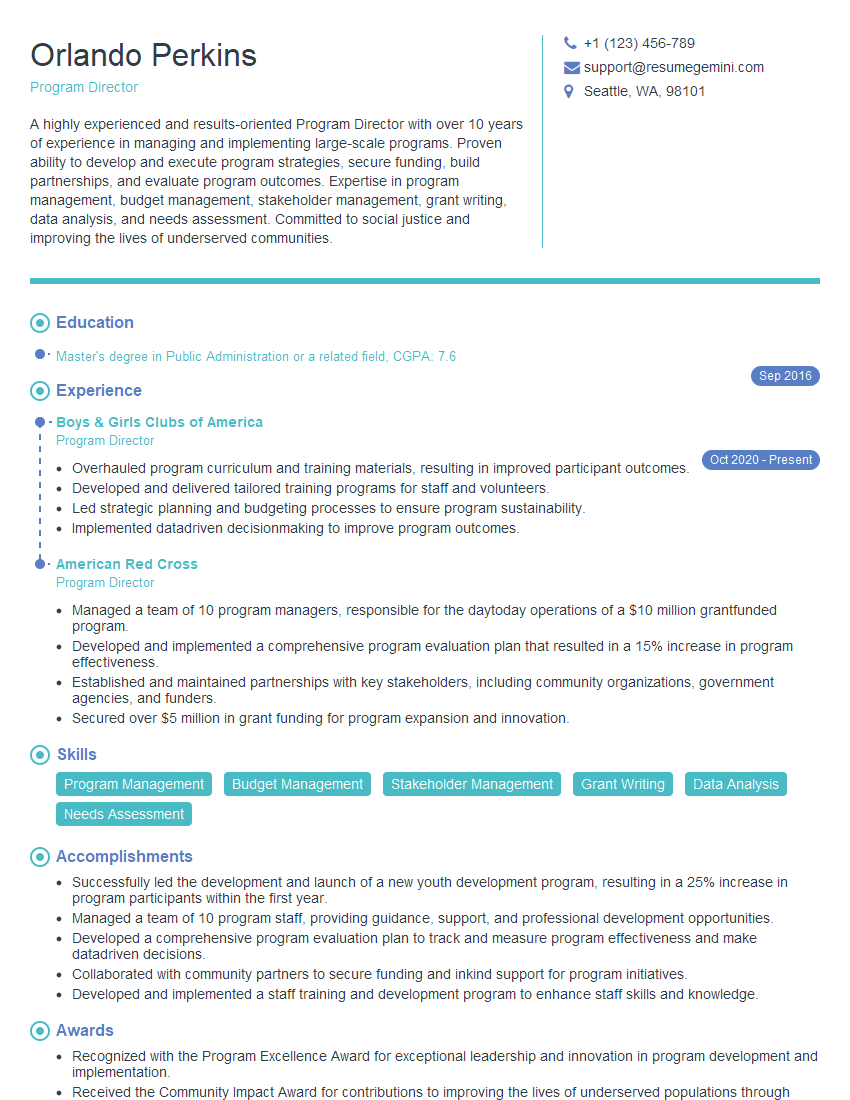
Program Director Resume Sample
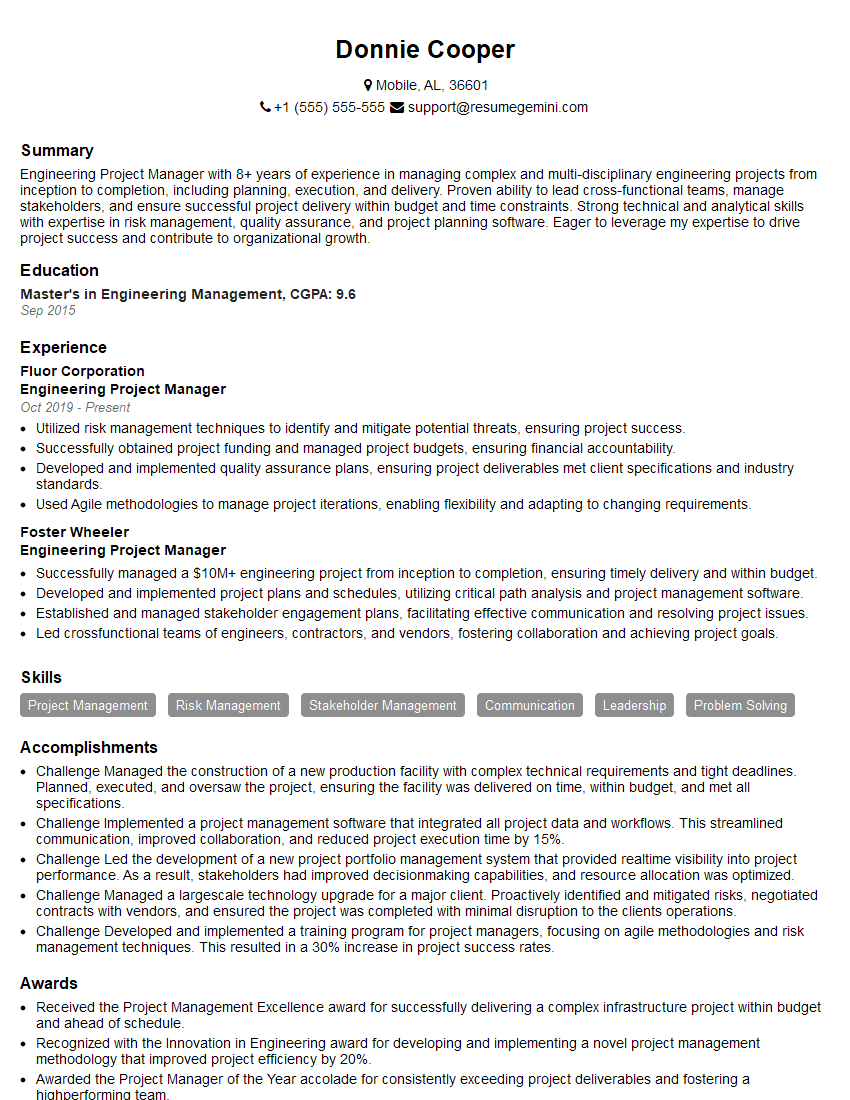
Engineering Project Manager Resume Sample
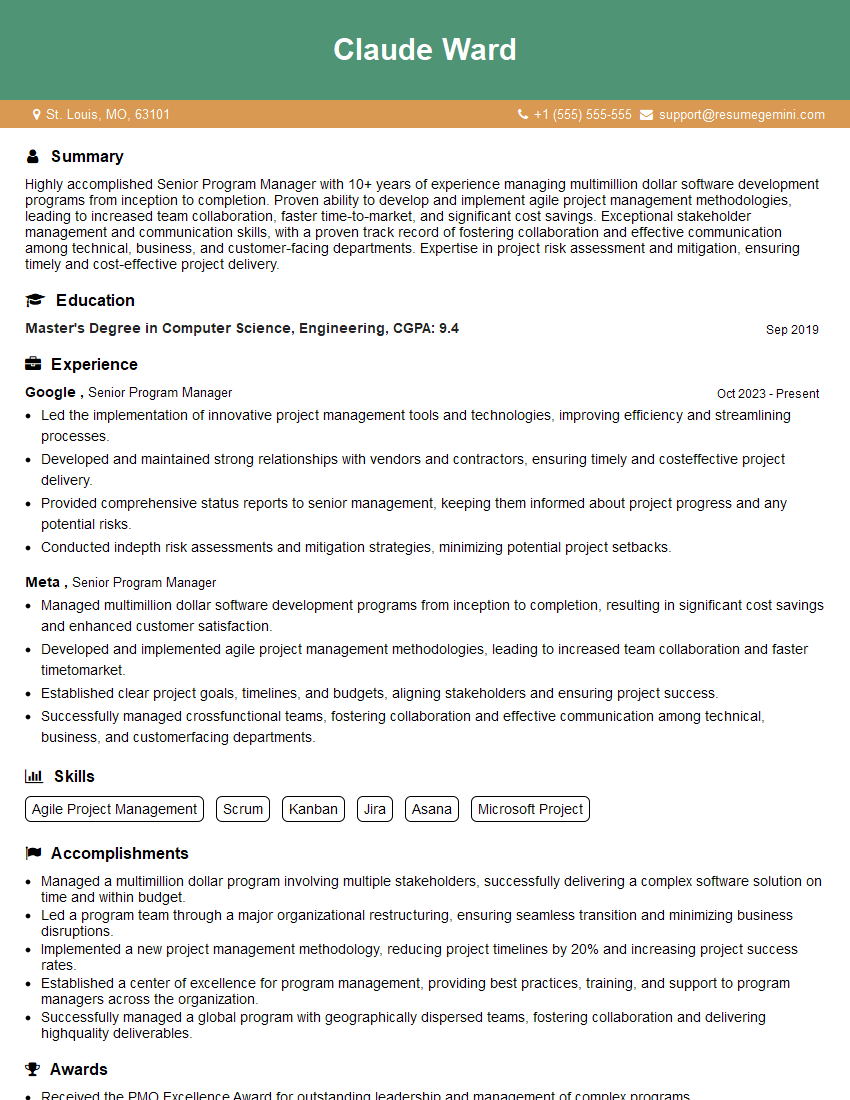
Senior Program Manager Resume Sample
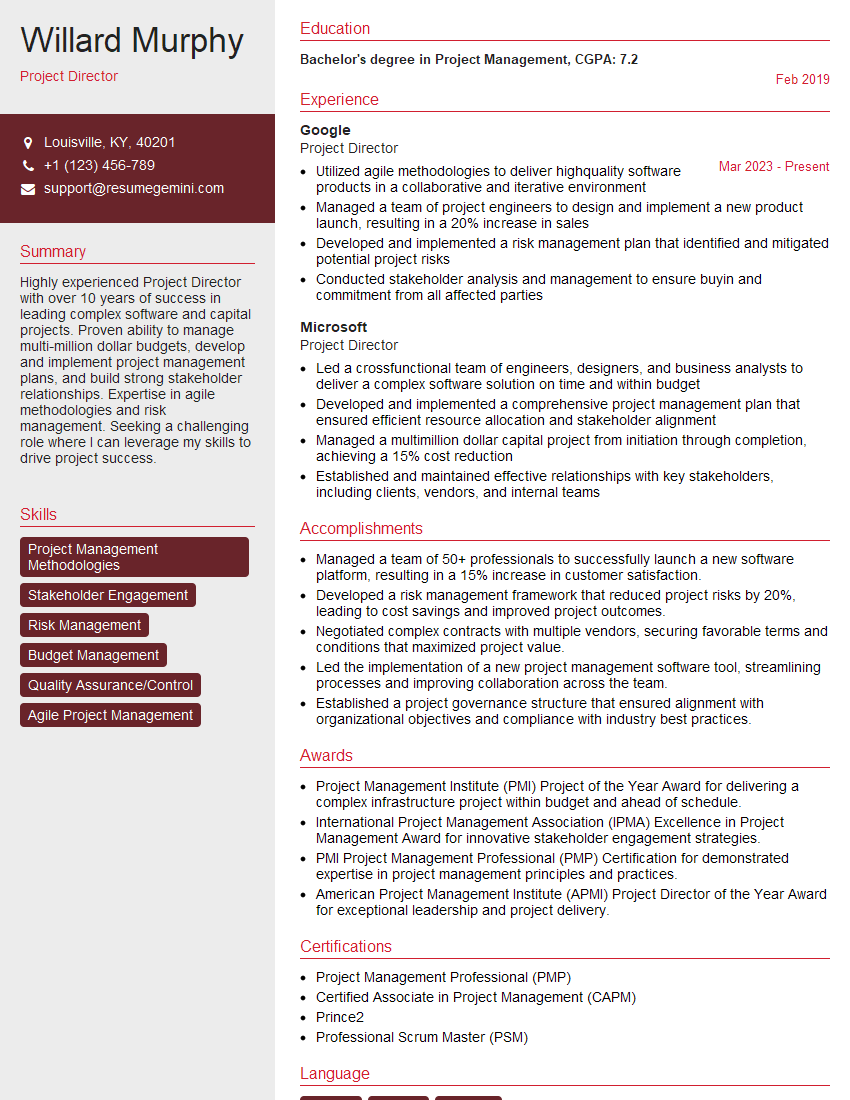
Project Director Resume Sample
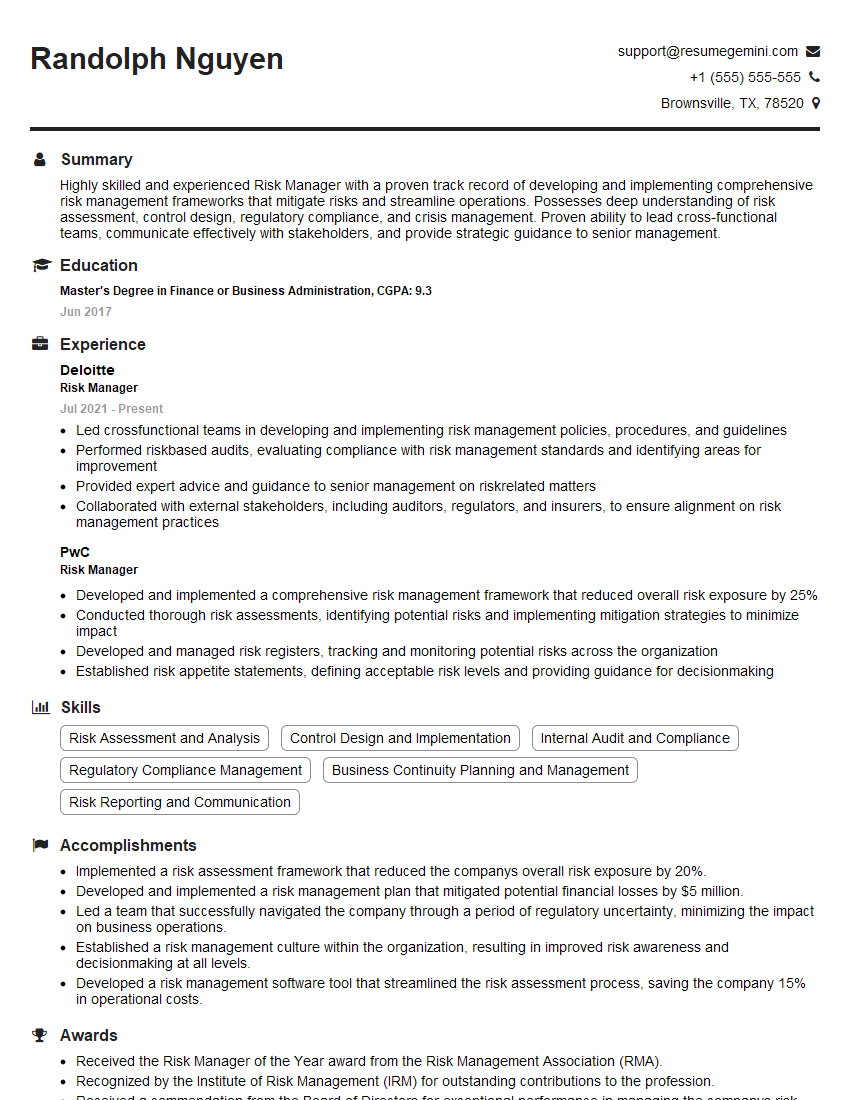
Risk Manager Resume Sample
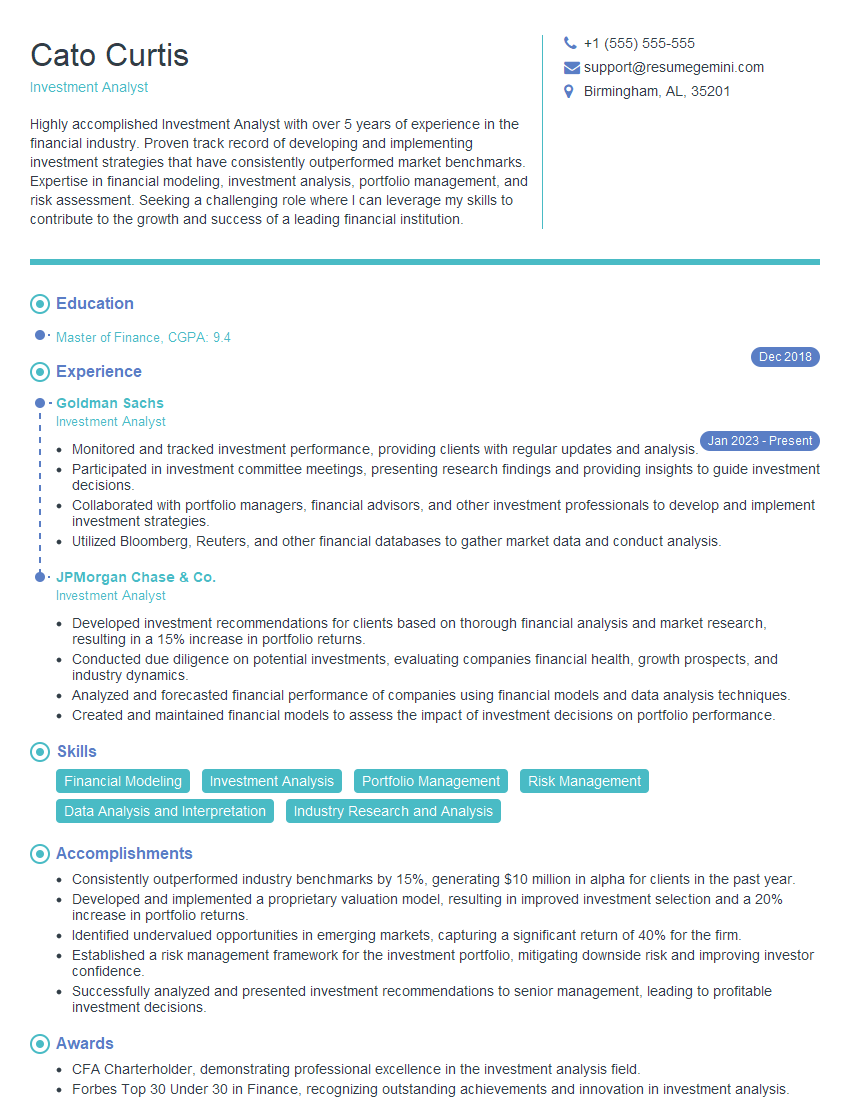
Investment Analyst Resume Sample
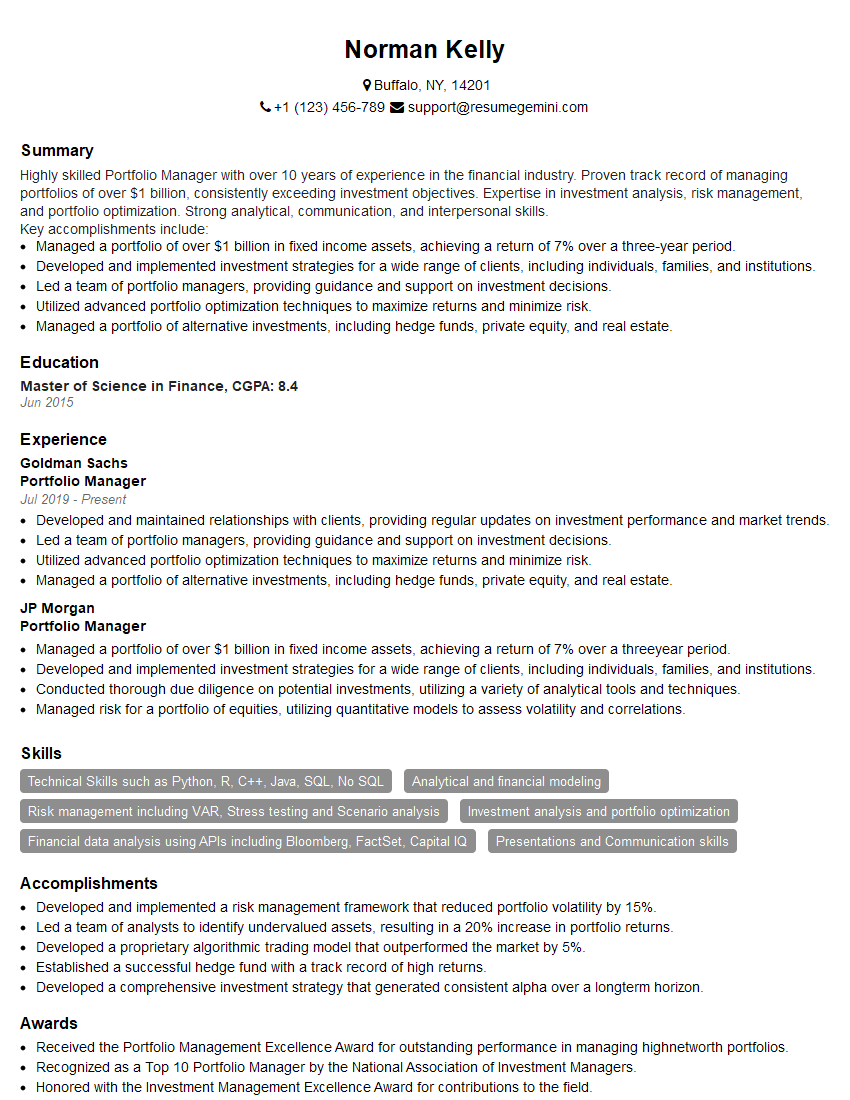
Portfolio Manager Resume Sample
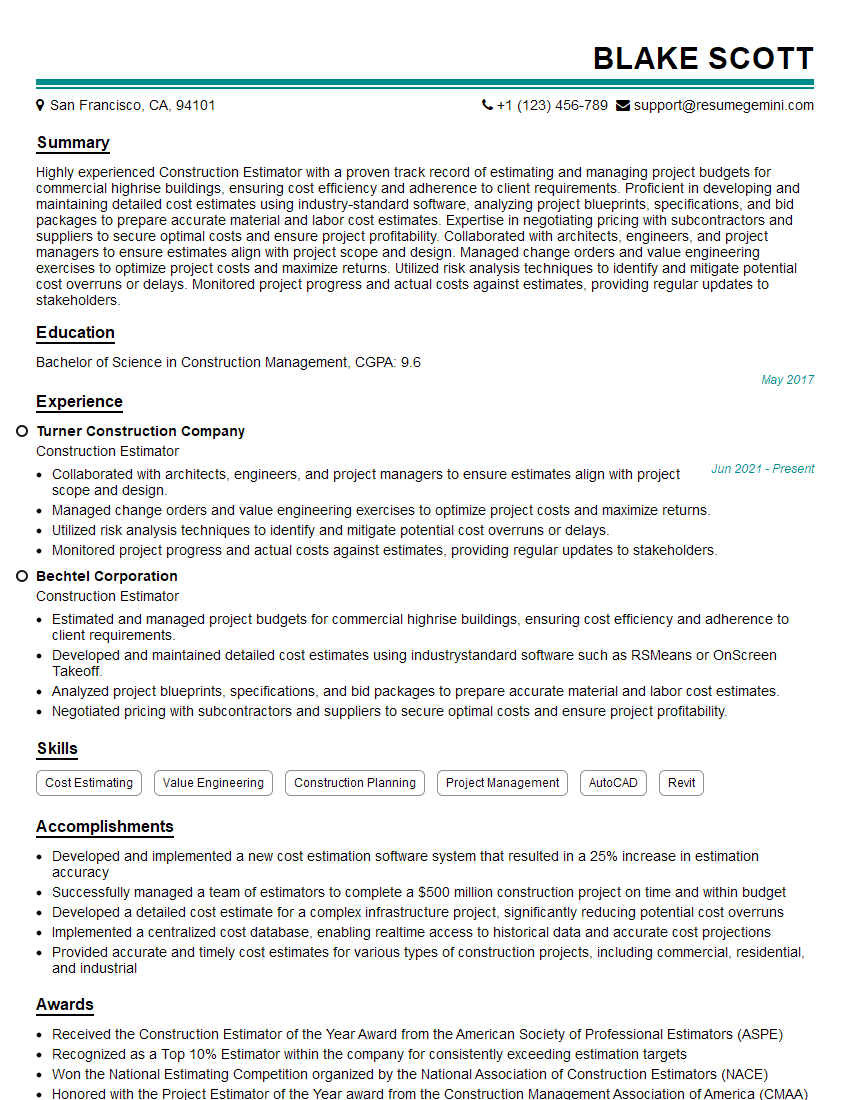
Construction Estimator Resume Sample
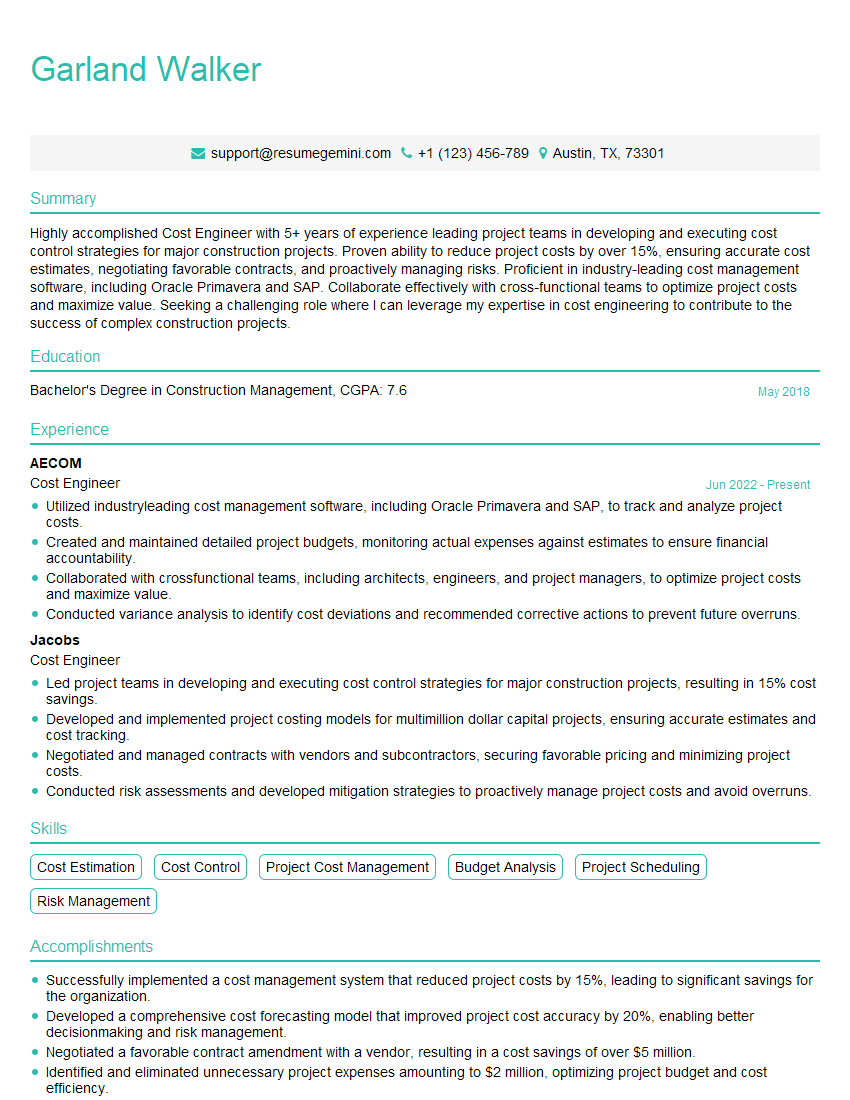
Cost Engineer Resume Sample
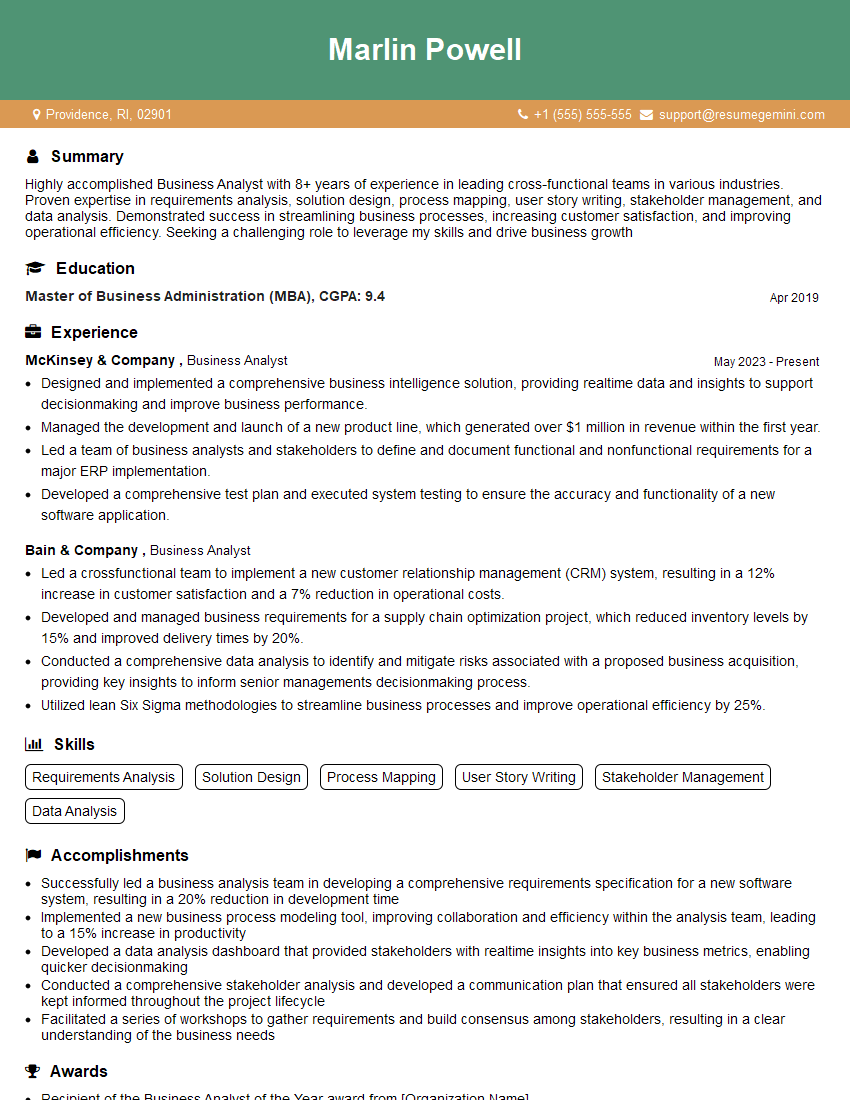
Business Analyst Resume Sample
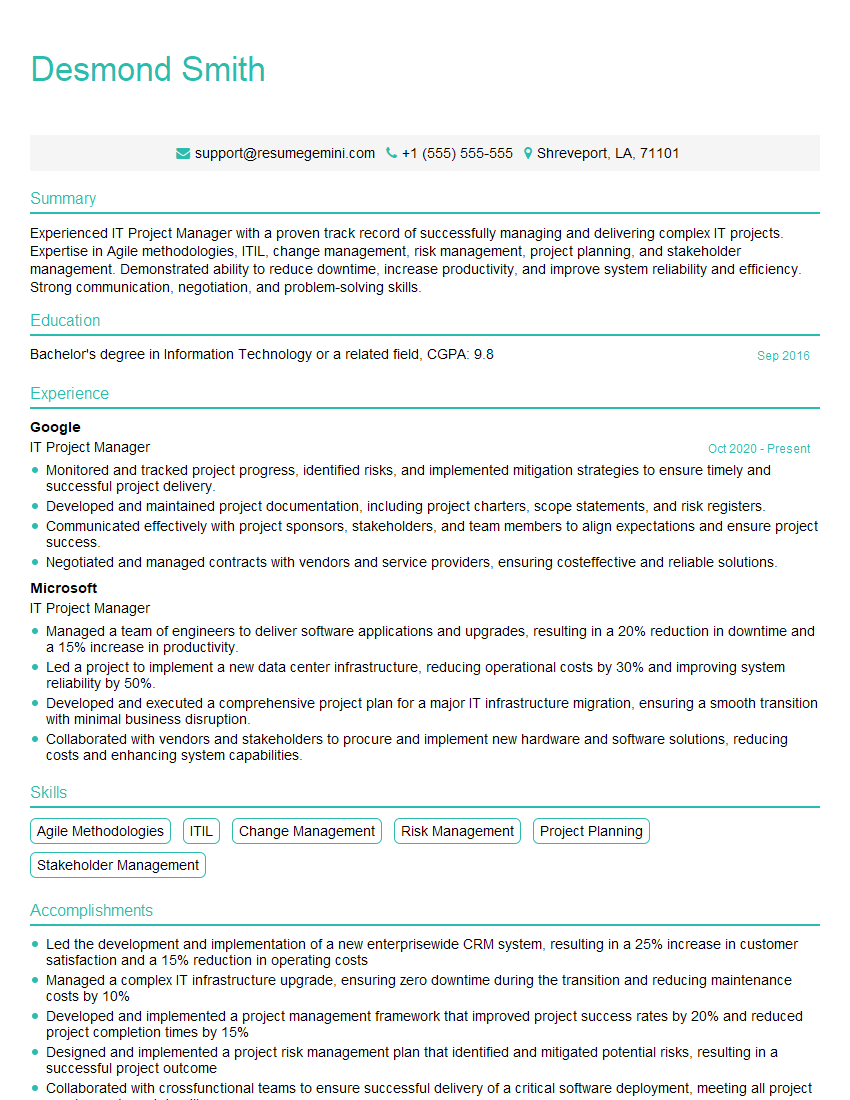
IT Project Manager Resume Sample
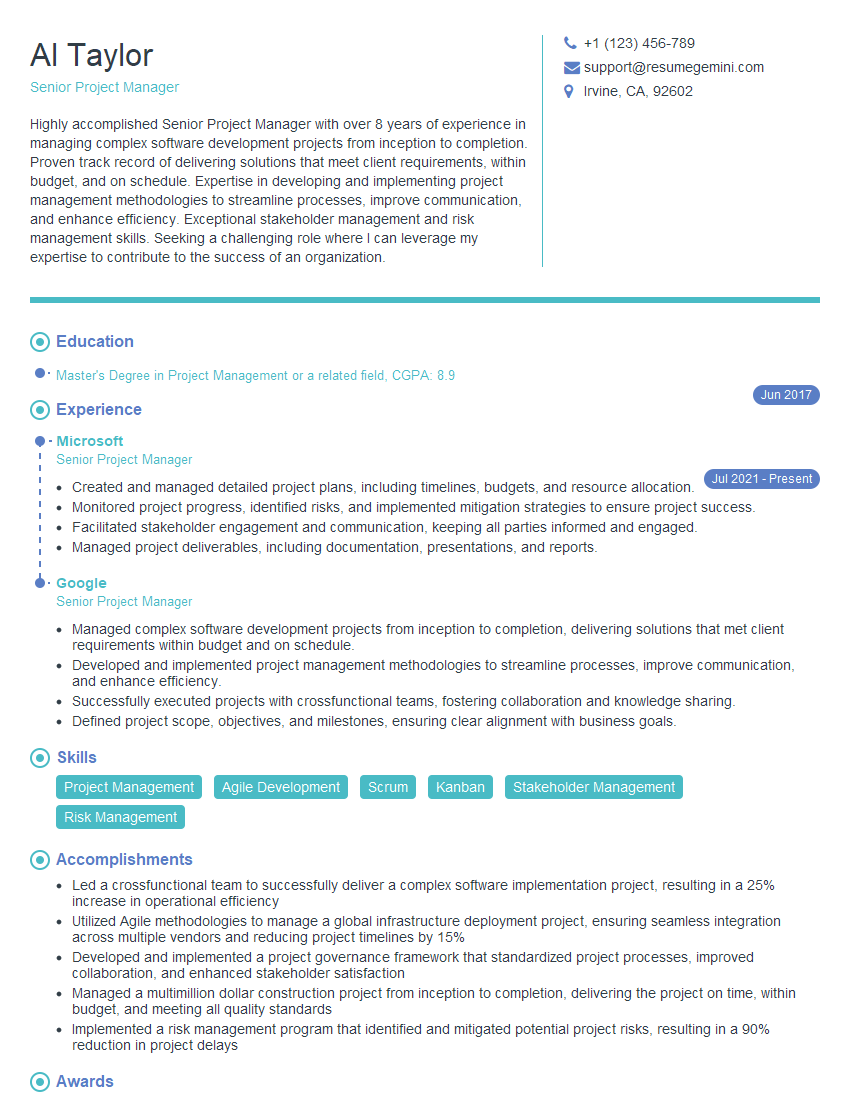
Senior Project Manager Resume Sample
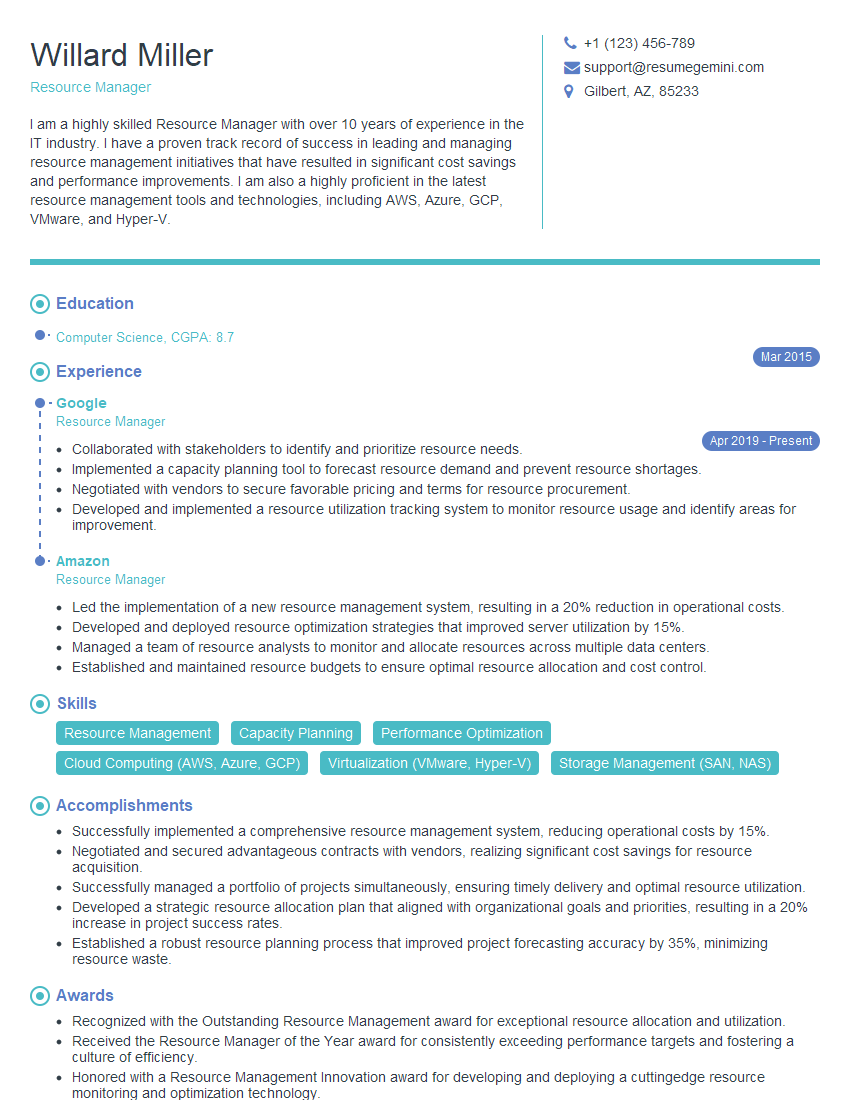
Resource Manager Resume Sample
- Program Manager
- Strategic Planner
- Facilities Manager
- Construction Project Manager
- Project Manager
- Program Director
- Engineering Project Manager
- Senior Program Manager
- Project Director
- Risk Manager
- Investment Analyst
- Portfolio Manager
- Construction Estimator
- Cost Engineer
- Business Analyst
- IT Project Manager
- Senior Project Manager
- Resource Manager
Explore more articles
Users Rating of Our Blogs
Share Your Experience
We value your feedback! Please rate our content and share your thoughts (optional).
What Readers Say About Our Blog
To the interviewgemini.com Webmaster.
Very helpful and content specific questions to help prepare me for my interview!
Thank you
To the interviewgemini.com Webmaster.
This was kind of a unique content I found around the specialized skills. Very helpful questions and good detailed answers.
Very Helpful blog, thank you Interviewgemini team.