Cracking a skill-specific interview, like one for Tumor Removal, requires understanding the nuances of the role. In this blog, we present the questions you’re most likely to encounter, along with insights into how to answer them effectively. Let’s ensure you’re ready to make a strong impression.
Questions Asked in Tumor Removal Interview
Q 1. Describe the different surgical approaches for removing a brain tumor.
Brain tumor removal surgery requires a delicate approach due to the brain’s sensitive nature. The surgical strategy depends heavily on the tumor’s location, size, type, and the patient’s overall health. Several approaches exist:
- Craniotomy: This is the most common approach, involving opening a section of the skull to directly access the tumor. The surgeon carefully removes the tumor while minimizing damage to surrounding brain tissue. Different craniotomy techniques exist depending on the location, such as a frontal, temporal, or parietal craniotomy.
- Stereotactic radiosurgery (SRS): This non-invasive technique uses highly focused radiation beams to destroy the tumor. It’s particularly useful for small, well-defined tumors in hard-to-reach areas. It’s not a surgical removal in the traditional sense but effectively targets the tumor.
- Endoscopic surgery: This minimally invasive method uses a thin, flexible tube with a camera and surgical instruments attached. It’s used for tumors in accessible areas and requires smaller incisions, resulting in less trauma.
- Awake craniotomy: In this procedure, the patient is awake during part of the surgery. This allows the neurosurgeon to monitor the patient’s neurological function in real-time and adjust the surgery accordingly, preserving crucial brain functions.
The choice of approach is a collaborative decision made by the neurosurgeon, oncologist, and other specialists based on a thorough evaluation of the patient and the tumor.
Q 2. Explain the Mohs surgery technique for skin cancer removal.
Mohs surgery is a specialized, precise technique for removing skin cancers, particularly those with a high risk of recurrence, like basal cell carcinoma and squamous cell carcinoma. Its effectiveness lies in its meticulous layer-by-layer removal and immediate microscopic examination of each tissue section.
Here’s how it works:
- Excision: The surgeon carefully removes the visible skin cancer and a small margin of surrounding tissue.
- Tissue Processing: The removed tissue is carefully prepared and sectioned into thin slices.
- Microscopic Examination: Each slice is examined under a microscope to identify any remaining cancer cells. This is done in real-time during the surgery.
- Further Excision (if needed): If cancer cells are detected, the surgeon removes another thin layer of tissue, repeating steps 2 and 3 until clean margins (no cancer cells) are achieved. This precise technique maximizes cancer removal while minimizing healthy tissue loss.
Mohs surgery offers a high cure rate, making it a preferred method for treating complex or recurrent skin cancers. However, it is time-consuming compared to other surgical techniques.
Q 3. What are the pre-operative considerations for a patient undergoing tumor resection?
Pre-operative considerations for tumor resection are crucial for patient safety and optimal surgical outcomes. These considerations encompass a wide range of aspects:
- Medical history and physical examination: A detailed review of the patient’s overall health, including any co-morbidities (e.g., heart disease, diabetes) that could affect the surgery or recovery.
- Imaging studies: CT scans, MRIs, and PET scans are used to precisely locate and characterize the tumor.
- Blood tests: To assess the patient’s overall health, clotting ability, and organ function.
- Cardiac evaluation: Often required for patients with risk factors for cardiac complications.
- Pulmonary function tests: May be necessary to assess respiratory function, especially for tumors near the lungs or in patients with pre-existing respiratory conditions.
- Nutritional assessment: Ensuring adequate nutritional status for healing and recovery.
- Psychological preparation: Counseling and support to address the patient’s emotional and psychological needs.
- Medication review: Adjusting or discontinuing certain medications to minimize risks during surgery.
Thorough pre-operative planning is key to minimizing complications and ensuring a successful outcome.
Q 4. Discuss the role of imaging (CT, MRI, PET) in tumor localization and surgical planning.
Imaging plays a vital role in tumor localization and surgical planning. Each modality offers unique advantages:
- CT (Computed Tomography): Provides detailed cross-sectional images of the body, useful for identifying the tumor’s size, location, and relationship to surrounding structures. It’s particularly helpful in visualizing bone and calcifications within the tumor.
- MRI (Magnetic Resonance Imaging): Offers superior soft tissue contrast, providing detailed images of the tumor and its relationship to vital brain structures. MRI is excellent at distinguishing between tumor tissue and healthy brain tissue.
- PET (Positron Emission Tomography): A functional imaging technique used to detect metabolic activity within the tumor. It’s helpful in identifying the extent of tumor spread (metastasis) and in assessing treatment response.
By combining information from these different imaging modalities, surgeons can create a precise three-dimensional map of the tumor, allowing for better surgical planning, minimizing damage to healthy tissue, and improving the chances of complete tumor resection.
Q 5. How do you assess a patient’s suitability for minimally invasive tumor removal?
Assessing a patient’s suitability for minimally invasive tumor removal (e.g., laparoscopy, robotic surgery) involves several crucial factors:
- Tumor size and location: Minimally invasive techniques are best suited for smaller tumors located in accessible areas. Large or deeply situated tumors often necessitate open surgery.
- Tumor type and characteristics: The aggressiveness of the tumor and its potential for spread (metastasis) influences the choice of surgical approach. Minimally invasive surgery may not be suitable for highly aggressive tumors.
- Patient’s overall health: The patient’s general health, co-morbidities, and tolerance for anesthesia are critical considerations. Patients with significant health problems may not be suitable candidates for minimally invasive surgery.
- Surgeon’s expertise: The surgeon’s experience and comfort level with minimally invasive techniques is paramount.
A thorough assessment involving imaging studies, physical examination, and a multidisciplinary team discussion helps determine the most appropriate surgical approach for each individual patient.
Q 6. Describe the different types of biopsies used for tumor diagnosis.
Biopsies are essential for diagnosing tumors. Several types exist, each with its own advantages and disadvantages:
- Fine-needle aspiration (FNA): A thin needle is inserted into the tumor to aspirate cells. It’s a relatively simple procedure, but may not provide enough tissue for a complete diagnosis.
- Core needle biopsy: A larger needle removes a core of tissue, providing more information than FNA. It’s better for evaluating the architecture of the tumor.
- Incisional biopsy: A small incision is made to remove a piece of the tumor. This allows for more extensive tissue sampling.
- Excisional biopsy: The entire tumor is removed. This is often the preferred method if the tumor is small and easily accessible.
The choice of biopsy technique depends on factors such as tumor location, size, and accessibility, as well as the information needed for diagnosis and treatment planning. The pathologist will then examine the biopsy specimen to confirm the diagnosis, determine the type of tumor, and assess its grade (aggressiveness).
Q 7. What are the potential complications of tumor removal surgery?
Tumor removal surgery, while life-saving, carries potential complications. These can vary depending on the tumor’s location, size, and the surgical approach:
- Bleeding and infection: These are common risks of any surgery.
- Nerve damage: Depending on the tumor’s location, damage to nearby nerves can result in temporary or permanent loss of function (e.g., weakness, numbness, paralysis).
- Fluid accumulation (edema): Swelling around the surgical site can cause neurological complications.
- Stroke or seizures: Rare but serious complications, particularly in brain tumor surgery.
- Recurrence: Even after successful surgery, there is a risk of the tumor returning.
- Organ damage: Depending on the tumor’s location, adjacent organs might be inadvertently damaged during surgery.
- Pain: Postoperative pain is common but usually managed with medication.
The risk of complications is carefully weighed against the benefits of tumor removal. Surgeons take every precaution to minimize risks and provide comprehensive postoperative care to manage any complications that may occur.
Q 8. How do you manage intraoperative bleeding during a tumor resection?
Managing intraoperative bleeding during tumor resection is crucial for patient safety and successful surgery. It’s a multifaceted process that begins with meticulous surgical technique – careful dissection, precise cautery, and minimizing tissue trauma. However, even with the best technique, bleeding can occur.
Strategies include:
- Mechanical Hemostasis: This involves using techniques like direct pressure, surgical sponges, and clamps to control bleeding vessels. For example, a small bleeding vessel might be clamped and then cauterized (sealed with heat).
- Electrocautery: This uses electrical current to seal blood vessels. It’s a common method for controlling bleeding from small vessels.
- Surgical Sealants: These are applied to bleeding surfaces to help form a clot and stop the bleeding. They’re particularly useful in areas where direct pressure or cautery is difficult.
- Ligatures: These are surgical sutures used to tie off bleeding vessels. They’re essential for larger vessels that require more secure closure.
- Cell Salvage: In major surgeries, a cell salvage system can collect shed blood, process it, and reinfuse it into the patient, reducing the need for blood transfusions.
The choice of technique depends on the location, size, and type of bleeding vessel, as well as the overall surgical context. It often involves a combination of these methods.
In scenarios with significant bleeding, the surgical team may need to quickly adapt their approach, potentially involving vascular surgery consultation or additional blood products. Constant monitoring of vital signs – blood pressure, heart rate, oxygen saturation – is essential throughout the procedure to detect any signs of significant blood loss.
Q 9. Explain the process of sentinel lymph node biopsy.
A sentinel lymph node biopsy (SLNB) is a minimally invasive procedure used to determine if cancer has spread from the primary tumor to nearby lymph nodes. Lymph nodes are small, bean-shaped organs that are part of the body’s immune system. Cancer cells can travel to these nodes through lymphatic vessels.
The process typically involves these steps:
- Injection of Tracer: A radioactive tracer (often technetium-99m) or a blue dye is injected near the primary tumor. This substance travels to the sentinel lymph nodes – the first lymph nodes to which cancer cells are most likely to spread.
- Detection of Sentinel Nodes: A handheld gamma probe (for radioactive tracers) or visual inspection (for blue dye) is used to locate these sentinel nodes. Sometimes, a combination of both techniques is used.
- Removal of Sentinel Nodes: The sentinel lymph nodes are then carefully removed, typically through small incisions.
- Pathological Examination: The removed lymph nodes are sent to a pathologist who examines them under a microscope to check for the presence of cancer cells. This examination determines whether the cancer has spread to the lymph nodes.
SLNB is considered a less invasive alternative to complete lymph node dissection, which involves the removal of a larger number of lymph nodes. It reduces complications such as lymphedema (swelling) and improves patient recovery time. However, it’s not appropriate for all cancer types or stages. Its use is guided by the specific cancer, its location, and stage.
Q 10. What are the post-operative care considerations for a patient who has undergone tumor removal?
Post-operative care after tumor removal is crucial for patient recovery and reducing complications. It is tailored to the type of surgery, the location of the tumor, and the patient’s overall health. Here are some key considerations:
- Pain Management: Post-surgical pain is managed with appropriate analgesics (pain medications), often starting in the operating room.
- Wound Care: The surgical site is closely monitored for signs of infection, such as redness, swelling, or drainage. Dressings are changed regularly and the wound is kept clean and dry.
- Infection Prevention: Antibiotics may be prescribed to prevent infections. The patient is taught proper hygiene to avoid contamination of the wound.
- Monitoring Vital Signs: Blood pressure, heart rate, temperature, and oxygen saturation are monitored regularly to detect any complications.
- Fluid and Electrolyte Balance: Intravenous fluids are often administered initially to maintain hydration and electrolyte balance.
- Physical Therapy/Rehabilitation: Depending on the location and extent of the surgery, physical or occupational therapy may be needed to help with mobility, strength, and functional recovery.
- Nutritional Support: Adequate nutrition is essential for healing. A dietitian might provide guidance to ensure proper dietary intake.
- Emotional Support: The psychological impact of cancer and surgery should not be overlooked. Providing emotional support and counseling is an important aspect of post-operative care.
- Follow-up Appointments: Regular follow-up appointments with the surgical team are necessary for monitoring healing, managing potential complications, and planning any adjuvant therapies.
The length and intensity of post-operative care vary widely depending on the individual case.
Q 11. How do you monitor a patient for recurrence after tumor removal?
Monitoring for tumor recurrence after removal involves a combination of methods, designed to detect any signs of regrowth as early as possible. This is a crucial part of long-term cancer management.
Common monitoring strategies include:
- Regular Physical Examinations: The surgeon or oncologist will perform regular physical examinations to check for any signs of recurrence, such as lumps, changes in skin appearance, or other abnormalities.
- Imaging Studies: Various imaging techniques, such as CT scans, MRI scans, PET scans, and X-rays, are used at scheduled intervals to visualize the surgical site and surrounding tissues for any evidence of tumor regrowth. The frequency of these scans depends on the type of cancer and the patient’s individual risk factors.
- Blood Tests: Blood tests, including tumor markers (specific substances produced by cancer cells), may be used to monitor for changes that could indicate recurrence. However, these are not always reliable indicators.
- Biopsies: If suspicious findings are detected on imaging or during a physical exam, a biopsy (removal of a tissue sample for examination) may be necessary to confirm the presence of cancer.
The frequency and type of monitoring depend on the specific type of cancer, the stage at diagnosis, and the patient’s individual risk profile. Some patients require more frequent monitoring than others. Regular communication with the healthcare team is crucial for timely detection and management of any potential recurrence.
Q 12. Discuss the role of adjuvant therapies (chemotherapy, radiation) in tumor management.
Adjuvant therapies, such as chemotherapy and radiation, play a vital role in cancer management after tumor removal. These therapies aim to eliminate any microscopic cancer cells that may remain after surgery, reducing the risk of recurrence and improving long-term survival.
Chemotherapy uses drugs to kill cancer cells. It can be administered intravenously, orally, or regionally (directly into the affected area). Chemotherapy is systemic, meaning it affects the entire body. It is often used after surgery (adjuvant chemotherapy) for cancers with a high risk of recurrence.
Radiation therapy uses high-energy radiation to damage and destroy cancer cells. It can be delivered externally (external beam radiation therapy) or internally (brachytherapy), where radioactive materials are placed near or within the tumor. Radiation therapy is typically localized, affecting mainly the area being treated. It is often used after surgery (adjuvant radiation) to target the surgical site and prevent local recurrence.
The decision to use adjuvant therapies is made based on various factors, including the type and stage of cancer, the extent of surgical resection, the patient’s overall health, and the presence of any high-risk factors. These treatments can have significant side effects, and careful consideration is given to the potential benefits versus the risks.
For example, a patient with stage II colon cancer might receive adjuvant chemotherapy after surgical removal of the tumor to decrease the likelihood of cancer cells spreading to other parts of the body. A patient with breast cancer may receive adjuvant radiation therapy to the chest wall and regional lymph nodes to prevent local recurrence after mastectomy.
Q 13. Explain the TNM staging system for cancer.
The TNM staging system is an internationally recognized system for classifying the extent of cancer. It provides a standardized way to describe the size and spread of a cancer, helping healthcare professionals determine the most appropriate treatment plan and prognosis. The system uses three main components:
- T (Tumor): This describes the size and extent of the primary tumor. The T stage is typically categorized from T0 (no evidence of tumor) to T4 (extensive tumor involvement).
- N (Nodes): This describes the involvement of regional lymph nodes. The N stage ranges from N0 (no lymph node involvement) to N3 (extensive lymph node involvement).
- M (Metastasis): This describes the presence of distant metastasis (spread of cancer to other organs or parts of the body). The M stage is either M0 (no distant metastasis) or M1 (distant metastasis present).
These three components are combined to create a comprehensive stage description, which provides crucial information for treatment planning and prognosis. For instance, a T2N1M0 cancer indicates a moderately sized primary tumor (T2), involvement of regional lymph nodes (N1), and absence of distant metastasis (M0).
The exact staging criteria can vary depending on the type of cancer, but the TNM system offers a standardized approach to assess cancer’s extent. Combining the T, N, and M classifications creates specific stages (Stage I, Stage II, Stage III, Stage IV), each having different implications for treatment and survival.
Q 14. What is the difference between a benign and malignant tumor?
The key difference between benign and malignant tumors lies in their growth pattern and potential to spread. This difference profoundly affects diagnosis, treatment, and prognosis.
Benign tumors are generally slow-growing, well-defined masses that remain localized. They do not invade surrounding tissues or spread to distant parts of the body (metastasize). While they can sometimes cause problems due to their size or location, they are usually not life-threatening. Examples include fibroids (in the uterus) and lipomas (fatty tumors). Surgical removal is often curative.
Malignant tumors, or cancers, are characterized by rapid, uncontrolled growth and the ability to invade and destroy surrounding tissues. They can also spread to other parts of the body through the bloodstream or lymphatic system (metastasis). This spread to distant sites is a defining characteristic of malignant tumors and is a major contributor to mortality. Examples include lung cancer, breast cancer, and melanoma. Treatment for malignant tumors may involve surgery, chemotherapy, radiation, or a combination of therapies.
In summary, while both benign and malignant tumors involve abnormal cell growth, it’s the invasive and metastatic potential of malignant tumors that distinguishes them as life-threatening. The microscopic examination of a tissue sample (biopsy) is crucial in differentiating between benign and malignant tumors.
Q 15. Describe the different types of tumor margins.
Tumor margins describe the tissue surrounding a tumor that is removed during surgery. The goal is to remove all cancerous tissue, minimizing the risk of recurrence. Different margins are defined by their distance from the visible tumor and their microscopic examination after surgery.
- Microscopically Negative Margins (R0 resection): This is the ideal outcome. Pathology reports confirm no cancer cells at the very edge of the removed tissue. Think of it like completely removing a weed, including its roots.
- Microscopically Positive Margins (R1 resection): Cancer cells are found at the very edge of the removed tissue. This indicates that some cancer cells might have remained behind, necessitating further treatment.
- Macroscopic Margins: These are assessed during surgery, visually determining a margin of normal-appearing tissue around the tumor. This is a preliminary assessment and is refined by microscopic examination. Think of it like a surgeon’s initial best-guess about clean resection based on naked-eye view.
- Close Margins: These are margins that are very close to the tumor, raising concerns about potential microscopic involvement. This often means further treatment is recommended, and we might have to carefully re-evaluate margins based on the pathology report.
Precise margin assessment is crucial for treatment planning and prognosis. A positive margin necessitates additional surgery, radiation, or chemotherapy.
Career Expert Tips:
- Ace those interviews! Prepare effectively by reviewing the Top 50 Most Common Interview Questions on ResumeGemini.
- Navigate your job search with confidence! Explore a wide range of Career Tips on ResumeGemini. Learn about common challenges and recommendations to overcome them.
- Craft the perfect resume! Master the Art of Resume Writing with ResumeGemini’s guide. Showcase your unique qualifications and achievements effectively.
- Don’t miss out on holiday savings! Build your dream resume with ResumeGemini’s ATS optimized templates.
Q 16. How do you choose the appropriate surgical technique for a specific tumor type?
Selecting the appropriate surgical technique depends on numerous factors, including tumor type, size, location, patient’s overall health, and the presence of comorbidities. It’s a highly individualized decision made in consultation with the multidisciplinary team.
- Benign Tumors: Local excision with microscopically negative margins is typically sufficient. For example, a small lipoma (fatty tumor) might require only a simple incision and removal.
- Malignant Tumors: The approach is more complex and varies significantly. For instance, a small, localized breast cancer might be treated with lumpectomy, while a large or aggressive tumor may require a mastectomy.
- Tumor Location: Location is also a significant factor. A brain tumor requires neurosurgical expertise, while a colon tumor calls for colorectal surgery. A tumor near a vital organ needs extra precision.
- Surgical Techniques: Options range from open surgery, where a large incision is made, to minimally invasive approaches like laparoscopy or robotic surgery. The choice depends on patient-specific factors, surgeon expertise, and the accessibility of the tumor. For instance, for a tumor in the abdomen, laparoscopy might be preferable because it is associated with less pain and scarring than an open procedure.
This decision-making process involves detailed imaging studies, biopsy results, and careful consideration of the risks and benefits of each approach. Each case is unique, and the surgical strategy must be meticulously tailored to the individual patient.
Q 17. What are the ethical considerations related to tumor removal surgery?
Ethical considerations in tumor removal surgery are paramount. They involve patient autonomy, beneficence, non-maleficence, and justice.
- Informed Consent: Patients must fully understand the procedure, its risks, benefits, and alternatives. This involves open communication and addressing any concerns or anxieties they might have. It is extremely important that they make a fully informed choice.
- Balancing Risks and Benefits: Surgery always carries inherent risks. The surgeon must carefully weigh the potential benefits of tumor removal against the risks of complications, such as bleeding, infection, or nerve damage. This is a continuous process during the discussion with the patient.
- Resource Allocation: Surgical procedures utilize significant resources. Ethical considerations must ensure fair and equitable access to these resources, avoiding disparities based on factors such as socioeconomic status or geographic location.
- End-of-Life Care: In cases of advanced cancer, tumor removal might not be curative but could provide palliative relief. Discussions around end-of-life care must be integrated into the treatment plan, respecting the patient’s wishes and values.
Maintaining transparency, empathy, and a commitment to patient well-being are fundamental to ethical surgical practice.
Q 18. How do you manage a surgical complication during tumor removal?
Managing surgical complications requires a prompt, decisive, and systematic approach. The specific response depends on the nature of the complication.
- Immediate Actions: Address life-threatening issues first – such as severe bleeding or airway compromise – taking steps to stabilize the patient.
- Diagnostic Evaluation: Determine the underlying cause of the complication through imaging studies (like CT scans or ultrasounds) or laboratory tests (e.g. blood tests).
- Surgical Intervention: If necessary, further surgical intervention may be required to correct the complication – this might include repair of a damaged organ, control of bleeding, or drainage of an abscess.
- Medical Management: Medical management might include antibiotics for infection, blood transfusions, or supportive care measures such as intravenous fluids and oxygen. This might also involve medication management to address things such as postoperative pain or nausea.
- Postoperative Monitoring: Close postoperative monitoring is crucial to detect and address any potential complications early. This often involves frequent vital signs checks, laboratory tests, and reassessment by the surgical team.
Open communication with the patient and their family about the complication, the management plan, and the prognosis is essential.
Q 19. Describe your experience with robotic-assisted surgery for tumor removal.
Robotic-assisted surgery offers several advantages in tumor removal, particularly for complex cases. My experience involves utilizing the da Vinci Surgical System for procedures such as prostatectomy and nephrectomy (kidney removal) for certain types of tumors.
- Enhanced Precision: The robotic arms provide greater dexterity and precision than traditional open surgery, enabling access to challenging anatomical locations with reduced invasiveness.
- Minimally Invasive: Smaller incisions lead to less pain, reduced blood loss, shorter hospital stays, and faster recovery for the patient. This is one of the key features I always highlight during patient consultations.
- Improved Visualization: High-definition 3D visualization allows for better identification and dissection of the tumor and surrounding tissues. This is especially critical for tumors in delicate locations.
- Ergonomics: Robotic surgery is less physically demanding for the surgeon, allowing for more controlled and precise movements over prolonged procedures.
While robotic surgery isn’t suitable for all tumor types or locations, it represents a significant advancement in minimally invasive surgical techniques, offering benefits to both patients and surgeons.
Q 20. What is your experience with laparoscopic tumor removal?
Laparoscopic tumor removal is a minimally invasive surgical technique that involves using small incisions and specialized instruments to remove tumors. I have extensive experience using this technique for various tumors in the abdomen, including those of the colon, appendix, and ovaries.
- Smaller Incisions: Smaller incisions result in less pain, reduced scarring, and faster recovery times for the patient. We always stress the aesthetic benefits to the patient as well as the improved functionality.
- Reduced Trauma: Less tissue manipulation leads to less postoperative pain and a reduced risk of complications such as infection and adhesion formation. This leads to enhanced patient satisfaction.
- Improved Cosmesis: The small incisions result in smaller scars, which is particularly beneficial in areas that are visible. This is a significant advantage in patients who are more self-conscious.
- Shorter Hospital Stay: Patients typically recover faster and are discharged from the hospital sooner compared to open surgery.
Laparoscopic techniques aren’t always feasible for all tumor types and sizes. However, when appropriate, they offer substantial benefits to the patient. The decision is made after carefully reviewing imaging studies and the size and location of the tumor.
Q 21. Explain the importance of multidisciplinary team approach in cancer care.
A multidisciplinary team approach is crucial for optimal cancer care. It involves collaboration among specialists from different fields to provide holistic and coordinated treatment.
- Oncologists (Medical, Radiation): Develop and manage systemic therapies (chemotherapy, immunotherapy, targeted therapy) and radiation therapy plans.
- Surgeons: Perform surgical procedures to remove tumors.
- Pathologists: Analyze tissue samples to confirm diagnosis and assess tumor characteristics, aiding in staging and treatment decisions.
- Radiologists: Perform imaging studies (CT scans, MRI, PET scans) to detect, characterize, and stage tumors.
- Other Specialists: Depending on the specific cancer type, other specialists such as gastroenterologists, urologists, or pulmonologists may be involved.
- Nurses: Nurses play an essential role in supporting patients throughout the entire cancer journey.
- Social Workers: Social workers offer psychosocial support to patients and their families.
This collaborative approach ensures that every aspect of the patient’s care is addressed, maximizing the chances of successful treatment and improving the overall quality of life.
Q 22. Discuss the role of immunotherapy in treating tumors.
Immunotherapy is a revolutionary approach to cancer treatment that harnesses the power of the patient’s own immune system to fight tumors. Unlike traditional methods like chemotherapy or radiation, which directly attack cancer cells, immunotherapy works by enhancing the body’s natural defense mechanisms. It does this by either boosting the activity of immune cells that target cancer or by blocking pathways that cancer cells use to evade immune detection.
Several types of immunotherapy exist, including checkpoint inhibitors, which release the brakes on the immune system’s ability to attack cancer; CAR T-cell therapy, which genetically modifies a patient’s T-cells to specifically target cancer cells; and cancer vaccines, which train the immune system to recognize and destroy cancer cells. The choice of immunotherapy depends on the type and stage of cancer, as well as the patient’s overall health.
For example, in melanoma, checkpoint inhibitors like ipilimumab and nivolumab have shown remarkable success in extending survival in patients with advanced disease. In some leukemias and lymphomas, CAR T-cell therapy has achieved remarkable remission rates, although it’s a more intensive treatment approach. Immunotherapy is often used in combination with surgery, chemotherapy, or radiation for optimal results.
Q 23. How do you counsel patients about the risks and benefits of tumor removal surgery?
Counseling patients about tumor removal surgery requires a sensitive and comprehensive approach. It’s crucial to explain the procedure in clear, understandable terms, avoiding overly technical jargon. I begin by thoroughly discussing the diagnosis and the extent of the tumor, using visual aids like MRI or CT scans to illustrate the location and size. Then, I explain the surgical procedure itself, outlining the steps involved, the anticipated duration, and the type of anesthesia that will be used.
The discussion of risks and benefits is critical. I explain potential complications, such as bleeding, infection, nerve damage (depending on the tumor location), and the possibility of incomplete tumor removal. However, I also highlight the potential benefits, such as improved survival rates, reduced tumor size, pain relief, and improved quality of life. This balance is key to ensuring informed consent. I encourage patients to ask questions, and I answer them honestly and thoroughly, tailoring my explanation to their individual level of understanding and anxieties.
Finally, I discuss post-operative care, including pain management, recovery time, potential follow-up appointments, and the possibility of adjuvant therapies like chemotherapy or radiation.
Q 24. What is your approach to managing a patient’s anxiety before surgery?
Managing patient anxiety before surgery is paramount. I start by actively listening to their concerns and validating their feelings. I believe that acknowledging their fear is the first step towards addressing it. Then, I provide detailed information about the surgery and the post-operative care, aiming to empower them with knowledge and control.
I often use a combination of techniques to alleviate anxiety. This might include explaining the pre-operative routine in detail, which helps patients feel prepared. I also encourage them to bring a support person to their pre-operative appointments and the surgery itself. Furthermore, I discuss pain management strategies and options for relaxation techniques, such as deep breathing exercises or meditation. If necessary, I may consult with a psychologist or psychiatrist to provide additional support and potentially prescribe medication to manage anxiety.
Open communication and a compassionate approach are essential. Building a trusting relationship with the patient allows them to feel comfortable expressing their concerns, which is vital for managing their anxiety effectively.
Q 25. Describe a challenging case involving tumor removal and how you overcame the challenges.
One particularly challenging case involved a patient with a large, deeply infiltrating pancreatic tumor that was intimately intertwined with major blood vessels. Complete surgical resection was essential for any chance of survival, but the risk of significant bleeding or damage to vital organs was extremely high.
To overcome this, we employed a multidisciplinary approach. The case was presented to a team including surgeons, interventional radiologists, and oncologists. Pre-operatively, the interventional radiologists performed embolization to reduce blood flow to the tumor, minimizing blood loss during surgery. During the operation, we utilized advanced surgical techniques, including intraoperative ultrasound and navigation systems, to meticulously dissect the tumor from the surrounding vessels. The procedure was lengthy and complex, requiring significant teamwork and expertise.
Despite the complexity, the surgery was successful. We achieved complete tumor resection with minimal blood loss and no damage to adjacent structures. The patient subsequently underwent adjuvant chemotherapy and is now cancer-free several years later. This case highlighted the importance of advanced planning, technological innovation, and multidisciplinary collaboration in managing challenging oncological cases.
Q 26. How do you stay up-to-date with the latest advancements in tumor removal techniques?
Staying current in tumor removal techniques is crucial. I regularly attend national and international surgical conferences and workshops to learn about the latest advancements in minimally invasive techniques, robotic surgery, and novel surgical tools. I also actively participate in continuing medical education (CME) activities, both online and in-person, to stay abreast of new research findings and clinical trials.
I actively participate in professional organizations, such as the American College of Surgeons and relevant subspecialty societies. These organizations offer access to the latest research publications and journals in the field. I also maintain a strong network of colleagues with whom I regularly exchange information and discuss complex cases. Staying connected to the broader medical community enables me to learn about new approaches and technologies more quickly.
Finally, I dedicate time to reviewing current literature, focusing on peer-reviewed journals and reputable online resources. This ensures I remain informed on emerging trends, improved surgical approaches, and the latest clinical trial results.
Q 27. What are the key performance indicators you use to measure the success of tumor removal surgery?
Measuring the success of tumor removal surgery involves several key performance indicators (KPIs). These include:
- Complete resection rate: This measures the percentage of patients in whom the entire tumor was successfully removed. A higher complete resection rate is generally associated with improved survival outcomes.
- Margin status: This refers to the presence or absence of cancerous cells at the edge of the resected tissue. Negative margins (no cancer cells at the edge) indicate a complete resection, while positive margins necessitate further treatment.
- Morbidity and mortality rates: These metrics measure the occurrence of complications (morbidity) and deaths (mortality) following the surgery. Lower rates indicate greater surgical safety.
- Recurrence rate: This measures how often the cancer returns after surgery. A lower recurrence rate suggests the surgery was effective in eradicating or significantly reducing the risk of cancer recurrence.
- Patient-reported outcomes (PROs): These encompass measures such as pain levels, functional status, and quality of life, reflecting the patient’s experience and overall well-being after the surgery.
By carefully monitoring these KPIs, we can assess the effectiveness of our surgical techniques and identify areas for improvement. It’s important to consider the specific type and location of the tumor when interpreting these KPIs as the expected outcomes can vary significantly.
Q 28. How do you handle unexpected findings during a tumor resection?
Unexpected findings during tumor resection are not uncommon. My approach involves a systematic and careful evaluation of the situation. First, I document the unexpected finding meticulously, including its location, size, and appearance. Then, I carefully assess the implications of this finding for the surgical plan and the patient’s overall prognosis.
This may involve obtaining frozen section biopsies for immediate pathological assessment to determine the nature of the finding (e.g., benign versus malignant). Based on the results of the biopsy and the overall surgical context, I decide on the best course of action. This might include adjusting the surgical approach to achieve complete resection, or it could involve a more conservative approach if complete resection is deemed impossible or excessively risky.
In some cases, further imaging studies, such as intraoperative ultrasound or CT scans, might be necessary to better visualize the extent of the unexpected finding and guide surgical decision-making. Communication with the patient and their family is crucial, ensuring they are informed of any unexpected findings and the adjusted surgical plan. Post-operatively, meticulous follow-up is crucial to monitor for recurrence or any complications related to the unexpected finding.
Key Topics to Learn for Tumor Removal Interview
- Tumor Classification and Staging: Understanding different tumor types (benign vs. malignant), grading systems, and staging classifications (TNM system) is crucial for treatment planning and prognosis.
- Surgical Techniques: Familiarize yourself with various surgical approaches, including open surgery, minimally invasive techniques (laparoscopy, robotics), and their applications based on tumor location and size. Consider the advantages and disadvantages of each.
- Pre-operative Planning and Imaging: Mastering the interpretation of medical imaging (CT, MRI, PET) to accurately assess tumor location, extent, and relationship to vital structures is essential for safe and effective surgery.
- Intraoperative Navigation and Monitoring: Understand the use of technologies like ultrasound, fluorescence imaging, and neuromonitoring to guide surgical resection and minimize damage to surrounding tissues.
- Post-operative Care and Management: Be prepared to discuss post-operative complications, pain management, wound care, and the importance of patient monitoring and follow-up.
- Oncological Principles: Demonstrate a solid understanding of cancer biology, tumor growth, metastasis, and the principles of cancer surgery.
- Ethical Considerations: Be prepared to discuss ethical dilemmas related to informed consent, treatment decisions, and end-of-life care.
- Advanced Techniques: Research advanced techniques like cryoablation, radiofrequency ablation, and targeted therapies used in tumor removal.
- Problem-Solving and Case Studies: Practice analyzing hypothetical scenarios involving challenging tumor locations, unexpected intraoperative findings, and managing complications.
Next Steps
Mastering the intricacies of tumor removal is paramount for career advancement in the medical field, opening doors to specialized roles and leadership opportunities. A strong resume is key to showcasing your expertise and securing your desired position. To make your qualifications shine and catch the attention of Applicant Tracking Systems (ATS), crafting an ATS-friendly resume is crucial. ResumeGemini is a trusted resource to help you build a professional and impactful resume. We provide examples of resumes tailored to Tumor Removal to guide you through the process. Invest time in creating a compelling resume; it’s your first impression and a powerful tool in securing your dream job.
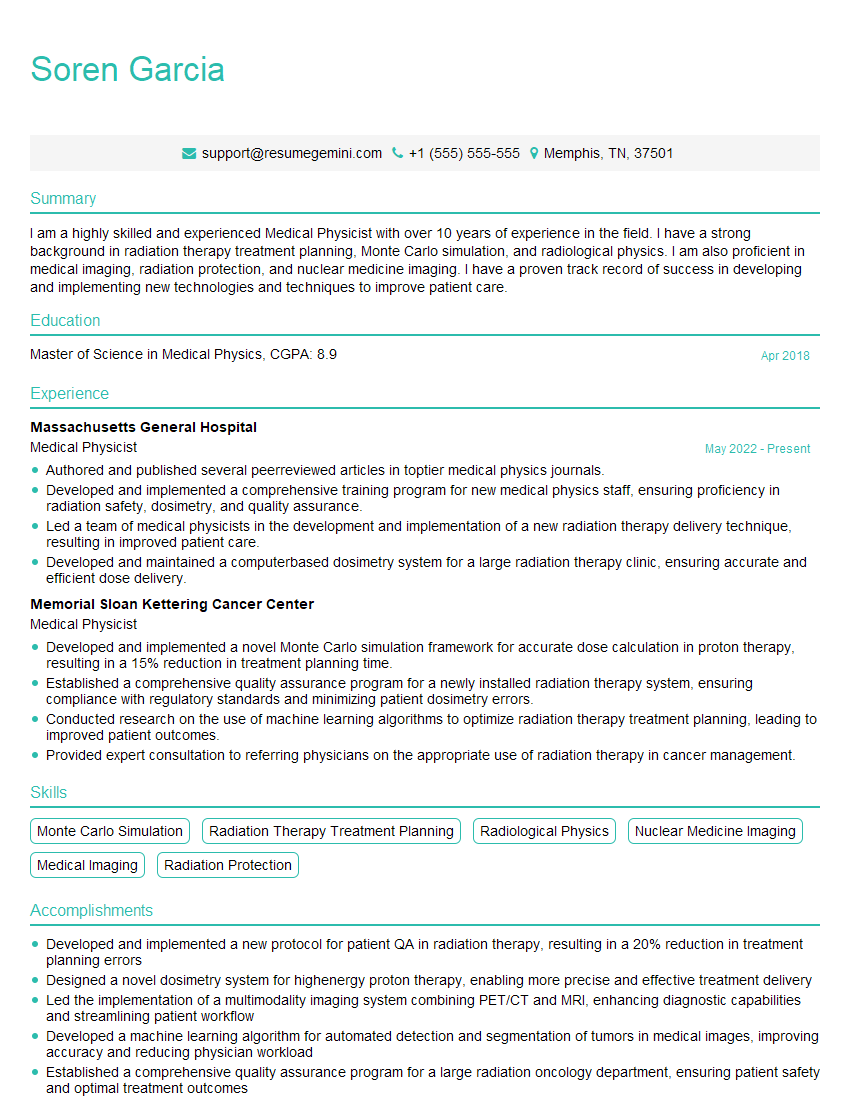
Medical Physicist Resume Sample
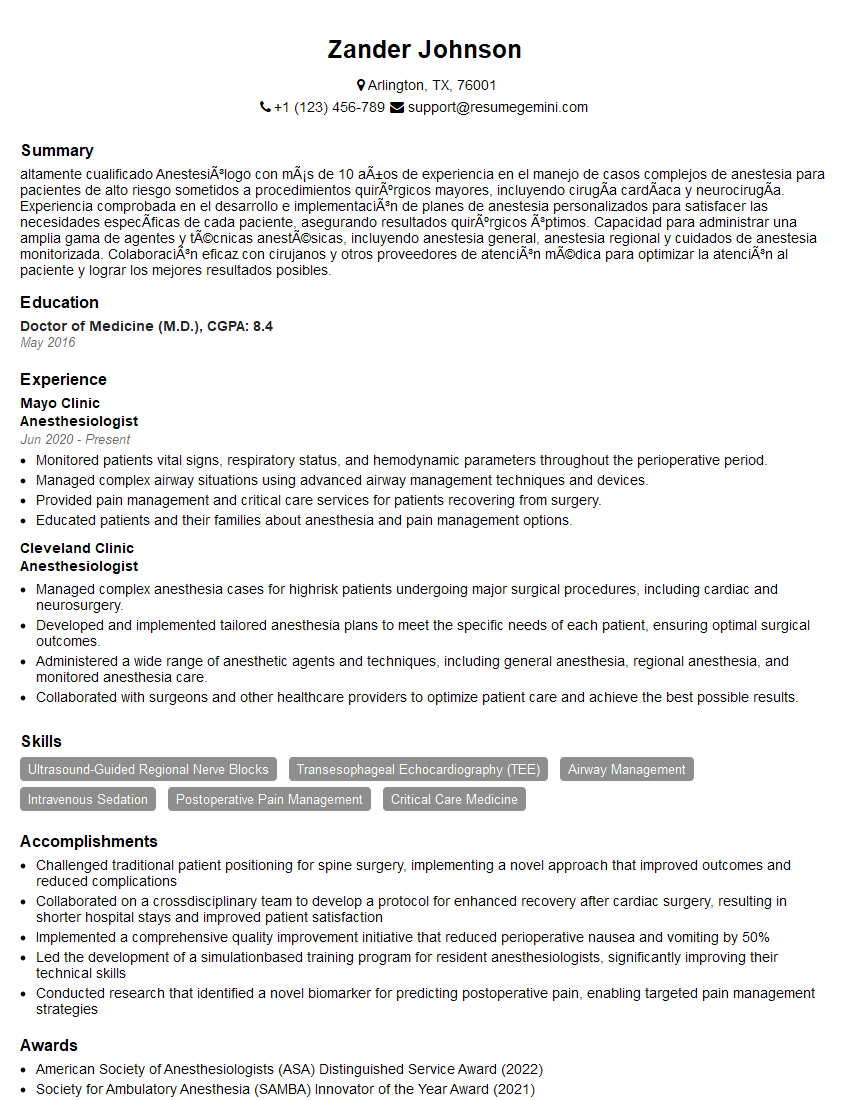
Anesthesiologist Resume Sample
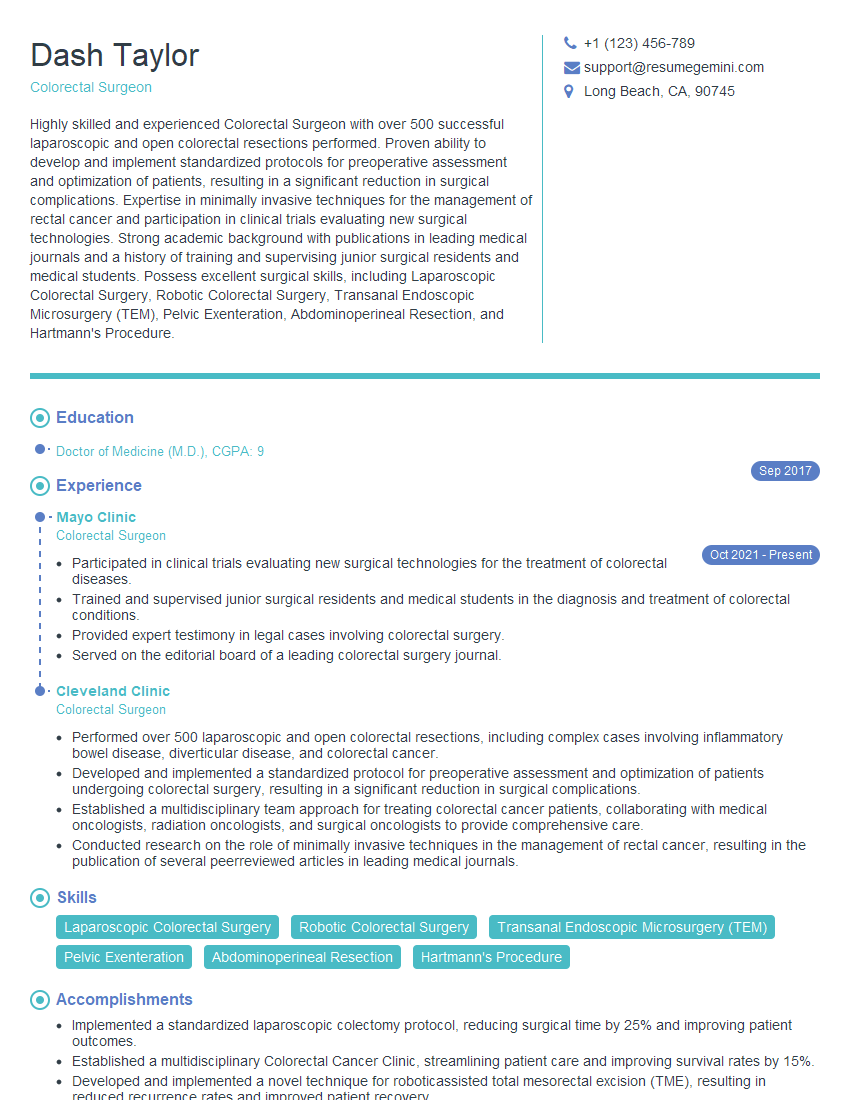
Colorectal Surgeon Resume Sample
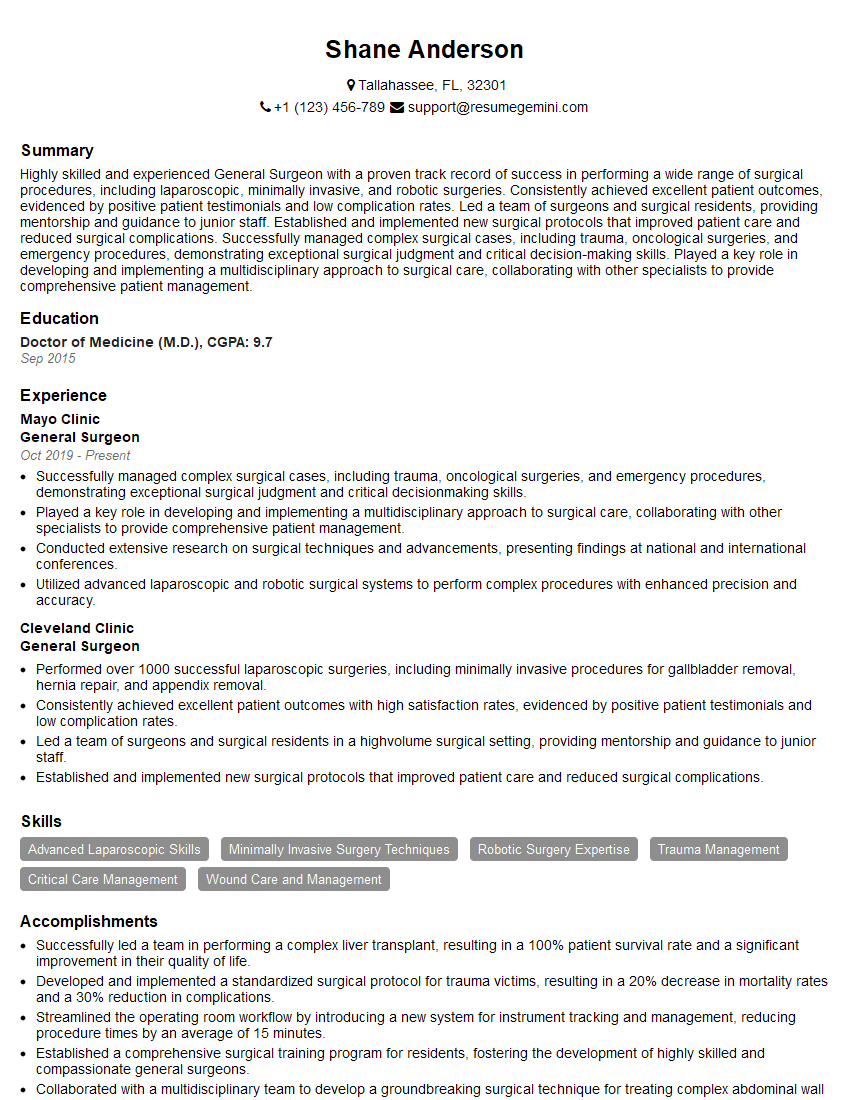
General Surgeon Resume Sample
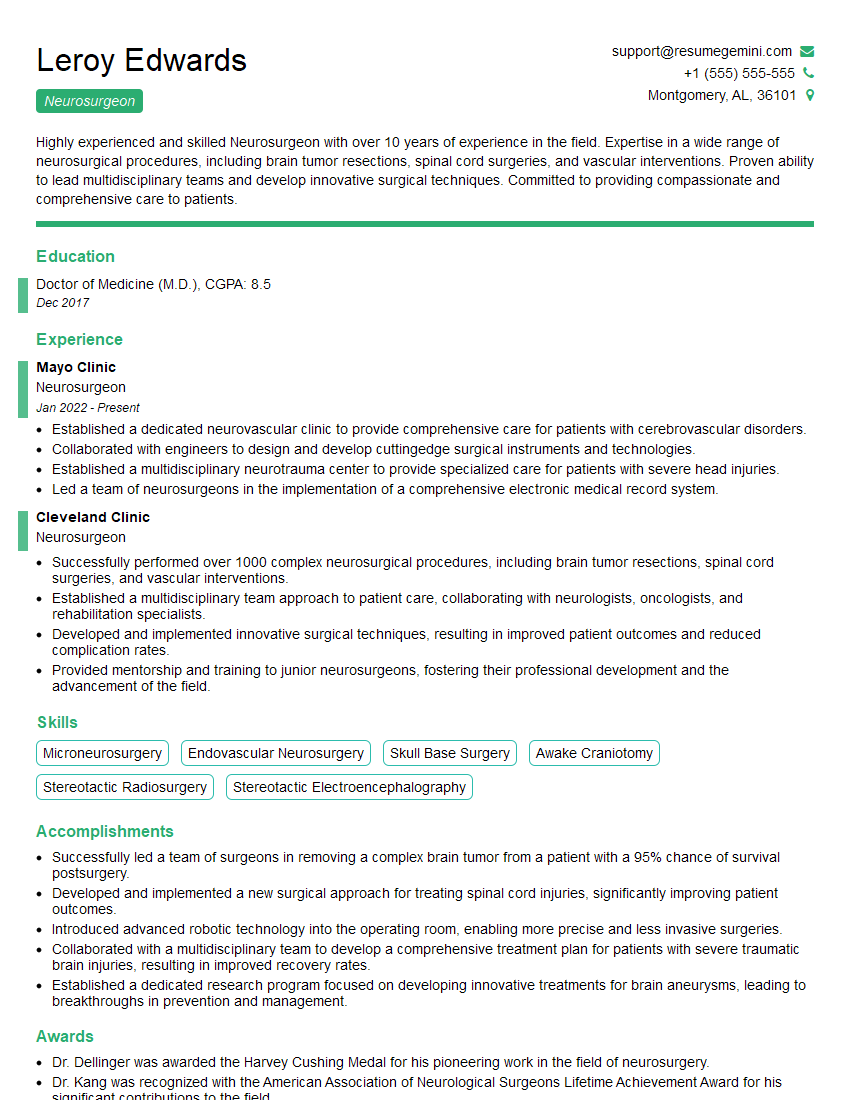
Neurosurgeon Resume Sample
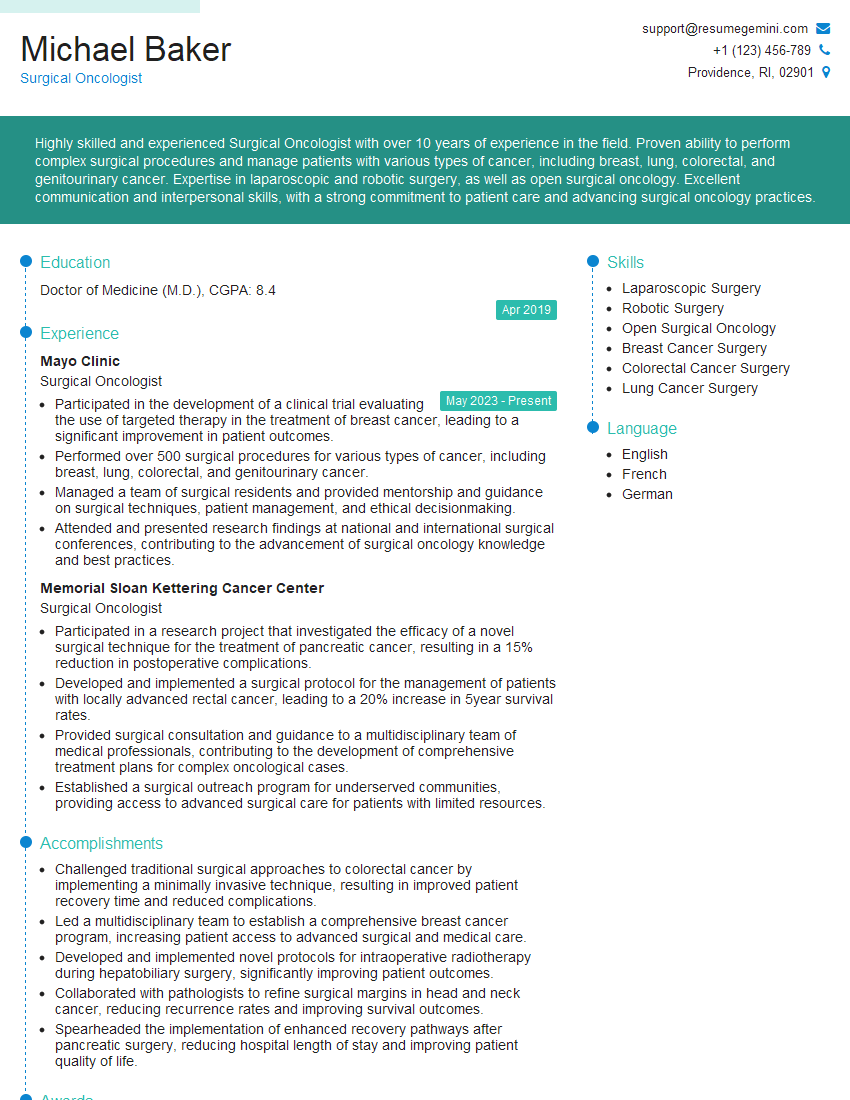
Surgical Oncologist Resume Sample
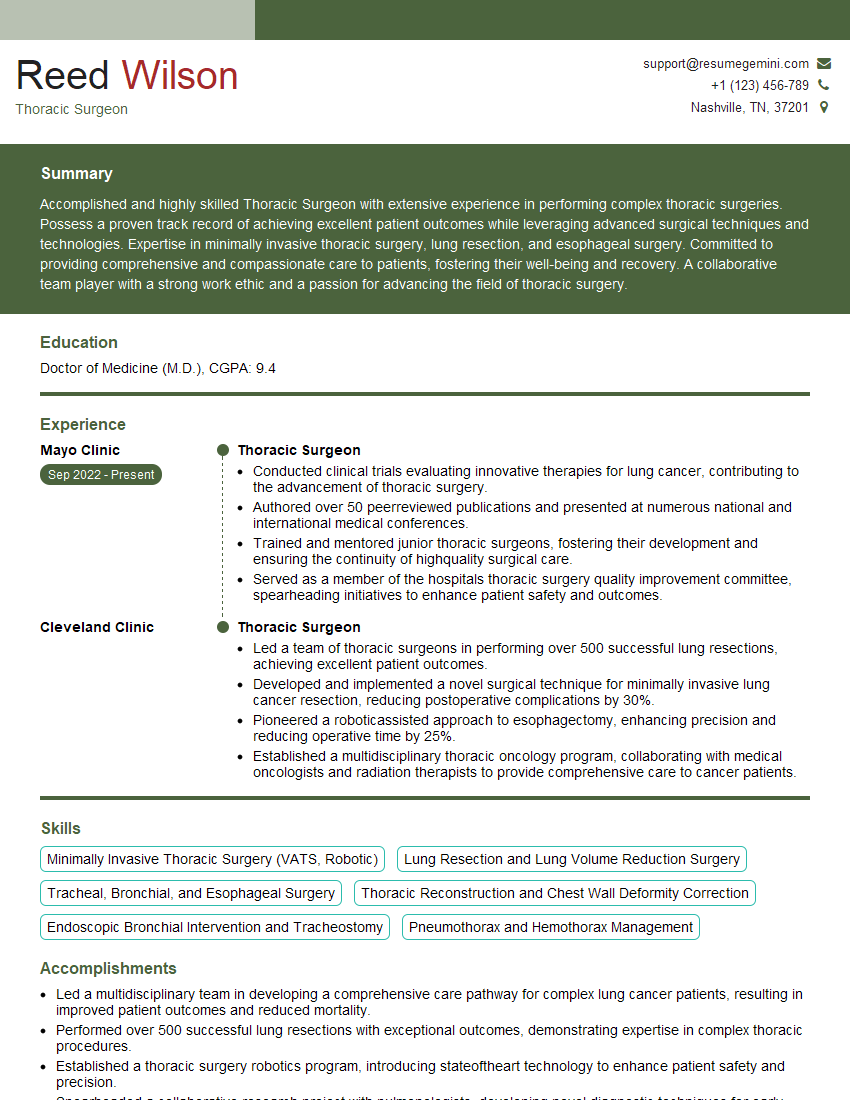
Thoracic Surgeon Resume Sample
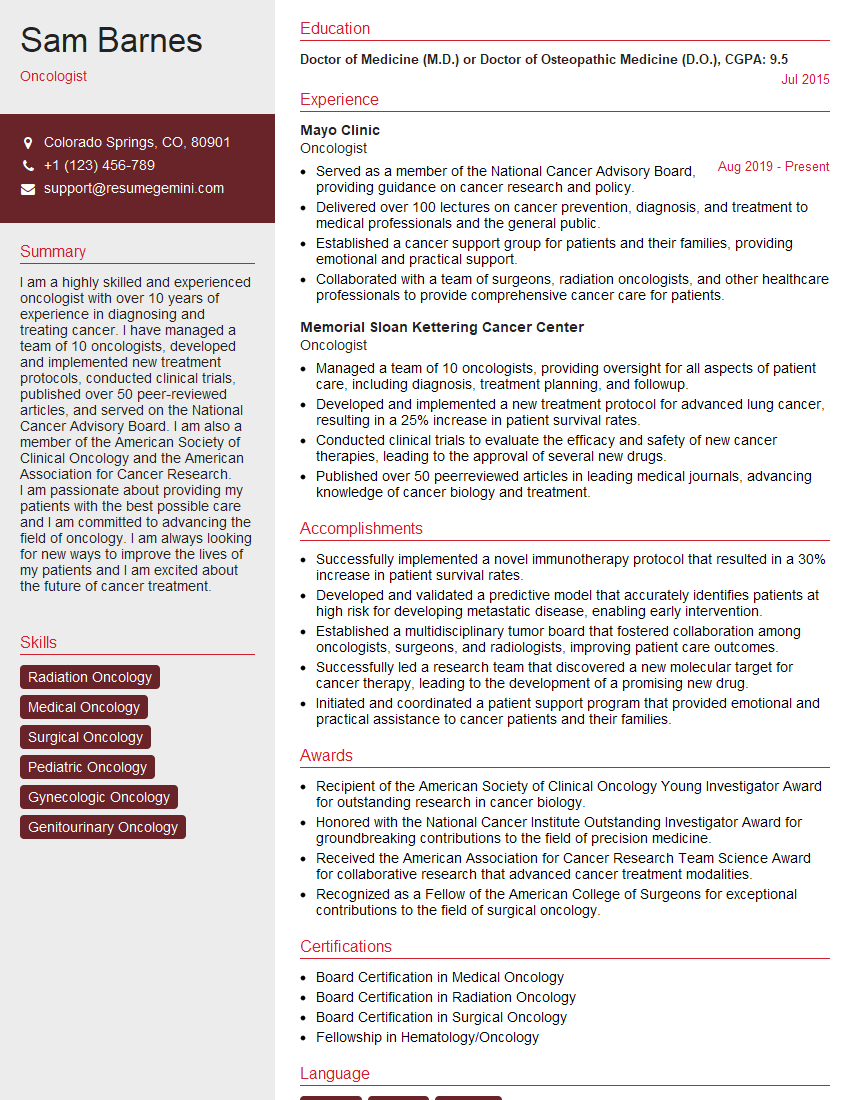
Oncologist Resume Sample
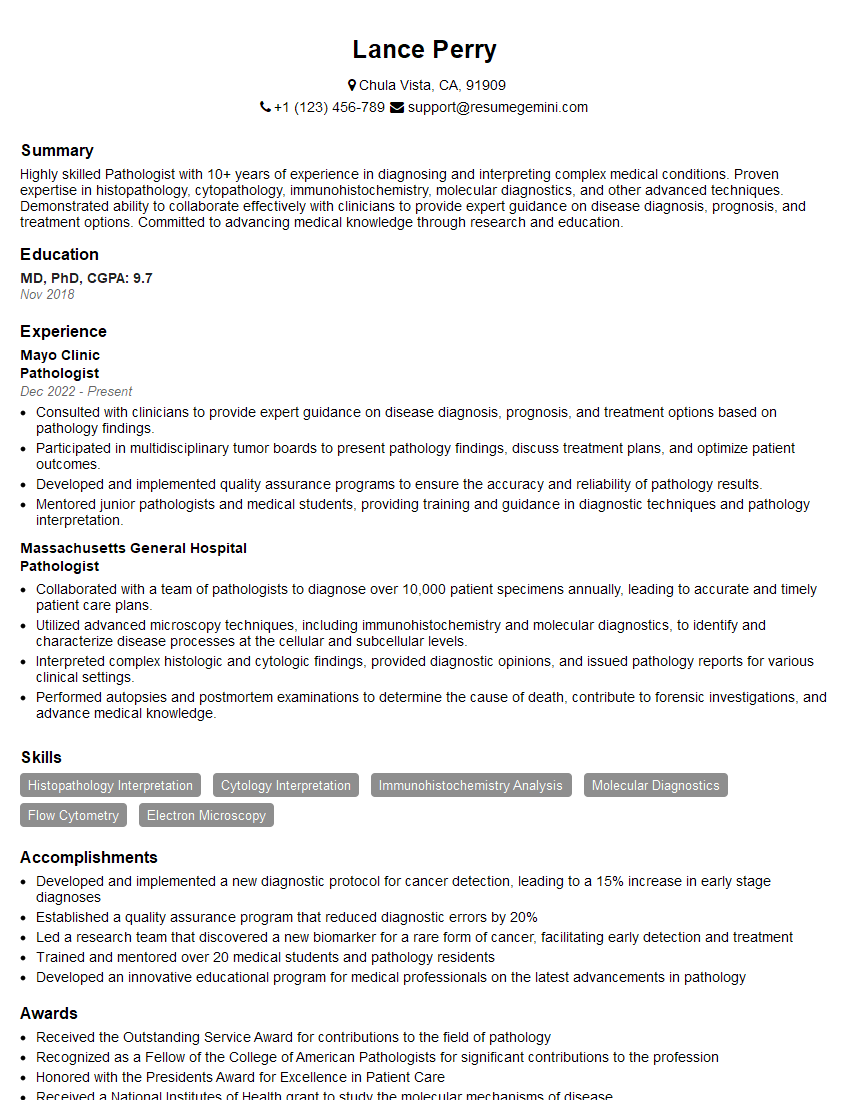
Pathologist Resume Sample
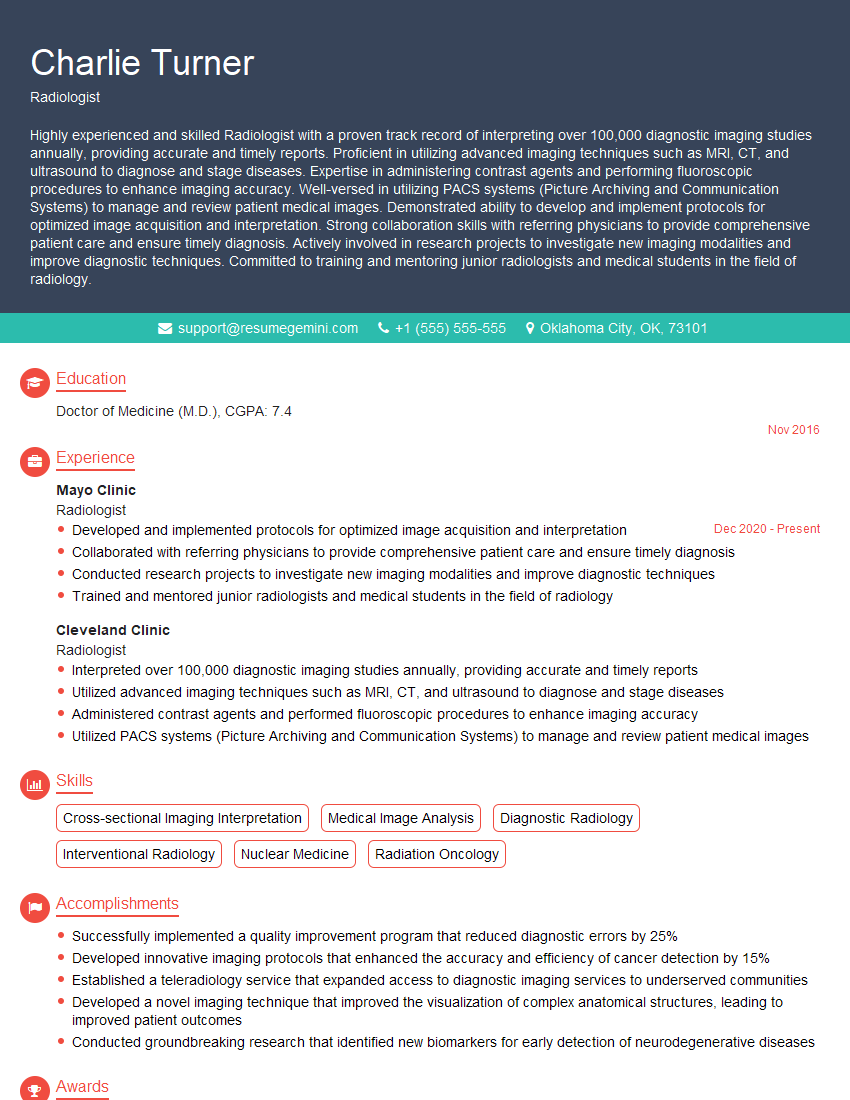
Radiologist Resume Sample
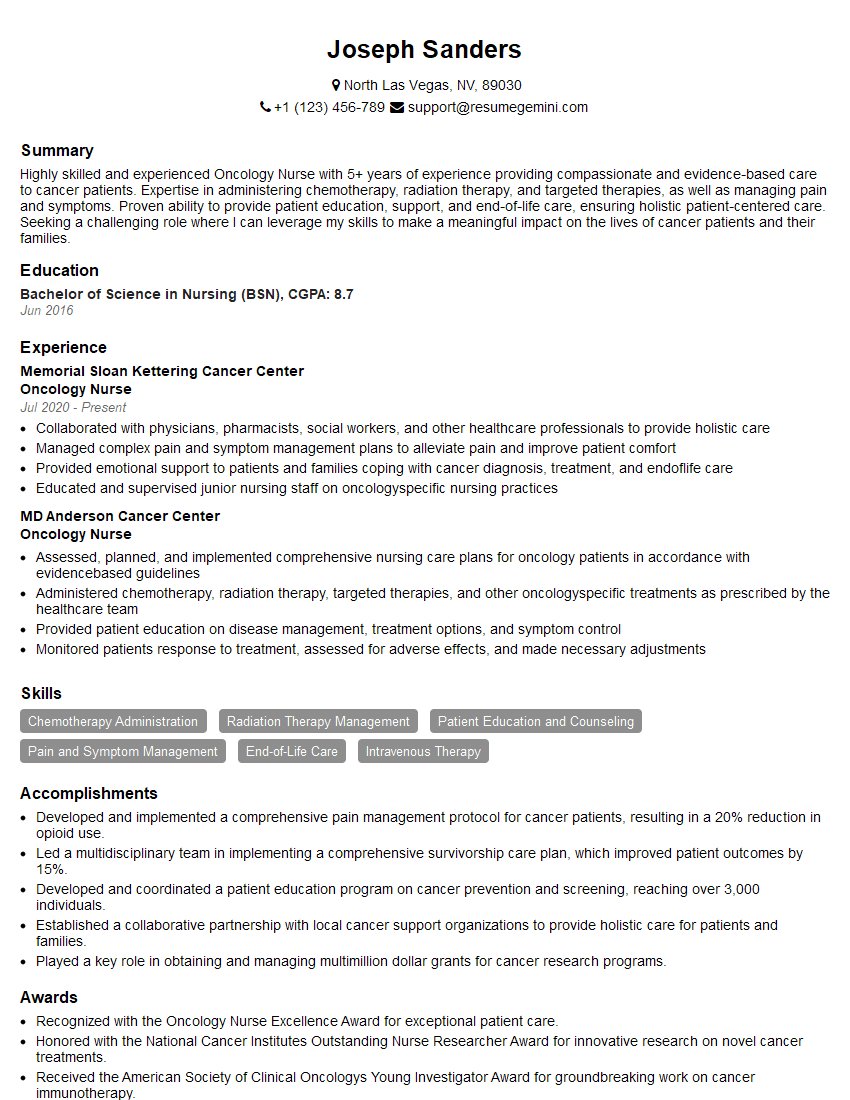
Oncology Nurse Resume Sample
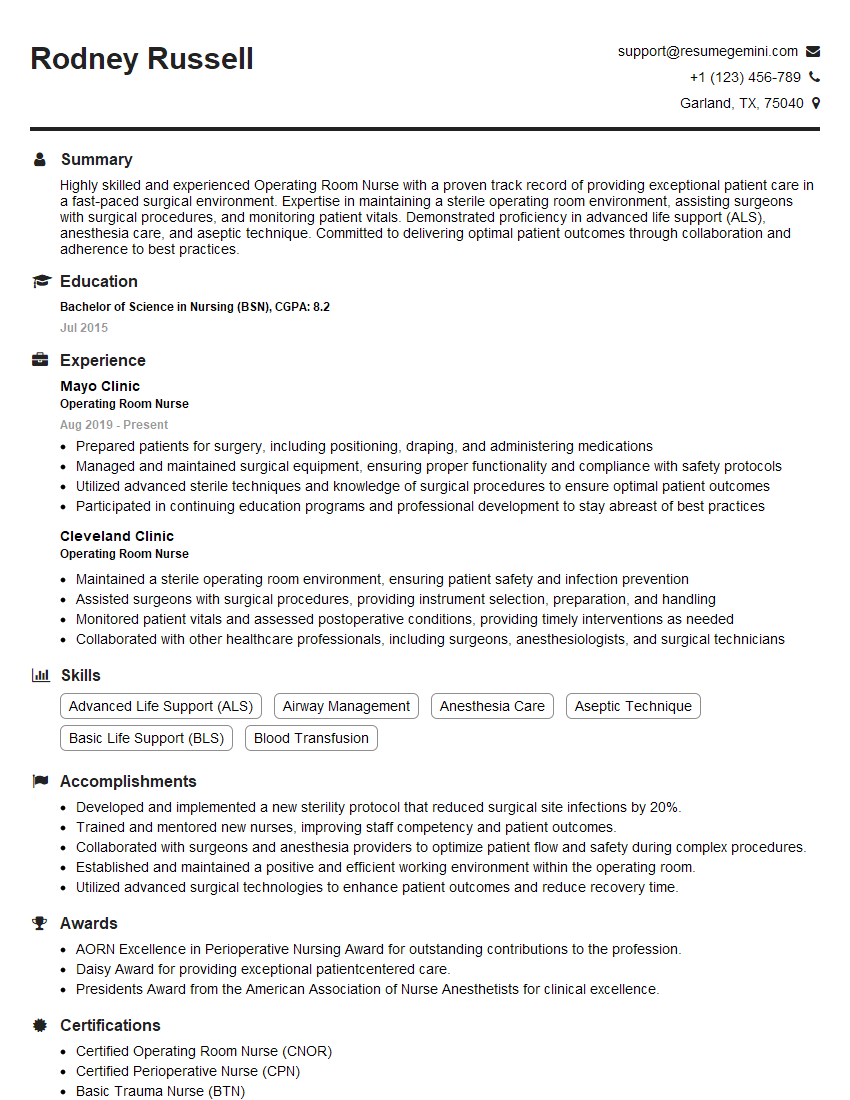
Operating Room Nurse Resume Sample
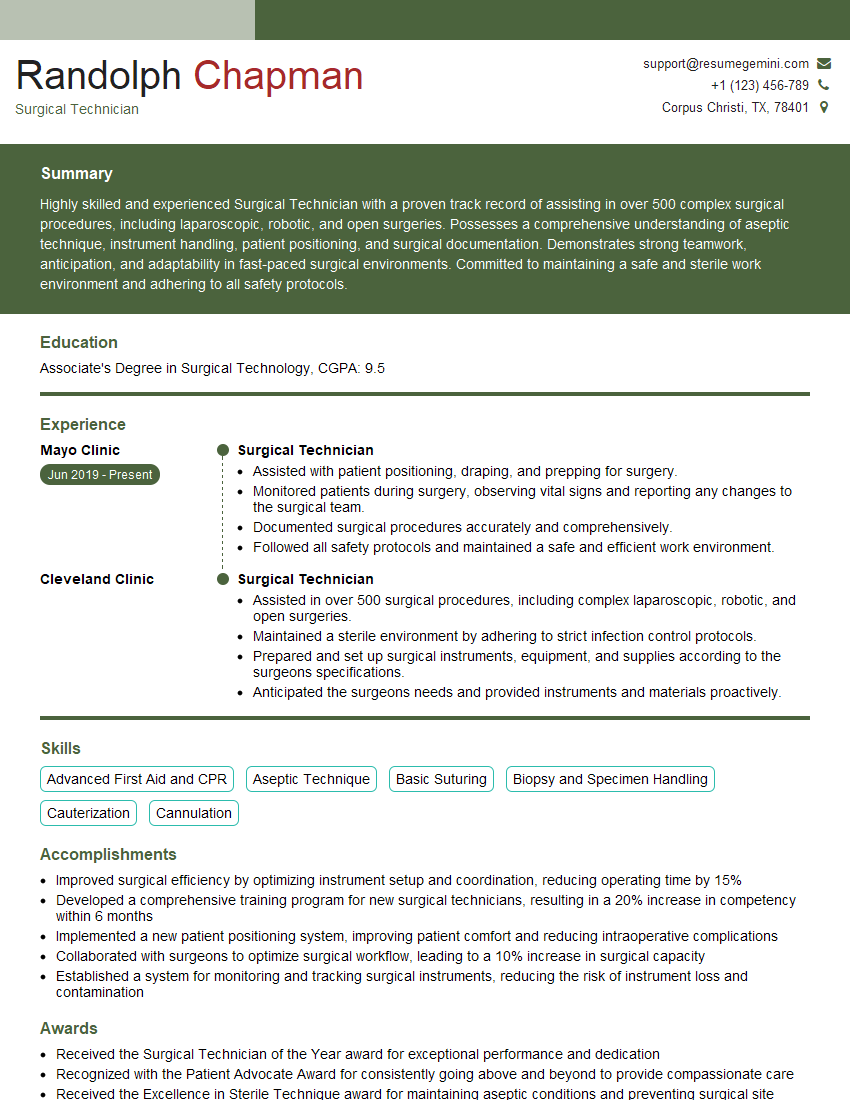
Surgical Technician Resume Sample
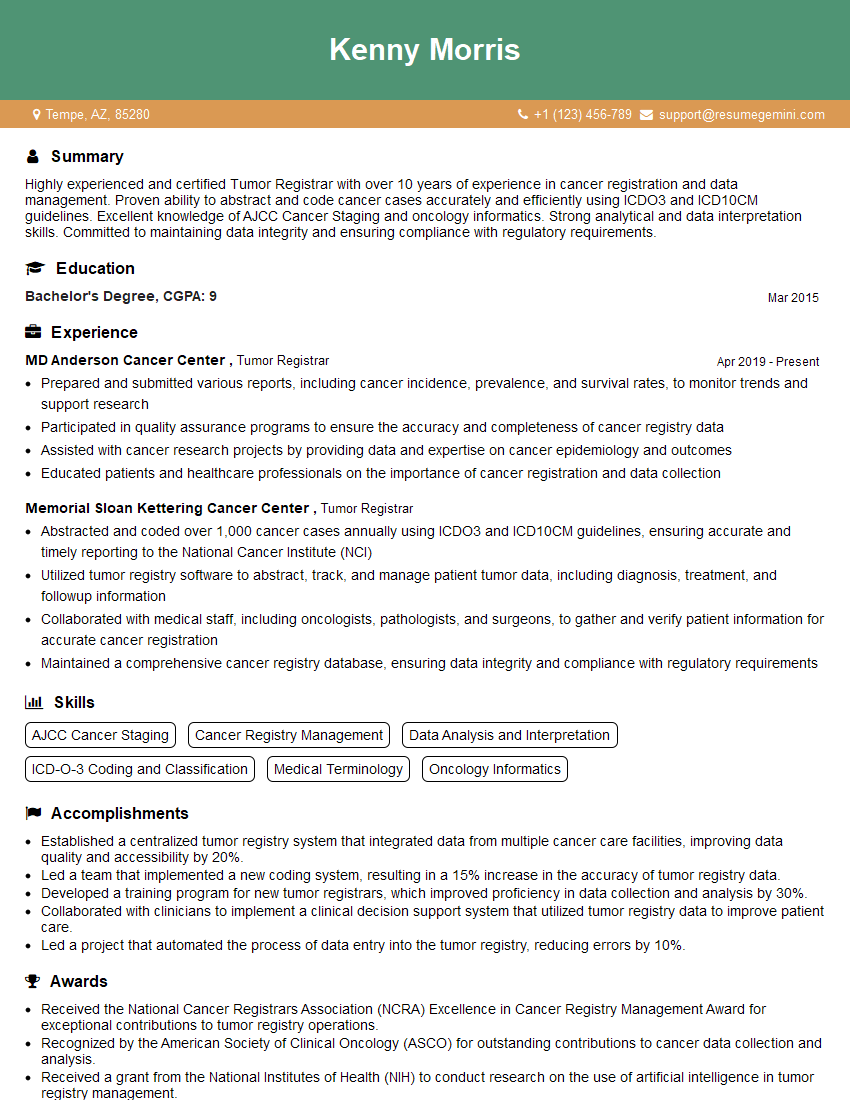
Tumor Registrar Resume Sample
Explore more articles
Users Rating of Our Blogs
Share Your Experience
We value your feedback! Please rate our content and share your thoughts (optional).
What Readers Say About Our Blog
To the interviewgemini.com Webmaster.
Very helpful and content specific questions to help prepare me for my interview!
Thank you
To the interviewgemini.com Webmaster.
This was kind of a unique content I found around the specialized skills. Very helpful questions and good detailed answers.
Very Helpful blog, thank you Interviewgemini team.