Feeling uncertain about what to expect in your upcoming interview? We’ve got you covered! This blog highlights the most important Skill in conducting psychological testing and assessment interview questions and provides actionable advice to help you stand out as the ideal candidate. Let’s pave the way for your success.
Questions Asked in Skill in conducting psychological testing and assessment Interview
Q 1. Explain the difference between norm-referenced and criterion-referenced tests.
The key difference between norm-referenced and criterion-referenced tests lies in what they measure and how they interpret results. Norm-referenced tests compare an individual’s performance to a larger group’s performance, establishing a relative standing. Think of it like a race – you’re not judged on whether you ran a certain time, but on how you placed against other runners. Criterion-referenced tests, on the other hand, assess performance against a predetermined standard or criterion. It’s like a driving test – you pass or fail based on whether you meet specific driving skills, regardless of how others perform.
- Norm-Referenced Tests: Examples include the Wechsler Adult Intelligence Scale (WAIS) and the Minnesota Multiphasic Personality Inventory (MMPI). These tests provide scores like percentiles or standard scores that indicate how an individual ranks compared to a representative sample population.
- Criterion-Referenced Tests: Examples include licensing exams (e.g., a bar exam) or achievement tests (e.g., a final exam in a course). These tests focus on whether the individual has mastered specific skills or knowledge.
In clinical practice, the choice between these two types depends on the assessment goal. If we need to understand a client’s relative strengths and weaknesses compared to others (e.g., for educational placement), a norm-referenced test is appropriate. If we need to know if a client meets a specific performance standard (e.g., for job competency), a criterion-referenced test is better suited.
Q 2. Describe the process of selecting appropriate psychological tests for a specific client.
Selecting appropriate psychological tests is a crucial step, requiring careful consideration of several factors. It’s like choosing the right tool for a job; a hammer won’t fix a leaky pipe. This process begins with a thorough understanding of the client’s presenting problem and referral question. Then, we consider:
- Client Characteristics: Age, developmental level, cultural background, language proficiency, and physical limitations all influence test selection. A test designed for adults wouldn’t be appropriate for a child.
- Referral Question: The reason for testing dictates the type of tests needed. Are we assessing intelligence, personality, or a specific clinical symptom? A referral for suspected depression necessitates different tests than one for ADHD.
- Test Properties: We look at the test’s reliability (consistency) and validity (accuracy) – whether the test measures what it claims to measure and produces consistent results. We also consider the test’s standardization, norms, and available resources.
- Practical Considerations: Time constraints, cost, and the availability of qualified test administrators are also factored in. Some tests are lengthy and require specialized training to administer and interpret.
Once potential tests are identified, I consult relevant literature and resources to ensure the selected tests are appropriate and suitable for the client. It’s a multi-step process that prioritizes ethical considerations and client well-being.
Q 3. What are the ethical considerations involved in administering and interpreting psychological tests?
Ethical considerations are paramount in psychological testing. They form the bedrock of responsible practice and protect clients from harm. Key ethical considerations include:
- Informed Consent: Clients must be fully informed about the purpose of testing, the procedures involved, the potential benefits and risks, and the confidentiality of their data. This process requires clear and understandable language, ensuring they understand what’s happening and can voluntarily participate.
- Confidentiality: Test results are highly sensitive and confidential. Strict adherence to confidentiality protocols is crucial, only sharing information with appropriate parties and with the client’s explicit consent. Data security measures are vital in this process.
- Competence: Only qualified and trained professionals should administer and interpret psychological tests. Misinterpretation can lead to significant consequences for the client.
- Cultural Sensitivity: Tests should be culturally appropriate and unbiased, avoiding inherent biases that could disadvantage specific groups. Cultural factors often affect the interpretation of results.
- Test Selection: Choosing appropriate tests tailored to the client’s needs and situation is critical. Using inappropriate tests can lead to inaccurate and misleading results.
Ethical dilemmas might arise if there’s a conflict between client confidentiality and legal requirements, or when results reveal information that poses a risk to the client or others. Handling these dilemmas requires careful consideration of ethical guidelines and consultation with supervisors or colleagues.
Q 4. How do you ensure test security and maintain client confidentiality?
Maintaining test security and client confidentiality is essential. Breaches can compromise the integrity of the test and harm the client. Strategies include:
- Secure Storage: Tests are stored in a locked cabinet or secure digital space, inaccessible to unauthorized individuals.
- Limited Access: Only trained professionals with appropriate authorization can access and administer tests. This ensures those handling the tests understand their sensitive nature.
- Confidentiality Agreements: Any individuals involved in testing – from assistants to supervisors – sign confidentiality agreements to ensure proper handling of data.
- Data Encryption: If using digital platforms, data encryption is essential to protect test data from unauthorized access. This adds a robust layer of security to safeguard sensitive information.
- Disposal of Materials: After use, test materials are securely destroyed to prevent unauthorized access or copying. Secure shredding or proper electronic deletion are critical steps.
For clients, explaining the confidentiality procedures and addressing their concerns helps build trust and reinforces the importance of protecting their personal information.
Q 5. Explain the concept of test validity and reliability. Provide examples.
Test validity and reliability are critical psychometric properties that determine the quality and usefulness of a psychological test. Think of it like a thermometer: reliability refers to its consistency in measuring temperature (always giving the same reading under identical conditions), while validity refers to whether it actually measures temperature and not something else (like humidity).
- Reliability: This refers to the consistency of a test’s measurements. A reliable test will produce similar results if administered repeatedly under the same conditions. Different types of reliability exist, including test-retest reliability (consistency over time), internal consistency (consistency within the test itself), and inter-rater reliability (consistency among raters). Example: A highly reliable depression scale would yield similar scores if administered to the same person a week later.
- Validity: This refers to the extent to which a test measures what it claims to measure. A valid test accurately reflects the construct it is intended to assess. Different types of validity exist, including content validity (does it cover the relevant content?), criterion validity (does it correlate with other relevant measures?), and construct validity (does it measure the theoretical construct?). Example: A valid intelligence test should accurately predict academic performance, aligning with the concept of general intelligence.
A test can be reliable without being valid (a consistently inaccurate scale), but it cannot be valid without being reliable. Both are essential for ensuring accurate and meaningful interpretations.
Q 6. What are some common sources of error in psychological testing?
Several sources of error can influence psychological testing, potentially leading to inaccurate results. It’s important to be mindful of these potential pitfalls to ensure accurate interpretation.
- Test-taker factors: These include factors like anxiety, fatigue, misunderstanding instructions, or faking good or bad. A nervous test-taker might perform poorly, even if their true abilities are higher.
- Test-administrator factors: These include inconsistencies in administering instructions, creating an uncomfortable testing environment, or influencing responses through body language or tone of voice. A biased administrator can affect the results.
- Test construction factors: These include flaws in test design, poor item selection, or inadequate norms. Poorly written questions or unclear instructions can contribute to measurement error.
- Environmental factors: Noise, distractions, or uncomfortable testing conditions can affect test performance. A noisy testing room can hinder concentration.
- Scoring errors: Mistakes in scoring can occur, leading to inaccurate results. A simple error in adding up scores can affect the interpretation.
Minimizing error involves careful test selection, standardized administration procedures, proper training of test administrators, and thoughtful interpretation, acknowledging potential sources of bias or error. Often, multiple assessments are used to triangulate findings and reduce reliance on a single test’s results.
Q 7. How do you interpret test results and integrate them with other clinical information?
Interpreting test results isn’t about simply looking at a score; it’s a nuanced process that involves integrating various pieces of information to arrive at a comprehensive understanding. It’s like assembling a jigsaw puzzle; each piece (test result, clinical interview, observation) contributes to the overall picture.
- Understanding Test Norms: First, I place the client’s scores within the context of the test’s norms. This involves understanding what the scores mean relative to the population the test was normed on. This informs us about the client’s relative standing.
- Considering Qualitative Data: Test scores are integrated with qualitative data from clinical interviews, observations, and collateral information (e.g., information from family members). A low score on a depression test might be contradicted by a client’s presentation or life circumstances.
- Pattern Analysis: Often, we look for patterns of strengths and weaknesses across different tests and assessment methods. Inconsistencies between different measures raise questions and require further exploration.
- Clinical Judgment: Finally, I use my clinical judgment to integrate all information, considering the client’s unique history, context, and current situation. This is a crucial step, emphasizing the importance of experience and training.
The goal is not to reduce a person to a set of test scores, but to use these scores to develop a better understanding of the individual, their strengths, challenges, and how best to support their needs.
Q 8. Describe your experience with different types of psychological tests (e.g., intelligence, personality, neuropsychological).
My experience encompasses a wide range of psychological tests, categorized broadly into intelligence, personality, and neuropsychological assessments. In intelligence testing, I’ve extensively used the Wechsler Adult Intelligence Scale (WAIS) and the Stanford-Binet Intelligence Scales, interpreting scores to understand cognitive strengths and weaknesses. With personality assessments, I’m proficient in administering and interpreting the Minnesota Multiphasic Personality Inventory (MMPI-2-RF), the Big Five Inventory (BFI), and the Millon Clinical Multiaxial Inventory (MCMI-IV), focusing on identifying personality traits, coping mechanisms, and potential psychopathology. Neuropsychological assessments, such as the Halstead-Reitan Neuropsychological Battery and the Luria-Nebraska Neuropsychological Battery, have been crucial in evaluating cognitive deficits resulting from brain injury or neurological disorders. I’m meticulous in selecting the appropriate test battery based on the client’s presenting problem and referral question, ensuring the chosen tools accurately reflect the individual’s needs.
Q 9. How do you handle a situation where a client is resistant to taking a psychological test?
Client resistance to testing requires a sensitive and collaborative approach. I begin by establishing rapport and openly discussing the purpose and benefits of the assessment. I explain the process clearly, emphasizing client confidentiality and control. For instance, I might say, “The test results will help us understand your situation better and develop a treatment plan tailored to your specific needs. You’re in charge of the process, and we can stop at any time you feel uncomfortable.” Sometimes, addressing underlying anxieties or concerns regarding the implications of testing is crucial. If resistance persists, I might explore alternative assessment methods, such as more informal interviews or behavioral observations, to gather information in a less threatening manner. The ultimate goal is to ensure the client feels safe and empowered throughout the assessment process.
Q 10. Explain your understanding of different scoring methods for psychological tests.
Psychological tests employ various scoring methods depending on their nature and purpose. Many use standardized scores, such as T-scores or z-scores, which allow comparisons to a normative sample. For example, a T-score of 60 indicates a score one standard deviation below the mean. Some tests use percentile ranks, indicating the percentage of individuals scoring below a given score. Qualitative scoring, often employed in projective techniques, involves interpreting the content and themes within the client’s responses, such as in the Rorschach Inkblot Test. Objective scoring systems, like those used in the MMPI, rely on predefined criteria and algorithms for numerical interpretation. The choice of scoring method directly impacts the interpretation and clinical utility of the test results, emphasizing the importance of understanding the specific scoring system for each instrument.
Q 11. What are some limitations of psychological testing?
While valuable, psychological testing has limitations. Test results are not definitive diagnoses but contribute to a broader clinical picture. Factors such as test anxiety, cultural background, and response bias can influence performance. A single test score cannot capture the complexity of human behavior. The validity and reliability of a test can also vary based on its design and standardization. For example, a test normed on a population from a specific socioeconomic background might not accurately reflect the performance of individuals from different backgrounds. Furthermore, ethical considerations, such as test security and the appropriate interpretation of results, must always be prioritized in utilizing psychological tests.
Q 12. How do you address cultural biases in psychological testing?
Addressing cultural biases in psychological testing is paramount. I ensure the tests used are culturally appropriate and have been validated across diverse populations. If a test lacks such validation, I carefully consider its limitations and interpret results with caution, considering potential cultural influences on responses. Furthermore, I employ culturally sensitive interviewing techniques and actively listen to the client’s lived experiences to gain a nuanced understanding of their responses within their cultural context. I am mindful of how cultural factors might impact responses and avoid making generalizations based on cultural stereotypes. In cases where a test might not be entirely appropriate, I might supplement it with alternative assessment approaches such as cultural adaptation of existing tests or culturally relevant qualitative methods.
Q 13. Describe your experience with different assessment methods (e.g., interviews, observations, projective techniques).
My assessment approach integrates diverse methods beyond psychological testing. Clinical interviews are essential for building rapport, gathering detailed history, and forming a comprehensive understanding of the client’s concerns. Behavioral observations, particularly useful in child or forensic settings, provide insights into observable behaviors and their context. Projective techniques, like the Rorschach or Thematic Apperception Test (TAT), can offer access to unconscious processes and deeper emotional experiences, albeit requiring careful interpretation. The integration of these methods offers a richer and more nuanced understanding than any single method alone could provide, ensuring a holistic assessment process tailored to the individual.
Q 14. How do you maintain objectivity when interpreting psychological test results?
Maintaining objectivity in interpreting test results is crucial. I rigorously follow established scoring protocols and adhere to standardized interpretations. I regularly engage in continuing education to remain updated on best practices and minimize biases. I strive to avoid making premature judgments based on limited information. I consider test results in the broader context of the client’s history, clinical presentation, and other assessment data, acknowledging the limits of any single assessment. Furthermore, consultation with colleagues or supervisors can help provide an independent perspective and identify potential biases in my interpretation. This multi-faceted approach to interpretation minimizes bias and ensures a more accurate understanding of the client’s situation.
Q 15. What is your approach to providing feedback to clients after psychological testing?
Providing feedback after psychological testing is a crucial step, requiring sensitivity, clarity, and a collaborative approach. My approach prioritizes a client-centered perspective, ensuring the information is understandable and empowering. I begin by establishing a comfortable and safe environment, acknowledging the client’s potential anxieties about the results. Then, I present the findings in a non-technical, conversational manner, using clear and simple language, avoiding jargon. I focus on explaining the implications of the results in relation to the client’s presenting concerns or referral questions, rather than just reciting numerical scores. We collaboratively discuss the strengths and challenges highlighted by the assessment, emphasizing areas for growth and potential intervention strategies. Finally, I provide a written summary of the findings and recommendations, allowing the client time to process the information and ask further questions. I always leave room for open discussion, ensuring the client feels understood and involved in the process.
For example, instead of saying “Your WAIS-IV Full Scale IQ score is 115,” I might say, “Your assessment shows you have strong cognitive abilities across the board, particularly in verbal reasoning. This suggests you have a great capacity for learning and problem-solving.”
Career Expert Tips:
- Ace those interviews! Prepare effectively by reviewing the Top 50 Most Common Interview Questions on ResumeGemini.
- Navigate your job search with confidence! Explore a wide range of Career Tips on ResumeGemini. Learn about common challenges and recommendations to overcome them.
- Craft the perfect resume! Master the Art of Resume Writing with ResumeGemini’s guide. Showcase your unique qualifications and achievements effectively.
- Don’t miss out on holiday savings! Build your dream resume with ResumeGemini’s ATS optimized templates.
Q 16. How do you ensure the test results are communicated effectively to relevant stakeholders?
Communicating test results effectively to relevant stakeholders demands careful consideration of the audience and the context. I follow strict ethical guidelines, ensuring confidentiality and adhering to informed consent procedures. When communicating with clients, I prioritize a collaborative and person-centered approach, as discussed previously. When communicating with parents or guardians (with appropriate consent), I use age-appropriate language, explaining the results in terms they can easily understand, without overwhelming them with technical details. When dealing with legal or educational entities, I prepare a formal report that includes detailed findings, interpretations, and recommendations using professional language and clear formatting. This report clearly states the limitations of the assessment, ensures objectivity, and avoids any potentially biased interpretations. I always maintain professional boundaries and respect the confidentiality of the client, only sharing necessary information to the relevant stakeholders.
Q 17. Describe a time you had to adapt a testing procedure to accommodate a client’s needs.
I once worked with a client who had significant visual impairments, making standard paper-and-pencil tests impractical. The assessment required a measure of visual-spatial skills, which presented a challenge. Instead of abandoning the assessment, I adapted the testing procedure by using a large-print version of the test and supplementing it with an adapted version of the test that minimized visual demands. This involved presenting tasks verbally or using tactile materials. For instance, for a spatial reasoning task, instead of presenting visual puzzles, I used blocks that the client could manipulate to solve the problems. By creating this alternative methodology, I was able to collect valid and reliable data, accommodating the client’s needs while maintaining the integrity of the assessment process. The ethical consideration of ensuring fair and equitable access to testing was paramount in this adaptation.
Q 18. How do you stay current with the latest developments in psychological testing and assessment?
Staying current in the field of psychological testing and assessment is essential for maintaining professional competence. I regularly attend workshops, conferences, and continuing education programs related to psychological assessment. I actively subscribe to professional journals such as the Journal of Consulting and Clinical Psychology and the Journal of Personality Assessment, staying informed about new research findings and methodological advancements. I also actively engage with professional organizations like the American Psychological Association (APA) to access updates on best practices, ethical standards, and legal requirements. Furthermore, I maintain a professional network with colleagues, sharing knowledge and discussing emerging trends in the field. This continuous learning ensures that I am using the most up-to-date and appropriate assessment tools and techniques.
Q 19. What is your understanding of the legal and regulatory requirements related to psychological testing?
Understanding legal and regulatory requirements related to psychological testing is critical for ethical and professional practice. My understanding encompasses issues of confidentiality (HIPAA regulations), informed consent (ensuring clients understand the purpose, procedures, and limitations of the testing process), and the appropriate use of assessment data. I am familiar with state and federal laws governing the use of psychological tests, including licensing requirements and regulations related to the storage and disposal of test data. I am aware of legal implications in the context of forensic assessments, such as the admissibility of test results in court proceedings. I consistently prioritize ethical conduct, ensuring that all my actions align with professional standards and relevant legal frameworks.
Q 20. How do you determine the appropriate level of test interpretation for different audiences (e.g., clients, parents, courts)?
Tailoring the level of test interpretation to different audiences is crucial. When communicating with clients, I use clear, simple language and focus on the implications of the results for their daily lives and well-being. I explain the results in the context of their concerns, highlighting strengths and areas needing improvement, always focusing on empowerment and providing hope for potential growth. With parents, I use age-appropriate language and frame the information in a supportive and encouraging manner, often focusing on educational or developmental implications. When preparing reports for legal or educational settings, I employ professional language, presenting detailed findings with appropriate statistical analyses and providing objective interpretations within the scope of the referral question. My aim is always to convey the information clearly, accurately, and responsibly to each audience, ensuring understanding while maintaining ethical and professional integrity.
Q 21. Explain your experience with using technology in psychological testing and assessment (e.g., computerized adaptive testing).
I have extensive experience with technology in psychological testing and assessment. I regularly utilize computerized adaptive testing (CAT) systems. CAT offers several advantages, including efficiency, precise measurement, and reduced test-taker fatigue, as the test adapts to the individual’s responses. I’m also proficient in utilizing software for scoring and interpreting various tests, which improves accuracy and reduces the time needed for manual scoring. Furthermore, I’m experienced using various platforms for secure storage and management of client data, complying with all relevant data privacy regulations. I believe that technology can significantly enhance the effectiveness and efficiency of psychological assessment, ensuring a smoother and more effective evaluation process. The integration of technology is continuously evolving, and I remain committed to staying updated with the latest advancements in this field.
Q 22. Describe your experience with test development or adaptation.
My experience in test development and adaptation involves both creating new assessment tools and modifying existing ones to suit specific populations or contexts. For example, I’ve been involved in adapting a standardized intelligence test for use with a population of young children who have limited English proficiency. This required careful consideration of language and cultural factors, including translating items, piloting the adapted version, and analyzing the psychometric properties to ensure its validity and reliability within the new context. In another instance, I participated in the development of a new personality inventory designed to assess specific traits relevant to job performance in a high-stress environment. This involved extensive item writing, statistical analysis, and iterative refinement based on feedback from subject matter experts and pilot testing data.
This process typically involves several key steps: thorough literature review to identify existing instruments and gaps in assessment; item generation based on sound theoretical frameworks and practical needs; pilot testing to assess item clarity, psychometric properties (e.g., reliability, validity), and potential biases; item analysis to refine the instrument; and final validation studies to ensure the test’s accuracy and usefulness. Each step requires meticulous attention to detail and expertise in psychometrics.
Q 23. How would you address a discrepancy between different test results?
Discrepancies between test results are common and require careful investigation. It’s crucial to avoid jumping to conclusions. My approach involves systematically exploring possible explanations. First, I’d examine the tests themselves – are they measuring similar constructs? Are the tests’ psychometric properties comparable (reliability, validity)? Then, I’d consider factors related to test administration – were conditions optimal? Was the test administered consistently according to protocol? I’d also look at the individual – were there any contextual factors, such as stress, illness, or medication, that could have influenced performance?
For instance, if a person scores high on a measure of intelligence but low on a measure of academic achievement, this discrepancy might be explained by various factors, including learning disabilities, motivation issues, or a mismatch between the test’s assessment and the individual’s learning style. A thorough case history and additional assessment methods (e.g., interviews, behavioral observations) are often necessary to understand the discrepancy and provide a comprehensive interpretation.
Q 24. How do you deal with ambiguous test results?
Ambiguous test results are a challenge, but they also present an opportunity for more in-depth exploration. I would never make a diagnosis or draw definitive conclusions based on ambiguous results alone. Instead, I’d consider multiple sources of information, such as clinical interviews, behavioral observations, and information from collateral sources (family, teachers, etc.).
For example, if a personality inventory shows slightly elevated scores on several scales but doesn’t clearly point to a specific diagnosis, I would treat the results as suggestive rather than conclusive. I’d use this information to guide further assessment and to focus on areas that require more investigation. This might involve administering supplementary tests or conducting a more comprehensive clinical interview to gain a clearer understanding of the individual’s functioning.
It’s important to remember that psychological tests are tools, not definitive answers. They provide data that must be interpreted carefully within the context of the individual’s unique background and circumstances.
Q 25. What are some common pitfalls to avoid when conducting psychological assessments?
Several pitfalls can compromise the validity and ethical integrity of psychological assessments. One common error is neglecting to consider the test’s psychometric properties, such as reliability and validity. A test might be unreliable, producing inconsistent results, or invalid, failing to measure what it claims to measure. Another pitfall is relying solely on test scores without considering other relevant information, like a person’s history and contextual factors. Testing bias, whether related to culture, language, or other factors, can also significantly impact results.
Additionally, it is crucial to ensure proper test administration, scoring, and interpretation. Improper administration can invalidate results, while mistakes in scoring or interpretation can lead to inaccurate conclusions. Finally, failing to maintain confidentiality and adhering to ethical guidelines related to test security is a serious breach of professional responsibility. Think of it like this: a hammer is a great tool, but without proper training and care, it can be dangerous. Psychological tests are powerful tools; their effective and responsible use requires careful attention to detail and ethical considerations.
Q 26. Explain your understanding of different theoretical frameworks used in psychological assessment.
My understanding of theoretical frameworks in psychological assessment is extensive. I’m familiar with various theoretical perspectives, including psychodynamic, cognitive-behavioral, humanistic, and biological models. These frameworks influence the types of tests used, how the results are interpreted, and the overall approach to assessment. For example, a cognitive-behavioral assessment might focus on identifying maladaptive thoughts and behaviors, often employing self-report measures and behavioral observations. In contrast, a psychodynamic assessment might use projective techniques and explore unconscious motivations and conflicts.
These theoretical frameworks are not mutually exclusive; often, a comprehensive assessment draws upon multiple perspectives. Understanding these frameworks helps clinicians select appropriate assessment measures and interpret the results meaningfully within a theoretical context, leading to more informed and nuanced conclusions.
Q 27. Describe your experience working with diverse populations.
I have extensive experience working with diverse populations, including individuals from various cultural backgrounds, socioeconomic levels, and with differing levels of abilities. This experience has taught me the importance of culturally sensitive assessment practices. I understand that cultural factors can significantly impact test performance and interpretation. For example, what might be considered appropriate behavior in one culture might be viewed differently in another, potentially influencing responses on personality inventories.
To address this, I ensure that the assessments I use are appropriate for the cultural background of the individual being assessed, modifying the process or selecting culturally appropriate tests when necessary. It’s crucial to build rapport and trust, understanding that communication styles and comfort levels vary across cultures.
Q 28. How do you ensure the ethical and responsible use of psychological test data?
Ensuring the ethical and responsible use of psychological test data is paramount. This involves adhering to strict ethical guidelines, including those established by professional organizations like the American Psychological Association. Key aspects include obtaining informed consent, maintaining confidentiality, using tests appropriately (only using tests for which I’m qualified), accurately interpreting results, and communicating findings clearly and sensitively to clients. The data should only be accessed and used by authorized personnel, and stringent security measures must be in place to prevent unauthorized access or disclosure.
Furthermore, I am acutely aware of the potential for bias in testing and interpretation, actively working to mitigate any biases that may arise due to the test itself or my own personal biases. I strive to provide equitable and fair assessments that promote the well-being of all individuals. The security and ethical handling of test data is not just a matter of compliance; it’s a cornerstone of building trust and ensuring client well-being.
Key Topics to Learn for Skill in conducting psychological testing and assessment Interview
- Test Selection & Administration: Understanding the principles of test selection based on client needs and the appropriate administration procedures for various psychological tests (e.g., projective tests, objective personality inventories, cognitive assessments).
- Interpreting Test Results: Developing proficiency in interpreting scores, patterns, and profiles from different assessment instruments, considering factors like cultural background and individual differences. This includes understanding the limitations of each test and avoiding biased interpretations.
- Ethical Considerations: Deep understanding of ethical guidelines and legal implications related to confidentiality, informed consent, and responsible test usage, including awareness of potential biases and their mitigation.
- Report Writing & Communication: Mastering the skill of compiling clear, concise, and comprehensive psychological reports that effectively communicate assessment findings to clients and relevant stakeholders, tailoring the language to the audience.
- Diagnostic & Clinical Judgment: Integrating test data with other clinical information (e.g., interview data, behavioral observations) to formulate accurate diagnoses and develop effective treatment plans. This involves strong critical thinking and problem-solving skills.
- Specific Test Knowledge: Familiarity with commonly used psychological tests relevant to your target job (e.g., MMPI, WAIS, Rorschach, Beck Depression Inventory). Focus on understanding the theoretical underpinnings and practical applications of these tests.
- Validity & Reliability: Understanding the concepts of test validity and reliability, and their importance in ensuring accurate and meaningful assessment results. This includes the ability to critically evaluate the psychometric properties of different tests.
- Cultural Competence: Recognizing and addressing the impact of cultural factors on test performance and interpretation. Understanding culturally sensitive assessment practices is crucial for equitable and effective evaluations.
Next Steps
Mastering the skill of conducting psychological testing and assessment opens doors to diverse and rewarding career opportunities, offering significant professional growth and impact. To maximize your job prospects, creating a strong, ATS-friendly resume is vital. ResumeGemini is a trusted resource to help you build a professional resume that showcases your skills and experience effectively. Examples of resumes tailored to Skill in conducting psychological testing and assessment are available, designed to help you present yourself in the best possible light. Invest the time to craft a compelling resume; it’s your first impression and a key to unlocking your career potential.
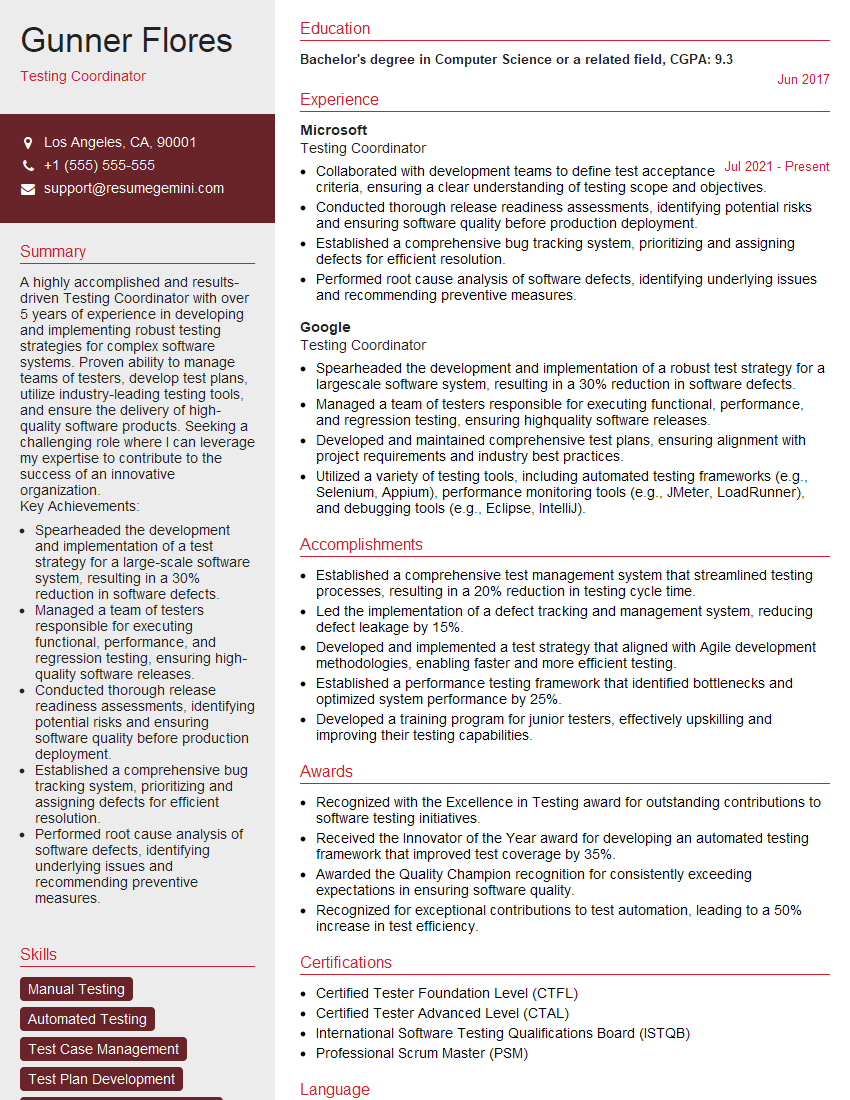
Testing Coordinator Resume Sample
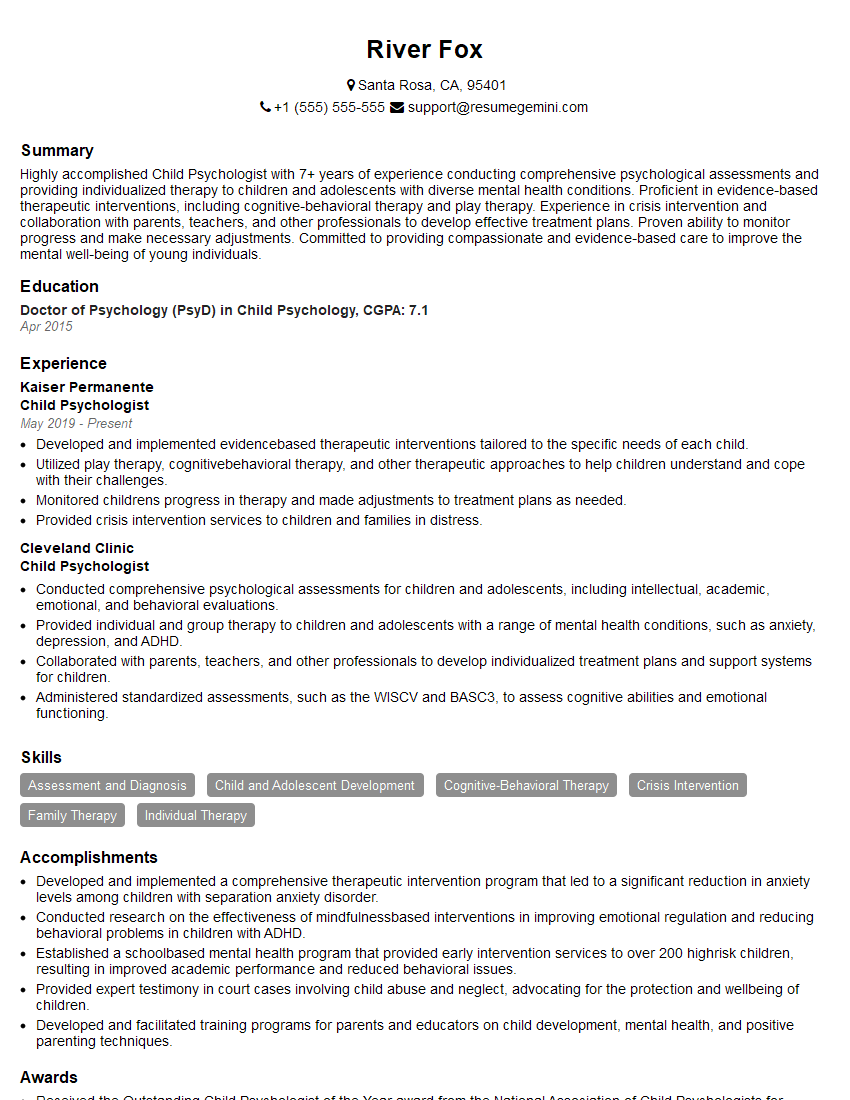
Child Psychologist Resume Sample
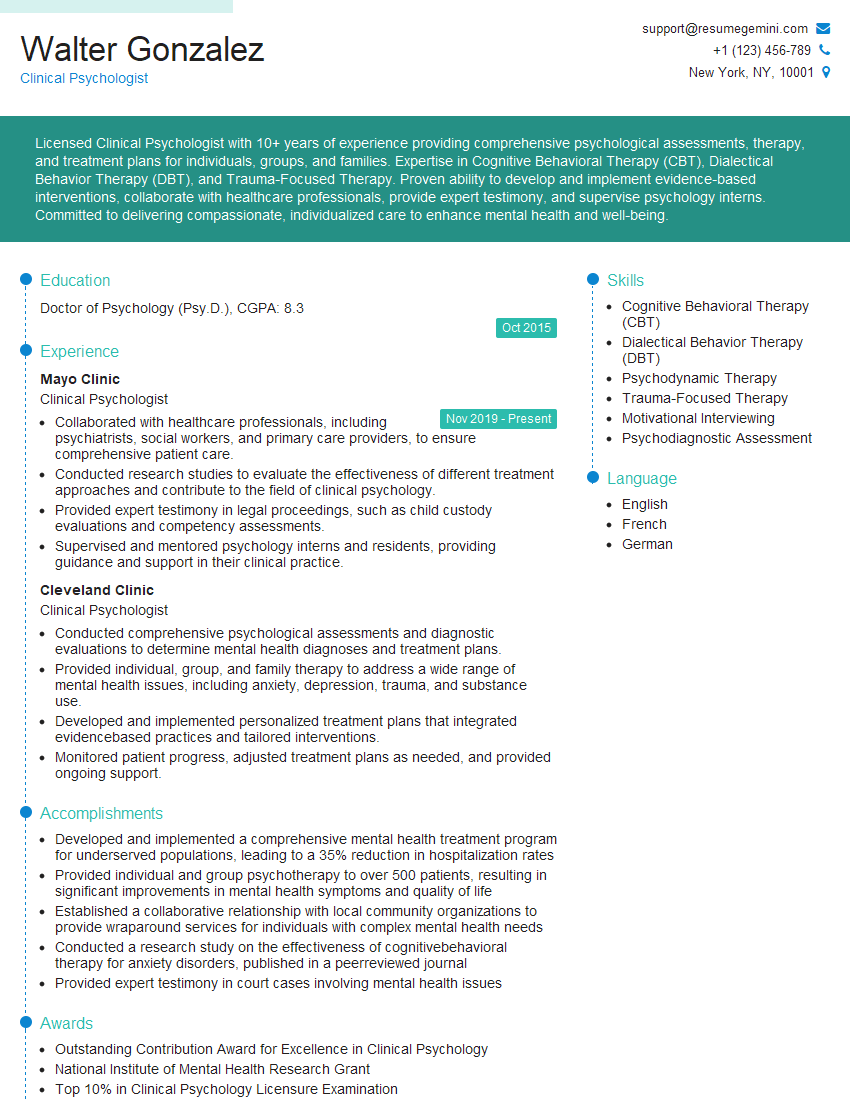
Clinical Psychologist Resume Sample
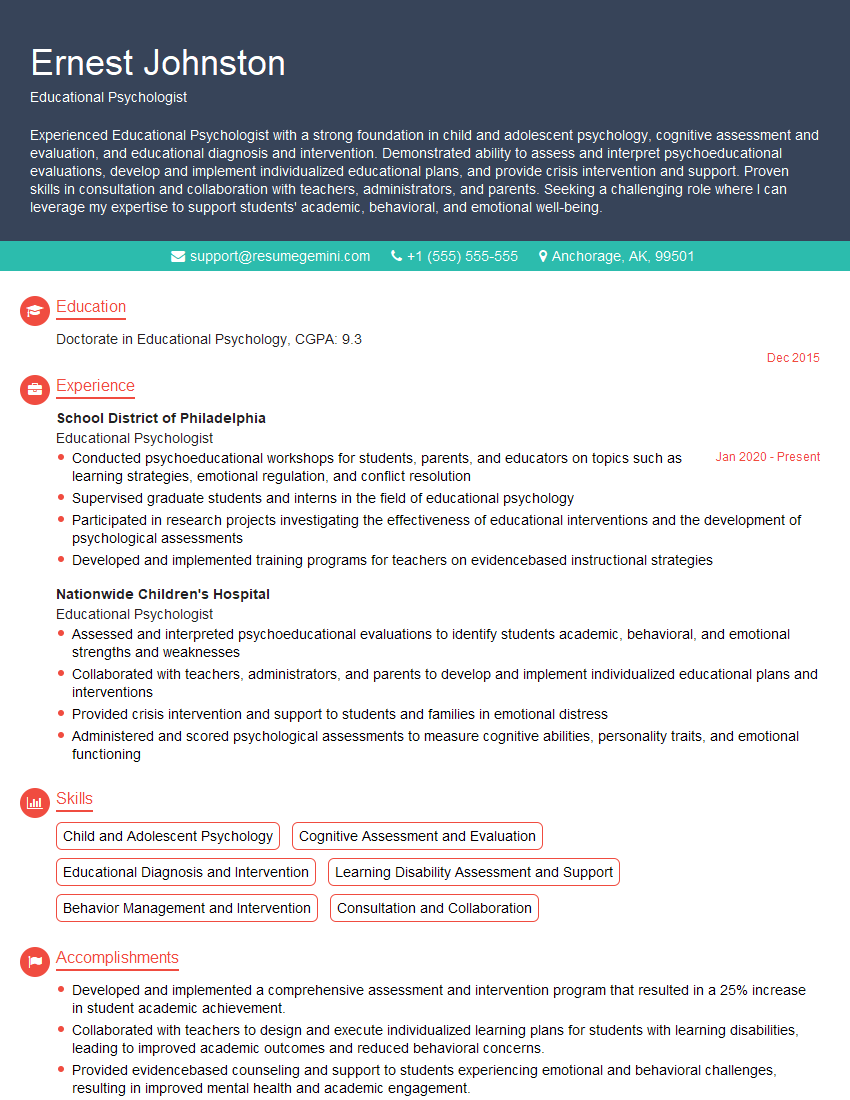
Educational Psychologist Resume Sample
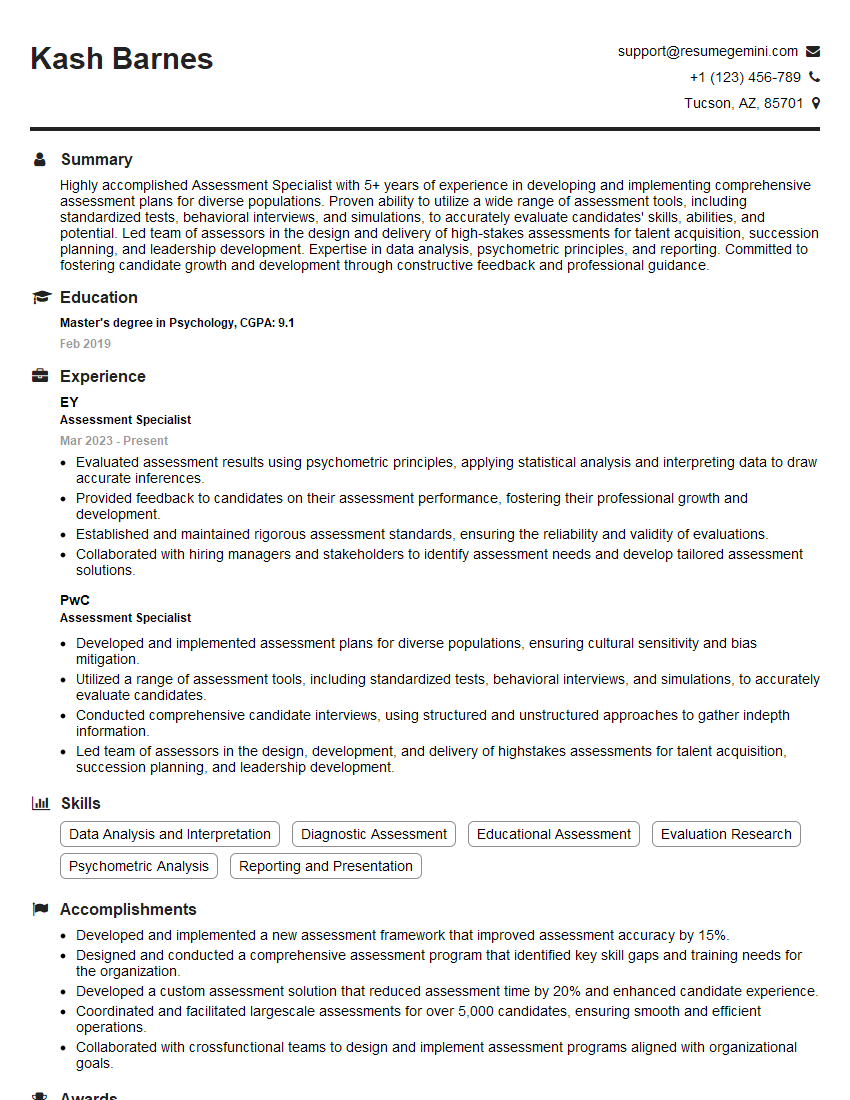
Assessment Specialist Resume Sample
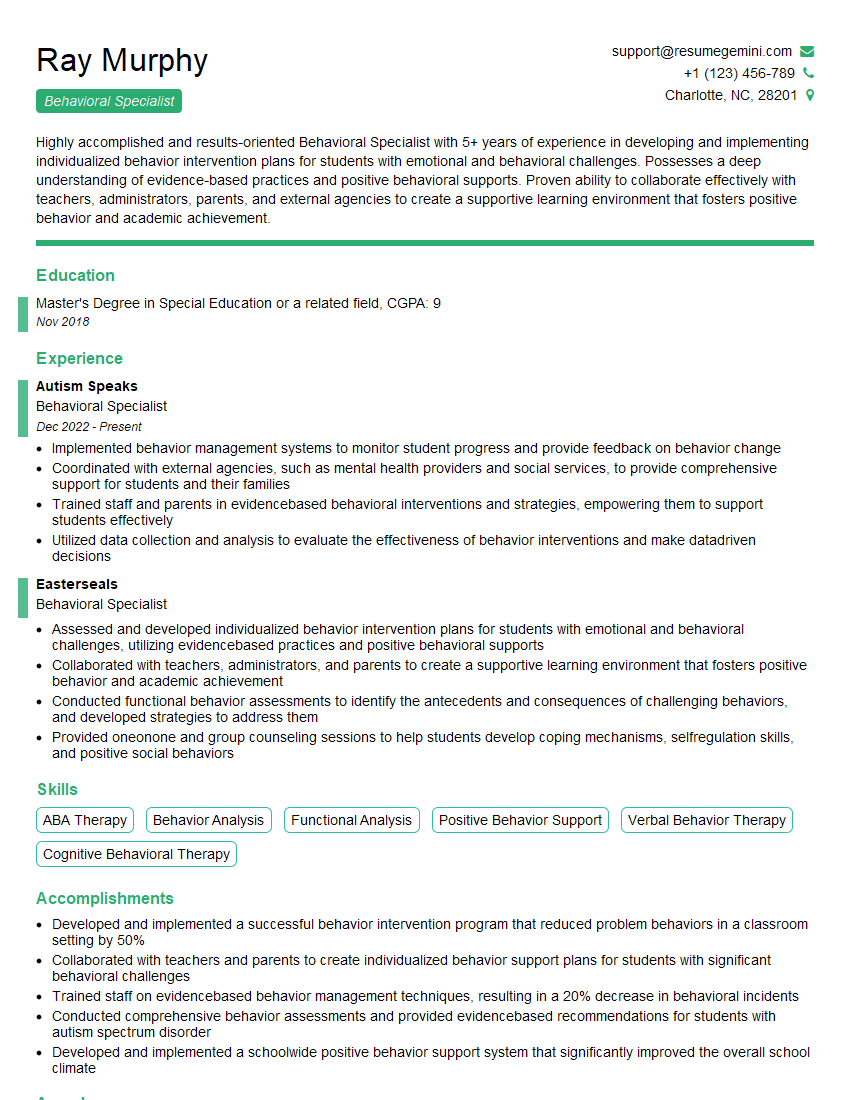
Behavioral Specialist Resume Sample
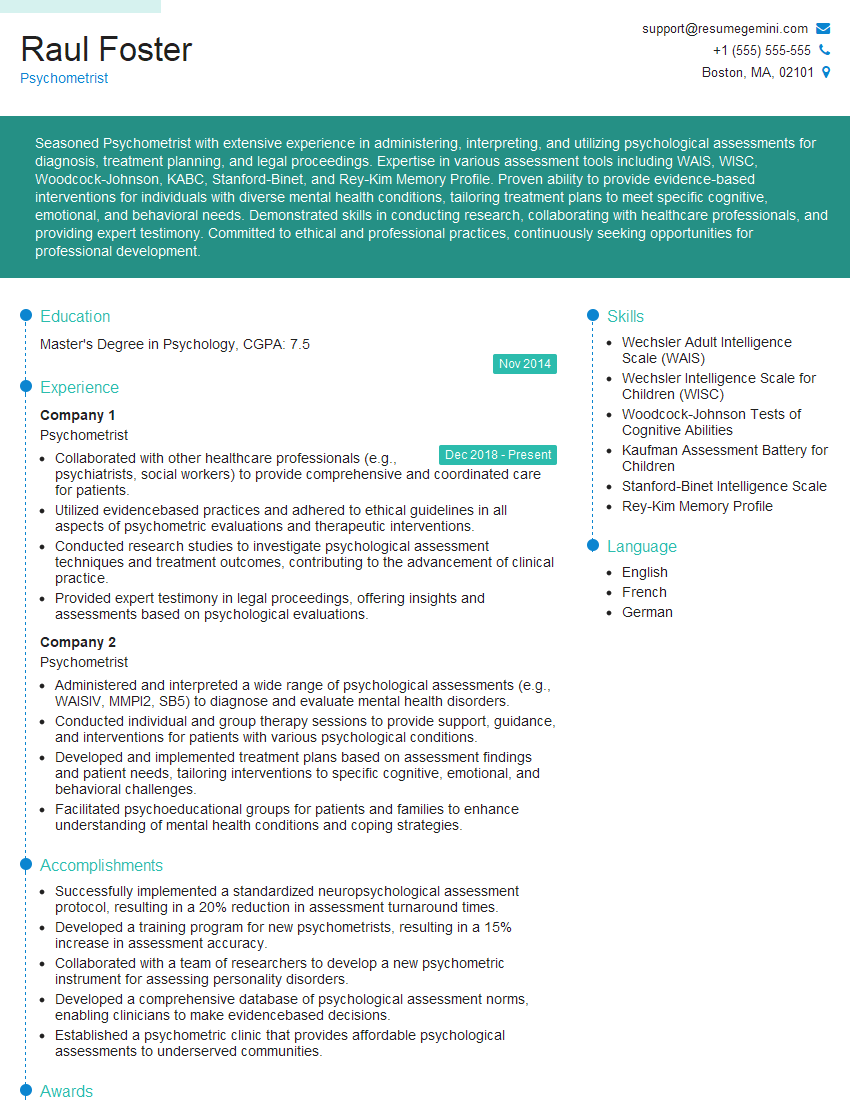
Psychometrist Resume Sample
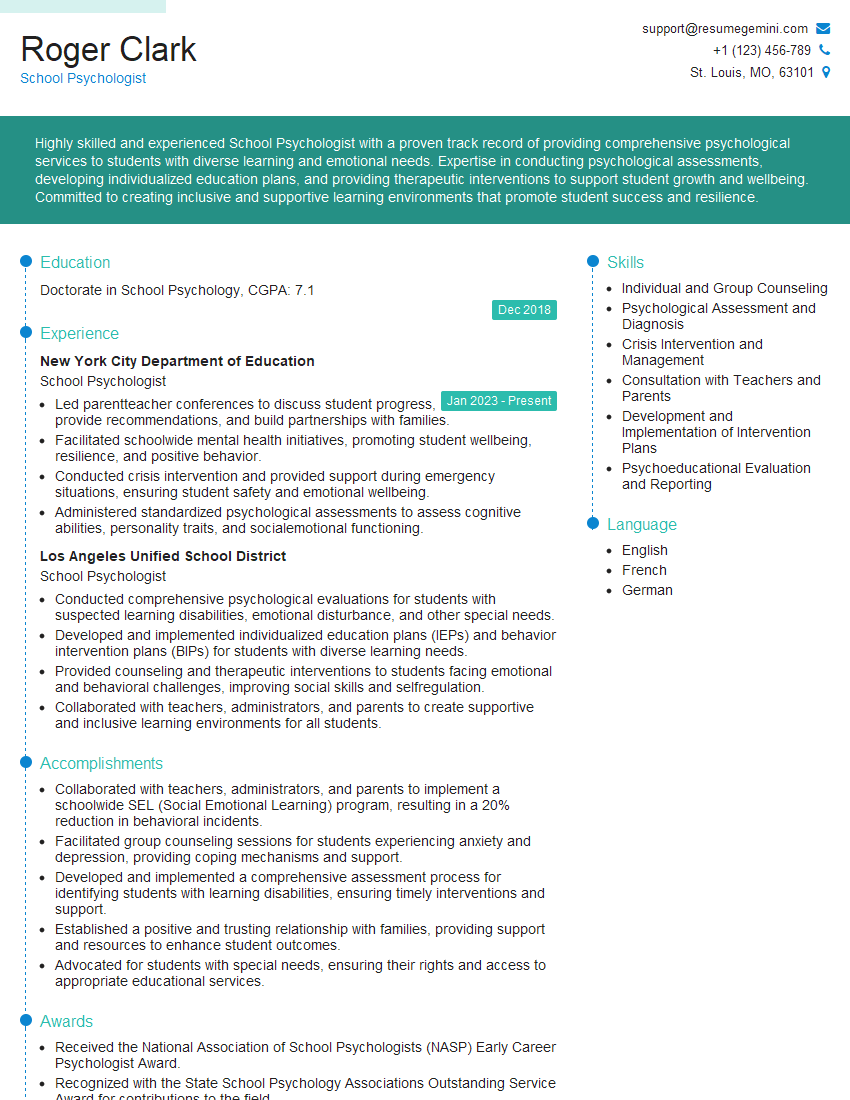
School Psychologist Resume Sample
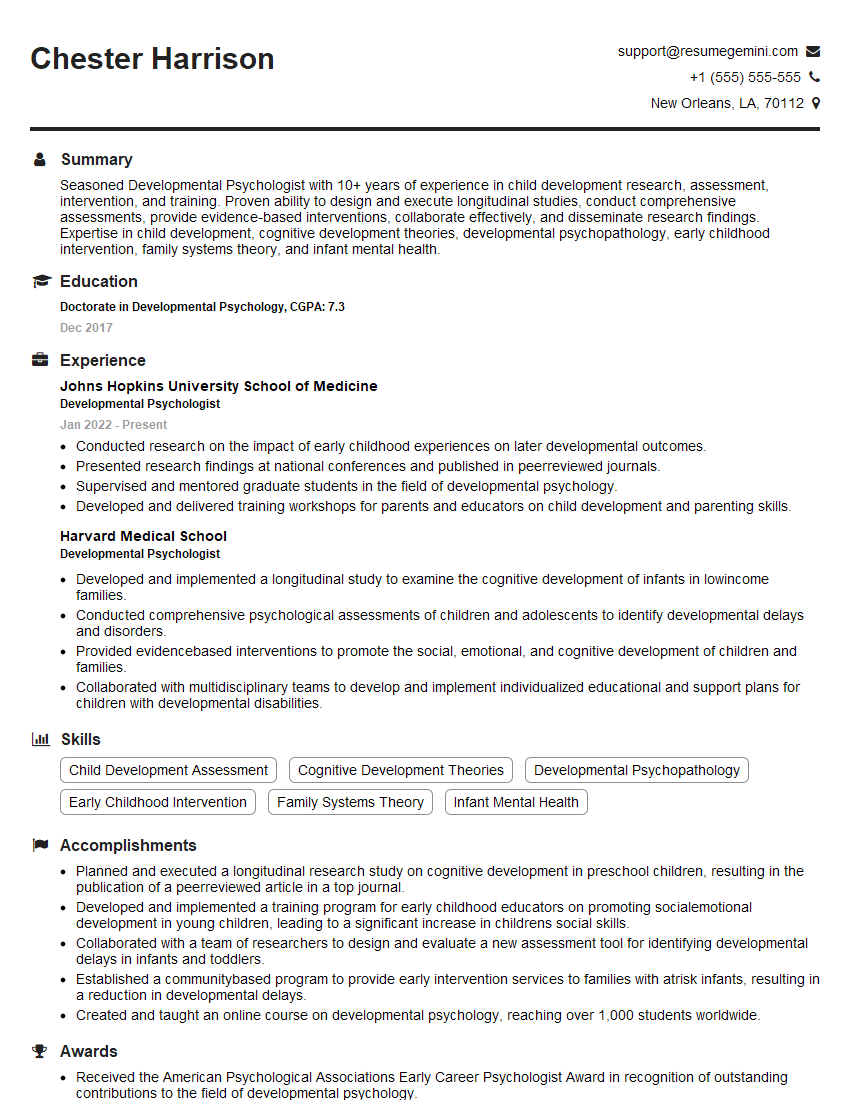
Developmental Psychologist Resume Sample
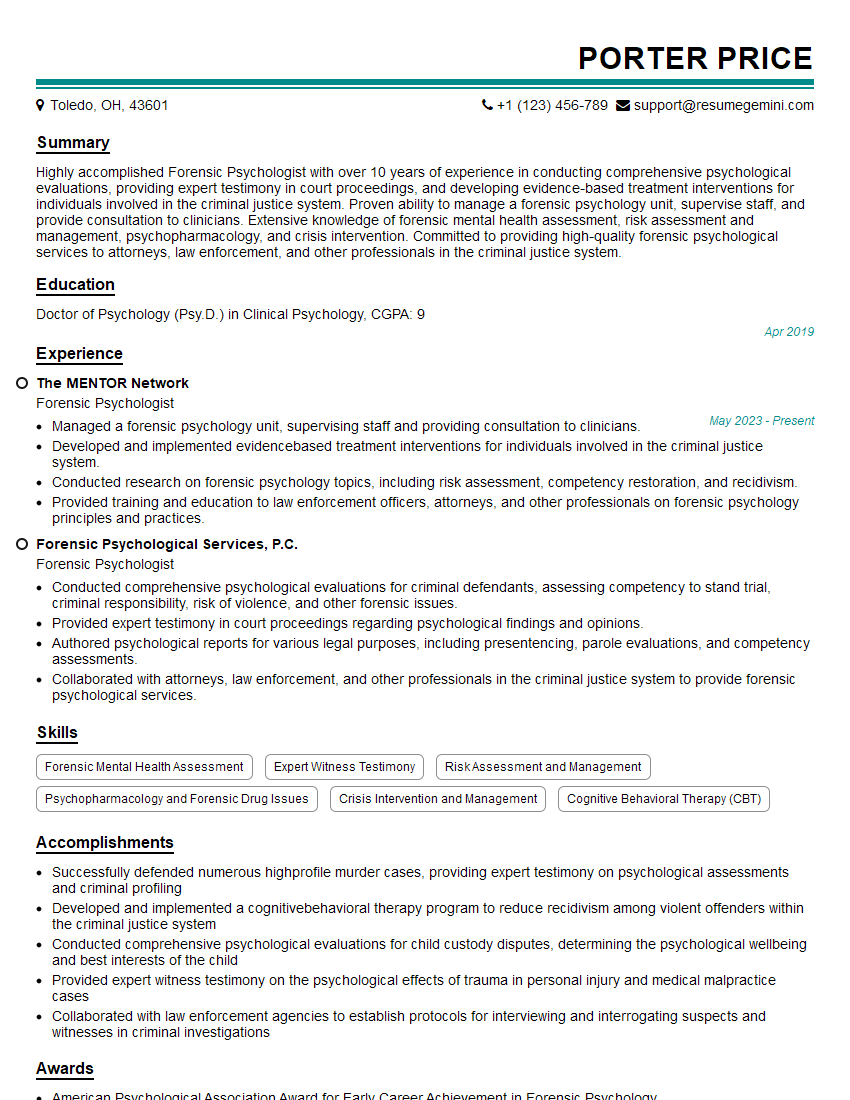
Forensic Psychologist Resume Sample
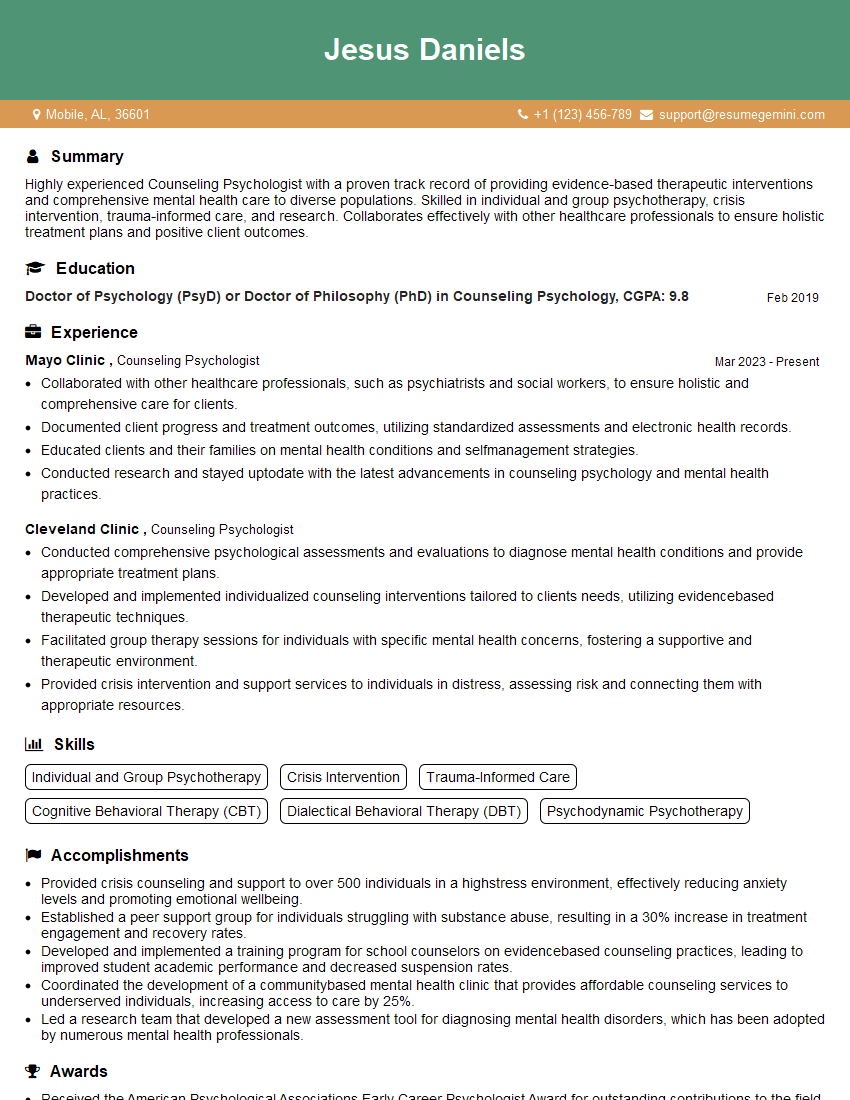
Counseling Psychologist Resume Sample
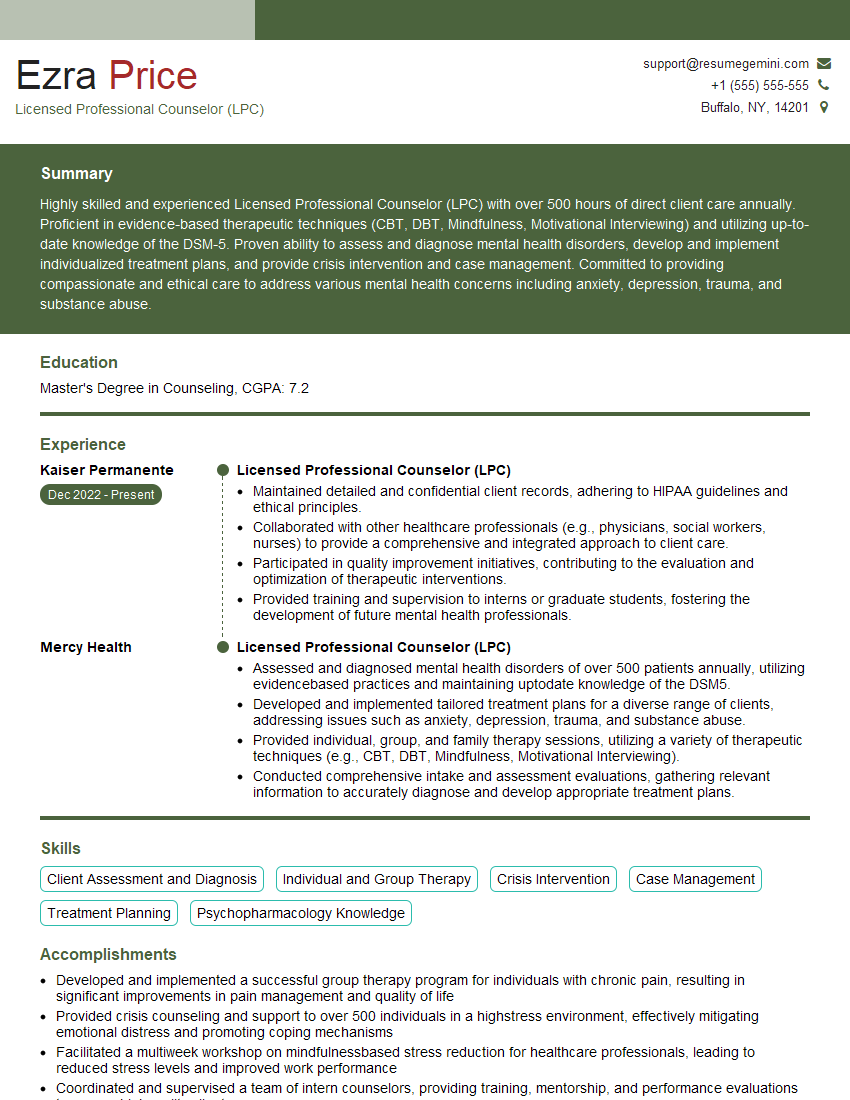
Licensed Professional Counselor (LPC) Resume Sample
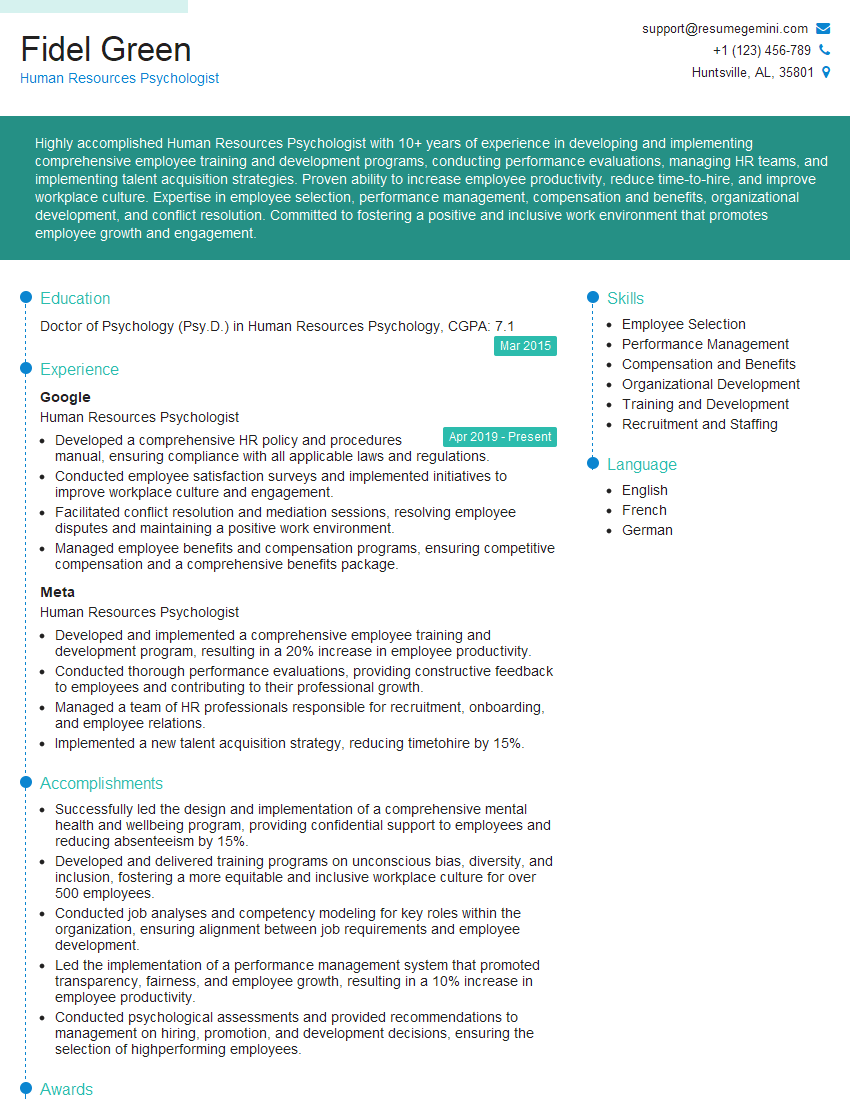
Human Resources Psychologist Resume Sample
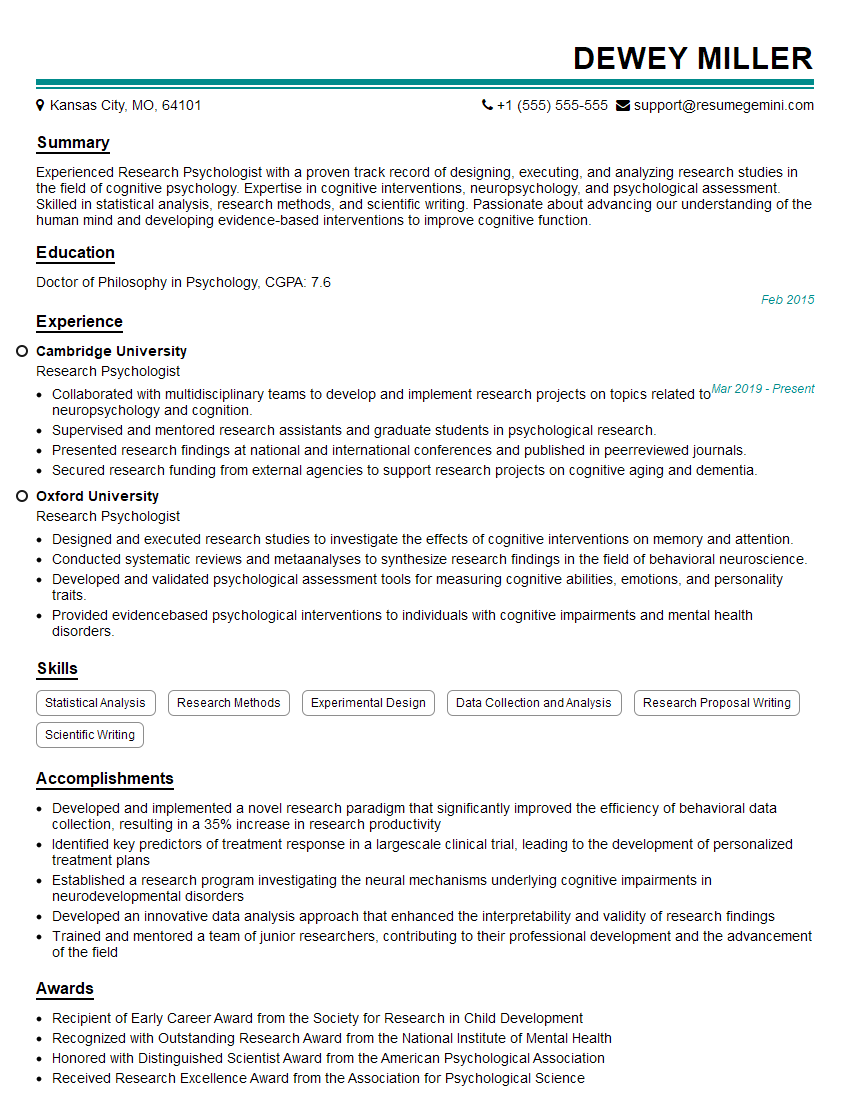
Research Psychologist Resume Sample
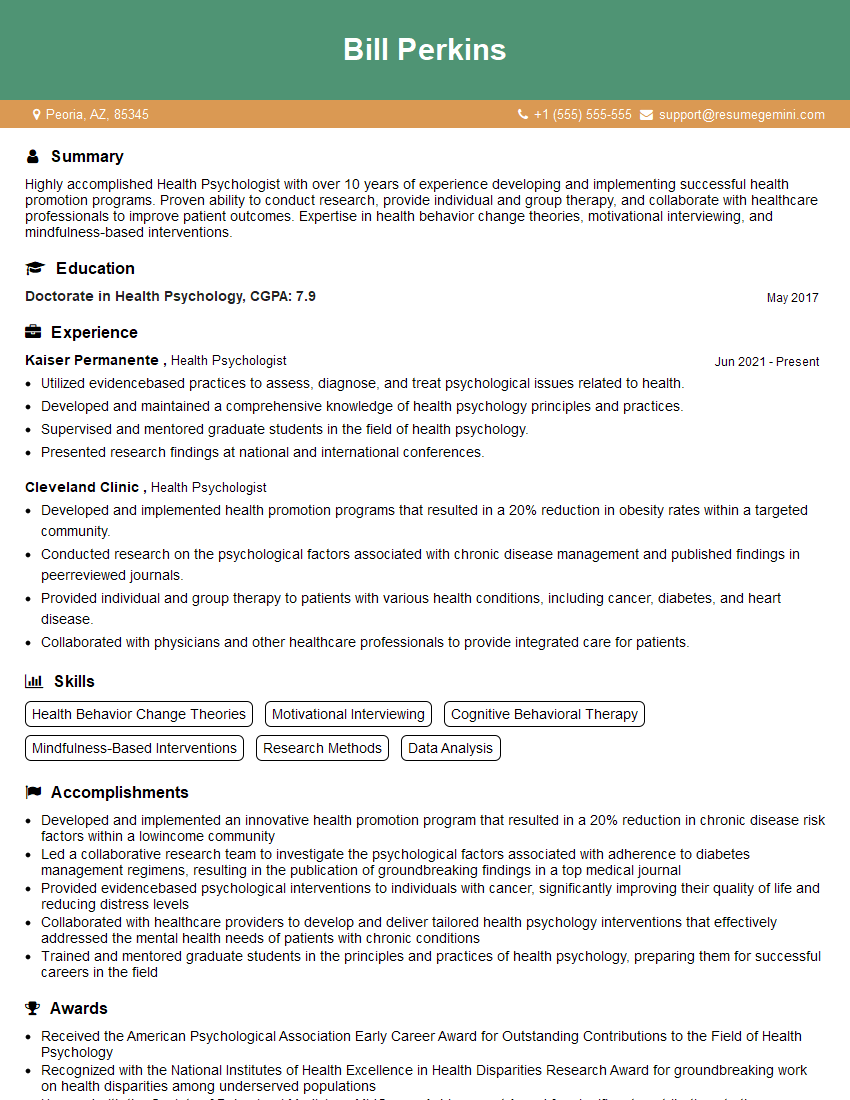
Health Psychologist Resume Sample
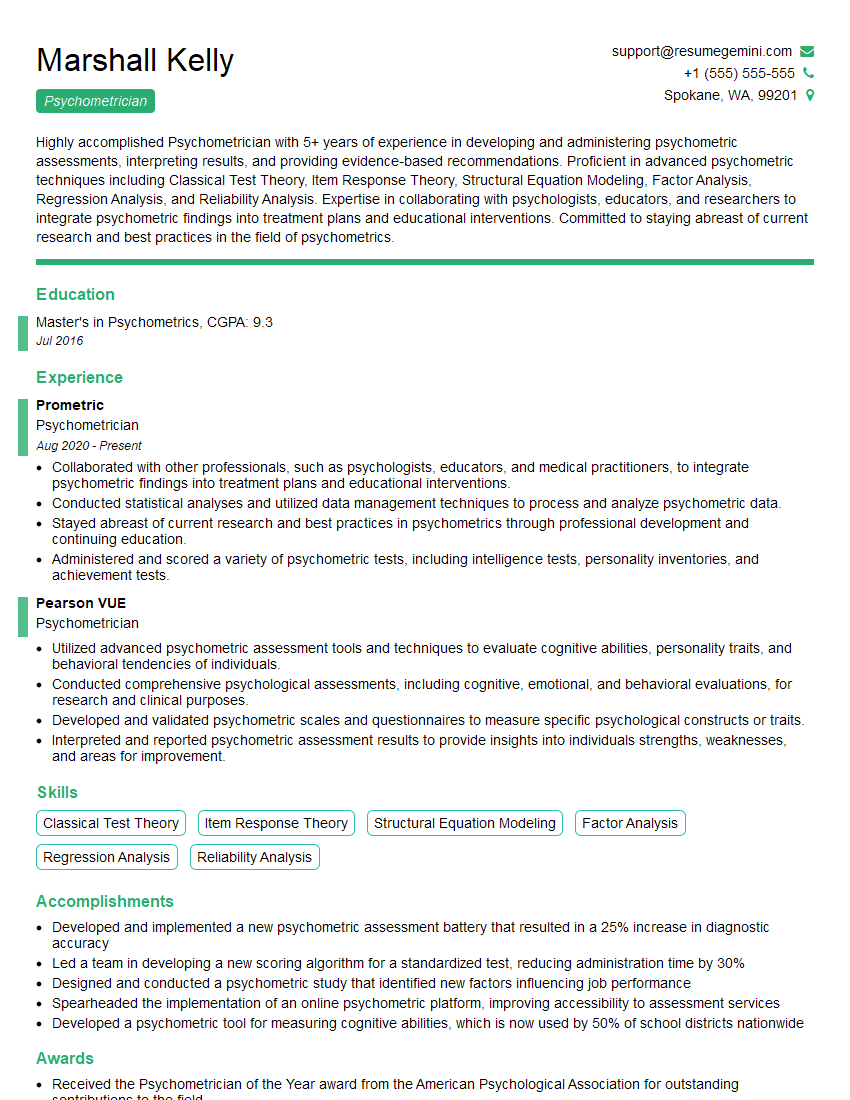
Psychometrician Resume Sample
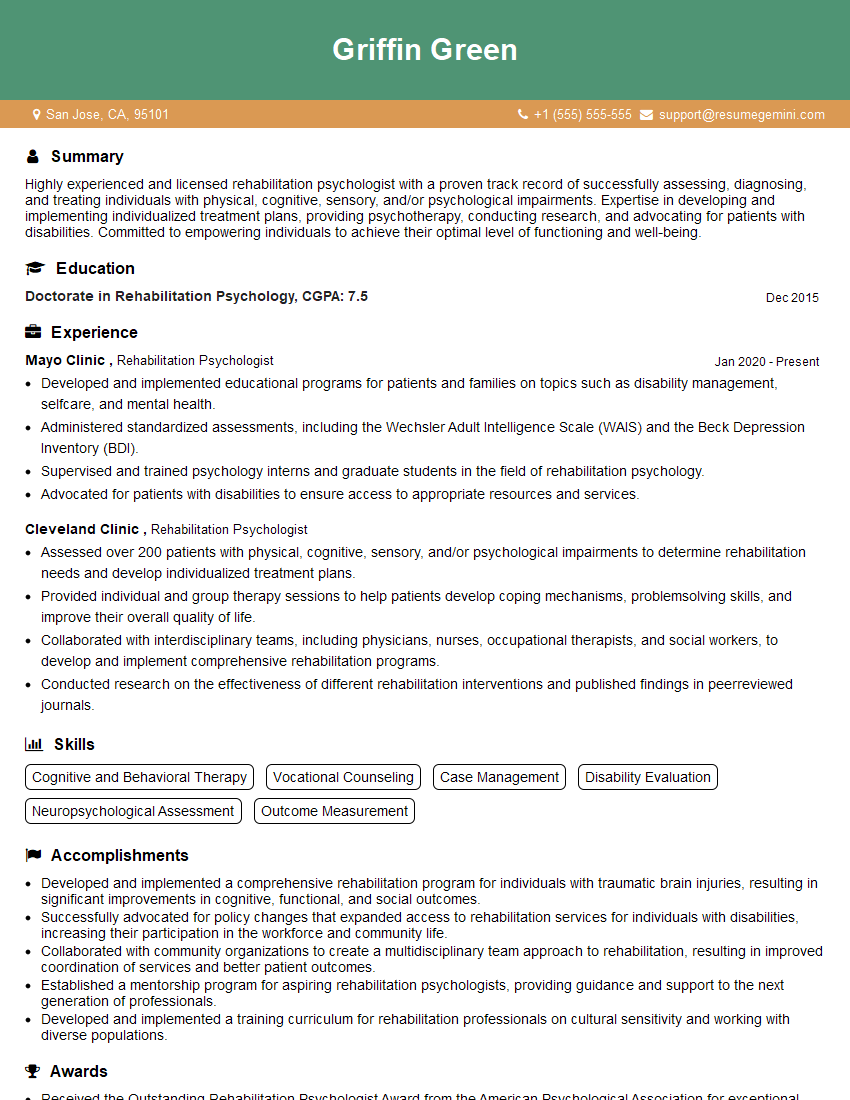
Rehabilitation Psychologist Resume Sample
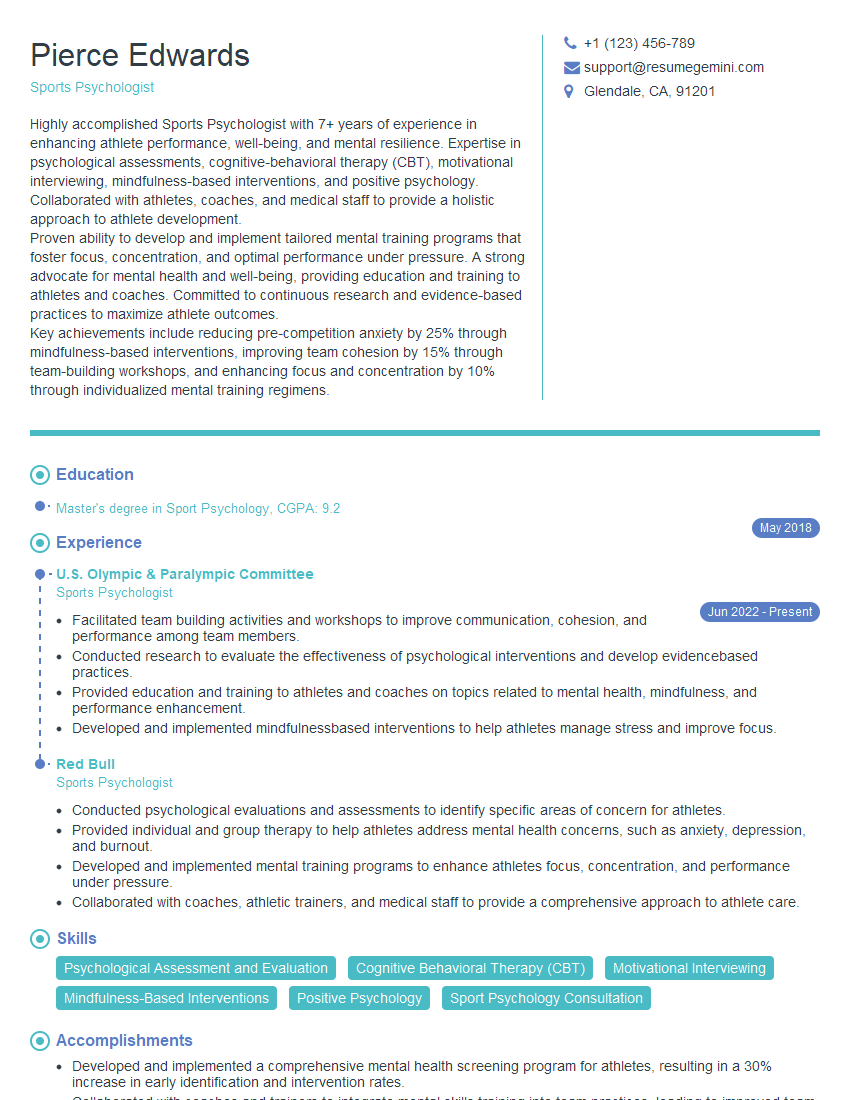
Sports Psychologist Resume Sample
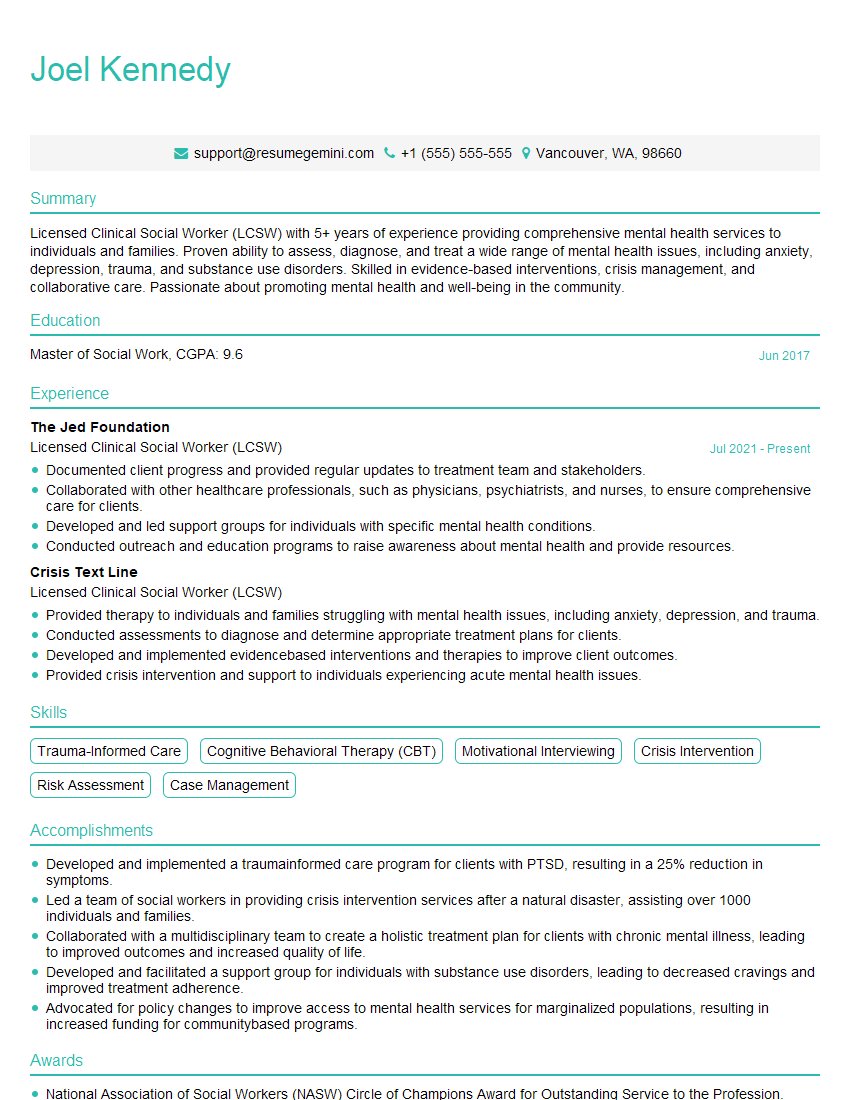
Licensed Clinical Social Worker (LCSW) Resume Sample
- Testing Coordinator
- Child Psychologist
- Clinical Psychologist
- Educational Psychologist
- Assessment Specialist
- Behavioral Specialist
- Psychometrist
- School Psychologist
- Developmental Psychologist
- Forensic Psychologist
- Counseling Psychologist
- Licensed Professional Counselor (LPC)
- Human Resources Psychologist
- Research Psychologist
- Health Psychologist
- Psychometrician
- Rehabilitation Psychologist
- Sports Psychologist
- Licensed Clinical Social Worker (LCSW)
Explore more articles
Users Rating of Our Blogs
Share Your Experience
We value your feedback! Please rate our content and share your thoughts (optional).
What Readers Say About Our Blog
To the interviewgemini.com Webmaster.
Very helpful and content specific questions to help prepare me for my interview!
Thank you
To the interviewgemini.com Webmaster.
This was kind of a unique content I found around the specialized skills. Very helpful questions and good detailed answers.
Very Helpful blog, thank you Interviewgemini team.