Are you ready to stand out in your next interview? Understanding and preparing for Experience in working with teams interview questions is a game-changer. In this blog, we’ve compiled key questions and expert advice to help you showcase your skills with confidence and precision. Let’s get started on your journey to acing the interview.
Questions Asked in Experience in working with teams Interview
Q 1. Describe your experience leading a team through a challenging project.
Leading a team through a challenging project requires a multifaceted approach. In my previous role, we faced a critical deadline for launching a new software application while simultaneously dealing with unexpected technical hurdles. We were significantly behind schedule and morale was low.
My strategy involved several key steps: first, I held a transparent team meeting to acknowledge the challenges openly and honestly. This fostered trust and ensured everyone understood the gravity of the situation. We then collaboratively redefined the project scope, prioritizing essential features over less crucial ones to regain control of the timeline. I implemented daily stand-up meetings to monitor progress, identify bottlenecks, and offer immediate support. Furthermore, I delegated tasks based on individual strengths and actively mentored team members, providing guidance and assistance where needed. This fostered a sense of shared responsibility and ownership. Finally, we celebrated every milestone achieved, no matter how small, to maintain momentum and boost morale. Ultimately, through proactive communication, strategic prioritization, and unwavering support, we successfully launched the application, albeit with a slightly modified feature set, a few weeks behind schedule but with a vastly improved team dynamic.
Q 2. How do you handle conflict within a team?
Conflict is inevitable in any team environment. My approach is based on proactive communication and constructive problem-solving. I encourage open dialogue and actively listen to each individual’s perspective without judgment. I believe in understanding the root cause of the conflict, rather than focusing solely on the symptoms. This often involves identifying unmet needs, miscommunication, or differing priorities.
My strategy typically involves:
- Facilitating a meeting: Creating a safe space for all involved parties to express their concerns openly and honestly.
- Active listening: Ensuring each person feels heard and understood.
- Identifying common ground: Focusing on shared goals and objectives.
- Brainstorming solutions: Collaboratively developing mutually acceptable solutions that address the concerns of all parties.
- Defining clear expectations: Ensuring all team members understand their roles and responsibilities to prevent future conflicts.
It’s crucial to remember that conflict resolution is about finding solutions, not about assigning blame.
Q 3. What strategies do you use to foster teamwork and collaboration?
Fostering teamwork and collaboration is paramount for achieving collective success. My approach centers on creating a positive and inclusive team environment. I utilize several key strategies:
- Team-building activities: Organizing activities that encourage interaction and bonding outside of work tasks. This could range from informal social gatherings to more structured team-building exercises.
- Open communication channels: Establishing clear and accessible communication channels for regular updates, feedback, and brainstorming sessions. This includes utilizing tools like project management software and regular team meetings.
- Recognizing and rewarding contributions: Publicly acknowledging and rewarding individual and team accomplishments, fostering a sense of appreciation and motivation.
- Promoting shared decision-making: Involving team members in decision-making processes, allowing them to contribute their ideas and expertise.
- Providing regular feedback: Offering constructive feedback regularly to ensure that team members feel supported and valued, and are aware of their progress and areas for improvement.
Creating a culture of trust and mutual respect is essential; it enables team members to feel comfortable collaborating, sharing ideas, and supporting one another.
Q 4. How do you delegate tasks effectively within a team setting?
Effective delegation is crucial for efficient teamwork. My approach prioritizes understanding both individual strengths and project requirements. I don’t just assign tasks; I empower individuals to succeed. This involves:
- Assessing team members’ skills and experience: Matching tasks to individual capabilities to ensure optimal performance.
- Providing clear instructions and expectations: Articulating project goals, deadlines, and specific deliverables with complete clarity.
- Offering necessary resources and support: Ensuring team members have the tools, information, and mentorship they need to complete their tasks successfully.
- Establishing clear communication channels: Maintaining open and frequent communication to provide updates, address concerns, and offer guidance.
- Monitoring progress and providing feedback: Regularly checking in on progress, offering support, and providing constructive feedback to help team members stay on track.
Delegation isn’t about dumping tasks; it’s about strategically distributing responsibilities to maximize efficiency and empower team members to grow.
Q 5. How do you motivate team members to achieve common goals?
Motivating a team to achieve common goals requires understanding individual motivations and creating a supportive environment. My approach focuses on:
- Setting clear and achievable goals: Establishing specific, measurable, achievable, relevant, and time-bound (SMART) goals that everyone understands and can strive towards.
- Recognizing and rewarding contributions: Publicly acknowledging and appreciating individual and team achievements, fostering a sense of accomplishment and motivation.
- Providing regular feedback and coaching: Offering constructive feedback and guidance to help team members improve their performance and grow professionally.
- Promoting a positive and supportive team environment: Fostering a culture of trust, respect, and collaboration where team members feel valued and supported.
- Empowering team members: Providing opportunities for growth, development, and increased responsibility, enhancing their sense of ownership and motivation.
Motivation isn’t solely about extrinsic rewards; it’s also about fostering intrinsic motivation by creating a fulfilling and meaningful work experience.
Q 6. Describe a time you had to resolve a conflict between team members.
In a past project, two team members clashed over differing approaches to a critical design element. One preferred a more minimalist approach, while the other advocated for a more complex, feature-rich design. This led to unproductive arguments and stalled progress.
I intervened by scheduling a private meeting with both individuals. I employed active listening, ensuring each fully explained their rationale and concerns without interruption. I highlighted the shared goal – a successful product launch – and reframed the disagreement as a creative challenge rather than a personal conflict. We then brainstormed solutions together, exploring compromises that incorporated elements of both designs. This collaborative approach resulted in a hybrid design that satisfied both parties and ultimately proved more effective than either initial proposal. Post-resolution, I emphasized the importance of open communication and collaborative problem-solving, reinforcing the importance of mutual respect within the team.
Q 7. How do you provide constructive feedback to team members?
Constructive feedback is crucial for growth and improvement. I approach this by focusing on specific behaviors and their impact, rather than making personal attacks. My approach involves:
- Specificity: Focusing on observable behaviors rather than making general statements. For example, instead of saying “You’re not a team player,” I’d say “In the last meeting, you interrupted several team members, which prevented us from fully discussing the topic.”
- Balance: Providing both positive and constructive feedback. Acknowledging strengths before addressing weaknesses helps maintain a positive relationship.
- Focus on impact: Explaining how the behavior impacts the team or the project. For example, “When deadlines are missed, it creates extra stress for the entire team.”
- Actionable suggestions: Offering specific, practical suggestions for improvement rather than just criticizing the issue.
- Two-way communication: Encouraging a discussion and listening to the individual’s perspective to ensure mutual understanding and collaboration on solutions.
The goal of constructive feedback is to help individuals grow, not to discourage them. It’s a collaborative process focused on improvement and shared success.
Q 8. How do you measure team performance?
Measuring team performance isn’t about single metrics; it’s a holistic approach. I use a balanced scorecard approach, considering both quantitative and qualitative factors. Quantitative measures might include project completion rates, on-time delivery, budget adherence, and defect rates. These are easily measurable and trackable. However, equally important are qualitative aspects. I assess team collaboration, communication effectiveness, problem-solving skills, and individual growth. This might involve regular feedback sessions, 360-degree reviews, and observation of team dynamics during meetings and project work. For example, in a previous role leading a software development team, we tracked sprint velocity (quantitative) alongside team morale and knowledge sharing (qualitative) to get a complete picture of performance.
Ultimately, the best metrics are tailored to the specific team goals and context. A sales team, for instance, would prioritize different metrics (sales conversion rates, customer acquisition cost) than a research team (publications, grant success rate).
Q 9. How do you handle a team member who is underperforming?
Addressing underperformance requires a sensitive and structured approach. I begin by having a private, one-on-one conversation with the individual, focusing on understanding the root cause. This could involve exploring factors like lack of training, unclear expectations, personal issues, or lack of resources. It’s crucial to listen actively and avoid judgment. After identifying the issue, I collaborate with the team member to create a performance improvement plan (PIP) outlining specific, measurable, achievable, relevant, and time-bound (SMART) goals. This plan includes regular check-ins to monitor progress and provide support. For example, if the underperformance stems from a lack of technical skills, I’d arrange for training or mentorship. If it’s due to workload, I might re-allocate tasks or provide additional support. If the issue persists despite the PIP, further actions, including disciplinary measures, might be necessary, but this is always a last resort.
Q 10. Describe your experience working in a cross-functional team.
I have extensive experience working in cross-functional teams, particularly during a large-scale product launch. The team comprised engineers, designers, marketers, and sales representatives. My role was to bridge communication gaps and ensure alignment on project goals. We established regular cross-functional meetings, using collaborative tools like shared documents and project management software to track progress and facilitate communication. Effective communication was key; we used clear, concise language, avoiding jargon specific to one department. We also established clear roles and responsibilities from the outset to prevent confusion and overlaps. The success of this project hinged on our ability to understand each other’s perspectives and work towards a common goal, resulting in a successful and timely product launch exceeding initial expectations.
Q 11. What is your preferred team communication style?
My preferred communication style is open, transparent, and collaborative. I believe in fostering a culture of two-way communication, where team members feel comfortable sharing their thoughts and concerns openly. I utilize various methods, including regular team meetings, instant messaging for quick updates, email for formal communication, and project management software for tracking progress. I prioritize clarity and ensure that communication is easily accessible to all team members. I regularly solicit feedback from the team to ensure my communication style is effective and adapt as needed. This ensures everyone feels heard and involved, which fosters better team cohesion and productivity.
Q 12. How do you ensure your team stays aligned on goals and objectives?
Maintaining alignment on goals and objectives is paramount. I use a combination of strategies. Firstly, we collaboratively define goals and objectives at the outset of a project, ensuring everyone understands their contribution and how it ties into the larger picture. I use visual tools like mind maps or project roadmaps to illustrate the interconnectedness of tasks. Secondly, I employ regular check-ins, both team-wide and individual, to track progress, identify roadblocks, and adjust plans as needed. Transparency is key; I use project management software to update everyone on progress, allowing for real-time visibility and accountability. Finally, celebrating milestones and successes helps maintain team morale and reinforces alignment with the overall goals.
Q 13. How do you adapt your leadership style to different team members?
I adopt a flexible leadership style, adapting my approach based on individual team members’ needs and preferences. Some team members might thrive with autonomy and minimal direction, while others prefer more structured guidance. I observe each team member’s work style, communication preferences, and strengths, tailoring my approach accordingly. For example, I might provide detailed instructions and regular feedback to a junior member while empowering a senior member to take ownership and lead sub-projects independently. Regular feedback sessions allow me to understand their individual needs and adjust my support accordingly. This individualized approach fosters a supportive and inclusive environment, where each team member feels valued and empowered to contribute their best.
Q 14. What metrics do you use to track team progress?
The metrics I use to track team progress vary depending on the project and team goals. However, I generally focus on a combination of leading indicators (predictive of future performance) and lagging indicators (reflecting past performance). Leading indicators might include the number of completed tasks, the pace of development, or the frequency of team meetings. Lagging indicators might include the final product quality, on-time delivery, or customer satisfaction. I also track qualitative data, such as team morale and collaboration, using feedback surveys and regular observation. Regularly reviewing these metrics allows for proactive adjustments and ensures the team is on track to achieve its objectives.
Q 15. Describe a time you had to make a difficult decision that impacted your team.
Making difficult decisions impacting a team often involves balancing competing priorities and considering the potential consequences for individual team members and the project as a whole. One instance involved a project nearing its deadline where a key feature was significantly behind schedule. We had two options: cut the feature entirely, risking a less complete product, or delay the launch, potentially impacting marketing timelines and revenue projections.
After careful consideration of the risks and benefits, and consulting with the team members directly involved, we decided to cut the feature. This wasn’t an easy choice; it meant re-allocating resources and potentially disappointing some team members who had invested significant effort into that particular feature. However, we chose this path because delaying the launch posed a greater overall risk to the project’s success. We mitigated the impact by transparently communicating the decision to the team, emphasizing the reasons for the change, and acknowledging the hard work that had already been done. This transparency helped the team understand the rationale and remain engaged despite the disappointment.
This experience highlighted the importance of collaborative decision-making, transparent communication, and acknowledging the emotional impact of such decisions on team members. A post-mortem analysis helped us identify areas for improvement in project management and risk assessment for future projects.
Career Expert Tips:
- Ace those interviews! Prepare effectively by reviewing the Top 50 Most Common Interview Questions on ResumeGemini.
- Navigate your job search with confidence! Explore a wide range of Career Tips on ResumeGemini. Learn about common challenges and recommendations to overcome them.
- Craft the perfect resume! Master the Art of Resume Writing with ResumeGemini’s guide. Showcase your unique qualifications and achievements effectively.
- Don’t miss out on holiday savings! Build your dream resume with ResumeGemini’s ATS optimized templates.
Q 16. How do you handle disagreements about project priorities?
Disagreements about project priorities are inevitable, especially in fast-paced environments. My approach involves fostering a collaborative environment where differing viewpoints are not only accepted but encouraged. I start by ensuring everyone has a clear understanding of the overall project goals and objectives. We then prioritize tasks based on their contribution to these goals, using a framework like MoSCoW (Must have, Should have, Could have, Won’t have) to categorize requirements.
When disagreements arise, I facilitate a structured discussion using a prioritization matrix. This involves listing all tasks, then having the team assign weights based on factors like business value, risk, and dependencies. This process helps to objectively assess competing priorities. The discussion isn’t about winning or losing, but about reaching a consensus through shared understanding. If necessary, I might use data-driven analysis to support decision-making, such as examining user feedback or market trends to inform the prioritization process. Ultimately, the goal is to make sure everyone feels heard and understands the reasoning behind the final prioritization.
Q 17. How do you build trust and rapport with your team members?
Building trust and rapport is foundational for effective teamwork. It’s not a one-time event, but an ongoing process that requires consistent effort and attention. I believe in leading by example: being dependable, honest, and respectful. I actively listen to team members, valuing their input and showing genuine interest in their perspectives. I also make it a point to get to know them personally, recognizing their individual strengths and contributions.
I encourage open communication, creating safe spaces for team members to share ideas, concerns, and feedback without fear of judgment. I regularly check in with individual team members, offering support and guidance when needed. Team-building activities, both formal and informal, are important. This can include things like team lunches, social events, or even short informal check-ins during the week. These activities build camaraderie and strengthen relationships, fostering a more positive and collaborative work environment. Transparency in decision-making also builds trust; by explaining the reasoning behind decisions, team members feel valued and informed.
Q 18. How do you manage expectations within a team?
Managing expectations involves clear, consistent, and proactive communication. I begin by setting clear goals and deliverables at the outset of a project, ensuring every team member understands their individual roles and responsibilities. We use a project management tool (like Jira or Asana) to track progress, making sure that everyone has visibility into the project’s status and potential roadblocks.
Regular status meetings are crucial for monitoring progress and addressing any emerging issues. I encourage team members to raise concerns or challenges early rather than letting them fester. This often involves actively listening and empathy, understanding the pressures and difficulties team members face. When adjustments to timelines or deliverables are necessary, I communicate these changes promptly and transparently, explaining the reasons behind them and providing clear expectations moving forward. By being proactive, consistent, and communicative, I help create a realistic and shared understanding of what can be achieved.
Q 19. How do you ensure accountability within your team?
Accountability is ensured through a combination of clear roles, defined responsibilities, and regular performance monitoring. Each team member has clearly defined roles and responsibilities outlined in project documentation or team agreements. This clarifies individual contributions and prevents ambiguity. We use a project management tool to track individual tasks and progress, providing transparency and enabling proactive monitoring.
Regular check-ins and performance reviews allow for open communication about progress, challenges, and any necessary adjustments. I focus on constructive feedback, providing both praise for accomplishments and guidance for areas needing improvement. When issues arise, I work collaboratively with the team member to identify solutions and support their development. It’s important to remember that accountability is not about blame; it’s about shared responsibility and continuous improvement. Open communication and collaborative problem-solving are key to fostering a culture of accountability within the team.
Q 20. What tools or techniques do you use to facilitate team communication?
Effective team communication relies on a multi-faceted approach combining various tools and techniques tailored to the team’s needs and project requirements. We primarily use project management software (such as Jira or Asana) for task assignment, progress tracking, and file sharing. This centralized platform provides a single source of truth for project information, ensuring everyone is on the same page.
For daily quick updates, we utilize instant messaging platforms (such as Slack or Microsoft Teams). These tools facilitate quick questions, informal discussions, and immediate feedback. Regular team meetings are essential for discussing progress, addressing challenges, and making decisions collaboratively. We also employ video conferencing for remote teams and larger meetings. Finally, we use email for formal communication, ensuring a clear record of important decisions and agreements. The key is to choose the right tool for the job and to ensure that everyone is comfortable and proficient using the chosen communication channels.
Q 21. How do you recognize and reward team accomplishments?
Recognizing and rewarding team accomplishments is crucial for boosting morale, motivating team members, and reinforcing positive behaviors. Public acknowledgment of achievements, through team meetings or company-wide communications, is a powerful way to show appreciation. This could involve a simple ‘thank you’ or a more formal recognition in a team meeting or newsletter.
Beyond verbal praise, tangible rewards can also be effective. These could include bonuses, gift cards, extra time off, or opportunities for professional development. It’s equally important to celebrate milestones along the way, not just the final outcome. This keeps the team energized and motivated throughout the project lifecycle. A small celebration, like a team lunch or a casual get-together, can make a huge difference in morale. The key is to tailor the recognition to the team’s culture and preferences, ensuring that the rewards are meaningful and appreciated.
Q 22. How do you onboard new team members effectively?
Effective onboarding is crucial for new team members to quickly integrate and contribute. My approach involves a structured process spanning several phases. First, pre-boarding begins before the start date, with communication outlining expectations, providing necessary documents, and perhaps assigning pre-reading materials. This sets a positive tone and reduces initial anxiety.
Next, the first week focuses on introductions, team culture orientation, and workspace setup. I ensure they meet key stakeholders and understand immediate responsibilities. We set clear, achievable short-term goals for quick wins and build confidence. This is followed by a structured training program tailored to their role, incorporating both formal instruction and on-the-job learning opportunities with experienced team members as mentors.
Regular check-ins are vital, initially daily or bi-weekly, then shifting to weekly or monthly, depending on progress and needs. These aren’t just performance reviews; they are opportunities for feedback, addressing concerns, and refining the onboarding process. Finally, I encourage social integration through team lunches, informal gatherings, and activities that promote bonding outside of work tasks, fostering a welcoming and collaborative environment. This holistic approach ensures a smooth transition and accelerates their integration into the team.
Q 23. Describe a time you mentored a junior team member.
I mentored a junior data analyst who struggled with SQL query optimization. Initially, she was producing functional queries but they were incredibly slow, impacting overall project timelines. I started by observing her work, identifying specific areas for improvement. We then scheduled regular one-on-one sessions. I didn’t just tell her what to do; instead, I guided her through the process. For example, I showed her how to use query profiling tools to identify bottlenecks, explaining the concepts of indexing, joins, and subqueries. We worked on practical examples together, and I encouraged her to experiment with different approaches. I provided constructive feedback on her code, highlighting both strengths and areas needing further development. The key was patience and encouragement. Over time, her query performance dramatically improved, and she developed a much deeper understanding of database optimization. She eventually presented her improved techniques to the wider team, demonstrating her newfound expertise and building her confidence significantly.
Q 24. How do you handle pressure and deadlines within a team environment?
Handling pressure and deadlines effectively requires a proactive and collaborative approach. My strategy involves a few key steps: First, clear communication is paramount. I ensure everyone understands project goals, deadlines, and individual responsibilities. I encourage open discussion regarding potential roadblocks. Next, I advocate for realistic planning; we break down large tasks into smaller, manageable ones with clear milestones. This helps visualize progress and maintain momentum.
When pressure mounts, I prioritize tasks strategically, focusing on high-impact activities first. I also actively involve the team in problem-solving; brainstorming alternative solutions and delegating tasks effectively to distribute the workload. Finally, I encourage self-care and stress management techniques among team members. Recognize that burnout is counterproductive; ensuring everyone has adequate time for breaks and avoids overworking is crucial for sustained performance and maintain team morale. This multi-faceted approach keeps the team focused, motivated, and capable of delivering under pressure.
Q 25. How do you identify and utilize the strengths of each team member?
Identifying and utilizing team member strengths is essential for maximizing productivity and job satisfaction. I begin by conducting informal assessments and utilizing 360-degree feedback mechanisms to gain a comprehensive understanding of each individual’s skills and aptitudes. This could involve observation during projects, reviewing past performance, and soliciting feedback from peers and supervisors. This also includes understanding their preferred working styles and communication preferences.
Next, I document these strengths to facilitate informed decision-making. I leverage this information to strategically assign tasks that best align with their capabilities and interests. For example, if someone excels at client communication, I prioritize them for client-facing roles. If another member is adept at technical problem-solving, I assign them to complex technical tasks. Regular feedback loops allow for ongoing evaluation and adjustment, recognizing that skills evolve over time. This approach not only boosts team performance but also fosters a sense of ownership and fulfillment within the team.
Q 26. What is your experience with different team structures (e.g., hierarchical, flat)?
I’ve worked in both hierarchical and flat team structures. In hierarchical structures, clear reporting lines and defined roles are beneficial for larger projects with complex dependencies. However, they can sometimes stifle communication and innovation if not managed carefully. I emphasize open communication and regular updates from each level to mitigate this. In flatter structures, collaboration and autonomy are often enhanced, leading to increased creativity and agility. However, there is a need for clear accountability and well-defined processes to prevent confusion or duplication of effort. In either structure, I find that active listening, clear communication, and a focus on shared goals are vital for success.
My experience has shown me that the best structure isn’t universal; the ideal choice depends on the project’s size, complexity, and the team’s composition. Adaptability is key; my approach is to work within the existing structure, optimizing it for the specific context rather than trying to force a preferred model.
Q 27. How do you adapt your approach to teamwork in different organizational cultures?
Adapting to different organizational cultures requires strong observational skills and cultural sensitivity. I start by actively listening and observing team dynamics, communication styles, and decision-making processes. I pay attention to both formal policies and informal norms. For example, some cultures value direct communication while others favor indirect approaches. Some are highly hierarchical, while others are more egalitarian. Understanding these nuances is crucial.
I tailor my communication style and approach to teamwork accordingly. In more hierarchical cultures, I ensure clear communication flows through established channels, while in flatter structures, I encourage open dialogue and collaborative decision-making. I actively seek feedback from team members to ensure my approach is effective and inclusive. My objective is to foster trust and collaboration, building strong working relationships based on mutual respect and understanding, regardless of the cultural context.
Q 28. Describe a time you facilitated a team brainstorming session.
I facilitated a brainstorming session for a new marketing campaign. To ensure effectiveness, I started with a clear objective, stating the specific problem we needed to solve: how to reach a younger demographic. I then used a combination of techniques to encourage diverse participation. First, we began with an individual brainstorming phase where each member quietly wrote down their ideas. This allowed for independent thinking before group discussion.
Next, we transitioned to a group discussion, using a round-robin approach to ensure everyone had a chance to share. I emphasized a judgment-free environment, encouraging creative thinking and building upon each other’s ideas. I used visual aids like a whiteboard to capture ideas and maintain focus. We concluded by prioritizing ideas based on feasibility and potential impact, voting on the most promising concepts. This structured approach generated a wealth of creative ideas, leading to a successful marketing campaign that significantly exceeded our initial expectations. The key was to create a safe space for everyone to contribute, regardless of their seniority or experience.
Key Topics to Learn for Experience in working with teams Interview
- Collaboration Styles and Preferences: Understanding different team working styles (e.g., Agile, Waterfall) and adapting your approach for optimal collaboration. Practical application: Describe a situation where you adapted your communication style to work effectively with a diverse team.
- Conflict Resolution and Negotiation: Strategies for identifying, addressing, and resolving conflicts constructively within a team environment. Practical application: Provide an example of a time you successfully mediated a disagreement within your team, focusing on the process and outcome.
- Team Dynamics and Roles: Recognizing and understanding the roles and responsibilities of team members, and how individual contributions contribute to overall team success. Practical application: Discuss your experience working within a specific team structure and your contribution to team goals.
- Communication and Feedback: Effective communication techniques for sharing information, providing constructive feedback, and actively listening to team members. Practical application: Describe a situation where you gave or received constructive criticism and the impact it had on the team’s performance.
- Leadership and Mentorship (if applicable): Highlight experiences where you demonstrated leadership qualities, mentored junior team members, or guided a team towards a common goal. Practical application: Describe a project where you took initiative and guided your team to overcome a challenge.
- Project Management and Teamwork: Understanding project management methodologies and how to effectively contribute to a team’s success in delivering projects on time and within budget. Practical application: Describe your role and contribution to a successful project, emphasizing your collaborative efforts.
Next Steps
Mastering your ability to articulate your experience working in teams is crucial for career advancement. Demonstrating strong teamwork skills is highly valued by employers across all industries. To maximize your job prospects, create an ATS-friendly resume that showcases your collaborative achievements. ResumeGemini is a trusted resource that can help you build a professional and impactful resume, highlighting your teamwork capabilities. Examples of resumes tailored to showcasing “Experience in working with teams” are available to help you get started.
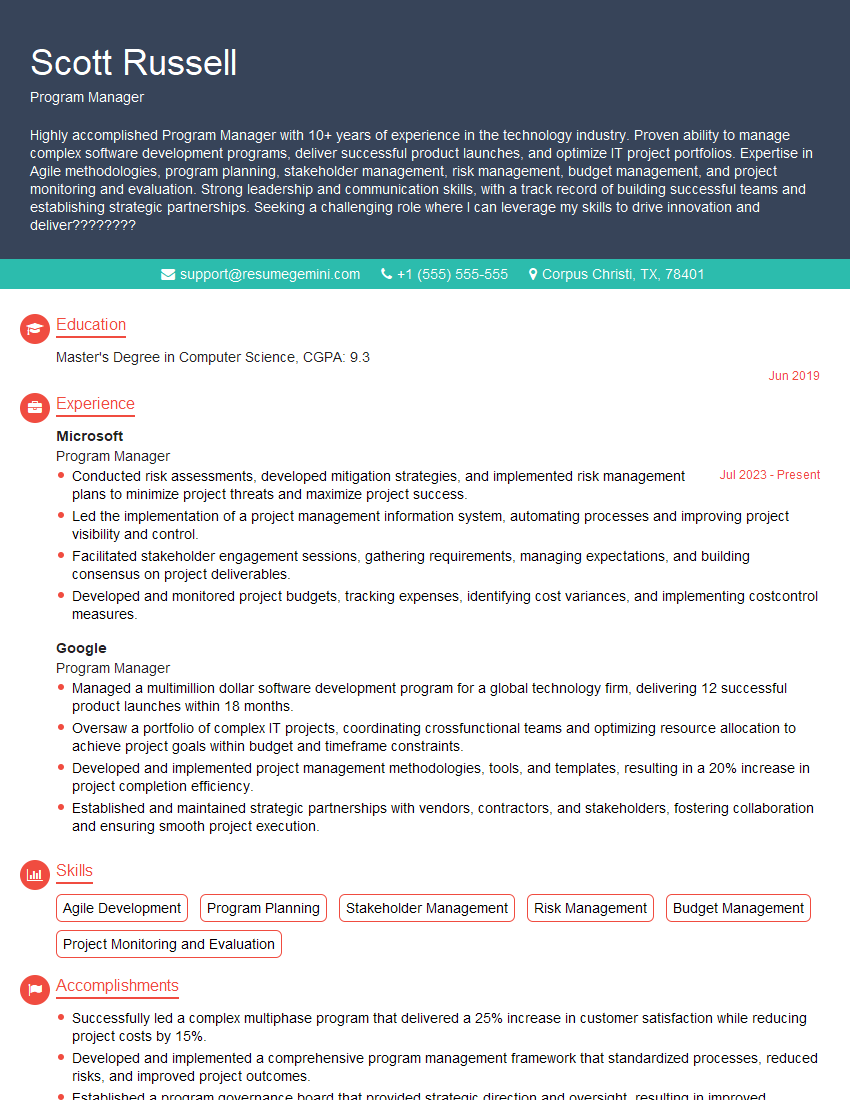
Program Manager Resume Sample
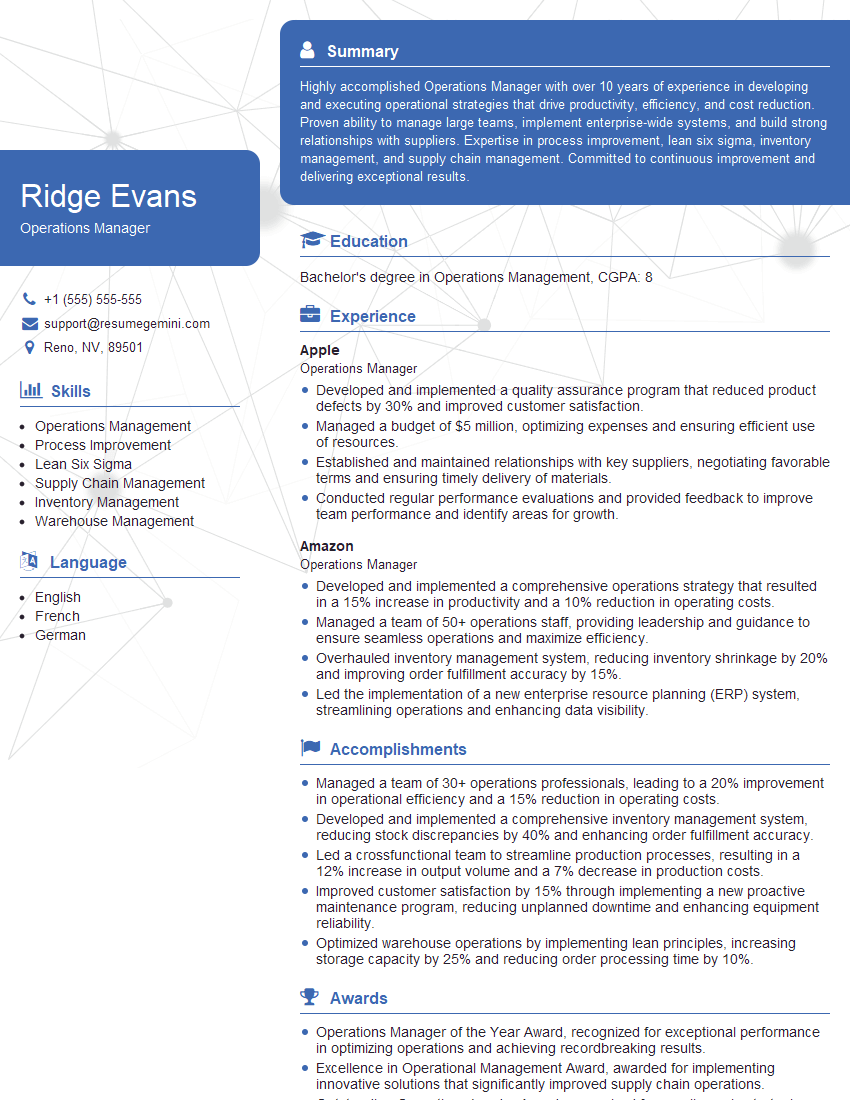
Operations Manager Resume Sample
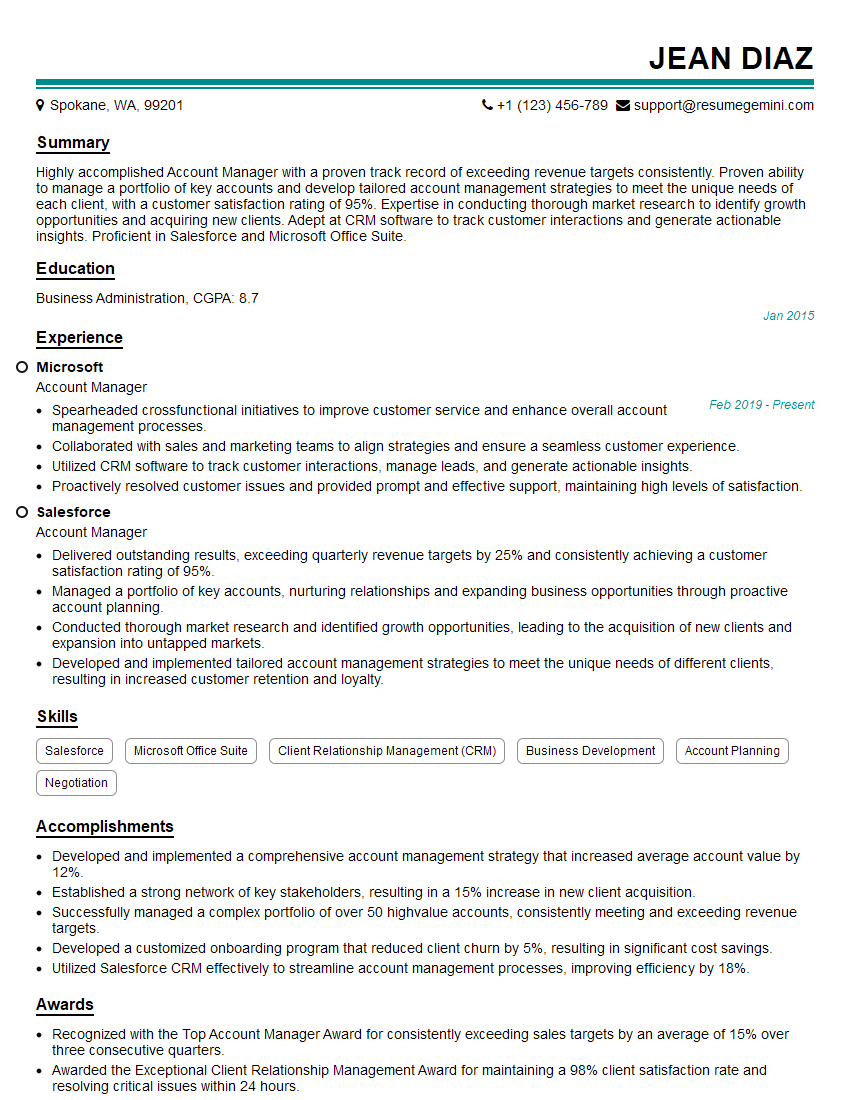
Account Manager Resume Sample
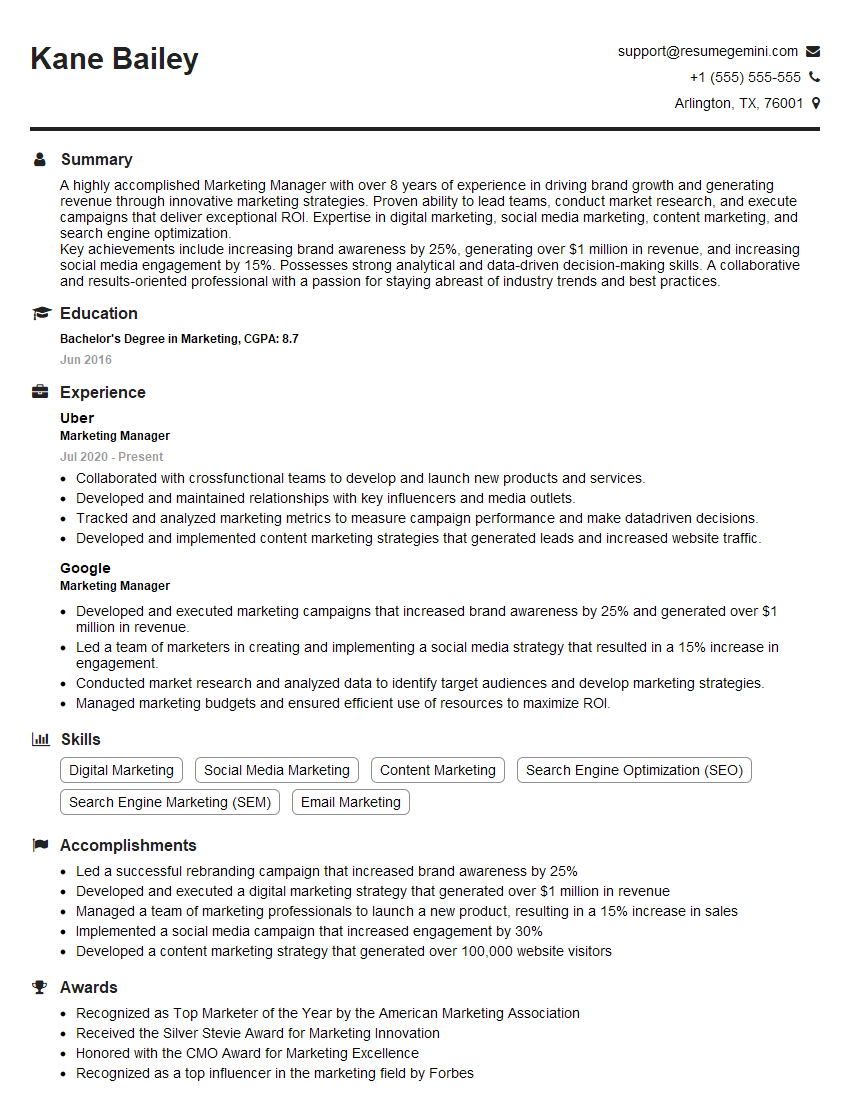
Marketing Manager Resume Sample
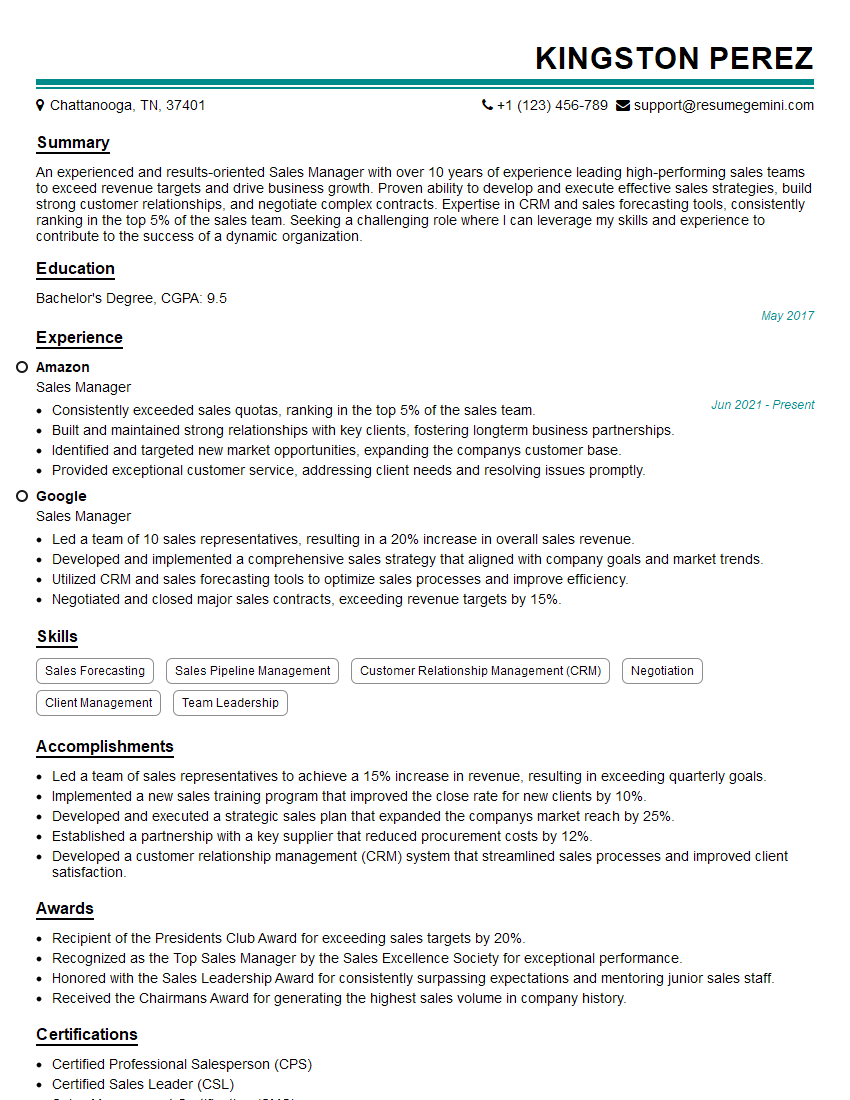
Sales Manager Resume Sample
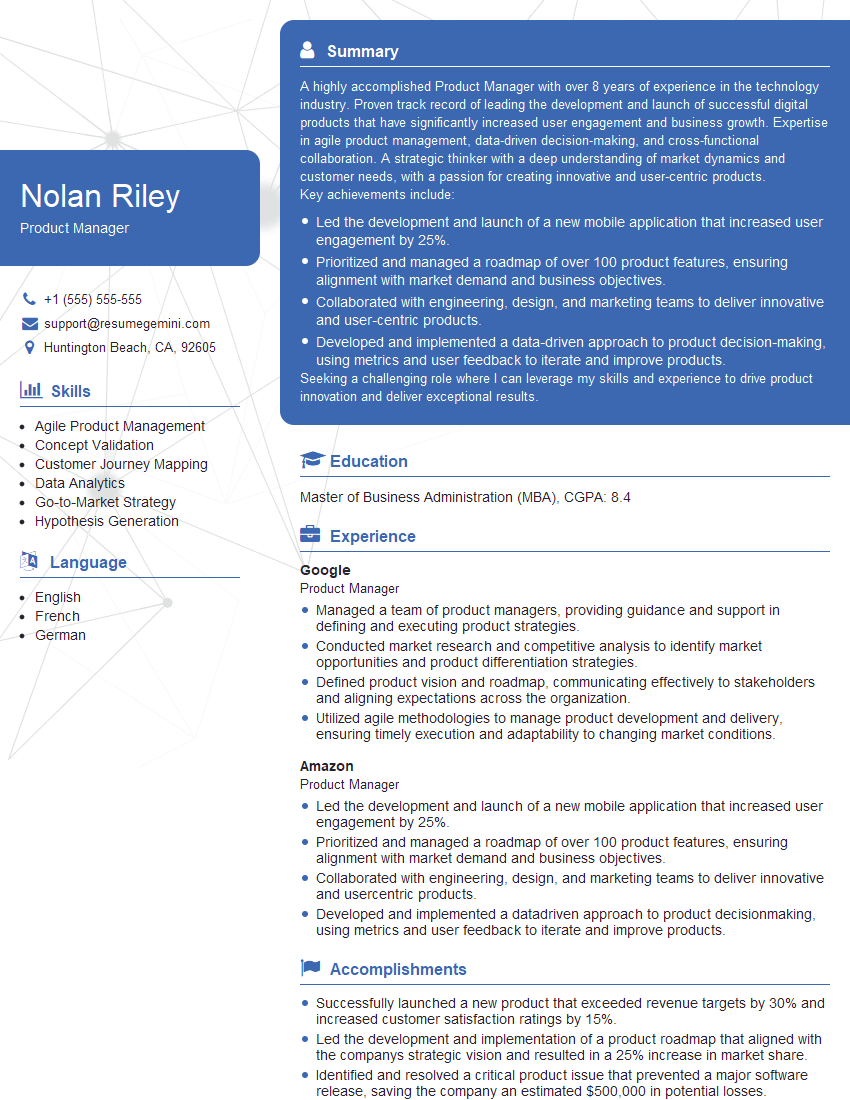
Product Manager Resume Sample
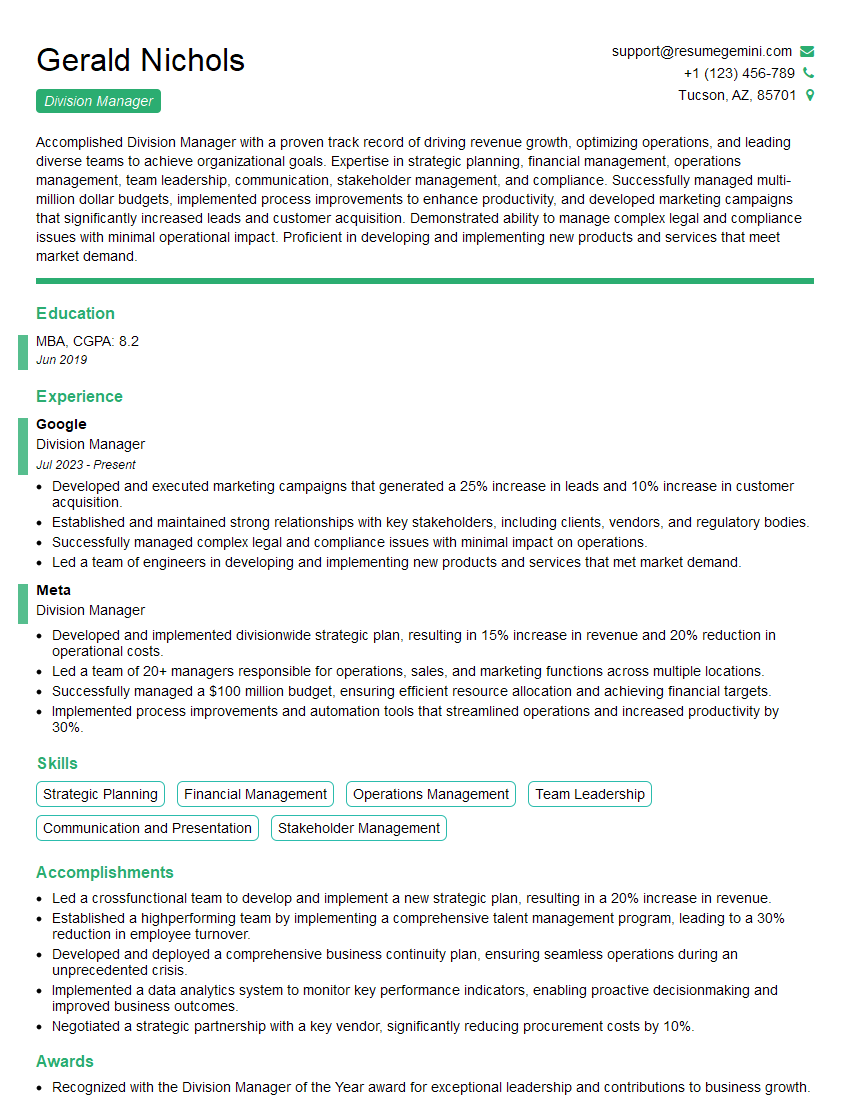
Division Manager Resume Sample
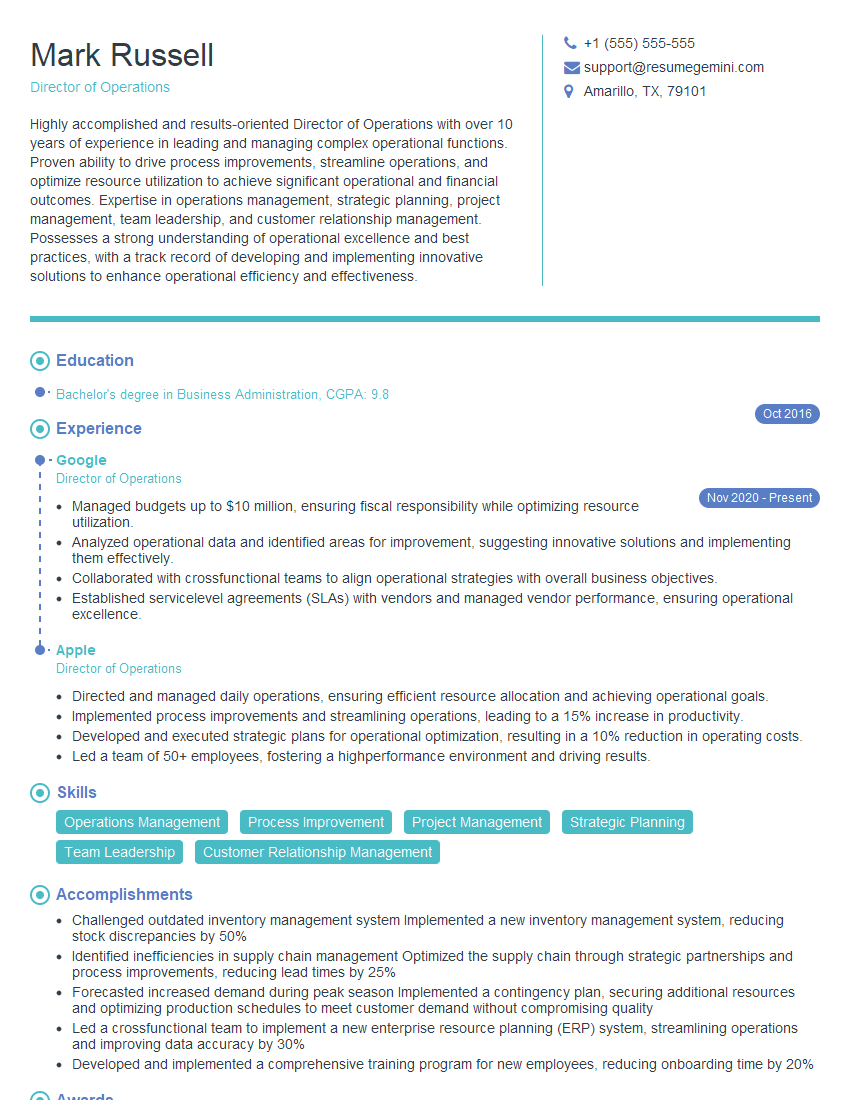
Director of Operations Resume Sample
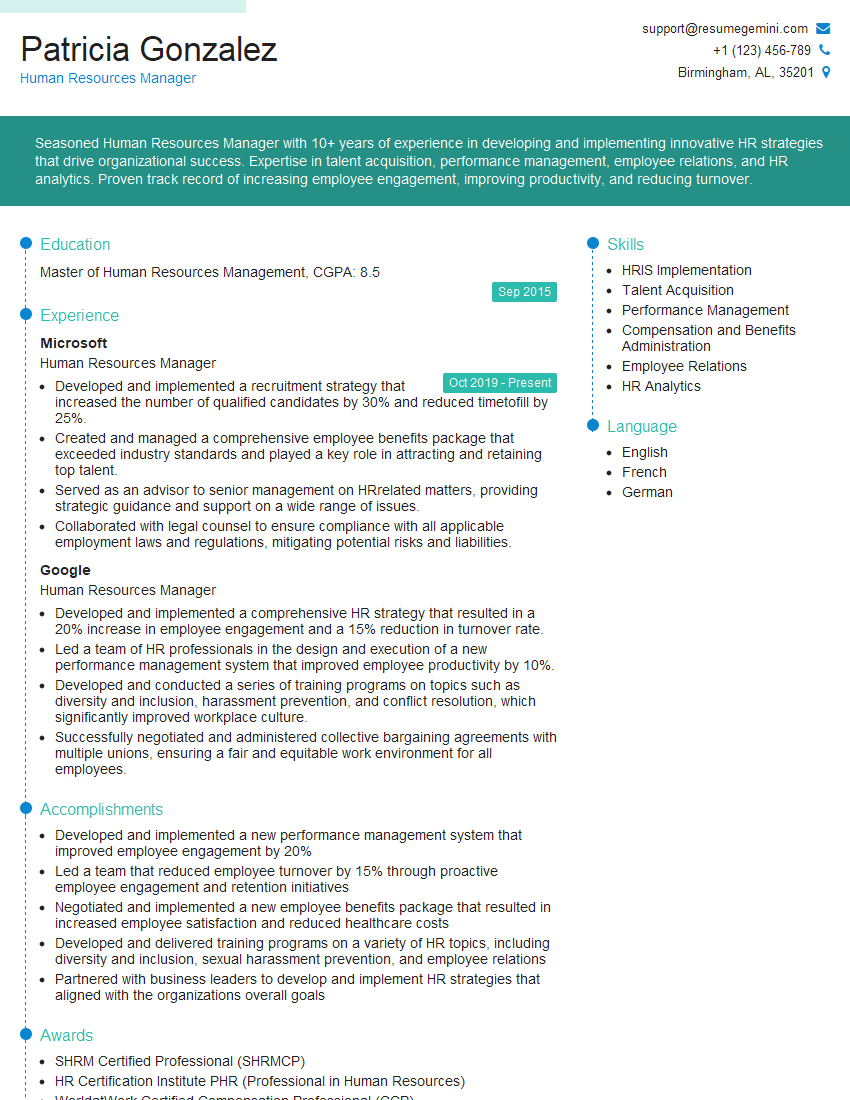
Human Resources Manager Resume Sample
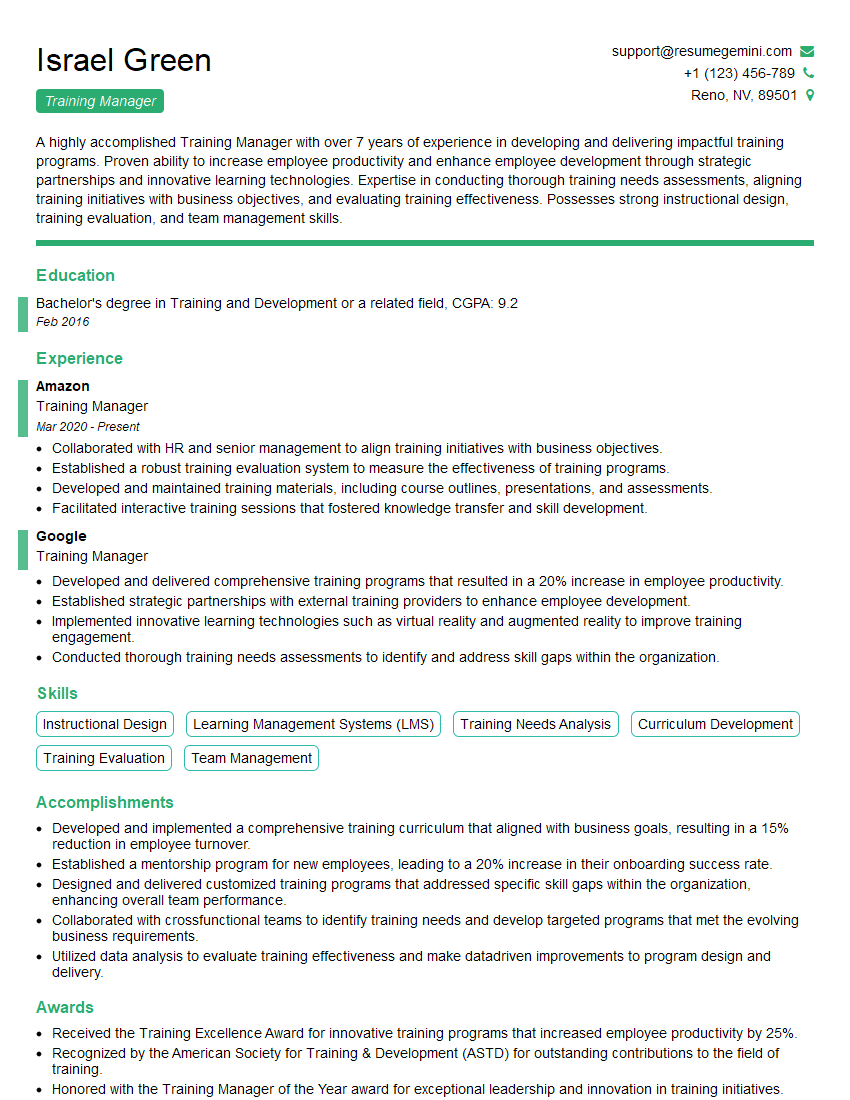
Training Manager Resume Sample
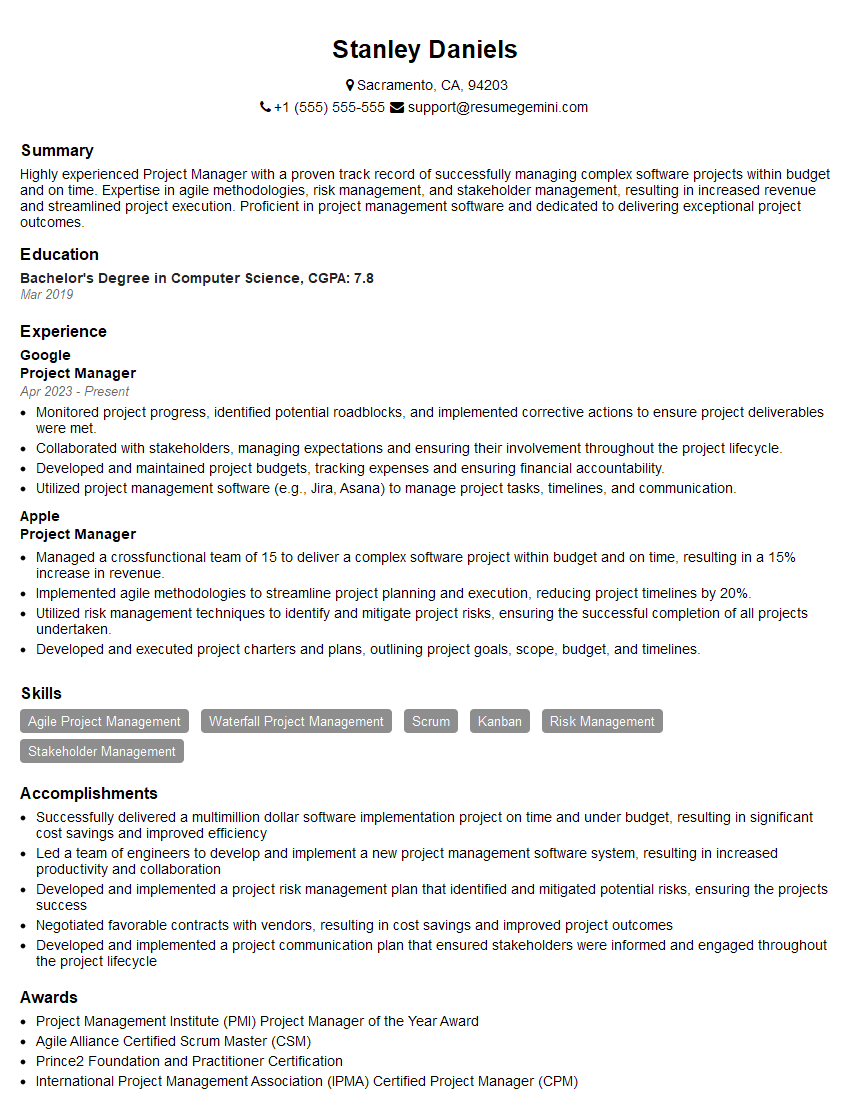
Project Manager Resume Sample
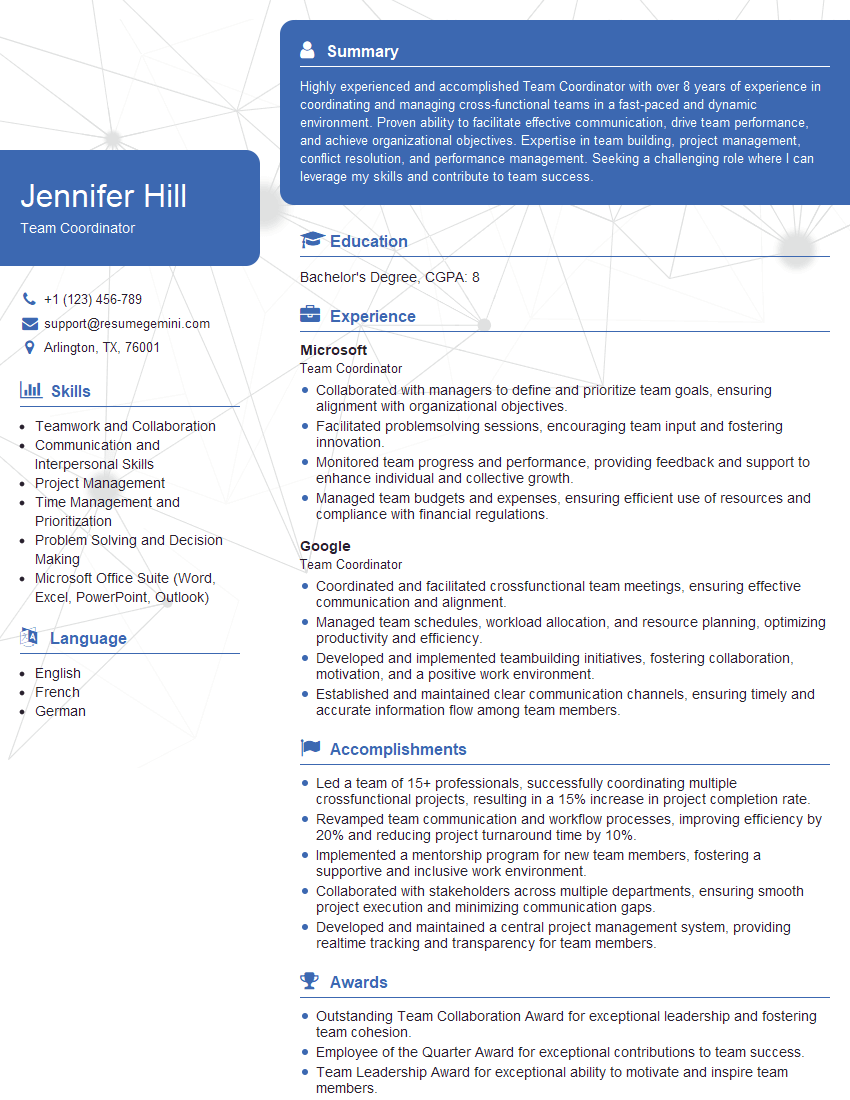
Team Coordinator Resume Sample
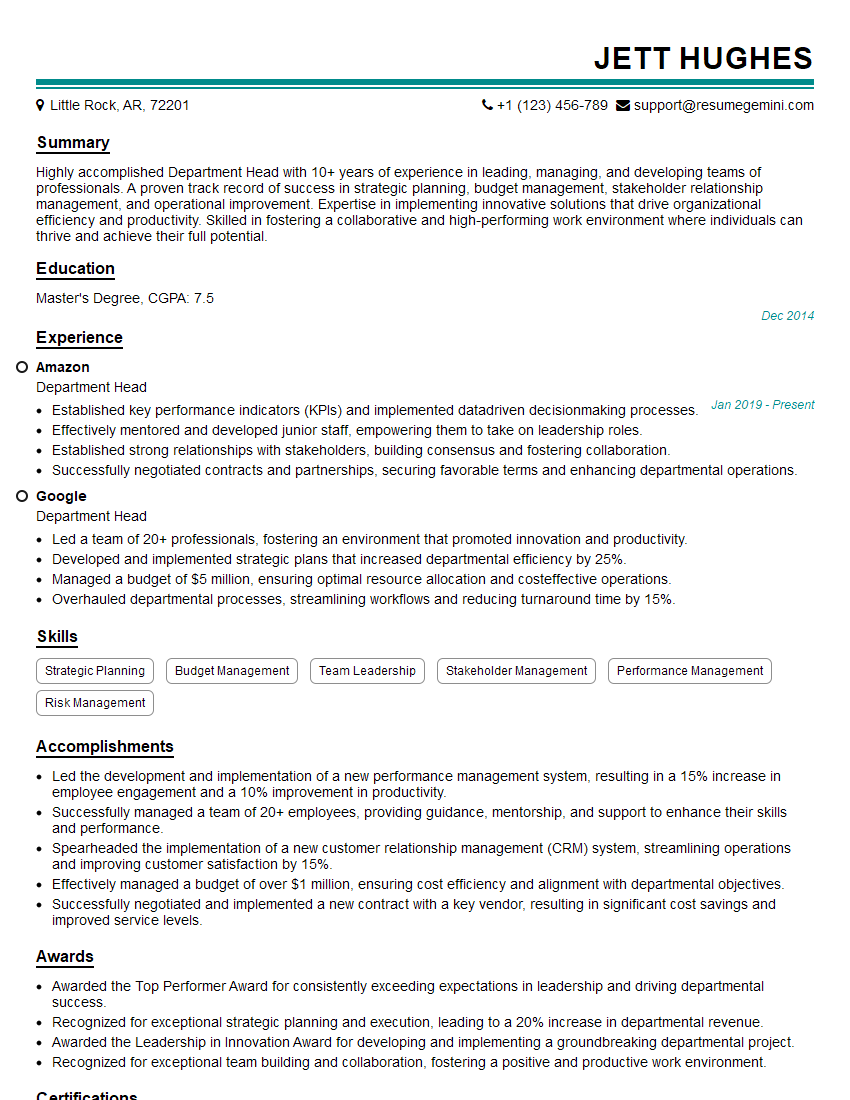
Department Head Resume Sample
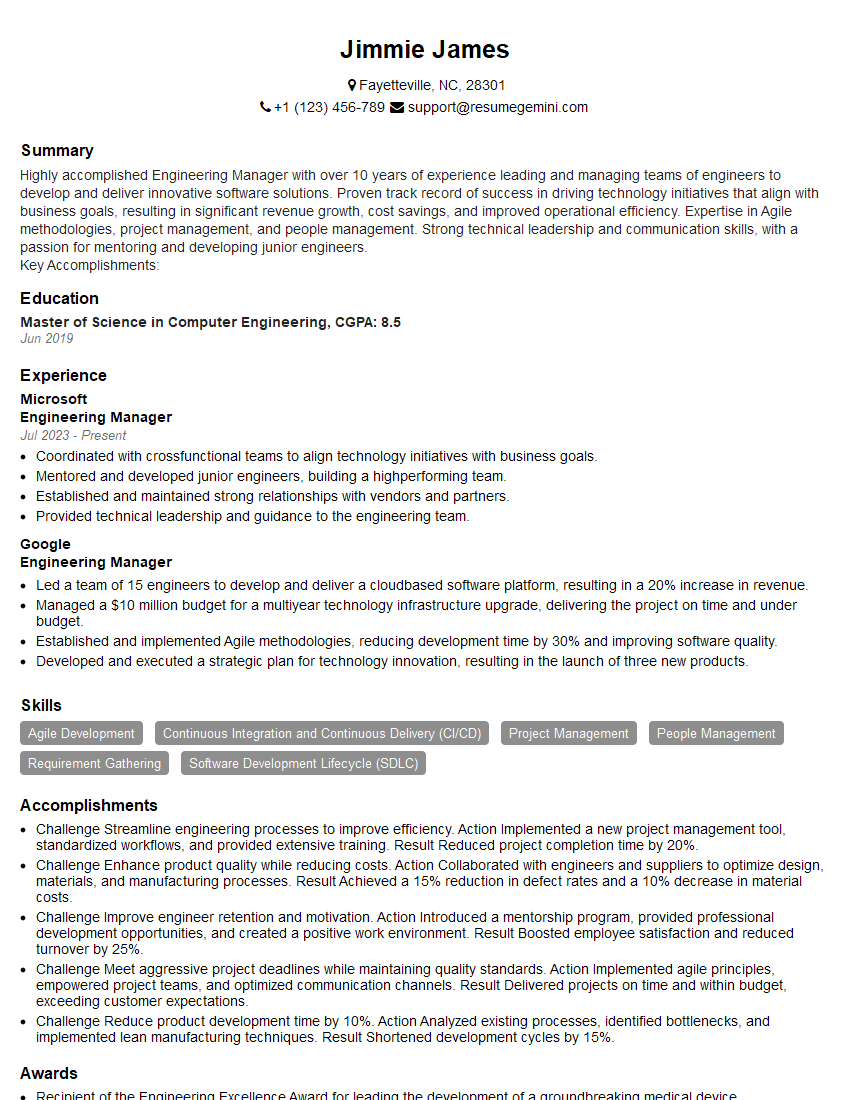
Engineering Manager Resume Sample
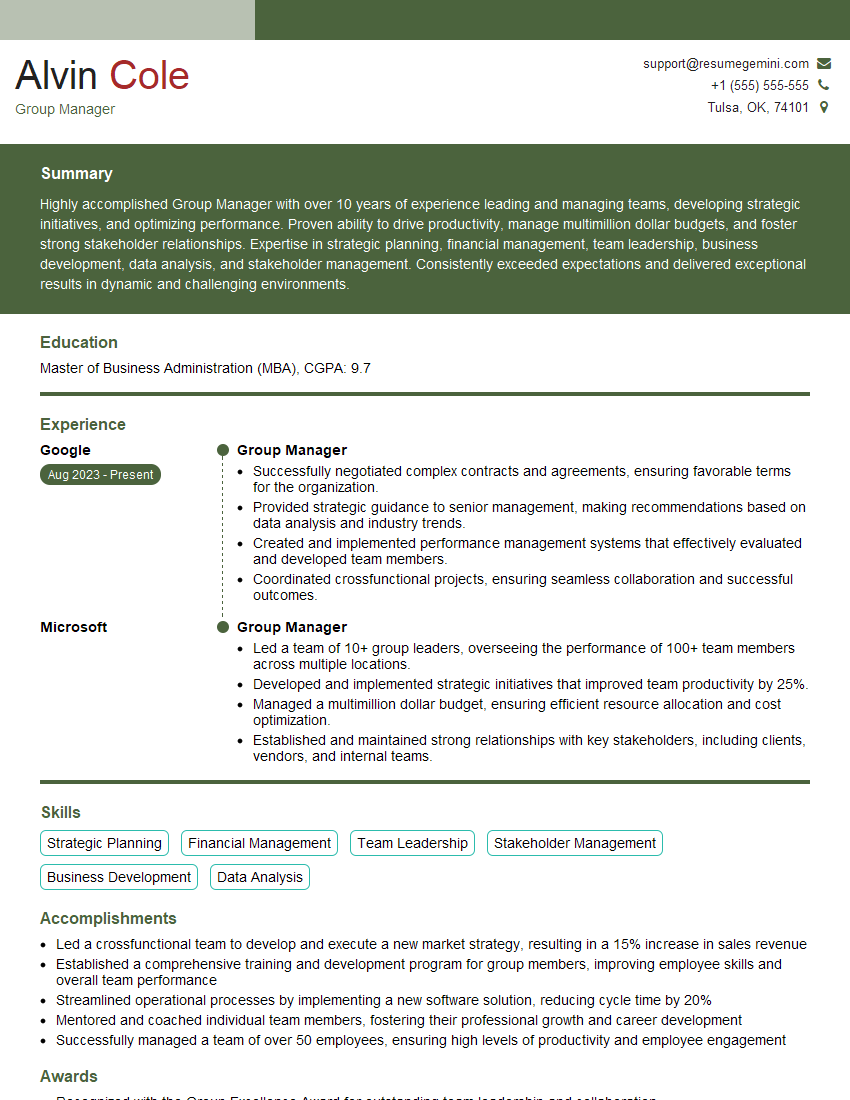
Group Manager Resume Sample
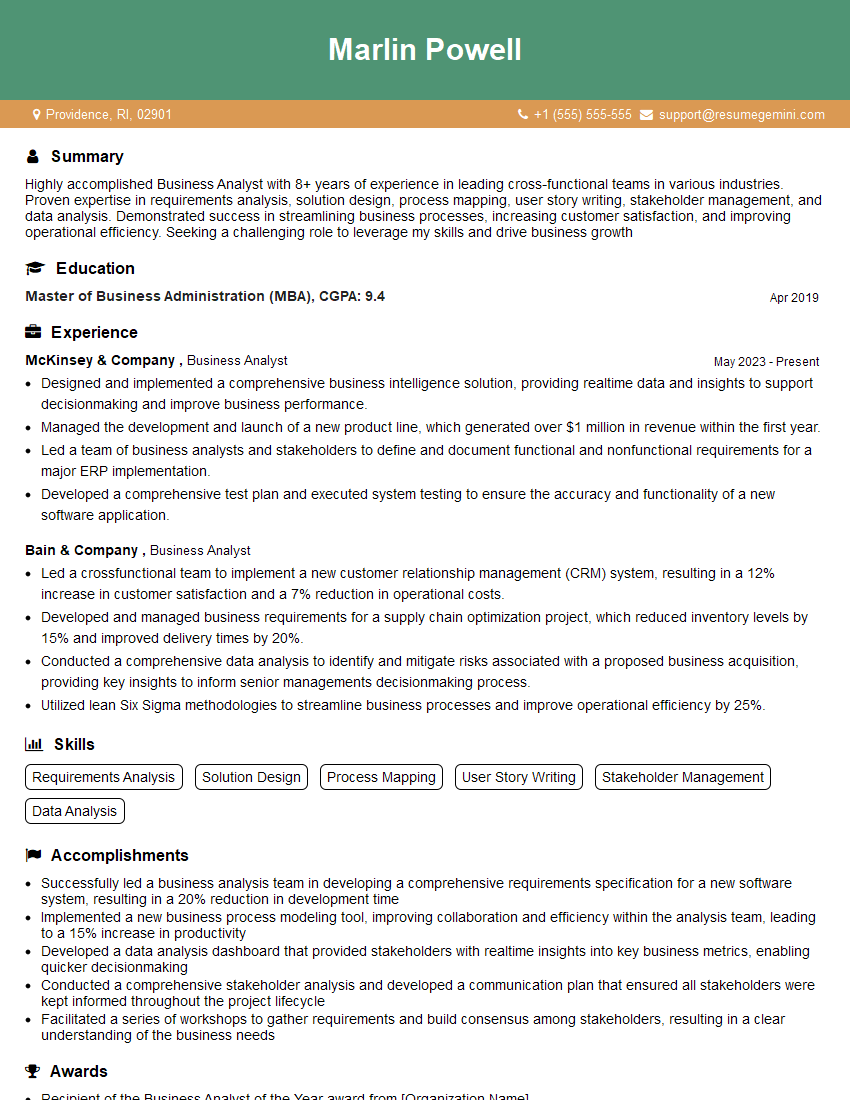
Business Analyst Resume Sample
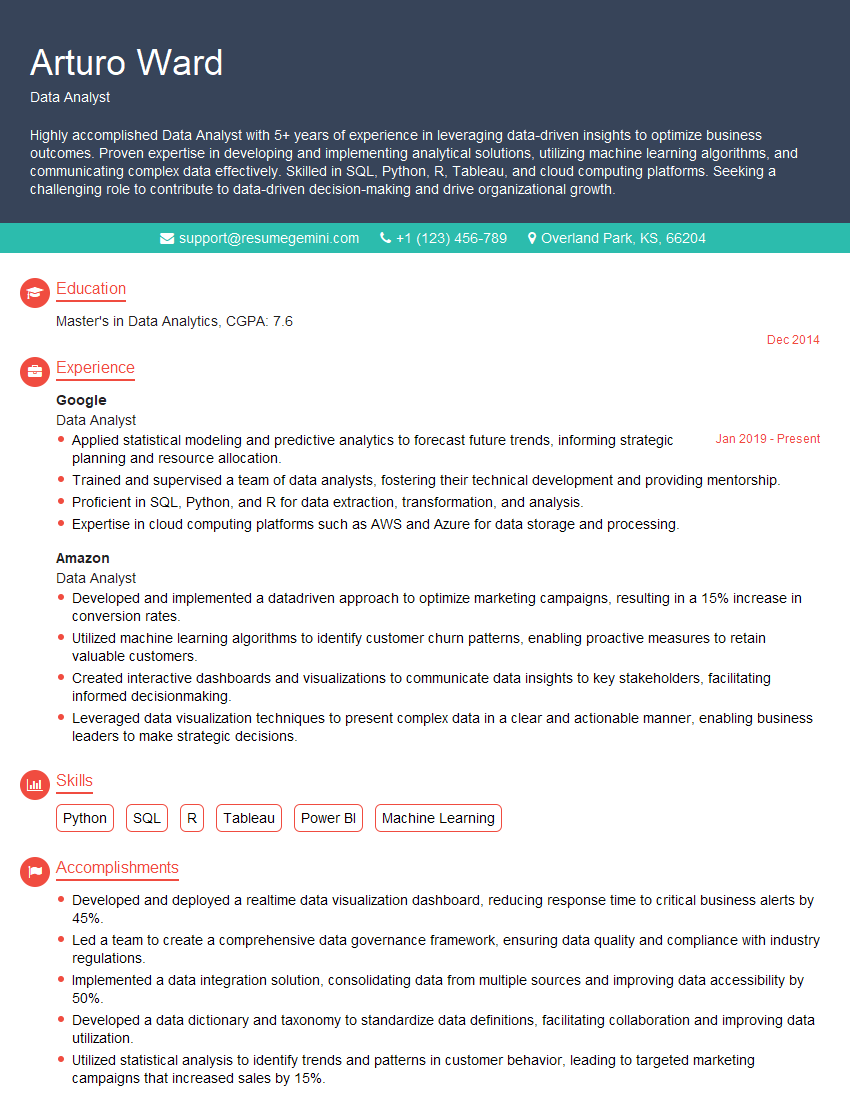
Data Analyst Resume Sample
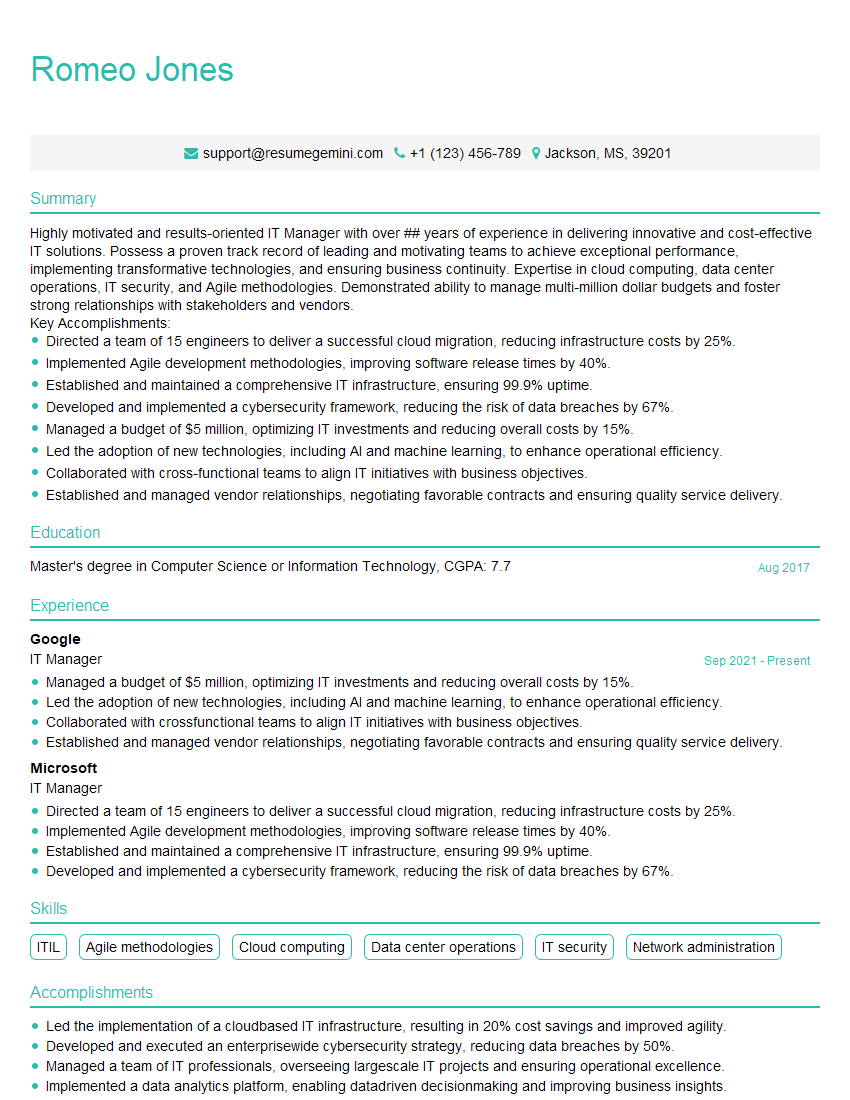
IT Manager Resume Sample
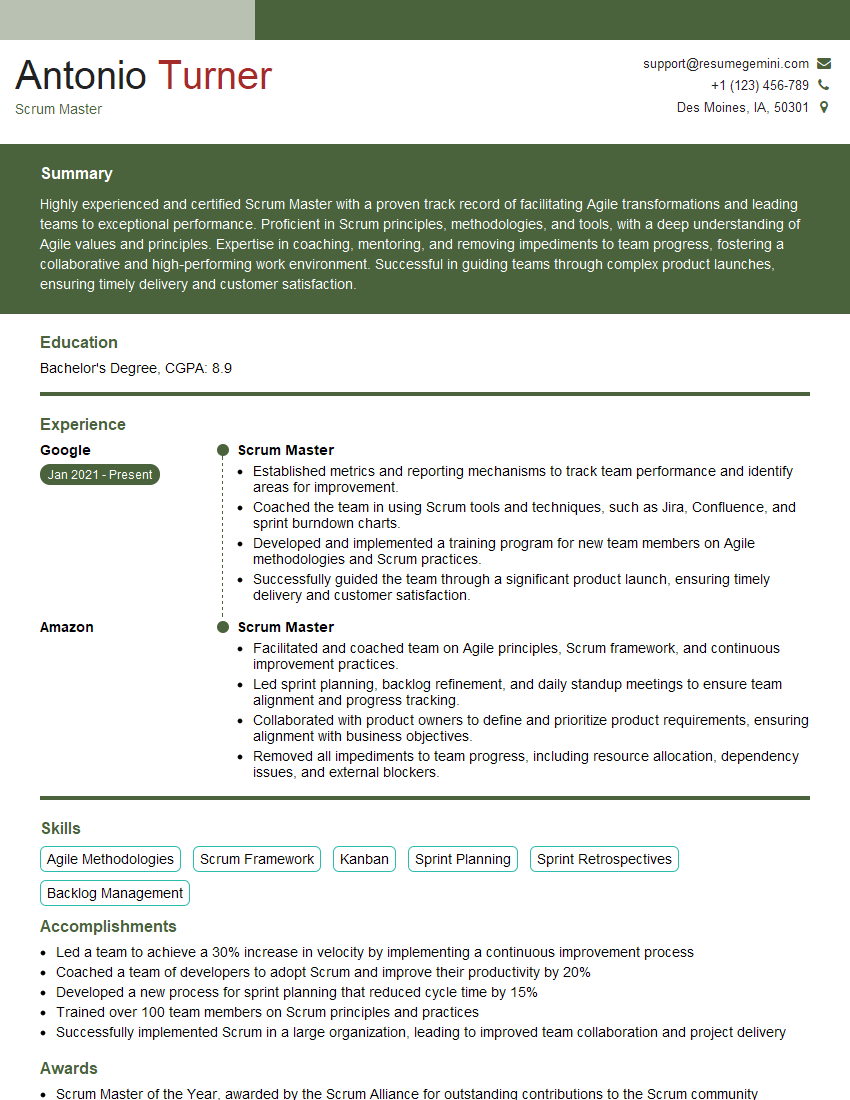
Scrum Master Resume Sample
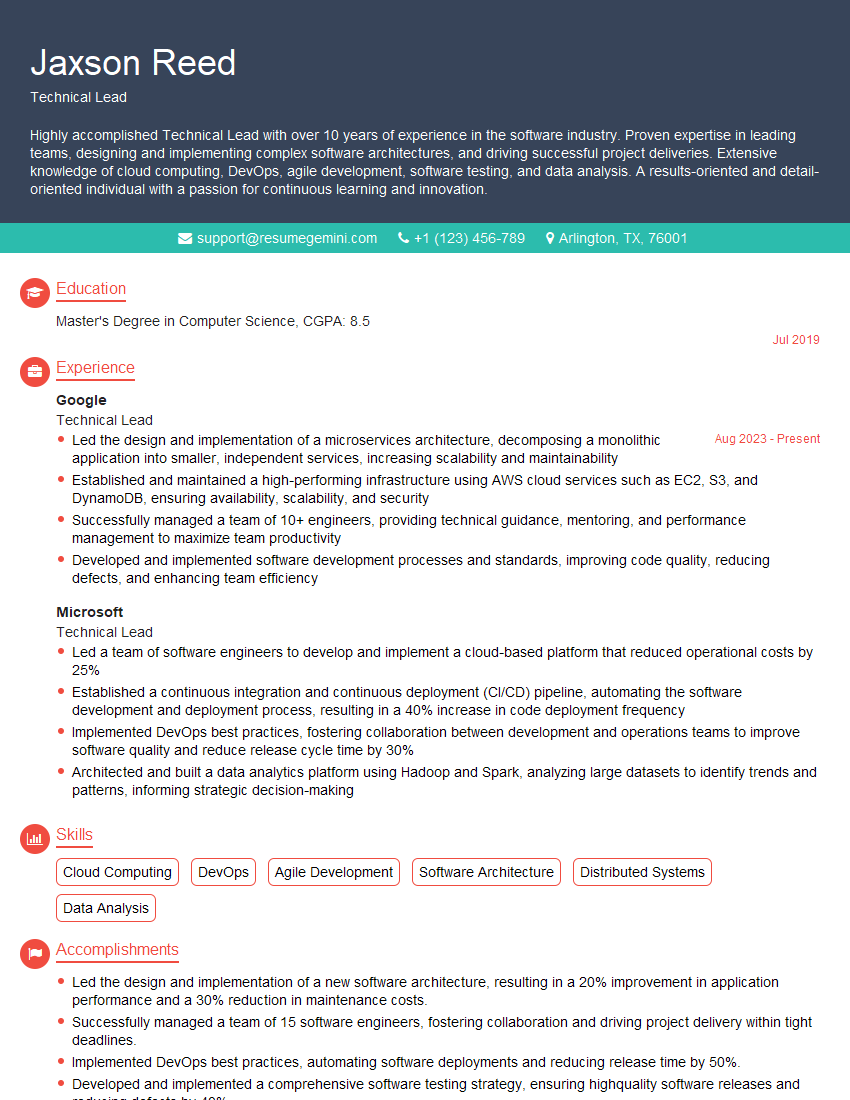
Technical Lead Resume Sample
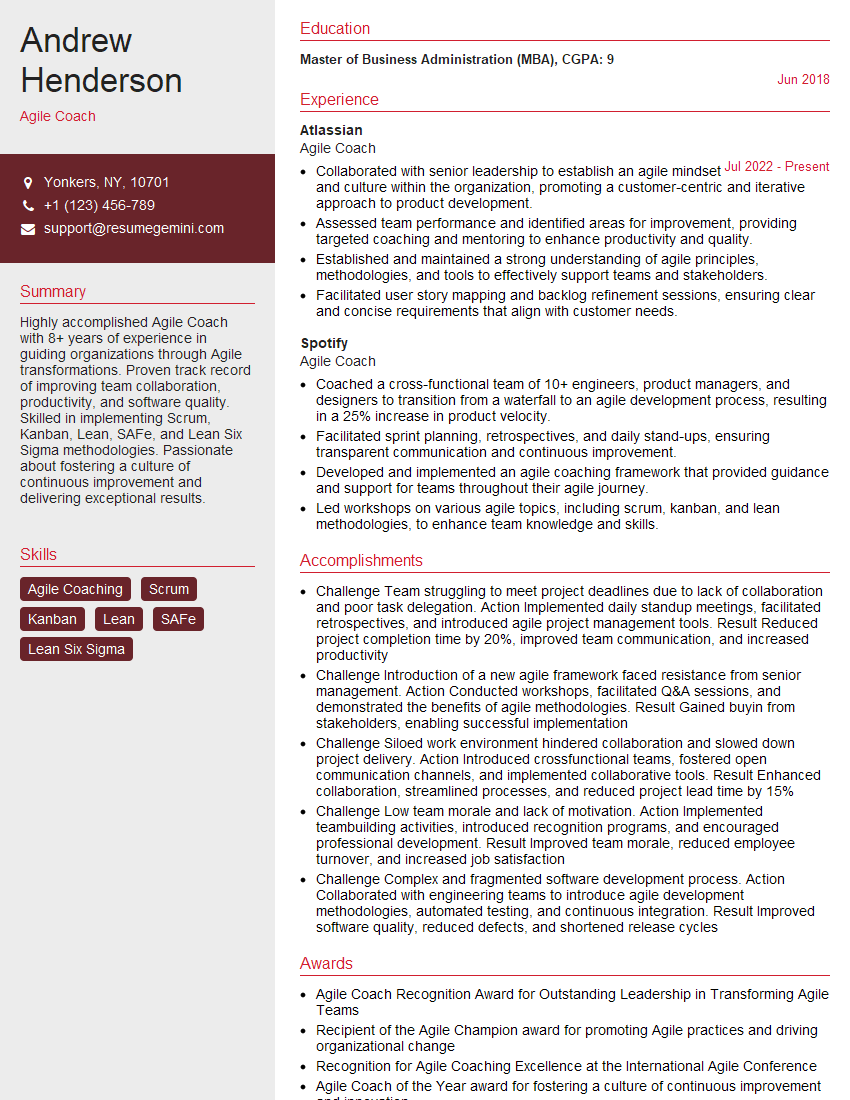
Agile Coach Resume Sample
- Program Manager
- Operations Manager
- Account Manager
- Marketing Manager
- Sales Manager
- Product Manager
- Division Manager
- Director of Operations
- Human Resources Manager
- Training Manager
- Project Manager
- Team Coordinator
- Department Head
- Engineering Manager
- Group Manager
- Business Analyst
- Data Analyst
- IT Manager
- Scrum Master
- Technical Lead
- Agile Coach
Explore more articles
Users Rating of Our Blogs
Share Your Experience
We value your feedback! Please rate our content and share your thoughts (optional).
What Readers Say About Our Blog
To the interviewgemini.com Webmaster.
Very helpful and content specific questions to help prepare me for my interview!
Thank you
To the interviewgemini.com Webmaster.
This was kind of a unique content I found around the specialized skills. Very helpful questions and good detailed answers.
Very Helpful blog, thank you Interviewgemini team.