Interviews are opportunities to demonstrate your expertise, and this guide is here to help you shine. Explore the essential Food Allergy Diagnosis and Treatment interview questions that employers frequently ask, paired with strategies for crafting responses that set you apart from the competition.
Questions Asked in Food Allergy Diagnosis and Treatment Interview
Q 1. Describe the process of skin prick testing for food allergies.
Skin prick testing is a common method used to diagnose IgE-mediated food allergies. It’s a relatively quick and inexpensive test that involves pricking the skin with a small amount of a suspected allergen. We use a tiny needle or lancet to introduce a diluted allergen extract just below the skin’s surface. If you’re allergic, your body will react by releasing histamine at the prick site, causing a wheal (a raised, itchy bump) to appear within 15-20 minutes. The size of the wheal is compared to a negative control (a saline solution prick) and a positive control (histamine) to determine the severity of the reaction. A larger wheal indicates a more significant allergic response.
For example, if we suspect a peanut allergy, we would prick the skin with a diluted peanut extract. A significant wheal would suggest an allergy. However, it’s important to note that skin prick testing isn’t foolproof. A negative test doesn’t completely rule out an allergy, and a positive result needs confirmation through other methods.
Q 2. Explain the difference between IgE-mediated and non-IgE-mediated food allergies.
The key difference lies in the immune system’s response. IgE-mediated allergies are triggered by immunoglobulin E (IgE) antibodies. When someone with an IgE-mediated allergy is exposed to the allergen, IgE antibodies bind to mast cells and basophils, causing the release of histamine and other inflammatory mediators, leading to a rapid allergic reaction. Examples include peanut, milk, and egg allergies. These are often diagnosed by skin prick tests and blood tests (measuring IgE levels).
Non-IgE-mediated allergies, on the other hand, aren’t driven by IgE antibodies. These reactions are often slower to develop, and the symptoms can be more variable and less dramatic than IgE-mediated reactions. Food sensitivities, such as lactose intolerance or celiac disease, are examples of non-IgE-mediated reactions. Diagnosis might involve elimination diets, endoscopy, or other specialized tests. The mechanisms behind these reactions are more complex and less clearly understood than IgE-mediated allergies.
Q 3. What are the common symptoms of a food allergic reaction, and how do they vary in severity?
Food allergic reactions exhibit a wide spectrum of symptoms, ranging from mild to life-threatening. Mild symptoms can include hives (urticaria), itching, and mild swelling. A common example would be a mild rash after eating strawberries. Moderate symptoms might involve gastrointestinal distress like nausea, vomiting, diarrhea, or abdominal cramps. Severe reactions, however, are far more serious and involve anaphylaxis.
Anaphylaxis is a life-threatening, systemic reaction characterized by difficulty breathing (due to airway constriction), swelling of the throat and tongue, a drop in blood pressure, rapid heart rate, and dizziness. Imagine someone experiencing all of these after eating peanuts; this highlights the severity. The symptoms’ severity depends on the allergen, the amount consumed, the individual’s sensitivity, and previous exposure history. A small amount of a highly allergenic food may cause severe symptoms in one person, while a much larger quantity might cause only mild symptoms in another.
Q 4. Discuss the management of anaphylaxis, including the use of epinephrine.
Managing anaphylaxis is a crucial life-saving skill. The cornerstone of treatment is immediate administration of epinephrine (adrenaline) via auto-injector (EpiPen, Auvi-Q). This quickly reverses the effects of the allergic reaction, such as airway constriction and low blood pressure. The injection should be given promptly into the thigh muscle as soon as symptoms of anaphylaxis are recognized. Following epinephrine administration, emergency medical services (EMS) should be called immediately.
Additional management in a hospital setting may involve oxygen therapy, intravenous fluids, and antihistamines to reduce further inflammation. The patient needs continuous monitoring of vital signs, such as blood pressure and heart rate, for several hours. It’s imperative to educate patients and their families about recognizing the symptoms of anaphylaxis and the proper and timely use of epinephrine. Regular training and carrying an auto-injector are vital for individuals at risk of anaphylaxis.
Q 5. What are the current guidelines for food allergy diagnosis in children and adults?
Current guidelines emphasize a comprehensive approach. Diagnosis starts with a detailed history of symptoms and a thorough physical examination. Skin prick testing is often the initial step for IgE-mediated allergies. Serum-specific IgE testing (blood test) measures the level of IgE antibodies against specific allergens and provides additional confirmation. These tests are equally important for both children and adults. In some cases, oral food challenges (discussed further in the next answer) are needed to confirm the diagnosis, particularly when skin and blood tests provide ambiguous results. The diagnosis process considers the patient’s symptoms, test results, and clinical judgment from healthcare professionals.
It’s crucial to involve allergists and immunologists in the diagnosis and management of food allergies, especially in cases of severe or complex reactions. Children are often followed more closely given the evolving nature of their immune systems and dietary changes. While the overall approach is similar, the degree and frequency of testing might vary depending on individual needs and risk factors.
Q 6. Explain the role of oral food challenges in food allergy diagnosis.
Oral food challenges involve gradually introducing small amounts of the suspected allergen under medical supervision. This is typically done in a hospital or allergist’s office where life-saving equipment and medication are readily available. The amount of food is increased incrementally at set intervals, and the patient is carefully monitored for any allergic reactions. This is the gold standard method for confirming a diagnosis and assessing the severity of the allergy. It helps differentiate between true allergies and food intolerances.
For example, a patient with a suspected milk allergy might start with a tiny amount of milk and gradually increase it over hours. Their vital signs, any symptoms (rash, hives, difficulty breathing) and reaction timing are monitored. This ensures safety and determines the specific amount of the food that triggers a reaction. A double-blind placebo-controlled food challenge is considered the most accurate method, but it’s often less feasible in daily practice.
Q 7. Describe different types of elimination diets and their limitations.
Elimination diets involve removing suspected allergenic foods from the diet to see if symptoms improve. There are different approaches. The most common is a single elimination diet, where a single food is removed. This method might involve removing dairy products in a child with suspected milk allergy. Then, we observe the child to see if the symptoms go away. However, it’s difficult to diagnose multiple allergies with a single elimination. Multiple elimination diets involve removing multiple foods simultaneously. A complete elimination diet excludes all common allergens, leaving a limited number of foods allowed. This is more restrictive but may be useful if there are multiple suspected allergies.
However, elimination diets have limitations. They can be difficult to adhere to long-term, can lead to nutritional deficiencies, and aren’t suitable for diagnosing all food allergies. They aren’t diagnostic in themselves; they require confirmation through other objective tests like skin prick tests and oral food challenges. Also, some allergies or intolerances might not be revealed by simply removing single foods.
Q 8. How do you counsel patients on food allergy management and avoidance strategies?
Counseling patients on food allergy management involves a multifaceted approach focusing on avoidance, emergency preparedness, and proactive strategies. We begin by thoroughly reviewing the patient’s allergy history, including the specific allergen(s), the severity of reactions, and any triggers. We then work together to create a personalized avoidance plan.
- Detailed Ingredient Reading: I teach patients how to meticulously examine food labels, looking beyond common names to understand potential hidden sources of allergens (e.g., identifying whey as a milk derivative). We practice reading labels together, and I provide resources like websites and apps that simplify this process.
- Cross-Contamination Awareness: This is crucial. We discuss how allergens can transfer during food preparation or through shared utensils. For example, we explain how preparing peanut butter and jelly sandwiches on the same cutting board can contaminate the jelly sandwich for someone with a peanut allergy. Strategies for minimizing cross-contamination in the home and in restaurants are discussed.
- Restaurant and Social Situations: Dining out or attending social events presents challenges. We develop strategies for communicating with restaurant staff, preparing alternatives, and managing unexpected exposures. Role-playing scenarios helps build confidence.
- Emergency Preparedness: We review the importance of carrying epinephrine auto-injectors (like EpiPens) and knowing how to use them. We also discuss the signs and symptoms of allergic reactions, and when and how to call emergency services.
- Medication Adherence: For patients on medication such as antihistamines, we ensure they understand correct dosage and usage. Regular check-ups help monitor effectiveness and address any side effects.
This collaborative approach empowers patients to actively manage their allergies, reducing anxiety and improving their quality of life. Regular follow-ups and open communication are key to ensuring long-term success.
Q 9. Discuss the role of immunotherapy in treating food allergies.
Immunotherapy, in the context of food allergies, aims to desensitize the individual to the offending allergen, gradually increasing tolerance and reducing the severity of reactions. Several approaches are being explored.
- Oral Immunotherapy (OIT): This involves gradually increasing doses of the allergen orally under close medical supervision. This is done in a clinic setting and necessitates careful monitoring for allergic reactions. Success rates vary depending on the allergen and individual response.
- Sublingual Immunotherapy (SLIT): Similar to OIT, but the allergen is administered under the tongue. This approach is generally considered less risky than OIT, as reactions are typically milder. However, adherence can be challenging.
Both OIT and SLIT carry risks. Allergic reactions, ranging from mild to severe, can occur during treatment. Therefore, these therapies should only be undertaken under the strict supervision of an allergist in a controlled environment equipped to manage anaphylaxis. Regular follow-up appointments and careful monitoring are vital for patient safety and efficacy.
It’s important to emphasize that immunotherapy isn’t a cure, and lifelong vigilance remains crucial. However, successful immunotherapy can broaden a patient’s tolerance to the allergen, potentially reducing the impact of accidental exposure.
Q 10. What are the current research advancements in food allergy treatment?
Research in food allergy treatment is rapidly evolving. Promising avenues include:
- Novel Immunotherapies: Researchers are exploring new immunotherapy approaches such as peptide-based therapies and engineered antibodies that can modulate the immune response more precisely.
- Biologics: Targeting specific immune pathways with biologics offers the potential to alter the allergic response itself, potentially providing more effective and safer treatments.
- Microbiome Modulation: The gut microbiome plays a significant role in immune development. Research is focusing on how manipulating the gut microbiome could prevent or treat food allergies.
- Diagnostics: Improved diagnostic tests, including non-invasive methods, are being developed to identify and predict allergic responses more accurately.
- Personalized Medicine: Understanding individual genetic and immunological factors that influence allergy development can lead to more tailored treatments.
These advancements hold immense potential for improving the lives of individuals with food allergies. Clinical trials are underway, and it’s anticipated that these research areas will yield significant breakthroughs in the coming years.
Q 11. Explain the importance of accurate food labeling and ingredient identification.
Accurate food labeling and ingredient identification are paramount in preventing accidental exposure to allergens and managing food allergies. Legislation like the Food Allergen Labeling and Consumer Protection Act (FALCPA) in the US mandates the clear labeling of major allergens on packaged foods.
- Clear and Consistent Labeling: Food manufacturers are legally required to clearly identify the presence of major allergens (e.g., milk, eggs, peanuts, tree nuts, soy, wheat, fish, shellfish) in their products. This is not only for people with allergies but protects consumers with intolerances as well.
- Ingredient List Accuracy: This is essential; manufacturers are responsible for the accuracy of the ingredient list. The order of ingredients indicates concentration, with the most abundant ingredient listed first.
- Statement of Presence: Regulations require a clear statement when an allergen is present, even if it is a trace amount or derivative. For example, if a food contains a dairy derivative, like whey, it must be stated clearly.
- Hidden Sources: Education on recognizing hidden sources of allergens (e.g., cross-contamination during manufacturing) is very important. Consumers should understand that ‘may contain’ statements indicate potential for cross-contamination.
Mislabeling or inaccurate labeling can have severe consequences, leading to allergic reactions. Consumers should be aware of their rights as consumers and report mislabeling to relevant authorities.
Q 12. How do you differentiate between food allergy and food intolerance?
Food allergy and food intolerance are distinct conditions. While both can cause discomfort after consuming certain foods, the underlying mechanisms and severity differ significantly.
- Food Allergy: An immune system response. The body’s immune system mistakenly identifies a harmless food protein as a threat, triggering an immune response (IgE-mediated). Reactions can range from mild (hives, itching) to severe (anaphylaxis, potentially life-threatening).
- Food Intolerance: A non-immune system response. The body lacks the enzymes needed to digest a particular food, leading to symptoms like bloating, gas, diarrhea, or indigestion. These reactions are generally not life-threatening, although they can be uncomfortable.
For example, a peanut allergy involves an IgE-mediated response, causing potentially life-threatening reactions, while lactose intolerance results from the body’s inability to digest lactose (a sugar in milk), leading to digestive upset. The key difference is the involvement of the immune system in food allergies, whereas food intolerance is a metabolic issue.
Q 13. What are the risks and benefits of different diagnostic tests for food allergies?
Several diagnostic tests are used to identify food allergies, each with specific benefits and limitations.
- Skin Prick Test: A small amount of allergen is pricked onto the skin. A positive reaction (wheal and flare) indicates sensitization, suggesting allergy. It’s quick, relatively inexpensive, and can test multiple allergens simultaneously. However, it cannot diagnose intolerance and may produce false positives or negatives.
- Blood Test (RAST or IgE specific): Measures specific IgE antibodies in the blood. Useful when skin testing is contraindicated. Provides quantitative data on sensitivity to allergens, offering insights into the severity of an allergy. However, it is more expensive and cannot fully predict the clinical severity of a reaction.
- Oral Food Challenge (OFC): The gold standard for diagnosis. Involves gradually introducing the suspected allergen under strict medical supervision. It directly assesses clinical reactions and definitively confirms the diagnosis. However, it’s time-consuming, expensive, and carries a risk of severe allergic reactions.
The choice of test depends on various factors, including the patient’s history, the suspected allergen(s), the presence of co-morbidities, and available resources. A combination of tests may be used for accurate diagnosis. For instance, a positive skin prick test often necessitates an OFC to confirm the clinical relevance of the sensitization.
Q 14. How do you approach a patient with a suspected severe food allergy?
Suspected severe food allergy requires immediate and decisive action. The approach is guided by ABCs of emergency management (Airway, Breathing, Circulation).
- Assess the Situation: Determine the allergen responsible, the time of exposure, and the severity of symptoms (e.g., hives, swelling, breathing difficulties, loss of consciousness). Obtain a detailed history.
- Administer Epinephrine: If anaphylaxis is suspected (difficulty breathing, swelling of the face, lips, or tongue, dizziness, rapid pulse), immediately administer epinephrine via an auto-injector (EpiPen, Auvi-Q). This is the most crucial step in managing a severe allergic reaction.
- Call Emergency Services (911 or equivalent): Do not hesitate to call emergency medical services. Provide details of the situation, including the allergen, symptoms, and the administration of epinephrine.
- Maintain Airway and Circulation: Monitor vital signs (breathing, pulse, blood pressure). If needed, initiate CPR if breathing or circulation stops.
- Transport to Hospital: Ensure prompt transport to a hospital for continued monitoring and treatment. Severe reactions can have delayed onset effects and may require advanced medical care.
A suspected severe food allergy warrants immediate action; delayed treatment can be life-threatening. Proper training on epinephrine administration and recognition of anaphylaxis is vital for patients, caregivers, and healthcare professionals. Regular follow-up care with an allergist is crucial for managing severe food allergies.
Q 15. Describe the management of a patient experiencing a mild allergic reaction.
Managing a mild allergic reaction involves carefully monitoring the patient’s symptoms and providing appropriate first aid. This typically includes removing the allergen from the patient’s system, if possible. For example, if a mild reaction to peanuts involves skin contact, immediate washing of the affected area is crucial. If ingestion caused the reaction, inducing vomiting is generally not recommended unless specifically instructed by a medical professional. Instead, focus on supportive measures.
- Symptom monitoring: Keep a close watch for worsening symptoms such as hives, swelling, itching, or mild gastrointestinal upset. Document the time of onset and severity of symptoms.
- Antihistamine administration: An over-the-counter oral antihistamine, such as diphenhydramine (Benadryl), can help alleviate symptoms like itching and hives. Always follow the dosage instructions on the product label.
- Observation: Continue to observe the patient for at least an hour after symptom onset to ensure the reaction doesn’t escalate. If symptoms worsen or new symptoms appear, seek immediate medical attention.
It’s crucial to remember that even mild reactions can progress rapidly to severe anaphylaxis. Early intervention and careful monitoring are vital.
Career Expert Tips:
- Ace those interviews! Prepare effectively by reviewing the Top 50 Most Common Interview Questions on ResumeGemini.
- Navigate your job search with confidence! Explore a wide range of Career Tips on ResumeGemini. Learn about common challenges and recommendations to overcome them.
- Craft the perfect resume! Master the Art of Resume Writing with ResumeGemini’s guide. Showcase your unique qualifications and achievements effectively.
- Don’t miss out on holiday savings! Build your dream resume with ResumeGemini’s ATS optimized templates.
Q 16. Explain the importance of collaboration with other healthcare professionals (e.g., dietitians, nurses).
Collaboration is absolutely paramount in managing food allergies. A multidisciplinary approach provides the best care for patients.
- Dietitians: They play a crucial role in developing personalized elimination diets, identifying hidden allergens in foods, and providing nutritional guidance to ensure patients maintain a healthy and balanced diet while avoiding allergens. They help families navigate the complexities of meal planning and dining out.
- Nurses: Nurses provide essential support in educating patients and their families about allergy management, including proper epinephrine injection technique and symptom recognition. They also play a key role in monitoring patients during allergic reactions and assisting with administering medications.
- Allergists/Immunologists: The allergist leads the diagnostic process, oversees the management plan, and helps in desensitization or immunotherapy treatments, if appropriate.
- School Nurses/Teachers: Collaboration with school personnel is crucial to ensure a safe environment for children with food allergies, including appropriate emergency plans and allergen-free policies.
This collaborative effort ensures comprehensive care, reducing the risks associated with food allergies and improving the patient’s quality of life. A missed piece of information or a miscommunication can have severe consequences. Therefore, clear communication channels and shared decision-making are critical to successful management.
Q 17. What are the challenges in diagnosing food allergies in young children?
Diagnosing food allergies in young children presents unique challenges due to their limited ability to communicate symptoms, the evolving nature of their immune systems, and the potential for misinterpretations of symptoms.
- Difficulty in obtaining a reliable history: Infants and toddlers cannot describe their symptoms, making it challenging for parents or caregivers to provide a complete history. Parents might initially misattribute symptoms such as fussiness, vomiting, or diarrhea to other causes.
- Non-specific symptoms: Early symptoms of food allergies in infants can be vague and overlapping with other conditions, making diagnosis difficult. For instance, eczema, gastrointestinal issues, and respiratory symptoms can be associated with multiple conditions.
- Potential for false-positive skin prick tests and blood tests: Skin prick tests might yield false-positive results if the child has a history of eczema or other skin conditions. Similarly, blood tests can show elevated IgE levels that do not necessarily indicate a true allergy.
- Challenges in controlled food challenges: Controlled food challenges (reintroducing potential allergens under medical supervision) are the gold standard for diagnosis but can be challenging to conduct in young children due to their unpredictable behaviour and potential for serious reactions.
Because of these challenges, a thorough history, physical examination, detailed allergy testing, and potentially a controlled food challenge are usually necessary for accurate diagnosis.
Q 18. Describe the psychological impact of food allergies on patients and their families.
Food allergies can significantly impact the psychological well-being of both patients and their families. The constant worry about accidental exposure, the limitations on social activities, and the burden of careful food preparation can lead to significant stress and anxiety.
- Anxiety and fear: Children and adults with food allergies often experience significant anxiety about accidental exposure to allergens, impacting their confidence and social interactions.
- Social isolation: Dietary restrictions and the need for constant vigilance can limit social participation, leading to feelings of isolation and exclusion.
- Parental burden: Parents of children with food allergies often experience heightened stress and anxiety, related to food preparation, school management, and the constant fear of a serious allergic reaction.
- Depression: The chronic nature of food allergies and the associated challenges can contribute to depression in both patients and their families.
- Impact on self-esteem: Children with food allergies may develop feelings of inadequacy or difference, especially if they feel restricted from participating in social events due to their allergies.
It’s crucial to provide psychological support and counselling to address these issues. Support groups, educational resources, and therapy can be beneficial in helping patients and their families cope with the emotional and psychological challenges of food allergies.
Q 19. How do you educate patients about medication usage for food allergy emergencies?
Educating patients about epinephrine auto-injectors (like EpiPens) is critical for managing food allergy emergencies. This education must be thorough and repeated, emphasizing the importance of prompt administration.
- Demonstration and practice: Patients and caregivers should receive hands-on training on how to use the auto-injector correctly, practicing with a training device initially.
- Symptom recognition: Patients and caregivers need clear instruction on recognizing signs and symptoms of anaphylaxis (e.g., difficulty breathing, swelling of the throat or face, dizziness). They should understand that even seemingly mild symptoms can rapidly worsen.
- Dosage and administration: Explain the appropriate dosage of epinephrine for the patient’s age and weight, stressing the importance of administering a second dose if symptoms don’t improve within 15 minutes.
- Seeking immediate medical attention: Emphasize that even after administering epinephrine, immediate medical attention is always necessary, as epinephrine provides only temporary relief.
- Storage and expiration dates: Patients need to learn about the proper storage and expiry date of the auto-injector, ensuring they have a working device readily accessible at all times.
Regular review and reinforcement of this training are essential, especially for children and families, as understanding and proper use of epinephrine can be life-saving.
Q 20. What are the common misinterpretations and misconceptions regarding food allergies?
Several common misinterpretations and misconceptions surround food allergies:
- Food intolerance vs. allergy: Many confuse food intolerance (e.g., lactose intolerance) with food allergy. Intolerances cause digestive discomfort but do not trigger a life-threatening reaction like allergies.
- Outgrowing allergies: While some children may outgrow allergies to milk, egg, or soy, allergies to peanuts, tree nuts, fish, and shellfish rarely resolve.
- Allergy testing accuracy: No test is perfectly accurate. False-positive and false-negative results can occur, requiring careful interpretation by an allergist.
- ‘Trace amounts’ are safe: Even tiny amounts of an allergen can trigger a reaction in severely allergic individuals. ‘Trace amounts’ should not be interpreted as safe.
- Oral immunotherapy is a cure: Oral immunotherapy (OIT) can desensitize some individuals to certain allergens, reducing the severity of reactions. However, it’s not a cure, and it carries risks.
Accurate education is vital to dispel these misconceptions, ensuring patients and families make informed decisions regarding their allergy management.
Q 21. What are the legal and ethical implications in the management of food allergies?
Managing food allergies has several legal and ethical implications:
- Legal responsibility in schools and childcare settings: Schools and childcare facilities have legal obligations to implement effective allergy management plans to protect children with food allergies. Failure to do so could result in legal action.
- Product labeling laws: Manufacturers have a legal responsibility to accurately label food products, specifying the presence of allergens. Mislabeling or inadequate labeling can lead to legal consequences.
- Informed consent for treatment: Patients must provide informed consent before undergoing any allergy testing or treatment, including OIT.
- Confidentiality: Maintaining patient confidentiality regarding their allergies is essential, particularly in school and workplace settings.
- Ethical considerations of OIT: Oral immunotherapy involves risks, and ethical considerations arise regarding informed consent, risk-benefit assessment, and equitable access to this treatment.
Navigating these legal and ethical considerations requires a thorough understanding of relevant laws and regulations, coupled with a commitment to patient safety and well-being.
Q 22. How do you assess a patient’s understanding of their food allergy and its management?
Assessing a patient’s understanding of their food allergy and its management is crucial for ensuring their safety and adherence to treatment plans. This involves a multifaceted approach, going beyond simply asking if they understand. I use a combination of methods:
- Direct questioning: I ask open-ended questions like, “Tell me what you understand about your peanut allergy,” or “How do you avoid peanuts in your daily life?” This reveals their level of understanding and identifies knowledge gaps.
- Demonstrations and scenarios: I present hypothetical scenarios, such as, “What would you do if you accidentally ingested a peanut product?” This allows me to assess their practical knowledge and emergency preparedness.
- Reviewing their allergy action plan: I carefully review their personalized allergy action plan (AAP), making sure they understand each component, including medication usage, emergency contact information, and when to seek immediate medical attention. I ensure they can explain it back to me in their own words.
- Observational learning: I observe their interactions during appointments and note their confidence and ability to articulate their allergy concerns. Are they asking relevant questions? Do they seem confident in self-managing their condition?
- Educational resources: I provide written materials, like fact sheets or brochures, reinforcing key concepts and providing supplementary information. I also recommend reputable websites and support groups.
By combining these strategies, I gain a comprehensive picture of the patient’s understanding and tailor my education and support accordingly. A patient who demonstrates thorough understanding and consistently employs safety measures will require less frequent follow-up than one who needs more comprehensive education and support.
Q 23. What are the long-term implications of undiagnosed and untreated food allergies?
The long-term implications of undiagnosed and untreated food allergies can be severe and life-altering. Untreated allergies can lead to a range of consequences, from minor discomfort to life-threatening anaphylaxis.
- Anaphylaxis: This is a severe, potentially fatal allergic reaction characterized by difficulty breathing, swelling of the throat, and a drop in blood pressure. Repeated episodes can lead to long-term health issues or even death.
- Gastrointestinal issues: Ongoing exposure to allergens can cause chronic digestive problems, such as abdominal pain, vomiting, and diarrhea.
- Skin problems: Eczema and hives are common symptoms of food allergies and can cause chronic discomfort and skin damage.
- Psychological impact: The constant fear and anxiety associated with managing food allergies can significantly impact a person’s quality of life, leading to social isolation and mental health challenges. This is especially true for children who may miss out on social activities.
- Nutritional deficiencies: Avoidance of certain food groups due to allergies can result in nutritional deficiencies if proper dietary planning is not implemented. This requires careful monitoring and collaboration with a registered dietitian.
Early diagnosis and proper management are essential to minimize these risks and improve the patient’s overall health and well-being. This includes comprehensive education, development of an allergy action plan, and regular follow-up appointments.
Q 24. Describe your experience in managing patients with multiple food allergies.
Managing patients with multiple food allergies presents unique challenges requiring a highly individualized approach. It necessitates careful coordination of dietary restrictions and meticulous attention to potential cross-contamination. For example, a patient allergic to peanuts, tree nuts, and dairy requires a much more restrictive diet compared to someone with a single allergy.
- Detailed dietary assessment: A comprehensive dietary analysis is crucial to identify potential allergens in all food products, including hidden ingredients and cross-contamination risks. This often involves collaborating with a registered dietitian specializing in food allergies.
- Strict adherence to avoidance strategies: The patient’s understanding and meticulous adherence to avoidance measures are paramount. This includes careful food label reading, awareness of hidden allergens (e.g., shared processing facilities), and proactive measures in various settings (school, work, restaurants).
- Multidisciplinary approach: Effective management usually involves collaboration with other specialists, such as allergists, gastroenterologists, and dietitians, to ensure the patient receives holistic care and support. This collaborative effort helps coordinate care and improves outcomes.
- Enhanced emergency preparedness: Patients with multiple allergies require comprehensive emergency preparedness. This might include carrying multiple doses of epinephrine auto-injectors, a detailed allergy action plan, and emergency contact information readily accessible at all times.
- Mental health support: The emotional burden of managing multiple allergies can be substantial. Referrals to mental health professionals can offer crucial coping mechanisms and support for both the patient and their family.
My experience with these patients underscores the need for patient education, empowerment, and ongoing support to navigate the complexities of multiple food allergies and enhance their quality of life.
Q 25. What are the key considerations when working with diverse populations regarding food allergies?
Working with diverse populations regarding food allergies requires cultural sensitivity and an understanding of the unique challenges faced by different communities. Several key considerations include:
- Language barriers: Ensure effective communication by utilizing interpreters or translated materials. Simplified language and visual aids can greatly improve comprehension.
- Cultural dietary practices: Some cultures rely on specific ingredients or food preparation methods that may increase the risk of allergic reactions. It’s essential to understand these practices and adapt recommendations accordingly.
- Access to healthcare and resources: Socioeconomic factors significantly influence access to allergy testing, specialized medications, and dietary support. Collaborate with community organizations to bridge these gaps.
- Health literacy: Tailor educational materials and communication styles to the patient’s health literacy level. Use simple language, visuals, and examples relevant to their experiences.
- Religious and ethical considerations: Respect religious or cultural dietary restrictions, finding ways to manage allergies without compromising these beliefs. This may involve exploring alternative foods or careful substitutions.
Addressing these considerations ensures equitable access to care and improves the management of food allergies in diverse communities. It’s critical to provide culturally sensitive and accessible services to ensure successful allergy management.
Q 26. How do you stay updated on current best practices in food allergy diagnosis and treatment?
Staying updated on current best practices in food allergy diagnosis and treatment is crucial for providing optimal patient care. I employ several strategies:
- Professional memberships: I am an active member of professional organizations like the American Academy of Allergy, Asthma & Immunology (AAAAI), which provides access to cutting-edge research, educational resources, and conferences.
- Continuing medical education (CME): I regularly participate in CME activities, including webinars, workshops, and conferences, to stay abreast of the latest advances in allergy diagnosis and management.
- Peer-reviewed journals: I regularly review peer-reviewed journals, such as the Journal of Allergy and Clinical Immunology, to stay informed about the latest research findings and clinical guidelines.
- Professional networks: I actively participate in professional networks and discussions with colleagues, sharing experiences and learning from others’ expertise.
- Evidence-based guidelines: I consistently refer to evidence-based clinical practice guidelines to ensure that my treatment strategies align with the latest scientific recommendations.
By actively seeking knowledge from multiple sources, I ensure my practice remains aligned with the best available evidence, ultimately benefiting my patients.
Q 27. Describe a situation where you had to adapt treatment plans based on individual patient needs.
I had a patient, a young child with a severe peanut allergy, whose parents were initially hesitant about using an epinephrine auto-injector due to fear of side effects. While the AAP emphasized epinephrine as the first-line treatment for anaphylaxis, I recognized their concerns were rooted in misinformation.
Instead of simply reiterating the guidelines, I patiently addressed their concerns. I explained the benefits of epinephrine in detail, using simple language and analogies to explain its mechanism of action. I provided them with educational materials and allowed ample time for questions. We also explored alternative methods of managing their anxieties, like practicing injection techniques with a trainer. I scheduled several follow-up appointments for ongoing support and to address any lingering questions. This individualized approach, focusing on their specific concerns, ultimately resulted in the family feeling empowered and confident in managing their child’s allergy. The child successfully used the auto-injector during a subsequent allergic reaction.
Q 28. How would you explain complex allergy information to a patient with limited health literacy?
Explaining complex allergy information to a patient with limited health literacy requires a simple, clear, and patient-centered approach. I use the following strategies:
- Plain language: Avoid medical jargon and use everyday language. Break down complex concepts into smaller, easily digestible pieces.
- Visual aids: Employ charts, diagrams, or pictures to illustrate key concepts. Visual aids can be particularly effective in improving understanding.
- Real-life examples: Relate the information to the patient’s daily life using relatable scenarios and examples. This enhances understanding and retention.
- Teach-back method: After explaining the information, ask the patient to explain it back in their own words. This helps identify any knowledge gaps and ensure accurate understanding.
- Written materials: Provide written materials that use simple language and visual aids, reinforcing the information discussed during the appointment.
- Personalized approach: Tailor the explanation to the patient’s specific situation, addressing their unique concerns and questions.
- Collaborate with support: If necessary, involve family members or community health workers who can aid in understanding and interpretation.
By focusing on clear communication, visual aids, and patient-centered learning strategies, I ensure patients understand their allergies and can effectively manage their condition, regardless of their health literacy level. Effective communication fosters patient empowerment and successful allergy management.
Key Topics to Learn for Food Allergy Diagnosis and Treatment Interview
- Diagnostic Methods: Understanding and comparing various diagnostic techniques like skin prick tests, blood tests (specific IgE, ImmunoCAP), oral food challenges, and their limitations. Consider scenarios where one method is preferred over another.
- Allergen Identification and Management: Detailed knowledge of common food allergens, cross-reactivity, and the process of identifying specific allergens causing reactions. Discuss strategies for managing dietary restrictions and avoiding cross-contamination.
- Treatment Strategies: Explain different treatment approaches including avoidance, pharmacotherapy (antihistamines, epinephrine), and immunotherapy (oral immunotherapy, sublingual immunotherapy). Be prepared to discuss the pros and cons of each.
- Patient Education and Counseling: Discuss the importance of patient education in managing food allergies. Explore different communication strategies and approaches for effectively educating patients and their families about safe food handling practices, emergency preparedness, and recognizing symptoms.
- Legal and Ethical Considerations: Understand the legal and ethical responsibilities related to diagnosing and treating food allergies, including documentation, informed consent, and managing potential adverse events.
- Latest Research and Advances: Stay updated on the latest research in food allergy diagnosis and treatment. Be prepared to discuss emerging technologies, therapies, and areas of ongoing investigation.
- Case Studies and Problem Solving: Practice analyzing case studies involving food allergy diagnosis and treatment. This will enhance your ability to apply your knowledge to real-world scenarios and demonstrate your problem-solving skills.
Next Steps
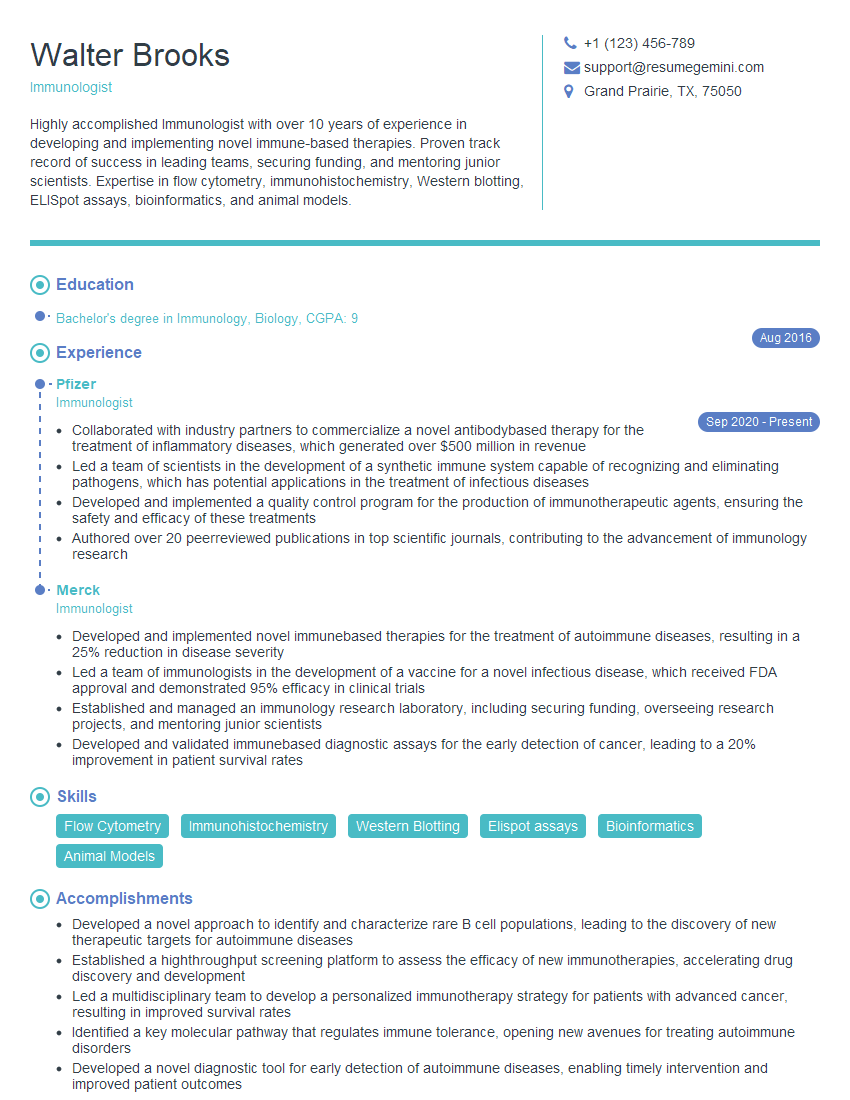
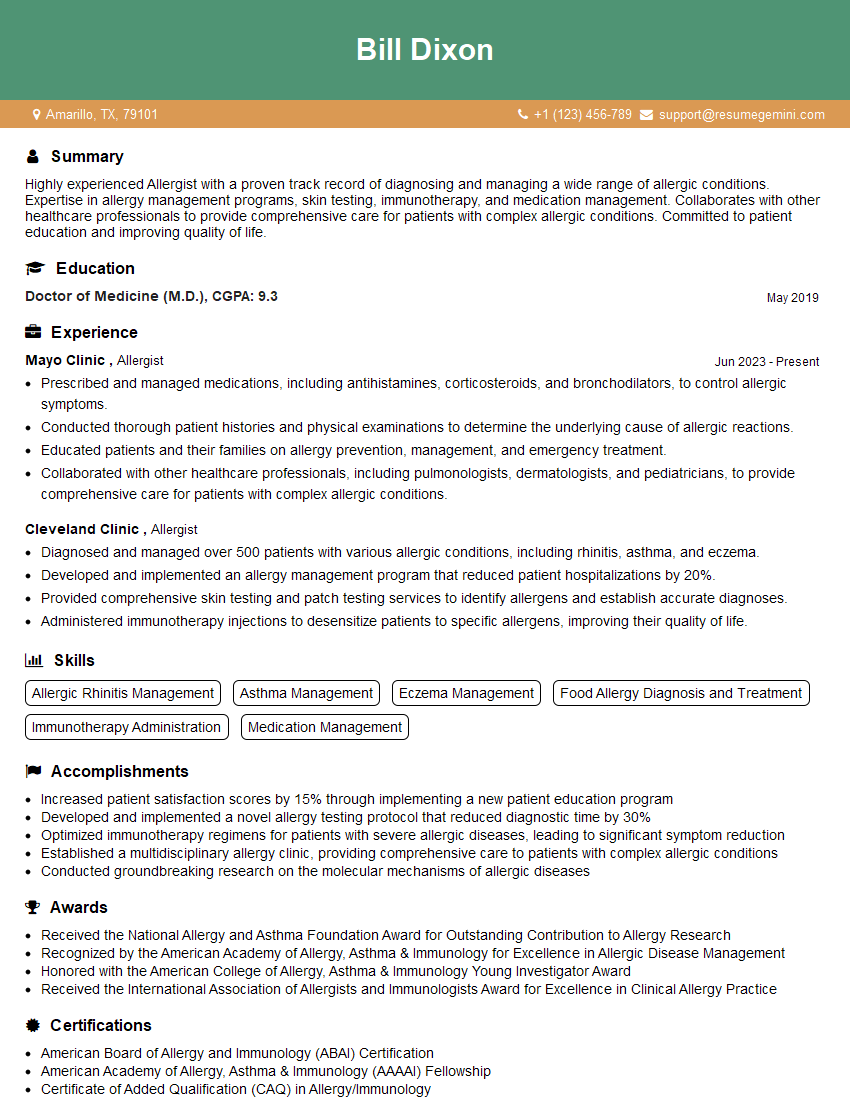
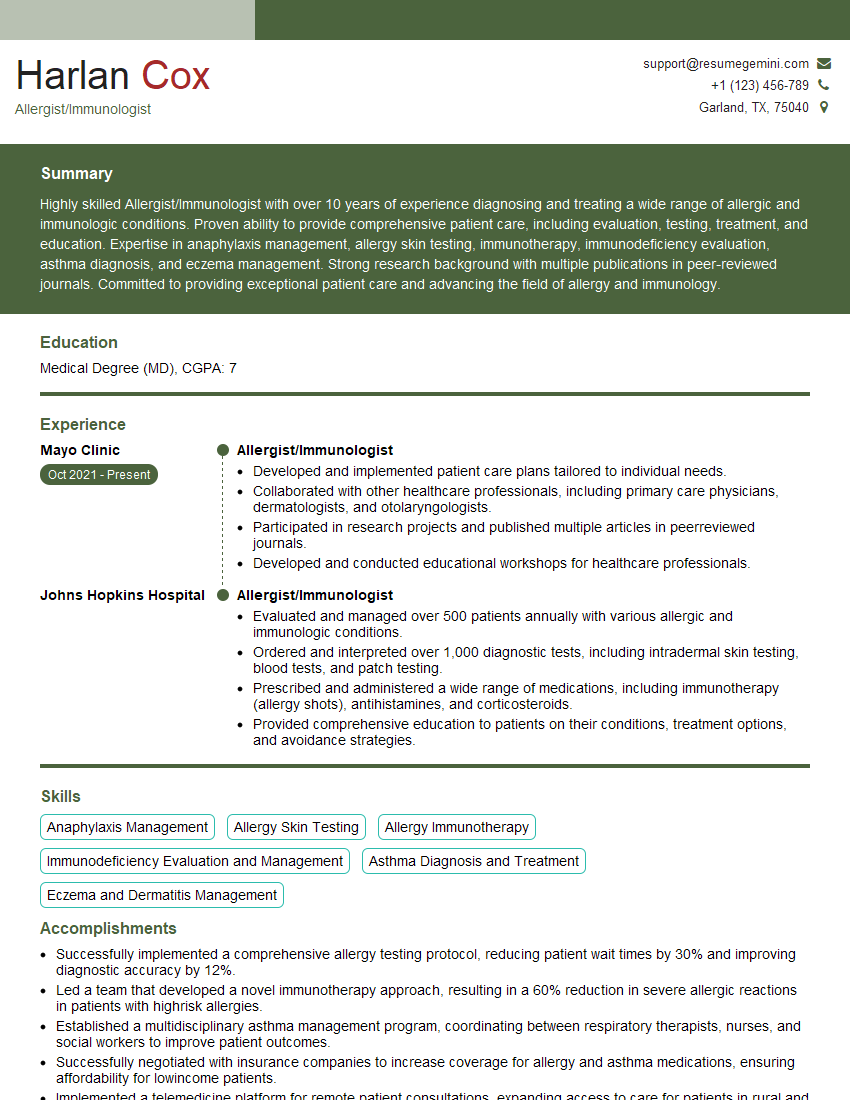
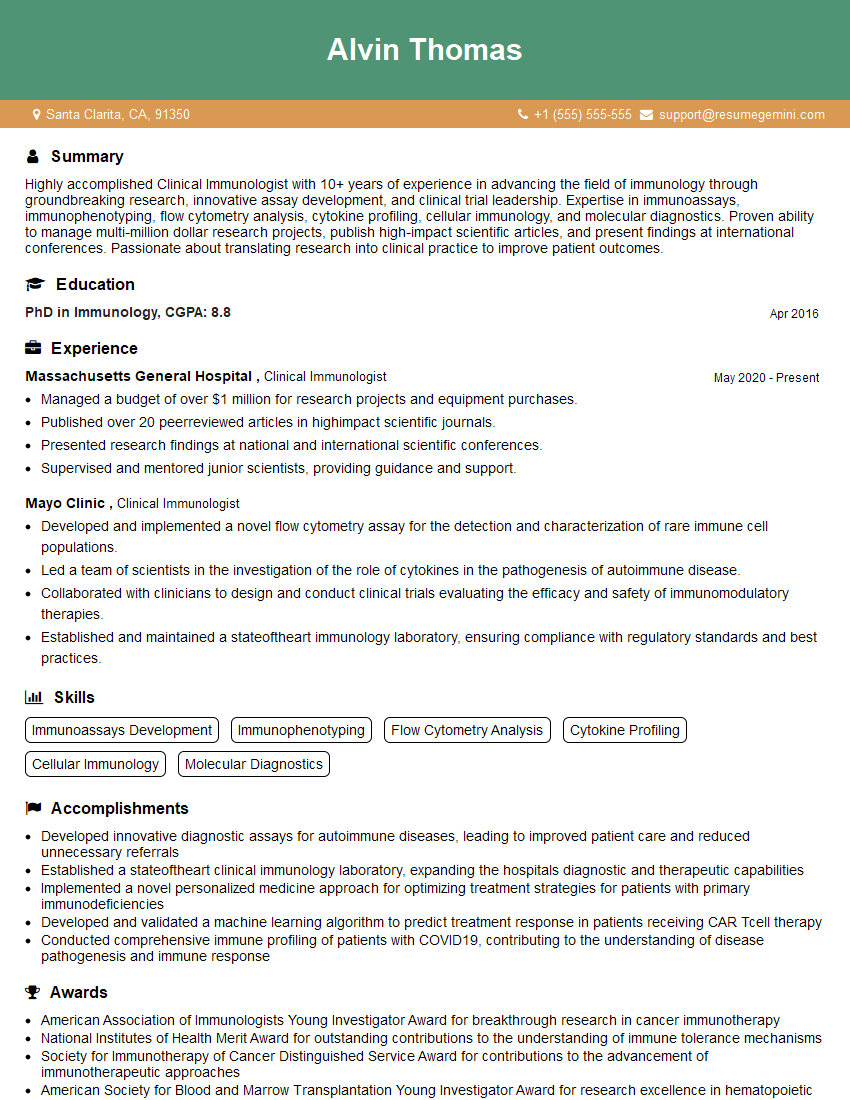
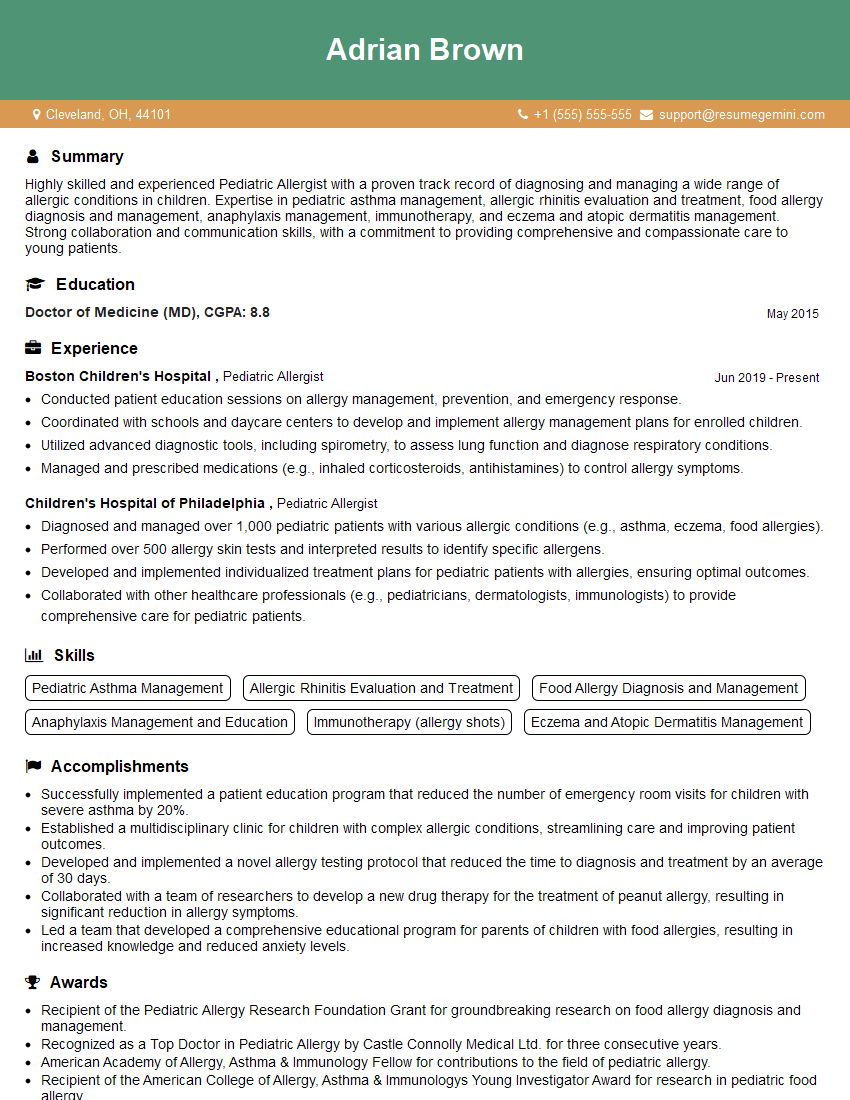
Mastering Food Allergy Diagnosis and Treatment is crucial for career advancement in this rapidly growing field. A strong understanding of these key areas will significantly enhance your interview performance and open doors to exciting opportunities. To maximize your job prospects, crafting an ATS-friendly resume is essential. ResumeGemini is a trusted resource that can help you build a professional and effective resume. ResumeGemini provides examples of resumes tailored specifically to Food Allergy Diagnosis and Treatment, ensuring your qualifications are clearly presented to potential employers. Invest time in creating a compelling resume—it’s your first impression!
Explore more articles
Users Rating of Our Blogs
Share Your Experience
We value your feedback! Please rate our content and share your thoughts (optional).
What Readers Say About Our Blog
To the interviewgemini.com Webmaster.
Very helpful and content specific questions to help prepare me for my interview!
Thank you
To the interviewgemini.com Webmaster.
This was kind of a unique content I found around the specialized skills. Very helpful questions and good detailed answers.
Very Helpful blog, thank you Interviewgemini team.