Interviews are more than just a Q&A session—they’re a chance to prove your worth. This blog dives into essential Knowledge of organizational psychology interview questions and expert tips to help you align your answers with what hiring managers are looking for. Start preparing to shine!
Questions Asked in Knowledge of organizational psychology Interview
Q 1. Explain the difference between job satisfaction and organizational commitment.
While both job satisfaction and organizational commitment relate to employee attitudes, they differ significantly. Job satisfaction focuses on an employee’s feelings and attitudes towards their specific job – aspects like the tasks, responsibilities, coworkers, and compensation. High job satisfaction means an employee generally enjoys their work. Organizational commitment, however, is a broader concept reflecting the employee’s psychological attachment to the entire organization. It encompasses feelings of loyalty, identification with the organization’s goals, and a desire to remain a member. Someone can be highly committed to a company even if they dislike certain aspects of their specific job. For example, a marketing manager might be highly satisfied with the creative nature of their work but less satisfied with their compensation. However, they might be highly committed to the organization due to its strong values and culture, and a belief in its mission.
Think of it this way: job satisfaction is like liking your current project, while organizational commitment is like believing in the overall company vision and wanting to contribute to its success for the long term. Both are vital for a healthy and productive workforce, but they represent different facets of the employee experience.
Q 2. Describe the five stages of Tuckman’s stages of group development.
Tuckman’s stages of group development describe the phases teams go through as they mature. These stages are not always linear; teams may regress or skip stages depending on circumstances. The five stages are:
- Forming: This initial stage is characterized by dependence and uncertainty. Members are still getting to know each other, establishing ground rules, and defining the group’s purpose. There’s often politeness and a lack of clear direction.
- Storming: Conflict and tension arise in this stage. Members challenge each other’s ideas, compete for roles, and grapple with power dynamics. This phase is crucial for establishing trust and open communication, even if it’s uncomfortable.
- Norming: The team begins to coalesce and develop shared norms, values, and goals. Collaboration increases, and roles become more clearly defined. A sense of unity and common purpose emerges.
- Performing: This is the high-performing stage where the team is highly efficient and effective. Members work collaboratively, communicate openly, and achieve their goals efficiently. The focus is on task accomplishment and achieving collective success.
- Adjourning: This final stage involves the dissolution of the team, often after a project’s completion. Members may experience sadness, relief, or a mix of emotions. Proper closure and celebration of accomplishments are important in this phase.
For example, a new product development team might spend several weeks in the forming stage, then experience intense debate and disagreement during the storming stage as different approaches are proposed. Through negotiation and compromise (norming), they settle on a strategy and begin to effectively work together (performing) to launch the product, finally adjourning once the launch is complete and the team disbands.
Q 3. What are some common methods used to assess employee job satisfaction?
Assessing employee job satisfaction requires a multi-faceted approach. Common methods include:
- Surveys: These are frequently used, allowing for both quantitative (e.g., rating scales) and qualitative (e.g., open-ended comments) data collection. They can be anonymous to encourage honest feedback.
- Interviews: Individual or focus group interviews provide richer qualitative data, allowing for deeper exploration of employees’ attitudes and experiences. This approach, while time-consuming, offers valuable insights into underlying reasons behind satisfaction or dissatisfaction.
- Focus Groups: These facilitated group discussions provide a platform for employees to share their perspectives and experiences collectively. They can reveal shared concerns or common sources of satisfaction.
- Observation: Observing employee behavior in the workplace can offer valuable qualitative data. Are employees engaged, productive, and collaborative, or are they disengaged and withdrawn? This method, however, requires careful planning and interpretation.
- Exit Interviews: These interviews with departing employees can provide valuable insights into factors contributing to their decision to leave, often revealing underlying job satisfaction issues.
Combining these methods provides a more comprehensive understanding of employee job satisfaction than relying on any single approach. For instance, a company might administer an anonymous employee satisfaction survey, follow up with focus groups to delve deeper into specific concerns highlighted in the survey, and conduct exit interviews to understand why employees leave.
Q 4. How can you measure the effectiveness of a training program?
Measuring the effectiveness of a training program requires a multi-pronged approach that goes beyond simply asking participants if they enjoyed it. A robust evaluation should consider:
- Reaction: This measures participants’ immediate reactions to the training – did they find it engaging, relevant, and well-delivered? This is typically assessed through surveys or feedback forms.
- Learning: This assesses whether participants acquired the knowledge and skills taught during the training. Methods include pre- and post-training tests, observations, or practical demonstrations.
- Behavior: This focuses on whether participants apply the learned knowledge and skills in their actual jobs. This is usually measured through observation, performance appraisals, or 360-degree feedback.
- Results: This is the ultimate measure of effectiveness, assessing whether the training program led to improved organizational outcomes, such as increased productivity, reduced errors, or improved customer satisfaction. This often requires comparing performance data before and after the training.
For example, a customer service training program might assess reaction through post-training feedback, learning through a knowledge test, behavior through observation of customer interactions, and results through changes in customer satisfaction ratings. A balanced approach that considers all four levels is essential for determining the overall success of a training initiative.
Q 5. What are some common causes of employee turnover?
Employee turnover, the rate at which employees leave an organization, is influenced by various factors. Some common causes include:
- Compensation and Benefits: Low pay, inadequate benefits, or a lack of competitive compensation packages are major drivers of turnover.
- Lack of Career Development Opportunities: Employees seek opportunities for growth and advancement. A lack of clear career paths or limited training and development opportunities can lead to frustration and attrition.
- Poor Management and Leadership: Ineffective or toxic managers can create a negative work environment, leading to high stress, low morale, and increased turnover. Lack of support, poor communication, and unfair treatment are all significant factors.
- Work-Life Balance Issues: Excessive workload, inflexible schedules, and lack of work-life balance can lead to burnout and employees seeking better opportunities elsewhere.
- Organizational Culture and Values: A negative or toxic organizational culture, a lack of recognition, or misalignment between employee values and organizational values can lead to dissatisfaction and turnover.
- Job Dissatisfaction: Lack of engaging work, limited autonomy, or poor job design can lead to disengagement and ultimately, resignation.
Addressing these issues proactively, through competitive compensation, robust career development programs, improved management practices, flexible work arrangements, and a positive work culture, can significantly reduce employee turnover and improve retention.
Q 6. Describe different leadership styles and their effectiveness in different contexts.
Various leadership styles exist, and their effectiveness depends heavily on the context – the team, the task, and the organizational culture. Some common styles include:
- Transformational Leadership: Focuses on inspiring and motivating employees to achieve extraordinary outcomes. They articulate a vision, foster collaboration, and empower their team. This style is effective in situations requiring innovation and change.
- Transactional Leadership: Emphasizes rewards and punishments to motivate employees and achieve goals. Clear expectations are set, and performance is closely monitored. This style can be effective in stable environments with clearly defined tasks.
- Servant Leadership: Prioritizes the needs of the team and empowers them to grow and succeed. The leader serves as a facilitator and mentor, fostering a collaborative and supportive environment. This style works well in situations requiring high trust and collaboration.
- Autocratic Leadership: The leader makes decisions independently with little input from the team. This can be efficient in crisis situations or when quick decisions are needed, but it can stifle creativity and motivation in the long run.
- Laissez-faire Leadership: The leader provides minimal direction and allows the team significant autonomy. This style can be effective with highly skilled and self-motivated teams, but it can lead to confusion and lack of direction in other contexts.
For instance, a transformational leader might be ideal for leading a team developing a new product, while a transactional leader might be more suitable for managing a production line. The key is selecting and adapting leadership styles to best suit the specific needs of the situation.
Q 7. What are the key components of a successful organizational change initiative?
Successful organizational change initiatives require careful planning and execution. Key components include:
- Clearly Defined Vision and Goals: A clear vision of the desired future state and specific, measurable, achievable, relevant, and time-bound (SMART) goals are essential to guide the change process.
- Strong Leadership and Sponsorship: Visible and committed leadership is critical to champion the change and overcome resistance. Sponsorship from senior management provides the necessary resources and support.
- Effective Communication: Open, transparent, and frequent communication throughout the change process is vital to keep employees informed, address concerns, and build buy-in.
- Employee Involvement and Participation: Involving employees in the planning and implementation of the change process increases their ownership and commitment, reducing resistance.
- Change Management Plan: A comprehensive plan that outlines the steps, timelines, resources, and responsibilities involved in the change process is crucial for effective execution.
- Monitoring and Evaluation: Regular monitoring of progress and evaluation of the impact of the change are necessary to identify and address any issues or challenges along the way.
For example, a company implementing a new software system needs a clear vision of how this system will improve efficiency, a strong leader to champion the initiative, detailed training programs for employees, and ongoing feedback mechanisms to identify and address any issues. Neglecting any of these aspects significantly diminishes the chances of successful change implementation.
Q 8. How can you improve team cohesion and collaboration?
Improving team cohesion and collaboration involves fostering a sense of shared purpose, mutual respect, and effective communication. Think of a team like a well-oiled machine – each part needs to work smoothly with the others to achieve the desired outcome.
- Shared Goals and Objectives: Clearly defining team goals and ensuring everyone understands their individual contributions towards the larger objective is crucial. Regular check-ins and progress reviews help maintain alignment.
- Open Communication: Establish open channels for communication – both formal (meetings, reports) and informal (social gatherings, instant messaging). Encourage active listening and feedback.
- Team-Building Activities: Engaging in team-building activities, whether it’s a casual lunch, a problem-solving workshop, or an outdoor adventure, helps build camaraderie and trust. These activities should be relevant to the team’s context and interests.
- Conflict Resolution Mechanisms: Implement processes for addressing conflict constructively. This might involve mediation, conflict coaching, or establishing clear guidelines for disagreement resolution.
- Recognition and Appreciation: Acknowledge and celebrate individual and team achievements. Recognizing contributions boosts morale and fosters a sense of belonging.
For example, in a software development team, regular sprint reviews, collaborative coding sessions, and team lunches can significantly improve cohesion and collaboration. Similarly, in a marketing team, brainstorming sessions, joint client presentations, and team-based reward systems can boost morale and collaboration.
Q 9. Explain the concept of organizational culture and its impact on employee behavior.
Organizational culture refers to the shared values, beliefs, assumptions, and norms that govern how people behave within an organization. It’s the ‘personality’ of the company, influencing everything from communication styles to decision-making processes. Think of it as the unspoken rules of the game – everyone knows how to play, even if they haven’t read the rulebook.
A strong and positive organizational culture can significantly impact employee behavior. A culture that values innovation and risk-taking, for example, will likely lead to more creative problem-solving and a willingness to experiment. Conversely, a culture that emphasizes conformity and risk aversion might stifle creativity and lead to a more cautious approach.
The impact can be seen in many areas: employee engagement, productivity, turnover, and even customer satisfaction. For instance, a company with a culture of trust and transparency will likely have higher employee engagement and lower turnover rates. Similarly, a customer-centric culture will often translate into better customer service and higher customer loyalty.
Q 10. What are some effective strategies for managing conflict in the workplace?
Managing workplace conflict effectively requires a proactive and systematic approach. It’s not about avoiding conflict entirely, but about handling it constructively to achieve positive outcomes.
- Identify the Conflict: The first step is to clearly identify the source of the conflict. This often involves active listening to all parties involved and seeking to understand their perspectives.
- Facilitate Communication: Create a safe and neutral space for parties to express their concerns and perspectives. Encourage active listening and empathy.
- Mediation or Negotiation: Depending on the nature and severity of the conflict, mediation or negotiation might be necessary. A neutral third party can help facilitate a constructive dialogue and find common ground.
- Focus on Interests, Not Positions: Instead of focusing on entrenched positions, try to understand the underlying interests of each party involved. This can help find mutually acceptable solutions.
- Develop a Resolution Plan: Once a solution is reached, document it clearly and ensure all parties understand their responsibilities. Regular follow-ups can help ensure the agreement is adhered to.
For instance, if two team members are constantly clashing over project priorities, a mediator could help them identify the root cause of the conflict (e.g., unclear roles and responsibilities) and develop a plan to address it (e.g., revising project plans, clarifying roles).
Q 11. How do you address issues related to workplace stress and burnout?
Addressing workplace stress and burnout requires a multifaceted approach that focuses on both individual and organizational levels. Burnout, a state of emotional, physical, and mental exhaustion caused by prolonged or excessive stress, is a serious issue with significant consequences.
- Individual Strategies: Encourage employees to practice stress management techniques such as mindfulness, exercise, and adequate sleep. Promoting a healthy work-life balance is vital. Access to employee assistance programs (EAPs) can provide confidential support and resources.
- Organizational Strategies: Organizations should strive to create a supportive and inclusive work environment. This includes promoting open communication, providing opportunities for feedback, and offering flexible work arrangements. Fair workload distribution and clear expectations are crucial. Implementing stress reduction programs, such as wellness initiatives or mindfulness workshops, can also be beneficial.
- Early Intervention: Recognizing the signs of stress and burnout is crucial. Managers should be trained to identify these signs in their team members and offer support. Regular check-ins and performance reviews can provide an opportunity to discuss workload and wellbeing.
For example, a company might offer on-site yoga classes, flexible working hours, and mental health workshops to address workplace stress and prevent burnout.
Q 12. Describe the principles of reinforcement theory and its applications in organizational settings.
Reinforcement theory, based on the work of B.F. Skinner, suggests that behavior is influenced by its consequences. Essentially, behaviors followed by positive consequences (reinforcement) are more likely to be repeated, while behaviors followed by negative consequences (punishment) are less likely to be repeated.
In organizational settings, reinforcement theory can be applied to motivate employees and shape desired behaviors. This involves using various reinforcement strategies, such as:
- Positive Reinforcement: Rewarding desirable behaviors with positive consequences, such as bonuses, promotions, or praise. Example: Awarding a bonus to a salesperson who exceeds their sales target.
- Negative Reinforcement: Removing unpleasant consequences when desired behaviors are exhibited. Example: Removing a tedious task from an employee’s workload after consistent high performance.
- Punishment: Applying negative consequences to undesirable behaviors. Example: Giving a written warning to an employee who consistently arrives late to work.
- Extinction: Ignoring or withholding reinforcement for undesirable behaviors, leading to a decrease in their frequency. Example: Stopping praising an employee for consistently making minor errors.
It’s crucial to apply reinforcement theory ethically and consistently. Over-reliance on punishment can be demotivating, while inconsistent reinforcement can lead to confusion and frustration.
Q 13. What are the ethical considerations in conducting organizational research?
Ethical considerations in organizational research are paramount. Researchers have a responsibility to protect the rights and well-being of participants and maintain the integrity of the research process. Key ethical principles include:
- Informed Consent: Participants must be fully informed about the purpose, procedures, and potential risks of the research before they agree to participate. They must be free to withdraw at any time without penalty.
- Confidentiality and Anonymity: Researchers must protect the privacy of participants by ensuring confidentiality and, where possible, anonymity. Data should be stored securely and access limited to authorized personnel.
- Beneficence and Non-Maleficence: The research should aim to benefit participants and minimize potential harm. Researchers should consider the potential impact of the research on participants and take steps to mitigate any risks.
- Justice and Fairness: Research should be conducted fairly and equitably, ensuring that all participants are treated with respect and dignity. Selection of participants should be unbiased and representative.
- Integrity: Researchers must maintain the integrity of the research process by ensuring honesty, transparency, and accuracy in data collection, analysis, and reporting. This includes acknowledging limitations and potential biases in the research.
For example, if conducting a survey on employee satisfaction, researchers must obtain informed consent, guarantee anonymity, and ensure the questions are not leading or biased.
Q 14. Explain the concept of diversity and inclusion in the workplace.
Diversity and inclusion in the workplace refer to creating an environment where individuals from all backgrounds – including race, ethnicity, gender, sexual orientation, age, religion, and ability – feel valued, respected, and have equal opportunities. It’s about more than just representation; it’s about fostering a culture of belonging where everyone can thrive.
A diverse and inclusive workplace offers numerous benefits: increased creativity and innovation, improved problem-solving, enhanced reputation and brand image, and stronger employee engagement and retention. However, achieving true diversity and inclusion requires a conscious and ongoing effort.
Strategies include:
- Inclusive Hiring Practices: Implementing blind resume reviews, diverse interview panels, and structured interview processes to reduce bias.
- Diversity Training: Educating employees about unconscious bias, cultural sensitivity, and inclusive communication.
- Employee Resource Groups (ERGs): Creating support networks for employees from diverse backgrounds.
- Mentorship and Sponsorship Programs: Providing opportunities for career advancement and development for underrepresented groups.
- Accessible Work Environment: Ensuring the physical and virtual workplace is accessible to individuals with disabilities.
For example, a company might implement a mentorship program pairing senior leaders with employees from underrepresented groups, providing opportunities for career guidance and advancement.
Q 15. How can you measure employee engagement and improve it?
Measuring employee engagement involves understanding the level of commitment, passion, and involvement employees have towards their work and the organization. It’s not just about satisfaction; it’s about discretionary effort – going the extra mile. We can measure this using a multi-pronged approach.
Surveys: Anonymous surveys using validated scales like the Utrecht Work Engagement Scale (UWES) are a common method. These provide quantitative data on aspects like vigor, dedication, and absorption.
Focus Groups and Interviews: Qualitative data from focus groups and individual interviews offer richer insights into the reasons behind engagement levels. They allow for exploration of underlying issues and perspectives.
Observation: Observing employee behavior on the job – their level of interaction, initiative, and problem-solving – can provide valuable qualitative data.
Performance Data: While not a direct measure of engagement, consistently high performance can indicate a highly engaged workforce. However, low performance could stem from various factors, not just disengagement.
Pulse Surveys: Short, frequent surveys that assess engagement on key factors can help track progress and identify emerging issues in real-time.
Improving engagement involves addressing the factors driving it. This might include:
Recognition and Rewards: Acknowledging and rewarding good work is crucial.
Opportunities for Growth and Development: Providing training, mentoring, and promotion opportunities increases engagement.
Meaningful Work: Ensuring employees understand how their work contributes to the bigger picture fosters a sense of purpose.
Strong Leadership: Supportive and inspiring managers are essential.
Work-Life Balance: Offering flexible work arrangements and promoting a healthy work-life balance can significantly improve engagement.
For example, a company might find low engagement scores related to lack of career progression in a survey. Following up with focus groups could pinpoint specific reasons and lead to implementing targeted development programs or internal promotion initiatives.
Career Expert Tips:
- Ace those interviews! Prepare effectively by reviewing the Top 50 Most Common Interview Questions on ResumeGemini.
- Navigate your job search with confidence! Explore a wide range of Career Tips on ResumeGemini. Learn about common challenges and recommendations to overcome them.
- Craft the perfect resume! Master the Art of Resume Writing with ResumeGemini’s guide. Showcase your unique qualifications and achievements effectively.
- Don’t miss out on holiday savings! Build your dream resume with ResumeGemini’s ATS optimized templates.
Q 16. Describe different assessment methods used in employee selection.
Employee selection involves a systematic process of assessing candidates to identify the best fit for a role. Several assessment methods are used, often in combination, to gather a comprehensive picture of the candidate.
Resumes and Application Forms: Initial screening tools to gather basic information and filter out unsuitable candidates.
Interviews: Structured interviews, using pre-defined questions, are more reliable than unstructured ones. Behavioral interviews focus on past experiences to predict future behavior. Situational interviews present hypothetical situations to gauge problem-solving abilities.
Cognitive Ability Tests: Measure general intelligence and problem-solving skills. Examples include Raven’s Progressive Matrices and Wonderlic Personnel Test.
Personality Assessments: Tools like the Myers-Briggs Type Indicator (MBTI) or Big Five Inventory assess personality traits relevant to the job. These need careful interpretation and should not be used in isolation.
Skills Tests: Assess specific skills required for the role, such as typing speed, software proficiency, or coding ability.
Work Sample Tests: Candidates perform tasks similar to those in the actual job. This offers a realistic preview of performance potential.
Assessment Centers: A multi-day assessment involving various exercises, such as group discussions, role-playing, and in-basket exercises, to evaluate multiple competencies.
Background Checks: Verify information provided by candidates and check for criminal records or other relevant information.
The choice of methods depends on the job requirements, organizational culture, and legal considerations. A balanced approach, using multiple methods, provides a more robust and less biased selection process.
Q 17. Explain the concept of job analysis and its importance in HR.
Job analysis is a systematic process of collecting and analyzing information about a job to determine the knowledge, skills, abilities, and other characteristics (KSAOs) required to perform it successfully. It’s a foundational process in HR, serving as the basis for many other HR functions.
The importance of job analysis is multifold:
Recruitment and Selection: It informs the creation of job descriptions and helps identify the best selection methods to assess candidates’ KSAOs.
Performance Appraisal: Job analysis defines the standards and criteria used to evaluate employee performance.
Compensation and Benefits: Job analysis helps determine appropriate pay levels and benefits based on the complexity and demands of the job.
Training and Development: It identifies training needs and helps design training programs to improve employee skills.
Job Design and Redesign: Job analysis can reveal areas for improvement in job design, leading to increased efficiency and employee satisfaction.
Legal Compliance: A well-defined job analysis can help demonstrate compliance with equal employment opportunity (EEO) laws.
Methods for conducting a job analysis include interviews with job incumbents, observation of job performance, questionnaires, and reviewing existing documentation. The data collected is then used to create a job description that clearly outlines the responsibilities, duties, and required qualifications for the position.
For instance, a job analysis for a software developer might reveal the need for proficiency in specific programming languages, experience with certain development methodologies, and problem-solving skills. This information is crucial for recruiting, training, and evaluating software developers.
Q 18. How can you design a performance appraisal system that is both fair and effective?
A fair and effective performance appraisal system should be objective, transparent, and aligned with organizational goals. It needs to provide constructive feedback to improve employee performance and development.
Key elements of such a system:
Clear Performance Standards: Standards should be specific, measurable, achievable, relevant, and time-bound (SMART) and linked to the job description derived from job analysis.
Multiple Sources of Information: Incorporate feedback from supervisors, peers, subordinates (360-degree feedback), and self-assessment to gain a holistic view of performance.
Regular Feedback: Provide ongoing feedback throughout the appraisal period, not just at the annual review. This allows for timely corrections and support.
Focus on Behavior and Results: Assess both the employee’s actions and the outcomes achieved. Avoid subjective judgments based solely on personality.
Training for Appraisers: Train supervisors on how to conduct fair and effective appraisals, ensuring consistency and reducing bias.
Appeals Process: Provide a mechanism for employees to appeal appraisal decisions if they believe they are unfair or inaccurate.
Development Planning: The appraisal should not only assess past performance but also plan for future growth and development, identifying training needs and career goals.
For example, instead of a vague statement like “improve communication,” a performance standard might be “Participate in weekly team meetings, actively contributing to discussions and providing clear updates on project progress by the end of each meeting.” This makes the expectation clear, measurable, and easily assessed.
Q 19. What are the benefits and challenges of remote work?
Remote work, where employees work outside of a traditional office setting, offers numerous benefits and challenges.
Benefits:
Increased Flexibility and Autonomy: Employees can better manage their work-life balance, leading to improved well-being and productivity.
Reduced Commute Time and Costs: Saves time and money for employees and reduces traffic congestion.
Wider Talent Pool: Companies can recruit from a larger geographic area, accessing a more diverse talent pool.
Reduced Office Space Costs: Companies can save on rent and utilities by reducing their office footprint.
Increased Productivity (for some): Some employees find they are more productive in a distraction-free home environment.
Challenges:
Communication Barriers: Maintaining effective communication can be more challenging without face-to-face interaction.
Isolation and Loneliness: Remote work can lead to feelings of isolation and loneliness, impacting employee morale and well-being.
Technology Dependence: Requires reliable internet access and appropriate technology, creating a digital divide.
Difficulties in Collaboration: Collaboration can be more difficult, requiring careful planning and the use of collaborative tools.
Blurred Boundaries Between Work and Personal Life: Can lead to overwork and burnout if not managed effectively.
Addressing these challenges requires careful planning and implementation of appropriate support systems, including clear communication protocols, regular virtual team meetings, and promoting a sense of community among remote workers.
Q 20. How can you improve communication and collaboration in a virtual team?
Improving communication and collaboration in a virtual team requires proactive strategies focusing on technology, processes, and team culture.
Establish Clear Communication Protocols: Define preferred communication channels (e.g., email for formal communication, instant messaging for quick questions, video conferencing for meetings) and response times.
Utilize Collaborative Tools: Employ tools like project management software (e.g., Asana, Trello), shared document platforms (e.g., Google Docs), and video conferencing platforms (e.g., Zoom, Microsoft Teams) to facilitate seamless information sharing and collaboration.
Regular Virtual Meetings: Schedule regular virtual team meetings to maintain connection, discuss progress, address challenges, and foster team cohesion. Vary meeting formats (e.g., brainstorming sessions, project updates, social gatherings) to keep them engaging.
Build a Strong Team Culture: Encourage social interaction through virtual team-building activities and informal communication channels to foster a sense of community and belonging. Celebrate successes and acknowledge individual contributions.
Provide Training and Support: Offer training on the use of collaborative technologies and effective virtual communication techniques to ensure everyone is comfortable and proficient.
Encourage Open and Honest Communication: Create a culture of trust and psychological safety, where team members feel comfortable sharing concerns and providing feedback without fear of retribution.
For example, a virtual team could establish a daily “stand-up” meeting using a video conferencing tool, where each member briefly updates the team on their progress and any roadblocks encountered. This keeps everyone informed and promotes a sense of shared purpose.
Q 21. Describe the role of organizational psychology in improving workplace safety.
Organizational psychology plays a crucial role in improving workplace safety by focusing on the human factors that contribute to accidents and incidents. It goes beyond simply implementing safety regulations; it addresses the psychological and behavioral aspects that influence safety performance.
Analyzing Human Error: Organizational psychologists can identify patterns of human error contributing to accidents using techniques like human factors analysis and critical incident technique.
Safety Training and Education: They design and implement effective safety training programs that address not only knowledge but also attitudes and behaviors related to safety. This includes training on hazard identification, risk assessment, and safe work practices.
Promoting a Safety Culture: They work to establish a strong safety culture where employees feel empowered to report hazards, participate in safety improvements, and are actively involved in safety management processes. This includes leadership commitment, open communication, and recognition of safe behavior.
Stress Management and Well-being: Addressing workplace stress, fatigue, and burnout, which significantly impact safety performance, is critical. Intervention programs may include stress reduction techniques, work-life balance initiatives, and employee assistance programs.
Teamwork and Communication: Improving teamwork and communication is essential, especially in high-risk environments, to ensure that hazards are effectively identified and addressed. Training in teamwork skills and effective communication strategies can be vital.
Human Factors in Job Design: Job design should consider human factors, such as physical ergonomics and cognitive workload to reduce the risk of injury and error.
For example, an organizational psychologist might conduct a survey to assess employee perceptions of safety within a factory. Findings could highlight areas where safety awareness is low, leading to targeted training programs and improvements in safety communication channels.
Q 22. What are some common challenges faced by HR professionals?
HR professionals face a myriad of challenges in today’s dynamic work environment. These challenges often intersect and require a holistic approach to solve effectively. Some common issues include:
- Attracting and retaining top talent: Competition for skilled employees is fierce. HR must develop competitive compensation and benefits packages, create engaging work cultures, and effectively communicate the company’s value proposition.
- Managing employee relations: This involves handling conflicts, addressing grievances, fostering positive relationships, and ensuring a fair and inclusive workplace. This requires strong communication and conflict resolution skills.
- Ensuring compliance with employment laws: HR must stay abreast of constantly evolving legal regulations concerning equal opportunity, compensation, safety, and privacy. Non-compliance can lead to significant legal and reputational damage.
- Implementing and managing HR technology: HR departments increasingly rely on technology for tasks like recruitment, payroll, performance management, and learning and development. Choosing, implementing, and integrating these systems effectively is crucial but often complex.
- Balancing organizational needs with employee well-being: HR must find a balance between driving productivity and fostering a supportive and healthy work environment. This involves managing workload, promoting work-life balance, and addressing employee burnout.
- Developing and delivering effective training and development programs: Investing in employees’ skills and knowledge is crucial for organizational success. Designing programs that align with business needs and employee goals is essential.
For example, a company struggling with high employee turnover might need to conduct an exit interview analysis to identify underlying issues and implement improvements in compensation, management practices, or workplace culture.
Q 23. How can you use data analytics to inform HR decisions?
Data analytics is transforming HR, allowing for evidence-based decision-making. By collecting and analyzing data, HR professionals can gain insights into various aspects of the workforce, leading to more effective strategies.
For instance, analyzing employee turnover data can reveal patterns related to specific departments, roles, or demographics. This information can inform targeted interventions such as improved onboarding processes, leadership training, or enhanced employee benefits. Similarly, analyzing recruitment data can help optimize sourcing channels and improve the candidate selection process. Performance data can identify high-performing employees and highlight areas where training or development is needed.
Examples of data-driven HR decisions:
- Predictive analytics for attrition: Identifying employees at risk of leaving by analyzing factors such as tenure, performance reviews, and engagement scores.
- Compensation analysis: Using data to ensure fair and competitive pay based on market rates and internal equity.
- Recruitment optimization: Tracking the effectiveness of different recruitment sources to optimize spending and improve the quality of candidates.
- Training and development needs identification: Identifying skills gaps and designing targeted training programs based on performance data and employee feedback.
Tools such as HRIS systems, employee surveys, and performance management platforms provide the raw data. Statistical analysis techniques, like regression analysis and clustering, can help uncover hidden patterns and make predictions.
Q 24. Explain the concept of organizational justice and its impact on employee morale.
Organizational justice refers to the perception of fairness in the workplace. It significantly impacts employee morale and productivity. There are four key dimensions:
- Distributive justice: Perceived fairness of the distribution of resources (e.g., pay, rewards, benefits). Is the allocation perceived as equitable?
- Procedural justice: Perceived fairness of the processes used to make decisions. Were decisions made transparently and consistently?
- Interactional justice: Perceived fairness in interpersonal treatment. Were employees treated with respect and dignity?
- Informational justice: Perceived fairness in the communication of information. Were employees kept informed of relevant decisions and rationale?
Impact on Employee Morale: When employees perceive a lack of justice, they experience negative emotions such as anger, resentment, and distrust. This leads to decreased morale, reduced engagement, increased stress, and potentially even counterproductive work behaviors. Conversely, a fair and just workplace fosters trust, commitment, and improved job satisfaction. Employees are more likely to be motivated, productive, and loyal to an organization perceived as fair.
Example: Imagine a company promoting an individual solely based on personal relationships rather than merit. This would likely violate distributive and procedural justice, leading to dissatisfaction and decreased morale among other employees who feel overlooked.
Q 25. How do you handle situations where there is a conflict between organizational goals and employee needs?
Conflicts between organizational goals and employee needs are inevitable. Effective management requires a balanced approach that considers both perspectives. Here’s a step-by-step approach:
- Identify and define the conflict: Clearly articulate the organizational goal and the employee’s conflicting need. Gather information from all involved parties.
- Seek understanding: Empathize with both sides. Understand the reasoning behind the organizational goal and the employee’s concerns. Active listening is key.
- Explore potential solutions: Brainstorm solutions that address both the organizational goal and the employee’s needs. Involve employees in the solution-finding process to foster buy-in.
- Evaluate options: Assess the feasibility, impact, and cost of each solution. Choose the most viable option that provides the best compromise.
- Implement and monitor: Put the chosen solution into action and monitor its effectiveness. Gather feedback to make adjustments if necessary.
- Communicate clearly: Keep all stakeholders informed throughout the process. Transparency builds trust and reduces uncertainty.
Example: A company may need to implement cost-cutting measures that lead to reduced overtime opportunities for employees who rely on that extra income. A solution could involve offering additional training and development opportunities or providing support in finding part-time jobs to supplement their income.
Q 26. Describe your understanding of the different perspectives on motivation (e.g., Maslow’s hierarchy, Herzberg’s two-factor theory).
Several prominent theories attempt to explain human motivation. Here are two well-known ones:
- Maslow’s Hierarchy of Needs: This theory posits that human needs are hierarchical, progressing from basic physiological needs (food, shelter) to self-actualization (achieving one’s full potential). Managers should cater to each level of needs to motivate employees. For example, providing competitive salaries addresses physiological needs, while offering opportunities for growth and advancement addresses esteem and self-actualization needs.
- Herzberg’s Two-Factor Theory (Motivation-Hygiene Theory): This theory distinguishes between hygiene factors (e.g., salary, working conditions, company policies) and motivators (e.g., achievement, recognition, responsibility). Hygiene factors prevent dissatisfaction but do not necessarily lead to motivation; motivators, on the other hand, are crucial for driving high levels of performance and job satisfaction. For instance, improving working conditions is a hygiene factor; it avoids dissatisfaction, but offering challenging projects and recognition drives motivation.
Other perspectives include Expectancy Theory (individuals are motivated by the belief that their efforts will lead to desired outcomes), Goal-Setting Theory (setting specific and challenging goals enhances performance), and Equity Theory (individuals are motivated by fairness and compare their inputs and outcomes with others).
Q 27. What are some common biases in performance appraisal and how can they be mitigated?
Performance appraisals are susceptible to various biases that can negatively impact their accuracy and fairness. Some common biases include:
- Halo effect: One positive characteristic overshadows other aspects of performance. For example, a likable employee might receive higher ratings despite inconsistent performance.
- Horn effect: The opposite of the halo effect; one negative characteristic dominates the overall assessment.
- Recency bias: Recent events weigh more heavily than earlier performance. A strong performance close to the appraisal overshadows consistent mediocrity throughout the year.
- Leniency bias: Raters consistently give high ratings, irrespective of actual performance.
- Severity bias: Raters consistently give low ratings.
- Central tendency bias: Raters avoid extreme ratings, clustering around the average.
- Confirmation bias: Raters seek information that confirms their pre-existing beliefs about an employee.
Mitigation strategies:
- Structured performance appraisals: Use standardized rating scales and behavioral anchors to reduce subjectivity.
- Multiple raters: Gather feedback from multiple sources (supervisors, peers, subordinates) to minimize individual biases.
- Rater training: Educate raters on common biases and best practices in performance appraisal.
- 360-degree feedback: Include feedback from a wide range of sources to provide a more holistic view of performance.
- Regular feedback: Provide ongoing feedback throughout the year rather than relying solely on an annual appraisal.
Q 28. Explain your understanding of the concept of organizational learning.
Organizational learning is the process through which organizations acquire, share, and use knowledge to improve their performance. It goes beyond individual learning and encompasses the collective capacity of an organization to learn and adapt.
Key aspects of organizational learning include:
- Knowledge acquisition: Gathering information from various sources, including internal experiences, external benchmarking, and research.
- Knowledge sharing: Facilitating the dissemination of information and best practices throughout the organization. This might involve knowledge management systems, mentorship programs, and cross-functional teams.
- Knowledge application: Using acquired knowledge to improve processes, products, services, or decision-making. This often involves experimentation, feedback loops, and continuous improvement initiatives.
- Knowledge creation: Generating new knowledge through innovation and experimentation. This often involves fostering a culture of learning and knowledge creation.
Example: A company facing declining market share might engage in organizational learning by analyzing market trends, conducting customer research, and experimenting with new products or marketing strategies. This involves acquiring knowledge about market changes, sharing that knowledge with relevant teams, applying that knowledge to develop a new product, and potentially creating new knowledge about the best ways to reach target customers. The process is iterative, with continuous improvement being the goal.
Key Topics to Learn for Organizational Psychology Interviews
- Organizational Culture & Climate: Understanding how organizational culture impacts employee behavior, productivity, and well-being. Practical application: Analyzing cultural factors contributing to high turnover or low morale in a specific organization.
- Leadership Theories & Styles: Exploring various leadership approaches (transformational, transactional, servant leadership) and their effectiveness in different contexts. Practical application: Evaluating the leadership style of a manager and suggesting improvements based on organizational goals and employee needs.
- Motivation & Job Satisfaction: Examining theories of motivation (e.g., Maslow’s hierarchy, Herzberg’s two-factor theory) and their implications for designing rewarding work environments. Practical application: Developing strategies to increase employee engagement and reduce burnout.
- Team Dynamics & Group Processes: Understanding how teams function, the roles individuals play, and how to facilitate effective teamwork. Practical application: Addressing conflict within a team and improving communication and collaboration.
- Selection & Assessment: Knowledge of various methods used to select and assess candidates for jobs, including interviews, personality tests, and performance assessments. Practical application: Designing a fair and effective selection process for a specific role.
- Organizational Development & Change Management: Understanding the processes involved in organizational change and how to manage transitions effectively. Practical application: Developing a strategy for implementing a new organizational structure or technology.
- Stress Management & Well-being in the Workplace: Identifying sources of workplace stress and developing strategies for promoting employee well-being. Practical application: Designing a wellness program to reduce stress and improve employee health.
- Diversity, Equity, and Inclusion (DE&I): Understanding the importance of DE&I in the workplace and strategies for creating an inclusive environment. Practical application: Developing initiatives to promote diversity and inclusion within an organization.
- Performance Management: Understanding best practices in setting goals, providing feedback, and conducting performance reviews. Practical application: Designing a performance management system that is fair, transparent, and motivating.
Next Steps
Mastering organizational psychology principles is crucial for career advancement in fields like HR, consulting, and research. A strong understanding of these concepts demonstrates your ability to analyze complex organizational challenges and develop effective solutions. To maximize your job prospects, create an ATS-friendly resume that highlights your relevant skills and experience. ResumeGemini is a trusted resource to help you build a professional and impactful resume. Examples of resumes tailored to showcasing expertise in organizational psychology are available for your review to help you craft the perfect application.
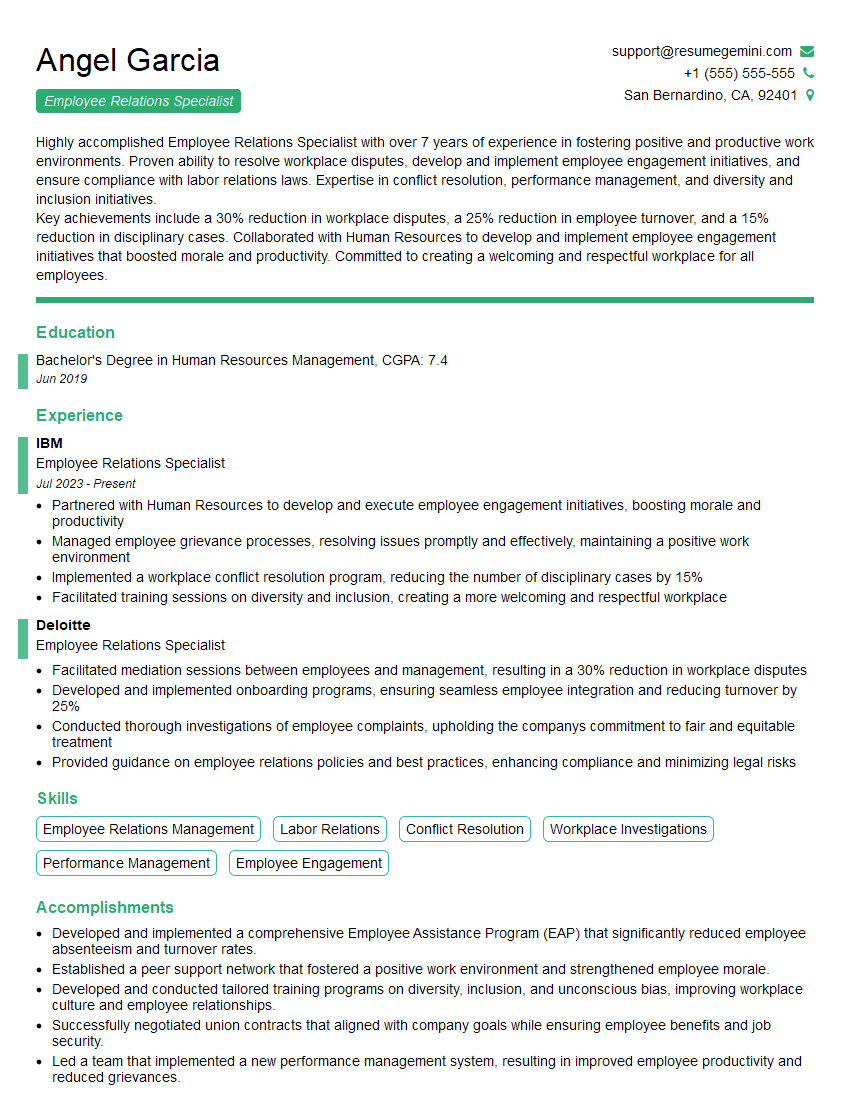
Employee Relations Specialist Resume Sample
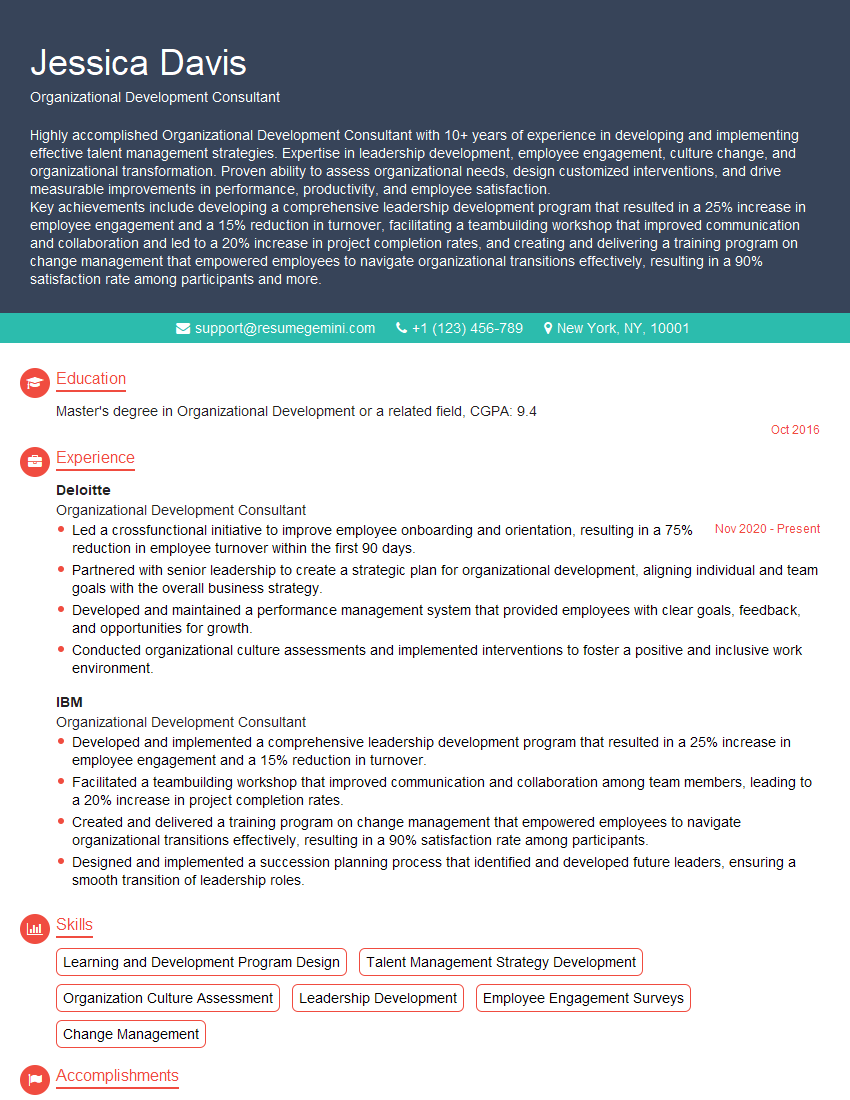
Organizational Development Consultant Resume Sample
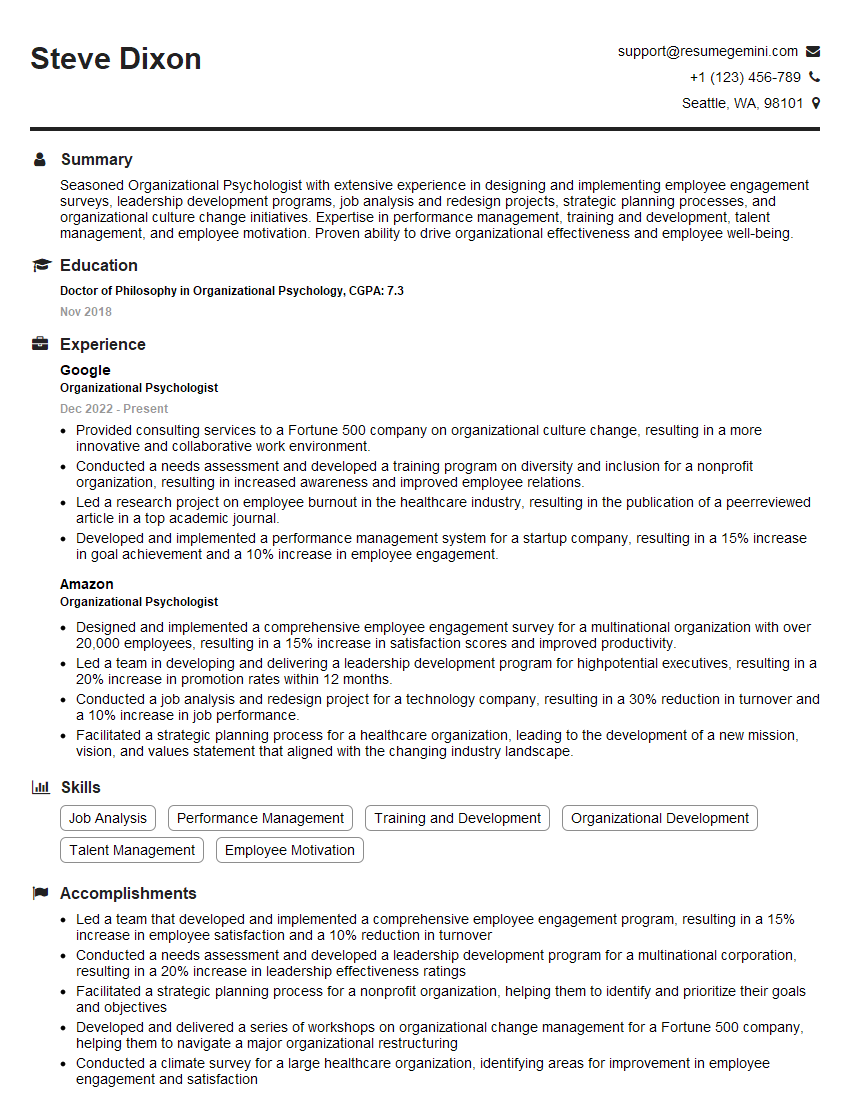
Organizational Psychologist Resume Sample
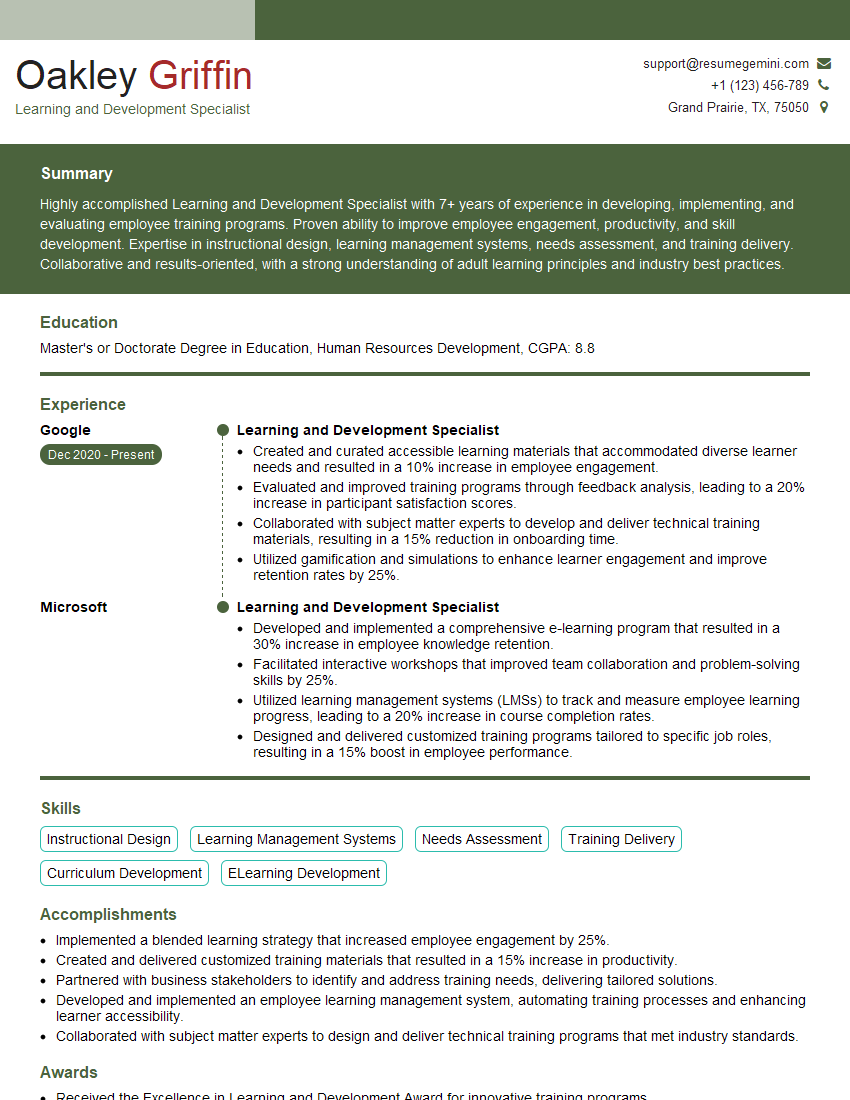
Learning and Development Specialist Resume Sample
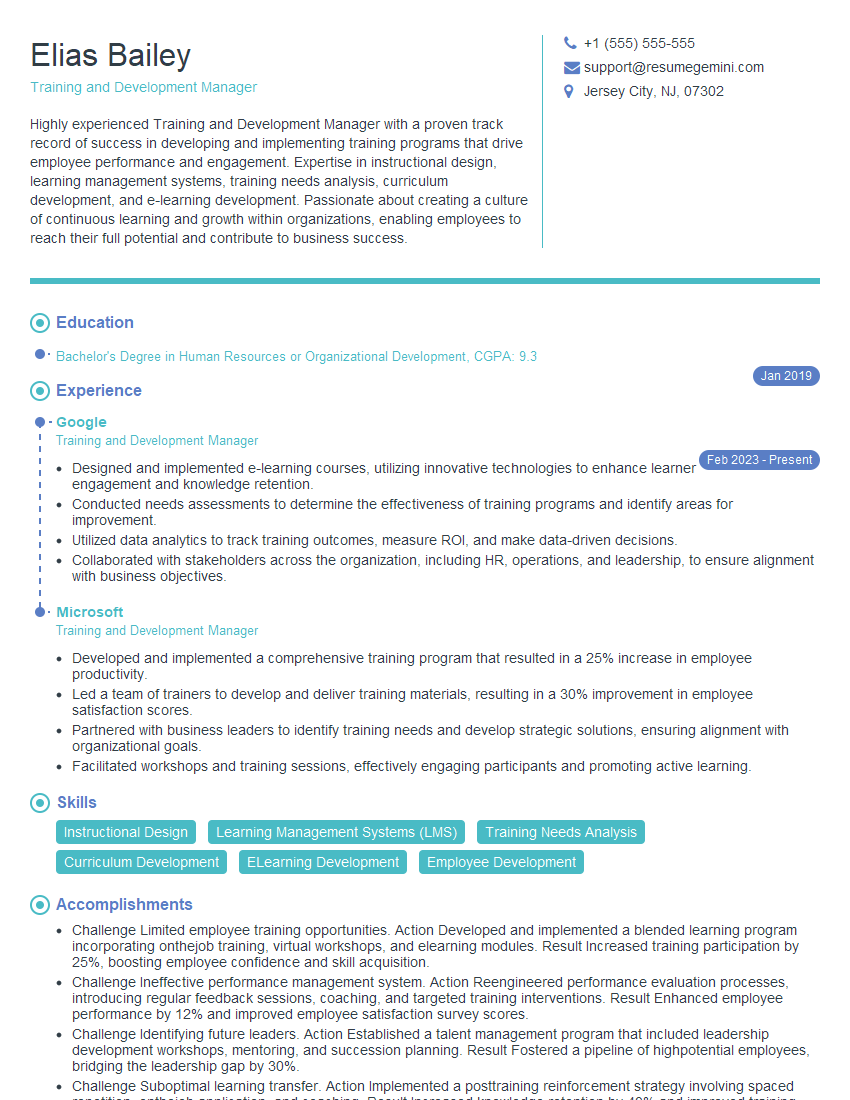
Training and Development Manager Resume Sample
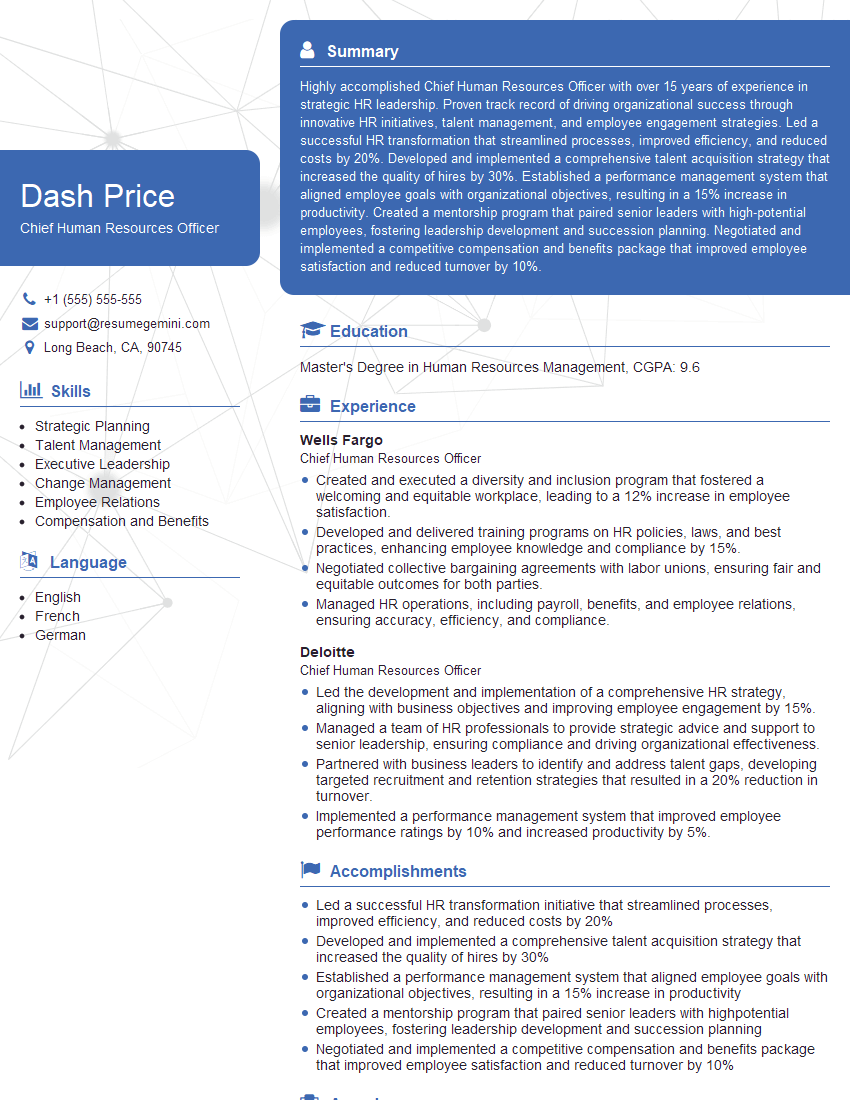
Chief Human Resources Officer Resume Sample
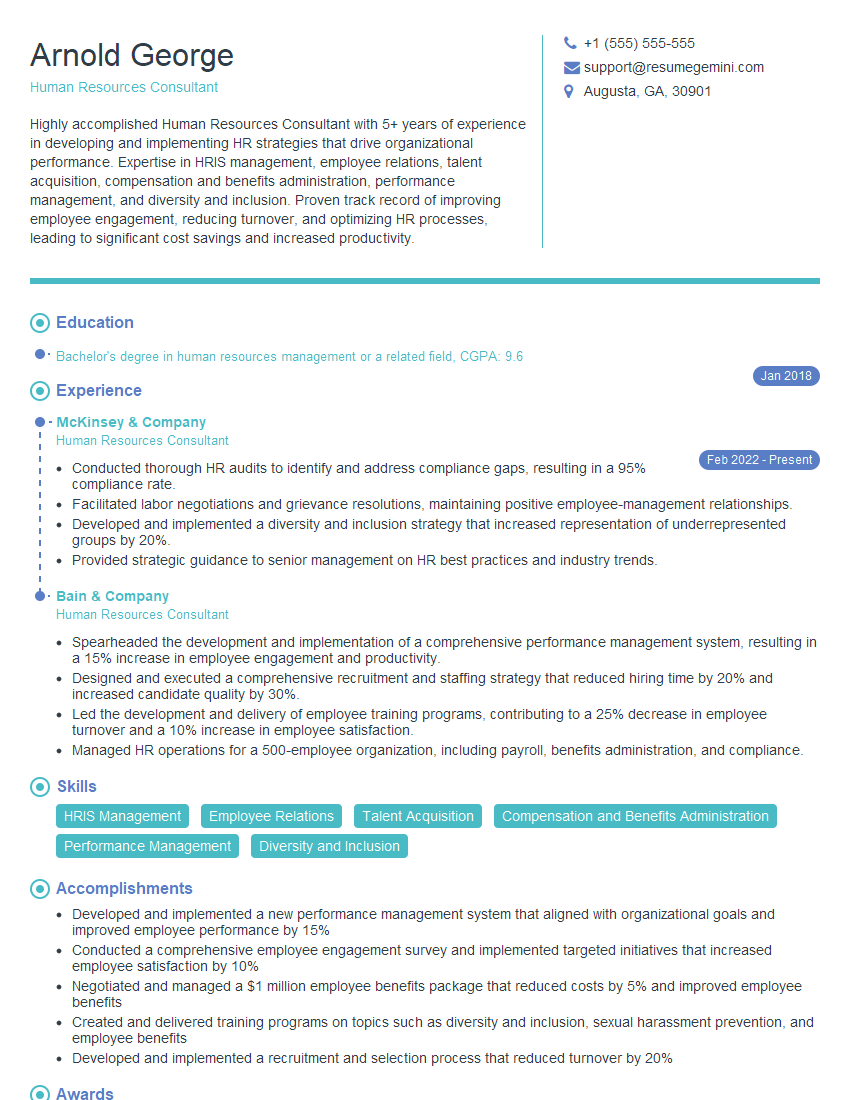
Human Resources Consultant Resume Sample
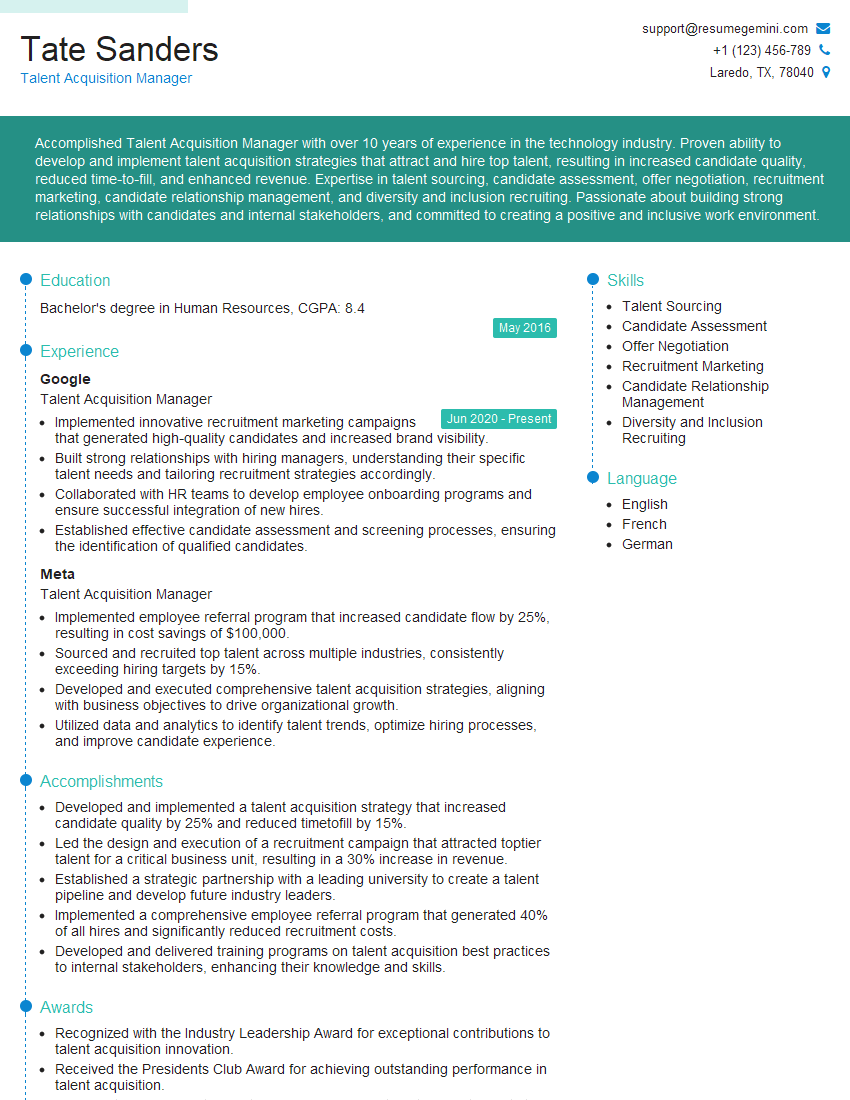
Talent Acquisition Manager Resume Sample
Explore more articles
Users Rating of Our Blogs
Share Your Experience
We value your feedback! Please rate our content and share your thoughts (optional).
What Readers Say About Our Blog
To the interviewgemini.com Webmaster.
Very helpful and content specific questions to help prepare me for my interview!
Thank you
To the interviewgemini.com Webmaster.
This was kind of a unique content I found around the specialized skills. Very helpful questions and good detailed answers.
Very Helpful blog, thank you Interviewgemini team.