Cracking a skill-specific interview, like one for Experience in conducting research on teams, requires understanding the nuances of the role. In this blog, we present the questions you’re most likely to encounter, along with insights into how to answer them effectively. Let’s ensure you’re ready to make a strong impression.
Questions Asked in Experience in conducting research on teams Interview
Q 1. Describe your experience in designing research projects involving multiple team members.
Designing research projects involving multiple team members requires a structured approach emphasizing clear communication and well-defined roles. It starts with a comprehensive research plan outlining the overall objectives, methodology, timeline, and individual responsibilities. I begin by collaboratively defining the research question and hypotheses with the team, ensuring everyone understands the project’s goals. Then, we break down the project into manageable tasks, considering each team member’s expertise and assigning tasks accordingly. This often involves a Gantt chart or similar project management tool to visualize the timeline and dependencies. Regular progress meetings and open communication channels are essential to track progress, address challenges, and maintain team cohesion.
For example, in a recent study on team dynamics and project success, I divided the team into three groups: one focused on data collection through surveys, another on conducting interviews, and the third on data analysis and reporting. Each group had a designated lead, responsible for task management and communication within their subgroup, while I oversaw the overall project.
Q 2. Explain your approach to managing data collected by a team.
Managing data collected by a team involves establishing clear data management protocols from the outset. This includes defining data formats, storage locations, and access controls. I typically employ a centralized data repository, often a cloud-based solution, to ensure easy access and version control. Data cleaning and validation are crucial steps; I often use a combination of automated scripts and manual checks to ensure data accuracy and consistency. A detailed data dictionary is created to define all variables and their meanings, minimizing ambiguity and facilitating collaboration. Data security is paramount; I implement robust access controls and encryption protocols to protect sensitive information.
For instance, in a project examining employee engagement, we used a secure online survey platform to collect data, ensuring anonymity and data integrity. After collecting data, I implemented a rigorous cleaning process involving checks for missing data, outliers, and inconsistencies. All data cleaning procedures were documented thoroughly.
Q 3. How do you ensure consistency in data collection methods within a research team?
Ensuring consistency in data collection methods is critical for reliable results. This involves meticulous training of the research team on standardized procedures, using detailed operational manuals and training materials. I typically conduct training sessions, including practice exercises, to ensure everyone understands the data collection instruments and procedures correctly. Regular quality control checks, including inter-rater reliability assessments, are conducted throughout the data collection phase to identify and correct any deviations. Pilot studies are often conducted to test the data collection instruments and refine the procedures before large-scale data collection. Detailed protocols outlining every step of the data collection process are crucial for maintaining consistency and minimizing errors.
In one study on customer satisfaction, we developed a detailed script for interviewers to ensure uniformity in question delivery and tone. We also conducted pilot interviews to refine the script and interviewer training, leading to improved consistency in the collected data.
Q 4. What tools and technologies have you used to facilitate collaborative research?
Facilitating collaborative research requires leveraging the right tools and technologies. I’ve extensively used project management software like Asana or Trello to track tasks, deadlines, and team progress. For data management and analysis, I rely on platforms like RStudio or Python with relevant libraries for statistical analysis and visualization. Cloud storage services like Google Drive or Dropbox allow for seamless file sharing and collaboration. Communication tools such as Slack or Microsoft Teams enhance real-time collaboration and quick problem-solving. Video conferencing platforms like Zoom enable efficient remote team meetings.
For example, in a cross-functional research project, we used Asana to manage tasks, Google Drive for data sharing, and Zoom for regular meetings. This allowed for seamless collaboration despite team members being in different locations.
Q 5. How do you handle disagreements on research methods within a team setting?
Disagreements on research methods are inevitable in team settings. My approach is to foster an environment of open and respectful discussion. I encourage team members to clearly articulate their perspectives, supporting their arguments with evidence and rationale. I facilitate a structured discussion, focusing on the merits and limitations of each approach. We collaboratively weigh the pros and cons, considering factors like feasibility, cost-effectiveness, and ethical implications. Reaching a consensus often involves finding a compromise or adopting a hybrid approach that incorporates elements from different perspectives. Documenting the decision-making process and the rationale behind the chosen method is important for transparency and accountability.
In one instance, a disagreement arose over the choice of statistical analysis. By fostering a collaborative discussion and reviewing the strengths and weaknesses of different statistical tests, we arrived at a consensus on the most appropriate method, strengthening the study’s methodological rigor.
Q 6. Describe a situation where a team member’s contribution significantly impacted the research outcome.
In a study on organizational culture and innovation, a team member, an anthropologist by training, suggested incorporating ethnographic observation methods into our quantitative survey approach. Initially, I was hesitant, but her expertise in qualitative research proved invaluable. The ethnographic observations provided rich contextual data that complemented our quantitative findings, providing a much deeper understanding of the relationship between organizational culture and innovation. This unexpected insight led to a significantly more nuanced and impactful research outcome, highlighting the importance of diverse perspectives within a research team.
Q 7. How do you allocate tasks and responsibilities within a research team?
Task allocation depends on team members’ skills, experience, and workload. I usually start by outlining the overall research plan and identifying key tasks. Then, I consider each team member’s strengths and interests, assigning tasks that align with their expertise. I strive to create a balance of workload among team members, avoiding overburdening individuals. Regular check-ins and communication channels ensure that everyone understands their responsibilities and that tasks are completed efficiently. This collaborative approach maximizes team effectiveness and promotes a sense of shared ownership of the research project.
For example, in a recent project, I assigned data collection to team members with strong communication skills, data analysis to those with statistical expertise, and literature review to those with strong research background, ensuring each task was handled by the most competent individual.
Q 8. Explain your approach to conflict resolution within a research team.
My approach to conflict resolution within a research team is proactive and collaborative, focusing on understanding the root cause of the disagreement rather than simply suppressing symptoms. I believe that conflict, when managed effectively, can actually be a catalyst for innovation and improved team dynamics.
My strategy typically involves the following steps:
- Active Listening: I begin by giving each team member ample opportunity to express their perspective without interruption. This helps to build trust and ensure everyone feels heard.
- Identifying the Core Issue: Once everyone has shared their viewpoints, I work to identify the underlying issue driving the conflict. Is it a difference in opinion on methodology? A misunderstanding of roles? A clash of personalities?
- Collaborative Problem-Solving: With the core issue clearly defined, I facilitate a brainstorming session where the team collaboratively explores potential solutions. The goal is to find a mutually acceptable outcome that addresses everyone’s concerns.
- Agreement and Action Plan: Once a solution is agreed upon, we create a clear action plan with assigned responsibilities and timelines. This ensures accountability and helps prevent the conflict from resurfacing.
- Follow-up: I schedule a follow-up meeting to assess the effectiveness of the chosen solution and make any necessary adjustments.
For example, in a previous project where disagreements arose over the best statistical analysis to employ, I facilitated a discussion where each team member presented their reasoning. We then collectively reviewed the advantages and disadvantages of each approach, ultimately selecting a hybrid method that incorporated elements from both proposals. This not only resolved the conflict but also led to a more robust analysis.
Q 9. How do you track progress and ensure deadlines are met in a team research project?
Tracking progress and meeting deadlines in a team research project requires a structured approach and regular communication. I leverage a combination of project management tools and team meetings to ensure efficient workflow and timely completion.
My approach includes:
- Project Breakdown: We begin by breaking down the project into smaller, manageable tasks with clearly defined deliverables and assigned responsibilities.
- Gantt Charts or Kanban Boards: I utilize project management tools like Gantt charts or Kanban boards to visualize the project timeline, task dependencies, and individual progress. This provides a clear overview of the project’s status and potential bottlenecks.
- Regular Check-ins: We hold regular team meetings, typically weekly, to discuss progress, address challenges, and adjust the plan as needed. These meetings also provide opportunities for team members to share updates and seek assistance.
- Progress Reports: I require regular progress reports from each team member, either written or through the project management tool. This enables early identification of potential delays and allows for proactive intervention.
- Contingency Planning: We incorporate contingency planning into the project timeline to account for unforeseen delays or challenges. This proactive approach helps mitigate potential risks and ensure deadlines are met.
For instance, in a recent longitudinal study, we used a Kanban board to visualize the various stages of data collection, analysis, and reporting. This enabled us to track individual progress, identify bottlenecks in the data cleaning phase, and re-allocate resources to ensure timely completion.
Q 10. How do you foster a collaborative and supportive environment within a research team?
Fostering a collaborative and supportive environment is paramount for successful team research. I believe that a positive and inclusive atmosphere enhances creativity, productivity, and overall well-being.
My approach involves:
- Open Communication: I encourage open and honest communication amongst team members, creating a safe space where everyone feels comfortable sharing ideas, concerns, and feedback.
- Respectful Interactions: I establish clear expectations for respectful and professional interactions. This involves promoting active listening, valuing diverse perspectives, and addressing conflicts constructively.
- Team Building Activities: We engage in team-building activities, both formal and informal, to foster camaraderie and strengthen relationships. These can range from social gatherings to collaborative problem-solving exercises.
- Mentorship and Support: I provide mentorship and support to junior team members, encouraging their professional development and growth. This creates a sense of belonging and mutual support within the team.
- Recognition and Appreciation: I consistently recognize and appreciate team members’ contributions, highlighting their achievements and celebrating successes. This boosts morale and reinforces positive behavior.
In one project, we implemented a weekly ‘Kudos’ session where team members recognized each other’s contributions, fostering a culture of appreciation and strengthening team cohesion.
Q 11. Describe your experience with qualitative data analysis in a team context.
My experience with qualitative data analysis in a team context involves a structured approach emphasizing collaboration, transparency, and rigorous coding. We often employ techniques like thematic analysis and grounded theory.
The process typically involves:
- Team Training: Ensuring all team members are proficient in the chosen qualitative data analysis method. This often includes training on coding, memoing, and developing analytical frameworks.
- Shared Coding Framework: Developing a shared coding framework to ensure consistency and reliability across the team’s analysis. This might include creating a codebook or using collaborative coding software.
- Inter-Coder Reliability Checks: Regularly assessing inter-coder reliability to ensure the team interprets the data consistently. Discrepancies are discussed and resolved collaboratively, improving the accuracy of the analysis.
- Regular Team Meetings: Holding regular team meetings to discuss emerging themes, interpret data patterns, and refine the analytical framework. This collaborative approach ensures shared understanding and reduces biases.
- Transparent Documentation: Maintaining transparent documentation of the entire analysis process, including the coding scheme, thematic development, and the rationale behind analytical decisions. This fosters reproducibility and allows for scrutiny of the findings.
For example, in a study examining patient experiences with a new medical technology, we used a collaborative software platform to code interview transcripts. Regular meetings helped us identify and resolve disagreements on coding, leading to a robust and reliable thematic analysis.
Q 12. Describe your experience with quantitative data analysis in a team context.
My experience with quantitative data analysis in a team context involves a meticulous approach emphasizing data management, statistical rigor, and clear communication. This often necessitates careful planning and the use of statistical software packages.
The key elements of my approach include:
- Data Cleaning and Preparation: Establishing a clear protocol for data cleaning and preparation, ensuring consistency across the dataset. This often involves creating data cleaning scripts and employing quality control checks.
- Statistical Plan: Developing a comprehensive statistical plan outlining the appropriate statistical tests and analyses for addressing the research questions. This ensures the analysis is rigorous and addresses the research objectives.
- Role Assignment: Assigning specific roles and responsibilities to team members, such as data management, statistical analysis, and visualization. This leverages the team’s diverse skillset and enhances efficiency.
- Regular Data Checks: Performing regular data checks throughout the analysis process to identify any anomalies or inconsistencies. This iterative process ensures the accuracy and validity of the analysis.
- Interpretation and Reporting: Collaboratively interpreting the statistical results and reporting them clearly and concisely. This involves writing comprehensive reports and creating visualizations that effectively communicate the findings to a wide audience.
In a recent clinical trial, we used R and SPSS for statistical analysis, with dedicated team members responsible for data management and statistical modelling. This collaborative effort ensured the efficient and accurate analysis of complex clinical data.
Q 13. How do you ensure data integrity and accuracy within a team-based research project?
Ensuring data integrity and accuracy within a team-based research project requires a multifaceted approach that incorporates rigorous data management practices, regular quality control checks, and clear communication protocols.
My strategies include:
- Data Governance Plan: Developing a comprehensive data governance plan at the outset of the project. This plan outlines protocols for data collection, storage, cleaning, and analysis, ensuring consistency and adherence to ethical guidelines.
- Data Version Control: Utilizing version control systems to track changes made to the dataset, preserving a record of data modifications and facilitating reproducibility. This aids in detecting errors and tracing the origin of any inconsistencies.
- Regular Data Audits: Conducting regular data audits throughout the research process. This involves verifying the accuracy and completeness of the data, identifying potential errors or inconsistencies, and implementing corrective actions.
- Data Security Measures: Implementing robust data security measures to protect the data from unauthorized access, modification, or loss. This includes secure storage, access controls, and encryption protocols.
- Documentation: Maintaining comprehensive documentation of all data management procedures, including data cleaning steps, analysis methods, and any decisions made regarding data handling. This enhances transparency and ensures the reproducibility of the analysis.
For example, in a large-scale epidemiological study, we implemented a rigorous data management plan with detailed protocols for data entry, validation, and cleaning. Regular audits ensured data accuracy and consistency throughout the project.
Q 14. Explain your experience with presenting research findings to a team and stakeholders.
Presenting research findings to a team and stakeholders requires clear, concise communication tailored to the audience’s level of expertise. I use a combination of visual aids, storytelling, and interactive elements to enhance engagement and understanding.
My approach generally involves:
- Audience Analysis: Before preparing the presentation, I carefully analyze the audience’s background and expertise to tailor the content and language appropriately.
- Clear Structure: I structure the presentation logically, starting with a clear introduction, outlining the research question, methodology, results, and conclusions. This ensures a smooth and easy-to-follow narrative.
- Visual Aids: I use visual aids like graphs, charts, and tables to present data clearly and effectively. I avoid overwhelming the audience with complex data displays, ensuring visual clarity.
- Storytelling: I incorporate storytelling techniques to make the findings more relatable and engaging. This helps to connect with the audience on an emotional level, fostering better understanding.
- Interactive Elements: I often incorporate interactive elements like Q&A sessions or group discussions to stimulate audience participation and encourage dialogue. This fosters a more interactive learning experience.
For instance, when presenting findings from a complex statistical model to a non-technical audience, I focused on conveying the main findings in a clear and concise manner, using visuals to supplement the verbal explanation. A Q&A session allowed me to address audience questions and clarify any points of confusion.
Q 15. How do you incorporate feedback from team members during the research process?
Incorporating feedback is crucial for a successful team research project. It’s not just about collecting opinions; it’s about actively fostering a collaborative environment where everyone feels heard and valued. I employ a multi-pronged approach:
- Regular Check-ins: Short, focused meetings throughout the research process to discuss progress, challenges, and emerging findings. This allows for early identification of issues and allows for course correction.
- Dedicated Feedback Sessions: Structured sessions specifically designed for feedback, where team members can openly share their thoughts on the research design, data analysis, and interpretation. I use a combination of both individual and group discussions.
- Online Collaboration Tools: Utilizing platforms like Google Docs or Slack for shared documents and real-time feedback. This facilitates asynchronous collaboration and ensures everyone has access to the latest updates.
- Anonymous Feedback Mechanisms: Sometimes, people hesitate to share openly in a group setting. I often incorporate anonymous surveys or feedback forms to encourage honest and unfiltered input.
For example, in a recent project studying team dynamics, we utilized an anonymous survey at the midway point to assess team members’ perception of the research process itself. This revealed concerns about the clarity of the research objectives, allowing us to promptly address these concerns and improve our approach.
Career Expert Tips:
- Ace those interviews! Prepare effectively by reviewing the Top 50 Most Common Interview Questions on ResumeGemini.
- Navigate your job search with confidence! Explore a wide range of Career Tips on ResumeGemini. Learn about common challenges and recommendations to overcome them.
- Craft the perfect resume! Master the Art of Resume Writing with ResumeGemini’s guide. Showcase your unique qualifications and achievements effectively.
- Don’t miss out on holiday savings! Build your dream resume with ResumeGemini’s ATS optimized templates.
Q 16. How do you handle challenges in data interpretation within a team?
Data interpretation within a team can be challenging because of differing perspectives and biases. To navigate this, I emphasize transparency, structured discussions, and critical thinking:
- Transparent Data Sharing: All team members have access to the raw data and analysis procedures. This allows for open scrutiny and promotes collaborative verification.
- Structured Discussions: We hold dedicated meetings to discuss the data, using a framework that encourages critical evaluation. This often involves outlining potential interpretations, examining supporting evidence, and identifying limitations.
- Peer Review Process: Each member reviews each other’s analyses, providing feedback and promoting a healthy level of skepticism. This reduces individual biases and strengthens the validity of our conclusions.
- External Consultation (When Necessary): For complex or controversial findings, seeking guidance from an external expert can be highly beneficial in ensuring objective interpretation.
In one study, differing interpretations of correlational data arose. By systematically reviewing the statistical methods, re-examining the variables, and consulting a statistician, we arrived at a consensus and a stronger, more nuanced conclusion.
Q 17. How do you prioritize research tasks in a team environment?
Prioritizing research tasks in a team requires a clear understanding of goals, dependencies, and resource availability. I generally use a combination of these methods:
- Defining Clear Objectives: We start with a well-defined research question and break it down into smaller, manageable tasks. This makes the project easier to grasp and allows us to set priorities more effectively.
- Dependency Mapping: We visually map out the task dependencies—which tasks need to be completed before others can begin. This provides a clear picture of the project timeline and aids in prioritizing tasks.
- Prioritization Matrix: Using a matrix that considers both urgency and importance allows us to focus on high-impact, time-sensitive tasks first. This could involve assigning weights to each criterion.
- Regular Prioritization Meetings: We hold regular meetings to review progress, re-evaluate priorities, and adjust the schedule as needed. Flexibility is crucial, and unexpected findings may shift priorities.
For instance, in a recent project, an unexpected finding in the initial phase of data collection shifted our priorities towards investigating that issue thoroughly before proceeding with other planned tasks.
Q 18. Describe your experience with using project management tools for research projects.
I have extensive experience utilizing project management tools for research projects, finding them invaluable for organization, collaboration, and tracking progress. I’ve used various tools, including:
- Asana: Excellent for task management, assigning responsibilities, and tracking deadlines. Its visual interface helps the team monitor the progress.
- Trello: A Kanban-style board system, it’s helpful for visualizing workflow, particularly useful when dealing with multiple ongoing tasks.
- Monday.com: Provides a centralized hub for all project-related information, including documents, communication, and task assignments.
These tools help in streamlining communication, ensuring everyone is aware of deadlines and responsibilities, and facilitating efficient collaboration. The use of a shared project management tool enhances transparency and minimizes miscommunication and delays.
Q 19. How do you measure the success of a team-based research project?
Measuring the success of a team-based research project goes beyond simply publishing a paper. It involves assessing multiple aspects:
- Achievement of Research Objectives: Did the project answer the research question(s) effectively? Were the hypotheses tested adequately and the results meaningful?
- Quality of Research Output: The rigor of the methodology, the clarity and accuracy of data analysis, and the overall quality of the research report or publication are key indicators.
- Impact and Dissemination: Was the research disseminated effectively to the relevant audience? Did it generate interest, discussion, or inspire further research?
- Team Dynamics and Collaboration: Were the team members satisfied with the collaborative process? Was the team able to work effectively together and achieve its goals?
Success is also measured in terms of the team’s ability to learn and grow throughout the process. I believe measuring the impact on each team member’s skills and knowledge is as important as the outcome of the research project itself.
Q 20. How do you ensure ethical considerations are addressed in team research?
Ethical considerations are paramount in any research project, especially when working as a team. We proactively address these through:
- IRB Approval: Ensuring our research protocol receives proper Institutional Review Board (IRB) approval before data collection begins. This protects the rights and well-being of participants.
- Informed Consent: All participants receive clear and comprehensive information about the research and provide informed consent before participating.
- Data Confidentiality and Anonymity: Strict adherence to data privacy protocols, ensuring participant confidentiality and anonymity is maintained throughout the project.
- Ethical Data Handling: Establishing clear guidelines for data storage, access, and sharing, protecting against unauthorized use or disclosure.
- Open Communication: Openly discussing potential ethical dilemmas with the team and seeking advice from experts when necessary.
For example, in a study involving sensitive personal data, we established rigorous procedures for data anonymization and secured data storage, holding regular discussions about ethical aspects to ensure we adhered to all standards.
Q 21. How do you balance individual contributions with team goals in a research project?
Balancing individual contributions with team goals is essential for successful collaborative research. This involves:
- Clearly Defined Roles and Responsibilities: Each team member has a clearly defined role and specific responsibilities. This avoids duplication of effort and ensures everyone contributes meaningfully.
- Collaborative Goal Setting: The team collectively establishes shared goals and milestones. This creates a sense of shared ownership and commitment to the project’s success.
- Open Communication and Feedback: Open channels of communication ensure that individual progress aligns with the overall project goals. Regular feedback allows for adjustment and support as needed.
- Recognition of Individual Contributions: Celebrating individual successes and acknowledging each team member’s contribution to the overall project is vital for maintaining motivation and team morale.
In a recent project, we used a shared online document to track individual progress on specific tasks and held regular check-in meetings to ensure everyone felt heard and supported. The result was a high level of team cohesion and a project completed on time and exceeding expectations.
Q 22. What are some common challenges in conducting team-based research, and how have you addressed them?
Team-based research, while offering diverse perspectives and increased capacity, presents unique challenges. Common hurdles include scheduling conflicts, differing work styles, communication breakdowns, and managing individual contributions toward a shared goal.
I’ve addressed these by implementing several strategies. Firstly, I prioritize proactive project planning, utilizing tools like shared Gantt charts (project management software) to visualize timelines and individual responsibilities. This promotes transparency and helps prevent scheduling clashes. Secondly, I foster a culture of open communication through regular team meetings and using collaborative platforms like Slack or Microsoft Teams for quick queries and updates. This ensures everyone is informed and can contribute effectively. Finally, I emphasize the importance of clearly defined roles and responsibilities from the outset, outlining individual contributions and their impact on the overall research objectives. This ensures everyone understands their part and avoids duplication or missed tasks.
For example, in a recent project investigating employee engagement, we encountered disagreements on the chosen methodology. By facilitating a structured discussion where each team member presented their preferred approach and rationale, we collaboratively decided on a hybrid method that incorporated the strengths of each proposal, leading to a more robust and comprehensive study.
Q 23. Describe your experience mentoring or training junior researchers within a team.
Mentoring junior researchers is a rewarding aspect of my work. My approach focuses on building a supportive learning environment combined with practical training. I start by outlining the project’s goals and the team’s overall structure, ensuring clarity on individual roles and responsibilities. I then provide tailored guidance based on each researcher’s skillset and experience level. This might include dedicated training sessions on specific research methodologies, data analysis techniques, or literature review strategies.
Hands-on mentorship is crucial. I encourage junior researchers to actively participate in all stages of the research process, from designing studies to interpreting results. I provide regular feedback, both formal and informal, offering constructive criticism and celebrating successes. This iterative approach empowers them to develop confidence and independent research skills.
For instance, I recently mentored a junior researcher on a qualitative research project. Initially, they struggled with data coding and thematic analysis. Through one-on-one sessions, reviewing their work, and providing resources on qualitative analysis software (NVivo, Atlas.ti), I helped them develop proficiency in these skills. By the end of the project, they were confidently presenting their findings.
Q 24. How do you adapt your research approach based on team member expertise?
Adaptability is key when working with diverse teams. My research approach is heavily influenced by the unique expertise within the team. I leverage each member’s strengths, assigning tasks aligned with their skills and interests. This increases engagement and productivity.
For example, if a team member possesses expertise in statistical modeling, I might delegate the advanced statistical analysis to them. If another team member is skilled in qualitative data collection, I would involve them heavily in the interview or focus group process. This division of labor not only optimizes the research process but also promotes individual growth and a sense of ownership. This distributed expertise approach makes the entire team stronger and more efficient.
In a study on customer satisfaction, we had a member skilled in network analysis. By incorporating this expertise, we were able to analyze customer feedback data using network maps, providing unique insights into how customer satisfaction impacted different aspects of the business that wouldn’t have been revealed with standard regression analysis alone.
Q 25. How do you document and share research processes within your team?
Thorough documentation and knowledge sharing are paramount for efficient team-based research. We use a combination of methods to ensure everyone stays on the same page. A central repository (e.g., a shared Google Drive folder or a project management software like Asana) houses all project-related documents, including research protocols, data sets, analysis scripts, and meeting minutes. We use version control for documents to track changes and ensure everyone works with the most up-to-date versions.
Regular team meetings, both formal and informal, are crucial for knowledge sharing. We dedicate time to discussing progress, challenges, and any new findings. We also utilize collaborative writing tools (e.g., Google Docs or Overleaf for LaTeX) to facilitate seamless co-authoring of reports and publications.
Furthermore, we document our research processes meticulously, including detailed descriptions of methodologies, data handling procedures, and any limitations. This not only ensures transparency and replicability but also facilitates knowledge transfer for future research projects.
Q 26. How do you maintain motivation and productivity within a research team?
Maintaining team motivation and productivity requires a multifaceted approach. Firstly, I foster a positive and collaborative work environment where team members feel valued and respected. Open communication, regular feedback, and recognition of individual contributions are vital.
Secondly, I set clear goals and milestones, providing regular updates on project progress. This transparency helps team members track their contributions and stay focused on the larger objectives. I also encourage team members to take ownership of their work and offer autonomy wherever appropriate. This helps foster a sense of responsibility and engagement.
Finally, I regularly celebrate team successes, both big and small, to reinforce positive momentum. I also provide opportunities for professional development, such as attending conferences or workshops, to enhance individual skills and motivation. For instance, celebrating the successful completion of a major milestone with a team lunch helps foster camaraderie and boost morale.
Q 27. Describe a time you had to adapt your research plan due to unexpected team dynamics.
In a study on the impact of leadership styles on team performance, we initially planned to use a randomized controlled trial. However, due to unexpected attrition and changes in team composition midway through the study, this approach became unsustainable.
We adapted by switching to a mixed-methods approach, incorporating qualitative data through interviews and observations to complement the existing quantitative data. This allowed us to still gather meaningful insights despite the challenges. This required adjusting our analysis plan and timelines, and involved extra team meetings and discussions to adjust. This adaptation required clear communication, flexibility, and a collaborative problem-solving approach from the entire team. The resulting research was richer because of this unexpected change in approach.
Q 28. How do you ensure effective communication within a research team?
Effective communication is the cornerstone of successful team-based research. We utilize a multi-channel approach to ensure clear and timely information flow. This includes regular team meetings, using both formal agendas and informal check-ins. We also utilize collaborative platforms for quick updates, document sharing, and asynchronous communication.
We prioritize active listening and constructive feedback during discussions. We strive to create a safe space where team members feel comfortable expressing their opinions and concerns without fear of judgment. Clear communication protocols, such as designating communication channels for different purposes, help avoid confusion and ensure that messages reach the intended audience promptly.
For instance, we use a dedicated Slack channel for quick questions, a shared Google Doc for project updates, and email for formal announcements. This multi-channel strategy ensures efficient and targeted communication tailored to different needs.
Key Topics to Learn for Experience in Conducting Research on Teams Interview
- Collaborative Research Methodologies: Understanding and applying various research approaches within a team setting, such as Agile research, design thinking, or participatory action research. Discuss the strengths and weaknesses of each approach and when to apply them.
- Team Dynamics and Communication: Effective communication strategies for sharing research findings, managing conflicts, and fostering collaboration among team members with diverse skill sets. Consider how to navigate differing opinions and maintain project momentum.
- Data Collection and Analysis: Discuss your experience with various data collection methods (surveys, interviews, observations, A/B testing etc.) and the techniques used to analyze qualitative and quantitative data collaboratively. Highlight your proficiency in relevant software or tools.
- Research Planning and Execution: Detail your experience in defining research questions, developing research plans, managing timelines and budgets, and allocating tasks within a team. Emphasize your project management skills.
- Presentation and Reporting: Articulate your ability to synthesize research findings into clear, concise, and compelling presentations or reports for various stakeholders. Describe your experience tailoring communication to different audiences.
- Ethical Considerations in Research: Demonstrate awareness of ethical considerations in research, including data privacy, informed consent, and responsible data handling, particularly when working with a team.
- Tool Proficiency: Showcase your familiarity with relevant research tools and software, such as qualitative data analysis software (e.g., NVivo, Atlas.ti), survey platforms, or statistical packages (e.g., SPSS, R).
Next Steps
Mastering the art of conducting research within a team is crucial for career advancement in many fields. It showcases valuable skills in collaboration, communication, and critical thinking, all highly sought after by employers. To significantly boost your job prospects, create a compelling and ATS-friendly resume that highlights these skills. We highly recommend using ResumeGemini to build a professional resume that effectively showcases your experience in conducting research on teams. ResumeGemini offers a streamlined process and provides examples of resumes tailored to this specific experience to help you present yourself in the best possible light.
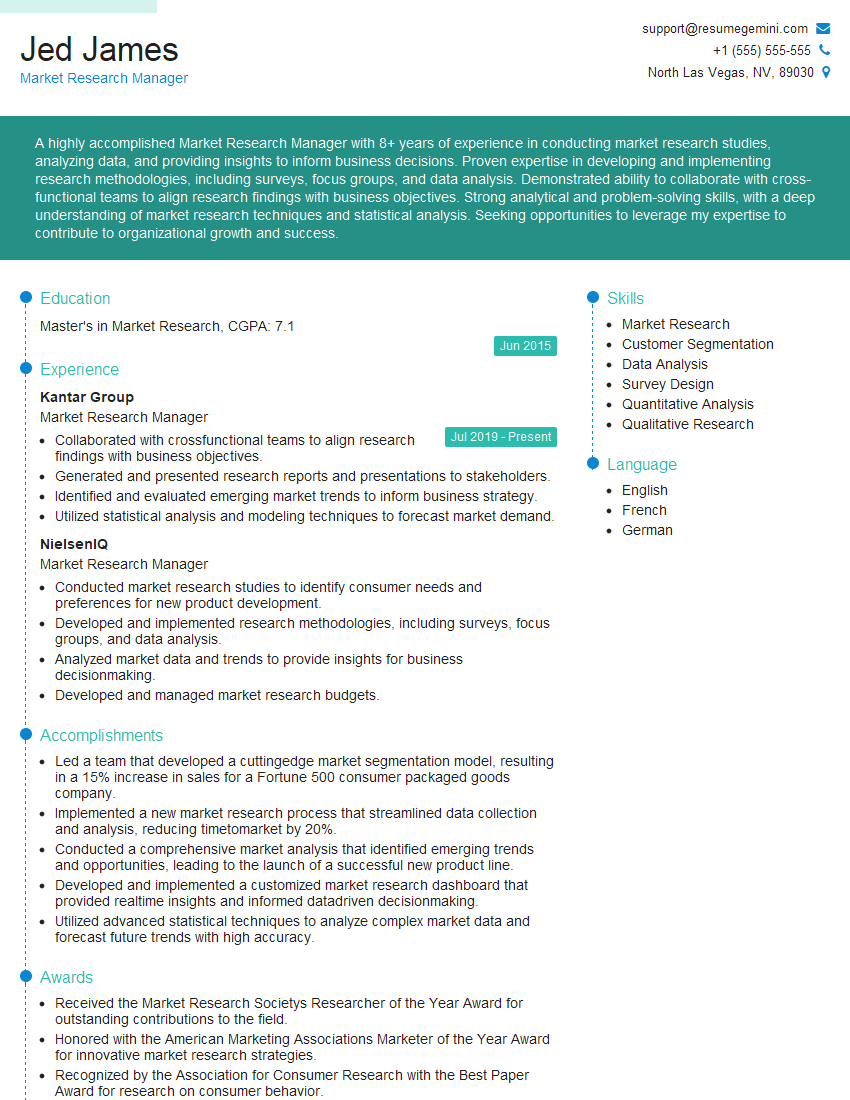
Market Research Manager Resume Sample
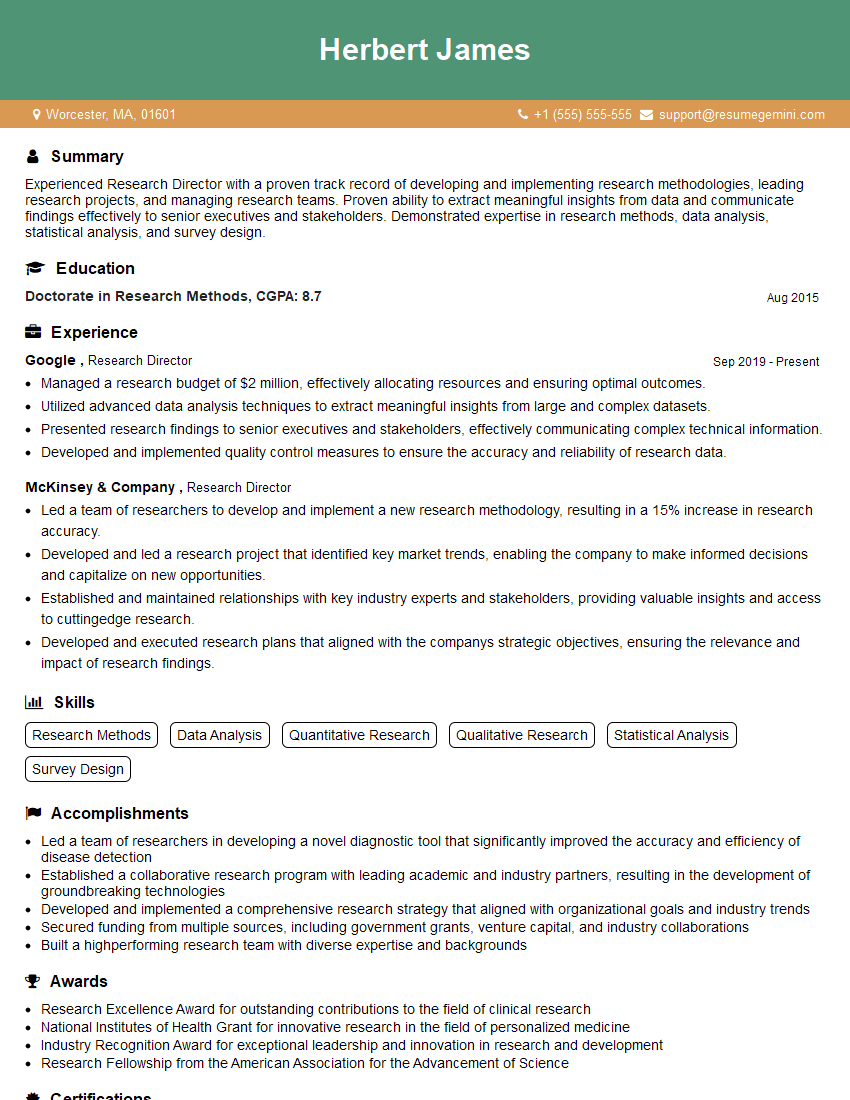
Research Director Resume Sample
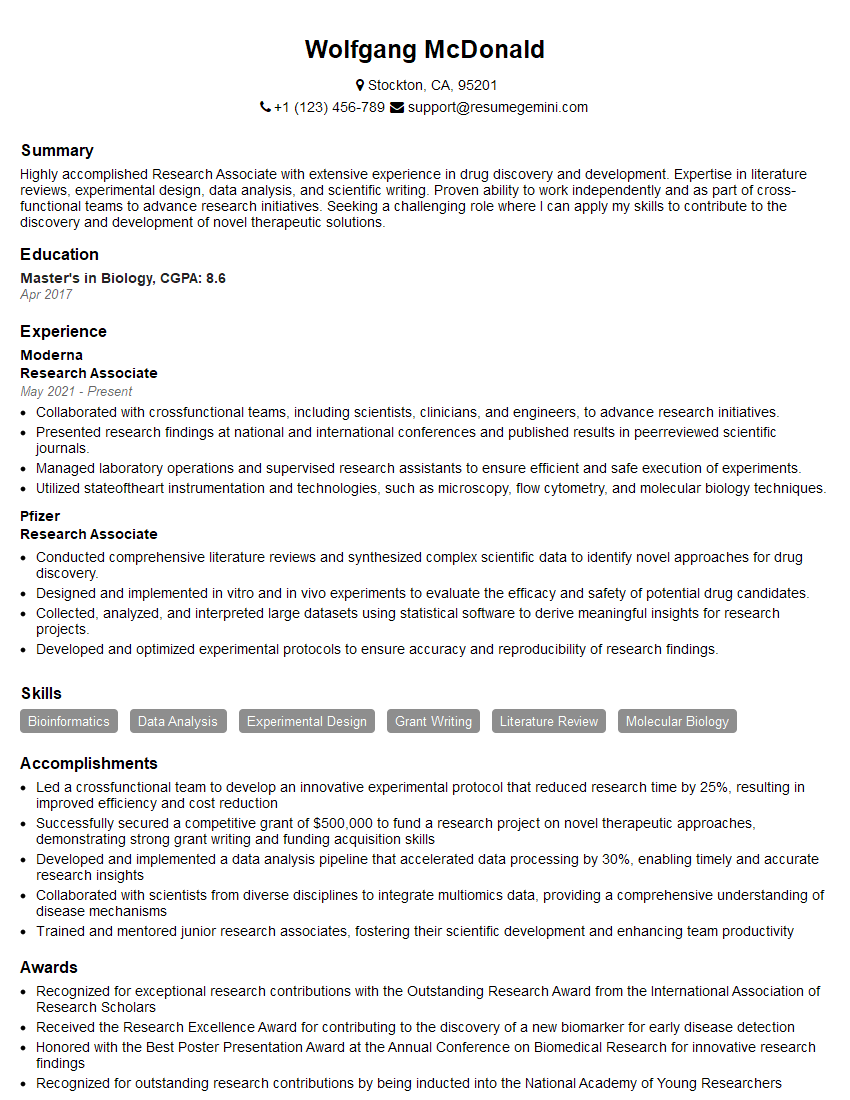
Research Associate Resume Sample
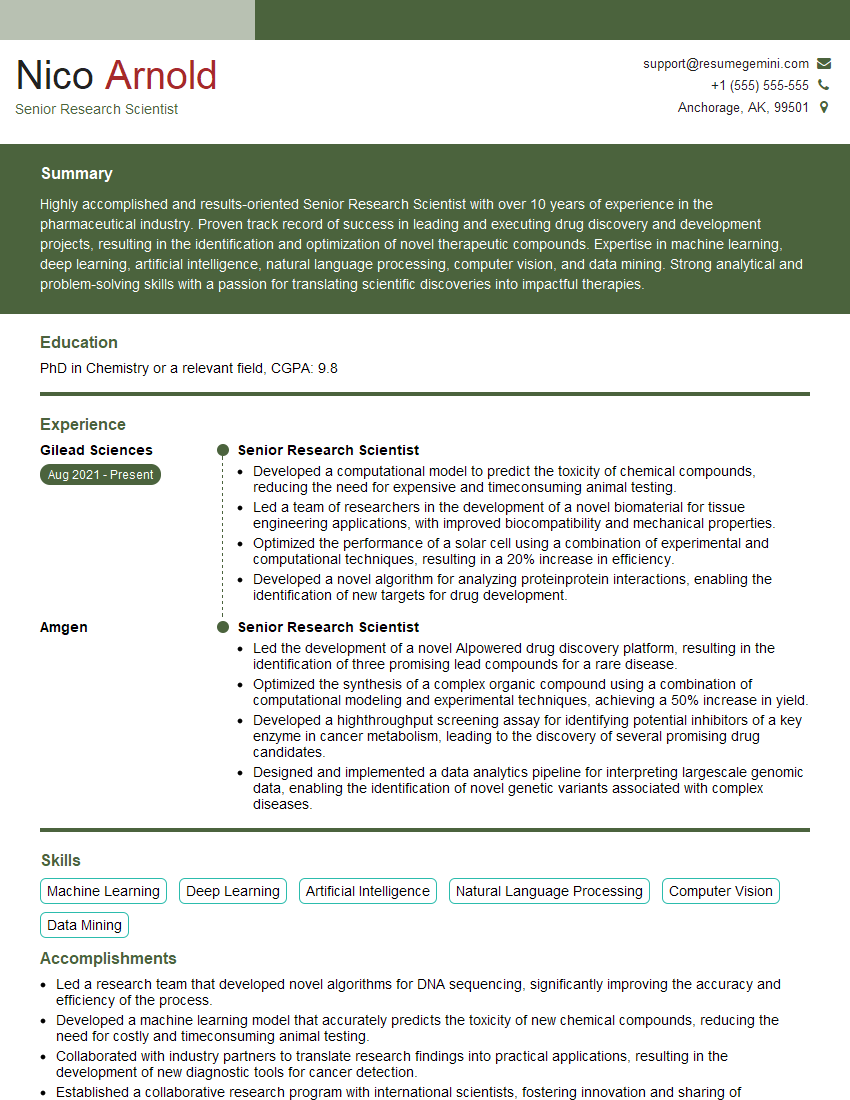
Senior Research Scientist Resume Sample
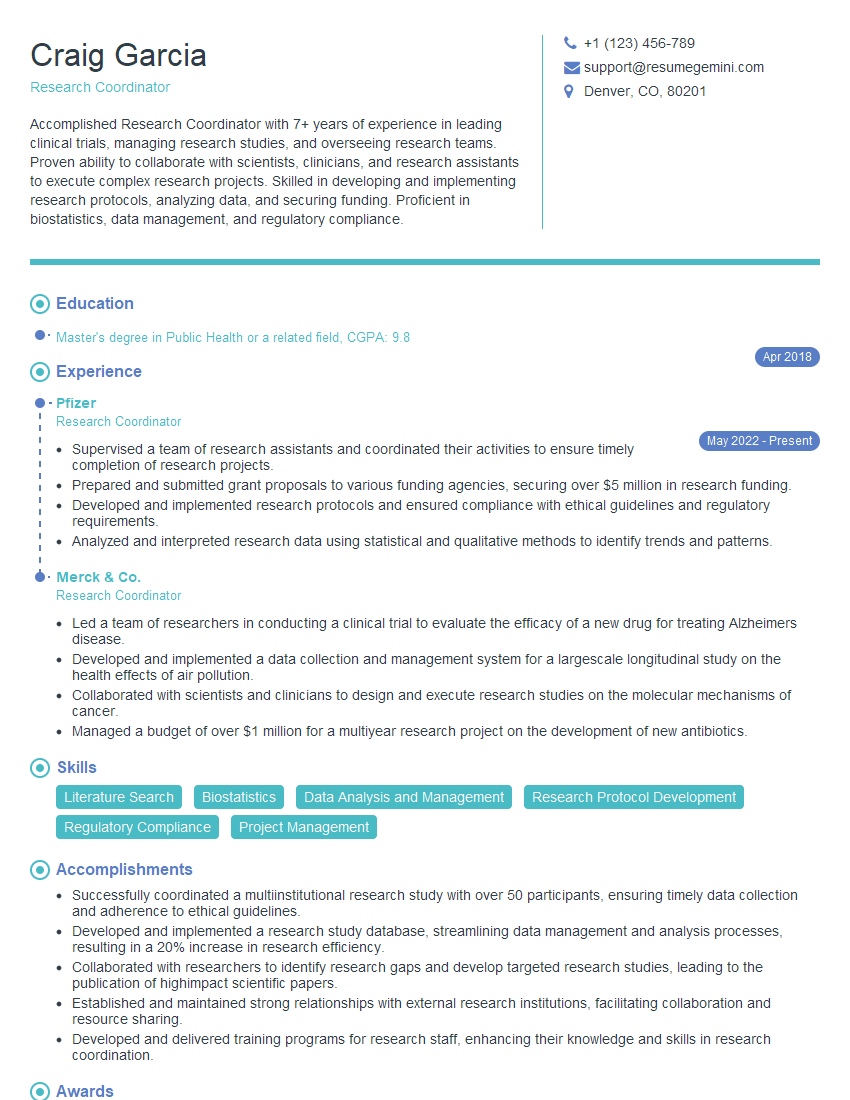
Research Coordinator Resume Sample
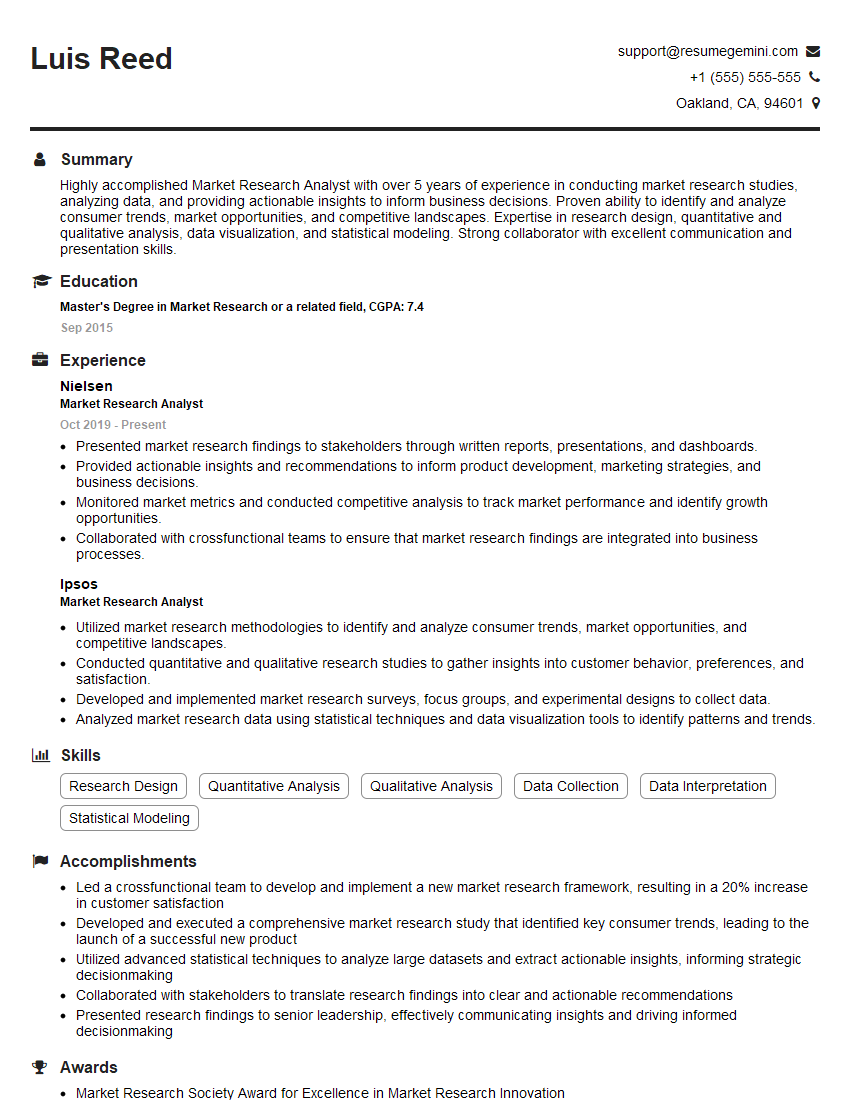
Market Research Analyst Resume Sample
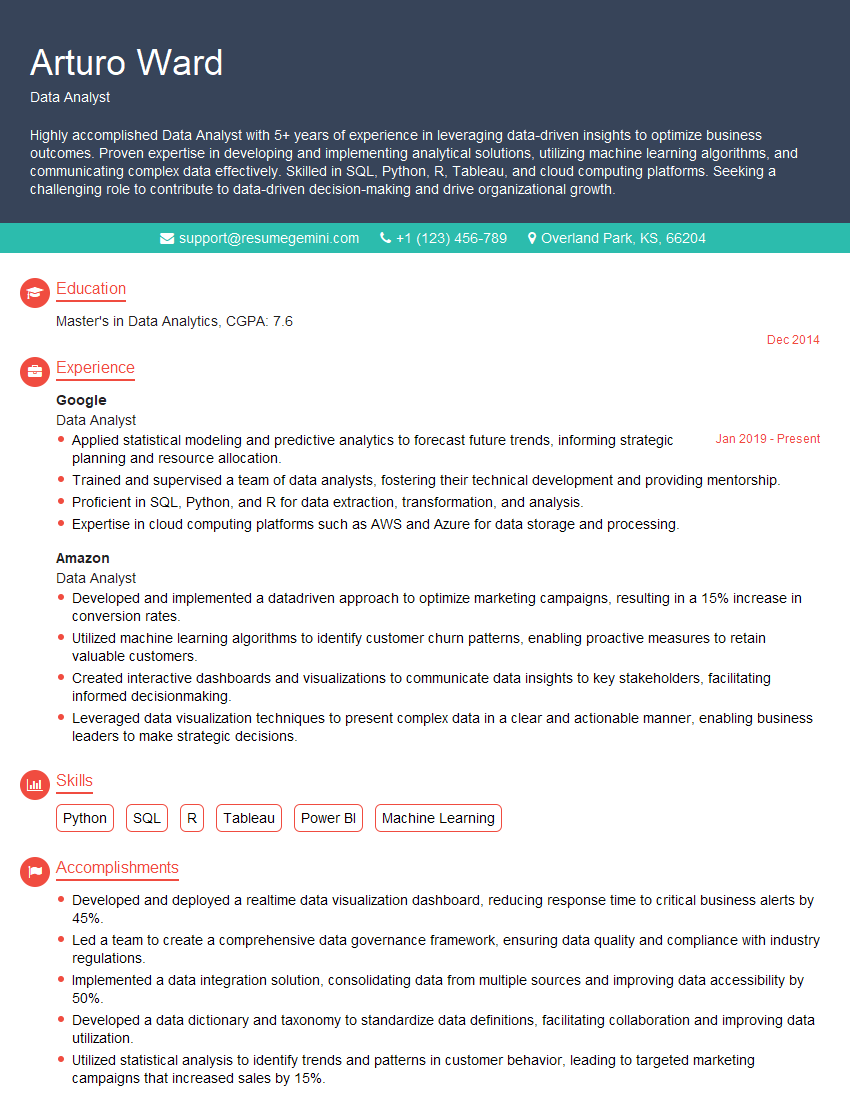
Data Analyst Resume Sample
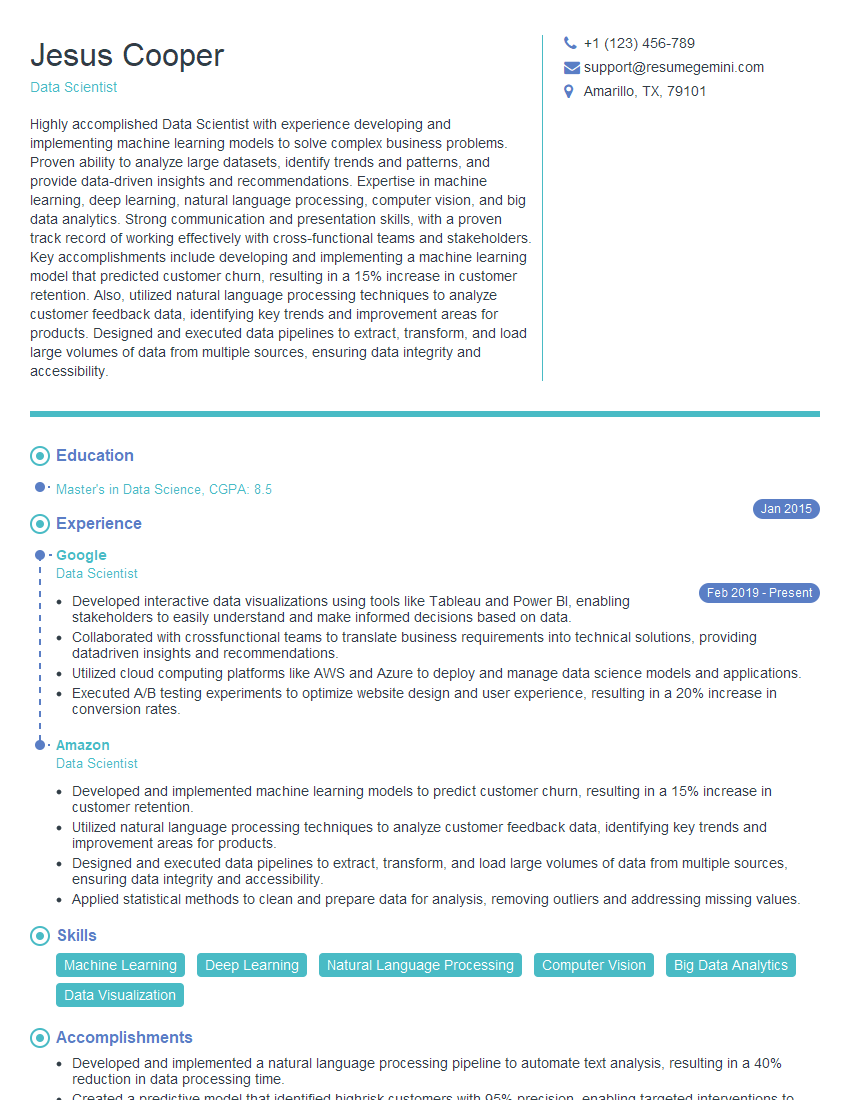
Data Scientist Resume Sample
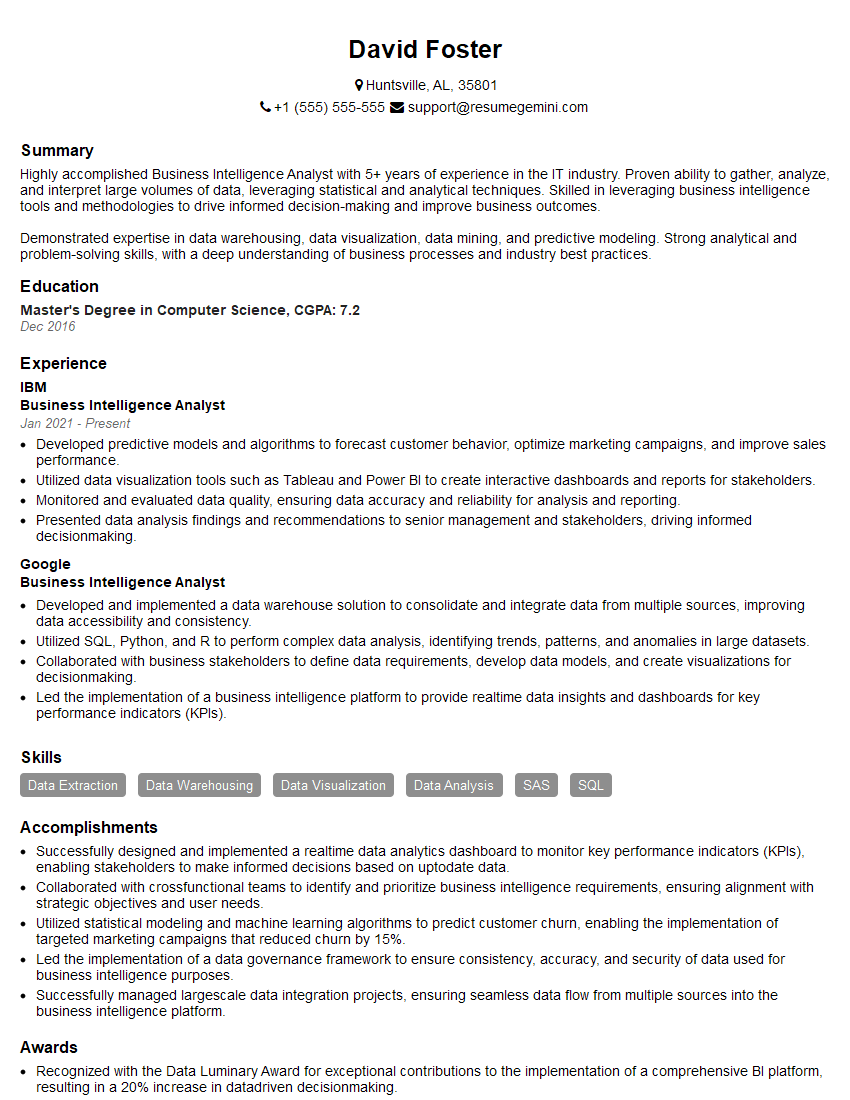
Business Intelligence Analyst Resume Sample
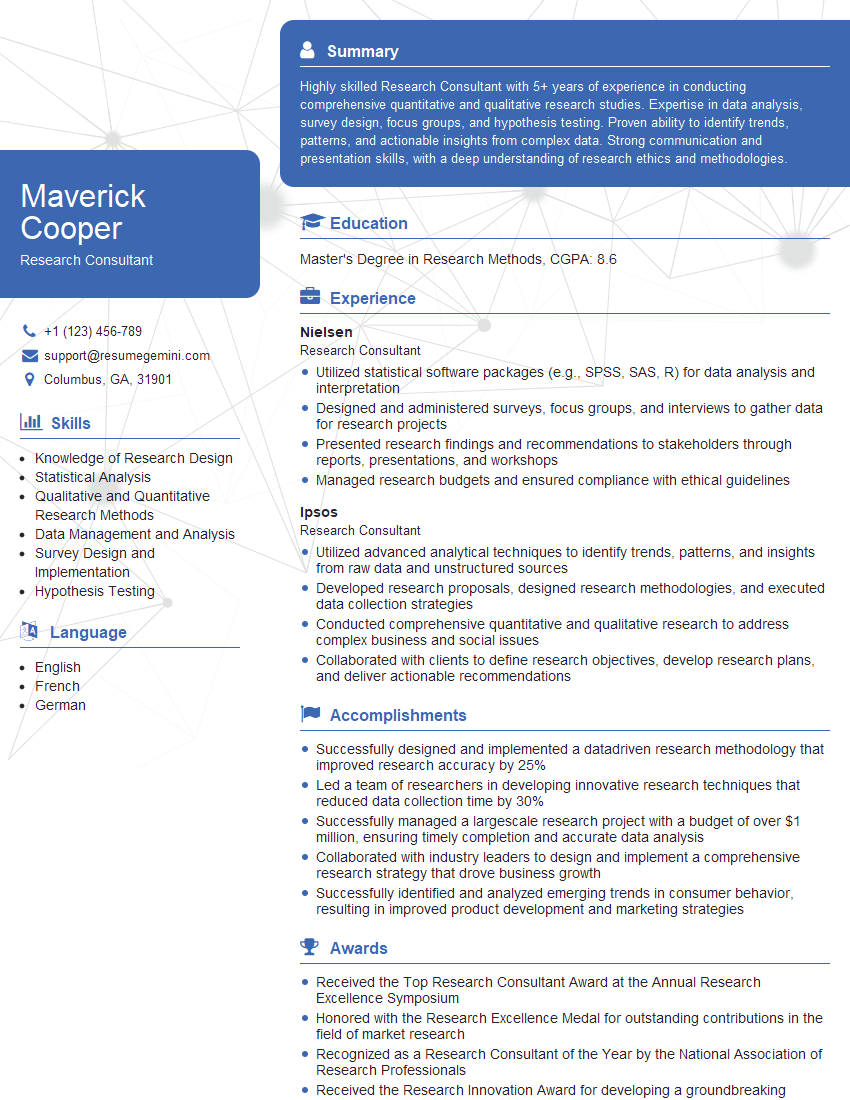
Research Consultant Resume Sample
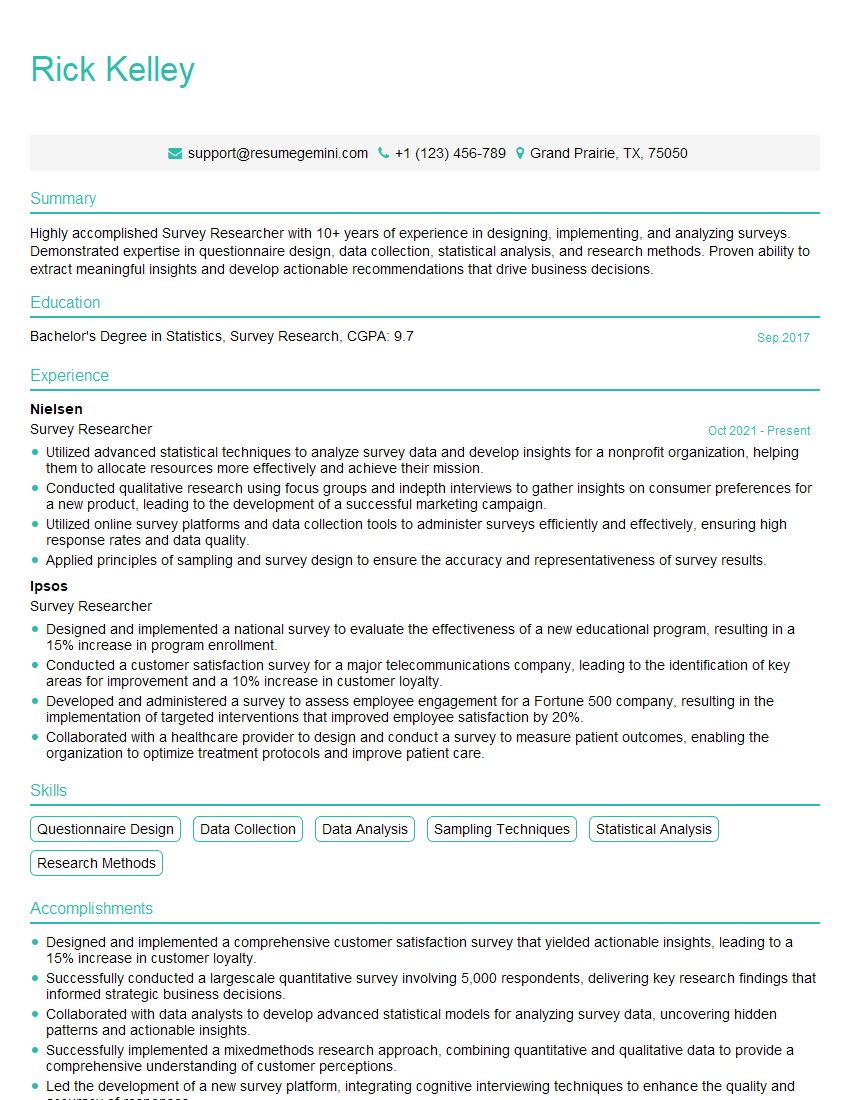
Survey Researcher Resume Sample

Behavioral Scientist Resume Sample
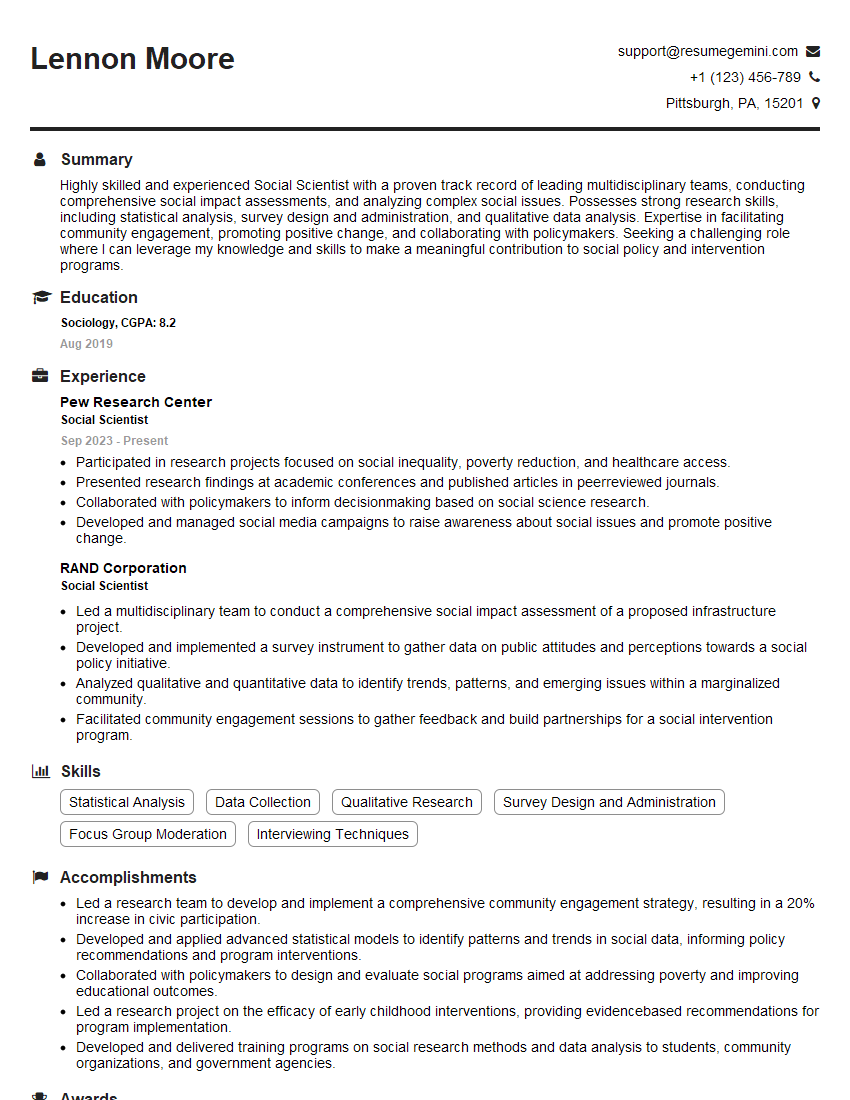
Social Scientist Resume Sample
Explore more articles
Users Rating of Our Blogs
Share Your Experience
We value your feedback! Please rate our content and share your thoughts (optional).
What Readers Say About Our Blog
To the interviewgemini.com Webmaster.
Very helpful and content specific questions to help prepare me for my interview!
Thank you
To the interviewgemini.com Webmaster.
This was kind of a unique content I found around the specialized skills. Very helpful questions and good detailed answers.
Very Helpful blog, thank you Interviewgemini team.