Are you ready to stand out in your next interview? Understanding and preparing for Pediatric Allergy Management interview questions is a game-changer. In this blog, we’ve compiled key questions and expert advice to help you showcase your skills with confidence and precision. Let’s get started on your journey to acing the interview.
Questions Asked in Pediatric Allergy Management Interview
Q 1. Describe your experience diagnosing common pediatric allergies (e.g., milk, egg, peanut).
Diagnosing common pediatric allergies like milk, egg, and peanut allergies involves a careful history taking, physical examination, and often, allergy testing. I begin by thoroughly discussing the child’s symptoms with the parents or guardians, focusing on the timing, duration, and severity of reactions. This includes details about the suspected allergen and any associated symptoms, such as hives, vomiting, diarrhea, wheezing, or difficulty breathing. The family history of allergies is also crucial.
For example, a child presenting with eczema, recurrent diarrhea, and vomiting after consuming milk would raise suspicion for a milk allergy. Similarly, a child with facial swelling and difficulty breathing after eating peanuts points towards a peanut allergy. These clinical findings often guide the choice of allergy testing. I would then use a combination of skin prick tests, specific IgE blood tests, and sometimes food challenges to confirm the diagnosis and determine the severity of the allergy.
Q 2. Explain the process of skin prick testing and its interpretation.
Skin prick testing is a quick, safe, and relatively inexpensive method for detecting allergies. A small amount of allergen extract is pricked onto the skin’s surface, usually on the forearm. If the child is allergic to the specific substance, a wheal (a raised, itchy bump) will appear at the prick site within 15-20 minutes. The size of the wheal is measured and compared to a negative control (saline) to assess the reaction.
Interpretation involves comparing the wheal size to a control. A significant wheal (usually larger than 3mm) compared to the control indicates a positive reaction, suggesting an allergy. However, the test isn’t foolproof; false positives and negatives can occur. We interpret the results carefully, considering the clinical history and other relevant factors. A negative skin prick test doesn’t always rule out an allergy, and further testing, such as a specific IgE blood test, may be needed. For example, a child with a strong history of peanut allergy might have a weak reaction to the skin prick test; in such cases, a blood test can help confirm the allergy.
Q 3. How do you differentiate between atopic dermatitis and allergic contact dermatitis in a child?
Differentiating between atopic dermatitis (eczema) and allergic contact dermatitis requires a thorough history and physical examination. Atopic dermatitis is a chronic inflammatory skin condition with genetic predisposition, often associated with other atopic conditions like asthma and allergic rhinitis. It’s typically characterized by itchy, dry, scaly patches that are often found on the flexural surfaces (e.g., inside of elbows and knees) in infants and toddlers. The rash isn’t localized to a specific area of exposure.
Allergic contact dermatitis, on the other hand, is an allergic reaction triggered by direct contact with a specific allergen, such as nickel, poison ivy, or certain chemicals. The rash appears in a localized pattern, directly at the site of contact with the allergen. It is often intensely itchy and can be associated with blisters or weeping. For instance, a child who develops a rash only on their hands after wearing new jewelry may have a nickel allergy (contact dermatitis), while a child with widespread, itchy rashes on their face and limbs may have atopic dermatitis.
Patch testing, a specific allergy test involving placing small amounts of suspected allergens on the skin, is crucial in diagnosing allergic contact dermatitis.
Q 4. What are the key components of an anaphylaxis management plan?
An anaphylaxis management plan is crucial for children with severe allergies. It should be personalized and readily available to parents, caregivers, teachers, and anyone who might need to administer emergency treatment. Key components include:
- Accurate diagnosis and identification of triggers: Precise identification of the allergen(s) causing anaphylaxis.
- Emergency medication: A prescription for an epinephrine auto-injector (EpiPen or Auvi-Q), along with clear instructions on how and when to use it.
- Action plan: A detailed step-by-step plan outlining the procedure to follow during an anaphylactic reaction, including administering epinephrine, calling emergency services, and monitoring vital signs.
- Medical alert identification: Wearing a medical alert bracelet or necklace informing medical personnel about the allergy.
- Education and training: Thorough education for parents, caregivers, school staff, and the child (if age-appropriate) on recognizing and managing anaphylaxis.
- Follow-up care: Regular follow-up appointments with the allergist to monitor the child’s condition, adjust medication, and review the anaphylaxis management plan.
Q 5. Describe your approach to managing acute allergic reactions.
Managing acute allergic reactions requires a rapid and systematic approach. The first and most crucial step is to identify and remove the offending allergen. Then, I assess the severity of the reaction. For mild reactions (like mild hives or itching), antihistamines may suffice. For moderate to severe reactions with symptoms such as swelling, difficulty breathing, or dizziness, immediate administration of epinephrine is critical. This must be done promptly according to the anaphylaxis management plan, followed by calling emergency medical services.
I closely monitor the child’s vital signs (breathing, heart rate, blood pressure) and provide supportive care such as oxygen therapy and intravenous fluids as needed. The child needs careful monitoring even after apparent improvement, as a biphasic reaction (a recurrence of symptoms after initial improvement) is possible. In the hospital setting, the treatment may include corticosteroids, bronchodilators, and other medications as needed to manage airway swelling and other complications.
Q 6. What are the common food allergies in children, and how do you approach their management?
Common food allergies in children include milk, egg, peanut, soy, wheat, tree nuts, fish, and shellfish. Management involves a multi-pronged approach.
- Accurate diagnosis: Confirmation of the allergy through allergy testing.
- Strict avoidance: Complete avoidance of the allergenic food is the cornerstone of management. This requires careful reading of food labels, vigilance in avoiding cross-contamination (in food preparation and handling), and careful planning of meals and snacks.
- Emergency preparedness: Having an up-to-date anaphylaxis management plan, including an epinephrine auto-injector, is essential for children with severe food allergies.
- Education and support: Providing comprehensive education to parents, caregivers, teachers, and the child about food allergy management and safety strategies.
- Oral immunotherapy (OIT): In some cases, under strict medical supervision, oral immunotherapy can be considered, with the goal of desensitizing the child to the specific allergen. This is a highly specialized approach with specific criteria and careful monitoring.
Q 7. Discuss the role of immunotherapy (allergy shots) in pediatric allergy management.
Immunotherapy, or allergy shots, involves administering gradually increasing doses of allergens under the skin. This aims to modify the immune system’s response to the allergen, reducing the severity of allergic reactions. It’s not a cure but can significantly improve symptoms and reduce the need for medication in many children with allergies like pollen, dust mites, and sometimes insect venom allergies. For food allergies, oral immunotherapy is being explored, though it’s not yet standard practice.
The decision to use immunotherapy is individualized. Factors considered include the child’s age, allergy severity, response to other treatments, and the potential benefits and risks. The process involves initial skin testing and blood tests to determine the appropriate allergens and starting dose. Then, the child undergoes a series of injections over several months or years, with regular monitoring for adverse reactions. Successful immunotherapy can lead to long-term reduction or elimination of allergic symptoms but requires significant commitment from the child and family.
Q 8. How do you counsel parents about food allergy prevention and management?
Counseling parents about food allergy prevention and management is a crucial aspect of my practice. It’s a multifaceted process that begins with accurate diagnosis and extends to empowering families to navigate daily life safely.
Prevention: While we can’t completely prevent food allergies, we can reduce the risk. For example, I advise breastfeeding exclusively for the first 4-6 months, as studies suggest this might offer some protection. Introducing common allergens like peanuts, eggs, and milk gradually and in age-appropriate ways (around 4-6 months, after discussing with parents) is often recommended, unless there’s a strong family history or other risk factors that suggest a more cautious approach. I emphasize avoiding unnecessary restrictions in the absence of diagnosed allergy.
Management: This involves educating parents about recognizing and managing allergic reactions. We discuss reading food labels carefully, understanding cross-contamination risks (e.g., shared utensils, food preparation areas), and creating safe food environments at home and school. I provide clear instructions on how to administer epinephrine (EpiPen) in case of an emergency and stress the importance of seeking immediate medical attention even after administering epinephrine. I encourage them to develop an individualized allergy action plan. We frequently discuss strategies for managing anxiety related to social events or eating out. For example, we might explore how to navigate birthday parties or restaurant meals by communicating effectively with event hosts or restaurant staff.
Ongoing Support: Food allergy management is an ongoing process. Regular follow-up appointments are essential to monitor the child’s progress, adjust management strategies as needed, and address parental concerns. I also connect families with support groups and educational resources.
Q 9. Explain the differences between IgE-mediated and non-IgE-mediated allergies.
The key difference between IgE-mediated and non-IgE-mediated allergies lies in the role of immunoglobulin E (IgE) antibodies.
IgE-mediated allergies are the most common type. They involve IgE antibodies binding to mast cells and basophils. When the allergen is encountered, it triggers these cells to release histamine and other inflammatory mediators, leading to a rapid allergic reaction, such as hives, itching, swelling, or anaphylaxis (a life-threatening reaction). Examples include peanut allergy, milk allergy, and pollen allergies.
Non-IgE-mediated allergies don’t involve IgE antibodies. Instead, they are triggered by other immune mechanisms. These reactions are often slower to develop and might present as digestive problems, skin rashes (e.g., eczema), or food protein-induced enterocolitis syndrome (FPIES). They may involve immune cells like T-lymphocytes. Examples include food protein-induced enterocolitis syndrome (FPIES) and some forms of eosinophilic esophagitis (EoE).
Think of it like this: IgE-mediated allergies are like a quick, explosive reaction, while non-IgE-mediated allergies are a slower-burning fire. Both require appropriate diagnosis and management, but the approach may differ.
Q 10. What are the latest advancements in the diagnosis and treatment of pediatric allergies?
Advancements in pediatric allergy diagnosis and treatment are rapidly evolving.
Diagnosis: We now have more sophisticated allergy testing methods, such as component-resolved diagnostics (CRD), which can identify the specific allergen molecules causing the reaction. This is more precise than traditional skin prick testing or blood tests, helping us personalize treatment. Improved molecular techniques allow us to better identify the specific triggers in food allergies.
Treatment: Oral immunotherapy (OIT) is an area of significant progress. OIT involves gradually introducing increasing doses of the allergen under strict medical supervision to desensitize the child. While not a cure, it can help reduce the severity of reactions and potentially allow for controlled exposure to the allergen. Sublingual immunotherapy (SLIT) is another option for certain allergies, where the allergen is administered under the tongue. New biologic therapies are showing promise in the treatment of allergic conditions like atopic dermatitis and severe asthma that often co-exist with allergies. These therapies target specific aspects of the immune system.
Q 11. How do you address the psychosocial impact of food allergies on children and their families?
Food allergies can have a profound psychosocial impact on children and their families. Children may experience anxiety around eating, social isolation due to dietary restrictions, and a fear of allergic reactions.
Addressing the Impact: I address these challenges by providing comprehensive support. I involve parents actively in the child’s care. We discuss strategies to help children cope with food allergies, such as teaching them self-advocacy skills (e.g., explaining their allergies to others), and promoting self-confidence. I work collaboratively with school nurses and teachers to ensure safe accommodations for the child in school. I refer families to support groups, such as the Food Allergy & Anaphylaxis Network (FAAN), where they can connect with others facing similar challenges. I also incorporate cognitive behavioral therapy (CBT) techniques and mindfulness practices to manage anxiety and stress, both for the children and their families. I also often connect parents with support groups and provide resources to help cope with the challenges of managing a food allergy. This holistic approach helps families to better cope with the emotional burden of food allergies.
Q 12. Describe your experience with managing severe asthma in children with allergies.
Many children with allergies also suffer from asthma, a condition frequently exacerbated by allergic triggers.
Managing Severe Asthma in Children with Allergies: My approach involves meticulous allergy testing to identify the specific triggers, and environmental control measures to minimize exposure (e.g., dust mite control, pet allergen management). I prescribe appropriate asthma medications, including inhaled corticosteroids and bronchodilators, and often consider long-term control medications like leukotriene inhibitors or biologics. The goal is to control the underlying inflammation to prevent asthma attacks. Close monitoring of the child’s pulmonary function and symptoms through regular appointments and peak flow monitoring is necessary. When appropriate, I collaborate with pulmonologists and other specialists to provide comprehensive care. Emergency preparedness is critical, emphasizing the need for prompt treatment and appropriate medication use during severe asthma exacerbations. I often work with parents to develop a detailed asthma action plan, including how to manage acute exacerbations and reduce the risk of future episodes.
Q 13. How do you assess the severity of an allergic reaction?
Assessing the severity of an allergic reaction is critical for appropriate management.
Severity Assessment: I utilize a systematic approach, considering factors such as the site of the reaction (skin, respiratory, gastrointestinal), the symptoms experienced (hives, swelling, breathing difficulty, vomiting, dizziness), and the rate of symptom progression. Mild reactions might involve localized itching or hives, while more severe reactions involve widespread skin symptoms, respiratory distress (wheezing, shortness of breath), and/or cardiovascular collapse. The presence of signs like decreased blood pressure, altered mental status, or difficulty breathing signifies a life-threatening anaphylactic reaction.
Clinical Tools: I use clinical scales and guides to standardize the assessment and facilitate appropriate decisions. This includes the severity scale for the assessment of allergic reactions. However, clinical judgment based on the unique presentation of each patient is crucial in determining the appropriate course of action, considering the patient’s history, age, and other clinical information.
Q 14. What are the potential risks and benefits of oral immunotherapy (OIT)?
Oral immunotherapy (OIT) is a promising treatment for food allergies, but it’s not without risks and benefits.
Benefits: Successful OIT can lead to desensitization, meaning the child can tolerate increasing amounts of the allergen without experiencing a reaction. This can improve quality of life by reducing dietary restrictions and anxiety. It may reduce the frequency and severity of future reactions.
Risks: OIT carries the risk of allergic reactions, ranging from mild to severe. These reactions typically occur during the build-up phase of the treatment or when accidental exposure to the allergen happens outside the therapeutic setting. Close medical supervision is essential. Other potential side effects include gastrointestinal symptoms. OIT is not a cure; a reaction can still occur if the child is exposed to a large amount of the allergen. Also, the maintenance of tolerance after therapy cessation requires further investigation and may necessitate continued exposure to the allergen in the form of a regular diet.
Decision-Making: The decision to pursue OIT is highly individualized. We carefully weigh the potential benefits against the risks, considering the child’s age, allergy severity, family history, and adherence to therapy. It’s not suitable for all children. A detailed discussion with the family is essential to manage expectations and ensure informed consent.
Q 15. Describe your experience with managing drug allergies in children.
Managing drug allergies in children requires a meticulous approach, prioritizing safety and accurate diagnosis. It starts with a thorough history, including details about previous reactions, the suspected drug, and the timing and severity of symptoms. This helps determine the likelihood of a true allergy versus a side effect. For instance, a child reporting only mild rash after penicillin might have a less severe reaction than one experiencing anaphylaxis. We then employ diagnostic tools like skin prick tests or blood tests (RAST) to confirm the diagnosis, avoiding unnecessary avoidance in cases of mild adverse reactions that are not true allergies. Once confirmed, we implement appropriate management strategies, which might involve avoiding the offending drug entirely, using alternative medications, or, in some cases, carefully reintroducing the drug under close medical supervision in a desensitization protocol. It’s crucial to educate families about the importance of carrying an emergency plan and epinephrine auto-injector (EpiPen) if necessary.
For example, a child with a known penicillin allergy would need an alternative antibiotic, such as azithromycin or clindamycin, prescribed for any bacterial infection. We always ensure that any medication prescribed is appropriately labeled and clearly documented in the child’s medical record. The goal is not only to treat immediate symptoms but also to prevent future reactions and equip families with the tools and knowledge they need to manage their child’s condition effectively.
Career Expert Tips:
- Ace those interviews! Prepare effectively by reviewing the Top 50 Most Common Interview Questions on ResumeGemini.
- Navigate your job search with confidence! Explore a wide range of Career Tips on ResumeGemini. Learn about common challenges and recommendations to overcome them.
- Craft the perfect resume! Master the Art of Resume Writing with ResumeGemini’s guide. Showcase your unique qualifications and achievements effectively.
- Don’t miss out on holiday savings! Build your dream resume with ResumeGemini’s ATS optimized templates.
Q 16. How do you interpret allergy test results, including skin prick tests and blood tests?
Interpreting allergy test results involves a nuanced understanding of both the tests and the child’s medical history. Skin prick tests are a quick and relatively inexpensive method to identify allergies, involving placing small amounts of allergen extracts onto the skin and observing for a wheal-and-flare reaction. A positive result, indicated by a significant wheal (raised area) and flare (redness), suggests an IgE-mediated allergic reaction. However, false positives can occur.
Blood tests, such as radioallergosorbent tests (RAST), measure the level of IgE antibodies specific to certain allergens in the blood. They are particularly useful for diagnosing allergies that cannot be easily assessed through skin prick tests, such as allergies to drugs or inhalants. However, they are more expensive and may not always reflect the severity of the clinical reaction. It’s crucial to integrate the test results with the clinical presentation and history. For example, a strongly positive skin prick test to peanut in a child with a history of severe reactions requires a strict avoidance plan, while a weakly positive result might warrant further observation and perhaps allergy desensitization. The overall interpretation should always take into account the child’s symptoms, the specific allergen(s) involved, and the patient’s overall health status. A collaborative approach involving family input is important.
Q 17. What are your strategies for preventing allergic reactions in a school or daycare setting?
Preventing allergic reactions in school or daycare necessitates a multi-pronged strategy emphasizing communication, preparedness, and education. Firstly, the school needs to develop an individualized health care plan (IHP) for each child with allergies, outlining specific strategies and emergency procedures. This plan should be shared with all relevant staff members, including teachers, nurses, and administrators. The IHP should specify the allergens to be avoided, the signs and symptoms of an allergic reaction, and the steps to be taken in case of an emergency, including the administration of epinephrine.
Secondly, training is crucial. All staff should undergo training on recognizing allergic reactions and administering epinephrine, along with clear instructions on when and how to contact emergency services. Finally, the classroom environment itself can be adapted to reduce allergen exposure. For example, for children with nut allergies, the classroom can be declared a “nut-free zone,” and strict rules implemented about bringing nuts or nut-containing products into the school. Regular cleaning and minimizing exposure to common allergens are also helpful. Open communication with parents and regular review of the IHP are essential to keep all parties informed and to facilitate successful management.
Q 18. Discuss the role of dietary restrictions in managing food allergies.
Dietary restrictions play a central role in managing food allergies. The severity of the restrictions depends entirely on the severity of the allergy and the potential for a life-threatening reaction. For children with mild allergies, avoidance may only be necessary during acute symptoms. However, for children with severe allergies such as peanut or milk allergy, strict avoidance is crucial. This means carefully reading food labels, avoiding cross-contamination (e.g., when preparing food), and educating family members, caregivers, and teachers about the allergens to avoid.
The specifics of dietary management vary considerably. Some children may only need to avoid the offending food completely. Others may require more comprehensive modifications. For example, a child with a milk allergy might need to replace dairy products with suitable alternatives, while a child with multiple food allergies might need the help of a registered dietitian to ensure an adequate nutrient intake. We emphasize positive messaging, ensuring that the diet remains balanced and nutritious, thereby avoiding nutritional deficiencies. Regular follow-up appointments are essential to monitor growth, development, and nutritional status. Dietary management is a collaborative effort involving the child, the family, and the healthcare team.
Q 19. How do you manage a child experiencing an allergic reaction during a medical procedure?
Managing an allergic reaction during a medical procedure demands swift action and clear communication. The first step is immediate recognition of the symptoms, which can range from mild hives to life-threatening anaphylaxis. If there’s any suspicion of an allergic reaction, the procedure should be stopped immediately. Epinenphrine should be administered immediately as per the child’s IHP. Supplemental oxygen should be administered, and IV fluids should be started if not already in place. The child’s vital signs (heart rate, blood pressure, oxygen saturation) should be continuously monitored. Emergency medical services should be contacted immediately. We would also initiate appropriate supportive measures, such as bronchodilators for respiratory distress or antihistamines for mild reactions.
The specific management protocol will depend on the severity of the reaction. It’s essential that all medical personnel involved in the procedure are familiar with the child’s allergy history and the emergency protocol. Following the acute management phase, detailed documentation of the event, including the specific allergen, the type of reaction, and the treatment administered, should be recorded meticulously for future reference.
Q 20. What is your approach to educating patients and families about allergy management?
Educating patients and families is paramount to successful allergy management. This involves not just providing information but also fostering a collaborative partnership based on trust and mutual understanding. We start by explaining the diagnosis in age-appropriate terms, focusing on what the allergy means in the child’s life, rather than simply providing technical jargon. For example, with a peanut allergy, we would explain the symptoms that might occur from eating peanuts and the steps they need to take to prevent exposure.
We provide clear and detailed instructions on medication administration, including the use of an epinephrine auto-injector, and emphasize the importance of carrying the medication at all times. We also address potential misconceptions and anxieties around the allergy, providing reassurance and practical support. We frequently utilize educational materials, such as pamphlets, websites, or videos, to supplement our discussions. We empower families with the knowledge and skills they need to effectively manage their child’s allergy, providing ongoing support through regular follow-up appointments and consistent communication. This collaborative approach is crucial to reduce anxiety, ensure adherence to treatment plans, and improve overall allergy management outcomes.
Q 21. Explain your understanding of the hygiene hypothesis and its relation to allergies.
The hygiene hypothesis proposes that a lack of early childhood exposure to infectious agents, symbiotic microorganisms, and parasites increases susceptibility to allergic diseases. The theory suggests that our immune system develops by encountering various microorganisms. When exposure is limited, the immune system may be more prone to reacting to harmless substances, like allergens. This results in an imbalance, where the immune response is skewed toward a Th2-type response characteristic of allergies, rather than a Th1-type response associated with cell-mediated immunity.
Several observations support this hypothesis. For instance, children raised in highly sanitized environments, or those with limited exposure to pets or siblings, tend to have a higher incidence of allergies. The increased prevalence of allergies in developed countries with better sanitation and hygiene practices also supports this. However, the hygiene hypothesis is not a complete explanation, and many other factors contribute to allergy development, including genetics and environmental pollutants. It highlights the importance of a balanced exposure to environmental factors in early childhood to help regulate immune system development and reduce the risk of allergies. More research is needed to understand fully the complex interplay of factors involved.
Q 22. What is your experience with managing anaphylaxis in a child with a known allergy?
Managing anaphylaxis in a child with a known allergy requires immediate and decisive action. Anaphylaxis is a life-threatening, systemic allergic reaction that can rapidly progress. My approach prioritizes immediate recognition of symptoms – which can include hives, swelling, difficulty breathing, vomiting, and dizziness – followed by prompt administration of epinephrine. I meticulously assess the child’s airway, breathing, and circulation (ABCs), and initiate emergency treatment. This includes administering intramuscular epinephrine via auto-injector, placing the child in a supine position with legs elevated, and monitoring vital signs closely. Simultaneously, I would activate the emergency medical services (EMS).
Post-anaphylaxis management is equally crucial. This involves continued monitoring in a hospital setting, potentially including oxygen therapy, intravenous fluids, and antihistamines. A thorough investigation of the triggering allergen is conducted to educate the family and develop an appropriate action plan to prevent future episodes. This may include carrying two epinephrine auto-injectors at all times, a detailed allergy action plan outlining steps for future exposures, and potentially allergy desensitization in consultation with an allergist.
For example, I recently managed a six-year-old boy who experienced anaphylaxis after accidentally ingesting peanuts. Swift administration of epinephrine, followed by emergency transport and hospital observation, resulted in a full recovery. The family subsequently received comprehensive training on epinephrine administration and developed a detailed allergy management plan, avoiding future peanut exposure.
Q 23. Describe your experience using epinephrine in the treatment of anaphylaxis.
Epinephrine is the cornerstone of anaphylaxis treatment. Its mechanism of action involves constricting blood vessels, relaxing airway muscles, and increasing heart rate – counteracting the effects of the allergic reaction. My experience encompasses administering epinephrine via intramuscular injection using an auto-injector (EpiPen, Auvi-Q). I emphasize proper injection technique – holding the auto-injector firmly against the thigh at a 90-degree angle, ensuring complete injection.
The dosage is carefully determined based on the child’s weight, following manufacturer guidelines. I always document the time of administration, the dose, and the child’s response. Post-epinephrine administration, continuous monitoring of vital signs is critical, along with the potential need for supplemental oxygen and transport to the nearest emergency department. It is crucial to remember that epinephrine is a life-saving medication, and prompt administration significantly reduces morbidity and mortality associated with anaphylaxis.
For instance, I remember a case where a child’s reaction to bee sting was initially treated with antihistamines and corticosteroids, but quickly progressed to a severe anaphylactic episode. Immediate epinephrine administration reversed the severe symptoms and prevented life-threatening complications. This underscores the importance of prompt epinephrine administration even when initial symptoms appear mild.
Q 24. Discuss your experience with referral to specialists for complex cases.
Referring cases to specialists is essential when managing complex pediatric allergies. This typically occurs when a child exhibits severe or atypical allergic reactions, or has comorbid conditions influencing their allergy management. I refer to specialists such as allergists-immunologists for comprehensive allergy testing and management plans, pulmonologists for respiratory issues, or gastroenterologists for gastrointestinal manifestations of allergies. I also consider referrals to immunologists when dealing with conditions such as primary immunodeficiency affecting the immune system’s response to allergens.
The decision to refer is based on a thorough assessment of the child’s condition, taking into account the complexity of their allergies and the availability of specialized resources. Close communication with the referring specialist is maintained throughout the referral process to ensure continuity of care. For example, I frequently refer children with suspected food protein-induced enterocolitis syndrome (FPIES) to gastroenterologists due to the complex presentation and management of this condition. I also ensure a proper handover of medical records to facilitate seamless transition between care providers.
Q 25. How do you document allergy information in a patient’s medical record?
Accurate documentation of allergy information is paramount for safe and effective patient care. I use a standardized approach to ensure that allergy details are clearly documented in a readily accessible manner within the patient’s electronic health record (EHR). This includes specifying the allergen (e.g., peanuts, milk, bee venom), the type of reaction (e.g., urticaria, angioedema, anaphylaxis), the severity of the reaction, and the date and circumstances of the reaction. I always include details about any prior treatment, including medications used, and the response to treatment.
The allergy information is clearly highlighted, often using designated allergy flags or alerts within the EHR to instantly alert other healthcare providers. Furthermore, I include information on the patient’s prescribed medication, specifically epinephrine auto-injectors. This also documents any action plans, including avoidance strategies and emergency contact numbers. I consistently utilize standardized allergy terminology, complying with established medical coding practices. This prevents misinterpretations and allows for seamless data exchange amongst healthcare professionals.
For instance, if a child has a peanut allergy resulting in anaphylaxis, I would clearly specify “Allergy: Peanuts; Reaction: Anaphylaxis; Treatment: Epinephrine”. This structured approach ensures that all medical staff immediately understands the child’s critical allergy status and how to manage it effectively.
Q 26. What are some common challenges you encounter in managing pediatric allergies?
Managing pediatric allergies presents several unique challenges. One of the most significant is the difficulty in obtaining reliable allergy history, particularly in younger children or those with communication difficulties. Parents’ reports may be incomplete or inaccurate, so it’s crucial to rely on a detailed, comprehensive history and corroborative evidence.
Another challenge is the variability of allergic reactions. A child’s response to an allergen can change over time, making ongoing monitoring and adjustments to their management plan essential. Furthermore, co-morbid conditions can complicate management. Asthma, eczema, and food allergies often coexist, requiring a holistic approach to address the interplay between these conditions. Finally, educating patients and their families about allergy prevention and management can be time-consuming but is essential for successful outcomes.
For example, accurately determining the causative allergen in a child experiencing atopic dermatitis can be challenging, and may require extensive allergy testing. Educating families about strict allergen avoidance, the proper use of medications, and recognition of warning signs require patience and repetition.
Q 27. Describe your experience with managing comorbid conditions in children with allergies.
Many children with allergies also have co-morbid conditions such as asthma, eczema, and other immune-related disorders. Managing these conditions requires a holistic approach, integrating allergy management with the overall health plan. For example, children with asthma and food allergies may experience exacerbated asthma symptoms following exposure to their allergen. Similarly, eczema often co-occurs with food allergies, and treating one can positively impact the other.
A coordinated approach is crucial, including collaboration with other specialists such as pulmonologists or dermatologists, to ensure that treatment plans for all conditions are synchronized and do not conflict. Close monitoring is vital to detect any interactions or exacerbations. This often involves adjusting medication regimens and implementing strategies to minimize triggers and prevent flares of both allergic and comorbid conditions. A careful review of medication interactions is also necessary to avoid potential complications.
For instance, a child with both asthma and a milk allergy may need close monitoring for both respiratory and skin symptoms when introducing lactose-free alternatives. This might involve regular assessments, pulmonary function tests, and skincare management in conjunction with careful allergen avoidance.
Q 28. What is your approach to using medication for allergy symptom relief in children?
My approach to using medication for allergy symptom relief in children is individualized and tailored to the child’s age, allergies, and overall health. It always begins with identifying the allergen and implementing avoidance strategies as the primary form of management. When pharmacotherapy is necessary, I choose the most appropriate medication and dosage based on the child’s age and specific needs.
For mild allergic reactions, I may recommend over-the-counter antihistamines such as cetirizine or loratadine, or topical corticosteroids for skin manifestations such as eczema. For moderate to severe symptoms, I might prescribe oral corticosteroids or leukotriene modifiers. Epinephrine remains the cornerstone of treatment for anaphylaxis. Dosage is critical, and is always calculated based on the child’s weight and the severity of the reaction. The choice of medication, and indeed even avoidance strategies themselves, is discussed extensively with the family to empower them in the management of their child’s allergy.
For instance, a child with seasonal allergies may benefit from nasal corticosteroids to reduce symptoms such as rhinorrhea and sneezing. A child with chronic urticaria may require antihistamines in conjunction with topical emollients. The selection of medication is evidence-based and always takes into account the child’s safety and preferences. Regular monitoring and dose adjustments ensure that the child receives the most effective treatment with minimal side effects.
Key Topics to Learn for Pediatric Allergy Management Interview
- Immunology of Pediatric Allergies: Understand the underlying mechanisms of common pediatric allergies (e.g., food allergies, eczema, asthma, drug allergies) including IgE-mediated reactions, mast cell activation, and the role of the immune system.
- Diagnosis and Assessment: Master the techniques used to diagnose allergic conditions in children, including skin prick testing, allergy blood tests (RAST), and oral food challenges. Learn to interpret test results and formulate appropriate diagnostic plans.
- Allergy Management Strategies: Become proficient in the various strategies for managing pediatric allergies, encompassing avoidance strategies, pharmacotherapy (e.g., antihistamines, corticosteroids, epinephrine), and immunotherapy (e.g., sublingual immunotherapy, subcutaneous immunotherapy).
- Emergency Management of Anaphylaxis: Develop a strong understanding of recognizing and managing anaphylactic reactions in children, including appropriate administration of epinephrine and subsequent care.
- Pediatric-Specific Considerations: Familiarize yourself with the unique challenges in managing allergies in children of different ages and developmental stages, including considerations for infants, toddlers, and adolescents.
- Patient Education and Communication: Practice effective communication strategies for educating patients and families about allergy management, including the importance of adherence to treatment plans and emergency preparedness.
- Ethical and Legal Aspects: Understand the ethical considerations and legal ramifications involved in diagnosing and treating pediatric allergies, including informed consent and patient confidentiality.
- Current Research and Trends: Stay updated on the latest research and advancements in pediatric allergy management, including new diagnostic tools, therapies, and treatment approaches.
Next Steps
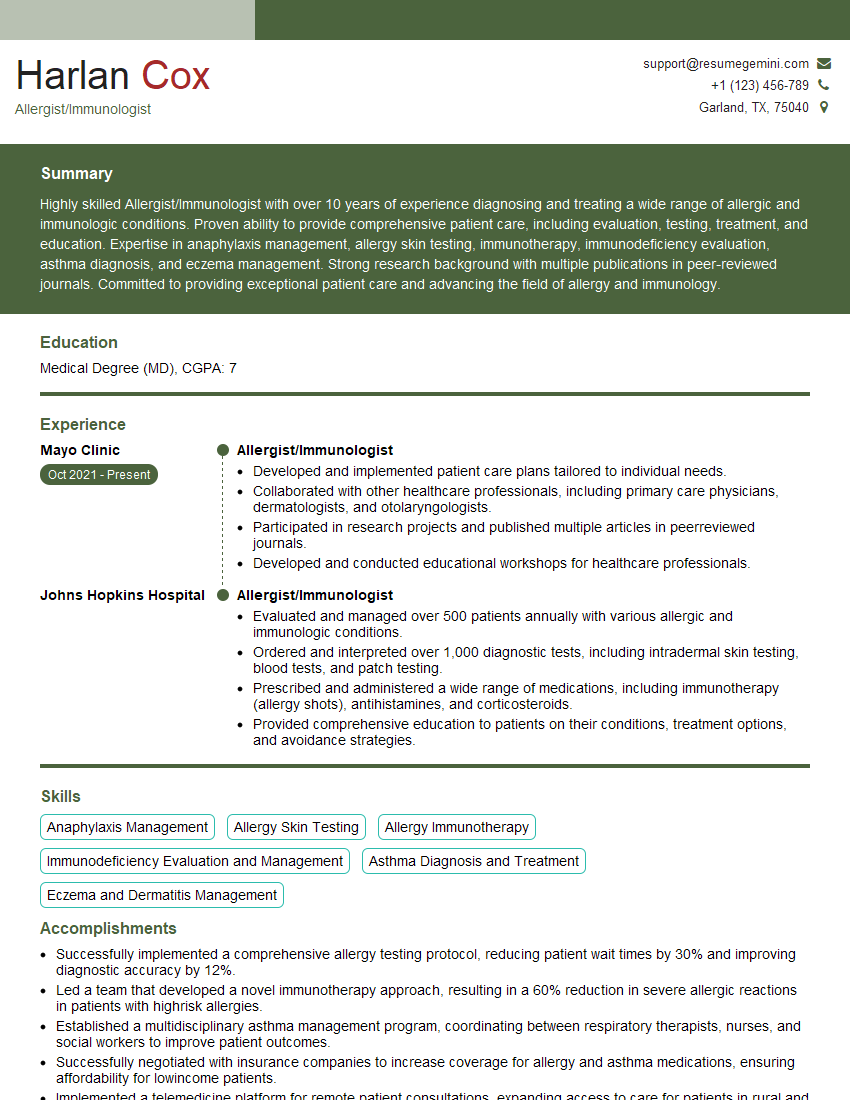
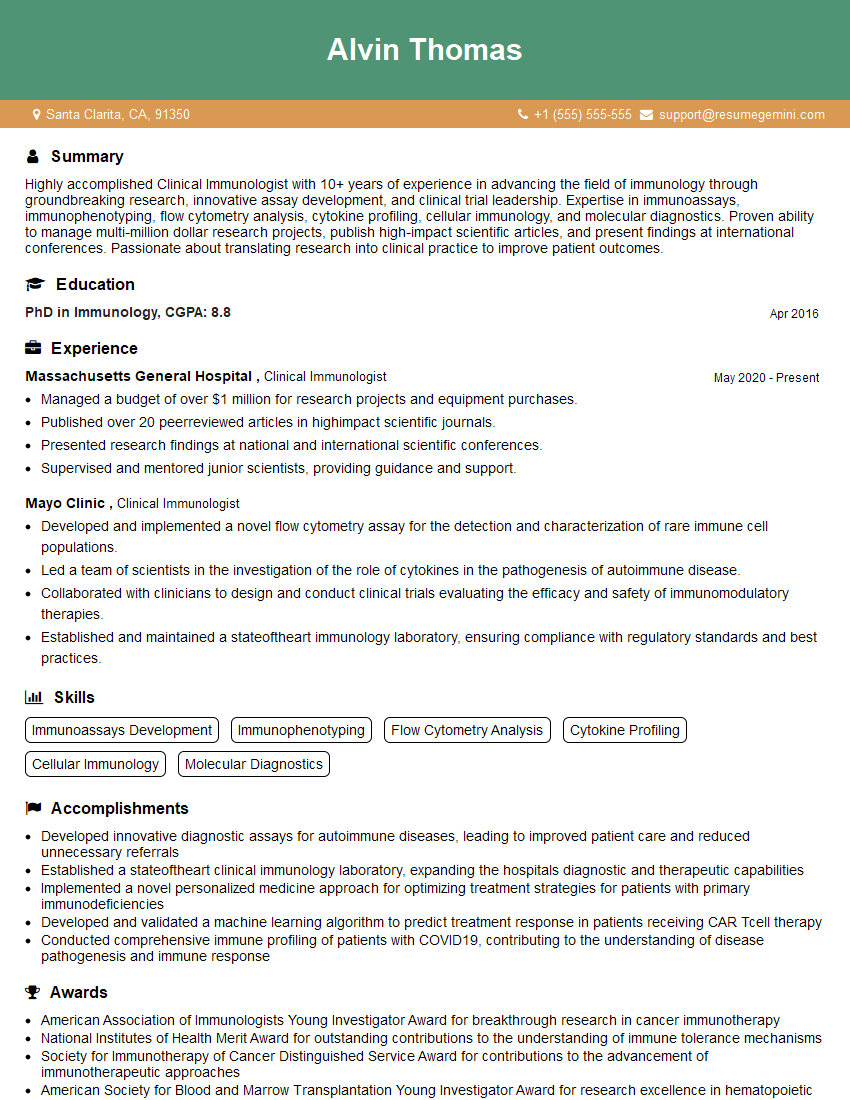
Mastering Pediatric Allergy Management is crucial for career advancement, opening doors to specialized roles and leadership opportunities within the field. A strong, ATS-friendly resume is essential for maximizing your job prospects. To create a compelling and effective resume that highlights your skills and experience in Pediatric Allergy Management, we encourage you to leverage ResumeGemini. ResumeGemini provides a user-friendly platform and expert guidance to craft a professional document that gets noticed. Examples of resumes tailored to Pediatric Allergy Management are available to help you build yours.
Explore more articles
Users Rating of Our Blogs
Share Your Experience
We value your feedback! Please rate our content and share your thoughts (optional).
What Readers Say About Our Blog
To the interviewgemini.com Webmaster.
Very helpful and content specific questions to help prepare me for my interview!
Thank you
To the interviewgemini.com Webmaster.
This was kind of a unique content I found around the specialized skills. Very helpful questions and good detailed answers.
Very Helpful blog, thank you Interviewgemini team.