Cracking a skill-specific interview, like one for Water Quality Monitoring and Reporting, requires understanding the nuances of the role. In this blog, we present the questions you’re most likely to encounter, along with insights into how to answer them effectively. Let’s ensure you’re ready to make a strong impression.
Questions Asked in Water Quality Monitoring and Reporting Interview
Q 1. Explain the different types of water quality parameters and their significance.
Water quality parameters are the various chemical, physical, and biological characteristics used to assess the overall health and suitability of water. Understanding these parameters is crucial for protecting human health and aquatic ecosystems.
- Physical Parameters: These describe the water’s physical properties. Examples include temperature (affects dissolved oxygen levels and species survival), turbidity (measures water clarity, indicating suspended solids), and color (can signify the presence of organic matter or pollutants).
- Chemical Parameters: These focus on the chemical composition of the water. Key examples are pH (acidity/alkalinity, crucial for aquatic life), dissolved oxygen (essential for aquatic respiration), nutrients like nitrates and phosphates (excess can cause eutrophication and algal blooms), and heavy metals (e.g., lead, mercury, cadmium – toxic even at low concentrations). We also look at salinity, alkalinity, and the presence of specific organic chemicals like pesticides or pharmaceuticals.
- Biological Parameters: These assess the presence and abundance of living organisms in the water. Examples include fecal coliform bacteria (indicators of sewage contamination), algae species (can indicate nutrient levels), and the presence of specific indicator species that thrive or are sensitive to certain pollutants. The diversity of these organisms is also very important.
The significance of each parameter varies depending on the intended use of the water (drinking, irrigation, recreation) and the specific ecosystem under consideration. For example, high levels of fecal coliform in a recreational water body pose a significant health risk, while elevated nitrate levels in drinking water can cause methemoglobinemia in infants.
Q 2. Describe the process of collecting and preserving water samples for analysis.
Proper sample collection and preservation are critical for obtaining accurate and reliable water quality data. A poorly collected or preserved sample can lead to significant errors in the analysis.
- Sample Selection: The location and depth of sampling are crucial and depend on the study objectives. For example, collecting samples near a potential pollution source will yield different results than samples from the center of a large lake.
- Sample Collection: Use appropriate sampling equipment, such as sterile bottles for bacteriological analysis, and avoid contaminating the sample with anything from the outside environment (e.g. the sampler’s hands or the surface of the sample bottle).
- Preservation: Preservation methods vary depending on the parameter being analyzed. For example:
- For dissolved oxygen: Samples are usually fixed immediately in the field using chemical fixatives to prevent oxygen loss.
- For nutrients: Samples may require acidification to prevent nutrient changes.
- For bacteria: Samples are kept on ice and transported to the lab as quickly as possible for immediate analysis.
- Chain of Custody: Maintaining a detailed chain of custody is essential to track the sample from collection to analysis, ensuring its integrity and preventing sample mix-ups. This usually includes signed documentation at each step.
- Sample Labeling: Samples must be clearly labeled with the date, time, location, and any other relevant information.
Imagine collecting a water sample to test for bacteria. If the bottle isn’t sterile, you will get false positive results, leading to incorrect conclusions and potentially unnecessary actions.
Q 3. What are the common methods used for water quality analysis in a laboratory setting?
Water quality analysis in a laboratory uses a variety of sophisticated methods. The specific methods employed depend on the parameters being analyzed.
- Titration: This classic method is used to determine the concentration of specific substances, such as acidity (pH) or alkalinity.
- Spectrophotometry: This technique measures the absorption or transmission of light through a water sample, allowing us to quantify substances like nitrates, phosphates, or chlorophyll.
- Chromatography (e.g., Gas Chromatography-Mass Spectrometry (GC-MS), High-Performance Liquid Chromatography (HPLC)): These separate and identify individual compounds in a complex mixture, which is incredibly helpful for detecting and quantifying organic pollutants like pesticides or pharmaceuticals.
- Electrochemical Methods: Techniques like ion-selective electrodes measure the concentration of specific ions (e.g., fluoride, chloride).
- Microscopy: Microscopy is vital for biological analysis, allowing the identification and enumeration of various microorganisms (e.g., algae, bacteria).
- Turbidity Meters and Sensors: These instruments directly measure the water’s cloudiness, providing an immediate indication of suspended solids.
- Dissolved Oxygen Meters: These meters directly measure the amount of oxygen dissolved in the water, a key indicator of water quality.
For example, to determine the level of lead contamination in a water sample, we might use Inductively Coupled Plasma Mass Spectrometry (ICP-MS), a highly sensitive technique for detecting trace metals.
Q 4. How do you ensure the accuracy and precision of water quality data?
Ensuring the accuracy and precision of water quality data relies on a multi-faceted approach encompassing both laboratory procedures and field techniques.
- Calibration and Maintenance of Equipment: All instruments must be regularly calibrated and maintained according to manufacturer’s specifications. This ensures that readings are accurate and consistent.
- Use of Certified Reference Materials (CRMs): CRMs are samples with known concentrations of analytes. Analyzing CRMs alongside actual samples allows for verification of the accuracy of the analytical methods.
- Duplicate and Triplicate Samples: Analyzing duplicate or triplicate samples allows assessment of the precision of the methods and highlights any inconsistencies in the data.
- Blind Samples: Unlabeled samples of known composition are occasionally run to test the laboratory’s ability to correctly identify and quantify the constituents without bias.
- Method Blanks: These are samples containing all reagents, but no water, to detect any contamination introduced during sample preparation or analysis.
- Quality Control Charts: These charts track the performance of the analytical methods over time, allowing for early detection of trends indicating a potential problem with the equipment or methods.
Think of it like baking a cake. If your measuring cups and scales aren’t calibrated, the cake won’t turn out as expected. Similarly, without proper calibration and quality control, your water quality data will be unreliable.
Q 5. Explain the concept of Quality Assurance/Quality Control (QA/QC) in water quality monitoring.
Quality Assurance/Quality Control (QA/QC) is a systematic approach to ensure the reliability and validity of water quality data. It’s a crucial part of any water quality monitoring program. QA focuses on the overall process, ensuring it is designed to produce reliable results. QC focuses on the technical aspects of measurements and testing.
- QA encompasses: Defining clear objectives, selecting appropriate sampling locations and frequencies, employing standardized methods, properly training personnel, maintaining equipment, and documenting all procedures.
- QC encompasses: Performing regular instrument calibrations, analyzing duplicate and blind samples, using certified reference materials, and meticulously tracking data to detect errors or trends.
A robust QA/QC program minimizes errors, increases the confidence in the data, and ensures that the results accurately reflect the actual water quality conditions. Without it, you risk making decisions based on inaccurate information, which could have serious consequences.
Q 6. Describe your experience with different water quality monitoring equipment.
My experience encompasses a wide range of water quality monitoring equipment, both field and laboratory based.
- Field Equipment: I’m proficient with various meters for measuring parameters such as pH, dissolved oxygen, conductivity, turbidity, and temperature. I have experience with multi-parameter probes that simultaneously measure several parameters, saving time and increasing efficiency. I’m also experienced with water samplers, including both manual and automated systems for collecting samples at various depths.
- Laboratory Equipment: I have extensive experience with laboratory-based analytical equipment including spectrophotometers, titrators, chromatographs (GC-MS, HPLC), and inductively coupled plasma mass spectrometry (ICP-MS). I’m familiar with operating and maintaining these instruments and interpreting the results.
For instance, during a recent project assessing the impact of agricultural runoff on a local river, I used a YSI multi-parameter probe to collect real-time data on multiple parameters in the field, and subsequently analyzed water samples in the lab using HPLC to determine pesticide concentrations.
Q 7. How do you interpret water quality data and identify potential pollution sources?
Interpreting water quality data involves more than just looking at individual numbers; it requires a holistic understanding of the data in context. Identifying pollution sources requires careful analysis and consideration of several factors.
- Data Analysis: Statistical analysis helps identify trends, outliers, and correlations between different parameters. For example, consistently elevated levels of nitrates and phosphates along with high turbidity could indicate agricultural runoff as a potential source.
- Spatial Analysis: Mapping data from multiple sampling locations can reveal spatial patterns and pinpoint potential pollution sources. For instance, high levels of a specific pollutant clustered around an industrial facility would strongly suggest that facility as a likely culprit.
- Temporal Analysis: Analyzing data collected over time can reveal seasonal variations and the impact of specific events. For example, a spike in fecal coliform levels after a heavy rainfall could indicate failing septic systems.
- Comparison with Standards: The data are compared with water quality standards and guidelines (e.g., drinking water standards, aquatic life criteria) to assess whether the water quality meets specific requirements.
- Source Identification: Combining the above approaches with knowledge of local land use, industrial activities, and hydrological conditions allows us to identify potential pollution sources. This could involve on-site investigations, interviews with local stakeholders, and further analysis.
Imagine finding high levels of a specific industrial chemical in a river. By examining the river’s flow and location of industrial sites, we can trace it back to its source, enabling targeted interventions.
Q 8. What are the common water quality standards and regulations you are familiar with?
Water quality standards and regulations are crucial for protecting public health and the environment. These regulations vary by location (national, state/provincial, and even local levels) but generally cover parameters like microbial contaminants (e.g., E. coli, coliforms), chemical contaminants (e.g., heavy metals like lead and mercury, pesticides, nutrients like nitrates and phosphates), and physical parameters (e.g., temperature, turbidity, pH).
I’m familiar with the US EPA’s Clean Water Act and its associated regulations, including the National Pollutant Discharge Elimination System (NPDES) permits. I also have experience with drinking water standards set forth by the EPA’s Safe Drinking Water Act. In addition, I’ve worked with various state-specific regulations, particularly those in California and Texas, focusing on parameters relevant to those regions, such as salinity in coastal waters or specific pesticide limits related to agricultural runoff.
These regulations often set maximum contaminant levels (MCLs) or water quality criteria (WQC) that must be met. Understanding these legal frameworks is fundamental to conducting effective monitoring and reporting activities.
Q 9. Explain your experience with water quality modeling and simulation.
Water quality modeling and simulation are essential for understanding complex hydrological systems and predicting the impact of various stressors. My experience includes using both deterministic and stochastic models. I’ve worked with models such as QUAL2K (a widely used one-dimensional water quality model) and SWAT (Soil and Water Assessment Tool) for simulating pollutant transport in rivers and streams.
For example, in one project, we used QUAL2K to simulate the impact of a proposed wastewater treatment plant discharge on downstream water quality. The model helped us assess the potential changes in dissolved oxygen, nutrient concentrations, and other parameters. This allowed us to optimize the plant’s design and ensure compliance with water quality standards. In another project involving SWAT, we explored the impact of land use changes on water quality in a large watershed, demonstrating the value of predictive modeling in identifying vulnerable areas and informing management strategies.
My work also includes calibrating and validating these models using field data. This is a critical step to ensure the model accurately reflects the real-world system and generates reliable predictions. We use statistical methods and performance metrics such as R2 and Nash-Sutcliffe efficiency to evaluate model performance.
Q 10. How do you handle discrepancies or outliers in water quality data?
Discrepancies and outliers in water quality data are common occurrences and require careful investigation. My approach involves a multi-step process:
- Data Validation: First, I verify the data for errors, such as typos or equipment malfunctions. This often involves checking field logs and instrument calibration records.
- Outlier Detection: Statistical methods, such as box plots and z-scores, are used to identify potential outliers. This helps pinpoint data points that are significantly different from the rest.
- Root Cause Analysis: Once outliers are identified, I investigate the potential causes. This might involve re-examining the sampling procedures, reviewing QA/QC documentation, or even conducting follow-up sampling. Possible causes could be contamination, instrument error, or a true, yet unusual, event.
- Data Correction/Removal: Depending on the cause and severity of the outlier, I may correct the data (if a clear error is identified) or remove it from the dataset (if the cause is unknown and the data point is significantly impacting the overall analysis). Justification for all decisions is meticulously documented.
- Data Imputation (Careful Consideration): In certain situations, if data is missing, imputation techniques may be used to estimate missing values, but this should always be done cautiously and appropriately documented. Simple imputation methods, such as replacing missing values with the mean or median, should only be considered if appropriate for the dataset and with clear justification. More advanced methods are often preferred and necessitate expertise.
Transparency in handling outliers is paramount, and decisions regarding correction or removal are clearly documented in the final report. It is essential to maintain data integrity and avoid biases in the final results.
Q 11. Describe your experience with GIS software and its application in water quality management.
Geographic Information Systems (GIS) software is an indispensable tool for managing and visualizing water quality data. My experience spans various GIS platforms including ArcGIS and QGIS. I utilize GIS for tasks such as:
- Spatial Data Management: GIS allows for the efficient storage, retrieval, and analysis of spatial data, such as water body locations, sampling points, and pollution sources.
- Data Visualization: I use GIS to create maps showing water quality parameters (e.g., concentrations of pollutants) spatially distributed across a study area. This helps visualize patterns and trends that might not be apparent from tabular data alone. Color-coded maps, contour plots, and other visual aids enhance the communication of results.
- Spatial Analysis: GIS facilitates various spatial analyses, such as proximity analysis (e.g., identifying areas near pollution sources), overlay analysis (e.g., combining water quality data with land use data to identify relationships), and interpolation (e.g., estimating water quality at unsampled locations).
- Modeling Integration: GIS can be coupled with water quality models to create more comprehensive and realistic simulations. For example, GIS can be used to define model boundaries and input spatial data into the model.
A recent project involved using GIS to identify areas with high nutrient concentrations in a lake, which helped to pinpoint potential pollution sources and inform targeted remediation efforts. The visual representation of the data proved particularly effective in communicating findings to stakeholders.
Q 12. How do you communicate complex water quality information to non-technical audiences?
Communicating complex water quality information to non-technical audiences requires simplifying technical language and using visual aids. My strategies include:
- Plain Language: I avoid jargon and technical terms, or I define them clearly when necessary. I use analogies and metaphors to explain abstract concepts. For example, I might compare the concentration of a pollutant to the amount of sugar in a cup of tea.
- Visualizations: I use charts, graphs, maps, and infographics to convey information visually. These visual aids make data more accessible and easier to understand.
- Storytelling: I weave the data into a narrative, making it more engaging and relatable. This helps to make the information more memorable and impactful.
- Interactive Elements: When appropriate, I incorporate interactive elements like online maps or dashboards to allow audiences to explore the data themselves. This increases engagement and understanding.
- Tailoring the Message: I always consider my audience’s background and level of understanding when preparing my communication. I adapt my approach to the specific audience’s needs.
For example, when explaining water quality data to community members, I would focus on the implications for their health and well-being, rather than the intricacies of the analytical methods used.
Q 13. What are the challenges associated with long-term water quality monitoring programs?
Long-term water quality monitoring programs face several challenges:
- Data Consistency: Maintaining consistent data quality over extended periods requires meticulous attention to detail in sampling, analysis, and data management. Changes in instrumentation, methodologies, or personnel can affect data comparability.
- Funding: Securing sustained funding for long-term monitoring is often difficult. Funding agencies may prioritize short-term projects with easily demonstrable outcomes.
- Data Management: Managing large datasets over many years requires robust data management systems and archiving strategies. Data loss or corruption can significantly impact the long-term value of the program.
- Environmental Changes: Climate change and other environmental alterations can introduce unforeseen challenges and make long-term trends difficult to interpret. Changes in land use and development also affect the overall water quality.
- Technological Advancements: Keeping up with advances in monitoring technologies and analytical methods is essential to ensure that the monitoring program remains effective and efficient. This requires continuous training and investment.
Addressing these challenges requires careful planning, effective data management, secure funding, and a commitment to maintaining data quality over the long term. Collaboration among different stakeholders is also crucial.
Q 14. Describe your experience with data analysis software (e.g., R, Python, Excel).
I’m proficient in several data analysis software packages. My experience includes:
- R: I use R for statistical analysis, data visualization (using packages like ggplot2), and for developing custom scripts for data processing and analysis.
# Example R code for calculating mean: mean(data$parameter) - Python: I use Python (often with libraries like Pandas and NumPy) for data manipulation, analysis, and creating automated workflows.
# Example Python code for calculating mean: data['parameter'].mean() - Excel: While Excel has limitations for large datasets, it’s still useful for basic data management, data visualization, and initial exploration. I can use pivot tables and other functionalities for summarizing and analyzing smaller datasets.
My choice of software depends on the specific task and the size of the dataset. For instance, I prefer R or Python for large-scale analyses or custom statistical modelling, while Excel is more suitable for quick summaries and presentations of smaller datasets. The ability to switch between these tools enhances my efficiency and capability in data management.
Q 15. How do you ensure the security and confidentiality of water quality data?
Data security and confidentiality are paramount in water quality monitoring. We employ a multi-layered approach, starting with secure data collection methods. This involves using encrypted devices for field data logging and employing secure protocols for data transmission to central databases. Access to these databases is strictly controlled through role-based access control (RBAC), ensuring only authorized personnel have access to specific data sets. Data is regularly backed up to redundant systems in secure offsite locations to prevent data loss from system failures or disasters. Finally, we adhere to strict data anonymization protocols when sharing data publicly, removing any personally identifiable information to protect individual privacy.
For example, in a recent project involving a sensitive watershed, we utilized end-to-end encryption for all data transmitted from our field sensors to our cloud storage platform. This prevented unauthorized access to the data, even if a network breach were to occur.
Career Expert Tips:
- Ace those interviews! Prepare effectively by reviewing the Top 50 Most Common Interview Questions on ResumeGemini.
- Navigate your job search with confidence! Explore a wide range of Career Tips on ResumeGemini. Learn about common challenges and recommendations to overcome them.
- Craft the perfect resume! Master the Art of Resume Writing with ResumeGemini’s guide. Showcase your unique qualifications and achievements effectively.
- Don’t miss out on holiday savings! Build your dream resume with ResumeGemini’s ATS optimized templates.
Q 16. Explain your experience with report writing and data presentation.
I have extensive experience in report writing and data presentation, having prepared numerous reports for regulatory agencies, stakeholders, and internal audiences. My reports are meticulously structured, incorporating clear and concise summaries, detailed methodology sections, comprehensive data analysis, and visually appealing charts and graphs. I use a variety of data visualization tools, including ArcGIS, Tableau, and Power BI, to create dynamic and insightful reports. I tailor my presentation style to the specific audience and the nature of the findings, using simple language for non-technical audiences and more detailed technical information for experts. I always prioritize clarity and accuracy, ensuring the data is presented in a way that is easily understood and supports the conclusions drawn.
For instance, in a report for a municipality on the impact of agricultural runoff, I utilized interactive maps to visually represent pollutant concentrations and their correlation with land use patterns. This made it easy for stakeholders to understand the complex data and appreciate the scale of the pollution problem.
Q 17. How do you stay up-to-date on the latest advancements in water quality monitoring and technology?
Staying current in this rapidly evolving field requires a proactive approach. I regularly attend conferences, such as those hosted by the American Water Works Association (AWWA) and the Water Environment Federation (WEF), to learn about the latest technologies and research. I actively participate in professional organizations like these to network with other professionals and stay abreast of best practices. I subscribe to key scientific journals, like Environmental Science & Technology and Water Research, and follow influential researchers and institutions on social media platforms. Furthermore, I actively seek out continuing education opportunities to update my certifications and refine my skills in specific areas, such as advanced data analytics or new sensor technologies.
Recently, I completed a course on the application of machine learning in water quality prediction, which has greatly enhanced my ability to analyze and interpret complex datasets.
Q 18. Describe your experience with different types of water bodies (e.g., rivers, lakes, oceans).
My experience encompasses a wide range of water bodies. I’ve conducted monitoring programs in rivers, lakes, estuaries, and coastal ocean environments. Each water body presents unique challenges and requires tailored approaches. For instance, river monitoring might focus on flow rates and sediment transport in addition to water quality parameters, while lake monitoring needs to account for stratification and the impact of watershed inputs. Coastal ocean monitoring involves considerations of tidal influences and saltwater intrusion. I have experience adapting sampling techniques and data analysis methods to match the specific characteristics of each environment, accounting for factors such as depth, salinity, and flow patterns.
One project involved assessing the health of a large lake impacted by agricultural runoff. We implemented a comprehensive monitoring program using a combination of in-situ sensors, discrete sampling, and remote sensing techniques to accurately assess water quality across the entire lake.
Q 19. What are the ethical considerations in water quality monitoring and reporting?
Ethical considerations are central to water quality monitoring and reporting. Transparency and objectivity are crucial. Data should be collected and analyzed using scientifically sound methods and should be reported honestly, without bias or manipulation. Conflicts of interest must be declared and managed appropriately to maintain public trust. The potential impacts of data reporting on communities and the environment need careful consideration. Protecting the confidentiality of data is vital, particularly when it relates to sensitive ecosystems or individual health. Furthermore, it’s essential to ensure equitable access to water quality information for all stakeholders.
For example, if I identify a potential source of pollution that could harm a vulnerable community, I have an ethical obligation to report my findings truthfully and work to ensure that the necessary remediation steps are taken.
Q 20. How do you deal with conflicting data from different sources?
Conflicting data from different sources is a common challenge. Resolving these discrepancies requires a systematic approach. I begin by meticulously evaluating the quality and reliability of each data source, considering factors such as the sampling methods employed, the precision of the instruments used, and the potential for errors or biases. I look for patterns and inconsistencies in the data to help identify outliers or potential sources of error. Statistical analysis, such as outlier detection and hypothesis testing, may be used to identify and address anomalies. When discrepancies persist, I often work to trace them back to their sources and, if necessary, collect additional data to resolve the inconsistencies. Collaboration with other experts or data providers may also be necessary to reach a consensus.
In one instance, we encountered conflicting data on nutrient levels in a river from two different monitoring programs. After a thorough investigation, we discovered that one program was using outdated methods, leading to inaccurate measurements. By using more reliable data and incorporating a statistical analysis, we could resolve the conflict and present a more accurate assessment of the river’s nutrient status.
Q 21. Describe your experience with regulatory compliance related to water quality.
I possess extensive experience with regulatory compliance related to water quality. I am familiar with various federal, state, and local regulations, including the Clean Water Act, the Safe Drinking Water Act, and specific discharge permits. I am proficient in interpreting these regulations and ensuring that our monitoring programs and reports comply with all applicable standards. This involves proper sampling and analysis methodologies, adhering to reporting deadlines, and maintaining meticulous records. I am adept at navigating complex permit requirements, preparing comprehensive compliance reports, and addressing any potential non-compliance issues promptly and effectively.
For example, I assisted a manufacturing plant in complying with their discharge permit by implementing a comprehensive water quality monitoring program that adhered to the stipulated parameters and frequencies. This involved training their staff on proper sampling procedures and developing a robust data management system to meet regulatory reporting requirements.
Q 22. How do you prioritize tasks and manage multiple projects in water quality monitoring?
Prioritizing tasks and managing multiple water quality monitoring projects requires a structured approach. I typically utilize project management methodologies like Agile or Kanban to visualize workflows and track progress. This involves breaking down large projects into smaller, manageable tasks, assigning deadlines, and allocating resources effectively. I also employ prioritization matrices, such as a MoSCoW method (Must have, Should have, Could have, Won’t have), to rank tasks based on their urgency and importance. For example, if we have a project focused on monitoring a drinking water source and another on a recreational lake, the drinking water project would naturally take precedence due to public health implications. Regular review meetings, utilizing tools like Gantt charts or project management software, are crucial for monitoring progress, identifying potential bottlenecks, and adapting to changing priorities.
In addition to formal methods, effective communication and collaboration with team members is paramount. Regular check-ins, clear task assignments and open communication channels are crucial for preventing project delays and ensuring everyone understands the priorities.
Q 23. Explain your experience with risk assessment related to water quality.
Risk assessment in water quality is critical to prevent environmental damage and protect public health. My experience involves conducting both qualitative and quantitative risk assessments. Qualitative assessments involve identifying potential hazards – like contamination from industrial discharge or agricultural runoff – and evaluating their likelihood and potential impact using expert judgment. Quantitative assessments, on the other hand, use numerical data to estimate the probability and consequences of these hazards. This may involve using statistical modeling, based on historical data, to predict the frequency and magnitude of contamination events.
For example, in one project, we conducted a risk assessment for a coastal area susceptible to algal blooms. We used historical data on nutrient levels, water temperature, and bloom occurrence to build a model predicting the probability of harmful algal blooms under different scenarios. This allowed us to identify critical control points for nutrient management and recommend monitoring strategies to mitigate the risks associated with these blooms.
Q 24. What are the limitations of different water quality monitoring methods?
Different water quality monitoring methods each have limitations. For instance, in-situ sensors provide real-time data, but they can be expensive, require regular calibration and maintenance, and may be susceptible to fouling or damage. Grab sampling, while relatively inexpensive, provides only a snapshot in time and might not represent the overall water quality accurately if sampling isn’t properly done. Laboratory analysis offers high accuracy and precision for a wide range of parameters, but it is time-consuming and expensive. Remote sensing techniques like satellite imagery can cover vast areas but have lower spatial and temporal resolution compared to in-situ measurements and are affected by weather conditions.
Choosing the right method depends on several factors, including the specific parameters being monitored, the budget, the required accuracy, and the temporal and spatial scale of the investigation. Often, a combination of methods is used to provide a more comprehensive picture of water quality.
Q 25. How do you troubleshoot problems with water quality monitoring equipment?
Troubleshooting water quality monitoring equipment involves a systematic approach. First, I always check the obvious – is the equipment properly powered? Are there any visible signs of damage? Then, I review the operational logs and error messages for clues. Many modern instruments provide detailed diagnostic information. If the issue persists, I check the calibration of the sensors and the accuracy of the data logging system. Sometimes, the problem isn’t with the equipment itself, but with the surrounding environment – for example, biofouling on sensors, or interference from other equipment.
I often use a flow chart to guide the troubleshooting process. For example, if a sensor is reading unexpectedly high or low values, I’d first check its calibration. If the calibration is fine, I’d investigate potential sources of contamination or interference. If the problem remains unresolved, contacting the equipment manufacturer for technical support is a crucial step.
Q 26. Describe your experience with developing and implementing water quality monitoring plans.
Developing and implementing water quality monitoring plans requires careful consideration of several factors. First, you need to define the objectives – what specific water quality parameters need to be monitored, and what are the intended uses of the data (e.g., compliance monitoring, ecological assessment, public health protection)? Next, we select appropriate monitoring locations, taking into account factors such as potential sources of pollution, hydrological conditions, and representative sampling points. Then, we determine the appropriate sampling frequency, method, and analytical techniques based on the specific parameters and objectives.
One project involved developing a monitoring plan for a river impacted by agricultural runoff. We identified key locations along the river based on land use and hydrological modeling. We then specified sampling frequencies, parameters to measure (nutrients, pesticides, pathogens), and the analytical methods to be used. The plan also included a robust quality assurance/quality control (QA/QC) program to ensure the reliability of the data. The final plan was submitted to regulatory agencies and stakeholders for approval.
Q 27. How do you ensure the sustainability of water quality monitoring programs?
Ensuring the sustainability of water quality monitoring programs involves several key strategies. First, it’s crucial to secure long-term funding. This often requires demonstrating the value of the program to stakeholders, highlighting its role in protecting public health, ensuring environmental compliance, and supporting informed decision-making. Second, developing robust data management systems is key. This involves archiving data securely, establishing clear data access protocols, and ensuring data quality through proper QA/QC procedures. Third, building capacity through training and education is essential. A well-trained workforce is crucial for the continued success of the monitoring program.
A successful approach I’ve used includes building partnerships with local communities and stakeholders, integrating monitoring data into broader environmental management initiatives, and fostering collaboration among different agencies and organizations involved in water management.
Q 28. Explain your experience with collaborating with other professionals in water quality management.
Collaboration is essential in water quality management. I have extensive experience working with various professionals, including hydrologists, biologists, chemists, engineers, and regulatory agencies. Effective collaboration involves clear communication, shared understanding of goals, and a willingness to integrate different perspectives and expertise. This often involves participating in interdisciplinary teams, attending workshops and conferences, and engaging in joint data analysis and interpretation.
For example, I worked on a project to assess the impact of a proposed dam on downstream water quality. This required collaboration with hydrologists to model the effects of the dam on river flow, biologists to assess the ecological implications, and engineers to evaluate the design features of the dam. Through this collaborative process, we were able to produce a comprehensive assessment that informed decision-making on the dam project.
Key Topics to Learn for Water Quality Monitoring and Reporting Interview
- Water Quality Parameters: Understanding key indicators like pH, turbidity, dissolved oxygen, temperature, nutrient levels (nitrogen, phosphorus), and the significance of each in different aquatic ecosystems. Consider the limitations and uncertainties associated with each measurement.
- Sampling Techniques and Protocols: Mastering various sampling methods (grab samples, composite samples, etc.), proper sample preservation and handling, and adherence to established quality assurance/quality control (QA/QC) procedures. Be prepared to discuss the importance of chain of custody.
- Analytical Methods: Familiarity with common laboratory techniques used for water quality analysis, including spectrophotometry, titrations, chromatography, and electrochemical methods. Understand the principles behind these techniques and their applications.
- Data Management and Analysis: Proficiency in organizing, analyzing, and interpreting water quality data using spreadsheets (Excel) and statistical software (e.g., R, SPSS). Be able to discuss data visualization and presentation techniques.
- Regulatory Compliance: Knowledge of relevant environmental regulations and permits related to water quality monitoring and reporting (e.g., Clean Water Act). Understand reporting requirements and deadlines.
- Problem-Solving and Troubleshooting: Ability to identify and troubleshoot issues related to sampling, analysis, and data interpretation. Be prepared to discuss examples where you’ve overcome challenges in water quality monitoring.
- Report Writing and Communication: Experience in preparing clear, concise, and accurate water quality reports for various audiences (technical and non-technical). Be able to discuss effective data presentation strategies.
- Emerging Technologies: Familiarity with new technologies used in water quality monitoring, such as remote sensing, automated monitoring systems, and advanced analytical techniques.
Next Steps
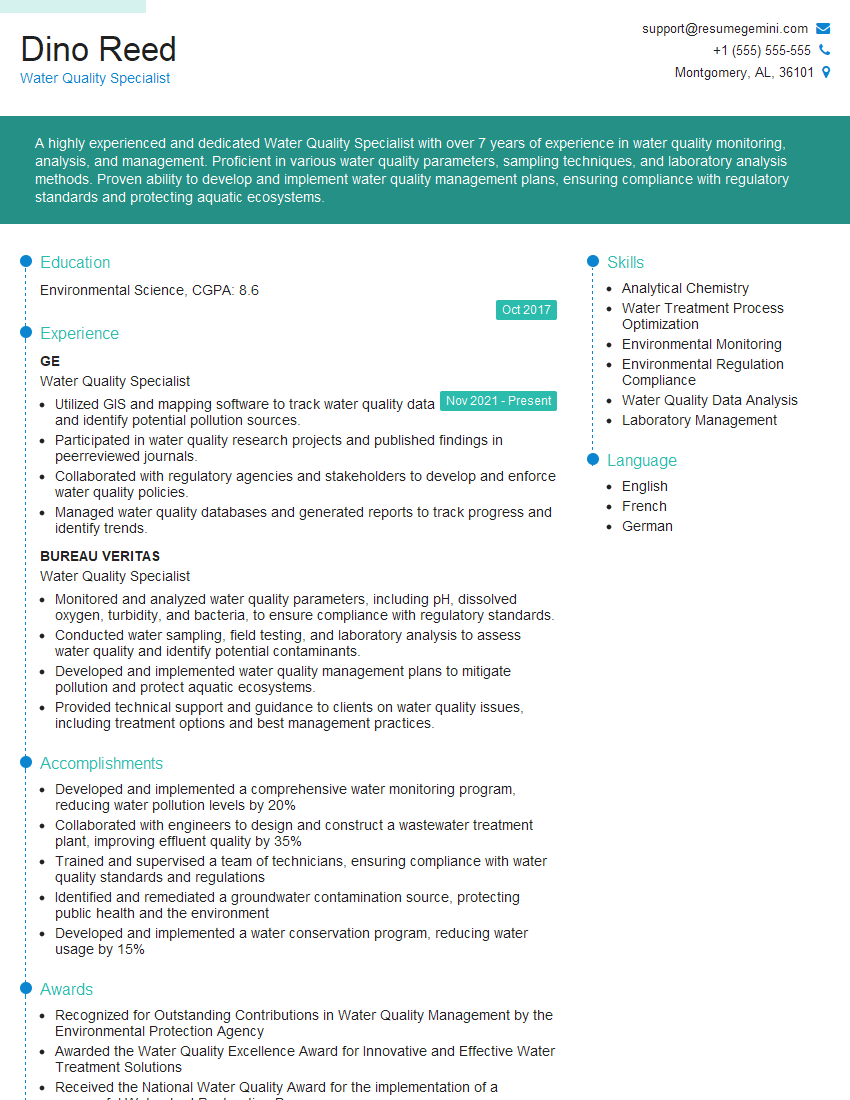
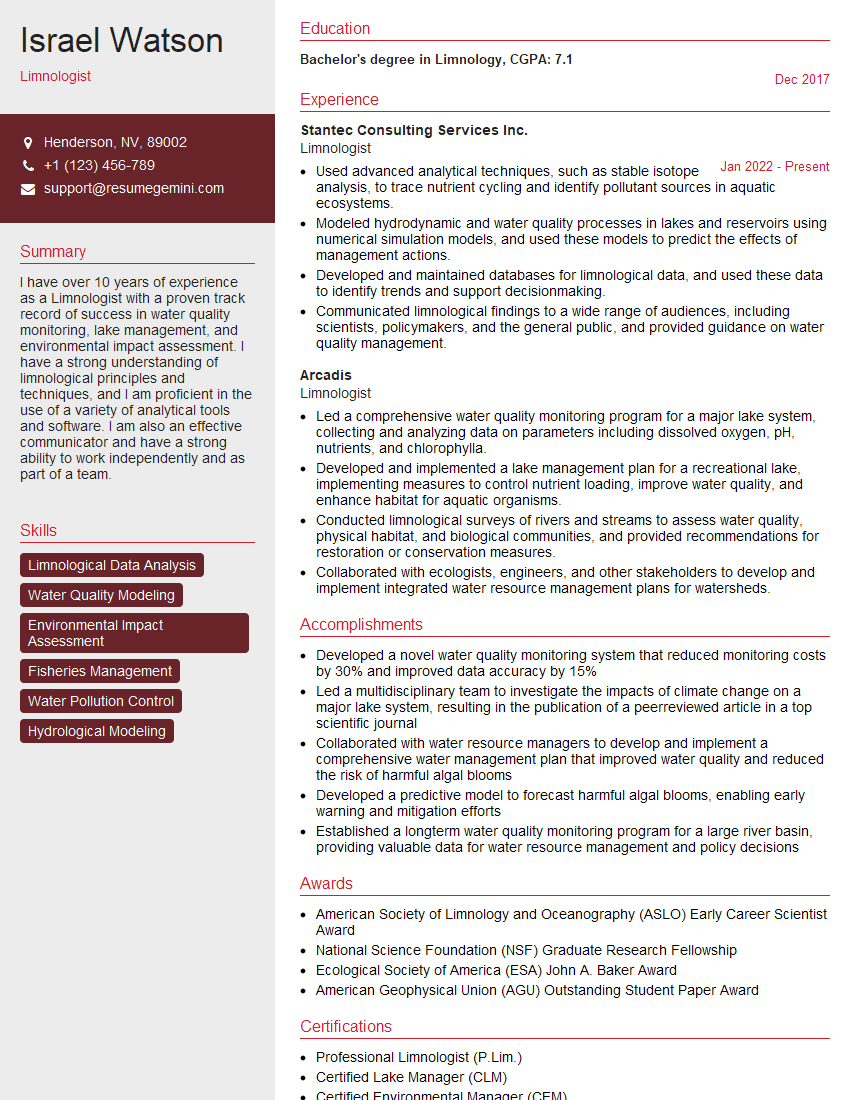
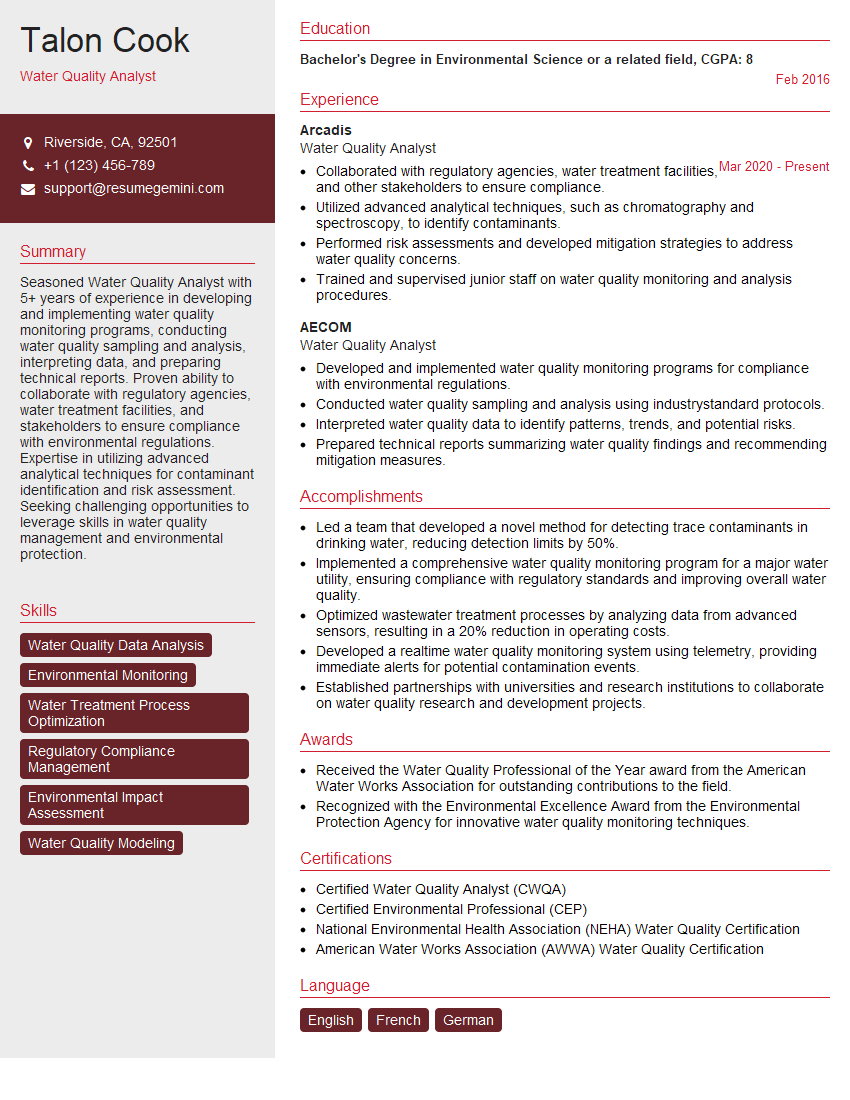
Mastering Water Quality Monitoring and Reporting opens doors to rewarding careers with significant impact on environmental protection and public health. To maximize your job prospects, invest time in creating an ATS-friendly resume that highlights your skills and experience effectively. ResumeGemini is a trusted resource to help you build a professional and impactful resume that stands out. Examples of resumes tailored to Water Quality Monitoring and Reporting are available to guide you through this process, showcasing how to best represent your qualifications to potential employers. Take advantage of these resources to elevate your job search and secure your dream role.
Explore more articles
Users Rating of Our Blogs
Share Your Experience
We value your feedback! Please rate our content and share your thoughts (optional).
What Readers Say About Our Blog
To the interviewgemini.com Webmaster.
Very helpful and content specific questions to help prepare me for my interview!
Thank you
To the interviewgemini.com Webmaster.
This was kind of a unique content I found around the specialized skills. Very helpful questions and good detailed answers.
Very Helpful blog, thank you Interviewgemini team.